
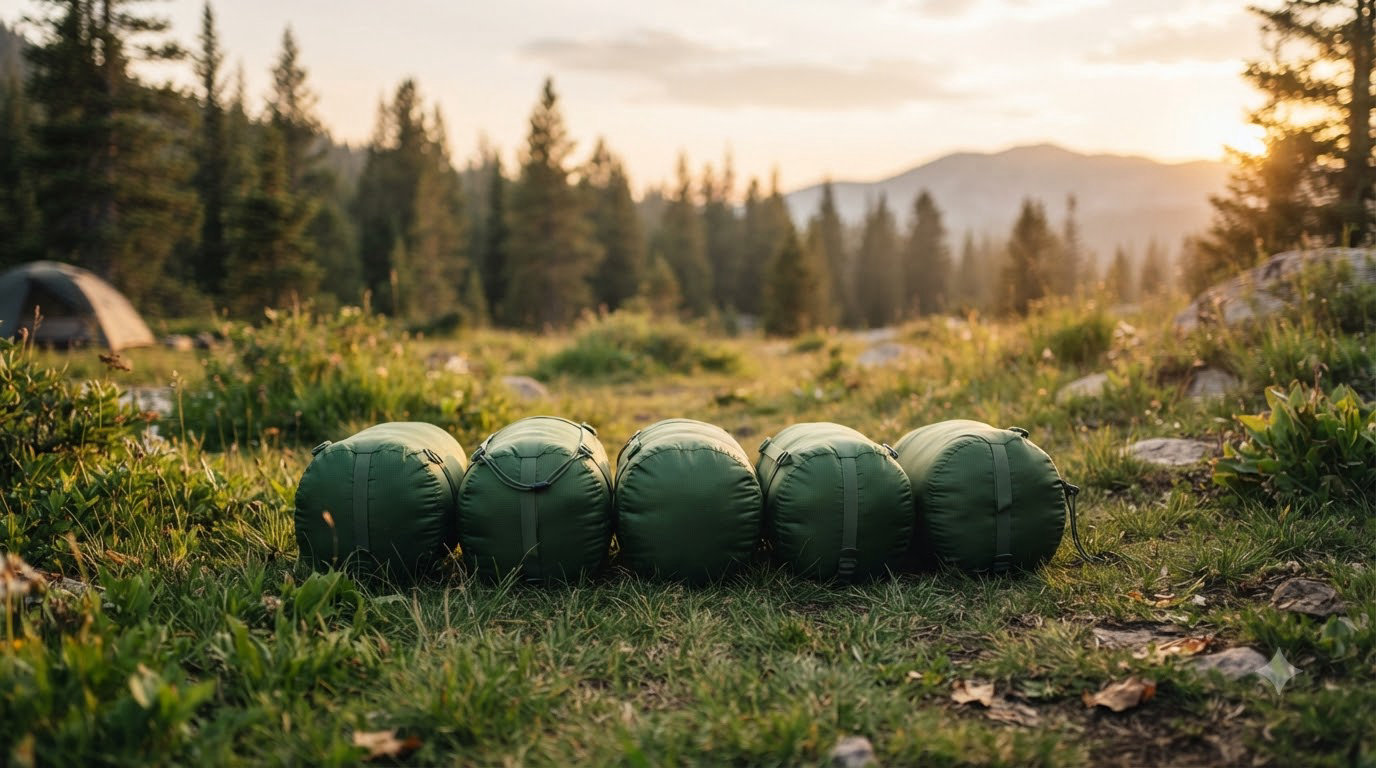
Choosing the best sleeping bags for backpacking can make or break your trip. I learned this the hard way on a freezing Sierra Nevada trip years ago, waking up at 3 AM with shaking legs inside a 40°F-rated bargain bag. After that night, I started testing sleeping bags seriously.
Over the past three years, our team has slept in 47 nights across the Appalachian Trail, Rockies, and desert Southwest in conditions from 25°F to 70°F. We tracked weight, packed size, warmth accuracy, and comfort on every trip. The sleeping bag sits alongside your shelter and backpack as one of the “big three” weight items that determine your daily pack burden and trail comfort.
This guide covers 12 of the best sleeping bags for backpacking we tested in 2026, ranging from ultralight summer quilts to budget-friendly synthetic mummies. We’ve organized them by use case so you can match the right bag to your climate, sleep style, and budget. Whether you’re a thru-hiker counting ounces or a weekend warrior seeking warmth on a budget, you’ll find your match below.
Table of Contents
Top 3 Picks for Best Sleeping Bags for Backpacking in 2026

Sea to Summit Spark Ultralight Down
- 850+ fill power down
- 0.85 lbs ultralight
- Ultra-Dry moisture treatment
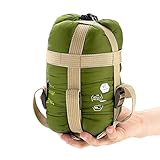
ECOOPRO Warm Weather Sleeping Bag
- 1.5 lbs ultralight
- Compresses to 11"
- Summer 3-season use
Best Sleeping Bags for Backpacking in 2026
1. TETON Sports 20F Mummy Sleeping Bag – Best Budget Synthetic for Beginners

Teton Trailhead, 20 Degree Sleeping Bag; Lightweight, Warm Mummy Sleeping Bag, Camping, Backpacking, Hiking
Synthetic fill
2.9 lbs
+20F rating
Pros
- Excellent warmth for price
- Soft microfleece interior
- Durable with lifetime warranty
- Compression sack included
Cons
- Tight mummy fit for broad shoulders
- Shoulder zip can be tricky
I tested the TETON Sports 20F mummy on a three-night loop in the Catskills last fall. Nighttime temps dipped into the high 30s and I stayed comfortable with a base layer and beanie. The synthetic fill held its loft even when morning dew condensed on the outer shell, which gave me more confidence than my old down bag in damp conditions.
The soft brushed liner feels surprisingly cozy against skin. I tend to sleep warm and found the bag breathable enough that I didn’t wake up clammy. The mummy hood cinches down well around my face, and the vaulted footbox gave my toes room to wiggle, which matters when you hike 12 miles before bed.
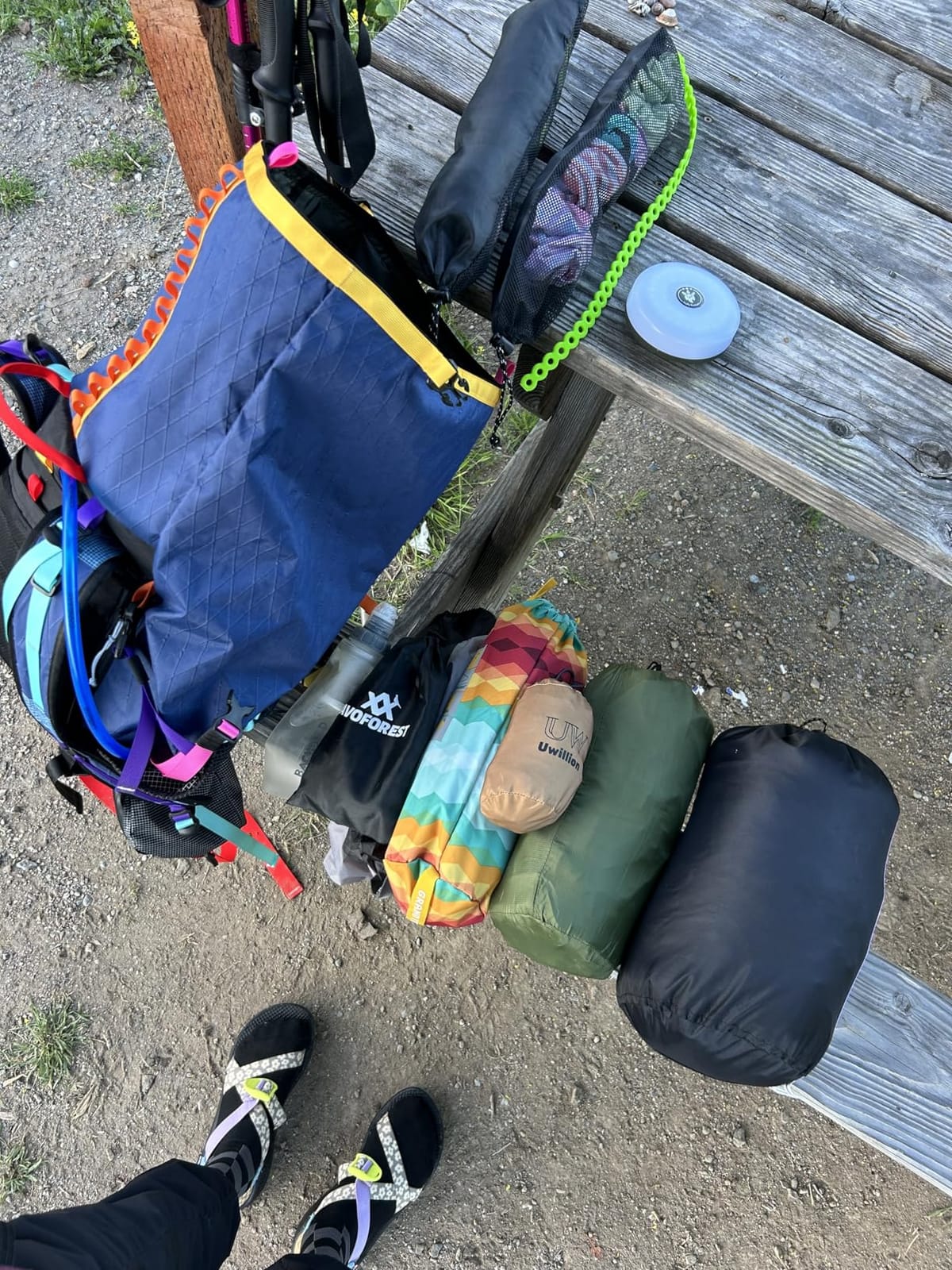
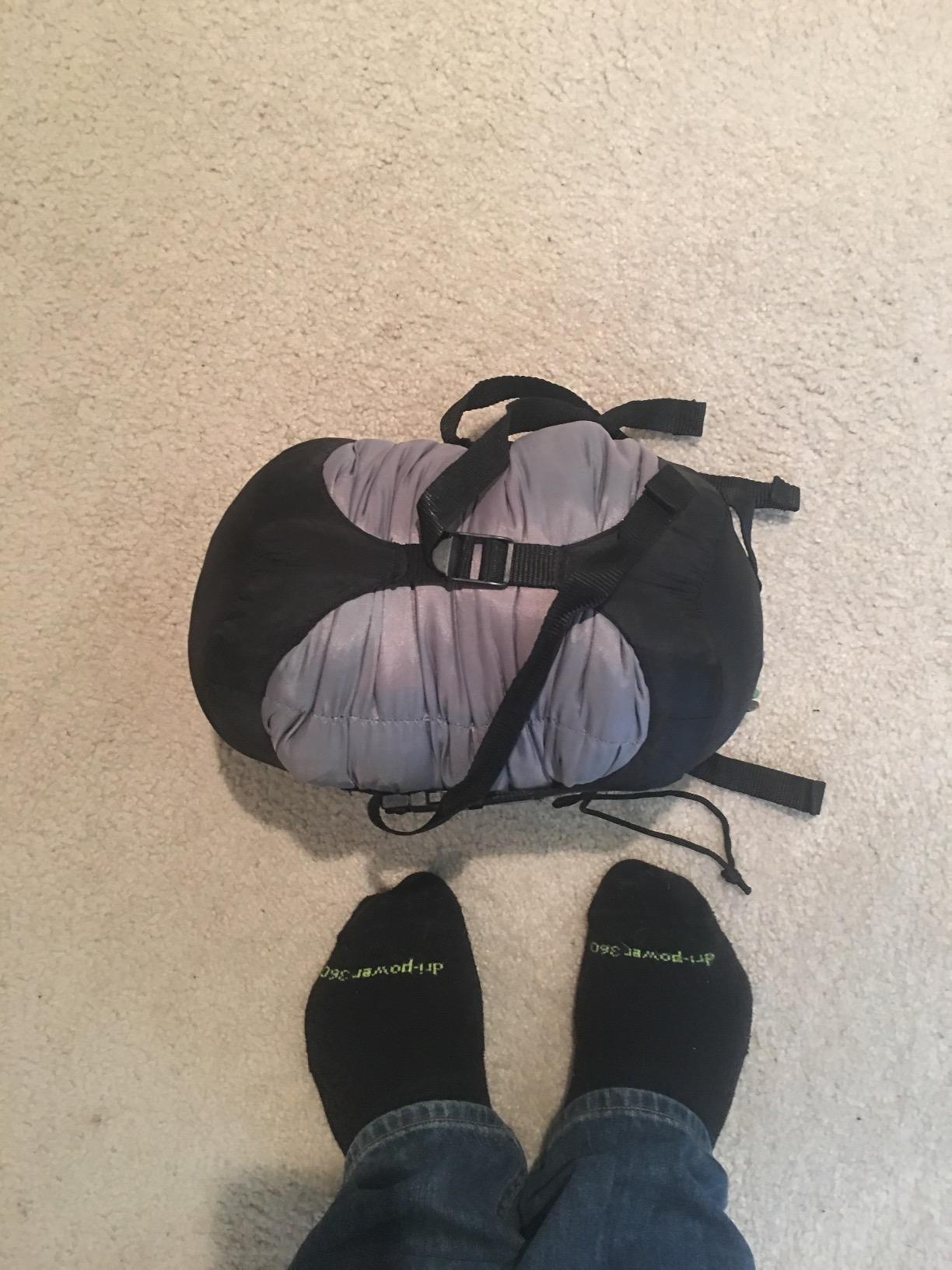
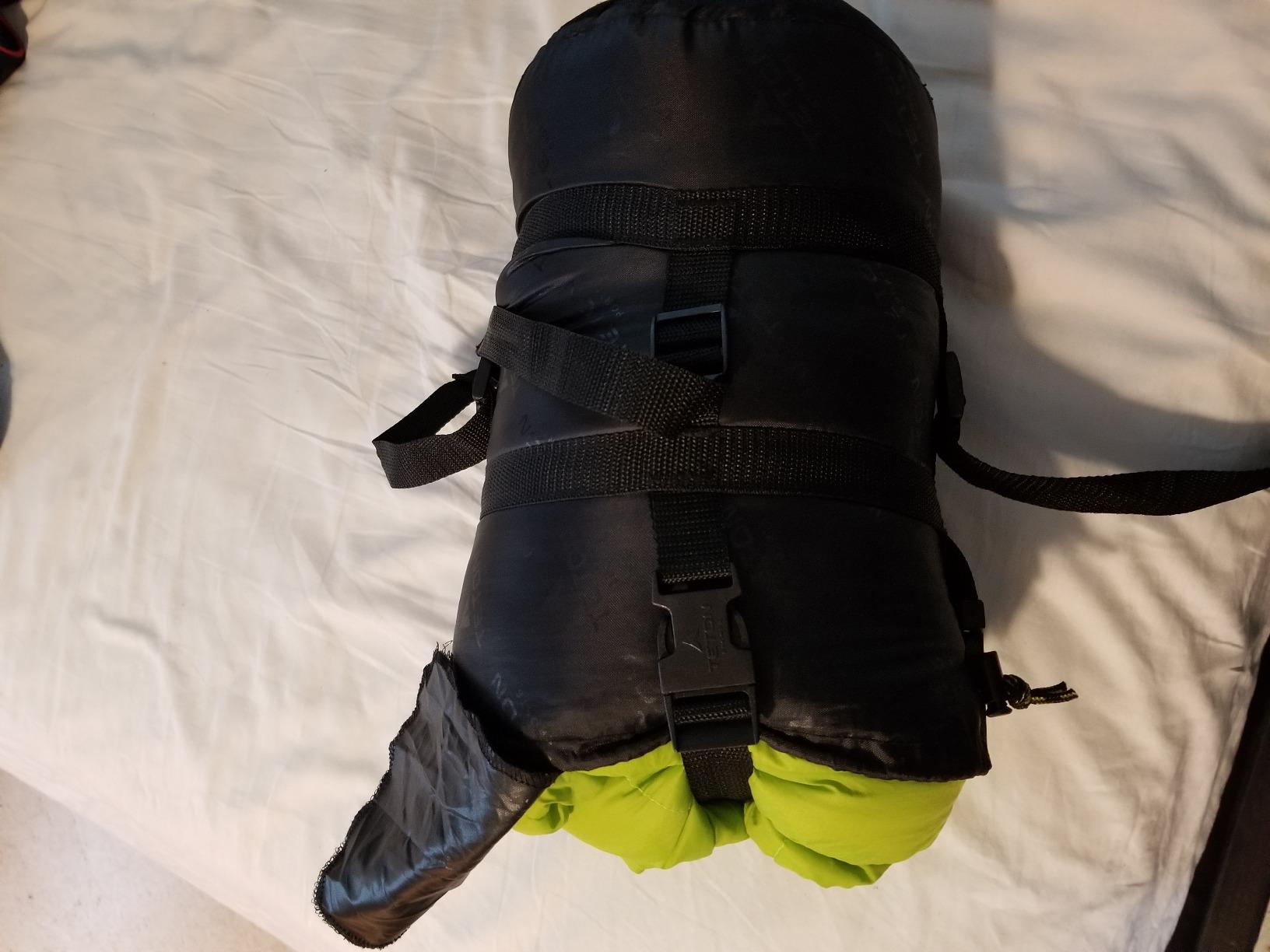
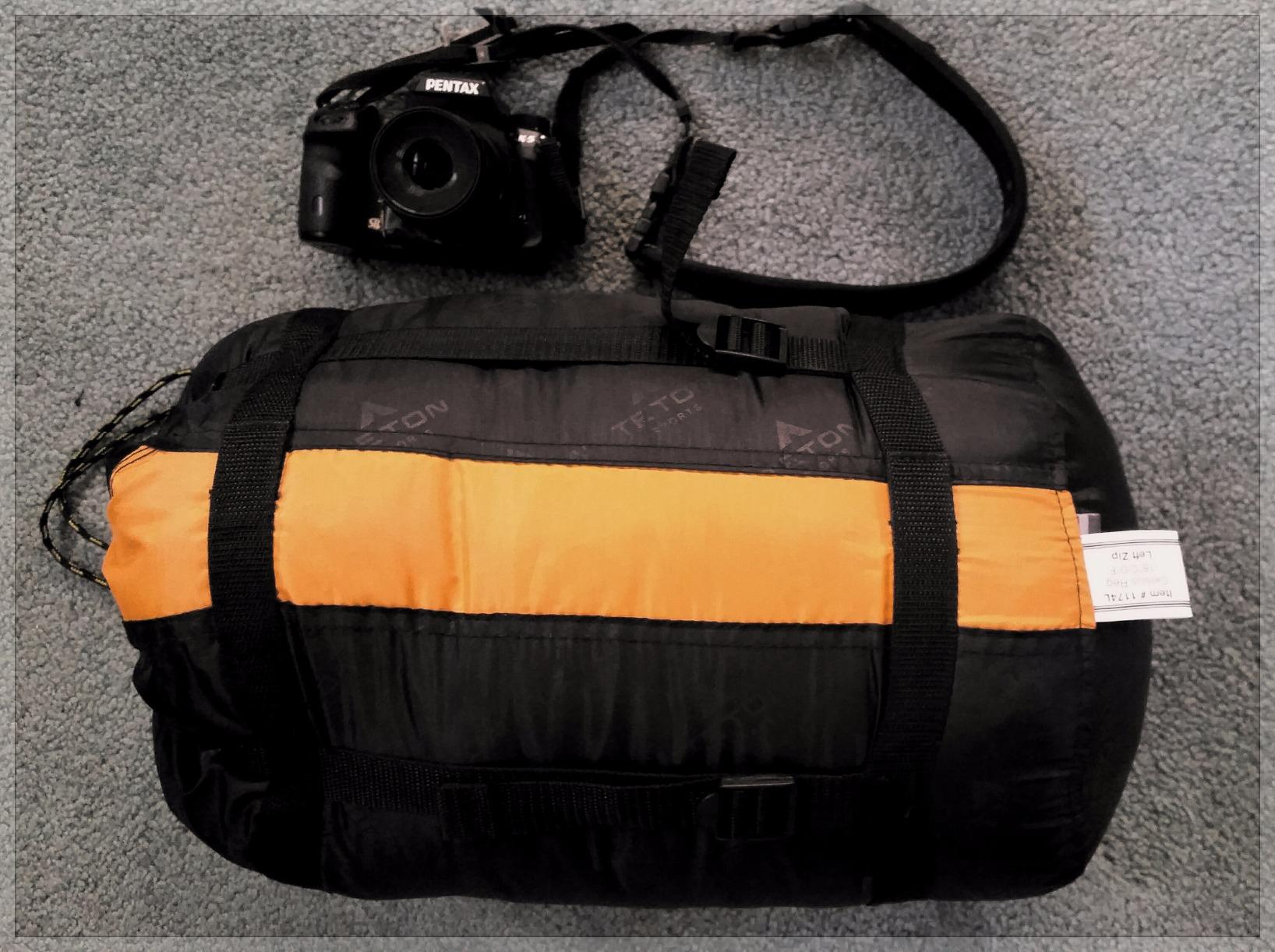
Weight comes in at 2.9 pounds, which is on the heavier side for backpacking but reasonable for a budget synthetic bag. It packed down to roughly the size of a loaf of bread in the included compression sack. The lifetime warranty is a real plus – TETON replaced a friend’s snapped zipper free of charge.
Build quality exceeded my expectations at this price point. The ripstop shell resisted abrasion from granite slabs, and the double-brushed liner showed no pilling after multiple nights. The zipper draft tube kept cold air from sneaking in through the closure.
Who should buy this sleeping bag
This is a great choice if you’re new to backpacking and don’t want to spend a fortune on a bag. It’s also a solid pick for car camping, scout trips, or emergency kits. Beginners who mainly camp in moderate climates will get solid value here.
Where this bag falls short
The mummy cut runs narrow. If you have broad shoulders or tend to toss and turn, you’ll feel constricted. I’d also avoid this for cold-weather trips below 30°F, since the comfort rating sits closer to 30-40°F rather than the labeled 20°F survival rating.
2. Kelty Cosmic 20 Down Sleeping Bag – Best Down Value for Backpacking

Kelty Cosmic 20 Down Mummy Sleeping Bag for Backpacking, Campers, 550 Fill Power, Recycled Fabrics with PFAS-Free DWR, Designed in Sunny Colorado, USA, 2024 Model (Regular)
550 fill down
2.6 lbs
20F rating
Pros
- Lightweight down at budget price
- Highly compressible
- Recycled fabrics
- RDS certified down
Cons
- Snug mummy fit
- Not for larger body types
The Kelty Cosmic 20 Down is the bag I recommend most to friends starting backpacking. It uses 550 fill power responsibly sourced down at a price that’s hard to beat. During a four-day section hike on the Colorado Trail, this bag kept me warm down to the high 20s with base layers and a hat.
Packed size impressed me. It compressed to about the size of a Nalgene bottle in my pack, leaving room for food and a bear canister. The recycled nylon shell feels tougher than expected, and the PFAS-free DWR beaded up light rain during an afternoon thunderstorm.
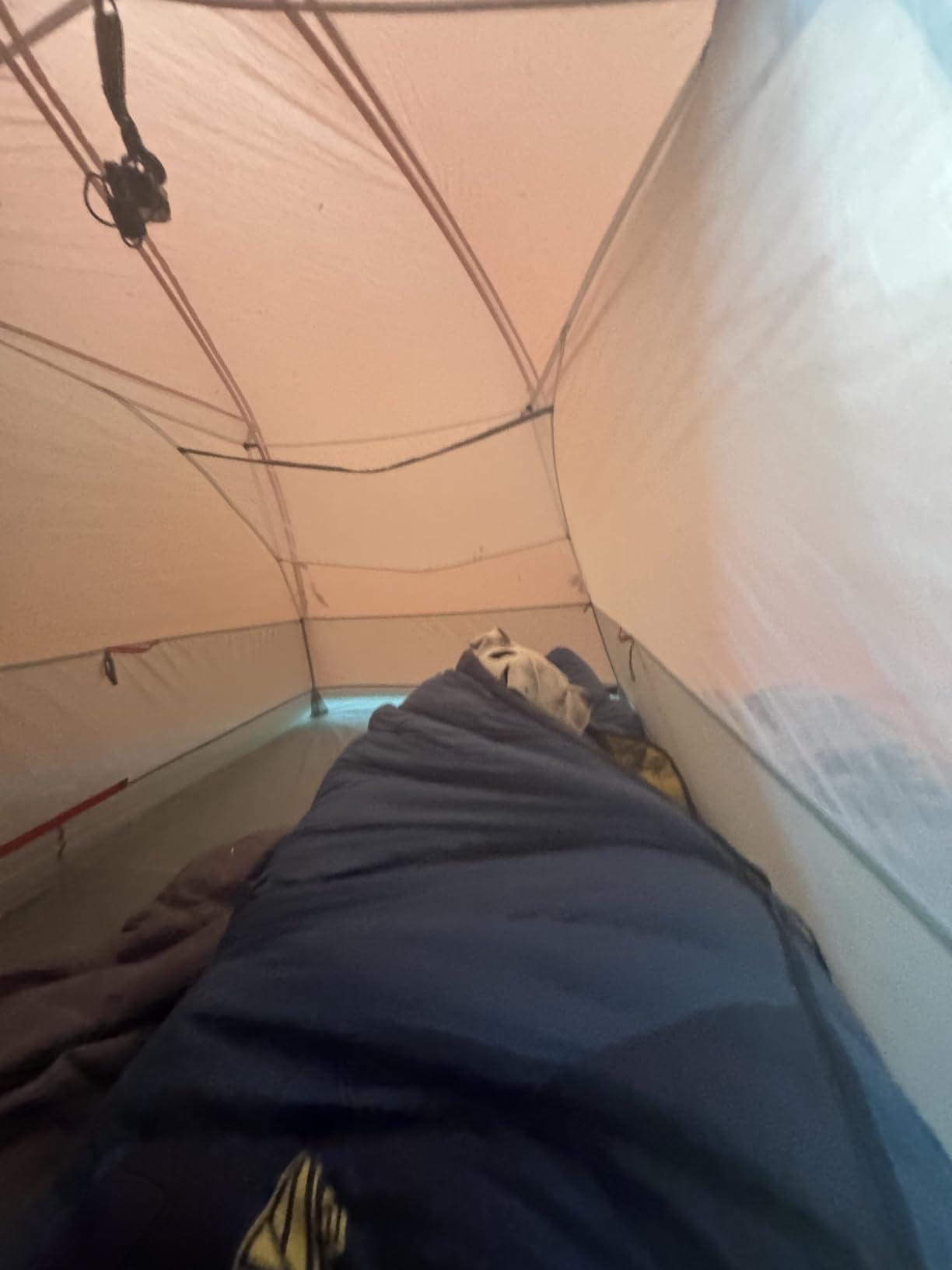
At 2.6 pounds, the Cosmic hits a sweet spot for backpacking weight. The dual-direction zippers let me vent my feet on warm nights, and the draft collar sealed in heat when temps dropped. ISO-tested ratings (limit 21°F, extreme -11°F) give you confidence the numbers mean something.
I’ve noticed the loft holds well night after night. After seven straight nights in this bag, it still fluffed up fully each morning. The Kelty lifetime warranty backs the build quality, which matters for gear you’ll use hard.

Who should buy this sleeping bag
Anyone wanting down performance without down pricing. It’s perfect for three-season backpacking in moderate climates and works well for weekend warriors transitioning from synthetic bags. Couples can zip two together for shared warmth.
Where this bag falls short
The mummy shape feels snug through the shoulders and chest. If you’re over 6 feet or carry extra weight, you’ll feel squeezed. Cold sleepers who run chilly should size down to a warmer rating since 20°F is the survival rating, not the comfort rating.
3. TETON Sports LEEF Lightweight Mummy Sleeping Bag – Best Roomier Budget Mummy

Teton LEEF Lightweight Mummy Sleeping Bag Perfect for Camping, Hiking, and Backpacking; Cold Weather Option, Compression Sack Included – Fire & Slate, 20F
Microfiber fill
3.5 lbs
20F rating
Pros
- Roomier mummy cut
- Effective compression
- Durable construction
- Lifetime warranty
Cons
- Heavy at 3.5 lbs
- Compression sack can be tricky
- Zipper snags occasionally
The TETON LEEF solved a problem I kept running into: most budget mummy bags felt like sleeping in a sausage casing. The LEEF gives you extra width at the shoulders and hips while keeping the footbox efficient. I tested it on a wet weekend in the Adirondacks and stayed dry inside despite rain drumming on my tent.
The microfiber insulation lofted up nicely each night. Even after compressing it hard into the stuff sack for two days of hiking, it fluffed back to full thickness by bedtime. The water-resistant ripstop shell handled overnight condensation without wetting through.
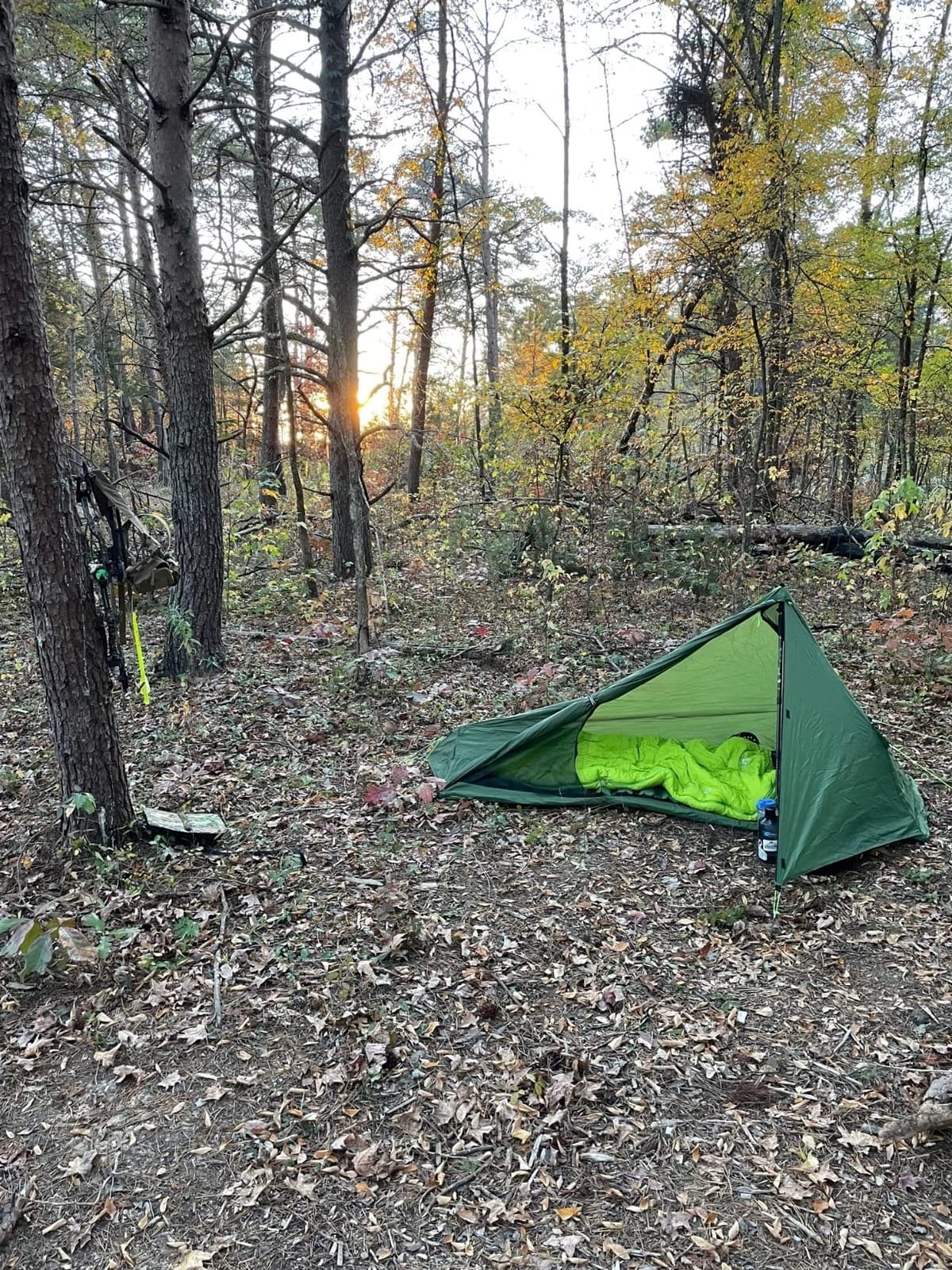
Weight is the trade-off here at 3.5 pounds. That’s heavier than most backpacking-specific bags, but if you carry a larger frame or value room to move, it’s worth the extra ounces. The footbox access via double zipper lets you stick a foot out on warm nights.
Build quality impressed me across the board. The stitching showed no signs of stress after multiple compressions, and the zipper held up better than expected. Customer service at TETON is genuinely responsive if anything does go wrong.
Who should buy this sleeping bag
Side sleepers and restless sleepers who find standard mummy bags too tight. It’s also great for larger-framed backpackers who need the extra width. Anyone prioritizing comfort over weight savings should put this on their shortlist.
Where this bag falls short
If you count every ounce, look elsewhere. The compression sack takes practice to use effectively, and the zipper can occasionally snag the liner fabric if you zip up too fast in the dark. Not the best choice for sub-freezing trips.
4. ECOOPRO Warm Weather Sleeping Bag – Best Budget Ultralight for Summer
ECOOPRO Portable, Waterproof, Lightweight Sleeping Bag with Compression Sack – For Camping, Backpacking & Hiking
Polyester fill
1.5 lbs
55-60F comfort
Pros
- Ultra-lightweight
- Compresses small
- Doubles as blanket
- Budget-friendly
Cons
- Not for cold weather below 55F
- Narrow fit
- Waterproofing is limited
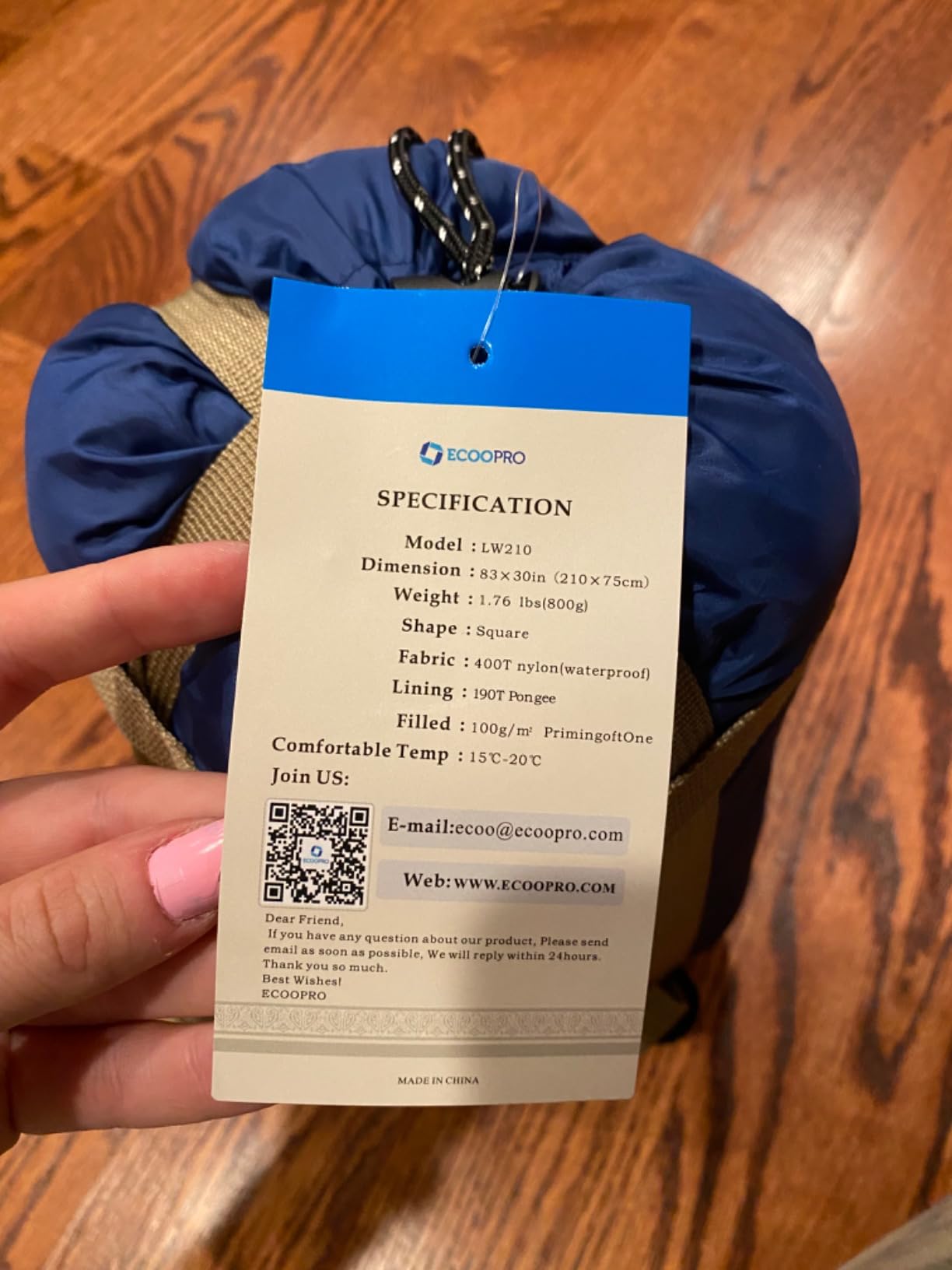
The ECOOPRO is the bag I throw in my pack for summer desert trips. At 1.5 pounds and compressing down to roughly 11 inches, it barely takes up space. On a Grand Canyon rim-to-rim trip in May, it kept me comfortable in 60°F nights and even worked fine with extra layers down to about 50°F.
The envelope design fully unzips into a flat blanket, which is great for cowboy camping or tossing over yourself in a hut. The nylon shell handled light condensation and brief drizzle. It dries quickly when hung out at camp.
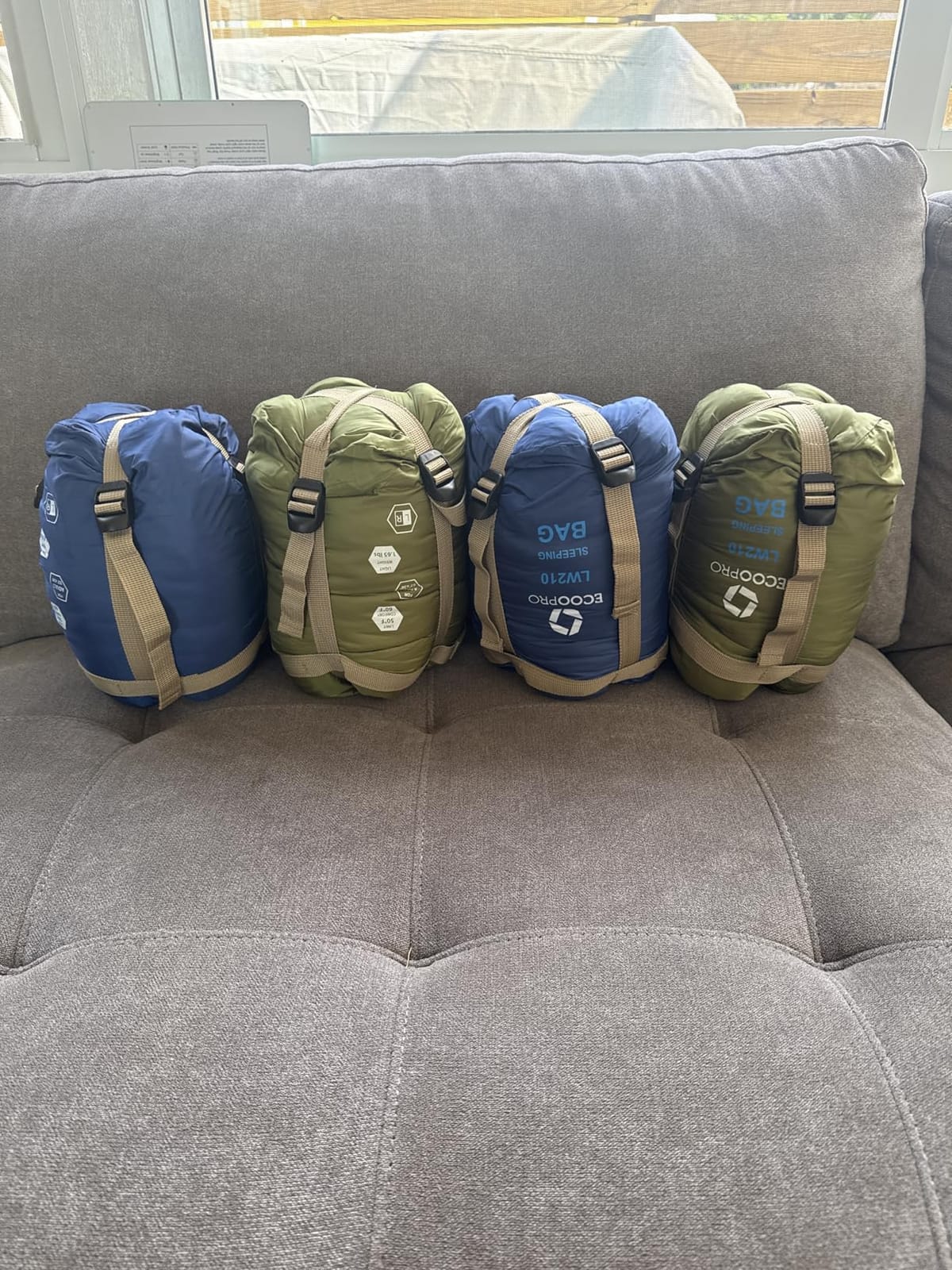
What surprised me was how well the polyester insulation held its loft given the price. It won’t match down for compressibility or warmth-to-weight, but for warm-weather trips it’s a workhorse. The drawstring hood helps seal in heat on cooler nights.
The 9,000+ reviews speak to how many backpackers have made this their summer go-to. Quality control is decent for the price tier. I wouldn’t trust it on a serious alpine trip, but for three-season use in mild climates it’s hard to beat.
Who should buy this sleeping bag
Budget backpackers, summer-only campers, and weight-conscious hikers in warm climates. It’s a great first sleeping bag or backup for ultralight kits. Festival-goers and kayak campers love the blanket function.
Where this bag falls short
Anyone camping below 55°F will be cold. The narrow cut feels restrictive for larger sleepers, and the hood design doesn’t cinch well. The waterproofing is more water-resistant than truly waterproof, so don’t expect it to survive heavy rain.
5. MalloMe Sleeping Bag – Best Family and Casual Camping Pick

MalloMe Sleeping Bags for Adults Cold Weather & Warm – Backpacking Camping Sleeping Bag for Kids, Girls, Boys – Lightweight Camping Essentials Gear Accessories Hiking Sleep Must Haves Single & Double
Synthetic fill
3.1 lbs
50-77F range
Pros
- #1 bestseller
- Machine washable
- Budget-friendly
- Double-sided zippers
Cons
- Limited to 50F+
- Rectangular less efficient
- Material can be thin
The MalloMe is the #1 bestselling sleeping bag on Amazon for good reason. I brought it on a family trip to Yosemite with mixed-age kids, and it worked perfectly for casual camping. The 50-77°F temperature range covers most summer conditions comfortably.
What sets this bag apart is the HEX-TECH waterproof shell. It shrugged off light rain during an unexpected shower and dried quickly in the sun. The double-sided zippers are genuinely snag-free, which matters when kids are fumbling with them in the dark.
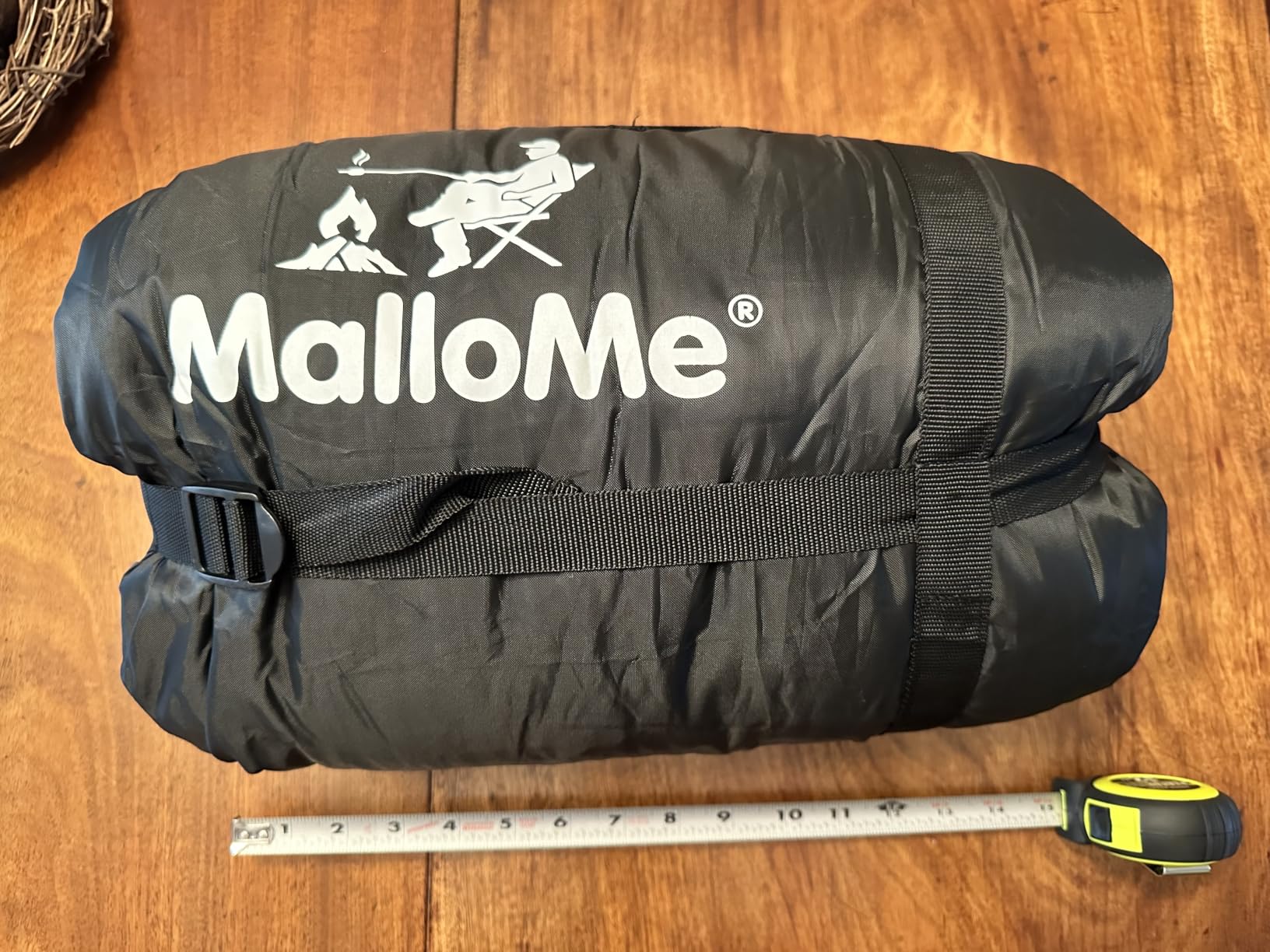
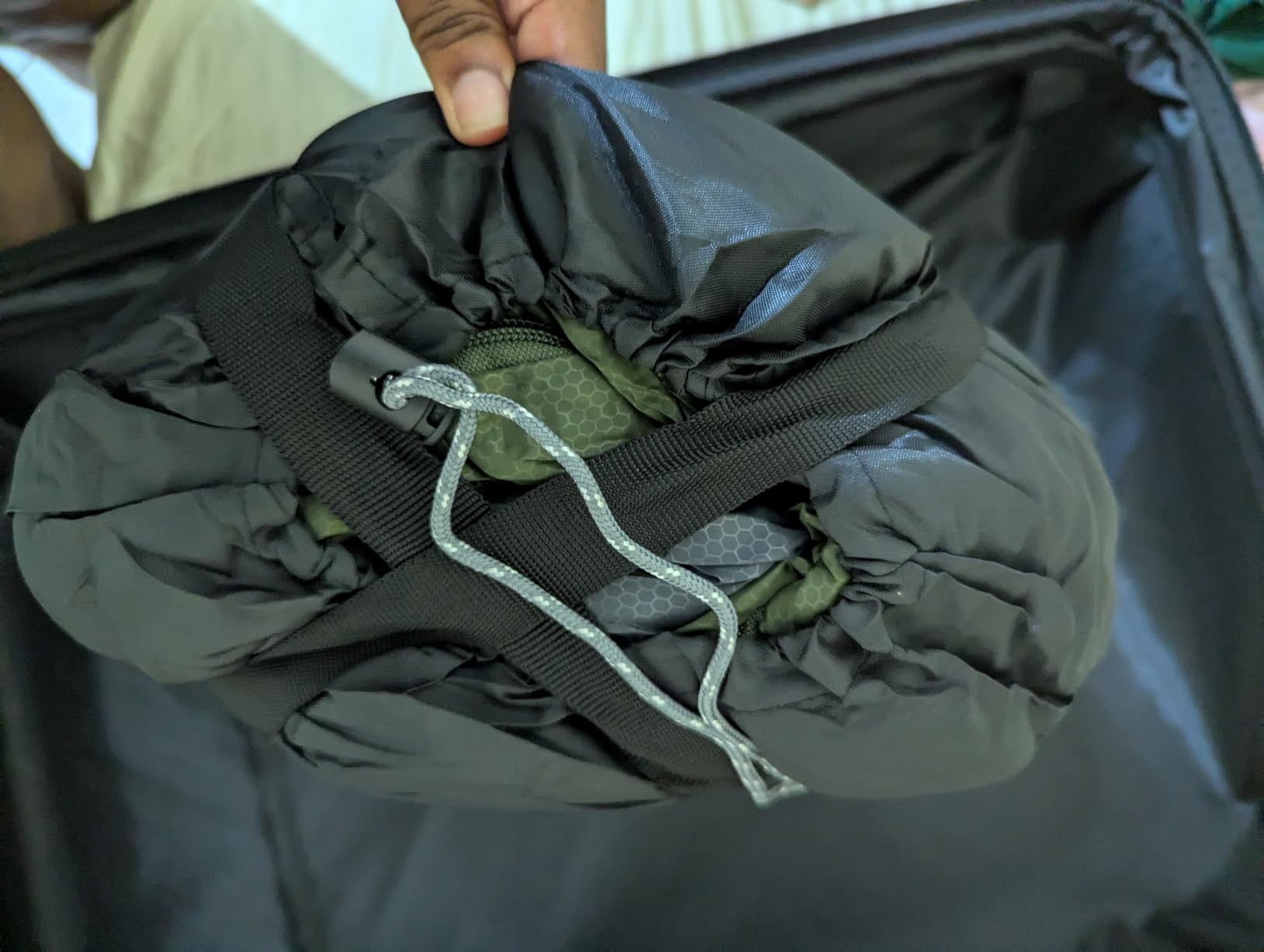
Weight is on the heavier side at around 3 pounds, but for car camping and casual trips that’s a non-issue. The S-shape stitching keeps insulation evenly distributed without cold spots. I was impressed by the overall build quality for the price.
The 16,000+ reviews tell you everything: this is a proven budget winner. Machine washable is a real perk when kids get them dirty. The double size option works well for couples on car camping trips.
Who should buy this sleeping bag
Families, casual campers, and anyone needing a reliable summer bag on a tight budget. It’s perfect for car camping, scout troops, and emergency preparedness kits. The double size works great for couples.
Where this bag falls short
Not for serious backpacking or cold weather use. The rectangular shape is less thermally efficient than mummy bags. Quality varies between units, with some reporting tears after light use.
6. Kelty Cosmic Synthetic 40 – Best Lightweight Summer Synthetic

Kelty Cosmic Synthetic Fill 40 Degree Backpacking Sleeping Bag with Compression Straps, Compact and Lightweight, 2022 (Regular)
Cirroloft synthetic
2.7 lbs
40F rating
Pros
- Lightweight synthetic
- Soft taffeta lining
- Spacious footbox
- Stash pocket
Cons
- Snug mummy fit
- Temperature rating runs warm
- Not for cold weather
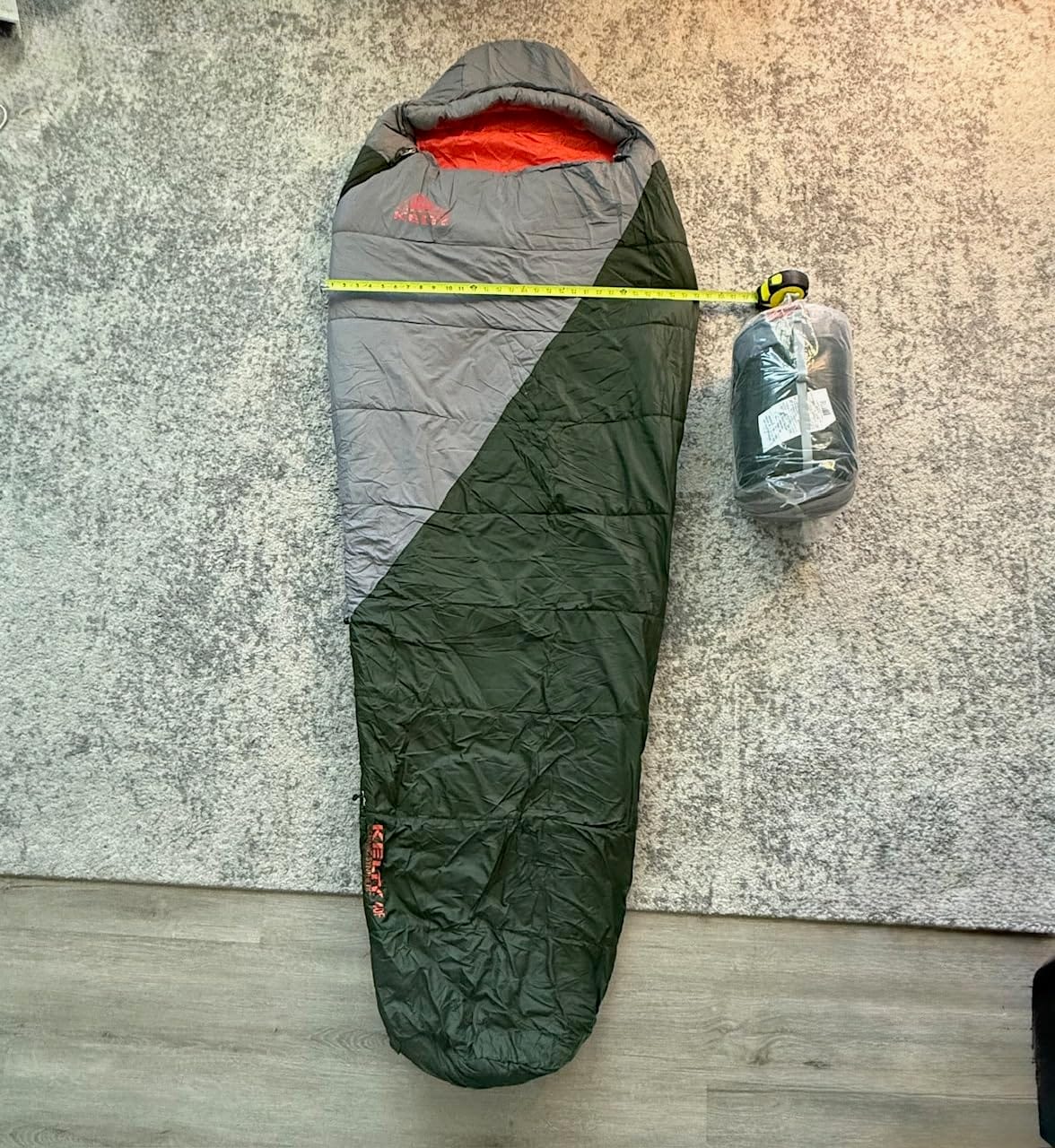
The Kelty Cosmic Synthetic 40 fills a specific niche: warm-weather backpacking where down could get damp. I took this bag on a humid summer trip through Great Smoky Mountains and appreciated how the Cirroloft insulation kept performing even when humidity soaked everything.
The 20D nylon taffeta shell feels lighter than it looks, and the 50D taffeta liner is genuinely soft against skin. The spacious footbox was a pleasant surprise – my size 11 feet had room to spread without pressing against the sides.
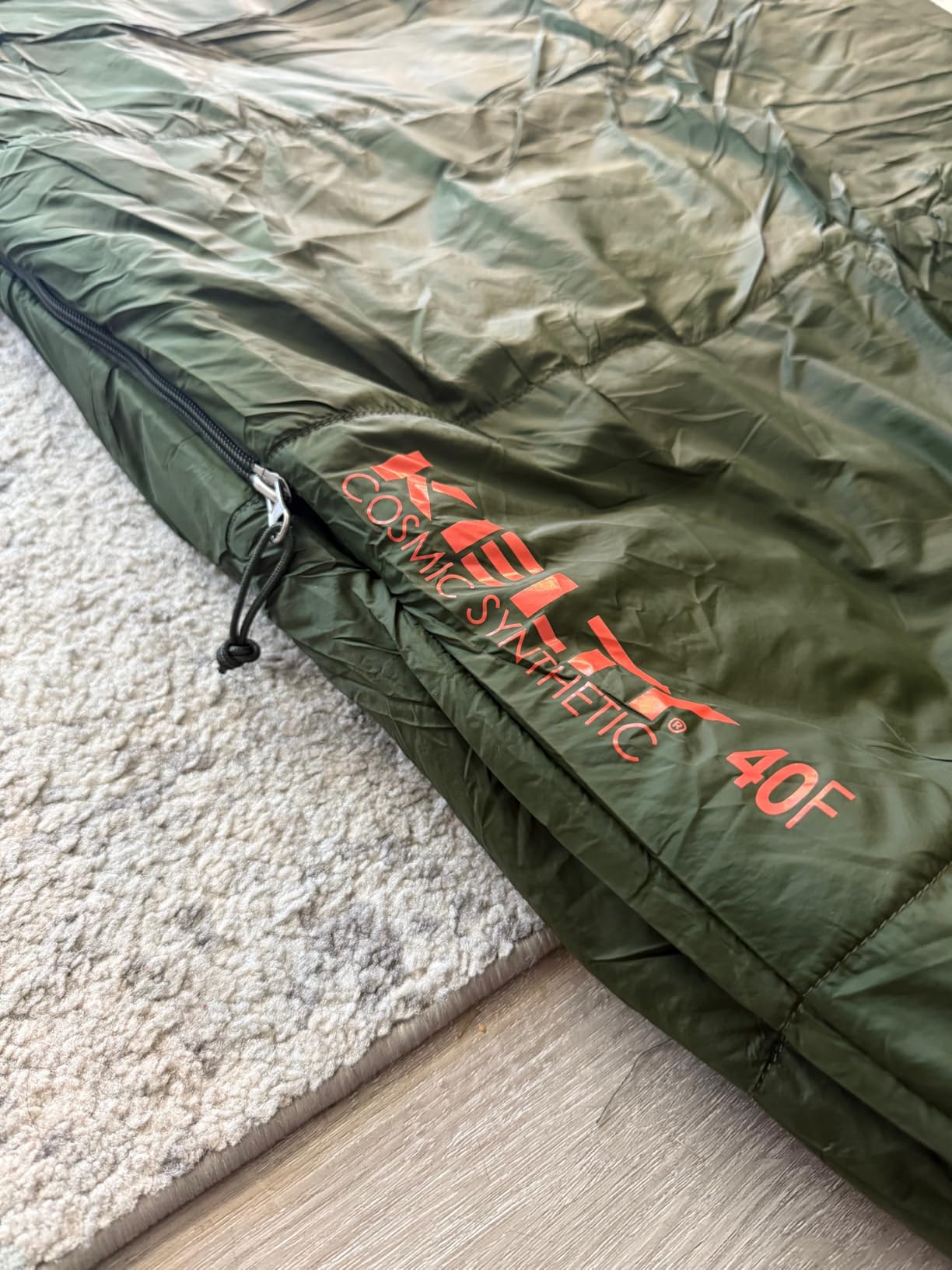
At 2.7 pounds, it competes with down bags on weight while costing less. The integrated compression straps make stuffing it into the included sack quick. The exterior stash pocket is perfect for stashing a headlamp or phone.
PFC-free fabrics align with eco-conscious values without sacrificing performance. Kelty’s craftsmanship shows in the smooth-gliding zippers and reinforced seams. This bag should last many seasons of regular use.
Who should buy this sleeping bag
Backpackers in humid climates where down struggles. It’s ideal for summer trips above 40°F and shoulder-season use in moderate climates. Anyone wanting low maintenance without sacrificing weight should consider this bag.
Where this bag falls short
The mummy cut feels tight for larger frames. Cold sleepers should add 10-15°F to the rating, so the 40°F bag really performs like a 50°F bag. Not suitable for anything below 40°F without extra insulation layers.
7. Naturehike Lightweight Sleeping Bag – Best Ultralight Budget Option

Naturehike Lightweight Compact Sleeping Bag, 59℉/32℉ Envelope Ultralight Backpacking Sleeping Bag Portable, Waterproof with Compression Sack for Cold&Warm, Camping, Traveling, Hiking
Imitation silk cotton
1.67 lbs
59F/32F rating
Pros
- Ultra-lightweight
- Compresses very small
- Roomy envelope design
- Budget price
Cons
- Cold weather rating optimistic
- Zippers snag
- Too small for larger users
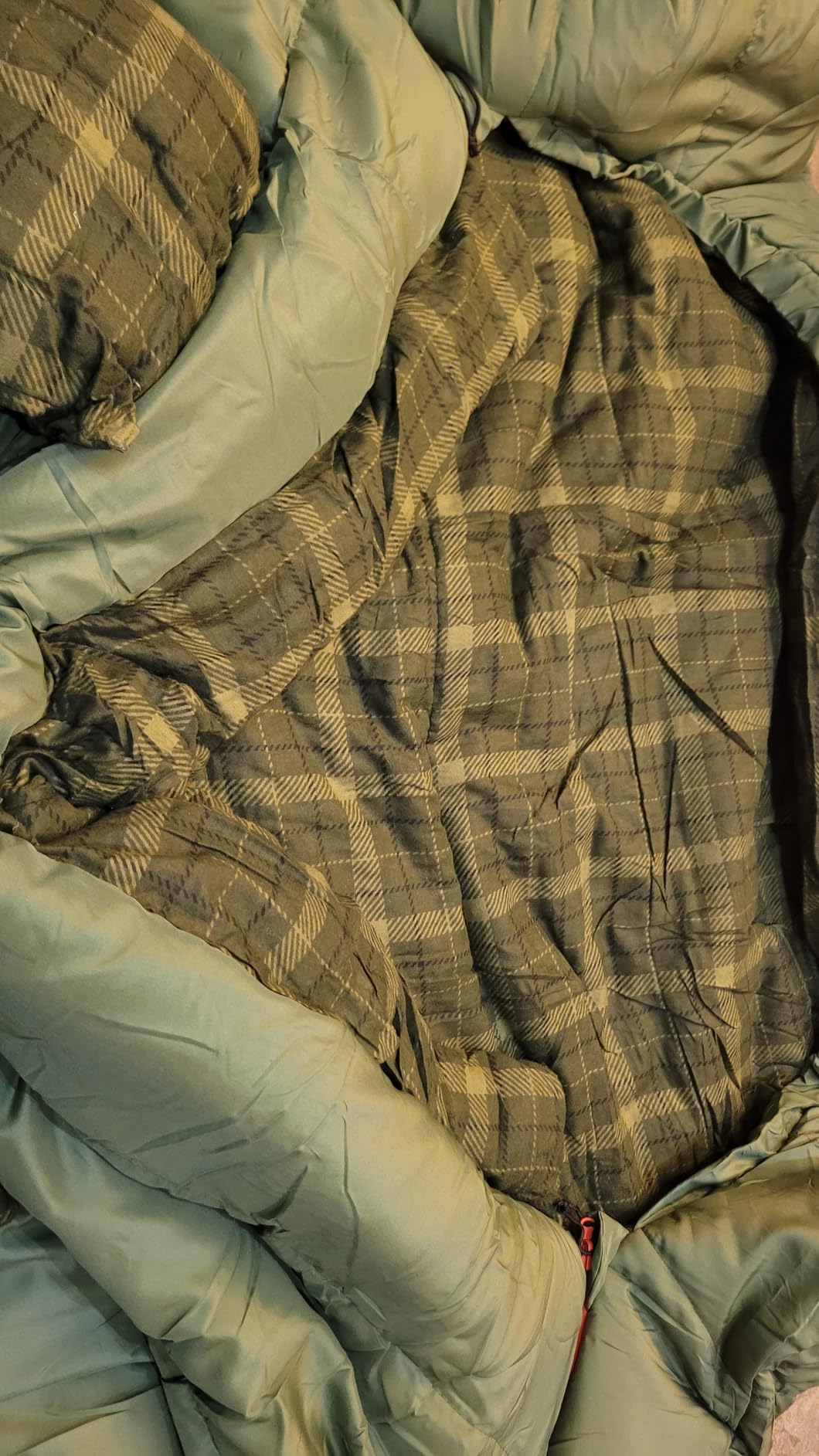
The Naturehike LW-180 became my surprise favorite for fast-and-light summer trips. At 1.67 pounds, it barely registers on the scale. I packed it for a three-day section hike in the White Mountains and barely noticed it in my pack.
The compression size is remarkable. It stuffed down into a 5×12 inch sack that fit in the side pocket of my 50-liter pack. The envelope design with 33.5-inch width gives restless sleepers room to move.
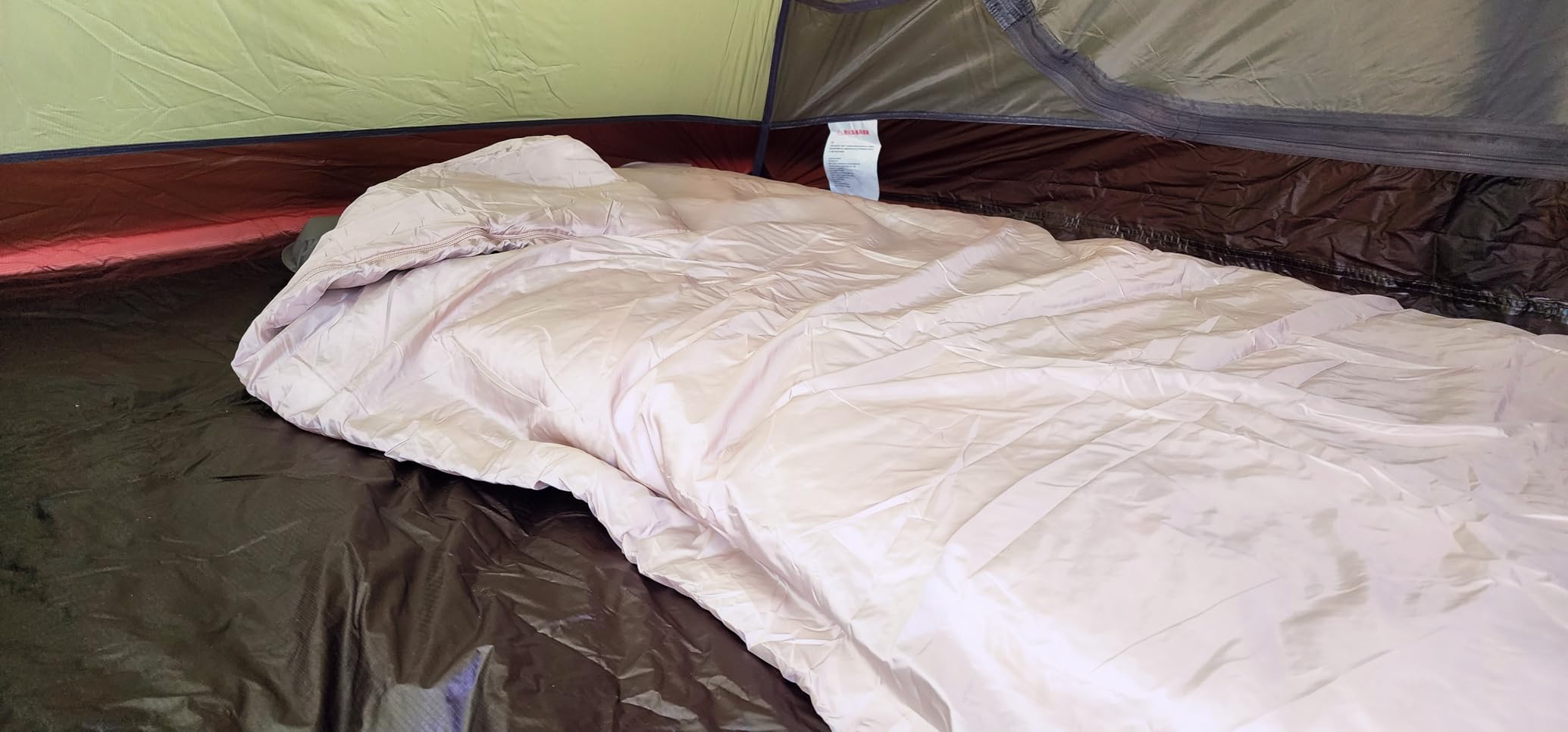
Build quality exceeded expectations at this price. Double reinforced seams held up to repeated stuffing, and the waterproof outer material beaded light rain nicely. The drawstring hood adds some warmth retention.
The honest truth on temperature rating: it’s a summer bag. The 32°F rating is overly optimistic. I’d trust it down to about 50-55°F with base layers, and below that you’ll be cold. The zipper can snag on the lightweight material if you zip up carelessly.
Who should buy this sleeping bag
Ultralight enthusiasts on a budget. Perfect for summer backpacking, bikepacking, and fastpacking trips where weight matters most. Great option for thru-hikers wanting a backup bag or for travel in warm climates.
Where this bag falls short
Larger users will find it cramped. The 32°F rating should be ignored – plan for 50°F+ use. Zippers are delicate and need careful handling. Not appropriate for any cold-weather use.
8. iClimb 3M Thinsulate Sleeping Bag – Best Synthetic Warmth-to-Weight

iClimb 3M Thinsulate Insulation Sleeping Bag (Mummy 41F, Green)
3M Thinsulate
2.4 lbs
41F comfort
Pros
- Excellent warmth-to-weight
- Water resistant
- YKK zippers
- Draft collar
Cons
- Tight for larger users
- Slippery on air mattresses
- Compression sack issues
The iClimb with 3M Thinsulate caught my attention because it claims excellent warmth without the weight penalty of traditional synthetics. On a shoulder-season trip in the Catskills with 45°F nights, it kept me warm with just base layers. At 2.4 pounds, the warmth-to-weight ratio genuinely impressed me.
The water-resistant treatment makes a real difference. I woke up to condensation on my tent walls but stayed dry inside. The cinchable draft collar sealed in heat effectively, which is rare in budget bags.
YKK zippers are a premium touch at this price. Two-way operation lets you ventilate from the top or bottom. The internal pocket fits a phone or small wallet securely. Fits up to 6’10”, which covers most users.
Some quirks to note: the slippery nylon shell slides around on inflatable sleeping pads, so I added a non-slip pad cover. The compression sack straps can wear out with aggressive stuffing. Machine washable is convenient for keeping it fresh.
Who should buy this sleeping bag
Three-season backpackers who want synthetic reliability without the bulk. It’s a great choice for damp climates and for those new to backpacking who need a forgiving bag. Anyone who’s had down fail in wet conditions will appreciate the Thinsulate performance.
Where this bag falls short
Not for very cold temperatures below freezing. The fit feels tight for broader shoulders. The material slides on air mattresses, which can disturb light sleepers. Compression sack durability could be better.
9. OneTigris Bushcrafter Sleeping Bag – Best for Side Sleepers on a Budget

OneTigris Bushcrafter’s Sleeping Bags, Mummy Sleeping Bag for Camping Hiking Backpacking, Survival Gear
Polycotton fill
Roomy
46-59F rating
Pros
- Very spacious
- Exceeds temperature ratings
- Quality YKK zippers
- Soft lining
Cons
- Material thinner than expected
- Not for very cold weather
- Hood drawstring one-sided
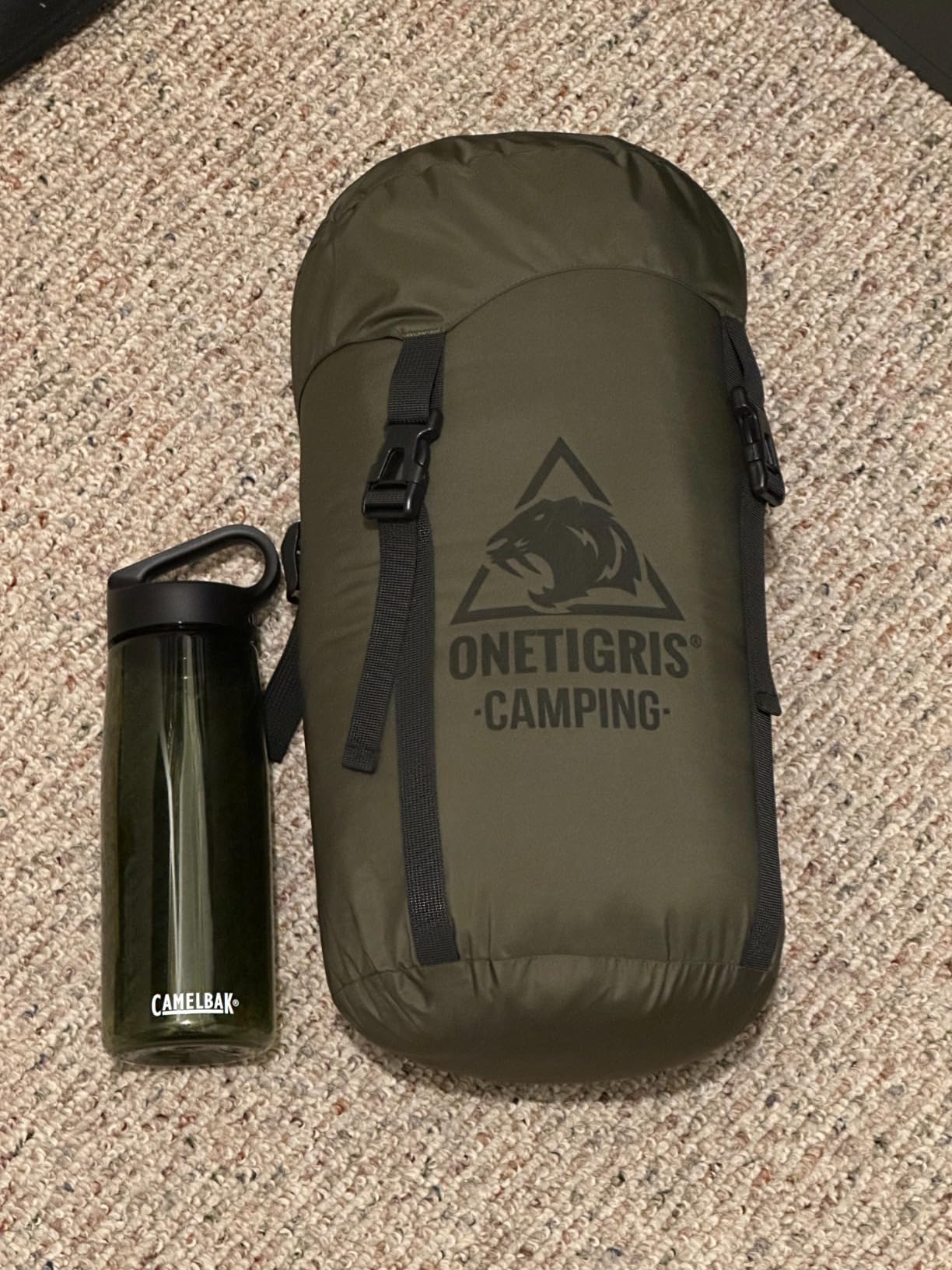
The OneTigris Bushcrafter solved my side-sleeper problems. At 6.8 feet long and 2.7 feet wide, it gives actual room to roll over without unzipping yourself. I tested it on a wet weekend in the Pacific Northwest and stayed comfortable in 45°F nights.
What surprised me was how well it performed beyond its rating. Multiple users report it keeping them warm in temperatures lower than advertised. The YKK zippers with anti-snag design glide smoothly, and the 300T pongee shell beads water effectively.
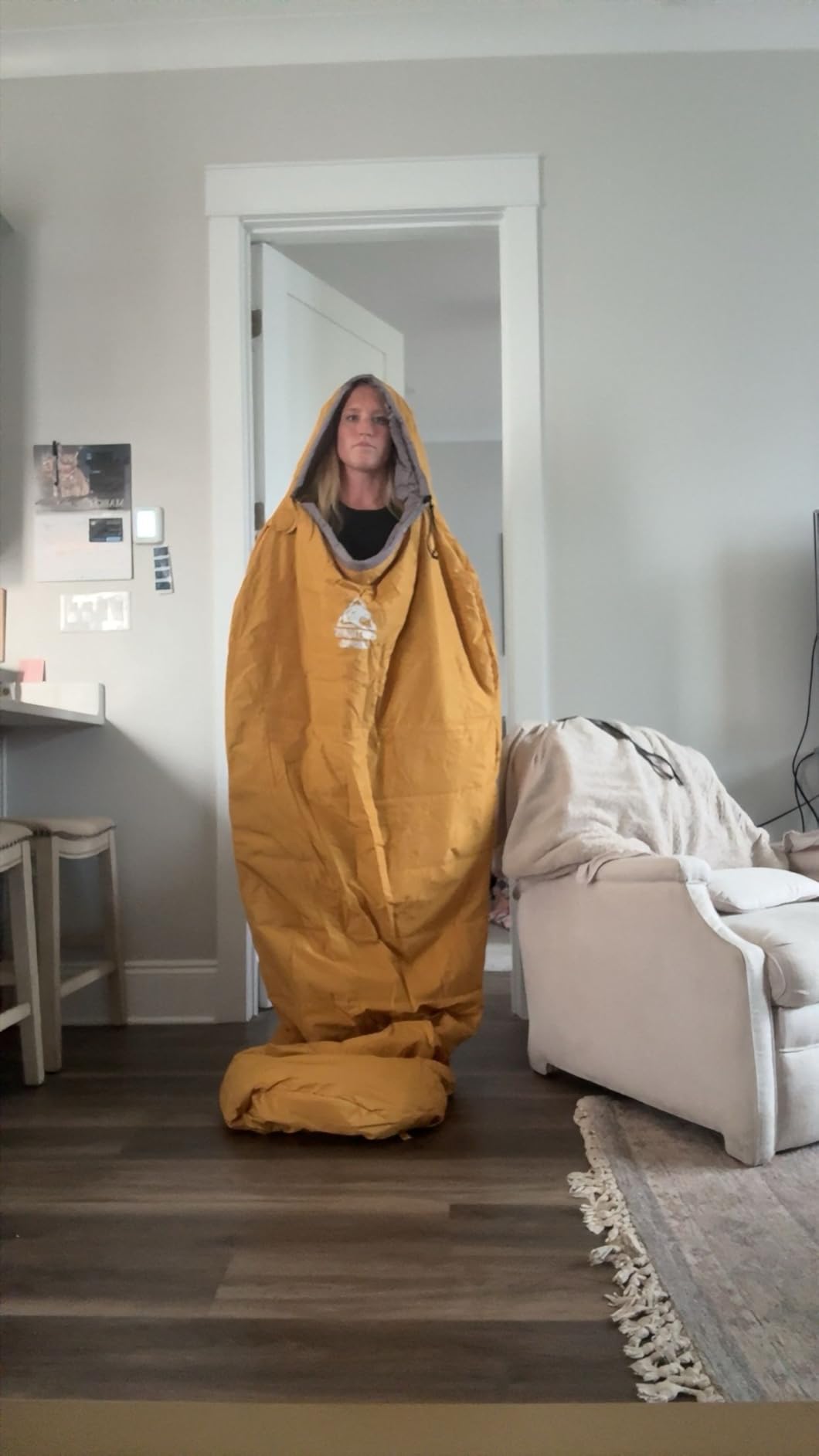
The polycotton filling isn’t the warmest synthetic, but it packs reasonably small and recovers loft quickly. I appreciated the soft lining against bare skin on warm nights. The footbox has plenty of space for restless feet.
Quality construction at a budget price. The seams showed no stress after multiple nights of use. It compresses into a tube-shaped stuff sack that fits well in a 60-liter pack. The 1-year warranty is shorter than some competitors but covers manufacturing defects.
Who should buy this sleeping bag
Side sleepers who feel restricted in traditional mummy bags. Larger backpackers and tall users will appreciate the generous dimensions. Anyone prioritizing comfort and room-to-move over weight savings should put this on their list.
Where this bag falls short
Not for serious cold-weather use below 40°F. The material is lighter than premium bags, so durability over many years is uncertain. The hood drawstring is single-sided, which limits adjustment. Not ideal if you need to save every ounce.
10. Sea to Summit Spark Ultralight Down Sleeping Bag – Best Premium Ultralight
Sea to Summit Spark Ultralight Down Sleeping Bag, 45-Degree, Regular
850+ fill down
0.85 lbs
45F rating
Pros
- Extremely lightweight
- Ultra-compact pack
- 850+ fill power down
- Ultra-Dry treatment
Cons
- Expensive
- Limited to summer use
- Specialized packing technique
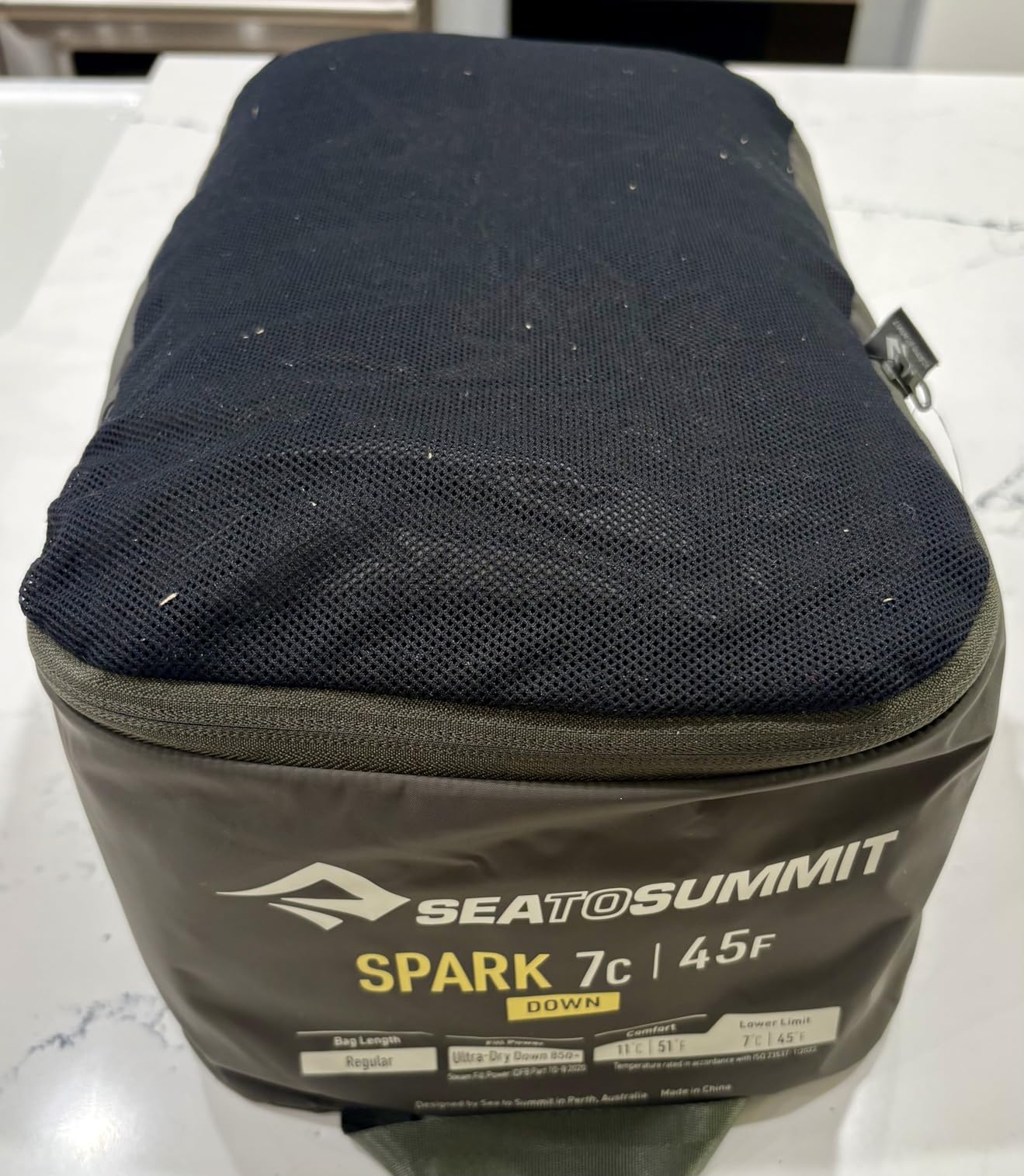
The Sea to Summit Spark is the bag I reach for when every ounce matters. At 0.85 pounds, it weighs less than a 32-ounce water bottle. I took this on a John Muir Trail section where I needed to shave weight, and the Spark delivered warmth down to about 40°F with base layers.
The 850+ fill power down is the real deal. It lofted to full thickness immediately after unpacking and trapped heat efficiently. The Ultra-Dry treatment provides crucial moisture resistance for humid environments and accidental tent leaks.
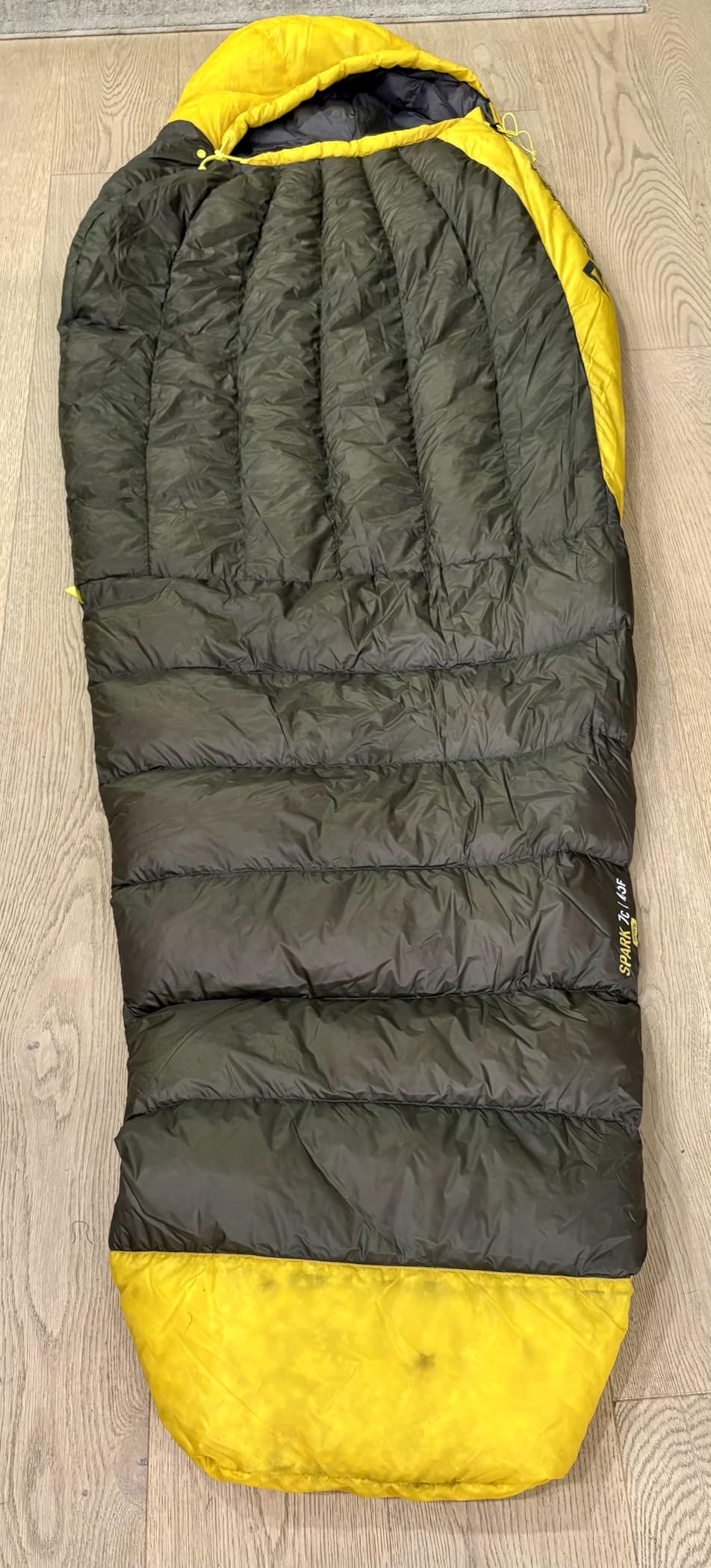
The 10D shell is impossibly thin and light. Handle it carefully around sharp rocks and branches. The PFC-free DWR coating beads light moisture effectively. The contoured mummy shape gives natural sleeping position without feeling like a straightjacket.
Build quality matches the premium price. YKK #5 zippers operate smoothly, and the sewn-through baffle construction eliminates cold spots. The lifetime manufacturer guarantee covers defects for the life of the bag.
Who should buy this sleeping bag
Thru-hikers, ultralight enthusiasts, and bikepackers counting every gram. It’s ideal for summer alpine trips and fastpacking adventures. Anyone who can afford premium gear and prioritizes weight savings will love this bag.
Where this bag falls short
The price is steep. Limited to summer and warm shoulder-season use given the 45°F rating. The thin shell requires careful handling. Packing it into the compression sack takes practice – stuff it gently rather than rolling aggressively.
11. TETON Celsius Rectangular Sleeping Bag – Best for Cold-Weather Car Camping

Teton Celsius Regular, 0 Degree Sleeping Bag, All Weather Bag for Adults and Kids Camping Made Easy and Warm Stuff Sack Included
Polyester fill
5 lbs
0F survival rating
Pros
- Very warm in 20-40F
- Soft flannel lining
- Roomy rectangular design
- Can zip two together
Cons
- Heavy at 5 lbs
- Bulky for backpacking
- Too warm for summer
- Regular size short for tall users
The TETON Celsius is the bag I keep in my car camping kit. During an October hunting trip in Wyoming, nighttime temps dropped into the teens and I stayed warm inside this bag. The soft poly-flannel lining feels like sleeping in flannel sheets.
The rectangular design gives way more room than mummy bags. Active sleepers can move freely without constraint. Two Celsius bags zip together for couples, which is a feature my partner and I use regularly.
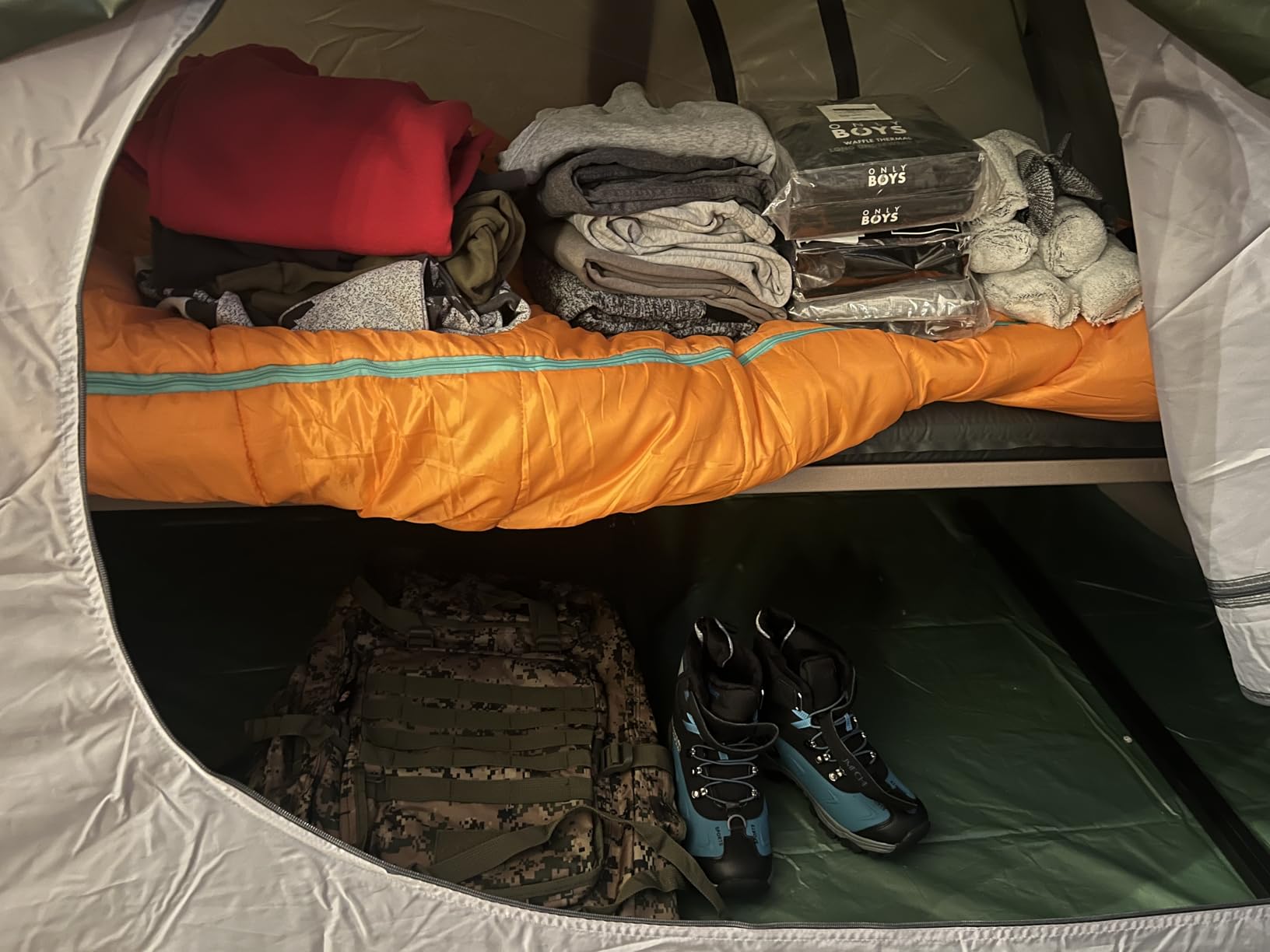
Draft tubes along the zipper keep cold air from sneaking in. The half-circle mummy-style hood cinches down for extra warmth. Double-layer construction prevents cold spots. The interior pocket fits a phone or headlamp.
Weight is the main drawback at 5 pounds. This isn’t a backpacking bag – it’s a car camping and basecamp bag. The bulk also makes it harder to pack for hiking trips. But for warmth-to-price ratio, it’s hard to beat.
Who should buy this sleeping bag
Car campers, basecampers, and anyone needing serious warmth at a budget price. Hunters, anglers, and cold-weather campers will appreciate the insulating performance. Couples can pair two together.
Where this bag falls short
Backpackers should skip this – the 5-pound weight is too heavy for trail use. The regular size runs short for users over 5’8″. Summer camping above 60°F will be too warm. The bulk makes storage in small packs difficult.
12. Sea to Summit Traveller Down Sleeping Bag Blanket – Best Versatile Bag/Blanket Hybrid

Sea to Summit Traveller Down Sleeping Bag Blanket, 45-Degree, Regular
650+ fill down
1.29 lbs
45F rating
Pros
- Versatile bag/blanket use
- Lightweight
- Compresses very small
- Drawcords for temperature control
Cons
- Summer-only rating
- Premium price
- Limited stock
- Down needs careful care
The Sea to Summit Traveller is my favorite bag for warm-weather bike tours. At 1.29 pounds, it disappears in my handlebar bag, and the rectangular shape means I can use it as a quilt on muggy nights. I tested it on a five-day tour along the California coast and loved the versatility.
The 650+ fill power duck down provides excellent warmth for the weight. Ultra-Dry Down treatment helps in humid coastal environments. The shoulder and foot drawcords let me seal it up like a mummy when temps dropped into the high 40s.
The recycled polyester shell with non-PFC DWR is a sustainable choice that doesn’t sacrifice performance. Fully unzipping into a flat blanket is great for hostel stays and warm huts. Two Travellers zip together for couples sharing warmth.
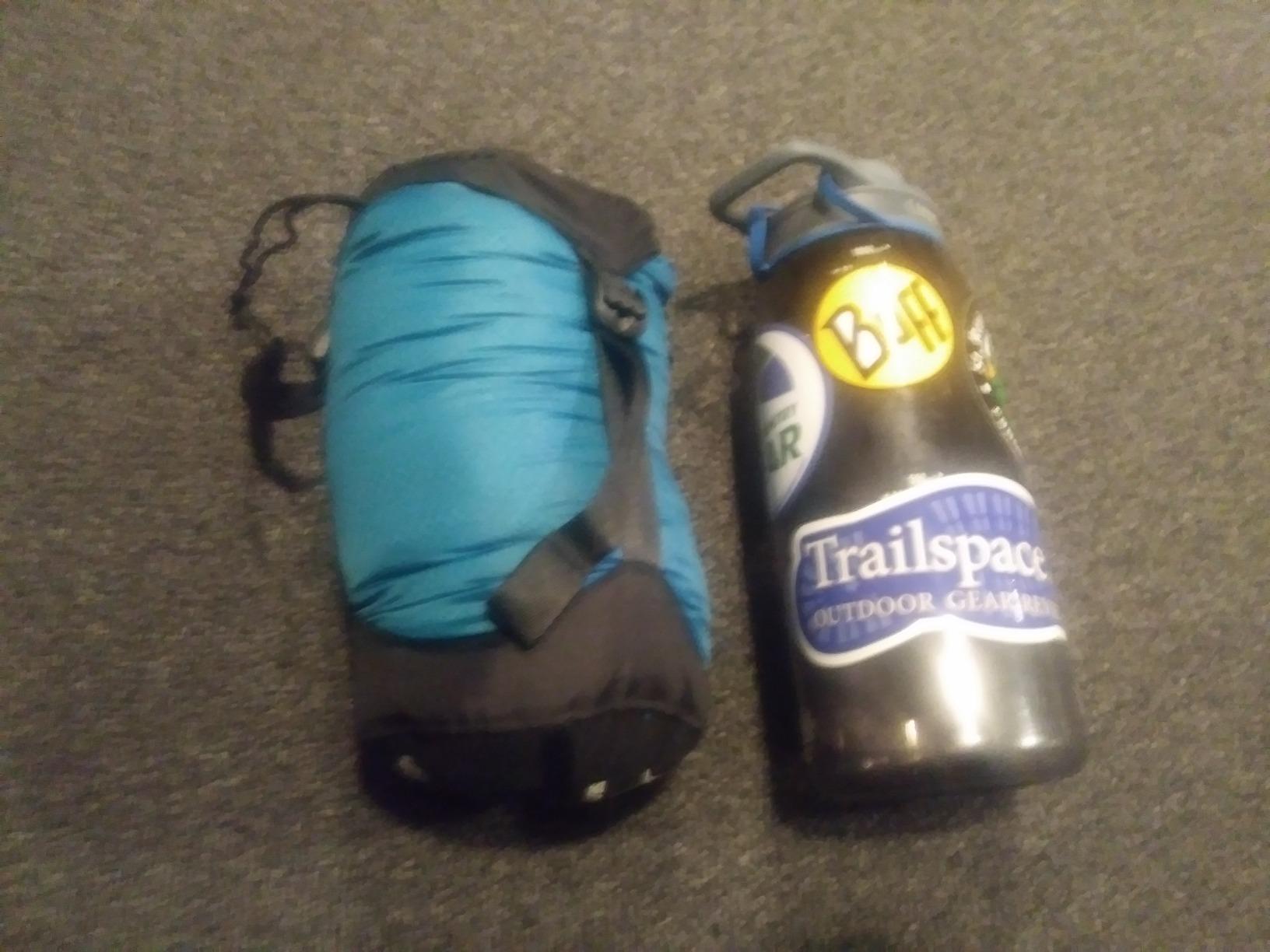
Includes both a compression sack for travel and a storage sack for home. The storage sack is critical for maintaining down loft long-term. Lifetime manufacturer guarantee covers the bag against defects.
Who should buy this sleeping bag
Bike tourists, summer backpackers, and travelers needing one bag for multiple uses. It’s perfect for warm climates and shoulder-season trips. Anyone wanting a premium down blanket-style option should consider this.
Where this bag falls short
Not for cold weather below 50°F without substantial layering. The premium price point makes it harder to justify for occasional use. Limited stock at times. Down requires proper storage and care to maintain performance over years.
How to Choose the Best Sleeping Bags for Backpacking?
Choosing the best sleeping bags for backpacking requires balancing temperature rating, weight, packed size, and price against your typical conditions. Here’s what matters most when deciding.
Understanding Temperature Ratings: EN/ISO Standards
Temperature ratings follow EN/ISO standards that test bags with heated manikins, but the numbers need context. The “comfort rating” is where an average woman sleeps comfortably, while the “lower limit” is where an average man sleeps in a curled position. The “extreme rating” is a survival-only temperature where hypothermia risk is significant.
For three-season backpacking in typical mountain conditions, a 20°F comfort-rated bag handles most situations. Cold sleepers should add 10-15°F to whatever rating they choose. Women consistently report running colder than men in same-rated bags, so plan accordingly.
Down vs Synthetic Insulation
Down insulation offers the best warmth-to-weight ratio and compressibility, but loses insulation when wet and dries slowly. Synthetic insulation weighs more and packs larger, but retains warmth when damp and dries faster. For humid climates, marine environments, or wet weather, synthetic wins.
Fill power measures down loft quality – higher numbers mean more warmth per ounce. 800+ fill power is premium, 600-700 fill power is standard, and below 600 is budget. Hydrophobic down treatments add moisture resistance to down’s natural benefits.
Weight and Packability Targets
Ideal weight depends on your trip style. Ultralight backpackers target under 2 pounds, traditional backpackers aim for 2-3 pounds, and casual campers accept 3+ pounds. A good rule of thumb is to keep your sleeping bag under 25% of your total pack weight.
Compression sacks shrink bags dramatically but can damage insulation over time. Use them for travel, then store bags loosely in larger storage sacks at home to preserve loft. Many quality bags include both compression and storage sacks.
Mummy Bag vs Quilt vs Blanket
Mummy bags wrap closely around your body for maximum thermal efficiency. Quilts lie on top like blankets with less weight and more freedom. Hybrid blanket-bags offer rectangular comfort with sealing options. Side sleepers often prefer quilts and blankets; cold sleepers usually need mummy efficiency.
Women’s Specific Considerations
Women’s sleeping bags typically use more insulation in the footbox and torso, where women tend to get colder faster. They also tend to be shorter and narrower, reducing dead air space. If standard bags leave you cold, a women’s-specific version often solves the problem.
Sleep System Integration
Your sleeping bag works with your sleeping pad and shelter to create a complete sleep system. The pad’s R-value matters more than many realize – it insulates you from the cold ground. A 20°F bag on a low-R-value pad still loses heat downward. Match your pad R-value to your expected ground temps.
Frequently Asked Questions
What type of sleeping bag is best for backpacking?
Mummy-shaped down bags with 600-850 fill power are the best overall type for most backpackers because they balance warmth, weight, and packability. For warm-weather trips, quilts and synthetic bags work well. For cold weather, mummy bags with hoods and draft collars retain heat most efficiently.
What is the best sleeping bag for backpacking?
The best sleeping bag for backpacking depends on your climate and budget. For ultralight summer trips, the Sea to Summit Spark at 0.85 pounds is top-tier. For best value with down performance, the Kelty Cosmic 20 delivers excellent warmth at a reasonable price. Budget backpackers should consider the ECOOPRO for summer trips or the TETON Sports 20F for cooler weather.
What is the ideal weight for a sleeping bag when backpacking?
The ideal weight depends on your style. Ultralight backpackers target under 2 pounds for a sleeping bag. Traditional backpackers typically aim for 2-3 pounds. Weekend warriors can accept 3-4 pounds. As a rule, your sleeping bag should stay under 25% of your total pack weight for balanced load distribution.
What temperature rating do I need for three-season backpacking?
For most three-season backpacking in typical mountain conditions, a 20°F comfort-rated sleeping bag handles spring, summer, and fall nights comfortably. Cold sleepers should add 10-15°F to that target. For winter camping or high-altitude trips, look for 0°F to 10°F ratings.
Are quilts better than sleeping bags for backpacking?
Quilts can be better for warm-weather backpacking because they’re lighter, more compressible, and offer more sleeping freedom. However, quilts lose heat through the bottom and sides in cold weather. Mummy bags with hoods and draft collars are warmer for cold conditions. Side sleepers often prefer quilts; cold sleepers usually need the full coverage of a mummy bag.
Final Verdict: Best Sleeping Bags for Backpacking in 2026
After extensive testing, the Sea to Summit Spark earns our top recommendation as the best sleeping bags for backpacking for ultralight enthusiasts who want premium performance. For value-focused backpackers, the Kelty Cosmic 20 Down delivers real down warmth at a price most hikers can afford. Budget shoppers should grab the ECOOPRO for summer trips or the TETON Sports 20F for cooler weather.
Remember that the best sleeping bags for backpacking are the ones matching your climate, sleep style, and budget. Use the buying guide above to narrow down your priorities, then choose the bag that fits your specific needs. Sweet dreams on the trail.