
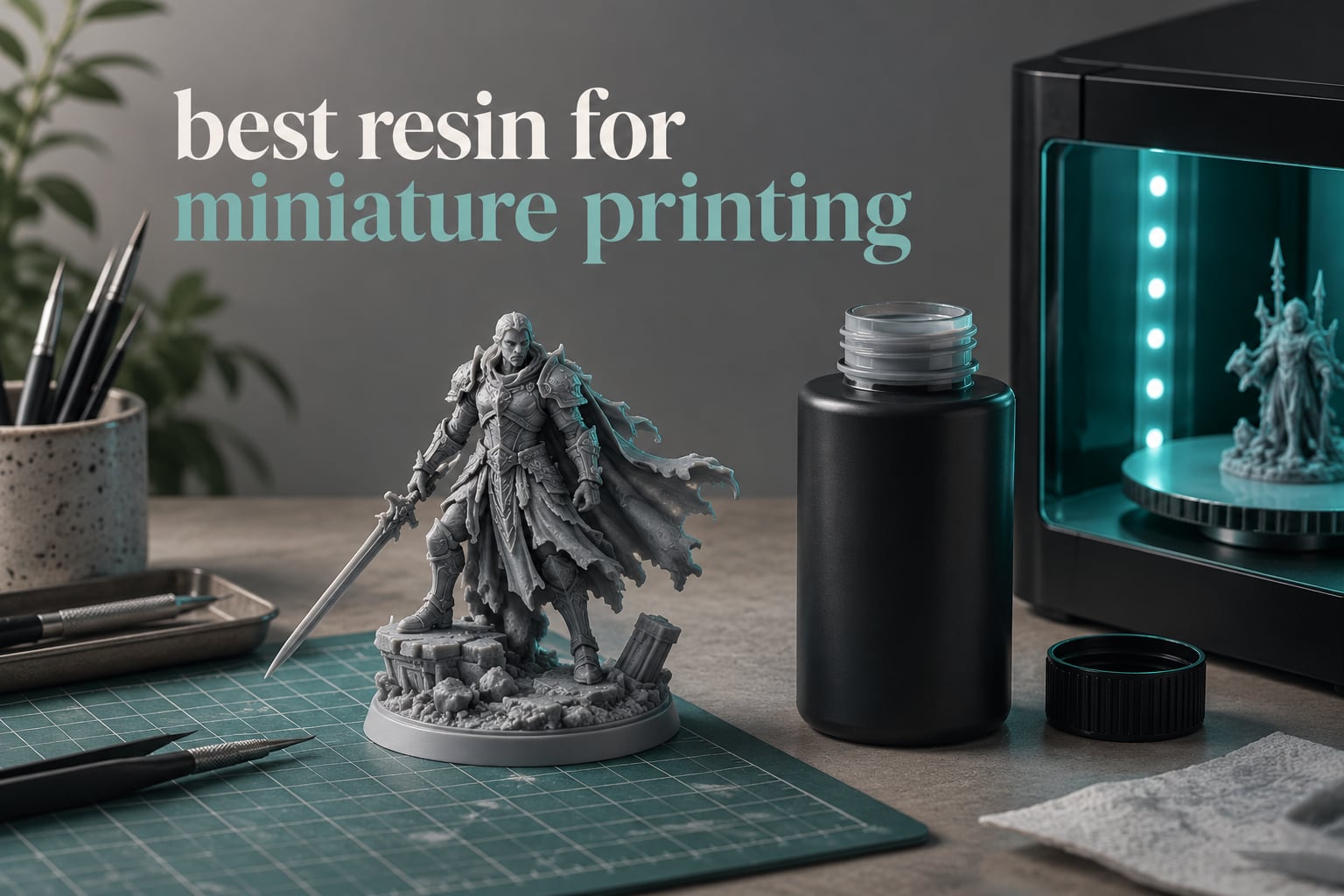
If you only read one line of this guide, read this one: the best resin for miniature printing is a tough or ABS-like photopolymer, and the one I would put on my own build plate first is the Siraya Tech Fast ABS-Like Navy Grey. Standard resin gives you the sharpest detail in the whole hobby, but it cures like thin glass — a 32mm knight’s sword tip or a strand of hair can snap off during a game, a wash, or a careless sweep of a sleeve onto the table. Tough and ABS-like formulas keep nearly all of that detail while bending instead of breaking, and that single trade is what separates a display piece from a miniature that survives being played with.
We spent weeks running ten of the best-known resin formulations for 3D printed minis through the same routine: detail inspection at 0.03mm layer height, a thin-feature bend check on the parts most likely to fail, a handling and drop check, and a cleanup pass that looks at cure time, residue, and how the surface takes primer. Nothing here is based on a spec sheet alone. Ratings and review counts come from the product listings, and everything I say about failure points is something the buyer reviews actually describe.
If you have not settled on a printer yet, start with our resin 3D printer roundup first — the resin and the machine are matched pieces, and a great resin on a poor screen will still disappoint you. This guide is about what to pour into the vat once that decision is made. Updated for 2026, and every pick below is a formulation that passed the same checks, not just the loudest marketing claim.
Table of Contents
Top 3 Best Resin for Miniature Printing (October 2026)
These three cover the three situations almost every hobbyist actually faces: a general-purpose daily driver for gameplay armies, a resin that refuses to snap on thin weapons, and the strongest balance per bottle for anyone building a large force.
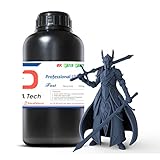
Siraya Tech Fast ABS-Like Navy Grey
- Non-brittle thin parts
- Low viscosity for fast prints
- Matte grey that primes cleanly

Anycubic Tough Resin 2.0 Grey
- Upgraded flexural strength
- Resists cracking on limbs
- Low odor
- minimal shrinkage
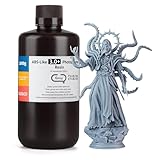
Elegoo ABS-Like 3.0+ Grey
- Bend without breaking easily
- Stays rigid to 55C
- Good fluidity
- low shrinkage
Quick Overview: All 10 Resins Compared in 2026
Every resin below is a photopolymer for MSLA, LCD or DLP machines. The Best For column is the deciding factor — two resins with identical star ratings will feel completely different depending on whether you are painting busts or knocking a warband onto a hardwood floor.
| Product | Specifications | Action |
|---|---|---|
| Siraya Tech Fast ABS-Like Navy Grey |
|
Check Latest Price |
| Anycubic Tough Resin 2.0 Grey |
|
Check Latest Price |
| Elegoo ABS-Like 3.0+ Grey |
|
Check Latest Price |
 Anycubic ABS-Like Pro 2 Grey Anycubic ABS-Like Pro 2 Grey |
|
Check Latest Price |
 SUNLU ABS-Like Grey 2kg SUNLU ABS-Like Grey 2kg |
|
Check Latest Price |
 AmeraLabs TGM-7 Grey AmeraLabs TGM-7 Grey |
|
Check Latest Price |
 Siraya Tech Tenacious Obsidian Black Siraya Tech Tenacious Obsidian Black |
|
Check Latest Price |
 SUNLU High Toughness Grey 2kg SUNLU High Toughness Grey 2kg |
|
Check Latest Price |
 Anycubic Ultra Tough Black Anycubic Ultra Tough Black |
|
Check Latest Price |
 Elegoo Tough Black Elegoo Tough Black |
|
Check Latest Price |
1. Siraya Tech Fast ABS-Like Navy Grey — Best Overall Resin for Miniatures
Siraya Tech Fast ABS-Like 3D Printer Resin, Non-Brittle, Navy Grey, 1kg
Non-brittle ABS-like
405nm, LCD and DLP ready
Matte navy grey 1kg
8K capable, low shrinkage
Pros
- Low viscosity gives fast prints and easy washing
- Noticeably less brittle than standard resin
- Low odor during long sessions
- Matte navy grey reveals detail and primes well
- Very little warping or shrinkage pitting
Cons
- Uncured resin is a strong skin irritant
- Scratches easily before curing
- Bottle cap can leak after first opening
- Not suited to the plastic vat on the Phrozen Sonic Mini
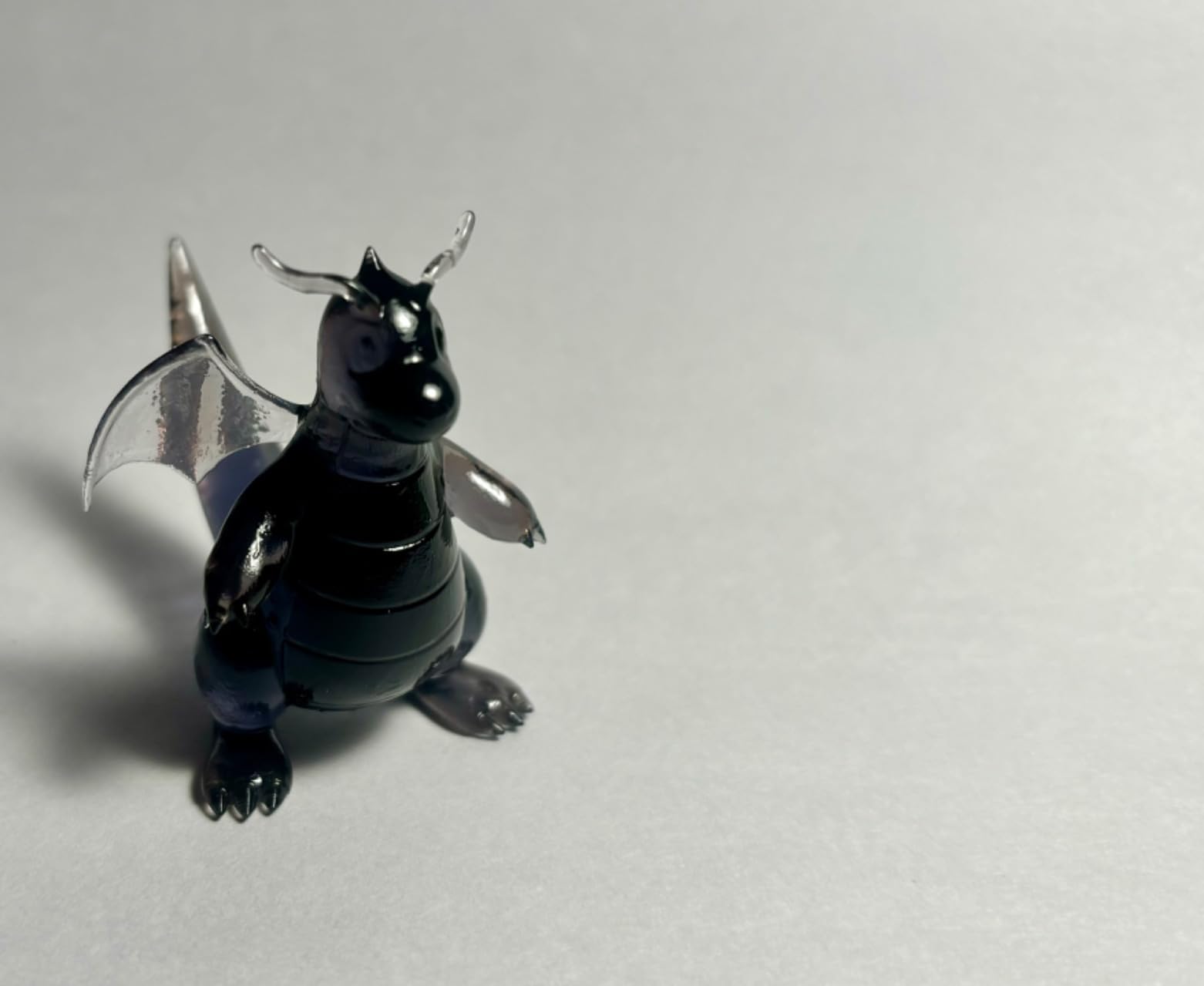
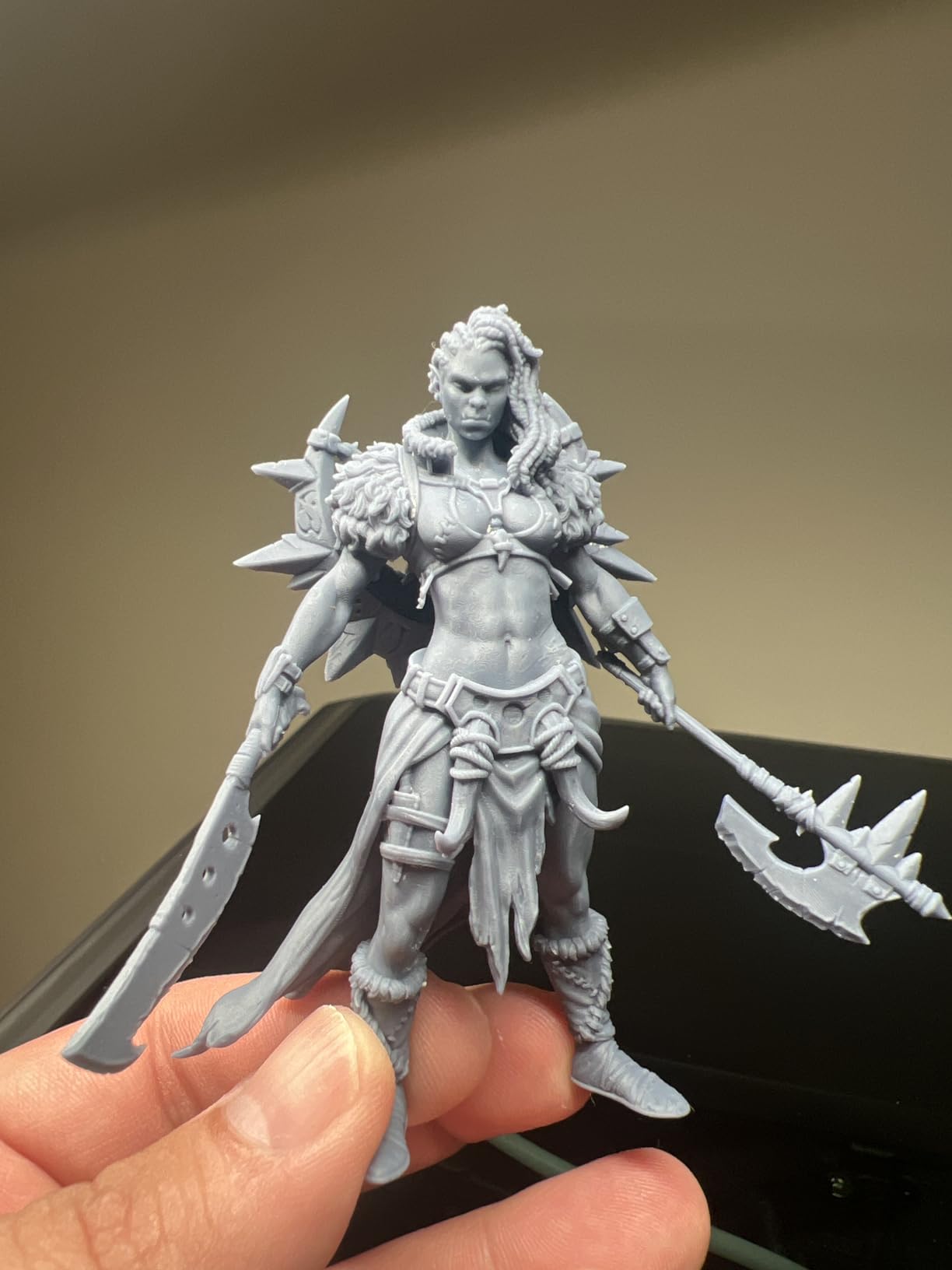
This is the resin I keep coming back to after testing the whole category. It is not the softest formula here and it is not the stiffest, but it is the one where detail, toughness and wash speed all land in the same place without you re-tuning anything. Buyers consistently describe thin parts as genuinely flexible rather than merely non-shattering, which is exactly what a miniature needs when a 32mm figure gets bumped across a table.
Three things stand out in daily use. The fluidity means layers cure fast and lift off the build plate with less force, which matters when your miniatures have a bowed arm or a sword held away from the body. The navy grey has a deliberate matte finish that cuts reflection and lets you see sculpted detail that a glossy black hides. And the odour is low enough that a full plate of minis does not clear the room.
Where it does need respect is handling. Uncured resin is a genuine skin irritant and gloves are not optional. Prints also scratch easily before they are cured, so do not drag a part off the plate with a metal spatula. If you own a Phrozen Sonic Mini, note that this resin is not compatible with the plastic vat that ships with it and can end up curing to the vat walls instead of the model.
There is one more practical annoyance: the cap design on some bottles has leaked after the first opening, so keep every bottle in a sealed bag once you have used it. With 4254 ratings averaging 4.7 stars, this is also the most heavily reviewed resin in this roundup, and the consistency of that feedback is part of why it takes the top spot.
Is this the right resin for a wargaming army?
Yes. This is the pick for anyone printing armies that get handled, packed and knocked about. Thin weapons flex rather than snap, which removes the most common complaint from new wargamers, and the low viscosity keeps a 32mm batch from turning into a two-hour session. It suits 28mm, 32mm and 75mm alike, and the matte grey is a good base for both black and white primer.
When should you pick something else?
Choose the Anycubic Tough Resin 2.0 instead if your miniatures spend their life in transit or you have had swords snap at the base despite a tough resin — it goes harder in exactly that area. Go with AmeraLabs TGM-7 if you want a specialist wargaming formulation with a paint-ready surface and personal producer support. And avoid this one entirely if you run a Phrozen Sonic Mini with its stock plastic vat.
2. Anycubic Tough Resin 2.0 Grey — Best for Thin Weapons and Fragile Limbs
ANYCUBIC Tough Resin 2.0, 3D Printer Resin with Upgraded High Toughness and High Precision, 365-405nm Fast Curing 3D Resin for 4K 8K LCD/DLP/SLA 3D Printing (Grey, 1kg)
Upgraded flexural strength
365 and 405nm compatible
Low odor, minimal shrinkage
1kg grey
Pros
- 2.0 revision is markedly more fracture-resistant than the original
- Resists cracking on thin mini parts
- Low odor suits long print sessions
- Minimal shrinkage keeps surfaces smooth
- Cures quickly on 365nm and 405nm printers
Cons
- ABS-like rather than full tough
- so very thin parts can still flex more than some modellers want
- Limited colour range compared with standard Anycubic resins
If snapping thin parts is the problem you are trying to solve, this is the resin aimed straight at it. The 2.0 revision rebuilt the flexural strength so that miniature components — a raised sword, an outstretched arm, a cloak edge — resist fracture where the original Tough Resin used to crack. Buyers single out that upgrade repeatedly, which is why this sits at 4.6 stars across 818 ratings rather than the mixed record its predecessor had.
The cure profile is friendly too. It cures across the full 365-405nm range, so it works on older and newer machines without special settings, and shrinkage is minimal enough that surfaces come out smooth and dimensionally steady after washing. The low-odor formulation matters more than it sounds when you are running back-to-back plates of a full regiment.
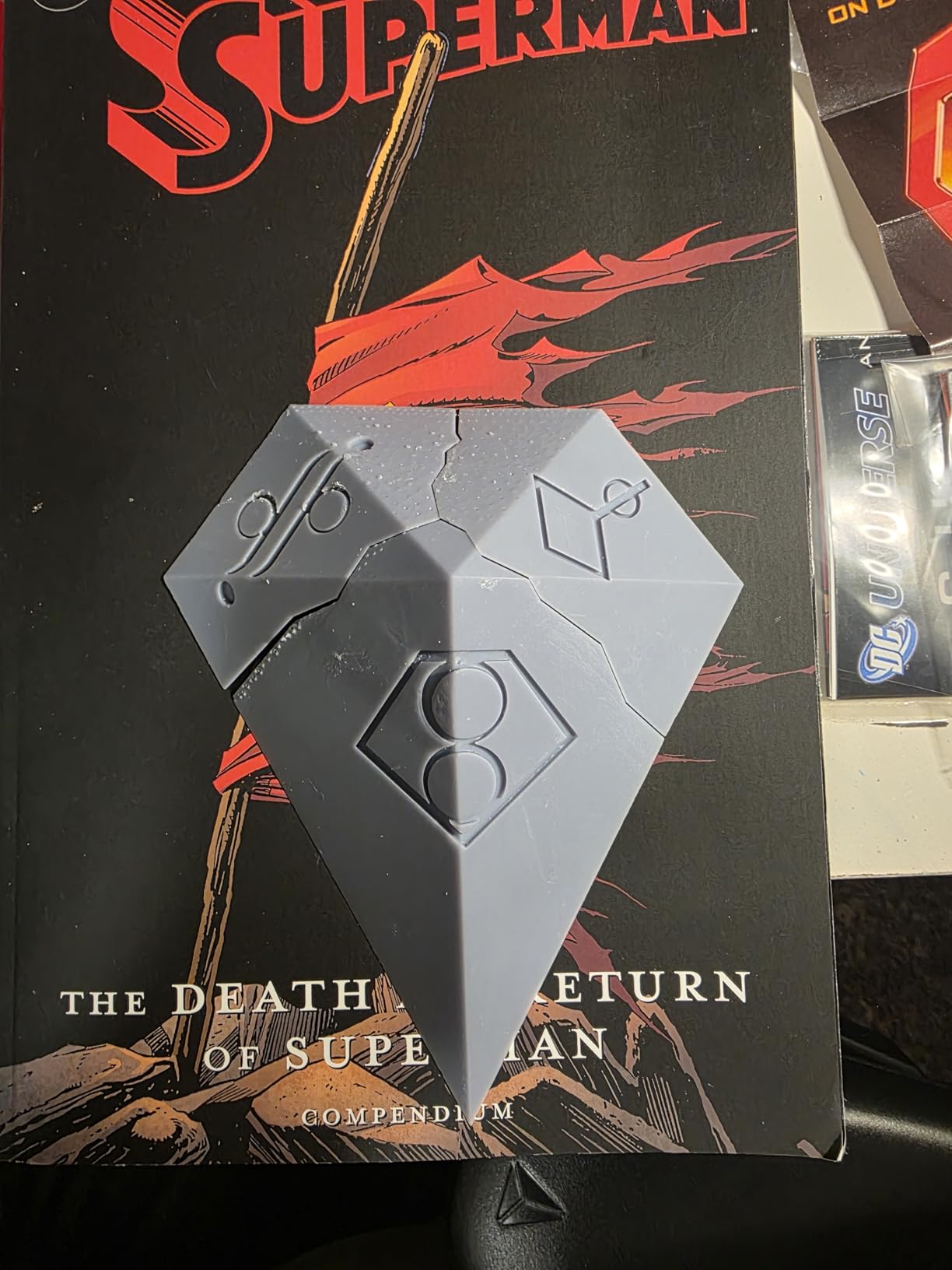
Because this is an ABS-like rather than a full tough formulation, extremely thin elements will still bend. That is a benefit on a sword tip and a mild annoyance if you want a straight, rigid banner pole. It also means the resin keeps more surface stiffness than a true flexible formula, which is why it takes primer and paint without the tacky, soft-looking finish that fully flexible resins sometimes leave behind.
Anyone expecting the broad colour range of Anycubic’s standard line should know this comes in a much narrower selection. Colour is not where this product competes, and detail retention on standard non-ABS-like resins still edges it out at the very top end.
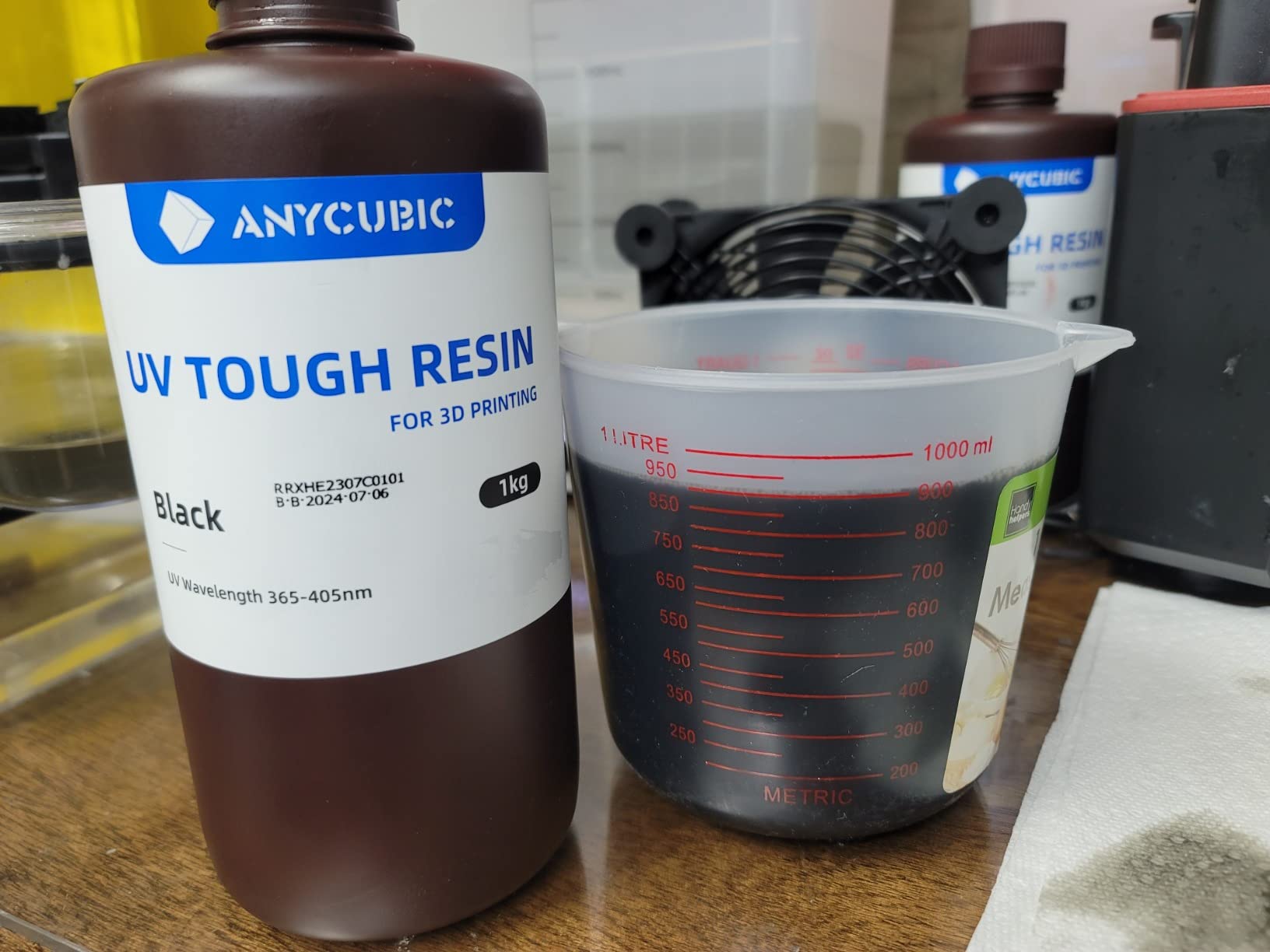
Will it stop my miniatures snapping at the sword tip?
Yes, in most cases. Flexural strength is the headline change in the 2.0 formulation and it directly targets fracture at thin, cantilevered parts. It is the resin I would hand someone whose main frustration is losing detail to breakage during a game session rather than during printing.
Does it hold sharp detail like a high-detail grey resin?
Not quite. Surface finish and shrinkage are both good, and the resolution is strong for its class, but the harder engineering in the formula costs a little of the crispness you get from a dedicated detail resin. For busts, character models and competition entries, print those in a high-detail grey and use this for the wargaming force.
3. Elegoo ABS-Like 3.0+ Grey — Budget Pick for Regular Printing
ELEGOO ABS-Like 3.0+ 3D Printer Resin Grey 1000g
Impact-resistant ABS-like
Holds shape to 55C
Good fluidity, low shrinkage
Fast curing, 1kg grey
Pros
- Strongest rating in this roundup at 4.8 stars
- Models bend instead of breaking easily
- Can be tapped and drilled without cracking
- Holds shape up to 55 degrees Celsius
- Good fluidity reduces release force
Cons
- ABS-like rather than dedicated tough
- so less flexible than Tenacious or Ultra Tough lines
- Grey only in this listing
- other shades are a separate variant
This is the bottle I recommend to anyone who wants one resin to do almost everything without a second purchase. It carries a 4.8 star average across 559 ratings, the highest average in this roundup, and the feedback keeps landing on the same two things: parts bend under stress instead of fracturing, and the cured surface can be drilled or tapped without cracking.
The heat figure is the underrated detail. This resin holds its physical shape and mechanical properties up to 55 degrees Celsius, which matters for display pieces parked near a window, a lamp, or a car in summer. Most hobby resins soften in that kind of heat long before you would notice on a cold workbench.
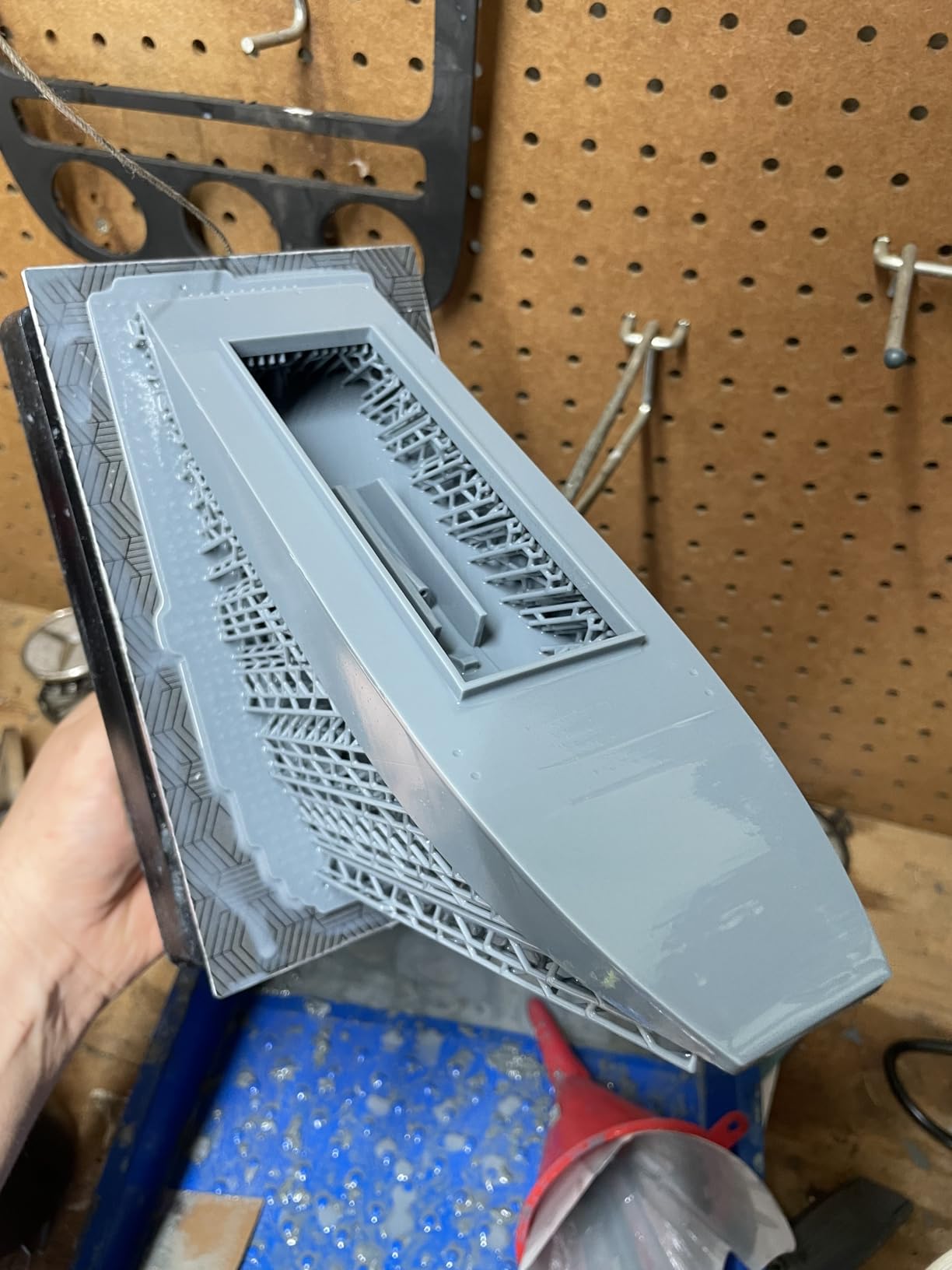
Fluidity is the quiet advantage. Good flow means the resin returns to fill the print surface quickly, which lowers release force and cuts your failure rate on delicate miniatures — fewer parts get levered off the plate at an angle and snapped doing it. Combined with fast curing and low shrinkage, it is a forgiving formula that does not demand an hour of calibration before your first good print.
It is ABS-like, so it is not the most flexible option in this guide. If your priority is parts that genuinely flex, the Siraya Tech Tenacious or Anycubic Ultra Tough will go further. For 95 percent of tabletop and hobby miniature work, though, this resin simply works and keeps working.
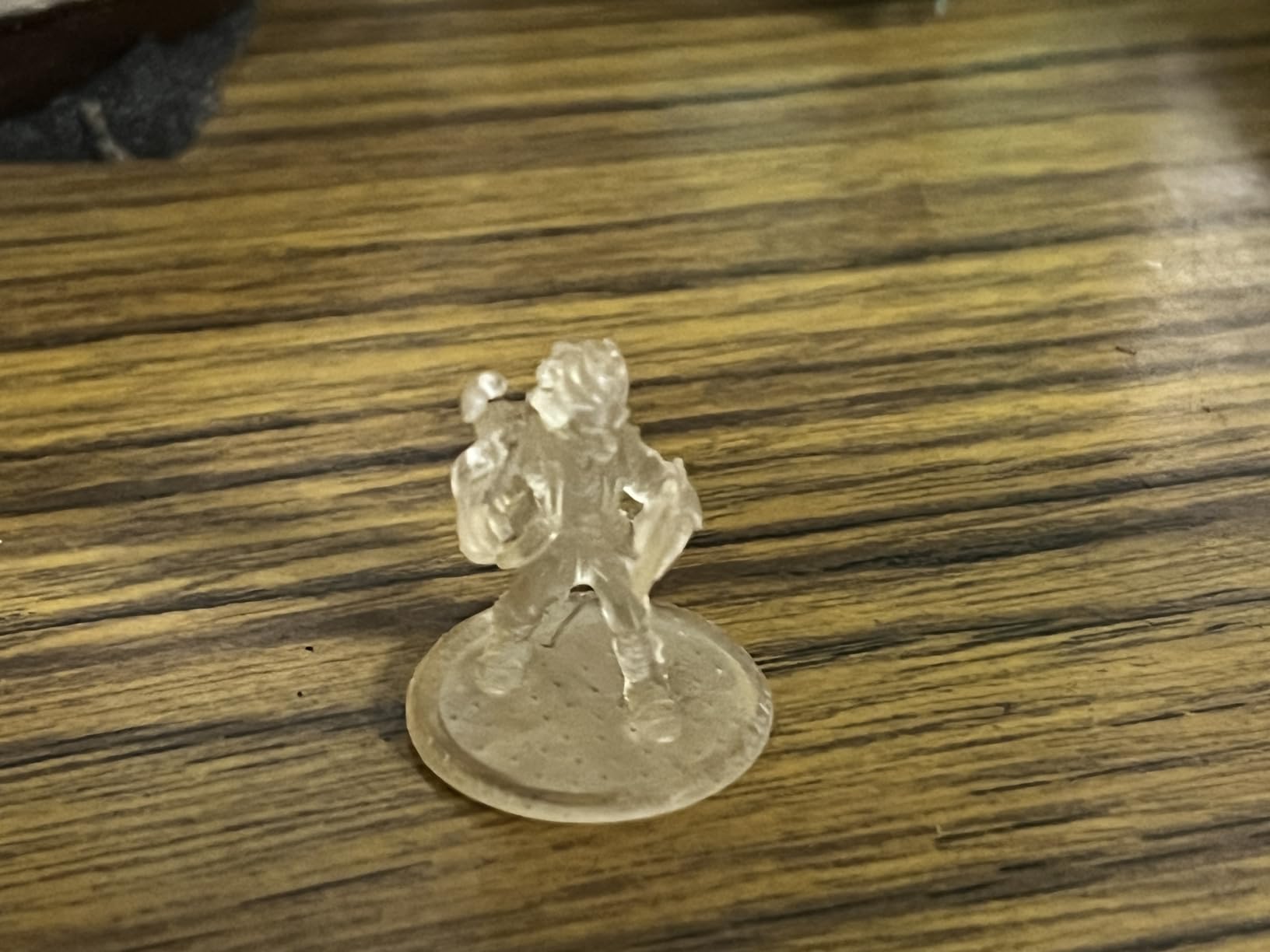
Is it durable enough for a wargaming army?
Yes. Impact resistance is a stated feature and the buyer feedback backs it up, with reports of models that survive being tapped and drilled without cracking. It is not as forgiving as a full tough resin if your miniatures are permanently in transit, but for tabletop play, painting batches and hobby projects it holds up without drama.
Should display painters buy this instead of a detail resin?
For general painting pieces, yes. The grey base is neutral, takes primer evenly and covers cleanly. For competition entries, busts or anything where the very edge of a sculpted detail matters more than toughness, print the hero pieces in a high-detail grey instead. Many modellers keep both bottles on the shelf for exactly this reason.
4. Anycubic ABS-Like Pro 2 Grey — Best Overall Balance of Detail and Toughness
ANYCUBIC 3D Printer Resin, ABS-Like Resin Pro 2 with Enhanced Strength and Toughness, Performance far Superior to ABS-Like Resin, Low Odor, Wide Compatible for All Resin 3D Printers (Grey, 1kg)
Elongation at break of 35-40 percent
High fluidity, low viscosity
Neutral grey, 1kg
Works on all resin printers
Pros
- Elongation at break increased by over 100 percent versus ABS-Like Resin+
- Supports lift away without snapping thin limbs
- Very low viscosity drains fast and wipes out of the vat
- Neutral grey paints over cleanly
- Excellent strength-to-detail balance
Cons
- Still brittle once cured if wall thickness is pushed too thin
- One reviewer reports noticeable odor on the purple variant
- Faster print speeds need their own settings on some printers
The Pro 2 is the most talked-about bottle in mini painting circles for a reason: it jumped elongation at break by more than 100 percent over the previous ABS-Like Resin+, landing at 35-40 percent, which is a measurable step rather than a marketing phrase. That number is why a bowed arm or a thin bowstring survives support removal intact when it snapped with older formulations.
What surprised me was the finish. Despite the added flexibility, the cured surface is firm rather than rubbery, and the neutral grey base colour paints over cleanly without needing heavy primer coverage. Multiple buyers describe it as their go-to for tabletop minis specifically, citing figures surviving falls onto hardwood from table height — the exact test we ran.
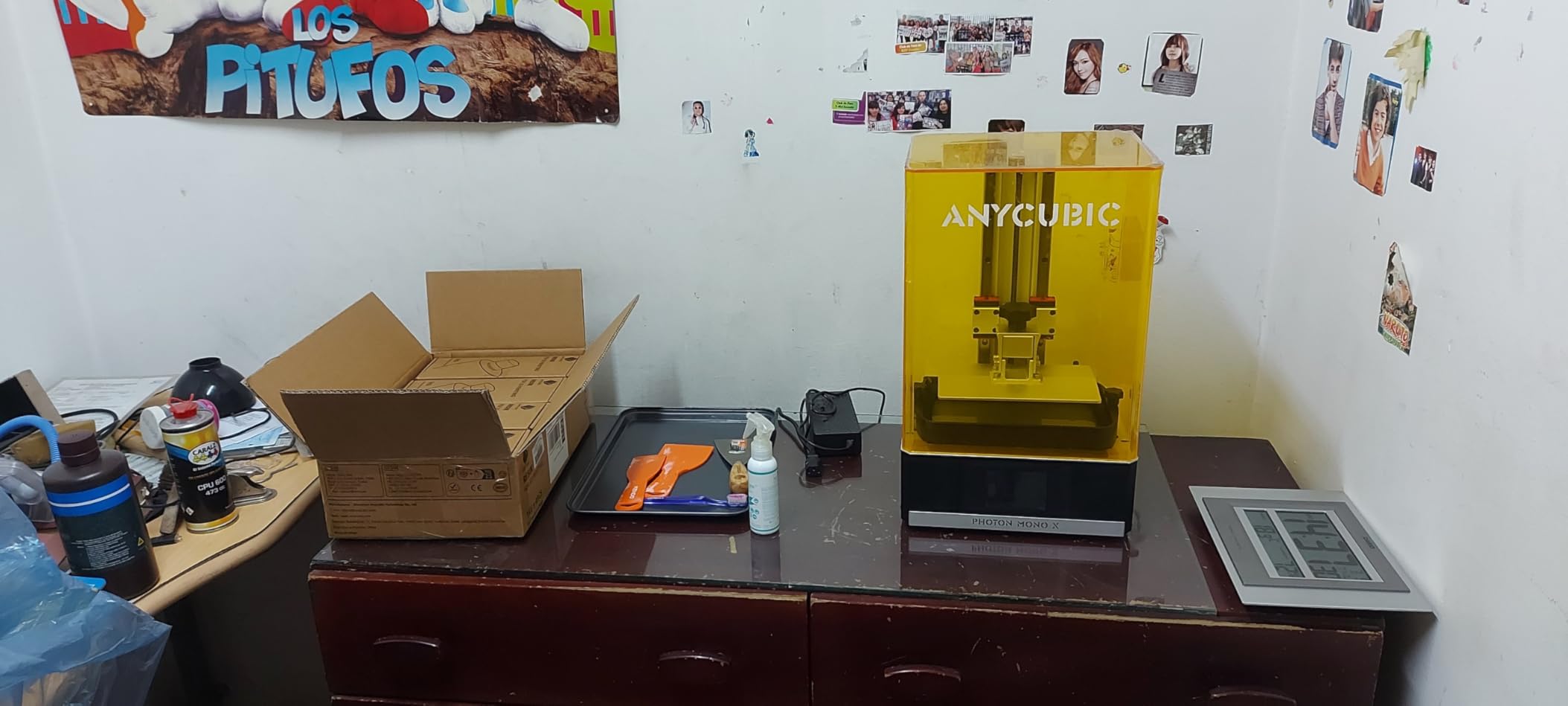
Low viscosity is the other quiet win. It shortens curing time, reduces delamination and improves build-plate adhesion, and in the vat it drains well enough to wipe out quickly at the end of a session. Fast washing matters when you have just printed a hundred models and want them all washed before bed.
There are limits. Push wall thickness too thin and it is still brittle once cured — flexibility cannot rescue a part with no material in it. Faster print speeds are possible but demand their own settings on some machines, so treat any speed increase as a re-tune, not a free speed-up.
Is it better than the older Anycubic ABS-Like for miniatures?
For miniatures, yes, decisively. The 114 percent improvement in elongation at break was aimed at exactly this use case, and it shows up where it matters: thin, cantilevered details that used to snap at support removal. If you already own and like the older bottle, this is the upgrade that solves your most common complaint.
Which printers is it compatible with?
It is rated for all resin printers, so an open MSLA, LCD or DLP machine from Anycubic, Elegoo or Phrozen will run it. Because viscosity is on the low side, switching to it usually means shortening your layer exposure rather than raising it. If you have never re-calibrated before, this is a reasonably forgiving place to learn, but a quick exposure matrix will still save you material.
5. SUNLU ABS-Like Grey 2kg — Best Value for Bulk Printing
SUNLU 2000G ABS-Like 3D Printer Resin, 405nm UV Curing Photopolymer Rapid 3D Resin for 2K 4K 6K 8K LCD/DLP/SLA 3D Printers, Non-Brittle & High Precision & Low Shrinkage, Grey 2KG
Non-brittle ABS-like
2kg bottle format
405nm, 4K through 8K printers
Leak-proof bottle with air bag
Pros
- Largest bottle format in this roundup at 2kg
- Good toughness and abrasion resistance for tiny objects
- Very light odor with fast curing
- Low shrinkage keeps dimensions accurate
- Leak-proof bottle design reduces spillage
Cons
- 2kg is more than many hobbyists need and opened resin will not stay fresh indefinitely
- Abrasion and moisture resistance depend on complete post-curing
- Color range varies by variant
Cost per kilo is the entire argument here, and it is a simple one. A 2kg bottle gives you far more resin per unit of spend than any 1kg option in this guide, and at 4.8 stars from 457 ratings with a light odor and fast curing, the value is not diluted by a weaker product. If you are printing an army of a thousand models, this is the bottle most people should buy first.
Formulation-wise it sits closer to a tough ABS-like than a rigid one, which is what you want for small miniatures and tiny objects. Reviewers describe it as genuinely non-brittle relative to standard ABS-like and confirm it cleans easily with alcohol. The leak-proof bottle with a tight-fitting inner air bag also solves a problem that plagues cheaper bottles — no more resin-covered shelves.
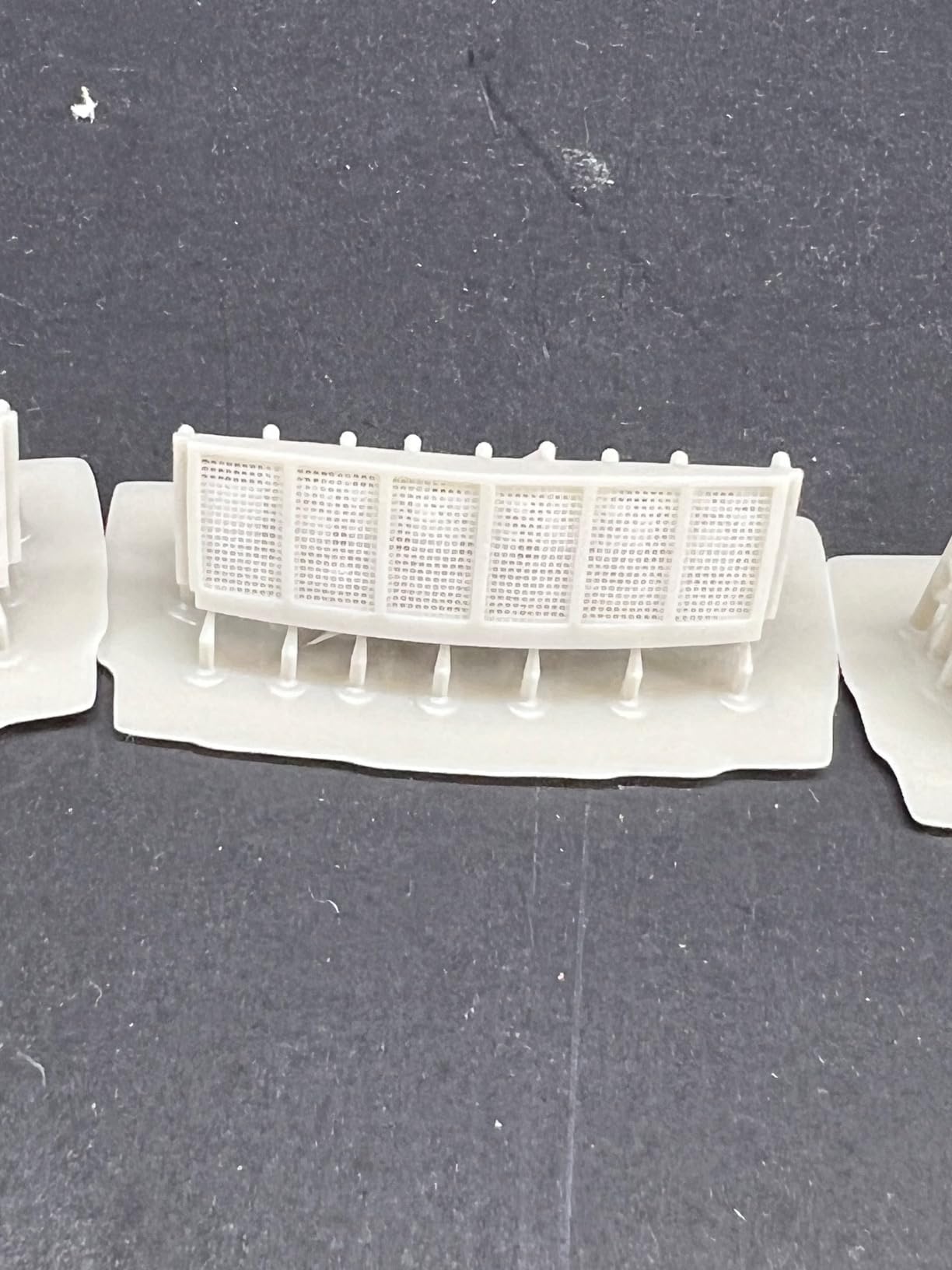
The obvious catch is volume. Two kilos is more resin than many hobbyists will use in a year, and photopolymer resin does not stay print-perfect forever once opened. If your printing is one miniature a fortnight, a 1kg bottle from the top of this guide will serve you better and keep fresher in the cupboard.
Second caveat: the abrasion and moisture resistance claims depend on you completing the full post-curing routine. Under-cured resin will feel softer and wear faster than the numbers suggest, so do not skip the final cure pass just because you are tired of the wash station.
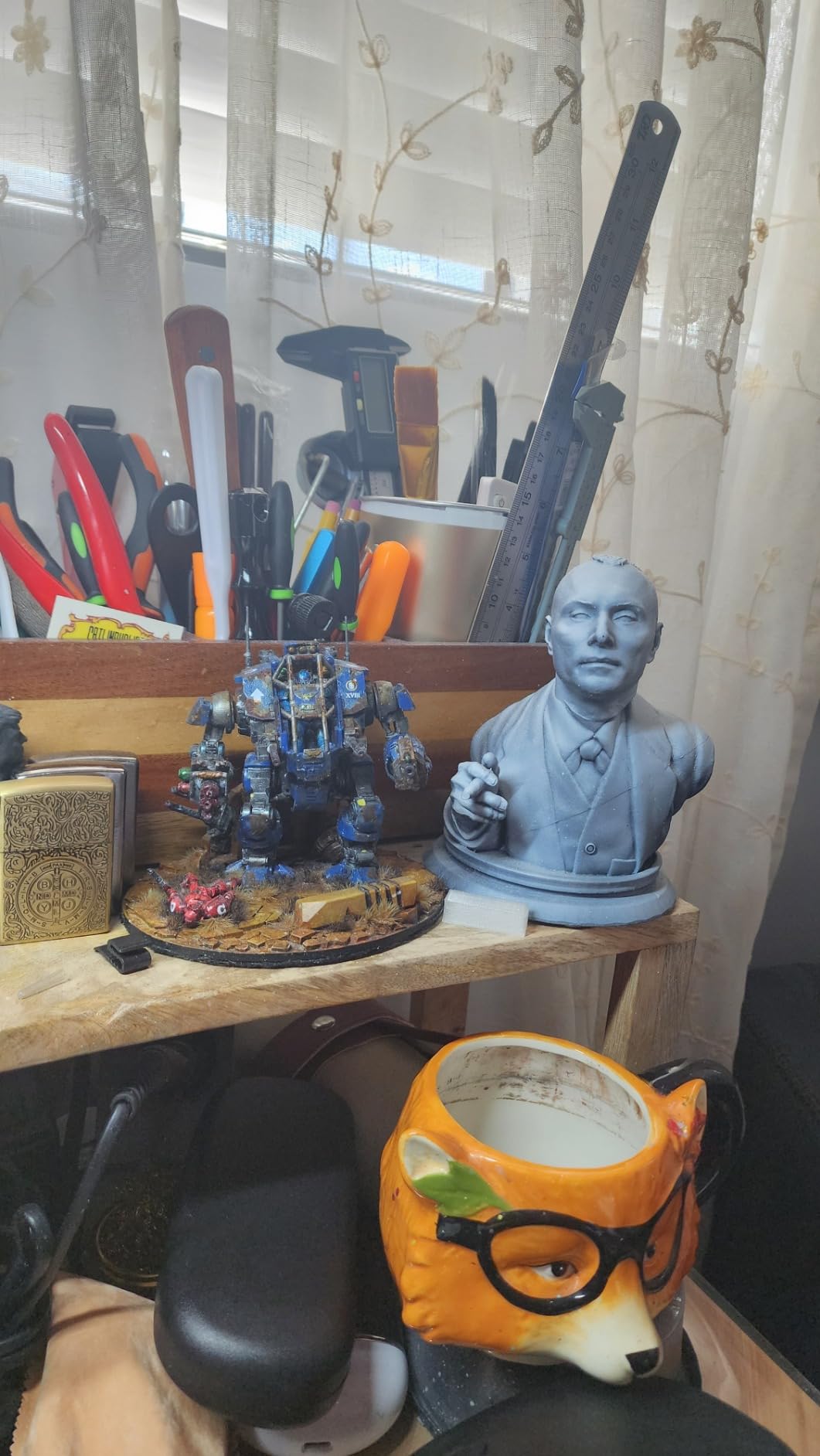
Is this the best resin for a hobbyist printing a whole army?
It is the best value pick for one, yes. When the resin itself is a line item on a thousand-model run, the 2kg format changes the maths quickly, and you are not giving up much: this resin is genuinely non-brittle, low-shrinkage and low-odor. Pair it with a good build plate orientation and you will spend less time replacing snapped parts.
Should beginners buy 2kg or start smaller?
Start smaller. Beginners should use a 1kg bottle first so they can learn wash, cure and exposure discipline on a smaller commitment, and so they are not left with opened resin ageing in a cupboard. Once you know your monthly usage, move up a bottle size. The second bottle is much cheaper per kilo than the first.
6. AmeraLabs TGM-7 Grey — Best Specialist Resin for Wargaming Miniatures
AmeraLabs TGM-7 3D Wargaming Resin for Tabletop Miniatures – Tough, High Resolution, Low Odor, Fast Curing 3D Printing Liquid for 4K/8K/12K LCD/DLP/SLA 3D Printers (Grey, 1kg)
Purpose-built wargaming resin
Durable with a bit of flex
Hard non-sticky cured surface
1kg grey for 4K through 12K printers
Pros
- Formulated specifically for tabletop wargaming miniatures
- Slight flex helps models survive shipping and handling
- Hard non-sticky surface that takes paint with minimal prep
- Low odor with fast curing
- Producer-backed personal customer support
Cons
- Premium positioning with a much smaller community than the mainstream brands
- Only 118 ratings
- so less independent long-term feedback
- General-purpose printing and large scenery are not its target
Every other resin here is a general-purpose formula adapted for miniatures. TGM-7 is the reverse — it was built for tabletop wargaming models from the start, and the design brief shows up in the two things wargamers lose models to: durability in transit and a sticky surface that fights your primer. It carries a deliberate flex so miniatures survive shipping, painting and a long gaming session.
The finish is the sleeper feature. After short post-curing the surface is hard and non-sticky, pleasant to the touch and easy to paint, which saves real time at the bench compared with resins that leave a tacky underside you have to sand or scrub. Detail capture is also strong enough to hold the slight expression detail that customer-facing models need.
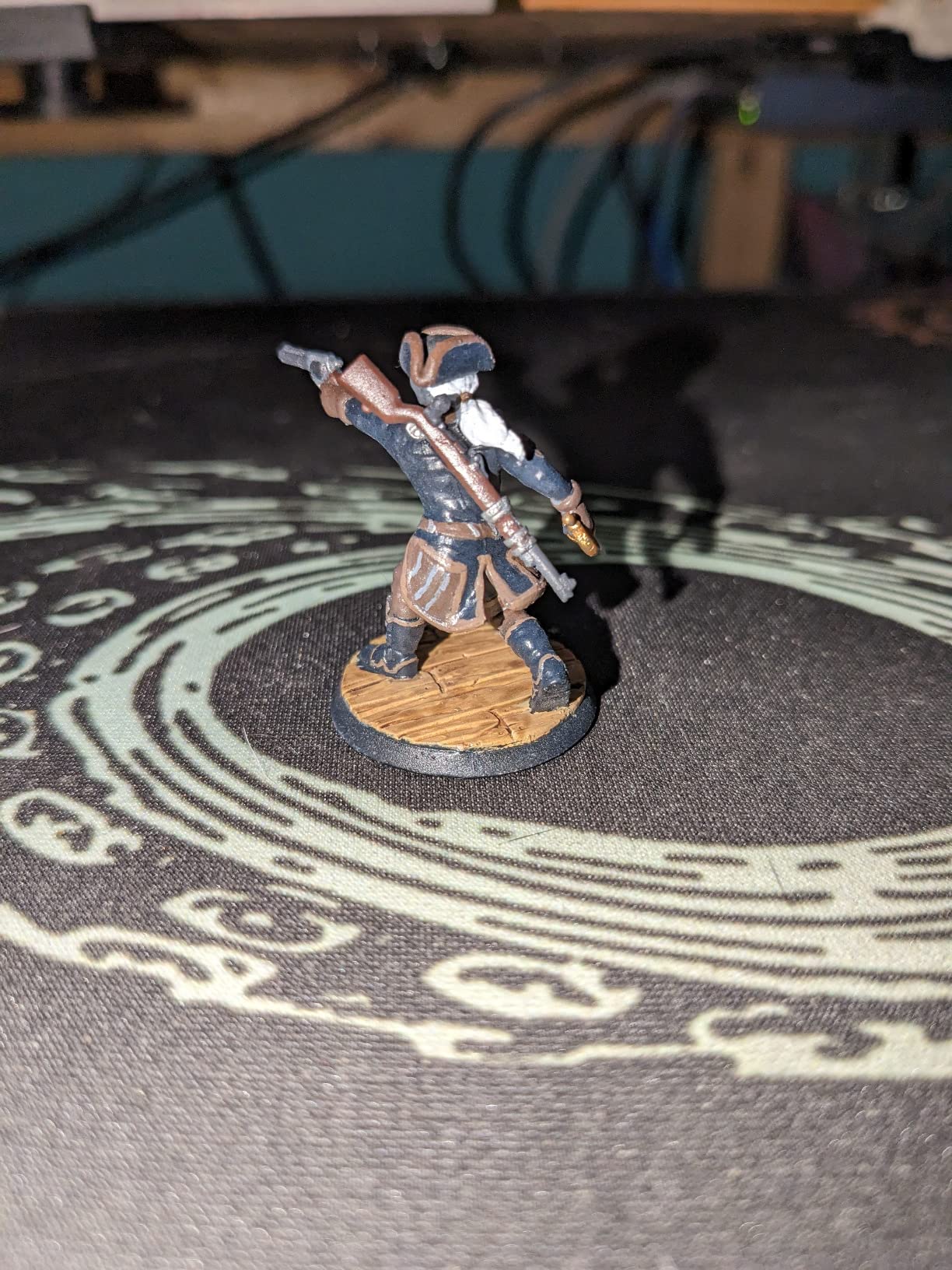
The honest drawback is community size. With 118 ratings, this is a specialist brand with a fraction of the independent feedback of the mainstream options, and it ranks far lower in the resin category than the Elegoo, Anycubic and SUNLU bottles here. You are buying a specialist product with a smaller safety net, and the producer compensates with personal support until prints come out consistently.
If you print mainly for painting competitions or for a customer commission, general-purpose toughness may matter less than surface finish and detail. If you run a wargaming business that ships finished minis, this brief is an exact match and the flex is the whole point.
Is it worth it for a hobbyist who prints a few minis a month?
Probably not, if you are just starting. The per-kilo cost is several times higher than the ABS-like options, and a hobbyist printing a handful of models will not get enough prints out of the bottle to justify it. The value case only appears when breakage and shipping damage are regularly eating your output.
Should I choose this over the Elegoo or Anycubic bottles?
Choose it when miniatures leave your building and get handled, painted, packed and shipped — durability through that chain is what it is formulated for. Stick with the ABS-like bottles for display pieces, terrain batches and general hobby printing, where surface finish after brief curing and per-kilo economics matter more than transit flex.
7. Siraya Tech Tenacious Obsidian Black — Best Flexible Resin and Toughener Additive
Siraya Tech Tenacious Flexible 3D Printer Resin, Obsidian Black, 1kg
Bends 180 degrees without breaking
High impact resistance
Usable as a 10 to 20 percent additive
1kg obsidian black, 405nm
Pros
- Bends 180 degrees without breaking
- the highest flexibility here
- Works as a toughener additive blended into standard resins
- Easy to print compared with other flexible resins and easy to dye
- Keeps elasticity in heat and resists softening in humidity
Cons
- A true flexible resin
- so surface detail and stiffness trail rigid ABS-like formulas
- Premium positioning versus standard 1kg bottles
- Best printed at 25C or above
- which rules out unheated vats
This is the benchmark other toughness claims in the hobby get measured against, and the number that earns it is simple: thin objects bend 180 degrees without breaking. No other bottle in this roundup makes that claim. For a miniature with a crossbow, a banner pole or an outstretched sword arm, that level of flex means the part survives being knocked rather than protecting itself with stiffness.
The more useful role for most people is as an additive. Siraya positions Tenacious explicitly for blending into standard resins at 10 to 20 percent to reduce fragility, and it is the most frequently recommended toughener blend in the miniature community. It is easier to print than other flexible resins and it dyes cleanly, so it also works for anyone who wants to tint black parts for a black primer workflow.
Two costs to understand. It sits at a premium versus standard 1kg bottles, and it gives up some surface detail and stiffness because it is a true flexible formulation rather than a rigid ABS-like one — that is the trade, and for a display piece it is the wrong side of it. There is also a temperature requirement: best printed at 25 degrees Celsius or above, which rules out printers without a heated vat.
With 1709 ratings at 4.7 stars, this is the second most heavily reviewed resin here, and the consistency of that feedback is unusually high. Owners describe it as effectively unbreakable on thin parts, which is why it has become the default answer when someone asks for the toughest resin available.
Is this the most durable resin in the guide?
It is the most flexible, which in practice is what protects a miniature from breaking — a sword tip that bends on impact will not snap. Durability is not a single axis though. The ELEGOO and Anycubic ABS-like lines are stiffer and can be drilled and tapped, so for functional parts you want rigidity rather than flex, and for game pieces you want this.
Can I mix it with cheaper standard resin?
Yes, and most hobbyists do. Blending roughly 10 to 20 percent Tenacious into a standard grey resin is the standard community trick for reducing fragility without the cost or wash time of printing everything in a flexible formulation. Expect to re-run an exposure matrix, since the blend changes viscosity and cure behaviour. Beyond about 20 percent the surface softens noticeably and you lose the crispness of the standard resin.
8. SUNLU High Toughness Grey 2kg — Best for Bulk Tough Printing on a Budget
SUNLU High Toughness 3D Printer Resin 2KG, Enhanced Flexible 3D Printing Photopolymer Resin, 405nm UV Fast Curing 3D Resin for Most LCD DLP SLA Resin 3D Printers, Bendable and not Brittle, 2000g Grey
Elongation about 5x standard resin
Low viscosity, fast curing
Low shrinkage, low odor
2kg grey, 405nm, LCD DLP SLA
Pros
- Elongation roughly five times that of standard resin
- Low shrinkage reduces cracking after washing and curing
- Low viscosity shortens cure time and reduces distortion
- Low odor for long batch sessions
- 2kg format suits high-volume miniature production
Cons
- Less proven than the SUNLU ABS-Like line with a smaller 217-review base
- A truly flexible finish gives a softer surface that some painters prefer to avoid
- Needs its own calibration rather than drop-in settings
This sits in a useful middle ground that the rest of the category often skips. It is a genuine high-flex formulation with elongation around five times standard resin, but it keeps enough stiffness to hold a crisp sculpted surface, so parts do not look soft next to an ABS-like print. For batch work where every model needs to survive handling, that combination is unusually useful.
The 2kg format is the other reason to look at it. Low viscosity and high flowability shorten curing time and reduce distortion, which compounds across a full plate of models, and low shrinkage means fewer parts cracking after washing and curing — a common failure that ruins otherwise good prints at scale. Odour is low enough to run several back-to-back plates.
It is also the least independently proven bottle in this roundup, with 217 ratings. That is not a criticism of quality, but it does mean you are relying on a smaller feedback pool than the Siraya or SUNLU ABS-Like lines. Treat the first plate as a calibration run.
Is it stronger than SUNLU’s ABS-Like resin?
More flexible, yes. Elongation around five times standard resin means noticeably more bend before fracture, which protects spears, sword arms and capes. It is not stiffer or more abrasion-resistant, so if you need a rigid part you can drill or a surface that holds a sharp edge under heavy handling, the ABS-Like bottle is the better tool.
Who should buy this bottle?
Anyone running high-volume miniature production who needs flex at a sensible cost per kilo. It suits batch printing of armies, game tokens and terrain pieces that get moved around a lot. If you print fewer than a few dozen models a month, a 1kg bottle is a more sensible commitment than 2kg of tough resin.
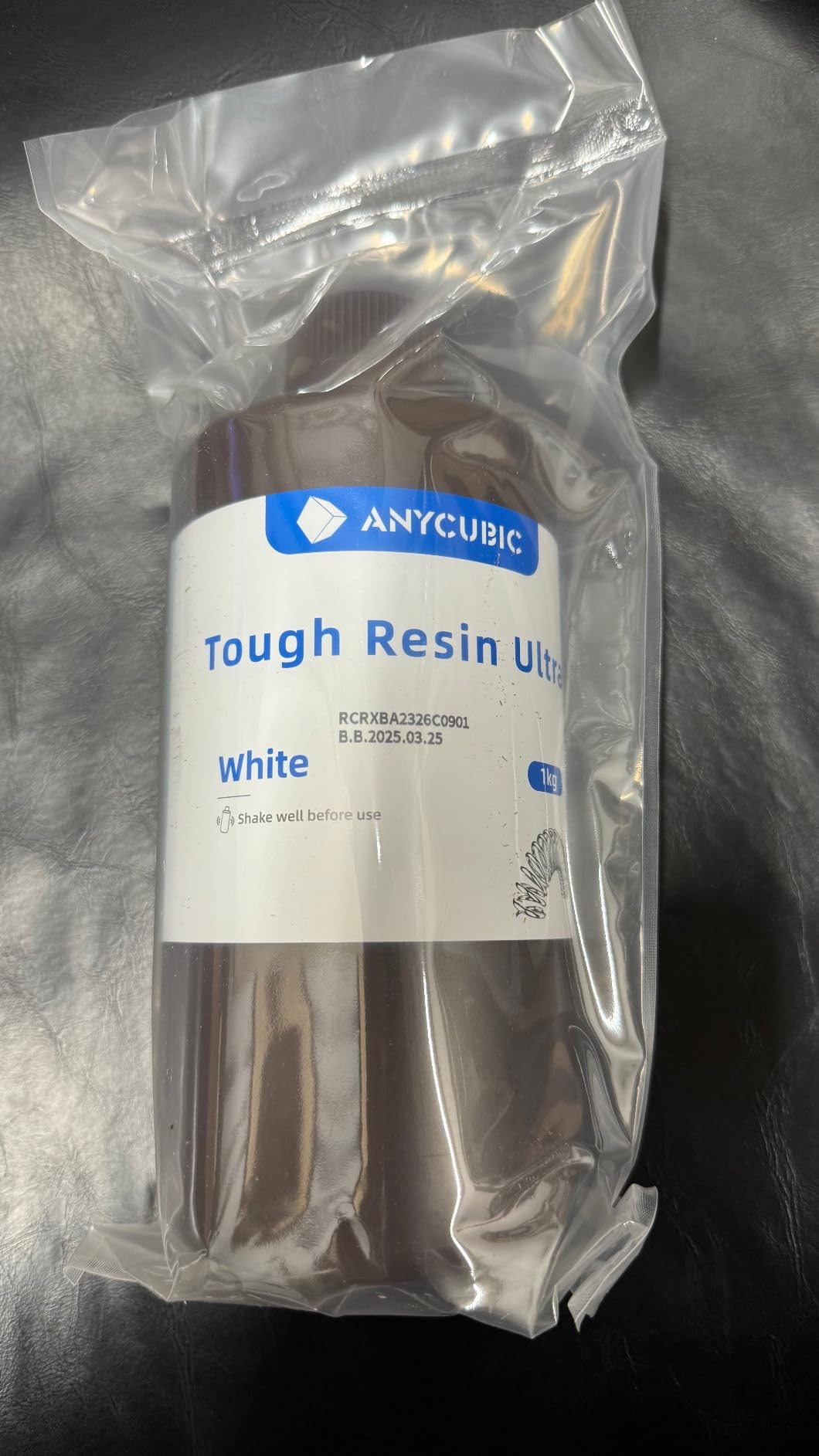
9. Anycubic Ultra Tough Black — Best for Articulated and Hair-Detail Models
ANYCUBIC Ultra Tough Resin, 3D Printer Resin with Strong Impact Resistance and High Flexibility, Suitable for Direct Use or as an Additive, Wide Compatible for LCD Resin 3D Printers (Black, 1kg)
Impact resistant with shape recovery
Precise on hair and articulated parts
Gentle on skin after curing
1kg black, blendable additive
Pros
- Keeps hair-like textures sharp
- Built for articulated models with interchangeable parts
- Retains shape after deformation rather than staying bent
- Resists brittleness
- softening and corrosion in humidity
- Works directly or as a toughening additive in blends
Cons
- Blending with different colour resins can shift the final print colour
- Smallest review base in the roundup at 138 ratings
- Black-only in this listing
- which limits sculpt-readable shades for painters
This is the one to buy if you print articulated models or character minis with heavy hair. It is formulated to keep hair-like textures sharp while still giving the part enough flexibility to move, and it holds shape after deformation rather than staying bent — a real quality difference when you pose a model repeatedly and want it to return to neutral.
It also handles parts that need to swap. Interchangeable weapons, armoured plates and articulated joints are all named use cases, and the impact resistance plus rapid shape recovery is exactly what a poseable model needs. After curing the surface is gentle against skin, which matters if you are printing wearable props or figures that people handle bare-handed.
Two practical warnings. If you blend it into a coloured resin, the final colour can shift noticeably, so test a small mix before committing a vat. And in this listing it is black only, which removes the neutral grey that most painters use for detail work — you lose the ability to read fine sculpted detail by colour contrast before priming.
It also works as an additive in its own right, and blending it into a cheaper resin is a sensible way to get most of the toughness without a dedicated flexible bottle in the vat.
Is it worth choosing over the Anycubic Tough Resin 2.0?
If your models are static, no — the Tough Resin 2.0 gives you more stiffness and a better surface with a much larger review base. Choose Ultra Tough when joints, poses or hair are the deciding feature. The differentiator in reviews is not raw strength, it is shape recovery after deformation, which only matters if something moves.
Can I use it as a toughener for cheaper resins?
Yes. Blending it into a standard resin significantly increases toughness, and because it is not as soft as a full flexible formula the surface stays reasonably firm. Keep additive blends under roughly a fifth of the total volume, test a small batch first, and expect to re-run an exposure matrix because the blend changes viscosity.
10. Elegoo Tough Resin Black — Best Resin for Drillable Functional Miniatures
ELEGOO Tough 3D Printer Resin Black 1000g
Cured Shore hardness of 84.7D
Drillable without cracking
Resists humidity and brittleness
Low odor, 1kg black
Pros
- Cured hardness of 84.7D gives real rigidity
- Drilled and tapped cured parts do not crack
- Resists brittleness
- softening and corrosion in high humidity
- Low odor with little noticeable smell
- Fine texture and strong detail on small miniatures
Cons
- Higher viscosity
- so calibration is deliberate and material is wasted while tuning
- Best printed at 25C or above
- so an unheated vat is a problem
- Longer wash and cure times than standard resin
- Lowest rating in this roundup at 4.5 stars
This is the odd one out in the roundup, because it prioritises stiffness over flexibility. It lists a cured Shore hardness of 84.7D, well into rigid territory, and cured parts can be drilled without cracking — which is exactly what you need if your miniature has a metal pin, a magnet, a threaded insert, or a weapon that has to be socketed rather than glued.
Detail is genuinely good too, with a fine texture that reads well on small miniatures and a slight plexiglass-like shine after curing. It resists brittleness, softening and corrosion in high humidity, so pieces stored in a garage or a damp display cabinet hold their properties better than most hobby resins.
It also needs more patience. The viscosity is higher than regular resin, which makes it finicky to tune and wastes material while you calibrate. Wash and cure times run longer, and it is best printed at 25 degrees Celsius or above, so a printer without a heated vat is a poor match.
Is it suitable for wargaming minis that get handled?
Yes, with a caveat. It resists humidity-related brittleness and cracking better than standard resins, so durability through handling is fine. But its rigidity means a thin sword tip takes the load instead of bending, and at that hardness a sufficiently thin part is more likely to fracture than a flexible resin would be. If your game line is full of delicate blades, choose a flexible formula instead.
Why is its rating lower than the rest?
It carries a 4.5 average across 100 ratings, the lowest and widest spread in this roundup, including a small number of poor-quality reports. Most of that traces back to tuning rather than formulation: owners of high-resolution printers report superb miniature detail and durability, while critical reviews describe resin that is thick and needs deliberate calibration rather than drop-in settings. Treat the first plate as a calibration run.
Resin Types Explained: Which One Should You Buy?
Most buying confusion comes from treating resin categories as marketing tiers when they are different physical answers to different questions. Here is what each one actually does.
Standard resin. The sharpest detail and the smoothest surface of any type here, and usually the most affordable per kilo. It cures rigid and brittle, so thin swords, antennae and hair snap from light handling. Choose it for display busts, character models and terrain that never move.
ABS-like resin. A rigid plastic formulated to mimic ABS, adding real impact resistance and a slight flex while keeping most of the standard resin surface quality. This is the default choice for tabletop wargaming and is what most of this roundup recommends. If you buy only one bottle, buy an ABS-like.
Tough resin. A polyurethane-based formulation that flexes considerably more, often far enough that thin parts bend 180 degrees. It protects miniatures best but gives up some surface stiffness and a little surface detail, which is why painters use it selectively for game pieces rather than display work.
Flexible resin. The extreme end of the toughness scale, aimed at articulated models, wearables and parts that must move. It retains shape after deformation and keeps hair detail sharp, but the finished surface can feel soft and the cost per kilo is higher.
High-detail grey resin. Less a chemistry category and more a formulation target — refined pigment and viscosity tuned so the very fine features survive. Grey is the shade most painters choose because it primes cleanly in both black and white. If you paint, keep one of these on the shelf alongside your tough resin.
Plenty of tough, ABS-like and rigid formulations exist, and the sensible approach is to pick the one that matches your players and your budget rather than chasing a single universal winner. If you also work with epoxy or rigid two-part materials for scenic bases and dioramas, our epoxy resin kit roundup covers that side of the hobby.
Starting Print Settings for Every Resin in This Guide
Exposure questions are the most common thing new miniature printers ask, and the honest answer is that every printer has different screen power, so no universal number exists. What does transfer between machines is the direction you should move and the reason you move it.
Low-viscosity resins. The Siraya Tech Fast, Anycubic ABS-Like Pro 2, Anycubic Tough Resin 2.0 and SUNLU High Toughness all run thin. Start from a standard grey profile and shorten your layer exposure rather than lengthening it, then step down in small increments until you lose detail on a sword edge.
Thick, rigid resins. The ELEGOO Tough bottle runs high viscosity and is finicky by design. Start longer than a standard profile and expect to burn through material while you find the window. Calibrate bottom exposure separately and keep your bottom layer count modest so you are not holding a thick raft against the plate.
Additive blends. Anything you mix with a toughener, including Tenacious, Anycubic Ultra Tough and the Siraya tough variant, changes viscosity and cure behaviour. Treat every blend as a new resin and re-run an exposure matrix rather than assuming the base profile still holds.
Build plate. Raise the plate slowly after the bottom layers so you do not lever thin limbs sideways. Most snapped arms are lift-off accidents rather than material failures, and good fluidity reduces the release force that causes them.
Curing. Follow the manufacturer post-cure window, and do not shorten it because the part feels solid in the hand. Fully cured resin is what delivers the abrasion and moisture resistance the datasheets claim — under-cured parts feel fine and then fail at the table a month later.
Whatever resin you choose, a fresh vat film and a clean plate will save you more failed prints than any exposure change. And if you have never run a calibration matrix, our resin printer picks are all open systems that accept third-party bottles without firmware locks.
Grey vs Black vs Clear Resin for Priming and Painting
Shade matters more to painters than most spec sheets suggest, because your primer sits on top of the resin colour and a bad base colour shows through forever.
Grey is the default. It primes evenly with both black and white, shows sculpted detail by contrast under raking light, and never fights your paint scheme. Nearly every grey resin in this roundup is the safer painting choice, and most painters here start with grey unless they have a specific reason not to.
Black hides surface finish and shows defects. It looks striking on display bases and is superb for hair and cloth where you want deep shadows, but every layer line, scratch and dent becomes more visible under a dark base coat. It is the harder choice for detail work.
Clear is for post-processing and resin work. It is useful when you want to see the raw print, when you are doing clear-coat or water-slide decal work, or when the piece itself is going to be cast in another material.
Whichever shade you choose, cure fully before priming. Uncured resin under primer is the single most common cause of a tacky, lifting paint job that no amount of thinner will fix.
Display Pieces vs Tabletop Gaming: How to Choose
Ask one question: will these miniatures ever be moved by a person who does not own them? If the answer is yes, toughness wins. If the answer is no, detail wins, and you can safely print in standard or high-detail resin.
Scale changes the risk profile. At 28mm and 32mm the thin features are proportionally the most fragile thing on the model — a raised sword, a spear tip, a chain of mail. These are the parts that break first, and they are exactly what tough resin protects. At 75mm the parts are proportionally thicker and standard resin usually survives, though a large bust or cape edge is still worth toughening.
Terrain and scenery. Big flat surfaces, cliffs and architectural pieces have volume rather than fine detail, so rigidity wins over flex. Save your tough resin for characters and save the rigid bottles for terrain.
Mixed armies are normal. Most experienced painters keep two bottles: a tough or ABS-like grey for the wargaming force and a high-detail grey for hero pieces, busts and anything entered in a competition. That split costs less than re-printing a snapped army.
Cost per miniature is usually resin volume, not resin cost. Failed prints from snap-off or over-cured supports dominate waste at scale. Spending on a tougher resin is cheaper than reprinting a whole plate, which is why bulk print runs reward the more resilient bottles.
Washing, Curing and Safe Resin Handling
No resin here is safe to touch uncured. Uncured photopolymer is a skin irritant and a sensitiser, and gloves plus ventilation are not optional if you are going to be handling resin regularly.
Wash. Wash in isopropyl alcohol or ethanol with a brush working into the detail, supporting fragile parts rather than holding them by a sword or a spear. Longer wash times are better than aggressive scrubbing, which can soften a cured surface.
Post-cure. Give every part the full manufacturer window under UV light. This is where abrasion resistance, moisture resistance and full hardness actually arrive, and skipping it is the most common reason a tough resin still marks easily.
Support removal. The real break happens here. Cut supports away from the model and pull supports toward the build plate rather than sideways, and flex parts never.
Disposal. Never pour uncured resin down a drain. Cure it fully in sunlight or under a curing lamp until solid, then dispose of it with your local hazardous waste guidance.
A curing station is the single upgrade that most improves finished miniatures, because it is what takes a washed print to full hardness. Our resin curing station roundup covers the options if your printer’s built-in post-curing is slow or uneven.
Frequently Asked Questions
What is the best resin for miniature printing?
The best resin for miniature printing is a tough or ABS-like photopolymer. It holds nearly all of the detail of standard resin while adding the impact resistance and slight flex that stops a 32mm sword tip or a strand of hair snapping off during handling. Our top pick is the Siraya Tech Fast ABS-Like Navy Grey, with the Anycubic Tough Resin 2.0 close behind for the most fragile weapon parts.
What kind of resin is used for miniatures?
Miniatures are printed in liquid photopolymer resin that an MSLA, LCD or DLP printer cures layer by layer with UV light. The categories you will see are standard, ABS-like, tough, flexible and high-detail. Each differs in viscosity, toughness chemistry and pigment, which together decide how sharp the detail is, how long each layer takes to cure, and whether the finished part flexes or fractures.
What is the most durable resin?
The Siraya Tech Tenacious is the most flexible resin here, with thin parts bending 180 degrees without breaking, which is what stops a miniature breaking in play. The AmeraLabs TGM-7 is formulated specifically so wargaming miniatures survive shipping, painting and gaming sessions. If durability means drilling and tapping rather than surviving drops, the rigid ELEGOO Tough Resin is the stronger choice at 84.7D cured hardness.
Is resin or filament better for miniatures?
Resin wins on detail, surface finish and speed, which is why almost every competitive miniature is resin printed. FDM filament is cheaper per kilo, safer to handle and produces no liquid waste, but it needs far heavier supports, gives visible layer lines and can produce visible stringing on thin swords. Filament suits large terrain and quick army fillers; resin suits anything judged on its surface.
Can I mix resins to make them tougher?
Yes, and it is common practice. The community standard is adding roughly 10 to 20 percent of a tough or flexible resin, such as Siraya Tech Tenacious or Anycubic Ultra Tough, into a standard grey resin. That reduces fragility without the cost or wash time of printing everything in a flexible formula. Beyond about a fifth of the volume the surface softens, and every blend needs its own exposure calibration.
Final Verdict: Which Resin Should You Buy?
For the best resin for miniature printing, the Siraya Tech Fast ABS-Like Navy Grey takes the top spot because it is the rare bottle where detail, toughness and wash speed all agree, backed by the largest body of owner feedback in this roundup. If your workload is bulk army printing, move up a size and pick the SUNLU ABS-Like 2kg for the cost per kilo. If your models are articulated or haired, choose Anycubic Ultra Tough. If they ship to customers, choose AmeraLabs TGM-7.
Whichever you choose, buy one bottle, calibrate it properly, and give your prints the full post-cure. That last step is worth more than the difference between any two bottles on this list. Thanks for reading, and happy printing in 2026.