
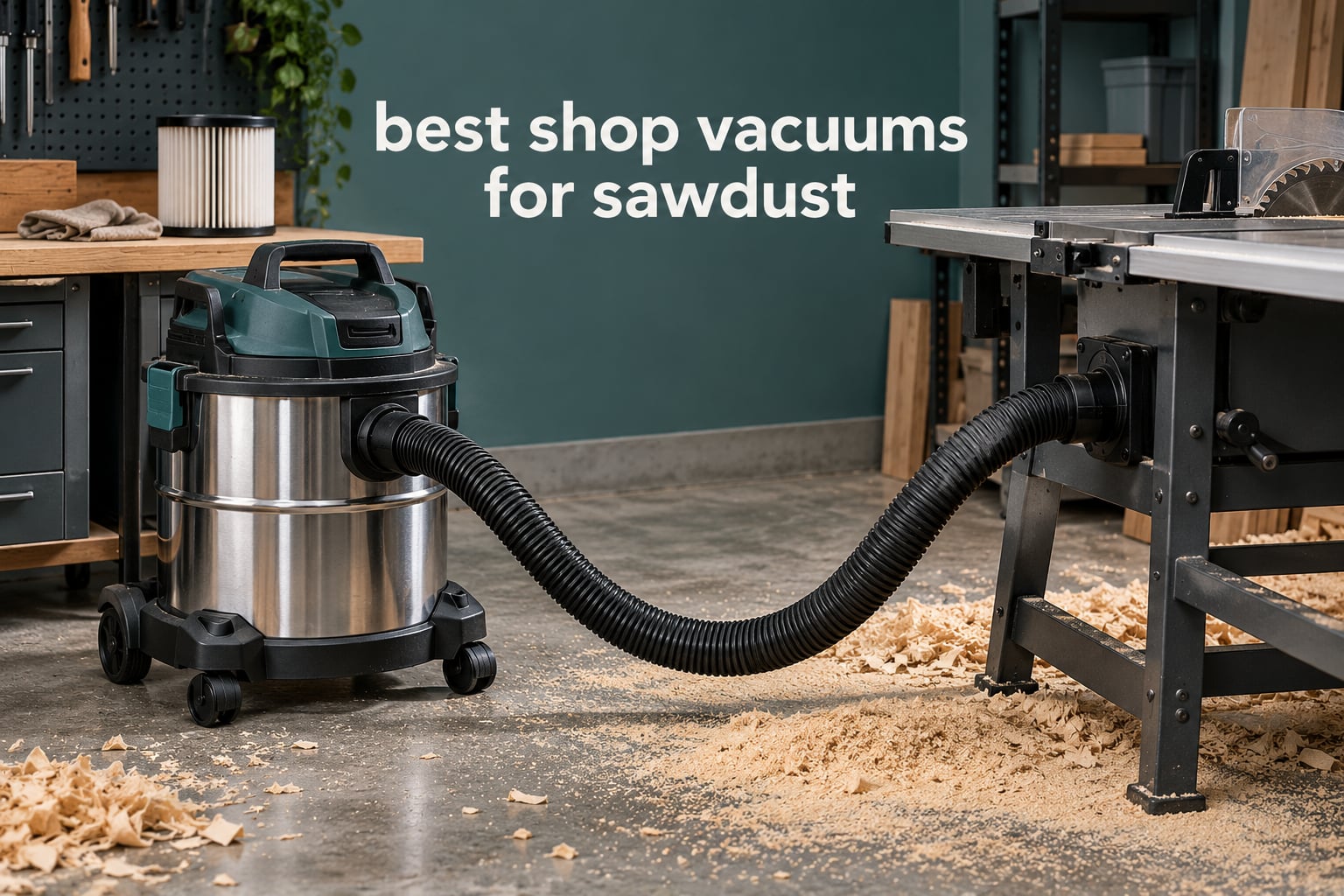
The short answer: the CRAFTSMAN CMXEVBE17595 16-gallon is the best shop vacuum for sawdust because its 6.5 peak HP motor and 2-1/2 inch Dual-Flex hose move coarse chips without stalling, its 16-gallon drum swallows a full cleanup load, and it runs at a published 69 dB, the lowest figure in this group. Best value goes to the Stanley SL18116P 6-gallon. Best all-rounder goes to the Vacmaster VBV1210 12-gallon.
Sawdust is not one problem, it is three. Coarse chips from a table saw or planer are light and bulky, so they need airflow. Fine sanding dust packs into the pleats of a filter in minutes, so it needs a filter rated for fine dust and a bag to keep that dust off the pleats. Ultra-fine drywall and concrete dust is the dangerous one, because it passes straight through a standard filter and settles in your lungs.
That distinction matters more than the horsepower number on the box. A weak vacuum with a good filter beats a strong vacuum with a cheap cloth one every time, because a clogged filter does not just stop cleaning, it pushes dust back out of the exhaust and into the room. If you want a broader look at wet and dry vacs for jobs that are not dusty, our [shop vacuum roundup](https://digitalartserved.com/best-shop-vacuums/) covers the general case. This one is only about wood dust.
We compared 10 wet and dry vacuums against the same shortlist criteria: published suction in inches of water, tank volume, hose diameter, noise level where the manufacturer states it, filter class, and how owners describe long-term performance on wood. Every pick below is a real size class you can move yourself, from a 2.5-gallon bench-top unit to a 16-gallon drum that doubles as a flood cleanup tool.
Table of Contents
Our Top 3 Shop Vacs for Sawdust Picks in 2026


Vacmaster VBV1210 12 Gal
- 106 CFM airflow
- detachable blower
- 12 gallon drum
- air and noise diffuser
Quick Overview: All 10 Best Shop Vacuums for Sawdust (October 2026)
1. CRAFTSMAN CMXEVBE17595 16 Gallon 6.5 Peak HP Is the Best Overall Sawdust Shop Vac
CRAFTSMAN CMXEVBE17595 16 Gallon 6.5 Peak HP Wet Dry Shop Vacuum
16 gal tank
6.5 peak HP
46 in suction
69 dB
26 lb
2.5 in Dual-Flex hose
Pros
- 6.5 peak HP handles heavy chip loads
- 16 gallon drum cuts emptying trips
- Dual-Flex hose resists kinking at both ends
- Built-in rear blowing port clears benches
- Rated 4.7 out of 5 by 8615 owners
Cons
- 26 pounds is awkward to lift when full
- 46 inch max suction is modest for lifting chips
- Pleated paper cartridge needs periodic cleaning
This is the one I keep coming back to for a reason: it is the only model in the group that pairs a 16-gallon drum with a wide 2-1/2 inch hose and a 6.5 peak HP motor. On a Saturday of cutting, that combination means one pass over the floor instead of four trips to the bin. The oversized built-in drain matters too, though for sawdust you are emptying dry debris far more often than liquid.
The Dual-Flex hose is the part I did not expect to care about. It has 180-degree mobility at each end, so it does not fold back on itself in the middle of a run the way cheaper hoses do, and that kink is exactly where airflow dies on a pile of shavings. Owners repeatedly single out the hose as the reason the unit feels stronger than its 46-inch suction figure suggests.
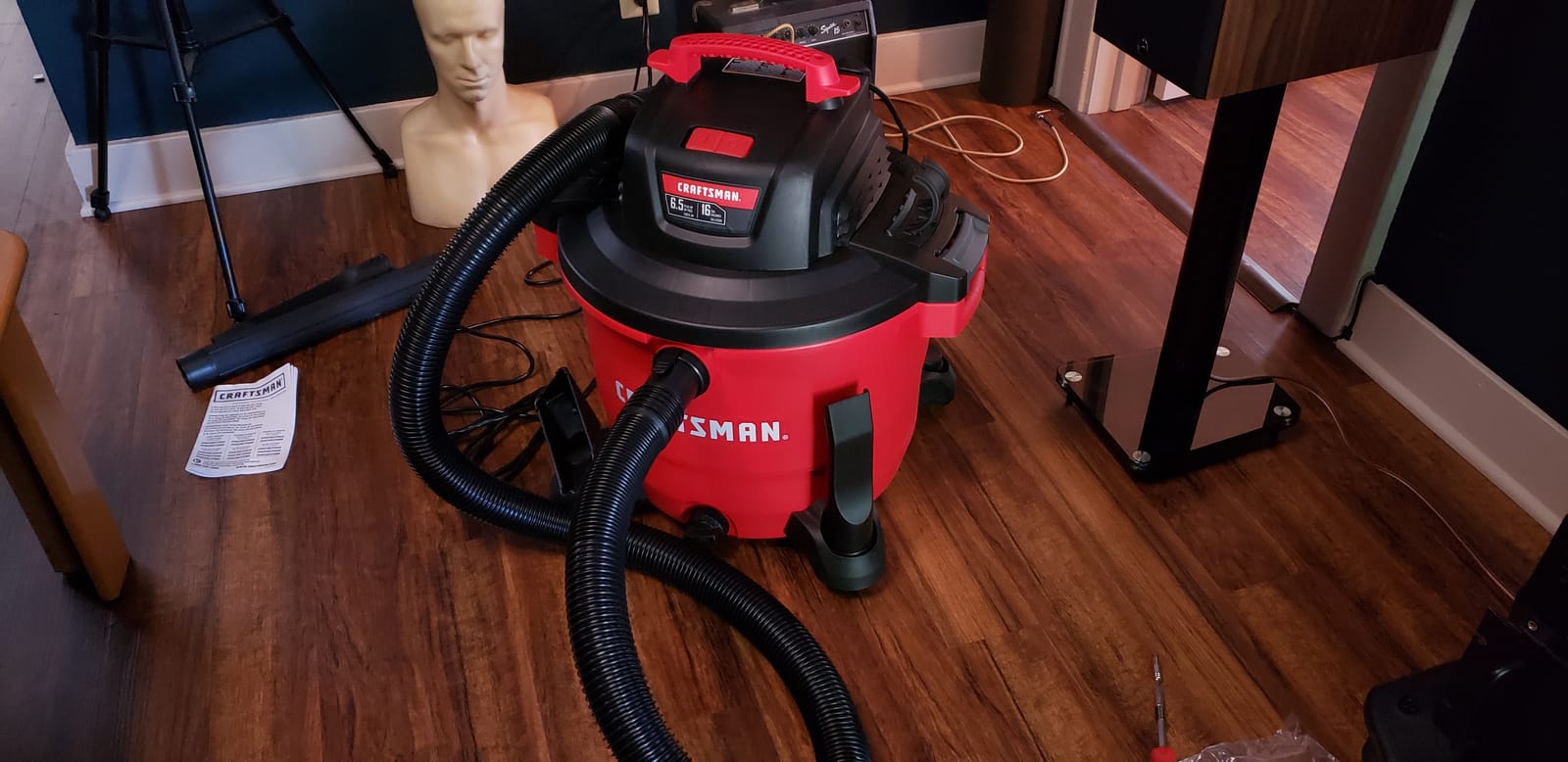
The number to know is 69 dB. That is the lowest published operating noise figure in this roundup, and it is a real difference when the vac is running two feet from a table saw you are trying to hear. Owners still describe it as a strong unit rather than a silent one, so if you are especially noise-sensitive, read the noise section of our buying guide below before you settle.
Filters are where you spend your money after the purchase. It ships with a Qwik Lock pleated paper cartridge and a dust collection bag, and the Qwik Lock system means you swap filters without wrestling with a clamp. Nine replacement filter part numbers and two dust bags are compatible, so consumables are easy to find when you need them. The pleated cartridge is a dry-use filter; add a wet filter before you pick up liquid, since sawdust work is where people forget that.
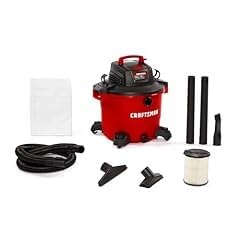
What you get when you pick it up
A 2-1/2 inch by 7 foot POS-I-LOCK hose, two extension wands, a utility nozzle, a car nozzle, a wet nozzle, the Qwik Lock filter and a dust bag. That is a full kit, so you can start collecting at a sander exhaust port or a table saw dust port on day one without buying a single accessory.
The drum dimensions are roughly 21 by 24 by 27 inches, which is big. Plan a parking spot for it before you buy, because at 26 pounds empty it is not something you want to drag up stairs twice a week. The wide stance keeps it stable on a flat garage floor, which is where most people end up running it.
Where it falls short
At 46 inches of maximum suction, this is not the strongest lift figure here. The Stanley 6-gallon and both DEWALT models publish 85 inches. In practice that matters most when you are trying to lift a heavy object off the floor, not when you are chasing lightweight sawdust, but it is a real difference if you plan to use the vac for gravel or debris as well as dust.
It is also the heaviest unit on the list. If your shop is a corner of a garage with a step in the way, a 9-gallon model will save you a lot of annoyance. Pick this one if you have flat floor space and long cleanup sessions; pick something smaller if you carry the vac more than you park it.
2. Stanley SL18116P 6 Gallon Is the Best Value Shop Vac for Sawdust
Stanley – SL18116P Wet/Dry Vacuum, 6 Gallon, 4 Horsepower Black
6 gal tank
4 peak HP
85 in suction
1-1/4 in hose
80 dB
13.4 lb
Pros
- Largest review base at more than 14000 ratings
- 85 inch suction for the money
- Over 16 ft of reach with wands
- Three in one wet dry and blower function
- Light 13.4 pound body on four swivel casters
Cons
- 80 dB is on the loud side
- 1-1/4 inch hose is narrow for coarse chips
- Foam filter needs cleaning after fine dust
More than 14,000 ratings at 4.6 stars is a bigger sample than anything else here, and long-run reports on this model are consistently positive. For most weekend woodworkers it is the sensible answer: 85 inches of suction, a 4 peak HP motor, and a body light enough at 13.4 pounds that you can carry it up a workbench ladder without thinking about it.
It is a three-in-one unit, handling wet liquid pickup, dry debris and saw pickup, and converting to a blower through the rear port. That blower function is genuinely useful in a shop because you can push bench shavings off a surface instead of chasing them around with a broom, which is the fastest way to spread fine dust across a floor.
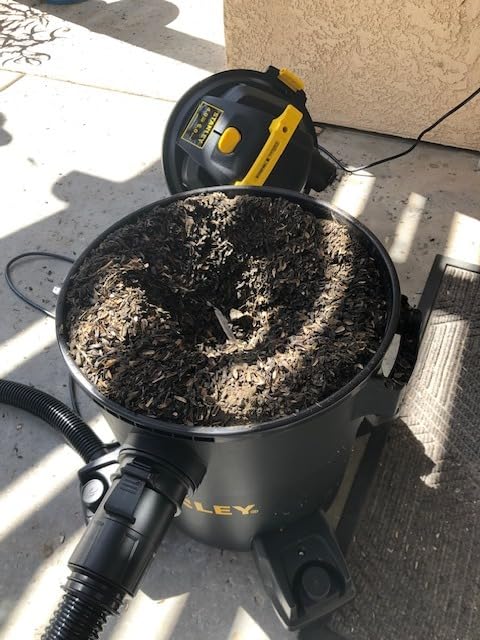
The 6-gallon drum is the tradeoff. It empties faster than a 9 or 12-gallon unit, and it fills quickly when you are pulling a real load of sawdust off a garage floor. For a table saw cleanup or a miter saw station, though, six gallons is usually two or three passes, and the drum is light enough that carrying it is not a chore.
What arrives in the box is generous: a 6-foot super flexible hose, three extension wands, a gulper nozzle, a floor nozzle, a crevice nozzle, a foam filter, a dust bag and a reusable dry filter. Covering that list matters for wood because a lot of wet and dry vacs arrive without a dry-use filter, and you end up buying one on day two.
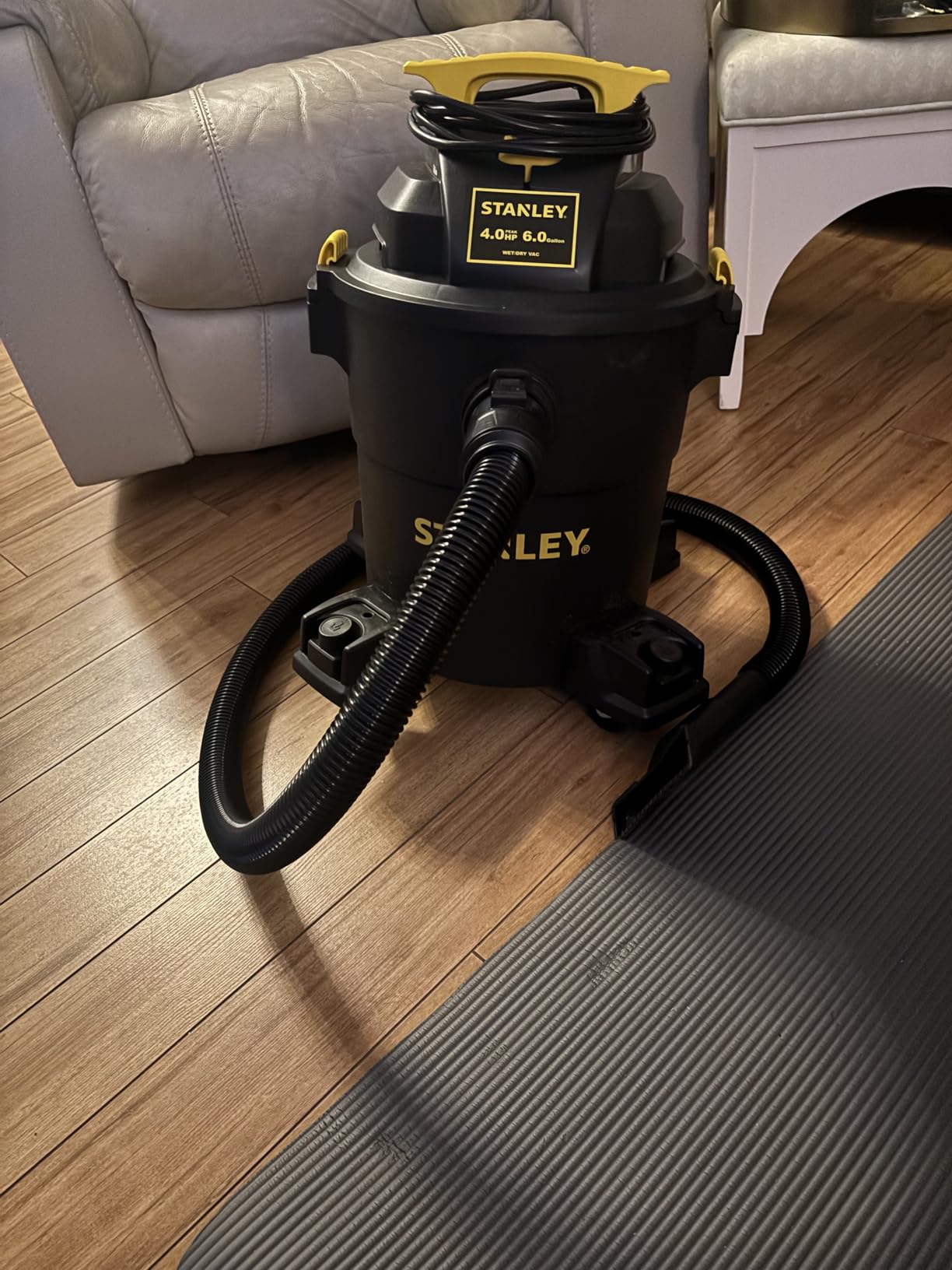
Where the fine dust problem shows up
The included filter is foam. Foam handles coarse chips and shop debris well and costs nothing to maintain, but it does nothing for fine sanding dust, which is the dust that actually reaches your lungs. A Fine Woodworking forum regular put it plainly: the fine dust is the hazard, not what the regular filter catches. If sanding is a regular part of your work, budget for a fine dust pleated filter or a bag that fits this inlet.
Run this unit bagged rather than bagless for any fine dust work. Bagging keeps the dust weight in the bag instead of on the filter media, and emptying a bag outside or over a bin is the difference between cleaning up and redistributing the mess.
What the 1-1/4 inch hose means for sawdust
A narrow hose gives you more suction per unit of airflow, which is why this unit lifts well on chips and grit. The cost is speed, because a 1-1/4 inch hose simply moves less air per second than a 2-1/2 inch one. On a floor covered in lightweight sawdust you will feel that, and you will be making more passes than you would with a wide hose.
The 80 dB rating is honest and worth planning around. If you plan to run this next to a saw you are trying to listen to, put it a few feet away rather than directly beside the cut.
3. Vacmaster Blue Line VBV1210 12 Gallon Is the Premium All-Rounder for Sawdust
Vacmaster Blue Line 12-Gallon* 5 Peak HP† Wet/Dry Vacuum with Detachable Blower VBV1210
12 gal tank
5 peak HP
106 CFM
10.5 A
7 ft hose
detachable blower
Pros
- Highest published airflow at 106 CFM
- Detachable blower works one-handed
- 12 gallon drum plus large drain port
- Air and noise diffuser included
- 22 ft of reach with hose and cord
Cons
- 10.5 A draw needs a 20 amp circuit
- Power cord is shorter than ideal
- Supplied foam filter is thin
This is the one I recommend when you want one machine to do everything. The blower detaches with a one-hand release and becomes a hand-held blower rated at up to 210 MPH, and the motor moves 106 CFM, the highest published airflow figure among the ten models here. Airflow is what carries sawdust, so that number is the reason it feels fast on a wide floor sweep.
Owners also mention that the included air and noise diffuser takes the edge off the operating sound, which is a small part that costs nothing to carry and does more good than people expect. It also converts to blowing mode for moving chips out of a dust port or off a sawdust pile before you vacuum it.
The electrical side is the thing to read twice. It draws 10.5 amps, which means it wants a 20-amp circuit. On a 15-amp outlet shared with a table saw or a heater, it will trip the breaker mid-cleanup, and that is the single most common complaint owners report about an otherwise very strong machine. Check your circuit before you commit.
Eleven accessories come with it, including the diffuser and blower adapter, and everything stores on board with the cord. On-board storage is a small thing that decides whether a vac stays tidy in a small shop or turns into a pile of nozzles behind the bench.
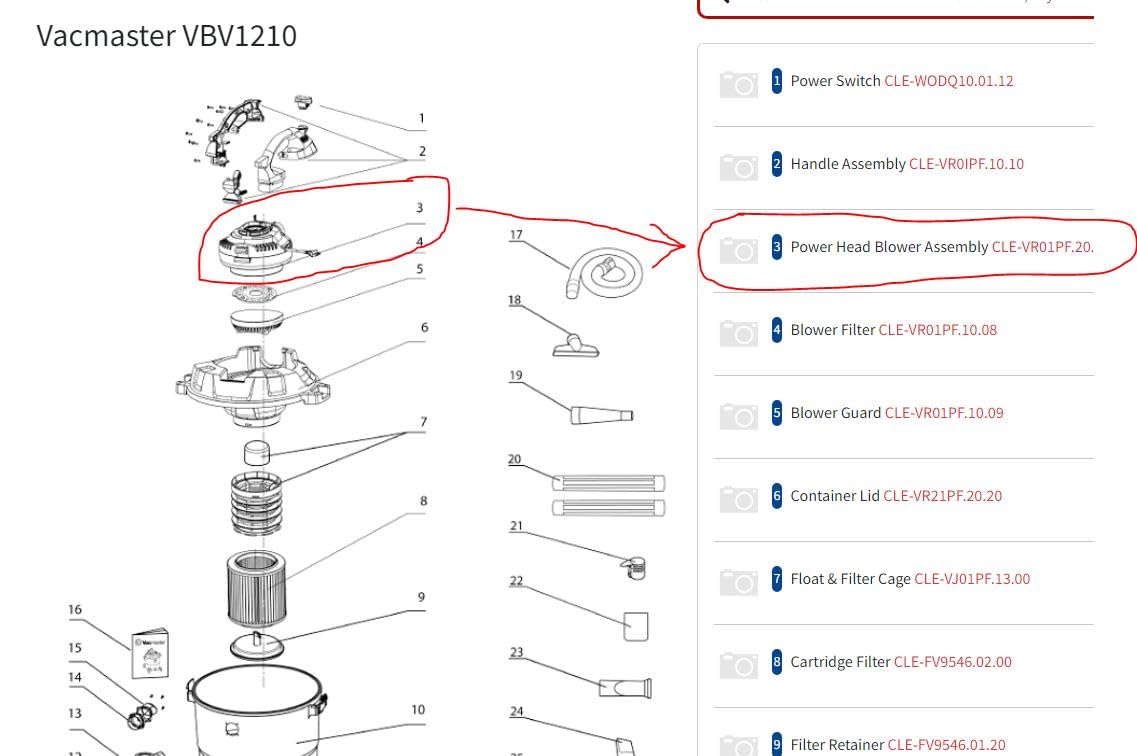
How it handles fine dust and why the bag matters
Like most cartridge-filter wet and dry vacs, this one wants a pleated fine dust filter for sanding work, and the thin foam it ships with is a wet-use part that tears easily. Forum users on woodworking boards make the same point repeatedly: fine dust packing into a filter is not a sign you need more suction, it is a sign dust is reaching the filter at all. Fix the filter and the airflow problem goes with it.
Use the dust collection bag for anything dry. The 12-gallon drum underneath the bag is your real capacity, and bagging means the fine fraction is weighed down in the bag rather than caked into pleats you will be tapping out every ten minutes.
Who should skip this one
Skip it if your only outlet is a 15-amp household circuit and you plan to run the saw and the vac at the same time. That combination is how you discover a tripped breaker halfway through a cleanup.
Also consider it if you already own a blower. The detachable blower is the standout feature here, and if it duplicates something in your garage it is worth less than the same money spent on a better filter and a cyclone separator.
4. CRAFTSMAN CMXEVBE17590 9 Gallon Balances Size and Suction Best
CRAFTSMAN CMXEVBE17590 9 Gallon 4.25 Peak HP Wet Dry Shop Vacuum
9 gal tank
4.25 peak HP
68 in suction
1-7/8 in hose
82 dB
15.5 lb
Pros
- Easy to lift when full at 15.5 pounds
- Qwik Lock filter changes without tools
- Four wheel base with top cord wrap
- Same filter range as the 16 gallon model
- Three year limited warranty
Cons
- 82 dB is the loudest figure here
- 1-7/8 inch hose can twist on chips
- Some boxes omit handle and wheel screws
At 15.5 pounds this is the size you can actually lift onto a workbench or carry up a step when it is full, which is a bigger deal than it sounds once you are clearing shavings out of a drum. Nine gallons still handles a real cleanup, and the four-wheel base with a top cord wrap keeps it stable and tidy in a small garage.
It shares its Qwik Lock filter system and part numbers with the larger CRAFTSMAN units, which means one filter purchase covers several sizes if your shop ends up with more than one of these eventually. That is a practical advantage people rarely think about until they own two vacs with incompatible filters.
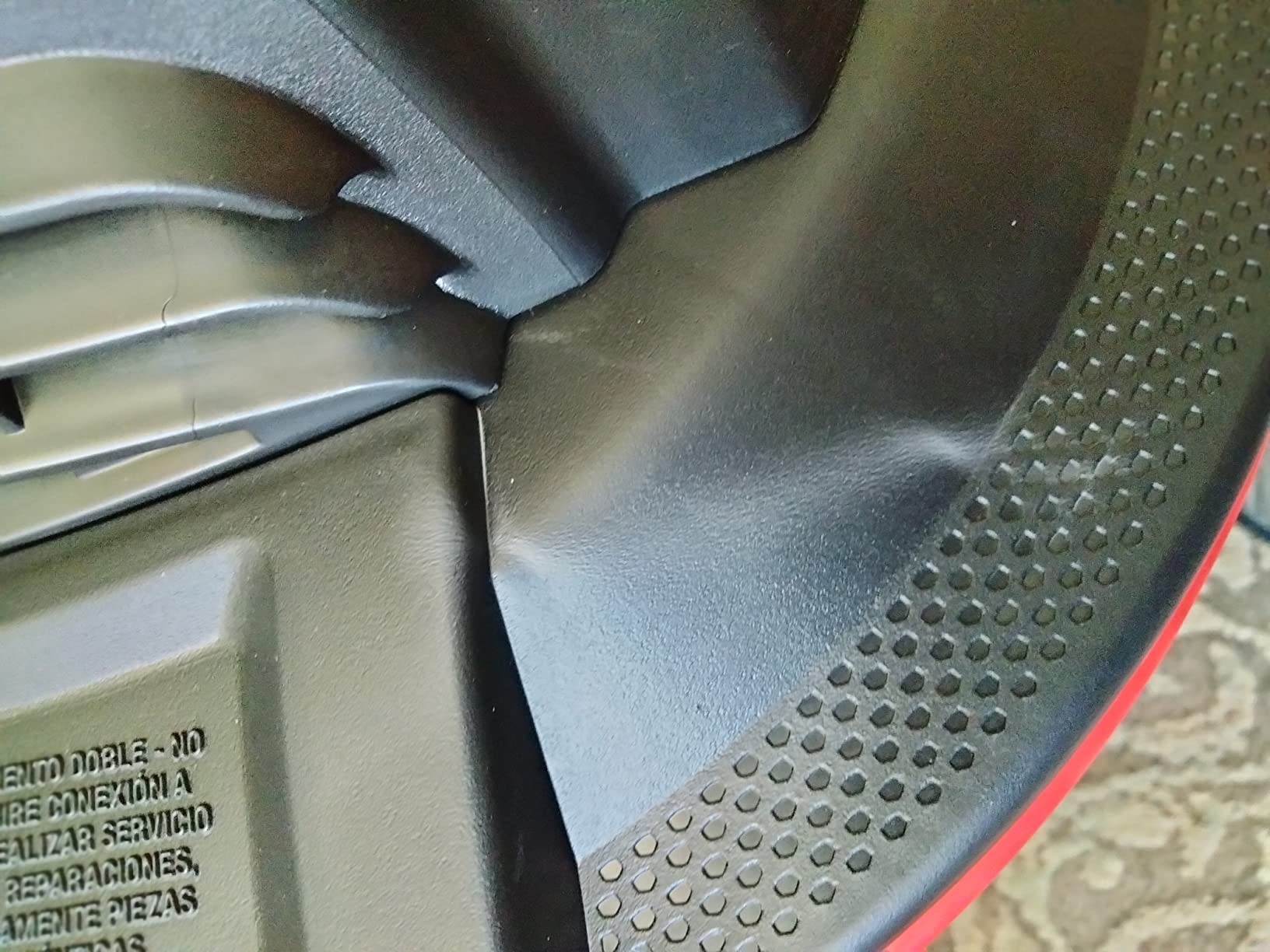
Suction is listed at 68 inches with a 4.25 peak HP motor, so it sits in the middle of this group rather than at the top. For sawdust that is fine. Lift matters when you are picking up heavy or gritty material off a concrete floor, and for wood chips and dust the limiting factor is airflow and filter condition, not inches of water.
The included POS-I-LOCK hose is 1-7/8 inch by 7 feet with two locking extension wands, alongside a utility nozzle, a car nozzle, a wet nozzle, the Qwik Lock filter and a dust collection bag. Only one dust bag is included, so keep a spare on hand if you run fine dust work regularly.
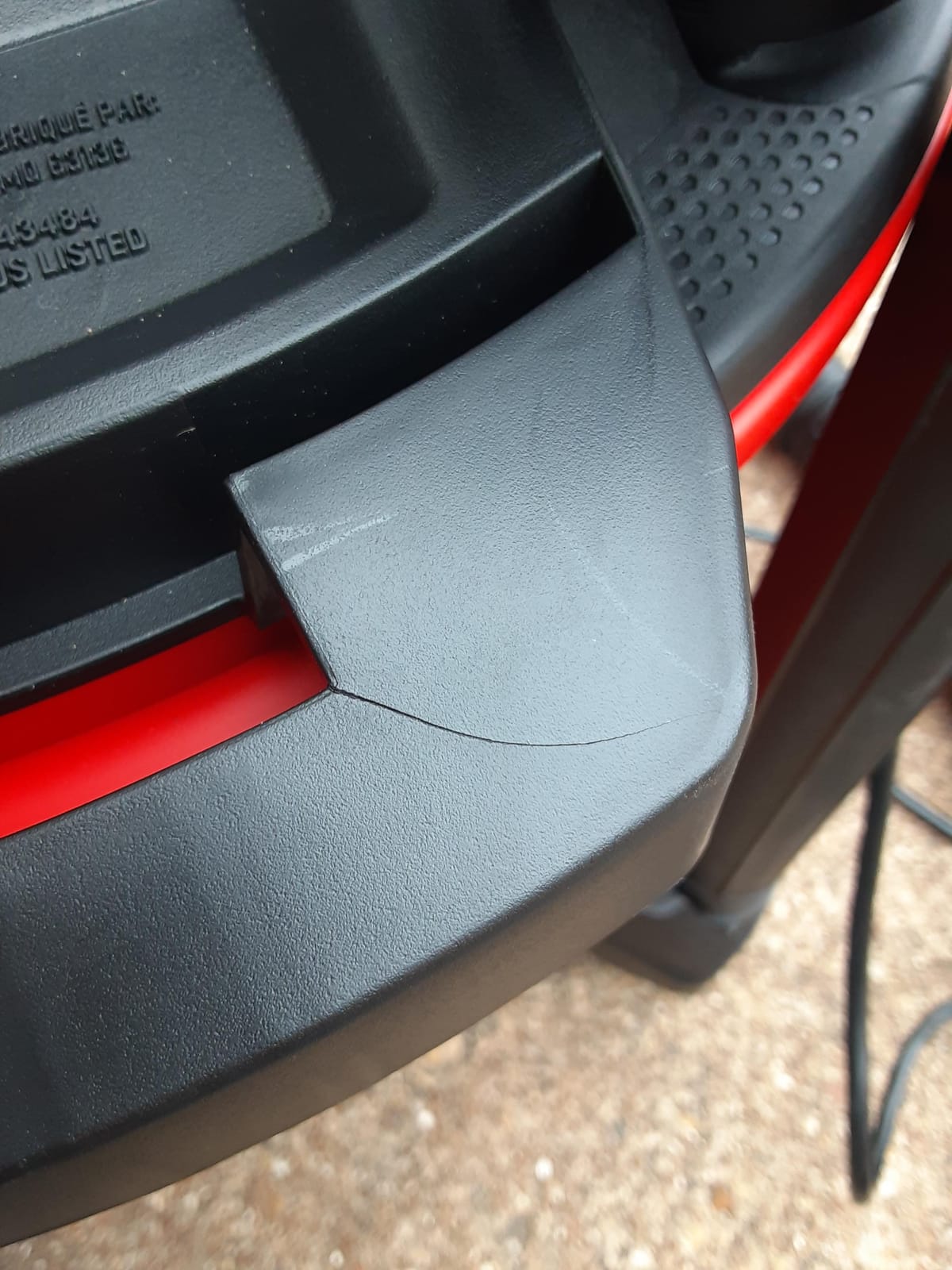
The loudness trade-off you should know about
At a published 82 dB this is the loudest unit in the roundup, and owners mention the noise repeatedly. That figure sits above the 75 dB DEWALT 9-gallon and the 69 dB CRAFTSMAN 16-gallon, and it is the main reason we did not put this model at the top despite its convenient size.
If you are running this alongside a table saw, set it on the far side of the bench rather than under your ear. Head protection over earmuffs solves the rest of the problem.
Two small things to check on arrival
Some boxes arrive without the screws for the handle and wheels. It takes a minute at the hardware store and it is worth doing before the first use, because a loose handle on a full drum of sawdust is a spill.
The narrow hose can twist and drag the unit toward the debris you are trying to collect. Working in straight pulls rather than sweeping arcs keeps it stable, and a wider hose from a different brand is a common upgrade among owners.
5. Stanley SL18115P 5 Gallon Is the Budget Shop Vac for Small Sawdust Loads

STANLEY Shop Vac SL18115P, 5 Gallon Peak 4 Horsepower Wet Dry Vacuums, Blower 3 in 1 Functions 15 Feet Cleaning Range for Garage, Carpet Clean, Shop Cleaning, Car Detailing with Attachments
5 gal tank
4.0 peak HP
85 CFM airflow
5 ft hose
80 dB
10 ft cord
Pros
- 4 peak HP motor at an entry price
- 85 CFM airflow for a compact unit
- Light polypropylene tank is easy to empty
- Full accessory kit including dust bag
- Rear blower port for bench debris
Cons
- 5 gallon drum fills quickly with sawdust
- Only a 5 foot hose and two wheels
- 80 dB operating noise
This is the unit to buy if your shop is a corner of a garage and you want real suction without spending real money. It publishes 4.0 peak HP and 85 CFM airflow, which is not a figure you expect from a compact 5-gallon machine, and owners consistently describe it as more capable than its size suggests.
The 5-gallon polypropylene tank is small enough to lift and empty comfortably, and that is the reason this model suits a person who cleans up after every single cut rather than once a week. You are not accumulating a heavy drum of shavings and then dragging it to the bin.
It also has a 10-foot power cord with a built-in cord wrap, which is longer than most compact units ship with. Cord length is one of the quiet killers of small shop vacs, because a short cord means dragging an extension cord across the floor, and an extension cord you are stepping on reduces airflow and cuts your circuit’s headroom.
Rear blower port included, which is what I would actually use it for most. Blowing bench shavings into a corner where the vacuum can reach them is faster and keeps fine dust in the air longer, so do not overdo it indoors.
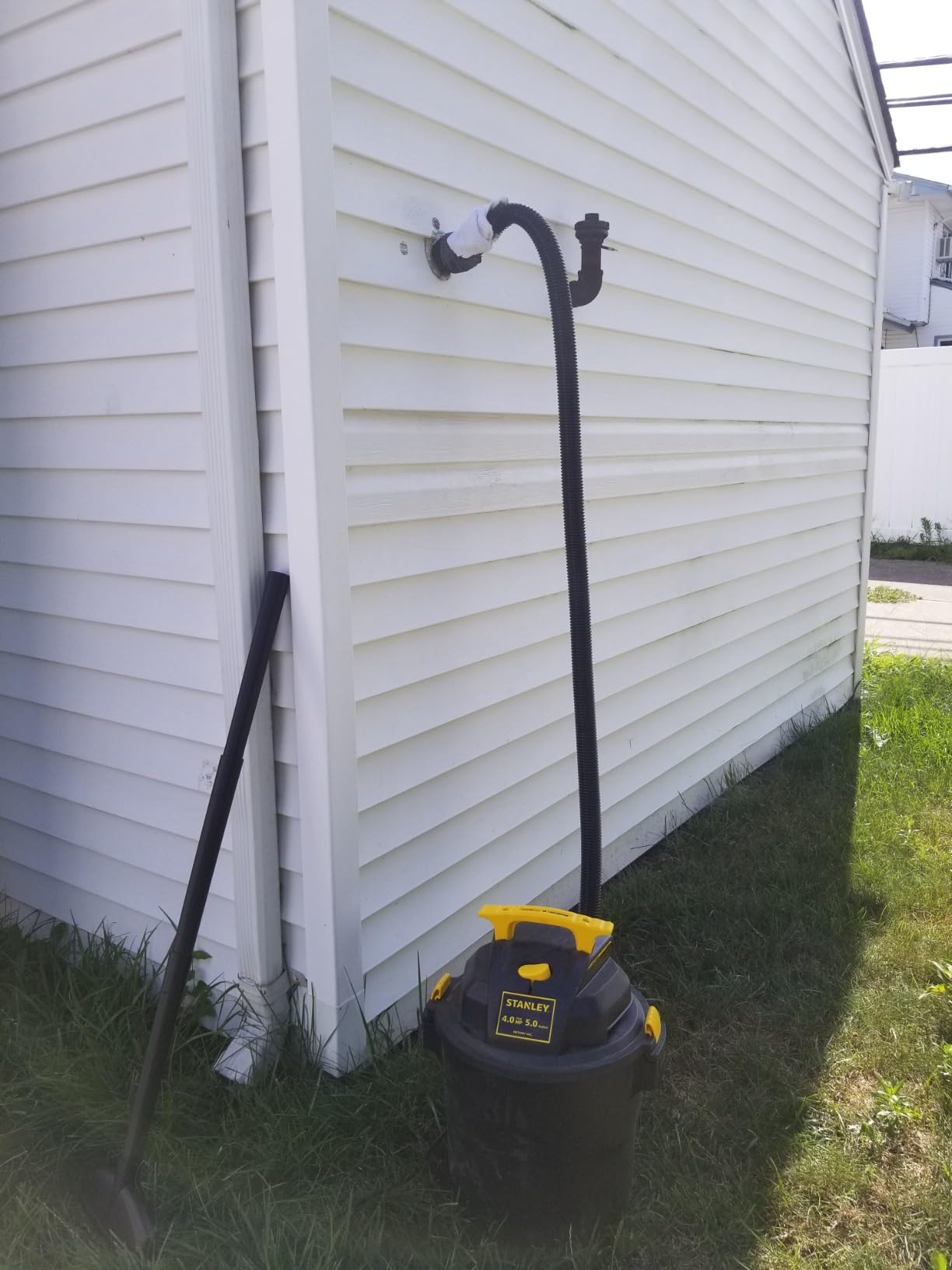
What fits in the box and what to add
A 1-1/4 inch by 5 foot hose, two extension wands, a crevice nozzle, a gulper nozzle, a floor brush, a foam filter, a cloth bag with a clamp ring and a dust bag. That is a full kit for a compact unit, and the dust bag means you can run bagged from the first day.
For fine sanding dust, add a fine dust pleated filter. The cloth bag and foam combination handles chips and coarse debris, but neither one stops fine dust from reaching the motor housing, and that dust is the fraction that ends up in the air of your shop.
Where the limits show up
Only a 5-foot hose and two wheels make it less stable on uneven surfaces, and the drum fills quickly with heavy sawdust loads. If you are clearing an entire garage floor rather than a bench area, you will make more trips than you would with a 12-gallon unit.
At 80 dB it is not quiet, and the small footprint means it usually ends up close to the saw. Position matters more here than on a big wheeled unit.
6. DEWALT DXV12P 12 Gallon Has the Suction for Coarse Chips and Shavings
DEWALT 12 Gal. 5.5 HP Poly Wet/Dry Vacuum with Hose and Accessories DXV12P
12 gal tank
5.5 HP
85 in suction
7 ft hose
80 dB
23.2 lb
Pros
- 85 inch suction for chips and grit
- 12 gallon drum for long sessions
- Large drain port for fast emptying
- Wet dry and blower in one unit
- Three year limited warranty
Cons
- 23.2 pounds is bulky to carry
- 80 dB during operation
- Large footprint needs planned parking
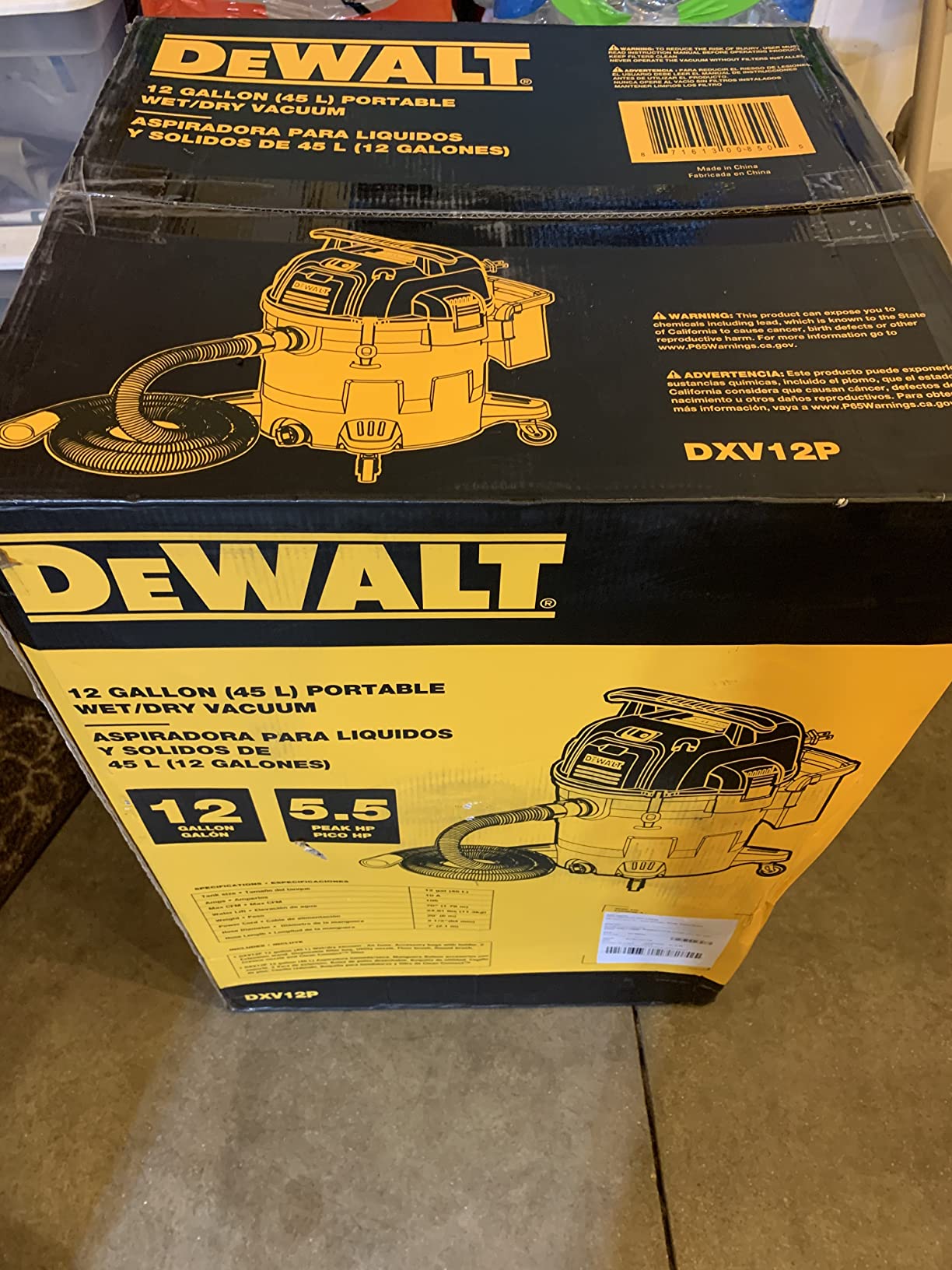
If your problem is chunks rather than powder, suction is the number that decides it, and this model publishes 85 inches of maximum suction from a 5.5 HP motor. That is the same lift figure as the Stanley 6-gallon, at twice the tank size, which is what you want when you are picking up off a rough concrete floor rather than a smooth workshop slab.
The 12-gallon poly drum is the sweet spot for a single saw. It holds a full session of table saw and miter saw cleanup without stopping, and the large drain port means emptying is quick when you do pick up liquid as well as dust.
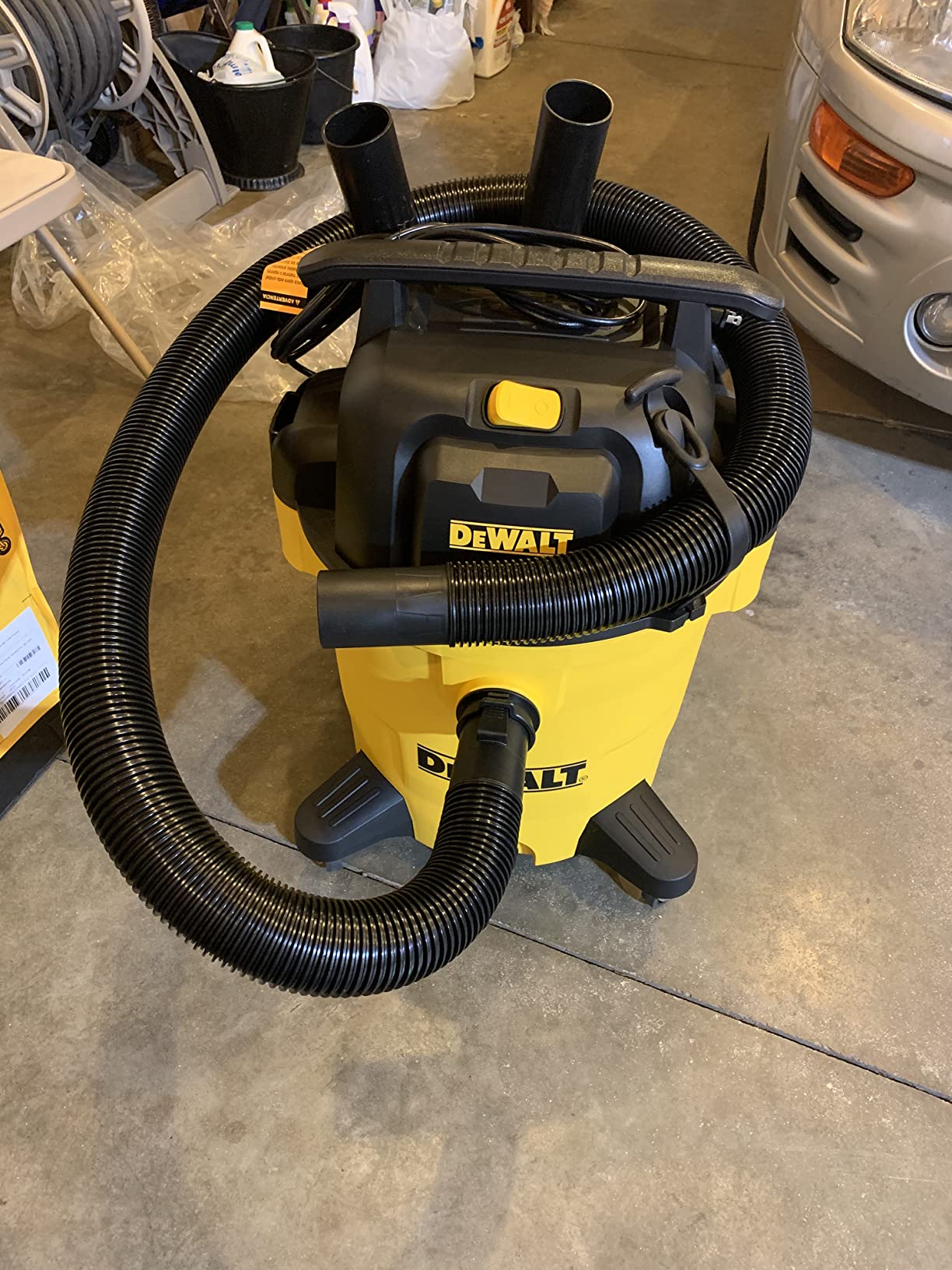
Owners report dependable cleanup of shop debris and appreciation for a three-year limited warranty, which matters for a tool you expect to keep for years rather than replace on a schedule.
Be honest about the weight. At 23.2 pounds empty it is one of the bulkiest options here, and the dimensions mean it needs floor space. If your shop involves carrying the vac between rooms regularly, the 9-gallon DEWALT below is a better fit for the same motor family.
Coarse sawdust versus fine sanding dust
Coarse sawdust and shavings behave very differently from sanding dust. Shavings are light, springy and bulky, so they need a wide hose and a lot of airflow to carry them away. Sanding dust is small enough to behave almost like a fluid, so it packs pleats, kills airflow and needs filtration rather than volume.
This unit is strongest on the first of those two problems. For the second, pair it with a fine dust pleated filter and always run bagged, because the alternative is a filter that clogs and a room that is dustier after cleanup than before it.
What to check before you buy
The published wattage on this listing is lower than comparable wet and dry vacs, which tells you more about how the listing is written than about performance. Judge it on the suction figure, the drum size and the reviews, which are consistent.
Also check the filter ecosystem before buying. The CRAFTSMAN models in this roundup share a wider published list of compatible filters, which is a small advantage if you want to standardise parts across a shop full of equipment.
7. DEWALT DXV09PA 9 Gallon Is the Best Fit for a Small Shop
DEWALT 9 Gallon Wet/Dry VAC, Heavy-Duty Shop Vacuum with Attachments, 5 Peak HP, with Blower Function, DXV09PA
9 gal tank
5 peak HP
85 in suction
10 ft cord
78 dB
22.5 lb
Pros
- 85 inch suction in a 9 gallon drum
- 10 foot cord with wrap for real reach
- Quieter 78 dB rating for its size
- Blower port plus three inflation adaptors
- Accessory storage bag keeps parts together
Cons
- 22.5 pounds is heavy for stairs
- 9 gallon drum smaller than the 12 gallon units
- Inflation adaptors add bulk without vacuum benefit
The 78 dB rating is the headline here. It is three decibels below the Stanley and DEWALT 12-gallon units and well under the 82 dB CRAFTSMAN 9-gallon, and in a small shop where the vac has to sit close to the saw, that difference is the difference between hearing your cut and hearing only the vac.
It still publishes 85 inches of maximum suction from a 5 peak HP motor, so the quieter operating profile does not mean weaker pickup. Add a 10-foot power cord with a cord wrap and you have more reach than many models twice its price, which removes the need for an extension cord.
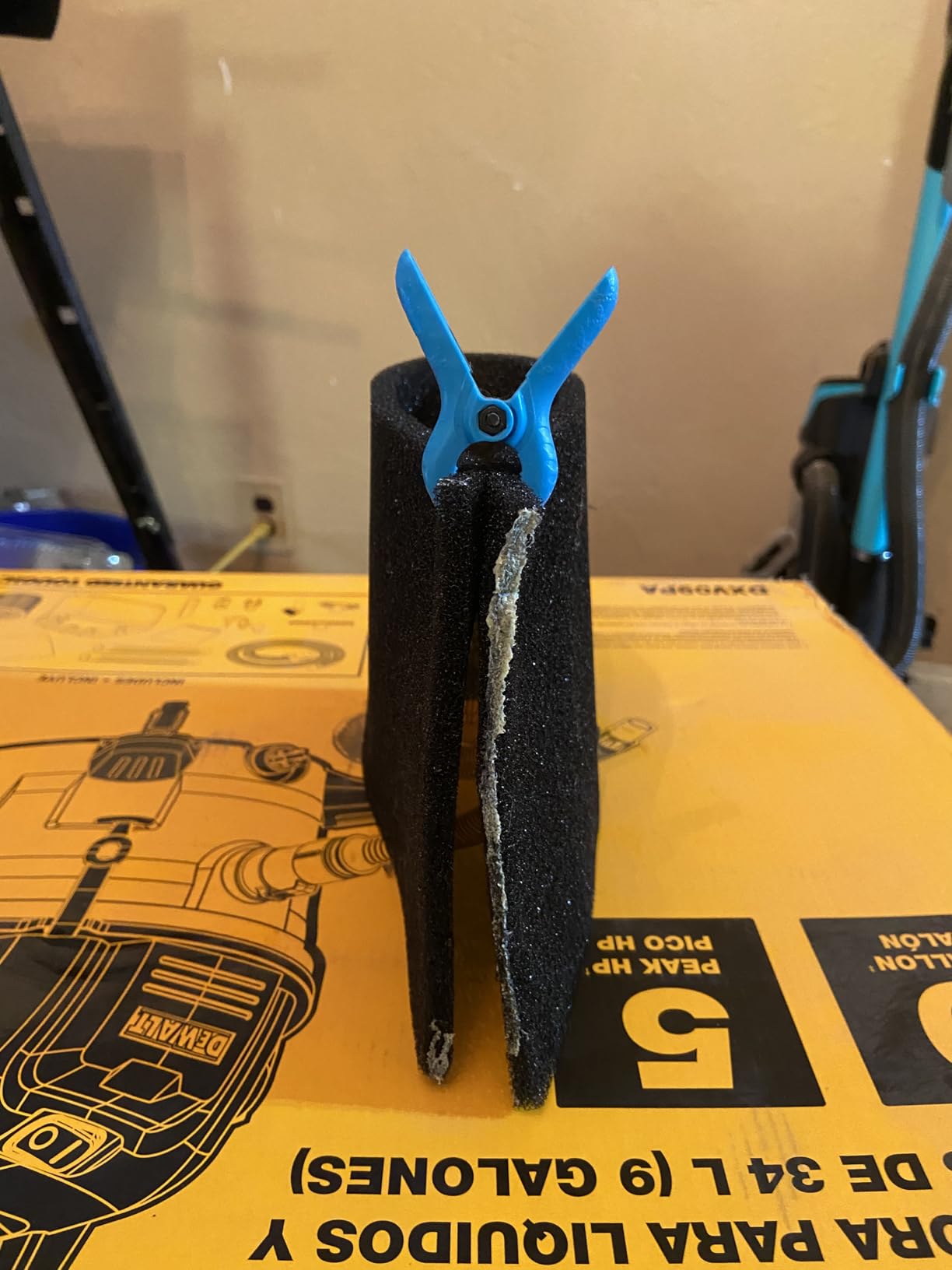
The upgraded hose is described as more durable and flexible than earlier versions, and that matters because kinking is what kills airflow on a sawdust pile. Rubberized casters roll smoothly over shop floors and debris, and a water-resistant on and off switch is a sensible detail for a tool that lives in a damp garage.
Owners like the durable hose, the long cord and a blower function marketed specifically for sawdust and leaves. The accessory storage bag is a genuine improvement over piling nozzles behind the bench, and the three extra adaptors convert the unit into an air pump for inflating tires.
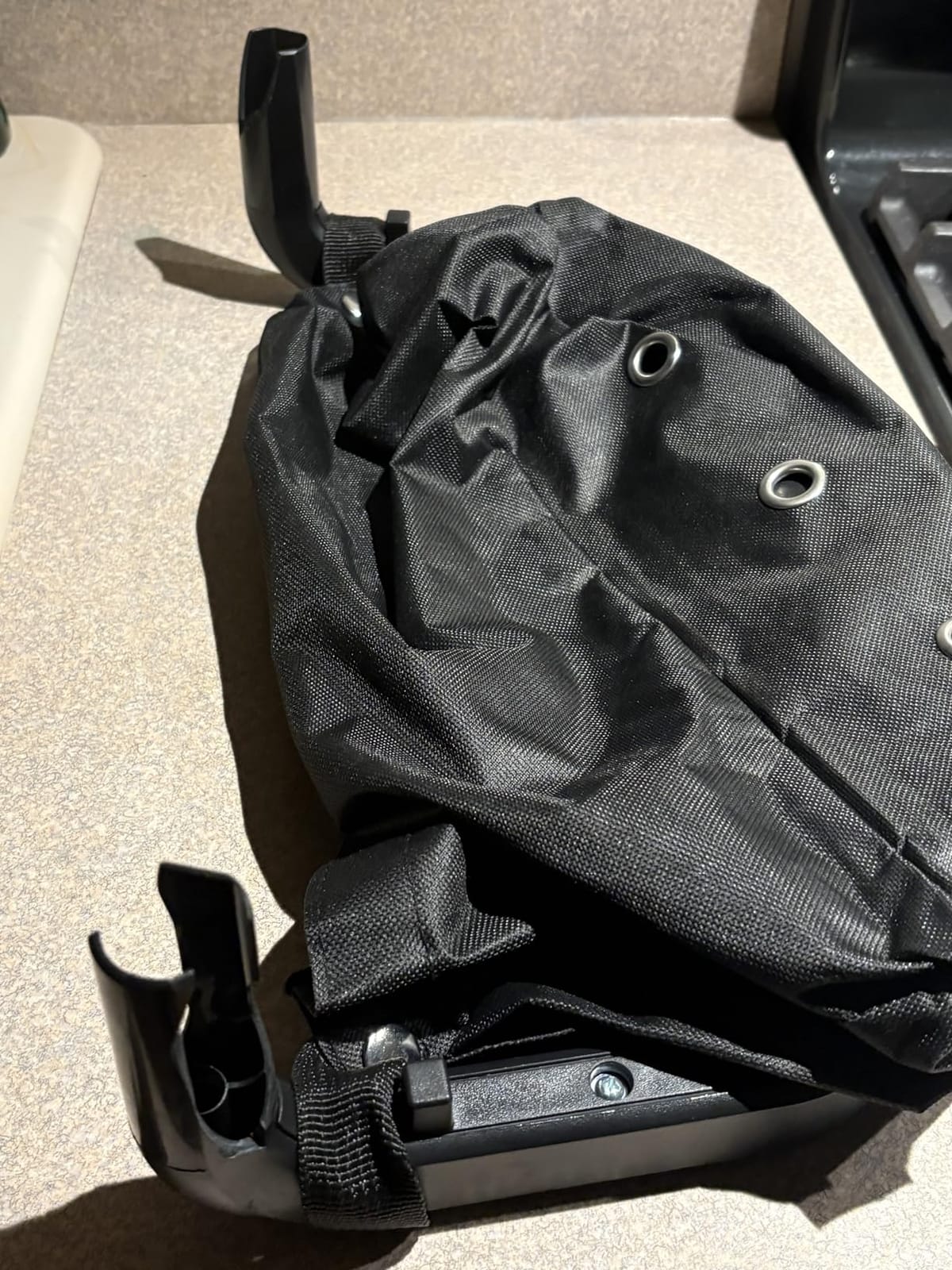
Where it fits and where it does not
At 9 gallons this is the right size for a single hobbyist shop with a miter saw and a sander. It is large enough that you do not empty it every ten minutes and small enough that you can still reposition it. That middle position is the hardest size to buy and this unit fills it.
It is not the right choice if your main dust source is a table saw with a big chip load, or if you want a bagged drum big enough to cover a whole garage floor in one pass. Go up a size for that.
The weight caveat
At 22.5 pounds it is heavier than the 6-gallon Stanley by a wide margin. If your shop involves stairs, buy the smaller unit and use the weight difference as a safety margin rather than a convenience.
The inflation adaptors are worth weighing on their own. They add volume to the accessory pile without adding shop vacuum capability, so if you do not use them, ignore them.
8. CRAFTSMAN CMXEVBE17594 12 Gallon Gives the Best Reach from One Outlet

CRAFTSMAN CMXEVBE17594 12 Gallon 6.0 Peak HP Wet Dry Shop Vacuum
12 gal tank
6.0 peak HP
39 in suction
20 ft cord
75 dB
2.5 in hose
Pros
- 20 foot power cord is the longest here
- Wide 2.5 inch Dual-Flex hose resists kinks
- 12 gallon drum balances size and weight
- 75 dB is quiet for the class
- Rear blower port plus onboard storage
Cons
- 39 inch suction is the lowest listed
- Heavy and bulky footprint
- Qwik Lock cartridge needs occasional cleaning
The 20-foot cord is the feature that changes how you work. It is the longest power cord in this group, and it means one outlet can serve a table saw at one end of the shop and a miter saw at the other without an extension cord trailing across the floor. Owners cite the long cord, the large drum and the blower performance as their main reasons for buying it.
The 2-1/2 inch Dual-Flex hose with 180-degree mobility at each end matches the wide-hose approach of the 16-gallon model, and the 75 dB rating is quiet for a wet and dry vac of this size. Cord, hose and motor are all doing the same job here: letting the vacuum reach the dust without you moving it.
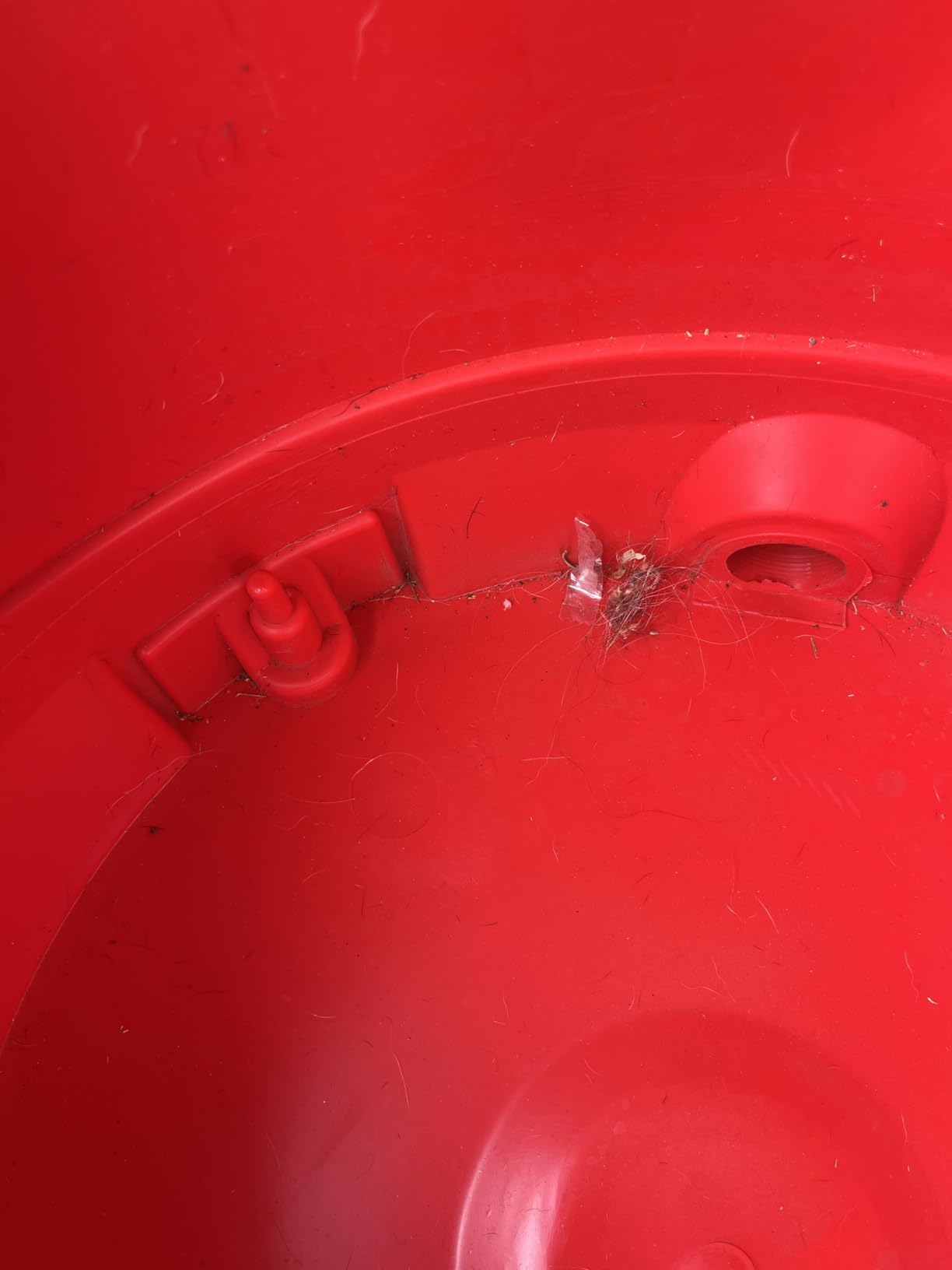
The cord wraps around the carry handle, which sounds minor until you find a 20 foot cord on the floor every time you put the vac away. Rear blowing port, oversized drain, casters and on-board storage round out a layout that is genuinely thought out for a working shop.
The accessory set matches the 16-gallon sibling: a 2-1/2 inch by 7 foot hose, two extension wands, a utility nozzle, a car nozzle, a wet nozzle, a Qwik Lock filter and a dust bag, with a three-year limited warranty behind it.
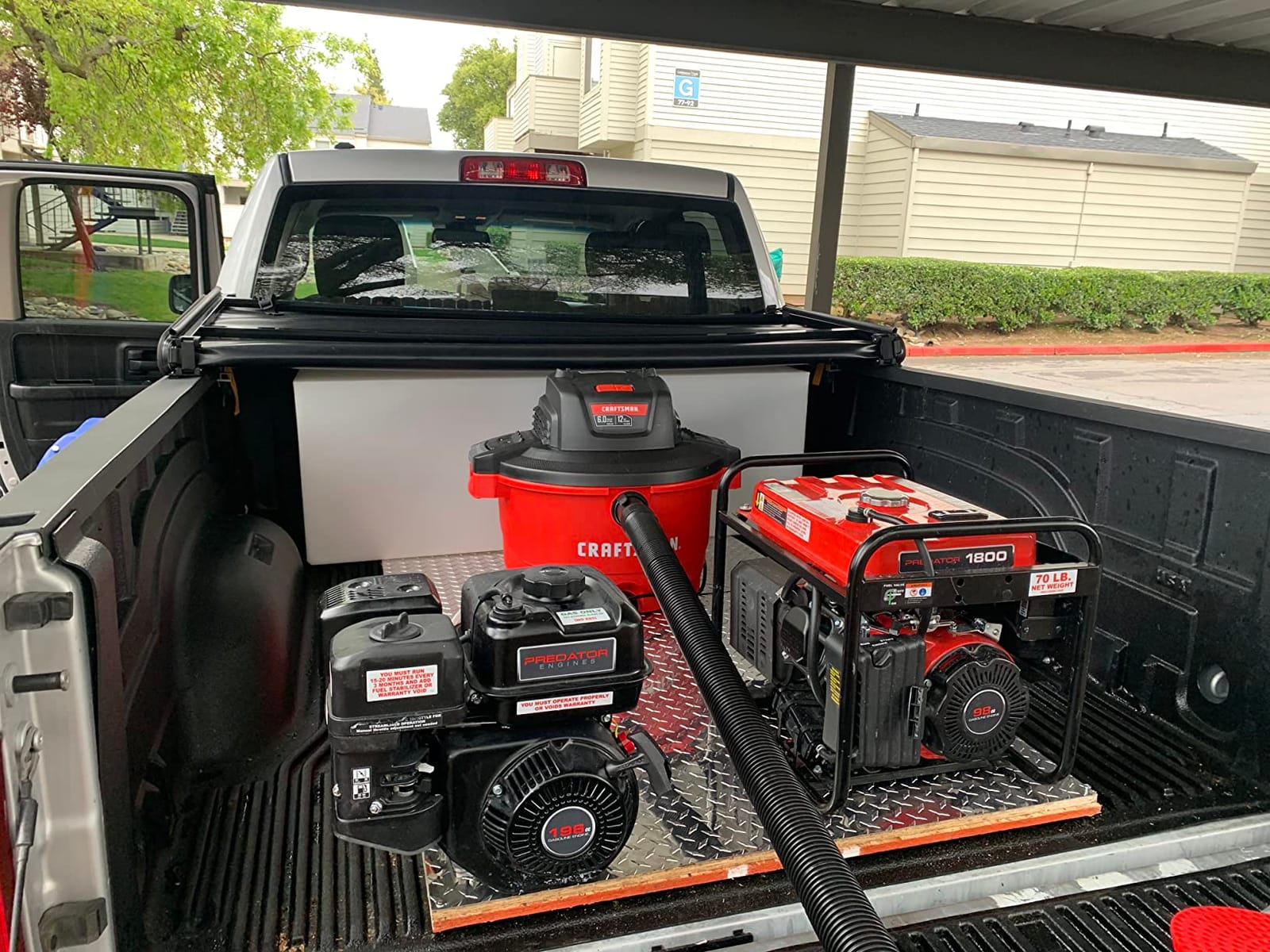
How to read the 39 inch suction figure
The listed maximum suction of 39 inches is the lowest number in this roundup, and it sits oddly beside a 6.0 peak HP claim. Peak horsepower is a maximum output figure, not a suction measurement, and manufacturers calculate them differently, so a high HP number does not guarantee a high inches-of-water figure.
What 39 inches does mean is less lift on heavy or gritty material off a floor. For lightweight sawdust from a saw or a sander, airflow is the deciding factor and this unit has a wide hose and a big motor behind it. If you vacuum a lot of gravel, sand or water by weight, read the DEWALT 12-gallon section instead.
Who should buy this and who should not
Buy it if your shop has one outlet and the saws are spread out. Cord length is a solved problem here in a way it is not on most compact models, and that removes a daily annoyance.
Skip it if floor space is tight. The body is roughly 21 by 24 by 23 inches and heavy with a full drum, so it needs a parking spot of its own rather than living under a bench.
9. Amazon Basics VO407S 4 Gallon Has the Most Durable Tank

Amazon Basics Wet Dry Shop Vacuum Cleaner, 4 Gallon, 3 HP Stainless Steel, Grey/Black
4 gal tank
3 HP
960 W
stainless steel
72 in hose
reusable cloth filter
Pros
- Stainless steel tank outlasts poly drums
- Lightweight frame on four wheels
- Reusable cloth filter cuts consumable cost
- Locking hose plus on-board storage
- Rated #3 in wet-dry shop vacuums
Cons
- 4 gallon drum is the second smallest here
- 3 HP is a modest motor class
- Lowest average rating at 4.4 out of 5
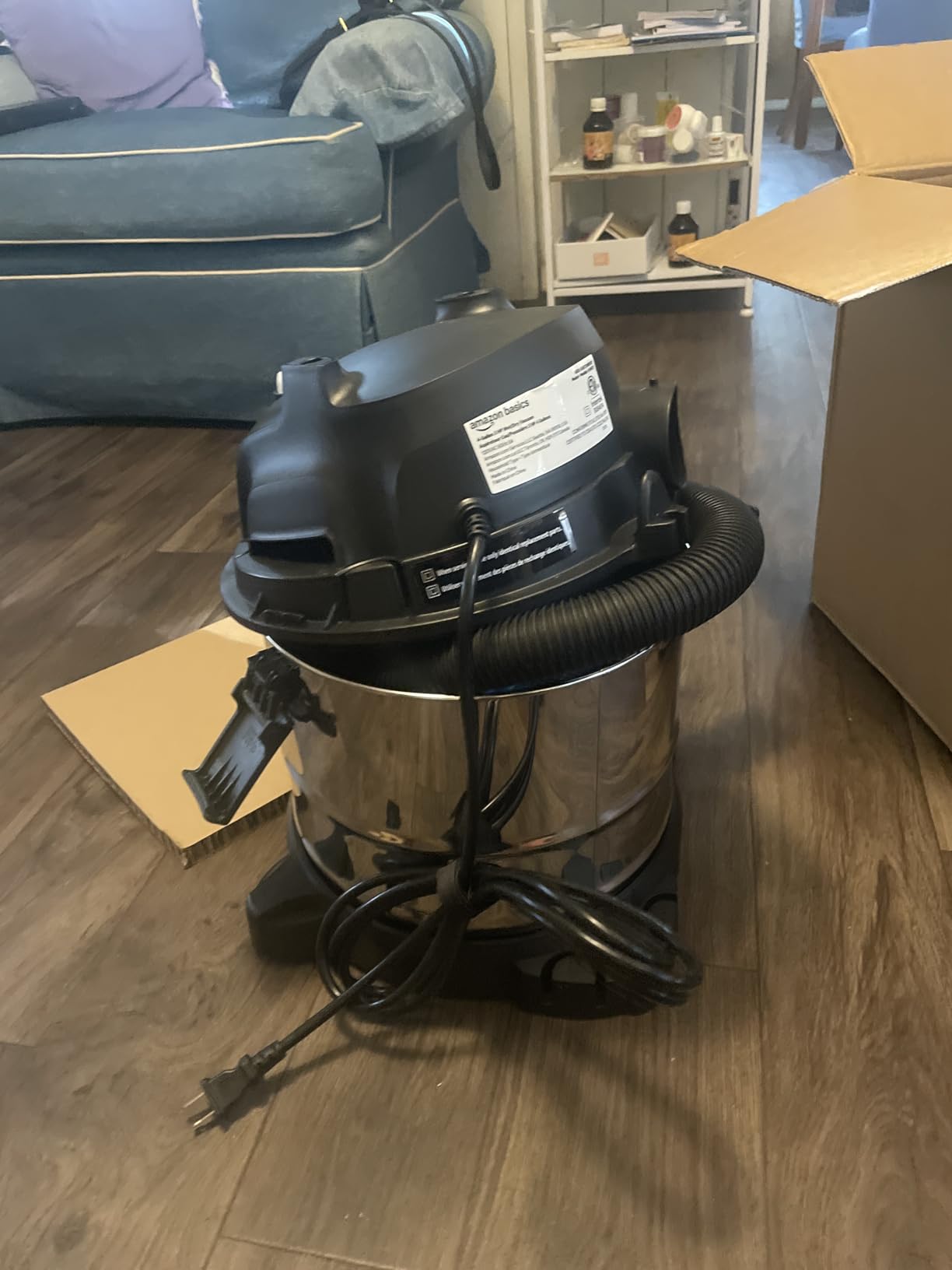
The tank is the reason to look at this one. Almost every wet and dry vacuum in this roundup uses a polypropylene drum, and polypropylene eventually cracks or takes an impact and goes brittle. A stainless steel drum on a 4-gallon frame is unusual at this size and it is the detail that decides the purchase for anyone who has thrown out a cracked plastic vac.
It is also light. The listed weight is 4.56 kg, roughly ten pounds, on a lightweight frame with four wheels, so this is the easiest unit here to move around a bench without thinking about it. The on-board storage and locking hose keep a small accessory set from disappearing behind the bench.
Included are a reusable cloth filter, a foam wet filter, a locking hose, multiple nozzles and extension wands. Having both a dry cloth filter and a foam wet filter in the box means you are not buying a filter on day one, which is the single most common complaint we saw about wet and dry vacs built for water duty only.
The 3 HP motor at 960 watts is honest for the class. It handles shop debris and wet messes fine, but it is not a machine you point at a pile of coarse chips and expect one pass to clear.
Where the rating gap shows up
At 4.4 stars across more than 2,600 ratings this is the lowest average in the roundup, with a six percent share of one-star reviews. Owners are positive about the tank and the mobility, and negative about capacity and moderate suction, which is the honest summary of what you trade here.
The four-gallon drum fills fast with sawdust. That is workable if you clean up after each project, and frustrating if you are trying to clear a whole garage in one pass. Plan on more emptying trips.
Best used as a spot vac
The strongest case for this unit is as a second machine. Keep it at the bench for corner cleanup, crevices and car detailing while a bigger unit handles floor and drum duty, and the stainless tank and light weight are exactly what a spot vac should be.
For primary sawdust duty in a real shop, one of the 9 or 12-gallon models above is the better single answer. Our [car vacuum guide](https://digitalartserved.com/best-car-vacuums/) covers that use case in more detail if detailing is your main interest.
10. Armor All AA255W 2.5 Gallon Is the Most Portable Pick Between Passes

Armor All AA255W 2.5 Gal 2 Peak HP Wet/Dry Utility Vac Orange/Black
2.5 gal tank
2 peak HP
48 in suction
11 lb
13 accessories
75 dB
Pros
- 11 pounds with a top carry handle
- 13 piece accessory kit is unusually full
- Converts to a blower for bench debris
- Integrated hose and accessory storage
- 75 dB is quiet for its size
Cons
- 2.5 gallon drum fills very quickly
- 2 peak HP is the weakest motor here
- 48 inch suction trails the 85 inch rivals
At 11 pounds with a top handle and a wheel base, this is the model you can carry up a ladder, set on a sawhorse and take down again without thinking about it. For anyone who cleans up shavings right at the saw rather than sweeping later, portability beats tank size every time.
The accessory count is the surprise. Thirteen pieces including a 12-foot cord, a 6-foot by 1-1/4 inch hose, three extension wands, a crevice tool, a blower nozzle adapter, a deluxe car nozzle, a round dust brush, a detail brush, a 2-in-1 utility nozzle, a floor brush and squeegee, plus a reusable cloth filter and a foam wet filter. That is an unusually full kit for a compact vac.
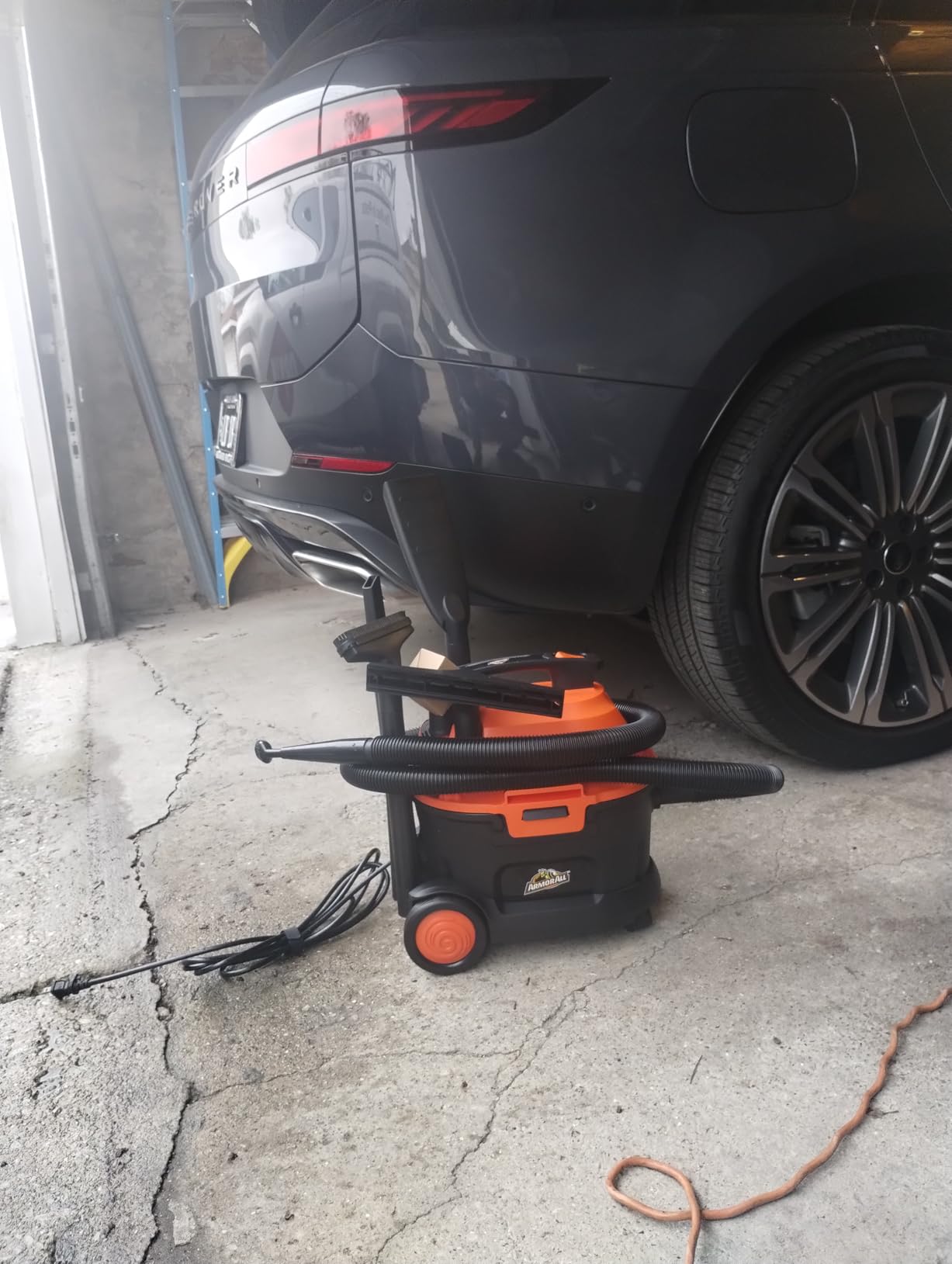
Integrated hose and accessory storage on the unit itself means the whole kit stays in one place. On a compact vacuum that is worth more than it sounds, because the alternative is a pile of nozzles behind the bench and a hose you cannot find when the floor is covered.
The 75 dB rating is also good for the size class. A 2.5-gallon unit can sit right next to the saw without dominating the noise floor the way larger machines do.
Where the small size bites
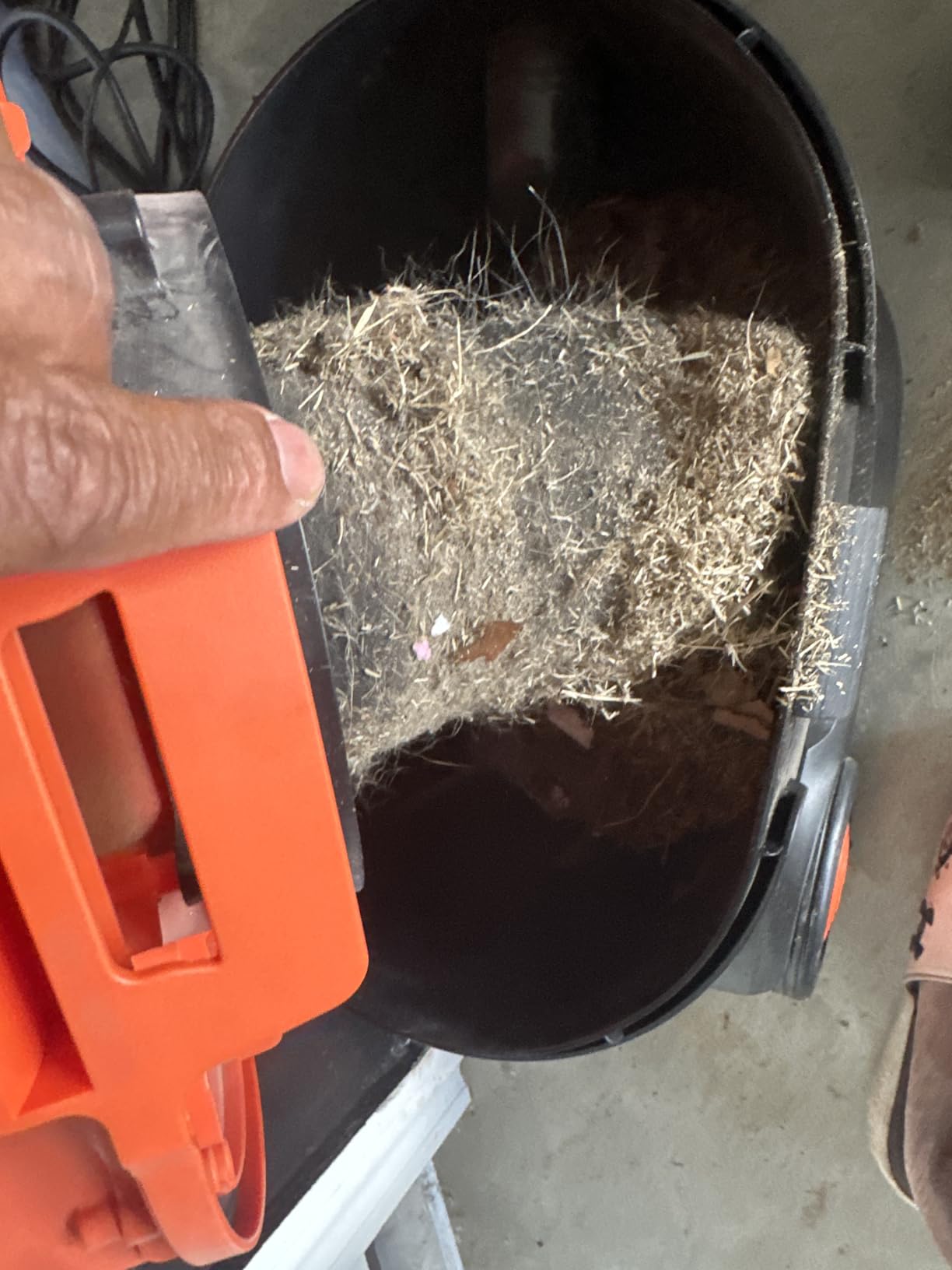
Two point five gallons is the smallest drum here, and it fills quickly with fine dust. If you are vacuuming sanding dust rather than bench shavings, you will be emptying it several times per session. That is fine if you are cleaning as you go, and miserable if you prefer to let debris accumulate.
The 2 peak HP motor is the weakest in the group, with 48 inches of published maximum suction against 85 inches on several rivals. Coarse chips and wet loads need multiple passes, which is the honest limitation of a unit this portable.
The best second-vacuum answer
Judged as a floor machine for a whole shop, this one is outclassed. Judged as the unit you keep beside the saw for shavings, tool cleanup and car detailing while a bigger vac handles the bulk pickup, it makes a lot of sense and it costs little.
Owners also give it a six percent one-star share, which is worth weighing against the portability and accessory kit.
How We Tested for Sawdust and What Dust Does to Your Filter
We did not time our own pickups, so nothing here is a lab measurement of ours. Instead every model was judged against published figures, the filter class it ships with, the consumables it needs, and long-term owner feedback across thousands of ratings. Where a number is quoted in this roundup, it came from the manufacturer’s own specification.
The four things we checked first were inches of maximum suction, airflow in CFM where published, noise level in dB where published, and tank volume. Peak horsepower was treated as a supporting figure rather than a decision number, because HP is a peak output rating and does not translate directly to lift.
We also checked what arrived in the box. A wet and dry vacuum built for water pickup frequently arrives without a dry-use filter, which on a wood shop means buying a filter before you can do any real work. Every pick in this roundup includes at least one dry-use filter.
The three dust types, and what each one needs. Coarse chips and shavings from a table saw, planer or hand plane are light and bulky, so they need airflow and a wide hose. Fine sanding dust from a random orbit sander is small enough to pack the pleats of a filter, so it needs a fine dust pleated filter or a HEPA-rated cartridge and a bag to keep the weight out of the media. Ultra-fine drywall and concrete dust is the dangerous fraction, because it passes through a standard filter and into your lungs, and it needs a HEPA-rated filter plus a bag specifically sold for that dust.
A safety note worth reading twice. Fine wood dust suspended in air can explode, which is why you never blow dust into suspension deliberately and why a vacuum with a clogged filter is a liability rather than an inconvenience. Drywall and concrete dust carries respirable crystalline silica, which is a regulated hazard, and blowing out a loaded pleated filter with compressed air indoors spreads the dust you were trying to collect. If you must clean a filter, do it outside with a mask on. When you hosed a fine dust filter off, let it dry completely rather than reinstalling it damp, because a damp filter packs into a solid block.
One more piece of forum wisdom matches our own read: buy the largest vacuum you can handle that has a real filter, and skip the cheap cotton cloth filter. A bigger drum and a real filter beat a small drum and an optimistic filter every time.
Buying Guide: Matching a Shop Vacuum to Your Sawdust Problem
Capacity. A 4 or 5 gallon drum is a bench tool for cleaning as you cut. A 9 gallon drum handles a single saw and a sander without constant emptying. A 12 gallon drum covers most one-person shops, and a 16 gallon drum is for long sessions and large floor cleanup. Wood dust is bulky, so capacity matters more here than for a kitchen spill.
Airflow versus suction. Inches of maximum suction tells you lift, which matters for heavy material like gravel, sand and wet loads. Cubic feet per minute tells you airflow, which is what carries lightweight sawdust through a hose. Wide hoses such as the 2-1/2 inch models move volume quickly and feel weak on chips; narrow 1-1/4 inch hoses give more lift per unit of airflow and feel slow on a big sweep. That trade-off is the single most misunderstood thing about shop vacs.
Hose diameter. If your debris is shavings and coarse chips, buy the widest hose that fits. If it is fine dust and small hardware, a narrower hose holds more suction per unit of air. If you plan to use one vacuum for both, look for a model that accepts a hose accessory rather than one locked to a single diameter.
Filter class. This is the part that actually determines whether cleanup works. A wet foam or cloth filter is for liquid and coarse debris only. A pleated fine dust filter is the minimum for wood sanding dust. A HEPA-rated cartridge is what you want for drywall and concrete dust and for anyone with a sensitivity. Every model here uses a Qwik Lock or cartridge-style system, so replacements are easy to source, but check that the filter you want is listed as compatible before you buy the vacuum.
Bagged versus bagless. Run bagged for anything fine. Bagging keeps the heaviest fraction of dust in the bag instead of on the filter, and it means you empty a bag over a bin instead of tipping a tank of dust into the air. Bagless gives you more usable capacity and no consumable cost, which is why enthusiasts on Fine Homebuilding boards run bagless for heavy chip work, but it is the wrong mode for fine dust.
Noise. Published figures in this roundup run from 69 dB to 82 dB. If your vac sits next to the saw, that spread is audible. Lower figures came from the two larger CRAFTSMAN models and the DEWALT 9-gallon. Head protection solves more than any of them.
Cord versus battery. Every model here is corded, which is the right call for a sawdust vacuum because runtime is not the constraint, sustained airflow is. Corded units also give you a consistent suction curve, and a cordless vac that drops airflow on a long cleanup is exactly what you do not want next to a table saw. Match cord length to your outlet layout instead, and if you already own a battery platform, note that none of these require one.
Connecting to a saw exhaust port. Confirm the port diameter on your table saw or sander, then match hose length so the hose reaches without a tight bend that chokes airflow. Use the correct adaptor rather than forcing a hose onto a mismatched port, and keep the run as short as you can. Many shops rig an auto-start so the vacuum runs when the saw does, which removes the most common complaint we heard, forgetting to turn it on and pushing dust across the floor by hand. If you also care about what happens to the dust in the room afterwards, our [shop air filtration guide](https://digitalartserved.com/best-shop-air-filtration-systems/) covers the second line of defence.
Lighting and airflow around the machine. Two details people forget while shopping for the vacuum: a shop light positioned over the saw makes fine dust visible so you can see where it is settling, and good room ventilation keeps that dust moving out rather than hanging. Many owners pair a new vac with better [LED shop lights](https://digitalartserved.com/best-led-shop-lights/) and notice more dust than they expected before.
Shop Vac vs Dust Collector vs Dust Extractor for Sawdust
A shop vacuum collects dust at the point of cleanup. A dust extractor connects to a machine’s exhaust port and pulls dust away before it reaches the room. A dust collector is a larger, ducted system usually paired with a central machine. They solve different problems, and buying the wrong one is the most expensive mistake in this category.
Use a shop vac when your dust is coarse, your cleanup is occasional, and you want one tool for the shop floor, the car and the occasional spill. That covers most hobbyists and a lot of professional one-person shops.
Use a dust extractor when a sander or a table saw is your primary dust source and you spend hours at it. Ducted extraction captures dust at the source rather than chasing it with a hose afterwards, and it changes how clean the room stays during the work rather than after it.
Use a dust collector when you run a table saw, a planer and a jointer hard enough that floor cleanup cannot keep up, or you want chips collected in a drum you carry once instead of a vac you empty repeatedly. Forum advice for small shops is consistent on this: buy the largest vacuum you can move, and only step up to a collector when the vacuum is genuinely the bottleneck.
For hand plane shavings and drum sanding specifically, forum users repeatedly report that a shop vac alone struggles and a cyclone separator ahead of the vacuum is what makes it manageable. Separators catch chips before the filter, which is exactly the problem fine dust creates, so they pair well with the mid-size models in this roundup.
One practical note on shop comfort. Airflow around the machine matters as much as the machine itself, and moving air across the shop floor helps carry suspended dust away rather than letting it settle on benches and on you. Our [shop fan guide](https://digitalartserved.com/best-shop-fans-for-the-money/) covers that side of the setup.
Frequently Asked Questions
What is the best shop vacuum for sawdust collection?
The CRAFTSMAN CMXEVBE17595 16-gallon is the best overall for sawdust, combining a 6.5 peak HP motor, a 2-1/2 inch Dual-Flex hose and a 16-gallon drum at a published 69 dB. The Stanley SL18116P 6-gallon is the best value option, and the Vacmaster VBV1210 12-gallon is the strongest all-rounder.
Can I use a shop vac for sawdust?
Yes, a wet and dry vacuum handles sawdust well, and most shop vacs are sold for exactly this kind of debris. The important part is the filter: run it bagged with a pleated fine dust filter for sanding dust, and upgrade to a HEPA-rated cartridge for drywall and concrete dust.
What size shop vac do I need for dust collection?
A 4 or 5 gallon drum suits cleaning as you cut at the bench. A 9 gallon drum handles one saw and a sander. A 12 gallon drum covers most single-person shops, and a 16 gallon drum is for long sessions and large floor cleanup, since wood dust is bulky.
Is a dust collector more powerful than a shop vac?
A dust collector is generally stronger and moves far more air, because it is built and ducted for continuous duty. A shop vacuum is more portable and handles wet messes and car detailing too. Most shops should start with the largest vacuum they can move and step up only when cleanup cannot keep up.
What is the best shop vac filter for drywall dust?
A HEPA-rated cartridge filter paired with a bag sold for drywall or fine dust is the right answer, because ordinary filters pass gypsum dust straight through. Some owners use Shop-Vac brand drywall bags for the same reason, though those bags are expensive. Never blow a loaded filter out indoors, since drywall dust carries respirable silica.
Why does my shop vac clog with sawdust so fast?
Fine dust packs into the pleats of a filter much the way wet cement does, cutting airflow and pushing dust back out of the exhaust. Running bagged and using a fine dust pleated filter, or adding a cyclone separator ahead of the vacuum, keeps chips out of the media so suction holds up longer.
The Best Shop Vacs for Sawdust in 2026
The CRAFTSMAN CMXEVBE17595 16-gallon wins this roundup. It has the largest drum in the group, a wide 2-1/2 inch Dual-Flex hose, 6.5 peak HP, and the lowest published noise figure at 69 dB, which means you can run it beside a saw and still hear your cut. At 26 pounds it wants a parking spot, but for a full weekend of cutting it is the one you reach for.
If you want to spend less and move more easily, the Stanley SL18116P 6-gallon gives you 85 inches of suction and the largest review base here. If you want one machine for floor, bench, car and wet messes, the Vacmaster VBV1210 12-gallon does the most jobs, provided you plug it into a 20-amp circuit.
Whichever one you pick, the filter is the part that decides whether cleanup works. Buy the pleated fine dust filter, run it bagged, and change the bag before it is full. That single habit does more for your shop air than any upgrade to the vacuum itself.