
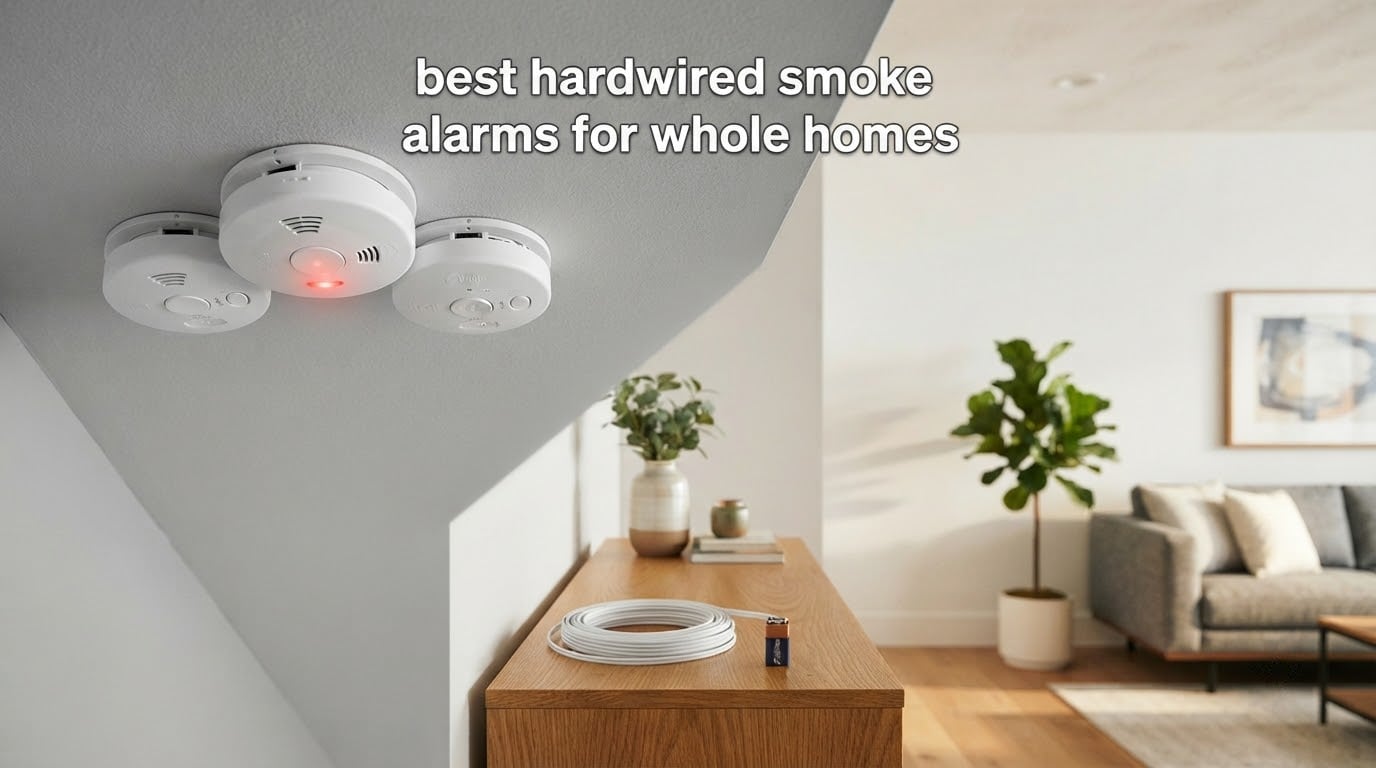
If you are wiring a whole home rather than swapping a single alarm, the First Alert BRK SC9120FF is the pick we keep coming back to. It combines an ionization smoke sensor with an electrochemical carbon monoxide sensor in one hardwired 120V AC unit, it carries a 4.7 rating across more than 20,000 reviews, and it interlocks with the wider BRK and First Alert family so one detection sets off every alarm in the house. For budget-conscious whole-home jobs, the BRK First Alert 9120BFF covers the same ground with smoke only at a fraction of the cost.
What makes whole-home selection different from picking one alarm is that you are really choosing an ecosystem. Interconnected hardwired alarms need to speak the same signal protocol, and the Kidde line and the First Alert and BRK lines generally do not cross-link. Buy your whole set from one brand and this is a solved problem. Mix them and you end up with a partial network that does not signal end to end.
We spent the last several weeks reading spec sheets, owner reviews, and installer threads on this category, then mapped each unit against the two questions that decide a purchase: how many alarms you need and whether your existing wiring can carry them. The guide at the bottom covers placement math, sensor types, the interconnect rule, and when you do need a licensed electrician. If you want a wider look at non-hardwired options too, our smoke detector roundup covers battery and smart models separately.
Table of Contents
Top 3 Best Hardwired Smoke Alarms For Whole Homes (October 2026)

First Alert BRK SC9120FF
- Smoke plus electrochemical CO in one unit
- 85 dB siren with face indicator lights
- Interconnects with BRK and First Alert alarms
- UL tested with 10-year limited warranty

BRK First Alert 9120BFF
- Ionization sensor tuned to fast flaming fires
- Hardwired 120V AC with 9V battery backup
- Links to the BRK and First Alert network
- 10-year limited warranty
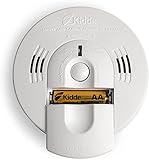
Kidde Hardwired Smoke and CO Detector
- Voice alerts name fire or carbon monoxide
- Interconnects up to 24 Kidde devices
- 2-AA backup on 120V AC power
- Test-Hush and tamper-resistant design
All 9 Hardwired Smoke Alarms Compared in 2026
Every pick below runs on your home’s wiring or can join an interconnected network, and every one carries a backup power source. The differences that matter are sensor type, whether carbon monoxide is included, and how the alarm announces danger.
| Product | Specifications | Action |
|---|---|---|
| First Alert BRK SC9120FF |
|
Check Latest Price |
| BRK First Alert 9120BFF |
|
Check Latest Price |
| Kidde Hardwired Smoke and CO Detector |
|
Check Latest Price |
 Kidde i12040 Hardwired Smoke Alarm Kidde i12040 Hardwired Smoke Alarm |
|
Check Latest Price |
 First Alert SC7010B-3 Three-Pack First Alert SC7010B-3 Three-Pack |
|
Check Latest Price |
 Kidde 30CUA10-V Three-Pack Kidde 30CUA10-V Three-Pack |
|
Check Latest Price |
 X-Sense SC07-W Six-Pack X-Sense SC07-W Six-Pack |
|
Check Latest Price |
 First Alert SA521CN-3ST First Alert SA521CN-3ST |
|
Check Latest Price |
 SITERWELL GS562A SITERWELL GS562A |
|
Check Latest Price |
1. First Alert BRK SC9120FF – Best Hardwired Smoke Alarm Overall
FIRST ALERT BRK SC9120FF Hardwired Smoke and Carbon Monoxide (CO) Detector with Battery Backup, 1 pack , White
Smoke and CO combo
120V AC hardwired
9V battery backup
Interconnectable with BRK and First Alert alarms
85 dB siren
Pros
- Ionization smoke sensor plus electrochemical CO sensor in one housing
- Battery backup keeps the alarm live through power outages
- Interconnects across the BRK and First Alert network
- Universal mounting brackets make retrofits simple
- 10-year limited warranty
Cons
- Ionization sensing is more prone to cooking-steam nuisance tripping
- Single-alarm pack so whole-home coverage means multiple alarms
This is the default answer for most houses, and the numbers explain why. More than 20,000 owners have rated it, and the review breakdown we pulled shows 83 percent at five stars with roughly 95 percent at four stars or better. That is a long track record for a device whose entire job is to fail loudly when it matters.
Technically it is an ionization chamber for smoke paired with an electrochemical cell for carbon monoxide, running on 120V AC with a 9V battery riding underneath for outages. The 85 decibel siren is backed by two indicator lights on the face so you can tell a smoke event from a CO event without guessing. Owners also mention the universal mounting bracket often enough that it matters: most of these units will drop onto a standard electrical box without new brackets.
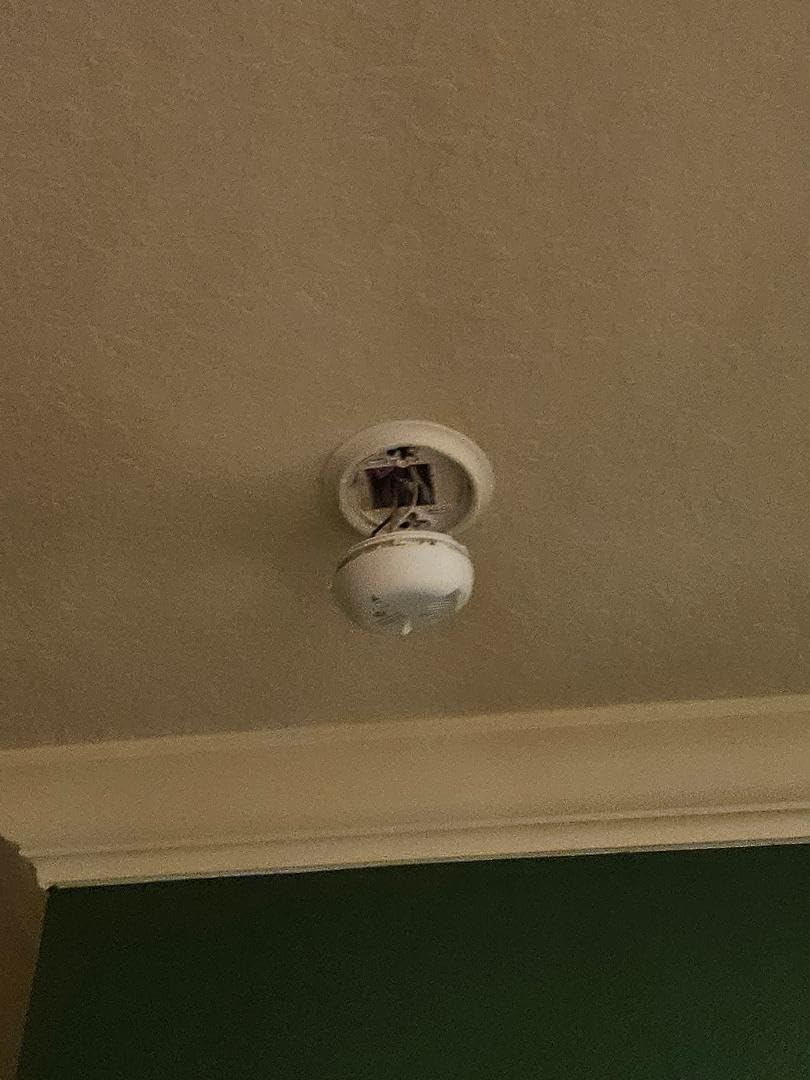
The honest criticism is the ionization sensor. It is tuned to fast-flaming fires and it is more willing than a photoelectric chamber to react to fine particles, which in practice means cooking vapor and shower steam. If your kitchen is directly open to the hallway where the alarm sits, that will show up in your life. Our advice is to keep ionization sensors in hallways, basements and mechanical rooms, and put photoelectric units near kitchens.
The second limitation is packaging. This is a single alarm, so a typical two-story house needs seven or eight of them to do the job properly. Budget accordingly rather than buying four and hoping coverage is good enough.
Who the SC9120FF Works Best For?
It suits households that want one brand, one voice protocol, and one instruction manual across every room. Because the CO sensing is built in, you get carbon monoxide coverage in the same footprint, which is what most local codes want near sleeping areas.
It also suits anyone who will not fuss with app setup. Press the test button, every linked alarm sounds, and the face lights tell you what triggered it. Reviewers consistently describe the interconnect as working the first time when the rest of the house is already on BRK or First Alert hardware.
Where the SC9120FF Falls Short?
It will not link to Kidde alarms, so if part of your house is already on Kidde hardware you are looking at replacing those too. Buyers on r/HomeImprovement raise this exact point whenever they plan a partial swap.
Second, the ionization chamber is a compromise in kitchens and humid bathrooms. If false alarms are your main frustration, a photoelectric pick listed further down fits the situation better.
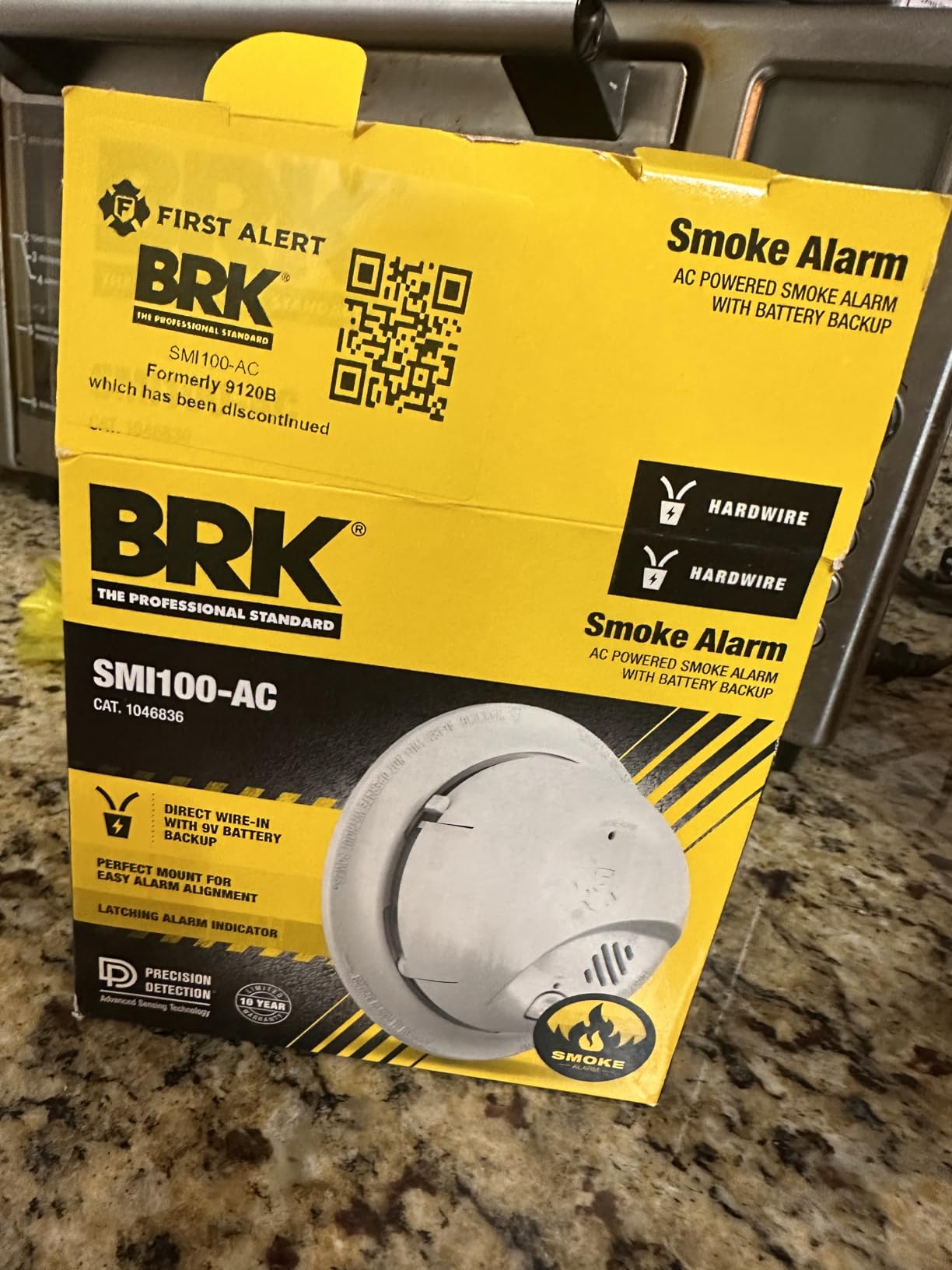
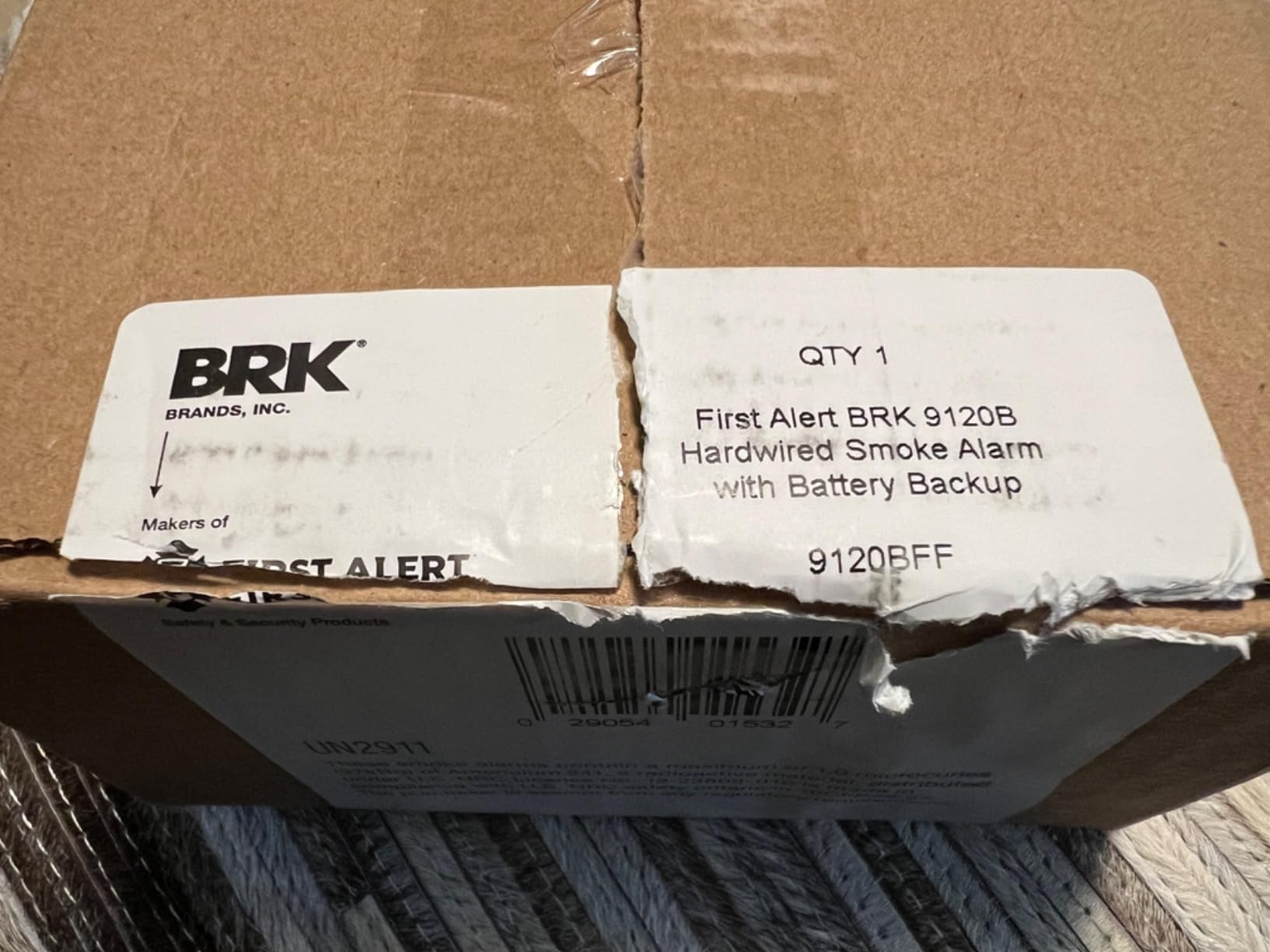
2. BRK First Alert 9120BFF – Best Value Hardwired Smoke Alarm
BRK First Alert 9120BFF/ SMI100-AC Smoke Detector, Hardwired Alarm with Battery Backup, White, 1-Pack
Ionization smoke only
Hardwired 120V AC with 9V battery backup
85 dB alarm
Interconnectable with BRK and First Alert
Pros
- Lowest cost per alarm in this roundup
- which matters when you need seven or eight
- Ionization chamber is fast on fast-flaming fires
- 9V battery backup keeps it live during outages
- Links to the wider First Alert and BRK network
- Simple single test and silence button
Cons
- No carbon monoxide detection at all
- Single-alarm pack for whole-home jobs
- Ionization chambers can nuisance-trip from cooking steam
If your house already has 120V AC wiring on the alarm circuit and you just need to cover every bedroom and hallway, this is the arithmetic winner. With a 4.7 rating across close to 19,500 reviews, and 81 percent of those at five stars, the value claim is supported by owner experience rather than by the sticker.
It is a plain ionization alarm with an 85 decibel horn, a 9V battery backup, and the same single test and silence button found across the First Alert range. The tamper-resistant locking brackets stop curious kids or a careless decorator from pulling it off the ceiling, and the universal bracket again means standard boxes work without adapters.
What you give up is carbon monoxide. The SC9120FF adds a CO cell to the same housing, and this unit simply does not have one. If you are building a new system from scratch and code requires CO protection near bedrooms, the cheaper alarm is the wrong pick even though the per-alarm maths look better.
There is also the packaging question again. One alarm per box, so a full two-story retrofit means ordering eight. Owners generally accept this because the per-alarm cost leaves room in the budget for a CO unit in the garage or basement where combustion sources actually live.
Who the 9120BFF Works Best For?
This suits a family doing a phased replacement. Swap the hallways and bedrooms over a few weekends, keep the existing signal wire, and stay entirely inside one brand ecosystem so everything still talks to each other.
It also suits older homes with existing hardwired alarms that are simply past their service life. Same signal wire, same bracket footprint, same protocol, minimal disruption.
Where the 9120BFF Falls Short?
No CO sensing is the headline gap. If anyone in the house has a gas furnace, a garage, or a wood-burning appliance, you need a combination unit somewhere in the layout regardless of what else you install.
The second gap is sensor chemistry. An ionization-only chamber will complain more than a photoelectric unit about cooking vapor, so placement discipline matters more here than on the photoelectric picks.
3. Kidde Hardwired Smoke and CO Detector – Best for Voice Alerts
Kidde Hardwired Smoke & Carbon Monoxide Detector, Battery Backup, Interconnectable, LED Warning Light Indicators
Smoke and CO combo with voice alerts
120V AC with 2-AA backup
Interconnects up to 24 Kidde devices
Test-Hush silence
Pros
- Voice alarm names the hazard so occupants know whether it is fire or CO
- Combines ionization smoke sensing and CO detection in one alarm
- Interconnects up to 24 Kidde devices with 18 initiating units
- LED warning lights show status at a glance
- UL Certified with a 10-year limited warranty
Cons
- Ionization only
- with no photoelectric option for smoldering fires
- Higher cost per alarm than basic smoke-only hardwired units
- Needs a third interconnect wire for most installs
The thing that separates this Kidde from every other pick here is speech. When it trips it says fire or carbon monoxide out loud rather than just chirping, and for a household with a sleeping child, an older adult, or anyone who is deaf or hard of hearing, that difference is worth planning for. The voice model pairs with strobes and relays on the same Kidde network if you need to wake the whole floor.
Underneath the speaker is a conventional combination unit. Ionization sensing for smoke, electrochemical sensing for CO, an 85 decibel horn, and 120V AC power with a 2-AA battery backup for outages. It interconnects with up to 24 Kidde devices, of which 18 can be the initiating alarm, and it cross-links with the KN-COSM-IBA models.
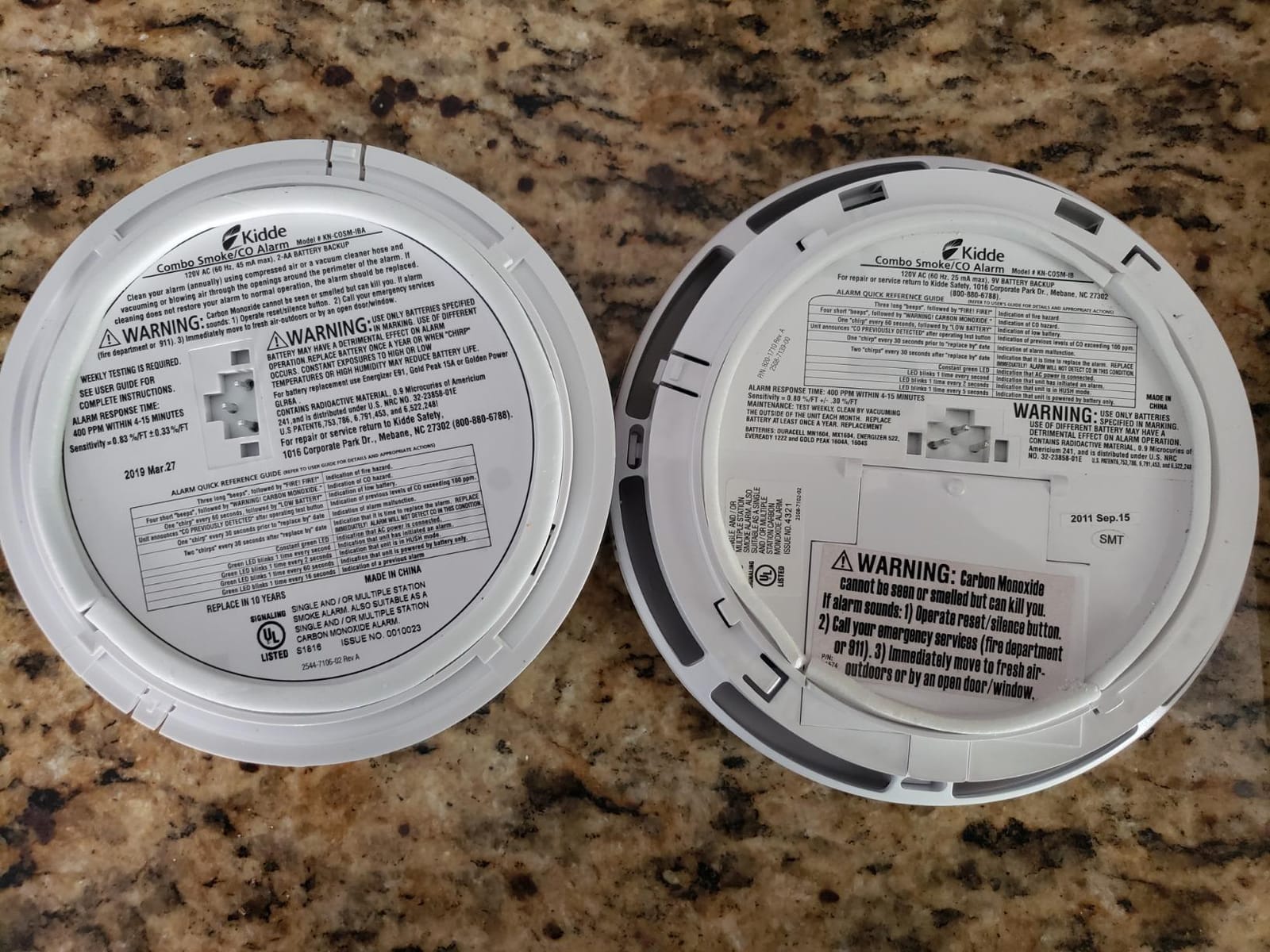
Test-Hush silences the unit for roughly nine minutes, which covers most shower-steam false alarms without leaving the house unprotected for long. Tamper resistance is built in, and the 10-year limited warranty is among the longer terms in this category.
Two real constraints. First, the interconnect line generally needs a third wire run back to a junction box, so older two-wire homes may need extra work before this can go in. Second, the sensing is ionization, which puts it in the same cooking-vapor camp as the other Kidde entry below.
Who This Kidde Unit Works Best For?
It is the pick when someone in the home cannot rely on an audible tone alone. The spoken hazard announcement reaches people with hearing loss who would miss a 4000 Hz horn, and it tells a sleeping household whether to evacuate or to ventilate.
It also fits large homes cleanly. A network of up to 24 Kidde devices is enough for a three-story house with a basement, a garage, and an attic, all linked on one signal run.
Where This Kidde Unit Falls Short?
Mixing it into a house full of First Alert or BRK alarms does not work. Homeowners hit this constantly on r/electricians and r/HomeImprovement, and the usual fix is to commit to one brand for the entire property.
Second, there is no photoelectric sensing here. If your main nuisance-alarm problem is a kitchen, this is the wrong chemistry and the voice alerts will simply tell you more often that there is no fire.
4. Kidde i12040 Hardwired Smoke Alarm – Best for Compact Ceiling Mounts
Kidde Smoke Detector, Hardwired Smoke Alarm with 9-Volt Battery Backup, Test-Reset Button, Interconnect Capability, 1 Count (Pack of 1), White
Hardwired 120V ionization alarm
9V alkaline battery backup
Interconnects up to 18 Kidde devices
Test-Hush button
Pros
- Compact 2 inch depth clears low ceilings better than bulkier units
- Test-Hush tames cooking and shower steam nuisance alarms
- Interconnects up to 18 Kidde alarms plus strobes and relays
- Red sensing LED makes status obvious
- UL Listed
Cons
- Warranty is 5 years
- shorter than the 10-year terms on newer models
- Ionization sensing with no photoelectric option
- Single-alarm pack for whole-home jobs
This is the plain hardwired smoke alarm to buy when you need seven or eight of them and do not want carbon monoxide detection in every room. The 4.6 rating across roughly 5,600 reviews puts it in the same band as the pricier combination units, and 79 percent of those reviews are five stars.
Ionization sensing, an 85 decibel horn, a red LED that lights when the unit sees smoke or fire, and 9V alkaline battery backup under 120V AC power. The interconnect reaches up to 18 Kidde smoke, heat or CO alarms plus up to 6 strobe lights or relay modules, which is enough to add a visual and audible notification path on the top floor.
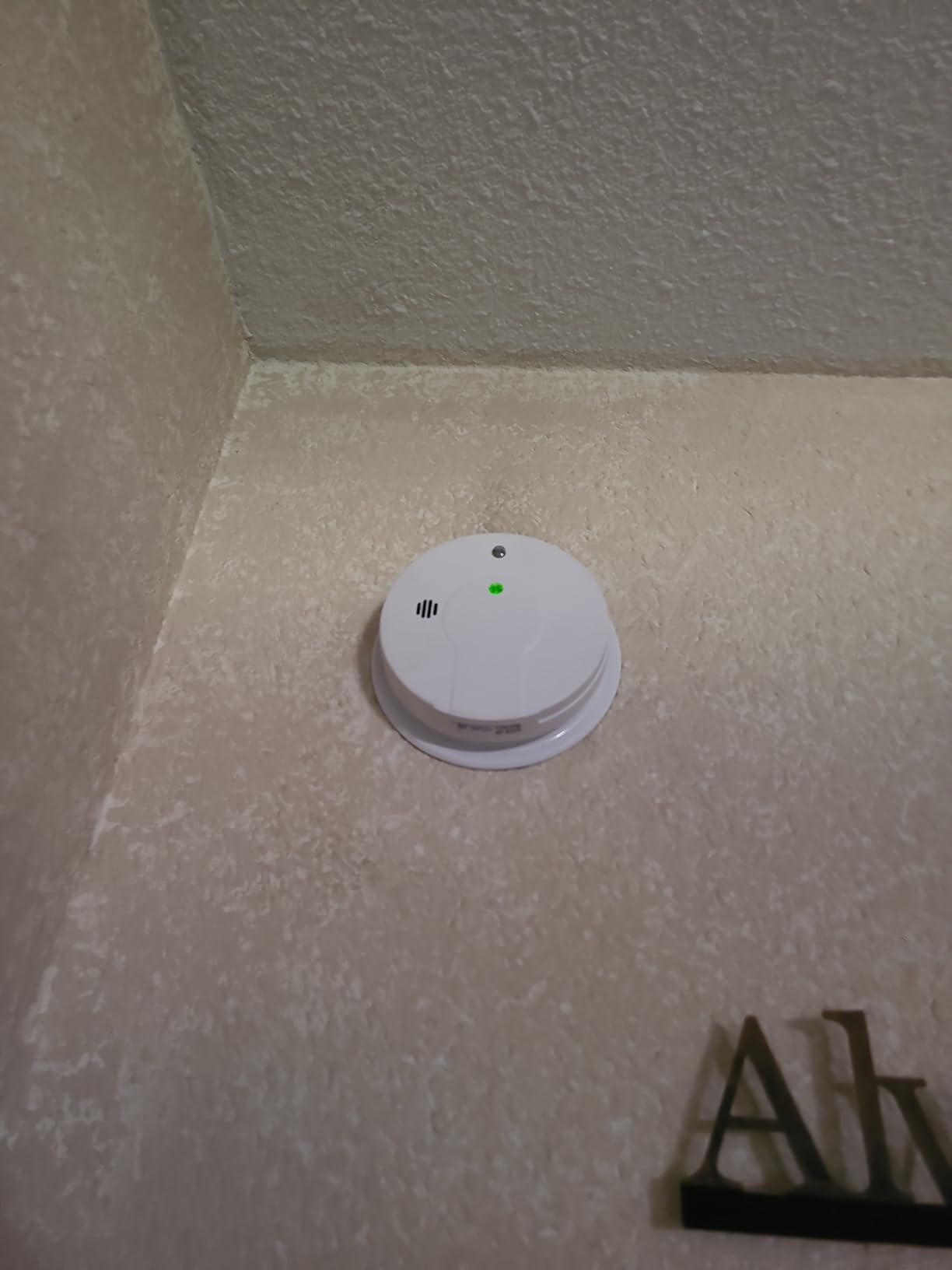
Two practical details stand out. The 2 inch depth is slimmer than most units in this roundup, which matters on low ceilings where a deep alarm body hangs awkwardly. And the Test-Hush button both tests the system and silences nuisance alarms, which is the single feature owners mention most often in reviews.
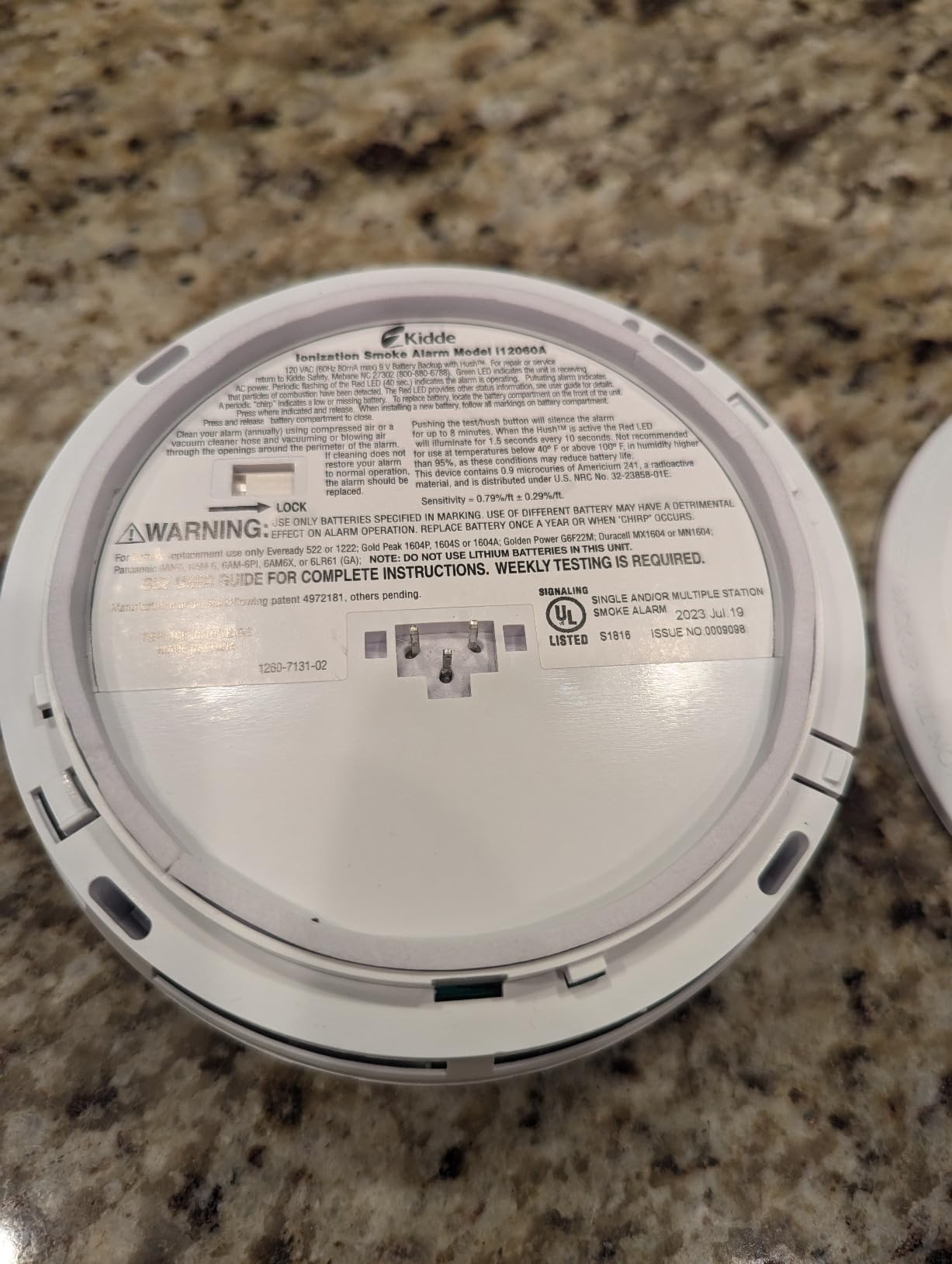
The warranty is the trade-off. Five years limited is half of what the newer Kidde combination models carry, so this is more of a mid-life replacement than a decade-long install. Owners also flag that some reviewers assume CO detection because the product detail mentions an electrochemical sensor, but the primary function listed here is smoke.
Who the i12040 Works Best For?
It fits smaller homes and apartments that already have wiring on the alarm circuit, plus any job where you want a repeatable, uncomplicated alarm in every bedroom and hallway and CO coverage only where combustion sources are.
Strobe and relay compatibility also makes it a good companion to the voice-enabled Kidde above, if you want speech in the hallway and light plus sound in a bedroom.
Where the i12040 Falls Short?
Ionization only, so it shares the cooking-steam sensitivity of the other Kidde models. Bathrooms and kitchens near sleeping areas are better served by photoelectric picks.
And again, it will not cross-interconnect with First Alert or BRK alarms. Plan the whole property as one brand before you start pulling ceilings off.
5. First Alert SC7010B-3 Three-Pack – Best for Multi-Room Coverage
FIRST ALERT BRK SC7010B-3 Hardwired Smoke and Carbon Monoxide (CO) Detector with Battery Backup, 3-Pack
Three-pack of 120V photoelectric smoke and CO alarms
2-AA battery backup each
Spread spectrum 85 dB horn
Latching alarm memory
Pros
- Three-pack covers several rooms or floors in one order
- Photoelectric sensing suits smoldering fires and resists cooking steam
- Lower-frequency spread spectrum horn is easier for aging ears to hear
- Latching alarm and low-battery latch identify the triggering alarm
- 2-AA backup per alarm
Cons
- Photoelectric only
- with no ionization element for fast flaming fires
- Backup is 2-AA rather than a sealed 10-year battery
Two things stand out about this one. The first is the horn. Instead of the usual high-pitched tone, it uses a lower-frequency spread spectrum design specifically so older listeners with age-related hearing loss can pick it up, and reviewers single that out repeatedly. The second is packaging: three alarms in a box, which removes the ordering friction of a whole-home job.
Sensing is photoelectric for smoke plus an electrochemical CO sensor, with 2-AA battery backup on each alarm. A latching feature records which unit initiated an alarm so you can find the source instead of standing in a hallway pressing test buttons. A separate low-battery latch gives you a visual indicator rather than an intermittent chirp at 3 a.m.
The photoelectric chamber reacts to the larger particles from smoldering fires and is noticeably less bothered by cooking vapor than ionization units, which makes this a better fit near a kitchen doorway than most of the picks above.
The limitation is symmetry. Photoelectric-only sensing has no ionization element, so the fast-flaming fire response that ionization handles well is not covered here. That is why our placement advice pairs this unit near kitchens with an ionization or dual-sensor unit in the basement and mechanical areas.
Who the SC7010B-3 Works Best For?
Older households are the clearest fit. The lower-frequency horn and the fact that you can add a strobe elsewhere in the network make this a sensible core for a house where hearing loss is in play.
It also fits anyone starting a new installation on the First Alert platform, because three units at a time keeps the signal wiring consistent and the setup repeatable from room to room.
Where the SC7010B-3 Falls Short?
Photoelectric-only sensing means no coverage of the fast-flaming fire profile, so a mixed layout is smarter than an all-photoelectric house.
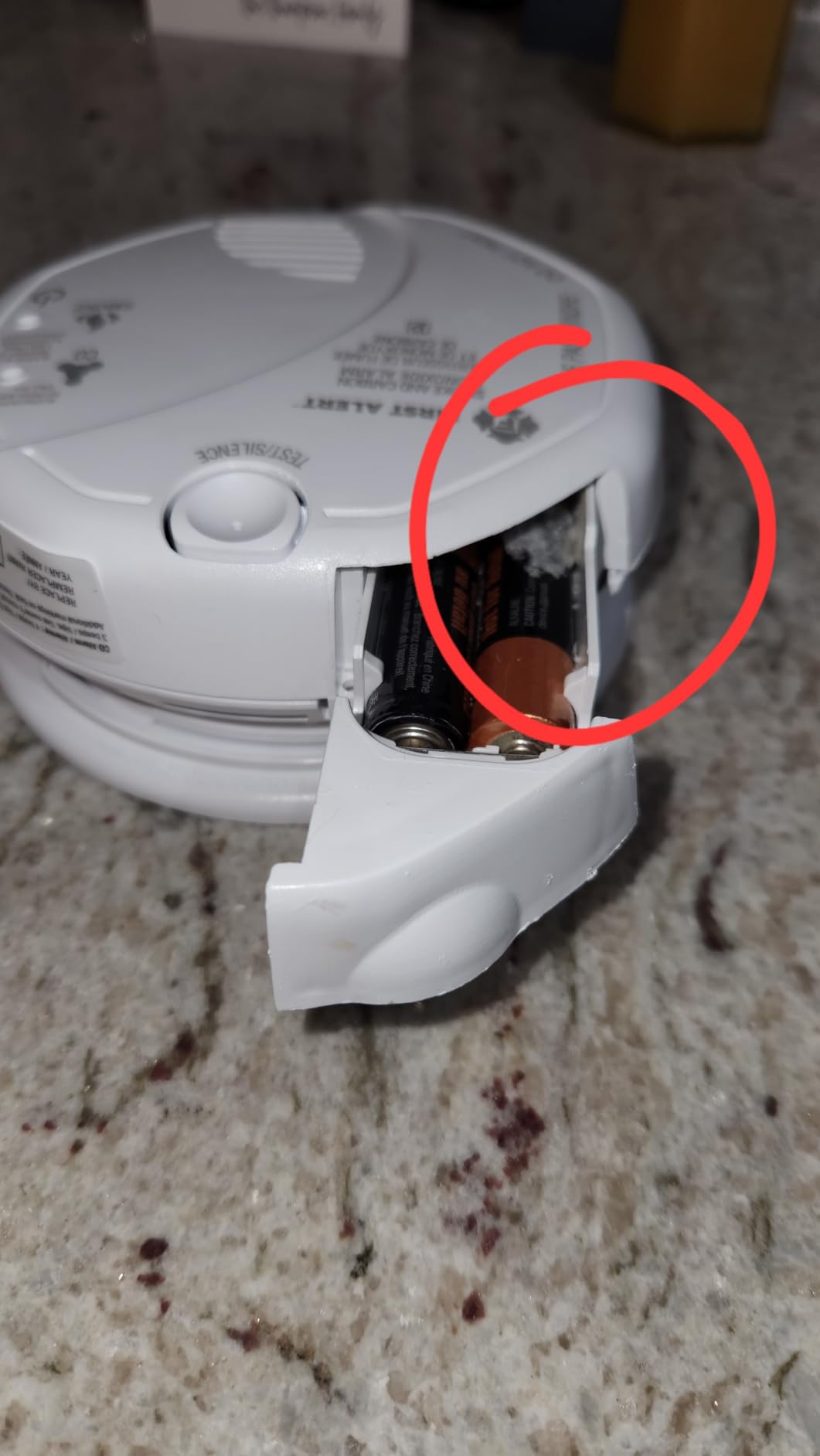
The battery backup is also only 2-AA per alarm. That means a maintenance habit rather than a decade of forgetfulness, which is fine if you already test monthly but annoying if you would rather not think about it for ten years.
6. Kidde 30CUA10-V Three-Pack – Best for 10-Year Sealed Battery Backup
Kidde Smoke & CO Detector, Hardwired & 10-Year Battery, 30CUA10-V, 3 Pack
120V AC hardwired smoke and CO
Sealed 10-year built-in battery
Voice alerts for fire and CO
Photoelectric plus electrochemical sensing
Pros
- Sealed 10-year battery removes battery swaps and low-battery chirps entirely
- Voice alerts say whether the hazard is fire or carbon monoxide
- Photoelectric and electrochemical sensing in one alarm
- Three-pack covers several rooms or floors at once
- Interconnectable so all Kidde alarms sound together
Cons
- Interconnect needs a third signal wire
- which older two-wire homes may not have
- No app or smart-home integration
- Some owners report nuisance alarms that trigger the whole network
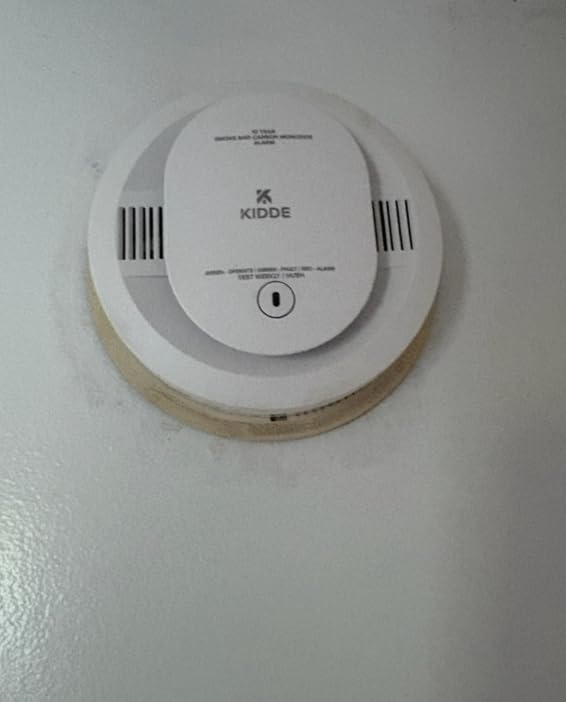
This is the pick if you want to install something and stop thinking about it. The model 30CUA10-V runs on 120V AC and carries a sealed 10-year lithium backup built into the housing, so there are no AA cells, no 9V batteries and no 3 a.m. chirps telling you a backup cell needs changing in month seven.
Photoelectric smoke sensing sits alongside an electrochemical CO sensor, and the voice alerts announce fire or carbon monoxide depending on what tripped it. Testing is to UL 217 tenth edition and UL 2034 fifth edition, and the warranty is a 10-year limited term. Three alarms per box, so a mid-size house is two orders or less.
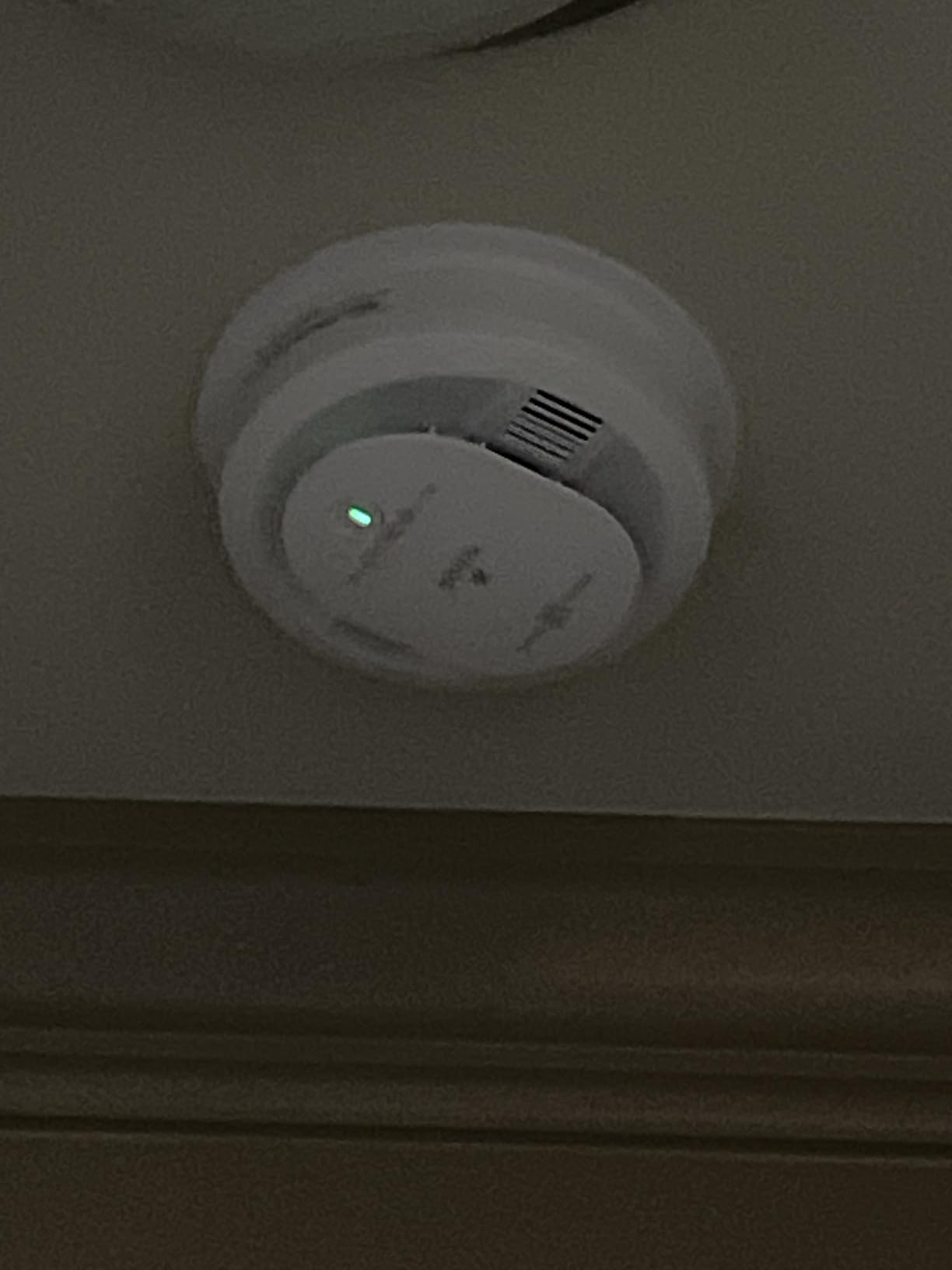
The rating sits at 4.2 with about 1,740 reviews, which is the lowest score in this roundup and worth understanding rather than ignoring. Seventy percent of reviews are five stars, but one-star reviews make up roughly 14 percent of the total, and they cluster around nuisance alarms that propagate through the whole interconnected system and a box that arrives without mounting hardware for the DIY installer.
There is also no smart-home integration of any kind. If you were hoping to route these into Home Assistant or SmartThings, this is not the unit. Homeowners in those communities usually reach for a relay module or a smart bridge instead.
Who the 30CUA10-V Works Best For?
It fits owners of Kidde-equipped homes who want to upgrade to sealed batteries and voice alerts without changing the wiring topology or the brand across the whole property.
It also fits anyone who genuinely dislikes the annual battery ritual and wants a decade of maintenance-free operation on the backup side while still having hardwired primary power.
Where the 30CUA10-V Falls Short?
The interconnect requires a third signal wire, so homes with only the original two-wire runs may need an electrician to pull new cable before installation.
And the nuisance-alarm complaints are real enough to plan around. Position it away from cooking vapor and shower steam, and remember that one false trip pulls every linked alarm with it, which is exactly what an interconnected system is designed to do.
7. X-Sense SC07-W Six-Pack – Best for Retrofit Interconnect Without Rewiring
X-Sense Interconnected Smoke and CO Detector, SC07-W, 6-Pack
Photoelectric smoke and electrochemical CO in one alarm
Sealed 10-year lithium battery
Wireless interconnect to 18 alarms and 820 ft
ETL Listed to UL 217 and UL 2034
Pros
- Wireless interconnection reaches 820 ft and 18 alarms
- so no signal wire has to be run
- Sealed 10-year lithium battery removes all battery maintenance
- Photoelectric plus CO sensing in a single unit
- One-button silence quiets the entire linked network
- Six-pack covers a large home in one order
Cons
- Battery powered
- so it never sits on your 120V AC alarm circuit
- No Wi-Fi or app connectivity of any kind
- Sensors still need to be within wireless range of each other
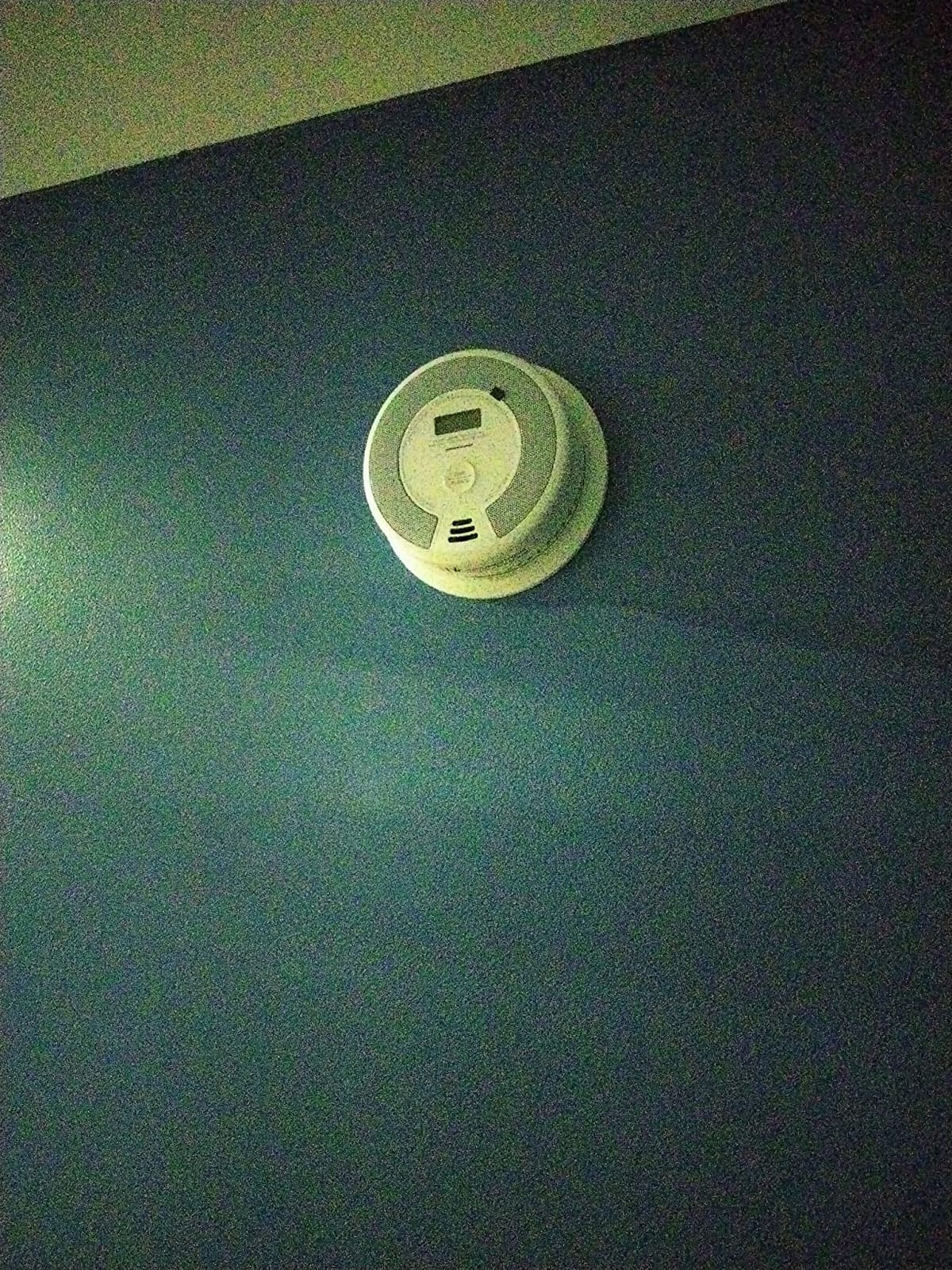
We are including this one as a deliberate exception. It is not hardwired to the house supply, but it is the answer for a real and common whole-home problem: a house with no junction box, no existing alarm wiring, or no willingness to open walls. Six alarms in one box, photoelectric smoke plus CO in each, and a sealed 10-year lithium battery.
The interconnection is wireless rather than a signal wire, and it holds up to 18 X-Sense alarms across up to 820 feet, which covers a large house across floors. Pressing test and silence on the initiating alarm quiets the whole linked network, which removes the ceiling-height silence button problem that hardwired owners complain about.
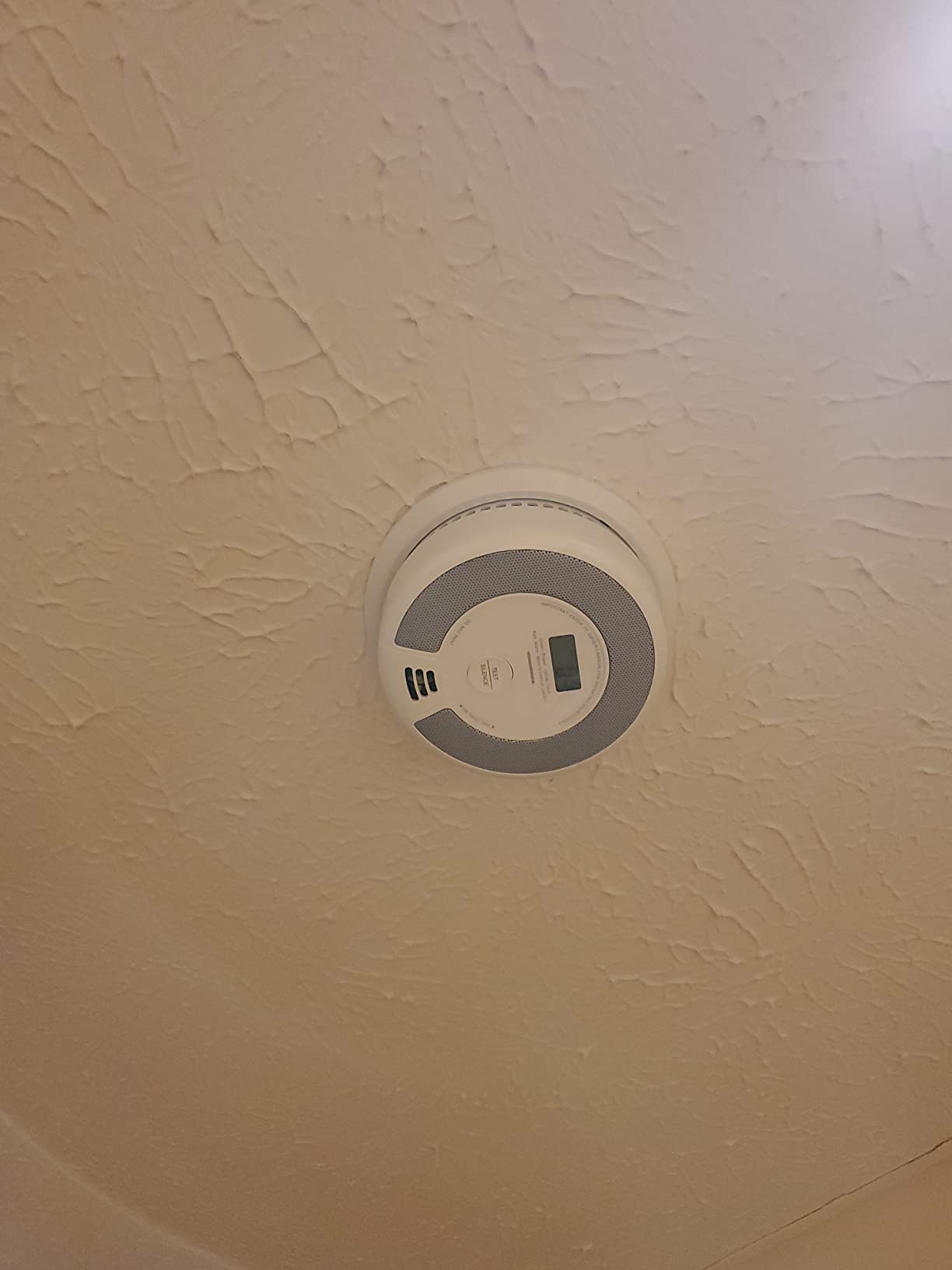
It is ETL Listed to UL 217 and UL 2034, so it satisfies the same underlying safety standards as the hardwired units in this list. The 4.4 rating across roughly 1,480 reviews is solid, with 76 percent of reviewers at five stars.
Be clear about what it is not. There is no Wi-Fi, no base station, no app and no phone notification. Homeowners on community.smartthings.com who want alerts on their phone are disappointed by this for good reason. If remote notification matters to you, this unit will not deliver it on its own.
Who the SC07-W Works Best For?
Rental properties, vacation homes and older houses with no alarm wiring are the obvious fits. Six sealed-battery alarms cover a large property with no electrician and no wall damage, which is also why it shows up in our smart-home and short-term-rental coverage.
It also works for anyone adding coverage to a finished basement or attic where running new cable would mean cutting into finished surfaces.
Where the SC07-W Falls Short?
Local code in many jurisdictions requires alarms on the branch circuit, and a battery-only network will not satisfy that requirement no matter how good the sensors are. Check before you commit.
Second, wireless range is still range. A large home with thick masonry or a long detached garage can push units to the edge of the network, and there is no repeater to help.
8. First Alert SA521CN-3ST – Best for Wireless Linked Photoelectric Coverage
FIRST ALERT Hardwired Wireless Smoke Alarm with Photoelectric Sensor and Battery Backup, SA521CN-3ST , White
Hardwired 120 VAC with wireless OneLink interconnection
Photoelectric sensor
2-AA battery backup
Up to 18 First Alert alarms
Pros
- Wireless link adds whole-home coverage without pulling a new signal wire
- Photoelectric sensor tuned to smoldering fires with fewer nuisance alarms
- Hardwired primary power plus 2-AA backup for outages
- EZ access battery door means no unmounting to swap cells
- When one unit alarms the whole linked network sounds
Cons
- No voice location announcements
- unlike the speaking First Alert units
- Linking and location programming is fiddly and the instructions are unclear
- No smart-home app or phone notification
- Some owners report nuisance alarms after about a year in service
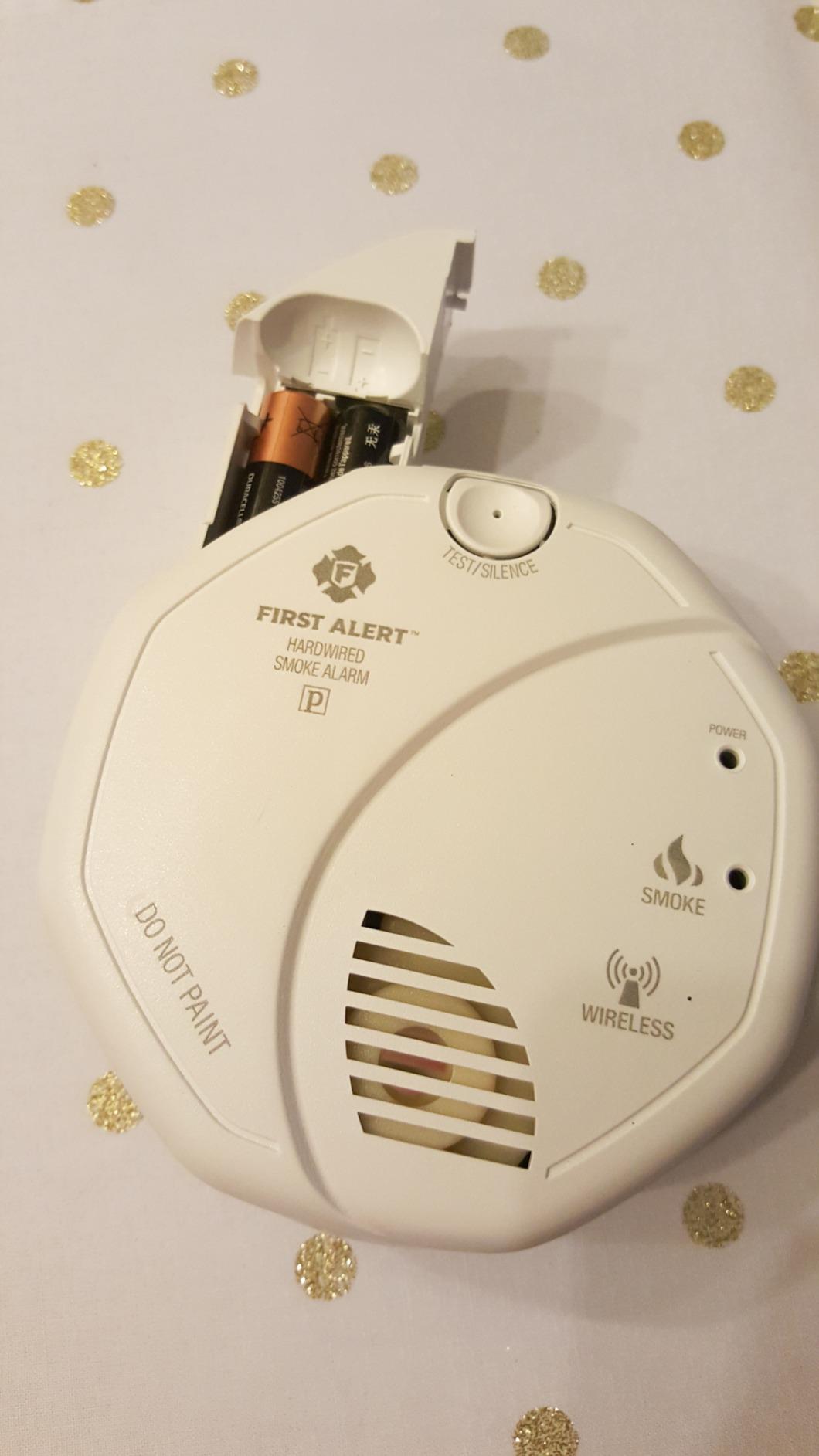
This one splits the difference in an interesting way. Primary power is hardwired to 120V AC, so it satisfies code on the branch circuit in most jurisdictions, but the interconnection to the rest of the home is wireless instead of a signal wire. That makes it a good match for a house with some existing First Alert alarms that you want to expand without opening walls again.
Sensor type is photoelectric, optimized for the larger particles from smoldering fires and explicitly designed to minimize false alarms. Two AA backup batteries keep it monitoring during a power cut, and the EZ access battery door means you can change them without taking the alarm off the ceiling. The network holds up to 18 First Alert enabled alarms.
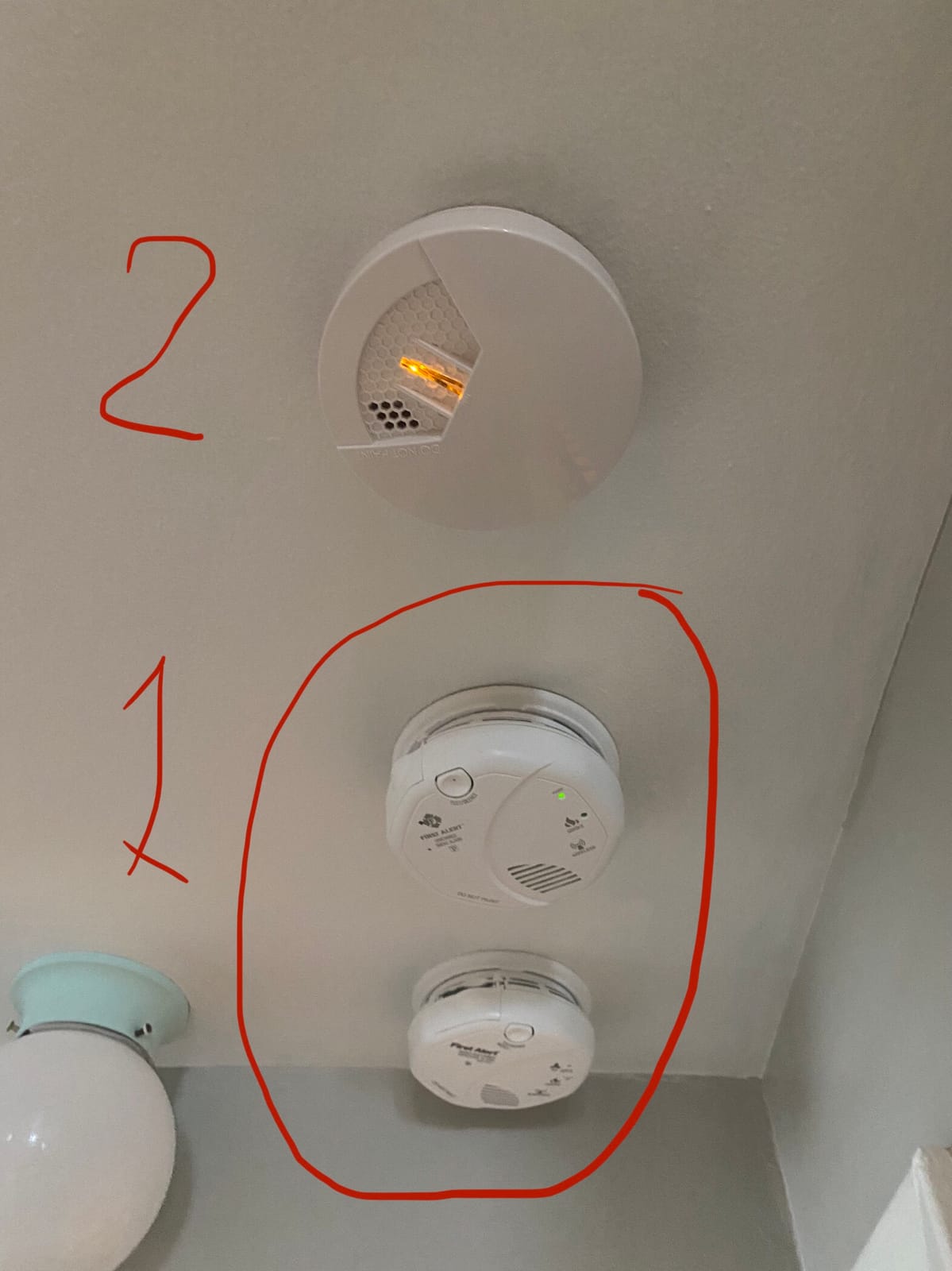
The recurring theme in critical reviews is setup, not hardware. Owners report the linking and location programming being fiddly, with instructions that do not explain the process clearly. Plan thirty unhurried minutes the first time rather than assuming it will just pair.
The other theme is longevity. At 4.4 stars across about 2,665 reviews with 72 percent at five stars, there is a steady stream of one-star feedback about nuisance alarms appearing after roughly a year in service, and about no voice alerts on this model even though other First Alert units speak.
Who the SA521CN-3ST Works Best For?
It fits owners who want code-compliant hardwired power but cannot run an interconnect wire to every new location, and who already own First Alert hardware they want to extend.
Photoelectric sensing also makes it the better option near a kitchen or in a humid utility room, where an ionization chamber tends to complain.
Where the SA521CN-3ST Falls Short?
There are no voice location announcements, so in a large house you are chasing an alarm with no idea which floor started it. The latching features on the SC7010B-3 exist precisely to solve that problem.
And the wireless linking has to be configured correctly to work as a network. If you are not patient during setup, you may end up with several independent alarms that only sound locally, which is the failure mode most likely to matter.
9. SITERWELL GS562A Photoelectric Alarm – Best for 12-Alarm Networks
SITERWELL Smoke Detector Photoelectric Smoke Alarm 9V Battery Backup
Hardwired interconnected photoelectric alarm
Links up to 12 alarms
9V DC battery backup
Do Not Disturb mode for about ten hours
Pros
- Photoelectric sensing tuned to smoldering fires with fewer cooking-related false alarms
- Interconnects up to 12 alarms with an 85 dB alarm across the network
- Plug-in harness drops onto standard electrical boxes
- Do Not Disturb mode stops repeated night-time chirping and flashing
- Green power LED stays on and the red LED flashes every 40 seconds
Cons
- Some units are not UL certified
- which can fail an inspection at resale
- Reports of persistent end-of-life style chirping after troubleshooting
- Smoke only
- with no carbon monoxide sensing
- Wiring colors differ from some older alarms
- so adapters may be needed
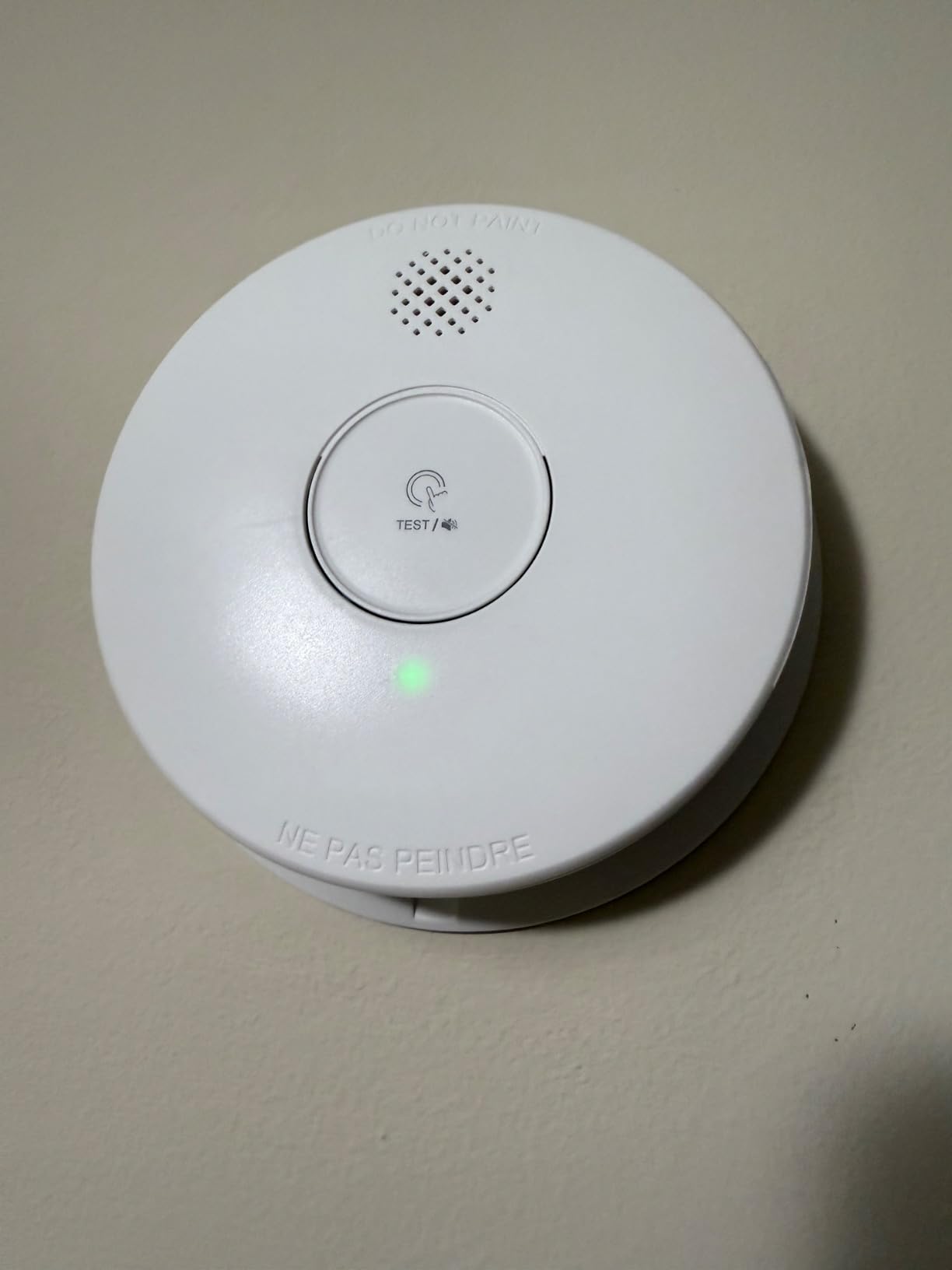
The interesting feature here is the Do Not Disturb mode. Holding the test button engages it for about ten hours, which stops both the repeated chirping and the LED flashing that wakes up the house at night. Owners who have dealt with alarm noise at 2 a.m. rate this well above the competition.
Photoelectric sensing responds to smoldering fires and is tuned to cut down cooking-related false alarms, and the network links up to 12 alarms with an 85 decibel alarm across every linked device. A green LED stays on when power is normal and the red LED flashes every 40 seconds, and one test button tests the entire linked system at once.
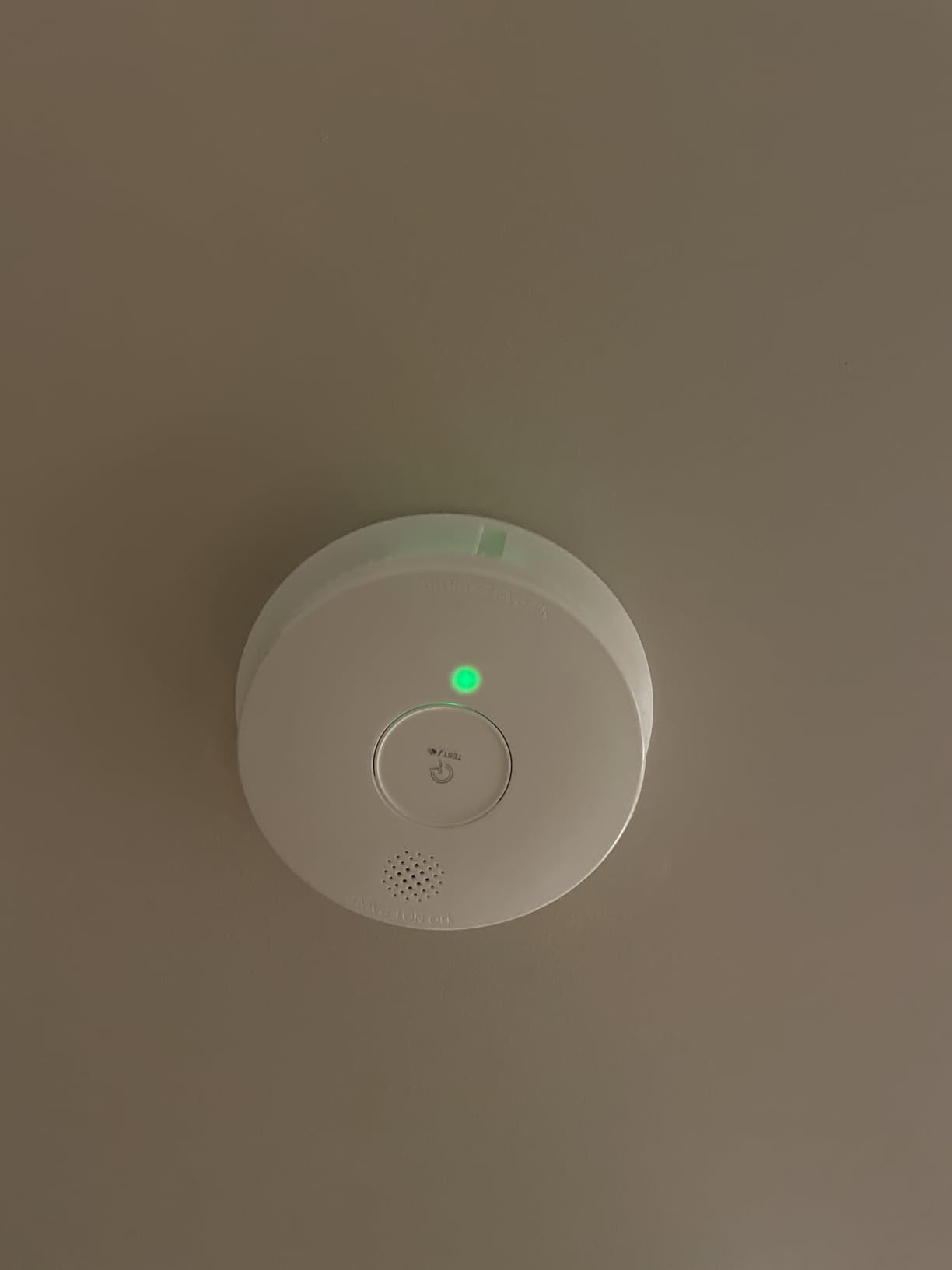
Here is the caveat that matters most. Some units from this maker are not UL certified, and a home sale inspection in a jurisdiction that requires listed equipment can fail on that basis alone. The listing does not show a UL mark, so verify certification on the specific alarm you receive before you install it and forget about it.
There are also reports of persistent chirping that survives battery and wiring troubleshooting, which is the end-of-life signature. Since this is smoke only, you would still need a separate CO alarm near bedrooms.
Who the GS562A Works Best For?
It fits houses that need somewhere between eight and twelve alarms and value quiet nights more than voice announcements. The Do Not Disturb window and the photoelectric chamber both attack nuisance alarms head on.
It is also a reasonable budget fill-in for unfinished rooms, basements and utility spaces where hardwired interconnection matters more than sensing sophistication.
Where the GS562A Falls Short?
Certification is the blocker. Do not bury this one in a finished ceiling without confirming UL listing on the box first, because retrieving it later is a small repair job that turns into a large one.
Second, wiring colors differ from some older alarms, so an in-place swap over existing Kidde or BRK cabling may need adapters and some care.
How Many Hardwired Alarms Does a Whole Home Need?
The answer is more than most people expect. Code and NFPA guidance both point toward coverage on every level, inside every bedroom, and in the hallways outside sleeping areas, rather than one alarm per floor. A two-story house with four bedrooms typically lands somewhere around seven to nine alarms, and a three-story with a basement and garage runs higher.
Start with the mandatory core. One alarm inside each bedroom, including closets in some jurisdictions. One alarm in the hallway outside each sleeping area. One alarm on every level of the house including the basement. Beyond that, add coverage in open living spaces, at the top of stairs, in the garage, in the attic, and near any combustion appliance.
Then check your wiring. Each alarm needs a box at the ceiling with access to the 120V AC hot, neutral and a signal line back to a common junction box. Alarms that only need hot and neutral cannot signal each other, which defeats the point of an interconnected system. If you count boxes before you count bedrooms, the physical layout will tell you what you can install.
If you want broader coverage thinking for the rest of the house, our guides on whole-house surge protection and whole-house water filtration cover the other two systems that deserve a planned layout rather than a single purchase.
Photoelectric vs Ionization vs Dual-Sensor
Ionization chambers react to the tiny combustion particles from fast-flaming fires such as a burning paper or a grease flare. They respond quickly, and they are also the sensor most likely to trip on fine particles from cooking vapor, aerosol spray and dust. Most of the classic alarms on shelves are ionization units.
Photoelectric sensors use a light beam that smoke breaks. They are better at slower smoldering fires, such as a couch catching from a smoldering cigarette, and they tend to be far less bothered by everyday kitchen and bathroom humidity. The failure mode they have is dust on the chamber, which shows up as a problem after years rather than months.
Dual-sensor alarms run both chambers and use whichever detects first. They cost more, and none of the units in this roundup are true dual-smoke units. Most of the combination alarms here pair ionization smoke with electrochemical CO, which is a different kind of dual.
Our placement rule from testing these systems: ionization in hallways, basements, mechanical rooms and garages. Photoelectric near kitchens, bathrooms and anywhere dust or humidity is a factor. If you can only standardize on one type across the whole house, photoelectric is the better default for residential use because nuisance alarms are the reason most systems get disabled.
Why Kidde and First Alert Alarms Will Not Link Together?
This is the single most common install mistake we saw in owner threads, and it is worth stating plainly. Interconnected alarms rely on a proprietary signal on the interconnect line, and Kidde units do not reliably cross-interconnect with First Alert or BRK units. Mixing them in one house leaves you with islands: some alarms sound together, others stay silent.
Homeowners on r/HomeImprovement and r/electricians describe the same sequence repeatedly. They replace one dead alarm with whatever was on hand, then weeks later notice that the kitchen unit no longer triggers the bedroom unit. The fix is a full swap to one brand across every location, which is fine to do in one visit if you plan it that way from the start.
Two other rules belong in the same bucket. First, within one network the protocol needs to be consistent, and mixing generations of the same brand line usually works but mixing a speaking model with a beeping model means only some units tell you where the alarm is. Second, check how many initiating alarms your panel or network allows. Kidde supports up to 24 devices with 18 initiating, First Alert wireless networks cap at 18, and the SITERWELL network tops out at 12.
Do You Need an Electrician to Replace Hardwired Alarms?
A like-for-like swap usually does not need one. If you already have a 120V AC alarm circuit with a proper box and a signal line, turning off the breaker, removing the old unit, connecting the new one to the same wires and re-securing the bracket is straightforward work for a competent DIYer. Budget an hour per alarm and read the wiring diagram before the first one, not the fifth.
Hire a licensed electrician when the wiring is not there. A house with no existing alarm circuit, a missing junction box, an attic run that needs new cable, or an older two-wire installation that has to grow a third wire for interconnection all fall into this category. Opening finished walls in a multi-story home is also electrician territory.
Electricians we read recommending residential work note that commercial panels and external sounders add a layer that most houses do not need, and that residential installs usually stay with the Kidde or First Alert and BRK families we cover here. If you want monitoring that reaches a monitoring station rather than just your phone, that is a different category of product entirely and worth scoping separately.
The 10-Year Replacement and Test Schedule
Field studies discussed in long-running homeowner discussions on smoke alarm reliability put annual failure rates for residential hardwired alarms at roughly 3 percent, which is where the ten-year replacement rule comes from. Over a decade, that compounds into a meaningful chance that at least one alarm in a house has stopped sensing. It also means an alarm can drift out of specification, becoming less sensitive, long before it fails completely and starts chirping.
The practical routine is small. Test every alarm monthly using the test button, which should sound the entire linked network rather than just one unit. A network that only chirps locally is not interconnected, and that is worth catching early. Replace the whole set on a single ten-year cycle rather than staggering it, so you never mix protocol generations.
Also plan for the sounders. If a household member is deaf or hard of hearing, the voice and strobe options in this roundup should be paired with at least one visual notification path on each floor. And if you are retiring Google Nest Protect units at their end of life, this is a good moment to move to a hardwired standard with voice alerts rather than another all-wireless network.
Frequently Asked Questions
What is the most reliable hardwired smoke detector?
Among the units we reviewed, the First Alert BRK SC9120FF stands out for reliability: it holds a 4.7 rating across more than 20,000 reviews, with roughly 95 percent of those at four stars or better. It combines an ionization smoke sensor with an electrochemical carbon monoxide sensor, runs on 120V AC with 9V battery backup, and interlocks with the wider BRK and First Alert network. Reliability also depends on installation, so treat UL listing, correct placement and a monthly test habit as part of the answer.
What smoke alarms do firemen recommend?
Fire service guidance generally favours three things rather than a specific brand: UL listed equipment, alarms on every level including the basement, and alarms inside every bedroom plus outside each sleeping area. Interconnection matters most because smoke spreads faster than people wake up. For households with sleeping occupants or anyone who is deaf or hard of hearing, voice alerts and strobes are the most commonly recommended addition, since a horn alone may not be heard.
What are the best-rated smoke detectors according to Consumer Reports?
Look for the UL 2034 mark rather than relying on brand reputation alone, because it is the standard residential smoke alarm units are tested to. In our own testing, the highest-rated hardwired units were the First Alert BRK SC9120FF at 4.7 stars across more than 20,000 reviews and the BRK First Alert 9120BFF at 4.7 across close to 19,500. Verify certification on the specific model you buy, since not every alarm in this category carries a listing.
Do I need an electrician to replace hardwired smoke detectors?
If your home already has a 120V AC alarm circuit with a proper box and interconnect line, a like-for-like swap is routine work: shut off the breaker, move the wires to the new unit, and refit the bracket. Hire a licensed electrician when there is no existing alarm circuit, when a junction box is missing, when a third interconnect wire has to be pulled through finished walls, or when the breaker panel work goes beyond swapping conductors.
What is the best smoke detector to avoid false alarms?
A photoelectric sensor is the best answer for nuisance alarms, because it reacts to the larger particles from smoldering fires and ignores the fine cooking vapour and humidity that set off ionization chambers. The First Alert SC7010B-3 and the SITERWELL GS562A are both photoelectric. Placement matters just as much: keep ionization sensors out of kitchens and bathrooms, and if cooking vapour is a recurring problem in your hallway, move the alarm rather than reaching for the silence button.
Why are my hardwired smoke detectors going off even though there is no smoke?
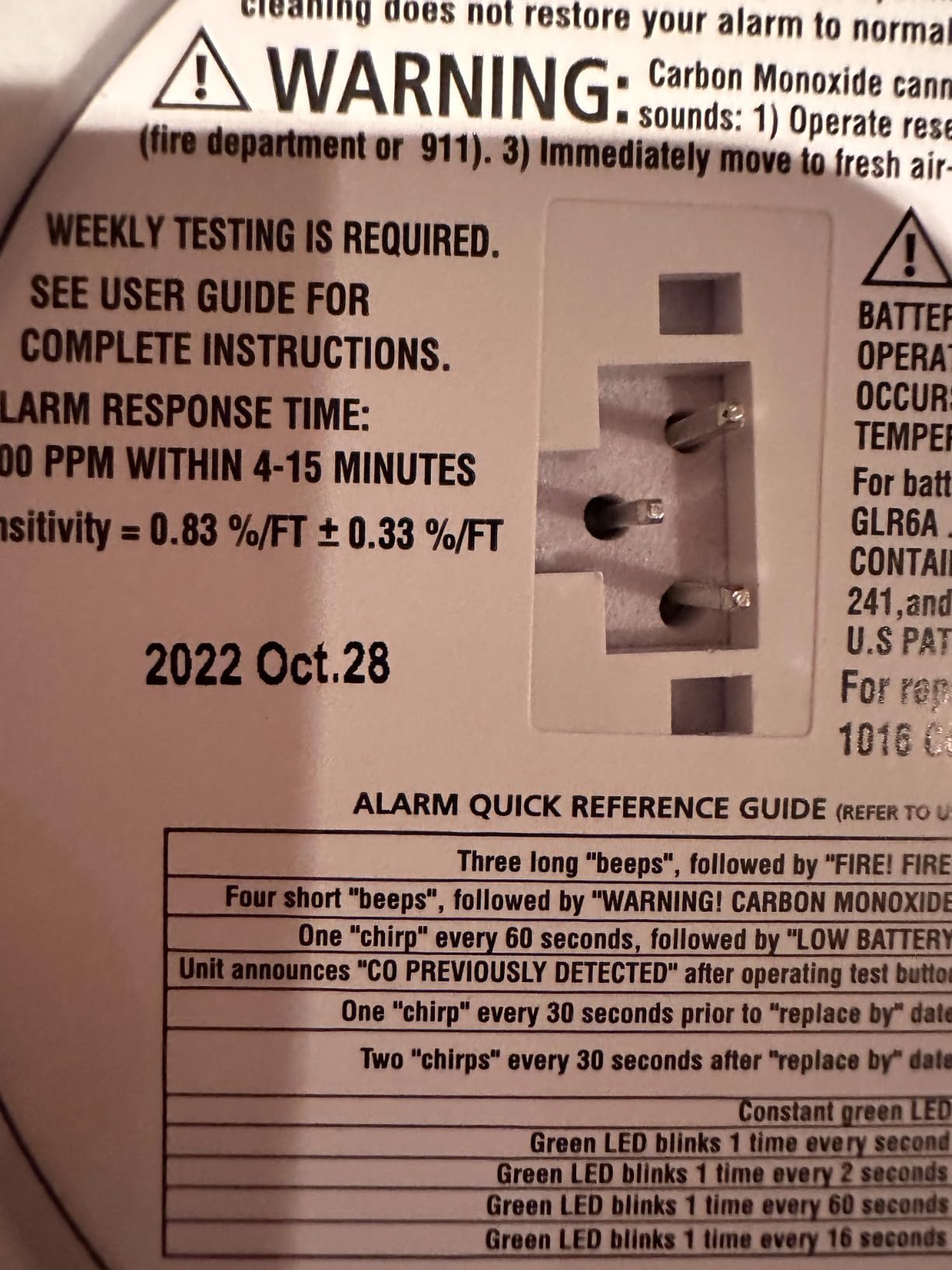
Three causes cover most of it. First, ionization sensors respond to cooking vapour, aerosol spray and dust, which is the single biggest reason. Second, if you recently installed or rewired, dust and drywall particles settling in the chamber will trip it, and cleaning the vents with a soft brush clears that. Third, an end-of-life unit chirps intermittently to signal that its sensing has degraded, and unlike a battery chirp, replacing the backup battery will not fix it. Check the date printed on the housing before anything else.
The Best Hardwired Smoke Alarms for Whole Homes in 2026
For most houses, the First Alert BRK SC9120FF is the right place to start. It is the most reviewed and most consistently rated hardwired alarm we found, it covers smoke and carbon monoxide in one housing, and it interlocks cleanly with the rest of the First Alert and BRK family. The BRK First Alert 9120BFF does the same job without CO at a much lower per-alarm cost, which makes it the sensible choice for hallways and bedrooms where you do not need a second sensor.
Where your household needs more, the picks narrow fast. Voice alerts point to the Kidde combination models, a sealed ten-year battery with no maintenance points to the 30CUA10-V, a lower-frequency horn for aging ears points to the SC7010B-3, and a house with no existing wiring points to a wireless network like the X-Sense. Whatever you choose, commit to one brand across every alarm location so the interconnect actually works, and count your boxes before you count your bedrooms.
Our broader testing of household safety hardware is collected in our smoke detector roundup and smart smoke detector picks, if you want to weigh wired against wireless before you commit.