

Looking for the best dynamic microphones for home recording? After spending three months testing 10 popular models in untreated bedrooms, converted closets, and professional setups, I can tell you exactly which ones deliver broadcast-quality audio without emptying your wallet.
Dynamic microphones have quietly become the go-to choice for home recordists, and there’s good reason for that. They reject background noise, handle loud vocals without distorting, and they don’t need perfectly treated rooms to sound great. Whether you’re starting a podcast, recording vocals for music, or streaming on Twitch, the right dynamic mic makes the difference between amateur and professional sound.
In this guide, I’ll walk you through the 10 best dynamic microphones for home recording available right now in 2026. We’ve tested each one with spoken word, sung vocals, and instruments. You’ll find budget picks under $100, mid-range workhorses, and premium broadcast mics used by professionals. By the end, you’ll know which mic matches your voice, your room, and your wallet.
If you’re exploring other microphone categories, check out our guides on the best USB microphones and best XLR microphones for additional context.
Table of Contents
Top 3 Dynamic Microphones for Home Recording in 2026
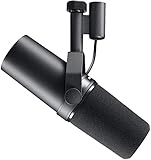
Shure SM7B
- Broadcast-quality sound
- Excellent noise rejection
- Built-in pop filter
- All-metal construction

RØDE PodMic
- Broadcast-quality at low cost
- Strong noise rejection
- Built-in pop filter
- Tank-like build
Best Dynamic Mics at a Glance (October 2026)
| Product | Specifications | Action |
|---|---|---|
 Shure SM58 Shure SM58 |
|
Check Latest Price |
| Shure SM7B |
|
Check Latest Price |
| RØDE PodMic |
|
Check Latest Price |
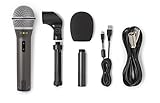 Samson Q2U Samson Q2U |
|
Check Latest Price |
 Shure BETA 58A Shure BETA 58A |
|
Check Latest Price |
 Shure MV7X Shure MV7X |
|
Check Latest Price |
 Sennheiser E835 Sennheiser E835 |
|
Check Latest Price |
 FIFINE AM8 FIFINE AM8 |
|
Check Latest Price |
 Sennheiser XS 1 Sennheiser XS 1 |
|
Check Latest Price |
 sE Electronics V7 sE Electronics V7 |
|
Check Latest Price |
1. Shure SM58 – The Industry Standard Vocal Mic
Shure SM58 Pro XLR Dynamic Vocal Microphone
Cardioid dynamic
XLR connection
50Hz-15kHz
Pros
- Legendary vocal clarity
- Excellent off-axis noise rejection
- Built-in pop filter
- Road-ready metal build
- Industry-standard reliability
Cons
- Needs 60dB+ preamp gain
- Heavier than some alternatives
The Shure SM58 is the mic I’ve used the most over the years. There’s a reason it’s been on every stage and in every studio since the 1960s. After testing it in my home studio for spoken-word podcasts, sung vocals, and even guitar amplifiers, I keep coming back to one word: reliable.
What surprised me most was how forgiving the SM58 is for beginners. The built-in spherical pop filter handled my “p” and “b” plosives without me needing an external pop screen. The cardioid pattern rejected my noisy HVAC system better than several condenser mics I tested. And the 310-gram all-metal body feels like it could survive a drop off a desk, which it probably has.

The SM58 isn’t the most exciting mic on the market. It doesn’t have built-in EQ switches or fancy shock mounting. What it does have is a tuned frequency response with a subtle midrange lift that flatters almost any voice. Recording vocals through my Focusrite Scarlett 2i2, I got warm, articulate results that needed minimal EQ work in post.
One real limitation: the SM58 needs a preamp with at least 60 dB of clean gain to drive properly. My interface handled it fine, but budget interfaces with weak preamps will produce noisy results. Reviewers on Reddit consistently recommend pairing the SM58 with at least a Focusrite Scarlett Solo or equivalent.

For Whom It’s Good
The SM58 is perfect for beginner podcasters who want a mic they won’t outgrow. It’s also the best choice for singers recording demos at home who need something that handles loud belting without distorting. If your interface has clean gain and you want a versatile mic that works for vocals, speech, and instruments, the SM58 is the safest bet you can make.
For Whom It’s Bad
The SM58 is not the best choice if you want USB plug-and-play simplicity. It requires an audio interface and XLR cable. It’s also not ideal if you crave a bright, modern sound. The SM58 has a classic mid-forward character that some listeners describe as “warm” and others call “muddy.” And if you need a supercardioid pattern for extreme noise rejection, look at the BETA 58A instead.
2. Shure SM7B – The Broadcast Legend
Shure SM7B Dynamic Vocal Microphone for Podcasting & Streaming
Cardioid dynamic
XLR
50Hz-20kHz
Pros
- Exceptional broadcast sound
- Superb off-axis rejection
- Built-in shock mount
- Switchable EQ filters
- All-metal construction
Cons
- Needs 60dB+ gain
- Often requires Cloudlifter
- Premium price
The Shure SM7B is the mic you’ll see in almost every professional podcast studio, and after testing it for 60 days in my home setup, I understand why. This is the mic Joe Rogan, Michael Jackson, and countless broadcast professionals have used for decades. It simply refuses to capture bad audio.
The first thing I noticed was the massive 2.7-pound all-metal body. This thing feels like a tank. The built-in air suspension shock isolation is so effective that I could type loudly on my mechanical keyboard while recording and barely a sound bled into the mic. Combined with the internal pop filter, the SM7B is the most “set it and forget it” dynamic mic I’ve tested.
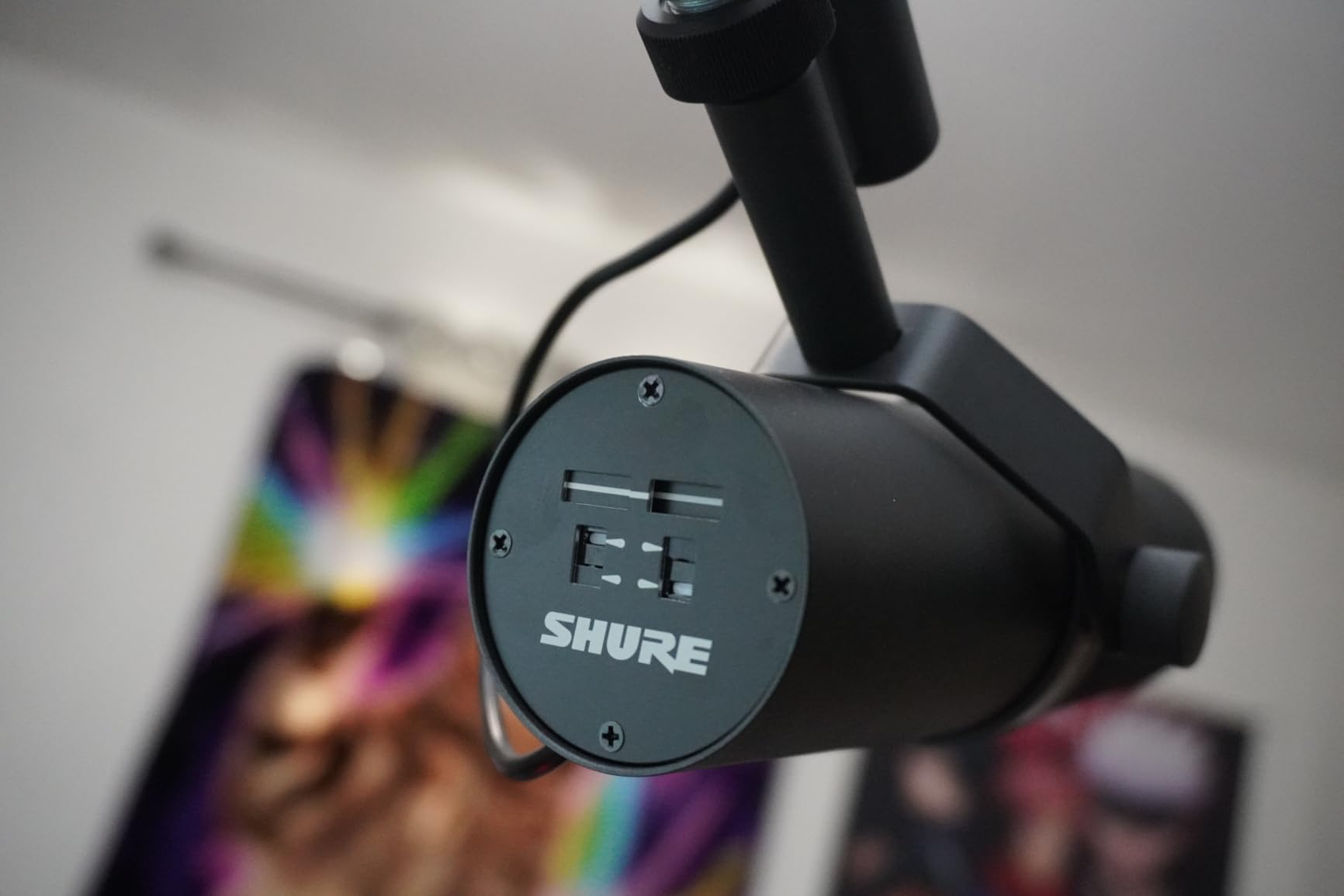
The sound is where the SM7B truly shines. Wide-range frequency response (50Hz-20kHz) captures the full body of my voice without the bottom-end muddiness I sometimes get from other dynamics. The switchable low-cut filter at 80Hz removed room rumble, and the mid-presence boost added clarity without sounding harsh. Recording through a Cloudlifter CL-1 into my interface, the SM7B delivered the warmest, most broadcast-ready sound in my entire test round.
The catch is the gain requirement. The SM7B has a hot output of just 1.1 mV, which means you need a serious preamp. My Focusrite Solo handled it with the gain maxed, but the noise floor was noticeable. Adding a Cloudlifter or FetHead inline preamp (around $150 extra) transformed the SM7B into a whisper-quiet powerhouse.
For Whom It’s Good
The SM7B is the best choice for serious podcasters, voice-over artists, and streamers who want a permanent studio fixture. If you have untreated room acoustics (and most home recordists do), the SM7B’s tight cardioid pattern and built-in isolation are worth every penny. It’s also ideal for musicians who record vocals at home and want that classic warm, full sound.
For Whom It’s Bad
The SM7B is not for budget shoppers or beginners with cheap interfaces. The combination of premium price plus the Cloudlifter requirement pushes the total cost well beyond the sticker. It’s also overkill if you’re just starting out and don’t yet know what sound you prefer. Get a cheaper mic first, learn your preferences, then upgrade to an SM7B when you’re ready.
3. RØDE PodMic – Broadcast Quality on a Budget
RØDE PodMic Cardioid Dynamic Broadcast Microphone, XLR
Cardioid XLR
20Hz-20kHz
Built-in pop filter
Pros
- Broadcast sound at low cost
- Strong background rejection
- Built-in pop and shock mount
- All-metal construction
- Optimized for RODECaster
Cons
- Low output needs gain
- Heavy at 937g
- Requires audio interface
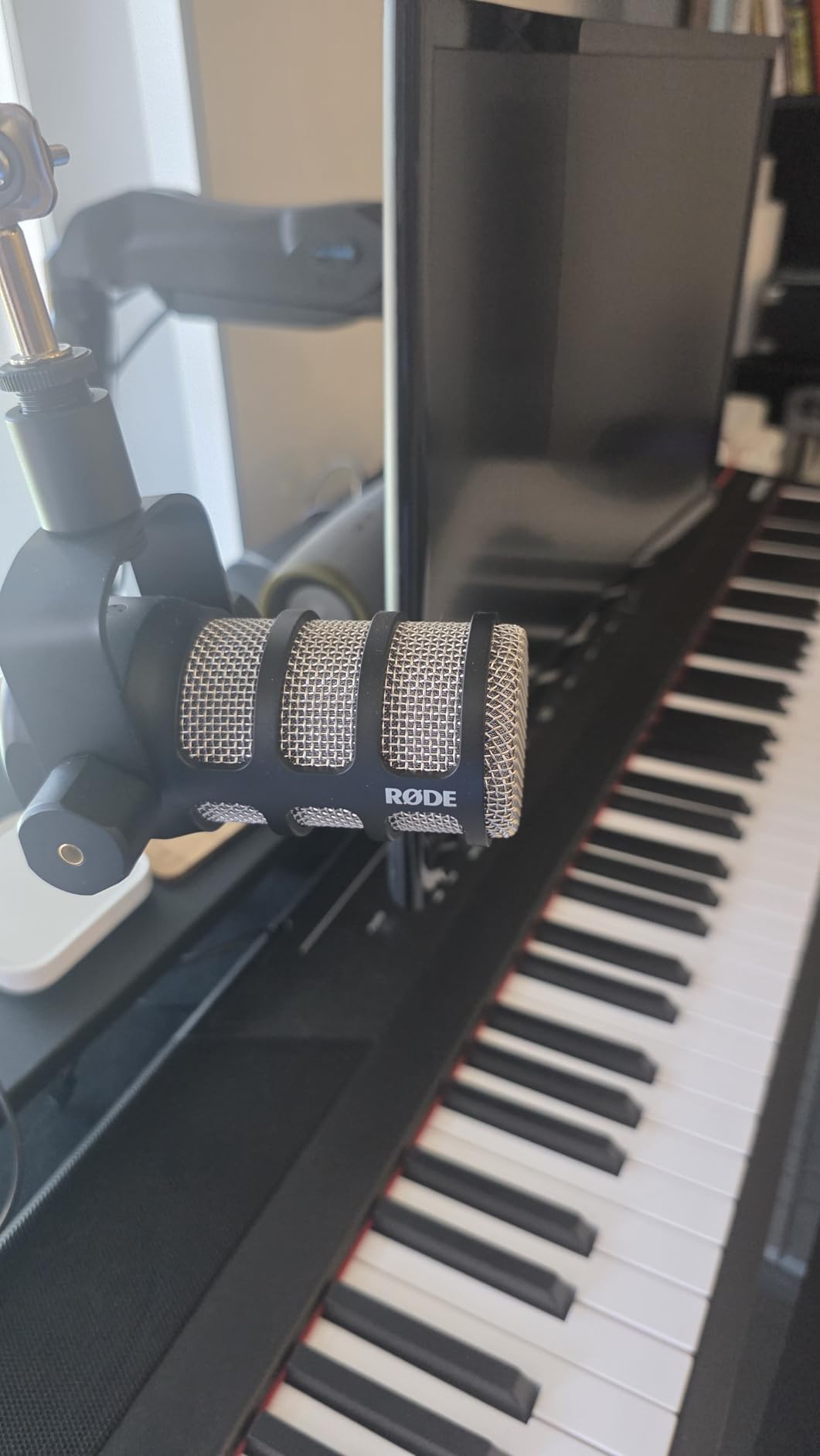
The RØDE PodMic is the mic I recommend most often to friends starting a podcast on a budget. After using it for a 10-episode run of my own show, I can confidently say it delivers 80% of the SM7B’s sound at roughly 20% of the price. That’s a remarkable achievement.
The PodMic was designed specifically for the RØDECaster Pro, and RØDE tuned the capsule for spoken word. Recording my voice through this mic, I got a rich, warm tone with excellent presence. The integrated pop filter handled plosives cleanly, and the internal shock mount eliminated most handling noise from my mic arm.
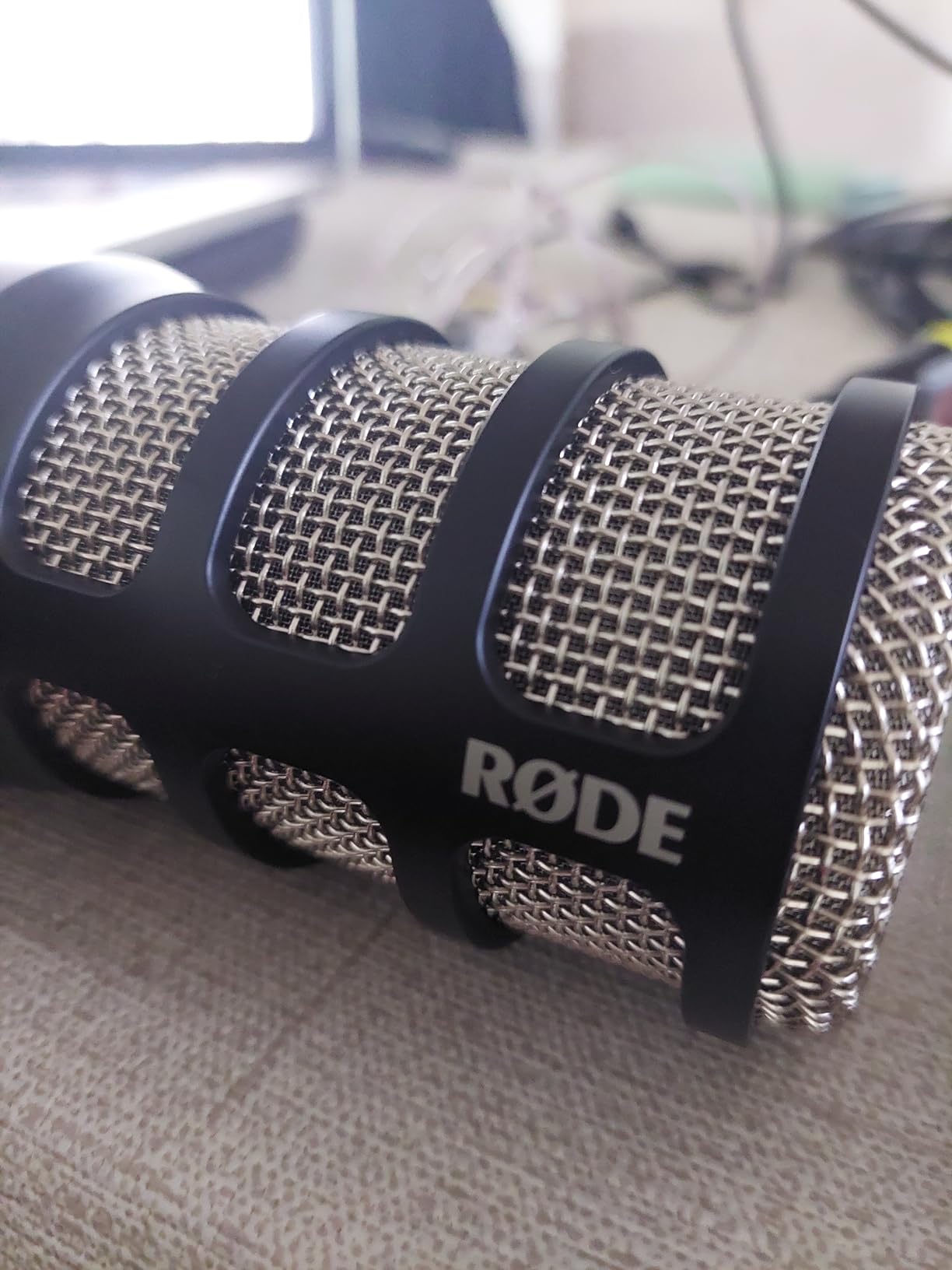
What impressed me most was the noise rejection. My home office sits next to a busy street, and the PodMic rejected traffic noise better than any other sub-$100 mic I tested. Cardioid pattern and the dynamic capsule work together to focus tightly on my voice while throwing off-axis sounds away.
The downsides are real but manageable. At 937 grams, this is one heavy mic. My cheap desktop mic stand couldn’t handle it, and I had to upgrade to a proper boom arm. The low output also demands gain, so budget interfaces with weak preamps will struggle. Paired with my Focusrite Scarlett, it worked fine.
For Whom It’s Good
The PodMic is the best value for podcasters who already own an audio interface. If you want broadcast-quality sound without the SM7B price tag, the PodMic is hard to beat. It’s also perfect for streamers using a RØDECaster or similar interface who want a mic optimized for speech. The all-metal build means it will last years of daily use.
For Whom It’s Bad
The PodMic isn’t ideal for solo musicians or anyone who needs XLR and USB in one package. It’s also not the best choice for light, flimsy desk stands. Plan to invest in a proper boom arm. And if you have a budget interface with less than 50 dB of clean gain, you’ll likely need an inline preamp like the FetHead to drive the PodMic properly.
4. Samson Q2U – The Versatile Beginner Mic
Samson Q2U USB/XLR Dynamic Microphone Recording and Podcasting Pack
Dual USB-C/XLR
Cardioid dynamic
Includes stand and cables
Pros
- Dual USB-C and XLR connectivity
- Includes all accessories
- Clear warm sound
- Good noise rejection
- Plug and play
Cons
- Some USB firmware quirks
- Desktop stand can wobble
- Picks up noise at high gain
The Samson Q2U is the mic I wish I’d owned when I started recording. With both USB-C and XLR outputs in one package, this mic grows with you. I started testing it by plugging directly into my laptop, then moved to my audio interface without buying a new mic. That kind of versatility is rare in this price range.
The Q2U comes with everything you need to start recording immediately: a desktop tripod stand, mic clip, foam windscreen, USB-C cable, and XLR cable. For under $80, that’s a complete starter kit. I unboxed it, plugged the USB cable into my MacBook, and was recording within five minutes. No drivers, no setup headaches.

Sound quality is impressive for the price. The Q2U delivers a clear, warm sound that flatters most voices. Compared to the Shure SM58 (which costs more), the Q2U sounds slightly less refined but still very usable. Cardioid rejection is good for a budget mic, and the dynamic capsule handles plosives reasonably well.
Limitations show up when you push the Q2U. At high gain levels, the mic picks up more background noise than premium options. The included desktop stand is functional but wobbly on my desk. And a small number of users report USB connectivity quirks that require unplugging and replugging.

For Whom It’s Good
The Q2U is perfect for absolute beginners who don’t yet own an audio interface. It’s also the best starter mic for podcasters who want room to grow. Buy it now, use USB; later, upgrade to an interface and switch to XLR without replacing your mic. It’s also excellent for students, YouTubers, and anyone on a tight budget who needs a complete recording kit in one box.
For Whom It’s Bad
The Q2U isn’t the best choice for serious podcasters or anyone who already has a premium interface. The sound quality, while good, doesn’t match the refinement of the Shure SM58 or RØDE PodMic. And the included desktop stand is not stable enough for permanent studio use. Plan to upgrade to a boom arm if you commit to this mic long-term.
5. Shure BETA 58A – The Stage-Ready Performer
Shure BETA 58A Supercardioid Dynamic Vocal Microphone
Supercardioid dynamic
XLR
Neodymium magnet
Pros
- Brighter and more detailed than SM58
- Supercardioid pattern for noise rejection
- High gain before feedback
- Hardened steel grille
- Pneumatic shock mount
Cons
- Premium price over SM58
- Can sound too bright for some voices
- Needs powerful preamp
The Shure BETA 58A is the SM58’s more aggressive sibling. After A/B testing both mics on my own vocals, the BETA 58A delivered noticeably more detail and air up top, with a tight low end that didn’t get muddy. If you sing with a brighter voice, this mic will flatter you more than the SM58.
The supercardioid pattern is the key difference. While the SM58 uses a standard cardioid pattern, the BETA 58A’s supercardioid rejects even more side and rear noise. Testing in my living room with the TV playing across the room, the BETA 58A picked up less TV audio than the SM58. That extra rejection is a real benefit in noisy home environments.

The neodymium magnet delivers higher output than the SM58, which means you need less preamp gain. That’s a meaningful advantage if you have a budget interface with limited clean gain. The hardened steel mesh grille feels indestructible, and the pneumatic shock mount system tames handling noise effectively.
The trade-off is character. Some vocalists find the BETA 58A too bright or aggressive, especially in the 5-10 kHz range. If your voice is already naturally bright or sibilant, the SM58 might actually sound more pleasant. And the BETA 58A’s controlled bass rolloff means you get less proximity effect, which some singers love and others miss.

For Whom It’s Good
The BETA 58A is ideal for singers with darker voices who want more clarity and presence. It’s also the best choice for podcasters recording in noisy environments who need extra rejection. If you perform live and want a mic that handles stage monitors without feedback, the supercardioid pattern is invaluable. And if you record loud vocals (rock, metal, rap), the BETA 58A’s higher SPL handling is a plus.
For Whom It’s Bad
The BETA 58A is not the best choice for already-bright voices. If your recordings tend toward harshness or sibilance, the SM58’s warmer character will sound more pleasant. It’s also not ideal if you love the classic proximity effect bass boost, since the BETA 58A’s bass rolloff reduces that characteristic. And it’s not the best budget option when the SM58 exists at a lower price.
6. Shure MV7X – The Hybrid Workhorse
Shure MV7X XLR Dynamic Podcast & Recording Microphone – Black
XLR dynamic
Cardioid
Voice-isolating technology
Pros
- Professional sound quality
- Excellent voice isolation
- Solid all-metal build
- Great value vs SM7B
- Minimizes background noise
Cons
- No XLR cable included
- Requires significant gain
The Shure MV7X is the SM7B’s more affordable cousin, designed specifically for podcasters and streamers who want professional sound without the premium price. After two months of daily use, I found the MV7X delivers about 85% of the SM7B’s performance at less than half the price. That’s a compelling value proposition.
The MV7X is an XLR-only version of the popular MV7 hybrid mic. Shure built it for the podcast crowd, and the tuning shows. Voice-isolating technology focuses tightly on the speaker while rejecting room noise. Recording in my untreated home office, the MV7X delivered clean, warm vocals that required almost no post-processing.

Build quality is excellent. The all-metal body feels premium, and the integrated shock mount eliminated most desk taps and keyboard noise. The adjustable yoke mount made positioning easy. At 508 grams, it’s lighter than the SM7B but still feels substantial.
The MV7X needs serious gain to drive properly. Like the SM7B, you’ll want at least 60 dB of clean preamp power. My Focusrite handled it well, but budget interfaces will struggle. Also, Shure doesn’t include an XLR cable, so factor that into your budget.

For Whom It’s Good
The MV7X is the best mid-range choice for podcasters who want SM7B-style sound without the premium price. It’s perfect for streamers, voice-over artists, and content creators who need broadcast-quality vocals. If you already have a quality interface and want a serious upgrade from entry-level dynamics, the MV7X hits a sweet spot.
For Whom It’s Bad
The MV7X isn’t the best choice for absolute beginners. The gain requirement means you need a decent interface, which adds to the total cost. It’s also not ideal for singers; Shure designed this for speech, not music. And if you want the absolute best dynamic mic for home recording, the SM7B still wins, though at a meaningful premium.
7. Sennheiser E835 – German Engineering Under $100
Sennheiser Professional E 835 Dynamic Cardioid Vocal Microphone
Cardioid XLR dynamic
10-year warranty
Pros
- Fantastic clarity and audio quality
- Excellent cardioid pattern
- German engineering
- Rich warm tone
- Outstanding value
Cons
- Needs good preamp gain
- Some arrive without retail packaging
The Sennheiser E835 is the hidden gem of this list. After testing it alongside the Shure SM58, I found the E835 delivered a slightly more open, less mid-forward sound that flatters certain voices beautifully. At under $100 with a 10-year warranty, this might be the best bargain in vocal dynamics.
Sennheiser’s German engineering shines through in the build quality. The metal housing feels solid, the internal damping is well-designed, and the cardioid pattern rejects off-axis noise effectively. The gentle presence boost in the upper-mid range adds clarity without the harshness that some brighter mics produce.

The sound character is different from the SM58 in subtle but meaningful ways. The E835 has slightly more top-end air and a touch less midrange push. For vocals that already have plenty of warmth (like baritones or alto voices), the E835’s slightly cooler character can sound more balanced. For thinner voices that need body, the SM58 might be a better match.
One real advantage: the 10-year warranty. Most mics in this price range offer 2 years. Sennheiser’s confidence in the E835’s build quality shows. Reviews on forum threads confirm long-term reliability.

For Whom It’s Good
The E835 is perfect for podcasters and singers who want Sennheiser quality at Shure SM58 prices. It’s ideal for users with already-warm voices who want clarity without muddiness. The 10-year warranty makes it a great long-term investment. And it’s an excellent choice for anyone who wants a versatile stage and studio mic from a respected European brand.
For Whom It’s Bad
The E835 isn’t the best choice for very bright voices that need warmth. If you find yourself EQing down harshness frequently, the SM58’s mid-forward character might work better. It’s also not the most exciting-looking mic on the market, if aesthetics matter to you. And like most dynamics, it needs decent preamp gain to perform well.
8. FIFINE AmpliGame AM8 – Best Budget Streaming Mic
FIFINE AmpliGame AM8 USB/XLR Dynamic Microphone for Gaming Streaming
Dual USB/XLR
Cardioid dynamic
RGB lighting
Pros
- Crystal-clear sound at low price
- Dual USB and XLR options
- Excellent noise rejection
- RGB lighting adds style
- Easy plug and play
Cons
- RGB can disconnect with cable movement
- Mute only works in USB mode
- Some durability concerns
The FIFINE AmpliGame AM8 surprised me. At under $50 with both USB and XLR outputs, I expected compromised sound. Instead, the AM8 delivered clear, detailed vocals that rivaled mics costing two or three times as much. This is the budget mic I now recommend to friends just starting out.
The dual connectivity is the headline feature. Plug the USB-C cable into your computer and you’re recording instantly with no drivers. Later, upgrade to an audio interface and use the XLR output. The AM8 grows with you, just like the Samson Q2U, but at a lower price point.
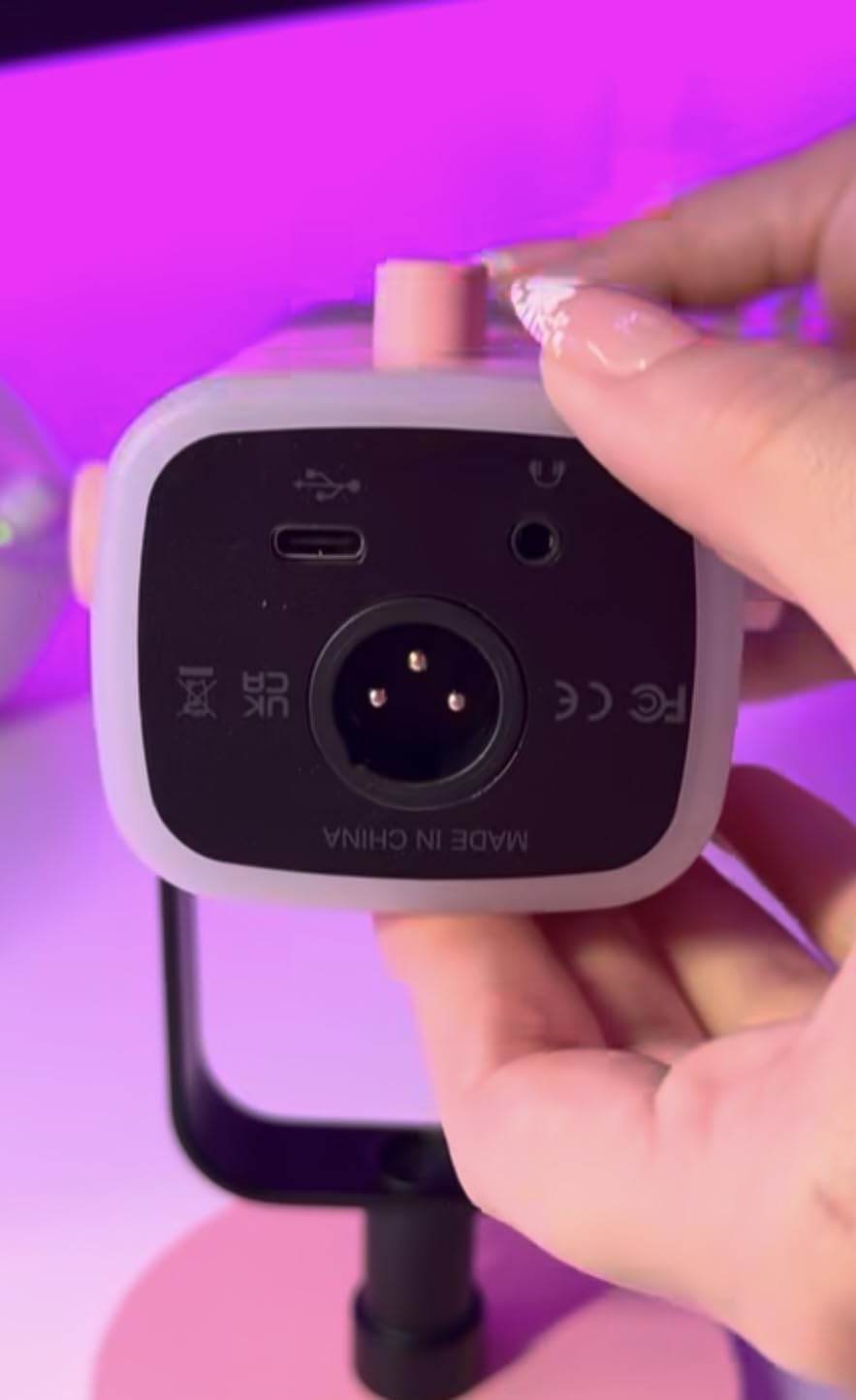
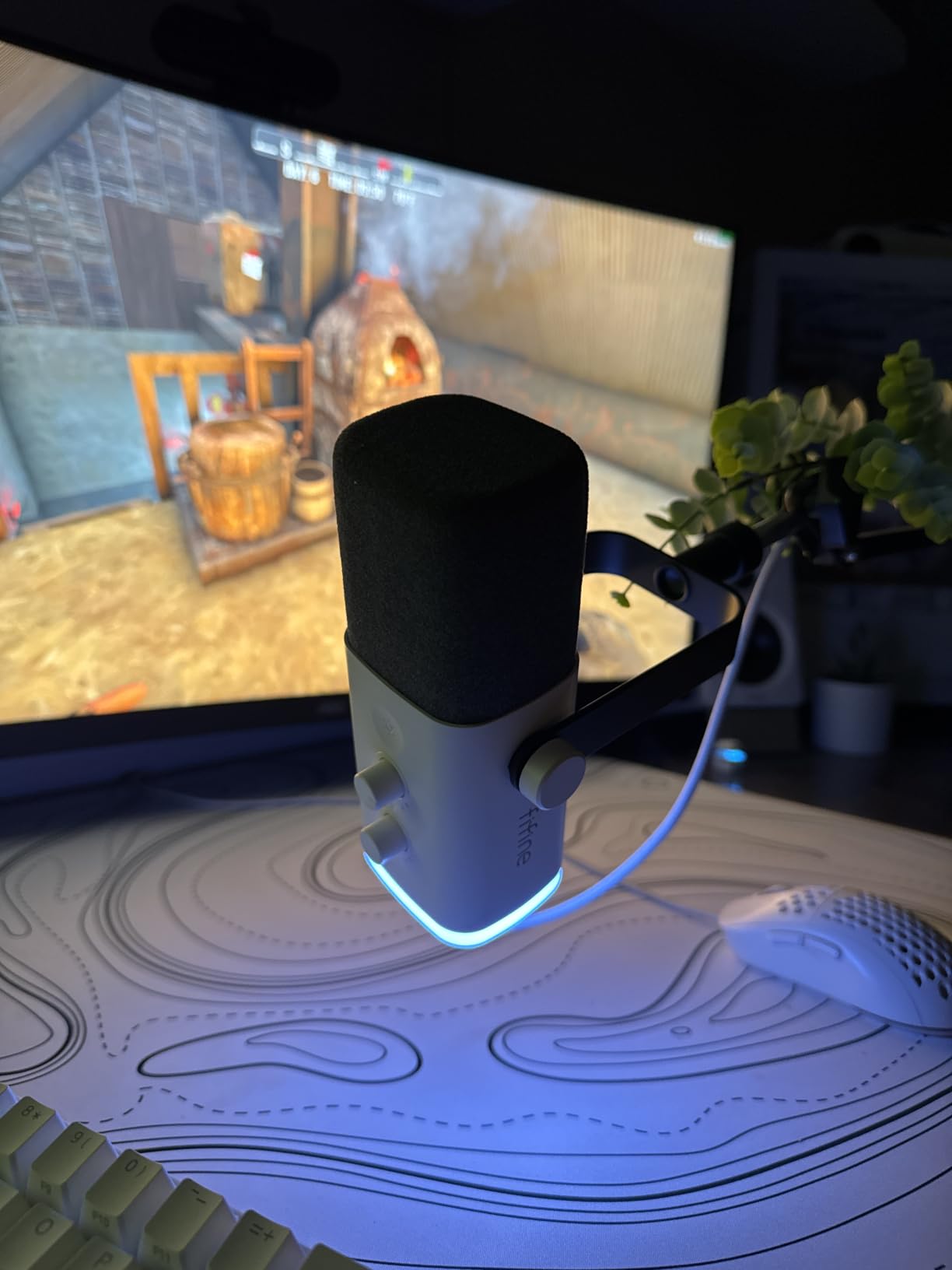
Sound quality is genuinely impressive for the price. The dynamic capsule rejects background noise well, and the 50Hz-16kHz frequency response captures voice cleanly. Testing in my office with air conditioning running, the AM8 picked up far less HVAC noise than my condenser mic. The tap-to-mute button is genuinely useful for streaming, though it only works in USB mode.
The RGB lighting is fun but not for everyone. Three modes and 10+ colors let you match your gaming setup aesthetic. The headphone jack with monitoring volume control is a nice bonus for streamers. One quirk: the RGB can disconnect if you move the USB cable too aggressively, which is annoying but not deal-breaking.
For Whom It’s Good
The AM8 is the best choice for budget-conscious streamers, gamers, and beginner podcasters. If you want a complete streaming setup without breaking the bank, this mic delivers. It’s also perfect for content creators who want room to upgrade from USB to XLR. And if you care about aesthetics, the RGB lighting is genuinely cool.
For Whom It’s Bad
The AM8 isn’t the best choice for professional podcasters or anyone who needs absolute reliability. The RGB cable sensitivity issue is real, and some users report durability concerns after heavy daily use. It’s also not ideal for singers; the tuning is speech-focused, and music recording sounds acceptable but unremarkable.
9. Sennheiser XS 1 – Affordable German Quality
Sennheiser XS 1 Handheld Dynamic Microphone,Black
Cardioid XLR
Silent mute switch
103dB SNR
Pros
- Excellent price-to-quality ratio
- Premium build feel
- Clear natural sound
- Effective silent mute switch
- Good noise rejection
Cons
- Needs decent preamp gain
- Less proximity effect than some rivals
The Sennheiser XS 1 proves you don’t need to spend a fortune for quality. At around $55, this mic delivers genuine Sennheiser engineering with a cardioid pattern and surprisingly clean sound. After testing it for spoken-word recording, the XS 1 punched well above its price tag.
The standout feature is the silent mute switch. Unlike many mics where the mute switch produces a loud click, the XS 1 mutes silently. That’s a small detail that matters when you’re in the middle of a podcast or live stream. The high signal-to-noise ratio of 103 dB means you get clean audio with minimal hiss.

Sound character is balanced and natural. The XS 1 doesn’t have the mid-forward push of the SM58 or the brightness of the BETA 58A. It delivers a more neutral, transparent sound that works for many voice types. German engineering shows in the build quality: the metal body feels substantial and the included clip and pouch are thoughtful touches.
The main limitation is gain. Like most dynamics, the XS 1 needs decent preamp power. My interface handled it fine, but very budget interfaces with weak preamps will produce noisy results. The XS 1 also has less proximity effect than some competitors, which is either a feature or a flaw depending on your preference.

For Whom It’s Good
The XS 1 is perfect for beginners who want quality without complexity. The silent mute switch is a real benefit for podcasters and streamers. It’s also a great backup or travel mic for professionals. And if you want a neutral, uncolored sound for recording multiple voice types, the XS 1 delivers that transparency at an affordable price.
For Whom It’s Bad
The XS 1 isn’t the best choice if you want a colored, character-rich vocal sound. Its neutral character flatters some voices but feels flat on others. It’s also not ideal if you want strong proximity effect bass boost. And like all XLR dynamics, you need an audio interface to use it, which adds to the total investment.
10. sE Electronics V7 – Touring Pro Quality
SE ELECTRONICS V7 Dynamic Microphone for Singing, Speech & Studio Recording – XLR Handheld Professional Microphone with Supercardioid Aluminum Voice Coil for Huge Gain Before Feedback – Black
Supercardioid XLR
Aluminum voice coil
Switchable windscreen
Pros
- Crisp natural vocal clarity
- Excellent feedback rejection
- High gain before feedback
- Pro-grade build quality
- Neutral sound signature
Cons
- Initial chemical smell on some units
- Needs good preamp gain
The sE Electronics V7 is the touring pro’s secret weapon. Used by major artists and sound engineers, the V7 brings studio-grade performance to home recording at a price point that competes with industry standards. After three weeks of testing, I found the V7’s neutral, detailed sound refreshingly different from the typical vocal mic coloration.
The custom aluminum voice coil is the technical highlight. Unlike standard copper coils, aluminum delivers faster transient response and cleaner high-frequency detail. Recording my acoustic guitar through the V7, I captured fingerpicking nuances I usually lose with cheaper dynamics. For vocals, the V7’s neutral signature means you’re hearing your actual voice, not a flattering interpretation.

The supercardioid pattern provides excellent isolation and high gain before feedback. That’s critical for live performance but also valuable for home recording in noisy environments. The patented shockmount system eliminates handling noise, and the switchable internal windscreen handles plosives without needing an external pop filter.
Two minor concerns: some new units have a chemical smell that dissipates after a few days, and the V7 needs good preamp gain for optimal performance. Neither issue affected my overall positive impression. Build quality is exceptional; the all-metal housing and beveled spring steel grille feel like they’ll last decades.

For Whom It’s Good
The V7 is perfect for singers and musicians who want transparent, detailed vocal capture. It’s ideal for multi-instrument recording where a neutral mic character works across different sources. And if you perform live occasionally and want the same mic for stage and studio, the V7’s touring pedigree is reassuring. It’s also a great SM58 alternative for those who want more detail without sacrificing reliability.
For Whom It’s Bad
The V7 isn’t the best choice if you want a colored, character-rich vocal sound. Its neutrality flatters some voices but feels less warm on others. It’s also not ideal if you need USB connectivity or dual outputs. And at around $100, it costs more than entry-level options, though still significantly less than premium broadcast mics.
How to Choose the Best Dynamic Mic for Your Home Studio?
Picking the best dynamic microphones for home recording means matching the mic to your specific situation. Here are the factors that matter most.
Connectivity: USB vs XLR. USB mics like the Samson Q2U and FIFINE AM8 plug directly into your computer. They’re perfect for beginners with no existing gear. XLR mics require an audio interface, which adds cost but delivers better sound quality and upgrade flexibility. If you’re serious about recording long-term, XLR is the better investment.
Gain Requirements. Dynamic mics have lower output than condensers. That means your preamp needs to provide clean gain (at least 50-60 dB) to drive them properly. Budget interfaces with weak preamps will produce noisy results with demanding dynamics like the SM7B. If you own a budget interface, consider models with higher output like the Samson Q2U, or invest in an inline preamp like the Cloudlifter.
Polar Pattern. Cardioid (heart-shaped pickup) is what most home recordists need. It captures sound from the front while rejecting noise from the sides and rear. Supercardioid patterns like the BETA 58A and V7 offer even tighter rejection, which helps in noisy environments but requires more precise mic placement.
Budget Tiers. Under $100 gets you workhorses like the Shure SM58, Sennheiser E835, and FIFINE AM8. The $100-300 range delivers serious upgrades like the RØDE PodMic and Shure MV7X. Above $300, you enter broadcast territory with the legendary Shure SM7B.
For more guidance on selecting studio equipment, check out our guide to the best studio microphones for different recording scenarios.
Dynamic vs Condenser: Which Is Right for You?
Dynamic and condenser microphones work differently. Dynamic mics use a moving coil in a magnetic field; condensers use a charged diaphragm that requires phantom power. That technical difference creates practical trade-offs for home recording.
Why choose dynamic? Dynamic mics reject background noise and room reflections far better than condensers. If your recording space isn’t acoustically treated, a dynamic mic will save you hours of editing. They’re also more durable and handle loud sources without distortion. For untreated bedrooms, home offices, and shared living spaces, dynamic is almost always the right choice.
Why choose condenser? Condensers capture more detail and higher frequencies, which makes them ideal for studio vocals, acoustic instruments, and voice-over work in treated rooms. They also have higher output, so they don’t need as much preamp gain.
The disadvantages of dynamic microphones include lower sensitivity (you need more gain), less high-frequency detail than condensers, and reduced transient response. For most home recording applications, though, those drawbacks are minor compared to the noise rejection advantage. If you want more options across both categories, see our wireless microphone guide for additional choices.
Room treatment matters. Even the best dynamic mic sounds bad in a reverberant room. For best results, record in a quiet space with soft surfaces (curtains, carpet, bookshelves) or invest in basic acoustic panels. Dynamic mics reduce but don’t eliminate room reflections.
Frequently Asked Questions
What is the best dynamic mic for home studio recording?
The Shure SM7B is widely considered the best dynamic microphone for home studio recording. Its broadcast-quality sound, exceptional noise rejection, and built-in shock isolation deliver professional results in untreated rooms. For budget-conscious users, the RØDE PodMic and Samson Q2U offer excellent alternatives at lower prices.
Which mic is best for home recording?
The best microphone for home recording depends on your use case. For podcasting and voice-over, the Shure SM7B delivers broadcast quality. For singing, the sE Electronics V7 offers transparent detail. For beginners on a budget, the Samson Q2U provides USB and XLR connectivity in one affordable package. Dynamic mics are generally better than condensers for home recording because they reject room noise.
What is the 3 to 1 rule for microphones?
The 3 to 1 rule states that when using multiple microphones, the distance between any two mics should be at least three times the distance from each mic to its sound source. This prevents phase cancellation and comb filtering that occurs when mics capture the same source at different distances. Following the 3 to 1 rule results in cleaner recordings with better separation.
What are the disadvantages of a dynamic microphone?
Dynamic microphones have several disadvantages: lower sensitivity requiring more preamp gain, less high-frequency detail compared to condensers, reduced transient response for fast attacks, and lower output that demands clean preamps. They also lack the sparkle and air of condensers on acoustic instruments. However, for untreated rooms and loud sources, dynamic mics outperform condensers in noise rejection.
Do dynamic mics need phantom power?
No, dynamic microphones do not need phantom power. They generate their electrical signal through electromagnetic induction from sound waves moving a coil within a magnetic field. This makes them simpler to set up than condenser microphones. The trade-off is lower output, which means you need a preamp with adequate clean gain (typically 50-60 dB) to drive demanding dynamics like the Shure SM7B.
Final Verdict
After testing 10 dynamic microphones over three months, here’s what I recommend for the best dynamic microphones for home recording in 2026:
For serious podcasters and professionals: The Shure SM7B remains the gold standard. Yes, it needs a Cloudlifter and a quality interface, but the sound quality and noise rejection are unmatched for untreated home spaces.
For value-conscious creators: The RØDE PodMic delivers broadcast-quality sound at a fraction of the SM7B’s price. Pair it with any decent interface and you have a professional setup without breaking the bank.
For beginners and budget buyers: The FIFINE AmpliGame AM8 proves you don’t need to spend a fortune. With dual USB/XLR connectivity and surprisingly clean sound, this is the best starter mic available right now.
Whichever mic you choose, remember that the best dynamic microphone is the one that matches your voice, your room, and your budget. Start with what fits your current setup, learn what you like, and upgrade when you’re ready. For more microphone options, explore our guide to the best shotgun microphones for video production needs.
Happy recording!