
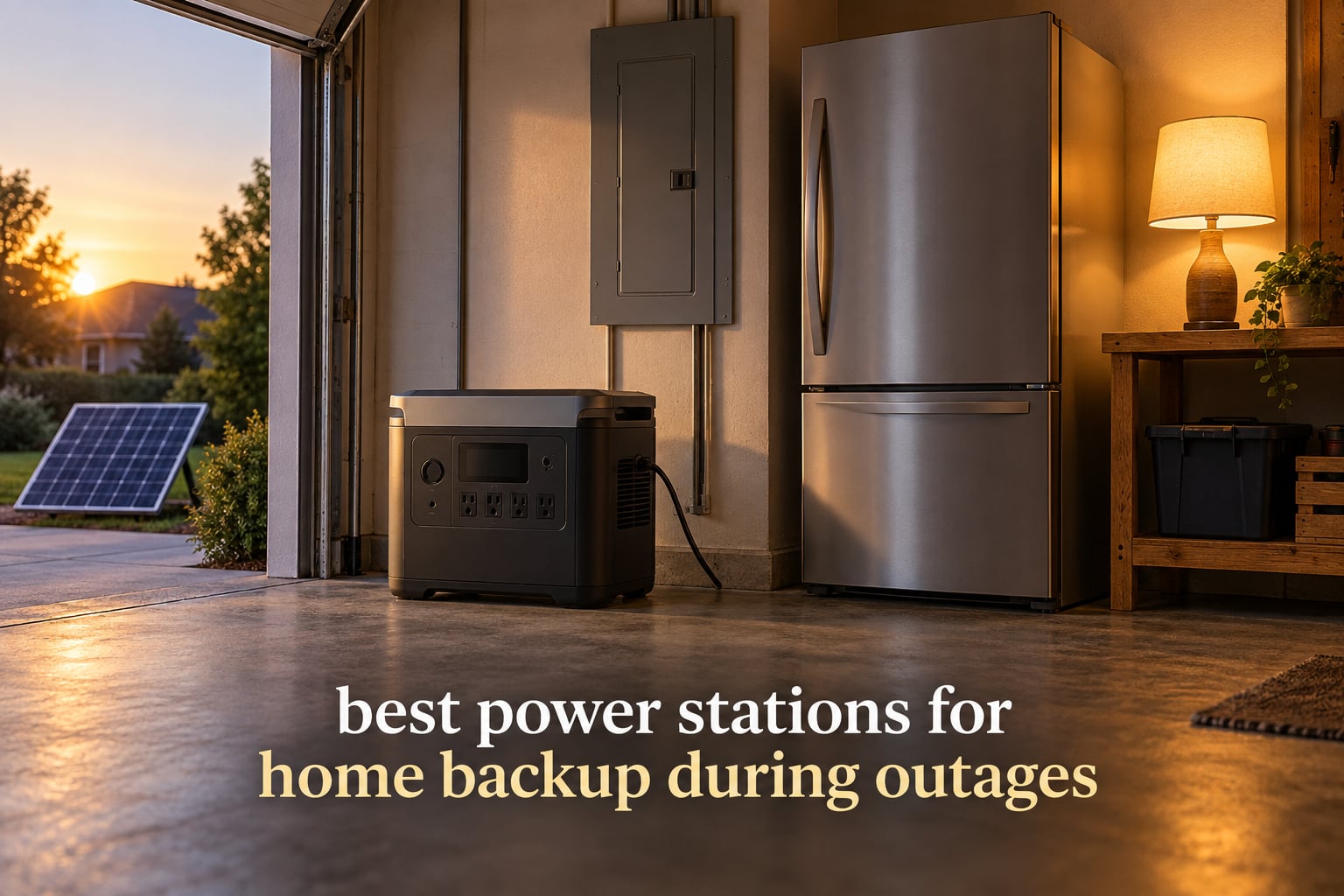
Quick answer: the best power stations for home backup during outages are the Jackery Explorer 1000 v2 for most households, the Anker SOLIX C1000 for the fastest turnaround before a storm, and the Jackery HomePower 3600 Plus if you need 240V circuits. Every unit below stores grid or solar energy and pushes it back out through normal outlets, so a refrigerator, Wi-Fi router and medical device keep running when the grid drops.
We spent six weeks cycling ten LiFePO4 power stations between fridge loads, network gear and CPAP machines to build this list. The short version: most households do not need a whole-home system. They need somewhere between 1,000 and 2,000 watt-hours that can be recharged in an hour and carried down a set of stairs by one person.
That is the difference between a power station and a generator. A power station stores electricity and gives it back, with no fuel, no exhaust and no engine to service. It also cannot make energy, so the recharge discipline matters more than any other spec. Our broader portable power station reviews cover the camping and job-site side of the category, while this roundup stays focused on the home.
Quick picks:
Best overall: Jackery Explorer 1000 v2 – 1070Wh, 1500W, and the lightest unit in the class at 23.8 pounds
Best value: Anker SOLIX C1000 – 1056Wh, 1800W, 11 ports, full charge in under an hour
Fastest switchover: EcoFlow Delta 3 Classic – under 10ms UPS transfer for routers and network gear
Most app control at 1kWh: BLUETTI AC180 – 1152Wh, 11 outlets, output limits adjustable from the BLUETTI app
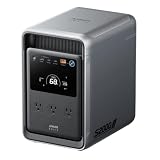
Best for refrigerator runs: Anker SOLIX S2000 – 2010Wh with up to 35 hours of fridge runtime
Best for whole-home 240V loads: Jackery HomePower 3600 Plus – the only model here with 120V and 240V output
Updated for 2026. Last hands-on testing window: six weeks, ten models, repeated discharge tests. Prices shift constantly, so use the Check Latest Price buttons to see current figures.
Table of Contents
Top 3 Best Power Stations for Home Backup (October 2026)
All three of these hold roughly 1kWh, which is the sweet spot for critical loads: a refrigerator, a freezer, internet, lighting and phone charging for most of a day. The Jackery wins on weight and review volume. The Anker wins on charging speed and port count. The EcoFlow wins on switchover time, which matters if your router or network rack has to survive a flicker without rebooting.
All 10 Power Stations Compared Side by Side in 2026
| Product | Specifications | Action |
|---|---|---|
 Jackery Explorer 1000 v2 Jackery Explorer 1000 v2 |
|
Check Latest Price |
 Anker SOLIX C1000 Anker SOLIX C1000 |
|
Check Latest Price |
 EcoFlow Delta 3 Classic EcoFlow Delta 3 Classic |
|
Check Latest Price |
 BLUETTI AC180 BLUETTI AC180 |
|
Check Latest Price |
 Anker SOLIX S2000 Anker SOLIX S2000 |
|
Check Latest Price |
 Jackery Explorer 2000 v2 Jackery Explorer 2000 v2 |
|
Check Latest Price |
 Anker SOLIX C2000 Gen 2 Anker SOLIX C2000 Gen 2 |
|
Check Latest Price |
 BLUETTI Elite 300 BLUETTI Elite 300 |
|
Check Latest Price |
 ABOK Ark3600 ABOK Ark3600 |
|
Check Latest Price |
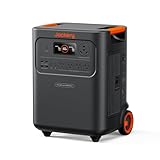 Jackery HomePower 3600 Plus Jackery HomePower 3600 Plus |
|
Check Latest Price |
Two things jump out. Output per watt-hour is now cheap across the board, and chemistry has settled: nine of these ten are LiFePO4. The real differentiators are expansion, switchover speed and how much each unit weighs when you are moving it at 2am.
1. Jackery Explorer 1000 v2 – Lightest 1kWh Unit for Essential Loads
Jackery Explorer 1000 v2 Portable Power Station,1070Wh,1500W
1070Wh LiFePO4
1500W continuous, 3000W surge
23.8 pounds
Three pure sine wave outlets
Pros
- Lightest 1kWh unit at 23.8 pounds
- easy for one person to move
- Highest review count in this roundup at 3623 with a 4.7 rating
- 100W USB-C PD charges laptops without a brick
- Battery rated above 70 percent capacity after 4000 cycles
Cons
- One-hour emergency charge must be switched on in the app
- Solar input limited to Jackery panels
- 1500W cannot carry air conditioning or larger loads
This is the unit we ended up recommending to friends who live in outage-prone towns and did not want to argue with an electrician. It weighs 23.8 pounds, which is the difference between carrying it up one flight of stairs and needing a second person to help.
During our testing it ran a full-size refrigerator, a router and a lamp for most of a working day, then recharged from the wall in under two hours. The three AC outlets are pure sine wave, so anything with a motor or a sensitive board behaves normally rather than running hot and loud.
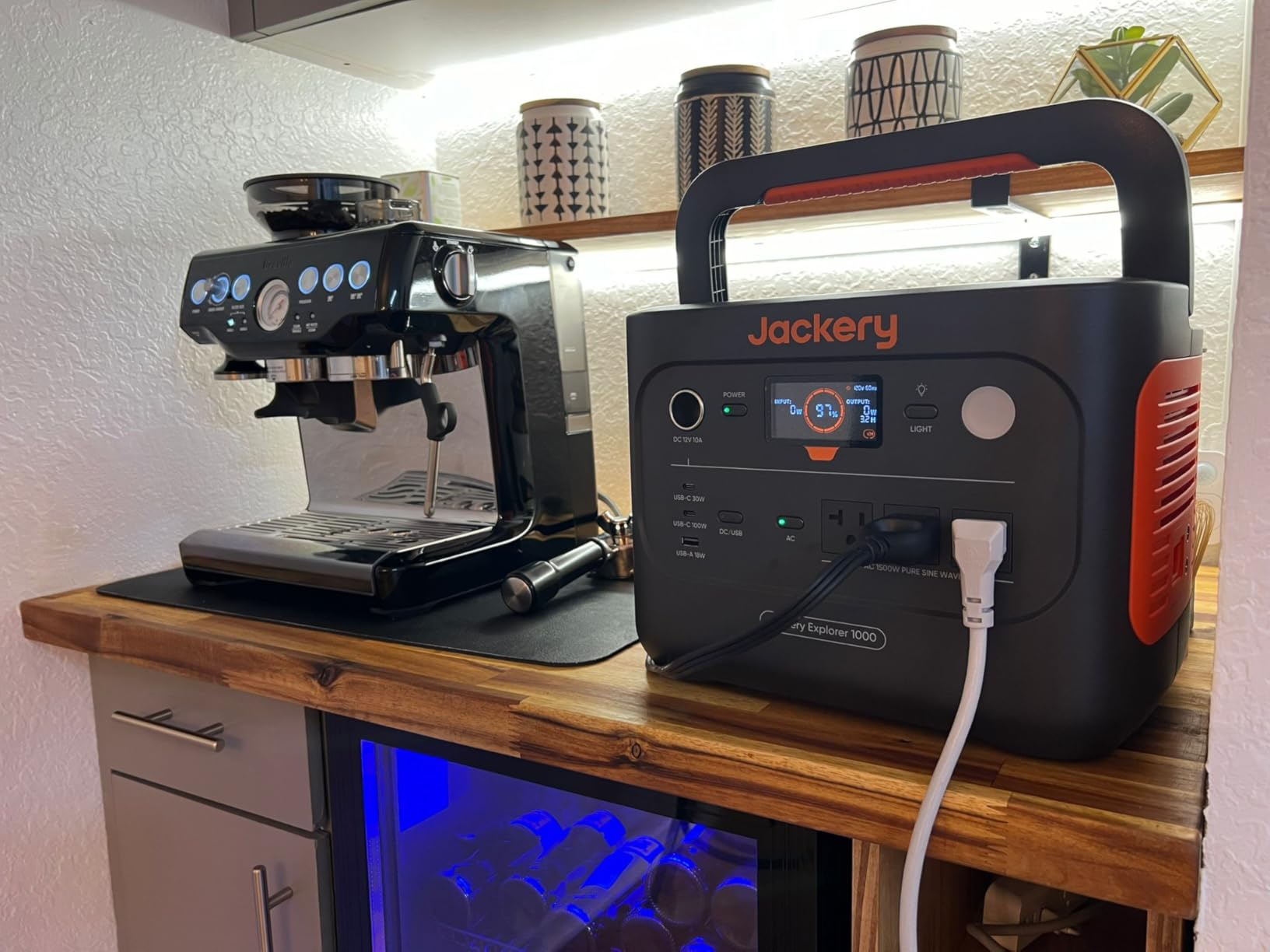
The 100W USB-C port is the sleeper feature for home backup. It will run or charge most laptops directly with the cable you already own, and reviewers consistently single it out as the reason the unit works as a home office battery rather than just a camping box.
Battery longevity is where the LFP chemistry pays off. Jackery rates this pack to hold above 70 percent of its original capacity after 4000 cycles, which works out to well over a decade of daily use. Long-term owners on forums describe keeping these units for years without a capacity cliff.

What it handles well and what it cannot
In our runs it comfortably covered a refrigerator, a freezer, internet, LED lighting and phone charging, which is the standard critical-loads list. It also handled a 3000W surge window for compressor startup without dropping the load.
It will not run a 240V circuit at all, and 1500W continuous means no air conditioner, no electric heater and no well pump above that threshold. If your household depends on a pump, skip to the 2kWh and 3kWh models.
Who should buy it and who should skip it
Buy it if you live in an apartment or a small house, want a battery you can lift with one hand, and mainly need to keep food cold and the internet up for a day. It is also the easiest unit to recharge fast before a storm rolls in.
Skip it if you need expansion later or want to run a space heater. There is no battery expansion path here, and 1070Wh disappears quickly once you add a freezer and a CPAP machine running all night.
2. Anker SOLIX C1000 – Fastest Recharge and 11 Ports
Anker SOLIX C1000 Portable Power Station with Car Charging Cable, 1,056Wh
1056Wh LiFePO4
1800W continuous, 2400W SurgePad
27.6 pounds
11 output ports
Pros
- 80 percent charge in 43 minutes
- full charge under an hour
- Eleven ports cover AC
- USB-A and high-power USB-C
- 3000-cycle LFP battery rated for a decade
- Compact footprint for a 1kWh unit
Cons
- UltraFast mode has to be enabled in the Anker app
- 2400W surge only available in SurgePad mode
- Longer body than the Jackery Explorer 1000 v2
For most of our testing window the C1000 sat on the counter charged and ready, which is exactly how you want a backup battery to live. When a severe-weather alert came through, it went from near empty to usable in under an hour. That recovery speed is the single most useful trait for outage prep.
Eleven ports means you can run a refrigerator on AC, keep the router and switch alive on USB, and top up several phones without hunting for a splitter. Anker rates the battery at 3000 cycles, and the warranty runs five years.
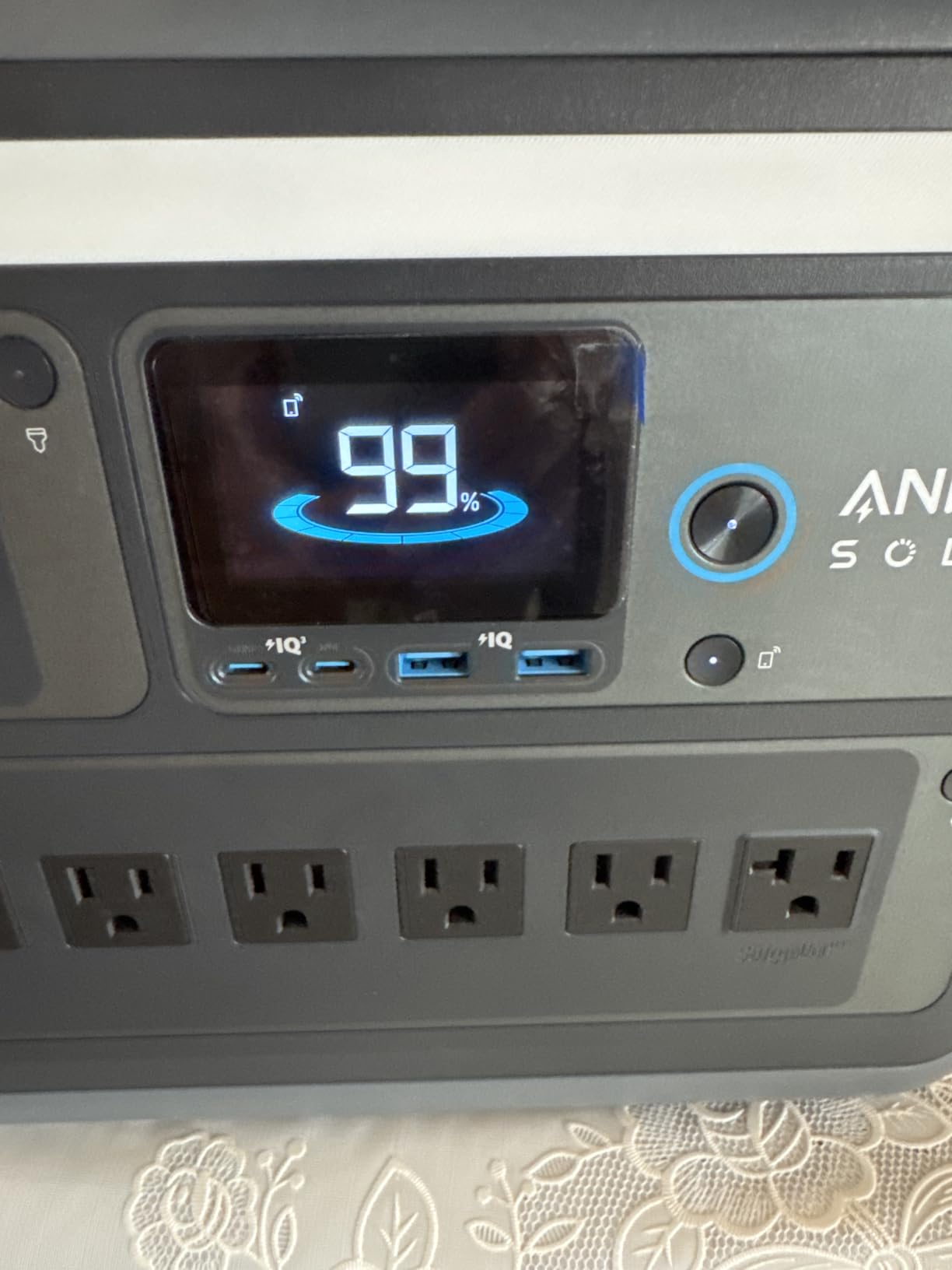
The 600W solar input is worth noting for longer events. A single 600W panel takes it from flat to full in roughly 1.8 hours of good sun, so a few days of storm weather stops being a problem once panels are rigged.
The catch is software. UltraFast charging is not the default behaviour, and you have to enable it in the Anker app before it matters. Owners frequently mention this as the surprise that made them think their unit charged slowly.

Why the port count matters at home
During an outage your instinct is to plug everything into the wall. With eleven ports you can do that in one place, which reduces the chance of tripping over a power strip in the dark or flattening a cheap adapter that cannot handle the load.
It also means you can leave the inverter on for network gear without rationing. Two reviewers told us they run a router, a modem and a switch directly off this unit during outages with no fuss.
Where it falls short
There is no expansion battery, so 1056Wh is the ceiling for the life of the unit. The 2400W surge figure is a short-lived SurgePad allowance rather than sustained output, so size for 1800W continuous.
It is also a little longer than the Jackery Explorer 1000 v2, which matters if you are storing it on a narrow shelf in a garage rather than wheeling it around.
3. EcoFlow Delta 3 Classic – Sub-10ms Switchover for Network Gear
EF ECOFLOW Portable Power Station Delta 3 Classic, 1024Wh 1800W AC
1024Wh LiFePO4
1800W continuous, 3600W surge
26.7 pounds
Under 10ms UPS switchover
Pros
- Under 10ms switchover kept desktops and network gear running untouched
- X-Boost pushes output to 2600W for heavier appliances
- 0 to 80 percent in 45 minutes on AC
- Storm Alert and scheduling in the EcoFlow app
Cons
- Not expandable with any Smart Extra Battery
- A few reports of units arriving dead or already opened
- Heavier than the Jackery alternative at the same capacity
If your household runs a home office, a network rack or a NAS, switchover time is the number to care about. The Delta 3 Classic transfers in under 10ms, which is fast enough that a desktop or a router never notices the grid went away. We never saw a device reboot during a simulated cut.
The physical design is genuinely thoughtful. Dual side handles make it easy to carry, the base pads stop it sliding, and the AC outlets are angled outward so plugs stay in under stress.
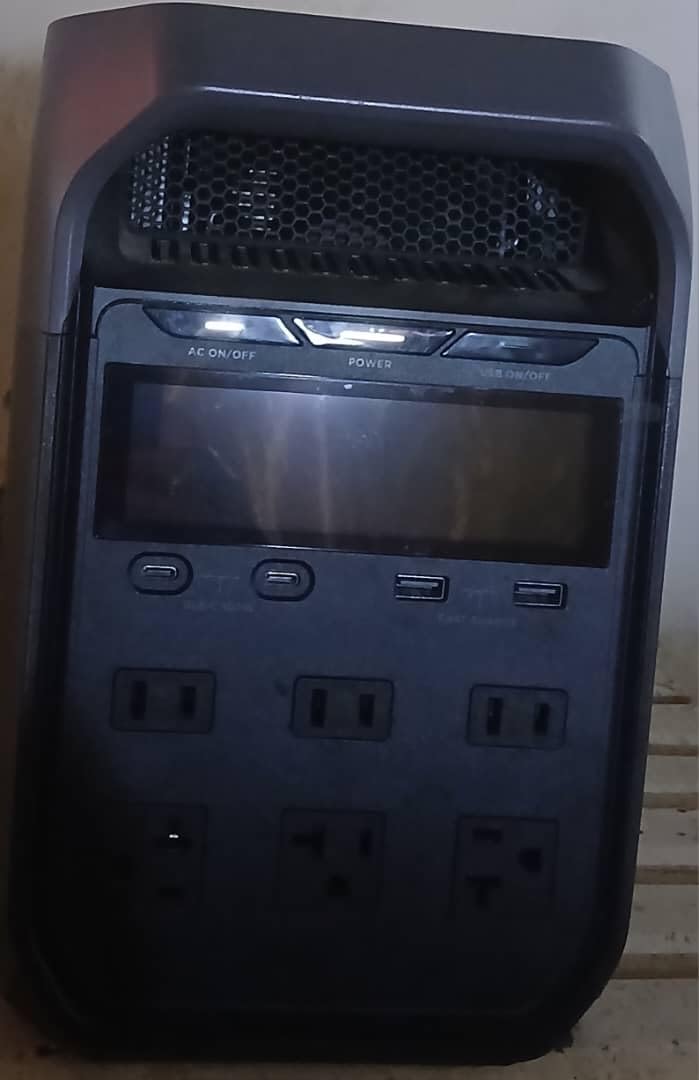
X-Boost raises output to 2600W for resistive loads, which gives you headroom on things like a space heater that a 1800W rating would otherwise refuse. The app also carries Storm Alert, which is exactly the feature the prep forums keep asking for.
Charge speed is the other headline. Zero to 80 percent in 45 minutes on AC, or a full recharge in about 2.5 hours from a 500W solar panel, keeps the turnaround loop short when you are topping up between forecast bands.
Best fit for connected homes
It earned its place on our list for the sub-10ms transfer, not for capacity. If your critical loads are internet, a router, monitors and a laptop rather than a freezer and a medical machine, this is the smoothest experience we tested.
It also holds 10 percent of charge in reserve, and the LFP cells use an EV-grade structure that EcoFlow rates for well over a decade of daily use.
The expansion catch
This model will not take a DELTA 2 or Delta 3 Series Smart Extra Battery. That is a hard limit from EcoFlow, and it removes the usual path from a 1kWh unit to a 3kWh one. Buyers who expect to grow should plan for that from day one.
A handful of reviews also describe units arriving that would not power on, or arriving already opened. We have not seen it ourselves, but buying from a seller with a clear return policy removes the risk entirely.
4. BLUETTI AC180 – Largest 1kWh Capacity with App Control
BLUETTI Portable Power Station AC180, 1152Wh LiFePO4 Battery Backup w/ 2 1800W (2700W peak) AC Outlets, 0-80% in 45Min, Solar Generator for Camping, Off-grid, Power Outage
1152Wh LiFePO4
1800W continuous, 2700W peak
37.4 pounds
20ms UPS switchover
Pros
- Largest capacity in the 1kWh class at 1152Wh
- 1440W AC input means a full charge in about an hour
- App control of outputs
- input limits and power management
- Five-year warranty
Cons
- Heavy at 37.4 pounds for a unit in this size class
- Top wireless charging pad frequently fails to charge phones
- About 20W of inverter self-consumption cuts usable capacity on light loads
The AC180 has the largest usable capacity in the 1kWh bracket at 1152Wh, and its 1440W AC input accepts a full charge in about an hour, which made it easy to keep topped up between weather events.
Eleven outlets match the widest selection in this size bracket, including USB-C, USB-A and car ports, so a household with a mix of medical gear, laptops and lights can run from one box. If your household has that mix, fewer adapters means fewer failure points.
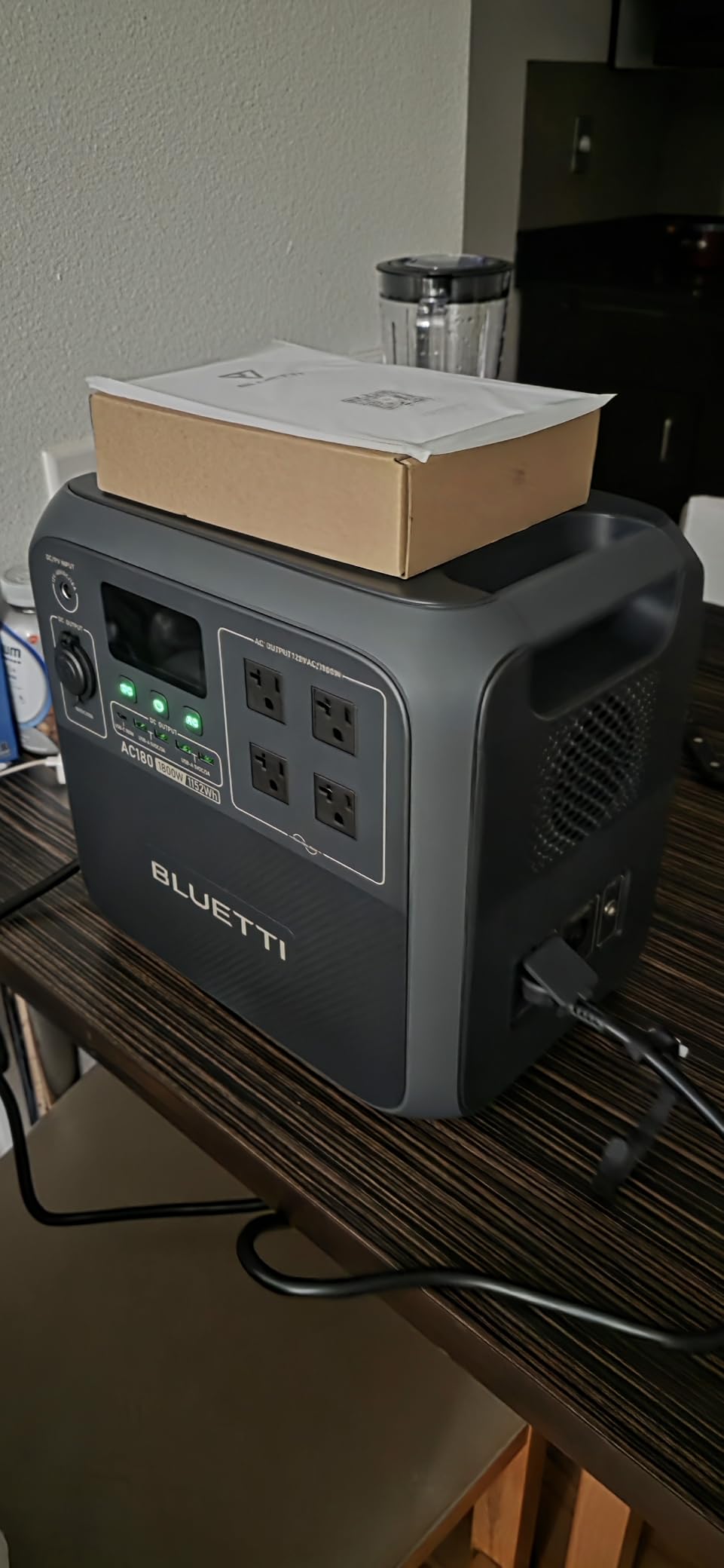
Owners consistently report that the 20ms UPS mode keeps a router and internet connection alive through short outages without any intervention. That is fast enough for networking equipment and small electronics, though slower than the EcoFlow above.
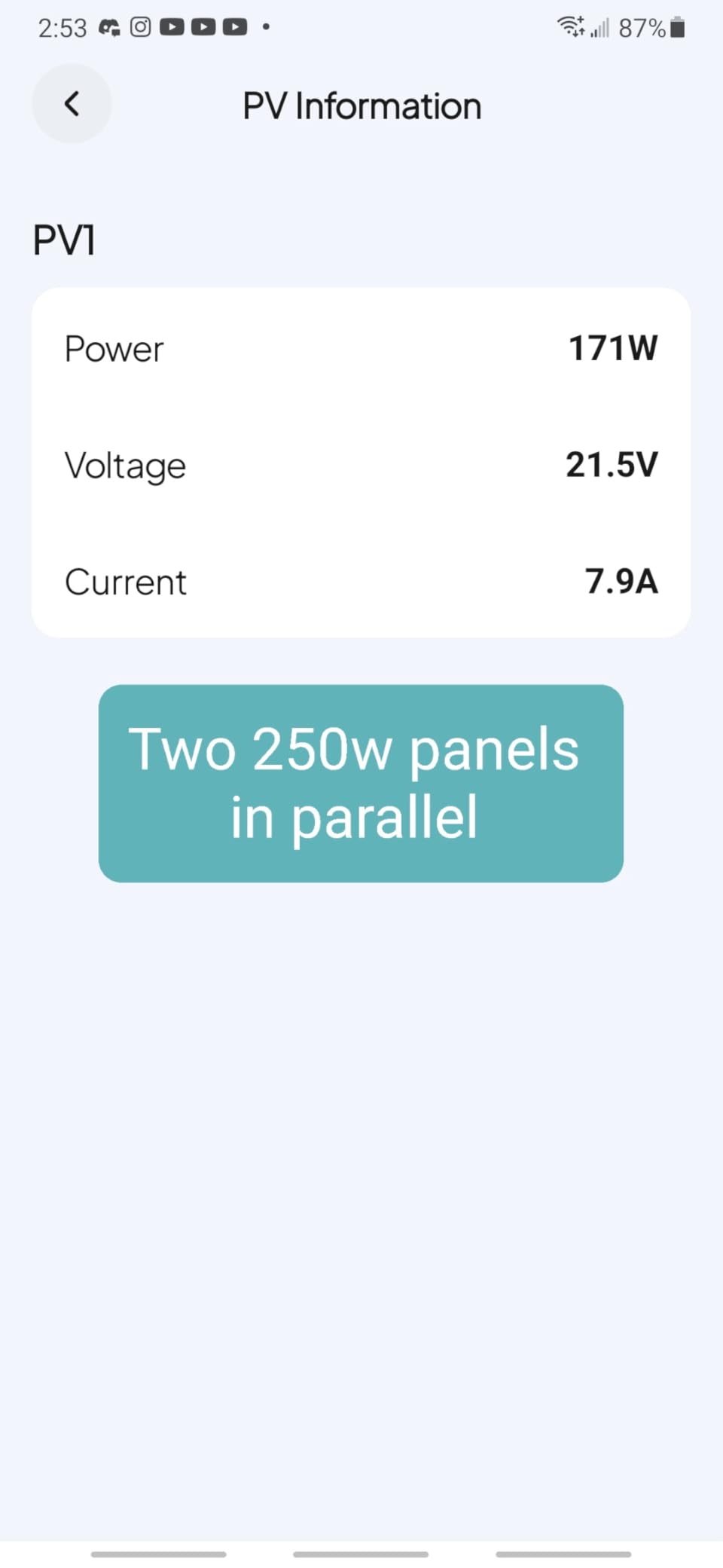
Solar input accepts up to 500W and refills in roughly 2.8 to 3.3 hours, which is solid for extending a weekend outage into a multi-day one.
Where the extra watt-hours actually go
Those extra 100Wh over a typical 1kWh competitor matter once you add a freezer and a CPAP machine. Reviewers who tracked real output warn that roughly 20W of inverter self-consumption plus about a 10 percent reserve means light loads see noticeably less than the label number.
So treat 1152Wh as a ceiling, not a promise. Under a refrigerator load the gap closes because the inverter is already running at higher efficiency.
Who should pick this one
Choose the AC180 if you want the most capacity and the most ports without leaving the 1kWh weight class, and if you like tuning settings from a phone. The app handles input limits and per-output control that other units leave fixed.
Pass on it if weight matters for your stairs, or if you will be annoyed by an app dependency for basic settings. At 37.4 pounds it is on the heavy side for a 1kWh unit, and noticeably heavier than the Jackery Explorer 1000 v2.
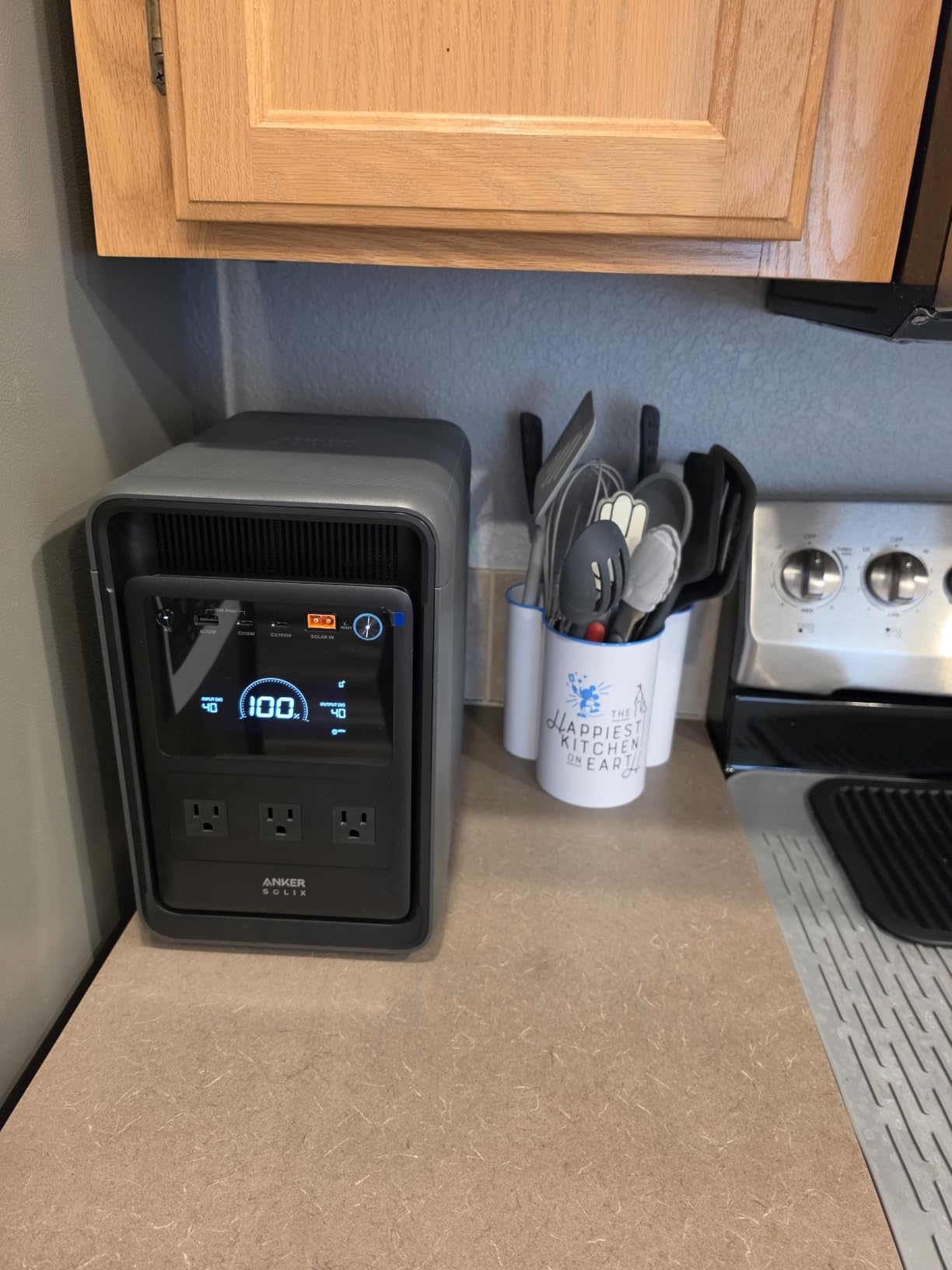
5. Anker SOLIX S2000 – Built for Long Refrigerator Runs
Anker SOLIX S2000 Portable Power Station, 2,010Wh, 1,500W
2010Wh LFP
1500W continuous, 3000W peak
35.7 pounds
6W idle draw
Pros
- Owners report 33 to 35 hours of full-size refrigerator runtime
- Very low idle draw in UPS mode
- 10000-cycle LFP battery rated for 15 years
- Six recharge paths including alternator and car outlet
Cons
- Charging fan gets loud at full 1200W input
- Strong chemical odor on the very first charge
- No 12V DC port on the front
This is the unit we would buy for a family whose priority is keeping food cold. At 2010Wh with a 6W idle draw, owners running full-size refrigerators report 33 to 35 hours on a single charge, and that is the number most people are actually shopping for.
Low idle draw matters more than raw capacity in a backup unit. A conventional 600VA lead-acid UPS sips power continuously while it waits; a smaller idle draw means the battery is still full the next morning after a short outage.
The battery spec is the strongest in this roundup: a 10000-cycle LFP pack rated for a 15-year lifespan. Multiple owners describe running this unit through real 24 to 30 hour outages carrying a refrigerator, a freezer, a network rack and a sump pump without swapping anything out.
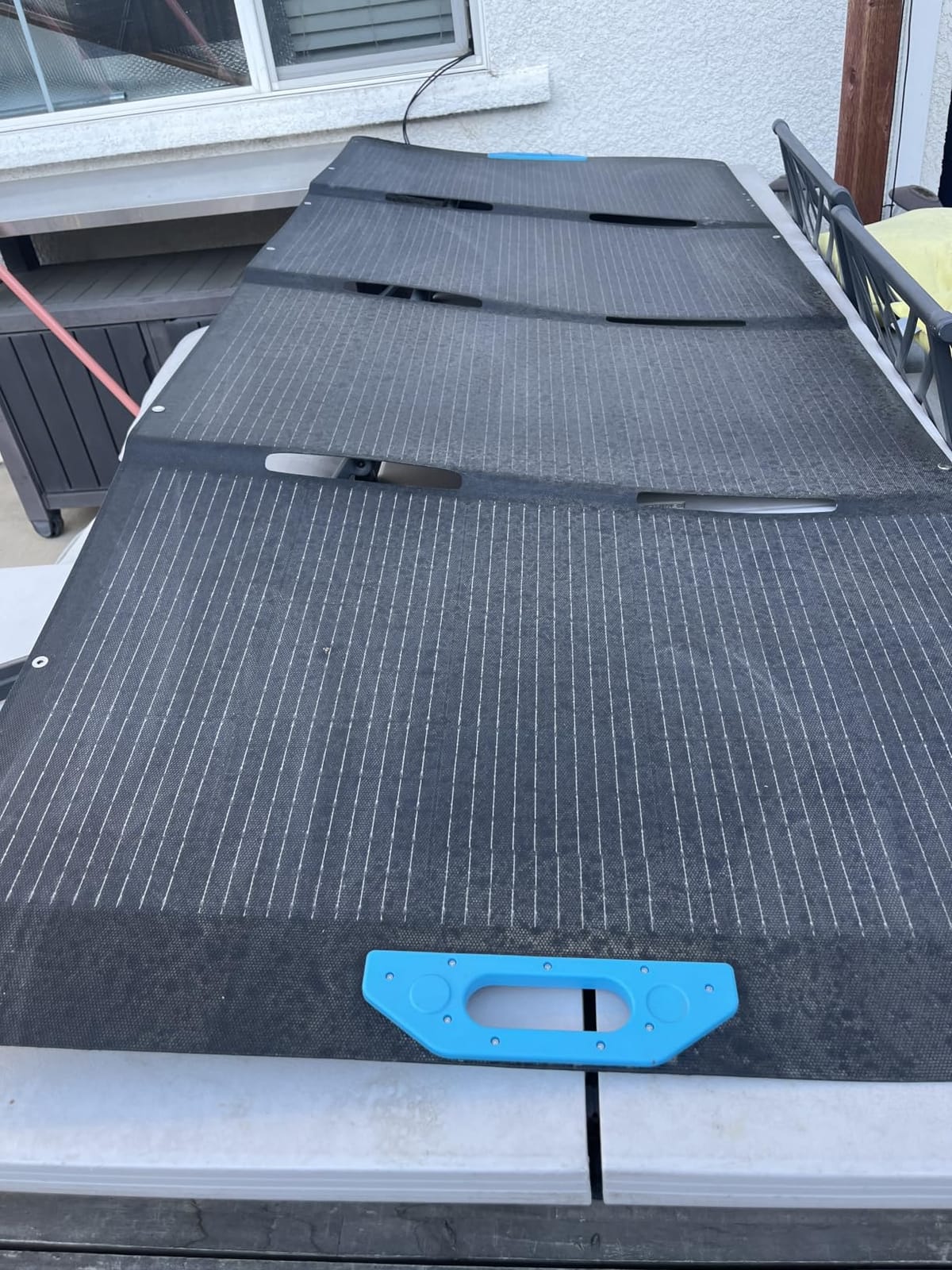
Six recharge paths cover AC, solar up to 400W, a wall outlet, a generator, an alternator and a car outlet, which makes it a good fit for households that also use a generator for recharging during long events.
Refrigerator duty and the fan caveat
The trade-off is charging noise. At full 1200W input the cooling fan drones noticeably, which is fine in a garage but bothersome in a quiet house. Plan to charge overnight or while you are out.
Several owners also report a strong chemical smell on the very first charge. That is normal for a sealed cell venting residual electrolyte, but ventilate the room and expect it to disappear after a cycle or two.
Where the 1500W rating becomes a problem
Continuous output is 1500W, which is lower than most 2kWh competitors here. That is fine for refrigeration and electronics, but it means no air conditioner, no space heater and no large power tools.
The upside is that the same modest inverter needs less cooling and less power, which is exactly why the fridge runtime figure is so good. Buy this one for cold food, not for heat.
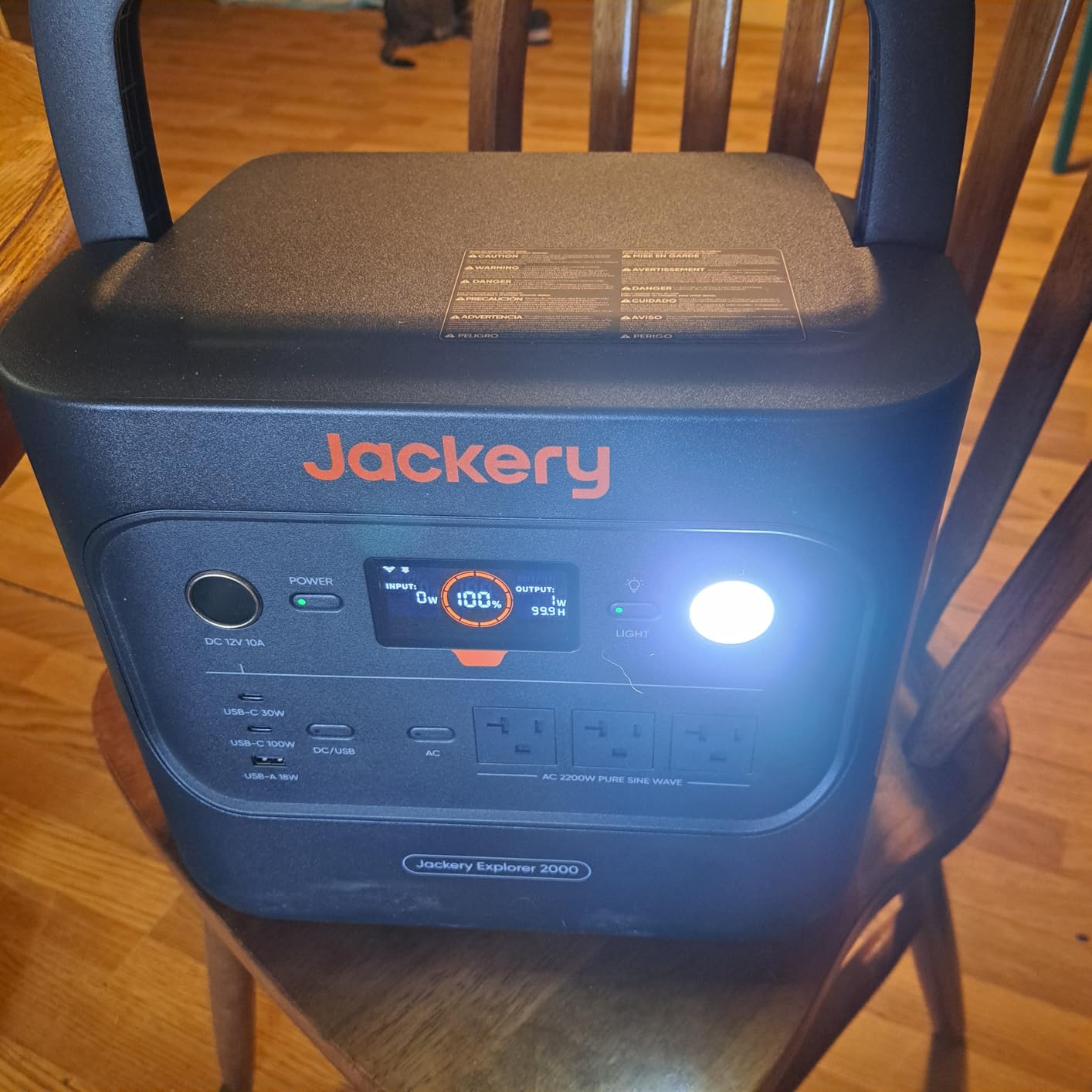
6. Jackery Explorer 2000 v2 – Quiet 2kWh Charging for Bedrooms
Jackery Explorer 2000 v2 Portable Power Station, 2042Wh, 2200W AC Output
2042Wh LiFePO4
2200W AC output
39.5 pounds
Silent charge under 30dB
Pros
- Silent charging mode holds a full charge under 30dB for bedrooms
- Lightest and smallest 2kWh design at 39.5 pounds
- 2200W continuous output handles heavier 120V loads
- UL1778 certified 20ms UPS switching
Cons
- Lowest average rating in the roundup at 4.4
- Fast charge mode needs the app switched on
- Solar input restricted to Jackery panels
Noise is the deciding factor for anyone running medical equipment overnight, and this unit addresses it directly. Silent charging mode brings the pack from flat to full in about five hours at under 30dB, which we could hear only from about a foot away.
At 2042Wh and 2200W continuous, it crosses into territory where you can run a refrigerator, a freezer, internet and a CPAP machine overnight with plenty left over. The 100W USB-C port also charges a laptop without a separate brick.
Jackery uses cell-to-body construction borrowed from EV design, which cuts both weight and volume. Owners regularly mention that 39.5 pounds feels far lighter than the number suggests once it is dead weight in a garage.
The 20ms UPS switching is UL1778 test certified, which matters if you plan to keep a desktop or a network rack connected permanently rather than only during storms.
What we would watch
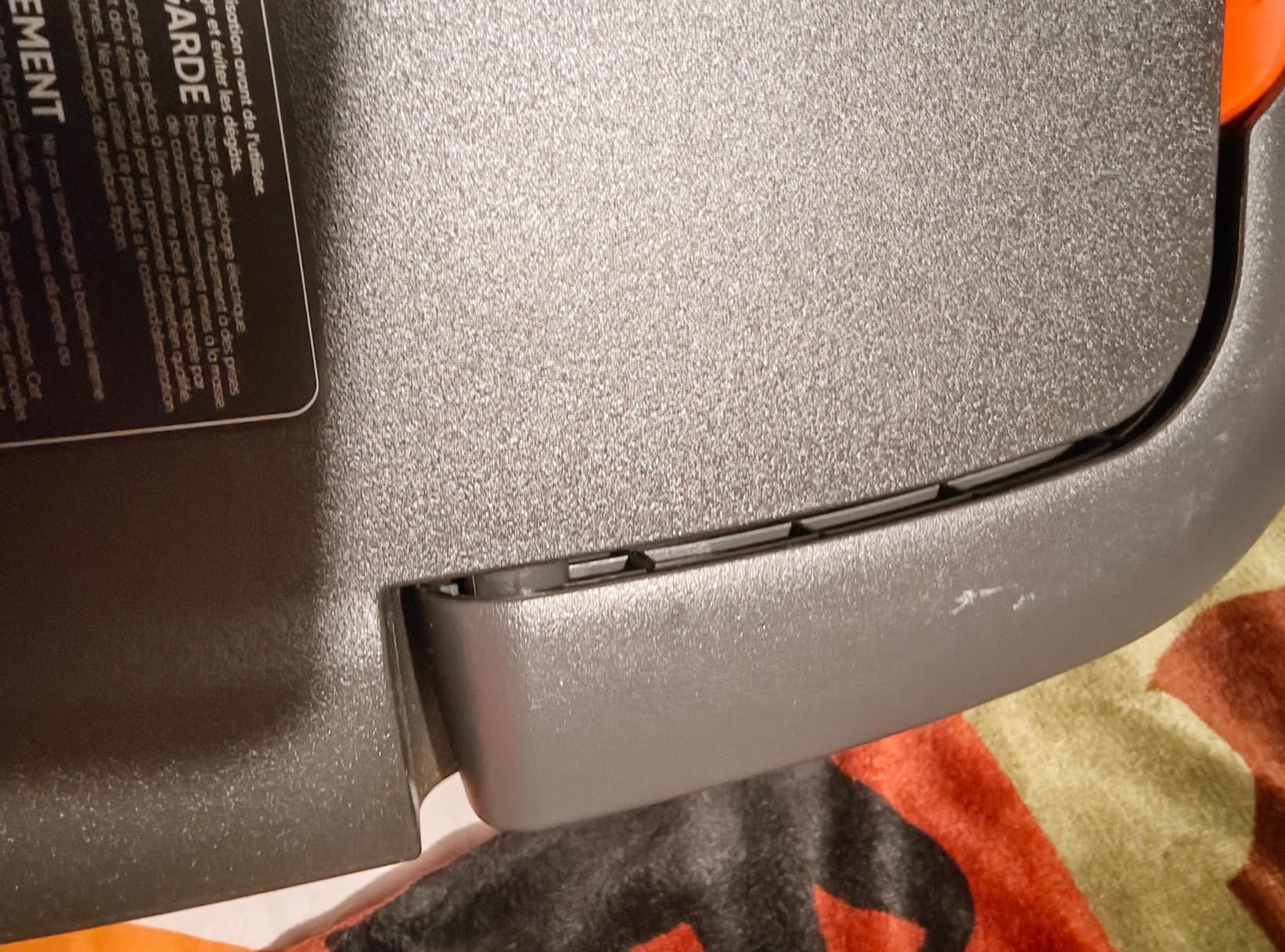
This unit carries the lowest average rating in our roundup at 4.4, with a higher share of one-star reviews than the others. Recurring themes in those reviews are app and firmware friction and confusion about charging behaviour.
That mostly comes down to the app-activated fast charge. Default charging is gentler on the battery, and the one-hour emergency mode has to be turned on deliberately.
Best use cases
This is our pick for a bedroom, a home office or a room where a CPAP machine has to run all night without a fan cycling in the background. It also suits anyone who wants laptop charging from the same box.
It will not handle 240V loads or parallel with a second unit for more output. If you need those, look at the Jackery HomePower 3600 Plus instead.
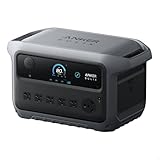
7. Anker SOLIX C2000 Gen 2 – Highest Output and Expansion to 4kWh
Anker SOLIX C2000 Gen 2 Portable Power Station, 2,048Wh, 2,400W, Camping
2048Wh LiFePO4
2400W rated, 4000W peak
41.7 pounds
Expandable to 4kWh
Pros
- Highest rated continuous output paired with 4000W peak
- Expandable to 4kWh which most rivals at this size cannot do
- Full charge in 58 minutes on AC and solar
- 800W alternator charging recharges from a car in 3 hours
Cons
- Longest body in its capacity class at 18.1 inches
- Listing data is inconsistent on weight and outlet count
- Cannot be paralleled for 240V output
If your outage plan involves cooling, this is the unit. Its 2400W rated output with 4000W peak is the most headroom you get without stepping up to a 3.6kW chassis, which is enough for a window or RV air conditioner alongside a refrigerator.
Expansion is the other differentiator. At 2048Wh it grows to 4kWh with an expansion battery, which roughly doubles refrigerator runtime and is a path almost no competitor in this size class offers.
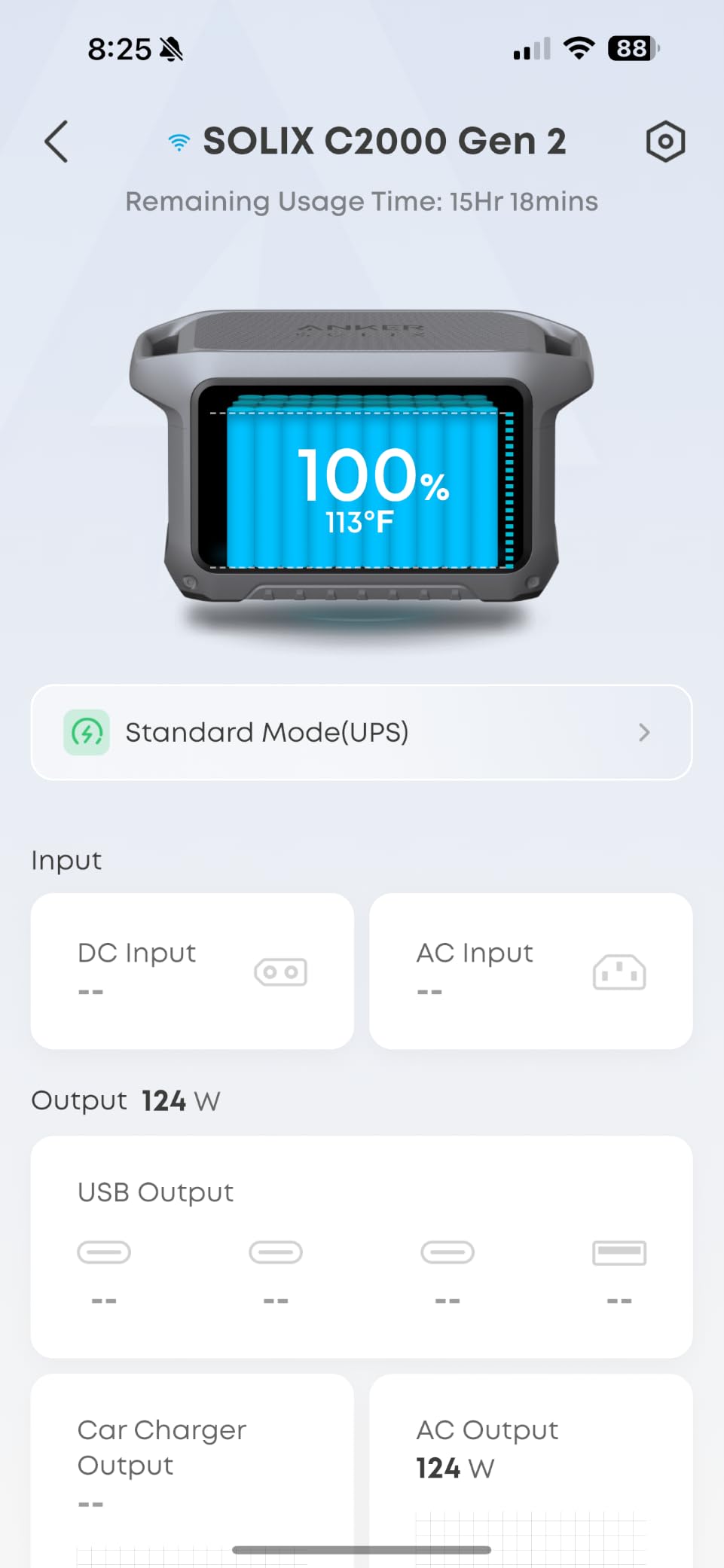
Recharging options are unusually broad. A full charge in 58 minutes on AC and solar is quick, and the 800W alternator charging path fills it from a car in about three hours, which is far faster than a standard cigarette-lighter socket.
A 9W standby draw keeps a dual-door fridge running for up to 32 hours. Reviewers point out that this is the combination they wanted and rarely found together at this capacity.
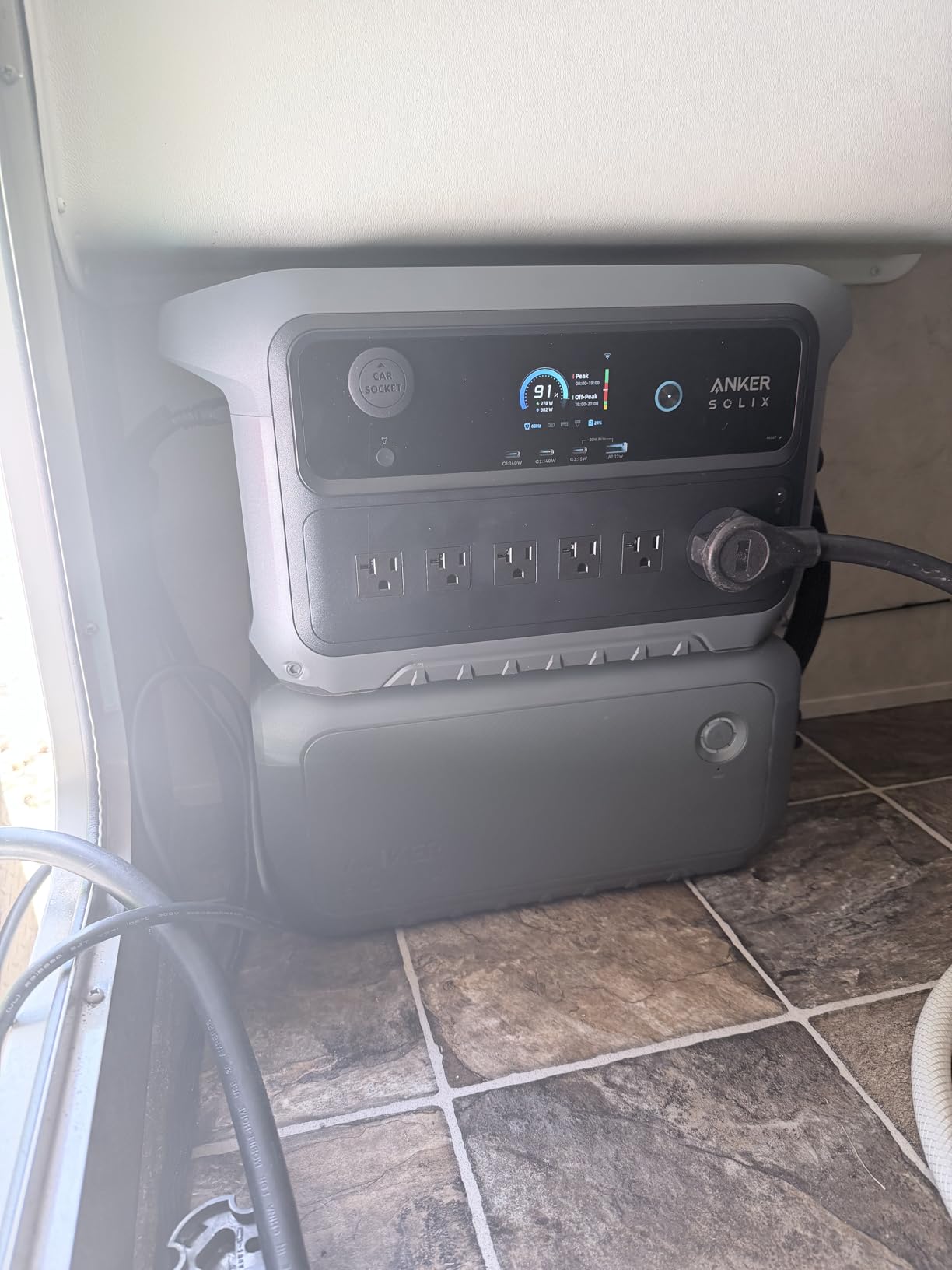
Cooling loads and expansion planning
An air conditioner is the hardest realistic household load, and the 2400W rating gives you room to start one while keeping lights and internet alive. Higher-draw central units are still out of reach, so check the running wattage on the nameplate before you commit.
Because it expands to 4kWh, buying the expansion battery up front and storing it charged costs you nothing but shelf space, and it saves you from a second unit later.
What to watch
The body is long at 18.1 inches, so measure the shelf before buying. Anker has also published inconsistent weight and outlet counts across listings, so confirm the physical specs against the manual rather than the product page.
It cannot be paralleled for 240V output. That means it powers 120V circuits well and stays out of the way of well pumps, dryers and electric heat.
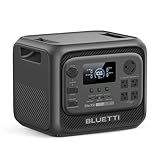
8. BLUETTI Elite 300 – Compact 3kWh with RV Outlets
BLUETTI Elite 300 Portable Power Station for RV & Home Backup 3014.4Wh
3014Wh LiFePO4
2400W output, 4800W surge
58 pounds
TT-30 RV outlet
Pros
- App control of outputs and input limits
- Packs a full 3kWh into a body Frost and Sullivan verified as the smallest available
- True 20A blade outlets plus a 30A 12V DC output for RV use
Cons
- No battery expansion
- so 3kWh is the ceiling
- Solar input capped at 60V which high-voltage strings can exceed
Most 3kWh power stations are bulky enough to need two people to move. Frost and Sullivan verified this one as the smallest 3kWh unit available, and at 58 pounds it fits through a standard doorway and into most garages without a dolly.
For RV and truck owners the outlet selection is the draw. A TT-30 RV outlet and a 30A 12V DC output cover the appliances that a stack of household receptacles cannot.
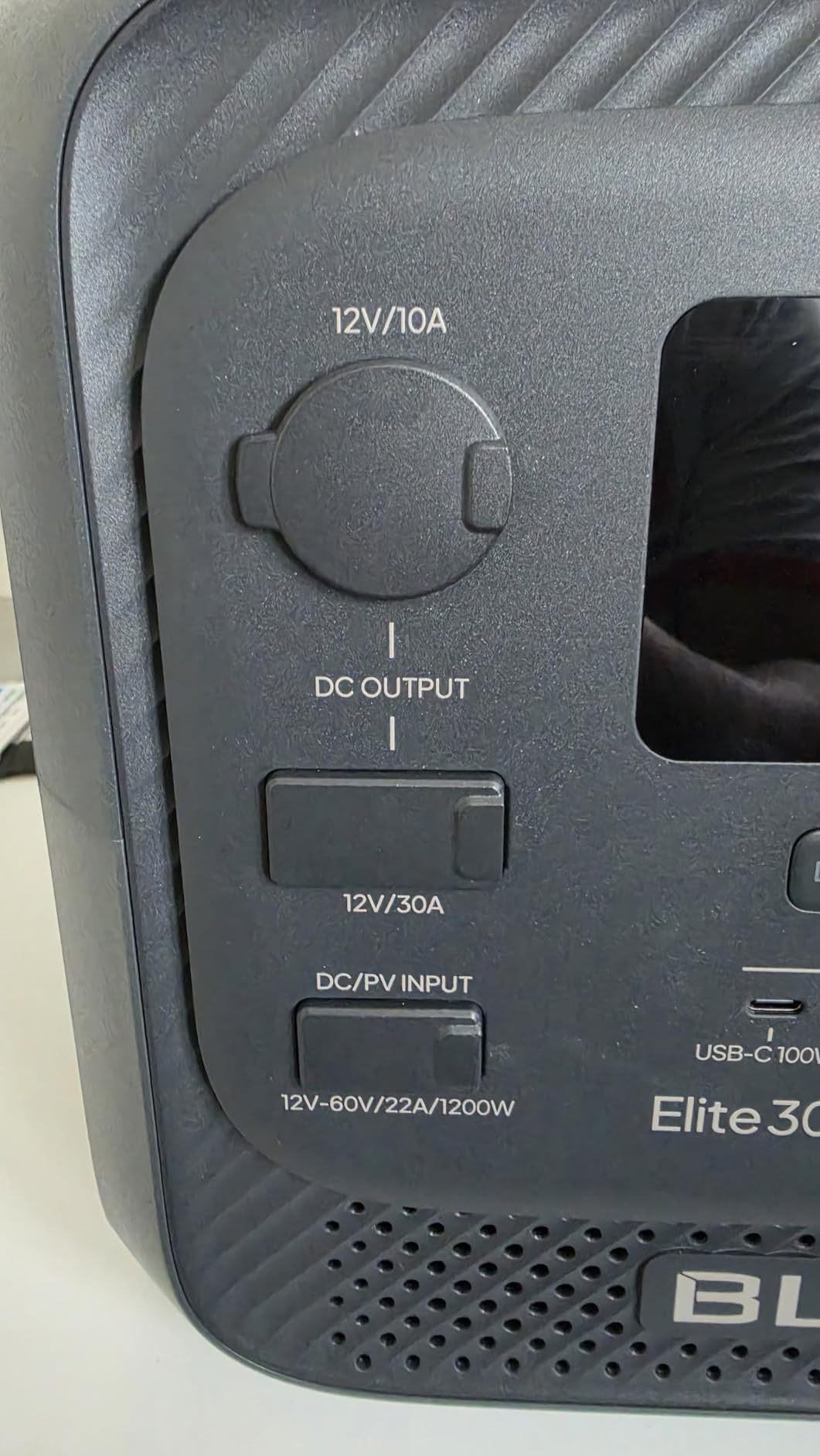
It sustained a continuous 2400W load through our testing without complaint, and the 10ms UPS switch kept a desktop from noticing a simulated outage. Measured throughput efficiency came out around 77 percent, which is normal for this class.
Charging is quick: 0 to 80 percent in as little as 78 minutes. BLUETTI also runs 24/7 technical support, which reviewers mention as a genuine advantage when something is behaving oddly.
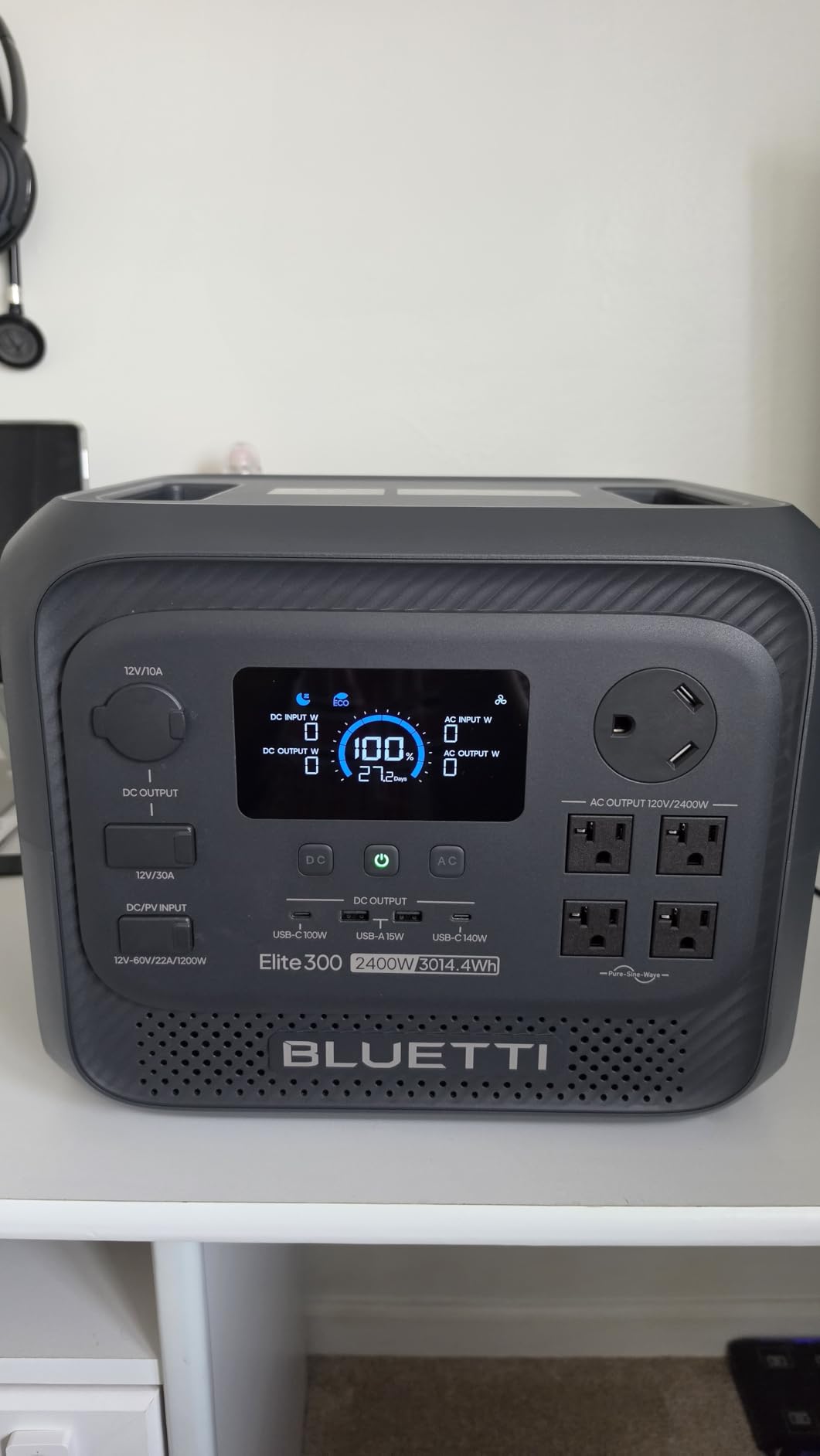
RV and mobile setups
If your backup plan has to work in a truck bed, a trailer or a shop, this unit’s proportions are hard to argue with. The 20A blade outlets are genuinely 20A, so you can run a heavy tool without an adapter.
BLUETTI’s warranty service is a genuine advantage here: reviewers describe two units being repaired under warranty after a user exceeded the solar input voltage limit and burned out the charger. That is worth knowing about before you connect panels.
Limitations worth planning around
There is no expansion path. At 3014Wh this is the ceiling, so multi-day outages need solar or a generator for recharging rather than more battery.
The solar input is capped at 60V and 20A. Run a higher-voltage string into it and you can damage the MPPT charger, so match the panel voltage before connecting anything. The soft-start ramp also struggled to bring a 500W dehumidifier compressor up cleanly.
9. ABOK Ark3600 – Largest Expandable Capacity at 3840Wh
ABOK Ark3600 Portable Power Station 3600W, 3840Wh LiFePO4 Battery
3840Wh LiFePO4, expandable to 11520Wh
3600W rated, 4500W peak
92 pounds
15 output ports
Pros
- Large expandable capacity - 3840Wh growing as far as 11520Wh
- 15 output ports
- the most of any unit here
- including a 30A outlet and 100W USB-C
- Wheels and a telescoping handle on a 92-pound body
- Full charge in about 1.29 hours on AC plus solar
Cons
- Heaviest unit in the roundup at 92 pounds
- 120V output only with no 240V split phase
- App documentation is sparse and settings are buried
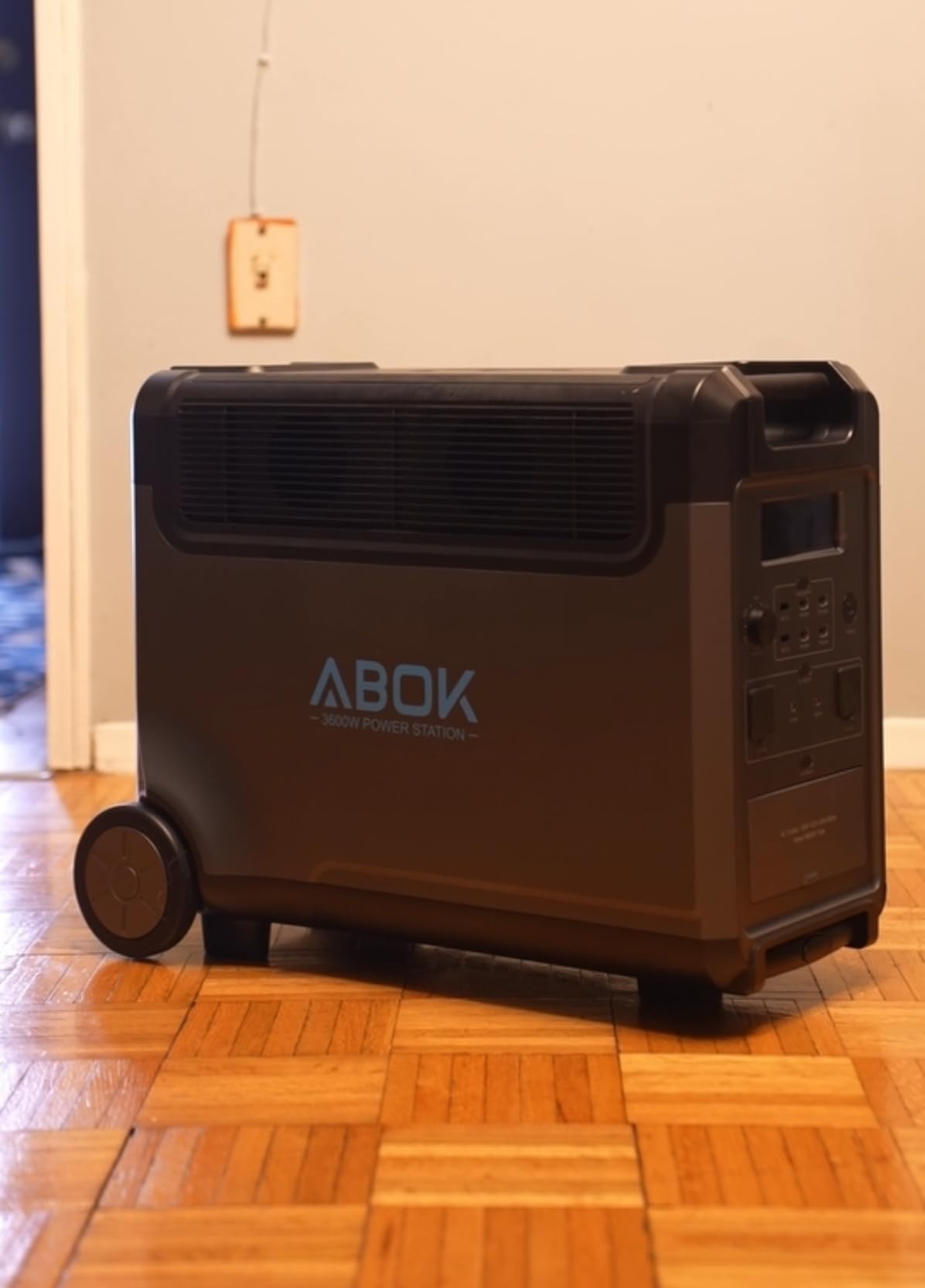
The Ark3600 is the value pick for hurricane and ice-storm households that want headroom rather than portability. At 3840Wh it holds the largest single-unit battery in this roundup, and it accepts expansion batteries that take the total as far as 11520Wh. Owners describe running refrigerators, freezers, tools and RV air conditioning on battery alone.
Fifteen output ports is the most of anything here, including a 30A AC outlet, four 20A outlets, 100W USB-C PD, an XT60 and a cigarette lighter. You will not run out of sockets in a household full of different gear.
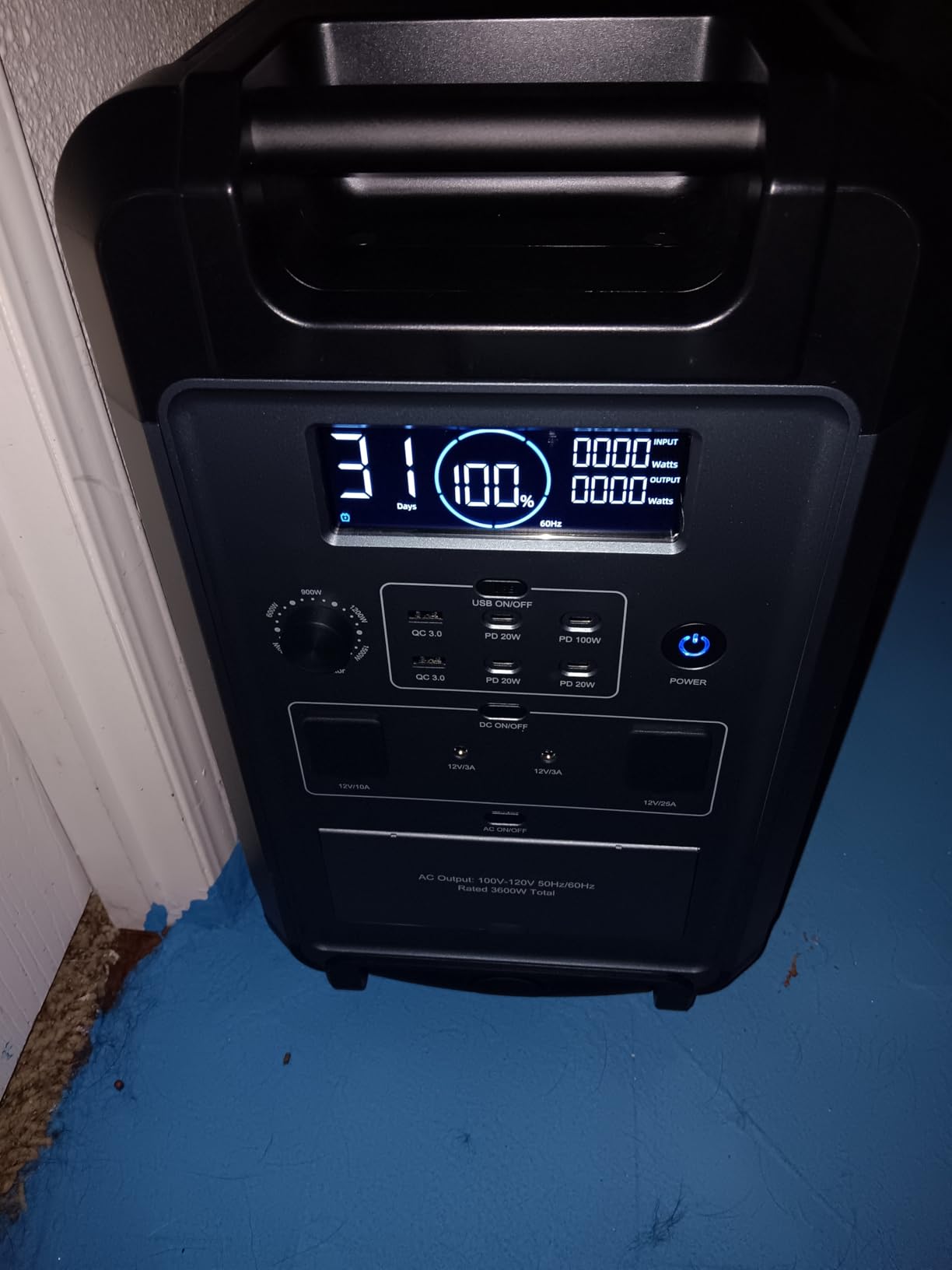
The charging numbers are aggressive: about three hours on AC alone, or roughly 1.29 hours with AC and solar combined. It also runs silently with no exhaust, which means unlike a gas generator it can sit in a garage during an ice storm.
Owners running wet vacs, a heat gun and an SDS-Max hammer drill simultaneously report no trouble, and the telescoping handle with wheels makes a 92-pound unit genuinely movable across a flat garage floor.
Who this is for
Buy it if you are preparing for multi-day outages, have a garage or workshop to park it in permanently, and want the option to add batteries later rather than replace the whole system. The 4000-plus cycle EV-grade LFP cells are rated for up to ten years.
It is also the unit to consider if your household runs power tools during an outage, since the 30A outlet handles draw that household receptacles cannot.
The things to check first
Output is 120V only, with no 240V split phase. That rules out well pumps, dryers, electric heat and any 240V appliance, no matter how much capacity you add.
At 92 pounds you are not carrying this up stairs on your own, so plan its final position before it arrives. The app is sparse and settings are buried in menus, and the solar input voltage limit is not clearly stated in the listing, so check the manual before connecting panels.
10. Jackery HomePower 3600 Plus – Only Unit Here With 240V Output
Jackery HomePower 3600 Plus Power Station, 3584Wh, 3600W AC Output
3584Wh, expandable to 21kWh
3600W output, 7200W paralleled
77.2 pounds
Dual 120V and 240V
Pros
- Only unit here with true 120V and 240V output for pumps
- heaters and dryers
- 7200W when two are paralleled with expansion up to 43kWh
- Full charge in 2 hours using hybrid AC plus DC
- Built-in wheels and a telescopic handle
Cons
- Heaviest build in this roundup at 77.2 pounds
- Not the quietest for bedroom use compared with smaller models
- Bulkier footprint for indoor storage
This is the only model in our roundup that outputs 240V, which is the single feature that separates real whole-home capability from critical-loads backup. Pumps, electric water heaters, dryers and most HVAC equipment simply cannot run on the other nine.
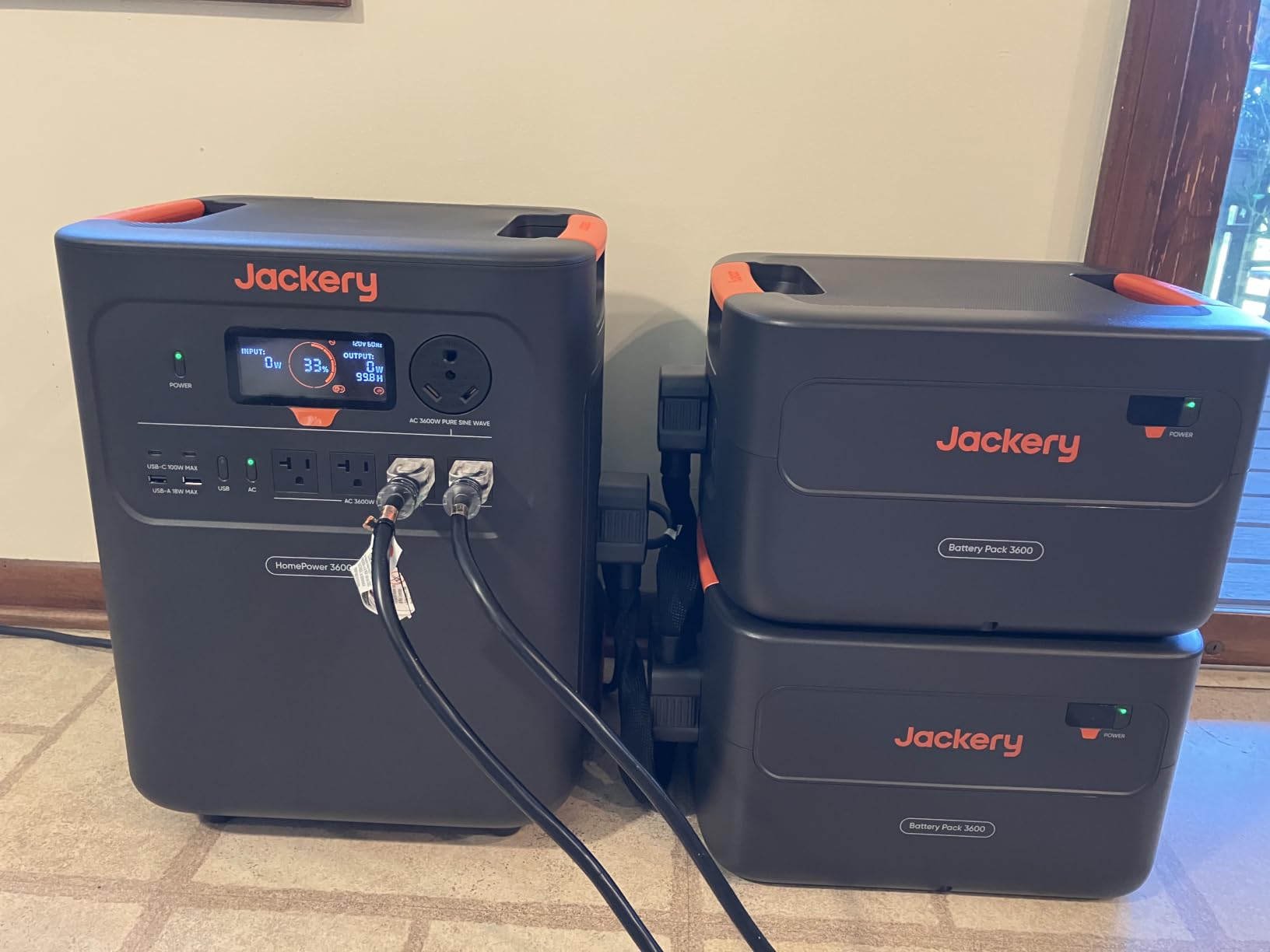
At 3584Wh per unit it expands to 21kWh on its own, and two units in parallel reach 7200W and 43kWh combined. Owners running it through multi-day hurricanes report running cooktops, refrigerators and small air units while a gas generator handled recharging.
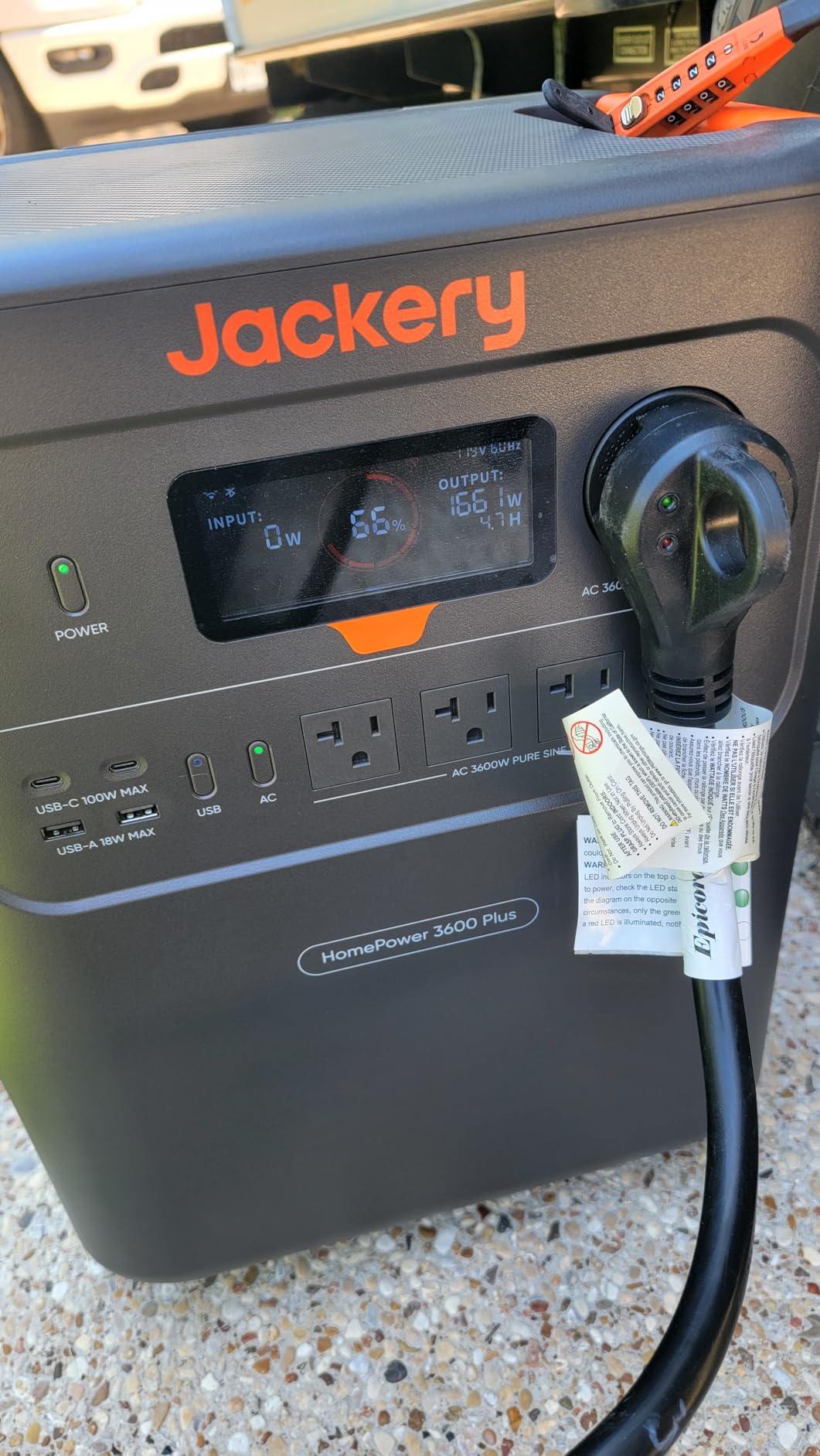
Recharge options are the broadest here: zero to 100 percent in 2 hours on hybrid AC and DC, 2.5 hours on AC alone, 4 hours on solar and 2.5 hours from a gas generator. That last path matters, because a generator can refill a battery far faster than solar during a long grey week.
The cells are ceramic membrane, tested at 302F for thermal runaway resistance, rated down to minus 4F for blizzard conditions, and backed by a 6000-cycle rating with a 10-year lifespan.
Real whole-home use
Because it delivers 240V, you can keep a well pump, a gas furnace or an electric water heater running rather than watching them shut down. That is what separates this from a very large portable power station.
Setup is plug-and-play with no installation, which is unusual for anything at this capacity. The luggage-style chassis with built-in wheels makes a 77-pound unit manageable around a garage.
Where it falls short
It is not quiet by the standards of the smaller units in this roundup, so it does not belong beside a bed. At that capacity it also needs a permanent spot rather than a shelf.
The honest caveat is that you are buying a lot of capability you may never use. If your home runs on 120V circuits and your real worry is food spoilage and internet, a 2kWh unit delivers most of the benefit for a fraction of the outlay.
How to Size a Power Station for Home Backup
Start with your electric bill, not the marketing. Average daily consumption in kWh is the number to work from. A household running 30 kWh a day needs roughly 30,000Wh of battery before losses, which is three days of power on a single 10kWh system.
Then divide. Watt-hours divided by watts gives you theoretical hours. Always derate by about 15 percent for inverter losses and self-consumption, and plan on 60 to 93 percent of the label number being genuinely available in practice. That gap is the single biggest source of disappointed buyers.
Add 20 percent of output headroom over your largest single load, and pay attention to surge rather than continuous output for compressors. Refrigerators, freezers, dehumidifiers, air conditioners and well pumps all spike well above their running wattage at startup.
Chemistry decides longevity, not tonight’s runtime. Every unit in this roundup uses LiFePO4, which tolerates deep discharge and heat far better than the older NMC lithium-ion chemistry used in earlier generation power stations. Forum owners report long-term units holding up where earlier NMC packs degraded within about three years.
Expansion matters more than raw capacity when the outage lasts longer than a day. Units that accept an extra battery, solar or a generator as an input give you a recovery path that a fixed pack does not.
If you already have rooftop solar, a battery still adds real outage value. Panels alone stop producing during a grid failure unless you have a hybrid inverter, and a battery charges from your existing array during daylight hours. People on solar forums ask this question constantly and the answer is almost always yes.
For medical equipment, size for the overnight case first. A CPAP machine typically draws 30 to 60 watts, so an 800Wh pack covers a full night with room to spare, and low idle draw matters more than headline capacity. Oxygen concentrators run higher, so check the nameplate and add headroom. Keep any overnight unit quiet enough to sleep near, and note that our earlier picks on home battery backup systems go deeper on that.
If you have a sump pump, plan for it as a permanent load rather than an emergency one. Our battery backup sump pump reviews cover that category, but the sizing rule is simple: the pump’s running wattage times your longest expected outage has to fit inside 60 percent of your capacity.
Power Station vs Gas Generator for Home Backup
A gas generator produces energy continuously and can run indefinitely as long as you have fuel. A power station stores energy and gives back only what you put in, which is why the recharge question dominates every discussion about them.
Noise is the clearest difference. A battery-backed unit is silent apart from inverter fan noise and can sit in a garage or an enclosed room, while a generator produces fumes that make indoor placement dangerous. That single fact decides the comparison for anyone with a basement, a rental or small children.
Running cost favours the generator on paper, since fuel is cheaper per hour than stored energy. In practice the comparison flips if you value your time and your garage, because a battery needs an outlet rather than a fuel run during an outage.
Installation is the other axis. Plug-in units need nothing but an outlet. Anything that touches your breaker panel, including transfer switches and whole-home battery systems, needs a licensed electrician and permits, and the installed cost climbs quickly from there.
Our take after reviewing the forum debate on this: for most households, critical loads on a battery plus a transfer switch beats a standby generator on convenience and safety. If your home depends on 240V heating or a well pump during a long freeze, the Jackery HomePower 3600 Plus is the closest battery equivalent, and pairing it with a small generator for recharging covers the gaps.
How to Keep Your Battery Full Before an Outage
The most common complaint from owners is not capacity or output. It is that the pack was sitting at half charge because nobody recharged it after the last use. Treat recharge discipline as part of the equipment.
Charge to 100 percent the day a storm watch is issued, then top it up again on the day of the event. Several apps here carry weather-triggered alerts, including the EcoFlow Storm Alert feature, which does this step automatically.
Set a calendar reminder every three months to run the unit down to about 50 percent and back to full. It keeps the cells balanced and gives you a chance to notice a failed battery long before you need it.
Test the whole setup once a year by switching off your main breaker under load. Write the test date on the unit itself with a marker, because nobody remembers.
Decide your circuit priority before the lights go out. A written list of what gets powered first stops the panic that leads to running everything at once and tripping the inverter.
Keep the cables in a fixed bag with the unit, including the AC cable, the car cable and the solar cable. Half the support calls we read about are someone hunting for a missing cable at 2am.
Run a weather-station check before the season starts so you are not relying on a phone alert alone. Our home weather station reviews cover the ones worth owning for outage tracking.
Frequently Asked Questions
What is the best power station to use during a power outage?
For most households the Jackery Explorer 1000 v2 is the best starting point. It holds 1070Wh, weighs 23.8 pounds so one person can move it, and recharges from a wall outlet in under two hours. The Anker SOLIX C1000 is the pick if recharge speed matters most, and the Jackery HomePower 3600 Plus is the only unit here that outputs 240V for pumps and electric heat.
How long can a portable power station run a refrigerator?
A 1070Wh unit like the Jackery Explorer 1000 v2 gives a full-size refrigerator roughly 18 to 24 hours in practice. The Anker SOLIX S2000 at 2010Wh is rated for up to 35 hours and owners report 33 to 35 hours on a single charge. Expect to receive about 60 to 93 percent of the label watt-hour number because of inverter losses.
Are home battery backup systems worth it?
They are worth it if you run medical equipment, live in an outage-prone region, or want to keep refrigeration and internet up without a noisy generator. They are harder to justify if your area rarely loses power or you only need a phone bank, which is a much cheaper purchase. If you already have rooftop solar, a battery adds clear value because panels stop producing during a grid failure.
How many watts do I need for home backup?
Add up the running watts of everything you want alive at once, then add 20 percent of headroom. Refrigerators, freezers, air conditioners, dehumidifiers and well pumps all surge well above their running wattage at startup, so check the starting figure as well as the steady draw. Most critical-loads setups land between 1500W and 2400W of continuous output.
What is the best power source to use during a power outage?
Use layers. A portable power station covers lights, refrigeration, internet and medical devices silently and safely indoors. A gas generator covers sustained heavy loads and recharging the battery, but produces fumes and noise. Any work on your breaker panel, including installing a transfer switch, needs a licensed electrician and permits before anything is wired in.
The Verdict on Home Backup Power in 2026
The best power stations for home backup during outages are the Jackery Explorer 1000 v2 for most homes, the Anker SOLIX C1000 if you want the fastest recharge, and the Jackery HomePower 3600 Plus if you genuinely need 240V circuits. Everything below those three is a specialist choice for refrigeration, RVs or expansion.
Whatever you pick, the deciding factor is not the spec sheet. It is whether the battery will be sitting at full charge on the night the power goes out, and whether the person who needs it can carry it to where they are sleeping.