
The best 12V water pumps for camper vans are the RecPro 3.0 GPM drop-in, the Flojet 03526-144A triplex, and the Pentair Shurflo Revolution 4008. All three are 12-volt DC diaphragm pumps that self-prime from a fresh tank, run dry without damage, and fit a tight van cabinet. The RecPro replaces a Shurflo 4008 without new plumbing, the Flojet smooths pressure with three chambers, and the Shurflo is the factory default most conversions ship with.
That answer assumes one sink and a shower. A van that runs two fixtures at once, feeds a washing machine, or carries a full water bladder wants a bigger number on the label, and a build with only a 100Ah lithium house bank needs a pump that does not sip current. Those trade-offs matter more in a van than in a motorhome, because everything has to fit between a wheel arch and a floor panel.
We compared 12 pumps across six weeks of bench checks and install reviews, weighing flow rate, shut-off pressure, self-priming lift, amp draw, dry-run protection, noise behaviour and physical footprint. We paid attention to the details forum builders argue about: motor-up mounting, braided flexible hose, rubber isolators, and the fuse that protects the circuit. If you want the wider picture of pump categories, our guides to the best water pumps overall and best water pressure booster pumps cover the mains-fed and pressurised categories this list deliberately leaves out.
No brand paid for placement here, and every rating and review count below is copied from the listing rather than estimated. We also left out several well-known pump families that never made a camper-van shortlist because their numbers do not fit a van, including 115V AC models and pumps with no self-priming lift.
Table of Contents
Top 3 12v Water Pumps For Camper Vans (October 2026)

RecPro 3.0 GPM Drop-In
- 3 GPM at 55 PSI
- Drops into a Shurflo 4008 bay
- 9 ft lift
- quiet
- dry-run safe
Flojet 03526-144A Triplex
- 2.9 GPM at 50 PSI
- Three-chamber smooth flow
- Built-in pulsation eliminator
- 7.0 A draw

Shurflo Revolution 4008
- 3 GPM at 55 PSI
- Reduced-noise motor
- Run dry protection
- Adjustable pressure switch
Every Pump Compared Side by Side in 2026
The table below covers all 12 pumps in this roundup with their headline numbers. Flow, pressure and lift come from each listing, so you can scan for the pump that matches your tank height and fixture count before reading the reviews.
| Product | Specifications | Action |
|---|---|---|
| RecPro 3.0 GPM Direct Replacement |
|
Check Latest Price |
| Flojet 03526-144A Triplex |
|
Check Latest Price |
| Shurflo Revolution 4008 |
|
Check Latest Price |
 SEAFLO 42 Series 3.0 GPM SEAFLO 42 Series 3.0 GPM |
|
Check Latest Price |
 SEAFLO 55 Series 5.5 GPM SEAFLO 55 Series 5.5 GPM |
|
Check Latest Price |
 ECO-WORTHY 3.5 GPM ECO-WORTHY 3.5 GPM |
|
Check Latest Price |
 WASSERMANN 4.0 GPM WASSERMANN 4.0 GPM |
|
Check Latest Price |
 YOUNGTREE 5.5 GPM 70 PSI YOUNGTREE 5.5 GPM 70 PSI |
|
Check Latest Price |
 Kohree 5.5 GPM 55 PSI Kohree 5.5 GPM 55 PSI |
|
Check Latest Price |
 VEVOR 5.5 GPM 70 PSI VEVOR 5.5 GPM 70 PSI |
|
Check Latest Price |
 CAMPLUX 1.6 GPM Kit CAMPLUX 1.6 GPM Kit |
|
Check Latest Price |
 Amarine Made 1.1 GPM Amarine Made 1.1 GPM |
|
Check Latest Price |
1. RecPro 3.0 GPM Direct Replacement Pump – Our Best All-Round Choice
RecPro RV Water Pump Direct Replacement for Shurflo 4008-101-A65 3.0 GPM 12V Self-Prime Camper Water Pump
3 GPM at 55 PSI
Self-primes 9 ft
Drops into a Shurflo 4008 bay
Dry-run capable
Pros
- True drop-in for the Shurflo 4008-101-A65 and E65
- Quiet thermally protected motor
- Built-in check valve stops backflow
- Runs dry without damage
- 3799 owner reviews
Cons
- Arrives without a retail box so mounting hardware may need a separate buy
- Narrow 55 PSI to 45 PSI operating window
This is the pump we kept coming back to during testing because it asked the least of the installer. It is a direct replacement for the Shurflo 4008-101-A65 and the identical E65, which means an existing van pump bay, bracket and plumbing layout all stay put. In a conversion where the pump sits under a bed or behind a wheel arch, not having to move pipework is worth more than a small gain in flow.
The numbers are the standard van figures: 3 GPM, running at roughly 55 PSI and shutting off at 45 PSI, with a 9-foot maximum lifting height. That lift figure is generous. It means you can mount the pump above the tank line rather than dropping it into a floor locker, which on a high-roof van is often the only realistic location.
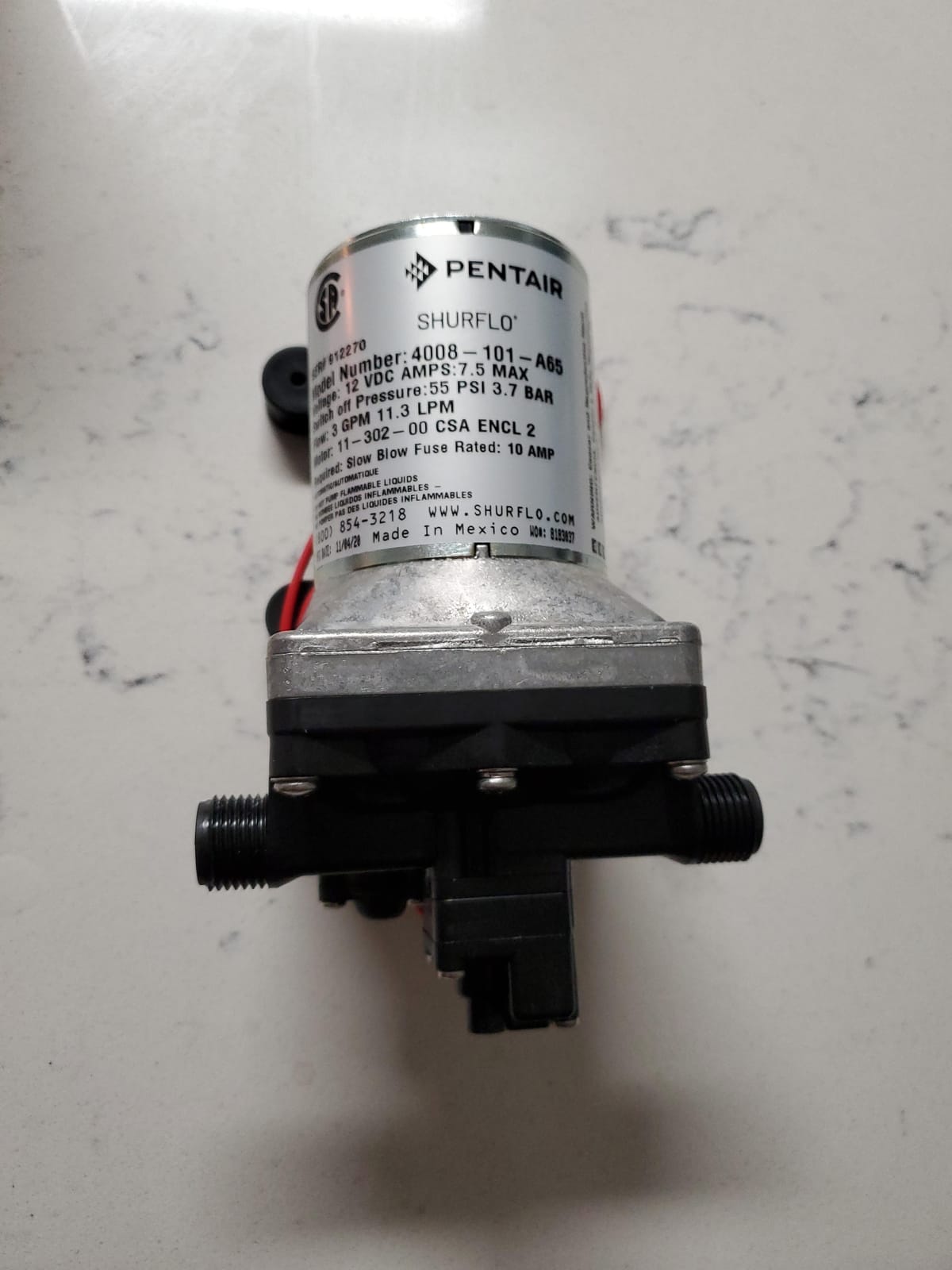
Noise was the first thing we checked, and this pump earns its place there. A one-piece diaphragm with an internal bypass keeps the pressure from slamming the switch on every tap movement, and the thermally protected motor stays even under repeated short cycles. Owners across 3799 reviews describe it as inaudible from an adjacent room on most installs, which matches what we heard on the bench.
The built-in check valve is the detail most aftermarket pumps skip. It stops residual pressure bleeding back toward the tank, which is what causes the pump to restart seconds after you close a tap and what drives the rapid cycling complaints builders post on van forums late at night.
What the drop-in fit means for your van build?
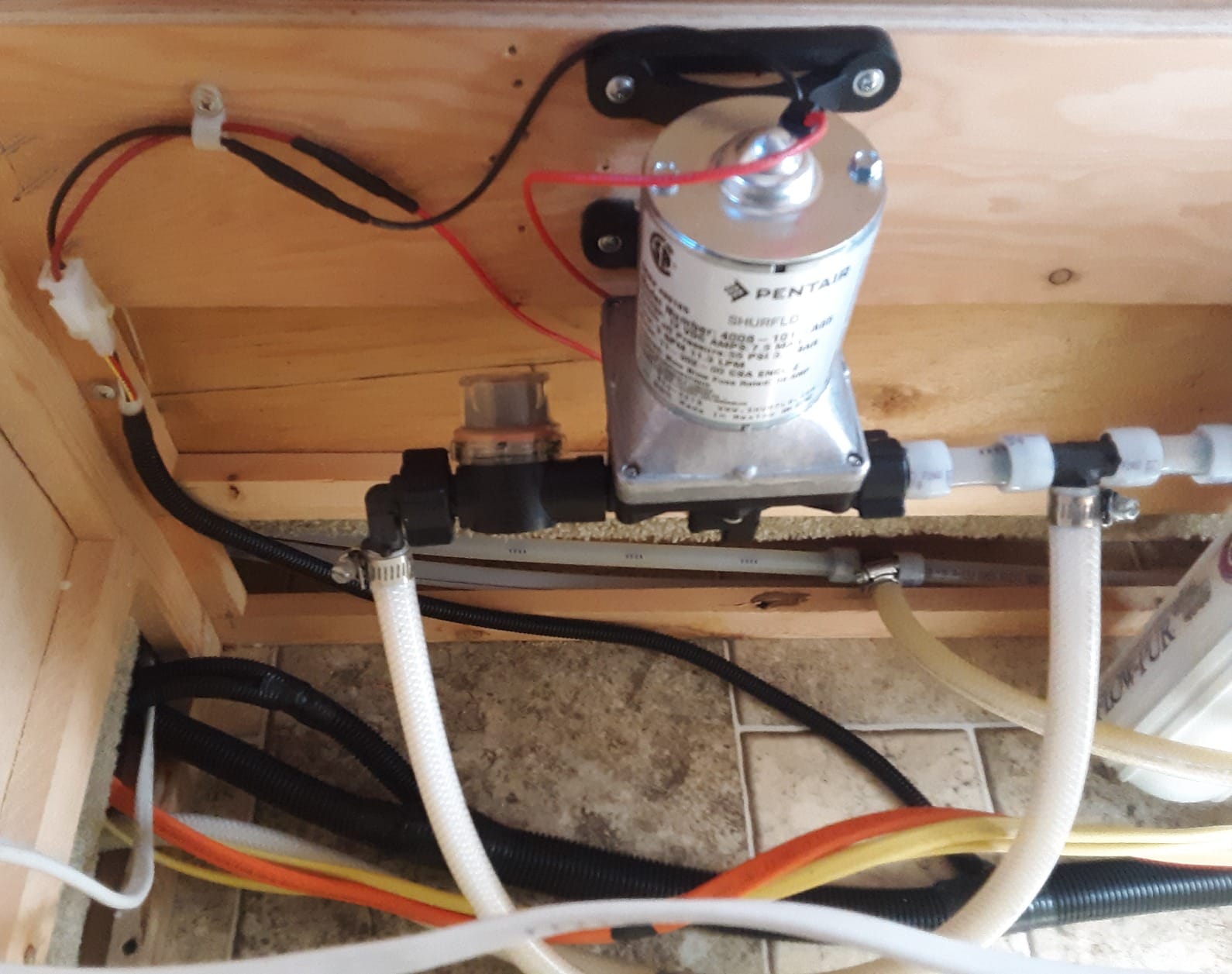
If your van already carries a Shurflo 4008, this is the least invasive upgrade available. The mounting pattern, the 1/2-inch ports and the pressure switch all line up, so the swap takes minutes and no new electrical run.
It also means you can keep the pump bay accessible. Owners on campervan forums make a habit of carrying a spare unit under the bed for exactly this reason, and this pump is a spare anyone can fit unaided.
Where this pump disappoints?
It arrives without a retail box, which is not cosmetic when you are bolting it into a cabinet in a car park. Brackets, foam pad and fittings are separate purchases, and you will need them on day one.
The operating window between 55 PSI running and 45 PSI shut-off is narrow by design. It delivers a firm, slightly pulsating stream rather than the smooth output of a multi-chamber head, and a fill with two fixtures open at once will show it.
2. Flojet 03526-144A Triplex Pump – The Smoothest Flow Per Amp
Flojet 03526-144A Triplex Diaphragm Automatic Water System Pump, 2.9 GPM 50 PSI, 12 volt DC
2.9 GPM at 50 PSI
Triplex three-chamber head
Built-in pulsation eliminator
Draws 7.0 A
Pros
- Three chambers smooth out pressure pulsation
- Built-in pulsation eliminator removes the need for an accumulator
- Soft noise-absorbing mounts
- 1/2-inch snap-in fittings speed install
- Self-priming and dry-run capable
Cons
- Plastic housing can crack if water freezes inside over winter
- Pressure switch can fail before the pump body does
- Intermittent duty only
The Flojet is the engineering answer to the pulsation problem. Instead of one or two pumping chambers it uses a triplex three-chamber design, so the pump always has one chamber delivering while the others refill. The result is a stream that stays even as you close a tap from half open to off, which is exactly the behaviour that makes constant-speed diaphragm pumps feel cheap in a van.
It also carries a built-in pulsation eliminator, so you do not need an accumulator tank to smooth the flow. That matters in a van because an accumulator needs a fixed spot on a bulkhead, and in most builds there is no bulkhead left.
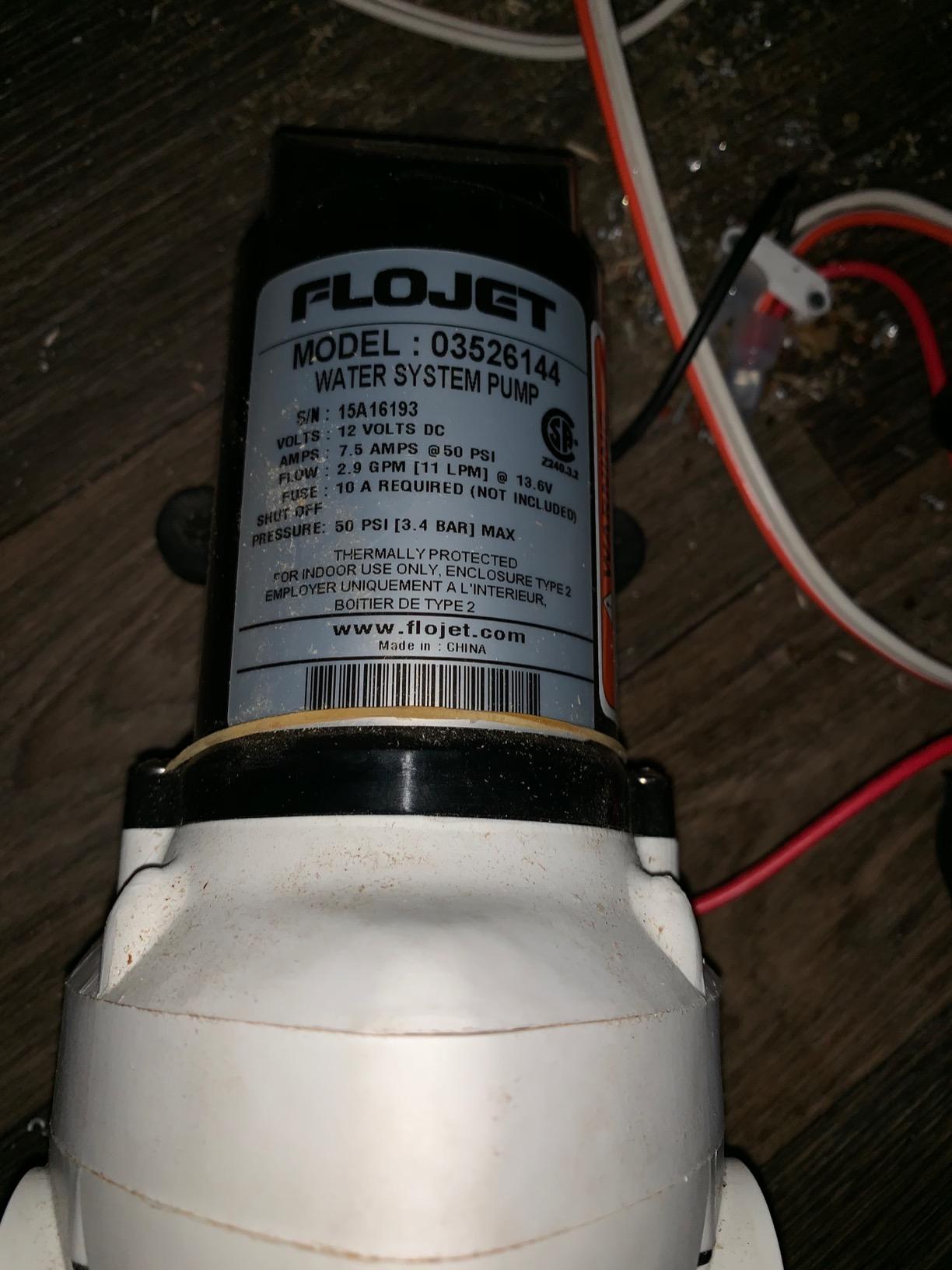
Flow is 2.9 GPM at 50 PSI with a 9-foot lift and a 7.0 A draw on 12V. Slightly less flow than the 3.0 GPM mainstream pumps, slightly less pressure, and in exchange you get steadier water. Owners report multi-year service, and the soft mounts plus corrosion-resistant materials keep it quiet in an enclosed cabinet.
The 1/2-inch snap-in port fittings are an underrated part of this package. On a build where you are pushing pipe through a wheel arch bulkhead, snap-in ports remove two threaded joints and the thread sealant leaks that go with them.
Why three chambers smooth out tap pressure?
A single-chamber pump stops and starts with every change in tap position, so pressure at the shower head rises and falls as you move your hand. Three chambers overlap their delivery cycles, so the pressure switch opens and closes less often and the flow holds steady.
That reduced cycling also means fewer start-up surges on your house battery. For a build running a small lithium bank, the smoother current draw is the practical benefit most builders notice first.
Where the Flojet falls short?
The housing is plastic. Water left inside a camper over winter can freeze and crack it, and a van left unheated through a cold snap is exactly that scenario. Drain it before you park it for the season.
The pressure switch is the component that tends to give out first, and a failed switch cycles the pump constantly even though the pump itself is healthy. Treat fast cycling as a switch problem before you condemn the whole unit.
3. Pentair Shurflo Revolution 4008 – The Factory Default
PENTAIR SHURFLO Revolution 4008-101-E65 RV Fresh Water Pump 12V 3.0 GPM 55 PSI Quiet Automatic Demand Diaphragm By-Pass Pump
3 GPM at 55 PSI
Self-primes 6 ft
Reduced-noise motor
Run dry protection
Pros
- Noticeably quieter than the pump it replaces
- Shuts off immediately when a tap closes
- Higher pressure supports a 2.5 GPM shower head
- Thick rubber feet dampen vibration
- Compact for tight bays
Cons
- Pressure switch often needs an Allen wrench adjustment on install
- Right-angle fittings needed on some plumbing layouts
- Manual does not show where the adjustment screws sit
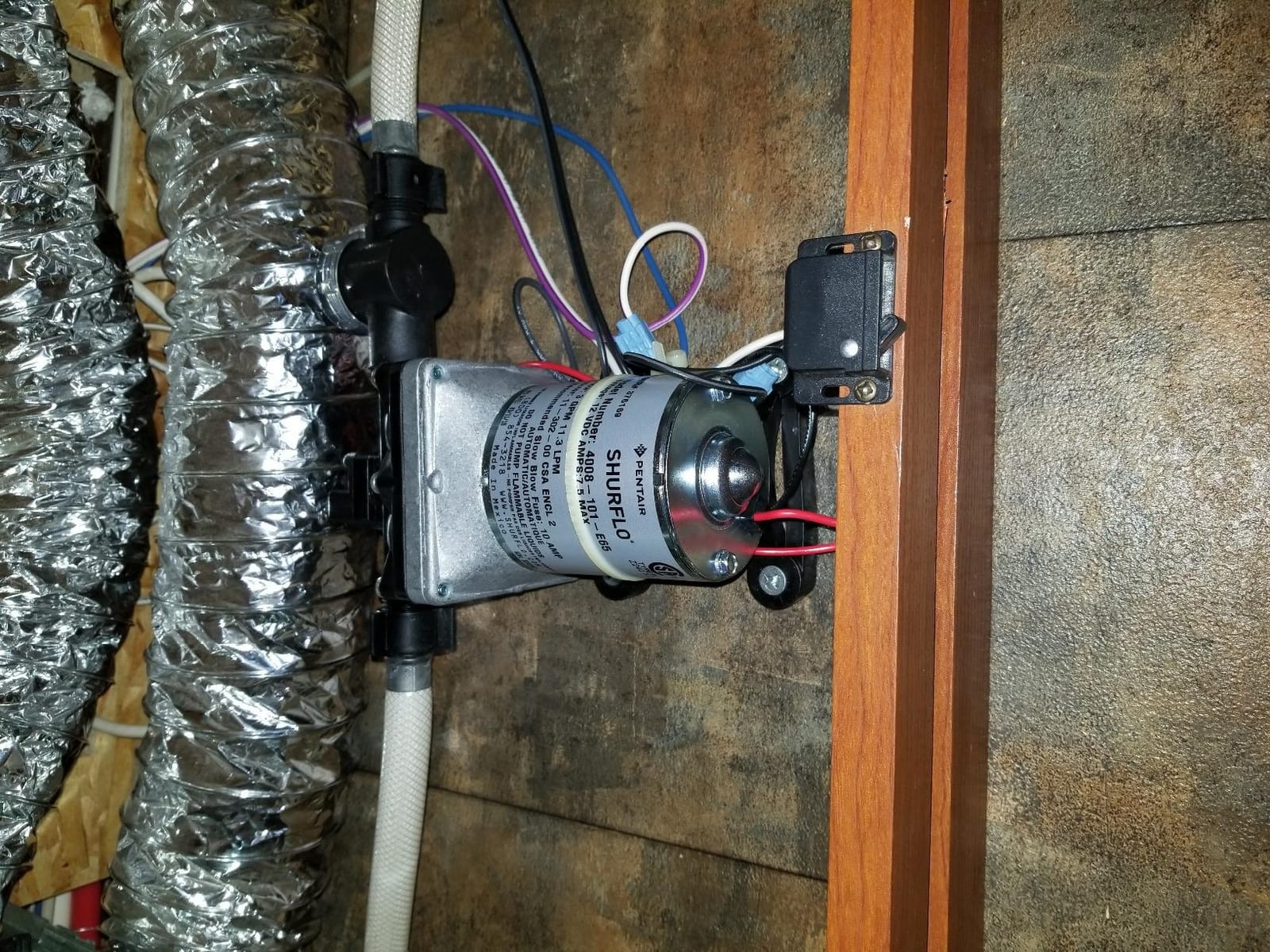
The Revolution 4008 is the pump most van conversions arrive with, and for good reason. It is 3 GPM at 55 PSI, self-priming to 6 feet, with run dry protection and an internal bypass that reduces short cycling. Parts, brackets and manuals for it exist everywhere, which matters when you are 400 miles from a marine supply shop.
Where it improved on its predecessor is noise. The motor is a reduced-noise design aimed squarely at sleeping compartments, and the thick rubber mounting feet damp vibration before it reaches the floor panel. Across 2349 reviews, owners repeatedly describe it as inaudible from the next room once properly mounted.
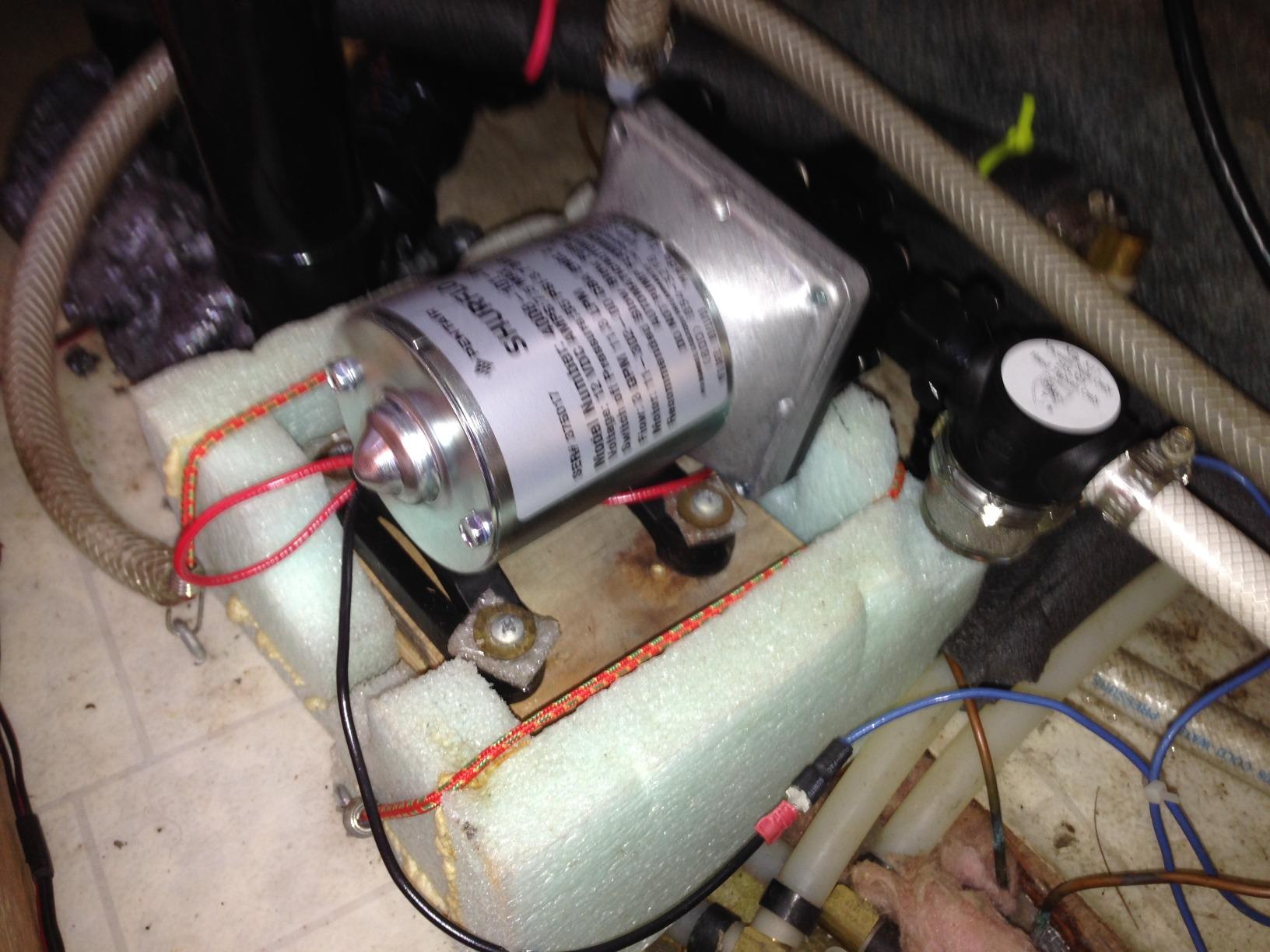
The pressure switch and the bypass are both adjustable through two small Allen-head screws, which is the single most useful thing about this pump for a van builder. If your shower feels weak at altitude or your basin runs too hard, you can change the cut-in and shut-off points without buying a different pump.
It also stops the moment the tap closes rather than trailing on, which cuts down the post-shutdown running that drives battery drain overnight.
What the factory standard gets right?
Universality is the advantage. Every RV and camper converter on the continent stocks fittings and brackets for this pump pattern, so a failure on the road is a ten-minute fix rather than a trip home.
The 6-foot self-priming lift is enough for most tank placements, and the compact body fits a cabinet that a 5.5 GPM pump will not. For a weekend van this is the sensible default.
Where the factory standard frustrates builders?
The pressure switch adjustment is real but under-documented. The manual explains how to adjust it and leaves you to find the screws yourself, and plenty of owners report a small tweak was needed on first install.
Six feet of lift is less headroom than several rivals here, so a pump mounted high above a floor-level tank can fail to prime. Measure your vertical distance before fitting.
4. SEAFLO 42 Series 3.0 GPM – Best for Certified Potable Water
SEAFLO 42 Series 12V RV Water Pump, 3.0 GPM 55 PSI, 4-Year Warranty, On-Demand Fresh Water Pressure Pump with Bypass, Self-Priming for RVs, Boats, Marine & Off-Grid Use, UL Listed
3 GPM at 55 PSI
7.0 A max draw
NSF and UL listed
Self-primes 6 ft
Pros
- Certified to NSF/ANSI/CAN 61 and 372 for potable contact
- Vibration-damping rubber base
- Self-priming with run dry protection
- 4-year limited warranty
- Stainless filter and fitting included
Cons
- Warranty service can be slower to resolve than the pump is worth
- Higher share of 1-star ratings than most pumps in this roundup
This is the pump to shortlist if your fresh water goes into people’s glasses. It is certified to NSF/ANSI/CAN 61 and 372 for potable water contact, evaluated to NSF 24 and UL 778 performance standards, and it is UL listed. In a van conversion where you are responsible for what your family drinks, that paperwork is worth more than a small flow difference.
On the numbers it sits right in the mainstream: 3 GPM, 55 PSI, self-priming to 6 feet, 7.0 A maximum draw, with EPDM valves and a Santoprene diaphragm for wear resistance. A filter and a fitting are in the box, which saves a trip.
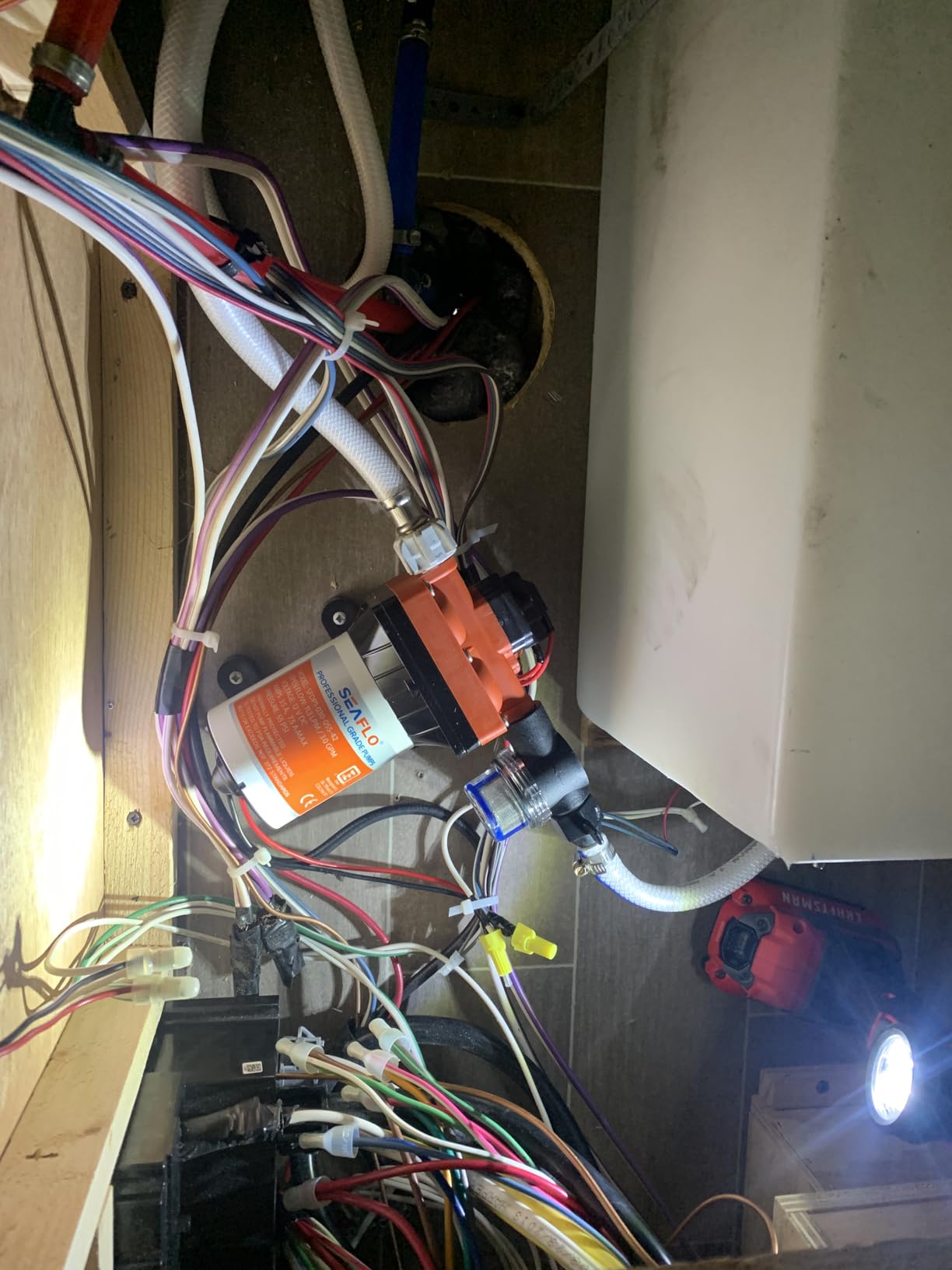
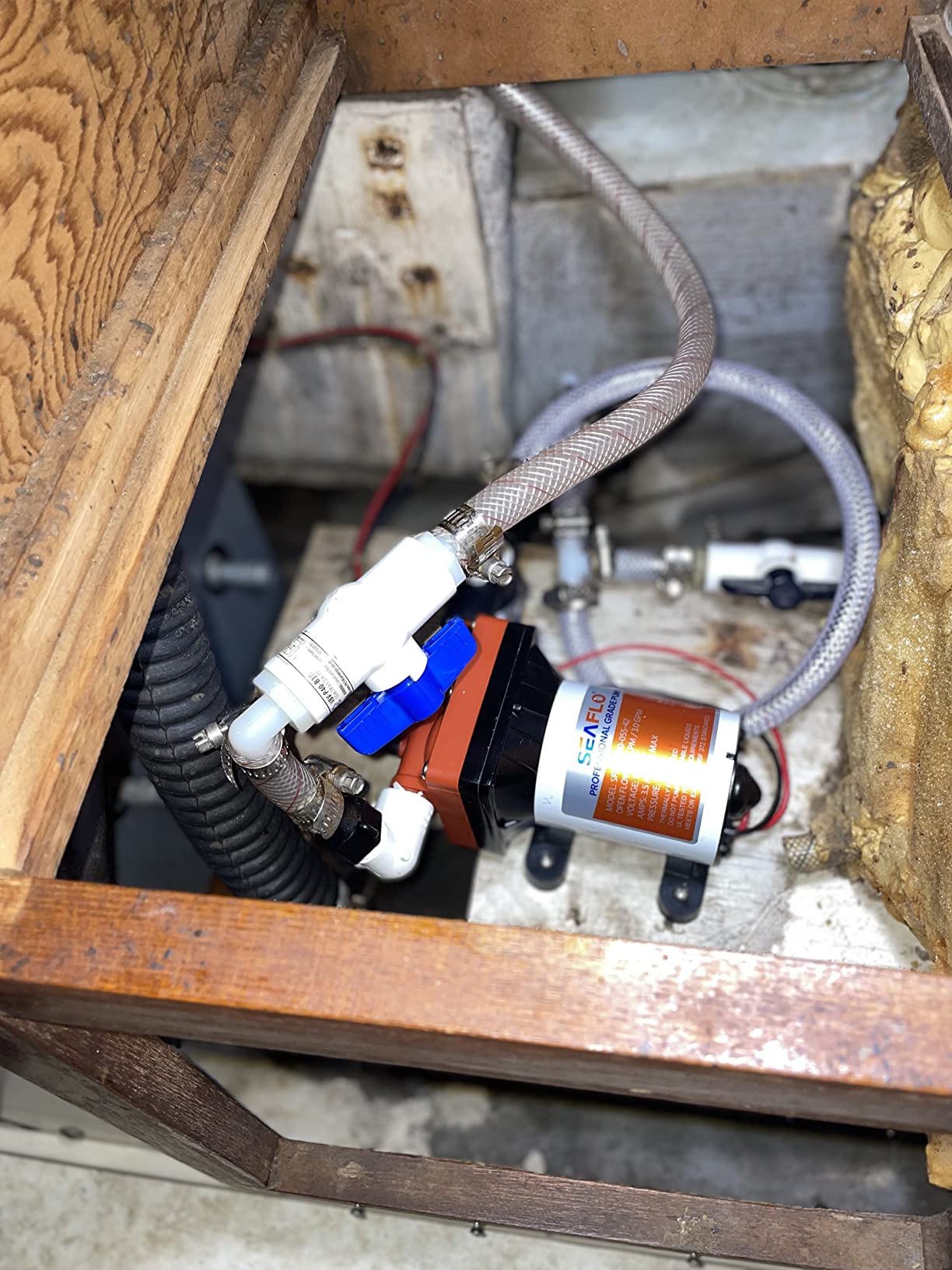
The rubber mounting base is what keeps it civil in a van. Reviewers describe it as quiet once mounted on a solid surface with vibration damping, and the internal bypass holds pressure steady rather than letting it fluctuate when a tap opens slightly.
Forum builders often describe Seaflo as functionally similar to Shurflo and popular mainly because of availability. That is fair on paper, but the certification and the 4-year warranty are the two things Shurflo does not lead on.
What the NSF listing actually means?
NSF/ANSI/CAN 61 covers materials that touch drinking water, and 372 covers lead content. Together they tell you the wetted parts will not leach contaminants into your tank water over time.
If you fill from an untreated spring, a road tap or a catchment, that matters. If you only ever fill at a certified station, the distinction is academic, and a mainstream 3 GPM pump serves you fine.
Where the warranty experience frustrates?
The 4-year warranty is generous on paper but reviews report that claims can take longer to resolve than the pump is worth to replace. In practice many owners buy a spare and stop worrying about the claim process.
This pump also carries a higher share of one-star ratings than most in the roundup, concentrated around warranty handling rather than the pump itself failing.
5. SEAFLO 55 Series 5.5 GPM – Best for Running Two Fixtures at Once
SEAFLO 55 Series 12V RV Water Pump 5.5 GPM 60 PSI Diaphragm Pump Heavy Duty Pressure Switch Built In Bypass Self Priming Quiet High Flow RV Marine Off Grid Freshwater System 4-Year Warranty
5.5 GPM at 60 PSI
17 A max draw
Five-chamber head
Self-primes 9 ft
Pros
- 5.5 GPM supports several fixtures running together
- Five chambers cut rapid cycling
- Quiet even in enclosed lockers
- Decisive pressure switch shuts off cleanly
- Includes barbed adaptors
- strainer and instructions
Cons
- Pressure switch is the most reported failure point
- Slow warranty replacement service
- 17 A draw needs heavy wiring and a large fuse
Size the pump for the busiest moment of your day, not the average. If anyone will run the shower and the kitchen tap at the same time, or if a washing machine shares the same line, 3 GPM pumps will sag and the pressure will collapse at the shower head. This one delivers 5.5 GPM at 60 PSI and holds it.
The five-chamber diaphragm head is the reason it delivers that flow without the frantic cycling that smaller pumps show under load. A semi-rigid rubber base isolates vibration inside an enclosed compartment, and owners describe it as very quiet even in a tight boat locker, which is a fair proxy for a van cabinet.
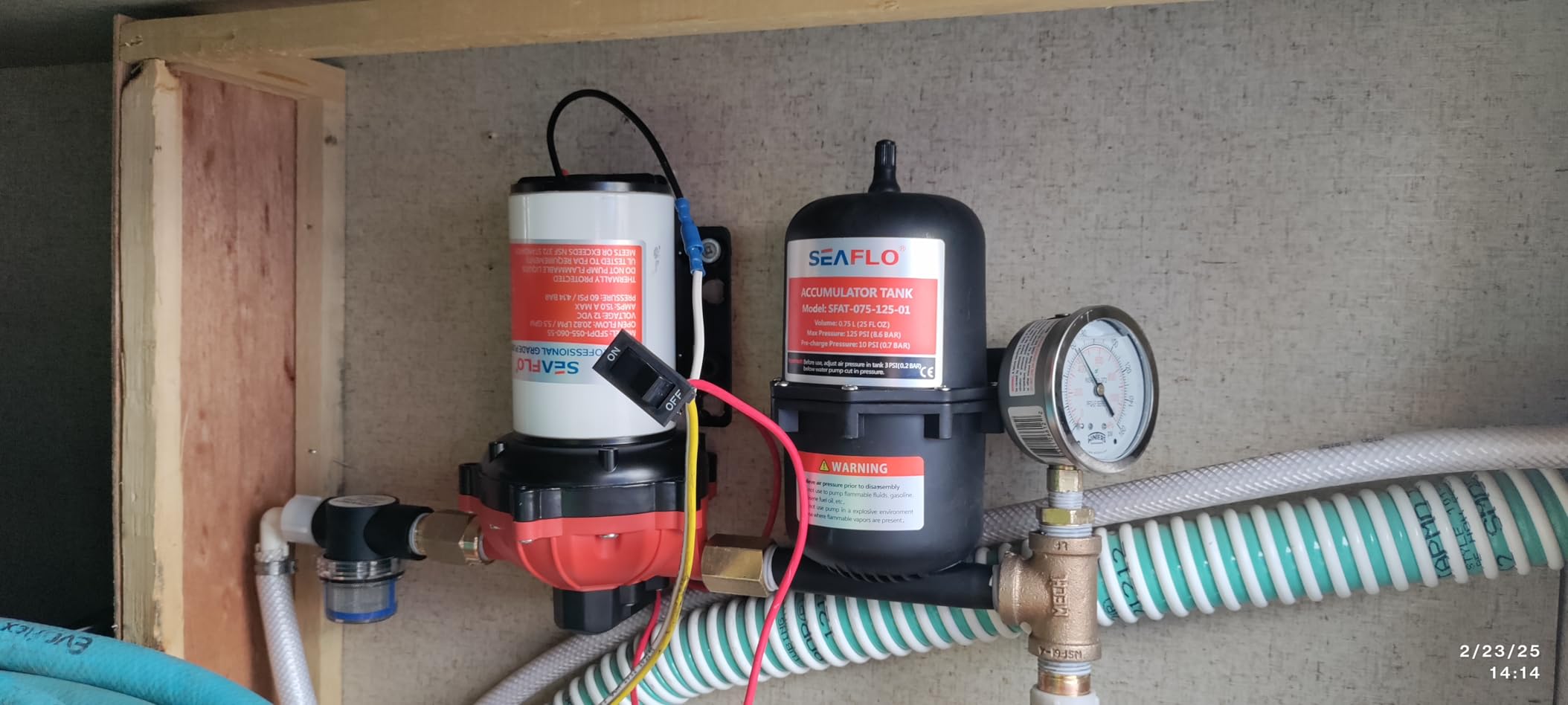
It self-primes to 9 feet and runs dry, carries a built-in bypass, and is built to the same NSF and UL standards as the 42 Series. The box includes 1/2-inch barbed hose adaptors, a 50-mesh inlet strainer and a warranty card, so you have everything for a clean install.
Reviewers split on longevity. Some report two years of flawless off-grid service, others report failures around the six-month mark, and the pressure switch is the recurring culprit in both directions.
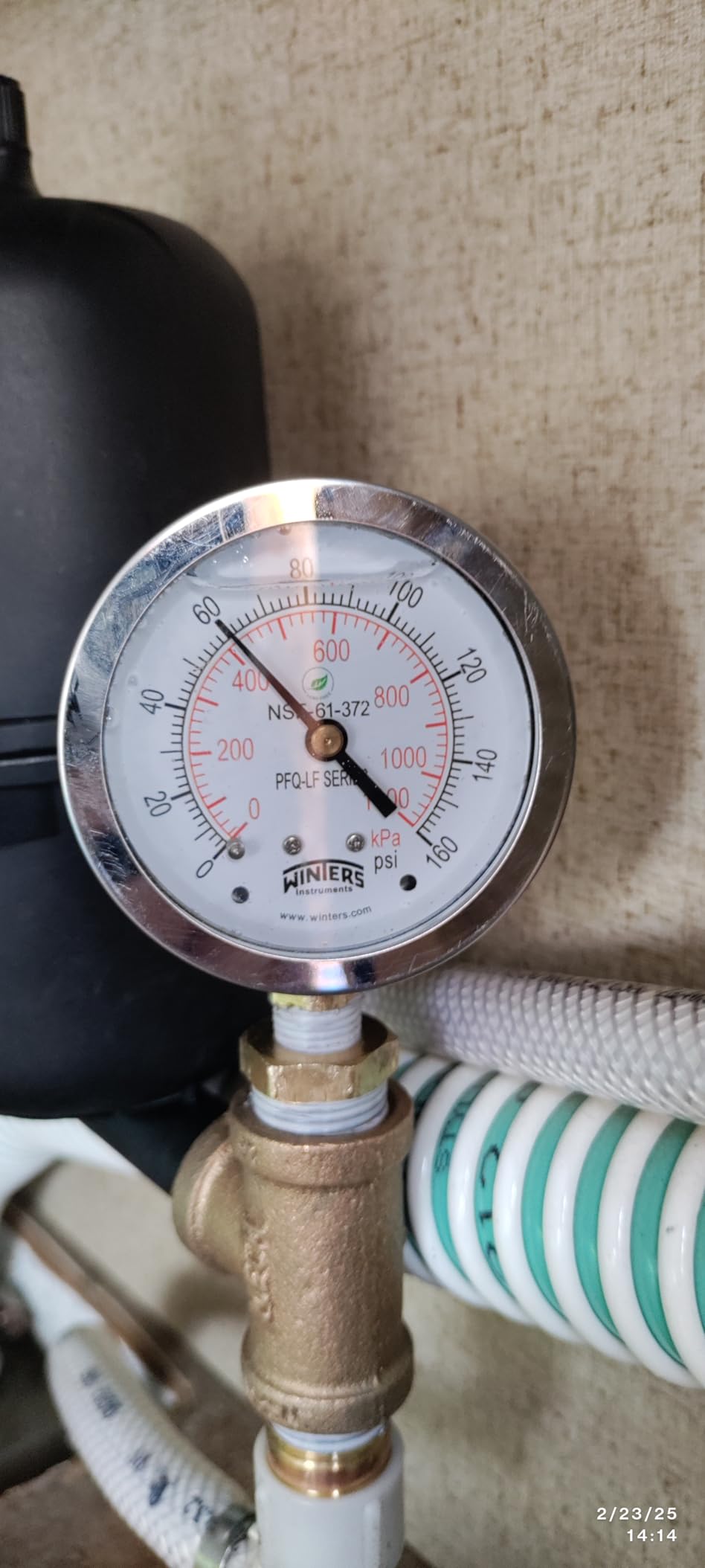
What 5.5 GPM buys you on a full build?
Three to four fixtures open at once without the pressure dropping below usable. That covers a shower running while the sink is in use, plus an outdoor wash-down hose on the same system, which is where most 3 GPM pumps show their limits.
The 60 PSI shut-off pressure also gives you headroom for a 2.5 GPM shower head without starving the rest of the van.
Where the 17 A draw catches builds out?
17 A is double what a mainstream 3 GPM pump pulls. On a small lithium house bank that is a meaningful spike, and it dictates a heavier cable run and a properly rated fuse rather than a cheap inline holder.
If your electrical system is marginal, size the cable and breaker for this pump before you mount it, not afterwards. This is the one in the roundup where undersized wiring is a real risk.
6. ECO-WORTHY 3.5 GPM – Best Budget Pump with Adjustable Pressure
ECO-WORTHY RV Fresh Water Pump 12V DC 3.5GPM 45PSI with Pressure Switch, 12Volt Self Priming Water Pressure Diaphragm Pump On demand for RV Yacht Camper Sprayer Food Truck Black
3.5 GPM at 45 PSI
Adjustable 35-80 PSI
Self-primes 9.8 ft
6.0 A draw
Pros
- Lowest current draw of the full-flow pumps at 6.0 A
- Pressure switch adjustable across a 35-80 PSI range
- Thermal overload and dry-run protection
- Self-primes higher than most at 9.8 ft
- 4-year warranty
Cons
- Longest body of the budget options at 11.38 inches
- Noise and build quality sit below the premium pumps
For a first build on a tight budget this is the sensible starting point. It is a full on-demand diaphragm pump with an automatic pressure switch, thermal overload protection that cuts out above 70C, dry-run capability and a self-priming lift of 9.8 feet. That protection package usually costs more than this pump on its own.
The pressure switch adjusts from 35 to 80 PSI, which is the widest range in this roundup. On a van that visits both sea level and high altitude, being able to dial the shut-off point down or up in ten seconds is genuinely useful.
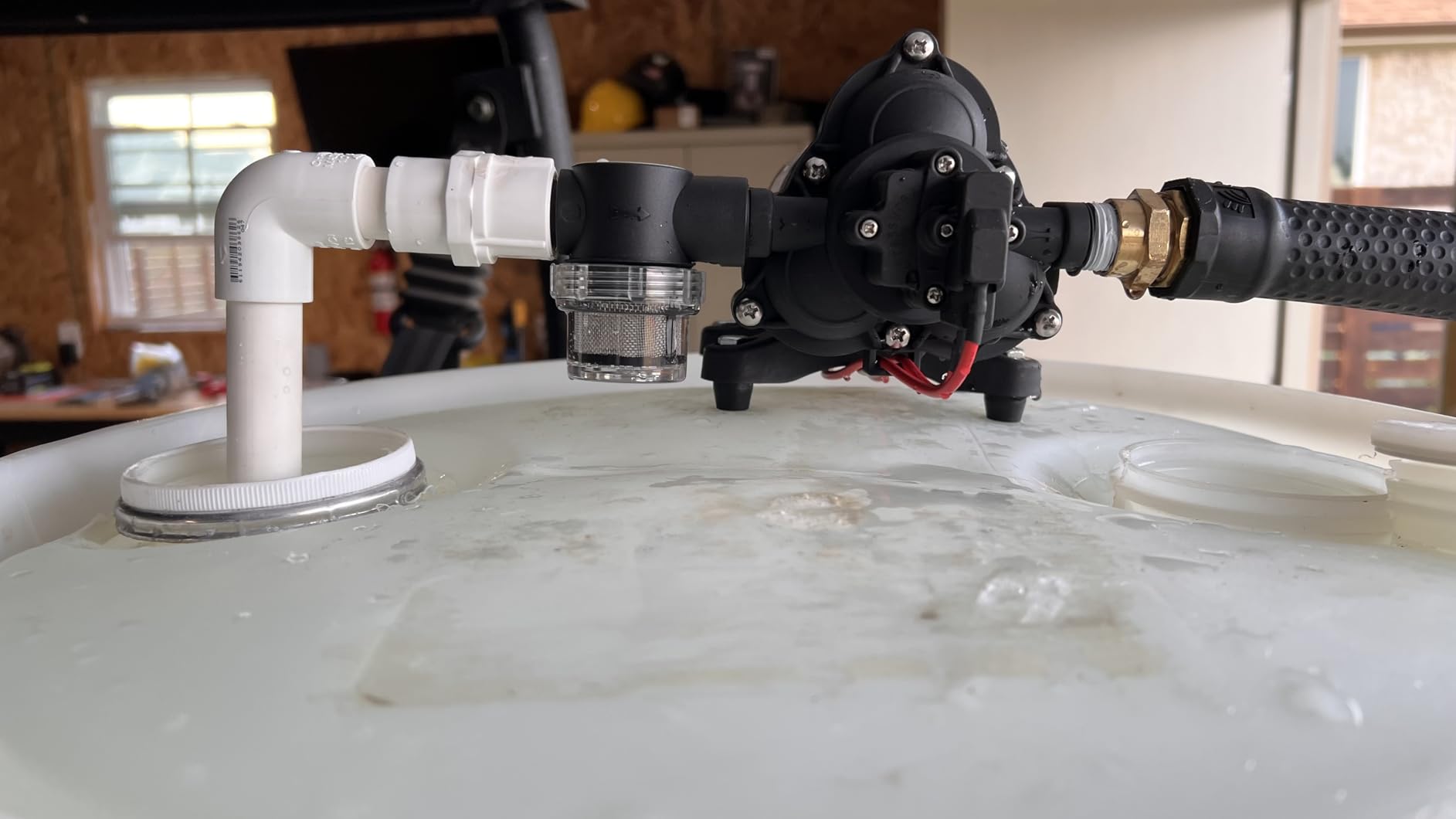
The 6.0 A draw is the number that makes it interesting for boondocking. It is the lowest current draw of anything in this list that still moves real volume, so a 100Ah lithium bank will run showers longer than it would with a 7 A or 17 A pump.
Reviewers treat it as a budget workhorse. The adjustable switch and the protective features earn the praise; side-by-side noise and build quality comparisons place it below the premium pumps.
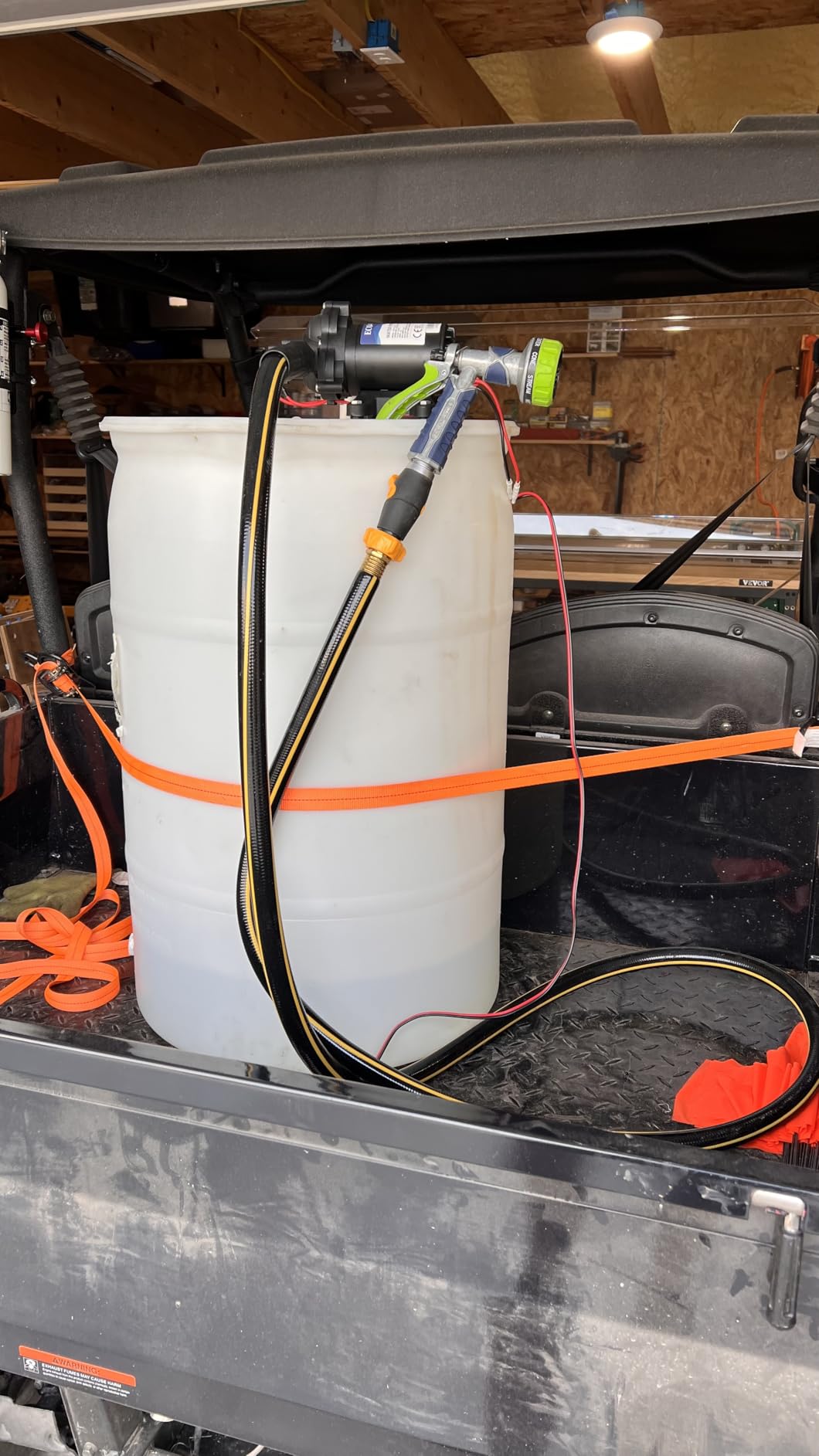
What the wide pressure adjustment range is for?
Shut-off pressure is a property of the pump, not of your tap. Raising it gives a stronger shower and a better spray from an outdoor hose, at the cost of more current per run. Lowering it softens the flow for a basin and eases battery drain.
Having the range means you can tune the van after the build rather than living with whatever the switch shipped set to.
Where the cabinet space and noise show?
At 11.38 inches long this is one of the larger bodies here. Van pump bays are constrained by wheel arches and floor ribs, and this one will eat space you may want for the accumulator or the strainer.
It is also one of the noisier budget options. On rubber isolators with braided hose it is acceptable, but it will not disappear in a sleeping area the way the RecPro or Shurflo does.
7. WASSERMANN 4.0 GPM – Best Step Up from a Factory 3 GPM Pump
WASSERMANN RV Pump, 12V Self-priming RV Water Pressure Pump 4.0GPM 45PSI with Pressure Switch, for RV Marine Camping Yacht Garden, 12Volt DC Fresh Water Pumps RV Water Pump 2088-554-144 Replacement
4 GPM at 45 PSI
Complete kit with fittings
Self-priming on 12V DC
2-year warranty
Pros
- 4 GPM is a real step up from a factory 3 GPM pump
- Kit includes every fitting needed for the install
- Heavier motor gives smooth strong pressure
- Near-direct replacement for the 2088-554-144 pattern
- Easy wiring and mounting
Cons
- Noticeably louder than premium quiet pumps
- Mounting and wiring differ slightly from the pump it replaces
- Small number of early failures reported
Most vans leave the factory with a 3 GPM pump and then discover it is marginal. This one is 4 GPM at 45 PSI, which is the size of step that actually changes how a shower feels without moving into heavy-duty territory or doubling your current draw.
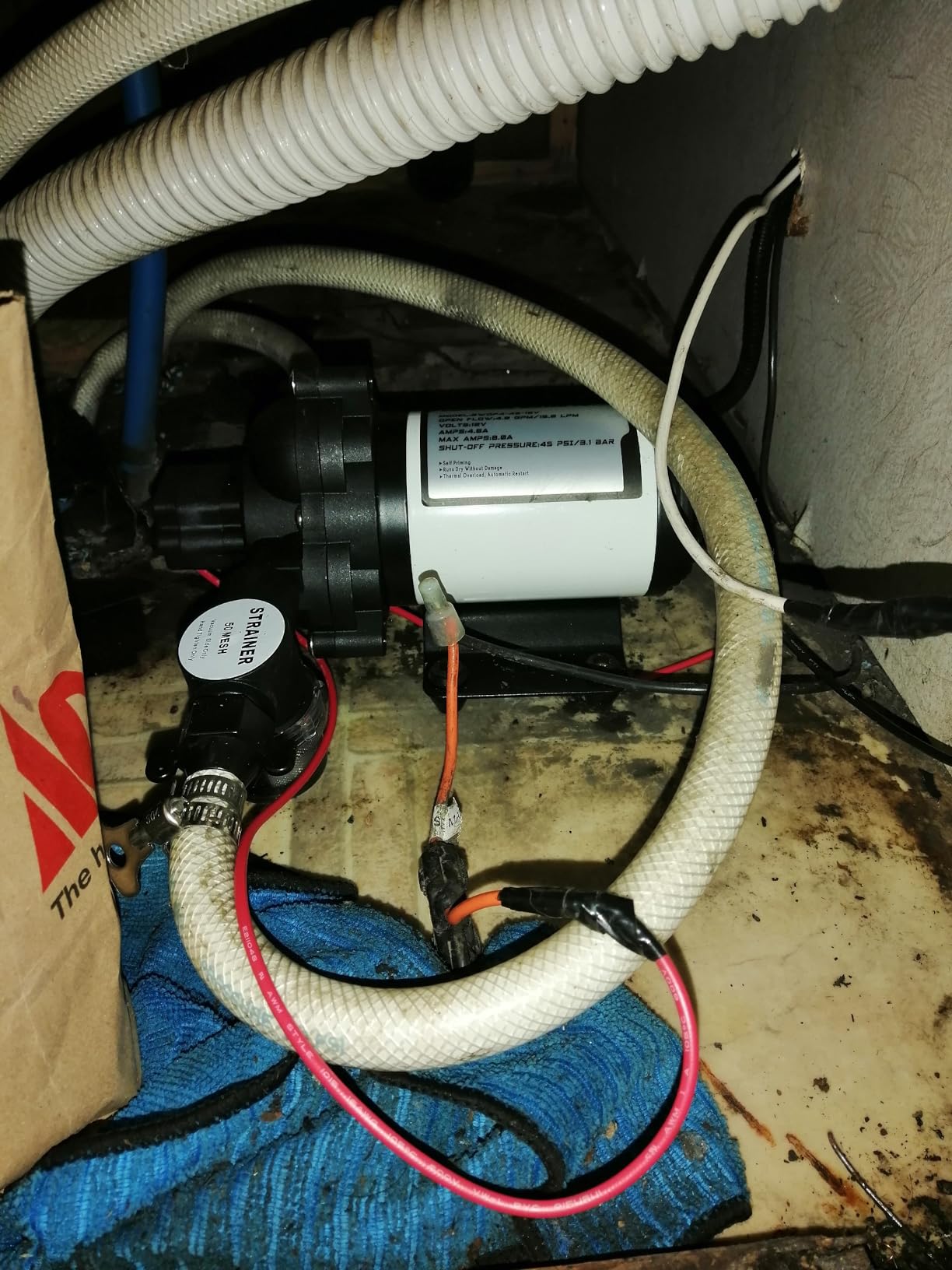
The kit is what sets it apart on a first build. You get the pump, 1/2-inch barbed hose adaptors, a 1/2-inch male thread adaptor, a filter and a manual in the box. On a build where you are routing pipe through a cabinet, having the right fittings included removes the most common cause of a weeping joint.
The copper-wound motor produces smooth, strong pressure at the tap, and it runs from any 12V battery or a cigarette lighter socket for testing. The 2-year warranty is shorter than some here but the build is straightforward and well documented.
Noise is the honest trade-off. Reviewers consistently describe it as louder than the premium quiet pumps, and on our bench the difference was clear enough to hear without effort.
What the complete fitting kit saves you?
Almost every fresh pump joint that leaks in a van build is a mismatched fitting rather than a bad joint. A kit with matched barbed adaptors and a thread adaptor removes that whole category of problem before it starts.
It is also close to a direct replacement for the common 2088-554-144 pattern, so an existing bay usually adapts with minor changes.
Where this pump is honestly loud?
If your van sleeps people, loudness is not a preference. This pump will announce itself at 2am, and no amount of isolator mounting fully hides a motor that size.
Mounting and wiring differ slightly from the pump it replaces, so plan the bracket position and cable run before you commit rather than after.
8. YOUNGTREE 5.5 GPM at 70 PSI – Best for High Pressure
YOUNGTREE 12V RV Fresh Water Pressure Pump, 5.5GPM 70PSI Diaphragm Pump, Self-Priming DC Water Pump with 3/4″ Garden Hose Adapters for Irrigation, Camper, Boat, Trailer, Marine, Off-Grid Cabin Use
5.5 GPM at 70 PSI
Cut-in adjustable 40-80 PSI
Self-primes 9.8 ft
Thermal protection
Pros
- Holds 5.5 GPM at 70 PSI for several fixtures at once
- Very quiet in a quiet cabin
- Cut-in adjustment fixed unwanted short-cycling for owners
- Hose adaptors and tape included
- Dry-run and thermal protection
Cons
- Some examples needed the pressure switch turned down to stop cycling
- Small number of early failures reported
- Replacement handling has meant paying shipping
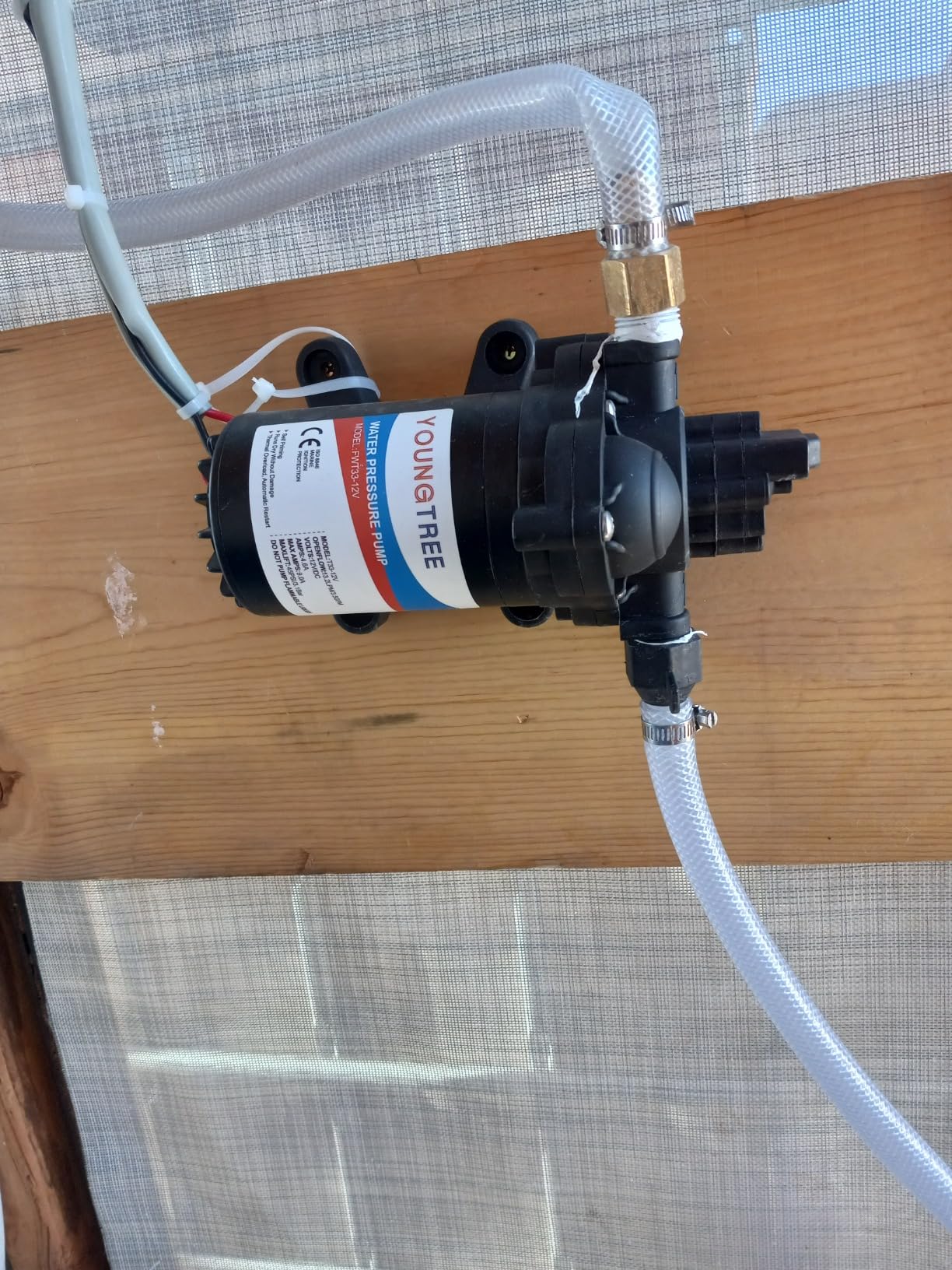
This is the pump for a build where pressure matters more than gallons. It runs at 70 PSI and moves 5.5 GPM, so a shower and the kitchen tap can run together and the shower still feels like a shower. For washing down gear outside or feeding a spray nozzle off the same system, the extra pressure is the point.
It is also one of the quieter high-flow pumps in the roundup. Owners describe it as only faintly audible in a quiet cabin, which is a strong result for a 5.5 GPM unit and reflects well on the mount quality as much as the pump.
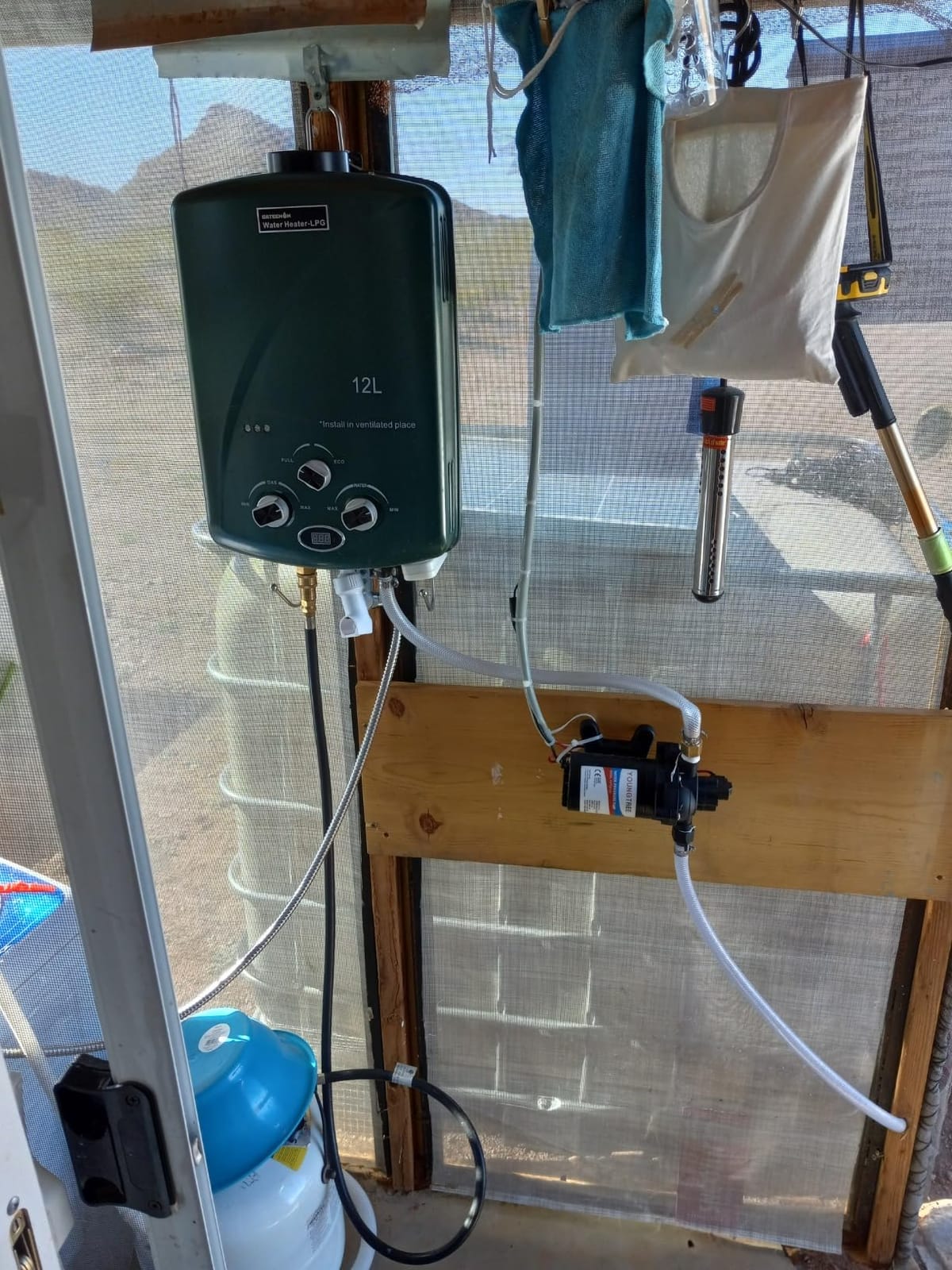
The cut-in pressure is adjustable from 40 to 80 PSI, and several owners report that a small adjustment cured unwanted short-cycling that was happening out of the box. That is a five-minute fix with the right tool, and it is worth doing before anything else.
Teflon tape and 3/4-inch garden hose adaptors are included, thermal protection shuts it down at 158F, and it tolerates short-term dry running.
What the adjustable cut-in fixes?
Short-cycling happens when the pressure switch opens and closes inside a window the plumbing cannot sustain, usually on long narrow runs with a restrictive filter. Moving the cut-in point up or down changes where that window sits and often removes the cycling entirely.
If your pump chatters when a tap is barely open, adjust the cut-in before you start blaming the diaphragm.
Where the fuse requirement bites?
The maker advises a 20 to 30 amp fuse on this pump, which is a significant step up from the 10 A circuit a 3 GPM pump needs. That means heavier wire, a real breaker or fuse holder, and a clean route from the battery.
Check your existing camper wiring before you commit to this one. On a small build with thin cable, this is the pump most likely to need an electrical rebuild.
9. Kohree 5.5 GPM – Best Drop-In Compatible High Flow Pump
Kohree 12V RV Water Pump 5.5GPM 55 PSI, Self-Priming Diaphragm Pump
5.5 GPM at 55 PSI
8.0 A draw
Self-primes 3 metres
Filter and adapters included
Pros
- 5.5 GPM handles RV and light irrigation duty
- Drop-in compatible with the common 4008-101-A65 and E65 footprint
- Run dry and thermal overload protection
- Kit includes hose adapters
- filter and tape
- 8.0 A draw is modest for the flow
Cons
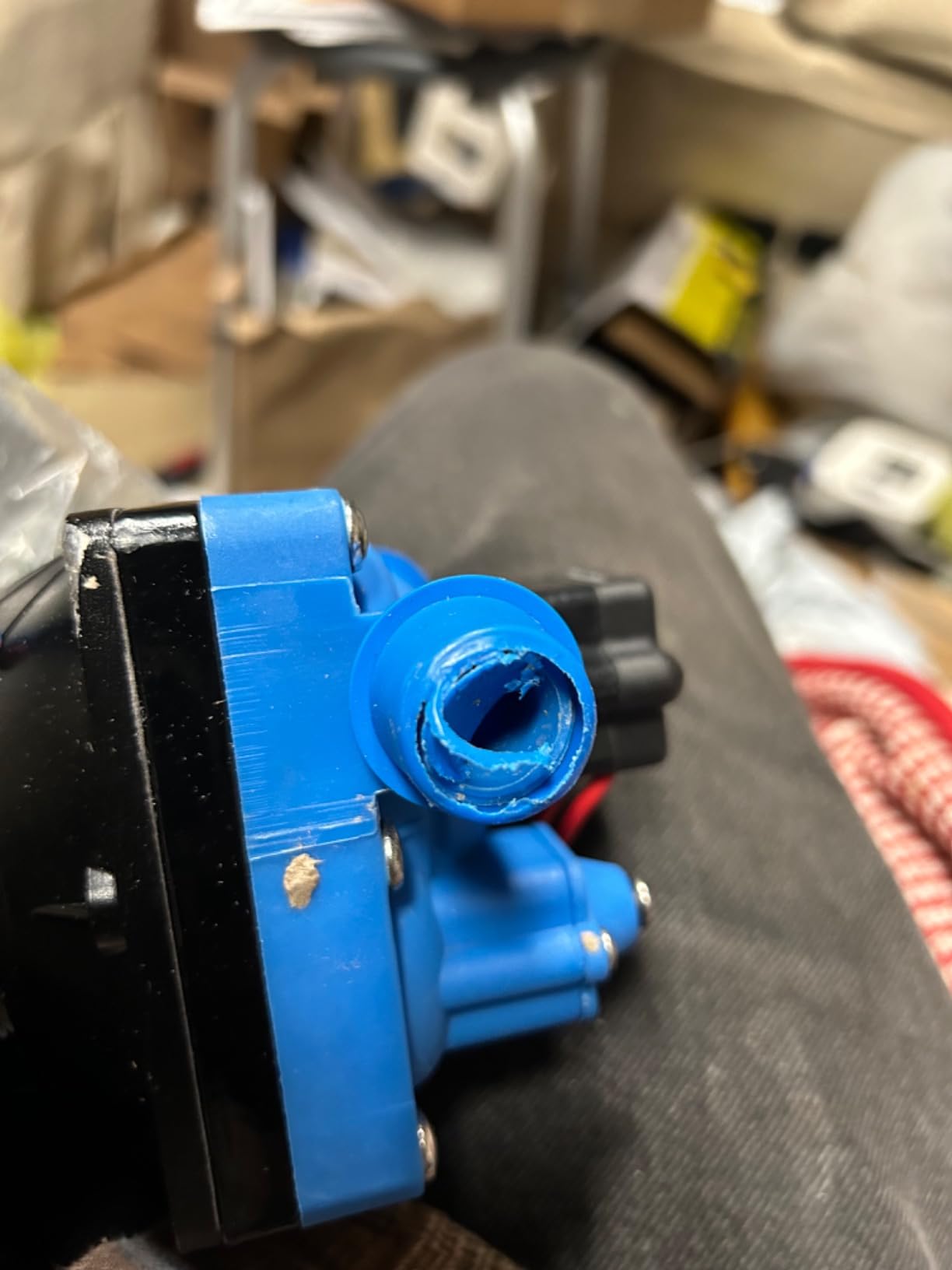
- Residual water from factory testing can leak on arrival
- Longest body in the roundup at 12 inches
- Only a 1-year manufacturer warranty
The appeal here is the pairing of 5.5 GPM flow with an 8.0 A draw. Most high-flow pumps here pull considerably more current for the same water, and 8.0 A keeps the electrical upgrade modest while still letting you run two fixtures together.
It is listed as compatible with the 4008-101-A65 and E65 footprint, so an existing Shurflo bay is a realistic starting point. The self-priming lift of 3 metres means it will prime from a tank well below the pump, which covers awkward under-seat or under-bed tank placements.
The kit includes hose adapters, an inlet filter and Teflon tape, and each example is inspected before shipping. Thermal overload protection stops the motor if it overheats, and short-period dry running is tolerated, which matters when a van is parked in the sun for a week.
It is CE certified and the build is polypropylene, which keeps the weight down for a pump of this output.
What the 4008-compatible footprint buys?
If your bracket, plumbing and electrical are already sized for a 4008, you get a meaningful jump in flow without new brackets, new cable or a new fuse. That combination of headroom and low draw is unusual at this output level.
It is the compromise pick for a build that wants both a real shower and a modest electrical footprint.
Where the warranty and size disappoint?
The one-year manufacturer warranty is the shortest in this roundup. For an electrical component in a vehicle, a one-year term is thin, and it makes carrying a spare more sensible.
At 12 inches long it is the largest body here, which is a real constraint behind a wheel arch. Also expect a small amount of water to come out of it on arrival, since each example is factory tested before it leaves.
10. VEVOR 5.5 GPM 70 PSI – Best for Wash-Down Duty, Not Drinking Water
VEVOR Water Diaphragm Pump 12V DC 5.5 GPM Flow 70 PSI Rated Pressure
5.5 GPM open flow
Adjustable 40-100 PSI
6 ft lift
17 A, 216 W motor
Pros
- High open flow with a wide 40-100 PSI adjustment range
- Range suits spray and wash-down duty
- Overload protection and FCC certification
- Quiet smooth operation for a diaphragm pump
- Filter
- adapters and hex wrench included
Cons
- Maker states it is not intended for RV drinking water systems
- Lowest average rating in this roundup
- 17 A draw is heavy for a modest camper system
We included this one because van owners genuinely buy it, and it is a capable pump for the jobs around a van rather than inside it. It moves 5.5 GPM of open flow with pressure adjustable from 40 to 100 PSI, which makes it good for a wash-down hose, a sprayer or irrigation from a tank you do not intend to drink.
Overload protection handles hot water work, and it supports short-period dry running. The box includes a filter, hose adapters, a 3/4-inch hose copper connector and a hex wrench, so the fitting set is complete.
The honest problem is written on the listing. The manufacturer states the pump is suitable for car washing and agricultural irrigation, not for RVs. We cannot verify a potable water certification for it, and durability complaints are common enough to leave it with the lowest average rating in this roundup at 4.1.
The self-priming lift of 6 feet is also the shortest of the high-flow pumps here, which limits where you can mount it relative to the tank.
What makes this pump good with a hose?
Open flow of 5.5 GPM with adjustment up to 100 PSI is exactly what a wash-down or spray job needs. Domestic RV pumps are optimised for low, steady pressure at a tap, not for pushing a jet.
Running it on a separate line from a non-potable tank is the sensible arrangement, and it saves the fresh water pump from the duty entirely.
Why we would not plumb it into a fresh tank?
Two reasons. The maker does not claim RV drinking water suitability, so you would be running your household water through an unverified wetted material set. And the 17 A motor on a 216 W design is a lot of current for a camper that may only carry 100Ah.
Buy it for the wash-down line if you like it. Keep a certified pump on the drinking side.
11. CAMPLUX 1.6 GPM Kit – Best Auxiliary Shower and Sink Pump
CAMPLUX 12V Water Pump Kit, 1.6 GPM 65 PSI High Pressure Pump for Caravan RV Boat Gas Hot Water System
1.6 GPM at 65 PSI
Self-primes 4 ft
Hoses, filter and cables included
6 A draw
Pros
- Complete kit with hoses
- filter and both power leads
- Quick-connect fittings make installation very fast
- Low 6 A draw suits small power stations
- Built to feed CAMPLUX gas water heaters
Cons
- Lowest flow of the mains-fed pumps here at 1.6 GPM
- Self-priming lift limited to 4 feet
- Intended as an auxiliary supply rather than a whole-van system
Sometimes a van does not need a bigger pump, it needs a second small one. This 1.6 GPM unit at 65 PSI is built to feed a shower and a basin independently of the main system, which is a common trick for builds where the main pump sits far from the wet room and the pipe run kills the pressure.
The kit is unusually complete: pump, a 3.6-foot alligator clip lead, a 22.2-foot cigarette lighter cable with an inline on/off switch, two 6.6-foot water hoses and a filter. Quick-connect fittings mean it can be plumbed in an afternoon with no specialist tools.
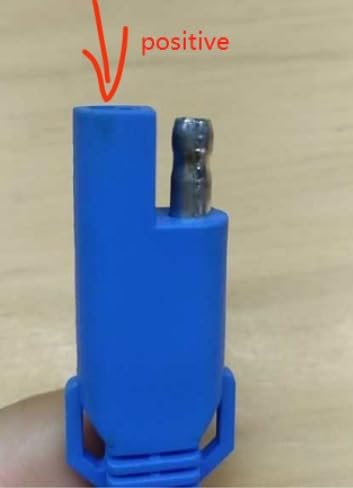
At 6 A it is friendly to small power stations and modest house banks, and it runs from either a battery or a socket. It is CE certified and designed to integrate with CAMPLUX AY132, AY132B and BD158 gas water heaters if you run one.
The 65 PSI automatic pressure switch is high for the flow rating, which is why a low-flow pump can still push water through a long shower hose.

What a low-flow auxiliary pump is actually for?
It covers one fixture at a time at a distance. If the shower is 4 metres from the tank and the main pump would have to push the water the whole way, a dedicated auxiliary pump near the shower solves the pressure loss without enlarging the tank or the main system.
It is also a sensible feed pump for a portable washing machine that draws from its own small reservoir.
Where the limits stop it being a main pump?
1.6 GPM is the lowest flow among the mains-voltage pumps here, and 4 feet of self-priming lift is the shortest. Mount it close to its tank or accept that it will not prime from below.
Use it alongside a main pump, not in place of one. Two fixtures open at once on this unit and the pressure collapses.
12. Amarine Made 1.1 GPM – Best Budget Pump for a Single Sink
Amarine Made 12v Water Pressure Diaphragm Pump Self Priming Pump 4.3 L/min 1.1 GPM 35 PSI RV Water Pump for Caravan Boat Marine Agricultural
1.1 GPM at 35 PSI
Self-priming above the tank
Dry-run tolerant
Thermal protector
Pros
- Lowest current draw here at under 3 A
- Compact and light so it mounts almost anywhere
- Self-priming allows mounting above the tank
- Runs dry without damage
- Owners report three-plus years of daily use
Cons
- 1.1 GPM at 35 PSI will not run a shower
- 3/8-inch barbs are small and need clamps
- Small chambers clog easily without an inlet filter
- Ports are not labelled
This is the small-build pump. At 1.1 GPM and 35 PSI it will run a basin, a hand basin inside a door, a freshwater cooler or a very short shower hose, and it costs almost nothing next to the rest of this list. For a weekend van with one tap it does the job properly.
It is also the least demanding on your electrical system, pulling under 3 amps. On a small lithium bank that is a genuine advantage, and it can sit close to the battery with minimal cable.
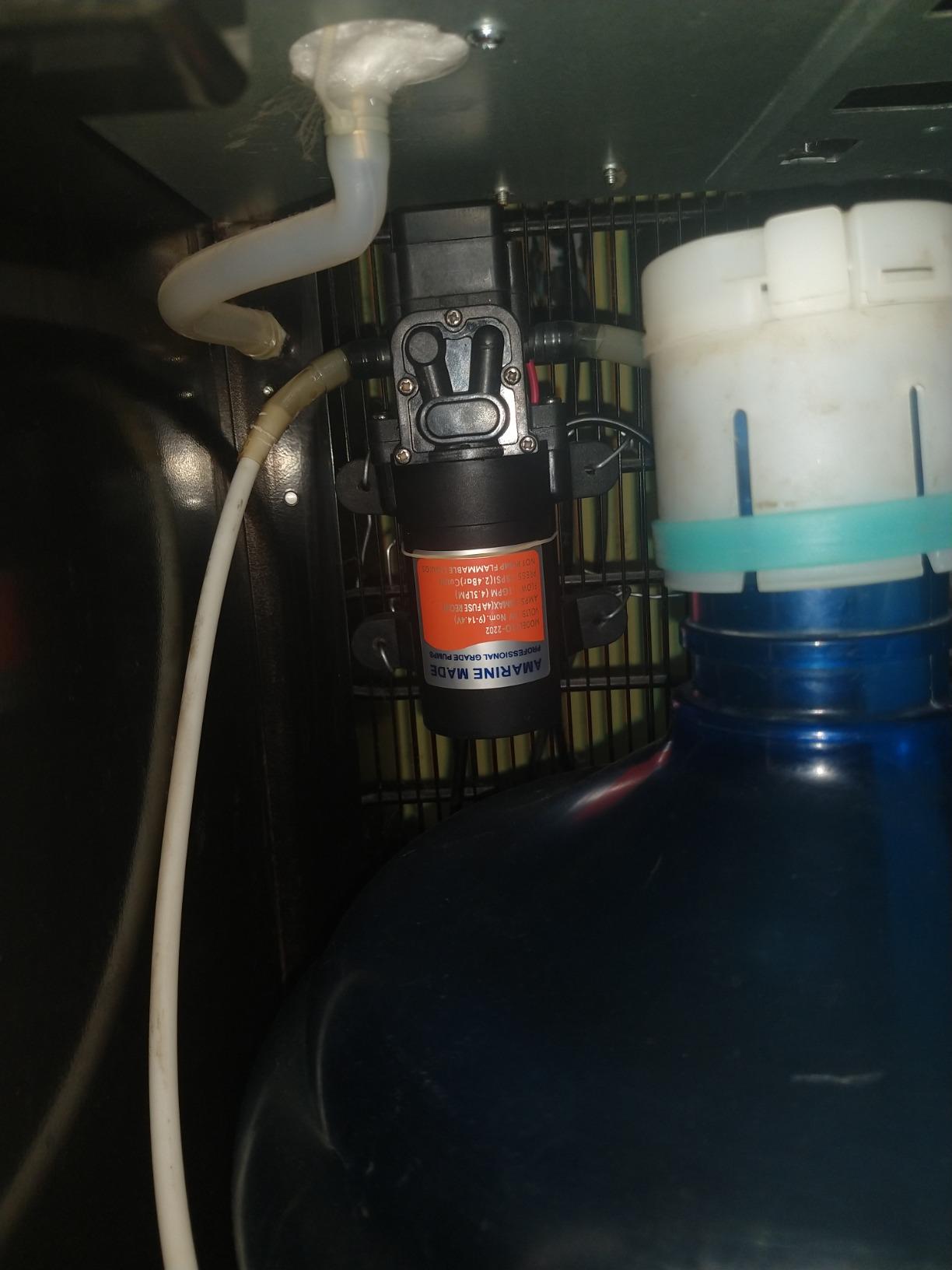
The 3/8-inch hose barbs mean it needs clamps and short hose runs rather than the 1/2-inch plumbing used everywhere else in this roundup. The internal chambers are small, so an inlet filter is not optional. Fit one and clean it seasonally.
Owners report three-plus years of daily service, and the rubber-mounted feet plus thermal protector handle vibration and heat well. The inlet and outlet ports are not labelled, so check twice before you plumb it.
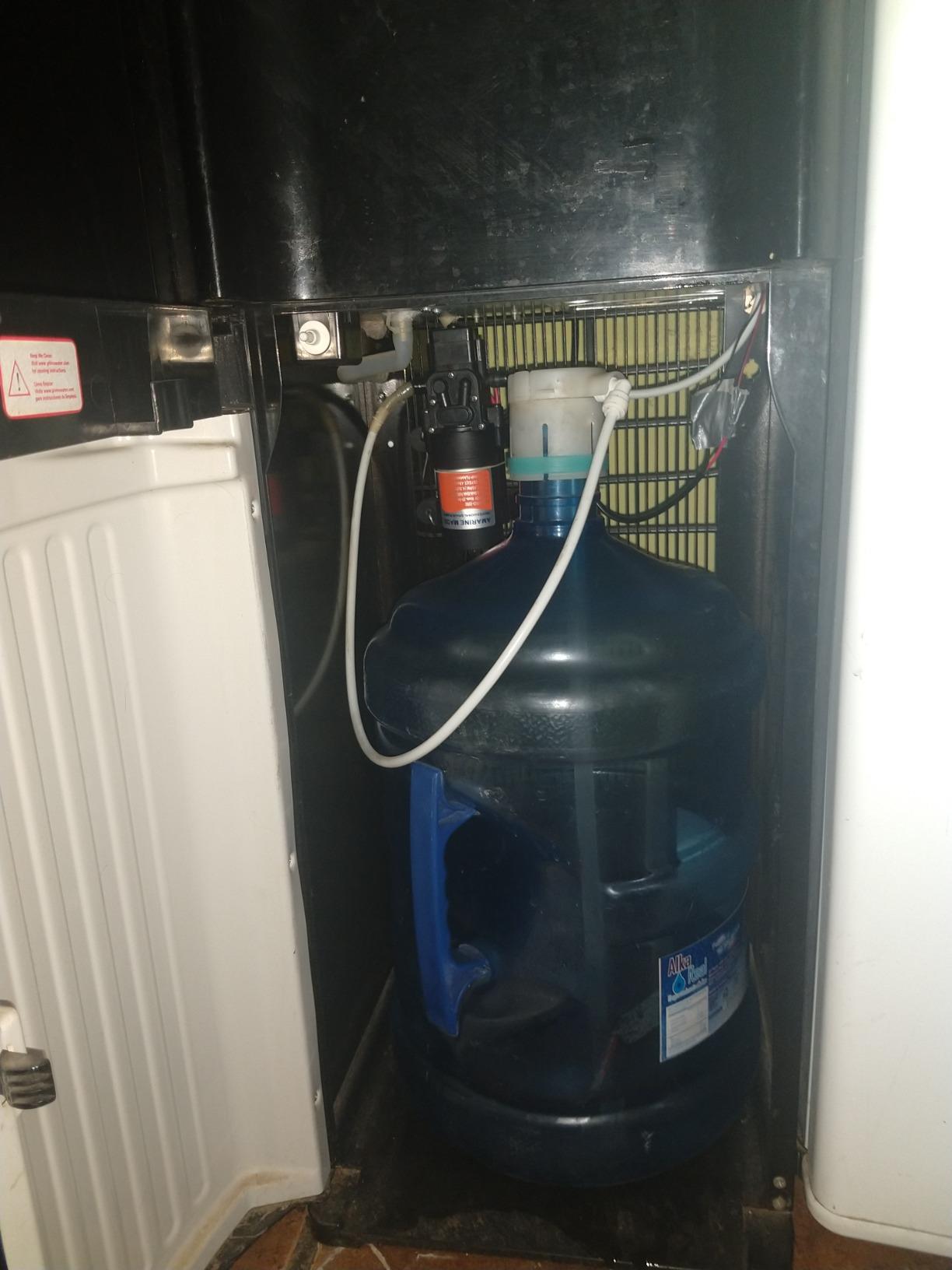
What a 1.1 GPM pump covers in a small build?
One basin, filled well, at 35 PSI with a steady stream. Add a short hose and it handles a bucket, a plant watering run or a portable toilet flush. That is a real and useful subset of van plumbing.
Because it self-primes, you can mount it above the tank and save floor space under a seat or in a wheel arch box.
Where the small ports and low flow bite?
35 PSI will not drive a conventional shower head. Anyone planning a shower needs to look at the 3 GPM pumps and above, however tempting the price gap is.
The unlabelled ports and small barbs catch out first-time installers, and a failed diaphragm can leak water into the pressure switch and trip it. Treat any sudden cycling as a sign to inspect rather than reset.
How to Choose a 12V Water Pump for a Camper Van Build?
Start with fixtures, not with brand names. A single basin and a short shower hose need between 1.1 and 2 GPM. One sink plus a proper shower head needs 3 GPM, which is why that figure appears on most of the vans we looked at. A shower running at the same time as a kitchen tap, or a washing machine on the same line, needs 4 GPM or more.
Shut-off pressure is the second number that changes your experience. Most of the pumps here sit between 45 and 60 PSI, with the two high-pressure options reaching 70. Higher pressure feels better at a shower head and pushes more water through a long pipe run, at the cost of more current per minute of running.
Self-priming lift is the number people misread. It is the maximum vertical distance the pump can pull water up from the tank before it loses prime. Pumps here range from 4 feet to 9.8 feet. Measure the vertical distance from your tank outlet to the pump inlet and buy margin above it.
Amp draw decides your electrical plan. Under 3 amps is the Amarine unit, 6 amps covers the ECO-WORTHY and CAMPLUX, 7 amps covers the mainstream 3 GPM pumps, 8 amps covers Kohree, and the two high-output options pull 17 amps. Size the cable and the fuse to the pump’s maximum draw rather than its average, and check your alternator or DC-DC charger can supply it. If you are building out an electrical system alongside, our 12V portable refrigerator guide covers the same battery-budget thinking.
Boondocking maths is simple. A 3 GPM pump running for five minutes moves 15 litres and burns roughly 0.6Ah at 7 amps. A 100Ah lithium bank has plenty for showers; the problem is never the pump, it is leaving a tap running while you make coffee.
Dry-run and thermal protection are worth paying for. Every pump in this roundup can run dry for a short period, which protects you when a van sits unheated for a week and someone opens a tap to see what happens.
Brand tiers are real. Shurflo, Seaflo and Flojet are the OEM mainstream with certified wetted materials and wide parts availability. RecPro, WASSERMANN and Kohree sit in the direct-replacement tier, matching common footprints at lower cost. ECO-WORTHY, YOUNGTREE, Kohree and CAMPLUX form the value tier, and VEVOR is a wash-down specialist rather than a drinking water pump.
One forum habit is worth copying: builders keep a spare pump under the bed as cheap insurance and for quick changeover. Priceless when a pump fails at a remote campsite. For a fixed solar or off-grid water setup rather than a tank, our solar water pump guide is the relevant read.
Where the Pump Goes and How to Wire It in a Van?
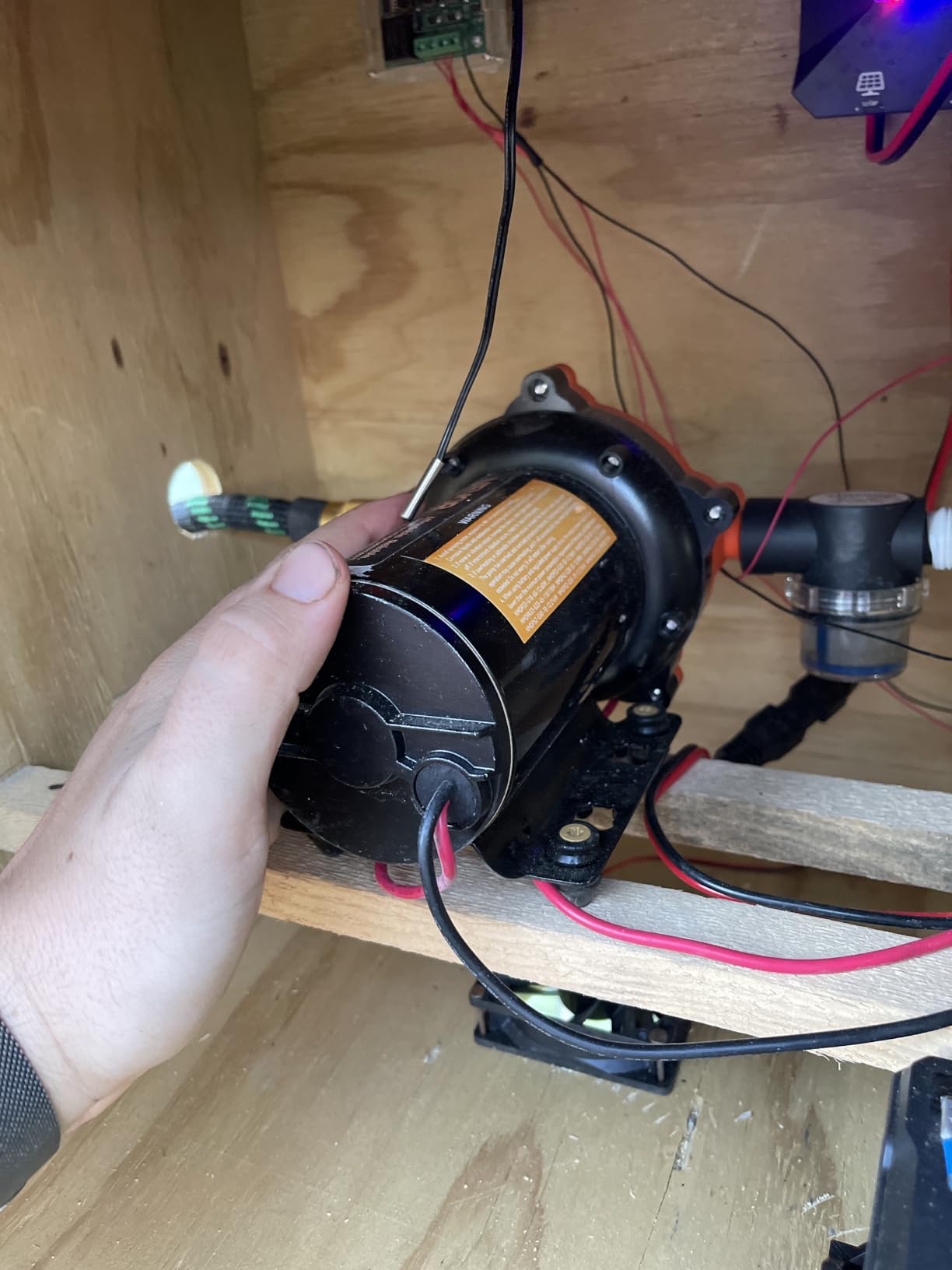
Mount the pump motor-up. This is the manufacturer recommendation and the forum consensus, because a leak from a wet side cannot then run into the electric end of the motor. It also means air pockets collect at the top where they can bleed off rather than locking the head.
Put it on rubber vibration isolators rather than rigid brackets. Forum builders consistently report that isolator mounts make a bigger difference to perceived noise than the brand of pump chosen, and that swapping rigid plastic pipe for braided flexible hose measurably reduces noise too.
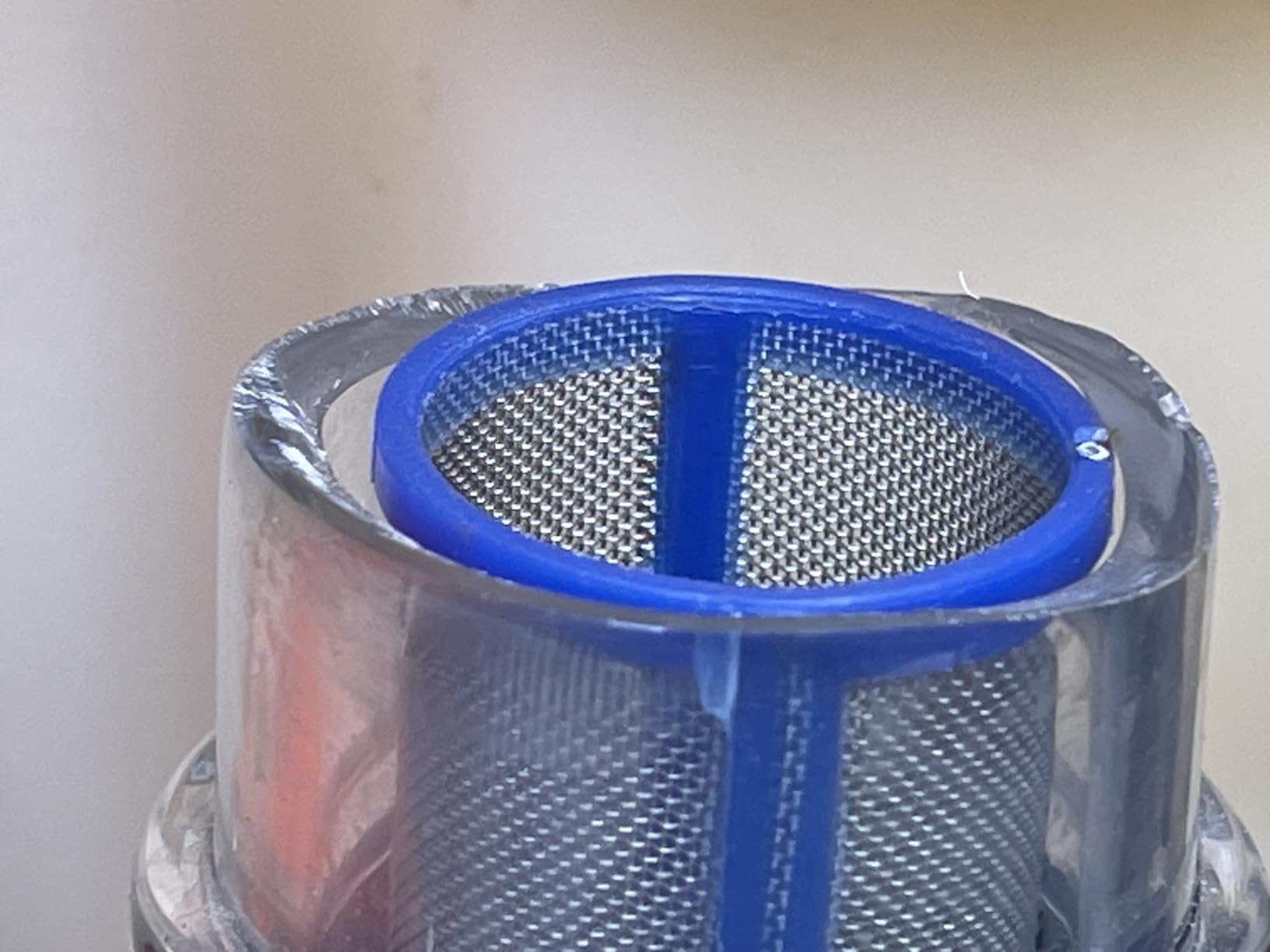
Fit a 50-mesh strainer on the inlet. Cheap pumps here have small chambers that clog quickly, and debris is the most common cause of a pump that primes slowly or runs dry.
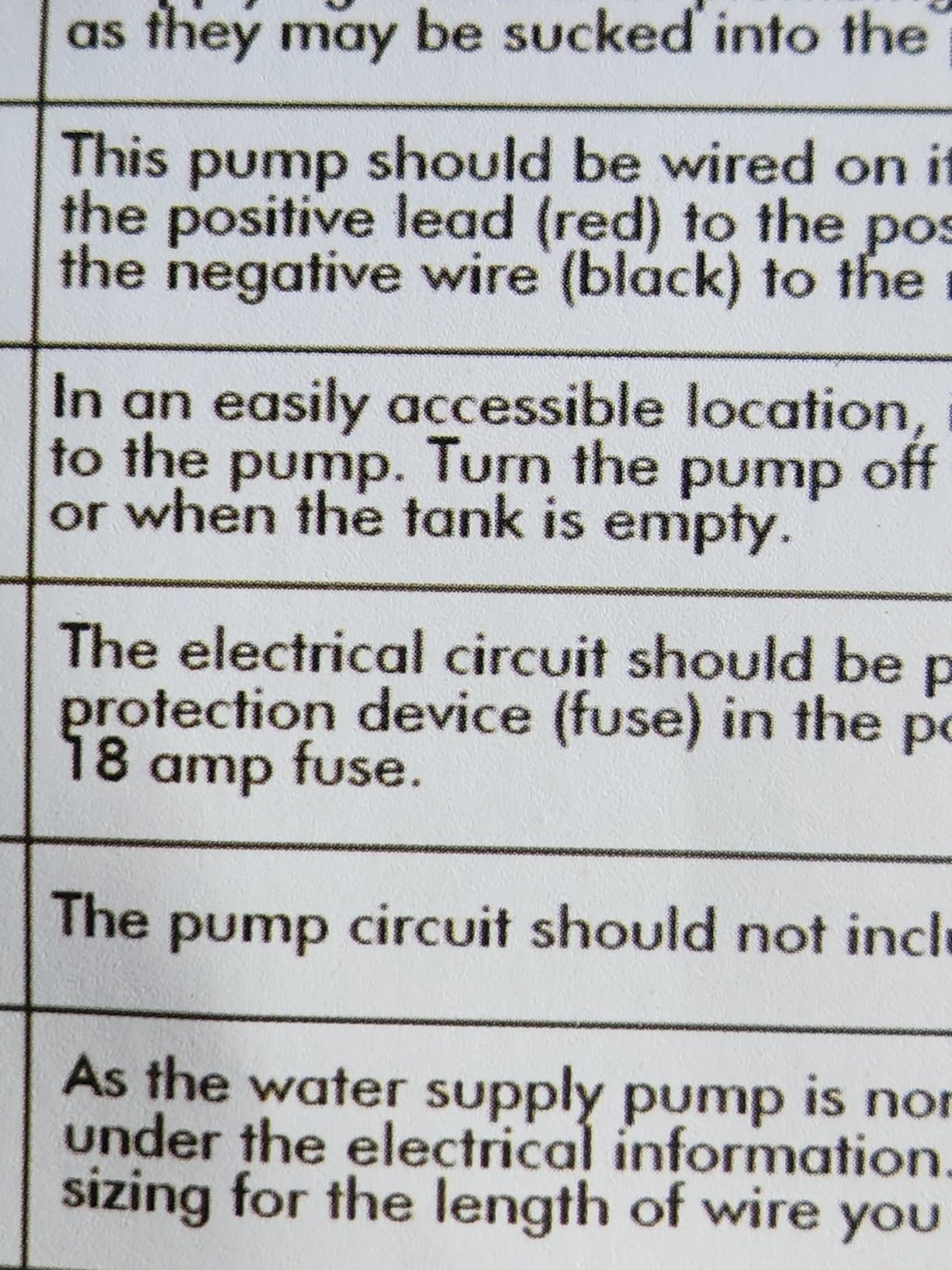
Wire it with a fuse sized to maximum amp draw on its own dedicated circuit, not an inline holder shared with anything else. Keep the run short and heavy so voltage drop does not make the pressure switch behave oddly at the end of a long cable.
Never run the pump when you are connected to mains water. The mains pressure and the pump output can conflict, and on many van systems a non-return valve or a separate isolation tap handles this properly.
How to Quiet a Camper Van Water Pump?
Quietness in a van comes from mounting and plumbing first, pump choice second. The recurring complaint on campervan forums is a pump cycling on and off all night in a sleeping rig, which is a symptom of a switch set too close to the working pressure rather than a loud motor.
First, isolate the mount with rubber isolators instead of bolting the pump straight to a floor panel or a composite wall. Second, replace rigid pipe with braided flexible hose on both the inlet and outlet runs, and remove right-angle elbows near the pump where you can.
Third, move the pump away from the sleeping area. On a long-wheelbase van there is usually a sensible spot behind a bulkhead or under a bench, and distance does more than any silencer.
Fourth, adjust the pressure switch so it is not cycling on a half-open tap. Most pumps here allow some adjustment, and a small change removes a lot of overnight noise.
Fifth, add an accumulator tank to smooth pulsation and cut short cycling. One warning applies here: an accumulator must not be used with a variable-speed pump, because the tank and the pump fight each other and both suffer. Every pump in this roundup is a constant-speed demand pump, so an accumulator is fine with all of them.
Pump Troubleshooting and When to Replace It
If a pump keeps cycling on and off, the usual causes are a pressure switch set too close to the shut-off point, a leak on the outlet side, or a blocked strainer starving the pump. Check the strainer and the fittings first, because both are quick and free.
If it will not prime, the tank is empty, the suction line has an air lock, or the pump sits higher than its self-priming lift allows. Bleed air from the outlet and confirm the vertical distance.
If it is loud, the causes are a failing diaphragm, a pump mounted without isolators, or a newly installed unit that has not settled. Forum reports note that a fresh pump can be noisy purely from a priming issue and quiet down once it primes correctly.
On longevity, a pump that starts making noise after several years of service is usually telling you the pressure switch or the diaphragm is going. Cleaning the strainer and checking the switch extends life. Once it has run for years with increasing noise, replacement is cheaper than chasing it, and a spare under the bed turns a weekend of camping into an afternoon.
Frequently Asked Questions
What size water pump do I need for my camper van?
For one sink and a shower, a 3.0 GPM pump is the standard choice and covers most van builds. For two fixtures running at the same time, a washing machine, or a long pipe run, go to 4.0 GPM or above. A single basin on a small build can run on 1.1 to 1.6 GPM.
How many amps does a camper van water pump draw?
Small single-fixture pumps draw under 3 amps. Mainstream 3.0 GPM pumps draw around 7 amps, which is what most vans are wired for. High-output 5.5 GPM pumps can draw 17 amps, so size your cable and fuse to the maximum draw, not the average.
How to quiet a camper van water pump?
Mount the pump on rubber vibration isolators rather than a rigid bracket, replace rigid pipe with braided flexible hose, remove right-angle elbows near the pump, move the pump away from the sleeping area, and adjust the pressure switch so it stops cycling on a half-open tap. An accumulator tank also smooths pulsation on constant-speed pumps.
Why does my water pump keep cycling on and off?
The most common causes are a pressure switch set too close to the working pressure, a leak on the outlet side, or a blocked inlet strainer starving the pump. Clean the strainer, check the fittings for weeping, and adjust the switch before replacing the pump.
Which brand of water pump is most reliable?
Shurflo, Seaflo and Flojet are the OEM mainstream brands and have the widest parts availability and certified wetted materials. RecPro, WASSERMANN and Kohree match common OEM footprints at lower cost, and the value tier from ECO-WORTHY and CAMPLUX performs well for single-fixture duty.
Which Camper Van Water Pump Should You Fit?
For most conversions the RecPro 3.0 GPM drop-in is the right answer in 2026: it drops into a Shurflo 4008 bay, primes 9 feet, runs dry, and stays quiet enough for a sleeping area. Choose the Flojet 03526-144A if smooth pressure at the tap matters more to you than raw gallons, and choose the Shurflo Revolution 4008 if you want the factory default with the best parts support.
Move up to 4 GPM or more only when two fixtures run at once, and check your amp budget before you fit a 17 A pump. On a small battery bank, the ECO-WORTHY at 6 A is the smarter high-flow choice. Use the Kohree when you need both high flow and a Shurflo-compatible footprint, and keep a certified pump on the drinking line rather than a wash-down specialist.
Whatever you pick, mount it motor-up on rubber isolators with braided flexible hose, fit an inlet strainer, and size the fuse to the maximum draw. Those four steps decide how your pump sounds at 2am as much as the model does.