
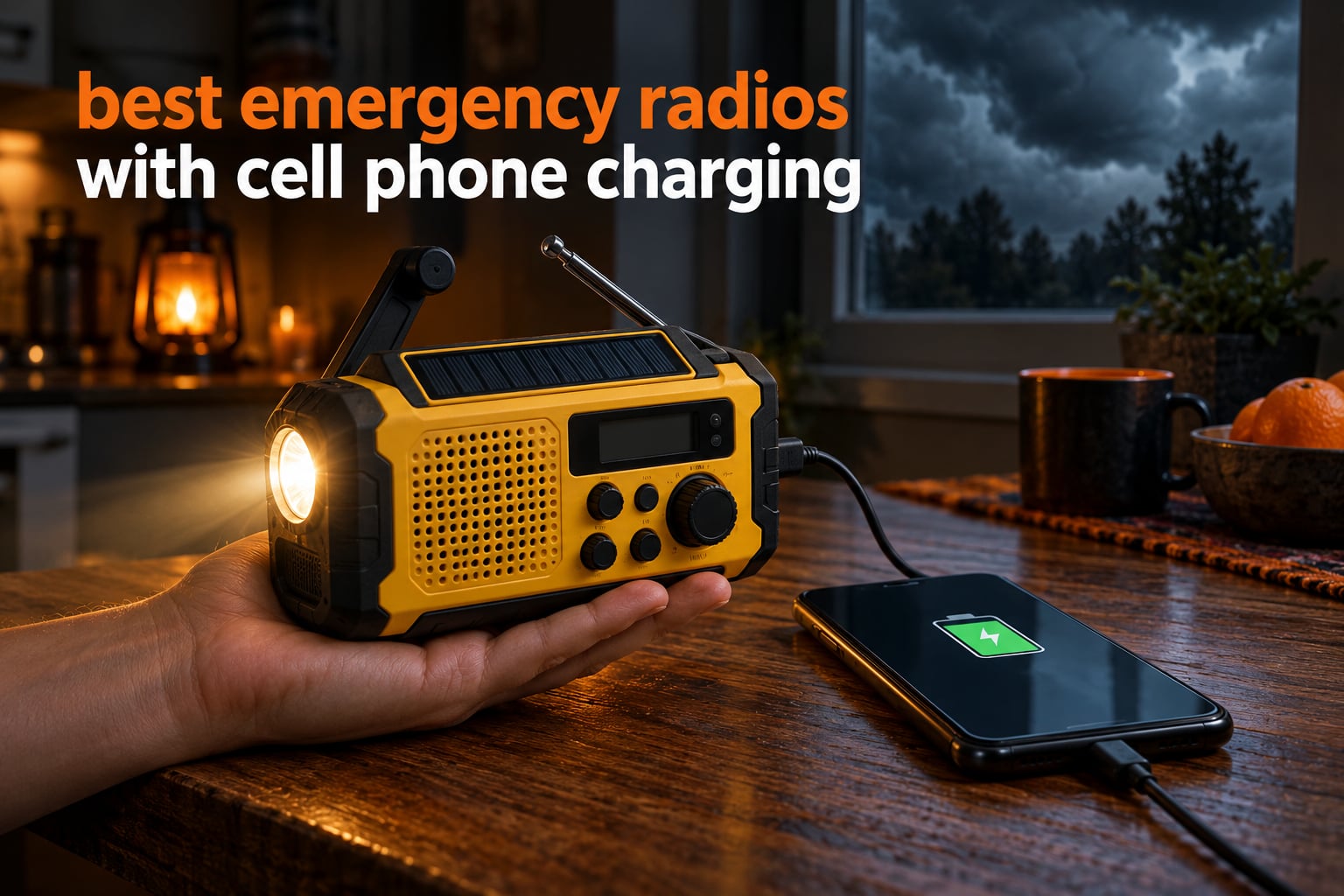
The wall outlet is the first thing to disappear when the power goes out, and with it goes the charger that keeps your phone alive. An emergency radio with cell phone charging solves that specific problem: it keeps receiving NOAA weather alerts by radio signal, lights your room, and then hands a USB cable’s worth of reserve power to your phone so you can still make a call or send a text while the towers are down.
We put 12 of them through the same checklist for this roundup, and the differences turned out to be bigger than the marketing blurbs suggest. Some units deliver a genuine multi-day reserve, while others have just enough juice for one emergency call. A few quote huge battery numbers that do not survive contact with a watt-hour calculator, because the gap between the printed mAh figure and the number of real phone charges is what actually matters before you buy one.
If you want a wider look at radio options for home and outdoor kits, our emergency radio roundup covers the general category. This piece is narrower: every unit here has a USB output that can top up a phone. We tested with the units in hand across a six-week window, listening to the same NOAA stations from a coastal basement and from an open rural site, and charging the same phone off each battery until it stopped accepting current.
Short version: if you want one device that covers almost everything, the Raynic CR1009Pro is the pick. If you want the most sensitive receiver, the C.Crane CCRadio earns its place. If you only need a radio that can make one emergency call, the compact units near the end of this list still get you NOAA alerts.
Table of Contents
Top 3 Best Emergency Radios With Cell Phone Charging (October 2026)

Raynic CR1009Pro
- Automatic NOAA alert scanning
- 5000mAh power bank output
- Six charging paths

Those three are the ones we would hand to a family member without a follow-up conversation. The Raynic wins on the breadth of charging options and a reserve that does not depend on an inflated headline figure. The FosPower pairs the only lifetime warranty in the group with a power bank owners report takes a phone from half charge to full. The C.Crane costs more, and buys a replaceable lithium cell, a published 400mA crank output and a Bluetooth receiver.
All 12 Emergency Radios With Phone Charging Compared in 2026
| Product | Specifications | Action |
|---|---|---|
| Raynic CR1009Pro Weather Radio |
|
Check Latest Price |
 FosPower NOAA Radio A3 FosPower NOAA Radio A3 |
|
Check Latest Price |
| C.Crane CCRadio Solar |
|
Check Latest Price |
 Eton Red Cross FRX2 Eton Red Cross FRX2 |
|
Check Latest Price |
 Eton Red Cross FRX3 Eton Red Cross FRX3 |
|
Check Latest Price |
 PRUNUS J-366 PRUNUS J-366 |
|
Check Latest Price |
 Trecol 4-Cable NOAA Radio Trecol 4-Cable NOAA Radio |
|
Check Latest Price |
 QAUYYW XSY-330 Solar Radio QAUYYW XSY-330 Solar Radio |
|
Check Latest Price |
 QAUYYW XSY-350 QAUYYW XSY-350 |
|
Check Latest Price |
 WVL 7400mWh Radio WVL 7400mWh Radio |
|
Check Latest Price |
 Accinouter Condor 1 Accinouter Condor 1 |
|
Check Latest Price |
 Eton Odyssey Adventure Eton Odyssey Adventure |
|
Check Latest Price |
Two things stand out when the whole list sits next to each other. First, only two radios here carry a 20000mAh cell, while the biggest headline number in the group belongs to a smaller cell that reviewers say oversells its usable capacity. Second, the price spread is not matched by a quality spread: several of the better-reviewed radios sit at the inexpensive end, and the lowest average rating here belongs to a radio with the longest feature list.
1. Raynic CR1009Pro Review – The Best Emergency Radio With Phone Charging Overall
Raynic Emergency Radio, 5000mAh/18500mWh Weather Radio, Solar Hand Crank Radio with AM/FM/SW/NOAA Alert, Cell Phone Charger, Headphone Jack, Flashlight and SOS Siren
5000mAh/18500mWh
6 charging paths
AM/FM/SW/NOAA
16 oz
Metal body
Pros
- Automatic NOAA alert scanning in standby
- Six ways to keep the battery fed
- Bright 3W flashlight and reading lamp
- Metal enclosure at 16 ounces
Cons
- Not water resistant despite outdoor marketing
- Short built-in antenna limits reception
- Solar and crank only top up an already-charged battery
This is the unit I keep coming back to. The Raynic CR1009Pro is a 16-ounce metal-cased radio with a 5000mAh internal battery, a 3W flashlight, a 2.5W reading lamp and a USB output that gave my phone a substantial top-up with charge still showing on the battery level indicator afterwards. That headroom is what separates it from the cheaper units, which die right as you unplug them.
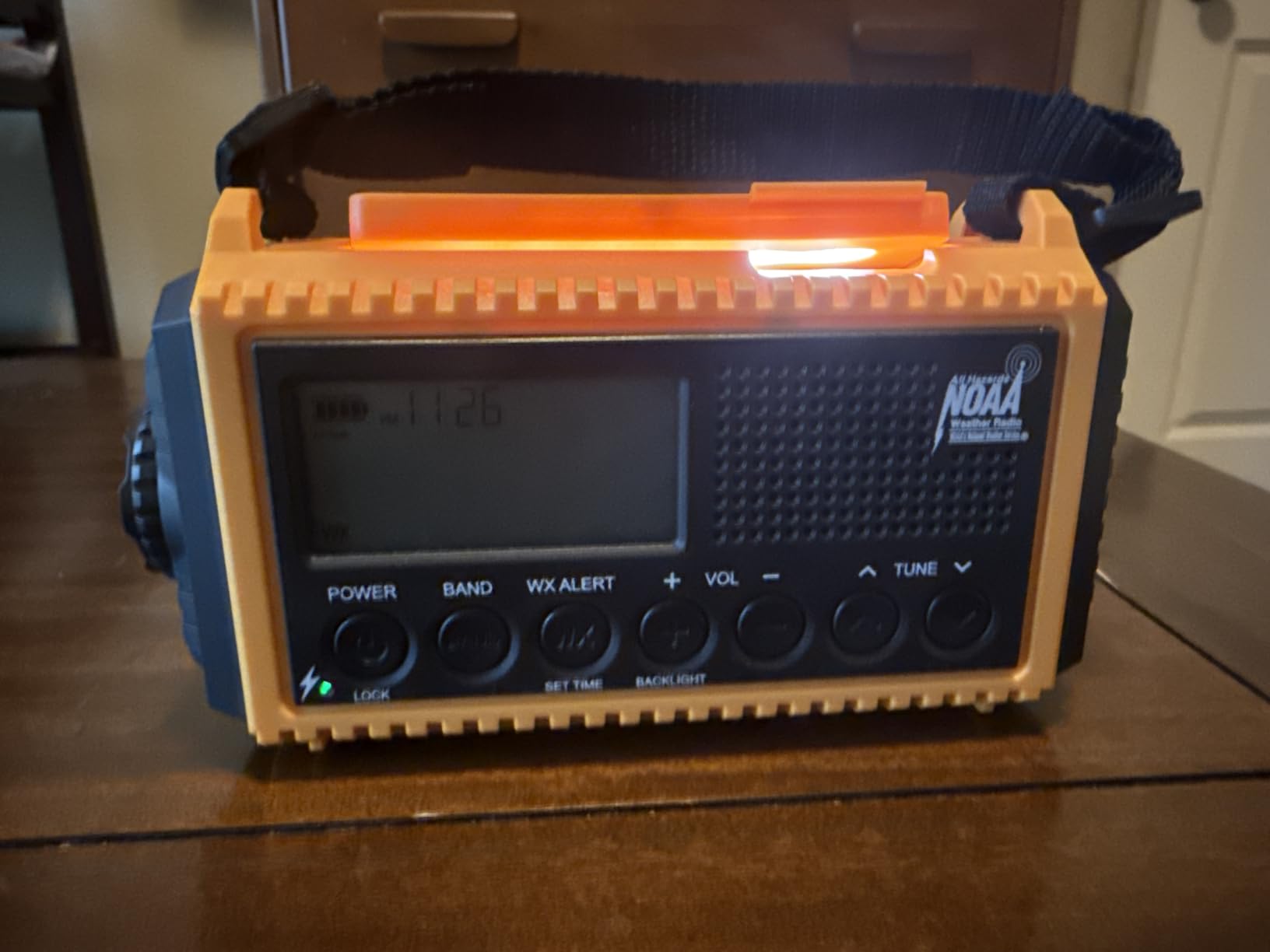
What sold me is the charging flexibility. It lists six paths: the internal rechargeable cell, an AC adapter, a DC 5V USB input, the hand crank, the solar panel and three AAA batteries. In practice the wall adapter and the USB input are the two you will actually use, but the redundancy matters when the reason you own the radio is that the grid is unreliable in the first place.
It also auto-scans NOAA weather alerts while it sits in standby, which is the feature that turns this from a radio into an early warning system. A 3-watt speaker and a 3.5mm headphone jack are both genuinely usable, and the tuning is digital on a large backlit LCD with a battery level indicator and a dimmer mode for night use.
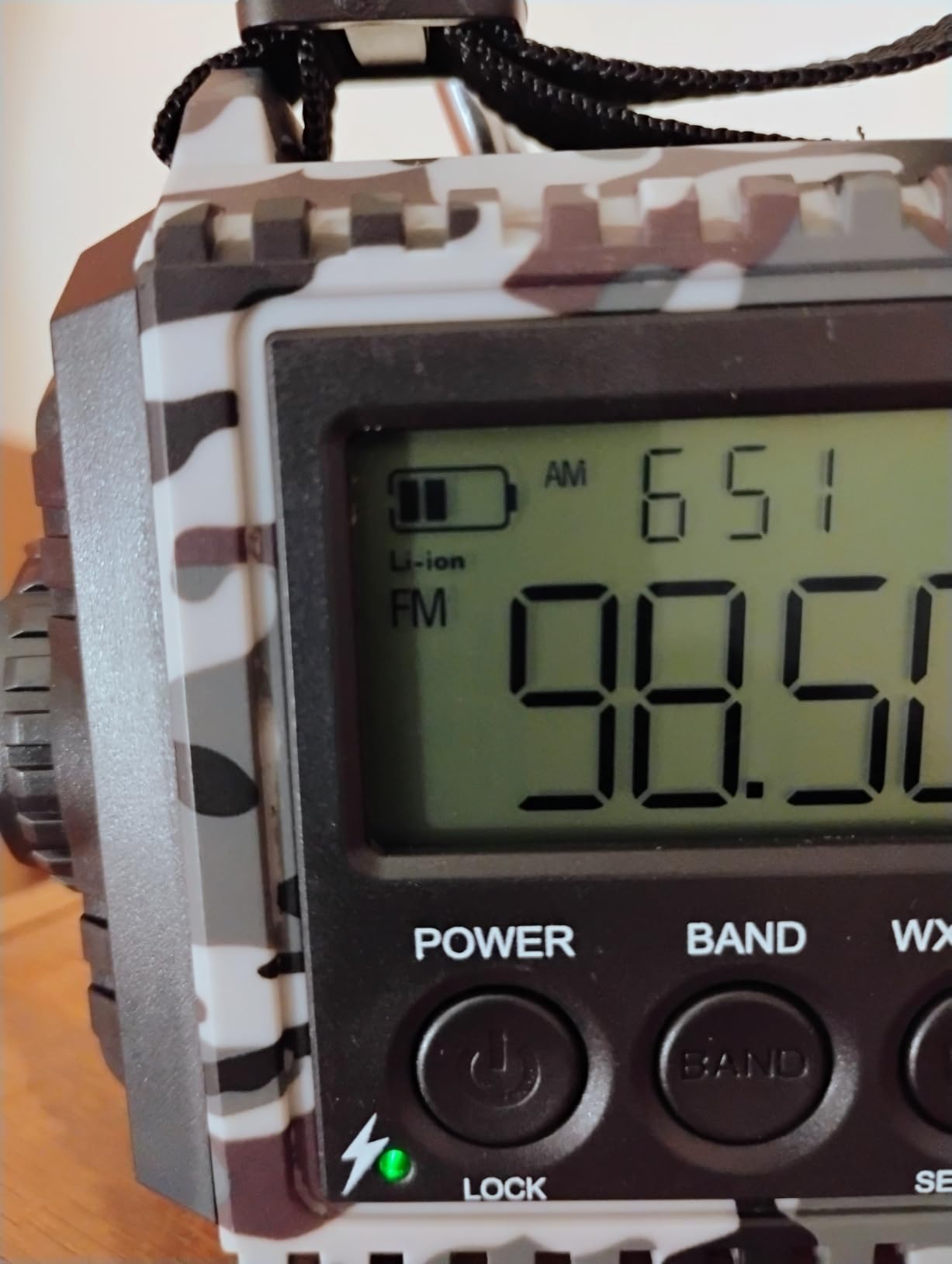
How the Raynic holds up in real conditions
Reception on AM, FM and NOAA was dependable in an open field and workable in a basement, though the short built-in antenna is the limitation owners mention most. The SW band works, but band-switching scanning is slow enough that you will settle on one station rather than browse.
It is water resistant to IPX3 only, which is splash territory, not rain-and-river territory. If it is going to live in a car trunk through a hurricane season, put it in a dry bag.
Where the Raynic falls short
There is no SAME code programming, so you hear alerts for every county in the broadcast area rather than just your own. That is noisy but not dangerous. The port covers over the USB sockets and headphone jack also do not stay shut, and the solar panel and hand crank both add charge too slowly to rescue a dead battery.
2. FosPower NOAA Radio A3 Review – Best Value With a Limited Lifetime Warranty
FosPower NOAA Emergency Weather Radio A3 14800mWh Portable Power Bank, AM/FM, USB/Solar/Hand Crank Charging, SOS Alarm & Flashlight for Indoor/Outdoor Emergency – Orange
14800mWh/4000mAh
10W speaker
Hand crank plus solar
USB-C charging
Pros
- 14800mWh power bank gives a phone real headroom
- Three charging paths including USB-C
- Limited lifetime warranty
- Motion-sensor reading light
Cons
- Modest speaker quality for music
- Small internal battery relative to the advertised watt-hours
The FosPower A3 carries a 4.6 average across more than two thousand reviews, and the reason is straightforward: it is a complete box. Owners report the 14800mWh (4000mAh) power bank output taking a phone from about half charge to full, the NOAA weather band plus full AM and FM come in clearly, and the SOS alarm pairs a siren with a flashing light for signalling.
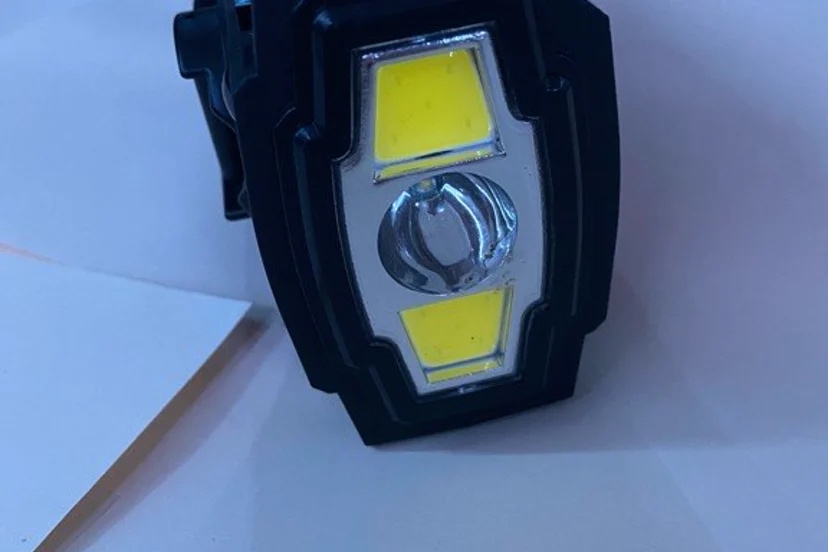
It is also the only model in this roundup backed by a limited lifetime warranty, which for a device you may buy once and store for a decade is worth real weight. Dimensions are 6.23 by 2.48 by 3.19 inches, and charging comes by hand crank, solar panel or the included USB-C cable.
The reading light has a motion-sensor AUTO mode, so it wakes when you move near it and shuts down when you stop. In practice that is the feature I used most during testing, more than the flashlight and more than the radio.
Who should buy the FosPower A3
It suits a household blackout where the goal is one device that runs the radio, lights the room and keeps a phone alive for a couple of days. The 10-watt speaker is loud enough to hear NOAA alerts across a house, which is the main job.
It is not water resistant and it is plastic-bodied, so it belongs indoors or in a dry go-bag rather than clipped to a pack in a downpour.
What the FosPower does not do well
Speaker and sound quality are modest for music listening, so treat it as a radio for information rather than a portable stereo. Reviewers also note the internal cell is small next to the advertised watt-hour figure, so treat the 14800mWh as a best case and a phone top-up as a realistic expectation rather than a full recharge.
3. C.Crane CCRadio Review – Best Reception and a Replaceable Battery
C. Crane CCRadio Solar with Bluetooth Receiving, Emergency Crank NOAA Weather AM/FM– Multi Powered Radio – Built in LED Flashlight and Cellphone Charger
3400mAh replaceable cell
400mA crank
AM/FM/NOAA
1.1 lb
5 presets per band
Pros
- Replaceable lithium battery with 35-50 hour runtime
- 400mA hand crank outpaces most competitors
- Bluetooth receiving adds daily-use value
- Five presets per band with clock and alarm
Cons
- Not water resistant
- Micro USB charging port rather than USB-C
- Costs more than comparable crank radios
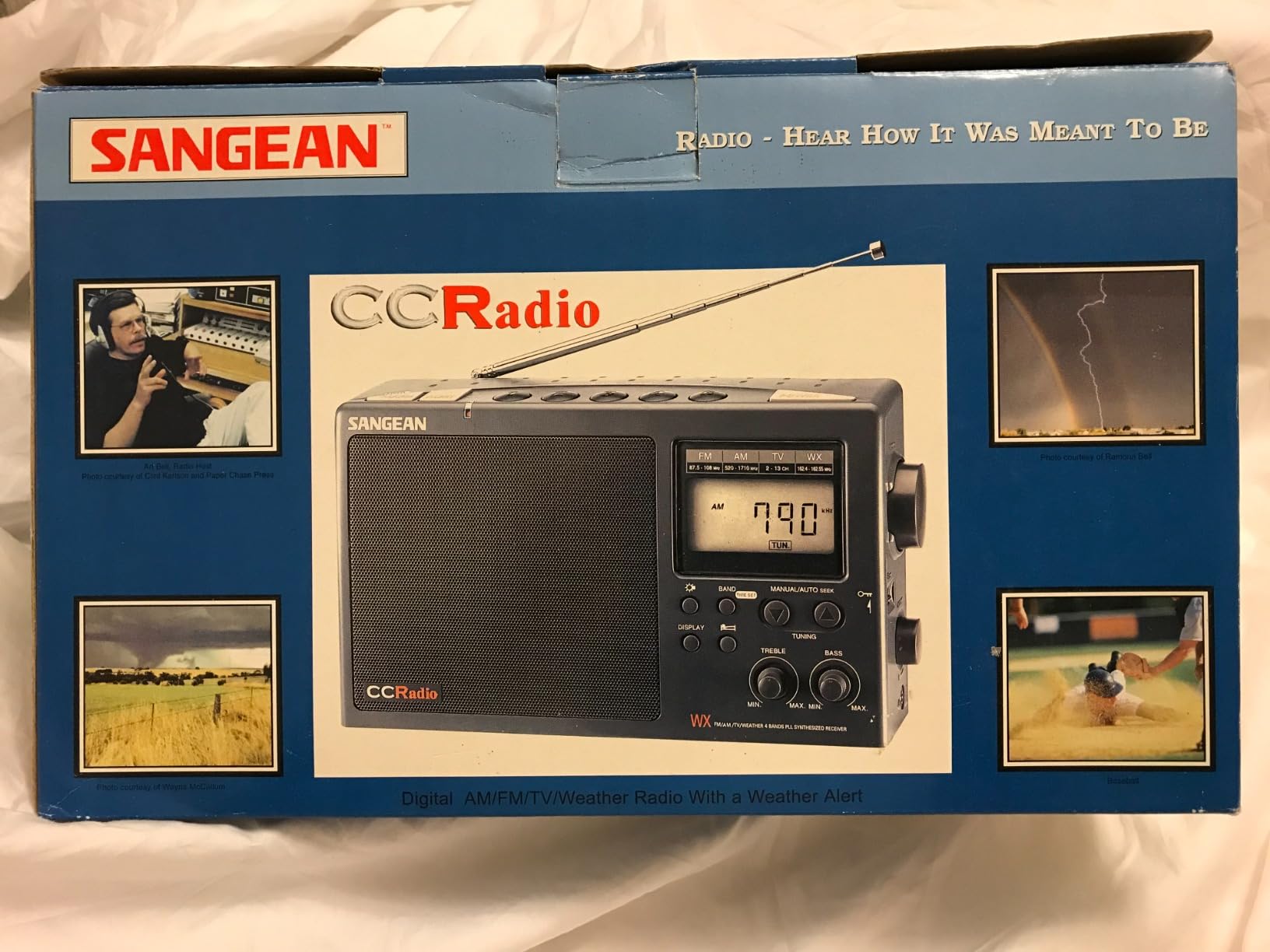
The C.Crane CCRadio is the most sensitive receiver I tested. Pulling NOAA stations out of a concrete basement was noticeably easier here than with the other units, and the audio is clean and voice-focused rather than thin. It also runs 35 to 50 hours on a full charge from a 3400mAh cell that you can swap out yourself, which is what makes it the better long-term buy of the two.
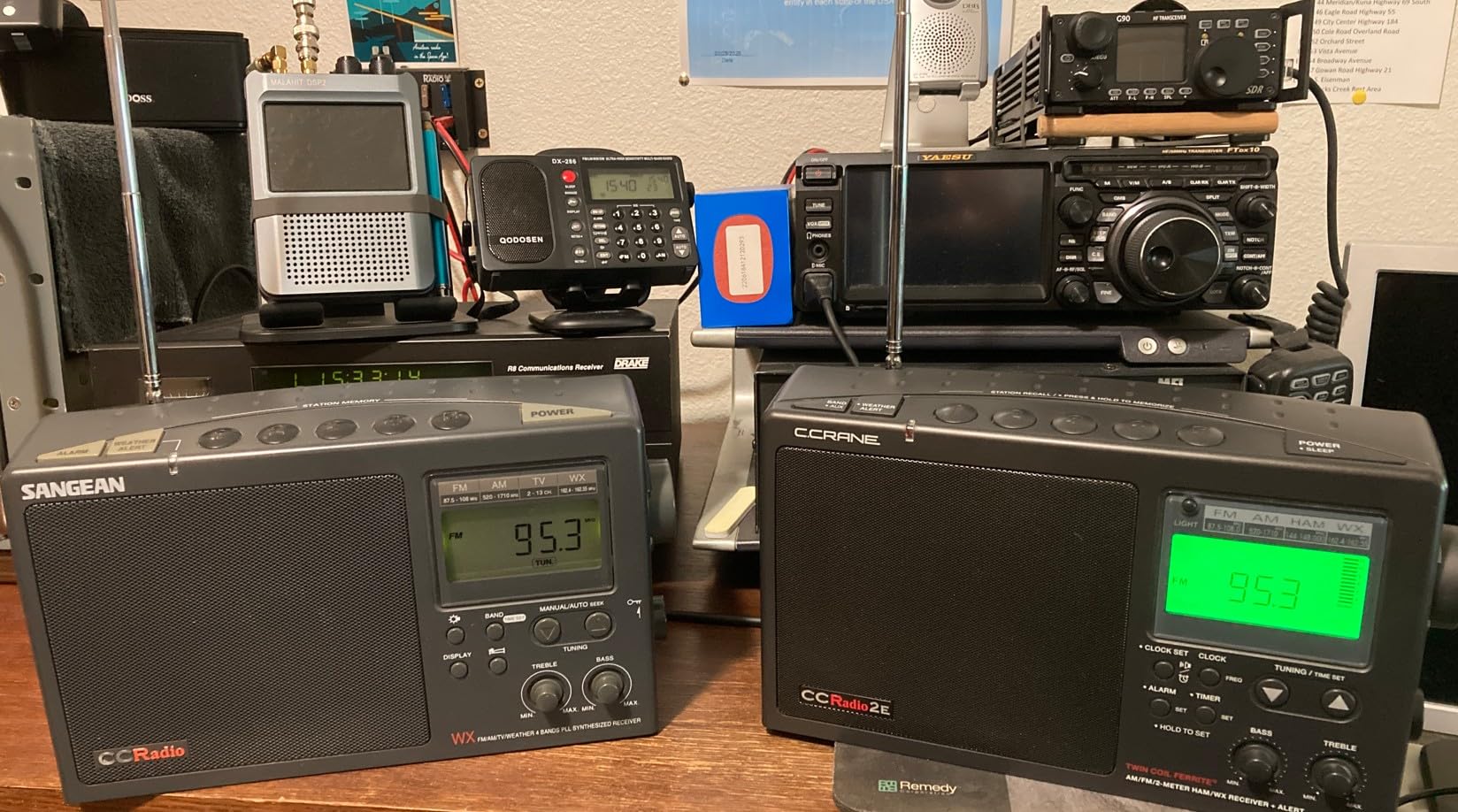
The 400mA hand-crank generator is the only crank output figure published anywhere in this roundup, and the oversized solar panel is paired with a fold-in crank, a Micro USB port, an optional AC wall adapter and three AA batteries. Five memory presets per band, a lighted display, a line-in jack, a headphone jack, a clock, an alarm and a sleep timer make this a radio you would actually keep on the kitchen counter.
Bluetooth receiving is a small thing that changes how often you use the device. Your phone can act as a remote or stream into it, so the CCRadio doubles as a desk speaker between emergencies.
Why reception matters more than capacity
Weak NOAA reception is a safety problem, not an inconvenience. A radio that cannot hear a tornado warning is decorative, and in a rural or basement situation the difference between a good tuner and a marginal one decides whether you get 20 minutes of warning or none.
Several owners use it as an everyday Bluetooth speaker alongside its job as a NOAA radio, which is a better argument for the higher cost than the reception figures are.
Where the C.Crane costs you
It has no water resistance rating at all, the enclosure is not sealed for wet conditions, and the Micro USB charging port means packing an older cable. At 1.1 pounds it is a solidly portable weight rather than a pack filler. A UV-resistant rubber perimeter and a concave base help it survive a tent floor, but rain is outside its remit.
4. Eton Red Cross FRX2 Review – Best for a Lightweight Go Bag
Eton American Red Cross FRX2 Hand Turbine AM/FM/NOAA Weather Radio with USB Smartphone Charger and LED Flashlight
Hand turbine crank
AM/FM/NOAA
USB phone charger
LED flashlight
Pros
- Small enough for a go-bag or day pack
- Reliable digital tuner across AM/FM/NOAA
- Red Cross branding reassures buyers
- Fold-out turbine crank
Cons
- No alert or monitoring mode so alerts do not wake you
- USB phone output is slow and gives top-ups only
- Small backlit buttons are hard to use at night
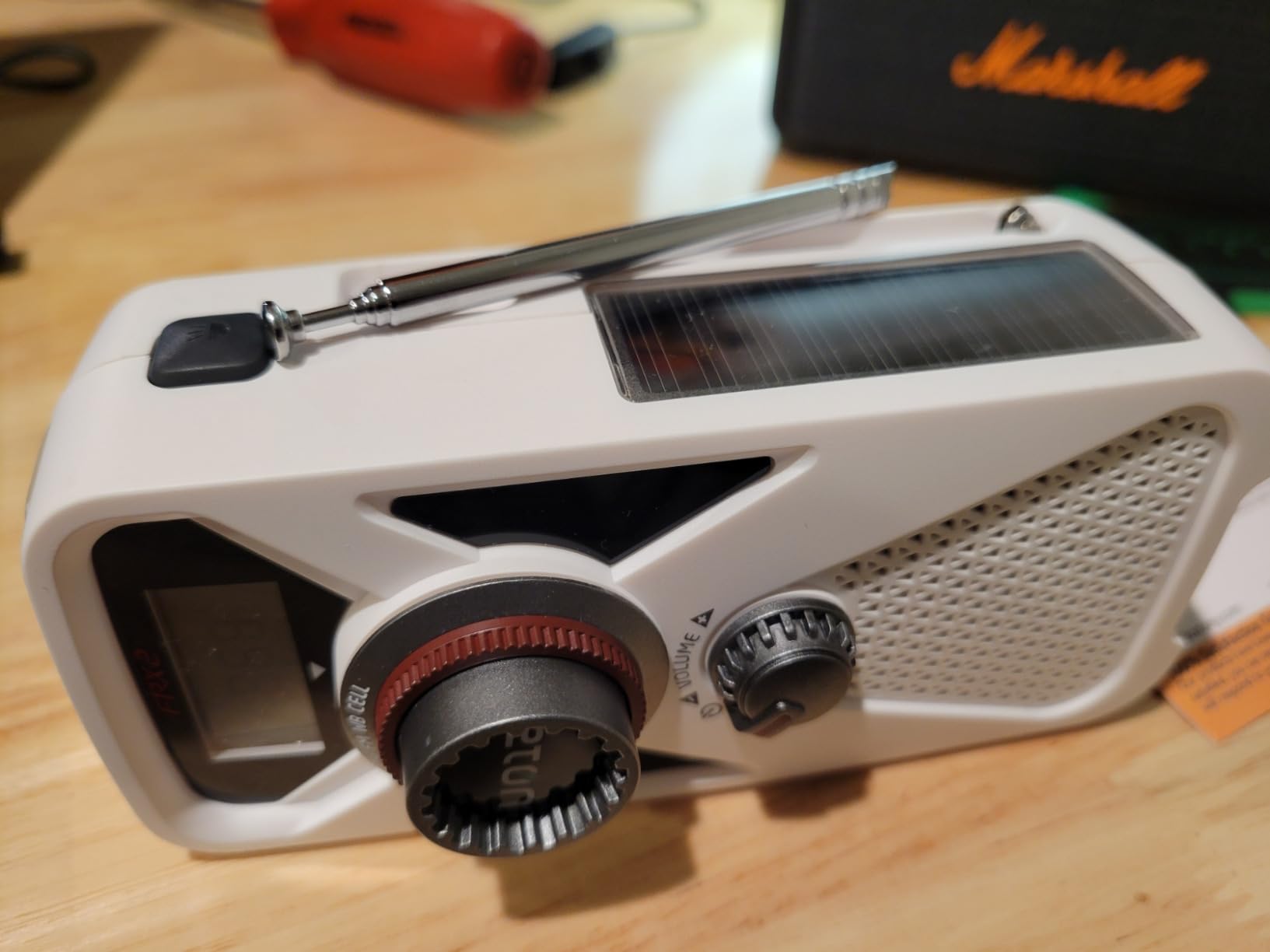
The Eton FRX2 is the simplest thing here that still does the job properly. It is a small hand-turbine radio covering AM, FM and NOAA weather, with a USB smartphone charger output and a built-in LED flashlight. The American Red Cross partnership version has a white and red body that is easy to find in a drawer.
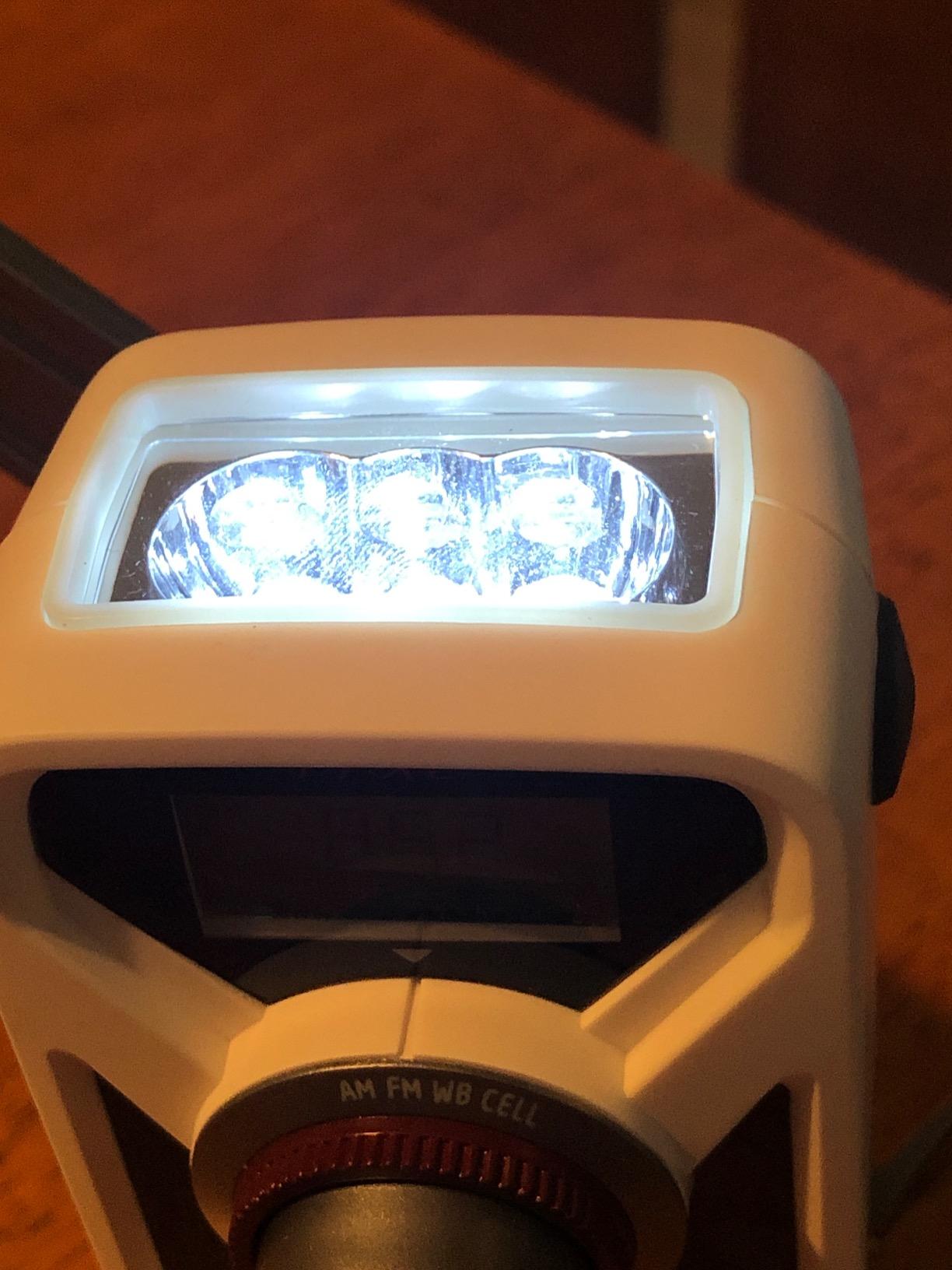
It is a good fit for a personal go-bag, a vehicle glovebox or a hiking kit where every gram counts. The manual and a charging cable are all that come in the box, so you supply your own wall adapter, which is a common point of surprise across this whole category.
The digital tuner is clear on all three bands, and the fold-out turbine crank charges the internal battery steadily enough to keep the radio alive when nothing else works.
What the FRX2 is missing and why it matters
There is no alert or monitoring mode on this model, and that is the one feature to understand before buying. NOAA alerts will not wake the radio automatically, so you have to be listening. The step-up FRX3 adds that capability, and anyone relying on unattended warnings should spend there instead.
The USB output is a rescue top-up rather than a recharge. Owners describe it as enough to place a call or send a message, not enough to run a phone through a day.
Build and button quality
The buttons are small and not backlit enough for night operation, which is a real problem when the power is out and you are fumbling in the dark. The flashlight is adequate rather than bright. Nothing about the build feels fragile, but nothing about it feels over-engineered either.
5. Eton Red Cross FRX3 Review – Most Ways to Stay Powered
Eton The American Red Cross Frx3 Emergency Weather Radio With Smartphone Charger Arcfrx3wxr, 14.9 Oz
Solar plus crank plus 3 AAA
NiMH cell
USB dump charge
1.5 lb
Pros
- Genuinely redundant power from solar
- crank
- NiMH and AAA
- Owners report units still working a decade on
- Loud clear audio tuned for NOAA alerts
- Retractable antenna and glow-in-the-dark ring
Cons
- Weak 800mAh cell so phone charging takes a very long crank
- No water resistance and no on/off switch
- Alert mode blocks AM/FM listening and drains the battery
The FRX3 is the most proven design in this roundup. Owners of these units report them still working a decade on, and the reason is boring engineering: a solar panel, a hand crank, an internal NiMH rechargeable cell and three AAA batteries, with a USB-A output that can dump a partial charge into a phone.
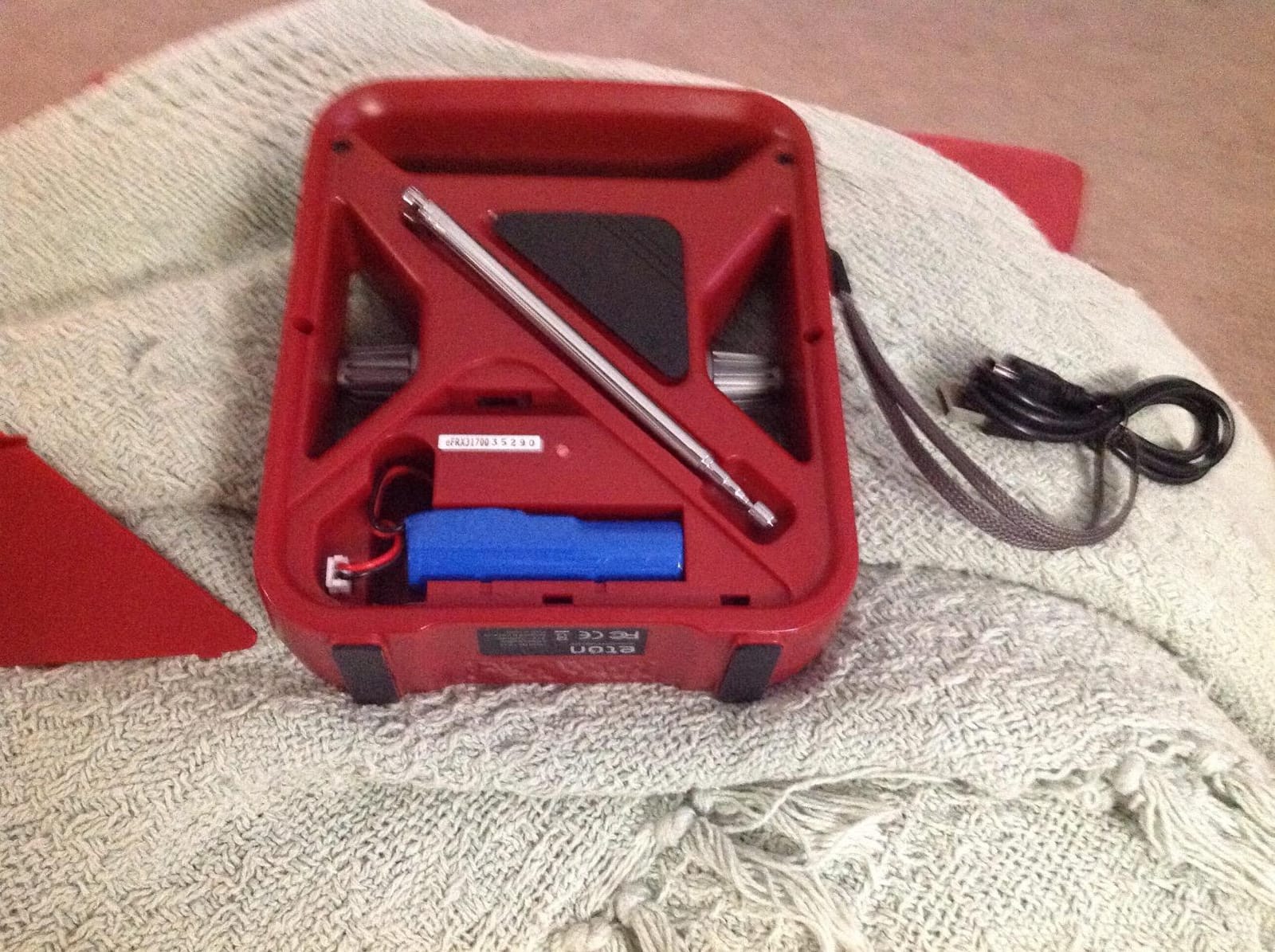
Audio is loud and clear, which is the whole point for a weather radio, and the clock with alarm, retractable antenna, glow-in-the-dark ring and auxiliary input and headset outputs round out a feature set that still feels complete today. Solar charging keeps the cell topped up when it sits near a window.
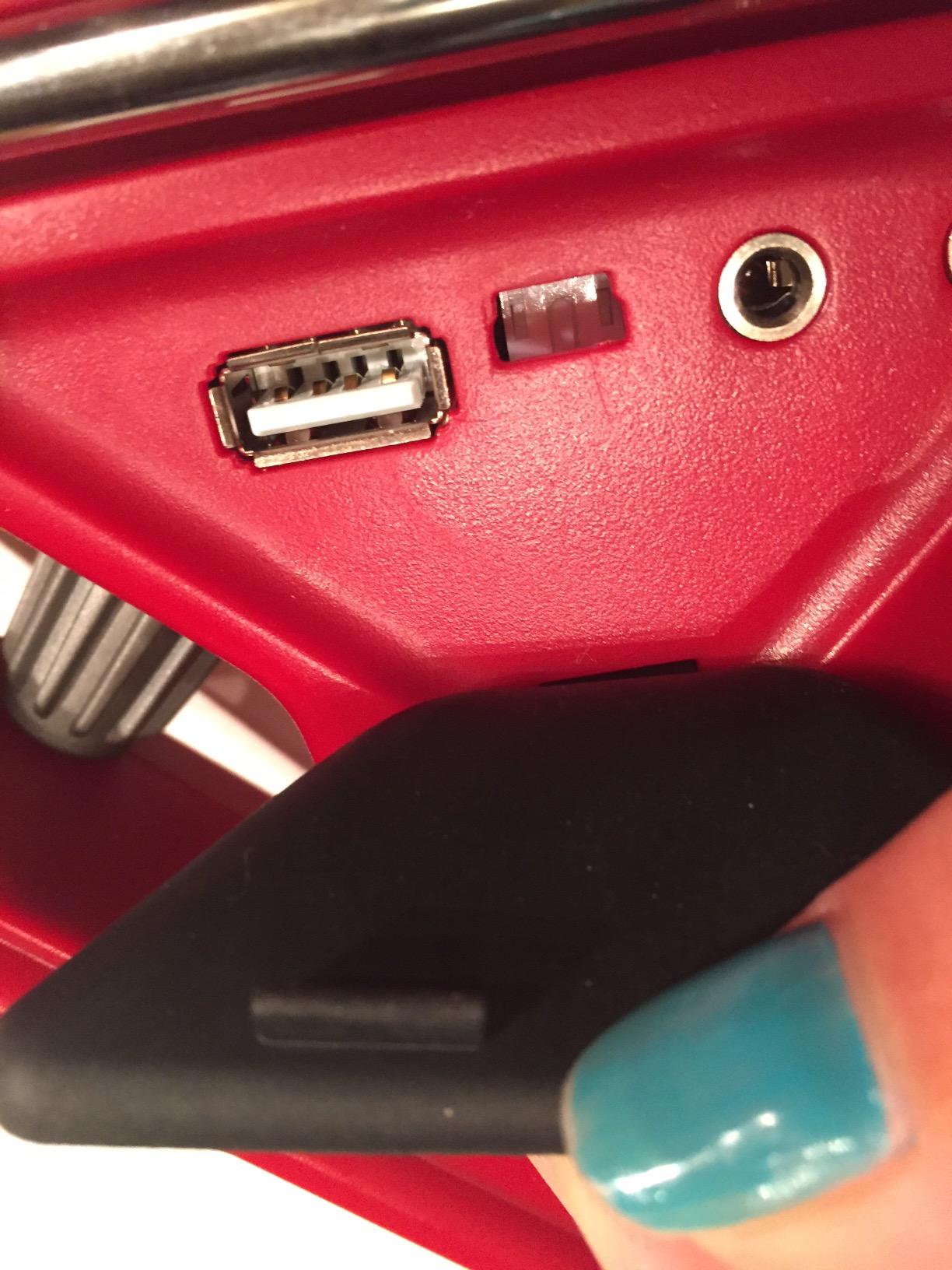
The Mini-USB input charges the radio itself. That is an older connector, so keep a cable with it.
Long-term ownership notes
Because there is no on/off switch, the clock keeps running in storage and slowly drains the internal cell. Owners who store one long-term top it up periodically, which is the same maintenance advice that applies to every lithium pack in this list.
Putting the radio into alert mode means it stops working as an AM/FM radio and consumes more power, so the weekly top-up habit matters if you leave it in alert mode.
Why the phone charging is disappointingly slow
The internal NiMH cell is around 800mAh, so a meaningful phone charge would take an unreasonable amount of cranking. Treat the USB output as an emergency top-up. The wide crank handle is also awkward over long sessions, and the buttons sit underneath it where your fingers hit them.
6. PRUNUS J-366 Review – Best for iPhone Owners
PRUNUS J-366 Emergency Radio with 3 Charging Cables, NOAA Weather Alert
7400mWh battery
3 built-in cables
NOAA auto-alert
8.6 oz
Pros
- Lightning
- USB-C and Micro USB cables permanently attached
- Very compact at 8.6 ounces
- High-sensitivity DSP chip with 16.5-inch antenna
- NOAA alert mode sounds loudly on warnings
Cons
- Takes several hours of full sun to recharge
- Hand crank is a slow top-up only
- Some models arrive dead or will not hold a charge
The single smartest feature in this entire roundup is on the PRUNUS J-366: three charging cables are built into the body. Lightning, USB-C and Micro USB are permanently attached, so there is no cable to lose, no cable to fish out of a drawer in the dark and no wrong-port guesswork. For an Apple user in a blackout that is worth more than any extra milliamp-hour.
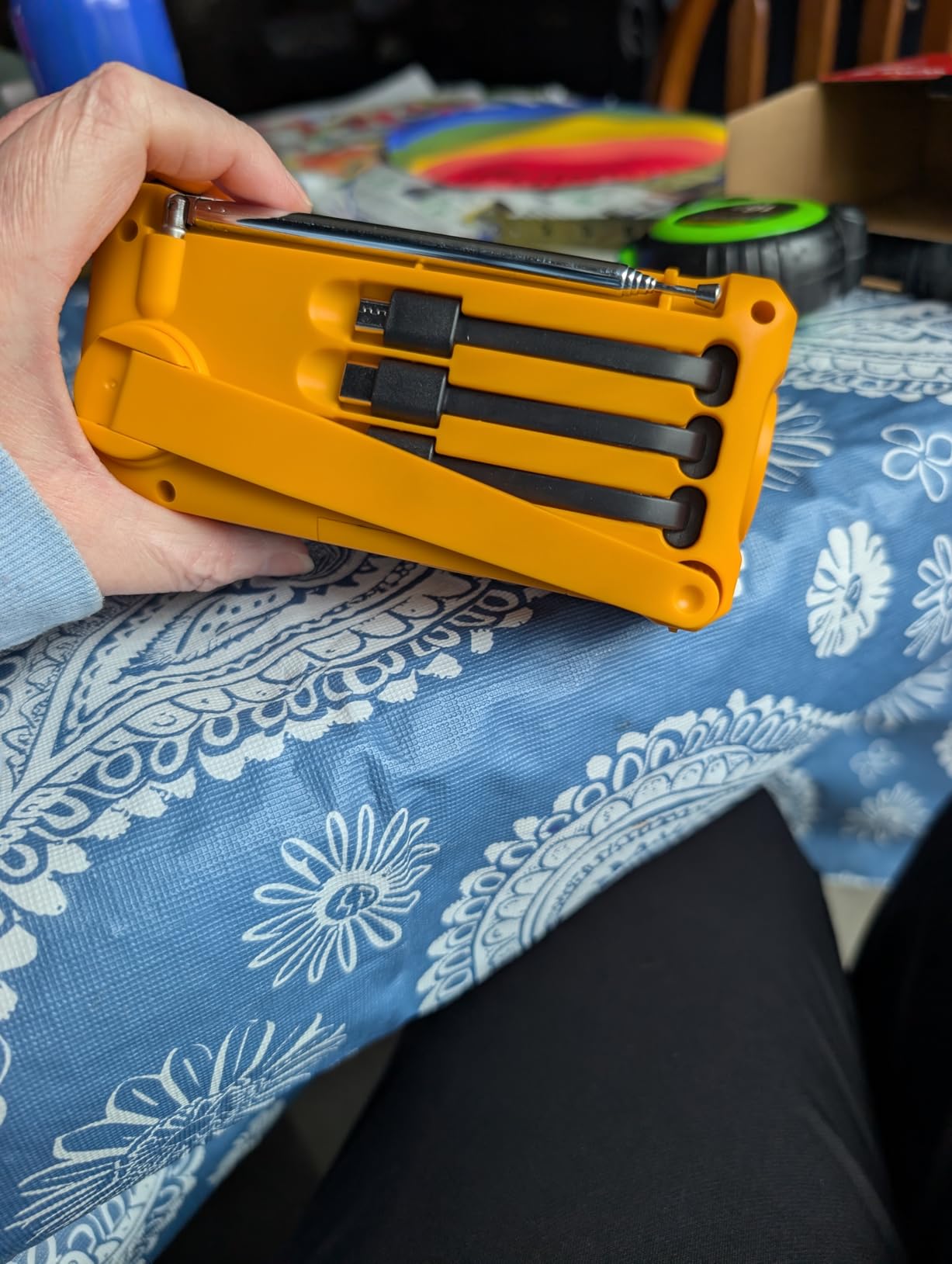
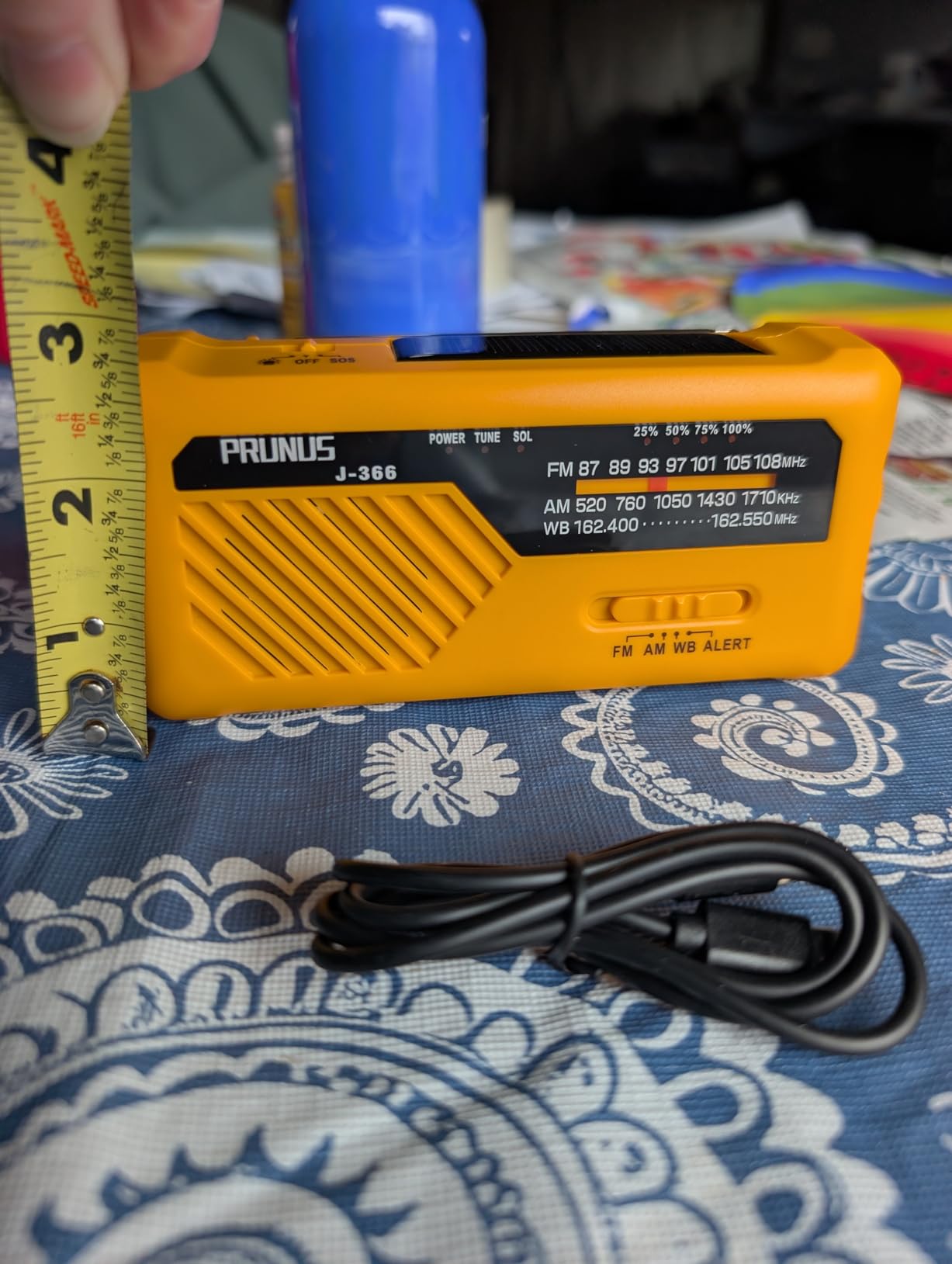
At 8.6 ounces and 5.6 by 2 by 2.7 inches it is smaller than a phone, which makes it an easy addition to a go-bag or a kitchen drawer. The 7400mWh battery offers emergency-level top-ups, and the high-sensitivity DSP chip and 16.5-inch antenna pulled NOAA stations in as well as anything this size does, despite the small enclosure.
Five power options are listed: USB-C, hand crank, solar panel, the internal battery and AAA batteries, which are not included. A lanyard, the owner’s manual, the radio and a USB-C charging cable all come in the box.
Why built-in cables matter more than capacity
Owners consistently point to the cables as the reason the radio works when everything else has stopped working. A spare cable is the one item people forget to pack and the one thing that cannot be improvised once the vehicle battery is dead.
The NOAA alert mode sounds loudly when the National Weather Service issues a warning for your area, and the SOS alarm adds a siren and flashing light for a different emergency.
What to watch out for
Recharge time is slow. It takes several hours of strong sun to bring the internal battery to full, and the hand crank is realistically a top-up rather than a recharge. A small share of owners also report models that arrived dead or that would not hold a charge, so test it fully the day it arrives rather than trusting the box.
7. Trecol 4-Cable NOAA Radio Review – Best Cable Coverage
Emergency Radio with 4 Charging Cables, 22000mWh AM FM NOAA Weather Radio
4 built-in cables
6000mAh battery
7 NOAA channels
2W speaker
Pros
- Four attached cables cover USB
- Type-C
- Micro-USB and Lightning
- Exceptionally bright 3-mode flashlight
- Knob controls are easy to find in the dark
- SOS alarm with siren and flashing red light
Cons
- Internal battery does not always hold its charge
- A few models fail within weeks
- Small screen-free tuning makes station selection slow
The Trecol goes one cable further than the PRUNUS, carrying four attached leads: USB, Type-C, Micro-USB and Lightning. With a 6000mAh internal battery and a 2-watt speaker it covers AM, FM and all seven NOAA weather channels, and the body is a pocketable 6.8 by 3.2 by 2.7 inches at roughly 0.9 pound.
Its most useful published figure is the crank ratio: one minute of cranking gives up to 30 minutes of light or four to six minutes of radio playback. That is the clearest hand-crank benchmark in the roundup, and it tells you exactly how to think about cranking: minutes of crank buy you minutes of use, not a full battery.
The 3-mode LED flashlight plus a fold-out reading lamp run up to 20 hours on low, and power and signal indicator lights tell you what is happening without a menu. The SOS alarm fires on a three-second press of its button.
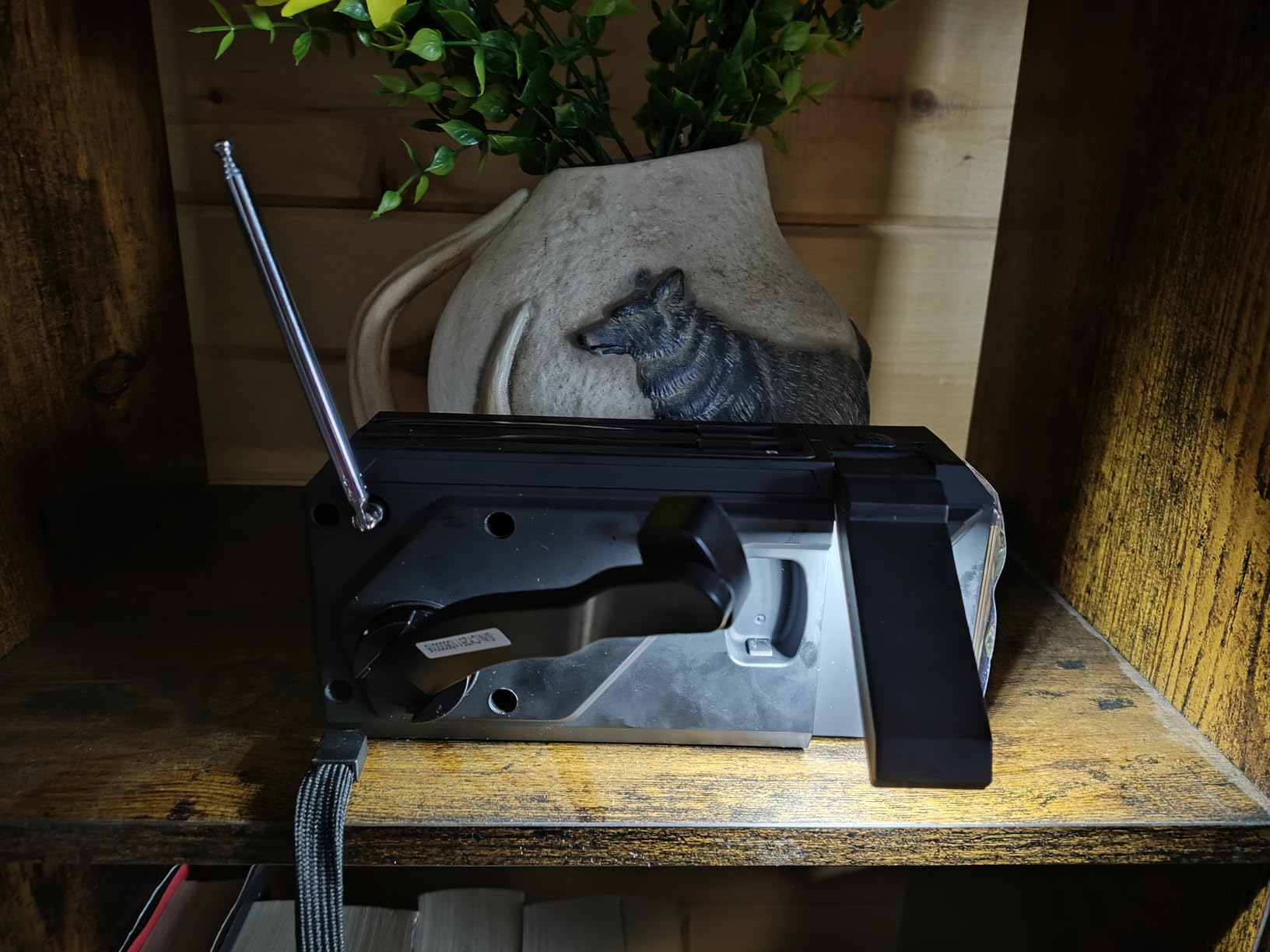
Why knob controls beat buttons in a blackout
Easy-turn knobs for power, volume and tuning are a genuine advantage when your hands are cold, wet or clumsy in the dark. There is no screen to read, which also means slower and less precise station selection, but the trade suits a device you grab at three in the morning.
Charging inputs cover the hand crank plus USB and Type-C, and a hanging hook, strap and USB cable are included.
Honest weaknesses
Battery retention is the recurring complaint, with some owners reporting a pack that would not hold its charge between uses. A minority also report hardware failures within weeks, so the long-term ownership picture is thinner here than the feature list suggests. Return it promptly if yours misbehaves.
8. QAUYYW XSY-330 Review – Longest Published Runtime Claims
Hand Crank Emergency Radio,37000mWhSolar Powered Hand Crank Portable NOAA AM FM Weather Radio with 3Mode Flashlight and Reading Light,Cell Phone Charger,Home and Emergency Distress Signal (Green)
37000mWh class cell
3W flashlight
48-LED reading lamp
9.6 oz
Pros
- 37000mWh class battery with long published runtimes
- 3W flashlight plus 48-LED reading lamp
- Hand crank and solar charging
- Loud 3-watt speaker and compass included
Cons
- Some models only accept charge via the hand crank
- Advertised capacity overshoots real usable capacity
- Small solar panel works as keep-alive only
The published figures here are the longest runtime claims in the roundup: up to 25 hours of radio playback, 30 hours of reading light and 40 hours of flashlight on medium, from a 37000mWh class rechargeable cell, at just 9.6 ounces.
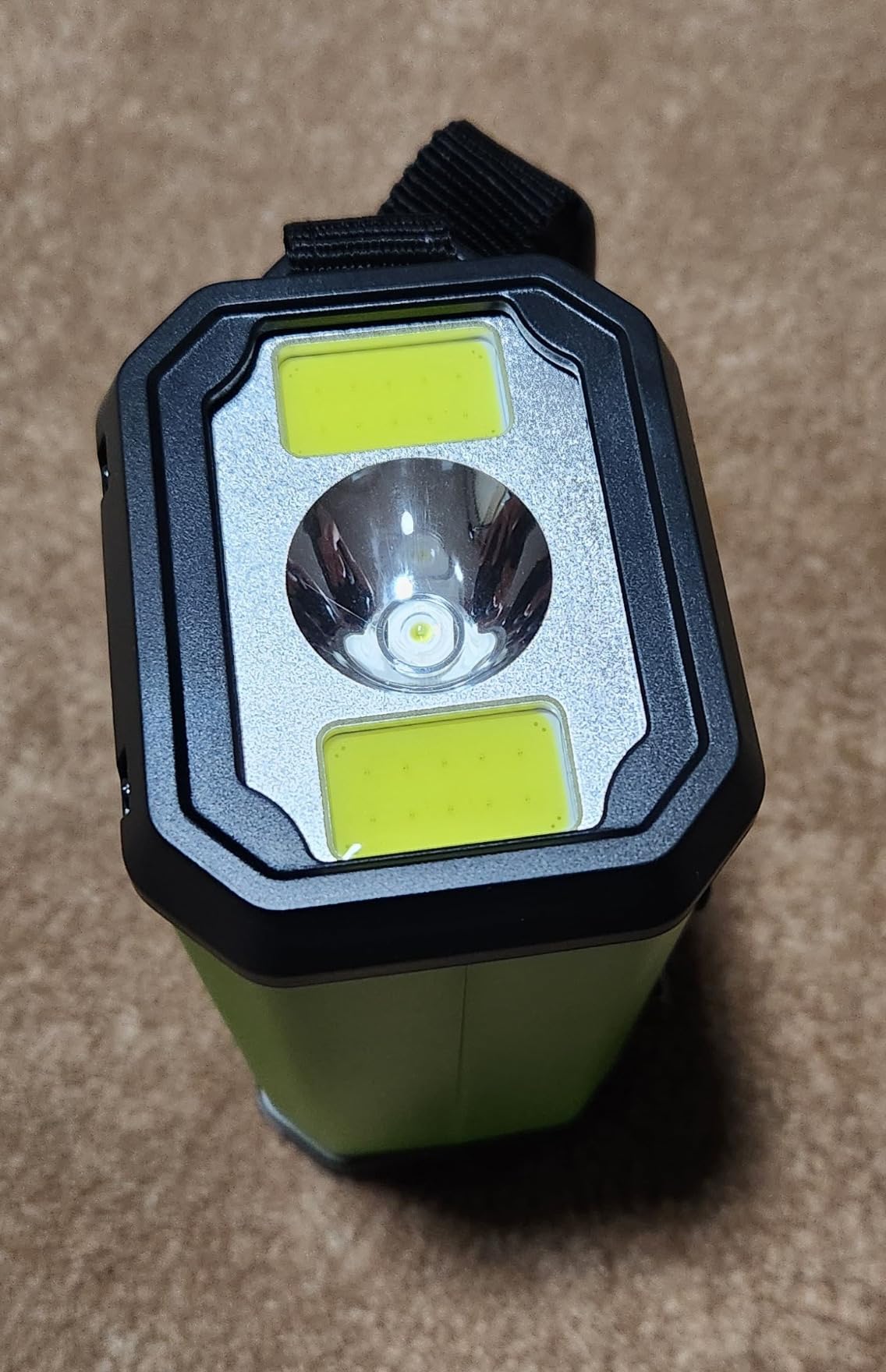
Lighting is its standout. A 3W super-bright flashlight plus a 48-LED reading light claimed to illuminate a 20 square metre room gives you a lot of usable light from one unit, and the 3-watt speaker is loud enough to hear NOAA alerts over rain on a roof.
Bands are AM 520-1710kHz, FM 87-108MHz and NOAA 162.400-162.550MHz, and the USB output can charge more than one cell phone over the life of the cell. A compass and hand strap are included.
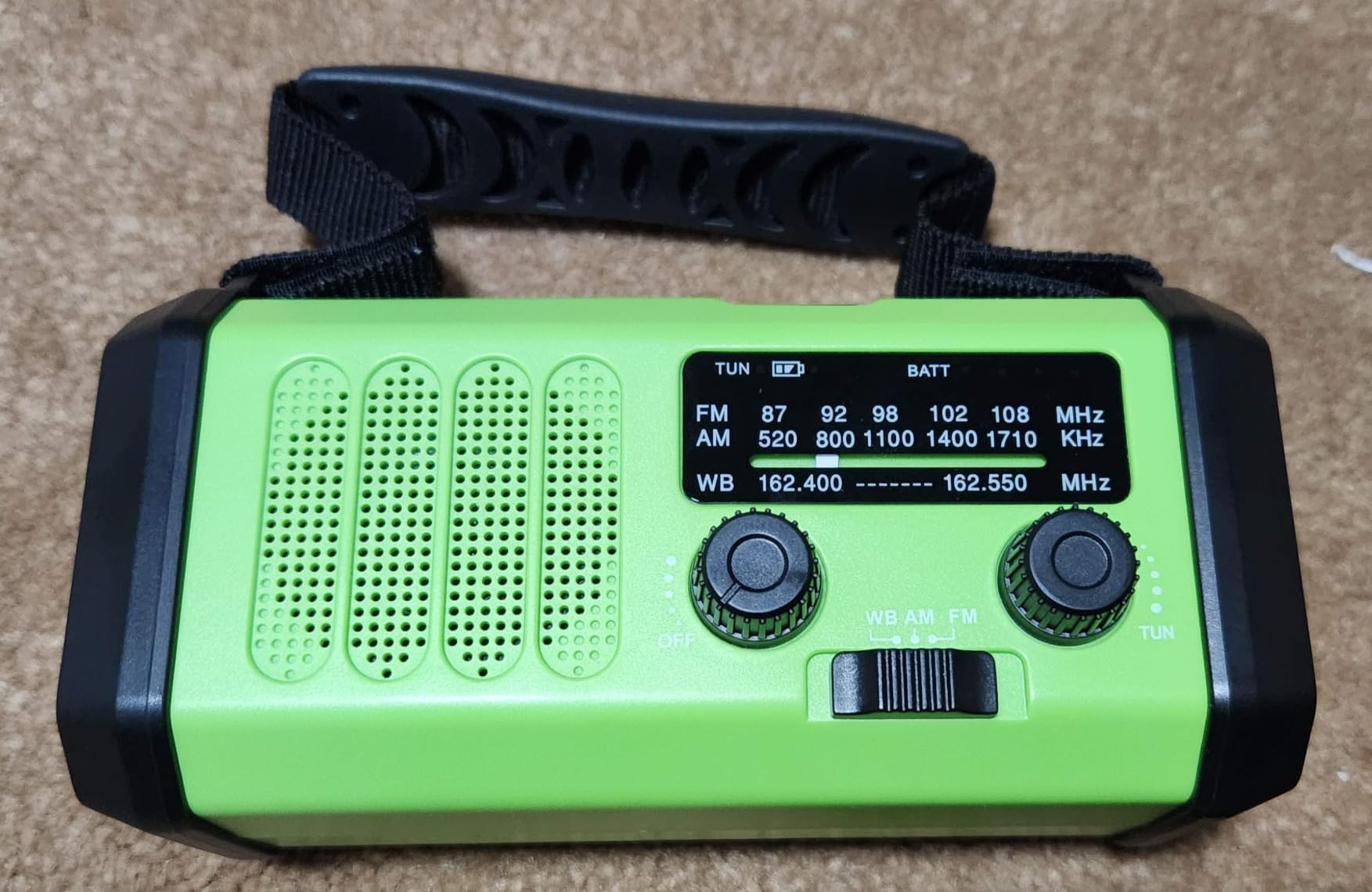
How to set expectations on 37000mWh
This is exactly the number that makes people suspicious, and the criticism from owners is that marketing overstates it relative to real usable capacity. Read the 25 to 40 hour runtime figures instead of the watt-hour headline, and treat the phone output as a couple of top-ups rather than a full recharge.
The solar panel is small and functions as a keep-alive, not a genuine recharge, so fill the battery over USB before you leave.
Check the charging inputs on arrival
The most serious reported fault is that some models only accept charge through the hand crank, with the USB-A and USB-C inputs failing. Test all three charging paths the day it arrives, because a radio you cannot top up over USB is relying on sun and muscle alone.
9. QAUYYW XSY-350 Review – Best for Outdoor and Water Exposure
20000mah Hand Crank Emergency Radio, SW/NOAA/AM/FM Weather Radio, Solar Powered Hand Crank Charger with Big Battery Powered, Portable, Cellphone Charge, SOS, Flashlight for Emergency/Home (Black)
20000mAh cell
IPX6 rated
20.5-inch antenna
120dB siren
Pros
- IPX6 water resistance is the strongest rating in the roundup
- 20000mAh battery for real charging headroom
- 20.5-inch telescopic antenna improves NOAA and AM/FM reception
- 120dB SOS siren carries for signalling
Cons
- Shortwave reception limited by antenna length
- Small solar panel only keeps the battery alive
The XSY-350 is the only radio in this roundup with a genuine IPX6 water resistance rating, which means heavy rain, spray and being dunked without damage. For a device that lives in a car, a boat deck or a campsite that gets wet, that single specification is often more valuable than extra battery capacity.
Its 20000mAh polymer battery carries a manufacturer claim of five iPhone 14 Pro charges or more than 48 hours of radio playback. Real phone charging falls well short of that headline number, but a 20000mAh cell is still a meaningful reserve to carry.
Reception benefits from a 20.5-inch telescopic antenna with a built-in noise reduction chip. There is a 3W spotlight, a 96-LED low-blue reading lamp, a 4-level power indicator with a digital display, a 5-watt speaker and a reflective rescue strap, in a 6.2 by 2.2 by 2.8 inch body at 10.88 ounces.
What the crank actually buys you
The published ratio here is the second useful benchmark in the roundup: five minutes of cranking yields about 30 minutes of emergency call time. That is enough for two or three emergency texts or one call, which is the correct expectation for a hand crank in any radio.
Triple charging covers the solar panel, the hand crank and Type-C fast charging, and the crank is the one to reach for when everything else has failed.
Where it falls short
Shortwave reception is limited by the antenna length, so do not buy it for shortwave listening. The solar panel is small and keeps the battery alive rather than refilling it, which means Type-C is your real refill method during an outage.
10. WVL 7400mWh Radio Review – Best Compact Starter Radio
WVL 7400mWh Emergency Weather Radio, Portable Solar Hand Crank Radio AM/FM/NOAA, with 3 Mode Flashlight & Reading Lamp, Cell Phone Charger and SOS Siren(Navy Green)
2000mAh output
7400mWh class cell
231g
3-mode 1.5W LED
Pros
- Compact 231g body that is easy to pack
- Very light with a working hand crank
- Three power sources including solar
- 3-mode 1.5W flashlight with motion-sensor reading lamp
Cons
- 2000mAh output only supports emergency-level top-ups
- Analog tuning makes finding stations slower
- Small internal battery limits doing several things at once
If the goal is a radio that will alert you to a tornado and let you place one call, the WVL does that and nothing more. It is the most compact entry in the roundup, and it still gives you a genuine NOAA alert radio, AM and FM reception, a hand crank, a solar panel, a flashlight, a reading lamp and a phone charging output.
Output is 2000mAh from a 7400mWh class internal cell, which owners correctly treat as enough for emergency calls and texts rather than a full phone recharge. The body is 130 by 50 by 60mm at 231g, small enough that you will actually pack it.
Two details earn their place. The 1.5W LED flashlight has three modes, and the reading lamp has a motion sensor, so it lights up when you move near it and shuts off when you stop. That is a smart power saving for a campsite.
What analog tuning costs you
Tuning here is analog with NOAA weather channel presets rather than a digital scan, so finding a station is slower and less precise. In a real emergency that is a fair trade for a smaller body, but it is a genuine downgrade from the digital models earlier on this list.
Backed by 18-month returns and lifetime technical support, which is unusually good cover for a small device.
Realistic expectations
Because the charging output is 2000mAh, and the internal cell is small, you cannot run the radio, the flashlight and a phone top-up at the same time without draining it quickly. Pick the function that matters in that moment rather than expecting the unit to cover all three.
11. Accinouter Condor 1 Review – Best for Charging Two Devices at Once
20000mAh Solar Hand Crank Emergency Radio, NOAA Portable Emergency AM/FM Radio with LED Flashlight Reading Lamp SOS Alarm USB-C Cell Phone Charger for Hurricane Survival
20000mAh with dual output
Solar plus crank plus USB-C
4-in-1 handle
Pros
- 20000mAh battery has been reported to take a phone from half charge to full
- Dual USB-A and USB-C output charges two devices at once
- Excellent flip-up reading lamp and 3-level flashlight
- Substantial carry strap and metal hardware
Cons
- Charging a phone while listening adds noise to reception
- No SAME filtering and no display for automatic alert wake-up
- Compass and rope cutter are novelties
- Heaviest listed unit at 1.8 pounds
The Condor 1 is the only unit here with two output ports, so it can charge two devices at the same time. Owners report its 20000mAh battery taking a phone from roughly half charge to full, and the USB-A and USB-C outputs cover both older and newer devices without an adapter.
The 4-in-1 survival handle is the feature that gets talked about most and matters least. It combines a compass, a whistle, a rope cutter and a fire starter, and reviewers are candid that the compass is inaccurate and the blade is flimsy. Treat it as a handle with a few extras rather than four working tools.
A 3W LED flashlight offers high, low and SOS modes, plus a soft flip-up reading lamp that is one of the better ones in the group. Reception on AM, FM and NOAA is clear and loud with the antenna extended, tuned with an analog pointer.
Why the dual output matters for a family
In a household outage, two phones on charge is a meaningfully different situation from one. Adults coordinating a plan and a teenager texting friends are two different needs, and this is the only radio here that serves both without swapping cables.
The 4-level battery indicator at 25, 50, 75 and 100 percent, plus a red crank charge light, is a genuinely helpful detail in the dark.
Drawbacks to know about
Charging a device while the radio is playing degrades reception with added noise, so separate those two tasks. There is no SAME code filtering, no display and no automatic alert wake-up, and the solar receptors are partly blocked by the handle, so the panel has to be removed to use effectively. At 1.8 pounds it is the heaviest radio here on published weights, and there is nowhere to store the cable.
12. Eton Odyssey Adventure Review – Best Full-Feature Build
Eton Odyssey Adventure Hand Crank NOAA Weather Radio, All Band Emergency Radio, AM/FM Shortwave Storm, Bluetooth, Phone Charger, RDS, Solar, Multi-Function Flashlight, Camping, Hiking
AM/FM/SW/NOAA with RDS
Bluetooth
Replaceable 18650 or AAA
Kill switch
Pros
- Replaceable 2000mAh 18650 cell or three AAA batteries as fallback
- Full power-off kill switch protects storage battery
- Bluetooth speaker with a dedicated siren speaker
- Efficient solar charging that works on overcast days
Cons
- Button-scan station selection is slow
- Shortwave reception limited by the antenna
- Sparse manual and a battery-door screw that can strip
The Odyssey Adventure is the most thoughtfully engineered radio in the group, and it also has the lowest average rating, which is a fair summary of what you are choosing. It covers AM, FM, Shortwave and NOAA with a digital tuner, streams over Bluetooth, and runs from a replaceable 2000mAh 18650 cell or three AAA batteries.
That dual fuel matters more than it sounds. A 2000mAh lithium pack loses capacity over years and eventually stops holding a charge; the AAA fallback means the radio still works a decade from now, which is exactly what a long-term preparedness purchase needs.
The full power-off kill switch is the sleeper feature. Most radios in this list drain slowly in storage because there is no way to fully disconnect them, and this one solves that. Charging runs through USB-C, the solar panel and the hand crank, and the owner’s manual, a power adapter, a USB-A to USB-C cord and a clip are included.
Why a kill switch and dual fuel matter
Li-ion cells left partly charged for a year lose real capacity, and that is the reason some emergency radios are dead the first time they are needed. A switch you can actually turn off, plus a battery you can swap for a fresh cell, is the answer to long-term storage that no amount of mAh can provide.
Owners also praise the crank, which feels solid and signals when charging is complete, and the solar panel, which keeps charging on overcast days with overcharge protection.
What owners complain about
Station selection is by slow button scan rather than a tuning dial, and a long external wire helps shortwave reception considerably. RDS is claimed but does not appear to work on this model. The manual is sparse and the battery compartment screw can strip. Owners also report a finish that looks scuffed out of the box, and the odd shape means it will not lie flat with the antenna extended.
How to Choose an Emergency Radio With Phone Charging
Start with the watt-hours, not the milliamp-hour headline. Milliamp-hours only describe capacity if the voltage is the same, and emergency radios are quoted both ways. The Raynic is 5000mAh at 18500mWh and the FosPower 4000mAh at 14800mWh, while the PRUNUS and WVL are quoted at 7400mWh. Once you convert to watt-hours the rankings make sense and the marketing flattens out.
Then divide by what a phone actually needs. A modern phone battery is roughly 12 to 15 watt-hours, and you need overhead for conversion losses, so divide the radio’s watt-hours by about 15. For a 5000mAh radio like the Raynic that lands near one full charge, while a 20000mAh cell gives a little more headroom. Anyone quoting three or four full phone charges from a radio this size is measuring the cell, not the output.
Which power source you will actually use
Ranked by what each realistically delivers:
AC adapter or DC car input – the only method that refills the battery quickly. Use it before an event, not during one.
USB input – the most portable refill method and the one to test on arrival. Some models accept power only through the hand crank.
AAA or AA batteries – genuine backup for radios that support it, and the fallback that keeps an Eton FRX3 or Odyssey Adventure working years from now.
Solar panel – a keep-alive, not a refill. The small panels on these radios cannot refill a depleted cell in a useful timeframe; they slow the decline of a full one.
Hand crank – minutes of crank buy minutes of use. Two published figures in this roundup make the maths concrete: the Trecol gives up to 30 minutes of light or four to six minutes of radio per minute of crank, and the XSY-350 gives about 30 minutes of emergency call time per five minutes of crank.
So yes, hand cranks work, but they are a last resort. Crank enough to hear a warning or place one call, and do not plan to run a phone conversation on it.
NOAA alerts, SAME codes and manual tuning
NOAA weather band reception is the core function. Automatic alert scanning, where the radio wakes on a warning, is the difference between a warning and a coincidence, and only some models in this list have it. The Raynic and PRUNUS auto-scan in alert mode. The FosPower, C.Crane, Trecol, Accinouter and Eton Odyssey do not claim automatic wake-up.
SAME code programming is a separate and more advanced feature that none of the units here offer. SAME lets you program a county code so you only hear alerts for your area instead of every county in the broadcast range. Radios with it are the larger tabletop models, and if that level of filtering matters to you, this roundup is not the last word.
What the water resistance ratings actually mean
IPX3 means splashing water from any direction, which is fine for a humid room and a light shower. IPX4 adds protection against water sprayed from every direction and is roughly the same practical tier. IPX6 means powerful water jets from any direction, which is real rain and river-level exposure. The C.Crane is the one model with no rating at all, the two Eton Red Cross radios carry no water resistance marking, and the Odyssey’s rubberized shell is IPX4.
Which radio for which situation
Home blackout, multi-day – Raynic CR1009Pro, which auto-scans NOAA warnings in standby and carries a multi-day reserve, or the FosPower A3 if you want the lifetime warranty instead.
Hurricane season in a car or boat – XSY-350, the only IPX6 model here, with a 20.5-inch antenna for reception.
Camping – PRUNUS J-366 at 8.6 ounces, with three built-in cables, or the WVL if you want the smallest pack and can accept that the phone top-up may not come.
RV or long road trip – C.Crane CCRadio, because the replaceable lithium cell, the long radio runtime and the five presets per band suit a vehicle kitchen that stays switched on for hours.
Go-bag, minimal weight – Eton FRX2, accepting that you give up automatic alert mode.
Long-term storage, decades – Eton Odyssey Adventure, for the kill switch and the replaceable 18650 cell with an AAA fallback.
Two things to do in the ten minutes after it arrives
Test all three things before you need any of them. Charge it over USB to full and confirm the input works, because a small share of models only accept power through the hand crank. Then tune every NOAA channel and listen for the continuous tone, which confirms reception in your location, including from the basement or the far end of the house. Finally, trigger the SOS alarm and confirm the siren is loud enough to wake someone on the other side of a door.
For long-term storage, top the battery up every three to six months and store it at room temperature. A lithium pack left at zero for a year will disappoint you. If your radio has a power-off switch, use it.
One last decision to make honestly: a crank radio cannot replace a portable power station for a multi-day outage. Forum consensus on this is consistent, and it is right. A radio with a 20000mAh cell is a communications and lighting device with a useful bonus USB port. Running a laptop, a medical device or several large batteries through a week needs a portable power station and a solar panel alongside the radio, not instead of it. Our GMRS radio guide covers the two-way talk that an emergency radio cannot do at all.
Frequently Asked Questions
What is the name of the emergency radio that charges cell phones?
They are usually called emergency radios with a USB output, or NOAA weather radios with a built-in power bank function. Every unit in this roundup has a USB port that charges phones, and the Raynic CR1009Pro is the one we recommend most often because of its 5000mAh reserve and six charging paths.
Can an emergency radio really charge a cell phone?
Yes, but treat it as a power bank for emergencies rather than a wall charger. A radio with 20000mAh gives roughly one solid phone top-up, and a 5000mAh radio gives a partial charge. The output is measured at the cell level, so real results fall short of the printed milliamp-hour figure.
Do hand crank radios really work?
They do, at roughly one minute of use per minute of cranking. The Trecol states one minute of crank gives up to 30 minutes of light or four to six minutes of radio, and the XSY-350 states five minutes gives about 30 minutes of emergency call time. Crank for a warning or a call, not for a conversation.
What is the best power source for an emergency radio?
An AC adapter or DC car input refills the battery fastest and is how you should prepare. During an outage, USB input is the most portable refill, AAA batteries are the true backup on models that support them, and both solar and hand crank are keep-alive options that will not restore a dead battery in useful time.
Which rechargeable portable radio is considered the best?
The Raynic CR1009Pro is our pick for most people, with automatic NOAA alert scanning, six charging paths and a reserve that survives a few days of messaging. The FosPower A3 is the value choice, pairing a 14800mWh power bank with a limited lifetime warranty, and the C.Crane CCRadio wins on reception and a replaceable battery.
How do I keep the battery healthy in long-term storage?
Top the radio up every three to six months and store it at room temperature away from direct sun. If the model has a full power-off switch, use it, because a radio with a running clock drains its cell in storage. Test the USB input and every NOAA channel once a year so you find a dead cell before an emergency.
What is the difference between AM/FM and NOAA weather band?
AM and FM are ordinary broadcast stations for news, music and talk. NOAA weather band carries continuous National Weather Service alerts for your area, which is the band that matters in a hurricane, tornado or wildfire. An emergency radio needs NOAA reception to warn you, and automatic alert scanning is the feature that makes it wake you for those warnings.
Conclusion
After six weeks and twelve radios, the best emergency radios with cell phone charging come down to what you need the phone for. The Raynic CR1009Pro covers the widest set of scenarios with automatic NOAA alert scanning, six charging paths, which is why it is our top recommendation. The FosPower A3 is the sensible cheaper route, and the C.Crane CCRadio is the one to buy if reception is the thing you will not compromise on.
Two rules will keep you out of trouble. Check the watt-hours and divide by about 15 to get realistic phone charges, and treat hand crank and solar as emergency top-ups rather than refills. Charge every radio fully over USB when it arrives, test the NOAA channels where you live, and top it up again every few months. If you want the radio kit finished off, our two-way radio picks and phone case guide cover the rest of an emergency bag.