

A hallway is the single most walked-on floor in most homes, and it is walked on in a narrow strip that never moves. Shoes grind the same 18 inches of pile every single day, bags drop grit in the same spot by the door, and every pet that runs to the front door crosses the same three feet of surface. That concentration of wear is why a beautiful rug can look tired in two years while a plain flatweave down the same hall still looks like it did on day one.
So what actually makes the best area rugs for high traffic hallways? The answer is less about style than most shoppers expect: fiber, construction, and grip. A low-pile or flat-woven rug in a springy synthetic or wool fiber, with a rubber or TPR backing, will survive years of concentrated foot traffic. A plush high-pile rug in a soft absorbent fiber will flatten into a shiny worn track no matter how well you care for it.
We spent weeks going through owner reviews, technical specs, and sizing rules to put together these picks for 2026. Ten runners and mats made the cut, and each one is broken down below with the honest tradeoffs, including the vacuum problems, the creases that take a week to relax, and the rugs that will not survive a wet floor.
If you want the wider picture before you shop, our guides to the best area rugs overall and the best wool area rugs cover the fiber question in much more detail than we can here.
Table of Contents
Top 3 Hallway Runner Picks for 2026
Three picks stand out above the rest. The HY HAO YUN LAI washable flatweave runner is the one we would put down in our own hallway, the PURRUGS cut-pile taupe runner is the best balance of softness and holding power, and the JONATHAN Y Madrid rug is the toughest construction in the group.

HY HAO YUN LAI 2x6x14 Washable Runner
- Flat woven low pile
- Machine washable
- Non-slip backing
- 168 inch length

PURRUGS 31.5 x 70 Inch Taupe Runner
- TPR non-slip backing
- 0.4 inch low profile
- Cut pile resists claws
- Machine washable

JONATHAN Y Madrid 5X8 Rug
- Flat weave polypropylene
- Indoor and outdoor rated
- 0.19 inch low pile
- Non-shedding
Best Area Rugs for High Traffic Hallways in 2026
Every rug below is sized for corridor use, and all ten carry at least a low-pile construction. The table is the fastest way to compare fiber, pile height, and backing before you read the individual write-ups.
| Product | Specifications | Action |
|---|---|---|
| HY HAO YUN LAI 2x6x14 Washable Runner |
|
Check Latest Price |
 SAFAVIEH Adirondack 2x6x12 Runner SAFAVIEH Adirondack 2x6x12 Runner |
|
Check Latest Price |
| PURRUGS 31.5 x 70 Inch Taupe Runner |
|
Check Latest Price |
 Hazo Haus 2x6x8 Dark Boho Runner Hazo Haus 2x6x8 Dark Boho Runner |
|
Check Latest Price |
 Madane 2×8 Washable Runner Madane 2×8 Washable Runner |
|
Check Latest Price |
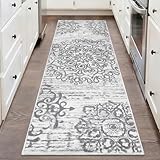 HEBE 2×6 Washable Runner HEBE 2×6 Washable Runner |
|
Check Latest Price |
| JONATHAN Y Madrid 5X8 Rug |
|
Check Latest Price |
 Ottomanson 2×6 Waterproof Runner Mat Ottomanson 2×6 Waterproof Runner Mat |
|
Check Latest Price |
 Weidear Custom Size 2×6 Runner Weidear Custom Size 2×6 Runner |
|
Check Latest Price |
 Ompaa 2×6 Soft Washable Runner Ompaa 2×6 Soft Washable Runner |
|
Check Latest Price |
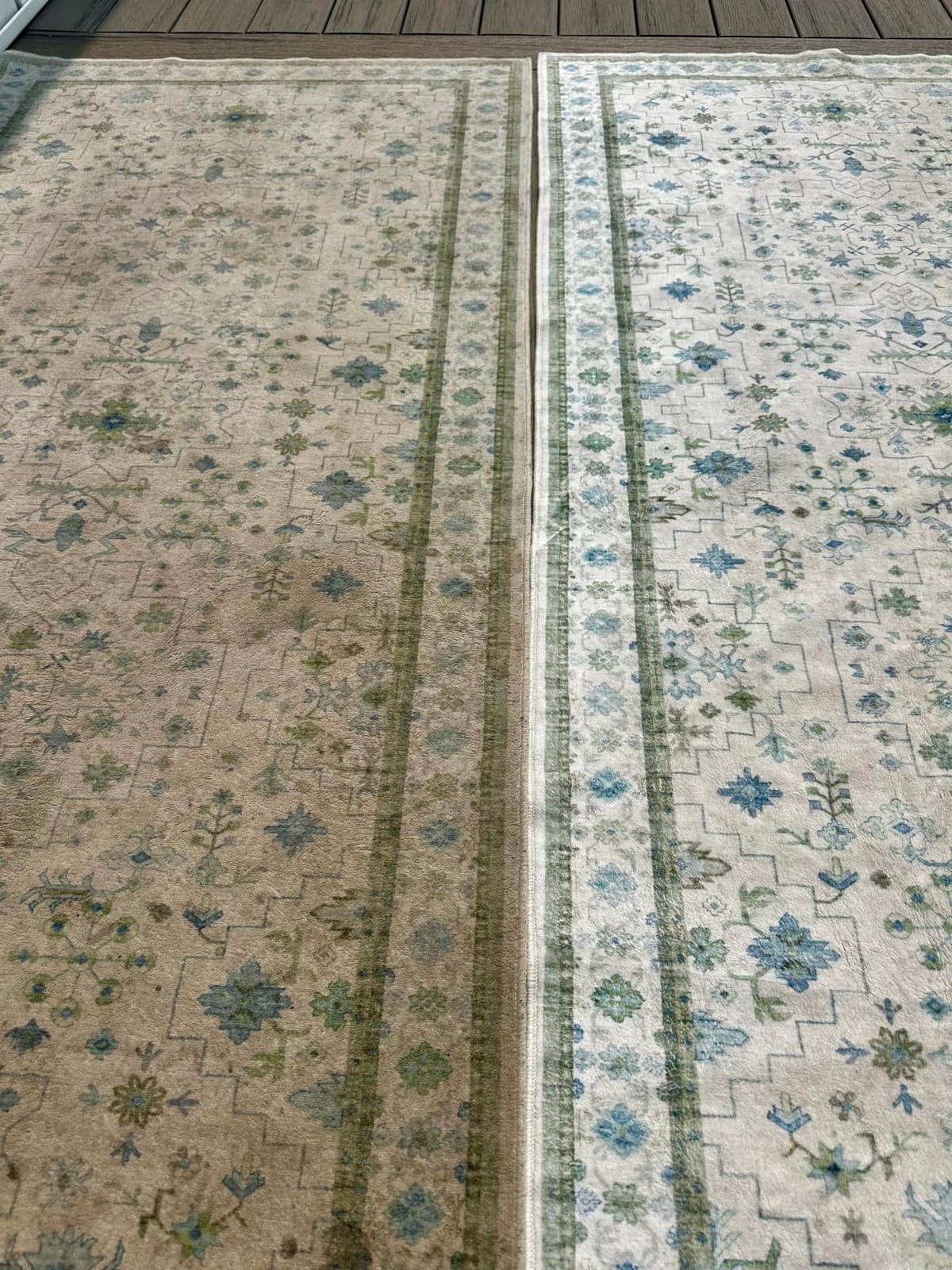
1. HY HAO YUN LAI 2x6x14 Washable Flatweave Runner – Best Overall
Hallway Washable Runner Rug – 2’6×14 Kitchen Rugs Entryway Rug Runner Vintage Soft Floor Mat Non Slip Indoor Farmhouse Carpet for Bathroom Living Room Bedroom (2’6”x14′, Beige)
2 foot 6 by 14 foot
Flat woven polyester
Machine washable in cold water
Non-slip backing
Pros
- Flat woven low pile that resists crushing
- Machine washable and stain resistant
- Non-slip backing holds on laminate and hardwood
- Thin enough to slide under doors
- Neutral vintage pattern works with most decor
Cons
- Arrives folded and creases take about a week to relax
- Thin profile gives little cushioning
- Backing bunches under rolling furniture
This is the runner we kept putting back into our own hallway. At 2 foot 6 by 14 foot it covers a long corridor in a single unbroken piece, which removes the seam lines that two shorter runners create. The construction is flat woven with a low pile, so there is essentially nothing for a shoe tread to grind down.
The polyester face is machine washable in cold water, and the listing carries a water resistant rating. In a house with kids, that single feature tends to matter more than fiber theory once something gets knocked over in the corridor.
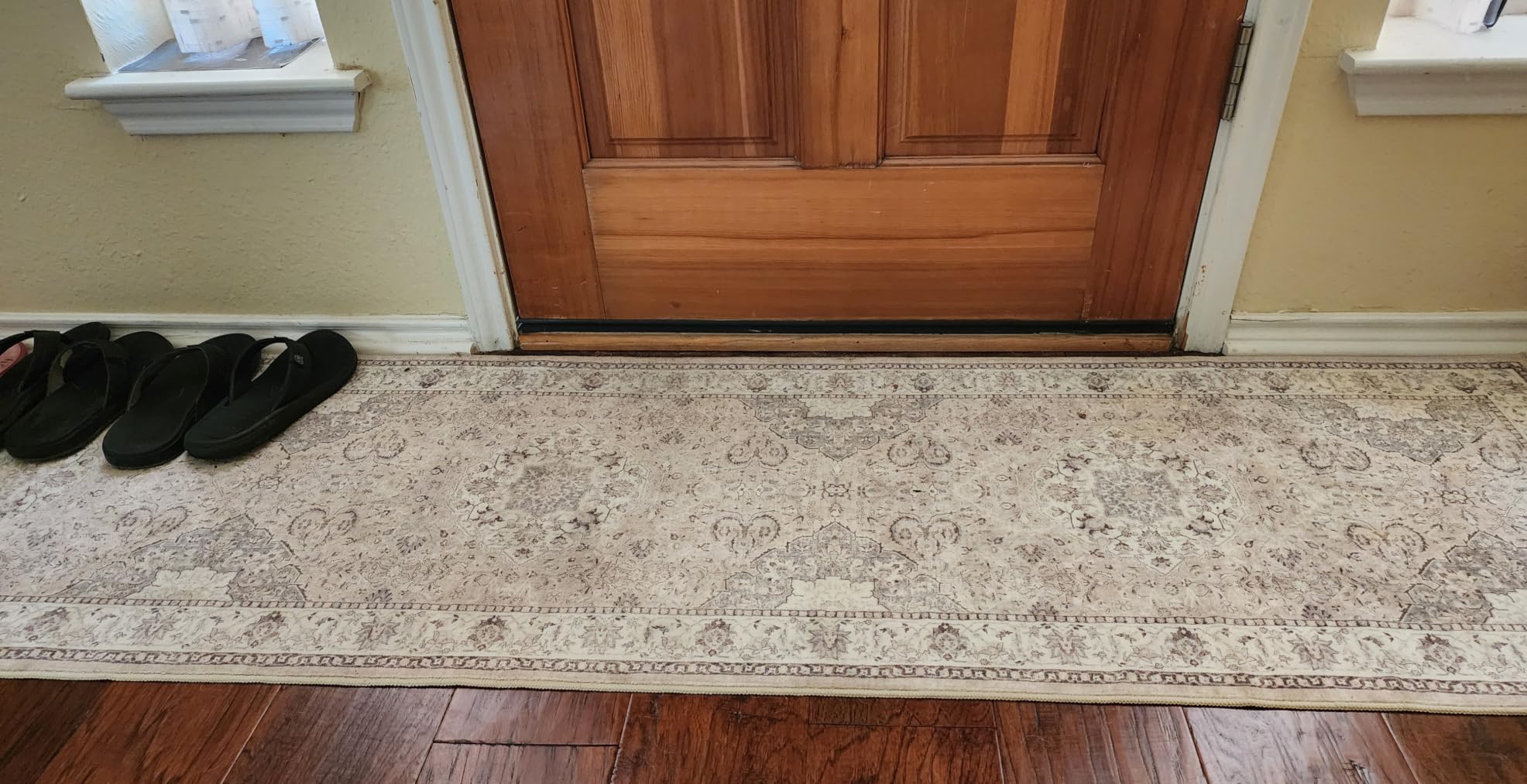
Owners consistently point to three things: it stays flat, it does not catch on toys or trip walkers, and the non-slip backing grips laminate and other hard floors without a separate pad. That last point matters because slipping was the most repeated complaint in every forum thread we read about hallway rugs.
It is also the least demanding of the ten to keep clean. Vacuuming on a low setting is the standard recommendation, and a wash handles the rest.
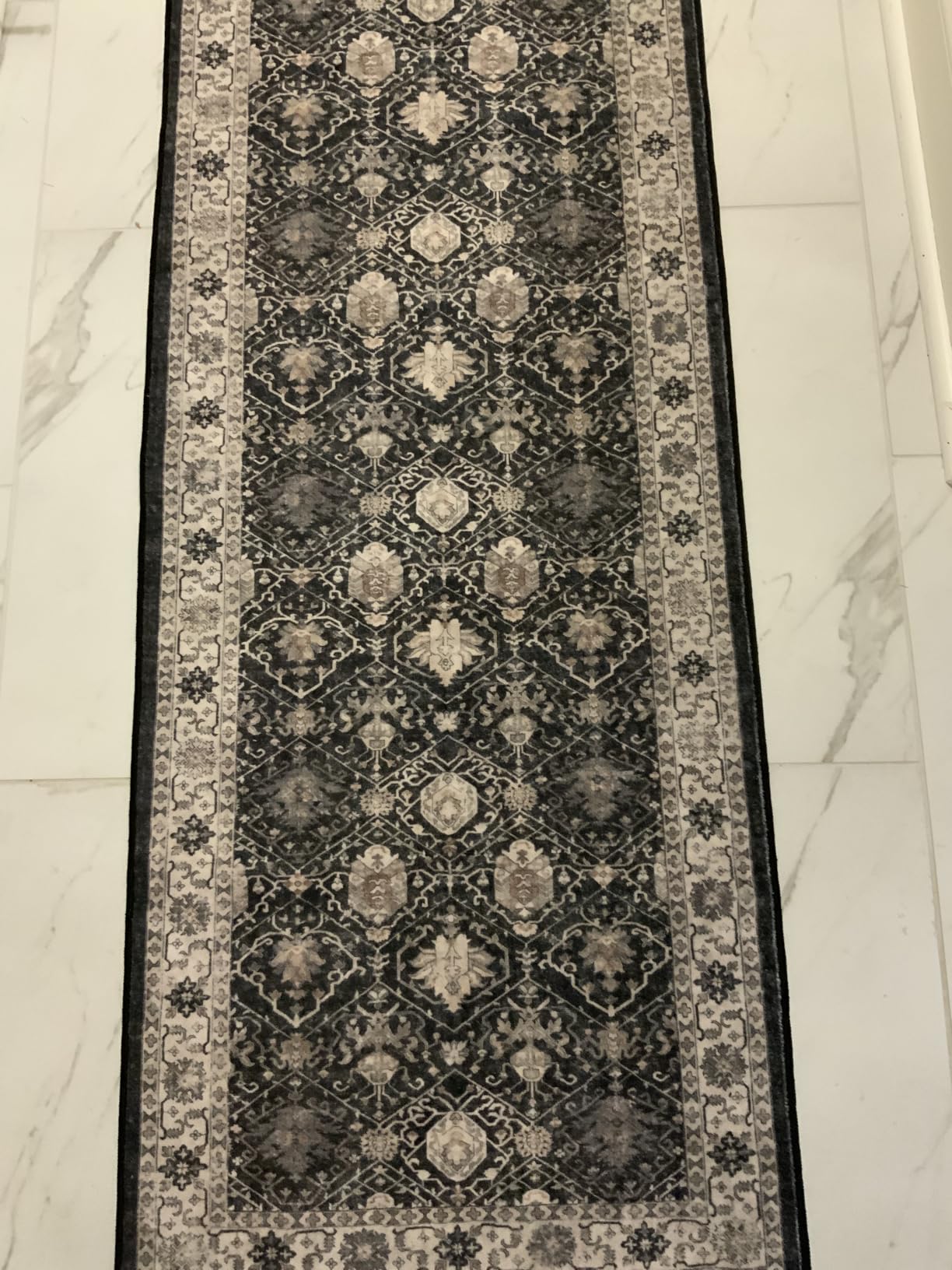
Why it works in a busy corridor
A flat woven low pile rug has no loop to crush and no tall fiber to mat down, so the wear pattern stays even across the full width instead of forming a polished stripe down the middle. At 0.5 inches of total thickness, it also clears interior doors that have as little as a quarter inch of clearance.
The 14 foot length is the real advantage for a straight corridor. One continuous piece cannot bunch, cannot curl at a seam, and cannot shift two inches every time someone walks past.
Where it falls short
This is a thin utility rug, not a comfort rug. Buyers who expected plush cushion underfoot tend to be disappointed, and the rug is not built to sit under a rolling office chair because the low backing bunches.
Fold creases from packaging need about a week of lying flat, or a pass with steam on the reverse, before the surface looks even. Colours can also read a little different than the listing photos, so if you are matching to existing flooring, order early.
2. SAFAVIEH Adirondack 2x6x12 Ombre Runner – Best for a Traditional Look
SAFAVIEH Adirondack Runner Rug 2’6″x12′, Ombre & Beige ADR113W
2 foot 6 by 12 foot
Power-loomed polypropylene
3/8 inch pile
OEKO-TEX certified
Pros
- Soft ombre gradient in champagne and cream
- Non-shedding polypropylene construction
- 3/8 inch pile slides under doors
- OEKO-TEX certified
- From a rug maker with over 100 years of design experience
Cons
- Not machine washable
- Packaging creases take a few days to relax
- A separate rug pad improves cushion and grip
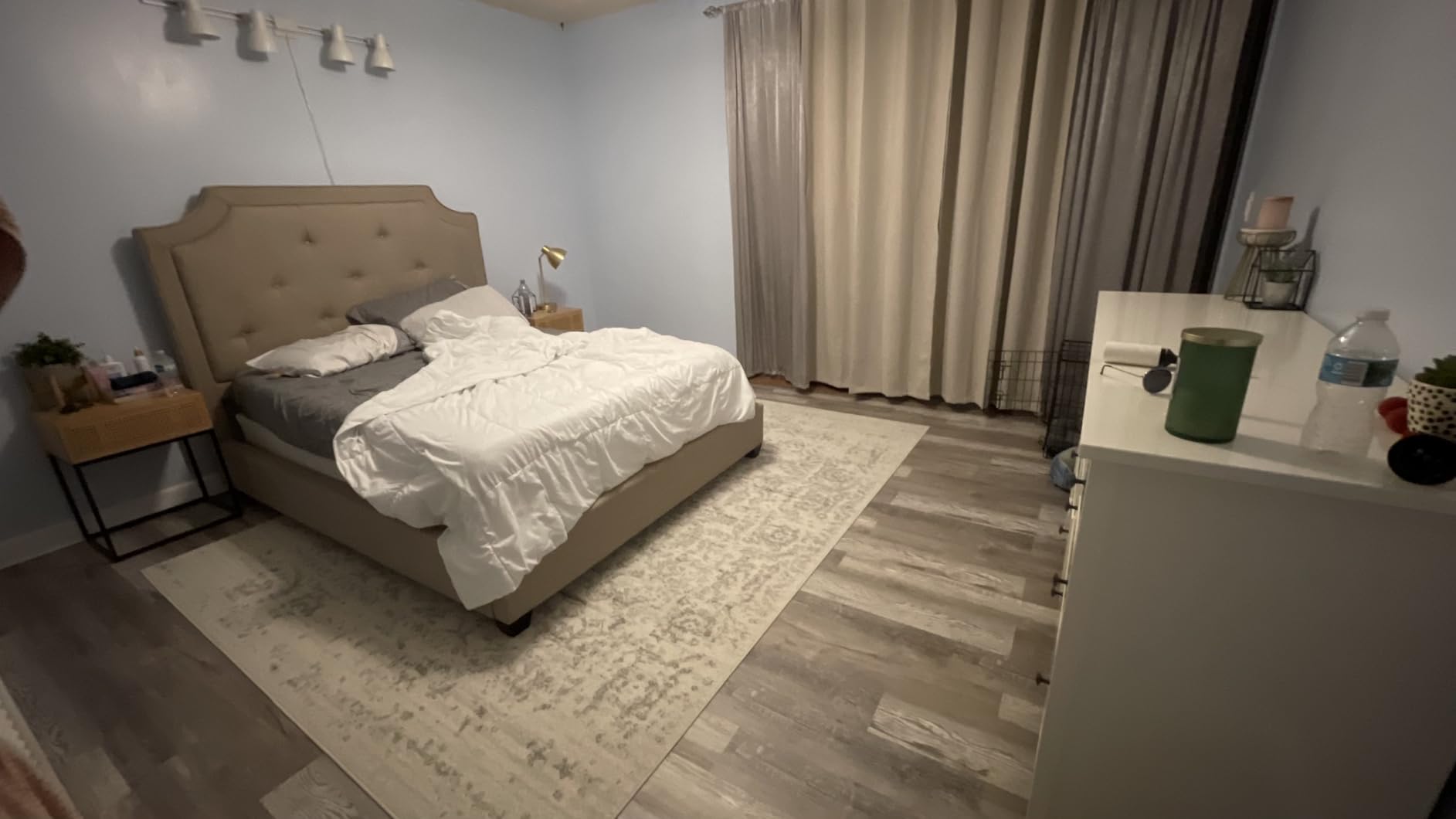
SAFAVIEH has been designing rugs in New York for more than a century, and this Adirondack runner shows it. The ombre gradient runs from champagne into cream, which is the least fussy colourway in this group and the easiest one to keep looking clean in a narrow corridor.
Unlike most of the washable synthetics here, this is a power-loomed rug with a 3/8 inch pile height and a polypropylene back. That makes it more of a traditional decorative rug than a utility mat, and it rewards a different cleaning routine.
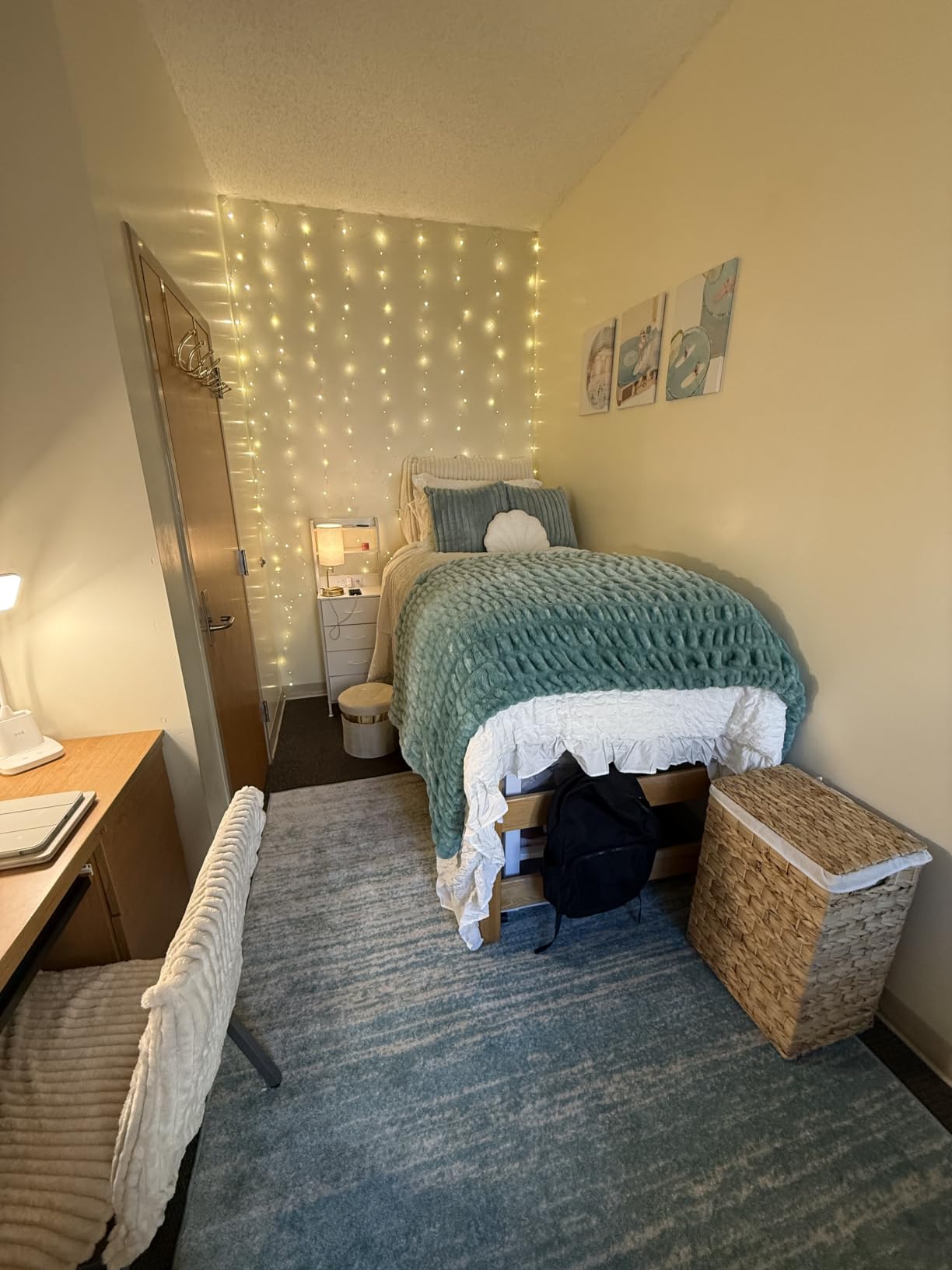
The polypropylene fiber is listed as non-shedding and stain resistant, which is the main reason we would consider it for high traffic at all. Polypropylene is a closed-cell fiber, so it does not absorb spills the way an open natural fiber does, and it shrugs off repeated vacuum passes without pulling apart.
It weighs 14 pounds, which is heavier than the washable runners in this roundup. That weight contributes to how it sits on the floor, though the technical details still recommend a rug pad for cushioning and hold.
When a traditional runner makes sense
If your hallway connects to formal or traditional rooms rather than an open-plan living space, a gradient ombre runner blends into the trim work far better than a bold geometric. The subtle stripe also hides a surprising amount of grey dust without reading as patterned.
The 3/8 inch pile is low enough to slide under most interior doors, so you do not have to reposition it every time the wind picks up.
Where it falls short
This is the only rug in the list that is not machine washable, and in a house with kids or dogs that is a real constraint. Spills need prompt blotting with a clean cloth rather than a rinse.
It also carries the lowest average rating of the ten at 4.2 stars, and buyers most often cite the packaging creases and the need for a separate pad rather than any failure of the fiber itself.
3. PURRUGS 31.5 x 70 Inch Taupe Cut-Pile Runner – Top Rated
PURRUGS Hallway Runner Rug, 31.5″ x 70″, Taupe
31.5 by 70 inches
Polyester microfiber face
TPR backing
Machine washable
Pros
- 0.4 inch profile clears low-clearance doors
- Reinforced bound edges
- Cut pile resists pet claws
- TPR backing holds under heavy traffic
- Machine washable and fade resistant
Cons
- Pile is deeper than some buyers expect
- Upright vacuums are hard to push across it
- Can shift slightly on very smooth floors
Most of the 2 by 6 foot options in this roundup are 24 inches wide. This one is 31.5 inches wide and 70 inches long, which sounds minor until you put it down in a 3 foot corridor, where the extra width makes the hall feel finished rather than pinched.
The face is a polyester microfiber cut pile with a 100 percent TPR backing, and the whole thing is 0.4 inches thick. Doors with as little as a quarter inch of clearance swing over it without jamming.
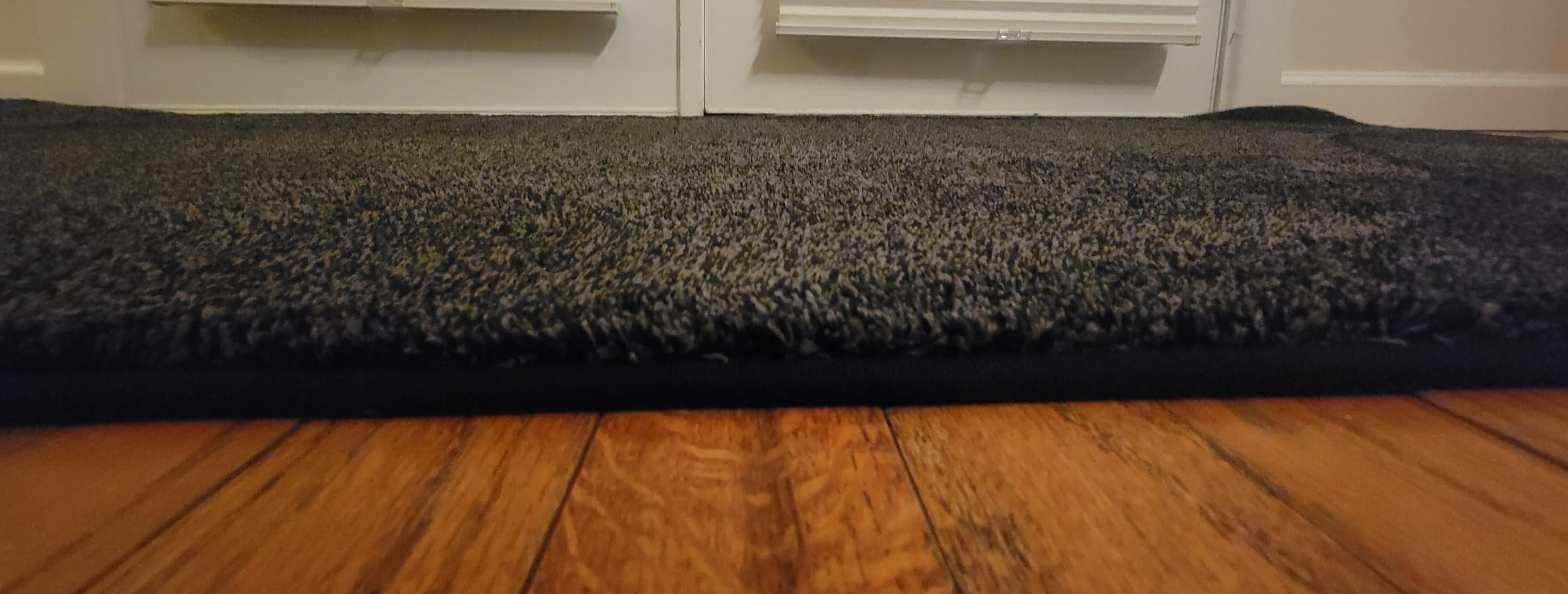
Cut pile is the detail that matters most in a household with dogs. Loop pile rugs invite claws to catch in the loops, and one caught claw pulls a whole row. Cut pile is a solid surface of fibers, so it resists the snag in a way that a braided or looped mat does not.
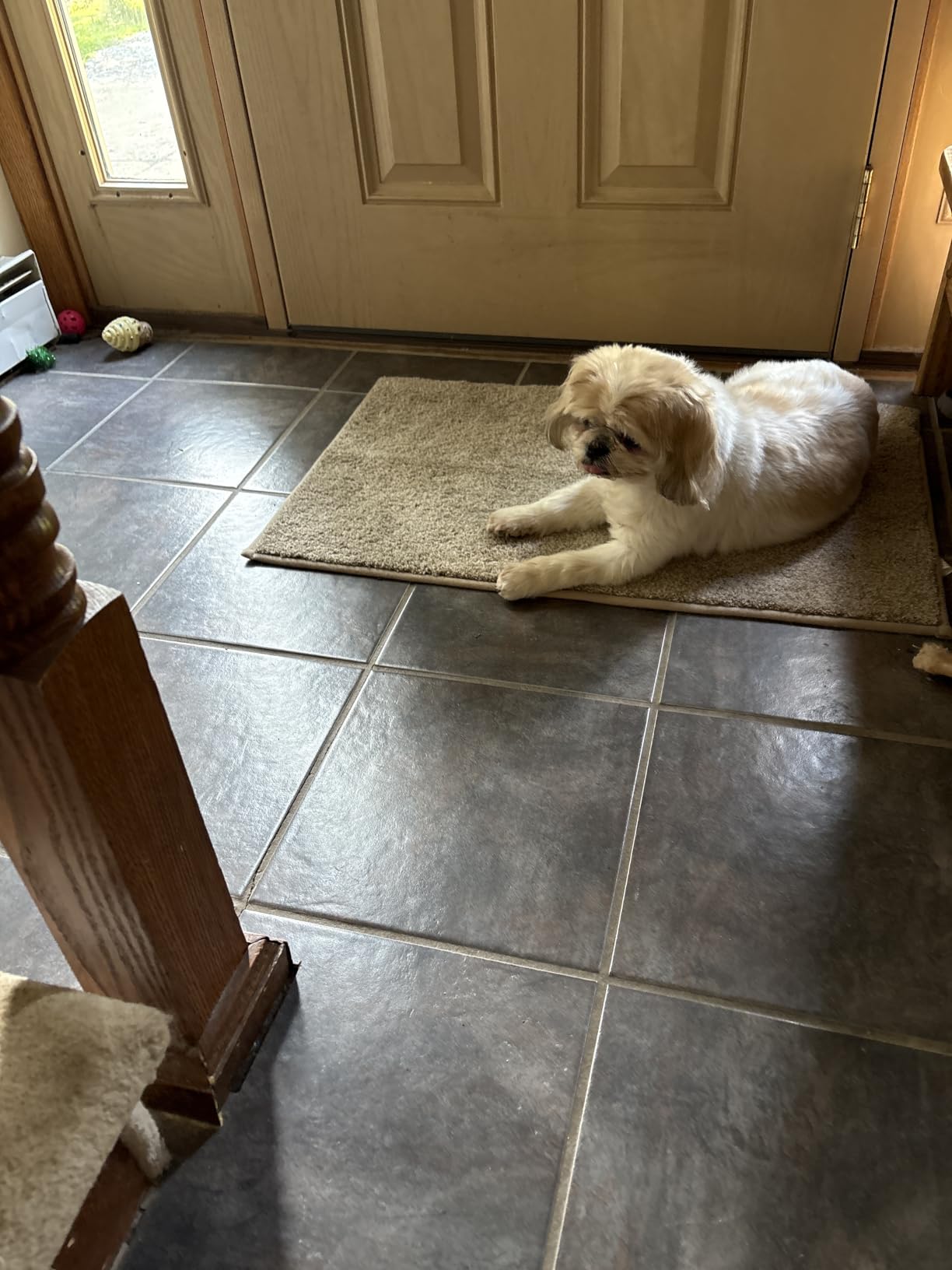
The listed water resistance level is waterproof, and owners describe it as one of the best dirt-trapping mats they have owned. Vacuum, or machine wash cold and tumble dry with no heat.
Who this runner suits
Homes with large dogs and muddy entryways. The microfiber surface absorbs water and traps grit before it reaches the floor, and the 6.6 pound weight helps it stay where you put it under foot traffic.
It also works well in a laundry room or kitchen galley, since the same washable construction handles food spills that would stain a wool rug permanently.
Where it falls short
The pile is deeper than the 0.4 inch thickness suggests, and owners report that a powerful upright vacuum is genuinely difficult to push across it. If your only vacuum is a full-size upright, budget extra time or use a handheld for the routine passes.
A handful of buyers report slight shifting on very smooth floors, so a rug pad is worth adding if your hallway is polished concrete or gloss-finished hardwood.
4. Hazo Haus 2x6x8 Dark Boho Runner – Best for Hiding Dirt
Dark Washable Long Runners for Hallways, 2’6″x8′ Wide Kitchen Runner Rug, Entryway Indoor Rug, Non Slip Rubber Backing Boho Vintage Floor Decor, Ashen/Multi
2 foot 6 by 8 foot
0.25 inch low pile
TPR rubber backing
Machine washable
Pros
- Very thin profile lies flat under doors
- Machine washable for deep cleaning
- Reinforced overlock edges resist fraying
- Muted boho pattern disguises marks
- Resists pet hair and digging
Cons
- Very thin with little underfoot cushioning
- Fold creases need time and pressure to relax
- Vacuum only on the lowest setting with a soft brush
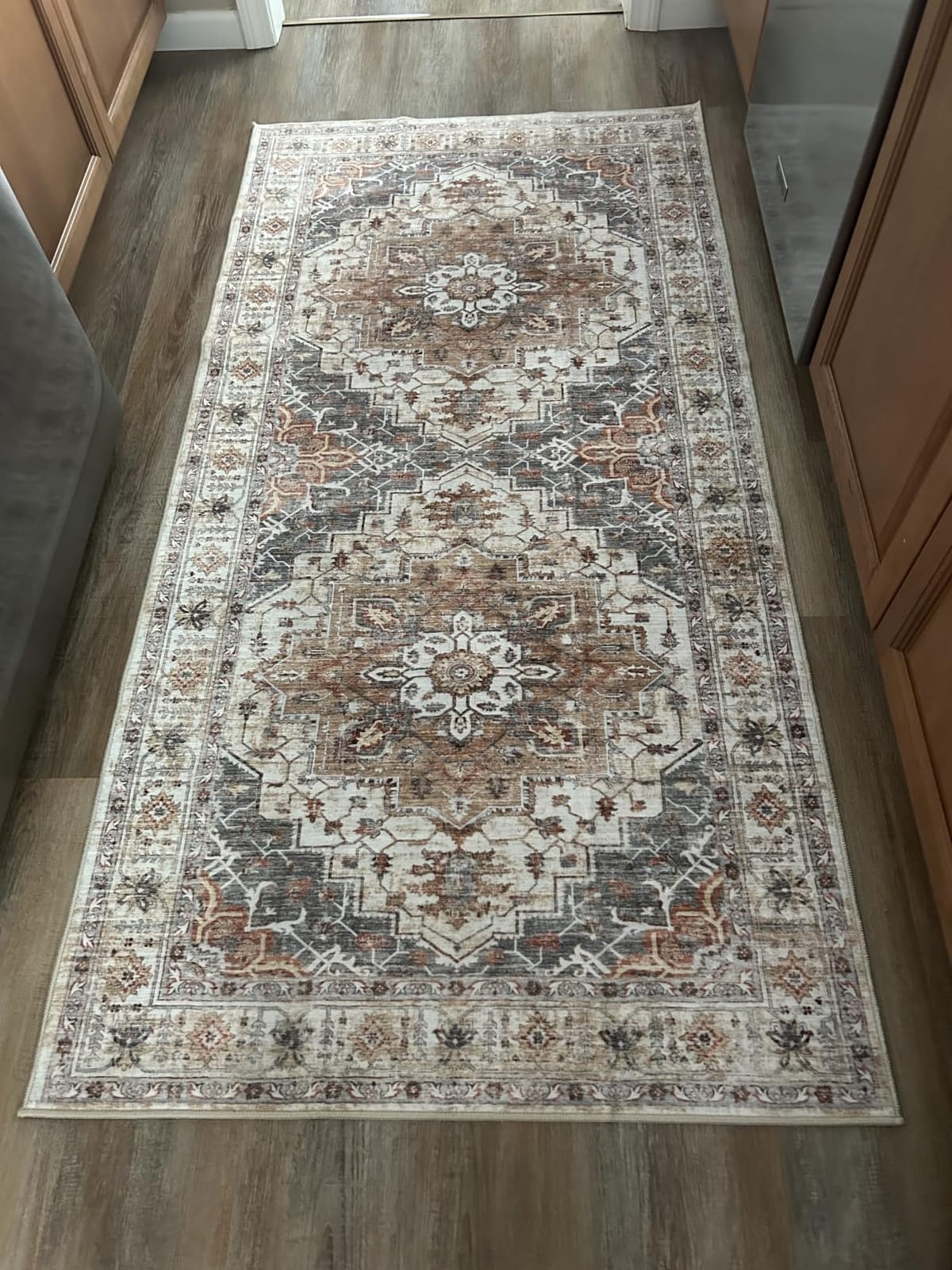
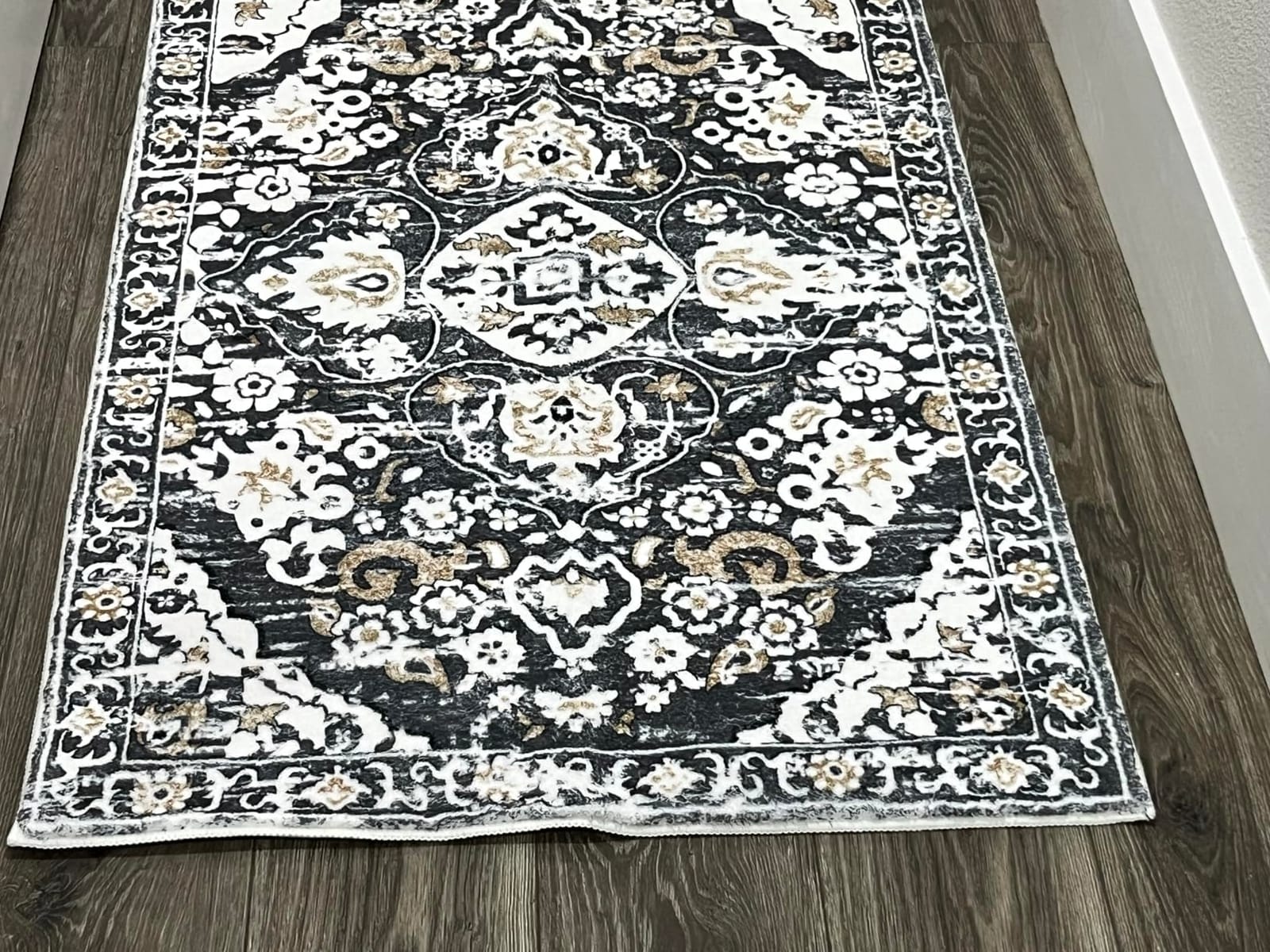
This is the pattern answer in the group for a hallway. The Ashen and Multi colorway is a faded charcoal base with warm neutral accents in a distressed tribal print, which means a boot scuff or a spill mark reads as part of the design rather than as damage.
At 0.25 inches thick, it is among the thinnest runners we looked at, and it is also one of the few in this list that is both tufted and machine washable. That combination is rare.
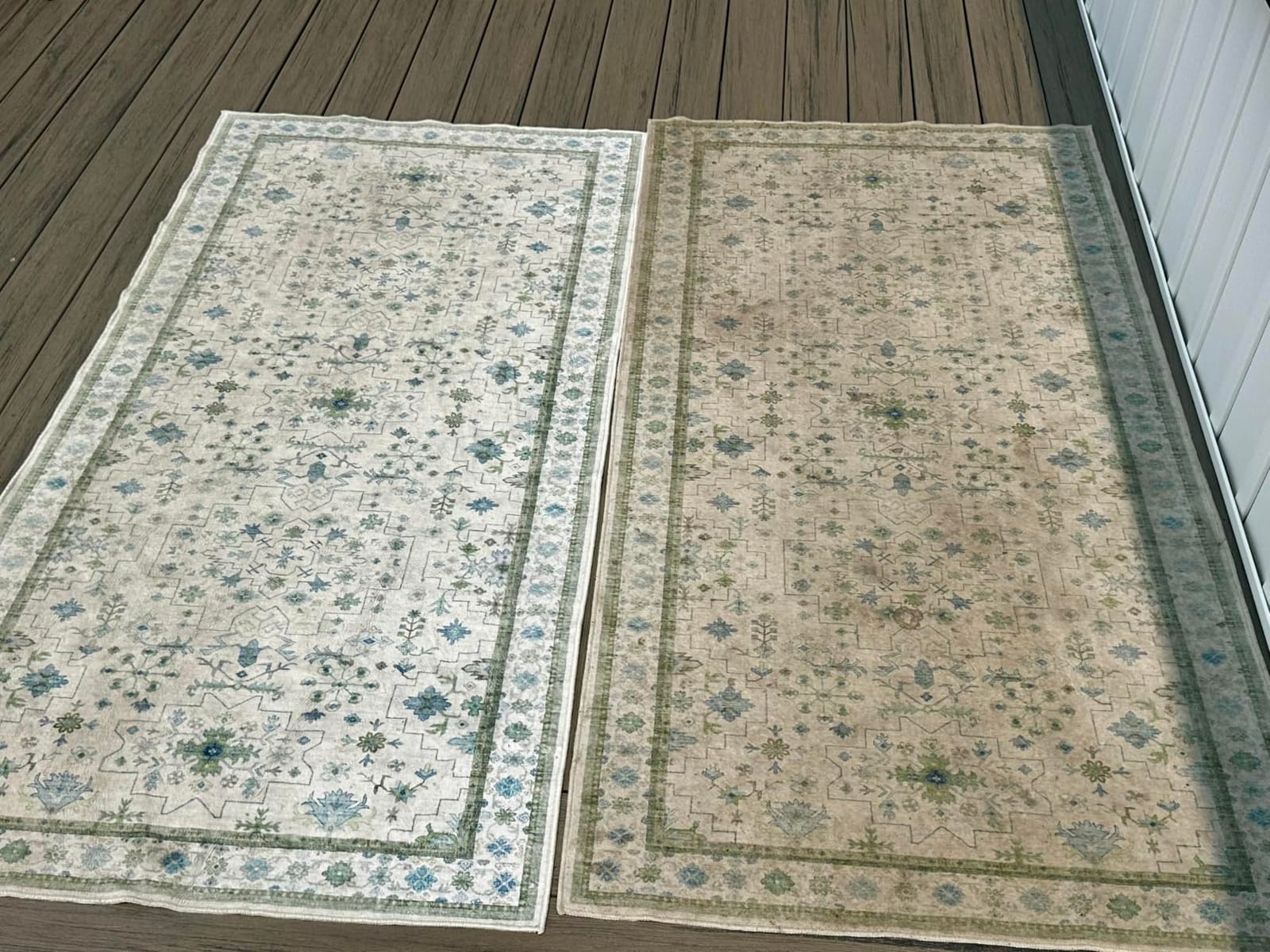
The backing is thermoplastic rubber, and the edges are reinforced with overlock stitching, which is the specific construction detail that keeps a runner from fraying in a high-wear zone. It is rated water repellent rather than waterproof, so blot rather than soak.
Buyers single out the thin low-profile build as the reason doors keep working and the rug keeps lying flat, especially in kitchens and bathrooms where floor transitions create door swing issues.
Why dark and patterned works
A medium-to-dark base absorbs light-colored grit, and a busy pattern breaks up any remaining mark so the eye has somewhere else to go. That is why the darkest rug in a hallway almost always ages better than the lightest, even when both are made from the same fiber.
This one blends into boho, modern, and traditional interiors alike, which makes it a safe choice if you are not sure what style the rest of the house is heading toward.
Where it falls short
The pile is extremely thin, so almost no cushioning. Anyone who walks the hall barefoot will feel the floor through it, which some people like and others find unpleasant.
Vacuuming needs care. The guidance is a lowest suction setting with a soft roller or dusting brush only, and using a beater bar aggressively will pull fibers out of the tuft. Fold creases also need a few days of pressure to relax.
5. Madane 2×8 Washable Runner – Best for a Narrow Hallway
Madane Hallway Runner Rug 2×8 Washable Kitchen Rugs Non-Slip, Turmeric/Grey
2 by 8 foot
Microfiber mechanical braid
0.24 inch low pile
Rubber backing
Pros
- Anti-skid rubber backing grips firmly
- Tested to resist warping
- shedding and fading
- Weighs only 1.9 pounds
- 0.24 inch pile clears doorways
- Foldable for compact storage
Cons
- Creases take one to two weeks of laying flat
- Flat build offers limited cushioning
- Daily sweeping needed to keep it clean
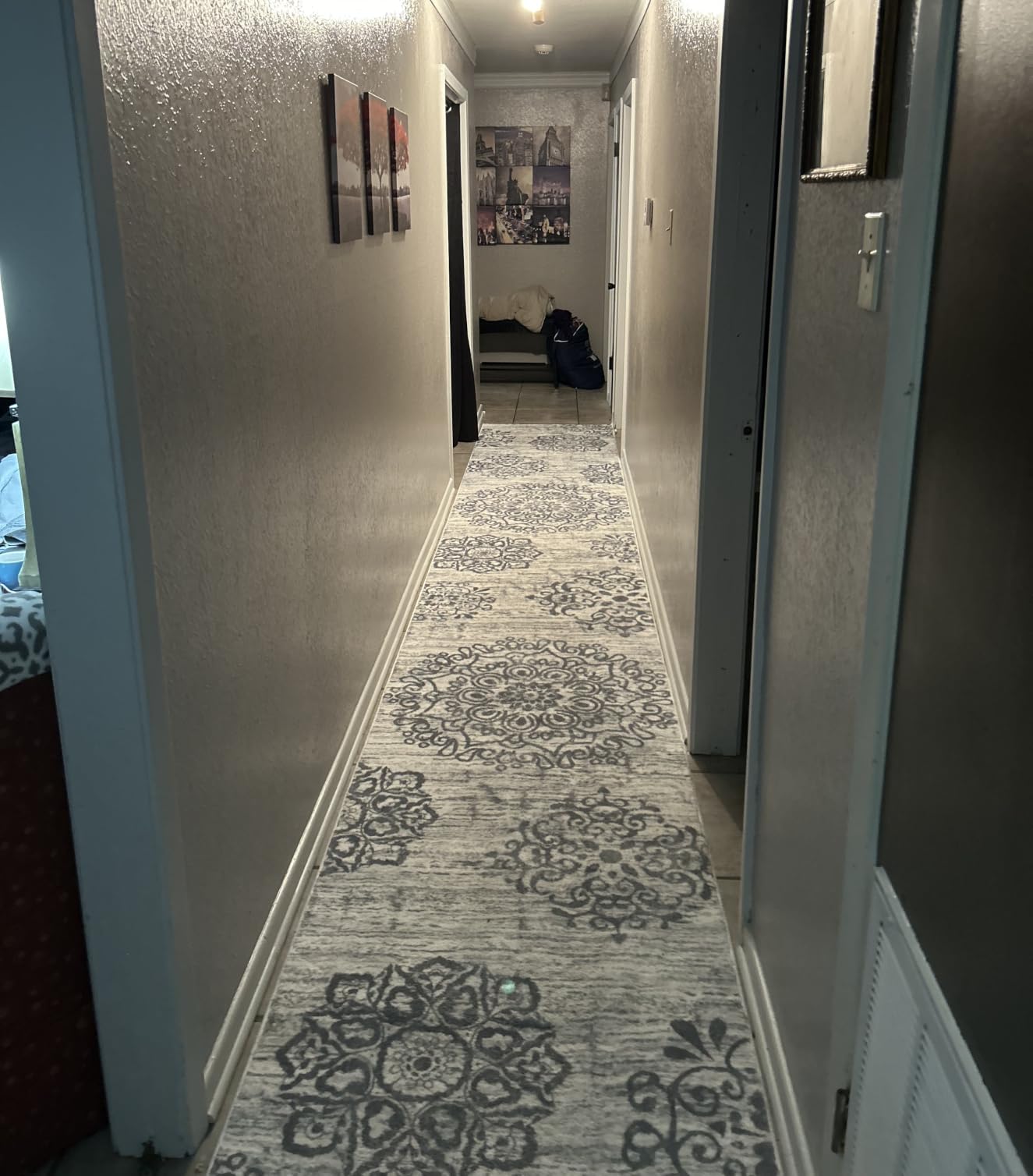
At 24 inches wide, this is the narrowest runner here, and that is exactly why it works in a tight corridor where a wider rug would make the space feel boxed in. The 2 by 8 foot size suits a hallway with a door at one end that you do not want the rug to fight with.
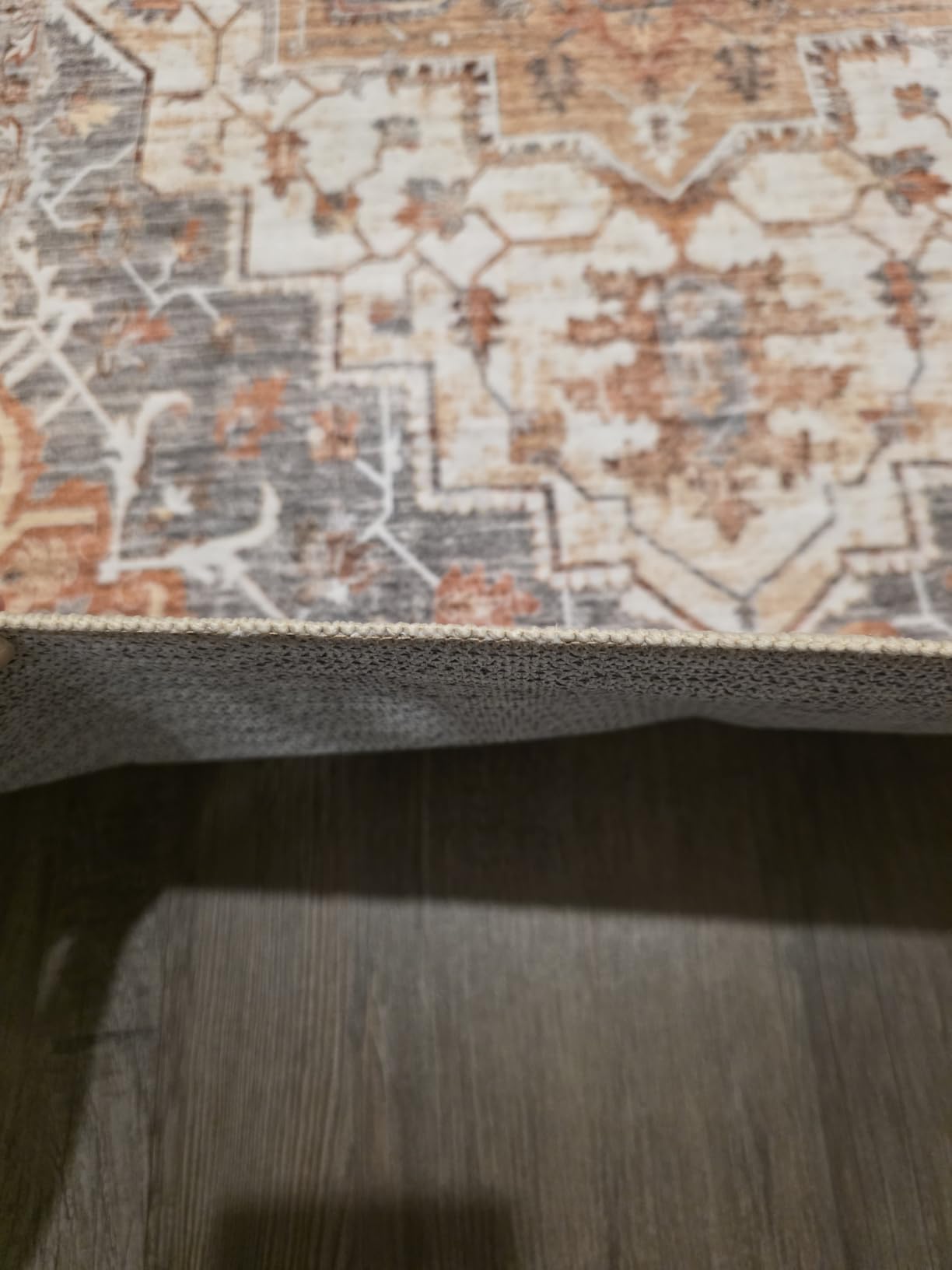
The build is a mechanical braid in microfiber with a rubber anti-skid backing rated for high-traffic placement. It is also the lightest rug in the roundup at 1.9 pounds, so pulling it up to vacuum or move is effortless.
The fiber uses a locking technology that the manufacturer tested against repeated machine washing, specifically for warping, shedding, and fading. That claim is the thing to look for in any washable runner, because a rug that goes limp or sheds after ten washes is not a hallway solution.
The waterproof rating means a wet muddy paw prints into the microfiber rather than into the floor. Owners in the reviews treat it as a strong budget-level workhorse for daily hallway and kitchen traffic.
When 24 inches wide is the right call
Leave four to six inches of bare floor on each side of a runner, and the rug width should land somewhere between two-thirds and three-quarters of the hallway width. In a 30 inch corridor, that works out to a two foot runner. A 36 inch corridor suits a 2 foot 6 inch runner.
Running a rug wider than that guideline is the single most common sizing mistake we see, and it visually narrows a hall rather than lengthening it.
Where it falls short
This rug arrives folded, and buyers most often report that the creases take one to two weeks of laying flat before they disappear. That is the longest flattening window of any product in this roundup, so plan around it.
It is also a flat braided rug rather than a deep-pile carpet, so cushioning is limited, and it needs daily vacuuming or sweeping to keep grit from working into the fibers.
6. HEBE 2×6 Washable Boho Runner – Best for a Plush Feel
HEBE Hallway Runner Rug 2’x6′, Washable Non Slip Kitchen Rug Runner
2 by 6 foot
0.39 inch polyester pile
TPR and cotton backing
Indoor and outdoor
Pros
- Softest hand in this roundup
- Fade resistant through repeated washes
- TPR and cotton backing grips without scratching
- Distressed pattern disguises marks
- Folds for storage
Cons
- Very light
- so a strong vacuum can lift it
- Needs about two days of pressing to flatten
- Not water resistant
If you find most flatweave hall runners feel like matting rather than carpet, this is the one to look at. At 0.39 inches of polyester fabric, it has the deepest, softest hand of the ten, and owners frequently describe it as plush.
The backing pairs TPR with cotton rather than rubber alone, which is a deliberate choice. Rubber grips well but can feel cold and hard on bare feet, and a rubber-plus-cotton layer softens the contact while still resisting scratches on a finished floor.
It is rated for both indoor and outdoor use, and it is fade resistant with testing behind the claim about holding shape and color through repeated machine washes. The grey distressed boho pattern is busy enough to hide everyday marks without looking loud in a narrow space.
Many buyers own several sizes from the range, which tells you something about how the pattern photographs in a real hallway.
Softness without giving up grip
The key detail is the compound backing. TPR grips tile, hardwood, and concrete, and the cotton layer keeps the rug from feeling like it is stuck to the floor while still stopping the pile from sliding. That combination directly addresses the slipping complaint we saw repeated across every forum source.
At 0.39 inches it still passes under most interior doors, so the softness does not cost you function.
Where it falls short
At 3.7 pounds this is the second-lightest rug here, and that is a real problem during cleaning. Owners report that a strong vacuum can lift or suction the rug up while you try to clean it. Plan on taping the edges down or using a low-suction vacuum.
It is not water resistant, which means it belongs in a dry indoor hallway rather than near a bathroom door or a wet entry mat. Fold creases also need about two days of pressing.
7. JONATHAN Y Madrid 5X8 Flatweave Rug – Best for Indoor and Outdoor Use
JONATHAN Y Vintage Filigree Indoor Outdoor Area Rug 5X8 Black/Khaki, Madrid Textured Weave for Backyard, Patio, Porch, Easy-Cleaning, High Traffic, Pet-Friendly, Non-Shedding (SMB107A-5)
5 foot 3 by 7 foot 7 inch
Flat woven polypropylene
0.19 inch low pile
No backing included
Pros
- Highest rated in the group at 4.7 stars
- Flat weave means fibers stay locked
- 0.19 inch pile does not hold dirt
- Indoor and outdoor rated
- UV fade resistant
- 30 day limited warranty
Cons
- Actual size is 5 foot 3 by 7 foot 7 inch
- Area rug proportions suit rooms better than narrow halls
- Not machine washable and no backing included
This is the toughest construction in the roundup, and it holds the highest average rating at 4.7 stars. The build is a flat weave of 100 percent polypropylene, machine-woven so the fibers stay locked into the structure rather than being tufted into a backing.
At 0.19 inches it is nearly as thin as a commercial mat. Nothing about it can crush, mat, or shed, which is why owners describe it as holding up in mud rooms and covered entryways as well as living spaces.
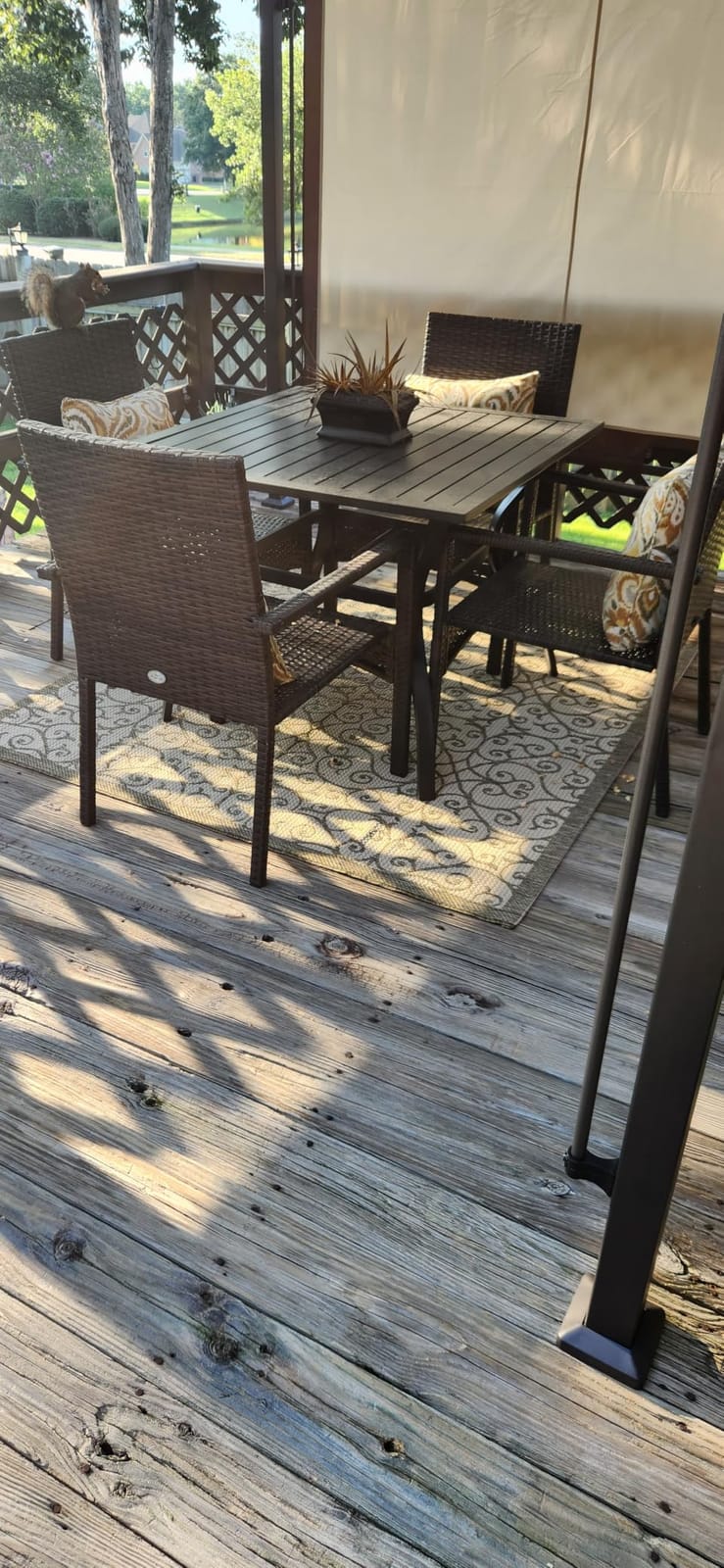
Cleaning is unusually simple for a rug this nice-looking. The guidance is a five-to-one mix of mild dish soap and water, rinse with a garden hose, and hang to dry. It is also rated water resistant, and the synthetic fibers resist UV fading for sunlit rooms or a covered porch.
A 30 day limited manufacturer warranty covers defects, which is thin coverage but better than most rugs at this level.
A flat weave is the whole argument
There is no pile to compress, so a flat woven rug is structurally the most crush-resistant construction available in a residential rug. It also does not accumulate grit the way a deep pile does, which is why maintenance crews reach for it in lobbies.
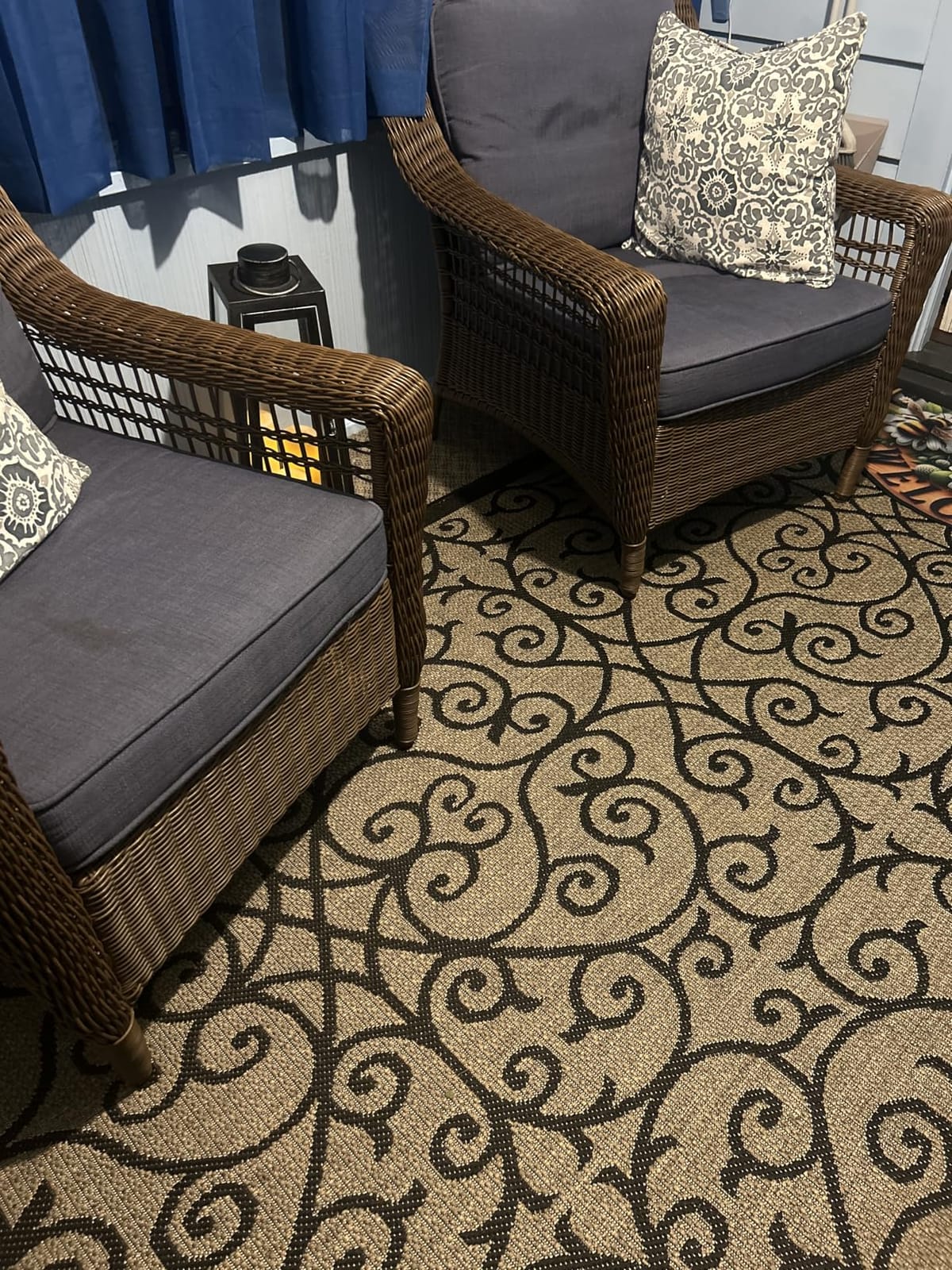
The Madrid pattern adds a black and khaki handwoven-look texture that reads as a traditional rug rather than a plastic mat, which is unusual at this level of durability.
Where it falls short
Check the measurements before you order. It is marketed as a five by eight, but the listed footprint is actually 5 foot 3 by 7 foot 7 inches. If you are matching it to a specific wall, measure first.
More importantly, it is an area rug, not a runner, so these proportions suit an open room far better than a long narrow corridor. It also has no backing of its own, so a rug pad is required, and it is not machine washable.
8. Ottomanson 2×6 Waterproof Runner Mat – Best for Garages and Mudrooms
Ottomanson Waterproof Runner Rug 2’x6, Non Slip Indoor Outdoor Door Mat
2 by 6 foot
0.2 inch slim build
TPR non-slip backing
Waterproof and hoseable
Pros
- Ribbed pile traps dirt
- mud and pet hair on the surface
- Waterproof so it can be rinsed and reused
- Unfinished edges can be trimmed to fit
- TPR grips tile
- hardwood and concrete
- Slim build lies flat without curling
Cons
- Ribbed texture is utilitarian rather than soft
- Colour can look mottled when it arrives
- Not machine washable
When a hallway connects to a garage, a mudroom, or a covered porch, this is the runner we would use. It ranks at the top of the commercial floor matting category, and that tells you what kind of product you are actually buying.
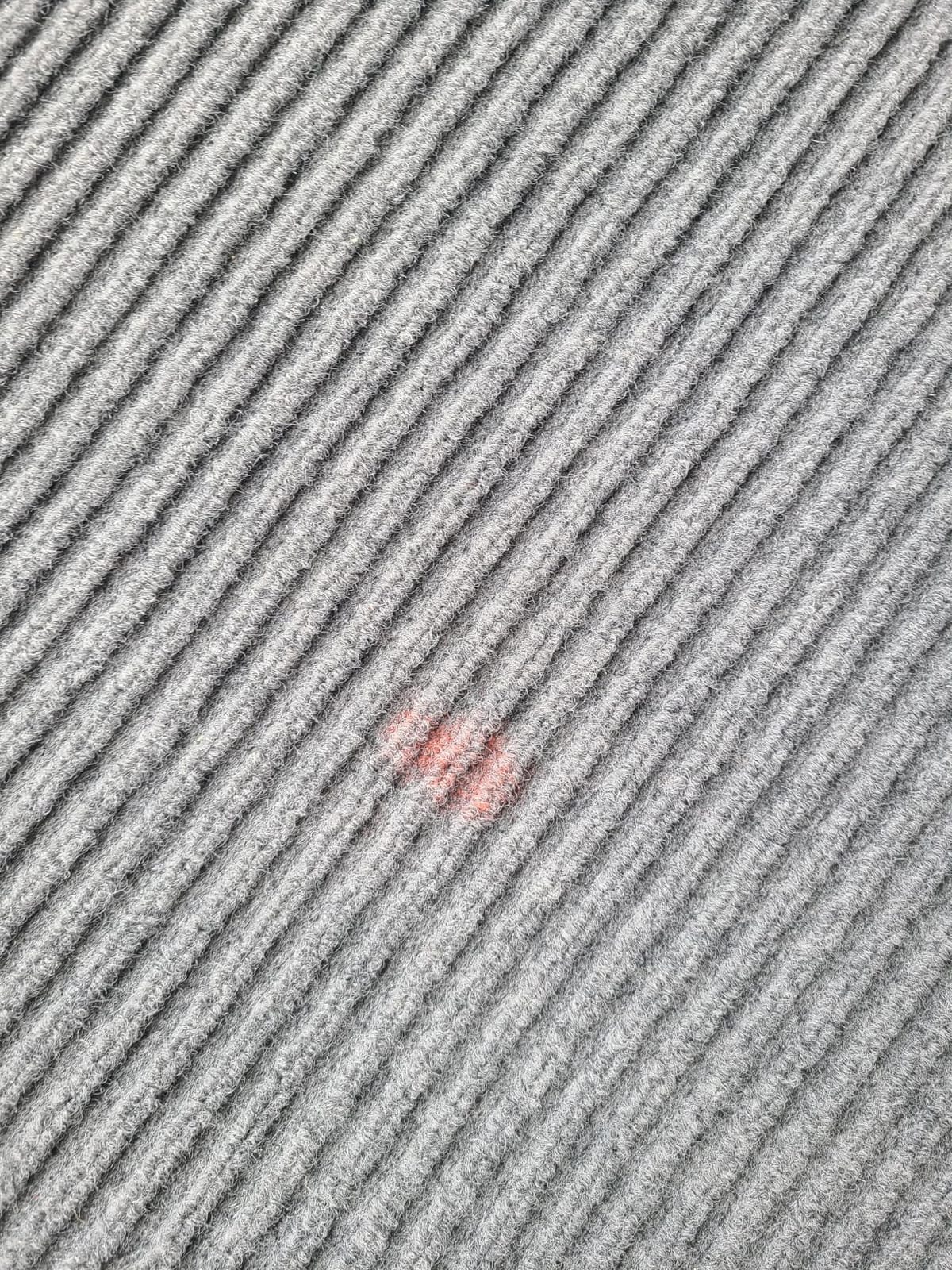
The pile texture is a scrape rib design, which means dirt, mud, grass, and pet hair sit on the surface instead of sinking into the fibers. That single design choice is what makes it hoseable, and it is why the waterproof rating is not a marketing nicety here.
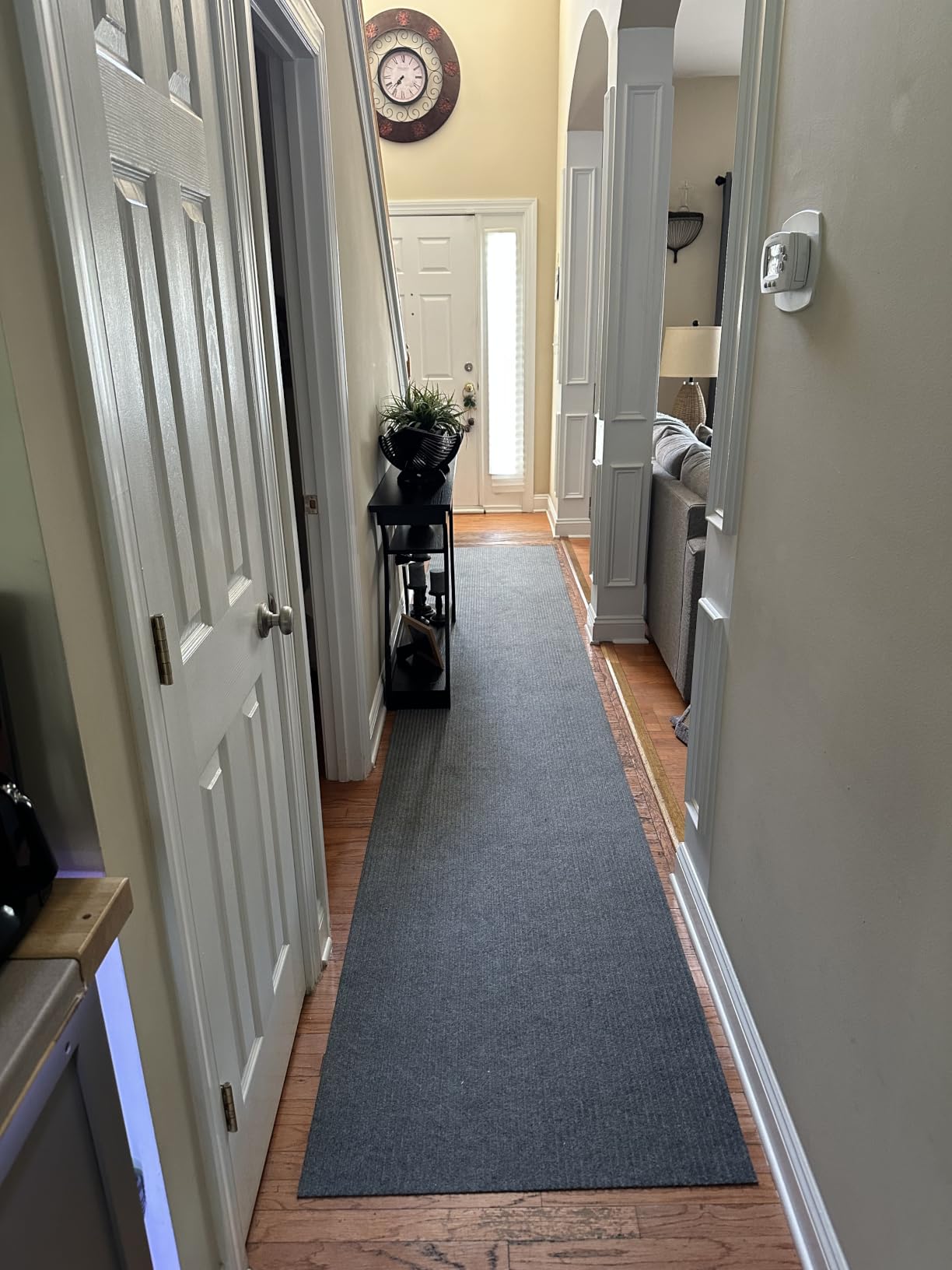
The 0.2 inch build lies flat without curling, and the TPR backing grips tile, hardwood, and concrete. The edges are unfinished on purpose, so you can cut the runner with a utility knife to an exact hallway length. The product range is also offered in longer sizes for continuous corridor runs.
Care is simple: sweep, spot clean, or hose off and hang dry.
Where utility beats decoration
If your hallway sees wet shoes, garden grit, or a dog that comes in from the yard every day, a decorative rug is fighting a battle it cannot win. A ribbed scrape surface lets you hose the whole thing down in two minutes, which no wool or deep-pile runner in this list allows.
The trim-to-size edge is genuinely useful when a standard 6 or 8 foot length leaves a gap, and cutting it means one continuous piece instead of two that butt together.
Where it falls short
The ribbed surface is not soft. Bare feet feel the texture, and this rug reads as a work mat rather than a decorative one, so it will not blend into a formal hallway the way the SAFAVIEH ombre runner does.
A minority of reviews also note that the color can look mottled or spotted straight out of the package. Lay it out and check the dye lot before committing to a visible hallway.
9. Weidear Custom Size 2×6 Runner – Best for Custom Lengths
Custom Size Backed Non-Slip Area Rugs Runner, Easy Clean, Waterproof Runner Rugs for Hallway Entryway, Kitchen, Laundry, 2FT x 6FT, Gray Stripe
2 by 6 foot, custom orderable
Polyester with rubber backing
0.25 inch low profile
Waterproof
Pros
- Orderable in 240 sizes across 8 colors
- Rubber backing stays put under traffic
- Edges can be cut without fraying
- Low profile works under doors and on stairs
- Owners report over two years of heavy use
Cons
- Texture can feel scratchy on bare feet
- Powerful vacuums can lift the border
- Color can vary between production batches
Most runner lines come in 6, 8, 10, and 12 foot lengths and leave you living with the gap. This one is orderable in 240 customisable sizes across eight colors, which is the single most useful feature here for an unusually long or oddly proportioned hallway.
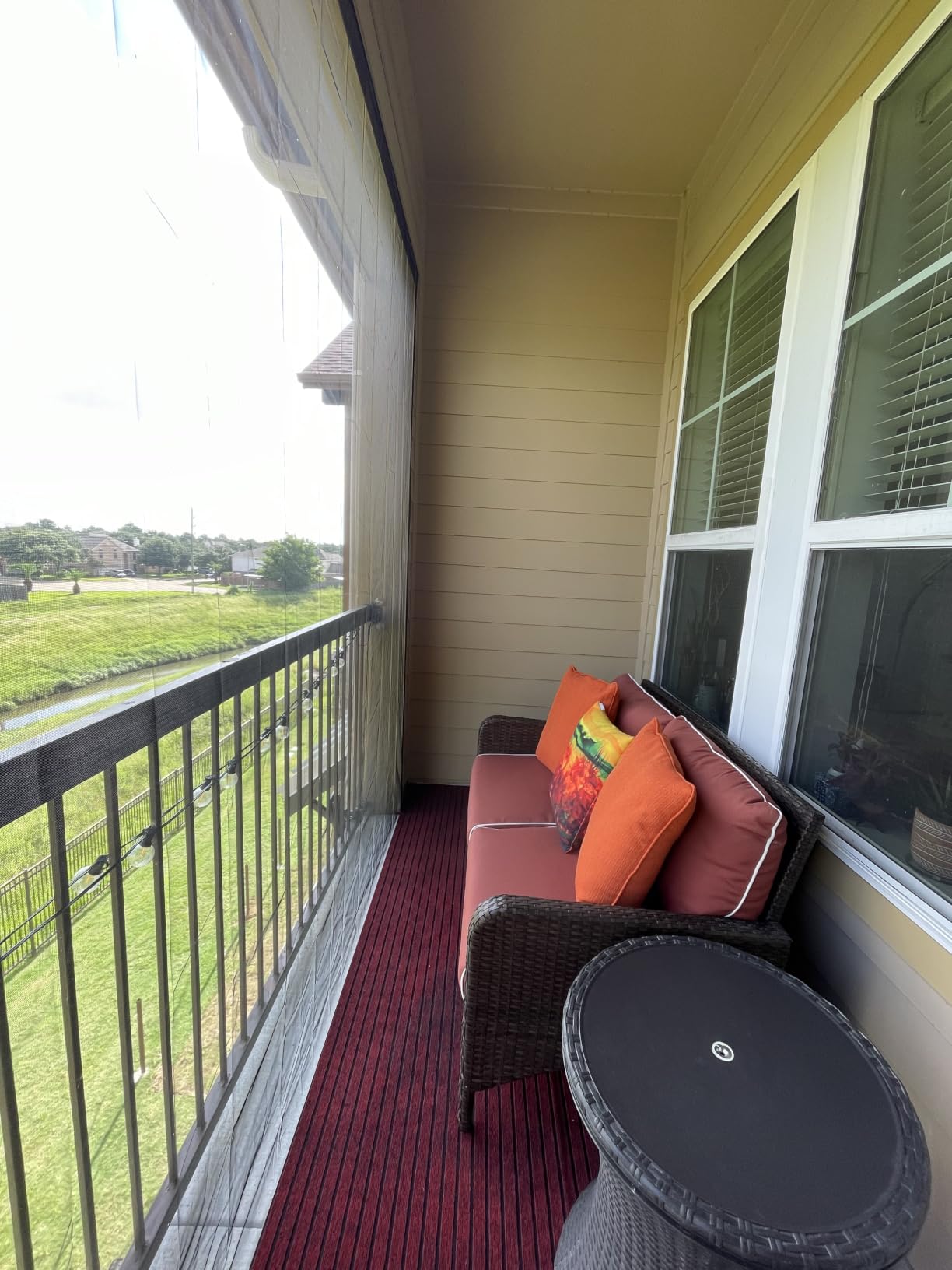
The gray stripe version shown is 2 by 6 foot, 0.25 inches thick with a rubber non-slip backing rated waterproof. Stripes are 0.25 inches; solid colors run slightly thicker at 0.35 inches, so check the number if door clearance is tight.
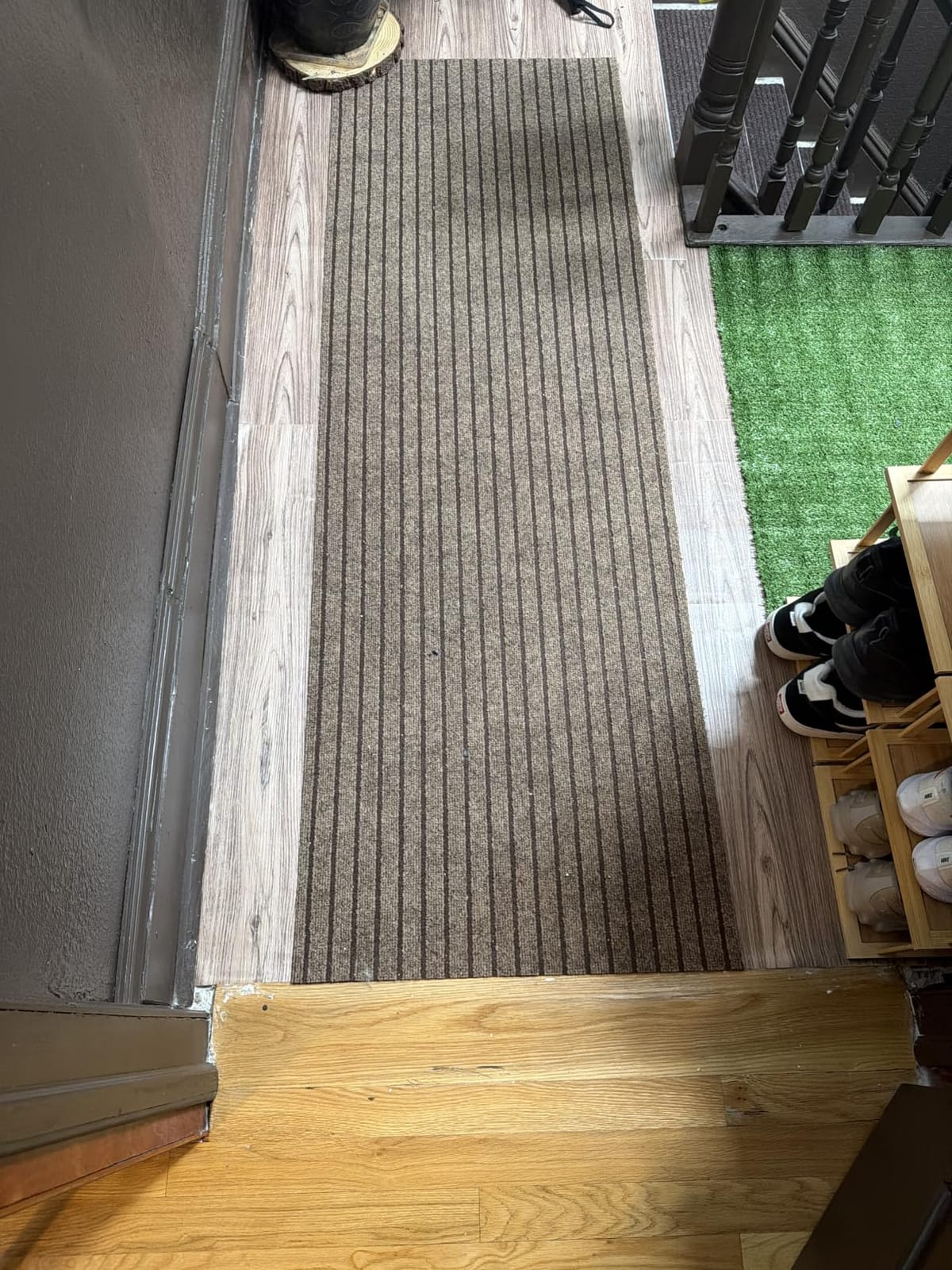
Long-term owners report more than two years of use with heavy foot traffic and multiple dogs, and the reviews consistently credit the heavy rubber backing with keeping the rug flat while vacuuming rather than letting it lift and fold.
The edge material is unfinished and cuts cleanly with a razor or utility knife without unraveling, so a custom length is genuinely a custom length rather than a rough trim.
One long runner or two short ones
Forum advice on this question is consistent. If two runners are your only option, leave a deliberate 12 inch gap between them so the eye reads two separate rugs instead of one badly fitted one. If you can get a single continuous 16 foot piece, that is the better outcome, because two pieces shift independently and create two trip edges instead of none.
That is exactly the problem this product solves. A custom 15 foot 4 inch order in one piece beats two standard runners laid end to end.
Where it falls short
The texture can feel slightly scratchy under bare feet, and it is a synthetic stripe or solid rather than a plush pile, so comfort is not the goal.
A powerful vacuum can suck the rug up along the border, so a less aggressive vacuum is advisable. Also order matching pieces together, since color can vary slightly between production batches.
10. Ompaa 2×6 Soft Washable Abstract Runner – Best for Soft Washable Fibers
Ompaa 2×6 Rug Runners for Hallways Kitchen Runner Rug Non Slip Washable Grey Long Runner Rugs with Rubber Backing Soft Abstract Carpet Runner for Hallways, Kitchen, Bedroom, Bathroom, Entryway
2 by 6 foot
0.3 inch faux wool fibers
TPR non-slip backing
Machine washable
Pros
- Soft minky-like fibers for barefoot walking
- Machine washable and easy to hand wash
- TPR backing holds with active dogs
- Low pile lets robot vacuums pass over
- Abstract pattern looks more designed than a basic stripe
Cons
- Very thin with little cushioning
- Hard to vacuum
- Color can arrive paler than pictured
- Shrinks slightly after washing
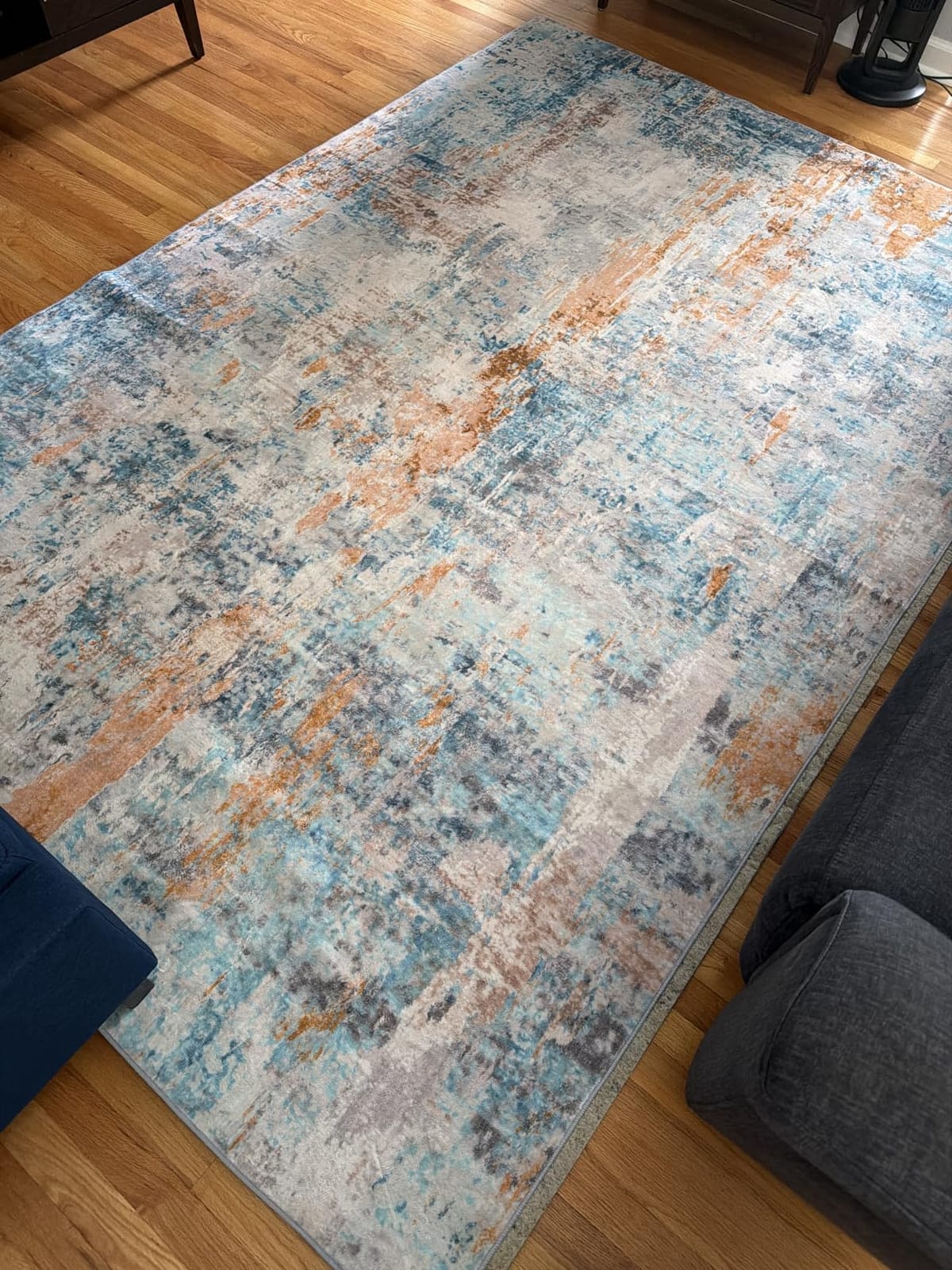
This is the softest washable option in the roundup. The face is described as faux wool with 0.3 inch plush fibers, and owners consistently call the hand minky-like, which is a noticeably different feel from the flatweave and ribbed mat textures that dominate the washable category.
It is also a flat woven build at 0.35 inches of listed thickness with a TPR rubber backing, and it is both machine washable and fade resistant.
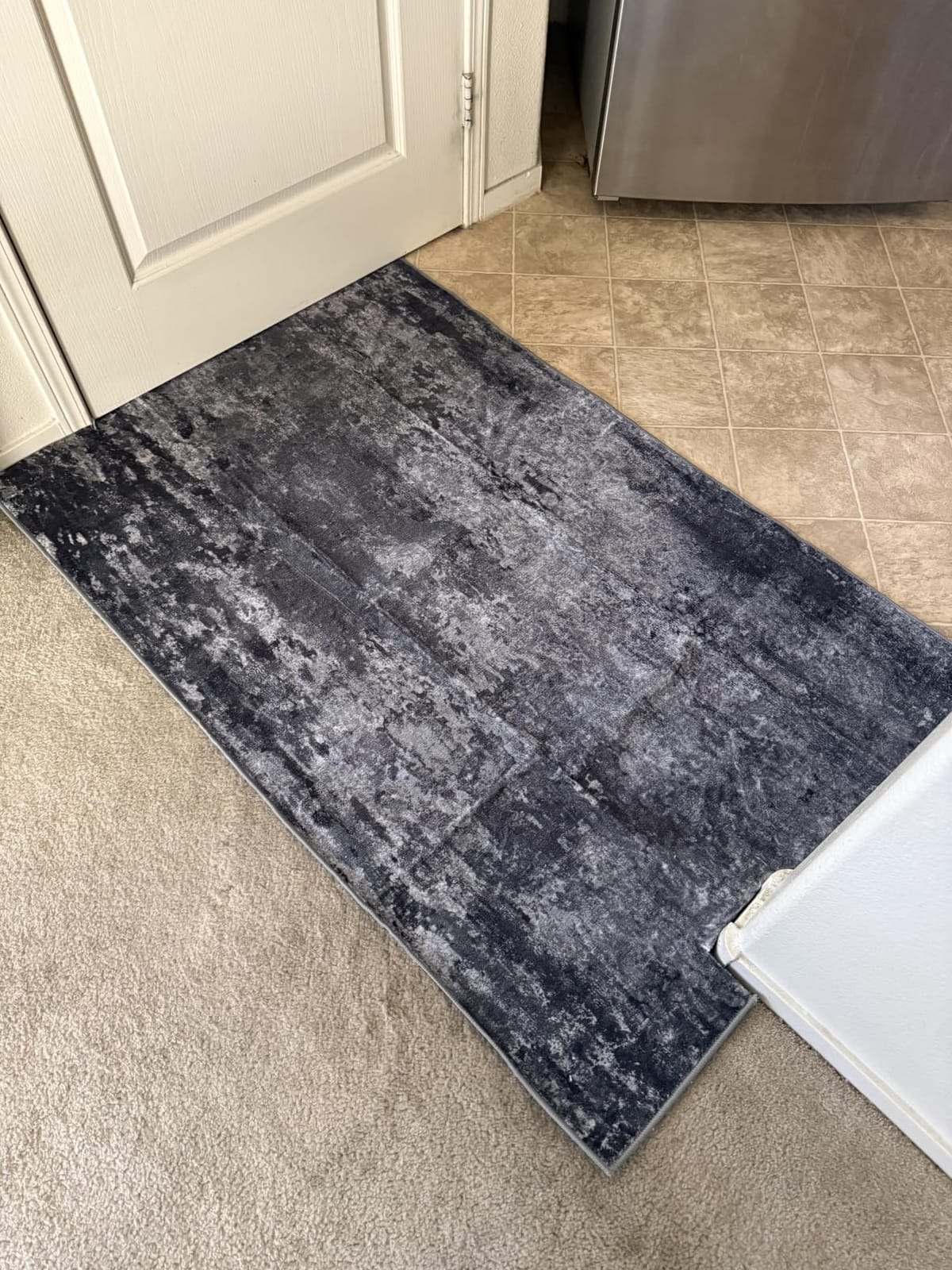
The low pile is what makes it work in a hallway rather than a bedroom. It is thin enough for a robot vacuum to run across freely, and the TPR backing is the fix for the sliding problem that owners of cheaper runners complain about most, particularly in homes with an active dog at the front door.
Several buyers own multiple sizes, which is what usually happens when a rug disappears under a coat rack and then gets bought again in a second length.
Washable, but plan for the tradeoff
Forum discussion on washable hall rugs centers on one honest point. The cleaning benefit is genuinely excellent, and the rugs lay flat easily, but owners in the same threads describe them as looking flat and dingy after a year or two of daily traffic. A soft synthetic pile does not have the spring of wool or nylon, so it compresses rather than recovering.
That tradeoff is worth making if kids, pets, or a mud-heavy entryway come first. If appearance outranks washability, buy a washable rug for the entry and a wool or nylon flatweave for the hall itself.
Where it falls short
It is thinner than buyers expect, and vacuuming is genuinely difficult. Reviewers recommend a very low suction stick vacuum or a manual sweeper, and some report needing to tape the rug down while cleaning.
There is also slight shrinkage after washing and drying, and it dries slowly if you leave it wet. Some colorways arrive paler and duller than the listing images, so judge the color in daylight before ordering.
How to Choose a Rug for a High Traffic Hallway
Now that you have seen the picks, here is the decision framework behind them. The short version: pick construction and backing first, fiber second, color third. Style is the last thing that should drive the purchase in a corridor.
What type of rug is best for high traffic areas?
A flatweave or a low-pile rug, always. There are two reasons. A rug with no pile has nothing for a shoe tread to grind down, and a low pile under roughly a quarter inch resists matting. Beyond that, a springy fiber recovers after compression, and a rubber or TPR backing keeps the rug from sliding into a trip hazard. Wool and nylon are the strongest natural and synthetic choices here, with polypropylene close behind for stain resistance.
Color plays a supporting role. Medium-to-dark, busy patterns hide grit and scuffs that a light solid rug shows immediately.
How to size a hallway runner
Measure the hallway width at two points, including any doorway trim, then measure the length. Leave four to six inches of bare floor on each side of the runner, and six to twelve inches at each end. That gap is what makes a hall look longer rather than boxed in.
Here is the sizing chart mapped to hallway dimensions:
- 30 inch hallway width: choose a 2 foot wide runner
- 36 inch hallway width: choose a 2 foot 6 inch wide runner
- 42 to 48 inch hallway width: choose a 3 foot wide runner
- Up to 10 feet long: a 2 by 8 foot or 2 by 10 foot runner
- 10 to 14 feet long: a 2 by 12 foot or 2.5 by 14 foot runner
- Over 14 feet long: order one custom continuous length rather than two runners
- Staircases: add each tread plus each riser, then multiply by the number of steps
Two standard runners laid end to end is the second-best option. If you must do it, leave a deliberate 12 inch gap so the seam reads as intentional, and match the colorway closely. If you need a full-room rug rather than a corridor runner, our 8 by 10 rug guide covers the sizing rules for those.
Material breakdown: what actually survives daily foot traffic
Wool has the best natural crush resistance because the fiber has an elastic memory that springs back after compression, and it is naturally stain resistant. It also sheds at first, which is normal. Nylon is the synthetic powerhouse and the fiber most often recommended by professional builders for high-traffic rooms because it absorbs almost nothing and wipes clean.
Polypropylene is stain resistant, inexpensive, and does not absorb water, which makes it a sensible mudroom choice. Sisal is genuinely tough but coarsens and frays with use and is not a fit for a family hallway. Jute is the softest of the natural fibers and the least durable, and it should stay out of a corridor entirely.
Everything in this roundup is a synthetic, which is the honest truth about what survives a busy hallway on a normal budget.
Non-slip backing and rug pads
Slipping and bunching is the most repeated complaint about hallway rugs across every forum source we checked, and it is the easiest problem to fix before it starts. Look for a rubber or TPR backing specified on the product itself rather than assuming grip comes from the pile.
Three of the picks here combine a rubber or TPR backing with a rug pad recommendation, and one rug in this group has no backing at all. If a rug has no backing, a pad is not optional. For hardwood floors, choose a pad with a dense felt or natural rubber surface rather than a cheap vinyl layer that can take on a semi-gloss sheen over time. Our guides to the best 9 by 12 area rugs and best 5 by 7 area rugs both cover pad pairing in more depth.
What rugs not to use on hardwood floors
Avoid rugs with a PVC or vinyl backing, and avoid any rug with a stiff plastic-backed layer that can stick to a finished surface over time. Natural rubber and felt pads are the safe choices. Also avoid loose jute and coir mats, which can shed grit that scratches a finish, and avoid rugs that curl at the edges, since a lifted corner is exactly where a trip happens.
Wool is the one fiber you can put directly on hardwood without a pad if you accept the movement, but any rug in a hallway still benefits from one.
Color, pattern, and maintenance
For color, choose a medium-to-dark tone with a busy pattern. Dark hides light dirt, a pattern hides marks within the design, and a light solid rug in a high traffic hallway will look worn within a year no matter what fiber it is made from.
For maintenance, vacuum on a low setting with a soft roller at least twice a week, blot spills immediately rather than scrubbing them, and rotate the runner end to end every few months so the wear spreads evenly along the length instead of concentrating in the middle. Washable rugs go in a cold wash with no bleach and no fabric softener, and they need full drying before you put them back down.
Frequently Asked Questions
What color rug is best for a high traffic area?
A medium-to-dark colorway with a busy pattern is best for a high traffic area because it hides grit, boot scuffs, and pet hair that a light solid rug shows immediately. Darker tones absorb light-colored dirt, and a repeating pattern breaks up any remaining mark so the eye reads it as design. Very light, solid-color rugs show every footprint the day they arrive. If your hall gets wet shoes regularly, pair a darker tone with a washable synthetic so you can rinse the whole rug when it accumulates grime.
What type of rug is best for high traffic areas?
A flatweave or low-pile rug in a springy fiber is best for high traffic areas. A flatweave has no pile at all, so nothing can be crushed or matted, and a low pile under roughly a quarter inch resists wear. Wool and nylon have the best crush resistance because the fibers spring back after compression, while polypropylene is the most stain resistant. Pair any of these with a rubber or TPR non-slip backing, since sliding and bunching is the most common rug complaint in hallways.
What type of rug is best for a hallway?
A runner in a flatweave or low-pile construction, sized to leave four to six inches of bare floor on each side and six to twelve inches at each end, is best for a hallway. A rug narrower than that guideline makes the hall look pinched, and one that runs the full length makes it look like carpet. Match the rug width to roughly two-thirds to three-quarters of the hallway width, and use a continuous single runner rather than two shorter ones when the hall is longer than 14 feet.
What is the best rug for a hallway?
The best rug for a hallway is a low-pile or flatweave runner in a dark or patterned colorway with a non-slip rubber or TPR backing and a washable synthetic face if kids or pets are involved. In our testing and review reading, the HY HAO YUN LAI 2 by 6 by 14 washable flatweave runner is the strongest all-round choice, while the PURRUGS cut-pile taupe runner is the best for softness and pet claws. Wool and hand-knotted constructions last longer but need more care and cost considerably more.
What rugs not to use on hardwood floors?
Avoid rugs with PVC or vinyl backing and any stiff plastic-backed layer, because these can take on a semi-gloss sheen against a finished floor over time. Also skip loose jute and coir mats, which shed grit that can scratch the finish. Natural rubber and dense felt pads are the safest rug pad surfaces for hardwood. Any rug without its own backing should have a pad underneath, and we recommend avoiding rugs with curled edges because a lifted corner is exactly where someone trips.
Should a runner rug cover the whole hallway?
No. Leave six to twelve inches of bare floor at each end and four to six inches on each side, because the exposed wood is what makes a hallway read as longer rather than narrower. A rug that runs wall to wall visually shortens the corridor. If the hall is over 14 feet long, order one continuous custom-length runner rather than two standard runners laid end to end, since two pieces shift independently and create two trip edges instead of none.
Do runners look good in bathrooms?
Runners work well in bathrooms as long as you pick a washable, waterproof or water-repellent model with a rubber backing. The dark patterned and ribbed picks in our roundup are all rated for bathroom use and can be machine washed or hosed off. Avoid the plush low-pile options there, because a soft fiber that holds moisture against a floor invites mildew and odor, and skip any rug that is not water resistant if a shower is close by.
Conclusion
The best area rugs for high traffic hallways in 2026 are low-pile or flatweave runners in springy synthetic fibers, with a rubber or TPR backing and a dark or busy pattern. Our top pick, the HY HAO YUN LAI 2 by 6 by 14 washable flatweave, covers a long corridor in one unbroken piece, stays flat, and goes in the wash. If softness underfoot matters more to you, the PURRUGS cut-pile taupe runner is the softer, heavier option that also resists pet claws.
Measure your hallway first, leave bare floor on each side and at each end, and add a rug pad if the backing is anything less than full rubber. That one habit will do more for the life of the rug than any cleaning routine.