
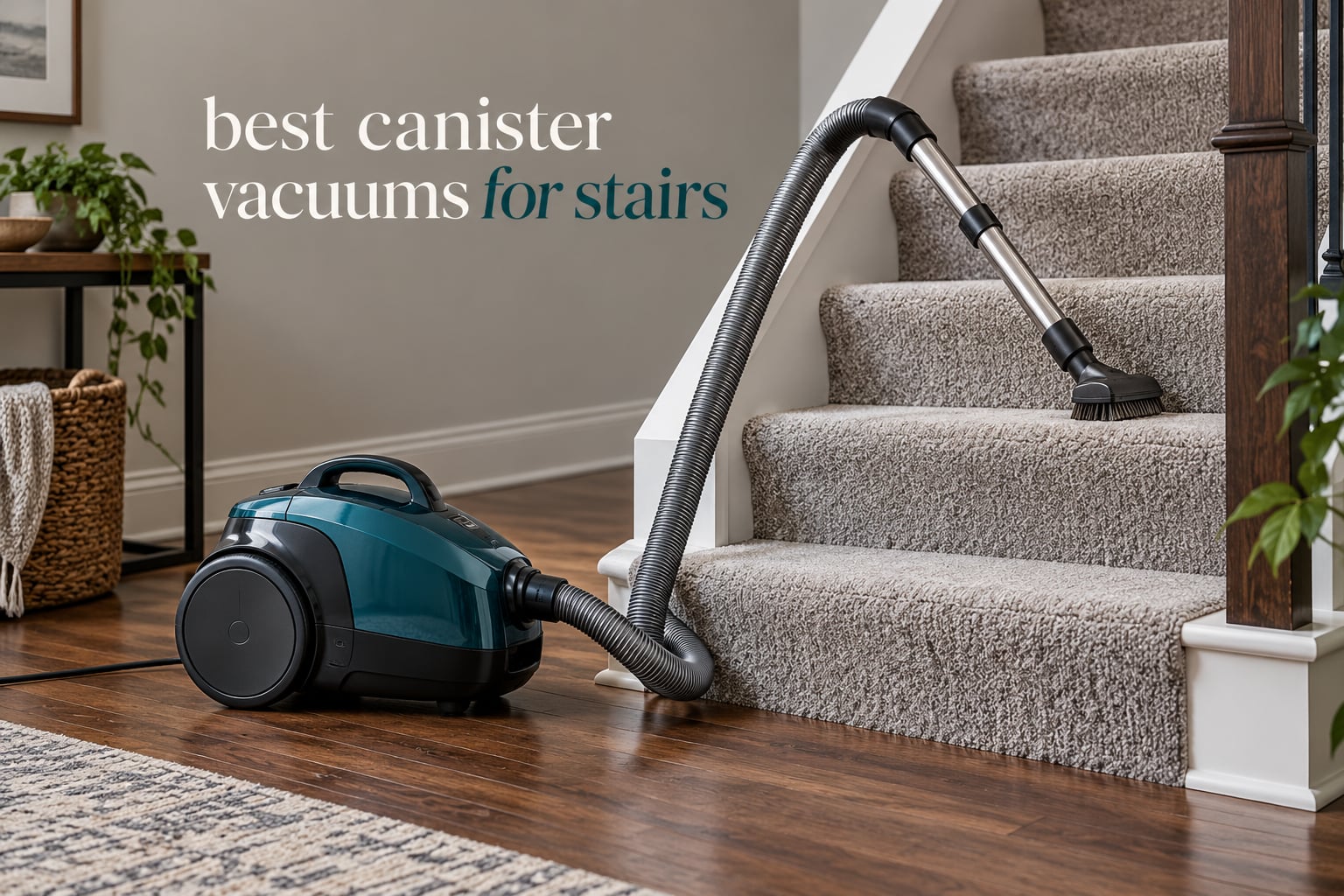
The best canister vacuums for stairs are the ones you can place at the bottom of the flight and never carry up a step. That means a light body, a hose and wand long enough to reach the top tread, and a small head that works on carpet or bare wood without dragging the whole machine behind you. Weight matters, but reach matters just as much.
Most stair cleaning fails on logistics, not suction. A full-size upright is heavy and top-heavy, so people give up halfway up. A canister splits the job: motor and filter stay on the floor at the base, and only the wand goes up. You get corded suction that cordless sticks struggle to match on embedded carpet, and you keep a machine that is easy to leave where it is.
We compared ten canister vacuums built for this job, weighing the body weight, hose reach, cord length, head type and containment against what actually happens on a staircase. We also worked out the technique, because most of the difference between a good stair clean and a bad one comes from the order you work in. Last reviewed for 2026.
If your stairs are carpeted and the pet hair problem is the main one, start with our canister picks for pet hair. If your stairs are bare wood, our hardwood floor canister guide covers the head and suction details that matter on an unsealed surface.
Table of Contents
Top 3 Best Canister Vacuums for Stairs (October 2026)
These three cover the most common stair situations: an all-round pick you can carry, a bagged workhorse for damp or grubby carpet, and the lightest body for anyone who does not want to wrestle a machine up steps.

The Eureka Whirlwind takes the top spot because weight and reach are the two numbers that decide a stair job, and it is the only pick here that pairs an 8.2 pound body with a 9 foot hose, automatic cord rewind and swivel steering. The Eureka 3670M is the value alternative when the stairs are carpeted and messy, because the bag keeps the dirt contained and the 1200 watt motor does not fade. The Bissell Zing is the one to buy if body weight is your main worry.
All 10 Canister Picks at a Glance in 2026
The table below is sorted by body weight, because that is the single most useful spec on a staircase. Weights are the listed figures for the vacuum body only and do not include the hose, wand or head.
| Product | Specifications | Action |
|---|---|---|
| Eureka Whirlwind NEN110A |
|
Check Latest Price |
 Bissell Zing 2154A Bissell Zing 2154A |
|
Check Latest Price |
 Hoover Commercial PortaPower Hoover Commercial PortaPower |
|
Check Latest Price |
 Eureka 3670M Eureka 3670M |
|
Check Latest Price |
 Sanitaire SL3681A Sanitaire SL3681A |
|
Check Latest Price |
 Atrix Lil Red AHSC-1 Atrix Lil Red AHSC-1 |
|
Check Latest Price |
 Miele Classic C1 Miele Classic C1 |
|
Check Latest Price |
 Kenmore 500 Series Bagless Kenmore 500 Series Bagless |
|
Check Latest Price |
 Kenmore 200 Series 81214 Kenmore 200 Series 81214 |
|
Check Latest Price |
 Kenmore 600 Series Bagged Kenmore 600 Series Bagged |
|
Check Latest Price |
Two numbers deserve a note before the reviews. The Hoover PortaPower has a 33 foot cord, far longer than anything else here, which removes the replugging problem entirely on a tall flight. The Kenmore 200 Series lists at 22.6 pounds despite carrying the word lightweight in its name, so plan on leaving it at the base of the stairs rather than carrying it up.
1. Eureka Whirlwind NEN110A – Best Overall for Stairs
Eureka Whirlwind Bagless Canister Cleaner NEN110A Lightweight Corded Vacuum for Carpets and Hard Floors, Blue
8.2 lb body
9 ft hose
Bagless 2.5L cup
HEPA filter
82 dB
Pros
- 8.2 lb body lifts with one hand
- Swivel steering and telescoping wand
- Integrated crevice tool and dusting brush
- Automatic cord rewind
- One-button cup release
Cons
- Single on-handle airflow setting
- 82 dB is loud for this class
- Washable filters need periodic rinsing
Our overall pick because it solves the two stairs problems at once. At 8.2 pounds the body is light enough that carrying it up a short flight is realistic, and the 9 foot hose plus telescoping wand covers a standard 8 foot rise without you repositioning the machine halfway.
The swivel steering is the underrated feature here. On stairs, the canister body stays flat on the landing while the wand head rotates, so you can angle into the nosing of a tread without shuffling the machine sideways. The telescoping metal wand sets the working height once, and the 2-in-1 crevice tool and dusting brush live inside the hose handle, so nothing goes missing mid-job.
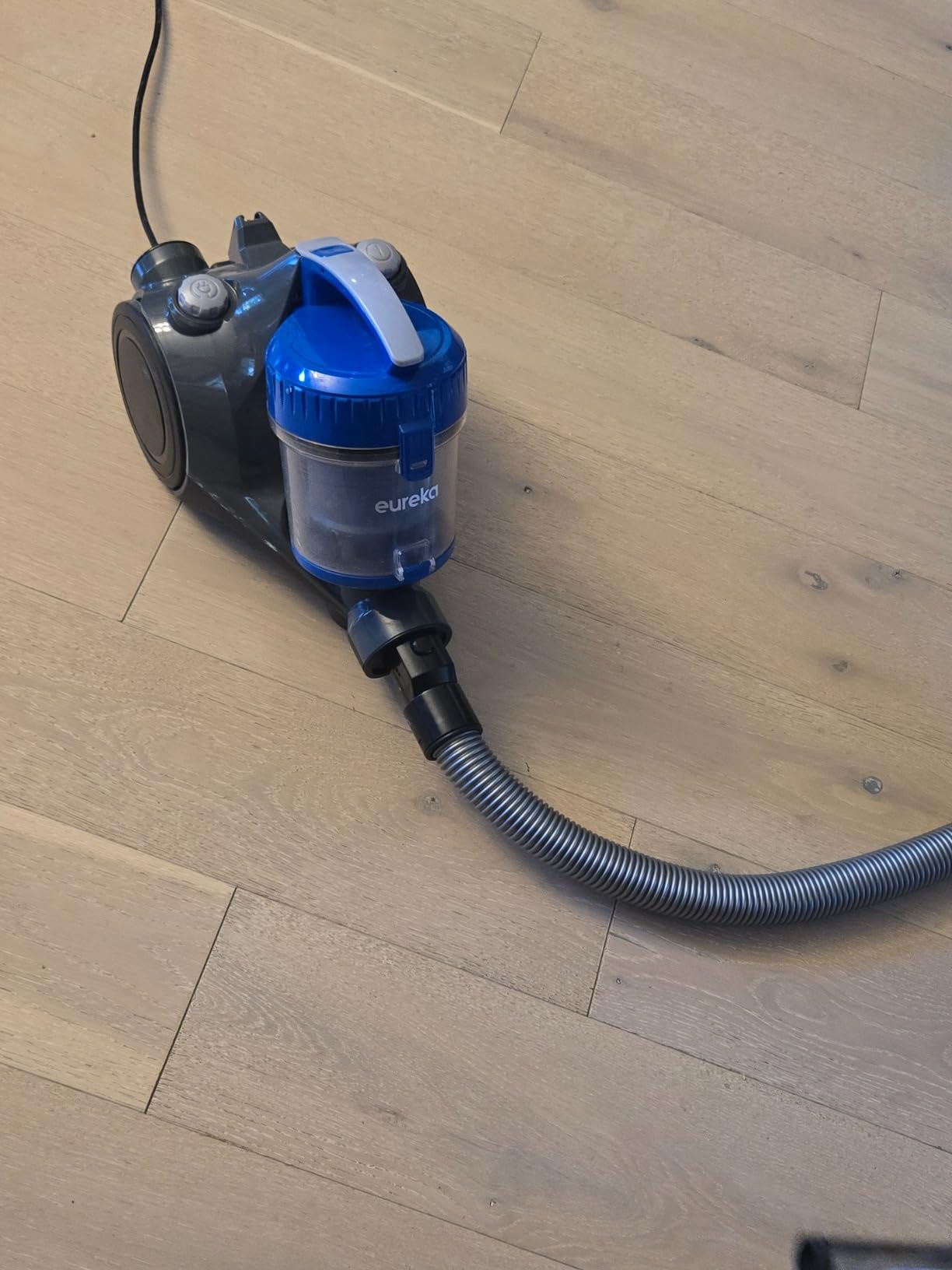
Reviewers consistently single out the cord rewind and the low weight. With more than 45,000 ratings, this is one of the most proven canisters on the market, and the 66 percent five-star share tells you where the complaints land: the 82 dB motor is loud, and the bagless cup needs emptying more often than a bagged machine.
Two things to know. The airflow control on the handle is a single-touch setting rather than a true variable dial, so you cannot dial suction down for delicate upholstery the way you can on a Miele. And the washable filters need rinsing and full drying on a schedule, which is a real commitment if you use it weekly.
The dust cup empties with a one-button release and the filter is washable, so there is no consumable cost at all. That is a meaningful long-term difference against every bagged pick in this list, where bags add up every few months.
What the 9 foot hose reach means on a real staircase
A typical residential flight rises about 8 feet from bottom tread to top tread. Add the 9 foot hose and the metal wand extension and you have roughly 11 feet of usable reach, which covers a standard flight with a margin for the top landing. On a split-level or a stairwell with a curved bottom you may still need to move the body once.
The telescoping wand is the part that makes this work. Set it high and you can hold a normal posture rather than crouching, which matters if you have back or knee problems. Set it low and you can get the head flat into the tread-riser seam where hair hides.
Where the bagless format works and where it does not
Bagless wins on cost: no bags, no replacements, washable filters. It also wins if your stair traffic is light, because a 2.5 liter cup lasts a full cleaning round on a small flight before it needs emptying.
Bagless loses on containment. When you release the cup, a cloud of fine dust rises, and stairs are exactly where you do not want that, because the dust settles onto the risers you just cleaned. Households with allergies should read that as a real drawback, and the HEPA label here applies to the filter media, not to a sealed system.
2. Eureka 3670M – Budget Pick Bagged Workhorse
Eureka 3670M Canister Cleaner, Lightweight Powerful Vacuum for Carpets and Hard Floors, w/ 5bags,Yellow
8.6 lb body
1200W 12-amp motor
Bagged 2.5L
Five bags included
90 dB
Pros
- 8.6 lb body lifts with one hand
- 1200W 12A motor holds suction
- Bagged disposal keeps dirt contained
- Two wands and two specialty tools
- Five spare bags in the box
Cons
- Bagged means ongoing bag cost
- Only two wheels makes steering harder
- 90 dB is the loudest in this group
This is the pick for carpeted stairs that get genuinely dirty. It shares the top 12 amp current draw in the group with the Kenmore 200 Series. Kept on a low setting, less power is wasted, and the 1200 watt motor is a strong figure in this group.
The 8.6 pound body is in the same weight class as the Whirlwind, so carry behaviour on stairs is nearly identical. Where it differs is containment. The replaceable bag seals everything you picked up, so emptying happens without releasing dust into the hallway, and five bags are included in the box.
Reviewers highlight the attachment kit for stairs: two extension wands plus two specialty attachments cover furniture, ceilings, car seats and corners. That matters on stairs because the crevice tool gets used on balusters and the underside of a handrail as often as the floor head gets used on treads.
The honest trade-off is noise. At 90 dB this is the loudest machine we list, and on a carpeted stairwell that sound bounces off hard walls. It is fine if you clean during the day; it is a problem in a shared building at night.
Only two wheels is the other limitation. There is no swivel steering, so you steer it like a small suitcase rather than pushing it. On a flat landing that is unremarkable, but at the base of a flight you will find yourself repositioning more often than with the Whirlwind.
Why the 1200 watt motor matters more on carpet than on wood
Suction is airflow multiplied by velocity. On a bare wood tread, almost any airflow lifts grit, because the surface offers no resistance. On carpet, the pile resists, and what you need is sustained airflow that does not collapse once the head fills.
At a 12 amp draw this motor is working as hard as anything in this group, and that translates to fewer passes on a stair tread, which matters because every pass is another trip up and down a flight.
Who should skip this one
Skip it if noise is a factor in your home, or if you want zero ongoing consumable cost. A bagged machine is a small recurring expense, and owners replacing bags on a schedule is a fair criticism of this category in general.
Also skip it if your stairs are bare hardwood with no carpet. The extra motor capacity is wasted on a sealed surface, and the 90 dB operating level is unpleasant for a quick weekly wipe-down.
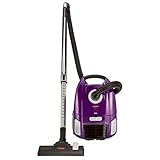
3. Bissell Zing 2154A – Best Value for Bare Stairs
Bissell Zing Lightweight, Bagged Canister Vacuum, Purple, 2154A
7.5 lb body
6 ft hose
Bagged 2.5L
3 power levels
80 dB
Pros
- Very light 7.5 lb body
- Variable suction for bare stairs
- Flip-switch carpet and floor head
- Automatic cord rewind
- Washable pre-motor and post-motor filters
Cons
- No powered beater for deep carpet
- Small head opening can push debris
- Thin extension rods at the joints
- Short cord for a tall flight
At 7.5 pounds this is one of the two lightest bodies in the group, and on stairs that fact does more work than any spec sheet. If the flight is long, the stairwell is narrow, or you have a shoulder or back that objects to lifting, this is the machine you will actually keep using.
Suction is the surprise, and 1200 watts is a strong figure here. The motor comes with three power levels, which gives genuinely useful control on bare stairs, where you want to lower the suction over a wood tread so the head does not drag grit into the seams. The flip switch between carpet and hard floor is faster than fumbling with a dial mid-flight.
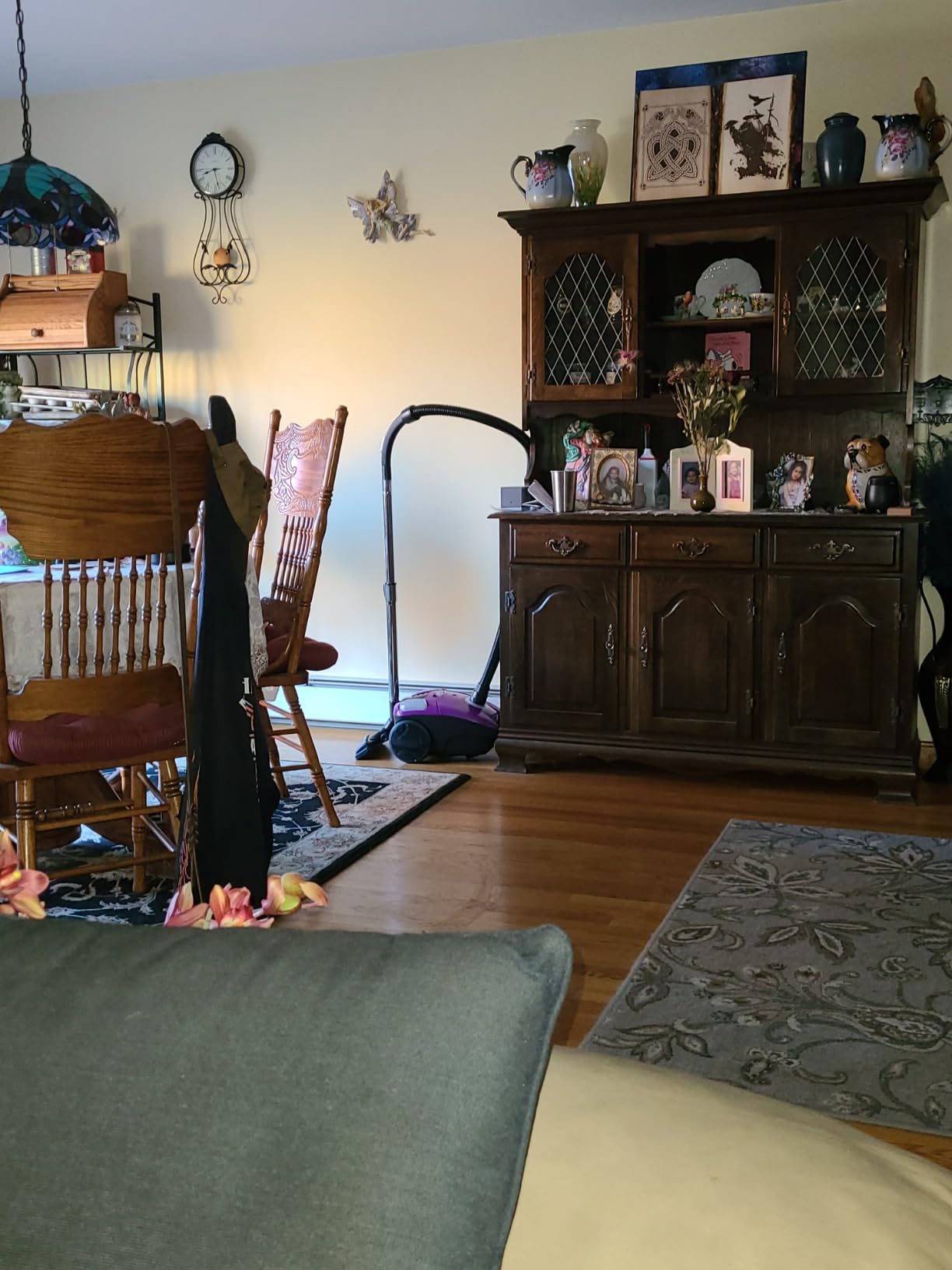
With more than 39,000 ratings, this is most commonly bought as a second or spot-cleaning machine, and that is exactly how it works on stairs. Store it at the base, pull it out for the stairs, and the small footprint is a genuine advantage in a narrow closet or a stair cupboard.
The limitations are real and worth stating plainly. There is no powered beater, so carpet cleaning is suction only. The carpet and hard floor head has a small opening, and reviewers report it can push debris along a tread rather than picking it up. Several users tape over the brush to protect area rugs, which is a reasonable habit on a stair runner.
The cord is short relative to the reach, and the extension rods are thin enough to work loose at the joints when you are pulling a head out of a riser seam. Treat it as a machine for one flight, not for a whole multi-level home.
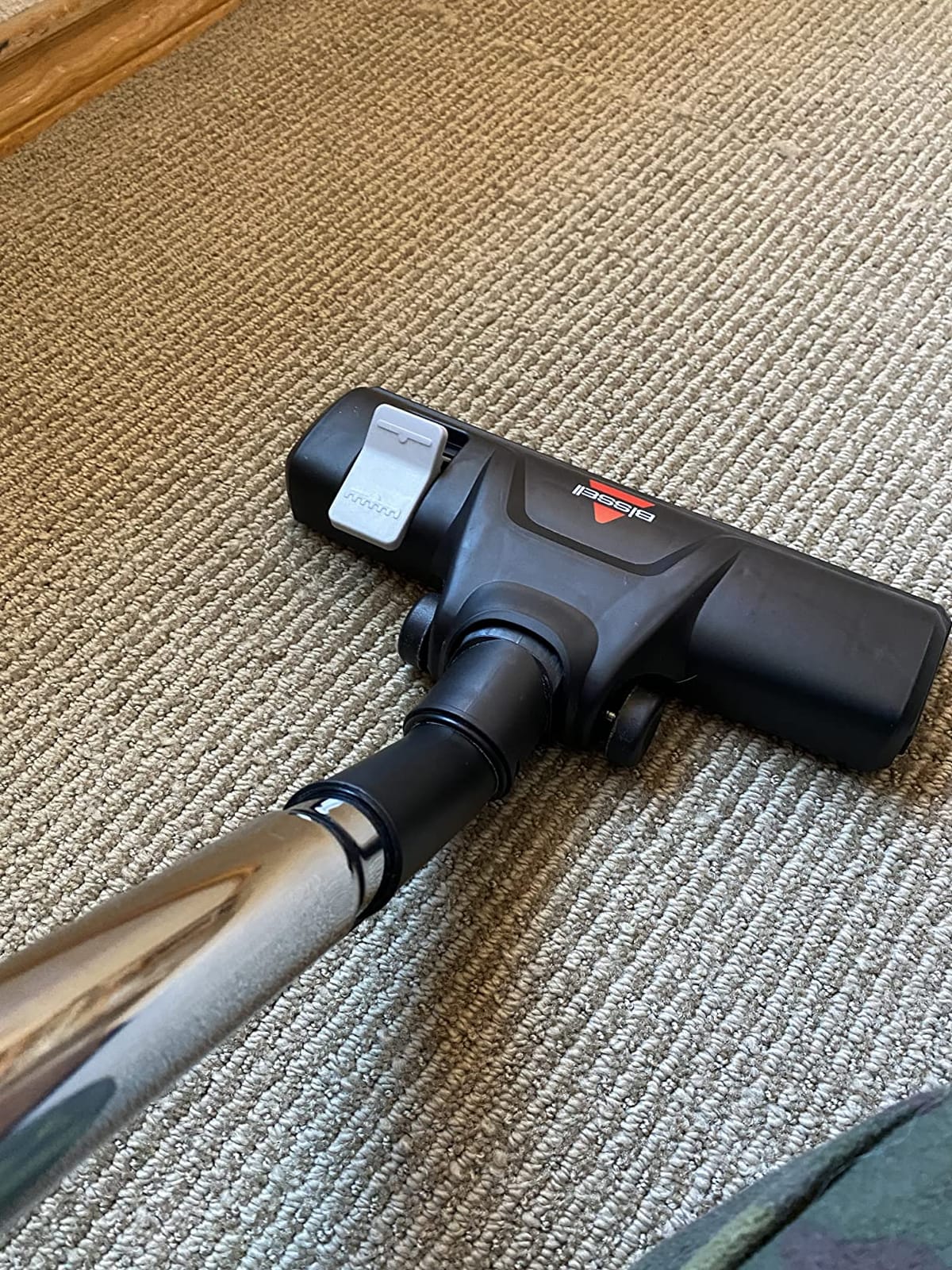
Is 6 feet of hose enough for a staircase
On a short flight with a low ceiling and an open landing, yes. On a standard 8 foot rise you will run out of reach before you reach the top, and the shortfall is closer to 2 feet than you would expect once the wand angle is taken into account.
If your stairs are steeper than average or the ceiling above the top tread is low, measure the floor-to-floor rise before you commit. A 6 foot hose is workable but not generous, and the automatic cord rewind is one of the nicer touches on an otherwise basic machine.
Who should skip this one
Skip it if you have wall-to-wall carpet on the stairs, or pets that leave hair in the pile. Pure suction with a small head opening is the wrong tool for embedded debris, and you will end up making three passes where a motorized head makes one.
Also skip it if you plan to use one machine for the whole home. It is a strong secondary unit, not a primary vacuum, and the general reviews reflect that expectation.
4. Hoover Commercial PortaPower – Best Shoulder-Carry Design
Hoover Commercial PortaPower Lightweight Canister Vacuum Cleaner
8 lb body
33 ft cord
Shoulder strap
Blower port
70 dB
Pros
- 8 lb body carries by hand or shoulder
- 33 ft cord clears a whole stairwell
- Built-in blower clears tight stair debris
- Large accessory pack included
- Two-year commercial warranty
Cons
- Bagged with a cloth filter
- Basic push-button controls
- Commercial sizing may exceed a small home
This is the only pick here designed to be carried rather than pushed, and that is the whole point. The 8 pound body comes with a shoulder strap, so you can sling it and work a flight one-handed with the other hand on the rail.
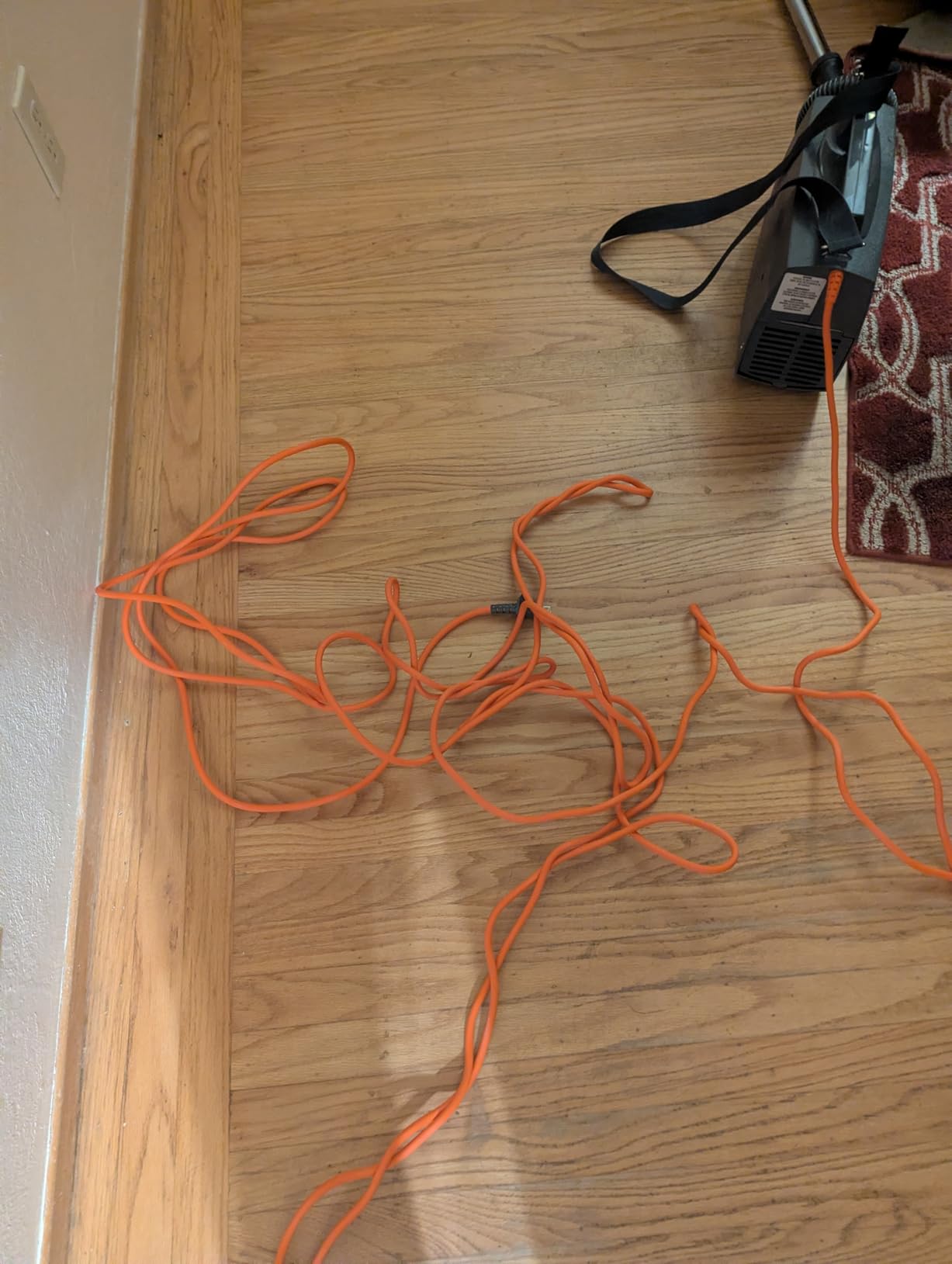
The 33 foot cord is the standout spec in the entire roundup. It is more than double the next longest cord here, which means you can plug into an outlet at the bottom of a tall stairwell, run the full flight, and continue into the upstairs hallway without moving the plug or the machine. On stairs, that removes the single most annoying part of the job.
The built-in blower is unusual for a home canister. It lets you reverse the hose and blow debris out of stair corners, under balusters and out of the seam where treads meet risers, which is genuinely useful after a dry sweep of a carpeted flight.
The accessory pack is generous for the money: shoulder strap, two chrome wands, crevice tool, dusting brush, furniture nozzle, rug and floor nozzle, and a wall and floor brush. The two-year commercial warranty is the longest in the group, and 70 dB is quiet for a 1200 watt machine.
What you give up is modern convenience. Controls are basic push buttons rather than on-handle regulation, the cloth filter means a consumable, and the styling is utilitarian. Owners using it for a small domestic stairwell may find the commercial positioning more than the job requires.
Why cord length beats motor power on a staircase
Cord length is a stairs spec, not a floor spec. On a flat floor, if the cord is short you simply walk the vacuum to the next outlet. On stairs, walking the vacuum means carrying it down, moving the plug and carrying it back up, or running a dangerously stretched cord across the walking line.
At 33 feet, this machine has no such problem on virtually any domestic stairwell. If you live in a split-level or a home with a long, steep flight, that spec alone can justify the choice over a machine with more power but a 16 foot cord.
Who should skip this one
Skip it if you care about fine dust control. A cloth filter and a bag will not match a HEPA system on particulate capture, and allergy households should look elsewhere.
Also skip it if you want a machine that doubles as a polished whole-home vacuum. The upholstery and floor nozzles are useful, but the head is a basic floor tool with no motorized option, so carpet work is limited to suction.
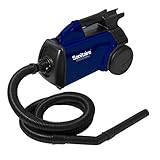
5. Sanitaire Professional Compact SL3681A – Best for Cleaning Crews
Sanitaire Professional Compact Canister Vacuum Cleaner, SL3681A
10 lb body
800W motor
Handle suction control
71 dB
Bagged 2.6 qt
Pros
- 10 lb body with one-hand handling
- Handle suction control per surface
- Long cord with no outlet changes
- On-board tool storage
- Cheap readily available bags
Cons
- No motorized beater for carpet
- Cord winds manually on the base
- Handle does not swivel
This carries an average rating of 4.4 stars, tied for the highest in the group, with 75 percent five-star across its reviews. It is a commercial-rated light-duty machine, and it is built for someone doing stairs repeatedly rather than occasionally.
At 10 pounds it stays in the range most adults can lift with one hand, and reviewers note exactly that. The handle suction control is the feature that matters on stairs: you can drop the suction for a bare tread and raise it for carpet without kneeling down to change a floor head.
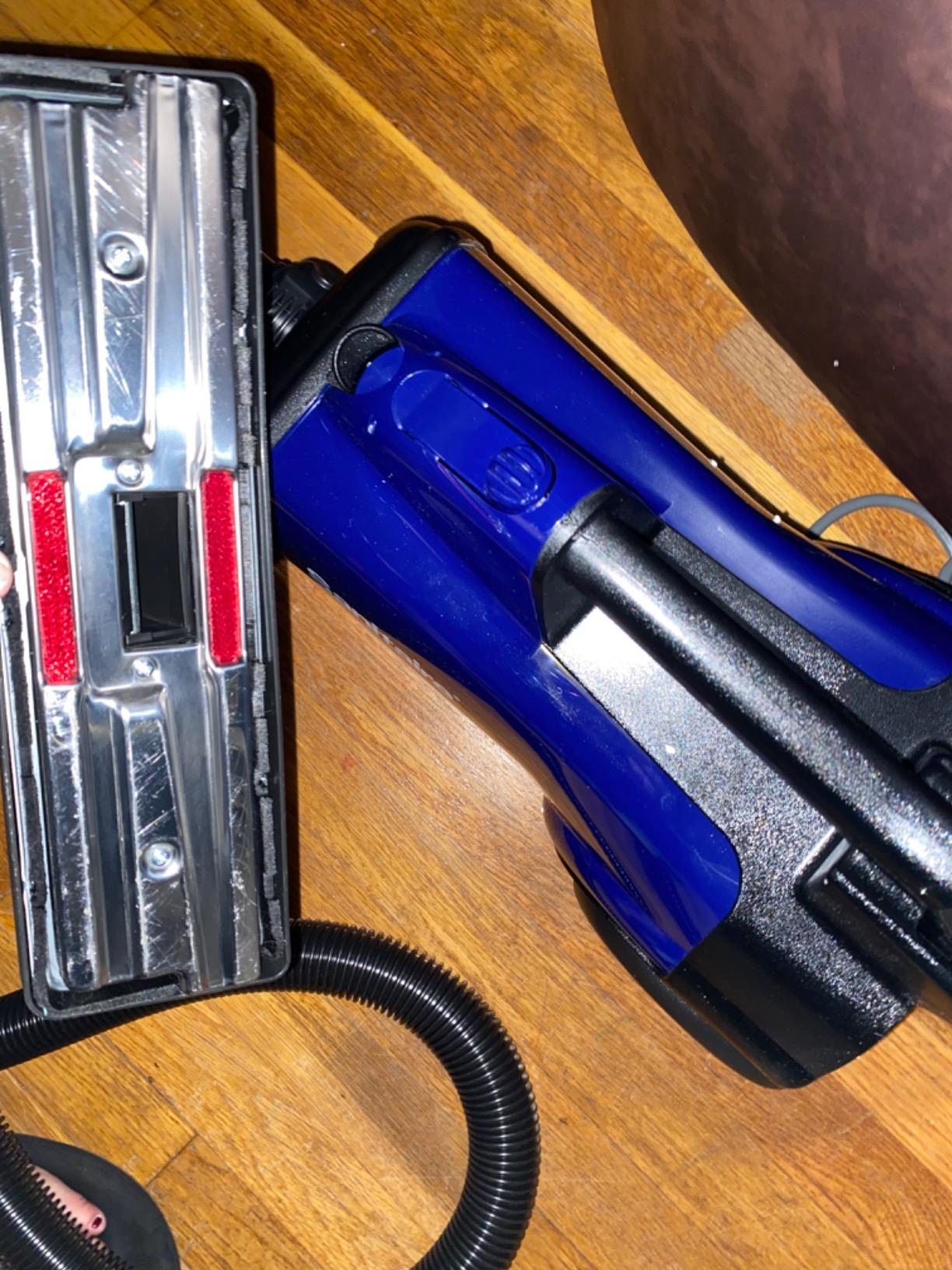
Four tools are included: a two-piece wand, a combination bare floor and carpet tool, a crevice tool and a dusting brush, and they all store on the body. At 71 dB it is among the quietest machines here, which matters if you are cleaning a stairwell in a building where people are sleeping.
One long-term owner reports roughly 10 years of service, and the bags are inexpensive and widely available. For a user vacuuming stairs every week, that running cost is a small price for a machine that keeps working.
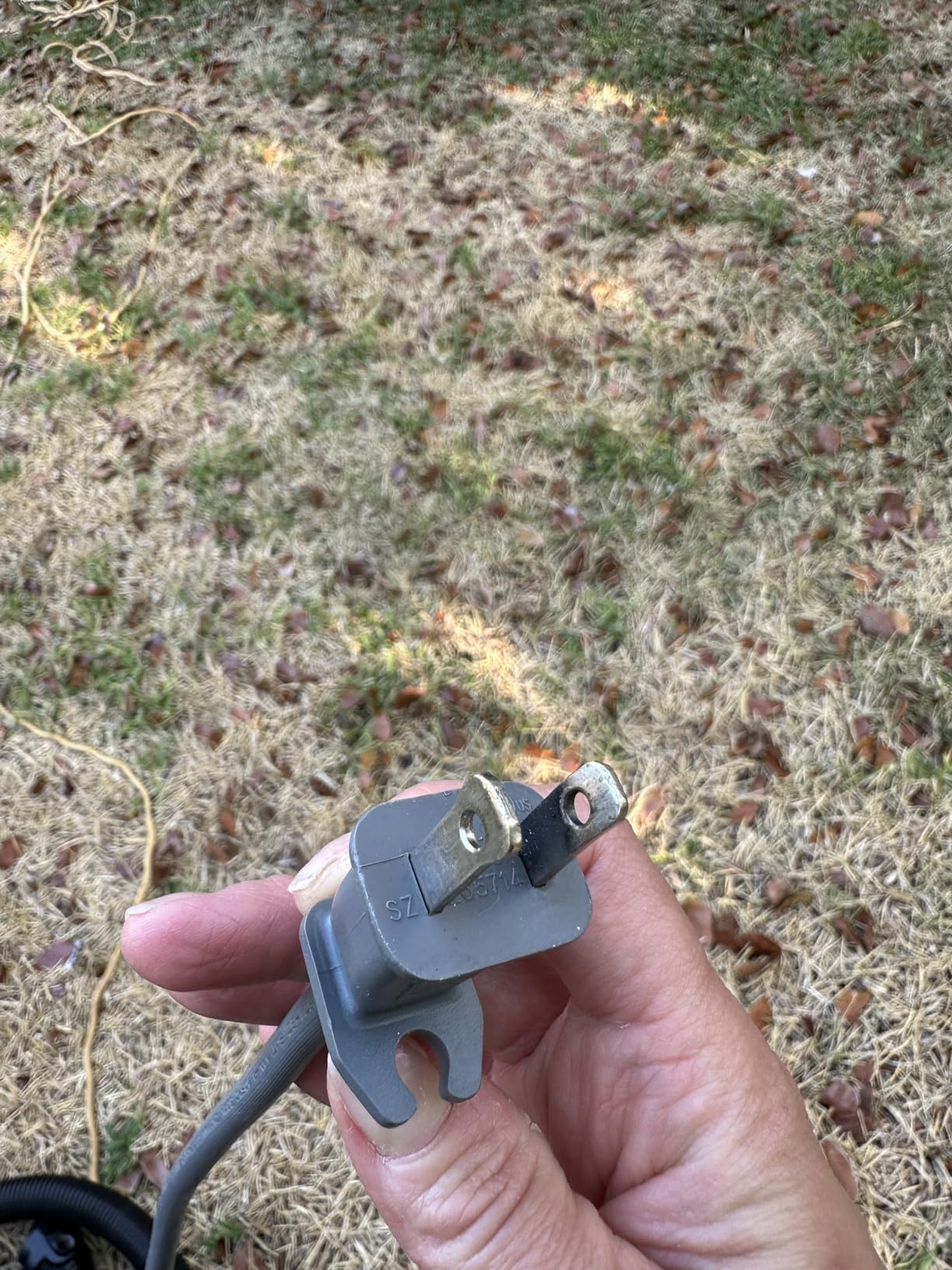
The drawbacks are structural. There is no motorized beater, so carpet performance is limited to suction. The cord does not retract and winds manually around the base. And the plastic body and hose handle do not swivel, which owners note can strain the wrist when you are working a flight at an awkward angle.
Is 800 watts enough for a carpeted stair flight
For maintenance cleaning, yes. Stair treads are a small area compared with a room of carpet, and the traffic pattern is concentrated in a narrow band down the centre of each tread. An 800 watt machine with a long cord will handle that band without the cord going slack.
For a spring clean after a winter, or for a home with heavy pet traffic, the number is less comfortable. You will be making more passes and the cord will reach its limit sooner. In that case a machine with a motorized head and a longer cord serves better.
Who should skip this one
Skip it if you have pets. With no motorized brush there is nothing to lift embedded hair out of a carpet pile, and reviewers are consistent that this model’s job is hard surfaces, upholstery and light carpet.
Also skip it if you are sensitive to wrist strain. The non-swiveling handle is a small design detail that becomes obvious after twenty minutes on a staircase.
6. Atrix Lil Red AHSC-1 – Best for Allergy Capture
AHSC-1 Atrix Lil Red Canister Vacuum Portable Canister vacuum w/ 2 Quart HEPA Filter & Variable Speed Motor
11.6 lb body
1200W 71 CFM
HEPA bag
16 ft retractable cord
70 dB
Pros
- 1200W motor in a compact body
- Disposable HEPA bag seals dust
- Variable speed for each surface
- Telescopic wand with 17 height steps
- 16 ft retractable cord
Cons
- Heavier than the marketing copy suggests
- HEPA bags are a recurring cost
- 2-quart bag needs frequent changes
Allergy households should look here first. The three-stage filtration uses a disposable HEPA bag, so everything the machine picks up is sealed inside a bag that you throw away rather than a cup you tip into the hallway. On stairs, where the cleaned surface is a vertical risk to walk on, that containment matters.
The motor is a 1200 watt unit producing 71 CFM of airflow in a body measuring 13.5 by 10 by 8 inches. That is a compact footprint for the power, and the small dimensions mean it stores easily in a stair cupboard or under the lowest tread of a closet.
The variable speed motor lets you tune suction by surface without changing tools, and the telescopic extension wand has seventeen height settings, which is finer adjustment than any other pick here. On stairs, that range lets you set the head angle to match a steep rise or a shallow one.
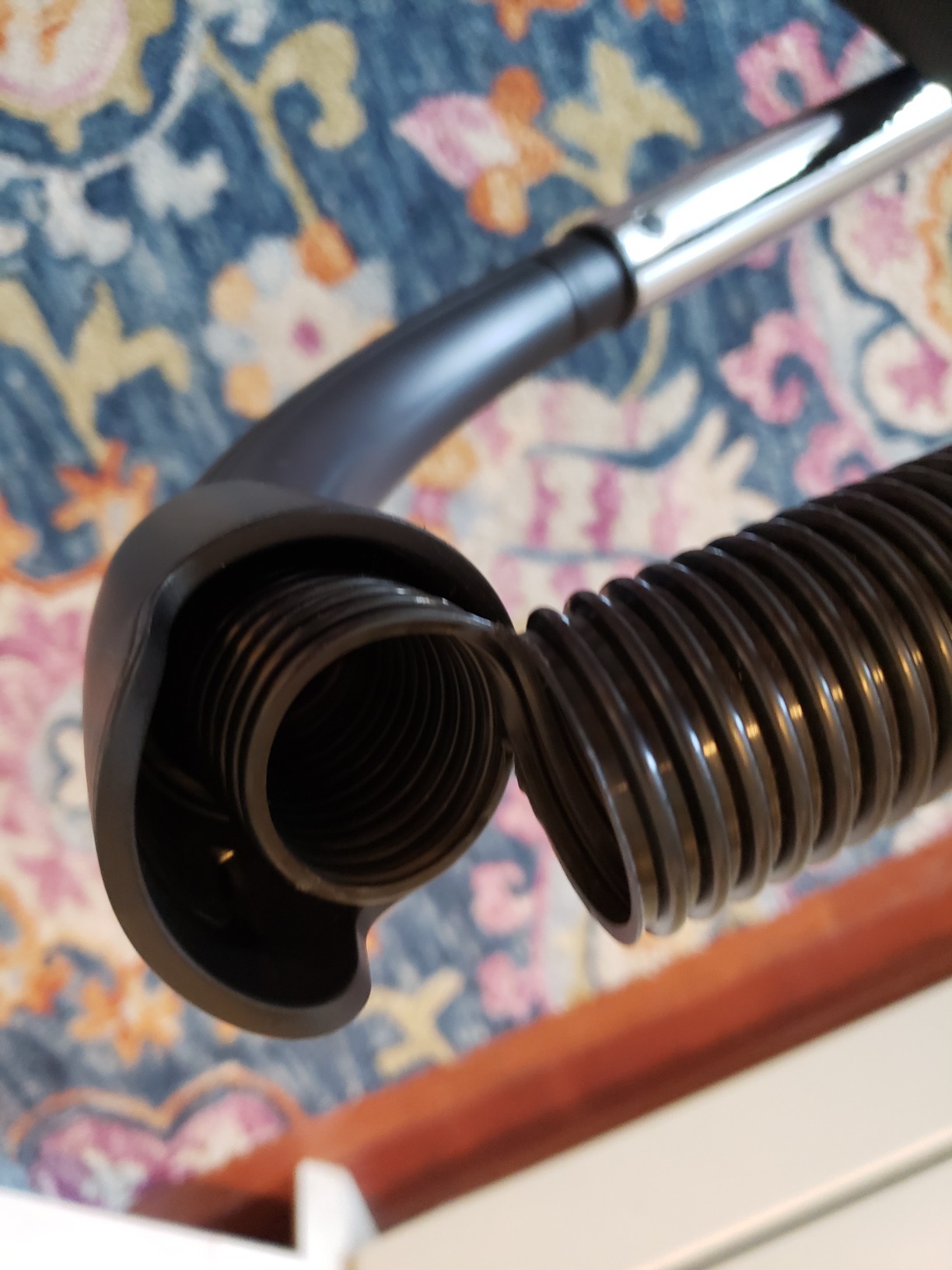
The 16 foot retractable cord is long enough for a normal flight without a plug change, and it retracts into the body, so the machine parks neatly at the base when you are finished.
The most-cited reservation among owners is weight. The marketing copy suggests a lighter figure, while the listed weight is 11.6 pounds, and buyers point out that discrepancy directly. If you intend to carry the body up the stairs rather than park it below, that difference is the deciding factor.
At 70 dB this is also one of the quieter machines despite the 1200 watt rating, which is worth having if you are cleaning a stairwell near bedrooms.
What a HEPA bag actually buys you on stairs
A HEPA bag captures fine particulate inside the bag itself, rather than relying on a filter that air passes through and back out of. On a staircase that matters twice: nothing escapes back into the room while you work, and nothing escapes when you empty.
The cost is recurring. Every bag is a purchase, and this machine uses a 2-quart bag, so on a high-traffic flight you will change it more often than you would on a machine with a 4.76 quart bag. Buyers who vacuum stairs weekly should factor that in before choosing on filtration alone.
Who should skip this one
Skip it if carpet is your main surface. The accessory kit includes a hard floor brush, upholstery nozzle and crevice tool, but there is no motorized or turbo head, so carpet work is limited.
Also skip it if you are put off by consumables or want a machine with no filters to buy. The washable premotor and exhaust filters help, but the bag is the expensive part and it is not optional.
7. Kenmore 200 Series 81214 – Best for Multi-Level Reach
Kenmore 81214 200 Series Pet Friendly Lightweight Bagged Canister Vacuum with HEPA, 2 Motor System, and 3 Cleaning Tools-Orange
22.6 lb body
HEPA bag system
24 ft cord
9.3 ft reach
78 dB
Pros
- Two-motor suction with four height settings
- HEPA bag traps 99.97 percent
- 24 ft cord means minimal replugging
- 9.3 ft reach for tall stairwells
- Three on-board attachments
Cons
- 22.6 lb is the heaviest listed weight
- No powered beater for deep carpet
- Bagged consumables add up
- Bulky 25.9 inch footprint
Start by accepting the weight. At a listed 22.6 pounds, this is the heaviest machine in the roundup, and the word lightweight in the product name does not survive contact with the specification. This machine lives at the base of the stairs and stays there.
Given that constraint it does something genuinely useful: a 24 foot retractable cord and 9.3 feet of attachment reach. That combination means one placement at the bottom of a tall or multi-level stairwell can cover the whole flight and the landing above, without moving the machine or the plug.
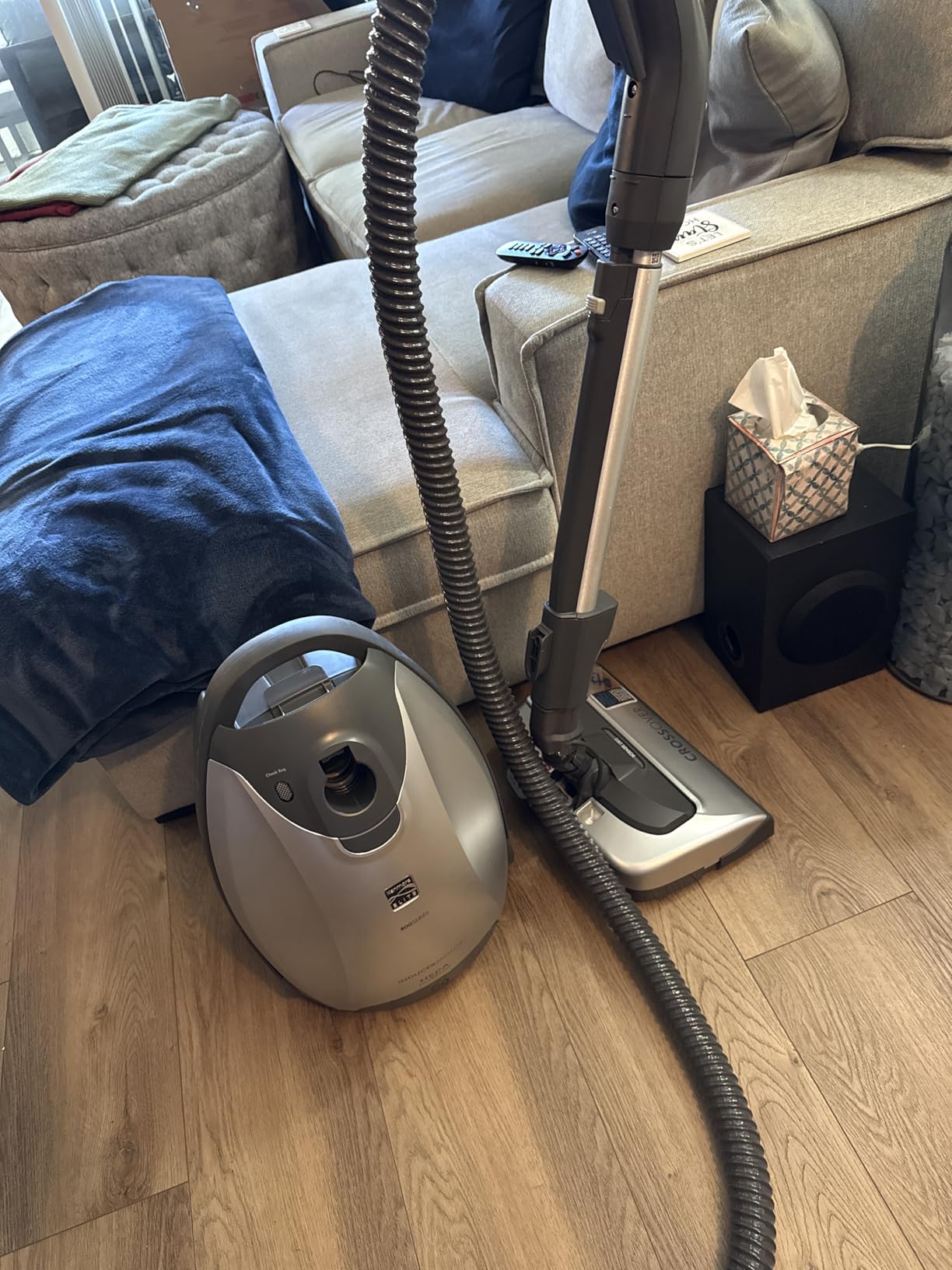
The two-motor system provides strong suction with four height adjustments for different surfaces, and the HEPA filter system traps 99.97 percent of debris and dander inside the bag. For an allergy household that wants containment rather than just filtration media, that is the right approach.
Three attachments store on the machine: a dusting brush, crevice tool and bare floor tool. On stairs the crevice tool gets more use than the floor head, because balusters, spindles and the underside of a handrail collect more than treads do.
It is one of the two lowest-rated picks in the group at 4.1 stars, and the reason is stated clearly in reviews: the gap between the lightweight branding and the 22.6 pound figure. If you have read the listing and accepted that, the rest of the machine performs as advertised.
The 25.9 inch length also takes more closet space than the compact units here. Plan where it will live before you buy, because a canister that has to be squeezed into an overflowing cupboard is a canister that gets left in the hallway.
When a 22 pound machine is still the right answer
Weight only matters if the machine moves. If you have a straight flight, a reachable outlet at the bottom, and a long cord, the body stays exactly where you put it. In that situation a heavier machine with more suction, more filtration and a longer cord can be the better buy.
This is also a reasonable second machine for a home with a walk-in basement or a large garage stair, where the canister is used in a fixed position and moved rarely.
Who should skip this one
Skip it if you plan to carry it between floors. Twenty-two pounds is genuinely awkward on a staircase, and awkward on stairs is how people get hurt. The same applies to anyone with a back, knee or shoulder problem.
Skip it if you have thick carpet and pets. There is no powered beater here, so embedded hair in a deep pile is not what this machine is built to remove.
8. Miele Classic C1 Pure Suction – Best for Quiet Homes
Miele Classic C1 Pure Suction Vacuum for Hard Floors & Low-Pile Carpet
12 lb body
1200W
Six suction settings
64 dB
AirClean bag
Pros
- Six suction settings per surface
- 64 dB is the quietest listed
- 12 lb glides up steps easily
- Three-tier AirClean filtration
- Owners report 10 to 26 years of service
Cons
- No powered head
- suction only
- Stock floorhead plastic sole drags on rugs
- Small bags replace often
- HEPA sold separately
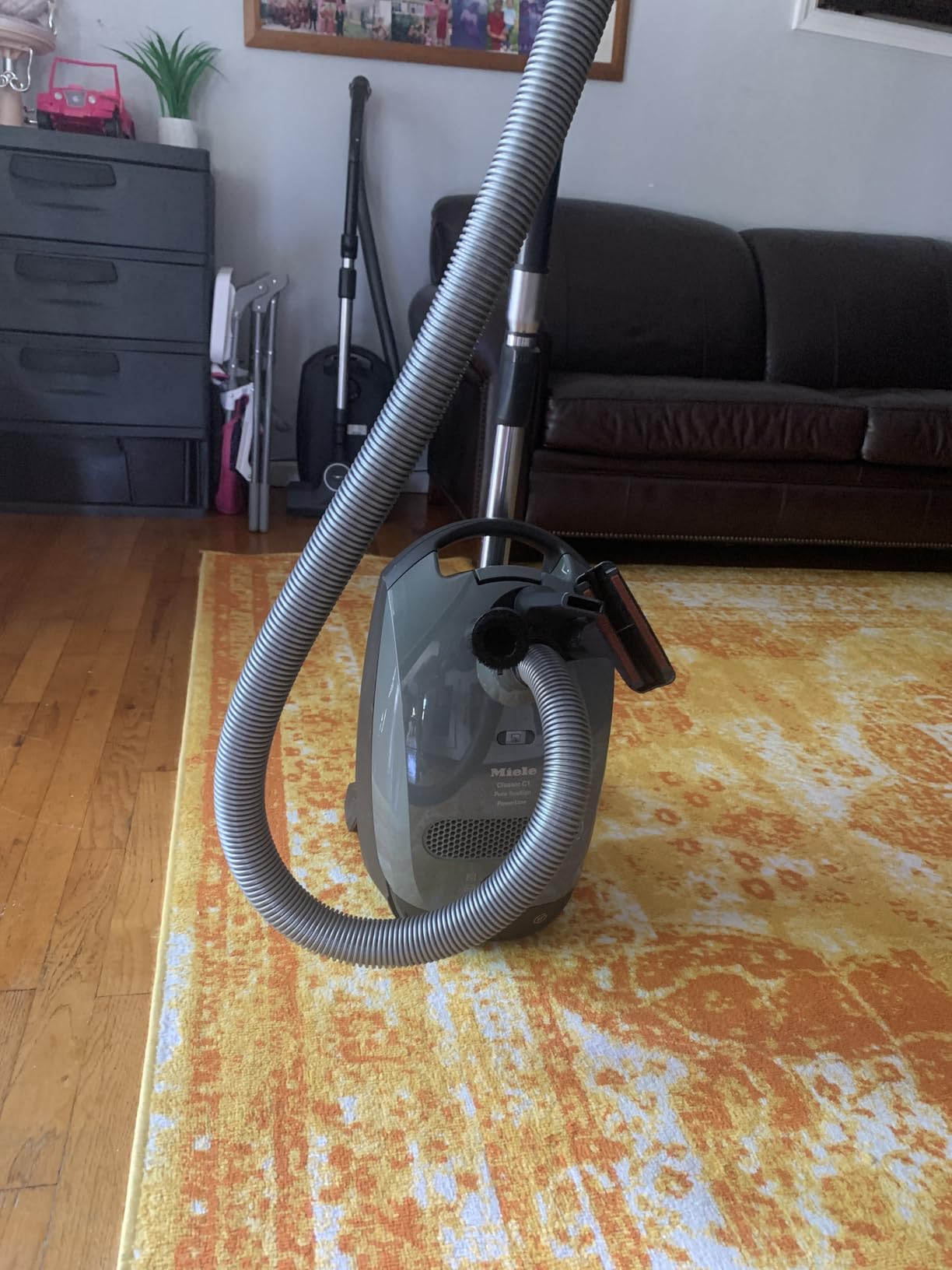
This is the pick when the stairwell is next to a bedroom. At 64 dB it is the quietest machine in the group by a clear margin, and it has a dedicated quiet mode for exactly that situation. Several owners in the reviews use it specifically as an upstairs and stairwell vacuum, which tells you how it performs in that role.
Six suction power settings are the reason to look at this machine. On stairs you move between carpet treads, wooden risers and a bare landing in the space of thirty seconds, and being able to match suction to the surface from the handle means you are not crouching at the bottom of a flight swapping floor heads.
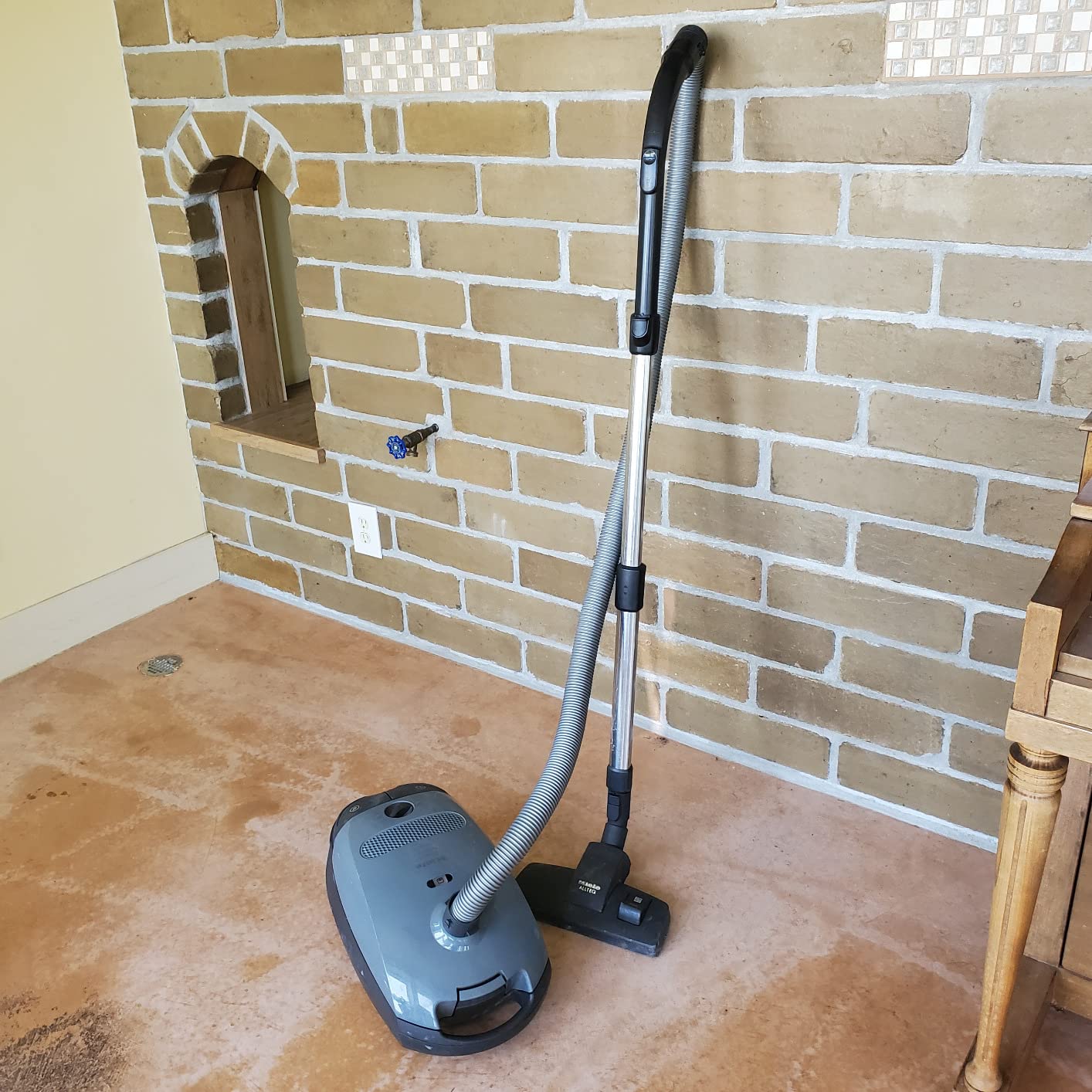
Durability is the other argument. Owners report service lives of 10, 15 and even 26 years. The AirClean three-tier filtration uses genuine Miele FilterBags plus motor protection and exhaust filters, and the upward exhaust design keeps dust and pet hair from being blown around the room.
There is a genuine trade-off here and it is the head, not the motor. This is a pure suction machine with no powered beater, intended for hard floors and low-pile carpet. If your stairs are wall-to-wall carpet with a deep pile or heavy pet hair, this is the wrong tool for that specific surface.
Reviewers also raise a fair point about the stock SBD 365-3 combination floorhead, whose plastic sole can drag on rugs, and recommend the swivel parquet head instead. Bags are relatively small, and a true HEPA filter is a separate purchase.
The 20 foot cord is fine for a single floor and short for a large multi-level home. Accessories clip onto a semicircle ring on the hose cuff, which some owners find awkward to work one-handed.
Whether quietness changes the cleaning job
It does, more than expected. A machine you are reluctant to switch on gets used less often, and stairs that are cleaned once a month look worse than stairs cleaned weekly. The 64 dB rating also means you can run a late clean without a neighbour complaining.
On a stair tread, low noise also correlates with a softer start and stop, and gentler passes reduce the risk of pulling a rug edge off a tread that is only tacked down at the sides.
Who should skip this one
Skip it if your stairs are deep-pile carpet or you are fighting pet hair. Pure suction without a rotating brush will not lift embedded debris out of a thick pile, however good the motor is.
Also weigh up the running cost carefully. Genuine bags, and a HEPA filter if you need one, cost more per replacement than generic bags and a washable foam filter. Over ten years that difference is real, and it is the price of the longevity above.
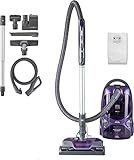
9. Kenmore 600 Series Bagged – Best for Pet Hair on Stairs
Kenmore 600 Series Pet Friendly Bagged Canister Vacuum
Motorized pet head
HEPA bag
10 ft wand reach
28 ft cord
75 dB
Pros
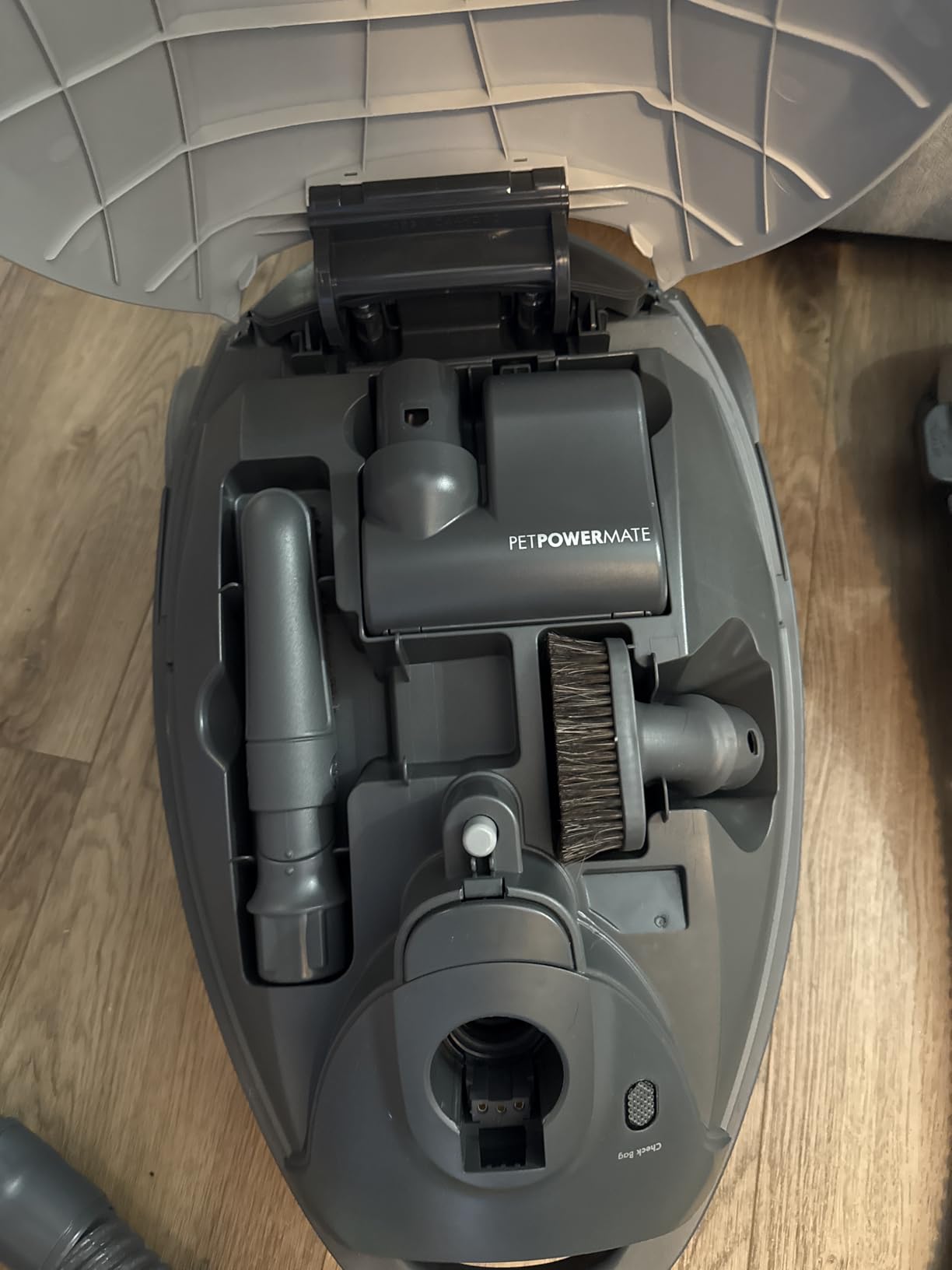
- Motorized Pet PowerMate lifts embedded hair
- Triple HEPA traps 99.97 percent
- 10 ft wand reach on stairs
- 28 ft cord covers about 1800 sq ft
- On-board storage for four tools
Cons
- Rear wheels roll one direction only
- Listing and owner impressions differ on bulk
- Head light only works in carpet mode
- Strong suction can snag loose rugs
This is the pet hair pick. The motorized Pet PowerMate attachment is the reason, and the distinction matters: it has its own motor, which is a different thing from a hand turbo brush driven by the machine’s airflow. A motorized tool keeps working at a consistent speed as the head fills with hair, and the Pop-N-Go brush design helps release what wraps around it.
Reach is genuinely strong here. The aluminium telescoping wand extends to 10 feet, and the 28 foot retractable cord covers roughly 1800 square feet on a single plug. Between them, you can work a full multi-level stairwell from one position at the bottom.
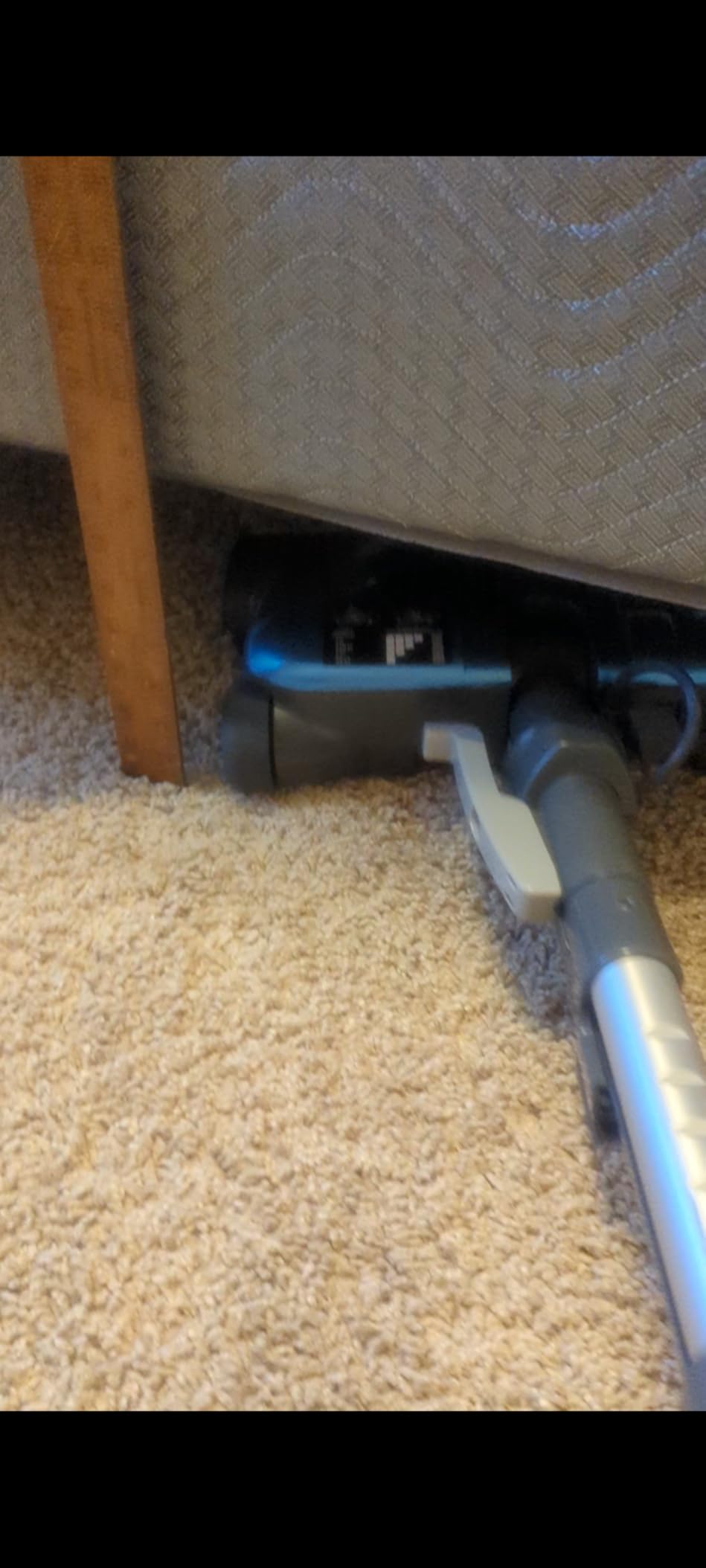
The triple HEPA system traps 99.97 percent of dirt inside the bag, so nothing is released when you empty it. For a household where the pet hair comes with dander, that containment is as important as the pickup.
It shares the lowest average rating in the group at 4.0 stars, and the complaints are consistent. The two large rear wheels only roll in one direction, which makes the canister awkward to pull between rooms and awkward on the landing at the top of a flight. The listed weight is 6 pounds while owners consistently describe the body as bulky, so check the dimensions against your stairwell width before committing.
Minor faults worth knowing: the head light only works in carpet mode, the stored crevice tool has side holes that leak suction, and the bare floor tool compartment can pop open when the machine is carried on stairs. Suction is strong enough to pull fibres out of mattresses and to snag a loose rug, so be careful on stair runners.
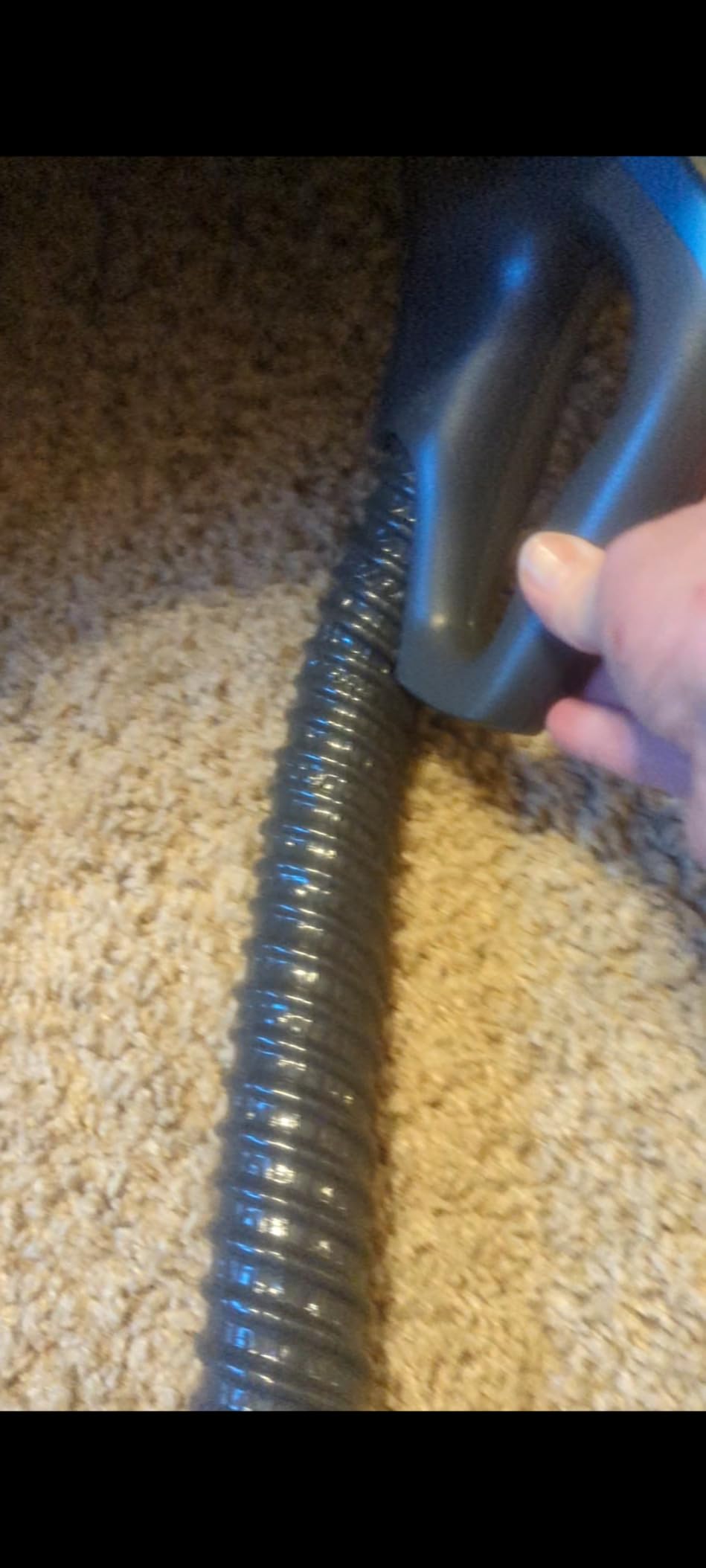
Why the tread and riser seam needs a motorized head
Pet hair on stairs does not sit on the tread. It lodges in the gap where the tread meets the riser, held by pressure from above and friction from the carpet pile. A pure suction head passes over that line and leaves most of it behind.
A motorized brush with a relatively stiff agitator works the pile and flicks the hair forward into the path of the suction, which is why a motorized head changes the result rather than just the speed. On a bare wood riser the same tool is not needed, which is why a combination approach works best.
Who should skip this one
Skip it if you have no pets. The motorized Pet PowerMate is the main draw, and without hair to lift you are paying for a head you will rarely use while still handling the one-way wheels.
Also skip it if stair width is tight. Owners describe the body as bulky and the turning behaviour as awkward, and a canister that cannot pivot on a landing will be frustrating on every single clean.
10. Kenmore 500 Series Bagless – Best Bagless Cyclonic Pick
Kenmore 500 Series Bagless Canister Vacuum with Hair Eliminator Brushroll
19.2 lb body
Bagless 1.2L cup
HEPA 0.3 micron
9 ft reach
24 ft auto rewind
Pros
- Hair Eliminator brushroll self-clears
- Strong two-motor cyclonic suction
- HEPA capture down to 0.3 micron
- 24 ft automatic cord rewind
- Small motorized head suits stairs
Cons
- 19.2 lb is heavy to carry up steps
- No hard floor attachment included
- Messy bagless emptying
- Wide turning radius catches in doorways
This is the bagless option for someone who does not want consumables and wants a motorized head. The Hair Eliminator brushroll is designed to remove wrapped hair from the roller automatically, which addresses the single most common complaint about pet hair on stairs, where hair wraps around the brush and stops the tool working.
Suction is strong. A two-motor cyclonic system delivers high pickup on both carpet and hard floors, and the HEPA filtration captures 99.97 percent of particles down to 0.3 microns. The 24 foot automatic cord rewind keeps the cord untangled on storage, which is a small thing that matters daily.
The small motorized pet head is genuinely stair-shaped, and owners note it is useful on stairs precisely where the main head is too bulky. The telescoping wand extends to 9 feet with a detachable handle for furniture and car interiors.
At 19.2 pounds it is the second heaviest machine here, so this is again a park-it-at-the-bottom product. On a straight flight with a reachable outlet that is a reasonable trade for a strong motorized head and no consumable cost.
The complaints are consistent across the reviews. No hard floor attachment is included, and the included brush head can scratch laminate unless set to the no-brush setting. Bagless emptying produces a noticeable dust cloud, and the 1.2 liter cup is narrow enough that it needs emptying mid-job. The wide turning radius tends to catch in doorways, and the wheels do not roll well over carpet.
It is also the newest listing here with around 1,950 reviews, so the long-term record is shorter than most of the picks above it. The 4.0 rating reflects that a minority of owners report early failures.
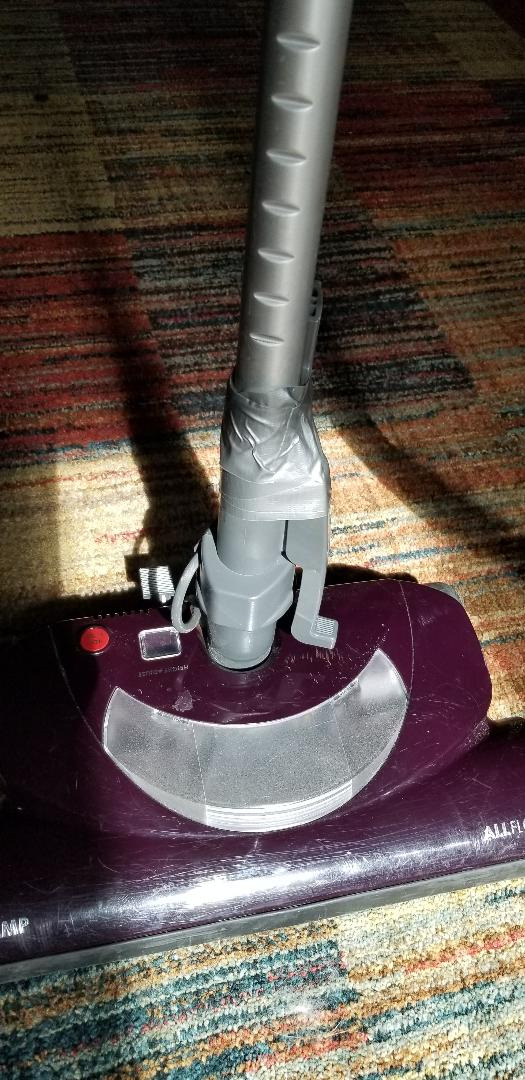
Bagless with HEPA: what the label does and does not mean
HEPA filtration here describes what the filter captures, not what escapes. A bagged machine seals the captured dirt inside a bag, so nothing is released. A bagless machine puts the dirt in a cup you carry to a bin, and opening that cup releases a cloud of fine dust into the air.
For an allergy household on stairs, that distinction is the deciding one. For a household without allergies who is simply tired of buying bags, bagless is a fair trade and the 1.2 liter cup empties into any bin without a special bag.
Who should skip this one
Skip it if you have laminate or sealed hardwood on your stairs and no hard floor tool. Without that attachment you are choosing between a brush that can scratch the surface and a setting that reduces pickup, and neither is a good outcome.
Also skip it if stair width is limited or if you need to carry the body between floors. At 19.2 pounds with a wide turning radius, this machine is designed to be placed once and used from there.
How to Vacuum Stairs With a Canister Vacuum
Technique accounts for more of the result than the model you buy. Work in this order and the job takes about half the time, because you never re-clean a surface you already passed.
Place the canister at the bottom of the flight. Put it on the landing below the first tread, beside the walking line and out of the path. Never pull it up steps by the hose; the hose is not rated for that load.
Check the reach before you start. With the wand at working height, reach the top tread without stretching. If you cannot, move the canister up one landing rather than stretching.
Route the cord first. Plug in at the base and run the cord along the wall side, not across the treads. Keep the plug out of the walking route and never run it under a runner you might shift.
Clear big debris by hand. Pick up larger crumbs and hair clumps before vacuuming. A vacuum that spends its time moving objects around a tread takes three times as long.
Work treads before risers. Start at the bottom and vacuum each tread fully, including the front nosing and the narrow strip at the back where the riser meets it, before moving up.
Do risers with the head held vertical. Tilt the head up against the riser face and work from the bottom edge upward. For carpet, use the crevice tool along the seam where tread and riser meet.
Clean the tread-riser seam last. Hair embeds in that gap and resists both tools. The crevice tool, run slowly along the seam, removes what the floor head leaves behind.
Finish with rails, balusters and baseboards. These collect more visible dust than the treads do. The dusting brush on a hose handle gets there without you twisting.
Empty at the base, not the top. Carry the bag or cup down before it is full, so you are not emptying debris onto a tread you just cleaned.
Check the brushroll before you put it away. Cut wrapped hair off the roller with scissors. A choked brushroll is the reason a stair job feels like it is not working.
If you have pets, add a pre-pass with a rubber pet hair rake before the vacuum ever starts. It lifts hair off the pile so the machine is picking it up rather than pushing it around, and it is the difference between one pass and three on a hair-covered tread.
For comparison, we cover upright options in our upright vacuum picks for stairs, where the trade-off is different: more agitation on carpet in exchange for a much heavier body to move.
How to Choose a Canister Vacuum for Your Stair Type
The right canister depends less on the staircase than on three variables: how you will position the machine, what the treads are made of, and what is causing the most debris. Answer these in order.
Decide where the machine will live first
Measure your floor-to-floor rise and then work out whether the machine ever leaves the bottom landing. If the answer is never, weight stops being a buying criterion and suction, cord length and filtration become the deciding factors. That single decision eliminates half the shortlist.
If the machine does need to move between floors, treat anything over about 12 pounds as a problem, and check whether a shoulder strap is included. A strap changes the carry from a two-handed lift to a one-handed carry, which is the difference between a chore and a non-event.
Match the head to the tread surface
Carpeted stairs need a rotating brush of some kind. That is either a motorized head with its own motor, or an air-driven turbo brush spun by the machine’s airflow. Both work; the motorized version is stronger and more consistent, the air-driven version is cheaper and lighter.
Bare hardwood or laminate stairs need suction and a soft floor head. A hard plastic beater head can scratch a sealed floor, and a brushroll adds weight and noise for no benefit. If your stairs are mixed, you will want either a head with a surface switch or two tools.
Think about cord length as a stairs spec
Standard residential cord lengths run from 16 to 24 feet, which covers a single flight. A 33 foot cord covers a tall stairwell and the landing above without moving the plug. On stairs, avoiding a cord that crosses the treads is worth more than any other single feature.
Automatic rewind matters less than it sounds, but it does keep the cord from tangling during storage, and a machine that stores in one piece is a machine that gets used.
Decide how much noise you can live with
Published figures across this group run from 64 dB to 90 dB. That is a wide band, and roughly it separates the quiet premium units from the commercial-style budget machines. If anyone in the house is sleeping nearby, buy the quiet one.
Decide between bagged and bagless before you compare prices
Bagged machines seal the dust, cost a small amount per bag, and suit allergy households. Bagless machines cost nothing per clean, empty into a normal bin, and release a cloud of dust when you open the cup. The right answer depends on your household, not on the sticker.
If your family is prone to allergies, the sealed bag model is worth the running cost. If nobody in the house has sensitivities and you dislike consumables, the bagless route is simpler.
Whatever you choose, filters need attention. Our canister filter guide covers washable versus replaceable media and the schedules that actually keep suction up.
Pet Hair on Carpeted Stairs: Motorized Tool or Air-Driven Turbo Brush
These two tools look similar and perform differently, and the difference is the drive. An air-driven turbo brush is spun by the vacuum’s own airflow, so it only spins while air is moving freely through it. Hair that wraps around the edge of the head reduces that airflow, the brush slows, and the tool stops lifting. It works well on clean carpet and degrades quickly on a hair-covered tread.
A motorized hand tool has its own small motor, so brush speed stays constant no matter what the head picks up. It costs more, weighs more in your hand, and needs a power outlet at the machine end. In exchange it keeps working on the second and third pass, which is when most stair cleaning actually happens.
For a home with one short-haired pet and a weekly clean, an air-driven head is adequate. For a home with shedding pets and a daily clean, the motorized tool is the one that stops you from making five passes per tread. The Kenmore 600 Series Pet PowerMate is the only pick here with a genuinely motorized hand tool.
Self-clearing features are worth considering for the same reason. The Kenmore 500 Series Hair Eliminator brushroll is designed to strip wrapped hair off the roller automatically, which is the maintenance problem that stops people vacuuming stairs altogether.
Our broader canister picks for pet hair covers the whole-home picture, including upholstery and car seats. For stairs specifically, the tread-riser seam is the part most people miss, and it needs a crevice tool pass after the floor head, not instead of it.
Bagged vs Bagless and the Cost You Keep Paying
Five of the ten picks here are bagged, and three of those use a sealed HEPA bag system. The cost difference over five years is smaller than most buyers expect, and the containment difference is larger than most buyers expect.
Budget a bag change roughly every one to two months on a high-traffic flight, and every few months on a light one. At that rate a stair-only machine might use between 20 and 40 bags over five years. Filters add a smaller ongoing cost, though washable premotor filters reduce it further. If a bag is priced at a few dollars, the total running cost stays modest compared with replacing a machine that has stopped pulling properly.
The bagless machines here avoid that entirely, and the washable filters on the Eureka Whirlwind mean no consumables at all. What you trade away is containment: emptying releases fine dust, and on a staircase the dust settles on the risers you just cleaned.
Allergy households should read the filtration label carefully. A HEPA filter describes capture at the filter media. A sealed bagged system describes capture with no release. On stairs, where cleaned surfaces are directly above the walkway, the sealed system is the safer choice for anyone who reacts to dust.
One more practical point on stairs specifically: a 2 quart bag needs changing more often than a 4.76 quart bag, and stairs are where you notice a full bag fastest because you can see the fill level. Check the capacity against how often you intend to clean before choosing a compact machine.
Frequently Asked Questions
What is the best vacuum to use on stairs?
A lightweight canister vacuum with a hose and wand long enough to reach the top tread from the bottom of the flight. Keep the body at the base, carry only the wand, and use a small brush head on carpet or a crevice tool on risers and balusters. Uprights are usually too heavy and top-heavy for steps, and handhelds force you into a crouch.
What is the best vacuum cleaner for carpeted stairs?
A canister with a motorized or air-driven rotating head. The brush agitates the carpet pile and lifts embedded debris that a pure suction head leaves behind. Work treads first from the bottom up, then risers, then finish with a crevice tool along the seam where the tread meets the riser.
What is the best canister vacuum for cleaning pet hair?
A canister with a motorized hand tool, because a brush driven only by airflow slows down as hair wraps around it. Two of the machines in this roundup, the Kenmore 600 Series and the Kenmore 500 Series, have a motorized hand tool for this job. Add a crevice tool pass on the tread-riser seam and a rubber rake pre-pass to cut the number of vacuum passes.
How heavy should a stair vacuum be?
Under 10 pounds if you intend to carry the body up the flight. Between 10 and 15 pounds is manageable for many adults if a shoulder strap is included. Over 15 pounds only makes sense for a machine that lives permanently at the bottom of the stairs with a cord long enough to reach the top.
Do I need a stair tool for a canister vacuum?
Not a dedicated one, in most homes. A combination carpet and hard floor head, a crevice tool and a dusting brush on the hose handle cover treads, risers, balusters and rails. What does matter is a head narrow enough to sit flat on a narrow tread, because a full-size powerhead is wider than many domestic stair treads.
Is a canister vacuum better than an upright for stairs?
On stairs, usually. The canister keeps the motor and filter at the bottom of the flight so only a light wand goes up, and it has far more suction than a cordless stick on embedded carpet. An upright agitates carpet better and is quicker on open floor, so a canister is the better stairs tool rather than necessarily the better whole-home tool.
The Best Canister Vacuums for Stairs: Final Verdict
The Eureka Whirlwind NEN110A is our pick for the best canister vacuums for stairs because it is the rare machine where weight, reach and manoeuvrability all point the same way. An 8.2 pound body, a 9 foot hose, a telescoping wand, swivel steering and automatic cord rewind add up to a canister you can park at the bottom of a flight and actually enjoy using.
Buy the Eureka 3670M instead if your stairs are carpeted and grubby and you want dirt sealed into a bag rather than tipped into a bin. Buy the Bissell Zing if weight is your overriding concern and the stairs are mostly bare, accepting that carpet pickup will be limited.
Beyond those three, the Hoover PortaPower wins on cord length and shoulder-carry comfort, the Miele Classic C1 wins on quiet operation and longevity, the Atrix Lil Red wins on sealed HEPA containment, the Kenmore 600 Series wins on motorized pet hair pickup, and the Kenmore 500 Series wins if you want a motorized head with no consumables.
Whichever one you pick, the technique matters more than the model. Park the canister at the base, run the cord along the wall, work treads before risers, finish the seam with a crevice tool, and empty at the bottom. That sequence does more for a stair clean than a hundred extra watts.
Related reading for multi-level homes: our guide to choosing dog stairs if you are redecorating a stairwell that pets use daily. Updated for 2026.