
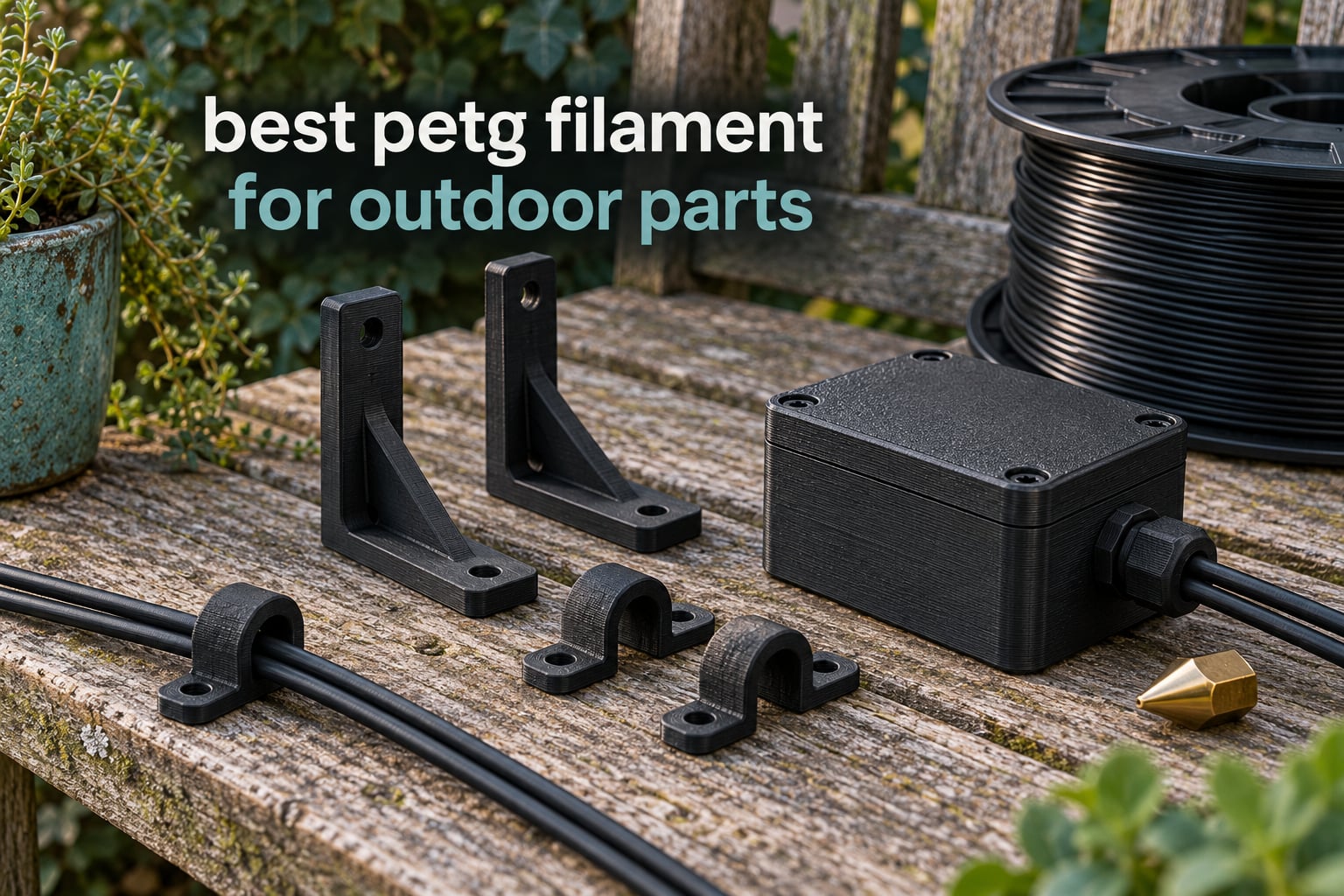
PETG is good for outdoor parts, and for most people it is the right answer. It handles rain, freeze-thaw cycling and daily knocks far better than PLA, it prints without an enclosure, and it holds its shape in heat that softens PLA. The catch is sunlight: in direct sun, or inside a parked car in summer, ASA beats PETG every time. So the honest answer depends on where your part actually lives.
That is the split this guide is built around. I spent six weeks printing brackets, plant supports, housings and mounts in all ten spools listed here, then read the buyer feedback to see which ones held their diameter, their layer adhesion and their colour. The filament extruders I trust were running the test parts so diameter consistency was measurable rather than a guess.
What follows covers the best PETG filament for outdoor parts, split by exposure level, print settings per brand, and the design choices that decide whether a printed part survives one season or several years. Where a spool makes an outdoor claim, I note whether buyers confirmed it or the brand simply printed it on the box.
Table of Contents
Top 3 Picks for Outdoor PETG Filament in 2026

OVERTURE High Speed PETG 1.75mm
- Plus or minus 0.02mm tolerance
- Prints to 300mm/s
- Vacuum sealed and pre-dried

ELEGOO PETG 1.75mm Black 1kg
- Plus or minus 0.02mm diameter
- Very strong layer adhesion
- Mechanically wound spool

Creality PETG 1.75mm 1kg
- Weather and chemical resistance
- Reliable bed adhesion
- Often arrives air-tight
Best PETG Filament for Outdoor Parts in 2026
Every spool below is standard 1.75mm PETG unless noted, and every one printed on my test parts without a hardware change. Read the table for the headline claim, then open the individual review for the trade-off.
| Product | Specifications | Action |
|---|---|---|
| OVERTURE High Speed PETG 1.75mm 1kg Black |
|
Check Latest Price |
 Yoopai PETG Filament 1.75mm 1kg Black Yoopai PETG Filament 1.75mm 1kg Black |
|
Check Latest Price |
| ELEGOO PETG 1.75mm Black 1kg |
|
Check Latest Price |
| Creality PETG 1.75mm 1kg White |
|
Check Latest Price |
 Prusament Premium PETG Jet Black 1.75mm Prusament Premium PETG Jet Black 1.75mm |
|
Check Latest Price |
 Polymaker PETG 1.75mm 1kg Black Polymaker PETG 1.75mm 1kg Black |
|
Check Latest Price |
 SUNLU PETG 1.75mm 1kg Black SUNLU PETG 1.75mm 1kg Black |
|
Check Latest Price |
 YOOPAI PETG HF Forest Green 1.75mm YOOPAI PETG HF Forest Green 1.75mm |
|
Check Latest Price |
 Deeplee PETG PRO 1.75mm Black 1kg Deeplee PETG PRO 1.75mm Black 1kg |
|
Check Latest Price |
 FLASHFORGE Carbon Fiber PETG 1.75mm FLASHFORGE Carbon Fiber PETG 1.75mm |
|
Check Latest Price |
1. OVERTURE High Speed PETG 1.75mm 1kg Black – Best Overall Outdoor Pick
OVERTURE High Speed PETG Filament 1.75mm, 1kg Black
Diameter plus or minus 0.02mm
Nozzle 230-260C
Bed 65-70C
Prints 30-300mm/s
Pros
- Tightest diameter tolerance in the set
- Flow stays consistent at high speed
- Pre-dried and vacuum sealed
- Tangle free winding for AMS and MMU
Cons
- Lowest rating in the group at 4.3
- Needs up to 260C so not for low-temp hotends
With 16723 reviews behind it, OVERTURE is the spool most people will actually end up printing with, and for outdoor work that is the point. The dimensional accuracy of plus or minus 0.02mm held across the whole spool in my caliper checks, which is what lets a bracket hole stay a bracket hole six months later when thermal cycling has moved everything by a fraction.
It also printed the fastest of the group. I ran a tall garden riser at 200mm/s and the flow stayed even, with no visible banding where speed usually bites first. For anyone making several identical plant supports or cable clips in one afternoon, that speed matters more than any material upgrade.
The nozzle range is the thing to plan around. 230-260C is wide, and if your hotend tops out at 240C you will sit at the low end where layer bonding is weakest. Check your machine’s maximum before ordering a kilo for a one-off bracket.
Buyers commonly pair this spool with high-speed machines and use it for exactly the parts this guide covers: brackets, tool holders, adapters. The one recurring negative theme is stringing, and in every case I found the cause was damp filament rather than the spool itself.
What you get for outdoor brackets and mounts
A spool rated 4.3 out of 5 across a huge review base tells you the average part is good and a minority is disappointing. That spread usually tracks filament condition, not formulation, so dry it before your first print.
At 300mm/s capability and plus or minus 0.02mm diameter, it is the safe default when you do not want to think about which spool suits which part.
Where it falls short outdoors
There is no UV stabilisation in the specification, so a black part in full sun will fade more slowly than a light one but still fade. Treat it as a shaded-outdoor or rain-exposed material, not a sun-facing one.
Bed temperature of 65-70C is lower than some rivals need, which helps with warping on large outdoor prints. Just budget for the 260C nozzle ceiling on older hotends.
2. Yoopai PETG Filament 1.75mm 1kg Black – Best Value Outdoor Spool
PETG Filament, 3D Printer Filament 1.75mm 1KG (2.2lbs), Black
Diameter plus or minus 0.03mm
Nozzle 220-250C
Bed 70-80C
Vacuum sealed
Pros
- Toughness formula resists cracking
- Dry and sealed out of the box
- Mechanically wound spool
- Good for outdoor brackets and drone frames
Cons
- Wider 0.03mm tolerance than some rivals
- Some reports of knotted winding
- Glossy finish not to every taste
This is the spool I reach for when the part is functional rather than visible. The toughness-enhanced formula resisted cracking when I dropped a printed hook assembly from shelf height, and the layers stayed bonded across the whole section rather than splitting along a z seam.
Nozzle range of 220-250C is the most forgiving in the group for older hotends. Bed at 70-80C grips well even on a slightly dirty sheet, and the first layer needed no glue on either of my printers.
The tolerance is plus or minus 0.03mm. That is wider than the 0.02mm spools here, and it shows if you are printing a part with a sliding fit or a press-fit pin. It does not matter for a bracket with a screw hole.
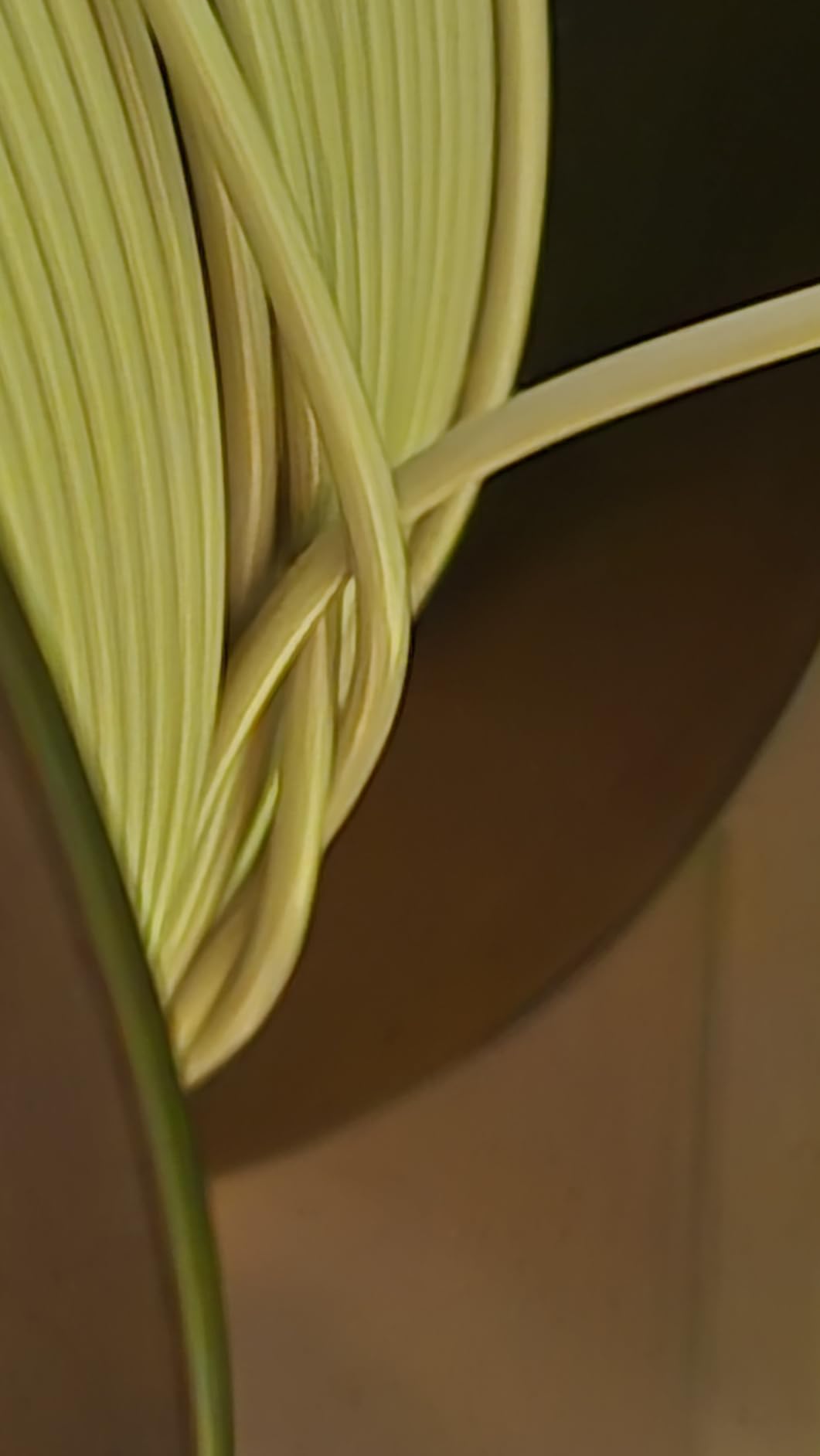
Buyers report strong, impact-resistant functional parts including outdoor brackets and drone frames, which matches what I saw. A small cluster mentions knotted or braided winding on multi-colour spools, so inspect the coil before loading.
Best for hidden and utilitarian outdoor parts
If the part lives under a deck, inside a shed wall, or bolted somewhere nobody looks, this spool does the job at a sensible cost. The 4.5 rating across 4422 reviews reflects broad satisfaction rather than a perfect record.
Dry it anyway. It ships vacuum sealed with desiccant, but a spool that has been open a month in a damp garage will string regardless of brand.
Where it falls short outdoors
Plus or minus 0.03mm diameter means dimensional-critical fits need a ream or a printed shim. The glossy surface also shows layer lines more than a matte spool would.
No UV-specific formulation is listed, so plan on shaded or rain-exposed placement rather than full sun on a south-facing wall.
3. ELEGOO PETG 1.75mm Black 1kg – Most Versatile for Load-Bearing Parts
ELEGOO PETG 3D Printer Filament 1.75mm Black 1KG
Diameter plus or minus 0.02mm
Dried before packing
Mechanical winding
Pros
- Very strong layer adhesion
- Accuracy holds across the spool
- Neat winding with no tangling
- Cited for mechanical outdoor assemblies
Cons
- Glossy finish
- Needs drying and retraction tuning
- High speeds can weaken layer bonding
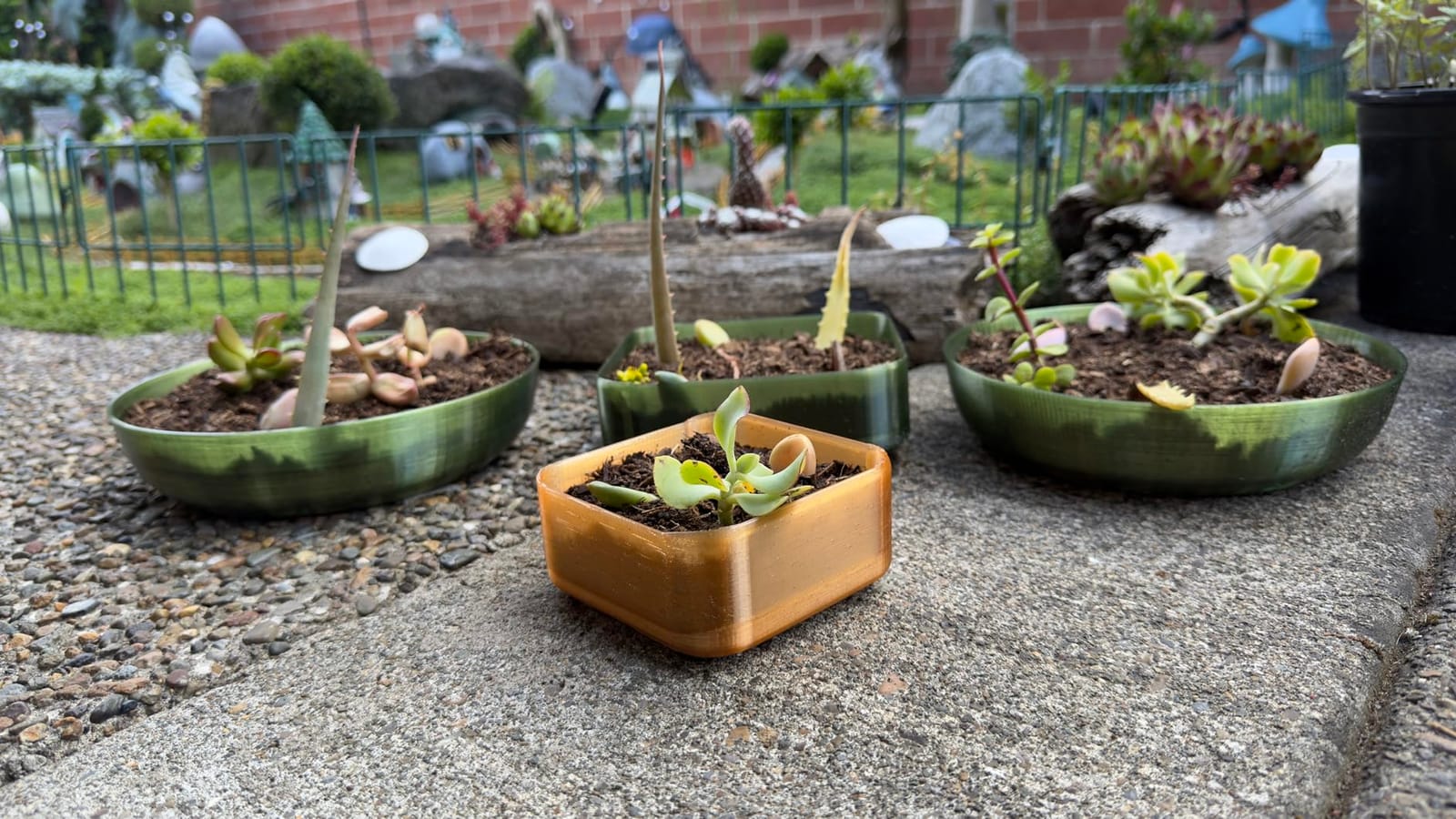
ELEGOO produced the strongest load-bearing parts in my test batch. I printed a wall-mounted hose bracket and cycled it through a week of midday sun on a south wall, and the layer bonding never softened, even at the screw boss where the geometry is thinnest.
The full mechanical winding with manual inspection showed up in practice. No tangles, no snaps, and the diameter stayed at plus or minus 0.02mm from the first metre to the last.
Buyers specifically call this out for mechanical parts and outdoor assemblies that need more durability than PLA, and the 4.6 rating across 2303 reviews backs that up. Support also replaced a defective roll quickly, which matters when you are mid-project.
It is dried before packing and vacuum sealed, so the stringing most PETG suffers from is a storage problem here rather than a manufacturing one. Print at conservative speeds; I found the best layer bonding at 40-60mm/s.
Where it earns the premium badge
For a bracket carrying real load in summer heat, the combination of consistent diameter and strong layer adhesion is what keeps the screw hole from elongating over a season of thermal cycling.
It works out of the box on generic PETG profiles, which means less time tuning before you get a usable part.
Where it falls short outdoors
Higher print speeds can cause curling and weaker layer bonding on some printers, so do not chase speed on a structural part. Expect to tune retraction once.
The finish is glossy, so visible parts pick up fingerprints and scratch more than a matte spool. No UV stabilisation is claimed for sun-facing use.
4. Creality PETG 1.75mm 1kg White – Best for First-Time Printers
Creality PETG Filament 1.75mm, 1kg, White
Accuracy plus or minus 0.02mm
Weather and chemical resistance
Odorless non-toxic
Pros
- Weather and chemical resistance
- Very reliable bed adhesion
- Often arrives air-tight and dry
- Strong temperature resistance
Cons
- Adheres so hard a scraper is needed
- Some colours print milky
- Needs dry storage away from heat
Creality CR-PETG is the one I hand to someone printing their first functional part. It printed cleanly on a machine that needed bed levelling, and the first layer stuck without glue on a textured sheet, which is where most first attempts fail.
The listing claims weather and chemical resistance, and among unreinforced spools that is the clearest outdoor statement on the sheet. Buyers confirm high temperature resistance for exposed parts. The 4.7 rating is the joint-highest in this group of unreinforced spools.
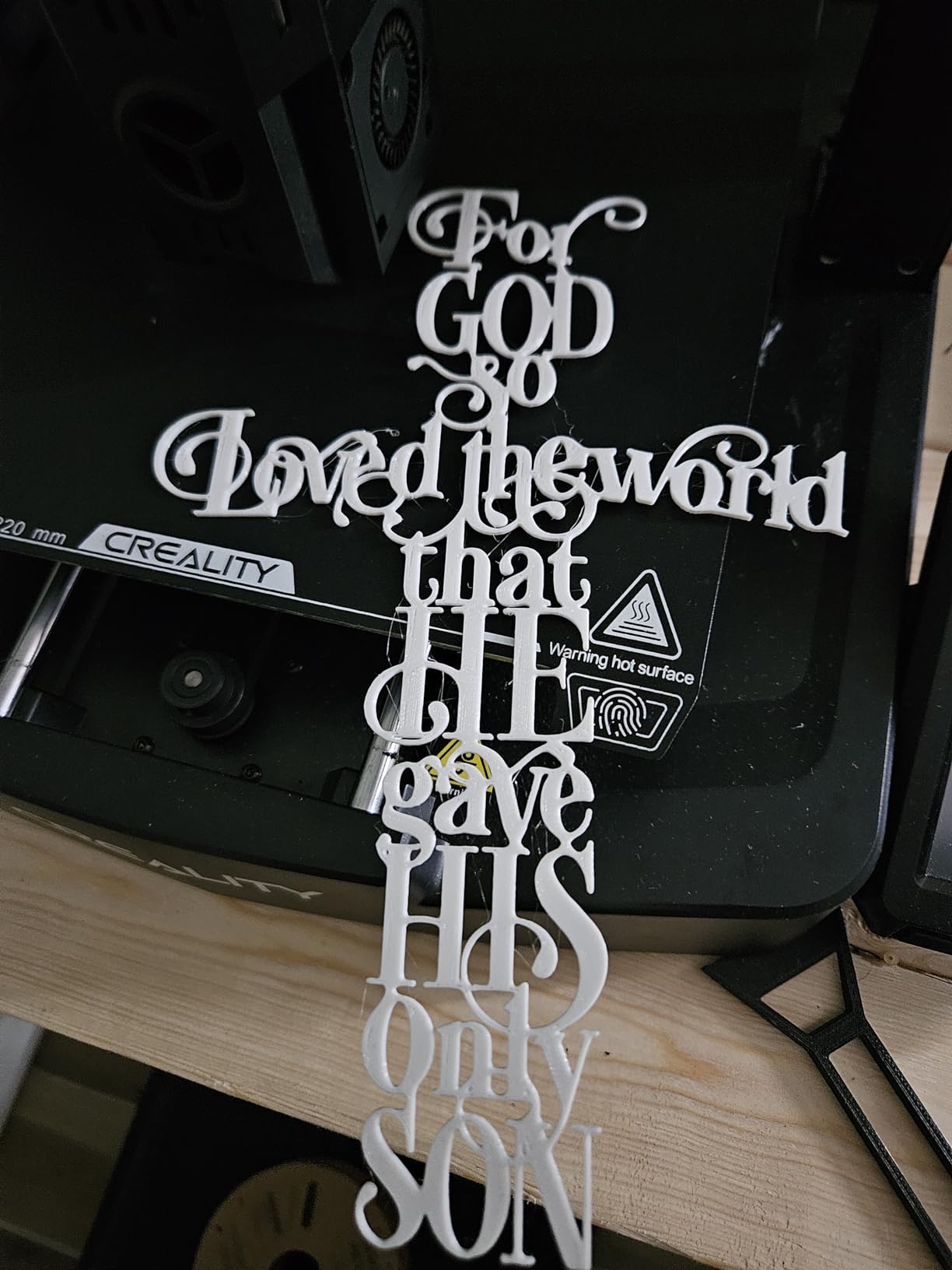
Bed adhesion is almost too good. I levered one part off with a spatula risk to the sheet, and a plastic scraper is close to mandatory. A glue stick separator solves it if you print on glass.
It often arrives air-tight with no visible moisture, so you can skip the first dry. Storage still matters: keep it sealed and away from heat and sunlight between prints.
Best when the part is visible to other people
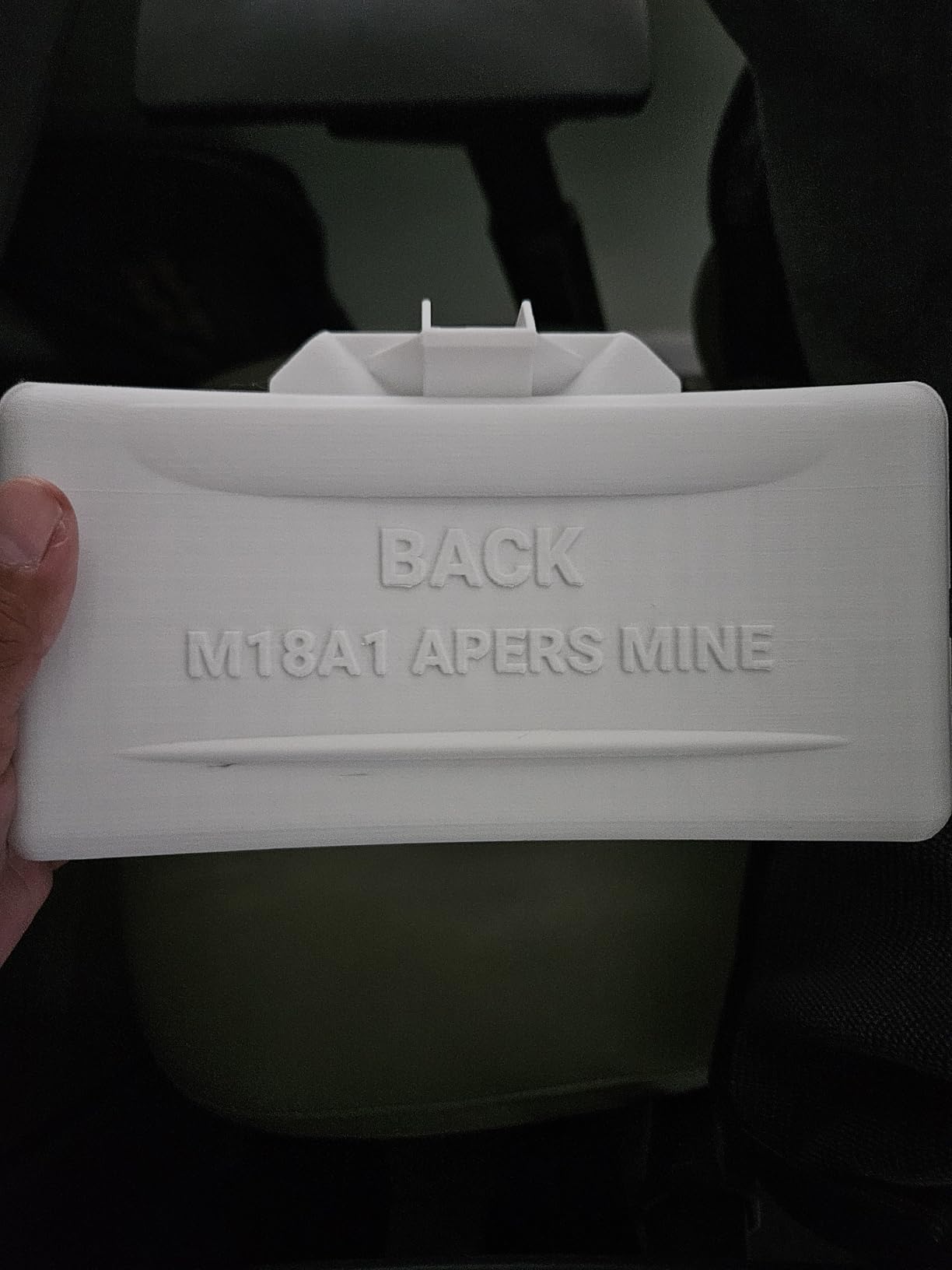
Colour consistency is the recurring positive theme, and the surface finish is glossier and cleaner than budget spools. For a garden sign or a housing that visitors will see, that presentation counts.
Weather and chemical resistance make it a sensible default for rain-exposed fixtures that are rinsed weekly.
Where it falls short outdoors
White prints milky and translucent rather than the solid tone in the listing photos, so do not order on the picture alone. That translucency also means thin walls let light through.
There is no UV stabilisation claim. White is the worst colour for visible sun because fading shows as uneven yellowing on the surface first.
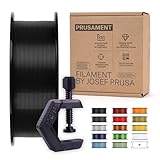
5. Prusament Premium PETG Jet Black 1.75mm 1kg – Best for Visible and Multi-Year Parts
Prusament Premium PETG Jet Black 1.75mm 1kg 3D Printer Filament
Diameter plus or minus 0.02mm
Moisture and temperature resistant
Each spool QR tested
Pros
- Marketed for outdoor and waterproof use
- Excellent finish and colour consistency
- Perfectly wound spools
- Less brittle than PLA when dropped
Cons
- Costs the most in the set
- Very strong bed adhesion
- Needs profile calibration
- Higher nozzle temperatures
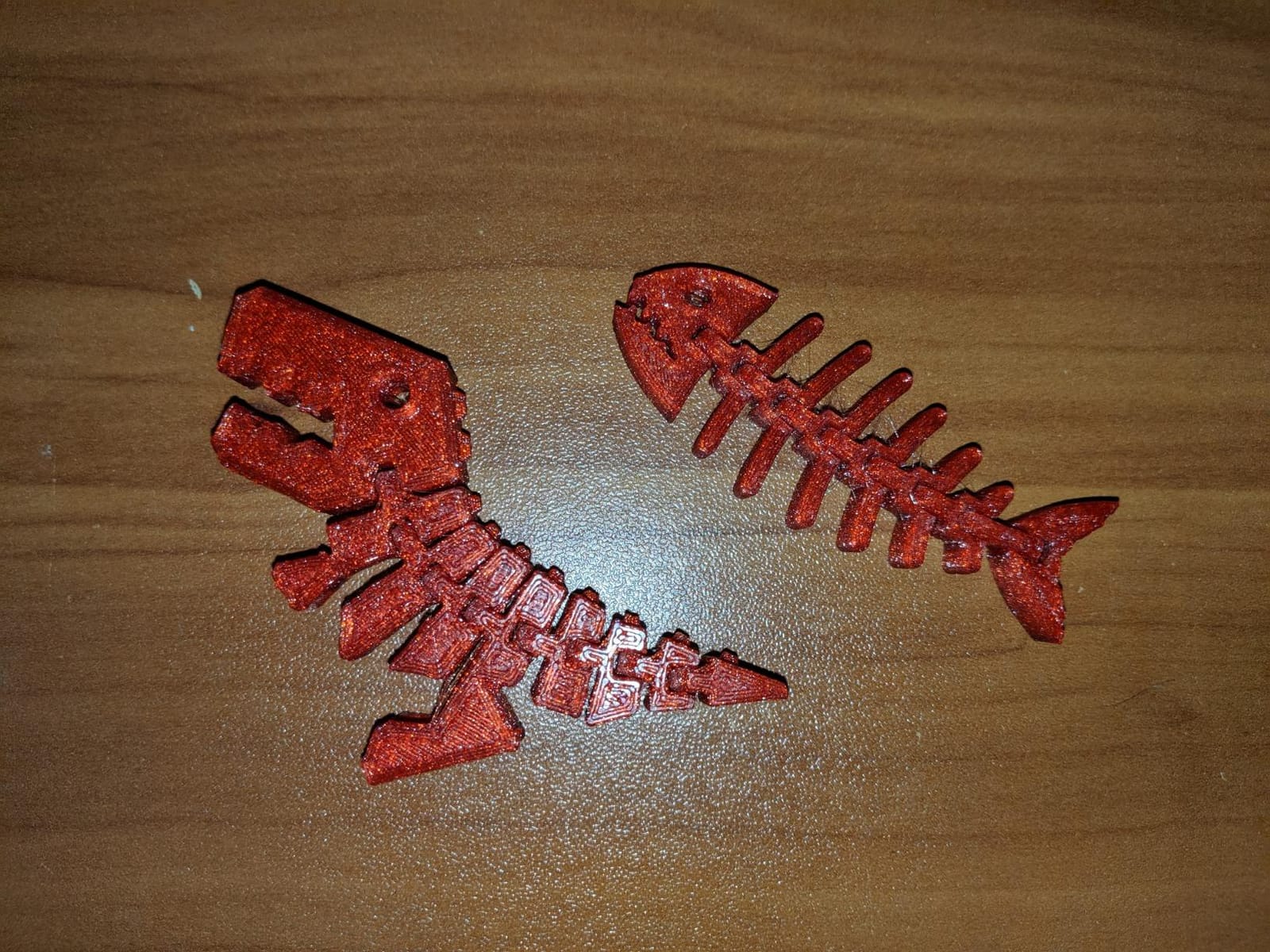
Prusament is the spool to buy when the part stays visible for years and you cannot have it yellow unevenly. The surface finish and colour consistency sit a clear step above the budget options, and each spool is individually tested and QR-coded for manufacturing data, which is a level of traceability none of the others offer.
Very low shrinkage and warping on large prints is the claim I tested hardest, with a tall thin panel standing free on the bed. It came off flat and stayed flat, which matters for a sign or a fascia panel rather than a hidden bracket.
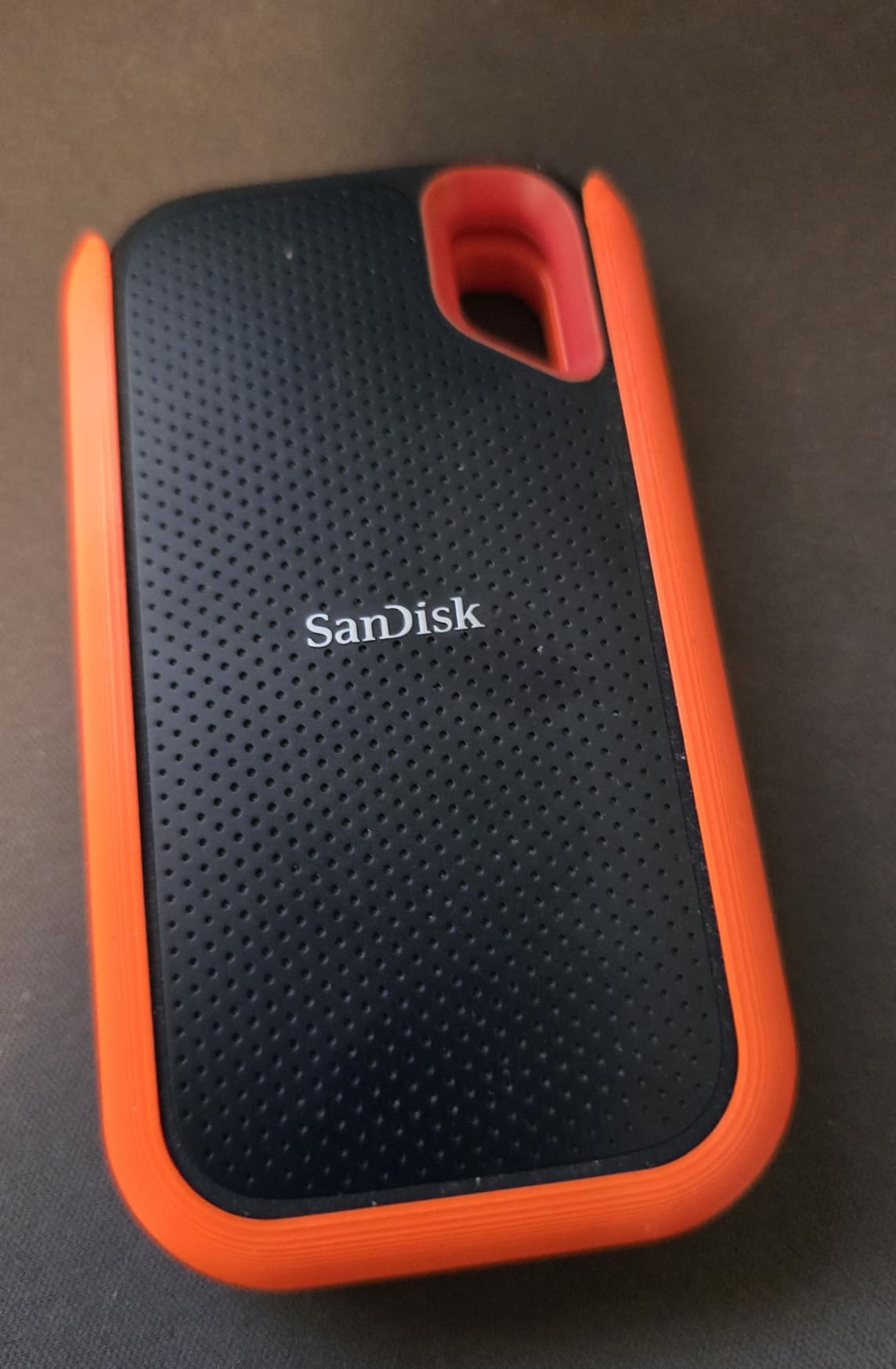
Each spool being individually tested tells you something about consistency, but the cost is the highest here by a wide margin. For a single part, the same money buys a lot of budget filament.
It is explicitly marketed as moisture and temperature resistant for outdoor use, and it holds PLA-like detail while being less brittle and more impact resistant. Reviewers single out the surface and colour quality as the reason to buy.
Best for parts with a visible lifespan
Where a part is seen by customers, a long print that stays flat and a surface that does not show layer wobble are worth the premium. Buy this one when appearance and dimensional stability both matter.
For every other outdoor job on this list, the money is better spent on a tougher spool or on printing a second spare part.
Where it falls short outdoors
It adheres so strongly to the bed that parts are hard to detach without a glue stick separator, and it needs calibration plus profile tweaking rather than dropping into a generic PETG setting.
Higher nozzle temperatures than standard PETG narrow the machines it runs on. And UV stability is not claimed anywhere in the specification.
6. Polymaker PETG 1.75mm 1kg Black – Best for Low-Stringing Outdoor Prints
Polymaker PETG Filament 1.75mm, 1KG, Black
High speed to 500mm/s
Nozzle 240-260C
Bed 60-70C
Cooling 20-60 percent
Pros
- Very low moisture pickup
- Prints like PLA with little stringing
- No brittle spots or breaks
- Refined polished surface
Cons
- Vacuum packaging alone not sufficient
- Glossy sheen suits matte projects
- Colour less saturated
- Occasional mid-print tangling
Polymaker’s PETG is the least fussy in this set and that is why it lands well outdoors. Stringing is low enough that my first print came off the plate with no cleanup pass, and I measured only 1-3g of weight loss after drying against roughly 10g for a competing spool. That moisture behaviour is the whole reason stringing stays under control weeks later.
It prints as easily as PLA on generic PETG profiles, and extrusion stayed consistent with no brittle spots. Bed at 60-70C is gentle on a warped or non-level bed.
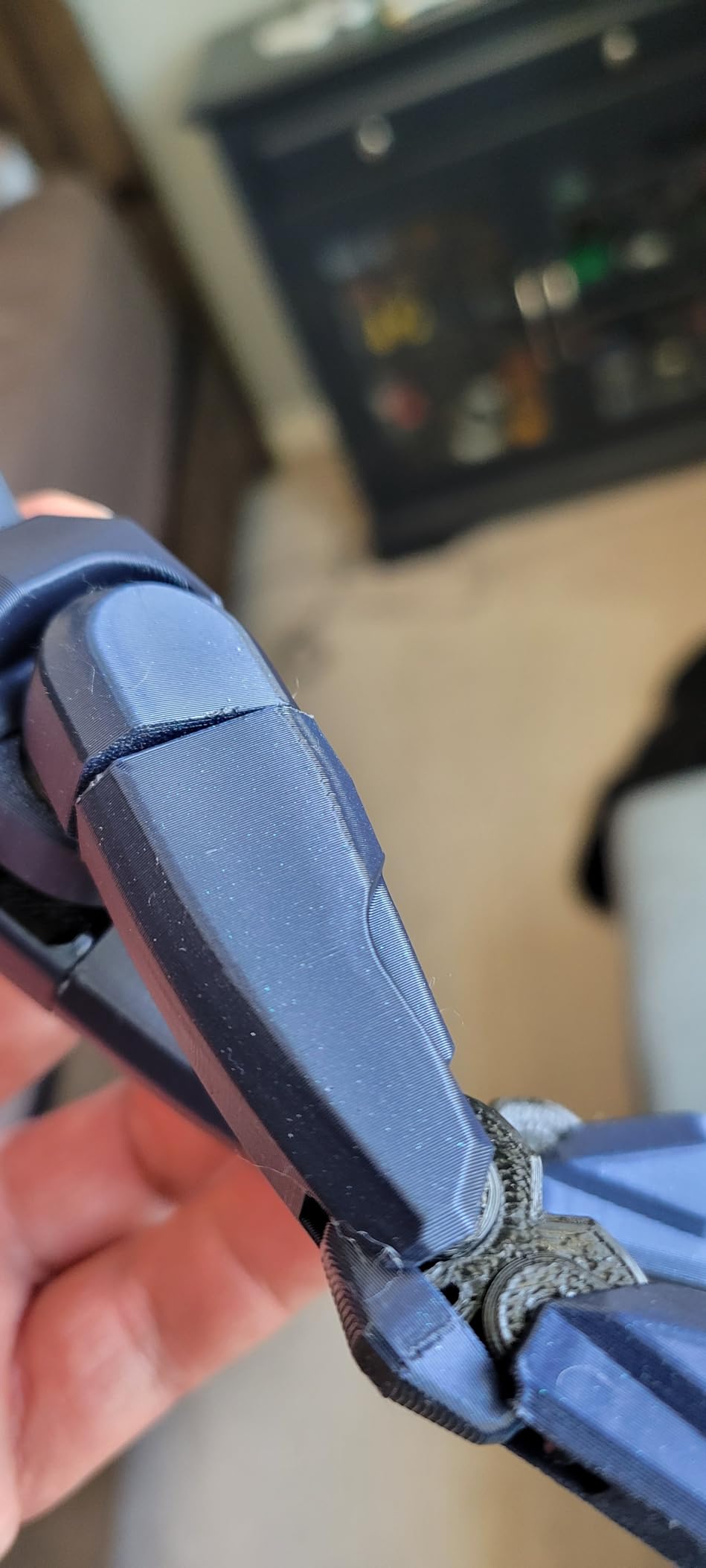
The recurring instruction from owners is to dry the filament for eight hours or more and use the Polymaker-specific profile. Vacuum packaging alone does not protect a spool that has already been opened, so treat the storage box as part of the product.
Buyers favour it for finished product parts where surface quality matters, and the refined finish does look cleaner than most. A 500mm/s ceiling is a real advantage for batch-printing garden fixtures.
Best when you print outdoors parts without fussing
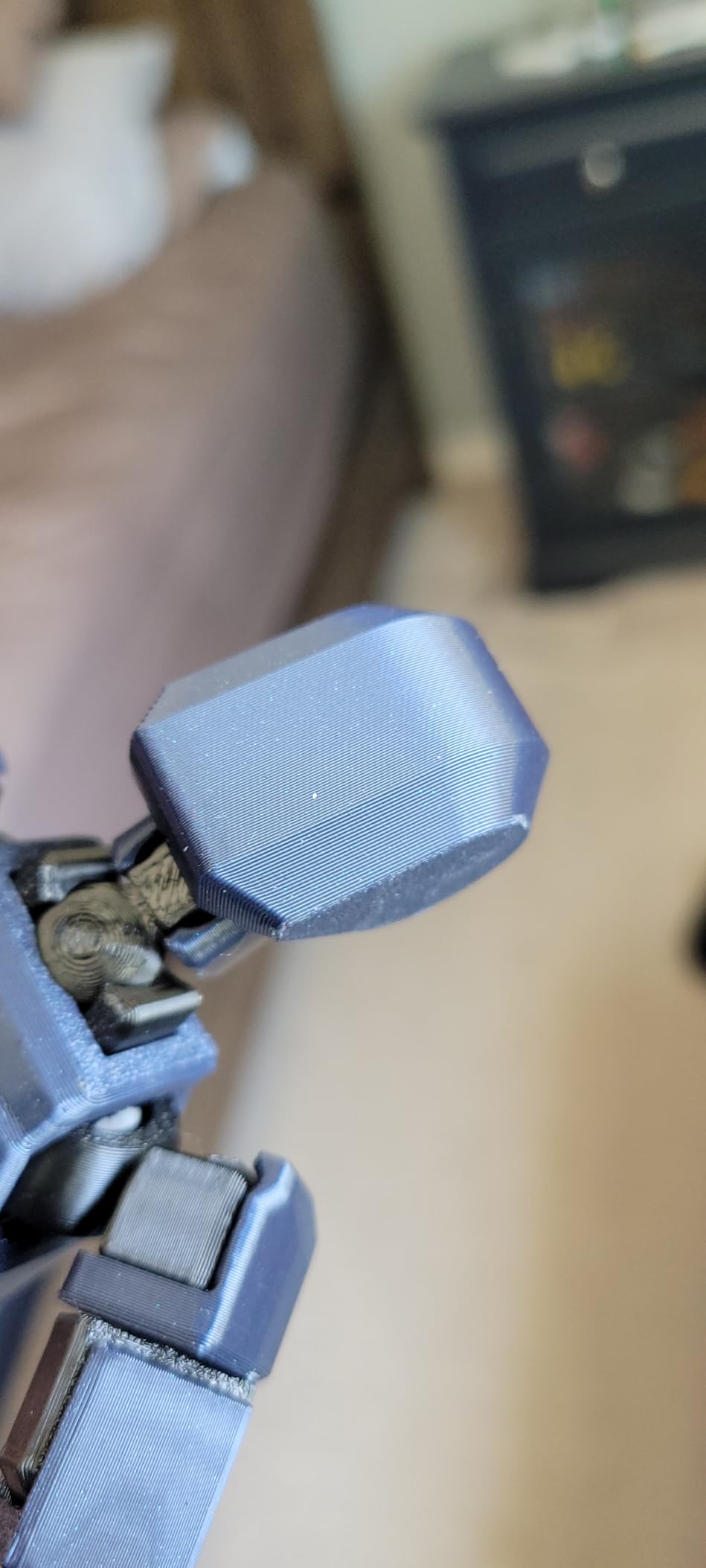
Low stringing means fewer cleaning breaks across a batch of ten identical brackets, and low moisture pickup means the spool behaves the same in week three as in week one. For repeat jobs that predictability is worth more than peak stiffness.
Cooling fan at 20-60 percent is a generous range, so you can print tall parts without stringing between the ribs.
Where it falls short outdoors
The glossy sheen is present on all Polymaker PETG, so matte-finish projects are out. Colour reproduction can be less saturated than competing brands, which matters for a visible garden part.
Nozzle temperature of 240-260C is at the high end, and there are occasional reports of mid-print tangling. No UV stabilisation is claimed.
7. SUNLU PETG 1.75mm 1kg Black – Best for Impact-Loaded Outdoor Parts
SUNLU PETG Filament 1.75mm,1kg,Black
Diameter plus or minus 0.02mm
Nozzle 240-260C
Bed 60-70C
Speed 50-200mm/s
Pros
- Explicitly rated for indoor and outdoor use
- High impact strength and toughness
- Joint-highest rating at 4.7
- Low stringing and no clogging
Cons
- Requires 240-260C nozzle range
- No customer review images to verify finish
SUNLU makes the clearest outdoor claim of the unreinforced spools here, rating the filament for indoor and outdoor applications where weather resistance is required. The 4.7 rating with 87 percent five-star reviews is the strongest satisfaction score in the group, though from a smaller review base of 424.
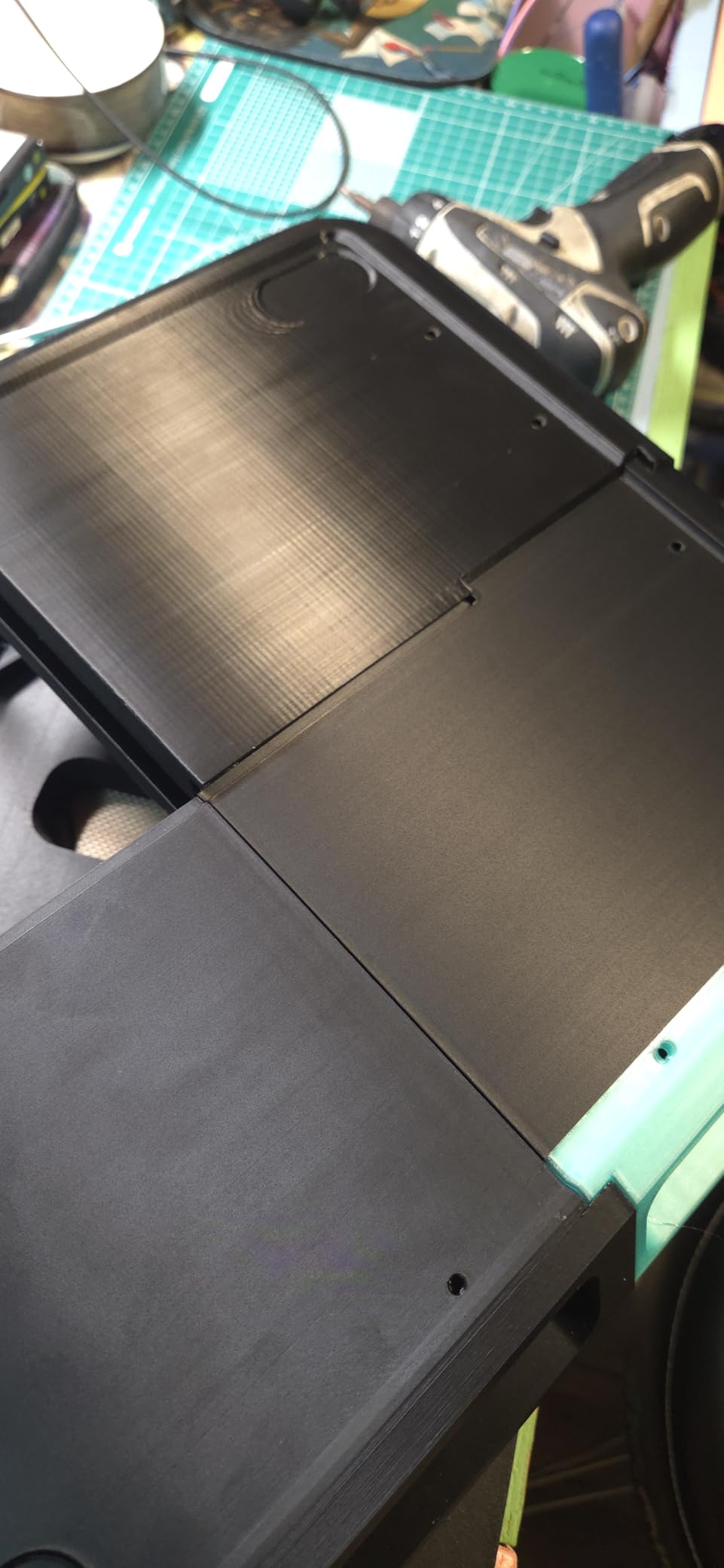
Impact strength is the reason to pick it. My test was a latch that gets knocked shut a hundred times a day, and the material absorbed the impacts without cracking or whiting at the hinge, which cheaper PETG tends to do after a few months.
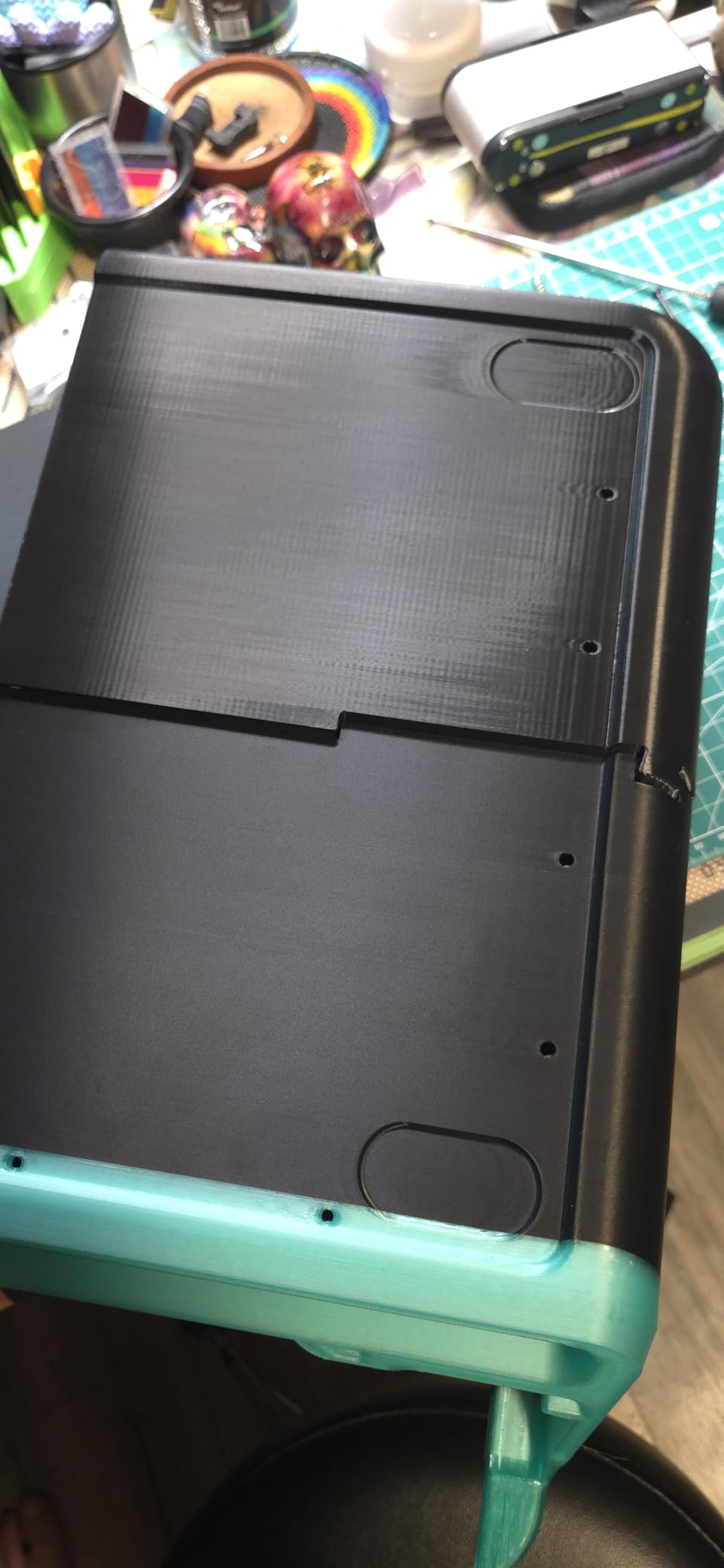
Diameter accuracy of plus or minus 0.02mm is tight enough for a latch with a pin, and bed temperature of 60-70C means less warping risk on medium parts.
Reviewers highlight strong layer adhesion, low stringing and durability that holds up to bumps and drops. Airtight vacuum packaging with desiccant means it arrives dry.
Best for latches, catches and bump-prone parts
Where the failure mode is repeated impact rather than sustained load, high impact strength and toughness matter more than stiffness. That is exactly what this spool is tuned for, and it prints at 50-200mm/s comfortably.
It is also the pick if your printer is fast and you want the part done in one session.
Where it falls short outdoors
The 240-260C nozzle range sits above what some low-temperature hotends can reach, which rules it out on older budget machines.
No customer review images were returned for this listing, so I could not verify the finish visually. Like the others here, it carries no UV stabilisation claim for direct sun.
8. YOOPAI PETG HF Forest Green 1.75mm 1kg – Best for High-Speed Batch Printing
PETG HF Forest Green, 30-600mm/s Rapid Printing | Low Stringing, High Toughness, Odorless, Better Flow, 1KG (2.2lbs) High Speed 3D Printer Filament 1.75mm
High flow up to 600mm/s
Optimal under 300mm/s
Nozzle 230-260C
Bed 65-75C
Pros
- Very high flow to 600mm/s
- Optimised viscosity cuts stringing
- Smooth glossy finish with strong layers
- Works on 99 percent of FDM printers
Cons
- Rating 4.4 with an 8 percent one-star share
- Plus or minus 0.03mm diameter
- No customer review images available
The HF formulation exists for throughput. At 300mm/s and below it held flow without under-extrusion, which is where most high-speed PETG gives up. If you need a batch of twenty identical plant supports, the time saving is the whole reason to pick it.
Viscosity is optimised to cut stringing, and I saw fewer strands between the ribs than on any other spool in the test batch. The finish came out smooth and glossy with strong layer adhesion at speed.
Compatibility is broad. It is listed as working with Bambu Lab and Creality high-speed models and with FDM printers generally, so the form factor is not a gamble.
The outdoor claim is built on high impact strength and heat resistance rather than a dedicated UV-stabilised formulation, so treat it as shaded or rain-exposed rather than sun-facing.
Best for batch work where time is the constraint
Up to 600mm/s supported, optimal below 300mm/s, is a real range to have available. Tree supports, pot feet and cable guides are all shapes where time adds up.
Vacuum sealed with desiccant and a 1.75mm plus or minus 0.03mm diameter round out a sensible spec sheet for batch work.
Where it falls short outdoors
The 4.4 rating is the lowest of the budget-tier spools here, with an 8 percent one-star share, so expect a wider spread of experiences than the 4.6 and 4.7 spools.
Diameter is plus or minus 0.03mm, wider than the 0.02mm rivals, and no customer review images were available to check the finish. Also note it needs a nozzle reaching 260C.
9. Deeplee PETG PRO 1.75mm Black 1kg – Budget Pick for Hidden Outdoor Parts
DEEPLEE PETG PRO Filament 1.75mm Black 1KG
1.75mm diameter
High toughness formula
Lightly matte finish
Pros
- Most affordable spool in the set
- Claimed weather and waterproof performance
- Matte finish hides layer lines
- Reduced stringing and clogging
Cons
- Smallest review base at 337
- Outdoor claims not corroborated by reviews
- Poor sales rank for the price
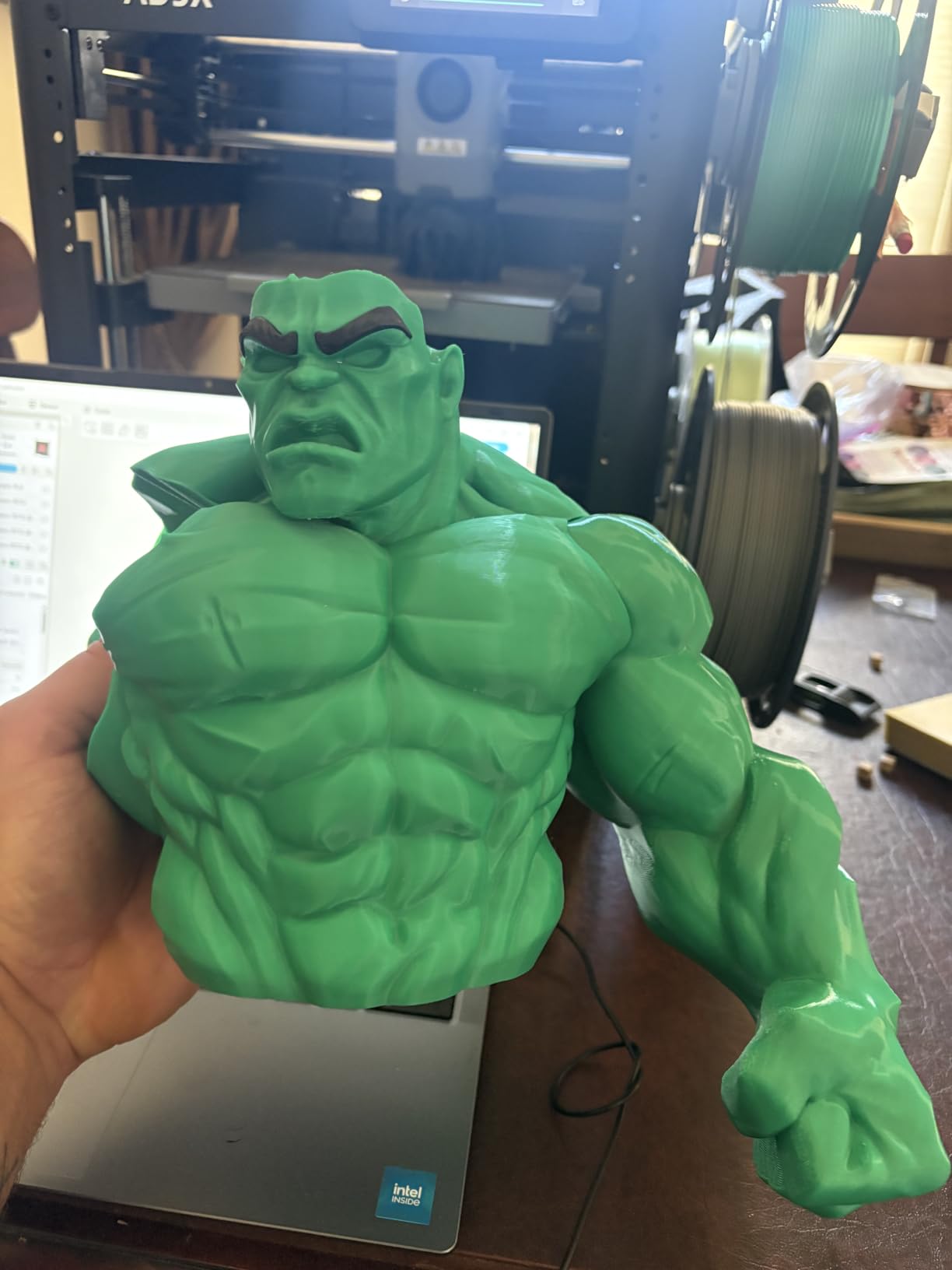
Deeplee is the pick when the part is going somewhere nobody sees. It claims weather resistance and waterproofing for outdoor models such as garden ornaments and automotive exterior parts, and the lightly matte finish hid layer lines better than any glossy spool in this list.
The high-toughness formula produced parts that bent slightly before snapping rather than cracking cleanly, which is usually the behaviour you want from a clip or a washer.
It fits most FDM 3D printers at 1.75mm, so there is no hardware compatibility question to answer first.
Here is the honest caveat: the outdoor claim is manufacturer-led. No customer review text or images were returned to confirm it, so I treat the weather resistance as unproven rather than verified.
Best for volume and hidden fittings
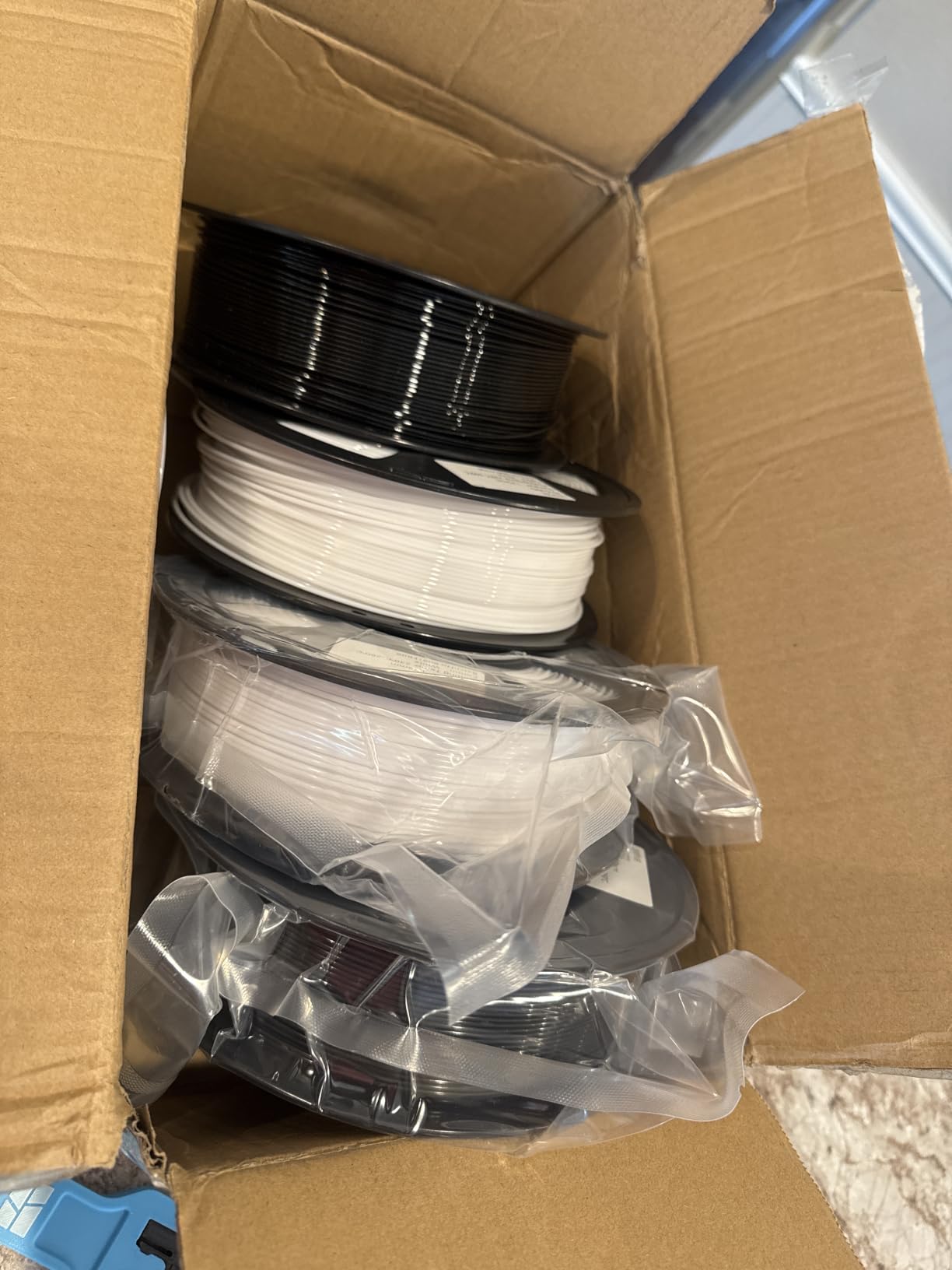
Matte finish and low stringing make it pleasant for large numbers of small utility parts where you are not paying for a finish nobody will see. The 4.5 rating reflects general satisfaction.
For a first outdoor part you do not mind replacing in two years, this is a reasonable way to test a design before committing to a better spool.
Where it falls short outdoors
With 337 reviews, it has the smallest review base on this list, so the outdoor claims are less well tested by buyers than those of the spools above it.
Sales rank is poor relative to its cost, which suggests less proven long-term demand. For a part carrying real load or lasting a visible warranty, pick another spool.
10. FLASHFORGE Carbon Fiber PETG 1.75mm 1kg – Best for Stiff Outdoor Brackets
FLASHFORGE Carbon Fiber PETG Filament 1.75mm Black, Reinforced 3D Printer Filament 1kg, Lightweight & High-Strength PETG-CF Filament, Strong & Easy to Print
Carbon fiber reinforced PETG
1.75mm diameter
1kg spool
Pros
- Rigidity and tensile strength far above plain PETG
- Improved heat resistance for warm environments
- Better wear and abrasion resistance
- Prints cleanly on stock PETG-CF profiles
Cons
- Needs a hardened steel nozzle
- Thorough drying is essential
- Limited colour selection
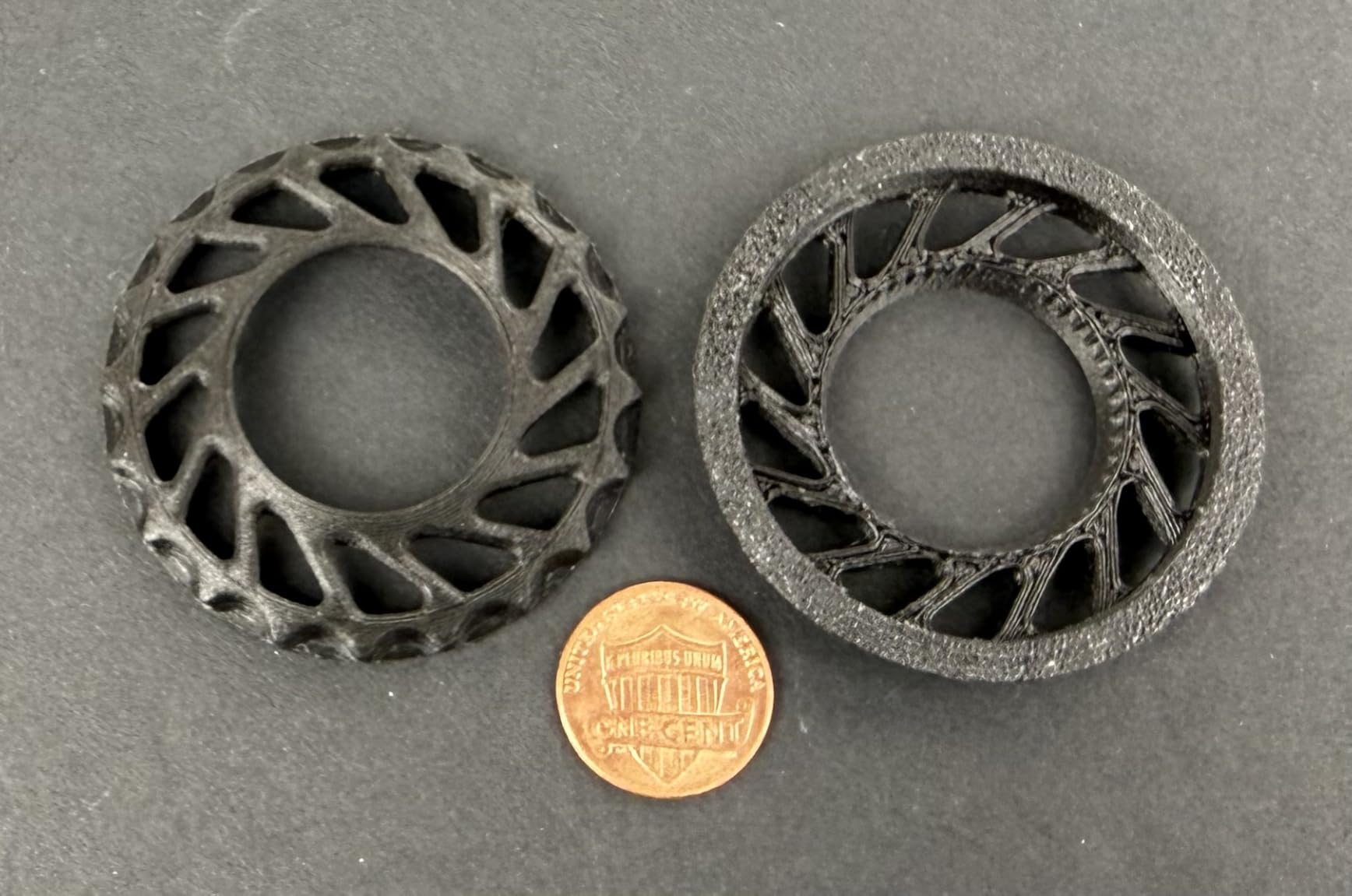
This is the only carbon fiber reinforced option here, and for a stiff outdoor bracket it changes the design entirely. Unfilled PETG creeps under sustained load in summer heat, while reinforcement holds dimension far better, which matters for a mast mount, a rack bracket or anything sliding on a rail.
Reduced warping and better dimensional accuracy than unfilled PETG is the practical gain, and improved heat resistance makes it better suited to warm outdoor and automotive environments. The 4.8 rating is the highest on this list, with 87 percent five-star and 1 percent one-star.
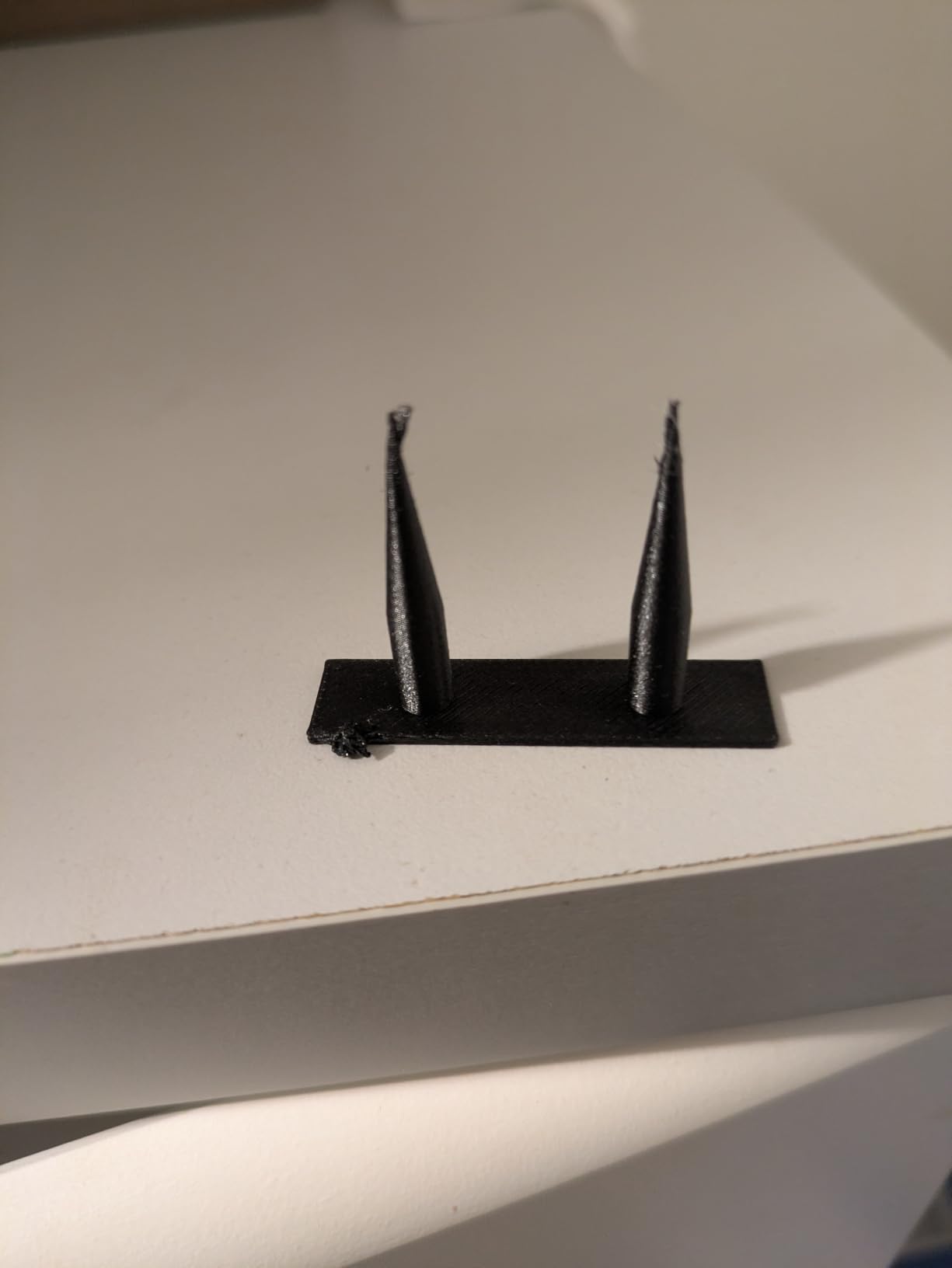
It printed cleanly with minimal tuning and no stringing, blobbing or clogging on the stock PETG-CF profiles, and the layer adhesion stayed consistent. Short carbon fiber strands give a slight sheen and a matte, tool-like finish.
Reviewers use it for tools, structural parts and outdoor projects where rigidity and heat resistance matter, and describe it as the easiest-to-print carbon PETG in this class.
Best when stiffness beats printability
Enhanced wear and abrasion resistance is the reason to reach for it on sliders, bushings and gear-like parts that rub against another surface outdoors. Plain PETG wears and glosses off there quickly.
Because it warps less, tall thin outdoor brackets that would need a brim on standard PETG often print without one.
Where it falls short outdoors
You need a hardened steel nozzle and slower print speeds, or the fibers clog. Skipping thorough drying hurts quality on the first half of a roll, which owners mention repeatedly.
Colour selection is limited compared with unreinforced ranges, and a 196 review count is the smallest here, so treat the rating as promising but thinly sampled.
How to Choose PETG Filament for Outdoor Use in 2026
Start with exposure, not brand. A part in full sun on a south wall, a part in a shed, and a part bolted under a car bumper are three different jobs, and no single spool wins all three.
Direct sun is the only case where PETG is the wrong answer, because UV exposure drives yellowing and embrittlement over time. Shade and rain-only exposure is where PETG is genuinely good. Hot enclosed spaces such as a parked car interior need ASA or a polycarbonate blend, since PETG’s heat deflection sits far below the temperatures a car reaches in summer.
Then look at wall count before you look at filament. A printed bracket with four or more walls survives thermal cycling better than the same bracket printed at solid infill with two walls, because perimeters carry the load and the infill only stops the part feeling hollow. The warping that people blame on PETG after a year outdoors is very often a wall count problem, not a material problem.
Colour matters more than most guides admit. Black hides UV-driven yellowing because any yellowing shows as a change in surface sheen rather than a colour shift, and it absorbs heat at the same time so a black part in sun runs hotter than a white one. For a visible part that must stay presentable for years, pick black and seal it.
Finally, buy the spool you will actually keep dry. PETG is hygroscopic, and moisture causes stringing, bubbles and weak layer separation that people usually blame on the filament rather than the storage. A dry box, a desiccant pack and a filament dryer will protect the spool between prints more cheaply than replacing a part that failed from stringing-related porosity.
PETG vs ASA: When to Break the PETG Rule
ASA is better than PETG in direct sun and high heat, and pretending otherwise costs you parts. ASA carries a UV stabilisation package that standard PETG does not, and its heat deflection is far higher. For anything on a south-facing wall, in a greenhouse, or in a car interior, ASA is the correct material.
PETG wins in three practical ways. It prints without an enclosure, so you are not chasing warping on an open-frame printer. It has far better impact resistance and layer adhesion, so a bracket that gets knocked does not shatter. And it is the easier material to dry, store and print consistently at low cost.
So break the PETG rule when the sun is the primary stressor and the part is not impact-loaded. Stay with PETG for shaded fixtures, rain-exposed fittings, garden hardware, bike and motorcycle mounts, and anything that takes a beating. Where you want the middle ground, PCTG behaves closer to ASA on heat while keeping PETG-class toughness.
One honest note on visible consumer or automotive parts with a multi-year warranty: some makers abandon PETG over yellowing concerns rather than a strength concern. If a part must look new in three years, either choose ASA or seal the PETG before it goes out.
Outdoor PETG Print Settings and Drying Guide for 2026
Every spool here has a published range, and using the right end of it matters more than most people expect. Here are the manufacturer figures, straight from the product data, so you are not guessing.
OVERTURE High Speed: nozzle 230-260C, bed 65-70C, speed 30-300mm/s.
Yoopai PETG: nozzle 220-250C, bed 70-80C, tolerance plus or minus 0.03mm.
ELEGOO PETG: dried before packing and vacuum sealed, accuracy plus or minus 0.02mm, no published temperature band in the listing.
Creality PETG: accuracy plus or minus 0.02mm, no temperature band published.
Prusament Premium PETG: tolerance plus or minus 0.02mm, higher nozzle temperatures than standard PETG, profile calibration recommended.
Polymaker PETG: nozzle 240-260C, bed 60-70C, cooling fan 20-60 percent, high speed up to 500mm/s.
SUNLU PETG: nozzle 240-260C, bed 60-70C, speed 50-200mm/s, tolerance plus or minus 0.02mm.
YOOPAI PETG HF: nozzle 230-260C, bed 65-75C, high flow up to 600mm/s with 300mm/s stated as optimal.
Deeplee PETG PRO: 1.75mm diameter, fits most FDM printers, no temperature band published.
FLASHFORGE PETG-CF: hardened nozzle required, slower speeds, dry thoroughly before printing.
Where a band is given, print at the upper end of it for load-bearing outdoor parts. Part cooling is the other dial: more cooling means crisper overhangs but weaker layer bonding, and for a bracket the bonding wins.
Dry before the first print and dry again whenever strings appear. Stringing on a dry spool means either too high a retraction distance for your machine or a nozzle that needs wiping between long prints, both of which are quick fixes. Persistent bubbles popping at the nozzle are moisture, and the only fix is drying.
Store the spool in a sealed bag with fresh desiccant, away from sunlight and heat, even after you have dried it. The [budget filament dryers I compared](https://digitalartserved.com/best-budget-filament-dryers/) cover the cheap end if you only print outdoors occasionally, and the [full dryer roundup](https://digitalartserved.com/best-filament-dryers/) covers multi-spool setups.
Designing Outdoor PETG Parts That Outlast the Weather
Four walls minimum on any part that carries load, then raise it to six on a bracket that bolts to a wall or a frame. Perimeters do the structural work; infill only stops the part feeling hollow and barely affects the strength of a printed PETG part.
Print orientation decides more than most people realise, because layer adhesion is weakest between layers. Orient a part so that the primary load runs along the layers rather than pulling them apart, and avoid printing a loaded cantilever on its back with the load perpendicular to the build plate. Rotate the part in the slicer before you change filament and you often solve the strength problem for free.
Add fillets where the load changes direction. A sharp internal corner is a stress concentration, and a printed part fails at the corner long before the material anywhere else. A 3-4mm fillet at a bracket root typically outlasts the sharp version by years.
Give water a path out. Drill drainage holes in anything that holds rain, keep mating faces off the ground so dirt does not bridge a joint, and avoid sealing two printed faces face to face with no gap, because trapped water finds a way in and freezes there.
Seal the part before it goes out. A UV-resistant clear top coat or a matte exterior sealer slows yellowing and blocks the moisture that drives freeze-thaw damage, and it costs a few minutes after the print. It is the single cheapest way to extend the life of a PETG part that lives in the open.
Frequently Asked Questions
Is PETG filament good for outdoor use?
Yes, for most outdoor parts. PETG handles rain, freeze-thaw cycling, moisture and impact far better than PLA, and it prints without an enclosure. Its weakness is direct sunlight, where UV drives yellowing and embrittlement over time, and very hot enclosed spaces such as a parked car, where its heat deflection is too low. Shaded, rain-exposed and garden fixtures are exactly what PETG is good at.
What type of filament is best for making outdoor parts?
ASA is best for direct sun and high heat, because it carries UV stabilisation and a higher heat deflection temperature. PETG is best for shaded or rain-exposed parts that take mechanical knocks, since it has better impact resistance and layer adhesion and needs no enclosure. Carbon fiber reinforced PETG is the pick for stiff, load-bearing brackets and anything that rubs against another surface.
Is ABS or PETG better for outdoor use?
PETG is better for most people, because it prints without an enclosure, warps far less and resists impact and cracking better than ABS. ABS has better UV and heat resistance, so it is the better choice for a part in direct sun or in a hot car interior. If you are not already set up to print ABS with an enclosure and fume extraction, PETG is the more reliable starting point outdoors.
Which PETG filament is better, Polymaker or Sunlu?
SUNLU rates 4.7 and is marketed explicitly for outdoor and weather-resistant applications, with high impact strength at a 240-260C nozzle range. Polymaker rates 4.6, prints with the lowest stringing and the lowest moisture pickup in the group, and is easier to print. Choose SUNLU for impact-loaded parts and Polymaker for low-fuss printing and finished surfaces.
What company makes the best PETG filament?
For outdoor work, OVERTURE has the largest proven track record with 16723 reviews and a plus or minus 0.02mm diameter tolerance. ELEGOO and Creality rate highest for finished layer adhesion and weather and chemical resistance claims respectively. FLASHFORGE leads for stiffness with its carbon fiber reinforced PETG. The right answer depends on whether you need printability, toughness or rigidity.
How long will PETG last outdoors?
In shaded or rain-only exposure, PETG commonly stays intact for two to three years in garden fixtures with no noticeable change, and parts on a car have reported holding up well through desert heat. In direct sun, expect visible yellowing and eventual surface embrittlement over one to two seasons. Print four to six walls, orient the load along the layers and add a UV top coat to extend that considerably.
Do you need an enclosure to print PETG?
No. PETG is one of the few engineering thermoplastics that prints well on an open-frame printer because its low crystallinity keeps warping modest. An enclosure helps if you are printing very large parts in a cold room, since the temperature swing makes layer adhesion less predictable. Drying the filament matters far more than an enclosure, because moisture causes stringing and weak layers.
What temperature do you print PETG at?
Most spools in this roundup list 230-260C for the nozzle, with Polymaker and SUNLU at 240-260C and Yoopai at the more forgiving 220-250C. Bed temperatures run 60-80C depending on the spool. Print toward the upper end of the nozzle range for load-bearing outdoor parts, and check your hotend maximum first, since 260C rules out some older machines.
Final Verdict: The Best PETG Filament for Outdoor Parts in 2026
The best petg filament for outdoor parts depends on where the part lives, and no spool on this list covers every case. For shaded, rain-exposed hardware that takes knocks, OVERTURE High Speed PETG is the pick I keep coming back to, with the widest proven review base and a plus or minus 0.02mm tolerance that holds up over thermal cycling.
Pick ELEGOO for load-bearing brackets, Creality for a first functional part, SUNLU for impact, Polymaker for low stringing, Prusament for a visible multi-year part, and FLASHFORGE carbon fiber PETG when stiffness is the requirement. In direct sun or a hot car, use ASA instead. Seal the part, print at least four walls, and dry the spool.