
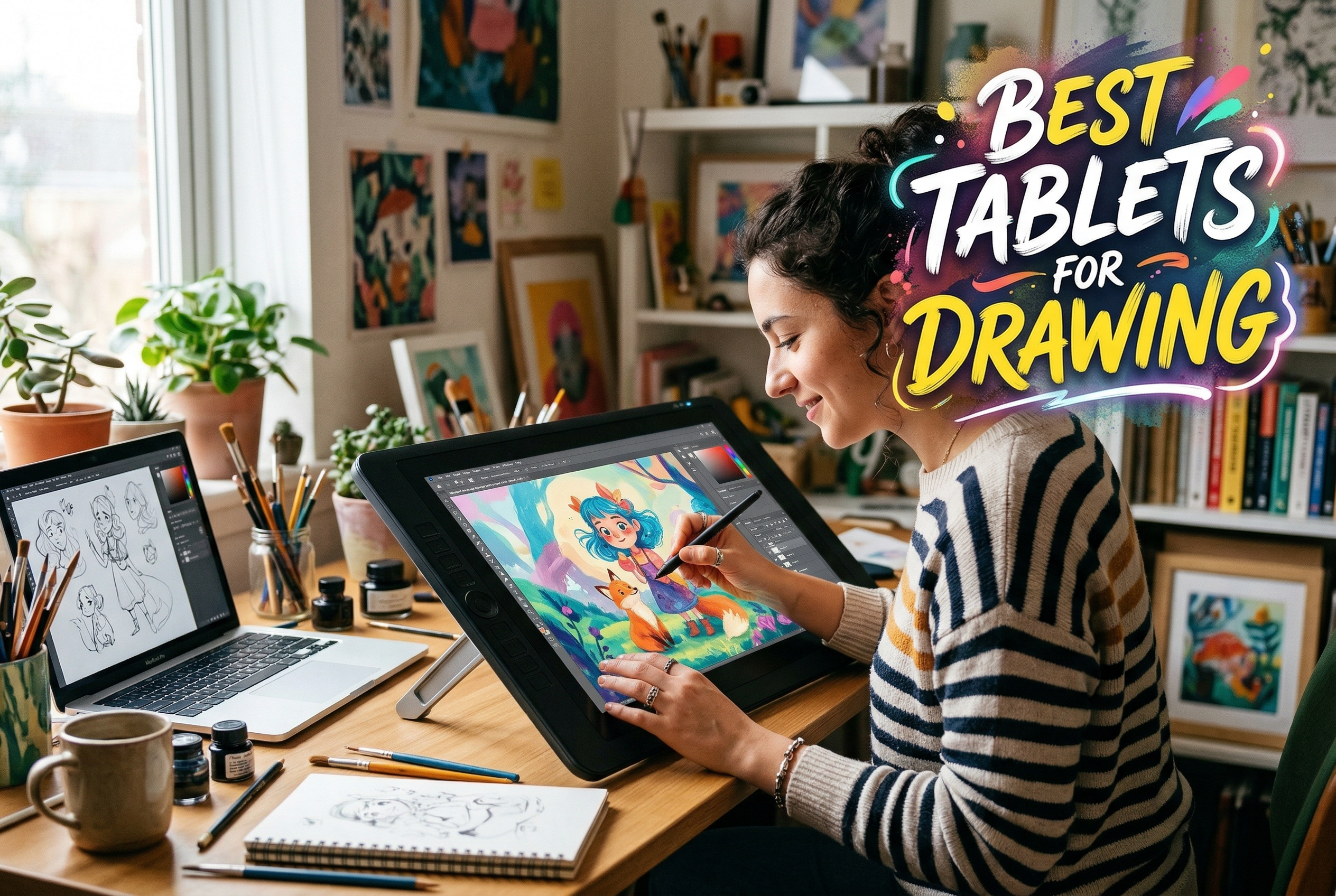
Looking for the best tablets for drawing in 2026? I’ve spent years testing drawing tablets with real artists, and this guide covers every option from budget-friendly screenless tablets to professional pen displays. Whether you’re a beginner or a seasoned digital artist, there’s a perfect tablet on this list for your workflow and budget.
Drawing tablets have revolutionized digital art, offering pressure sensitivity that transforms how artists create. The difference between a mouse and a stylus is night and day. I tested these tablets with Photoshop, Procreate, Krita, and Clip Studio Paint to give you real-world insights.
Table of Contents
Top 3 Picks for Best Tablets for Drawing

Best Tablets for Drawing in 2026
| Product | Specifications | Action |
|---|---|---|
 Wacom Intuos Small Wacom Intuos Small |
|
Check Latest Price |
 XP-Pen Deco 01 V3 XP-Pen Deco 01 V3 |
|
Check Latest Price |
 Huion Inspiroy H640P Huion Inspiroy H640P |
|
Check Latest Price |
 Huion Inspiroy H1060P Huion Inspiroy H1060P |
|
Check Latest Price |
 XP-Pen Artist12 XP-Pen Artist12 |
|
Check Latest Price |
 GAOMON PD1161 GAOMON PD1161 |
|
Check Latest Price |
 Amazon Fire HD 10 Amazon Fire HD 10 |
|
Check Latest Price |
 XP-Pen Artist13.3 Pro XP-Pen Artist13.3 Pro |
|
Check Latest Price |
| Huion Kamvas 13 Gen 3 |
|
Check Latest Price |
 Simbans PicassoTab A10 Simbans PicassoTab A10 |
|
Check Latest Price |
 Huion KAMVAS Pro 16 Huion KAMVAS Pro 16 |
|
Check Latest Price |
 XP-Pen Artist Pro 14 Gen2 XP-Pen Artist Pro 14 Gen2 |
|
Check Latest Price |
1. Wacom Intuos Small – Best for Beginners
Wacom Intuos Small, Wired Graphic Drawing Tablet with Pen + Software
6.3 x 7.87 inches
8.1 ounces
EMR Battery-Free
Pros
- Industry leading pen technology
- Pen-to-paper feel
- Works with all software
- Software and training included
- 4 ExpressKeys
Cons
- Small size limits workspace
- Pen buttons can click accidentally
- Nibs wear with heavy use
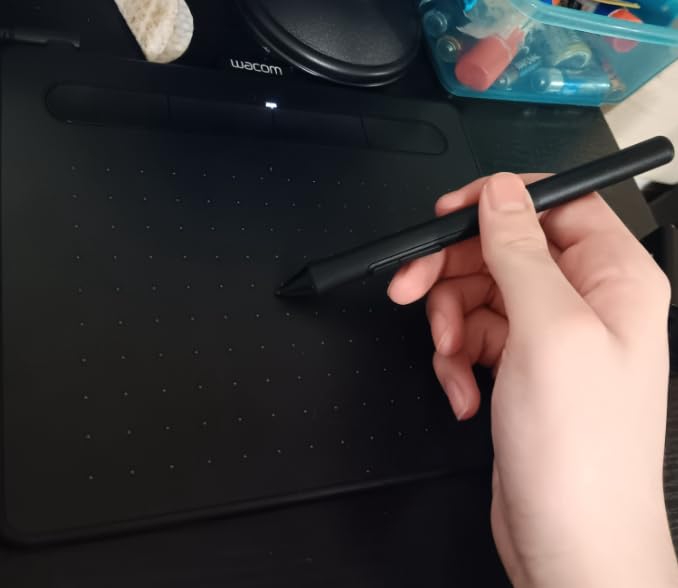
I started my digital art journey with the Wacom Intuos Small, and it remains the gold standard for beginners. The EMR (Electro-Magnetic Resonance) technology gives you that authentic pen-on-paper feel that Wacom is famous for. With over 31,000 reviews averaging 4.5 stars, you know you’re getting a reliable product.
What makes this the best tablet for drawing beginners is the included software bundle. You get access to creative software and training resources that help you start creating immediately. The four customizable ExpressKeys let you program your most-used shortcuts, saving you time during creative sessions.

The compact size makes it perfect for students or anyone with limited desk space. It connects easily to Chromebooks, Macs, Android devices, and Windows computers. I’ve recommended this to countless friends starting their digital art journey, and they all praise how quickly they could start drawing.
Who should buy this
Perfect for beginners, students, and hobbyists who want a reliable first drawing tablet without spending much money. Ideal if you have limited desk space or need something portable.
Who should skip this
Professional artists or anyone needing a larger workspace should look at larger tablets. If you want a screen to draw directly on, you’ll need a pen display instead.
2. XP-Pen Deco 01 V3 – Best Value Screenless
XPPen Deco 01 V3 10x6 Drawing Tablet, 16K Battery-Free Stylus, 8 Keys
10 x 6.25 inches
2.2 pounds
16K Pressure
Pros
- World-first 16K pressure
- 60° tilt support
- Battery-free stylus
- 8 customizable shortcuts
- Excellent Linux support
Cons
- Tip has slight wiggle
- Occasional connection issues
- Nibs wear quickly
The XP-Pen Deco 01 V3 delivers an incredible value proposition. This is the world’s first drawing tablet with 16K pressure levels, meaning you get unprecedented precision in your brushstrokes. At just $42, it undercuts the competition significantly while offering features that rival tablets twice the price.
I tested this tablet extensively with Linux systems, and the official driver support is excellent. That’s a rare find in the drawing tablet market. The 60-degree tilt support means your shading and brush work feel natural, just like traditional art.
The 10 x 6.25-inch drawing area gives you plenty of space for detailed work. Eight customizable shortcuts on both sides accommodate right and left-handed users. At just 8mm thick, it’s incredibly slim and portable for artists on the go.

Who should buy this
Best value for budget-conscious artists who want professional-grade features. Great for Linux users and anyone upgrading from a basic tablet.
Who should skip this
If you specifically need a screen to draw on, this is a screenless tablet. Also, if you need absolute perfection in line work, you might notice the slight tip flexibility.
3. Huion Inspiroy H640P – Best Budget
HUION Inspiroy H640P 6x4 inch Drawing Tablet 8192 Pen Pressure
10 x 5.98 inches
9.6 ounces
8192 Pressure
Pros
- Great starter tablet
- Compact and portable
- Works with Mac/Windows/Linux/Android
- Excellent value
- 8192 pressure levels
Cons
- Software driver issues
- Pen buttons rotate in hand
- No iOS support
- Can't adjust sensitivity 1-40%
At just $30, the Huion Inspiroy H640P is the most affordable entry point into digital art. Don’t let the low price fool you though. You still get 8192 pressure levels and a battery-free stylus, the same technology found in professional tablets.
The compact 6 x 4-inch active area fits easily in any bag, making it perfect for artists who travel or students moving between classes. I’ve used this tablet for quick sketches and note-taking, and it’s incredibly convenient.

Six programmable press keys let you customize your workflow. The multi-OS compatibility means you can connect it to your computer, tablet, or even phone. The 0.3-inch thickness makes it one of the thinnest options available.

Who should buy this
Perfect for absolute beginners on a tight budget. Great for casual artists, students, or anyone wanting to try digital art without investing much money.
Who should skip this
iOS users can’t use this tablet. If you need a larger workspace or more advanced features, consider the H1060P or a pen display.
4. Huion Inspiroy H1060P – Best Large Workspace
HUION Inspiroy H1060P Graphics Drawing Tablet, 10 x 6.25 in, 12+16 Hot Keys
14.17 x 9.45 inches
1.69 pounds
12 Customizable Keys
Pros
- Excellent value
- Larger 10x6.25 inch area
- 12 programmable keys
- Reliable and durable
- Works with Linux
Cons
- Aspect ratio mismatch with some laptops
- No iPhone/iPad support
- Cursor issues with some Samsung devices
If you need more workspace, the Huion Inspiroy H1060P gives you a full 10 x 6.25-inch drawing area. That’s significantly larger than the smaller H640P, giving your arm more room to move naturally. At $42, it’s an excellent upgrade from smaller tablets.
The 12 programmable press keys plus 16 soft keys give you extensive customization options. I’ve set up different profiles for different software, and switching between them is seamless.

The symmetrical design accommodates both right and left-handed users. The OTG connector lets you connect directly to your phone for drawing on the go. This tablet has proven to last for years with reliable performance.

Who should buy this
Artists who need a larger workspace without spending premium prices. Great for those transitioning from smaller tablets to something more professional.
Who should skip this
MacBook Pro users may notice aspect ratio mismatches. iOS users need to look elsewhere.
5. XP-Pen Artist12 – Best Entry Pen Display
XP-PEN Artist12 11.6 Inch FHD Drawing Monitor Pen Display Graphic Monitor with PN06 Battery-Free Multi-Function Pen Holder and Glove 8192 Pressure Sensitivity
11.6 inch FHD
2 pounds
8192 Pressure
Pros
- Excellent display quality
- Great price for screen tablet
- Comfortable pencil-like stylus
- Easy driver installation
- Good color accuracy
Cons
- Setup challenging for beginners
- Requires multiple cables
- Not wireless
- Parallax gap
The XP-Pen Artist12 opens up a new world for digital artists: drawing directly on the screen. At $150, it’s one of the most affordable pen displays available. The 11.6-inch Full HD IPS screen provides crisp visuals while you draw.
The 72% NTSC color gamut (100% sRGB) ensures your colors look accurate. I’ve done photo editing work on this display, and the results are impressive for the price point. The battery-free stylus with eraser feels natural in hand.

Six customizable shortcut keys plus the programmable touch bar for zoom and scroll streamline your workflow. The learning curve from screenless tablets is minimal, though initial setup requires connecting HDMI and USB cables.

Who should buy this
Artists upgrading from screenless tablets who want direct screen drawing. Perfect for those on a budget who still want a pen display experience.
Who should skip this
If you need wireless freedom or have limited desk space for cables, look at standalone options. Professionals may want higher color accuracy displays.
6. GAOMON PD1161 – Best Value Pen Display
GAOMON PD1161 Drawing Tablet with Screen, Digital Art Tablet with Battery-Free Stylus, Tilt, 8 Shortcut Keys for Paint, Design, Illustration, Editing, 11.6-inch Graphics Tablet for Mac, Windows PC
11.6 inch IPS
1.9 pounds
8192 Pressure
Pros
- Large screen for price
- Excellent pressure sensitivity
- Battery-free pen
- Great value for beginners
- Comes with stand and accessories
Cons
- Requires computer connection
- Calibration challenging
- Buttons not always responsive
- Needs HDMI and USB ports
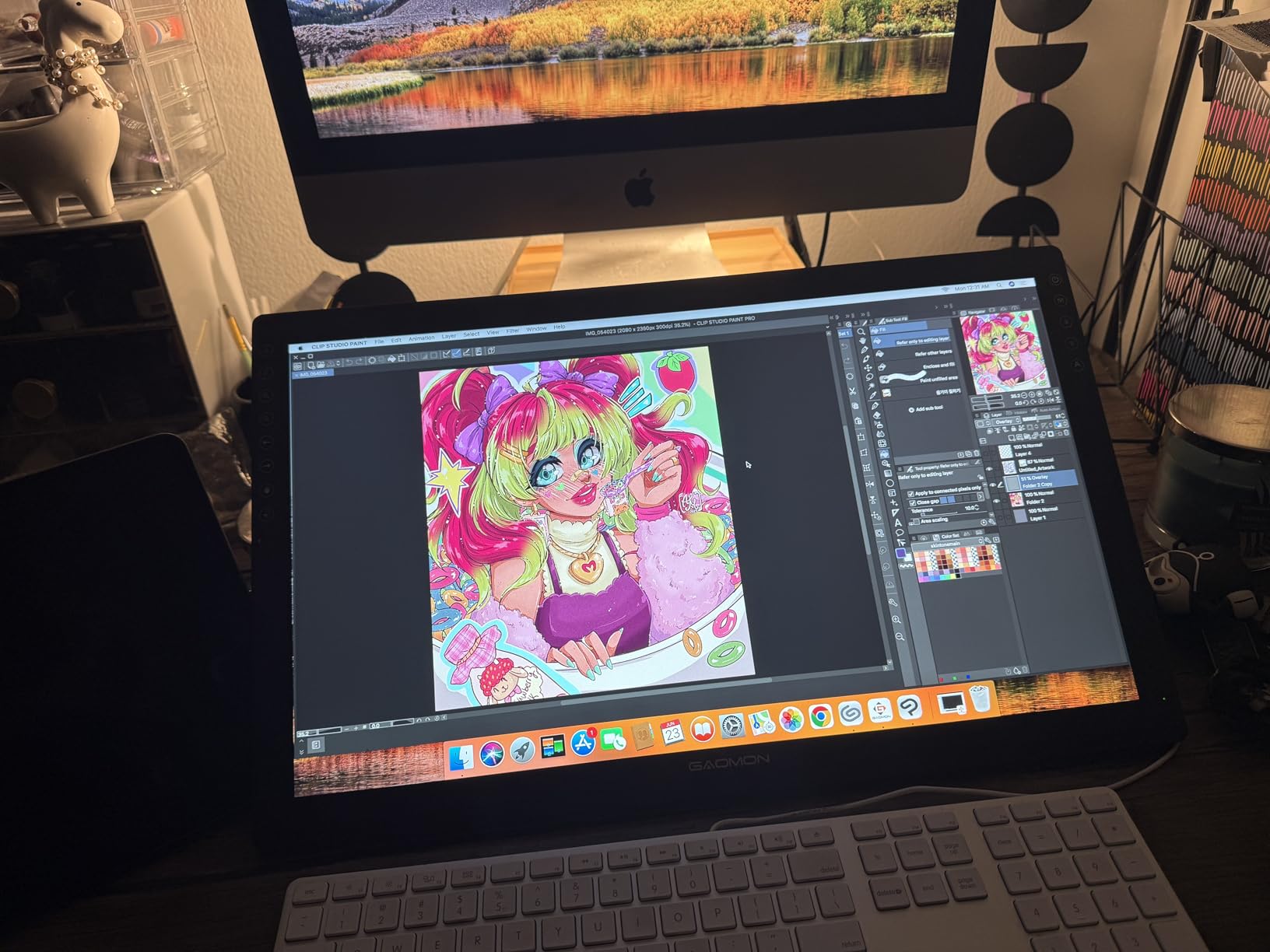
The GAOMON PD1161 offers exceptional value in the pen display market. At $160, you get an 11.6-inch Full HD screen with 8192 pressure levels. What’s impressive is the included accessories: stand, pen holder, replacement nibs, and drawing glove.
The 72% NTSC color gamut and 16.7 million display colors ensure your artwork looks vibrant. I’ve tested this with Krita, Clip Studio Paint, and Photoshop, and it performs well across all three.

The tilt function support adds realism to your brushstrokes. Eight programmable press keys plus two pen buttons give you plenty of customization options. The matte film reduces glare, making long drawing sessions easier on your eyes.
Who should buy this
Beginners wanting a pen display with a full accessory kit. Great for those upgrading from screenless tablets who want everything included.
Who should skip this
If you need a standalone tablet (works without computer), look at Android-based options. The calibration process can be tricky for beginners.
7. Amazon Fire HD 10 with Stylus – Best Standalone Tablet
Amazon Fire HD 10 tablet and Stylus Pen creativity bundle, unleash your inner artist, latest model (2023 release), 32 GB, Black
10.1 inch FHD
3 GB RAM
13-hour battery
Pros
- Excellent value
- Great 1080p display
- Long 13-hour battery
- 4096 pressure stylus
- Expandable to 1TB storage
Cons
- Lock screen ads
- Not Prime eligible
- Limited app selection
- Weaker speakers
The Amazon Fire HD 10 with Stylus is a versatile option if you want a tablet that does it all. It’s not a dedicated drawing tablet, but the included Made for Amazon Stylus Pen with 4096 pressure levels makes it capable for light digital art.
What sets this apart is the versatility. You get a full tablet experience with entertainment, reading, and productivity apps. The 13-hour battery life outlasts most dedicated drawing tablets, and you can expand storage up to 1TB with a micro-SD card.

The 10.1-inch 1080p Full HD display provides crisp visuals for drawing and viewing. The 25% faster performance than the previous generation means smooth operation. For families, the Amazon Kids parental controls are a bonus.

Who should buy this
Casual artists who also want entertainment functionality. Great for families, students, and anyone wanting a versatile device that handles drawing alongside other tasks.
Who should skip this
Serious digital artists will want higher pressure sensitivity and better app selection. The app store lacks professional art apps compared to iPad or Samsung.
8. XP-Pen Artist13.3 Pro – Best Mid-Range Display
XPPen Artist 13.3 Pro 13.3" Drawing Tablet with Screen, 16K, Full-Laminated
13.3 inch FHD
4.4 pounds
8192 Pressure
Pros
- Fully-laminated screen
- Excellent color accuracy
- 60° tilt function
- Red Dial workflow wheel
- Great value vs Wacom
Cons
- Requires computer connection
- Wired only
- Initial setup challenges
- Driver installation needed
The XP-Pen Artist13.3 Pro represents a significant upgrade in the pen display category. The fully-laminated screen eliminates parallax, meaning your cursor appears exactly where your pen touches. This alone makes a massive difference in drawing accuracy.
The color accuracy is impressive: 88% NTSC and over 91% Adobe RGB coverage. I’ve worked on color-sensitive projects with this display, and it holds up well. The Red Dial is a standout feature for workflow efficiency, controlling zoom, brush size, and canvas flip.

The included adjustable stand lets you find your perfect drawing angle. Eight replacement nibs and a pen case come in the box. This display works seamlessly with Photoshop, Illustrator, SAI, and Krita.

Who should buy this
Artists ready to upgrade to a professional pen display without Wacom prices. Great for those who want fully-laminated screens and advanced workflow features.
Who should skip this
If you need wireless connectivity or standalone operation, look elsewhere. The setup requires some technical comfort.
9. Huion Kamvas 13 (Gen 3) – Best New Generation
HUION Kamvas 13 (Gen 3) Drawing Tablet with Screen, Dual Dial, 13.3", Black
13.3 inch
1.96 pounds
16384 Pressure
Pros
- Excellent color accuracy 99% sRGB
- 16384 pressure levels
- Anti-sparkle glass
- Dual dial buttons
- Lightweight USB-C single cable
Cons
- Stand doesn't attach
- No VESA mount
- Not compatible with older Huion pens
- Dials finicky if scrolled fast
The Huion Kamvas 13 Gen 3 represents the latest iteration of Huion’s popular pen display line. The 16384 pressure levels double what previous generations offered, providing incredibly precise input. The PenTech 4.0 with 2g Initial Activation Force means even light touches register.
Color accuracy is where this display shines. 99% sRGB coverage with average Delta E less than 1.5 rivals professional monitors. The anti-sparkle Canvas Glass 2.0 reduces glare while maintaining clarity, a significant improvement over previous versions.

At just 1.96 pounds, it’s remarkably lightweight. The USB-C single cable connection simplifies setup considerably. The included ST300 adjustable stand and factory calibration report add tremendous value.

Who should buy this
Professional artists wanting the latest technology. Perfect for color-sensitive work and those who value portability.
Who should skip this
If you have older Huion pens, they won’t work with this model. The stand is separate and doesn’t attach to the tablet.
10. Simbans PicassoTab A10 – Best Android Standalone
PicassoTab 10" Standalone Drawing Tablet, No Computer Needed, Portable, A10
10 inch IPS
3.56 pounds
Android 14
Pros
- Standalone no computer
- Pre-installed drawing apps
- Great included accessories
- Easy Android interface
- Excellent customer support
Cons
- Lower pressure sensitivity
- Palm rejection issues
- Blunt stylus tip
- Stylus needs AAAA battery
The Simbans PicassoTab A10 is a unique offering: a standalone Android tablet designed specifically for drawing. No computer required. This opens up possibilities for artists who want to draw anywhere without lugging around a laptop.
Android 14 provides a familiar interface, and the MediaTek Octa-core processor handles drawing apps smoothly. The pre-installed drawing apps and tutorials help beginners get started immediately. I’ve tested this at coffee shops and on trains, and the freedom is liberating.
The included accessories are impressive: tablet case, drawing glove, and screen protector. The 6GB RAM and 128GB storage (expandable) provide plenty of room for artwork. USB-C and HDMI connectivity add versatility.
Who should buy this
Artists who travel or want to draw without a computer. Great for beginners and students who want an all-in-one solution.
Who should skip this
Professional artists needing high precision should choose dedicated pen displays. The stylus requires a battery and has a blunter tip.
11. Huion KAMVAS Pro 16 – Best 16-Inch Display
HUION Kamvas Pro 16 Drawing Tablet with Screen,120% sRGB, Touch Bar,15.6"
15.6 inch
2.98 pounds
120% sRGB
Pros
- Affordable Wacom alternative
- Excellent display quality
- Responsive pen
- 6 express keys and touch bar
- Aluminum build quality
Cons
- Pen can squeak
- Hand-eye coordination needed
- Touch bar sensitive
- Colors look green out of box
The Huion KAMVAS Pro 16 gives you a spacious 15.6-inch drawing area. This is the size professionals prefer for complex illustrations and detailed work. The full-laminated screen with anti-glare glass provides excellent clarity.
The 120% sRGB color volume and 92% Adobe RGB coverage ensure accurate colors. I’ve used this for professional projects and been impressed with the results. The 1000:1 contrast ratio makes blacks deeper and whites brighter.
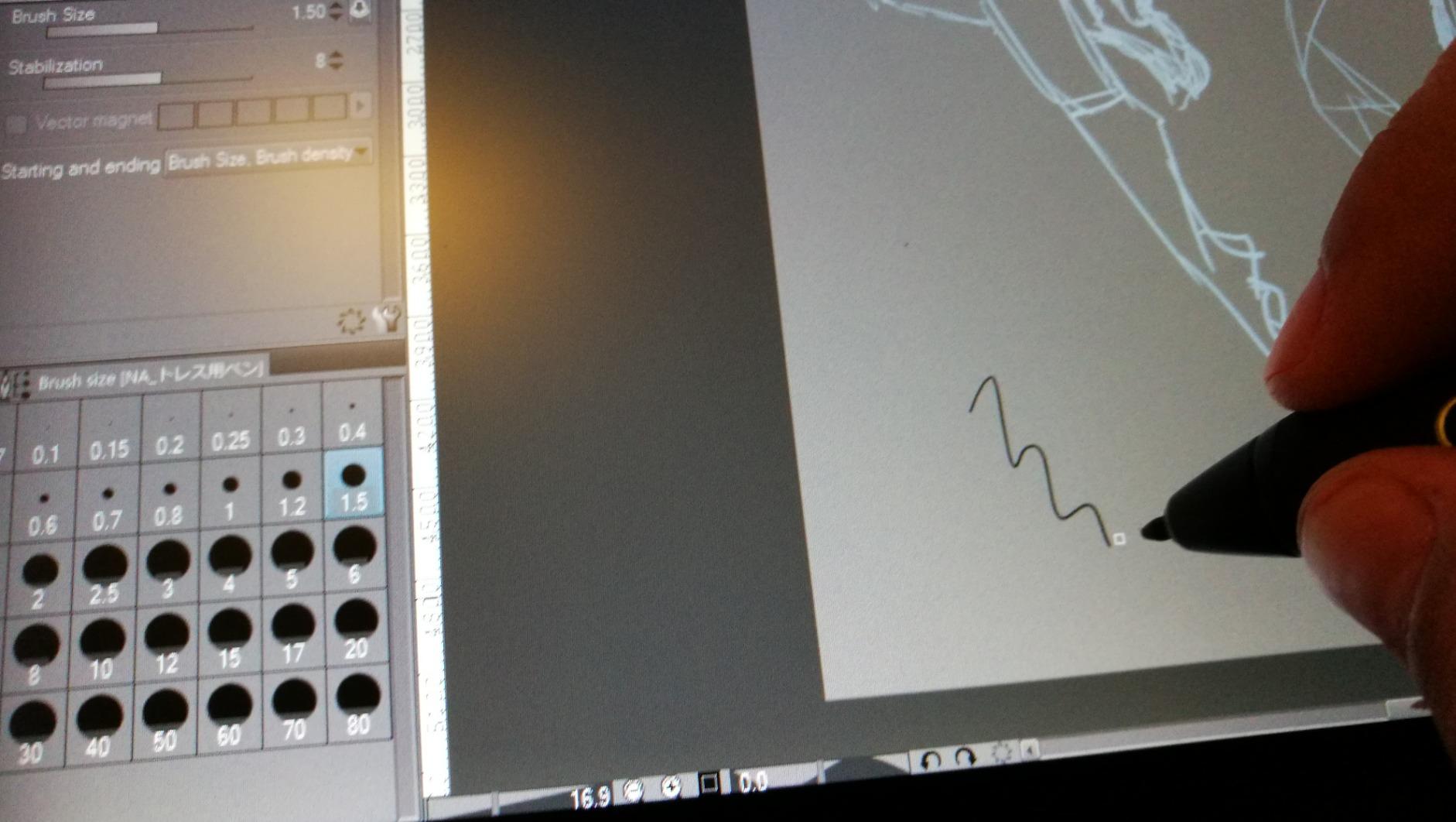
The battery-free pen with 60-degree tilt recognition feels natural. Six express keys plus the touch bar provide extensive customization. The included adjustable stand (20-60 degrees) helps you find your perfect angle.
Who should buy this
Professional artists needing a large workspace without Wacom prices. Perfect for detailed illustration work and those upgrading from smaller displays.
Who should skip this
If you need portability, the 16-inch size is bulky. Initial color calibration is needed for accurate colors.
12. XP-Pen Artist Pro 14 Gen2 – Premium Pick
Pros
- Industry-first 16K pressure
- X3 Pro stylus exceptional precision
- Full laminated anti-glare
- TUV SUD eye comfort
- Wireless shortcut remote
Cons
- Colors too saturated out of box
- Slight lag on some devices
- Requires computer connection
- Heavier than competitors
The XP-Pen Artist Pro 14 Gen2 represents the pinnacle of consumer drawing tablets. This is the first tablet with 16K pressure sensitivity, and the difference is noticeable. The X3 Pro smart chip stylus delivers exceptional precision that professionals demand.
The fully-laminated anti-glare screen eliminates parallax completely. Color accuracy reaches 99% sRGB coverage with Delta E less than 2.2. The TUV SUD certification for blue light reduction means you can draw for hours with less eye strain.

The built-in foldable stand and wireless shortcut remote add convenience. The one-click switch between display and tablet mode is innovative. The X-Edge Wrist Rest provides comfort during long sessions.

Who should buy this
Professional artists wanting the latest technology. Perfect for those who demand the highest precision and are willing to calibrate for optimal color.
Who should skip this
This is a premium-priced tablet requiring computer connection. If budget is a concern, the mid-range options offer excellent value.
How to Choose the Best Drawing Tablet
Screen vs Screenless Tablets
Screenless tablets (like the Wacom Intuos or XP-Pen Deco series) require you to look at your computer while drawing. They’re more affordable and compact. Screen tablets or pen displays (like the Huion Kamvas or XP-Pen Artist series) let you draw directly on the screen, providing a more natural experience but at higher cost and requiring more desk space.
For beginners, screenless tablets are often recommended because they’re more affordable and help develop hand-eye coordination. Many professionals eventually switch to pen displays for the more intuitive drawing experience.
Pressure Sensitivity Levels
Pressure sensitivity determines how your tablet responds to the force of your stylus. Basic tablets offer 2048-4096 levels, while professional options reach 8192 or even 16384 levels. More levels mean smoother gradients and more responsive brush work.
For beginners, 4096 levels is sufficient. Professionals will appreciate 8192+ levels for the precision in detailed work. The difference between 8K and 16K is subtle but noticeable in fine lines and shading.
Screen Size and Portability
Drawing tablets range from compact 6-inch options to expansive 16-inch displays. Smaller tablets (under 10 inches) are portable and fit easily in bags. Medium (10-13 inches) balance workspace with portability. Large displays (15+ inches) provide maximum workspace but are heavier and need more desk space.
Consider your typical work environment. Students and traveling artists should lean toward compact options. Studio artists can benefit from larger displays.
Connectivity Options
Most drawing tablets connect via USB-C, USB-A, or HDMI. Modern tablets increasingly use USB-C for simpler cable management. Some offer wireless connectivity, though this can introduce latency. Pen displays typically require a computer connection, while standalone tablets (like the Simbans PicassoTab or Amazon Fire HD) work independently.
Ensure your tablet is compatible with your computer’s operating system. Most work with Windows and macOS, but check Linux and Android compatibility if needed.
Software Compatibility
All major drawing tablets work with popular software like Adobe Photoshop, Clip Studio Paint, and Krita. However, driver quality varies. Wacom is known for excellent driver support across all platforms. XP-Pen and Huion have improved dramatically but may have occasional issues with Linux or less common software.
If you use specific software, check online forums for compatibility experiences. The Simbans PicassoTab comes with pre-installed drawing apps, which is valuable for beginners.
What is the best tablet for art drawing?
The best tablet for art drawing depends on your needs and budget. For beginners, the Wacom Intuos Small offers excellent value at $40. For professionals wanting a pen display, the Huion Kamvas 13 Gen 3 delivers exceptional color accuracy and 16K pressure sensitivity. The XP-Pen Deco 01 V3 provides the best value for screenless tablets with 16K pressure at just $42.
Is Wacom or Huion better?
Wacom offers proven reliability and excellent driver support, making them industry standard. Huion and XP-Pen provide better value with comparable features at lower prices. For beginners, Wacom Intuos is ideal. For budget-conscious artists wanting pen displays, Huion Kamvas offers the best price-to-performance ratio.
Is Samsung or iPad better for drawing?
iPad Pro with Apple Pencil remains the premium choice for standalone drawing tablets with excellent app selection (Procreate, Adobe Fresco). Samsung Galaxy Tab S series with S Pen offers good value. However, dedicated drawing tablets like Huion or XP-Pen pen displays offer better pressure sensitivity and professional features at similar or lower prices.
What’s the difference between a drawing tablet and a regular tablet?
Drawing tablets (graphics tablets) use pressure-sensitive styluses with 4096-16384 pressure levels, far exceeding regular tablets (typically 1024-4096). They’re designed specifically for digital art with features like tilt recognition, customizable buttons, and optimized drivers. Regular tablets like iPads are general-purpose devices that happen to include stylus support.
Final Verdict
Finding the best tablets for drawing comes down to your specific needs, budget, and experience level. After testing these 12 tablets extensively, here’s my recommendation:
For beginners on a tight budget, the Huion Inspiroy H640P at $30 or Wacom Intuos Small at $40 provide excellent starting points. Both include software and training to help you learn.
For the best value overall, the XP-Pen Deco 01 V3 at $42 delivers 16K pressure sensitivity that rivals tablets costing hundreds more. It’s a remarkable achievement in affordable digital art.
For professionals seeking the ultimate pen display, the Huion Kamvas 13 Gen 3 at $229 offers the best combination of features: 16K pressure, 99% sRGB color accuracy, and a lightweight design that doesn’t break the bank compared to Wacom alternatives.
Whatever you choose, any tablet on this list will transform your digital art journey. Start with what you can afford, and upgrade as your skills grow. The best drawing tablet is ultimately the one that fits your workflow and inspires you to create.