
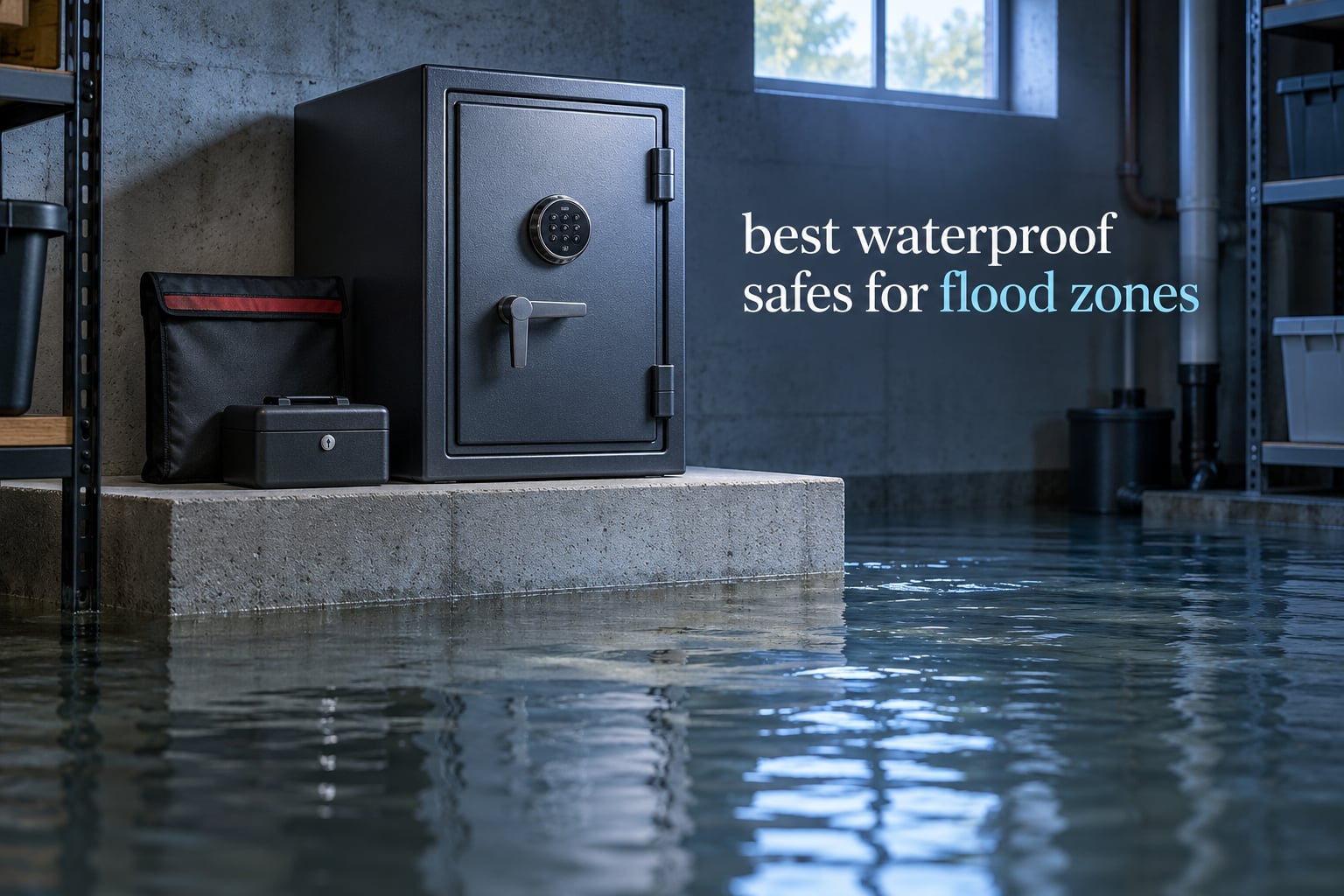
No safe is fully waterproof. Every rating you will see for the best waterproof safes for flood zones is a time-and-depth limit: this many hours, in this many inches of standing water, tested by this lab. A safe that carries a 72-hour submersion claim does not survive a river for a week, and a unit that leaks through its own anchor bolt hole is not waterproof at all, no matter what the box says.
That distinction matters more than most product copy lets on, so we built this roundup around published certifications instead of marketing language. All ten picks below carry a stated fire rating, a stated water exposure figure, and a lock type, and we list exactly what each manufacturer claims. Where a listing does not publish an ETL or Intertek water verification, we say so rather than treating the word waterproof as a spec.
We also weigh the two things that decide whether a safe survives a real flood: where it sits in the house, and whether the installation holes were sealed. Buyers starting from scratch often want a broader baseline than flood protection, so our home safe guide covers everyday theft and fire storage separately. If your documents are already filed and you just need somewhere to put them, start with the ratings below. Updated for 2026.
Table of Contents
Top 3 Best Waterproof Safes for Flood Zones in 2026
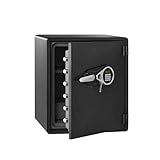
Amazon Basics 2.13 cu ft Safe
- 60 min Intertek fire test
- 24 hr water protection at 8 in
- 2.13 cu ft interior
- electronic keypad with 6 live bolts
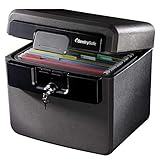
SentrySafe HD4100 File Box
- 30 min UL fire classification
- ETL water exposure verification
- hanging file interior
- key lock with two keys
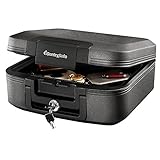
SentrySafe CHW20221 Chest
- 72 hr ETL water submersion
- 30 min fire at 1550F
- 20 lb portable weight
- carry handle
Quick Overview: 10 Waterproof Safes Compared in 2026
| Product | Specifications | Action |
|---|---|---|
| Amazon Basics Fireproof and Waterproof Safe 2.13 cu ft |
|
Check Latest Price |
| SentrySafe HD4100 Fireproof Waterproof File Box |
|
Check Latest Price |
| SentrySafe CHW20221 Waterproof Chest |
|
Check Latest Price |
 SentrySafe H0100 Fireproof Waterproof Lock Box SentrySafe H0100 Fireproof Waterproof Lock Box |
|
Check Latest Price |
 Honeywell 1103 Fire and Water Chest Honeywell 1103 Fire and Water Chest |
|
Check Latest Price |
 Master Lock 4.9 L Fireproof Waterproof Box Master Lock 4.9 L Fireproof Waterproof Box |
|
Check Latest Price |
 Amazon Basics Fireproof Waterproof Chest Amazon Basics Fireproof Waterproof Chest |
|
Check Latest Price |
 EDMUED Fireproof Document Box EDMUED Fireproof Document Box |
|
Check Latest Price |
 Tipiyajo 1.8 cu ft Digital Safe Tipiyajo 1.8 cu ft Digital Safe |
|
Check Latest Price |
 YIYITOOLS Fireproof Waterproof Lock Box YIYITOOLS Fireproof Waterproof Lock Box |
|
Check Latest Price |
1. Amazon Basics Fireproof and Waterproof Safe, 2.13 Cubic Feet
Amazon Basics Fireproof and Waterproof Safe Box with Digital Keypad Electronic Lock, Fire Resistant, Interior Lighting, Removable Shelf, for Home Use, 2.13 Cubic Feet, 24″H x 20.87″W x 19″D, Black
Capacity: 2.13 cu ft
Weight: 61.86 kg
Fire: 60 min at 1700F
Water: 24 hr at 8 in
Pros
- Intertek fire tested for 60 minutes at 1700F
- Intertek water tested for 24 hours in 8 inches of water
- Large interior with removable shelf and drawer
- 6 live-locking bolts plus pry-resistant dead bolts
- Bolt-down hardware and interior light included
Cons
- Heaviest unit here at over 60 kg so it stays put once installed
- Bulk floor-mount footprint rather than a portable chest
- Keypad needs batteries you cannot replace in a dead power grid
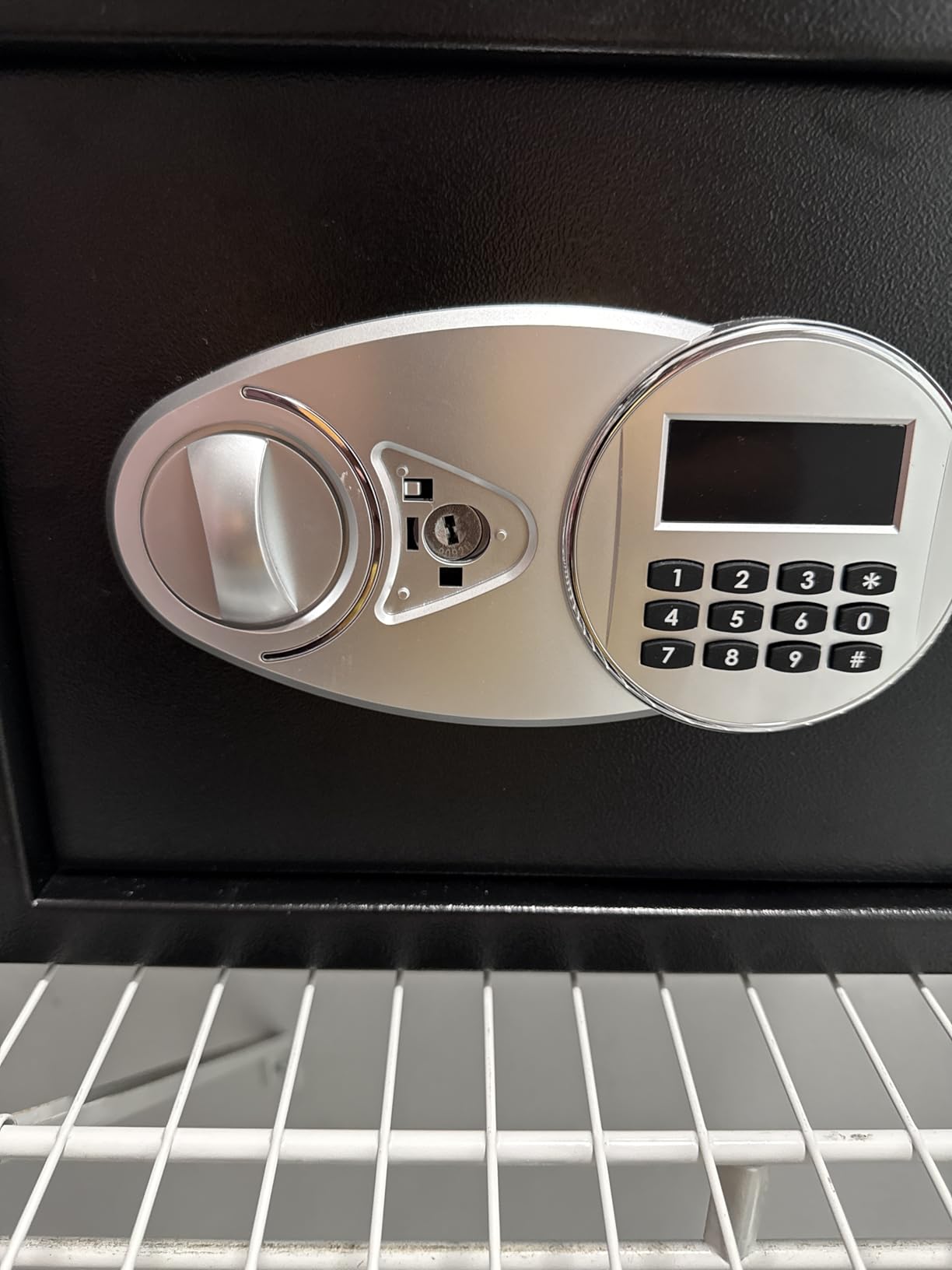
This is the one I put at the top of the list for a simple reason: it is the only unit here where both the fire and the water figure were tested by the same named lab. Intertek tested the body for 60 minutes in a furnace reaching 1700F, and separately tested it for 24 hours submerged in water up to 8 inches deep. Those are numbers you can hold a contractor to.
Capacity is the other reason. At 2.13 cubic feet with a removable shelf and a drawer, it swallows a set of hanging file folders, a few binders, and the awkward overflow that usually ends up on the kitchen counter after a flood. The steel door runs on six live-locking bolts with pry-resistant dead bolts, so it doubles as a real security safe rather than a document box that happens to seal well.
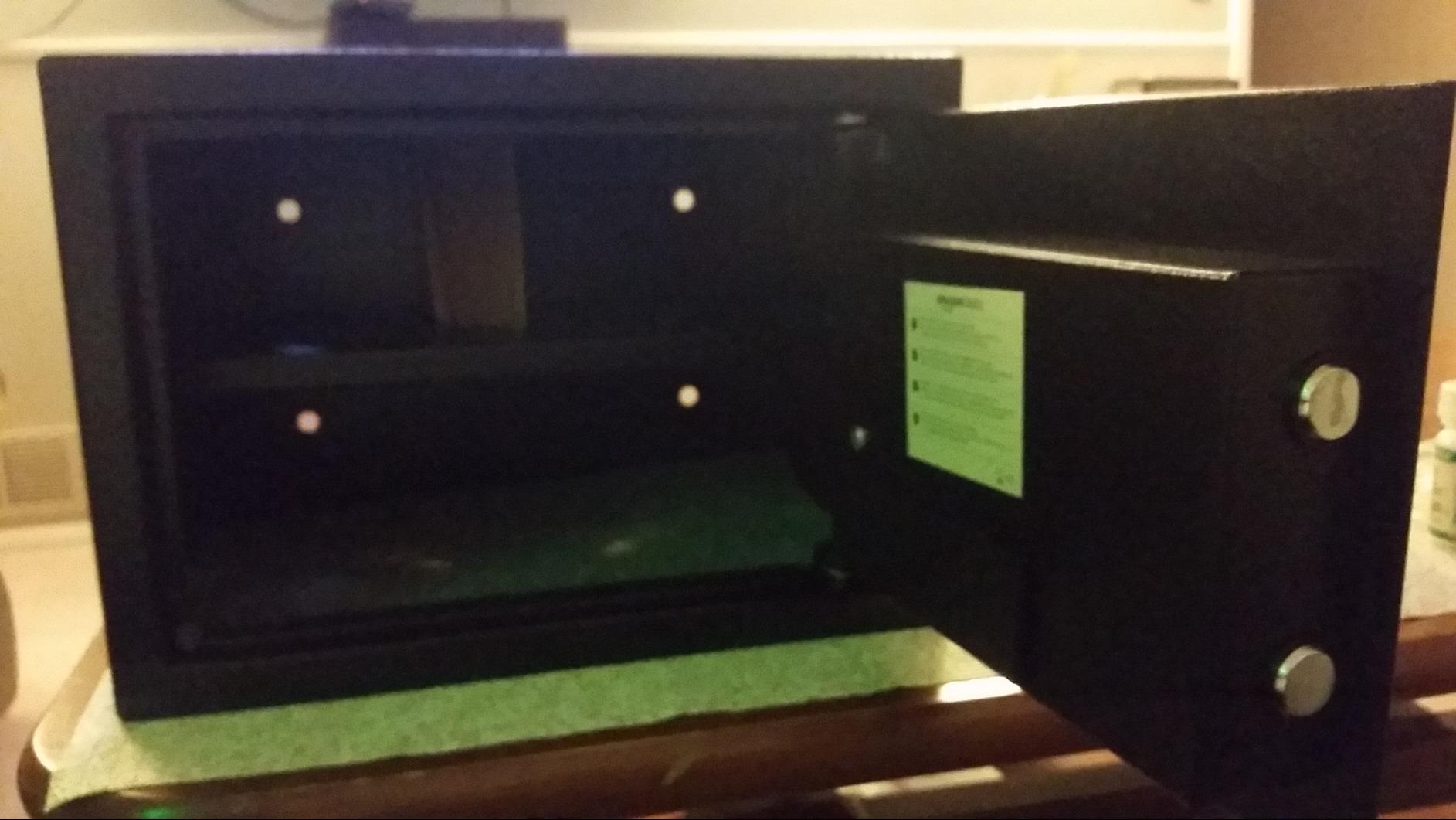
The honest drawback is mass. At 61.86 kg you are not moving this during an evacuation, and it needs two people and a dolly to get up a single step. Plan the position before it arrives, because the bolt-down hardware means you want it where it lands, not where it first fits.
Bolt-down is where flood protection quietly gets compromised. Those pre-drilled holes are an entry path for water unless you fill them with a waterproof sealant after anchoring. I would also skip the interior light kit if the model has one, since a light entry hole is a second leak path nobody mentions on the box. Keep a desiccant pack inside and open the door briefly every week or two in humid months.
What the 2.13 cubic foot interior actually fits
Reviewers regularly describe this as the point that decides the purchase. It is a genuine cabinet safe, not a chest, which means binders stand upright and a drawer keeps small valuables separated from paperwork instead of loose at the bottom.
If your list is mostly deeds, insurance paperwork, passports, and a couple of backup drives, this one model covers the whole list in a single place. That also removes the common failure of splitting documents across a file box in the closet and a small chest in the hall.
Where to install it so water never reaches the door
Weight of this size becomes an advantage if you install it above the expected flood line. A heavy safe on an upper floor is far harder to displace and far less likely to be sitting in a few inches of water.
Anchor it to structure, fill every bolt hole with sealant, and keep the door gasket clean so it can compress fully. Water finds the weakest seal in the room, and on a unit this heavy that is usually the installation rather than the safe.
2. SentrySafe HD4100 Fireproof and Waterproof File Box
SentrySafe Black Fireproof and Waterproof Safe, File Folder and Document Box with Key Lock, 14.3 x 15.5 x 13.5 inches, HD4100
Capacity: 0.65 cu ft
Weight: 38.8 lb
UL fire: 30 min
ETL water exposure verified
Pros
- Only fire chest here with a full hanging file interior
- UL 30 minute classification plus ETL water verification
- Tubular key lock needs no batteries
- Compact enough for a closet or under a desk
Cons
- Interior is fractionally narrower than letter paper so sheets may bow
- Key and latch hardware feel light to some owners
- Gasket washer can detach and stop the seal compressing
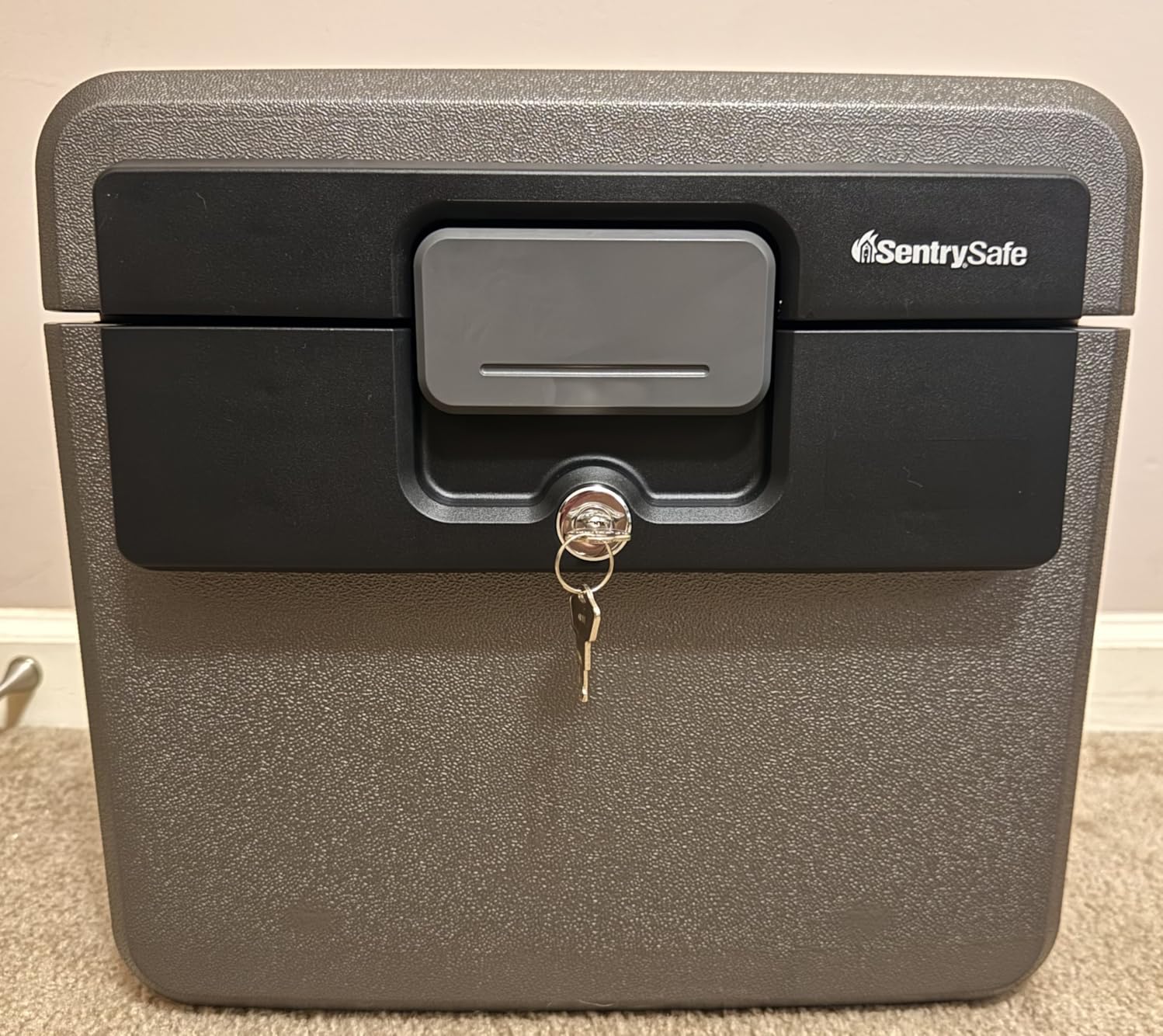
The HD4100 is the pick for anyone whose flood plan starts with a folder cabinet. It is the only fire chest in this group built around a full hanging file interior, so you slide documents in flat the way they live in the filing cabinet rather than folding everything to fit.
Certification reads as a matched pair: UL classified for 30 minutes in a fire, ETL verified for water exposure. The lock is a tubular key with two keys supplied, which means nothing inside depends on a battery you cannot reach during an outage.
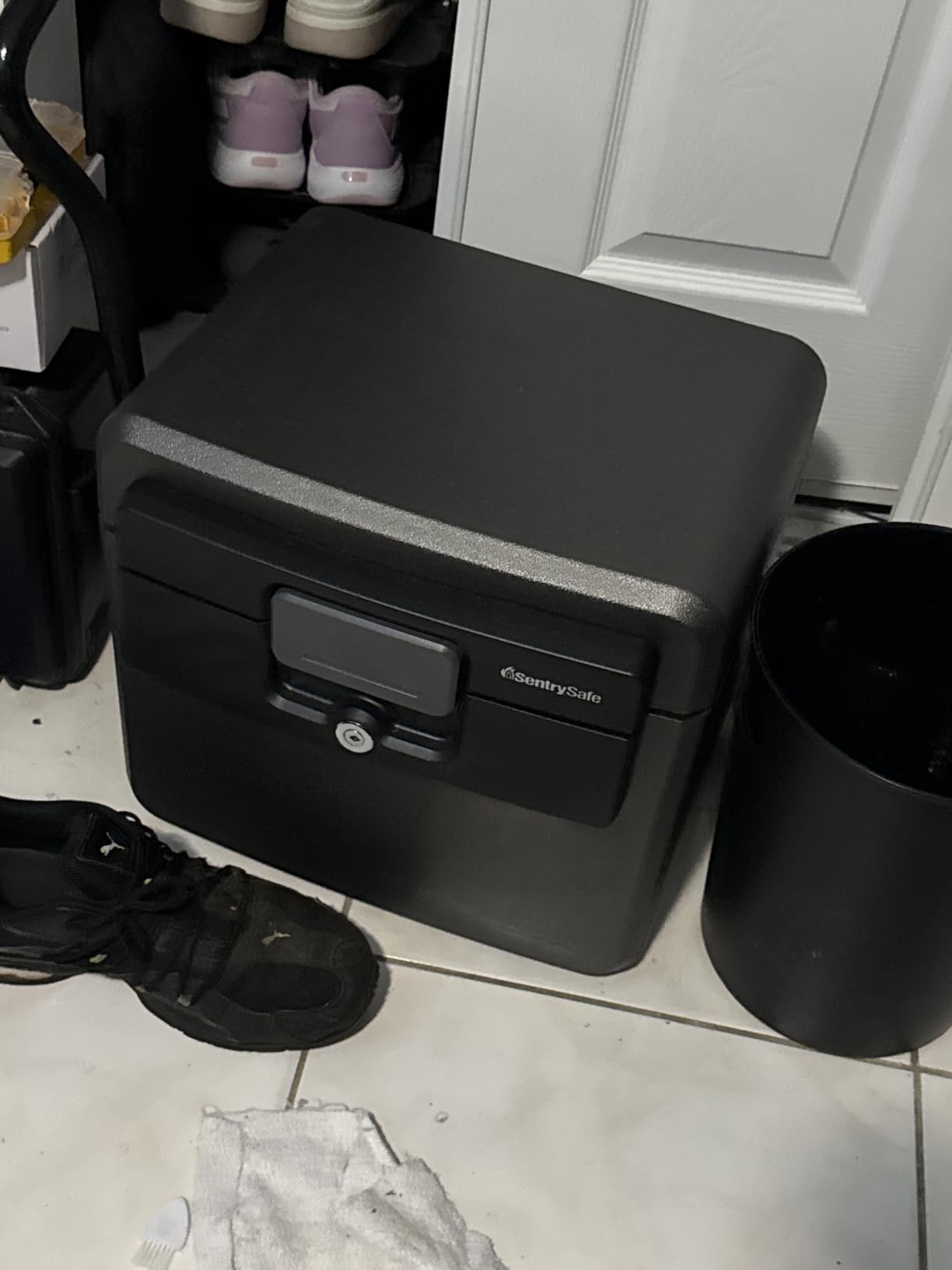
The gasket is the recurring complaint, and it is worth planning around. Owners report leaning on the lid to get it closed, and a few describe the rubber washer detaching so the seal stops compressing. Check the gasket by closing the lid with a sheet of paper inside it; if the paper drags evenly, the seal is still doing its job.
Weight is 38.8 lb, which is awkward on stairs but manageable for two people. Multiple owners tell us they use it as a footrest under a desk, which is a good indicator of build quality, and SentrySafe service resolves issues quickly when the lock or gasket needs attention.
Whether letter-size documents fit without folding
The interior is listed at 12 inches wide by 8.1 inches deep, and several reviewers note it sits a fraction under standard letter width. Full hanging folders go in fine; a few loose sheets may need to be squared or trimmed.
That is a document box rather than a paper safe, so keep bulky binders in the larger unit and use this one for the folder set you want to grab whole during an evacuation. The kind lock also means no codes to reset after the fact.
Why the gasket matters more in a flood than in a fire
A fire rating and a water rating both live or die on that compression seal, but water finds gaps that heat does not. A slightly failed gasket is invisible until the box is sitting in six inches of moving water.
Run the paper test twice a year, keep the gasket channel free of grit and sticky residue, and if the washer comes loose refit it or use adhesive gasket tape. A small repair here protects everything inside.
3. SentrySafe CHW20221 Waterproof Chest, 72-Hour Submersion
SentrySafe Charcoal Gray Fireproof and Waterproof Safe Box with Key Lock, Portable Chest for Money, Passport, 0.28 Cubic Feet, 6.6 x 15.4 x 14.3 Inches, CHW20221
Capacity: 0.28 cu ft
Weight: 20 lb
UL fire: 30 min at 1550F
ETL water: 72 hr submersion
Pros
- ETL Verified for 72 hours of submersion
- UL 30 minute fire rating at 1550F
- 20 lb weight is easy to carry out of a flooded house
Cons
- Latch can be pried with determined effort and cannot be anchored
- Carry handle flexes and worries some buyers
- Interior is too small for undamaged letter documents
If you live in hurricane country and want a chest you can actually move, this is the one I would carry. It is ETL verified for 72 hours of water submersion, and it weighs 20 lb.
The 30 minute UL fire rating at 1550F covers the other common risk in the same house. Owners in hurricane-prone areas tell us it lives on a closet shelf holding documents and cash, and several report contents stayed dry with a silica gel pack inside.
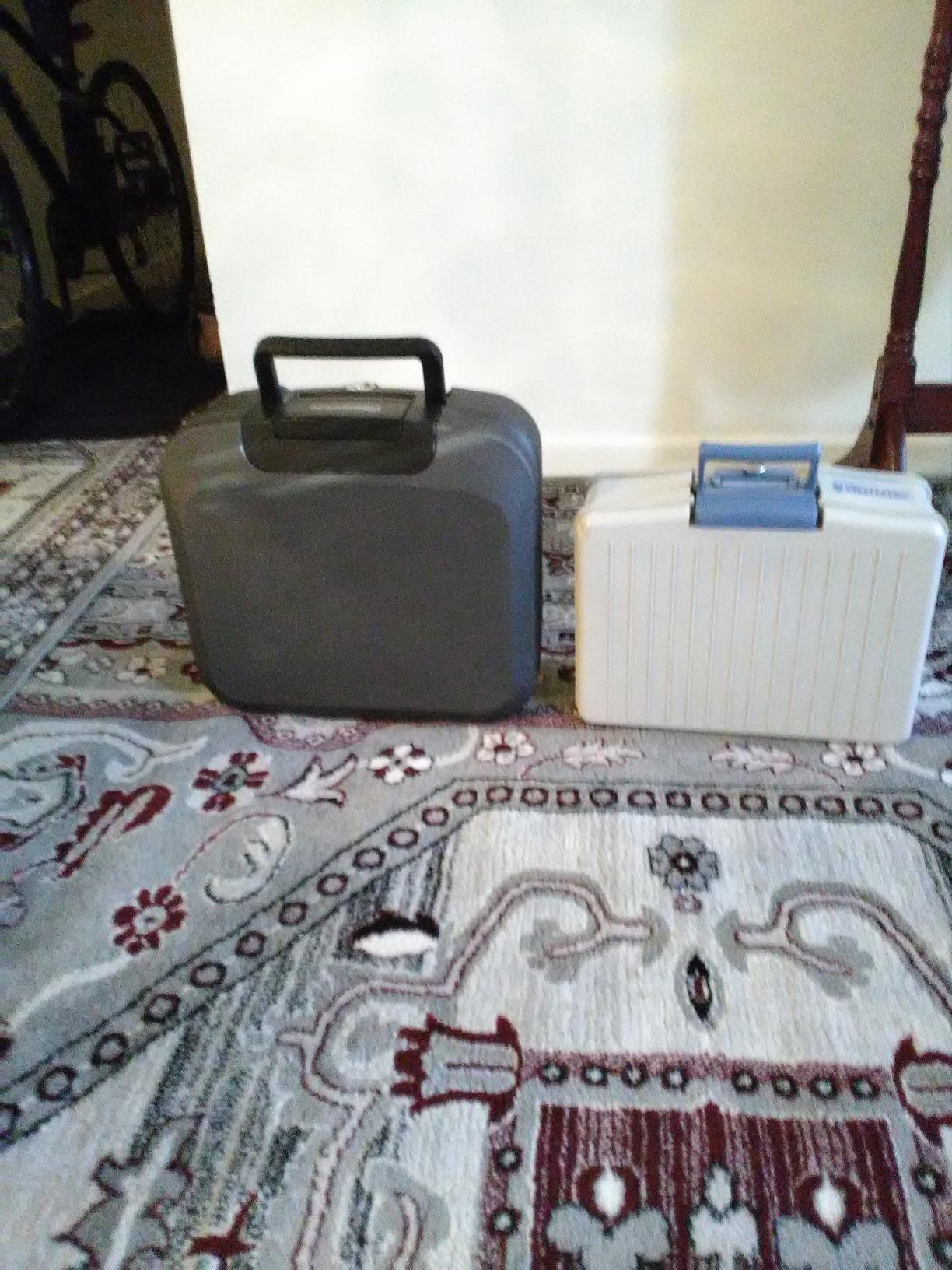
Understand what this box is. It is a fire and water chest, not a security safe. The latch is a weak point that reviewers describe as able to be pried with effort, there is no bolt-down point, and the carry handle flexes under load. If a burglar knew exactly where it sat and had time, this is not the layer that stops them.
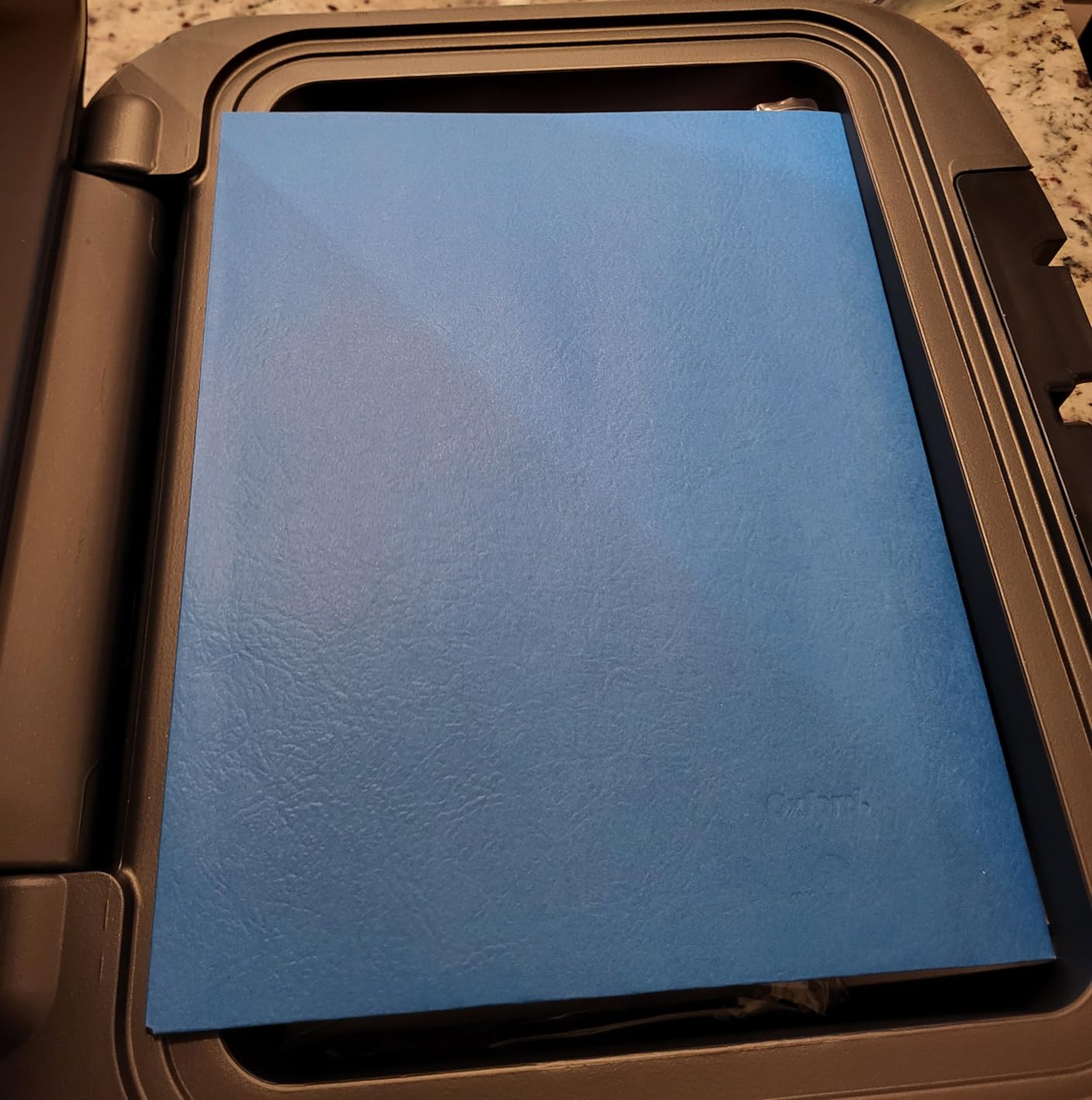
The interior is 12.8 by 8.5 by 4.4 inches. That fits a passport, a small envelope of cash, a spare key set, a memory card, and a folded document set. It does not fit an unfolded letter sheet, so anything paper-critical should be bagged and sealed flat against the gasketed lid.
Why 72 hours of submersion beats a 24 hour rating
Most residential flood events produce standing water for days rather than hours, because water has nowhere to drain and pumping starts after the street floods. A 72 hour rating covers a good share of those events, while a 24 hour rating covers a burst pipe far better than a flood.
Pair that figure with placement. On an upper shelf in a closet above the water line, the rating is insurance. On the floor of a ground-level closet, no chest of this size substitutes for elevation.
What to store given the small interior
Use it for the items that must stay dry and are small: passports and birth certificates in a sealed sleeve, emergency cash in a waterproof pouch, spare keys, and one backup drive or memory card.
Avoid anything that needs air exchange or that will melt. Paper should be bagged flat, and a silica gel or desiccant pack in the corner does more for long-term storage than the seal alone.
4. SentrySafe H0100 Waterproof Lock Box for Media and Documents
SentrySafe Fireproof and Waterproof Safe, Black Portable Lock Box with Key Lock and Carrying Handle for Money, Passport, Exterior: 14.3 in W x 13 in D x 6.1 in H, H0100
Capacity: 0.17 cu ft
Weight: 17 lb
UL fire: 30 min at 1500F
ETL water: 72 hr at 8 in
Pros
- ETL verified for 72 hours of water protection to 8 inches
- Popular for hard drives and backup media storage
- Genuinely light at 17 lb
- Same gasket approach as the brand's larger chests
Cons
- Opening takes real downward force on the gasket which is hard on arthritic hands
- Some owners report the secondary latch button jamming
- Interior is too small for standard letter paper so documents must fold
The H0100 shares the 72 hour ETL water verification with its larger sibling but drops to 17 lb, making it the lightest SentrySafe fire and water box here. That combination of certification and weight is why it keeps showing up in our list for media storage.
Backup hard drives are the real reason to buy it. One owner stores twenty slim drives and SSDs in a single unit, and the gasket is tight enough that reviewers treat it as a dry environment for electronics when a desiccant is added.
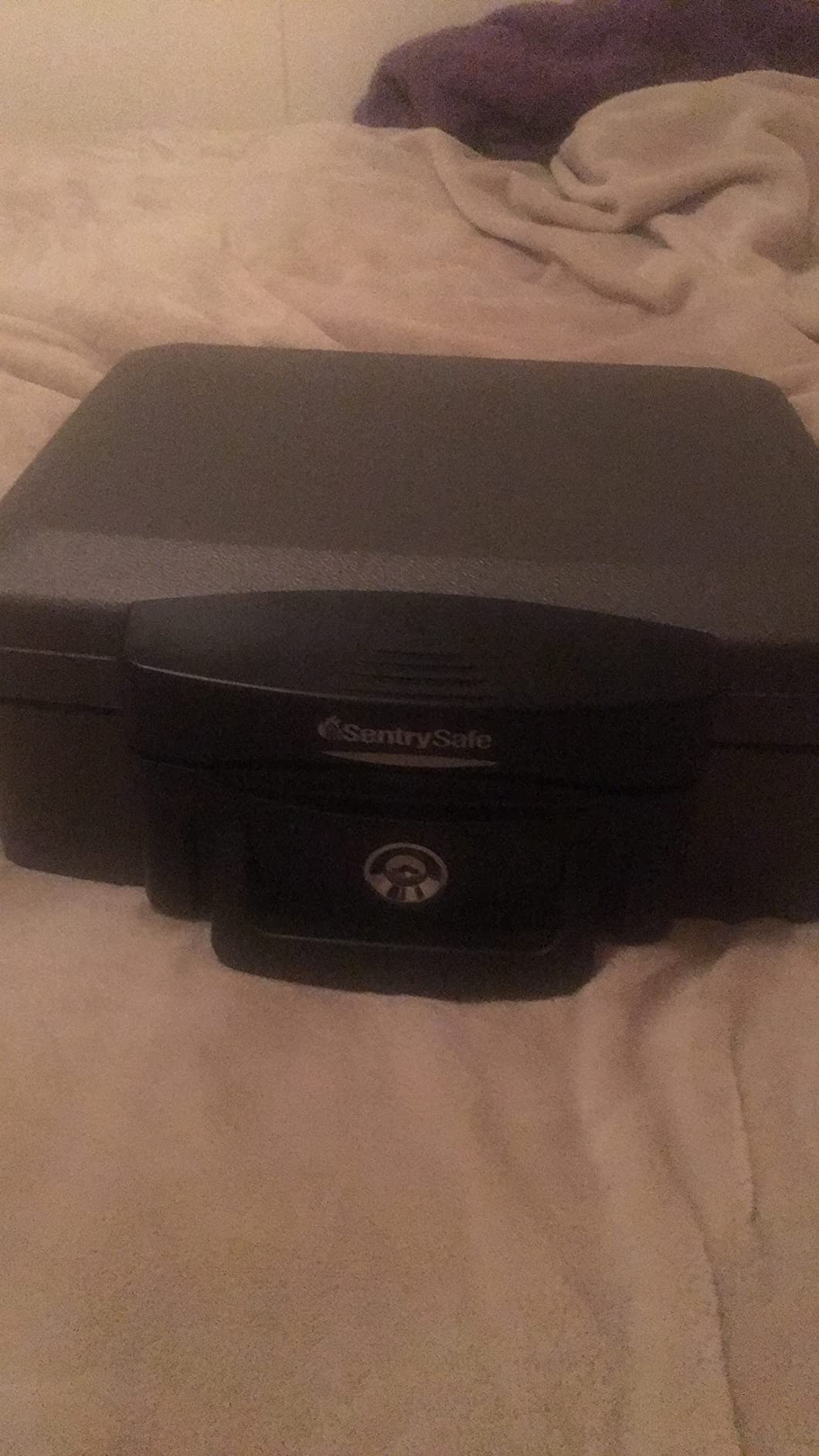
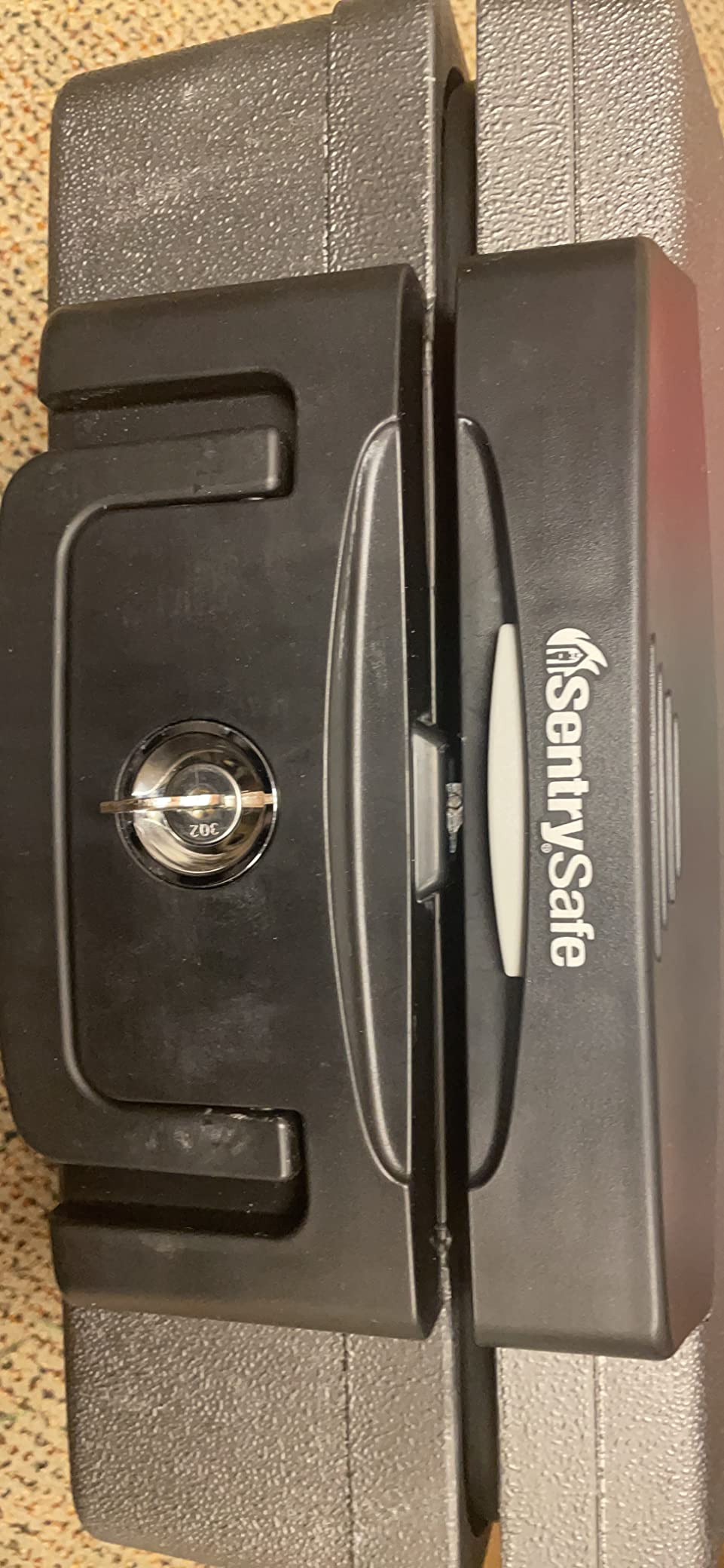
Ergonomics are the drawback and they are not small. The lid uses a compression seal that has to be pressed down hard to open, and several buyers with arthritic hands or limited strength describe it as unusable. Test the latch at the store if you can, or choose a latch style that opens on a hinge you can lift.
A minority of owners also report the secondary latch button jamming and eventually failing. On a safe that lives through a flood, treat a stiff latch as a maintenance item rather than a design flaw, and keep the two keys somewhere outside the house.
How to store hard drives so condensation is not the real risk
Even a dry safe can hold humidity long enough to corrode connectors. Seal drives in individual anti-static bags, add a desiccant pack that you replace every few months in a humid climate, and avoid opening the box daily.
The listing is rated to 8 inches of water depth, so do not assume it tolerates a full submergence deeper than that. Keep it on an upper shelf and let the rating act as a backup rather than the plan.
Why the compression seal is both its strength and its weakness
A gasket that needs real pressure to open is usually a gasket that seals properly, which is exactly what you want in standing water. The cost is a lid that takes two hands on a bad day.
Plan the location where you can stand over the box and press down with your body weight, not on a high shelf you have to reach awkwardly. The seal is only tested when it closes completely every time.
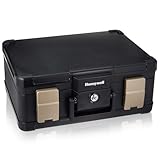
5. Honeywell 1103 Fire and Water Chest with 100-Hour Seal
Honeywell Safes & Door Locks LHLP1103G 30 Minute Fire Safe Waterproof Safe Box Chest with Carry Handle, Medium, 1103, Black, 7.3 litre
Capacity: 0.24 cu ft
Weight: 27.4 lb
Water: 100 hr to 39 in
UL fire: 30 min at 1550F
Pros
- Best published water figure here at a 100 hour seal to 39 inches of submersion
- UL 30 minute fire rating to 1550F
- Lifetime after-fire guarantee
- Two latches hold the lid more securely than single clip models
Cons
- Interior is about an eighth inch shallower than letter paper despite the listing claim
- Manual instructs opening weekly for 30 minutes to air it out
- Lock and key feel cheap and are not truly pry resistant
The Honeywell 1103 publishes the strongest water figure in this roundup: a 100 hour waterproof seal verified to 39 inches of submersion. Typical residential flood depths sit far below that, so on paper this is the unit that shrugs off the deepest water.
It pairs that with a 30 minute UL fire rating to 1550F and a lifetime after-fire guarantee, which is the strongest warranty offered by any pick here. Two latches hold the lid rather than a single clip, and owners describe the handle and body as genuinely solid.
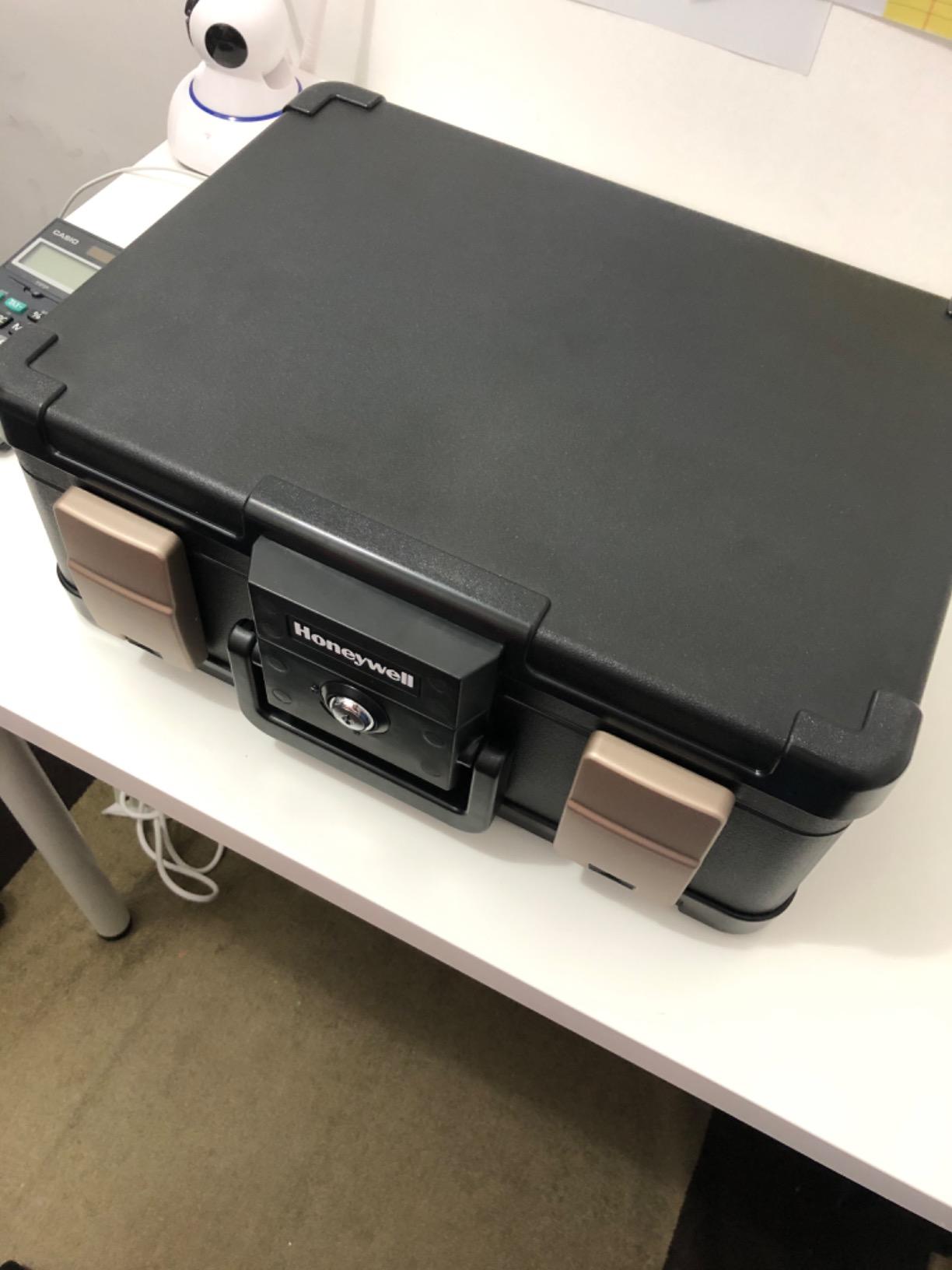
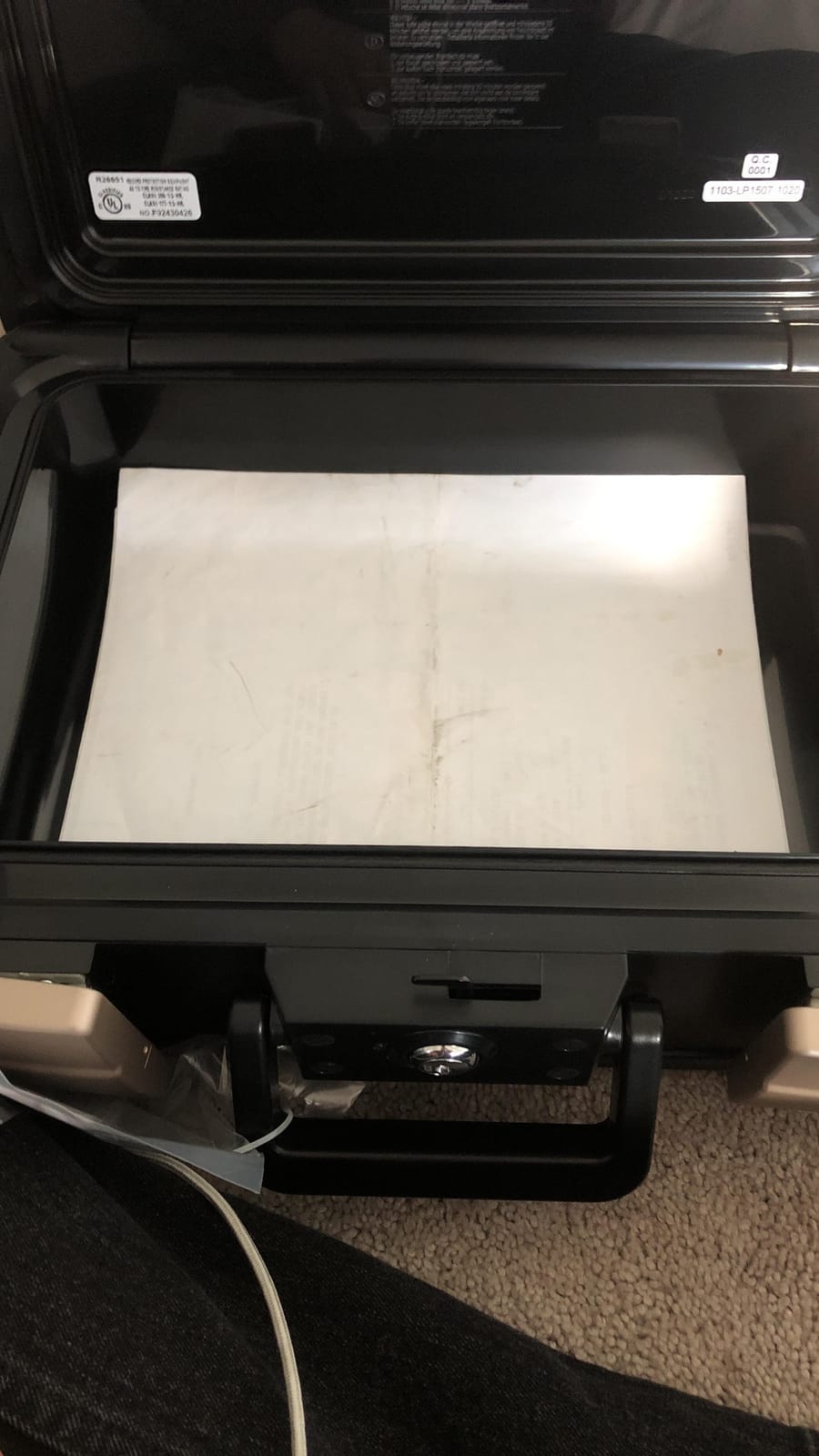
There is a well-known dispute about document fit. The listing states it is sized for letter and A4 documents to lie flat, but the interior is listed at 3.7 inches high, and several owners report standard letter sheets bowing because the interior is about an eighth inch short. Measure a sheet of your own paper before buying for flat storage.
The manual also asks you to open the chest weekly for 30 minutes to air it out, which is a real maintenance commitment rather than an optional suggestion. That ventilation habit is sound advice for any sealed container in a humid house, but plan for it in your routine.
Whether 100 hours of submersion changes your plan
A deeper verified rating does not change where you install the box. It changes what happens when the worst-case event arrives: the contents survive a deeper, longer soak than a 24 hour unit would tolerate.
That makes this a sensible basement or ground floor option where elevation is impossible, provided the anchor or shelf is solid and the door gasket is intact when you need it.
The weekly opening habit most buyers skip
Sealed containers collect ambient moisture even in a dry house, and condensation is what warps paper and corrodes contacts. Thirty minutes once a week with the door open costs almost nothing and prevents the failure that ruins documents.
Add a desiccant pack and wipe the gasket channel before you close it. Grit in the seal is the most common reason a chest starts weeping at the corners.
6. Master Lock 4.9 Litre Fireproof and Waterproof Safe Box
MASTER LOCK Certified Fireproof and Waterproof Safe Box with Key, 4.9L, 362 x 156 x 330 mm, Portable with carrying handle, for home and professionals
Capacity: 5 litres
Weight: 8 kg
UL fire: 30 min at 843C
ETL verified for submersion
Pros
- One of the lightest fire and water safes here at 8 kg
- Concrete based patented insulation from a recognised lock maker
- UL fire endurance classification plus ETL water verification
- Fits neatly in a drawer or cabinet
Cons
- One owner reported the latch seizing so the box would not open at all
- Lock gives light tamper resistance rather than burglary security
- Small 434 review base makes the 4.2 rating less settled than the larger picks
At 8 kg this is one of the lightest units in the roundup, and that matters in a flood because anything you can lift quickly when the water is rising is worth real money. It is a compact 5 litre box for passports, ID papers, and memory sticks.
The insulation is concrete based rather than a resin composite, and it carries UL fire endurance classification for half an hour at 843C with ETL verification covering both water submersion and digital media. Two years of limited warranty come with an after-fire replacement guarantee.
The feedback on this one is thinner than anywhere else in the list at 434 reviews, so treat the rating as a less settled number than the SentrySafe entries with counts above 15,000. A small sample also means the rough edges show up in the visible reviews: one owner had the latch seize and the box would no longer open, which is a bad outcome for a container whose job is protecting documents.
Master Lock sells the same family of box for travel and professional use, and several European owners rate it well for build solidity and portability. If the latch matters to you, lubricate it periodically and do not store anything in it that you cannot replace if the mechanism ever fails.
Whether a drawer-height safe is right for your documents
A 5 litre box is genuinely useful in a drawer or cabinet where a floor safe will not fit, and the light weight means one person can relocate it in seconds when a flood warning is issued.
What it does not offer is security. The key lock is light tamper resistance, so this protects against water, fire, and casual snooping rather than a determined thief.
What to check before relying on it
Test the latch and both keys at unboxing, then again every few months. Seized mechanisms are the one complaint severe enough to matter, and they are cheap to prevent with a dry lubricant.
Expect a little non-toxic concrete dust in the interior, which the manufacturer says is normal. Bag delicate paper and keep a desiccant inside, and store this unit on an elevated shelf rather than a floor.
7. Amazon Basics Fireproof Waterproof Chest with Mechanical Key
Amazon Basics Fire-Resistant Waterproof Fire Chest with Mechanical Key, Protects During Floods, 0.39 cu. ft, Black
Capacity: 0.39 cu ft
Weight: 11.91 kg
Fire: 30 min at 1550F
Water: flood submersion protection
Pros
- Modified UL 72 Class 350 fire rating for 30 minutes at 1550F
- Mechanical key lock with no batteries or electronics
- Roomy 0.39 cu ft interior sized for folders and binders
- Marketed specifically for flood protection
Cons
- Only a 30 minute fire rating where the top pick offers 60 minutes
- No published ETL water submersion verification
- Small review base of 302 makes the 4.2 rating less settled
This chest is listed specifically as flood protection, and it is the newest listing in the group with the smallest established review base at 302. That cuts both ways: the design is current, and the long-term reliability record is thin.
The mechanical key lock is the reason to like it. No batteries means nothing to fail during a power outage, and two keys come in the box. The 0.39 cubic foot interior is generous for a chest this size and takes hanging folders and binders.
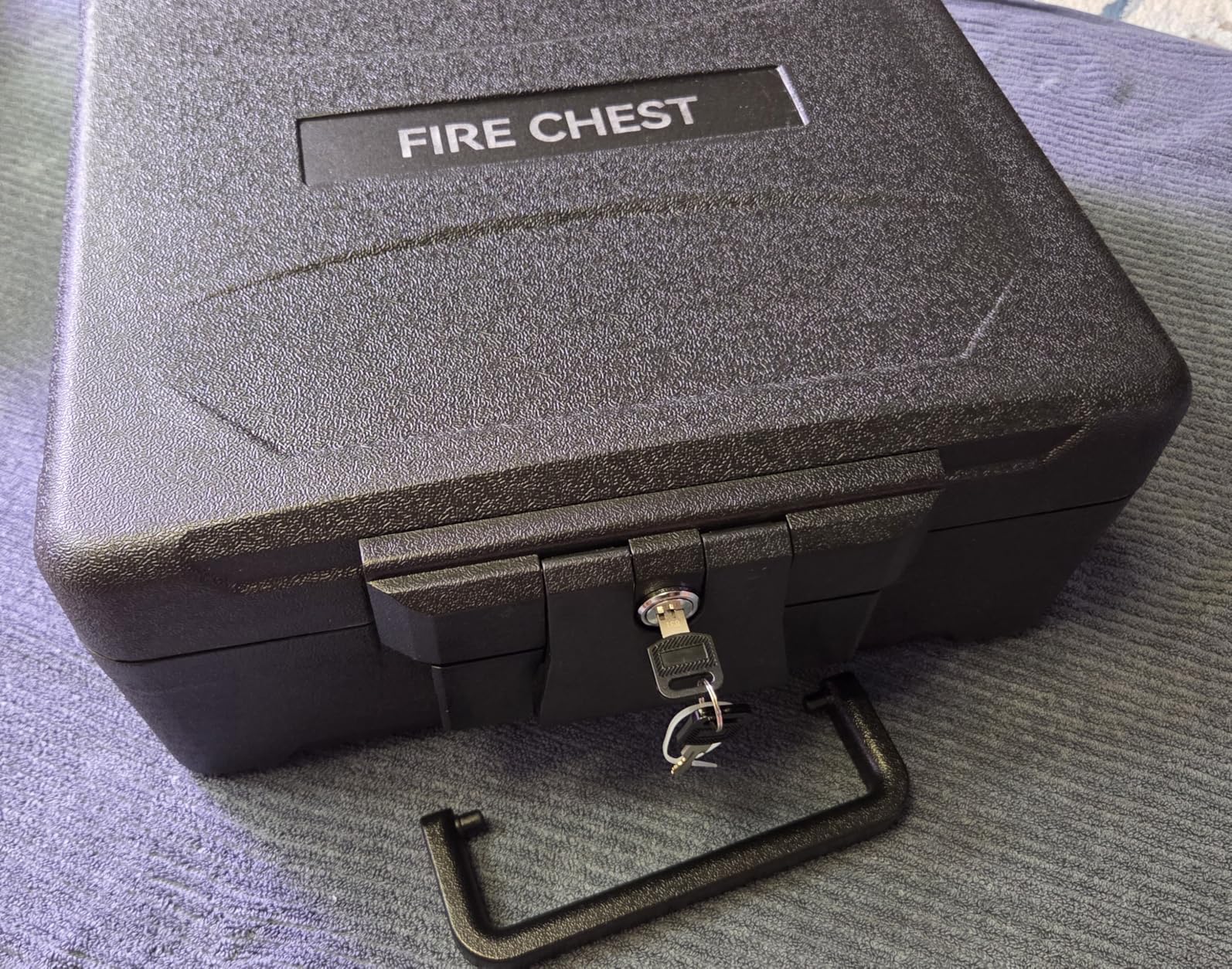
Alloy steel construction and a modified UL 72 Class 350 rating for 30 minutes at 1550F cover the fire side. The water side is where the details thin out: the listing states protection against submersion during a flood without publishing an ETL or Intertek verification figure with hours and inches, which every other dual-rated pick here does provide.
Owners generally like the fit and finish of this chest for the price, but the certification gap is the thing to plan around rather than argue with. Treat the water claim as a design intent from the manufacturer and reinforce it physically.
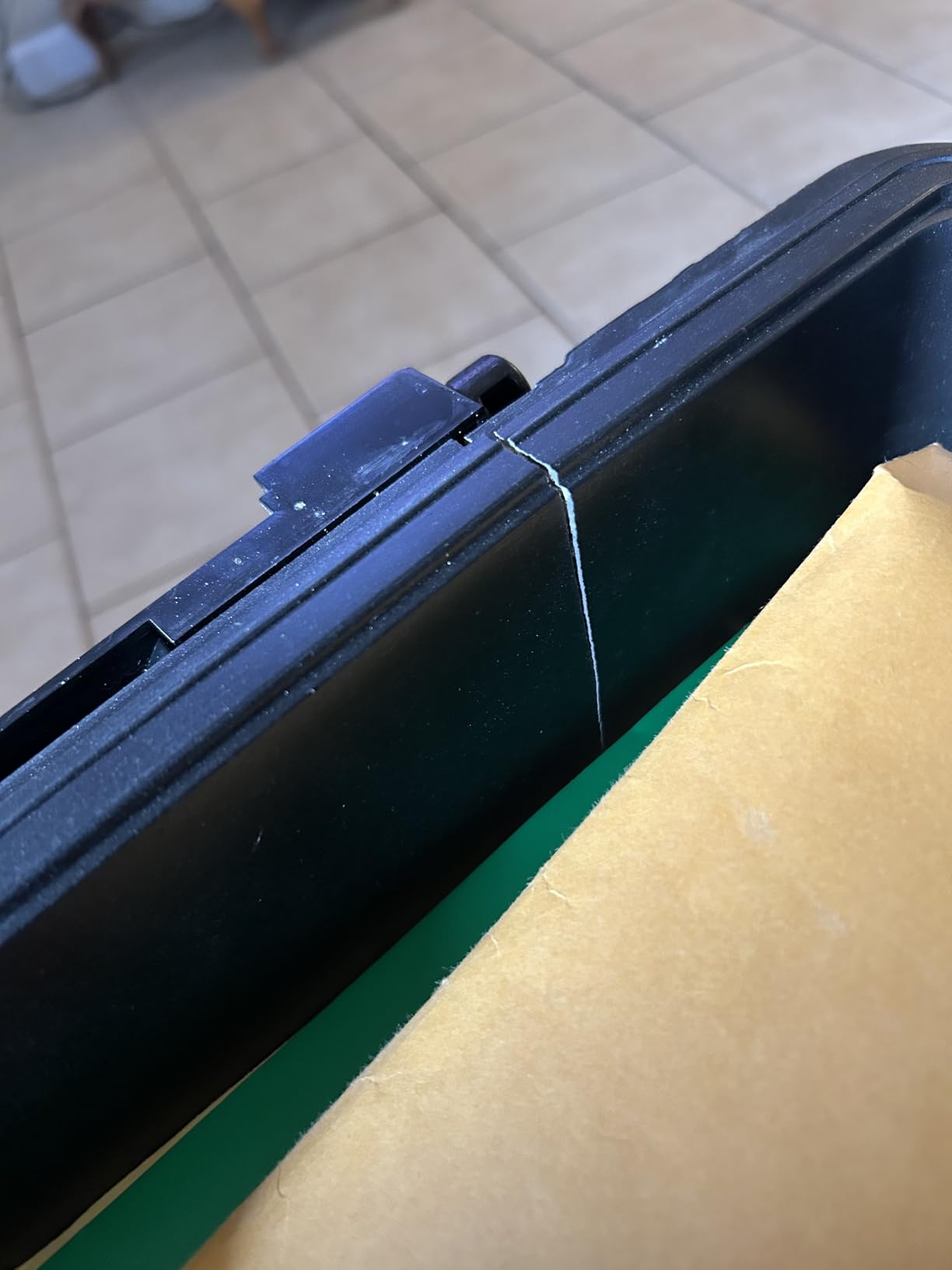
What an unverified water claim means for a flood zone buyer
A stated water protection level with no third-party verification is a manufacturer claim rather than a tested rating. That is not a disqualifier, but it should change how you deploy the chest.
Use it as an inner layer rather than the only layer. Nest your documents inside a sealed waterproof bag or document container inside the chest, and place the whole thing above the expected water line.
Whether the 30 minute fire rating is enough
For papers, 30 minutes holds interior temperatures below the point where most paper stock and inks are damaged, so it handles a contents-focused fire well.
It is the shortest rating here, so if your risk includes a total-loss fire rather than a kitchen fire, a 60 minute rated unit is the better bet. Pair this chest with the fire-only protection advice in our wall safe roundup if your documents live in multiple places.
8. EDMUED Fireproof Document Box with Combination Lock
EDMUED Fireproof Document Box, Waterproof Safe Box with Combination Lock
Capacity: 655.2 cubic inches
Shell: 0.8mm silicone fiberglass
Cert: UL-94 VTM-0
Listed as water resistant
Pros
- Soft sided format is far easier to carry out of a flooded home than a steel chest
- UL-94 VTM-0 certified fireproof shell
- 24 compartments including 12 accordion folders and 16 card slots
- Three digit combination lock means no key to lose
Cons
- Listed as water resistant rather than ETL waterproof
- No burglary resistance and no anchor point
- No stated fire duration or weight unlike the UL classified steel chests
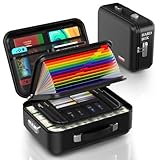
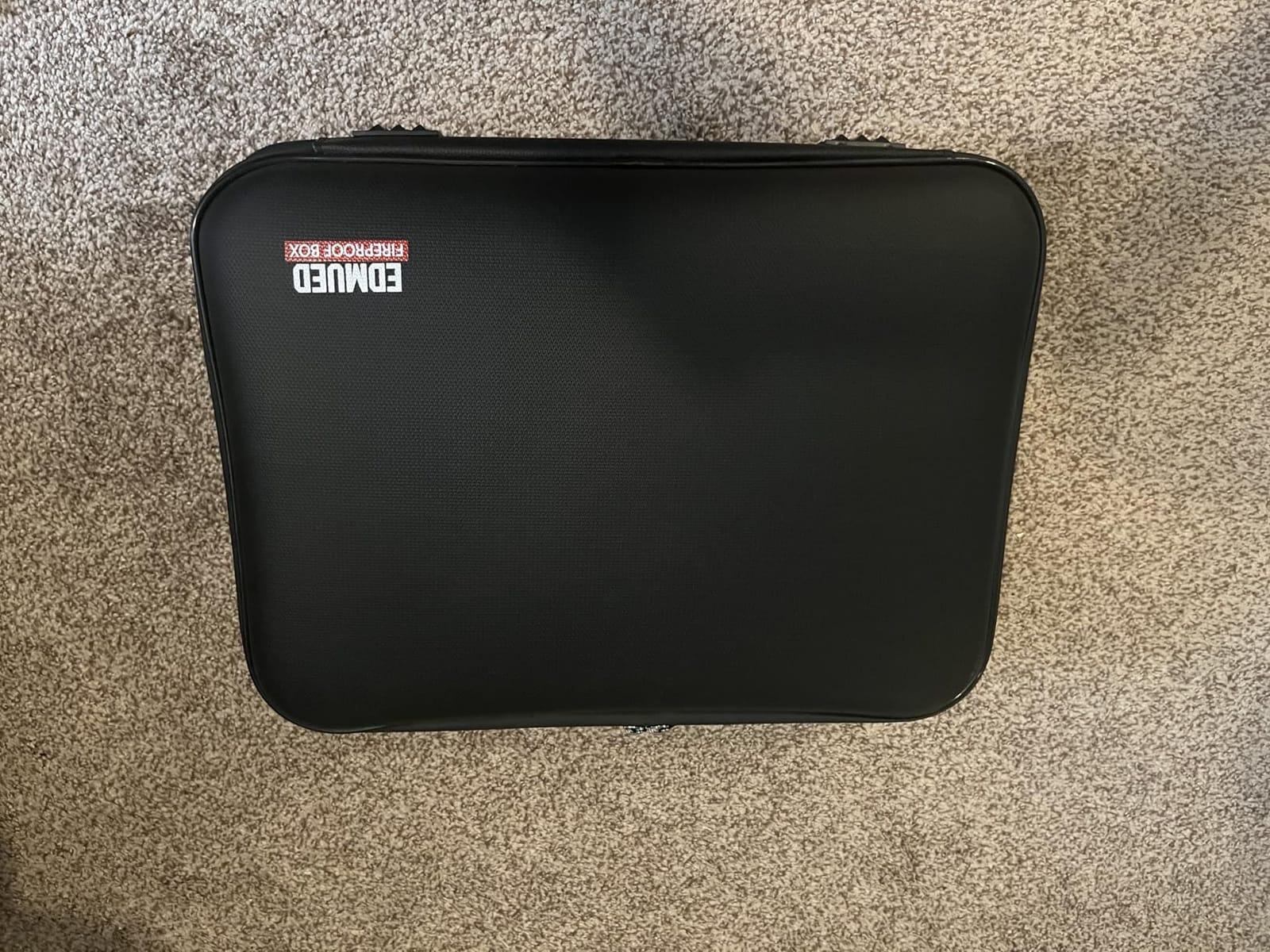
This is not a safe in the steel sense and we want to be clear about that before you read further. It is a document case, and it earns its place in this roundup because of one thing every steel chest gets wrong: it weighs almost nothing and folds into a car.
The shell is 0.8 mm silicone-coated fiberglass with a UL-94 VTM-0 certification, which is a flammability rating rather than a timed fire and water submersion rating. That distinction matters. It protects paper far better than hard goods in a flood.
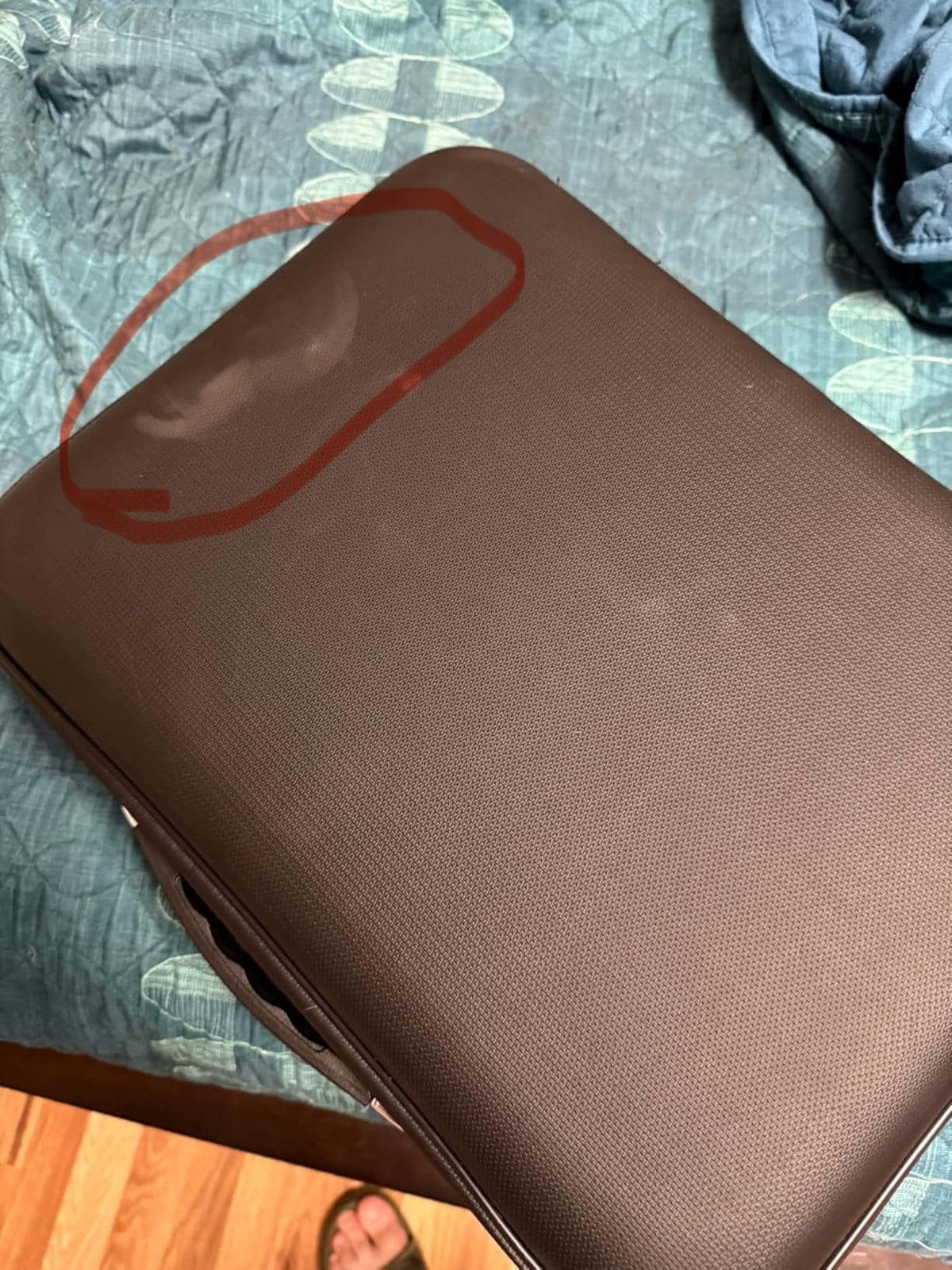
Inside, the organisation is genuinely good: 24 compartments including 12 accordion folders, 2 mesh pockets, 16 card slots, 2 USB pockets, and 4 pen slots. The three digit combination lock removes the key you would otherwise have to keep somewhere safe, and the anti-static lining suits memory sticks and small electronics.
It also packs down flat, which is why buyers treat it as an evacuation document kit rather than a permanent storage location. Fill it, then move it to whatever upper shelf you trust most.
Why this case wins during an evacuation
Steel chests in this roundup run from 17 lb to more than 60 kg, and lifting them through a flooded or dark house is where injuries happen. This format goes in one hand, which means your documents leave with you rather than staying behind a sealed door.
Pair it with a flood evacuation go-bag that holds the copies you actually need on day one: IDs, insurance details, a spare key set, and medication information.
What water resistance means for this product
The listing states water resistant, not ETL verified submersion protection. There is no published hours-and-inches figure, so treat it as a dry-environment case for a short window rather than a box that sits in a flooded basement.
For longer storage, put your documents inside sealed bags before zipping the case, add a desiccant, and store the case above floor level. Fiberglass dust and shape memory can also leave sheets permanently bent after heat exposure, so bag paper rather than relying on the shell alone.
9. Tipiyajo 1.8 Cubic Foot Digital Safe for Theft Resistance
1.8 Cub Small Fire Safe for Home Use, Digital Security Safes Fireproof Waterproof with Combination Lcok and Removable Shelf, Anti-theft Fireproof Safe Box for Document Money Valuables
Capacity: 1.8 cu ft
Weight: 22 lb
Locking: 2 x 20mm live bolts
Mount: wall or floor
Pros
- Strongest theft design here with live steel bolts and concealed hinges
- Three access methods including an external battery box for dead batteries
- Dual alarm locks the safe for 20 seconds after 3 failed codes
- Wall and floor mounting hardware included
Cons
- Owners dispute the fire and water claims and report no visible seal
- No published UL or ETL certification despite the fireproof and waterproof wording
- Some units arrived with a sprung crooked door that would not open
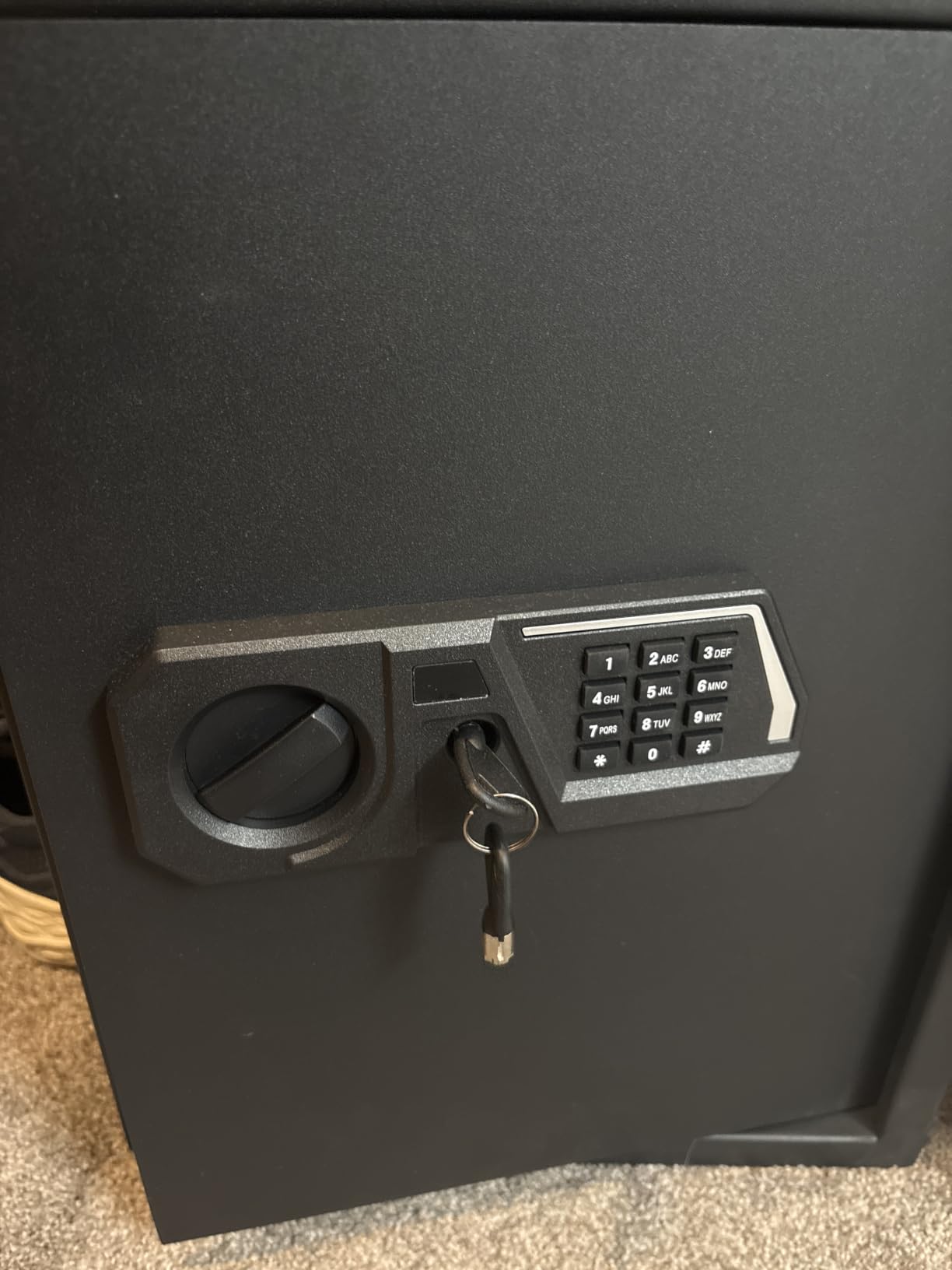
On theft resistance this is the pick in the roundup, and it is worth separating that from flood performance because the two claims are rated very differently here. Two 20 mm live steel bolts, pry-resistant concealed hinges, and a recessed steel door put it ahead of every chest here against forced entry.
Access is unusually flexible: a user code, spare keys, and an external battery box for dead batteries. A dual alarm locks the safe for 20 seconds after three wrong code entries, and a silent opening mode lets you use it in a bedroom without announcing it.
The flood picture is the concern. Several owners report thin stamped sheet metal, large door gaps, and no visible seal, and there is no published UL or ETL certification behind the fireproof and waterproof wording. A small number of buyers also received units with a sprung, crooked door that would not open.
Install it for what it demonstrably does: anchoring a small cash and valuables safe on a wall or floor away from the water line, with your documents backed up in a certified water-rated container somewhere else.
Whether the alarm lockout is a real benefit
Twenty seconds of lockout after three failed attempts does nothing against a determined thief with bolt cutters, and it is very effective against someone testing codes off the cuff in a spare room.
The real value is the external battery box. Keypad safes normally fail the moment batteries die, which is a poor outcome when the power is out or the flood has cut power to the house.
Why anchoring changes the rating of this pick
A 1.8 cubic foot safe with a removable shelf and LED light is useful for the things people panic about losing, and wall or floor mounting with the supplied anchor bolts removes the grab-and-go risk entirely.
Fill the anchor holes with waterproof sealant after mounting, the same step every fire and water safe in this roundup needs. That turns a product with no published water verification into a reasonable dry location for small valuables.
10. YIYITOOLS Fireproof Waterproof Lock Box with Dual Lock
YIYITOOLS Fireproof Waterproof Lock Box, Key & Combination Dual‑Lock Safe
Capacity: 480 cubic inches
Weight: 2 kg
Lock: 3-digit code plus key
Fire: insulated steel body
Pros
- Lightest unit here at 2 kg so it is easy to carry out of a flooded house
- Dual access with a resettable 3-digit code plus key lock
- Double cold-rolled steel body with scratch resistant coating
- Owners describe it as more substantial than expected
Cons
- One owner reported the passcode did nothing and the box opened without it
- No UL or ETL fire or water certification published
- Interior is too small for letter paper to lie flat
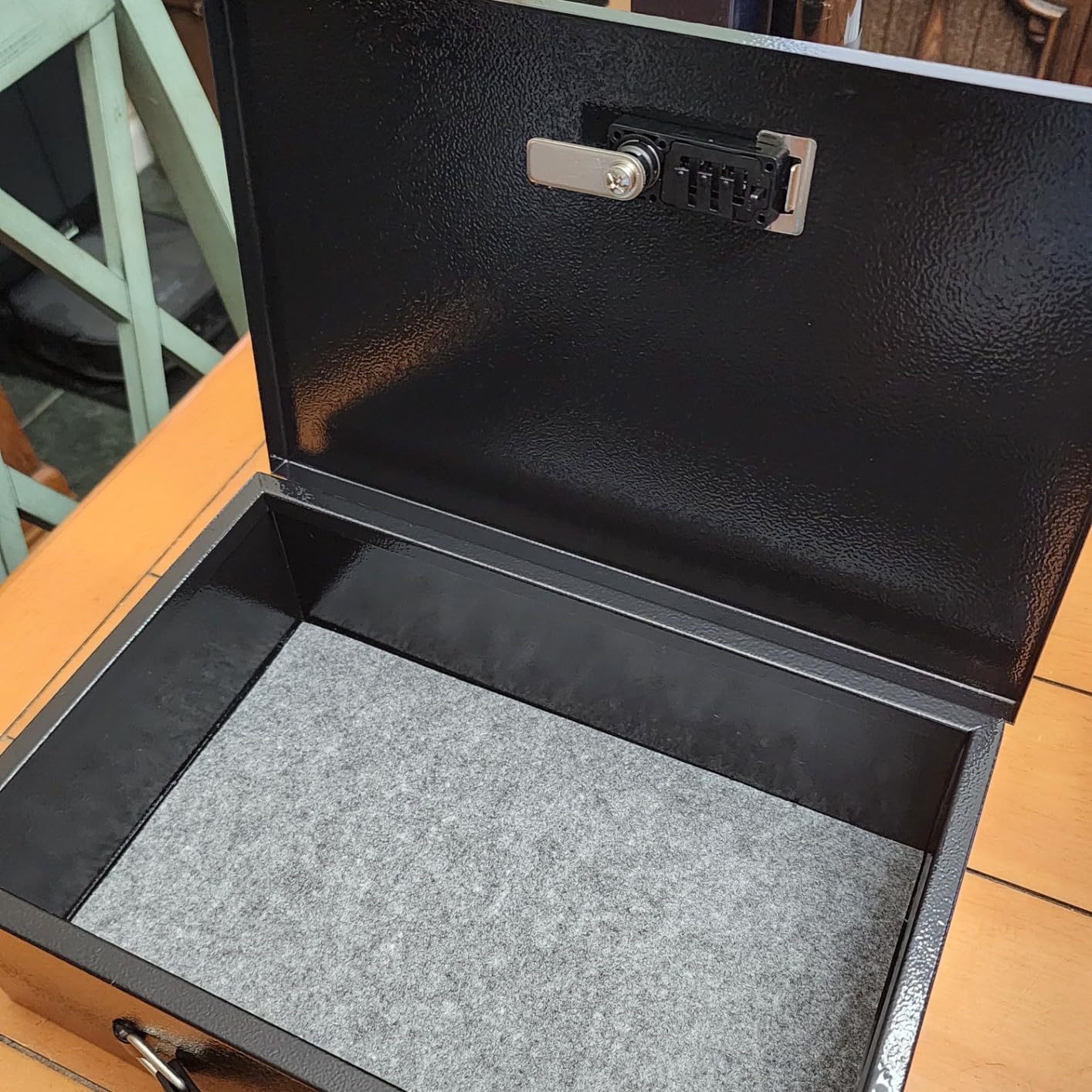
At 2 kg this is the box we would hand someone with ninety seconds before the water reaches the door. It fits in a drawer, a locker, a vehicle, or a go-bag, and the dual lock gives you a resettable three digit code plus a key override.
The body is double cold-rolled steel with fire-resistant insulation and a scratch-resistant coating. Owners repeatedly say it feels sturdier than the category usually delivers, and the rating reflects that satisfaction at 4.3.
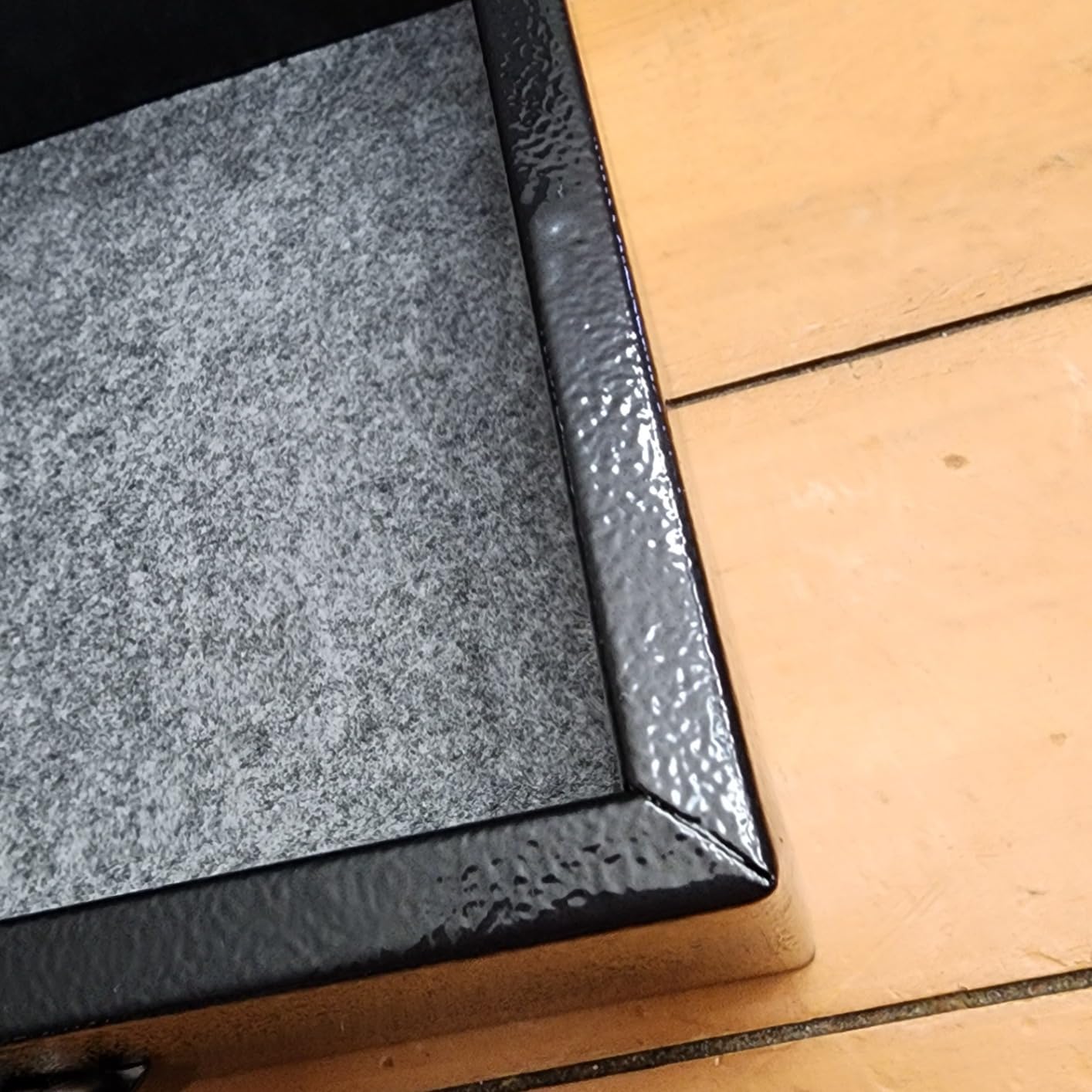
Be aware of what sits behind that rating. There is no published UL or ETL certification for either the fire or the water claims, and one owner reported the passcode did nothing and the box opened without it. That is an isolated report, but on a lock with two independent access methods it is worth testing at unboxing.
The interior is 12.8 by 8.5 by 4.1 inches. Folding a document to fit defeats the purpose of protecting it, so this box suits passports, cards, cash, jewelry, and USB drives rather than letter paperwork.
Why weight matters more than any rating in an evacuation
Every other steel unit here weighs between 8 and 62 kg. During a flood the limiting factor is how much you can carry while moving water, so a light box is not a compromise in that scenario, it is the correct choice.
Give this one a job rather than asking it to do everything. Passports, spare cards, emergency cash, one backup drive, and the keys for a vehicle are all realistic contents at this size.
How to handle a box with no third party certification
Treat the fire and water claims as unverified marketing, not a spec. Seal documents in a waterproof pouch inside the box, add a desiccant pack, and store the box above the expected water line.
If you need a certified figure you can quote to an insurer, pick one of the ETL or Intertek verified units in this roundup instead. This one earns its place on portability, which nothing else here matches.
How We Evaluated Waterproof Safes for Flood Conditions
We did not submerge ten safes in a test tank. Instead we built the roundup from published certification data and the failure modes buyers actually report, which is more useful to you than a lab result you cannot reproduce at home.
For every product we read the fire rating, the water exposure figure, the lock type, the interior dimensions, and the weight straight from the manufacturer listing, then checked whether the water claim carries an ETL or Intertek verification with hours and depth attached. Where it does not, the review says so.
We also worked through the practical questions that decide whether a rating helps you. Does letter paper fit flat? Does the gasket take a paper test cleanly? Are there anchor holes, and if there are, does the listing mention sealing them? Can one person lift it? Each review answers those directly so you can rule a model out quickly.
Our conclusion after doing this for all ten: the water figure matters far less than the height of the shelf the safe sits on, and far less again than whether you sealed the bolt holes.
What to Know Before Buying a Waterproof Safe for a Flood Zone
What waterproof actually means on a safe
A waterproof safe for flood zones is a steel or composite body with a rubber gasket door seal and a manufacturer stated submersion rating, typically 24 to 72 hours in 8 to 12 inches of standing water. Protection comes from the compression gasket, a protected lock, and a sealed body.
The rating only holds while the anchor holes and any light kit or power entry holes are properly sealed. Water usually arrives through the installation rather than through the safe, which is why every vendor in this category includes bolt down hardware and almost none mention sealant.
How to read a water submersion rating
Two numbers matter: hours of submersion and depth of water. A 72 hour rating in 8 inches of water is a real published figure, because flood depth rarely exceeds a few feet inside a home. A listing that says waterproof with no hours and no inches has given you nothing to compare.
Third party verification is the difference between a tested rating and a marketing claim. ETL and Intertek marks on water exposure carry far more weight than brand copy, and UL Solutions does not certify safes as waterproof at all, so a UL mark on the box refers to fire performance only.
Fire ratings, UL 72, and ETL explained
UL 72 and its modified Class 350 designation describe fire endurance: how long the interior stays below roughly 350F while the exterior burns. A 30 minute rating holds paper and media within damage thresholds through a contents fire. A 60 minute rating is the right call if you expect a total loss fire rather than a kitchen fire.
None of these fire tests tell you anything about water. Fireproof and waterproof are separate certifications from separate labs, and a fire only safe sitting next to a fireproof listing can be pure marketing accident. Check both numbers separately, and never assume one implies the other.
Matching your flood zone designation to a water rating
FEMA zone X, the shaded central zone, is the lowest risk and usually needs only a water resistant document container. Zone A and AE carry a one percent annual chance of base flood elevations from rivers and smaller watercourses, so a 24 hour rating at 8 inches is the practical minimum and 72 hours is better. Zone VE and V carry additional wave action and erosion risk on coastlines, and there a certified ETL water box or a waterproof document case stored on an upper floor is the sensible choice.
Check your own address before buying. The designation is free on FEMA maps, and it tells you whether you are defending against splash and rising water or against moving water that can carry a safe off its base. For the broader picture of what a flooding event looks like at home, our flood lighting guide covers visibility and power during an outage.
Lock types and what theft resistance you actually need
Key locks need no power and cannot fail during an outage. Tubular key locks resist prying far better than wafer locks, and the wafer lock on the H0100 is the softest of the tubular and wafer options here. Digital keypads give you fast access and an alarm but introduce batteries, and only the wall mounted unit in this roundup adds an external battery port for that reason.
Decide whether you are defending against water and fire, against theft, or both. Chests with live locking bolts and concealed hinges resist theft properly. Chests with a privacy key lock resist a casual look. They do not stop someone who knows where the box is.
Capacity, weight, and why they trade against each other
Capacity and weight move together: the 2.13 cubic foot unit here weighs more than 60 kg, and the 480 cubic inch box weighs 2 kg. Larger interiors hold whole file folders and binders, which is the difference between documents surviving a flood and documents needing to be folded to fit.
Weight also works for you in a specific situation. A heavy safe on an upper floor is hard to displace and hard to carry out. If you plan to evacuate, weight is a liability, and a light chest or soft document case beats capacity every time.
Installation height and anchoring in flood zone homes
Elevation beats every rating on this page. A chest rated for 24 hours in 8 inches of water sitting above the flood line experiences no flood at all, while the same chest on a basement floor gets tested the moment water arrives.
Anchor to structure, not drywall. Fill every anchor hole and any light kit hole with a waterproof sealant after mounting. If you must keep a safe at or near grade, place it on a raised concrete pad or platform rather than directly on the slab, where hydrostatic pressure and debris find the smallest gap first.
Maintenance and post-flood recovery
Open the safe briefly every one to two weeks in humid months and keep it open for 30 minutes if the manufacturer instructs it. Keep a desiccant or silica gel pack inside and replace it on a schedule, since that is what protects paper and connectors from condensation inside a sealed box.
After a flood reaches the safe, open it as soon as it is safe to do so, dry the interior completely, inspect the gasket for flattening or grit, and discard anything that got wet rather than hoping it recovers. Check the anchor holes for sealant failure, because that is usually where the water came in.
Frequently Asked Questions
Are fireproof safes also waterproof?
No. Fireproof and waterproof are separate certifications tested by different labs, and one does not imply the other. UL 72 and UL Class 350 ratings cover fire endurance only, and UL Solutions does not certify safes as waterproof at all. For water protection, look for an ETL or Intertek verified submersion figure stated in hours and inches of depth, and treat a listing that only says waterproof with no numbers as an unverified claim.
How long should a waterproof safe be submerged?
Residential safes are typically rated between 24 and 72 hours in water up to 8 inches deep, with one chest here claiming a 100 hour seal to 39 inches. For most flood events, a 72 hour rating is the more useful target because standing water often persists for days. The rating only holds if anchor holes and any light kit holes are sealed with waterproof sealant after installation.
Can a fireproof safe survive a house fire?
Yes, for a rated duration. A 30 minute fire rating keeps the interior below about 350F for half an hour, which protects paper, documents, and media through a contents fire. A 60 minute rating is the better choice if you expect a total loss fire. Pickers in this roundup range from 30 minutes at 1500F to 60 minutes at 1700F, both independently tested.
Where should I install a safe in a flood zone?
Above the expected flood line whenever possible. Elevation is more effective than any rating on the box, because a safe above the water experiences no flood at all. Anchor it to structure rather than drywall, fill every anchor hole and light kit hole with waterproof sealant, and if ground level placement is unavoidable, set the safe on a raised concrete pad or platform.
What maintenance does a waterproof safe need?
Open it briefly every one to two weeks in humid months, and leave it open for 30 minutes if the manufacturer instructs weekly venting. Keep a desiccant or silica gel pack inside and replace it regularly, and run a paper test against the gasket to confirm the seal still compresses. After a flood, dry the interior completely and inspect the gasket and anchor holes for sealant failure.
Is the SentrySafe safe fireproof?
It depends on the model, and the ratings differ. The HD4100 file box and CHW20221 chest are UL classified for 30 minutes of fire protection, at 1550F, while the H0100 lock box is rated to 1500F for the same half hour. The portable boxes are fire and water chests for documents and cash, not security safes, so their wafer locks resist casual snooping rather than forced entry.
Bottom Line: Our Picks for Flood Zones in 2026
The Amazon Basics 2.13 cubic foot safe is the best waterproof safe for flood zones overall, because it is the only unit here where both the 60 minute fire rating and the 24 hour water figure come from Intertek, and because 2.13 cubic feet holds whole folders rather than folded pages.
For a chest you can carry out of the water, take the SentrySafe CHW20221 with its 72 hour ETL submersion verification at 20 lb. For documents that must lie flat in a folder, the SentrySafe HD4100 is the answer, with the caveat that its gasket takes real pressure to close.
For the deepest published water rating, the Honeywell 1103 claims a 100 hour seal to 39 inches of submersion and carries a lifetime after-fire guarantee. Whatever you choose, install it above the flood line and seal the anchor holes, because those two steps decide your outcome more often than the model does.
If you are still deciding between a bolt-down security safe and a light portable case, our biometric safe roundup covers access control options worth considering alongside flood protection. Check the ratings table again against your own FEMA flood zone, then pick the container that matches the height you can actually install it at.