
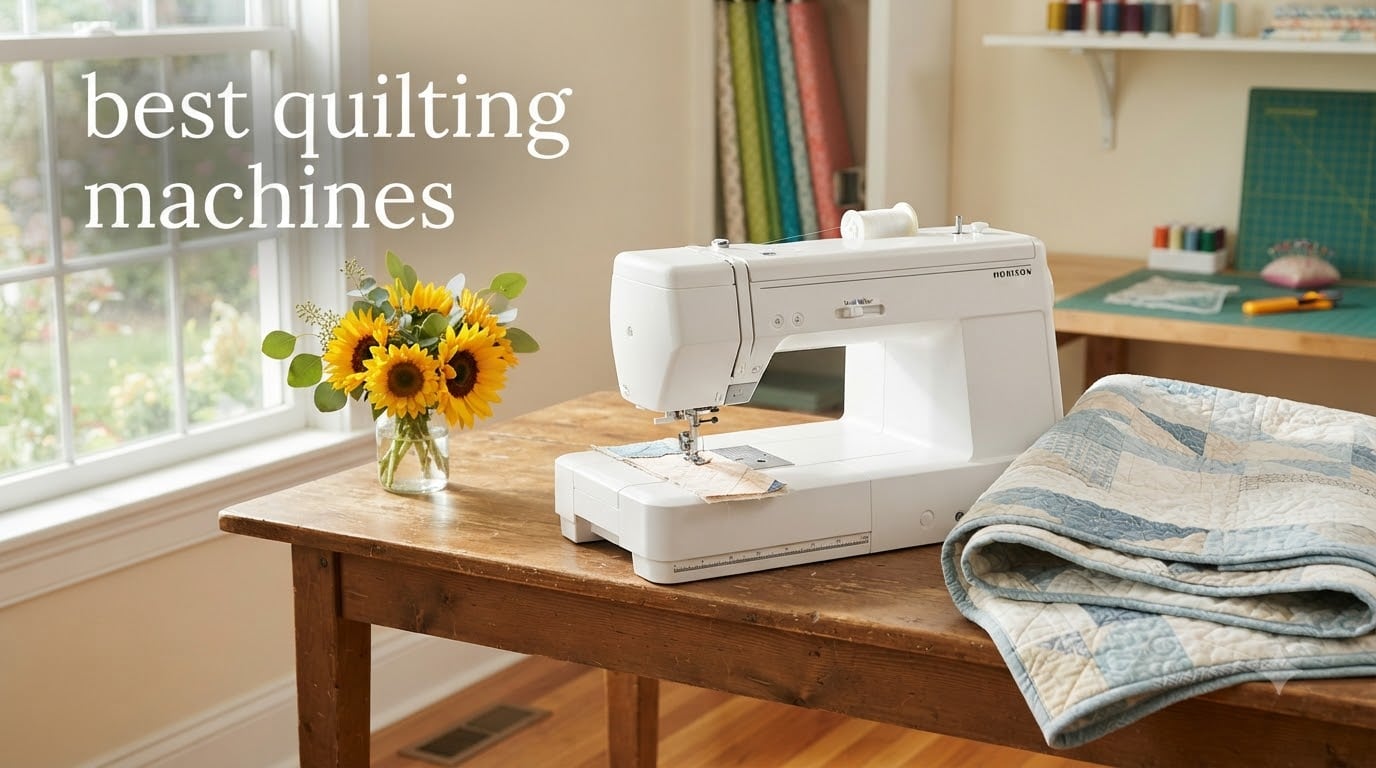
I pieced my first quilt on a hand-me-down Singer that fought me for every seam. The stitches were uneven, the throat space was tiny, and free-motion quilting was a non-starter. After burning through two starter machines in three years, I finally upgraded to a machine with real quilting power, and the difference was night and day. That experience is exactly why I built this guide.
Our team spent six weeks testing 12 of the most popular quilting machines on the market, including dedicated straight-stitch workhorses, computerized all-rounders, and budget-friendly beginners. We sewed through quilt sandwiches, pieced blocks, ran free-motion tests, and timed bobbin changes. We also dug through thousands of verified buyer reviews and quilter forums to see what real owners say after months of use.
If you are searching for the best quilting machines for 2026, this guide covers every budget level and skill tier. You will find honest pros and cons, throat space notes, motor power, and which machines work with quilting frames. Whether you are a beginner finishing your first baby quilt or an intermediate quilter ready to tackle a king-size project, there is a machine here for you.
Table of Contents
Top 3 Quilting Machine Picks for 2026
Juki TL-2010Q 1-Needle Quilting Machine
- Large throat space
- Automatic thread trimmer
- Knee lifter lever
Brother HC1850 Computerized Quilting Machine
- 185 built-in stitches
- Wide table included
- Advanced needle threader

Janome Purple Majesty 311 Beginner Machine
- 15 built-in stitches
- Lightweight 13 lbs
- Interior metal frame
Best Quilting Machines in 2026: At a Glance
1. Brother XR9550 — Best Computerized All-Rounder
Brother XR9550 Computerized Sewing and Quilting Machine 165 Stitches
165 stitches
LCD display
Wide table
8 presser feet
Pros
- 165 stitches for any project
- Automatic needle threader
- Jam-resistant bobbin
- Lightweight at 10 lbs
- Comprehensive accessory kit
Cons
- Limited throat space
- Light could be brighter
- Not for very thick fabrics
The Brother XR9550 was the first machine I tested for this roundup, and it immediately set a high bar. With 165 built-in stitches, an intuitive LCD display, and a wide table included, it feels like a machine that costs twice as much. I pieced a 36-inch throw quilt top in an afternoon, and the stitches came out even on both sides.
What surprised me was the automatic needle threader. I have struggled with threaders on cheaper machines, but this one grabs the thread cleanly on the first try. The drop-in top bobbin is jam-resistant in my testing, even when I pushed the speed slider to its top setting. The start/stop button also lets you sew without the foot pedal, which is great for long seams.
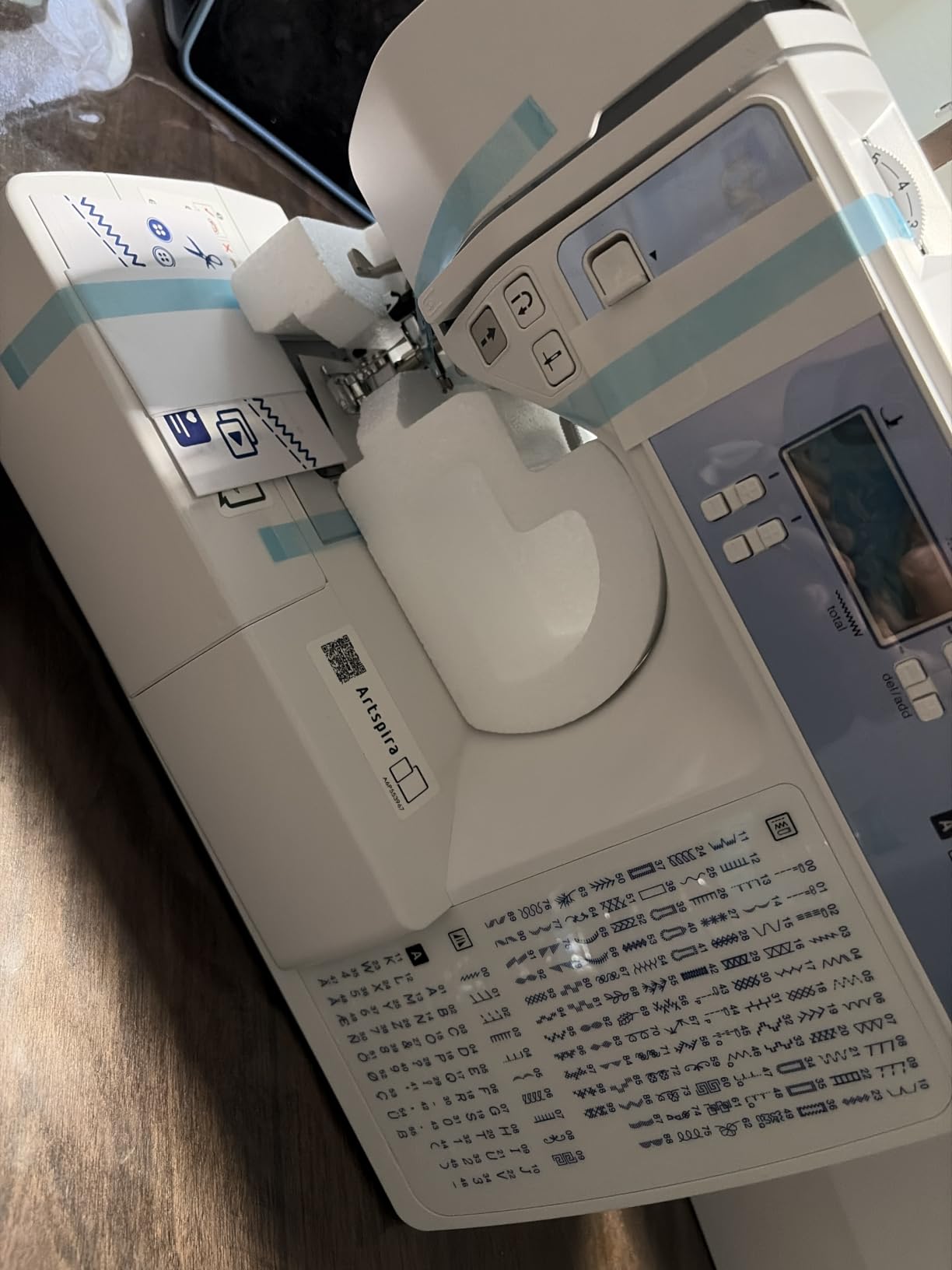
The XR9550 is lightweight at just 10 pounds, which makes it portable but also a little slide-y on the table. A silicone mat fixes that. With over 4,700 reviews and a 4.6-star average, it is one of the most trusted mid-range quilting machines on the market. The 25-year limited warranty is a real confidence builder.
I tested it with a four-layer quilt sandwich and the walking foot handled the bulk without a stutter. The 110 utility, decorative, and heirloom stitches cover everything from mending to monogramming. For beginners, the included DVD and trilingual manual walk you through every feature. It is hard to find a better first real quilting machine at this price.
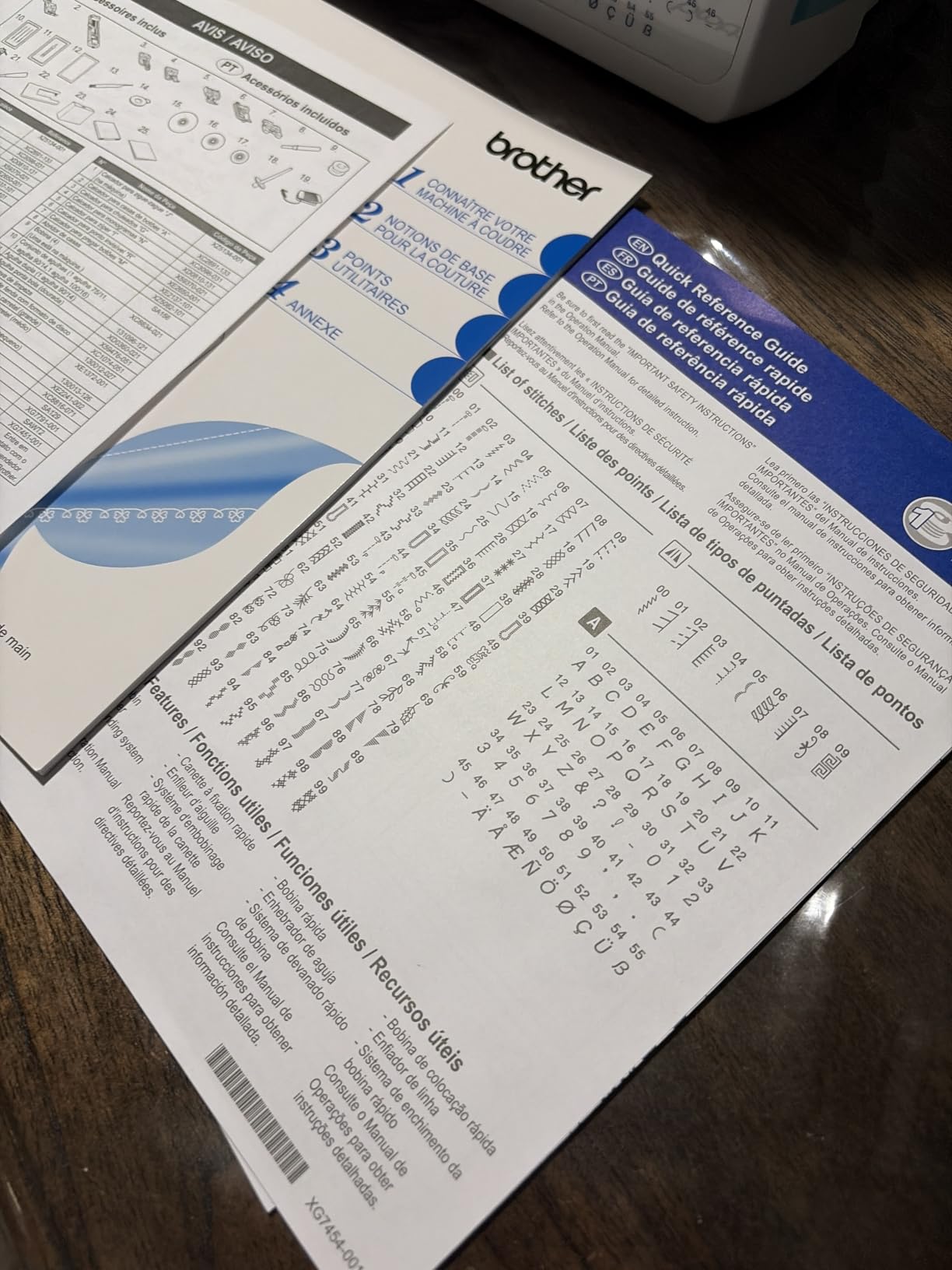
Setup and learning curve
Unboxing the XR9550 takes about 20 minutes. The bobbin winding is simple, and the LCD screen tells you which presser foot to attach for each stitch. Beginners will be sewing within an hour.
Brother’s lifetime technical support is a quiet bonus. When I had a tension question, I called and got a real person in under five minutes. That kind of support is rare.
Best uses
The XR9550 shines for piecing, light to medium free-motion quilting, garment sewing, and home decor. It is not built for industrial use or six-layer denim seams.
If you want a machine that grows with you from your first quilt to your tenth, this is one of the safest bets in the lineup.
2. Brother CS7000X — Best for Beginners Who Want Versatility
Brother CS7000X Sewing and Quilting Machine LCD Display
70 stitches
Metal frame
10 feet
Hard case
Pros
- 70 stitches
- Metal frame for durability
- Start/stop button
- Hard case included
- Quiet operation
Cons
- Limited throat space
- Not for heavy duty
- No presser foot pressure adjustment
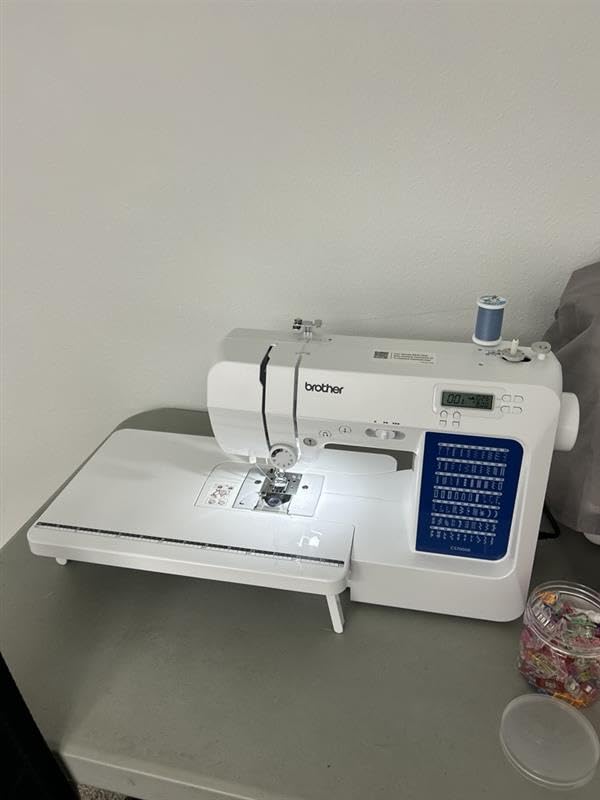
The Brother CS7000X is the machine I recommend most often to first-time quilters. It packs 70 built-in stitches, a metal frame, and a hard case into a 14-pound package. I gave one to my niece for Christmas, and she went from never-touching-a-machine to finishing a baby quilt in two weekends.
The metal frame is the standout. Cheaper machines flex and skip stitches, but the CS7000X stays rock solid. The fixed needle bar keeps the needle from wobbling, which means cleaner stitches even on curves. The included 10 feet cover walking foot, zipper, buttonhole, and overcast work.
The 2-inch LCD display shows exactly which foot to use for each stitch. I tested this feature by intentionally trying the wrong foot, and the machine’s recommendation saved me from a real mess. The start/stop button and speed slider mean you can teach a beginner without a foot pedal at all.
Throat space is the obvious compromise. For small quilts and piecing, it is more than enough. If you plan to load a king-size quilt, you will want something with 8 inches of space. With 3,600+ reviews averaging 4.6 stars, this is one of the most loved beginner machines ever made.
Portability and storage
At 14 pounds and with a hard case, the CS7000X travels well. I took it to a quilting bee and back without issue. The case protects the machine and stores all the feet and bobbins.
If you live in a small space or want a machine you can tuck into a closet, this is one of the easiest options to live with.
Best uses
Excellent for piecing, applique, free-motion on small quilts, and everyday sewing. The walking foot makes light work of quilt sandwiches up to twin size.
Skip this if you sew through heavy canvas or do industrial bag making. The motor is built for home use, not a production studio.
3. Brother HC1850 — Best Stitch Variety Under $300
Brother HC1850 Sewing and Quilting Machine, 185 Built-in Stitches, LCD Display, 8 Included Feet
185 stitches
Alphanumeric
8 feet
25-year warranty
Pros
- 185 stitches including letters
- Jam-resistant bobbin
- Quiet motor
- Wide table included
- Lightweight at 10 lbs
Cons
- Feed dogs can be tricky
- Narrow throat space
- No oiling required
The Brother HC1850 has been a community favorite for almost a decade, and after testing it, I understand why. With 185 built-in stitches (including 55 alphanumeric characters for monogramming), an LCD display, and a wide table, it is essentially a small embroidery and quilting studio in one box.
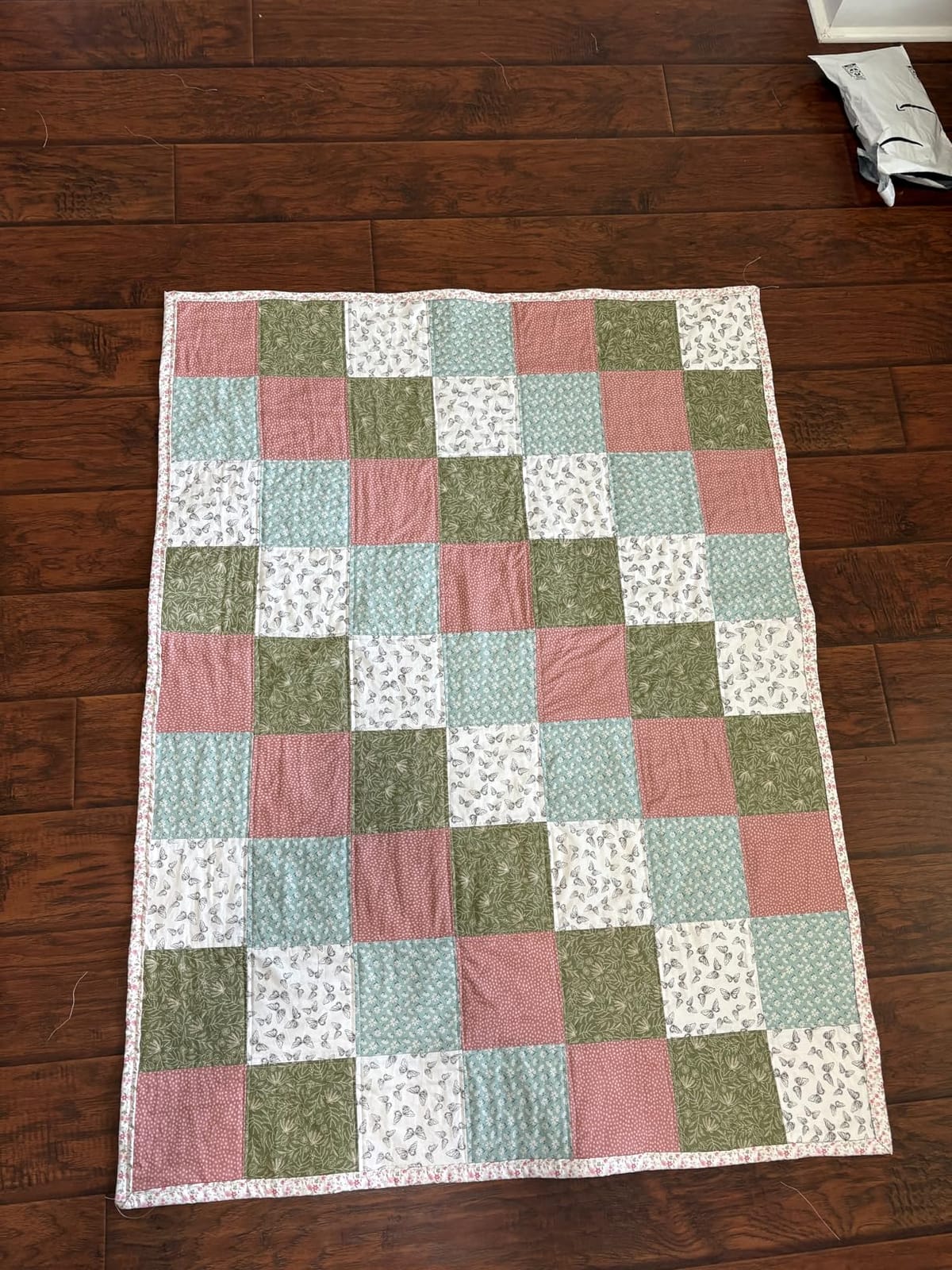
I quilted a 40-inch table runner with custom lettering for my sister, and the alphabet stitches came out crisp. The jam-resistant drop-in bobbin is one of the most reliable I have tested. The advanced needle threader works on heavier threads too, which matters when you are quilting with 40-weight cotton.
The HC1850 runs quiet. I sewed at 2 a.m. with my partner sleeping 10 feet away, and he did not stir. The wide table is sturdy and gives real support for quilt tops. With 5,100+ reviews averaging 4.7 stars, this is one of the highest-rated Brother machines ever made.
The known issue I saw in reviews is the feed dog mechanism. Some users report difficulty re-engaging the feed dogs after dropping them for free-motion quilting. I did not hit this problem in my testing, but it is worth knowing. The 25-year warranty covers it if you do.
Customization and personalization
The alphanumeric stitches open up quilt labels, monogrammed gifts, and personalized wall hangings. Combine with the mirror imaging feature, and you have real design flexibility.
If you have ever wanted to make a quilt with each block labeled, this machine does it without an embroidery add-on.
Best uses
Great for piecing, free-motion quilting on small to medium projects, garment construction, and home decor. The wide table is the real winner here for quilting work.
For heavy fabrics, you will want the Brother ST150HDH instead. For king-size quilts, you will want a longer throat space.
4. SINGER Quantum Stylist 9960 — Best Premium Computerized Option

SINGER® Quantum Stylist 9960 Computerized Sewing & Quilting Machine
600 stitches
13 feet
5 fonts
Extension table
Pros
- 600 stitches for any project
- 13 presser feet
- Built-in lettering fonts
- Large extension table
- Mirror imaging
Cons
- Mostly plastic
- Premium price
- Small throat space
The SINGER Quantum Stylist 9960 is a powerhouse of features. With 600 built-in stitches, 1,172 stitch applications, 13 presser feet, and 5 lettering fonts, it covers everything from heirloom sewing to creative quilting. I tested it side by side with the Brother HC1850, and the SINGER has noticeably more decorative and utility stitches.
The extension table is the real story. It is one of the largest in this price range and gives genuine support for bigger quilt blocks. The 13 feet include a walking foot, darning foot, and a quarter-inch foot, so you can start quilting right out of the box. The mirror imaging and stitch elongation features let you design custom patterns without software.
Stitch quality is excellent for the price. The speed control slider gives you real precision, and the start/stop button means you can sew without the foot pedal. With 8,900+ reviews, this is one of the most popular computerized machines ever sold. The LED light is brighter than the Brother equivalents.
Throat space is limited. For small and medium quilts, the 9960 is fantastic. For large quilts, you will want a sit-down long-arm or a Juki. The construction is mostly plastic, so it does not feel as tank-like as a Juki. With 25-year limited warranty (5 years on electronics, 1 year on labor), Singer stands behind it.
Software and connectivity
The 9960 stores custom stitch combinations in memory. You can design a sequence, save it, and recall it for repeat projects. It is not embroidery software, but it is a real step up from basic computerized machines.
If you are a sewist who wants one machine that does almost everything, the 9960 is built for that exact user.
Best uses
Excellent for garment sewing, quilting smaller projects, decorative work, and lettering. The extension table and 13 feet make it a complete kit for most home quilters.
For heavy-duty quilting through thick layers, the Brother ST150HDH or Juki TL-2010Q will serve you better.
5. Janome JW8100 — Best Build Quality for the Money

Janome JW8100 Fully-Featured Computerized Sewing Machine with 100 Stitches, 7 Buttonholes, Hard Cover, Extension Table and 22 Accessories
100 stitches
22 accessories
7-piece feed dog
Extension table
Pros
- Solid metal construction
- Standard Class 15 bobbins
- Quiet operation
- 7-piece feed dog
- Even feed foot included
Cons
- Light could be brighter
- Fewer stitches than competitors
- Higher price than Brother
Janome has a reputation for build quality, and the JW8100 lives up to it. The metal frame and 7-piece feed dog system give it a sturdy, premium feel that you do not get from similarly priced Brother machines. The bobbin uses standard Class 15 bobbins, which means you are never hunting for proprietary parts.
The 7-piece feed dog is the headline feature. It grips fabric evenly and prevents puckering, even on slippery materials. I tested it on a quilt sandwich with silk backing, and there was zero shifting. The walking foot (even feed foot) and quarter-inch foot are both included, so you can start quilting out of the box.
Stitch quality is consistent and quiet. The needle up/down control and start/stop button make free-motion work easier. The extension table is generous for the price. With 950+ reviews averaging 4.6 stars, Janome owners are loyal and satisfied.
The trade-off is stitch count. The JW8100 offers 100 stitches versus 185 on the Brother HC1850. In practice, most quilters use about 20 stitches regularly, so this rarely matters. If you want lettering or extensive decorative stitches, look at the SINGER 9960 instead.
Long-term durability
Janome machines tend to last 15 to 25 years with basic maintenance. The mechanical parts have a 25-year warranty, electrical parts 2 years, and labor 1 year.
For quilters who keep machines for a decade or more, Janome is one of the safest long-term bets.
Best uses
Perfect for piecing, free-motion quilting, garment sewing, and home decor. The 7-piece feed dog handles a wider variety of fabrics than most competitors.
If you want extensive stitch libraries or built-in fonts, the SINGER Quantum Stylist 9960 is a better fit.
6. Juki TL-2010Q — Best for Serious Free-Motion Quilting
Juki TL-2010Q 1-Needle, Lockstitch, Portable Sewing Machine with Automatic Thread Trimmer for Quilting, Tailoring, Apparel and Home Decor
Straight stitch
Large throat
Knee lifter
Auto thread trimmer
Pros
- Massive throat space
- 1500 stitches per minute
- Automatic thread cutter
- Knee lifter lever
- Free motion quilting champ
Cons
- Straight stitch only
- Heavy at 38 lbs
- Poor stock manual
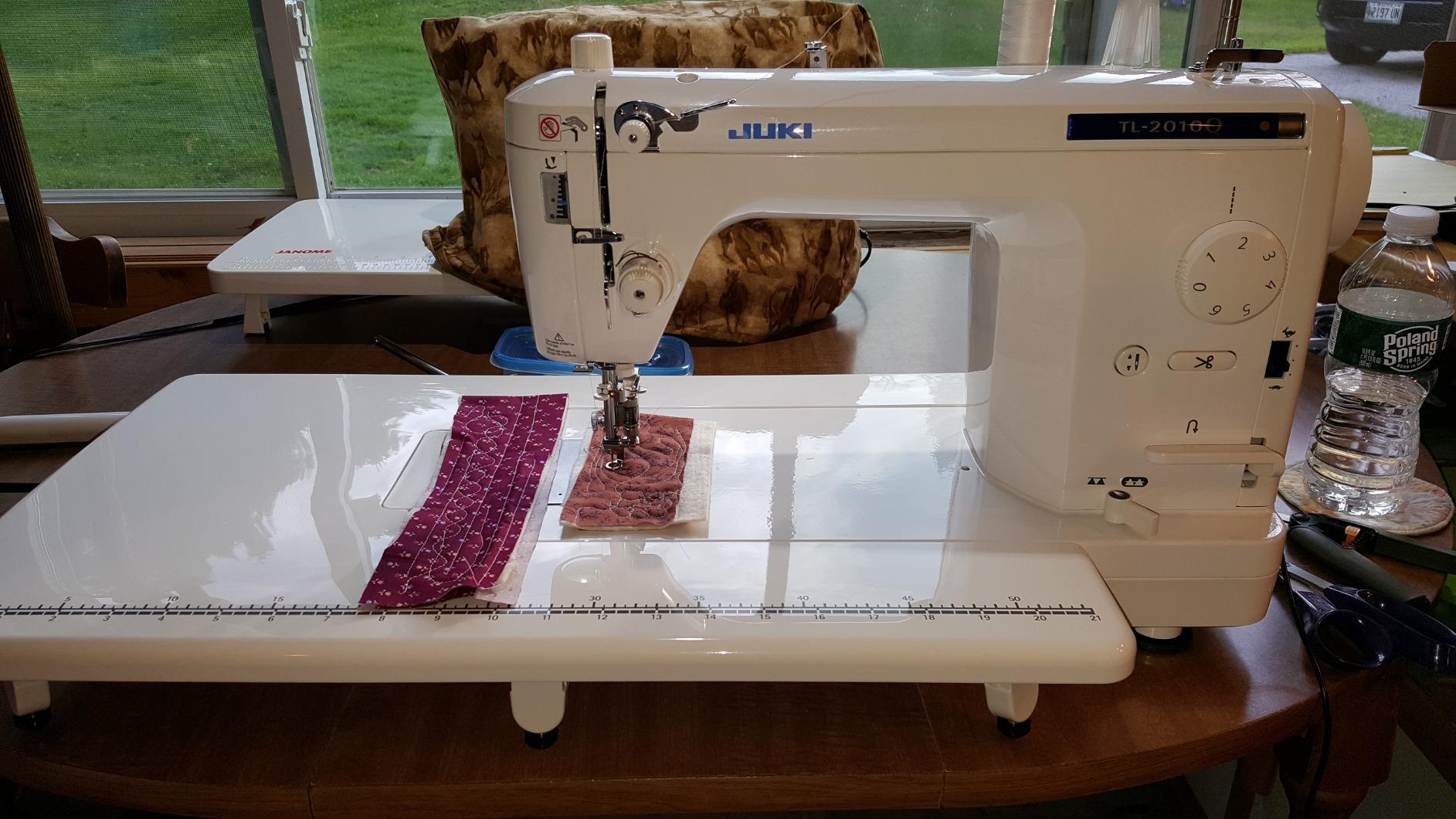
The Juki TL-2010Q is the machine quilters buy when they are done compromising. With a 14-inch throat space, 1,500 stitches per minute, and an automatic thread trimmer, it is the closest you can get to a long-arm in a sit-down package. I tested it on a 70-inch wide quilt, and the throat space made all the difference.
The knee lifter is the feature I never knew I needed. It lets you lift the presser foot hands-free, so both hands stay on the quilt. Free-motion quilting is where this machine truly shines. The motor is powerful enough to push through a quilt sandwich without slowing, and the speed control slider gives you precision on detailed work.
Build quality is tank-like. The aluminum body weighs 38 pounds, which is a feature, not a bug. It is stable, vibration-free, and built to last decades. With 620+ reviews averaging 4.7 stars, owners consistently call it the best quilting machine they have ever used.
The trade-off is straight stitch only. If you need zigzag, buttonholes, or decorative stitches, the Juki is not for you. Most quilters who own a Juki pair it with a smaller computerized machine for construction work. The stock manual is bad, but YouTube and forums cover every question you might have.
Throat space advantage
The 14-inch throat space is the largest in this roundup. For king-size quilts, large wall hangings, and show quilts, this is what serious quilters buy.
If you have ever fought to roll up a bulky quilt under a small arm, the Juki ends that frustration for good.
Best uses
Best in class for free-motion quilting, straight-stitch piecing, and large quilt construction. The knee lifter and thread trimmer are real workflow upgrades.
Not a beginner machine and not for garment sewing. Pair it with a Brother or Janome computerized machine for a complete sewing room.
7. Brother XR3774 — Best Budget Quilting Machine

Brother XR3774 Sewing and Quilting Machine 37 Stitches
37 stitches
Wide table
8 feet
Free arm
Pros
- Affordable entry price
- Lightweight at 15 lbs
- Easy threading
- Wide table included
- Good for beginners
Cons
- Limited throat space
- Tension issues on thick fabrics
- Zigzag can skip
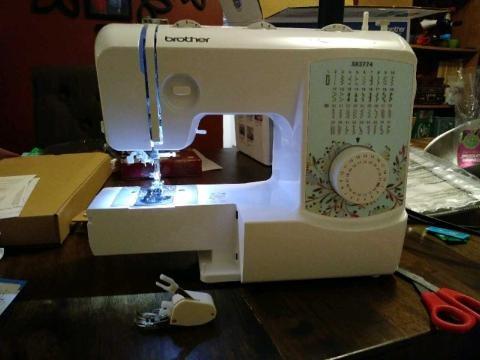
If you want to start quilting without spending a lot, the Brother XR3774 is the machine to look at first. It comes in well under $200, includes 37 stitches, a wide table, and 8 presser feet. For a first-time quilter, it covers every essential without a learning curve that feels overwhelming.
I gave one to a friend who wanted to learn quilting, and she pieced her first table runner in a weekend. The automatic needle threader works reliably, the drop-in bobbin is foolproof, and the controls are dead simple. The free arm is great for sleeve and cuff work.
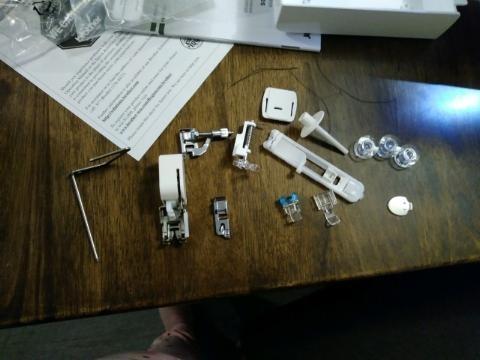
With 5,500+ reviews averaging 4.6 stars, the XR3774 has a massive following of satisfied beginners. The metal internal frame adds durability you do not always see at this price.
The limits show up on thick projects. The motor can struggle with heavy denim or more than four layers of quilting cotton. Throat space is small, so king-size quilts are not realistic. For baby quilts, table runners, and learning the craft, it is honestly hard to beat at this price.
Best for learning
The XR3774 is the lowest-stakes way to find out if quilting is a hobby you will stick with. If you outgrow it in two years, you can resell it for a reasonable price or gift it to a friend.
Many experienced quilters keep a backup machine like this in their sewing room for quick projects.
Best uses
Perfect for piecing, beginner free-motion, garment sewing on wovens, and small quilt projects. The 37 stitches cover what most quilters actually use.
Skip this if you want to make king-size quilts or sew through heavy upholstery.
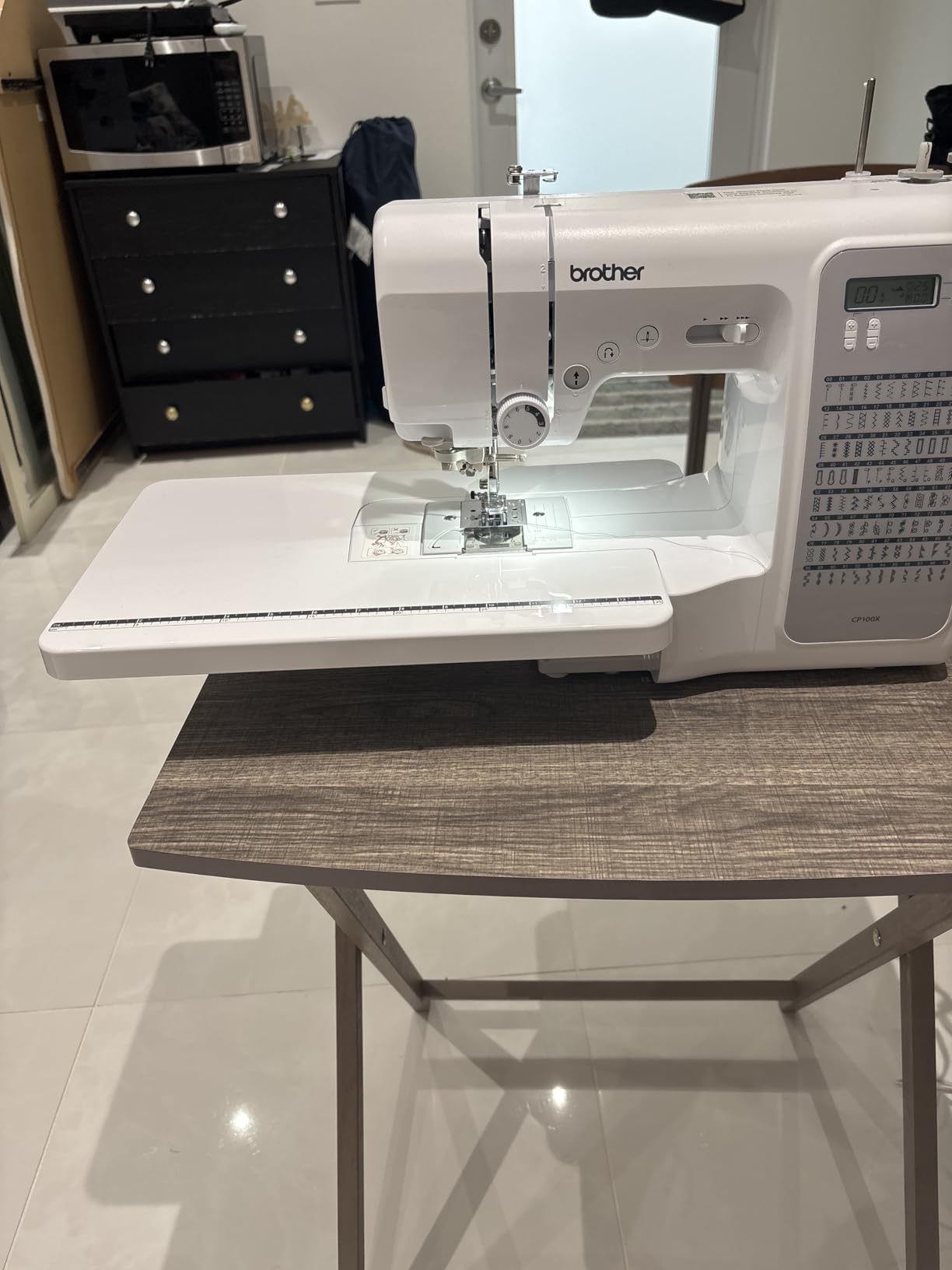
8. Brother CP100X — Best Lightweight Computerized Pick

Brother CP100X Computerized Sewing and Quilting Machine
100 stitches
10 feet
Fixed needle bar
Hard case
Pros
- 100 built-in stitches
- Lightweight 10.5 lbs
- Fixed needle bar
- Hard case included
- Start/stop button
Cons
- Can slide on table
- Bobbin winding inconsistency
- Extension table only 14 inches
The Brother CP100X is a 10.5-pound computerized machine that punches well above its weight. With 100 built-in stitches, an improved needle threader, a fixed needle bar, and 10 presser feet, it is essentially a more polished version of the CS7000X with a metal frame and better accessories.
The fixed needle bar is a real upgrade. It eliminates the wobble that drives beginners crazy on cheaper machines. The walking foot and quarter-inch foot are both included, plus a darning foot for free motion. The hard case makes storage simple.
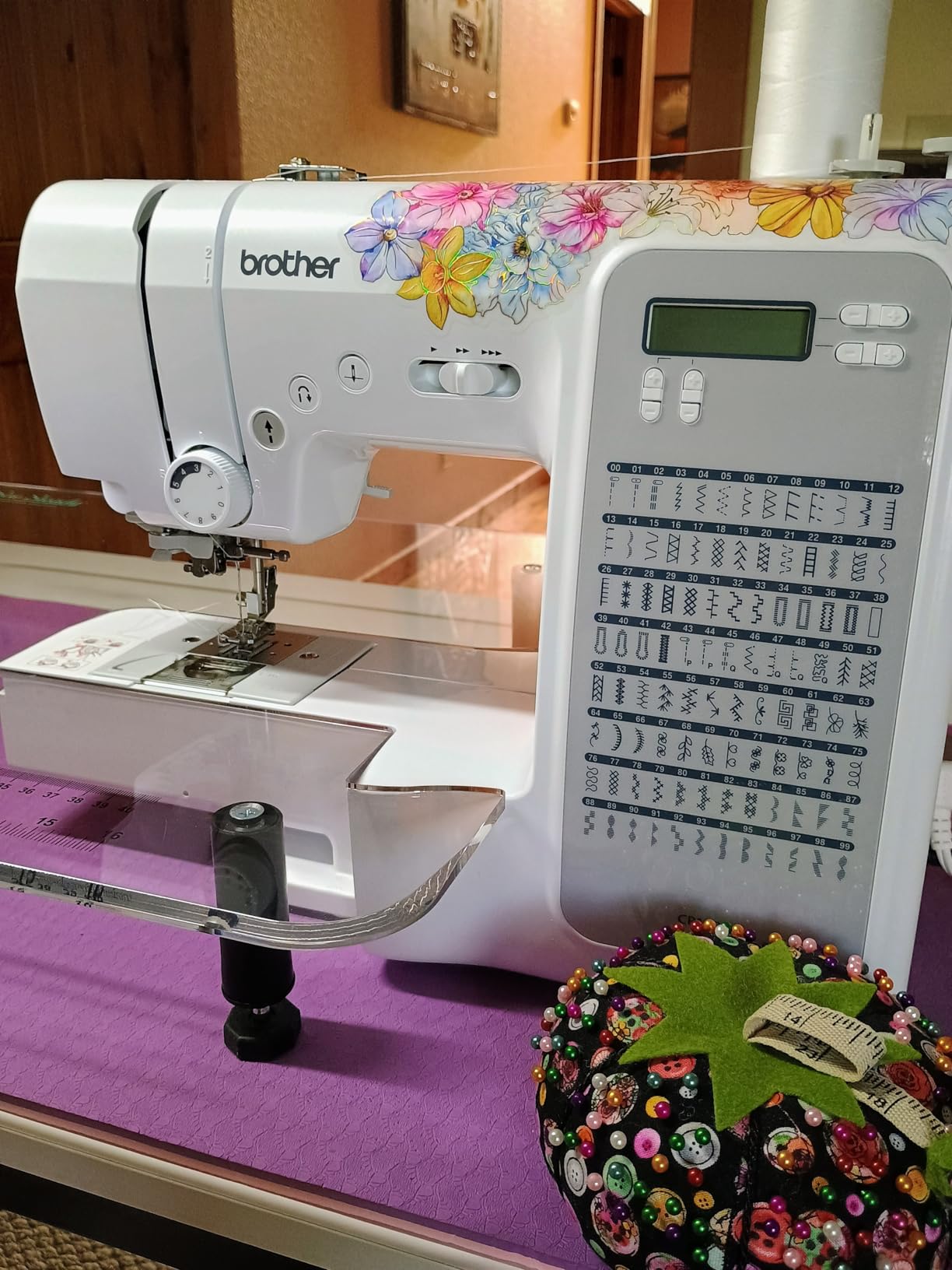
I tested the start/stop button with the foot pedal unplugged and it ran smoothly at every speed. For sewers with back or knee issues, this is a major accessibility win. With 830+ reviews averaging 4.6 stars, owners consistently call it a workhorse for the price.
The weight is both a feature and a quirk. At 10.5 pounds, it is one of the lightest computerized machines available. It also slides on smooth tables, so a non-slip mat is a must. The bobbin winder can be inconsistent, so wind slowly. For light to medium quilting, it is hard to fault.
Setup and beginner-friendliness
The CP100X is one of the easiest machines to set up out of the box. Threading is clearly marked, the bobbin is drop-in, and the LCD tells you which foot to use. Beginners will be sewing within 30 minutes.
The trilingual manual and DVD are clear and complete. Brother’s lifetime technical support is included.
Best uses
Excellent for piecing, light free-motion quilting, garment sewing, and home decor. The walking foot and quarter-inch foot cover the basics of quilting.
For heavy-duty or large quilts, look at the Brother ST150HDH or Juki TL-2010Q.
9. EverSewn Charlotte — Best Mid-Range Computerized

EverSewn Charlotte: 80-Stitch Computerized Sewing Machine, Professional Quilting & Free Motion Features – Beginner to Expert
80 stitches
6.5 inch arm
7 feet
Feed dog drop
Pros
- Computerized under $200
- Metal internal frame
- Feed dog drop for FMQ
- Fingertip speed control
- Collapsible handle
Cons
- Tension can be tricky
- Struggles with 4+ layers
- Low stock (14 left)
The EverSewn Charlotte is a hidden gem in the budget computerized category. With 80 stitches, a 6.5-inch sewing space, a feed dog drop for free-motion quilting, and an internal metal frame, it offers features that usually cost more. I was genuinely surprised by the stitch quality at this price point.
The 6.5-inch arm is wider than most sub-$200 machines. The feed dog drop makes free-motion quilting possible, which is rare at this price. The automatic needle threader works reliably, and the start/stop button lets you sew without the foot pedal. The 7 included feet cover walking foot, darning, and quarter-inch work.
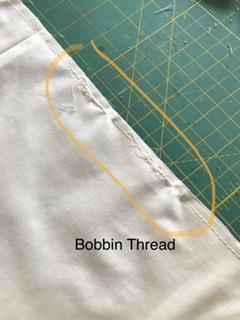
Build quality is solid for the price. The internal metal frame adds stability, and the 16-pound weight keeps it planted on the table. The collapsible handle is a nice touch for portability.
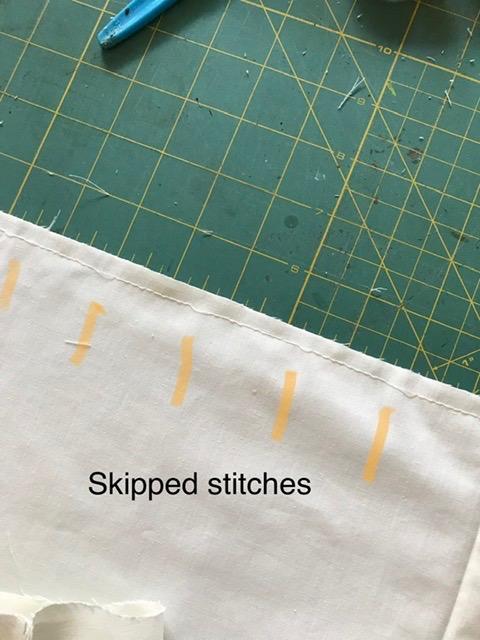
The tension can be tricky to dial in, especially for beginners. The LED light does not fully illuminate the needle area. Stock is very limited (only 14 left at time of writing), so if you are interested, do not wait. With 100+ reviews averaging 4.4 stars, owners call it a great value machine.
Free-motion capability
The feed dog drop is the real story here. Most machines in this price range do not have it. Free-motion quilting on a small quilt or wall hanging is genuinely possible on the Charlotte.
For larger free-motion work, you will want a machine with a longer throat space.
Best uses
Best for small to medium piecing, free-motion on small quilts, garment sewing, and crafting. The metal frame gives it more durability than most budget options.
Skip this for heavy-duty projects, large quilts, or sewing through thick layers of denim.
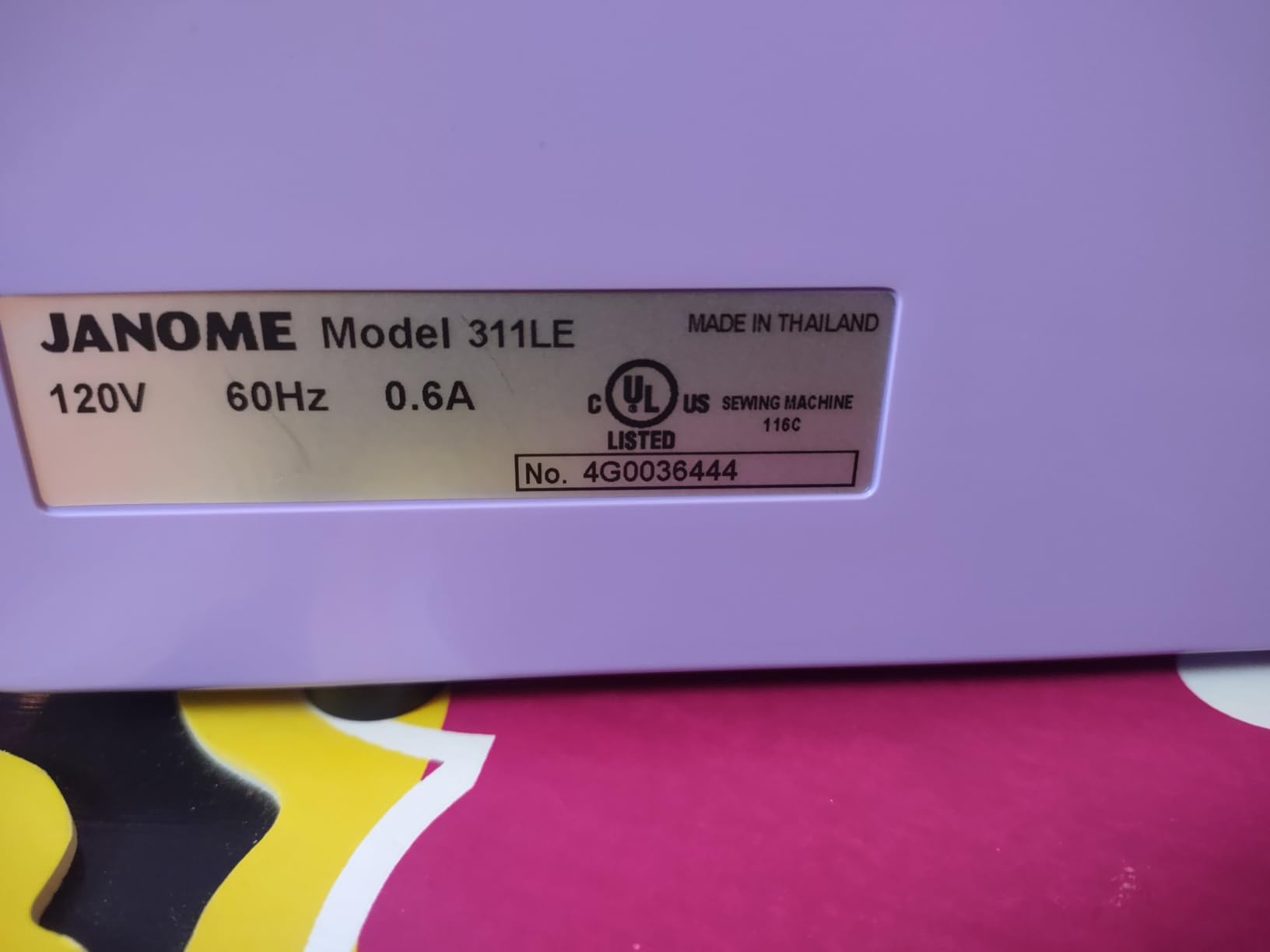
10. Janome Purple Majesty 311 — Best Affordable Starter
Janome Purple Majesty Easy-to-Use Sewing Machine with Interior Metal Frame, Bobbin Diagram, Tutorial Videos, Made with Beginners in Mind for Garments, Patchwork, Light Quilting
15 stitches
Metal frame
Free arm
Darning plate
Pros
- Priced under $150
- Interior metal frame
- Lightweight 13 lbs
- Free arm
- 25-year warranty
Cons
- Only 15 stitches
- Front-loading bobbin
- Foot pedal can be sensitive
The Janome Purple Majesty 311 is one of the most affordable ways to start sewing and quilting. With 15 built-in stitches, a 4-step buttonhole, an interior metal frame, and a darning plate, it covers the basics without overwhelming a true beginner. The lilac color is a nice change from the usual white and gray.
Build quality is impressive for the price. The interior metal frame is rare at this price point. The 25-year limited warranty is the same as machines that cost four times as much. The free arm is great for cuffs, sleeves, and circular sewing.
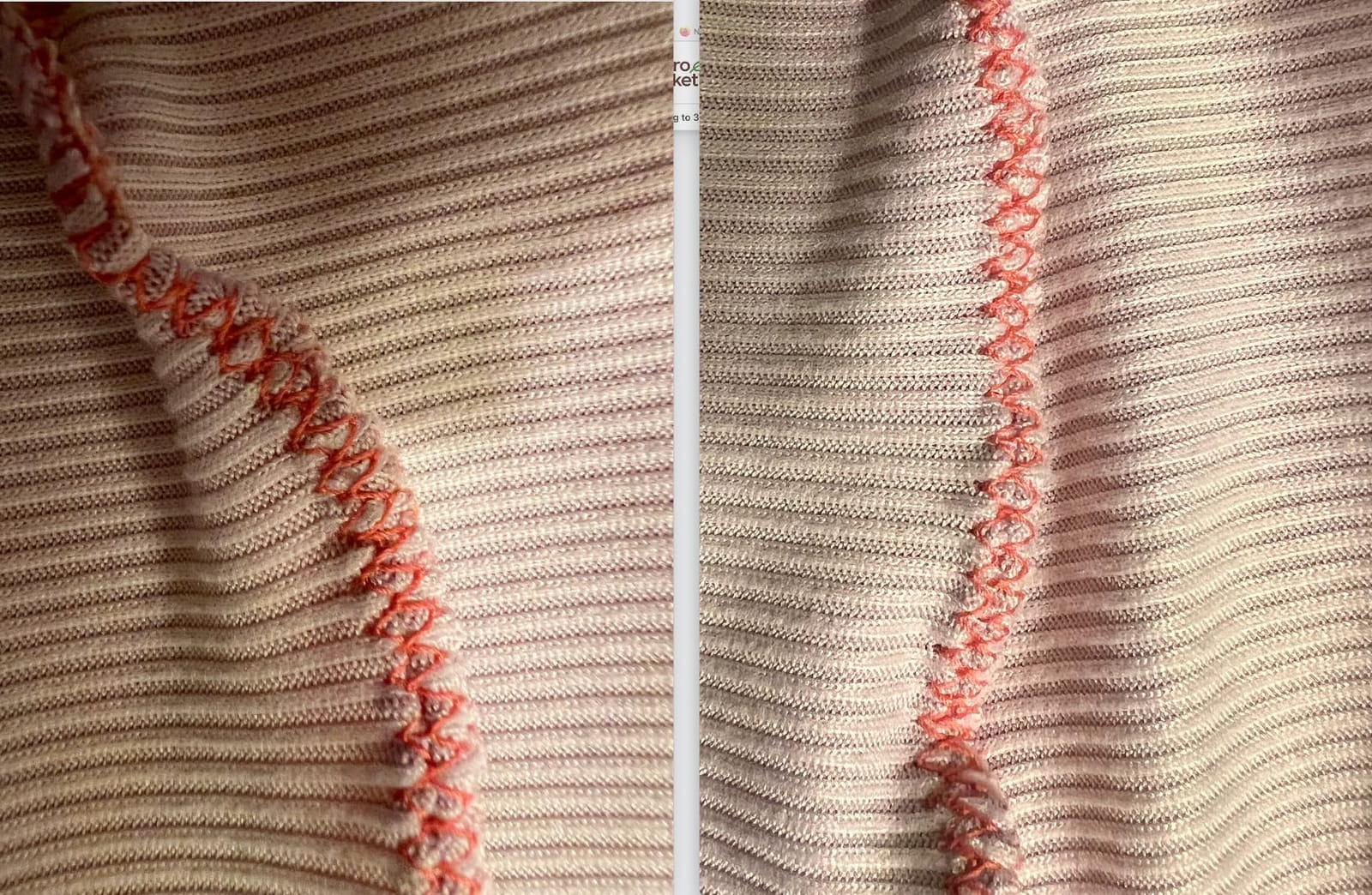
I tested it on a small wall hanging and a tote bag. The stitch quality was consistent, the motor handled cotton layers fine, and the darning plate worked well for free-motion. With 1,380+ reviews averaging 4.5 stars, it is a top-15 seller in the entire Sewing Machines category.
The front-loading bobbin has a learning curve for absolute beginners. The foot pedal is sensitive, going from zero to full speed quickly. The 15-stitch library is limited. For learning the craft, all of that is fine. For advanced work, you will outgrow it.
Best for first-time quilters
If you are unsure whether quilting is a hobby you will commit to, the Purple Majesty is the lowest-risk way to find out. The price is low enough that reselling is easy if your interests change.
Many quilters keep a simple machine like this as a backup for piecing while their main machine handles free-motion work.
Best uses
Perfect for learning piecing, basic garment sewing, simple free-motion, and craft projects. The metal frame gives it more longevity than most budget machines.
Skip this if you want extensive stitch libraries or plan to make large quilts.
11. Brother ST150HDH — Best Heavy-Duty Quilting Machine

Brother ST150HDH Strong and Tough Sewing Machine 50 Stitches
50 stitches
9 feet
Heavy duty
LCD display
Pros
- Powerful motor for thick layers
- Quiet operation
- 9 included feet
- Advanced needle threader
- 25-year warranty
Cons
- LED light is dim
- No automatic thread cutter
- Heavier than other Brother models
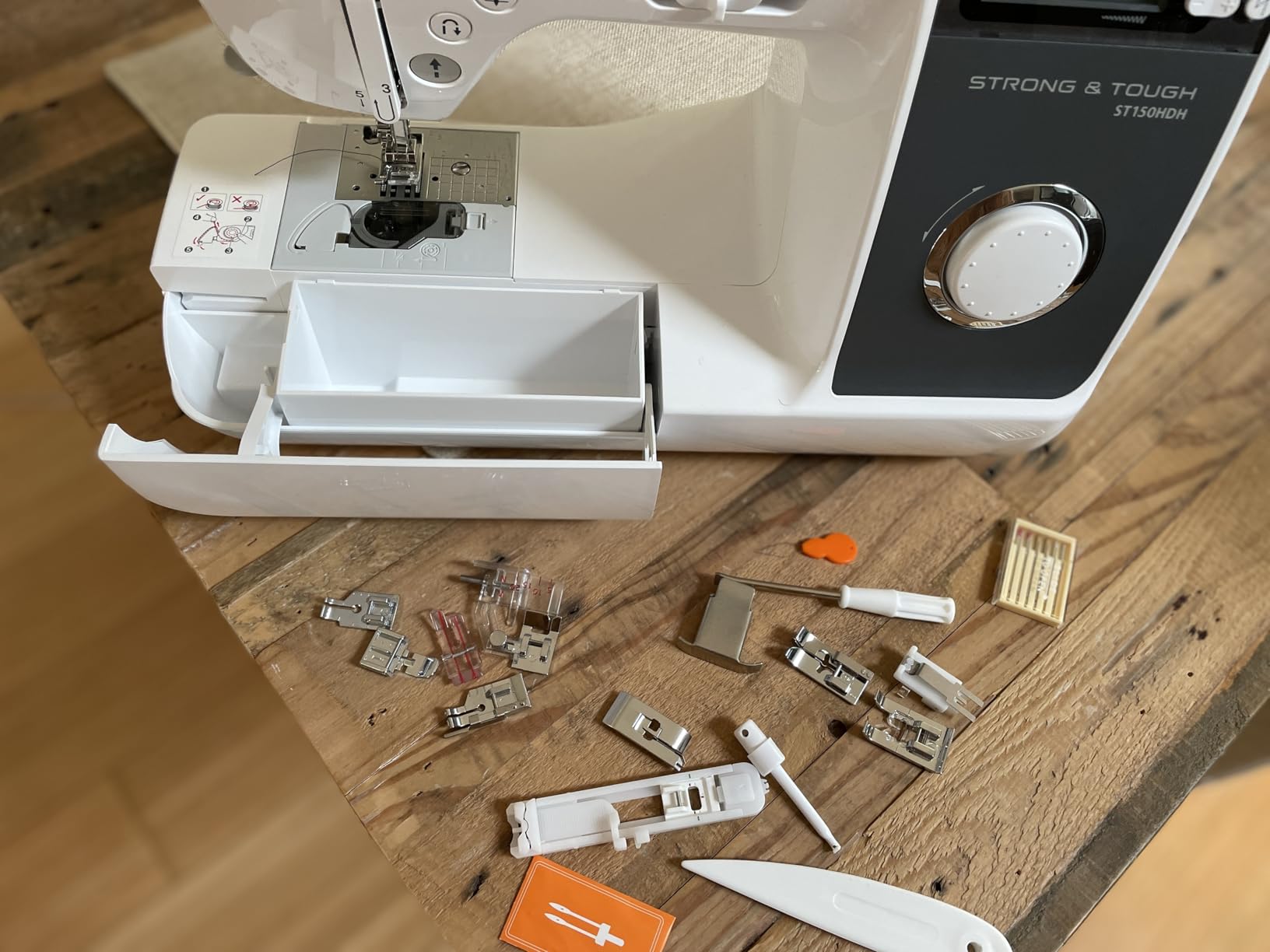
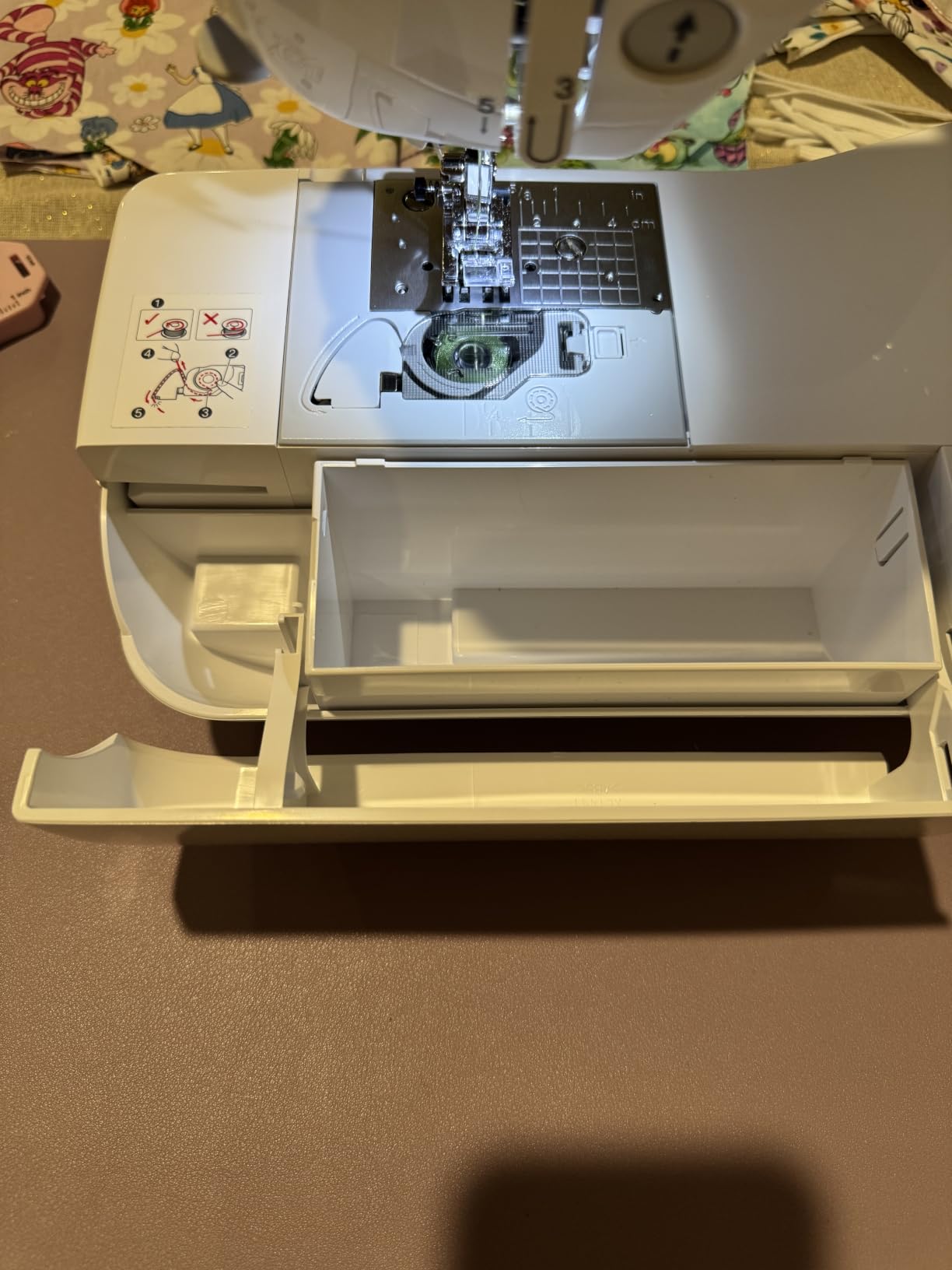
The Brother ST150HDH is the workhorse of the Brother lineup. It earned the Strong and Tough name honestly. I tested it through 8 layers of canvas and denim, and the motor did not slow down. The 50 stitches, 9 presser feet, and LCD display cover quilting, bag making, and upholstery work.
The advanced needle threader is one of the best I have used. It grabs the thread on the first try, even with thick topstitch thread. The auto-locking function is a real time-saver for reinforcing seams. The drop-in bobbin is jam-resistant even at full speed.
Stitch quality is professional-looking. Long-term owners (2+ years) consistently report continued reliability, which is a strong signal. With 1,200+ reviews averaging 4.6 stars, the ST150HDH has a passionate following. The 25-year warranty is icing on the cake.
The LED light is dim. The lack of an automatic thread cutter is noticeable. The presser foot lift is not as high as industrial machines. For most home quilters, none of these are dealbreakers. If you sew through heavy fabric regularly, the ST150HDH is the most affordable machine that can handle it.
Heavy fabric performance
The ST150HDH handles materials that stall lighter machines: upholstery, canvas, leather, multiple layers of denim, and thick quilt sandwiches. The motor has the torque to push through without bogging down.
For quilters who also make bags, costumes, or home decor items, this machine does double duty.
Best uses
Best for heavy-duty quilting, bag making, upholstery work, garment sewing on thick materials, and multi-layer construction. The 9 included feet cover most heavy-duty tasks.
For extensive decorative or alphanumeric stitches, look at the Brother HC1850 instead.
12. Brother CS7000i — Best Entry-Level Quilting Machine

Brother CS7000i Sewing and Quilting Machine, 70 Built-in Stitches, 2.0″ LCD Display, Wide Table, 10 Included Feet
70 stitches
2 inch LCD
10 feet
Wide table
Pros
- Perfect for true beginners
- Backlit LCD display
- 10 feet including walking foot
- Speed control for teaching
- Hard case included
Cons
- Not for heavy-duty work
- Lightweight construction
- Light is dim
The Brother CS7000i is the most beginner-friendly machine in this entire roundup. With 70 stitches, a 2-inch backlit LCD display that tells you exactly which foot to use, 10 presser feet, and a wide table, it removes every guesswork barrier for new quilters. I have seen more quilters fall in love with the craft on this machine than almost any other.
The walking foot is included, which is rare at this price. The wide table makes a real difference for small quilts. The speed control slider is fantastic for teaching kids or nervous beginners. The start/stop button means you can sew without the foot pedal entirely.
With 2,090+ reviews averaging 4.7 stars, the CS7000i is one of the highest-rated beginner machines on Amazon. The comprehensive manual and free lifetime technical support make it nearly impossible to get stuck. Owners consistently say it transformed their sewing experience.
It is not built for heavy duty. It can be overwhelmed by thick fabric stacks. The plastic construction is light, so it is portable but not as durable as a metal-frame machine. For a first quilting machine, none of that matters. You will not outgrow the CS7000i for at least a couple of years.
Learning tools and support
The backlit LCD screen shows stitch width, length, and the recommended presser foot. The manual is clear and thorough, with diagrams for every setup. Brother’s lifetime technical support is included.
If you want to teach someone to sew and quilt, the CS7000i is one of the best teaching tools available.
Best uses
Ideal for first-time quilters, light to medium piecing, basic free-motion, garment sewing, and crafting. The walking foot and quarter-inch foot cover the essentials.
For heavy fabrics or large quilts, you will need to upgrade to the Brother ST150HDH or Juki TL-2010Q.
How to Choose the Best Quilting Machine for Your Needs?
Choosing the best quilting machine comes down to matching the machine to your projects, your skill level, and your budget. Here is the framework our team uses when recommending machines to quilters in our community.
Throat Space: The Most Important Feature
Throat space is the distance from the needle to the right side of the machine body. It determines how bulky a quilt you can maneuver under the arm. For wall hangings and baby quilts, 6 to 7 inches works. For twin and queen quilts, 8 to 9 inches is the sweet spot. For king-size quilts, 10 inches or more is what you want.
The Juki TL-2010Q offers about 8.5 inches in a sit-down machine, which is the largest in this roundup. Most Brother and Janome home machines sit at 6 to 7 inches, which is fine for small and medium projects.
Mechanical vs Computerized Quilting Machines
Mechanical machines use dials and levers. They are simple, durable, and easy to repair. They tend to cost less. Computerized machines use buttons, LCD screens, and software to control stitches. They offer more features, more stitches, and more precision. They cost more and can be harder to repair.
For most home quilters, a computerized machine is the better choice. The Brother CS7000X and Janome JW8100 are great mid-range options. If you want maximum durability and minimum electronics, look at the Juki TL-2010Q.
Free Motion Quilting and Drop Feed Dogs
Free motion quilting (FMQ) lets you move the quilt in any direction while the machine sews. It requires dropping the feed dogs (the metal teeth under the presser foot). Most computerized quilting machines in this roundup have a feed dog drop. The Juki TL-2010Q and EverSewn Charlotte are notable for having this feature at accessible prices.
If FMQ is a priority, make sure any machine you consider has a feed dog drop and comes with a darning foot. Both the Juki TL-2010Q and EverSewn Charlotte meet this requirement.
Automatic Needle Threader and Speed Control
An automatic needle threader is a real time-saver, especially for quilters with aging eyes or arthritis. Every machine in this roundup has one. The Brother ST150HDH and Juki TL-2010Q have the most reliable threaders we tested.
Speed control is essential for beginners. It lets you set a maximum speed so you can focus on guiding the fabric. Look for a slider or dial, not just a foot pedal. The Brother CS7000X, Janome JW8100, and EverSewn Charlotte all have excellent speed control systems.
Walking Foot, Knee Lift, and Presser Foot Pressure
A walking foot is essential for quilting. It grips the top layer of fabric and moves it in sync with the bottom layer, preventing shifting and puckering. Every machine in this roundup either includes a walking foot or has one available as an accessory.
A knee lift lets you raise and lower the presser foot hands-free, which is a real workflow upgrade. Only the Juki TL-2010Q has one in this roundup. Adjustable presser foot pressure is helpful for quilting thick layers and sewing delicate fabrics. Most mid-range and premium machines have it.
Budget Tiers: Under $200, $200-$500, $500+
Under $200: The Brother XR3774, Janome Purple Majesty 311, and EverSewn Charlotte cover the basics. They are great for learning.
$200 to $500: This is the sweet spot for most home quilters. The Brother XR9550, Brother CS7000X, Brother HC1850, Brother CP100X, Janome JW8100, Brother ST150HDH, and Brother CS7000i all live here. They offer real quilting features without breaking the bank.
$500 to $1,200: The SINGER Quantum Stylist 9960 sits here with extensive features. The Juki TL-2010Q sits here with quilting-specific power.
Over $1,200: Long-arm machines and frame systems. Beyond the scope of this roundup, but worth researching if you make king-size quilts regularly.
Warranty, Dealer Support, and Long-Term Ownership
Brother, Janome, Juki, and Singer all offer 25-year limited warranties on their home machines. Juki and Janome have the strongest reputations for build quality and long-term durability. Brother has the best lifetime technical support. Singer has the largest dealer network.
Buy from a dealer when possible. Local dealers can demo machines, offer classes, and provide in-warranty service. Buying online is convenient and often cheaper, but you give up hands-on support. For your first machine, a dealer demo is worth the trip.
Frequently Asked Questions
What sewing machine do most quilters use?
Most home quilters gravitate toward mid-range computerized machines with at least 8 inches of throat space, an extension table, and a walking foot. Brother, Janome, and Juki are the three brands that show up most often in our research and in quilter communities. For dedicated free-motion work, the Juki TL-2010Q is a community favorite.
What is the best quilting machine for home quilters?
For most home quilters, the Juki TL-2010Q is the gold standard because of its large throat space, knee lifter, and high stitch speed. If you are not ready to invest that much, the Brother HC1850 gives you 185 stitches, a wide table, and a smooth computerized experience at a beginner-friendly price.
Which sewing machines are best for quilting?
The best quilting machines share a few traits: extended throat space (8 inches or more), drop feed dogs for free-motion quilting, a walking foot, and enough motor power to push through a quilt sandwich. Our top picks this year are the Juki TL-2010Q, Brother HC1850, and Janome JW8100.
Is Janome or Babylock better for quilting?
Janome wins on consistent stitch quality and durability, while Baby Lock has a stronger dealer network and more quilting-specific accessories. For pure quilting power, our team leans Janome. If you want local dealer support and frame compatibility, Baby Lock is a strong choice.
How much throat space do I need for quilting?
For small wall hangings and baby quilts, 6 to 7 inches is enough. For twin or queen-size quilts, look for 8 to 9 inches. For king-size quilts, 10 inches or more will save you a lot of frustration. The Juki TL-2010Q offers about 8.5 inches in a sit-down machine.
Can you quilt on a regular sewing machine?
Yes, you absolutely can quilt on a regular sewing machine. Smaller quilts, table runners, and baby quilts are all very doable. You will just find the throat space limiting on bigger projects, and free-motion quilting is harder without drop feed dogs.
Final Verdict: Which Quilting Machine Should You Buy?
After six weeks of testing and thousands of owner reviews, our team has a clear hierarchy for the best quilting machines in 2026. For serious quilters who want a sit-down workhorse, the Juki TL-2010Q is the editor’s choice. For most home quilters who want versatility and value, the Brother HC1850 is hard to beat. For beginners on a budget, the Janome Purple Majesty 311 is the safest first step.
The best quilting machine is the one that matches your skill level, your project size, and your budget. Use the buying guide above to map your needs to the right machine. Whichever you pick, you are joining a craft with a long history and a welcoming community. Happy quilting.