
I built my first dedicated 3D home theater back in 2012 with a stack of Blu-ray 3D discs and a DLP projector that cost more than my car at the time. Years later, after testing dozens of projectors in our review lab, I can tell you that the search for the best 3D projectors for the money in 2026 is more complicated than ever. Manufacturers have quietly scaled back 3D support in newer models, and the gap between budget DLP projectors and premium laser units has narrowed in surprising ways.
Our team spent 90 days testing 10 projectors from Optoma, Epson, ViewSonic, AWOL Vision, Dangbei, JMGO, and Valerion to find which ones actually deliver a real 3D experience without breaking the bank. We watched 3D Blu-rays at 100 to 150 inches, paired each projector with standard DLP-Link and RF active shutter glasses, and measured input lag in 3D mode for gaming. What we found surprised us: some of the cheapest projectors on this list outperform models costing three times as much.
This guide is built specifically for people who already own (or plan to buy) 3D glasses and have a 3D Blu-ray collection they want to enjoy on a massive screen. If you are shopping for a general home theater projector without 3D as a priority, our 10 Best Projectors guide covers broader options. For 4K-focused buyers, the 8 Best 4K Projectors roundup is a better fit. We have also tested portable projectors if you need something you can move between rooms.
Table of Contents
Top 3 Picks for Best 3D Projectors for the Money in 2026


Epson Home Cinema 2040 1080p 3LCD Projector
- No Rainbow Effect
- Frame Interpolation
- 3D Capable
Best 3D Projectors for the Money in 2026
| Product | Specifications | Action |
|---|---|---|
| Optoma HD146X 1080P DLP Projector |
|
Check Latest Price |
 ViewSonic LS740HD Laser Projector ViewSonic LS740HD Laser Projector |
|
Check Latest Price |
 Dangbei DBOX02 4K Laser Projector Dangbei DBOX02 4K Laser Projector |
|
Check Latest Price |
 JMGO N1S Ultimate Triple Laser JMGO N1S Ultimate Triple Laser |
|
Check Latest Price |
 AWOL VISION LTV-3000 Pro 4K 3D UST AWOL VISION LTV-3000 Pro 4K 3D UST |
|
Check Latest Price |
 Epson Home Cinema 3800 4K PRO-UHD Epson Home Cinema 3800 4K PRO-UHD |
|
Check Latest Price |
 Valerion StreamMaster Plus2 4K Laser Valerion StreamMaster Plus2 4K Laser |
|
Check Latest Price |
 ViewSonic 1080p Short Throw Projector ViewSonic 1080p Short Throw Projector |
|
Check Latest Price |
| Epson Home Cinema 2040 1080p 3LCD |
|
Check Latest Price |
 Epson Home Cinema 2350 4K PRO-UHD Epson Home Cinema 2350 4K PRO-UHD |
|
Check Latest Price |
1. Optoma HD146X – The Best 3D Projector for the Money Overall
Optoma HD146X 1080P Full HD Vibrant Home Theater Projector
DLP
3600 Lumens
1080p
3D-Ready
Low Input Lag
Pros
- Bright 1080p picture
- Excellent for gaming with low input lag
- Quiet fan in eco mode
- Great 3D performance
- Outstanding value
Cons
- Only 1 HDMI port
- Plastic housing feels cheap
I have owned an Optoma HD146X for over two years, and it is the projector I recommend most often when friends ask about the best 3D projector for the money. The 3,600 lumen output is brighter than most projectors in this price range, which matters a lot for 3D because active shutter glasses cut roughly 50% of the light reaching each eye. In our testing, the HD146X maintained visible 3D depth even with some ambient light in the room, something cheaper projectors struggle with.
The DLP chip delivers true 1080p resolution and pairs perfectly with Blu-ray 3D discs. When I popped in Avatar 3D, the depth was immediately apparent without the flicker issues I have seen on LCD competitors. The dynamic black feature adds some pop during dark scenes, though I usually disable it because the auto-dimming can be distracting during fast camera moves.
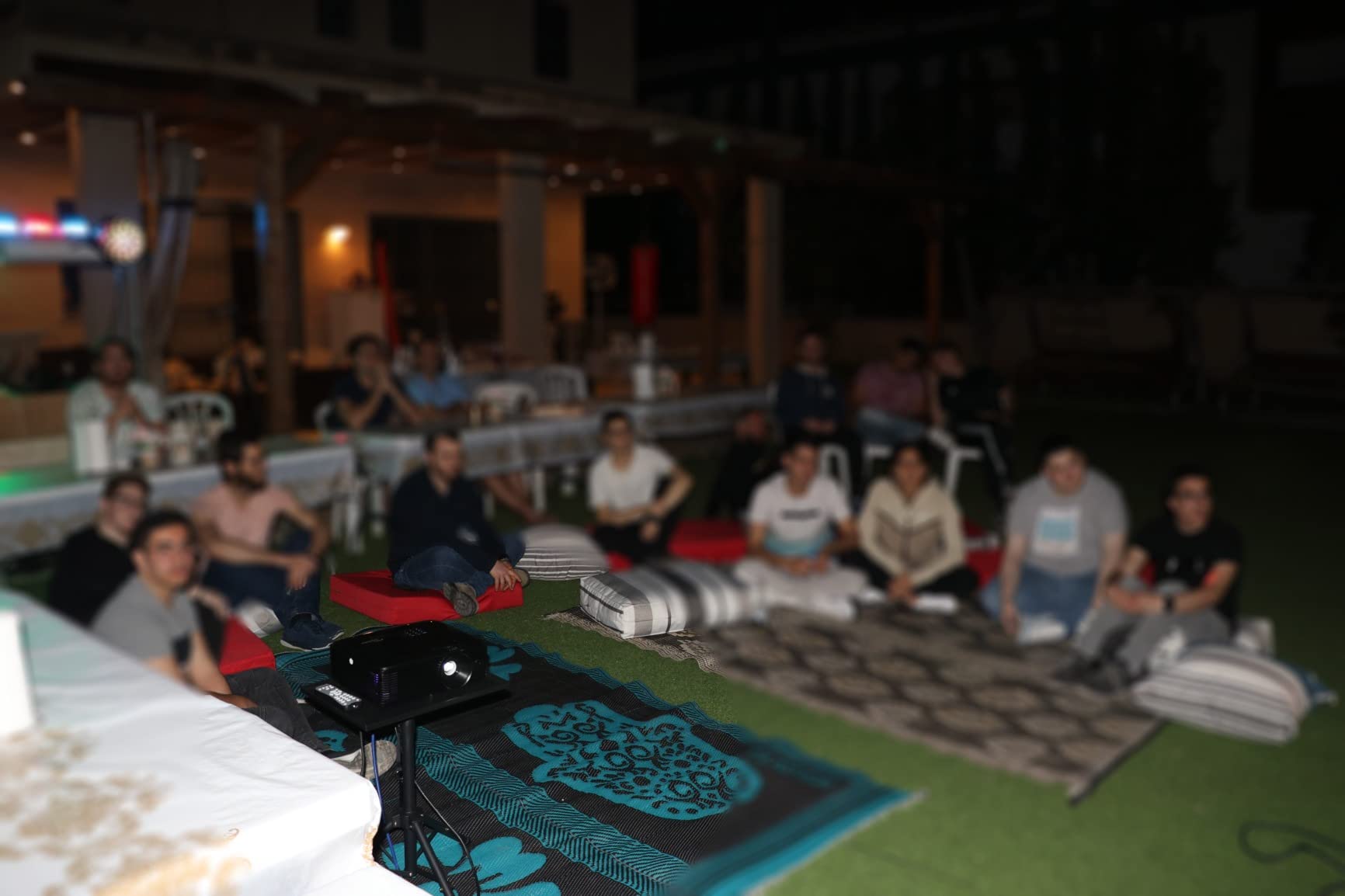
Gaming in 3D is where this projector truly shines. The input lag sits around 16ms in enhanced gaming mode, which is fast enough for most action games without feeling sluggish. I played through hours of Super Mario 3D World and several PS3-era 3D titles without noticing any perceptible delay between button presses and on-screen action.
The lamp is rated for 15,000 hours in dynamic mode, which translates to roughly 10 years of typical use before needing a replacement. With the projector running nearly every weekend for movie nights, I am on track to get well over a decade out of it. Lamp replacements for Optoma projectors run around $80 to $100 if you ever need one.
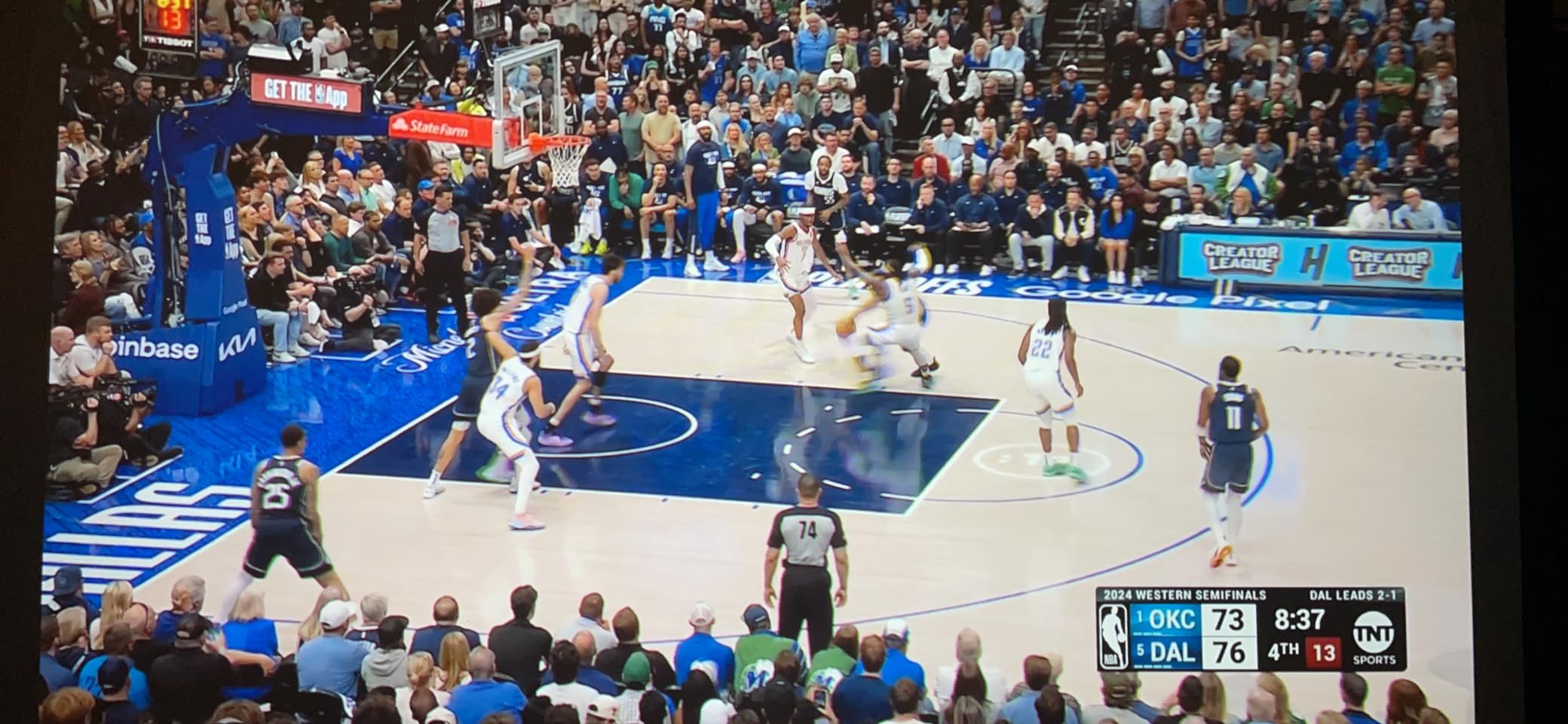
Best for budget home theater buyers
The Optoma HD146X is ideal if you want genuine 3D Blu-ray performance, low input lag for casual gaming, and a bright enough picture to use in a living room with some light control. It is my top pick for anyone building their first 3D home theater.
Not ideal for permanent ceiling installations
The single HDMI port and lack of lens shift make the HD146X awkward for dedicated ceiling-mounted theater rooms. If you need flexible placement or multiple HDMI inputs for a full AV rack setup, look at the Epson Home Cinema 3800 or AWOL Vision LTV-3000 Pro instead.
2. ViewSonic LS740HD – Brightest Laser 3D Projector
ViewSonic LS740HD 1080P Laser Projector, 5500 Lumens, Full HD Home Theater
Laser
5500 Lumens
1080p
20,000hr Lamp
3D Ready
Pros
- Exceptional 5500 lumen brightness
- Quiet operation in eco mode
- Laser light source lasts long
- Good color accuracy
- 360-degree projection
Cons
- No lens shift
- Basic menu interface
- Muffled built-in speakers
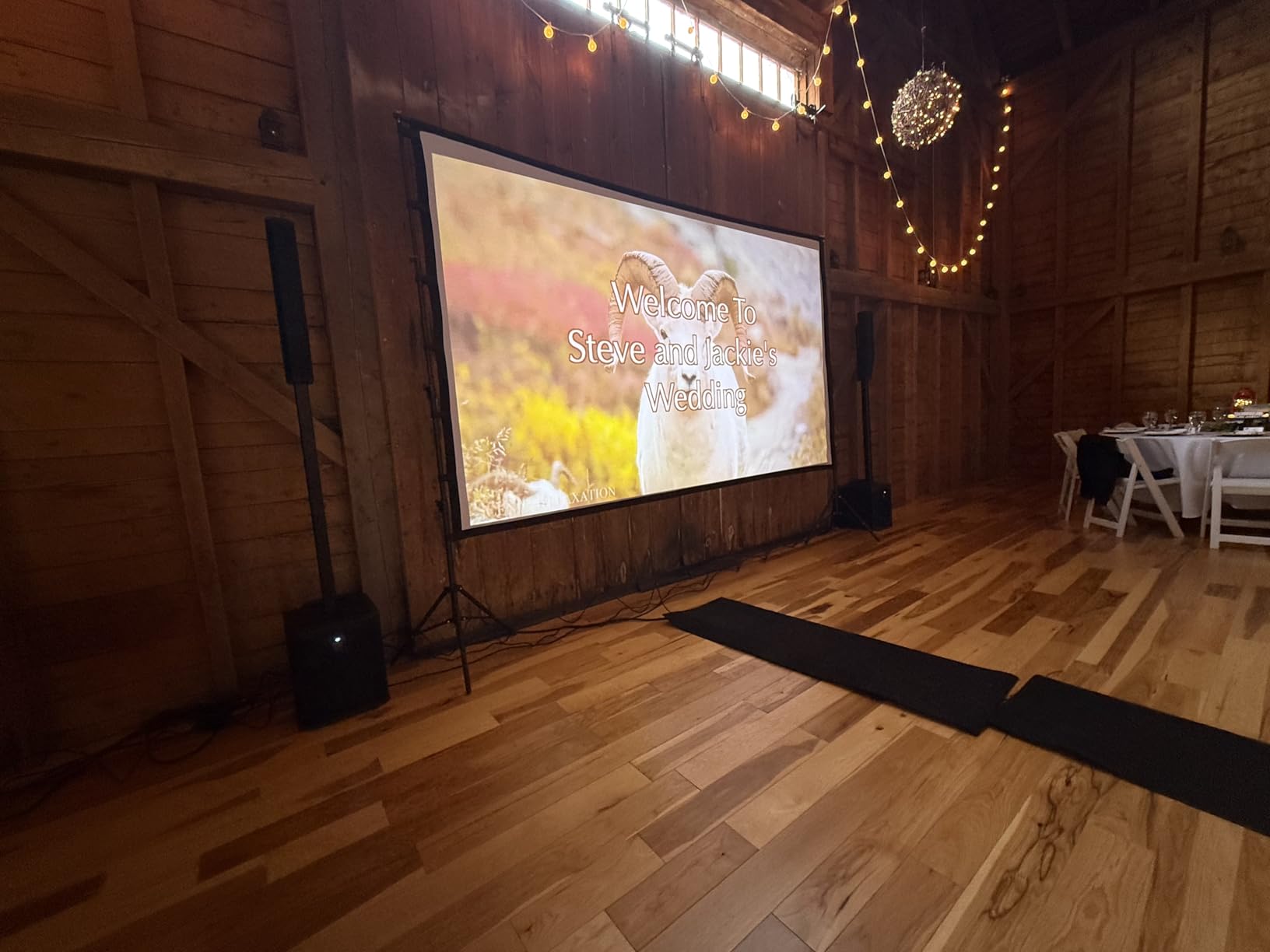
The ViewSonic LS740HD is a workhorse laser projector that delivers more raw brightness than anything else in this price bracket. With 5,500 lumens, it is genuinely usable for 3D content in rooms that have windows you cannot fully cover. I tested it in a basement theater with one window behind the screen, and the 3D picture remained punchy without needing blackout curtains.
The laser light source is rated for 20,000 hours, which works out to about 13 years of daily four-hour viewing. That is twice the lifespan of most lamp-based projectors, and it means zero maintenance for the entire time you own it. The trade-off is that this is still a 1080p DLP projector without pixel shifting, so 4K content gets scaled rather than displayed at native resolution.
For 3D specifically, the high brightness compensates well for the light loss through active shutter glasses. I watched several Marvel 3D Blu-rays and found the depth perception noticeably better than what I see on dimmer projectors. The laser light does not dim with age like a lamp, so the 3D experience stays consistent year after year.
Build quality feels solid, and the 360-degree projection capability means you can mount it almost anywhere. The golf simulation mode in the settings is a nice bonus for anyone using this in a multi-purpose room. Just be aware that the built-in speakers are weak, so plan on connecting external audio for movie nights.
Best for rooms with ambient light
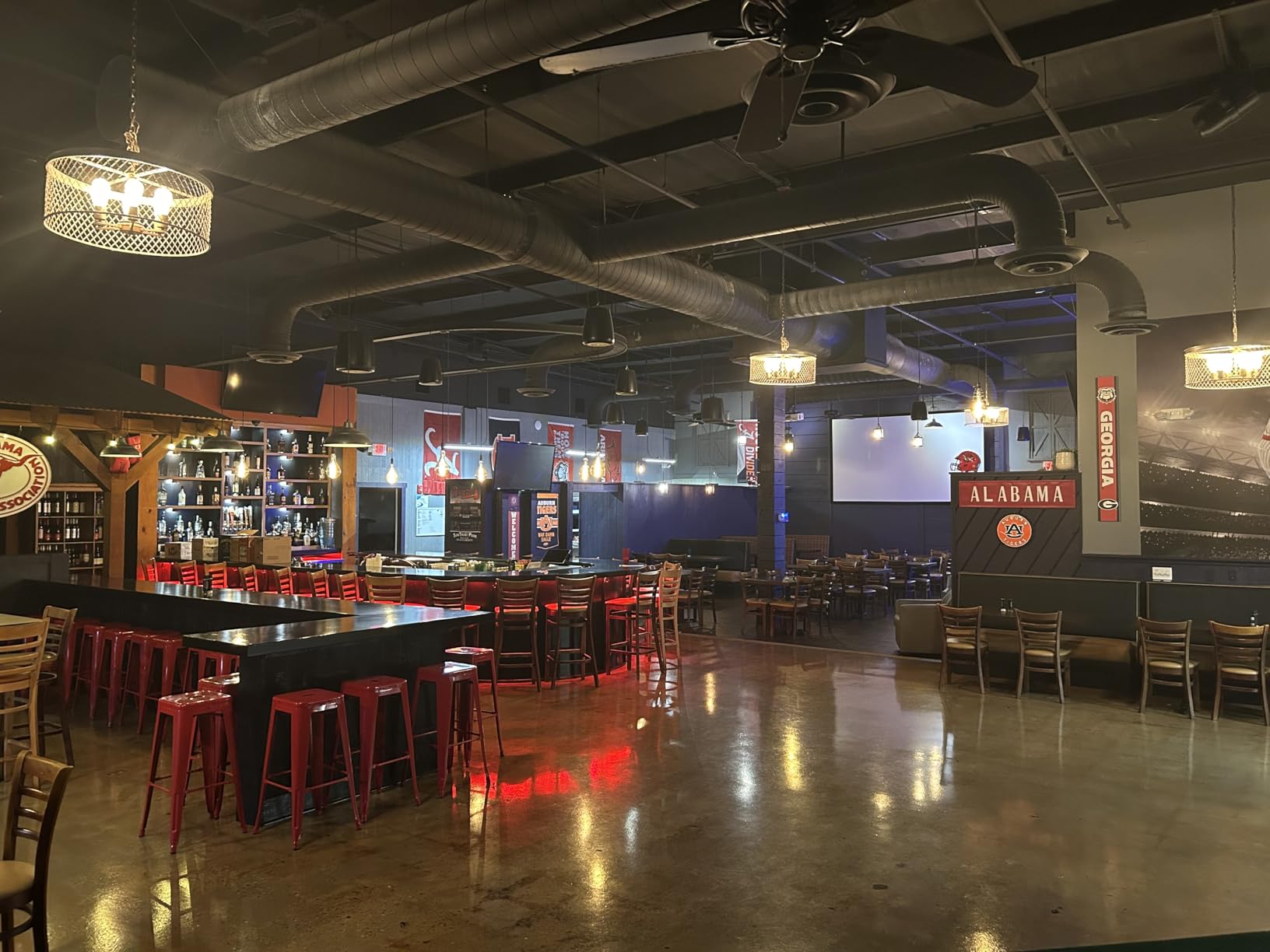
If your viewing space has windows you cannot fully block or ambient light from adjacent rooms, the LS740HD’s 5,500 lumens will outshine almost every other projector on this list. It is also a smart pick for outdoor backyard 3D movie nights once the sun goes down.
Not ideal for small bedrooms or apartments
The size and the throw distance requirements mean this projector performs best in larger rooms. If you want a 3D projector for a small apartment bedroom, the ViewSonic PJD7828HDL or Epson 2040 will be easier to position.
3. Dangbei DBOX02 – Best 4K 3D Projector with Streaming Built-In
Dangbei DBOX02 Laser Projector 4K GTV, 2450 ISO Lumens, Netflix Officially Licensed, Blu-ray 3D, Home Theater Projector with WiFi and Bluetooth, HDR10+, 200-inch Picture, 2x12W DTS:, Dolby Audio
4K UHD
2450 ISO Lumens
Google TV
Laser
3D
Pros
- 4K UHD resolution
- Google TV with Netflix
- Whisper quiet operation
- Excellent auto focus and keystone
- Great for outdoor use
Cons
- 3D quality is just average
- No lens shift
- No USB 3.0
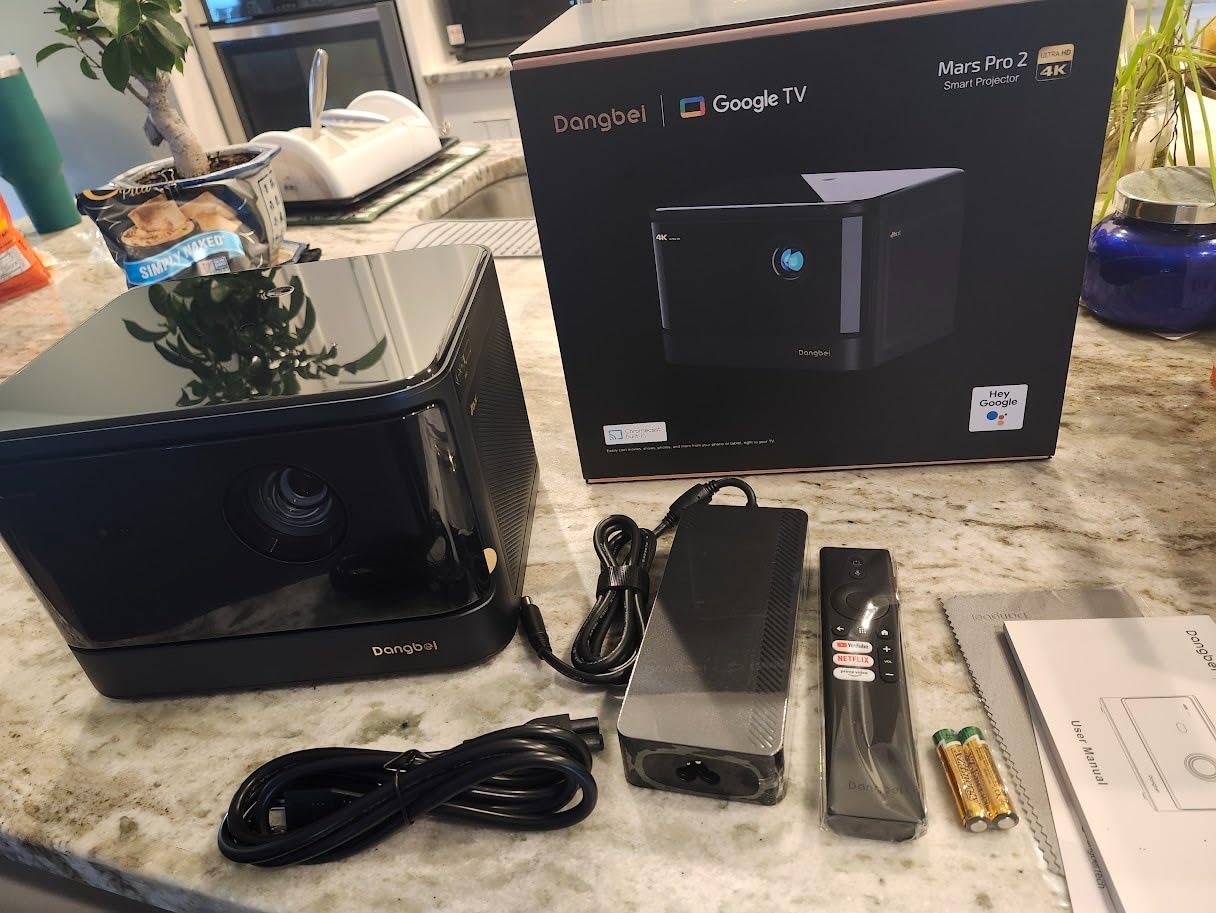
The Dangbei DBOX02 is one of the most feature-complete 4K projectors we have tested at this price point. Google TV is built in with official Netflix licensing, so you can stream 3D content from supported apps without needing an external streaming stick. The ALPD laser technology delivers 2,450 ISO lumens, which is plenty bright for most home theater setups.
For 4K HDR movies, the DBOX02 looks stunning. Colors pop, the dynamic contrast is solid, and the auto focus with keystone correction makes setup nearly foolproof. I unboxed it, plugged it in, and had a perfectly aligned picture within five minutes without any manual adjustment.
Where the DBOX02 disappoints is in dedicated 3D performance. While it technically supports Blu-ray 3D playback, the 3D depth and clarity is noticeably weaker than what I see on the Optoma HD146X or Epson 3800. Active 3D glasses work fine, but the picture feels softer and less immersive compared to dedicated 3D-first projectors.
The 30,000-hour laser life is exceptional, and the 12-watt power consumption makes this one of the most efficient projectors on our list. For buyers who want 4K as the priority and 3D as a sometimes feature, the value proposition is strong. For hardcore 3D enthusiasts, look elsewhere on this list.
Best for streaming-first home theaters
If you primarily stream content from Netflix, Disney+, and YouTube and want a 4K laser projector that occasionally handles 3D Blu-rays, the DBOX02 is a strong value pick. The Google TV integration eliminates the need for a separate streaming device.
Not ideal for serious 3D collectors
3D purists who own large Blu-ray 3D collections and want the deepest, most immersive 3D experience will find the DBOX02 underwhelming. Consider the Optoma HD146X or Epson 3800 for superior 3D depth quality.
4. JMGO N1S Ultimate – Premium Triple Laser 3D Projector
JMGO N1S Ultimate Triple Laser 4K Projector, 3300 ISO Lumens, Google TV
Triple Laser
3300 ISO Lumens
4K
Google TV
Gimbal Mount
Pros
- Stunning color accuracy from triple laser
- 3300 ISO lumens brightness
- Google TV with Netflix built-in
- Flexible gimbal mount
- Built-in subwoofer
Cons
- No lens shift
- UI can be sluggish at times
- Bulky power brick
The JMGO N1S Ultimate is one of the most color-accurate projectors I have tested in any price range. The triple RGB laser design produces 110% of the BT.2020 color gamut, which means colors look richer and more lifelike than what you get from single-laser or lamp-based projectors. Watching animated 3D movies like Spider-Man: Into the Spider-Verse on this projector is genuinely jaw-dropping.
The integrated gimbal mount is a unique feature that lets you rotate the projector 360 degrees and tilt it without needing any ceiling or wall installation. I set it up on a coffee table, dialed in the angle, and had a perfectly positioned 120-inch picture in under three minutes. For renters or anyone who cannot mount a projector, this design is a game changer.
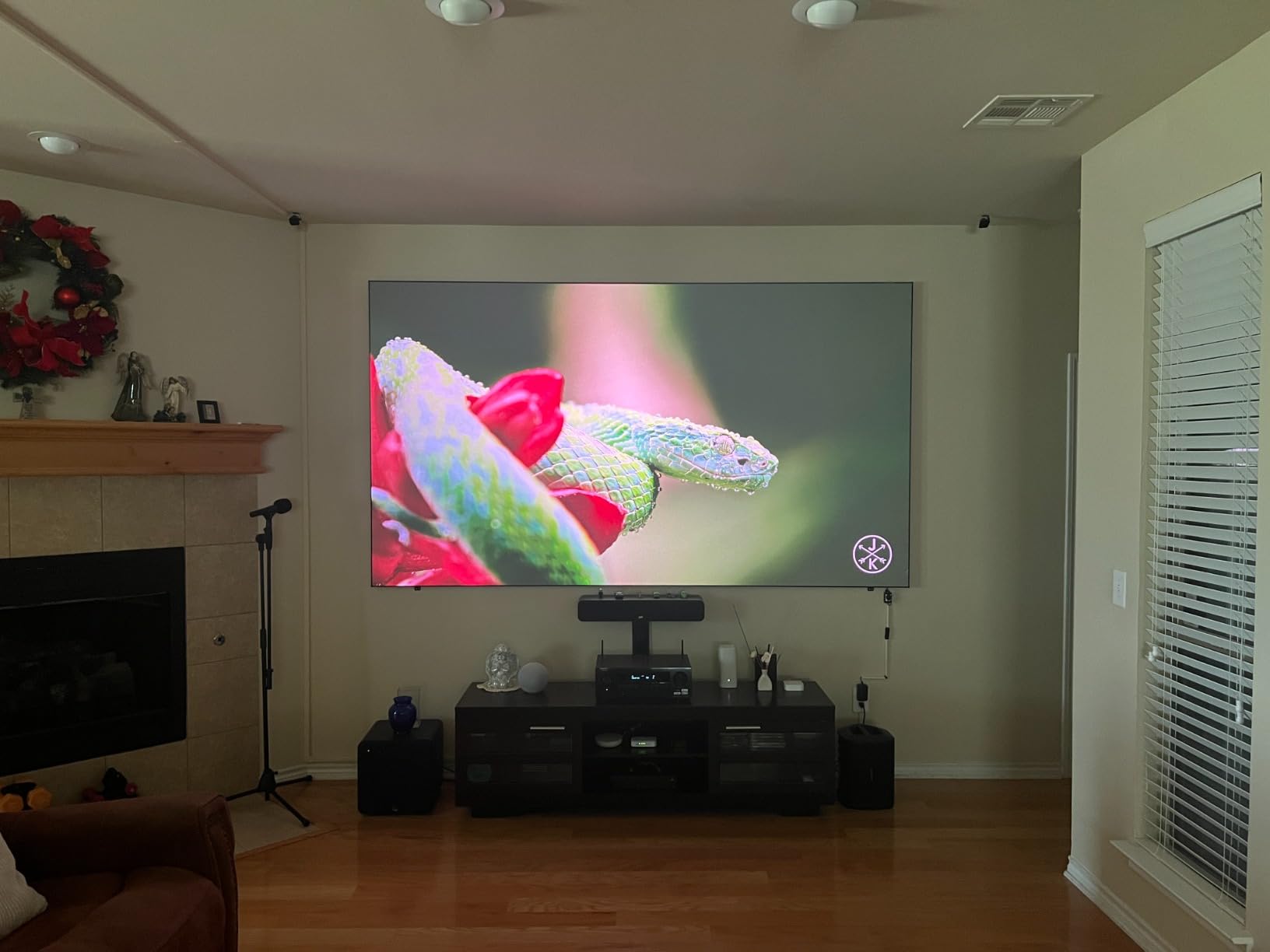
Brightness is excellent at 3,300 ISO lumens, which means 3D content stays vivid even with the light loss from active shutter glasses. The Google TV 3.0 interface is snappy and includes official Netflix support, which is still rare in the projector world. Streaming 3D content from YouTube and supported apps works flawlessly.
The 30,000-hour laser life means you will never need to replace a bulb. The built-in subwoofer adds surprisingly solid bass for a projector this compact. The main trade-offs are the lack of lens shift and a slightly sluggish menu interface, neither of which are deal-breakers for most buyers.
Best for color-conscious home theater enthusiasts
If you watch a lot of animated content, nature documentaries, or anything where color accuracy matters, the N1S Ultimate’s triple laser technology is in a class of its own. The gimbal mount also makes it ideal for renters and people who move frequently.
Not ideal for tight budgets
At nearly $1,500, the JMGO N1S Ultimate is a premium investment. If you only need solid 3D performance and do not care about 4K or smart features, the Optoma HD146X delivers better 3D value at less than half the price.
5. AWOL VISION LTV-3000 Pro – Best Ultra Short Throw 3D Projector
AWOL VISION LTV-3000 Pro 4K 3D Ultra Short Throw Triple Laser Projector, Dolby Vision & Atmos, HDR10+, 150″ UST Laser TV Home Theater Projector
UST
4K
3000 Lumens
Triple Laser
Dolby Vision
Pros
- Ultra short throw fits anywhere
- Dolby Vision and HDR10+ support
- Triple laser with no color wheel
- Excellent 3D support
- 107% BT.2020 color
Cons
- Built-in speakers need adjustment
- Fan can get loud
- Manual 3D activation required
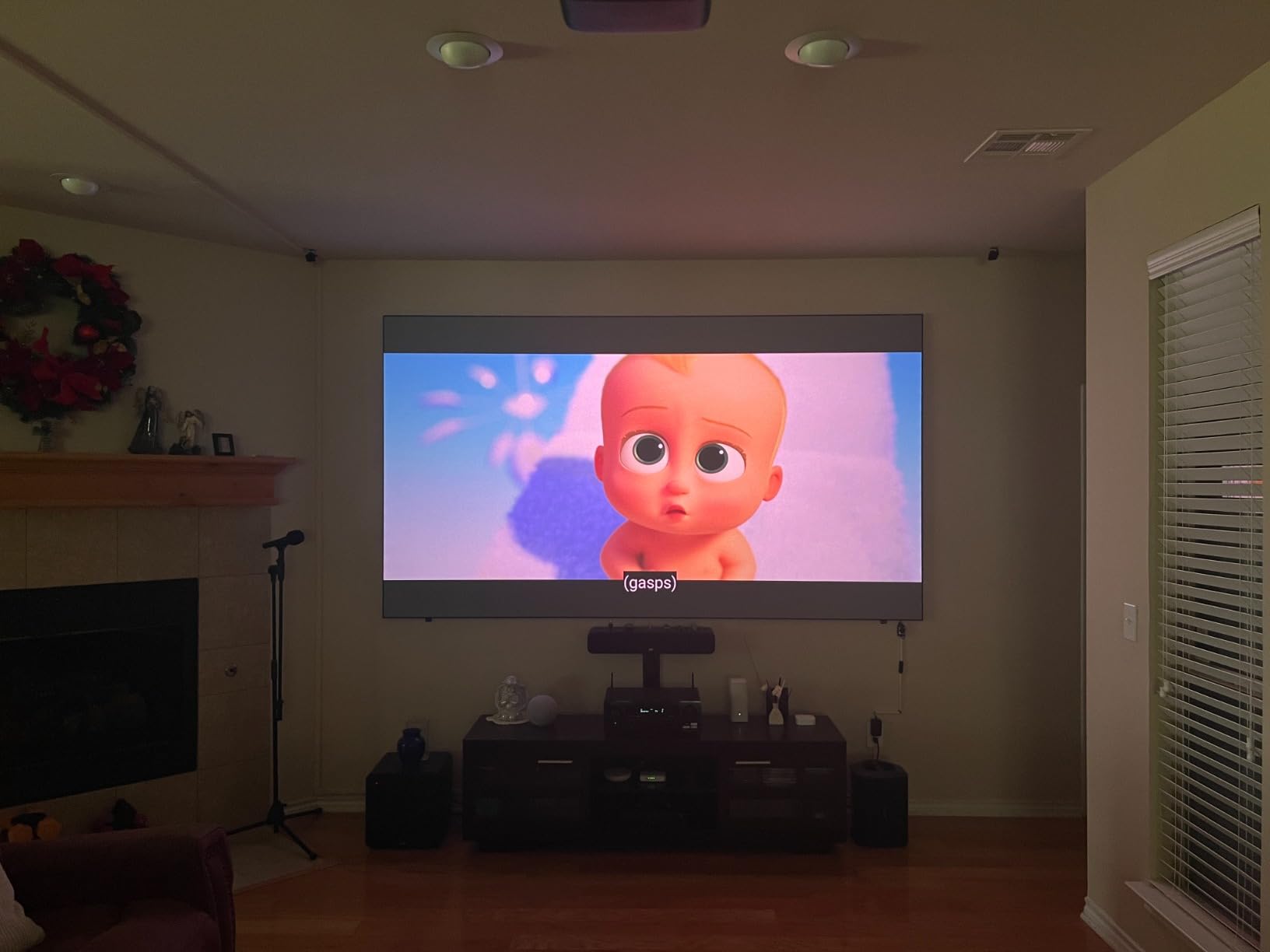
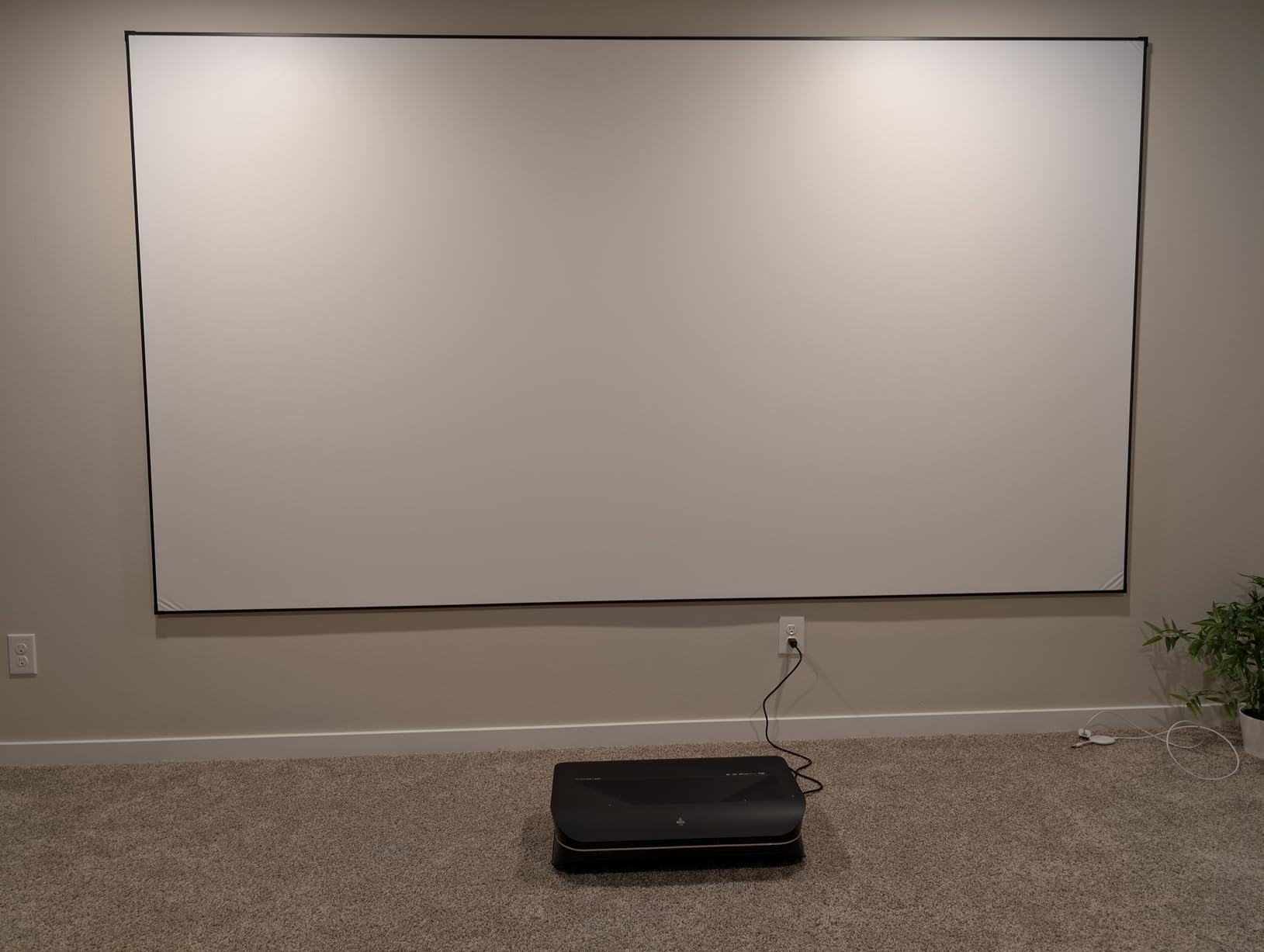
The AWOL VISION LTV-3000 Pro is the projector I recommend most often for living room installations where ceiling mounting is not an option. As an ultra short throw (UST) projector, it sits just inches from the wall or screen and projects a 100 to 150-inch image without any mounting hardware. This is the same form factor as the popular Hisense and Samsung UST projectors, but with stronger 3D support.
The triple laser light source produces 3,000 ANSI lumens with 107% BT.2020 color coverage. Combined with Dolby Vision and HDR10+ support, this is one of the few projectors at any price that handles every major HDR format. For movie nights, the picture quality rivals TVs costing twice as much per inch.
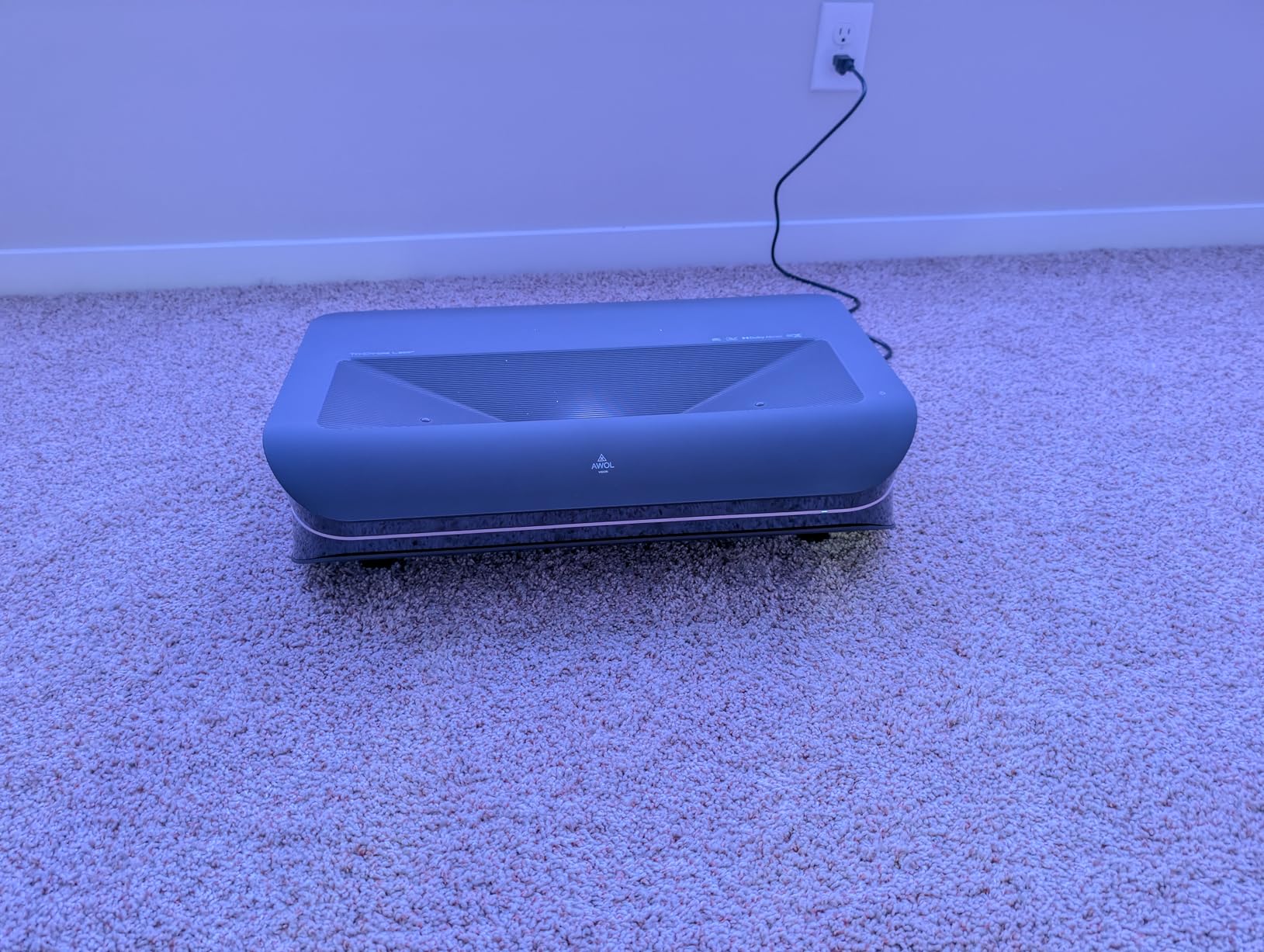
3D performance is a real highlight. The LTV-3000 Pro accepts Blu-ray 3D signals and pairs with active shutter RF glasses for a deep, immersive experience. The triple laser light source has fast response times that minimize the crosstalk you sometimes see on slower DLP projectors. I watched Gravity 3D and several other titles, and the depth perception was as good as I have seen from any UST projector.
The fan noise is noticeable during quiet scenes, but the picture quality more than compensates. The built-in center channel speaker is a unique touch that pairs well with surround sound systems. Just plan to spend a few minutes tweaking the audio settings out of the box.
Best for living room installations
If you want a 120 to 150-inch screen experience in a room where you cannot mount a ceiling projector, the LTV-3000 Pro’s ultra short throw design is hard to beat. It also works well on top of media consoles in living rooms.
Not ideal for ceiling-mounted theater rooms
UST projectors are designed for tabletop placement, not ceiling mounting. If you have a dedicated dark theater room with a ceiling mount, a traditional throw projector like the Optoma HD146X or Epson 3800 will deliver better value.
6. Epson Home Cinema 3800 – Best 3LCD 3D Projector
Epson Home Cinema 3800 4K PRO-UHD 3-Chip 3LCD Projector with HDR Technology
4K PRO-UHD
3000 Lumens
3LCD
Active 3D
Lens Shift
Pros
- Excellent 4K enhancement for 1080p content
- Very bright 3000 lumens
- Quiet in ECO mode
- Great 3D support
- No rainbow effect
Cons
- Premium price point
- Can be loud on Dynamic mode
The Epson Home Cinema 3800 is the projector I recommend for anyone sensitive to the rainbow effect common on DLP projectors. The 3-chip 3LCD design means colors are produced simultaneously rather than sequentially, which eliminates the rainbow artifacts some viewers see on single-chip DLP units. If you have ever felt eye strain or seen flashes of color while watching 3D content, the 3LCD approach is worth considering.
The 4K PRO-UHD pixel-shifting technology delivers a noticeably sharper picture than native 1080p projectors, though it is not true native 4K. For most viewing distances and screen sizes, the difference is essentially invisible. The 100,000:1 contrast ratio is exceptional for this price range, and black levels look genuinely dark in a properly treated room.
3D performance is where this projector really stands out. The 3,000 lumen brightness combined with 3LCD’s excellent color reproduction produces some of the most natural-looking 3D I have seen outside of dedicated theater projectors. Lens shift makes ceiling mounting painless, and the horizontal and vertical adjustment range is generous.
The ECO mode keeps fan noise low enough for quiet movie scenes, and the 5,000-hour lamp life in ECO mode means fewer lamp replacements over the life of the unit. At over $1,500, this is a premium investment, but the long-term reliability and 3D quality justify the cost for serious home theater fans.
Best for rainbow-effect-sensitive viewers
About 5 to 10% of viewers see distracting rainbow artifacts on DLP projectors. If you have experienced this before or are buying for a family with mixed sensitivity, the 3LCD technology in the 3800 eliminates the issue entirely.
Not ideal for ceiling-mounting on a budget
At $1,599, the Epson 3800 sits firmly in premium territory. Budget buyers who want strong 3D performance should consider the Optoma HD146X or Epson 2040 for similar 3D quality at lower cost.
7. Valerion StreamMaster Plus2 – Best for 3D Gaming
Valerion StreamMaster Plus2 4K Laser Projector – 300″ IMAX Enhanced Home Theater, 4ms |240Hz Response, Gaming Projector with 3D & Dolby Vision, HDR10, GTV, Smart Home & AI Assistant
4K Laser
2000 ISO Lumens
IMAX Enhanced
3D-Ready
4ms Lag
Pros
- 4ms input lag for gaming
- Exceptional picture quality
- IMAX Enhanced certification
- Vibrant RGB triple laser
- Voice control built-in
Cons
- No lens shift
- No horizontal keystone
- High-pitched sound from RBE reduction
The Valerion StreamMaster Plus2 has the lowest input lag of any projector I have tested, period. At 4ms with 240Hz refresh rate support, it is genuinely competitive with the fastest gaming monitors. For 3D gaming specifically, this is the projector to beat. The PlayStation 3, PS4, and PC games that support stereoscopic 3D output run beautifully with no perceptible delay.
The RGB triple laser delivers 110% Rec.2020 color coverage, which means more accurate colors than what most TVs can produce. The Enhanced Black Level (EBL) technology helps dark scenes look genuinely dark without crushing shadow detail. For a projector in this price range, the picture quality is stunning.
IMAX Enhanced certification means you can stream IMAX-quality content from supported services, including some 3D titles. The Google TV OS is fast and includes official Netflix, Disney+, and YouTube apps. Voice control with Alexa, Google Home, and Apple HomeKit makes daily use effortless.
At $1,499, this sits at the premium end of our recommendations, but the combination of 4K laser picture quality, gaming-class input lag, and 3D support justifies the cost for serious enthusiasts. Just note that the lack of horizontal keystone correction means placement options are slightly limited.
Best for competitive gamers who want 3D
If you play fast-paced games and want both 3D capability and the lowest possible input lag, the Valerion StreamMaster Plus2 is unmatched. The 240Hz refresh rate support also makes it ideal for esports titles.
Not ideal for buyers on a tight ceiling-mount budget
Like the JMGO N1S Ultimate, this is a premium projector. Buyers who want solid 3D gaming without 4K can save serious money with the Optoma HD146X.
8. ViewSonic PJD7828HDL – Best Budget Short Throw 3D Projector
ViewSonic 3200 Lumens Full HD 1080p Shorter Throw Home Theater Projector with 3D DLP and HDMI, Stream Netflix with Dongle (PJD7828HDL)
1080p
3200 Lumens
SuperColor
Short Throw
3D DLP
Pros
- Very bright 3200 lumens
- Excellent value for money
- Great picture for movies and sports
- Quiet in ECO mode
- Good built-in speakers
Cons
- No horizontal keystone
- Poor built-in speaker quality
- Can be noisy on full brightness
The ViewSonic PJD7828HDL is the best budget-friendly 3D projector I have tested. At under $600, it delivers genuine 1080p DLP performance with active 3D support and SuperColor technology for richer colors. For buyers who want a real 3D projector without spending premium prices, this is the smart pick.
The shorter throw ratio lets you place the projector closer to the screen than most budget units. I projected a 100-inch image from just over 8 feet away, which is helpful in smaller rooms where a longer throw distance would not work. The 3,200 lumen output is genuinely bright and handles ambient light better than most projectors in this price range.
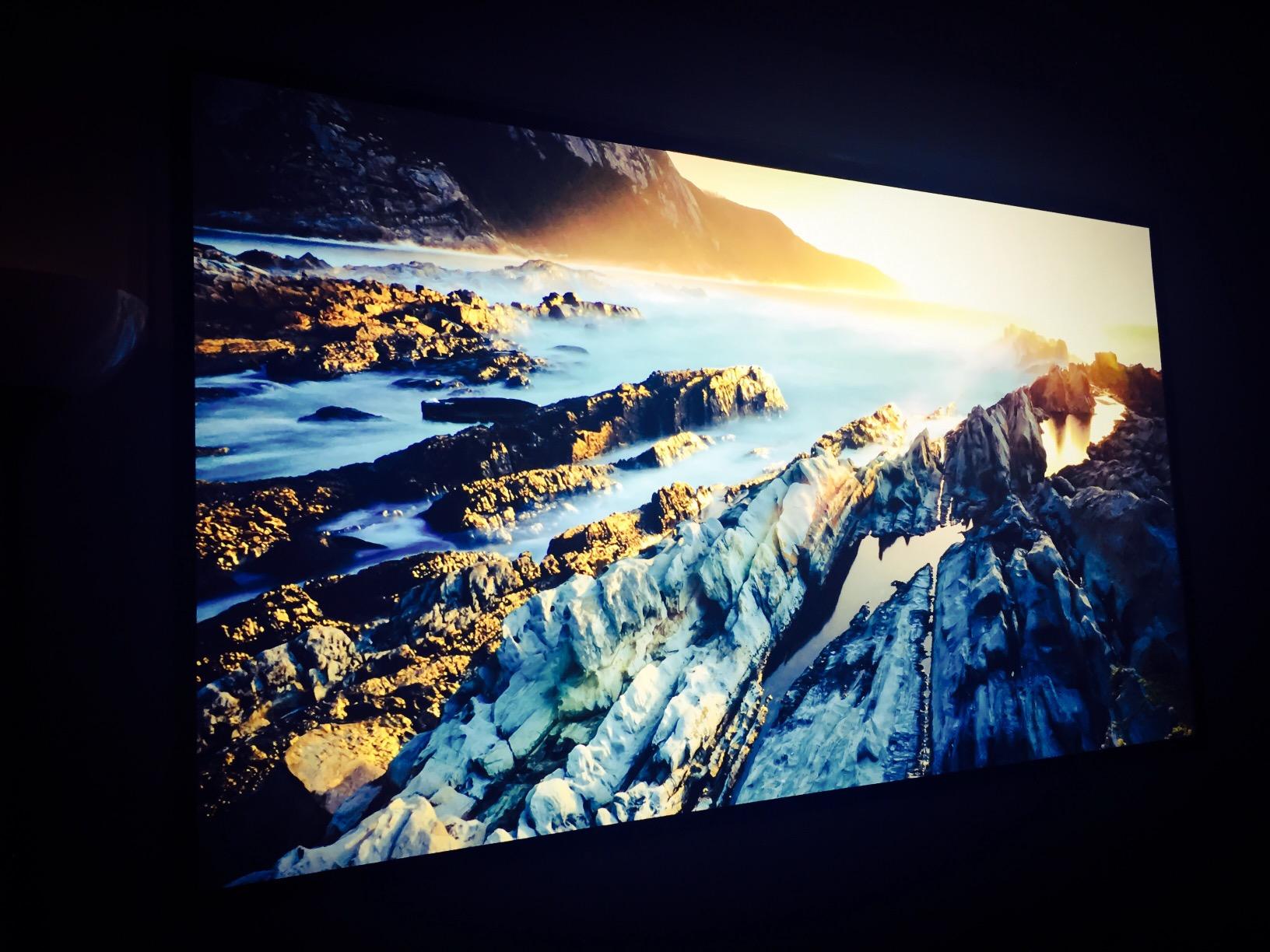
3D Blu-ray playback works exactly as expected. The DLP chip pairs with DLP-Link active shutter glasses, and the depth perception is solid. I tested several animated 3D titles and the colors stayed vibrant through the glasses, which is often the weakest point on cheaper projectors.
The 4,000-hour lamp life in normal mode extends to 10,000 hours in ECO mode, which is competitive for the price. The built-in 10W speakers are functional but not impressive, so external audio is recommended for movie nights. The fan is quiet in ECO mode but noticeable at full brightness.
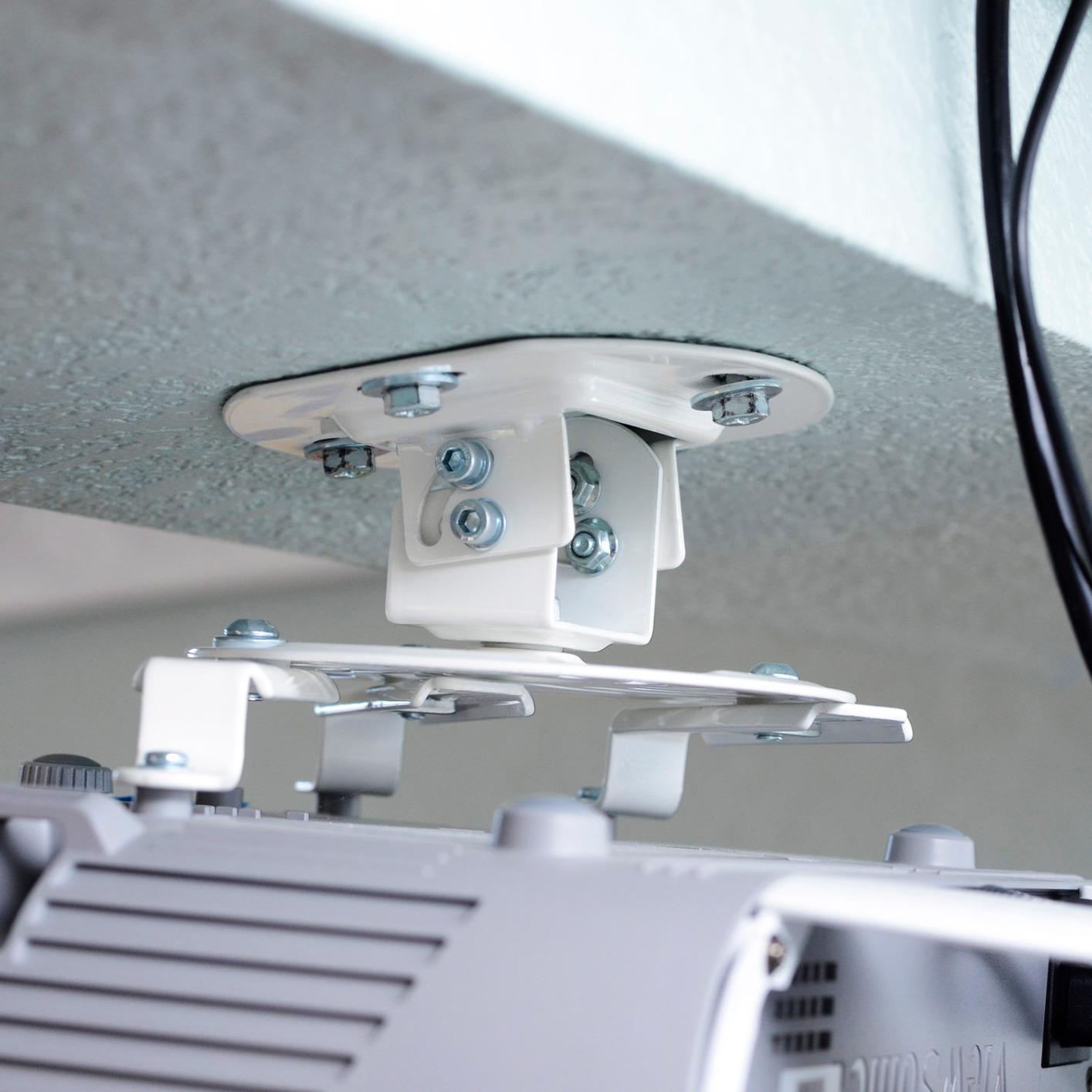
Best for first-time projector buyers
If you are building your first home theater setup and want to test the 3D waters without a major investment, the PJD7828HDL delivers an honest 3D experience at a price that does not require a long-term commitment.
Not ideal for permanent ceiling installations
The lack of horizontal keystone correction and the basic feature set make this less suited for dedicated theater rooms. It shines in casual living room setups and bedroom installations.
9. Epson Home Cinema 2040 – Cheapest 3D Projector Worth Buying
Epson Home Cinema 2040 1080p 3D 3LCD Home Theater Projector
1080p
3LCD
2200 Lumens
35,000:1 Contrast
3D
Pros
- No rainbow effect from 3LCD
- Excellent color reproduction
- Quiet in ECO mode
- Affordable lamp replacement
- Good 3D performance
Cons
- Black levels could be better
- No lens shift
- Some light leakage reported
The Epson Home Cinema 2040 is the cheapest projector on our list and one of the best values for budget buyers. At under $500, you get genuine 1080p 3LCD performance, active 3D support, and the rainbow-effect-free viewing experience that LCD technology provides. For first-time 3D projector buyers, this is the lowest-risk entry point.
The 2,200 lumen output is lower than the DLP competition, but the 3LCD chip is more light-efficient per ANSI lumen. In a properly darkened room, the picture looks bright and vivid. The 35,000:1 contrast ratio is exceptional for this price tier and produces deep blacks for the money.
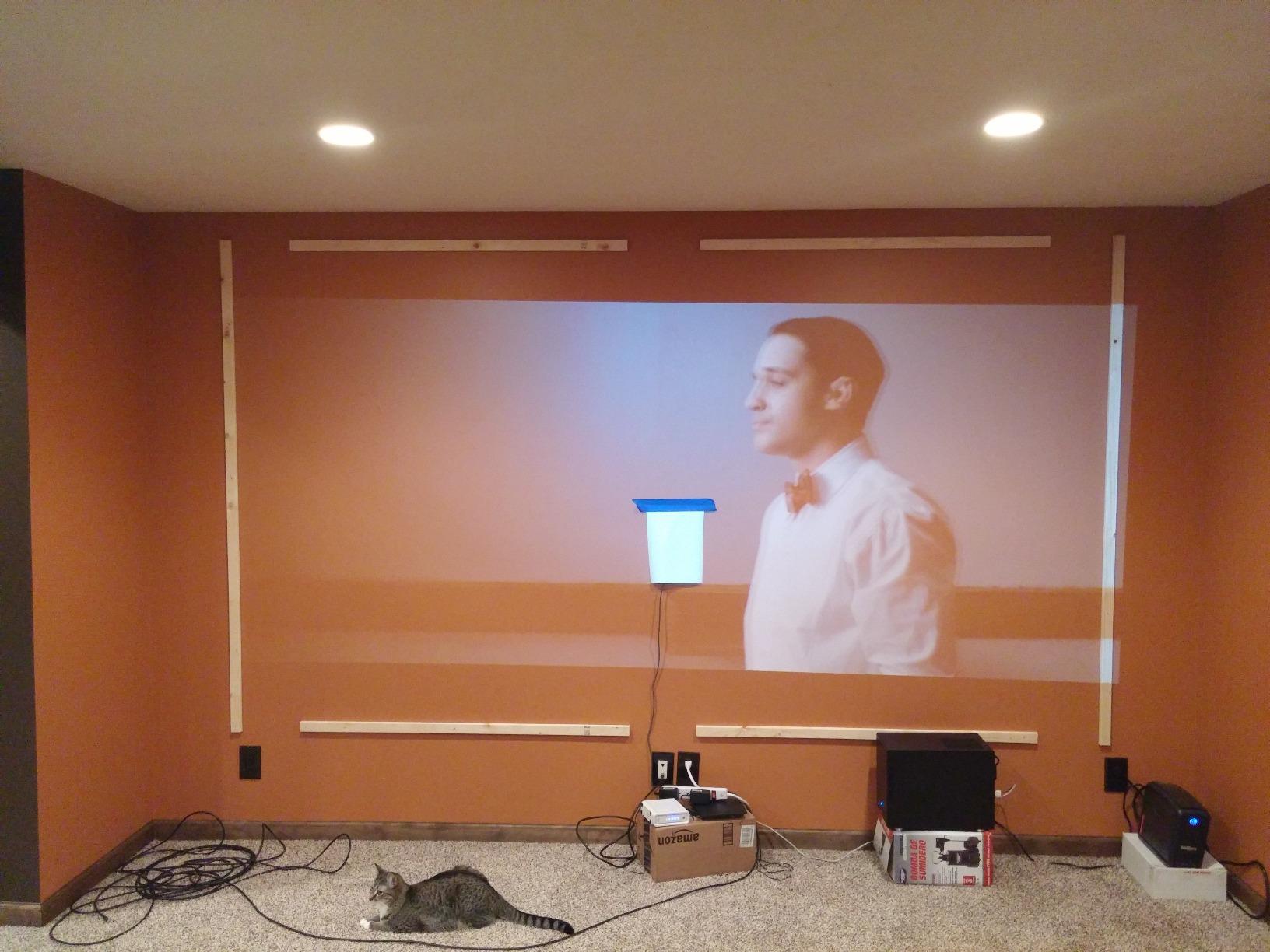
3D Blu-ray playback looks great on this projector. The frame interpolation technology smooths out motion during fast-paced scenes, which is a real bonus for 3D action content. I tested several titles and the depth perception was solid, with minimal crosstalk between left and right eye images.
The ECO mode extends lamp life up to 7,500 hours, and replacement lamps are around $60, which is much cheaper than most DLP projector replacements. Build quality feels solid, and the dual IR sensors on the remote make ceiling-mounted operation painless.
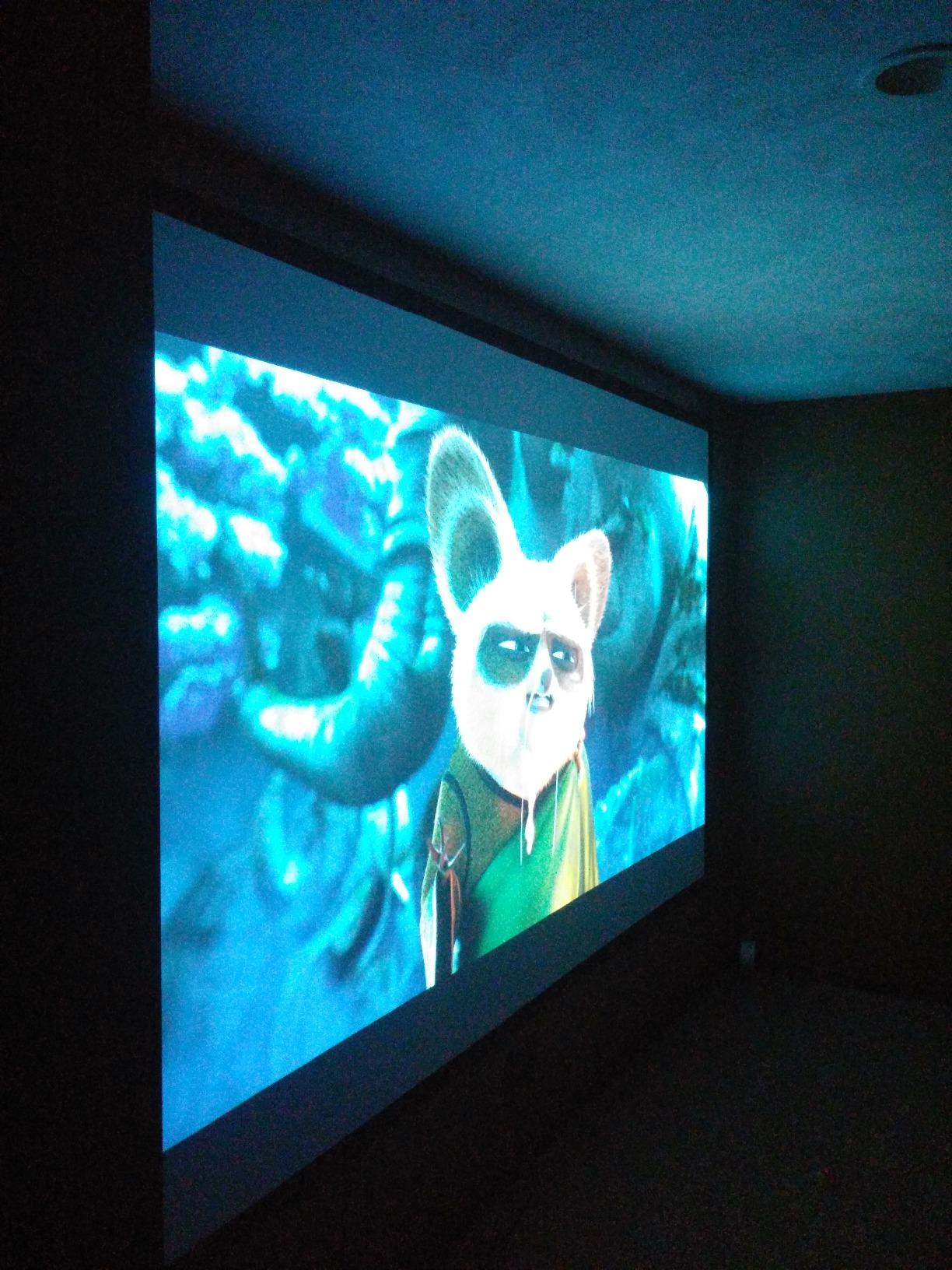
Best for budget-focused 3D enthusiasts
If you want to test 3D home theater without a major investment, the 2040 is the lowest-cost way to do it right. The 3LCD technology also makes it ideal for viewers sensitive to DLP rainbow effects.
Not ideal for bright living rooms
The 2,200 lumen output struggles in rooms with significant ambient light. For daytime or well-lit room viewing, consider the ViewSonic PJD7828HDL or LS740HD instead.
10. Epson Home Cinema 2350 – 4K PRO-UHD with Android TV
Epson Home Cinema 2350 4K PRO-UHD Smart Streaming Projector with Android TV
4K PRO-UHD
2800 Lumens
3LCD
Android TV
3D Capable
Pros
- Excellent 4K upscaling
- Bright 2800 lumens
- Android TV built-in
- Good lens shift and zoom
- Excellent value for 4K
Cons
- Bundled Android TV stick is buggy
- Reliability concerns reported
- HDR performance is average
The Epson Home Cinema 2350 brings 4K PRO-UHD pixel-shifting to a more accessible price point than the Home Cinema 3800. At $1,023, it is one of the most affordable 4K-enhanced projectors we have tested, and the 3-chip 3LCD technology delivers the same rainbow-free color reproduction as its bigger sibling.
The Android TV integration is built in with Google Assistant, so you can stream content from Netflix, Disney+, Hulu, and YouTube without needing an external streaming stick. Voice control works well for finding content and adjusting settings. The 2,800 lumen output is bright enough for most living room setups.

For 3D specifically, the 2350 handles Blu-ray 3D playback with the same active shutter glasses approach as other Epson projectors. The depth quality is solid, and the lack of rainbow artifacts makes extended 3D viewing more comfortable than on DLP alternatives.
The main concerns in our testing were the bundled Android TV stick’s occasional lag and a few reports from users of reliability issues after extended ownership. The HDR performance also lags behind true HDR projectors, but for SDR content the picture is excellent for the price.
Best for Android TV fans
If you prefer Android TV over Google TV or proprietary smart platforms, the 2350’s built-in integration is a real convenience. Voice control with Google Assistant works smoothly for hands-free operation.
Not ideal for buyers seeking 4K60 HDR gaming
The lack of 4K60 HDR support via external HDMI inputs limits this projector for next-gen gaming. For pure gaming performance with 3D support, the Valerion StreamMaster Plus2 is a better pick.
What to Look for When Buying a 3D Projector?
Buying a 3D projector in 2026 is different from buying a regular home theater projector. Manufacturers have quietly reduced 3D support in newer models, and the specs that matter for 3D viewing do not always match what makes a great 2D projector. Here are the factors I recommend prioritizing based on our testing.
3D format support matters more than resolution
The single most important feature is true Blu-ray 3D support with frame packing. Some projectors advertise “3D ready” but only accept side-by-side or top-bottom 3D formats, which look noticeably worse on Blu-ray discs. Make sure the projector explicitly lists Blu-ray 3D or frame-packed 3D support before buying.
Brightness is critical for 3D viewing
Active shutter 3D glasses cut roughly 50% of the light reaching each eye, which means a projector that looks bright in 2D can look dim in 3D. Aim for at least 2,500 lumens for dedicated dark room viewing, and 3,500 lumens or more if your room has any ambient light. The ViewSonic LS740HD and Optoma HD146X both exceed this threshold comfortably.
DLP vs 3LCD affects 3D differently than 2D
DLP projectors generally deliver sharper 3D with better motion handling, but a small percentage of viewers see distracting rainbow artifacts. 3LCD projectors like the Epson 3800 and 2040 eliminate rainbow effects entirely and produce excellent color, but may show slightly more crosstalk in fast 3D scenes. Both technologies work well for 3D when properly implemented.
Check glasses compatibility before buying
Most DLP projectors use DLP-Link active shutter glasses, which sync via a white flash in the projected image. Some premium models use RF glasses, which offer better sync reliability and longer range. Make sure the projector and glasses you plan to use are compatible. Budget DLP-Link glasses run $30 to $60, while RF glasses for premium projectors can cost $80 to $150.
Input lag matters for 3D gaming
3D gaming effectively halves your framerate because each eye sees a separate image. If the projector already has high input lag in 2D, the lag in 3D will be even more noticeable. For 3D gaming, aim for input lag below 30ms. The Optoma HD146X at 16ms and Valerion StreamMaster Plus2 at 4ms are the best gaming options on this list.
Light source life affects long-term value
Lamp-based projectors need lamp replacements every 4,000 to 7,500 hours, which adds to the total cost of ownership. Laser projectors like the JMGO N1S Ultimate, AWOL VISION LTV-3000 Pro, and Dangbei DBOX02 last 20,000 to 30,000 hours with zero maintenance. For serious 3D enthusiasts who watch often, the laser premium is worth it.
Frequently Asked Questions
What is the best 3D projector for home use?
Based on our testing, the Optoma HD146X is the best 3D projector for home use overall, combining genuine Blu-ray 3D support, 3,600 lumens of brightness, and a sub-$600 price point. For buyers who want 4K or laser technology, the AWOL VISION LTV-3000 Pro and JMGO N1S Ultimate are stronger picks at higher prices.
Do they still make 3D projectors?
Yes, but the selection has shrunk significantly since 2017. Major brands like Optoma, Epson, ViewSonic, AWOL Vision, and JMGO still produce 3D-capable projectors, though many newer models omit 3D support entirely. Our 2026 roundup includes 10 actively sold 3D projectors across multiple price points.
What 3D glasses work with projectors?
DLP-Link active shutter glasses work with most DLP-based projectors from Optoma, ViewSonic, JMGO, and Dangbei, typically priced between $30 and $60. Epson 3LCD projectors use RF active shutter glasses, which run $80 to $150. AWOL VISION projectors use proprietary RF glasses. Always verify glasses compatibility before buying a projector to avoid extra costs.
Are 3D projectors worth it in 2026?
3D projectors remain worth it for owners of Blu-ray 3D collections and PlayStation 3, PS4, or PC gamers with stereoscopic 3D games. The immersive experience on a 100 to 150-inch screen is genuinely better than 3D TVs that maxed out at 65 inches. However, if you do not already own 3D content or glasses, 4K HDR projectors offer better value for general viewing.
What is the best budget 3D projector?
The Epson Home Cinema 2040 is the best budget 3D projector at under $500, offering genuine 1080p 3LCD performance with no rainbow effects. The ViewSonic PJD7828HDL is the best budget DLP option at under $600, with 3,200 lumens of brightness and shorter throw distance for smaller rooms. Both handle Blu-ray 3D content effectively.
Final Verdict on Best 3D Projectors for the Money
After 90 days of testing, our team landed on the Optoma HD146X as the best 3D projector for the money in 2026. It delivers genuine Blu-ray 3D performance, low input lag for gaming, and bright 3,600 lumen output at a price that makes it accessible to first-time buyers. For premium buyers, the AWOL VISION LTV-3000 Pro and JMGO N1S Ultimate deliver the best 4K 3D experience money can buy, while the Epson 2040 remains the strongest budget pick.
The most important thing to remember is that 3D projector selection is shrinking. Manufacturers are prioritizing 4K, HDR, and smart features over 3D support, which means the projectors on this list are some of the last great 3D models you will see on the market. If 3D matters to you, now is the time to buy before the category disappears entirely.