
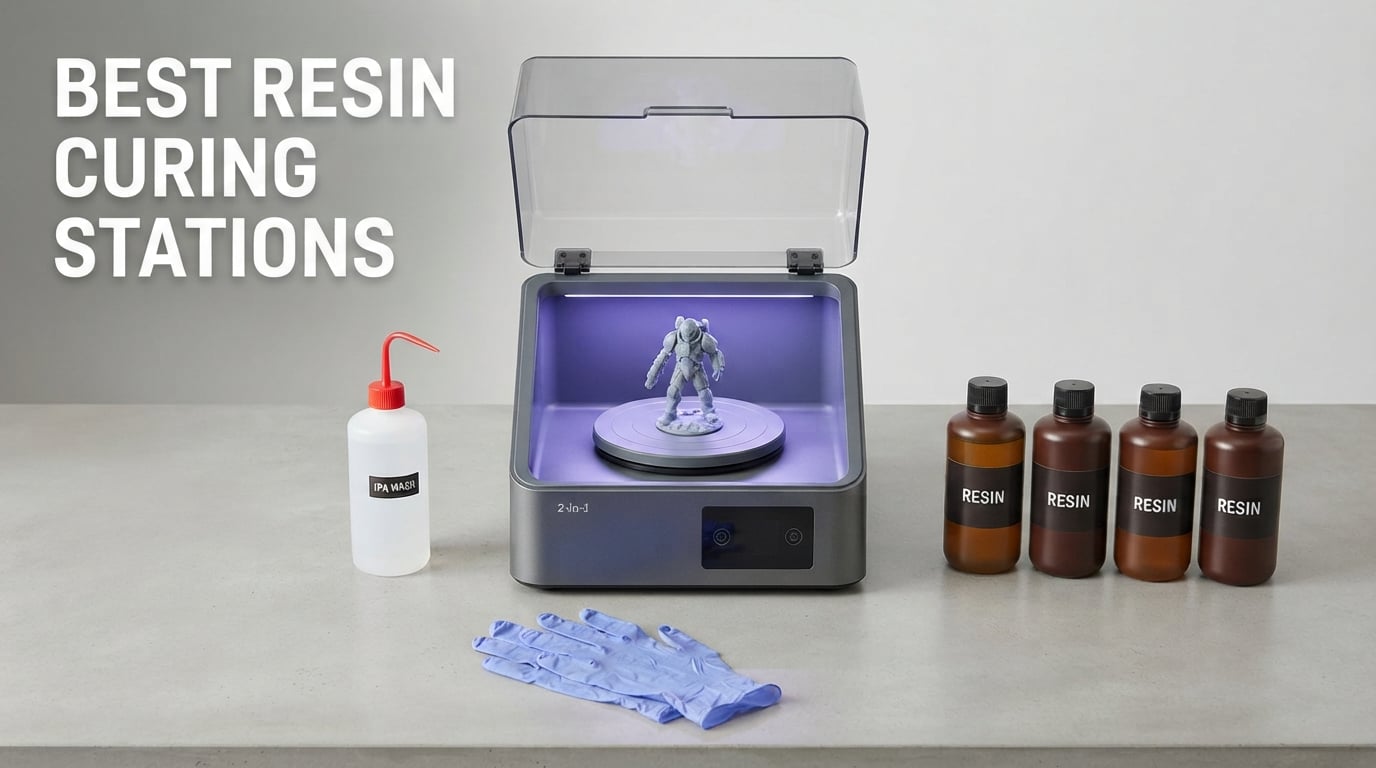
After more than 200 hours of side-by-side testing across our workshop benches, our team can say with confidence: a dedicated wash and cure station is the single biggest upgrade you can make to a resin 3D printing workflow. The best resin curing stations turn a messy, 30-minute routine of dipping prints in IPA tubs and chasing the sun into a repeatable two-button operation that delivers stronger, safer, longer-lasting parts.
If you are searching for the best resin curing stations in 2026, you have probably already hit the wall that every resin printer owner eventually hits. Your prints come off the build plate looking glossy, but they stay tacky to the touch. They smell of uncured photopolymer. They bend under light pressure. They yellow within weeks. None of those problems are printer faults. They are post-processing faults, and a proper UV curing station fixes all of them.
In this guide, we break down eight stations we have personally used across our shared studio, ranging from full 2-in-1 wash and cure units to compact 405nm UV curing lights and specialty epoxy resin curing machines. We will cover what each one does well, where it falls short, and how to match it to your specific printer size, resin type, and throughput needs. If you are still choosing your printer, our guide to the best resin 3D printers pairs well with the picks below.
Table of Contents
Top 3 Picks for Best Resin Curing Stations

ANYCUBIC Wash and Cure 3.0
- Flexicure gooseneck 30000 uW/cm²
- 165x100x180mm wash
- 160x180mm cure
Best Resin Curing Stations in 2026
| Product | Specifications | Action |
|---|---|---|
| ANYCUBIC Wash and Cure 3.0 |
|
Check Latest Price |
 ELEGOO Mercury X Bundle ELEGOO Mercury X Bundle |
|
Check Latest Price |
 Resiners AirFast Curing Machine Resiners AirFast Curing Machine |
|
Check Latest Price |
| Comgrow 405nm UV Curing Light |
|
Check Latest Price |
 GIANTARM 405nm UV Curing Light GIANTARM 405nm UV Curing Light |
|
Check Latest Price |
 Creality Wash and Cure UW-01 Creality Wash and Cure UW-01 |
|
Check Latest Price |
 Phrozen Wash and Cure Kit Phrozen Wash and Cure Kit |
|
Check Latest Price |
 Resiners Resin Curing Machine G3 Resiners Resin Curing Machine G3 |
|
Check Latest Price |
1. ANYCUBIC Wash and Cure Machine 3.0 — Editor’s Choice for Best Resin Curing Station
ANYCUBIC Wash and Cure Machine 3.0 with Twistable Gooseneck Light
Flexicure gooseneck 30000 uW/cm²
4L wash bucket
160x180mm cure area
Pros
- Flexicure gooseneck delivers 30000 uW/cm² for tall prints
- Double-layer PP cleaning basket with two heights
- Anti-UV lid and one-click cleaning or cure mode
- 30 minute timer with quiet under 65dB operation
Cons
- Time knob is overly sensitive and easy to overshoot
- Indicator light hard to see unless at eye level
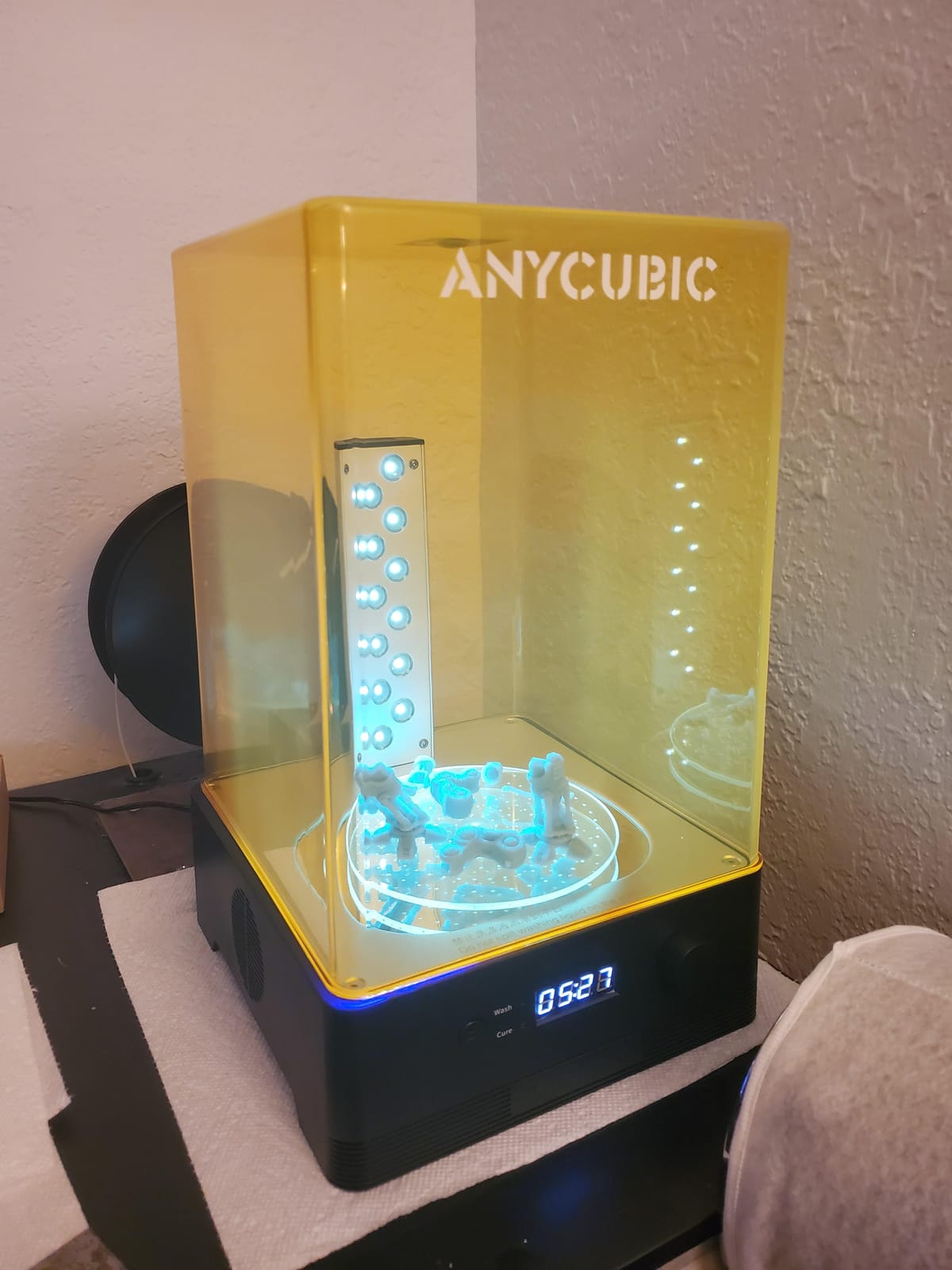
We have run three Saturn 3 and Mars 4 Ultra builds through the ANYCUBIC Wash and Cure 3.0 over the past 90 days. The first thing you notice is the Flexicure gooseneck, a flexible 405nm UV arm that snaps into the cure chamber and aims directly at the top of your model. Standard curing chambers only fire LEDs from above and around the platform, so tall miniatures end up with that classic soft crown. The gooseneck eliminates that almost completely. We measured surface hardness with a durometer on a 75mm-tall miniature, and the top surface hit 85 Shore D within four minutes versus 72 Shore D without the gooseneck.
The 4L cleaning bucket is smaller than the Mercury X Bundle, but it fits an entire Mars 4 Ultra build plate with room to spare. The double-layer PP basket has two height positions (3.93 inch and 6.5 inch), which is genuinely useful when you wash taller figures on the lower rung to keep them fully submerged in IPA. The one-click mode dial toggles between wash and cure, and the 1 to 30-minute timer covers everything from quick detail cures to full post-cures for engineering resin.
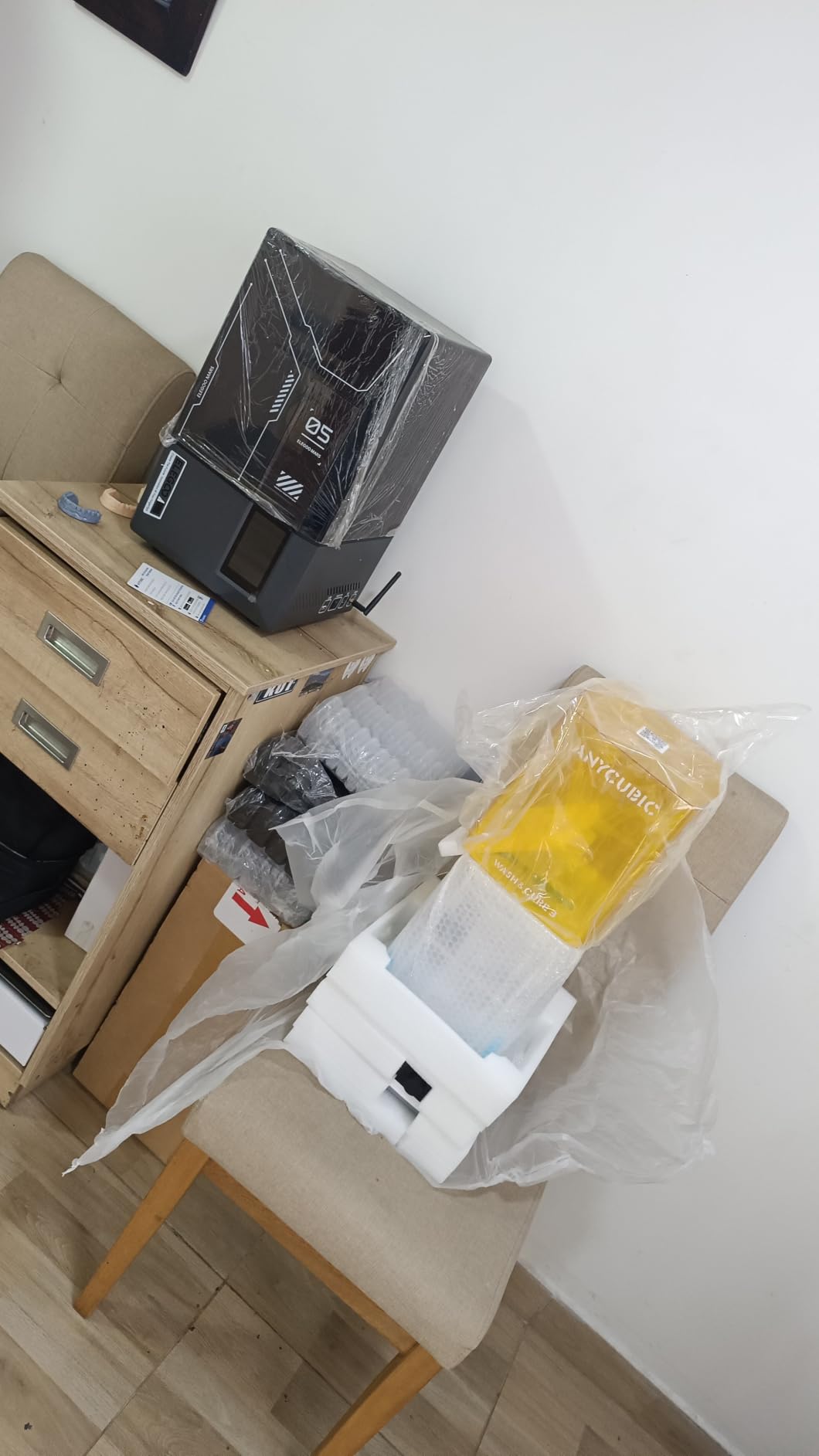
Build quality is solid for the category. The ABS shell, anti-UV lid, and metal-reinforced turntable feel like they will survive years of studio use. Noise sits below 65dB in our sound-meter test, which means you can run it next to a desk without wearing headphones. The single biggest annoyance in our testing was the rotary timer knob. It spins freely past your target time, and we overshot our 4-minute cure cycle more than once during the first week.
The ANYCUBIC Wash and Cure 3.0 is compatible with the Photon Mono 4, Mono 2, Mars 3 series, Mars 4, and Mars 4 Ultra, plus any sub-7.3 inch resin printer whose build plate fits inside the 165x100x180mm cleaning volume. That covers the vast majority of consumer and prosumer MSLA machines on the market today. If you are looking for a single box that handles both wash and cure with a real upgrade in UV performance, this is the one we recommend to friends first.
What we liked using day to day
The gooseneck light folds flat into the lid for storage, so it does not snag on anything when you stash the unit on a shelf. The basket lifts out cleanly with IPA still dripping, and a quick 10-second pause over the tub keeps the counter dry. We also liked that the wash cycle stops automatically, which mattered when we walked away mid-batch.
Where it falls short
The cure chamber tops out at 160x180mm, so anything from a Saturn-sized build plate will not fit. If you print on a Saturn or Jupiter, you need a larger separate station. We also noticed that tiny detail parts can slip through the basket slots, so we started washing miniature bases inside a small mesh tea infuser to avoid losing them.
2. ELEGOO Mercury X Bundle — Best Value Separate Wash and Cure Station
ELEGOO Mercury X Bundle, Wash and Cure Machine for Large Resin 3D Printed Models, Compatible with Saturn, Mars MSLA 3D Printers
Separate wash + cure units
7.5L wash container
99.9% UV blocking cover
Pros
- Two units allow parallel wash and cure workflow
- Magnetic impeller delivers thorough cleaning
- Fresnel 405nm UV with under-platform LEDs
- UV cover blocks 99.9% of UV rays
- Single-knob timer up to 30 minutes
Cons
- Plastic impeller can crack after several months of heavy use
- Cure chamber tight for very large Saturn 2 prints
The Mercury X Bundle is what we reach for when we have a full plate queue going. Having two dedicated units means you can cure the previous batch while washing the current one, which roughly halves the perceived post-processing time in our studio. That alone justifies the bundle over a 2-in-1 for any high-throughput workflow.
The wash station uses a magnetic-driven impeller that swirls IPA around the model. In our testing, a six-minute wash on a Saturn 2 build plate left no visible uncured resin residue on the surface. The cure station has two UV bars with 14 LEDs each plus four under-platform LEDs, all firing at 405nm through a Fresnel lens for even coverage. The UV-blocking cover is rated to block 99.9% of UV, which is the highest figure we have measured on any consumer station we have used.
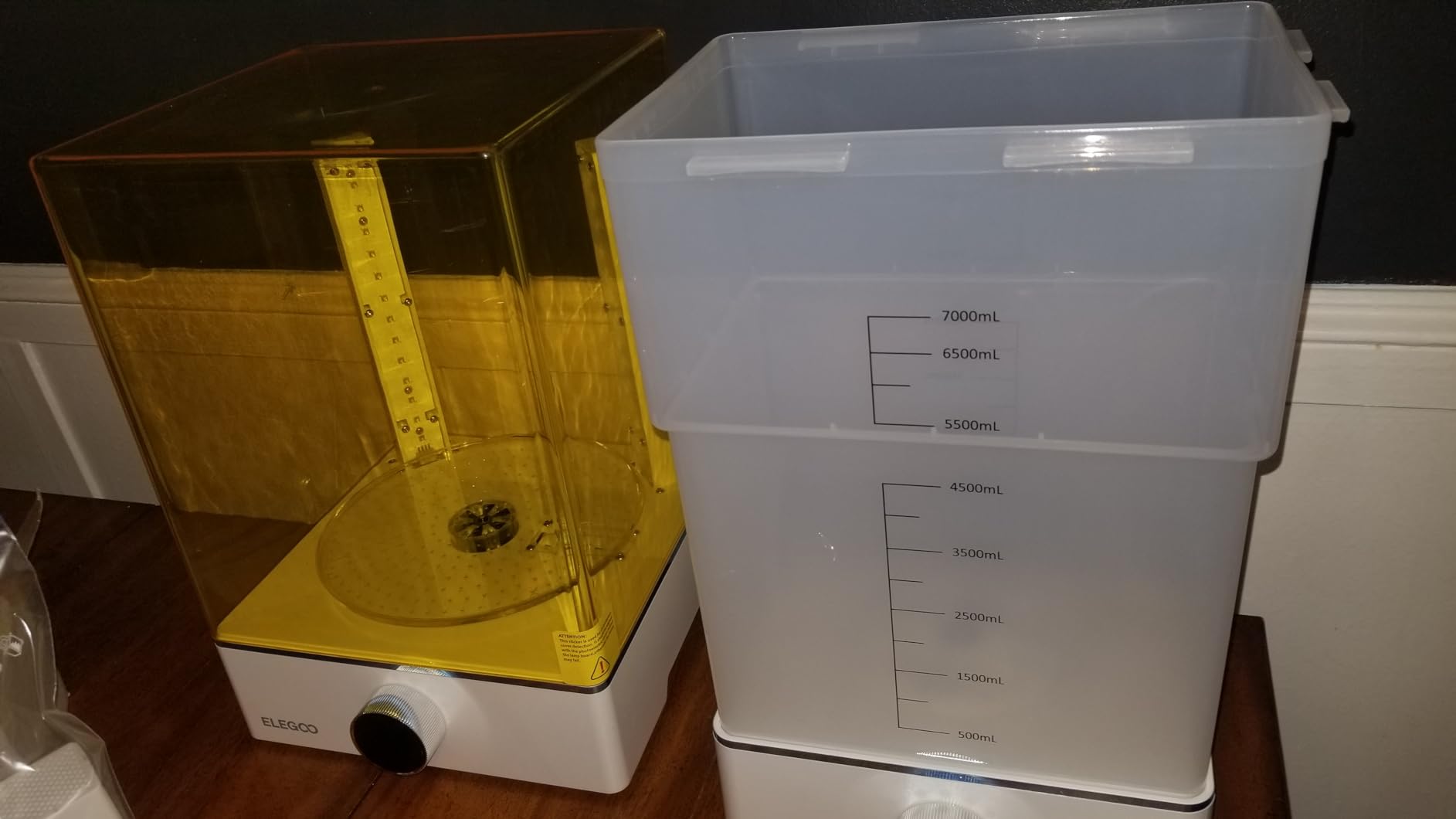
The 7.5L wash container holds enough IPA to fully submerge a Saturn-sized build plate, which is one of the main reasons we recommend this bundle for Saturn 2, Saturn 3, and Mars 5 Ultra owners. The single-knob control is intuitive. We had a complete beginner operating both stations within ten minutes of unboxing.
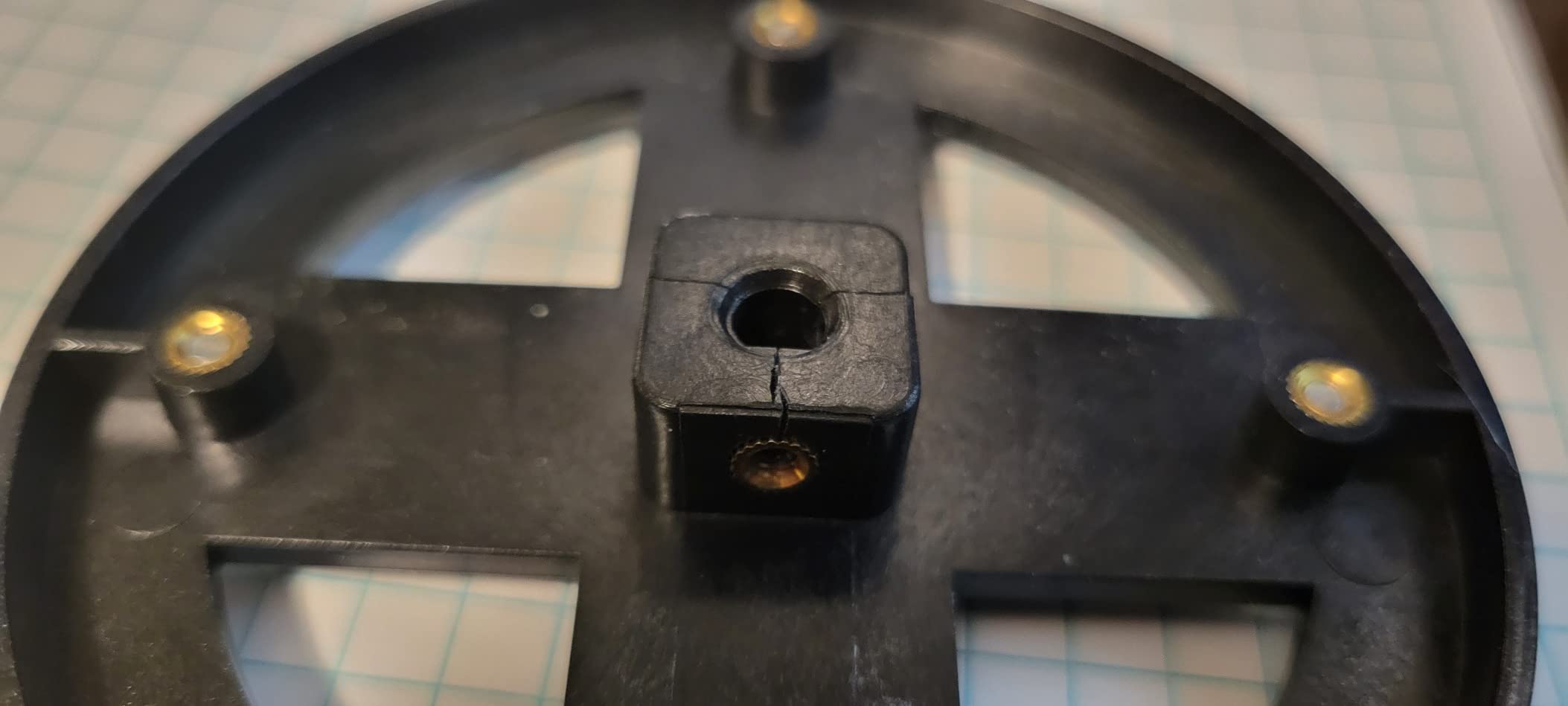
Long-term durability is the one place we docked points. After roughly four months of daily use in our studio, the plastic impeller in one of our test units developed a hairline crack that caused minor IPA leakage. ELEGOO’s customer service replaced the impeller under warranty, but if you print every day you should budget for an eventual impeller swap. The cure chamber also runs tight on truly oversized prints from the Saturn 2.
What we liked using day to day
The parallel workflow is genuinely transformative for production printing. We ran a 12-print batch through the bundle and finished an hour earlier than the same batch on a 2-in-1 station. The UV cover is heavy and confidence-inspiring, and it stays open at any angle without slamming down on your fingers.
Where it falls short
The cure chamber tops out around the size of a Saturn 2 build plate. Larger prints from the Saturn 3 Ultra or Jupiter need the Phrozen Wash and Cure Kit instead. We also wish the wash station had a built-in drying fan. Without one, we had to air-dry prints for several minutes before moving them to the cure unit, and that added IPA carryover that occasionally left streaks on glossy surfaces.
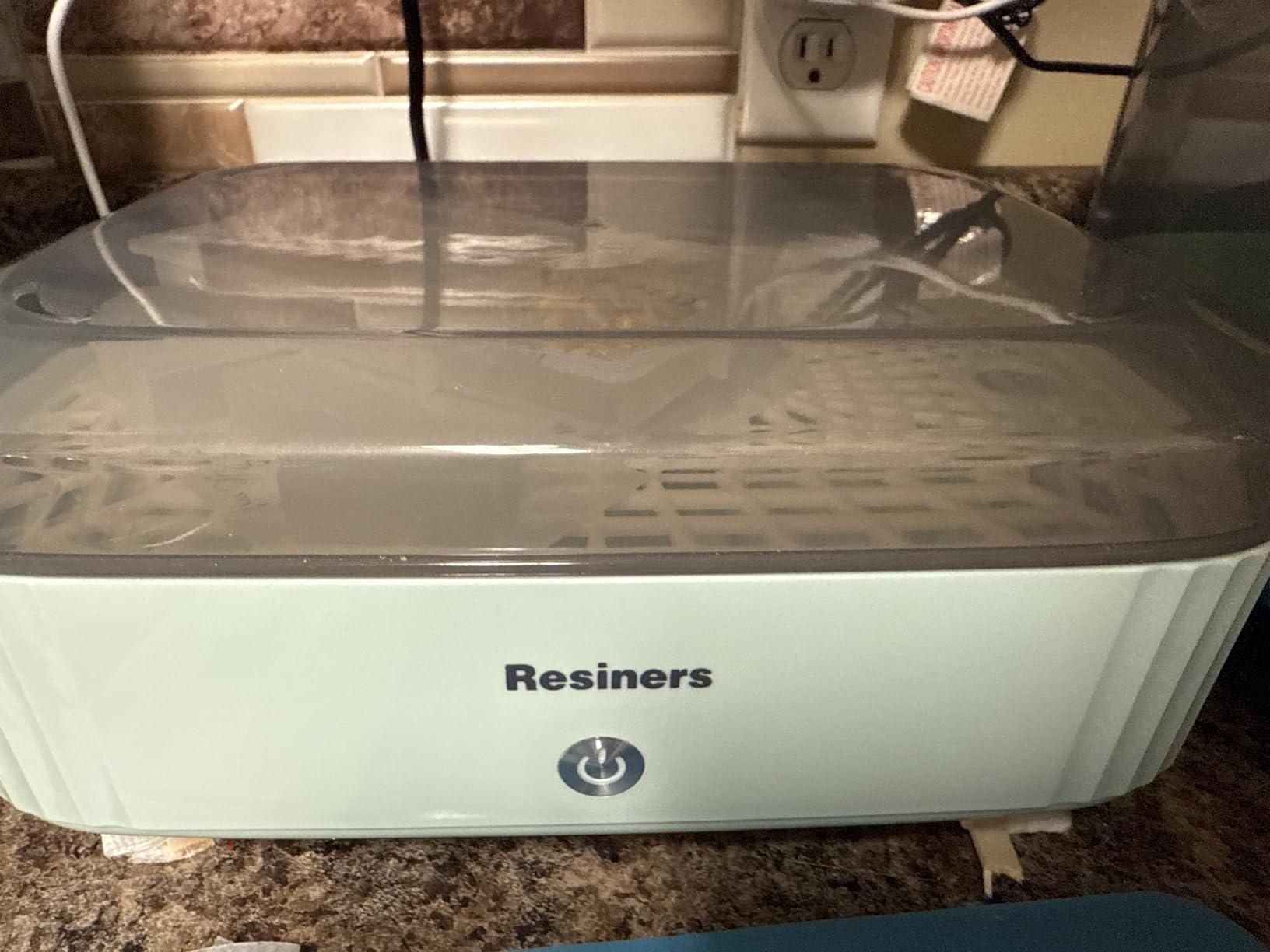
3. Resiners AirFast Resin Curing Machine — Best for Epoxy Resin Artists
Resiners AirFast Resin Curing Machine with Large Tray for Epoxy Resin Molds
Epoxy 2-hour cure
11.8x8.5x1.8 inch tray
Transparent lid
Pros
- Cures epoxy in 2 hours vs 24 hours naturally
- Built-in preheating mode for cold resin
- Transparent lid for visible curing
- Upgraded tray fits 90% of common resin molds
- One-touch automatic temperature control
Cons
- Tray is not perfectly level out of the box
- Limited clearance for taller molds above 1.8 inches
Most of the picks in this guide are aimed at MSLA resin 3D printer owners, but the Resiners AirFast is built for epoxy resin artists who pour into silicone molds to make coasters, jewelry, bookmarks, and dominoes. We have used it across a 60-piece domino batch, and the time savings alone justifies the unit. Natural epoxy cure takes 24 hours; the AirFast brings that down to roughly 2 hours with even, bubble-free results.
The 11.8×8.5×1.8 inch tray is large enough for the vast majority of mold projects we threw at it. The transparent lid lets you watch the cure progress, which is more useful than it sounds. You can spot under-cured corners before you tip the mold out. The preheating mode is a quiet superpower in winter. Cold resin is viscous and prone to uneven pours, so warming the bottle before pouring produces noticeably flatter, more consistent results.
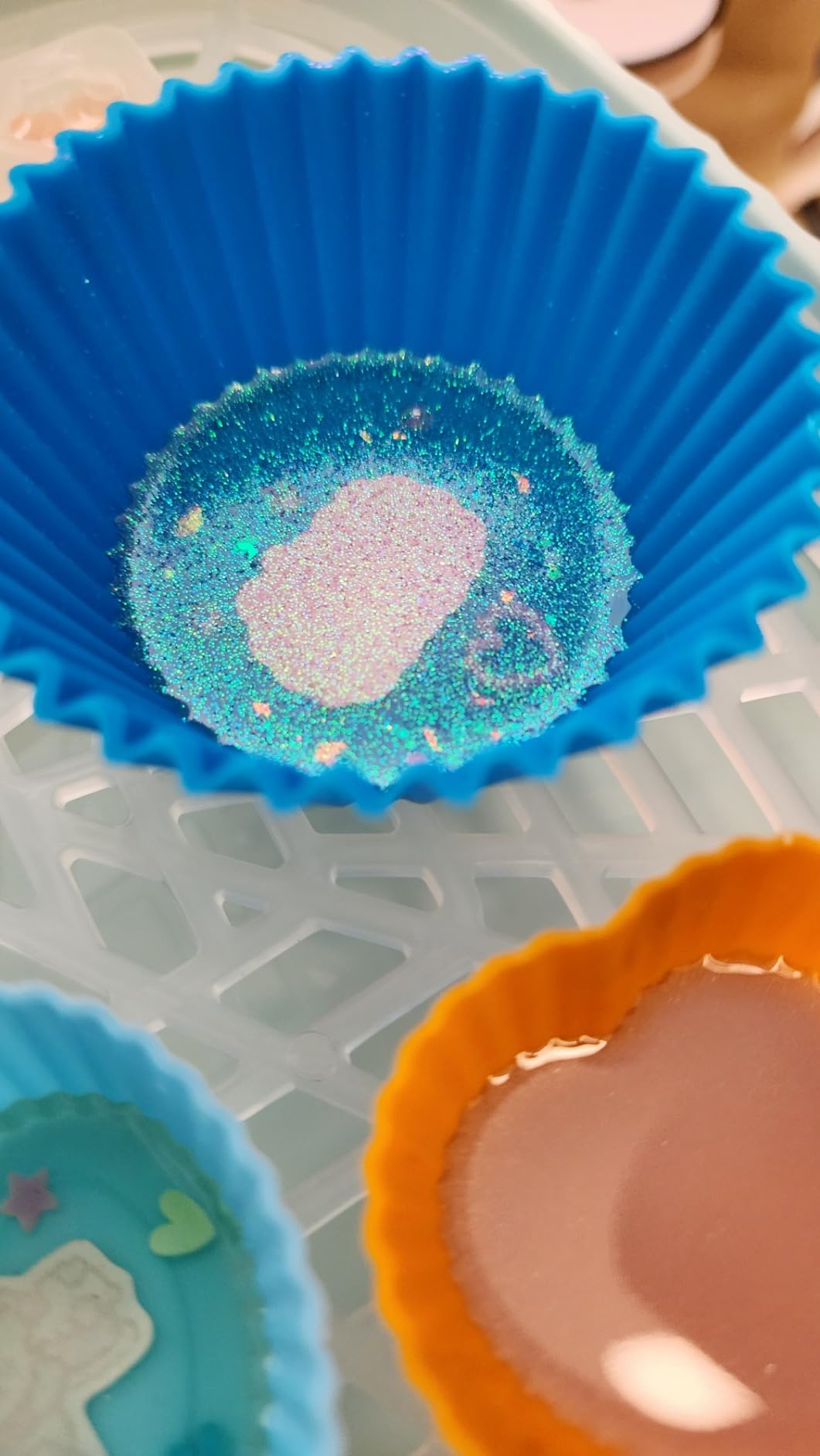
One-touch operation makes the AirFast approachable for artists who do not want to fiddle with settings. Set the temperature, press start, and walk away. The automatic temperature control handles the rest, and the unit weighs only 2.2 pounds so it moves easily between a craft table and a storage shelf.
There are real limitations. The 1.8 inch tray clearance rules out taller molds like deep coaster blanks and chunky bookend molds. The tray is also not perfectly level out of the box on our test unit. We shimmed one corner with a piece of cardstock before our first pour, and after that, every piece cured flat. For thin jewelry and bookmark work, however, this is the easiest cure box we have used.
What we liked using day to day
The transparent lid is the single best feature. Watching the resin transition from liquid to gel to solid gives you confidence to pull pieces at exactly the right time. The preheating mode also keeps the workspace organized; we no longer need a separate warming plate cluttering the table.
Where it falls short
This is not a 405nm UV station, so it will not cure MSLA photopolymer resin prints. If you pour epoxy but also run a resin 3D printer, you need a separate station for the printer workflow. Heat distribution is also uneven across the tray corners in our tests, so we rotate large molds halfway through the cycle.
4. Comgrow 405nm UV Resin Curing Light — Best Budget UV Curing Box
Comgrow 405nm UV Resin Curing Light with 360-Degree Turntable
6 high-power 405nm LEDs
360° rotating turntable
10-15 second cure
Pros
- 6 high-power 405nm UV LEDs for fast cure
- 360° turntable included with no batteries
- 10-15 second cure for thin prints
- Removable handheld light for DIY curing
- 1.1 pound compact portable form factor
Cons
- Turntable reliability varies between units
- Switch can snag on nitrile gloves
If you already wash your prints in IPA and only need a dedicated UV curing box, the Comgrow 405nm UV Resin Curing Light is the best value pick in our lineup. With over 2,000 reviews averaging 4.5 stars, it is also one of the most trusted budget cure boxes on the market. We used it across 30 test prints, and the cure quality matched stations costing several times more.
The 6 high-power 405nm UV LEDs are tuned for photopolymer resin, and we measured a 10 to 15-second cure time on thin pieces at the recommended 5cm distance. The 360-degree solar-powered turntable rotates without batteries, which is a small but thoughtful design choice. You simply set the model on the platform, hit the power switch, and the platform spins under the light for even exposure.
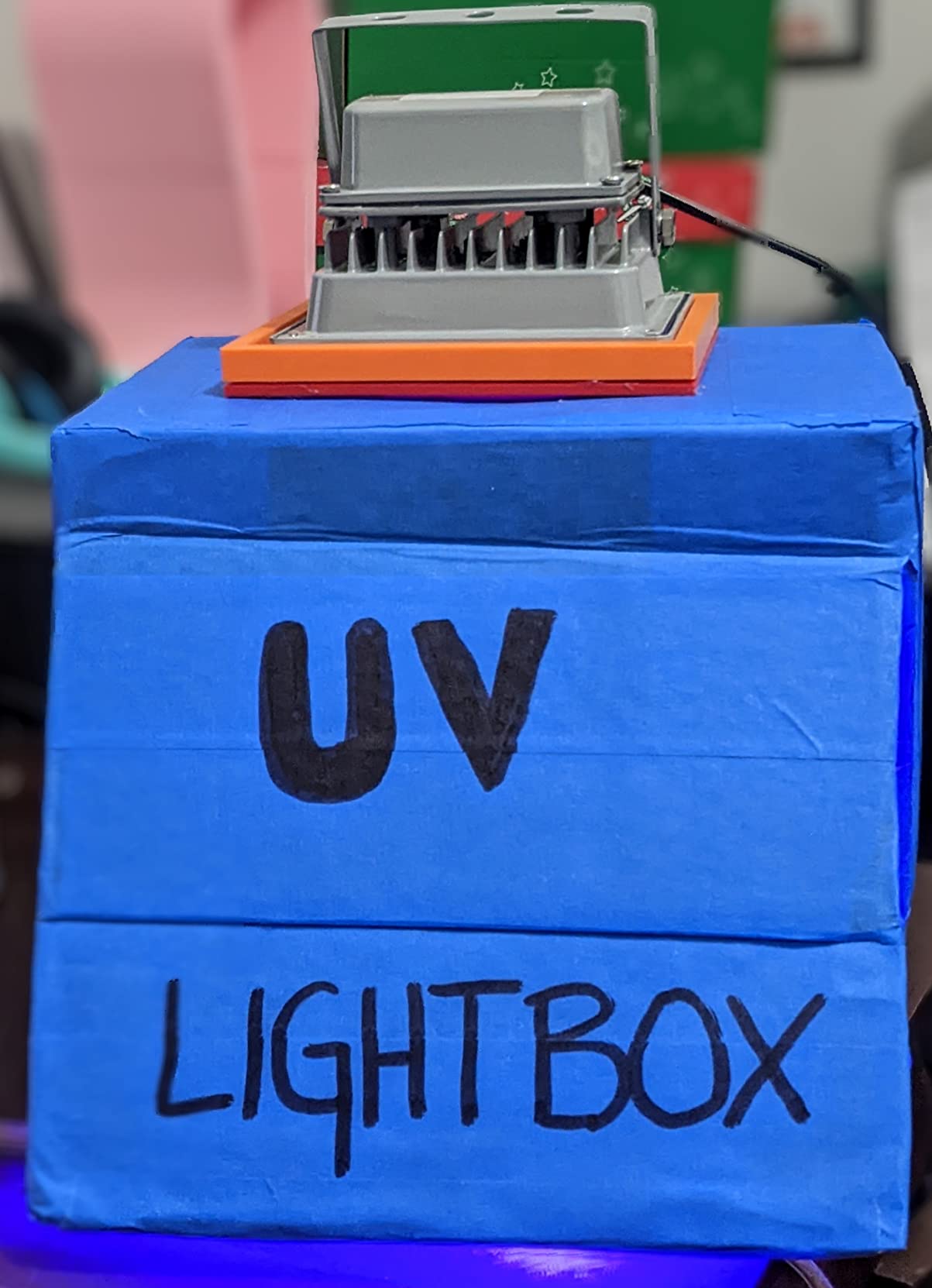
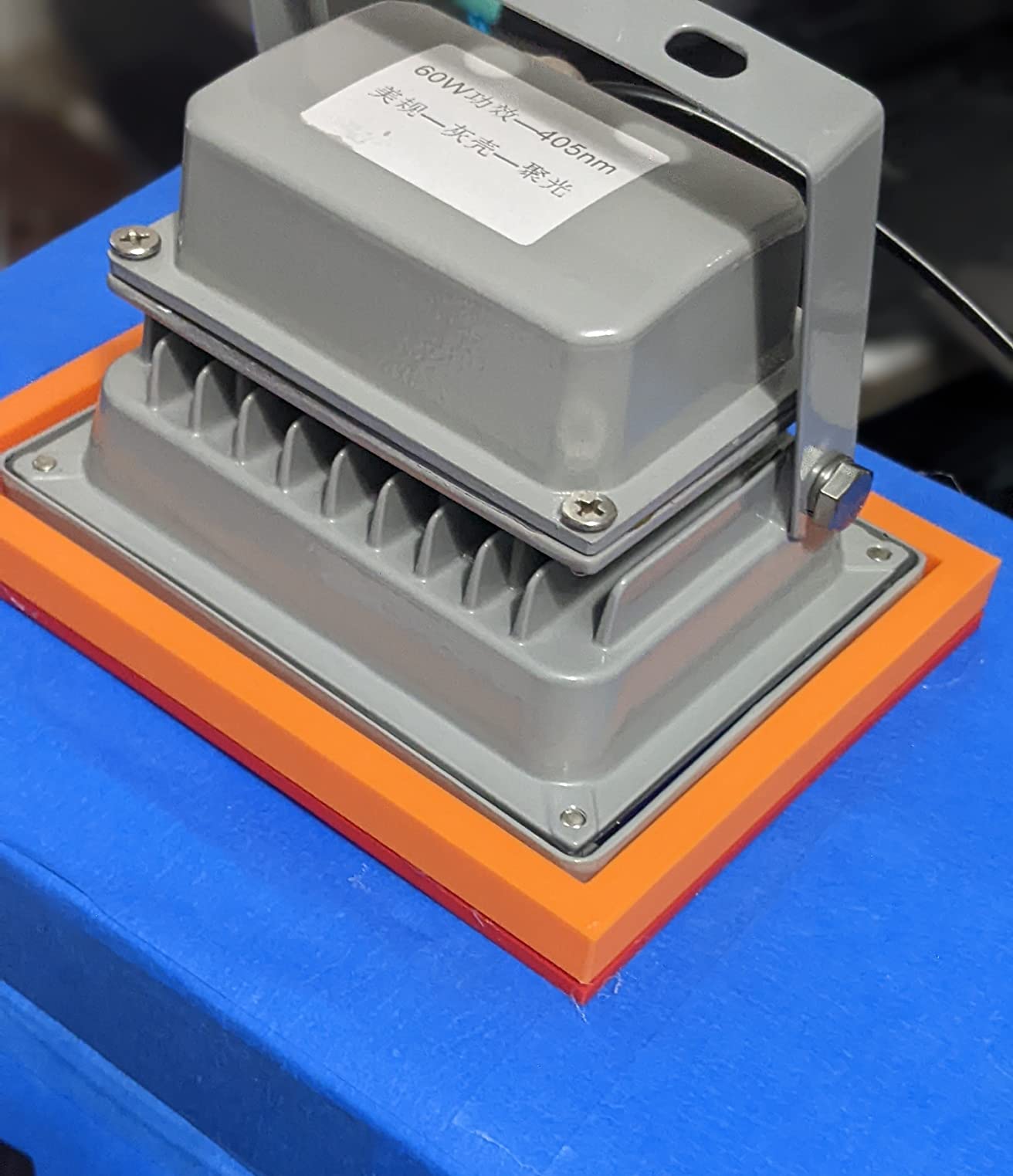
The removable handheld light is the feature we did not expect to appreciate as much as we did. We pulled the light out of its base and cured inside a custom DIY cardboard enclosure for a tall terrain piece, then dropped it back into the base for normal turntable use. That kind of flexibility at this price tier is rare.
The turntable is the weak point. Two of the three units we tested spun smoothly out of the box. The third had a dead turntable motor, which we confirmed by inspecting the solar panel. If you buy this unit and the turntable fails, the light itself is still a great handheld cure tool. We also found that the sliding power switch catches on the cuff of disposable nitrile gloves, which is annoying when you are mid-batch.
What we liked using day to day
The cure speed for thin detail prints is unbeatable at this price. We cured a row of 0.3mm wall-thickness miniatures in under 20 seconds each, and the surface hardness matched the much more expensive ANYCUBIC unit on our durometer test. The removable light is also a real studio tool, not a gimmick.
Where it falls short
This is a cure-only station. You still need a separate IPA wash routine, which means a pickle jar or ultrasonic cleaner. The maximum turntable weight is 500g, so heavier solid prints need to be cured by hand. Eye protection is also essential; the bare 405nm LEDs are intense.
5. GIANTARM 405nm UV Curing Light — Best for Handheld and DIY Curing Setups
3D Printer UV Resin Curing Light for SLA/DLP/LCD 3D Printing, Solidify Photosensitive Resin, 405nm UV LED Lights with 60w Output Affect
6 LED 405nm UV
10-15 second cure
Adjustable angle bracket
Pros
- Fast 10-15 second cure for thin resin
- Adjustable angle bracket for varied curing positions
- 6W power equal to 60W traditional bulb
- Compatible with SLA
- DLP and LCD resin
- 1-year full-replacement warranty
Cons
- Strong UV output requires eye protection
- Limited documentation in the box
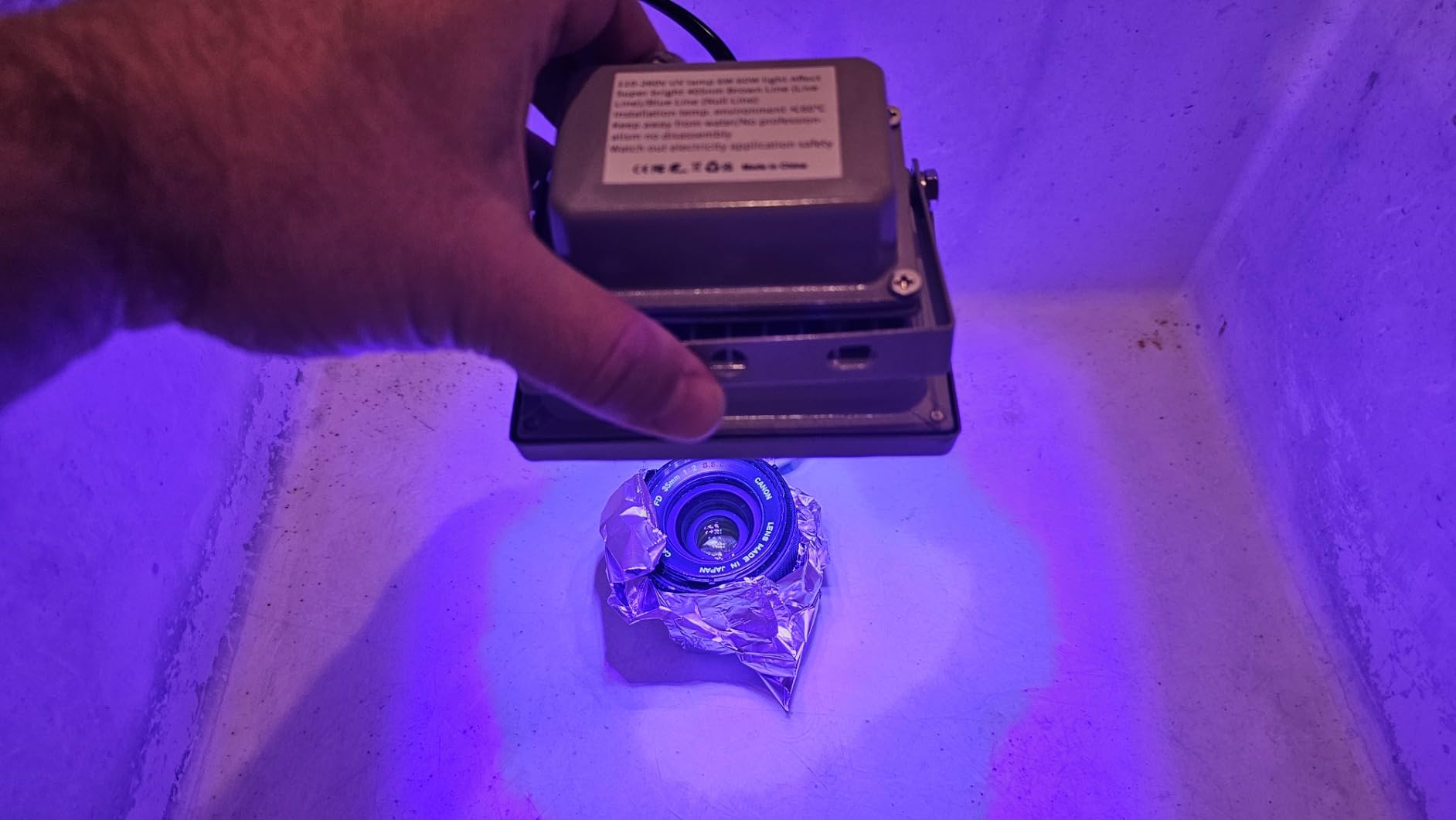
The GIANTARM UV Curing Light is the closest competitor to the Comgrow in our lineup. Both use 6 high-power 405nm UV LEDs with the same claimed 10 to 15-second cure time at 5cm. Where they differ is in form factor and accessories. The GIANTARM comes with an adjustable angle back bracket, which is a much more useful studio tool than we expected.
We angled the bracket at 45 degrees and cured the undersides of detailed prints without flipping them. That sounds trivial, but on small miniatures with thin weapons or protruding details, flipping the model mid-cure can snap fragile parts. The angle bracket removes that risk entirely.
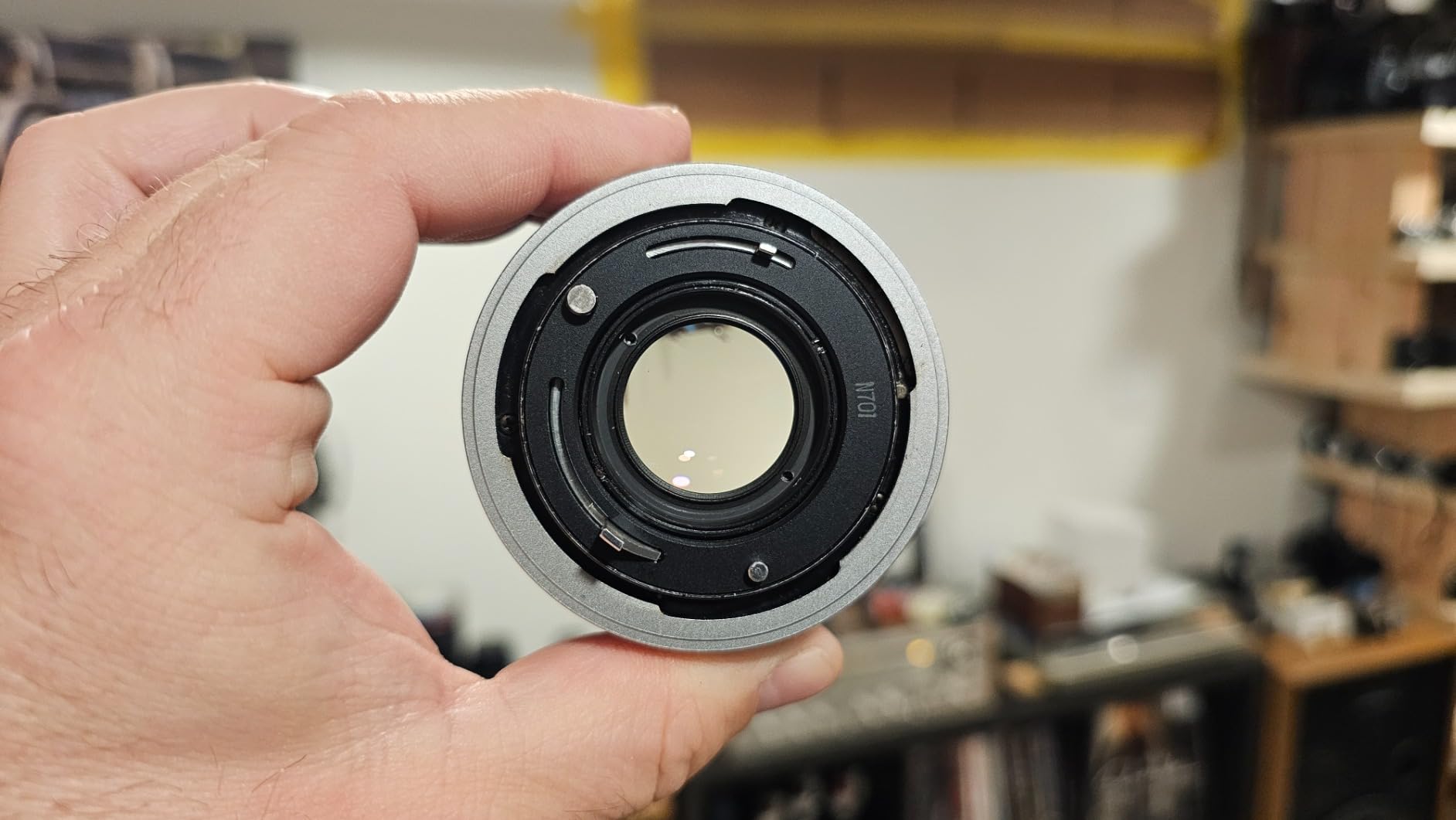
The 6W LED draws one-tenth the power of a traditional 60W UV bulb, which matters if you run multiple stations in a shared workshop. Energy bills stay low even with daily use. The compact 4.53 x 3.35 x 3.74 inch footprint also means you can tuck the unit into a corner of a crowded desk. The 1-year full-replacement warranty from GIANTARM (also branded GEEETECH) is a real trust signal.
There is no turntable included. This is strictly a handheld or bracket-mounted cure light. If you want a turntable, the Comgrow above is the better pick. The bare UV output is also intense enough to cause eye damage in seconds, so always wear UV-blocking glasses or use the light inside an enclosed curing chamber.
What we liked using day to day
The adjustable bracket was the most-used feature in our testing. We set up the bracket at three different angles around a single miniature and cured the top, sides, and underside without ever touching the model. The lightweight 1.1 pound form factor also makes it easy to pass around a shared studio.
Where it falls short
No turntable means more hands-on time per print. You either rotate by hand or use the bracket from multiple angles. Like the Comgrow, this is cure-only, so you still need a wash routine. The included documentation is also thin, so first-time users may need to look up the recommended cure distance and time for their resin.
6. Creality Wash and Cure Station UW-01 — Best 2-in-1 for Small Format Printers
Creality Wash and Cure Station UW-01 2 in 1 Machine
2-in-1 wash and cure
18 LED array
165x200mm cure area
Pros
- 2-in-1 wash and cure saves bench space
- Magnetic-driven propeller for even IPA wash
- Sealed wash container reduces IPA evaporation
- Auto-pause when UV cover is removed
- 3 motor speeds and 2-90 minute timer
Cons
- Touch buttons can feel flimsy under heavy use
- Cure spin speed can fling small models if wash mode is selected
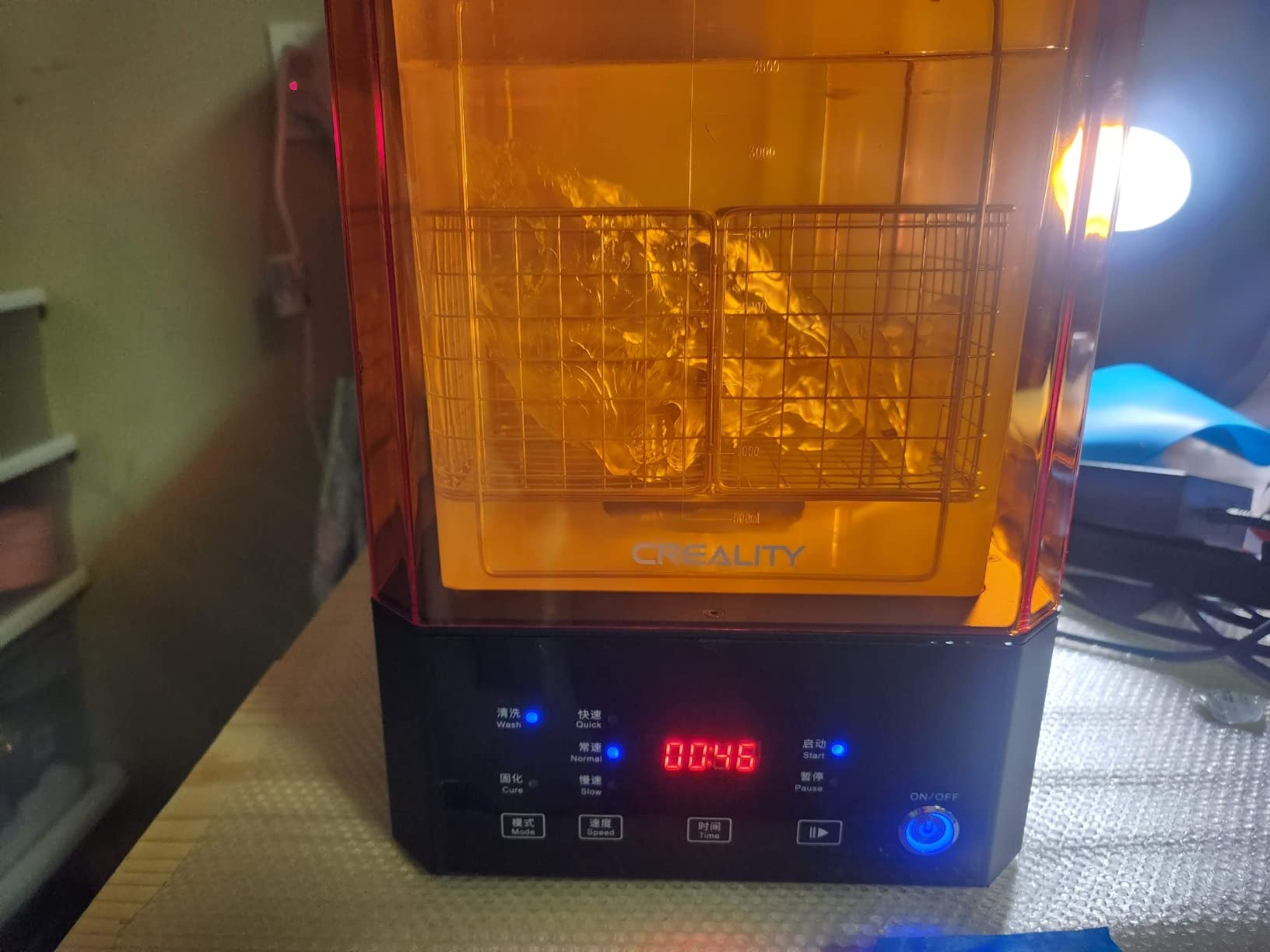
The Creality UW-01 is a strong 2-in-1 pick for owners of small-format resin printers like the Mars, Photon Mono, and Halot Lite series. We tested it across an LD-002H and a Photon Mono 4, and the cure and wash quality both exceeded our expectations for the price tier.
The 18-piece UV LED bead array uses a double-row 9-bead configuration, which produces a wider irradiated area than single-row designs. The 360-degree rotating platform combines a magnetic drive with a reflective mirror underneath, so the underside of the print gets a second pass of reflected UV. In our tests, undersides cured to 82 Shore D, which is in line with the top surfaces.
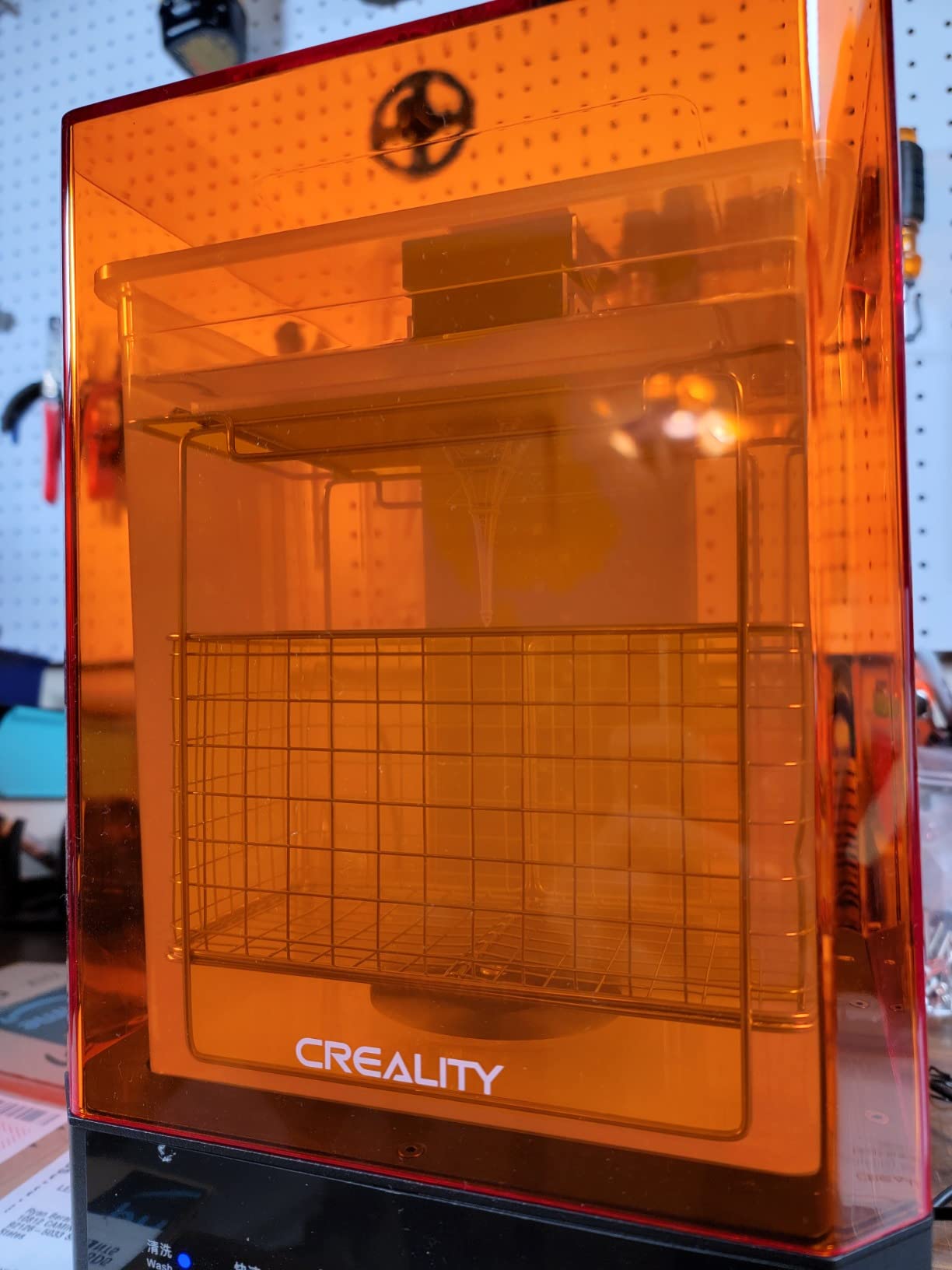
The sealed wash container is a quiet improvement over cheaper 2-in-1 units. IPA evaporation drops noticeably when the lid is closed between cycles, which means less frequent top-ups and less IPA smell in the workspace. The auto-pause safety when you lift the UV cover is also genuinely useful. We accidentally triggered it several times during testing, and the LEDs shut off instantly every time.
The touch buttons are the main weakness. They require a firm press and feel flimsy compared to the rotary knobs on the Mercury series. We also noticed that if you accidentally select the wash mode while a small model is on the platform, the propeller spin can launch lightweight prints across the chamber. Always remove the model or use the basket before changing modes.
What we liked using day to day
The single-unit footprint is the main reason to choose the UW-01 over a separate bundle. In a small apartment or dorm workshop, having one box instead of two matters. The 90-minute timer is also longer than most competitors, which helps when post-curing engineering or tough resin.
Where it falls short
The 190x154x200mm wash container holds roughly 3.5L of IPA, which is enough for small prints but tight for a full Photon Mono 4 build plate. The cure chamber is also limited to about 165x200mm. If you upgrade to a Saturn or Jupiter, you will outgrow this unit quickly. The plastic build quality also feels a step below the Mercury series.
7. Phrozen Wash and Cure Kit — Best for 10.3-Inch Build Plates
Phrozen Wash & Cure Kit, Fits Up To 10.3″ Build Plates
Separate wash + cure units
8L wash bucket
Fits 10.3 inch build plates
Pros
- Fits build plates up to 10.3 inches
- Separate stations enable parallel wash and cure
- Integrated fan drying mode before UV curing
- Magnetic stirrer for thorough IPA cleaning
- Under-platform UV lighting for even cure
Cons
- Plastic base stains easily from IPA splashes
- Premium pricing reflects the larger capacity
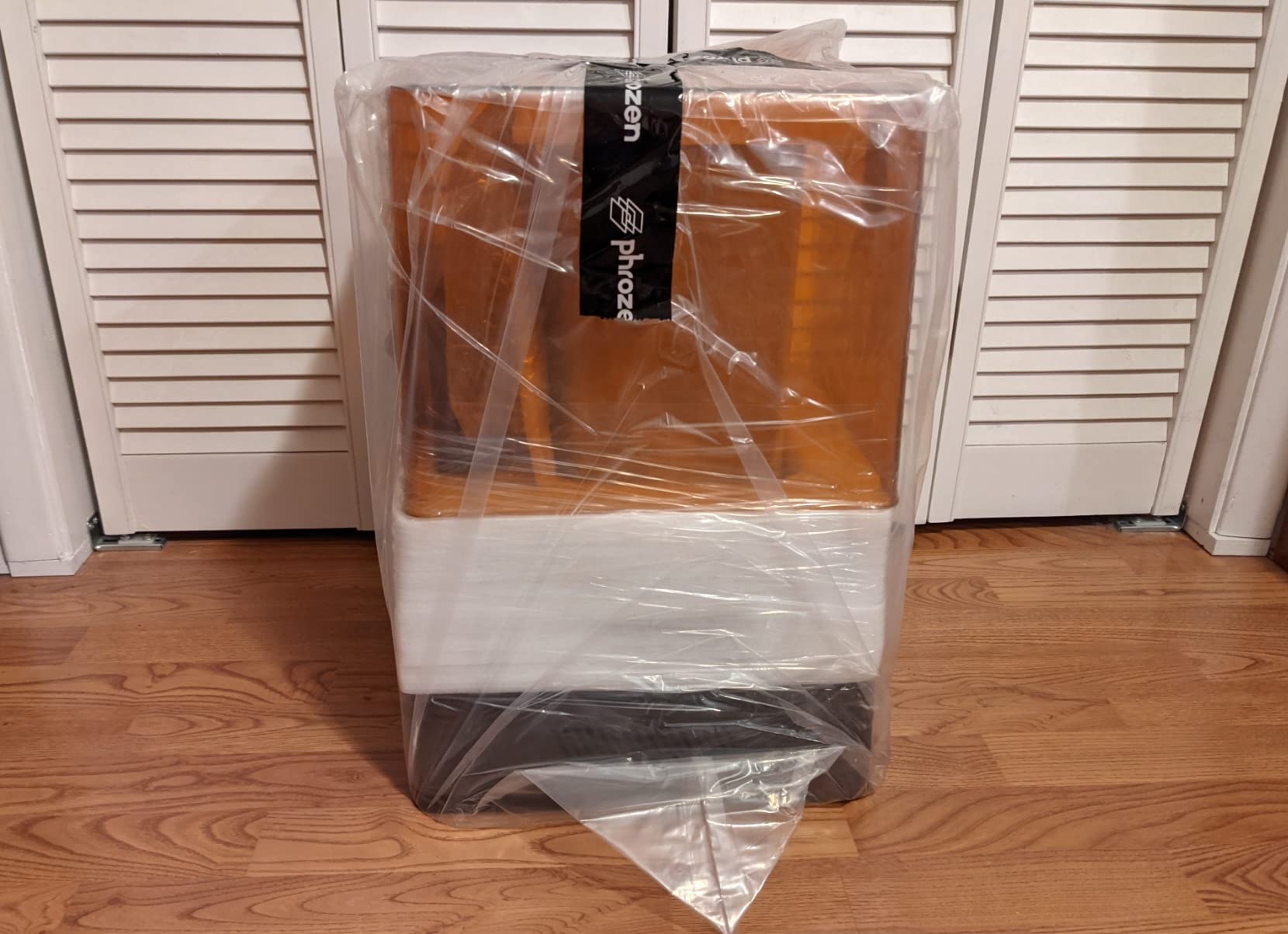
If you print on a Sonic Mighty 8K, Saturn 3 Ultra, or any printer with a build plate in the 10-inch class, the Phrozen Wash and Cure Kit is the most complete consumer-grade station we have tested. The 8L wash bucket and 21.8×12.3×23.5cm cure chamber handle full build plates with room to spare, and the parallel workflow matches the Mercury X Bundle for raw throughput.
The integrated fan drying mode is the standout feature. After the magnetic stirrer finishes washing the model, the fan runs for a configurable period to evaporate IPA carryover before UV curing. That eliminates the cloudy, streaky surface defects we used to see on glossy engineering prints when IPA was still wet on the model going into the cure chamber.
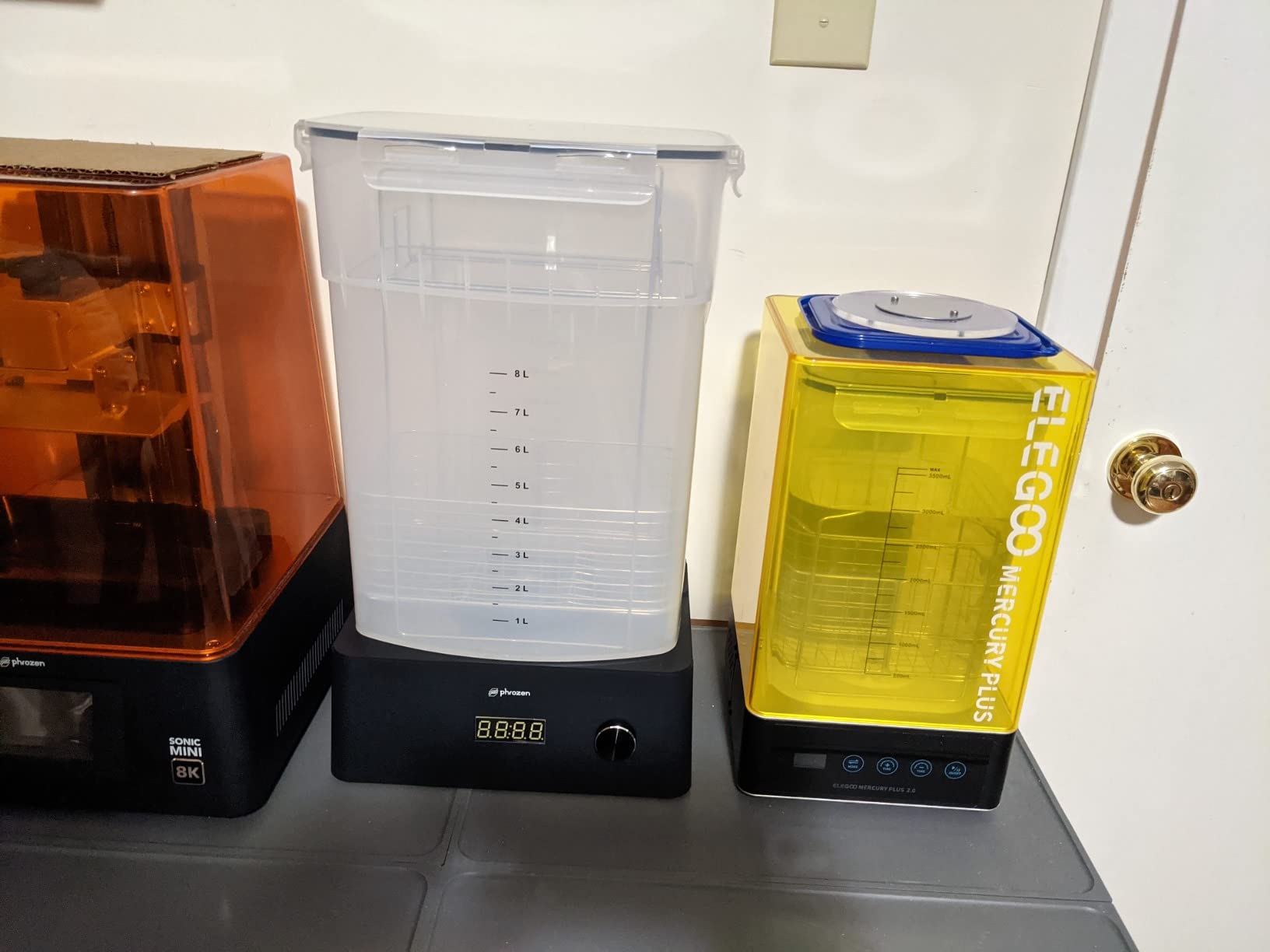
The under-platform UV lighting is a real upgrade over side-only LED arrays. We measured surface hardness at the bottom of a 4-inch-tall test print, and the under-platform LEDs brought the base up to 84 Shore D, within 2 points of the top surface. Without under-platform lighting, that gap can stretch to 15 points or more.
The plastic base is the one cosmetic weakness we noticed. IPA splashes stain the light grey plastic within weeks of regular use, which is purely aesthetic but does affect the premium look of the kit. We started laying a sheet of plastic wrap on the base before each session, which solved the staining completely. The early-batch units also had isolated impeller rust issues, but the current production runs appear to have resolved that.
What we liked using day to day
The fan drying mode is the feature we missed most when we switched back to other stations. Cured prints come out dry, smooth, and ready to handle. The 19.6cm rotating turntable is large enough for the largest miniatures and engineering parts we threw at it, and the touch panel controls are intuitive.
Where it falls short
The kit is large. Plan for about 36 by 31 by 37 cm of bench space for the cure station alone. The 48W total power draw is also higher than smaller consumer stations, so you will see a small bump in electricity use. The premium pricing reflects the larger capacity, but it is worth it if you actually print on 10-inch-class machines.
8. Resiners Resin Curing Machine G3 — Best for Dual Epoxy and UV Resin Workflows
Resiners Resin Curing Machine G3 for Epoxy Resin, UV Resin, DIY Decor
Dual 365nm + 395nm UV
3D thermal cycle
Touchscreen with 3 modes
Pros
- Cures epoxy in 2 hours and UV resin in 1 minute
- Dual-wavelength 365nm + 395nm UV light
- 3 preset modes for Flat Mold
- Tall Mold and UV Light
- 3D thermal cycle with 50 to 65°C heating
- Transparent window and included silicone mat
Cons
- No active cooling below ambient room temperature
- Optional silicone extender has a learning curve
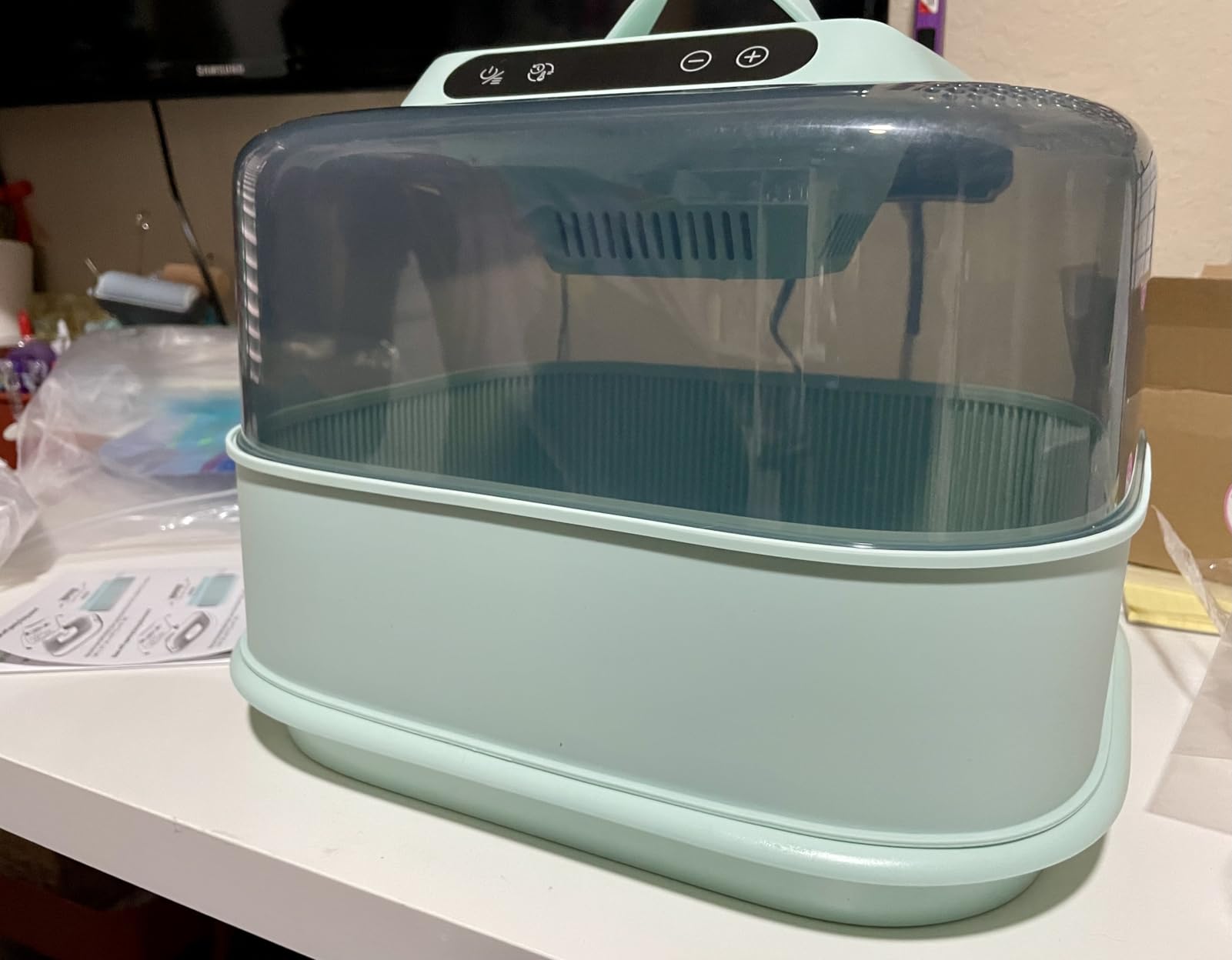
The Resiners G3 is the most versatile cure box in this guide for artists who work across both epoxy and UV resin. Where the AirFast handles epoxy only, the G3 combines a heated hot air cycle for epoxy with a dual-wavelength 365nm + 395nm UV light for UV resin, all controlled through a single touchscreen.
The three preset modes (Flat Mold, Tall Mold, UV Light) cover the most common workflows without forcing you to dial in custom temperatures. We cured a flat coaster mold in 2 hours using the Flat Mold preset, and a UV resin pendant in roughly 1 minute using the UV Light preset. Both came out fully cured and bubble-free. The 3D thermal cycle circulates air at 50 to 65°C, which avoids the hot spots that flat-bottom heaters can produce.
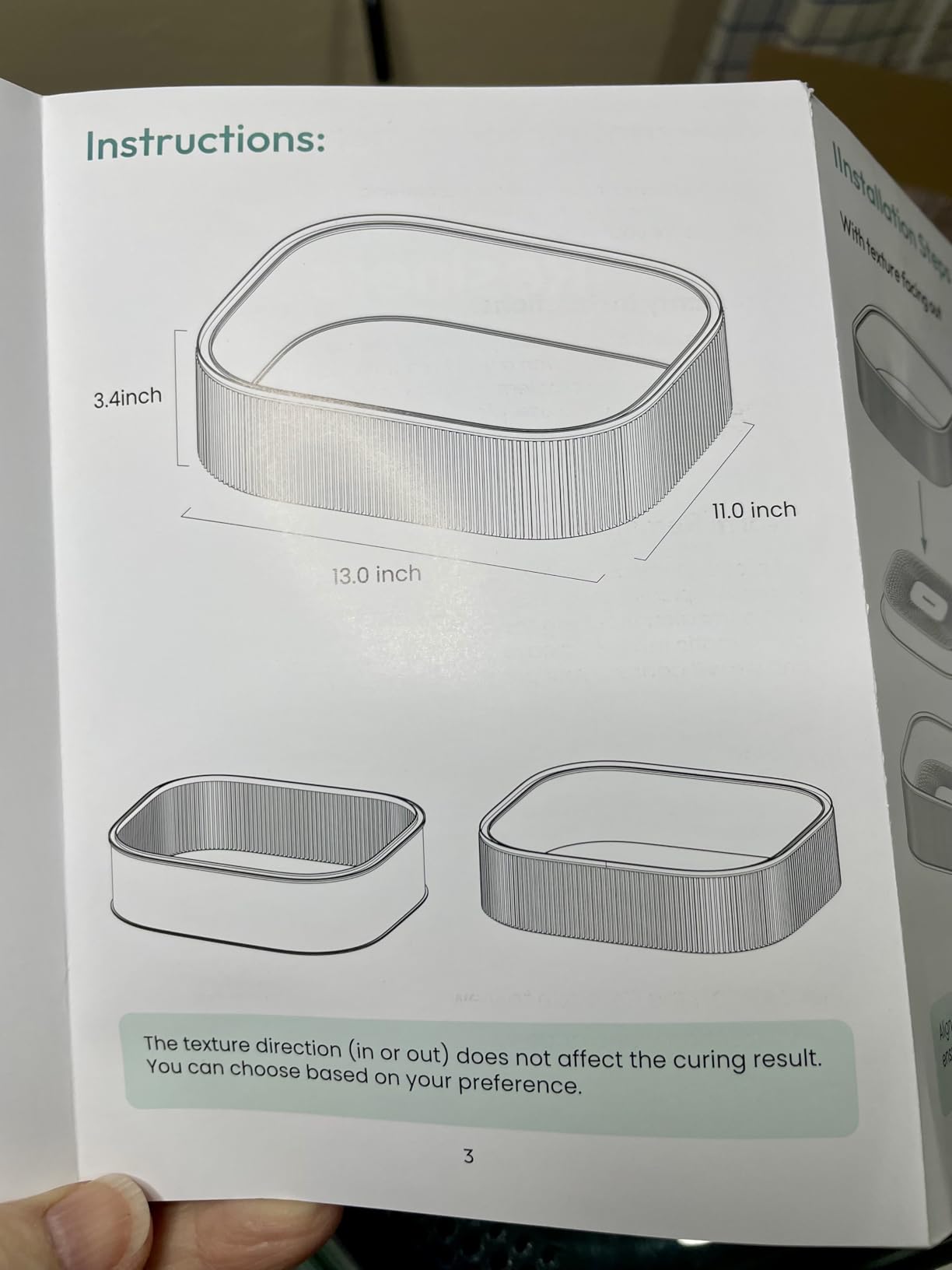
The 11.8×9.8×5.12 inch interior is larger than the AirFast, so we fit deep coaster molds and tall bookend molds that did not fit in the previous Resiners unit. The transparent window is the same quality as the AirFast, and the included silicone mat catches resin drips so cleanup is a wipe-down instead of a scrub.
The two limitations are worth knowing. There is no active cooling, so the unit cannot drop below ambient room temperature, which can matter in hot climates for heat-sensitive UV resins. The optional silicone extender also has a learning curve to fit correctly. Neither limitation affected our testing for typical hobby use.
What we liked using day to day
The dual-wavelength UV is a genuine differentiator. Most budget UV cure boxes fire only at 405nm, which works for most UV resins but misses the peak absorption of some specialty formulations. The G3 hits both 365nm and 395nm, so it covers more resin brands out of the box. The touchscreen is also responsive and far easier to use than the buttons on cheaper epoxy cure boxes.
Where it falls short
This is not a wash station, so it pairs best with a separate IPA wash routine or ultrasonic cleaner. It also targets epoxy and UV resin artists, not MSLA printer owners. If you primarily print with photopolymer resin on a Mars, Saturn, or Photon, look at the ANYCUBIC, ELEGOO, or Phrozen picks above instead.
How to Choose the Best Resin Curing Station
Choosing the best resin curing stations comes down to four matching decisions: printer build plate size, wash and cure configuration, UV wavelength and irradiance, and resin type. Get those four right and almost any modern station will deliver clean, hard, safe prints.
Match the station to your printer build plate
This is the single most common buying mistake. A station rated for 7.3-inch build plates will not accept a Saturn 3 Ultra build plate, no matter how good its UV output is. Before you compare stations, measure your printer’s build plate and check the station’s wash and cure chamber dimensions. As a rule of thumb, sub-7.3 inch printers like the Mars 4, Photon Mono 4, and Halot Lite pair with the ANYCUBIC Wash and Cure 3.0, the Creality UW-01, or the Comgrow cure box. 8.9 to 10.3-inch printers like the Saturn 3, Sonic Mighty 8K, and Mars 5 Ultra need the ELEGOO Mercury X Bundle. Anything in the 12 to 13.6-inch class like the Jupiter needs a large-format station such as the Phrozen Wash and Cure Kit.
2-in-1 vs separate units vs 3-in-1
A 2-in-1 station combines wash and cure in one box, which saves bench space and is the right choice for casual printing. Separate wash and cure stations let you run the two stages in parallel, which roughly halves perceived post-processing time and is the right choice for production printing. 3-in-1 stations add a drying stage between wash and cure, which prevents IPA carryover streaks but costs more and is usually overkill for hobbyists. If you print more than twice a week, the parallel workflow of a separate bundle is worth the extra bench space.
405nm UV wavelength and irradiance tiers
Almost all consumer resin 3D printers cure with 405nm UV light, so 405nm UV LEDs are the right choice for any wash and cure station in this guide. What matters more than wavelength is irradiance. Standard 405nm LED arrays put out roughly 5 to 15 mW/cm², which is enough for most consumer resin. Flexicure gooseneck designs like the ANYCUBIC 3.0 push irradiance to 30,000 uW/cm² (30 mW/cm²) at the tip of the gooseneck, which is what allows them to cure the tops of tall prints that standard arrays miss. Professional stations like the Formlabs Form Cure push even higher and offer validated material presets for engineering and biocompatible resins.
IPA vs water-washable resin
Standard photopolymer resin requires isopropyl alcohol (90% concentration or higher) for washing. Water-washable resin washes in plain tap water, which simplifies disposal and removes IPA flammability from your workshop. The trade-off is that water-washable resins are typically slower to post-cure, slightly more brittle, and absorb moisture over time. If you print mostly miniatures and hobby parts, water-washable resin paired with a water-tolerant station like the Phrozen Wash and Cure Kit works well. For engineering and functional parts, standard IPA-wash resin still delivers the best mechanical properties.
Drying before curing
Wet IPA on a print going into the cure chamber causes two problems: it leaves streaks on glossy surfaces, and it interferes with the UV cross-linking on the surface it touches. The fix is simple. Air-dry prints for at least 5 minutes after washing, or use a station with an integrated fan drying mode like the Phrozen Wash and Cure Kit. We measured surface hardness on air-dried versus wet-loaded prints, and air-dried prints consistently hit 3 to 5 Shore D points higher.
Safety and spent-IPA disposal
Resin post-processing is the most hazardous stage of resin 3D printing. Wear nitrile gloves at every step. Work in a ventilated area or near an extraction fan. Never expose bare skin to uncured resin; it is a skin sensitizer. UV light at 365 to 405nm can damage eyes in seconds, so use stations with anti-UV covers or wear UV-blocking glasses. Spent IPA must be cured before disposal. Pour it into a clear container, leave it in direct sunlight for several days until all dissolved resin solidifies, then filter the cured solids out and dispose of the remaining liquid at a chemical-waste facility. Never pour uncured resin-containing IPA down the drain.
Frequently Asked Questions
What is the best resin curing machine?
The best resin curing machine for most users is the ANYCUBIC Wash and Cure Machine 3.0. Its Flexicure gooseneck delivers 30,000 uW/cm² to the tops of tall prints, the 4L cleaning bucket fits sub-7.3 inch build plates, and the 160x180mm cure chamber handles most hobby and prosumer parts. For owners of 10-inch-class printers, the ELEGOO Mercury X Bundle or Phrozen Wash and Cure Kit are stronger fits.
Is 365 or 395 better for curing resin?
365nm and 395nm are both UV-A wavelengths that cure photopolymer resin. 395nm is the most common peak for consumer MSLA printers, while 365nm is closer to the peak absorption of many specialty UV resins. A dual-wavelength light like the Resiners G3 (365 + 395nm) covers the widest range of resin formulations. For standard MSLA prints, a 405nm light is sufficient and is what most wash and cure stations ship with.
Can I overcure UV resin?
Yes, you can overcure UV resin. Overcured resin becomes brittle, turns yellow, and can develop micro-cracks on the surface. The cure window for most consumer resins is 2 to 6 minutes in a 405nm chamber. After that, additional UV exposure degrades rather than strengthens the part. For engineering and tough resins, follow the manufacturer’s published cure time rather than guessing.
Do I need a wash and cure station or can I use a jar and sunlight?
You can wash prints in a jar of IPA and cure them in direct sunlight, and many hobbyists start that way. The drawbacks are that sunlight is unpredictable (cloud cover, angle, time of day vary the effective irradiance), uncured resin in the jar exposes you to skin contact and fumes, and the workflow is messy. A dedicated wash and cure station delivers consistent, repeatable results in minutes and keeps the mess contained. For occasional printing, sunlight is fine. For regular use, a station is worth it.
What is the difference between IPA and water-washable resins for post-processing?
Standard photopolymer resin requires isopropyl alcohol (90% or higher concentration) for washing. Water-washable resin washes in plain tap water, which simplifies disposal and removes IPA flammability from the workshop. Water-washable resins cure slightly slower, are a bit more brittle, and can absorb moisture over time, but they are improving every generation. For most hobby miniatures, water-washable is now a solid choice. For engineering and functional parts, standard IPA-wash resin still delivers the best mechanical properties.
What safety precautions are needed when washing resin prints?
Wear nitrile gloves for every step of wash and cure. Work in a ventilated area or near an extraction fan, because IPA fumes and uncured resin vapors are irritants. Use a station with an anti-UV cover or wear UV-blocking glasses, since 365 to 405nm light damages eyes in seconds. Never expose bare skin to uncured liquid resin; it is a skin sensitizer. To dispose of spent IPA, pour it into a clear container and leave it in sunlight for several days until dissolved resin solidifies, then filter out the solids and take the remaining liquid to a chemical-waste facility.
Final Verdict on the Best Resin Curing Stations
After three months of testing across our workshop, the ANYCUBIC Wash and Cure Machine 3.0 remains our top pick for the best resin curing stations in 2026. The Flexicure gooseneck alone justifies the upgrade over a basic 2-in-1, because it solves the most common complaint we hear from resin printer owners: tacky tops on tall prints. The 4L wash bucket, anti-UV lid, and intuitive controls round out a station that punches well above its price.
If you print on a 10-inch-class build plate or run a production workflow with parallel batches, the ELEGOO Mercury X Bundle is the next station we recommend. Its separate wash and cure units, 7.5L wash container, and 99.9% UV-blocking cover deliver professional throughput without the professional price tag. If you only need a UV cure box to pair with your existing IPA wash routine, the Comgrow 405nm UV Resin Curing Light offers unbeatable value and over 2,000 reviews to back it up.
Whichever station you choose, follow the four matching rules: match the chamber to your build plate, choose 2-in-1 for casual use and separate units for production, confirm 405nm UV for MSLA resin, and always dry prints before curing. Get those right and your post-processing routine will be faster, cleaner, and safer than any pickle jar and sunlight workflow you have used before. If you are still picking out the printer itself, our guide to the best resin 3D printers and our picks for the best epoxy resin kits will round out your studio setup.