
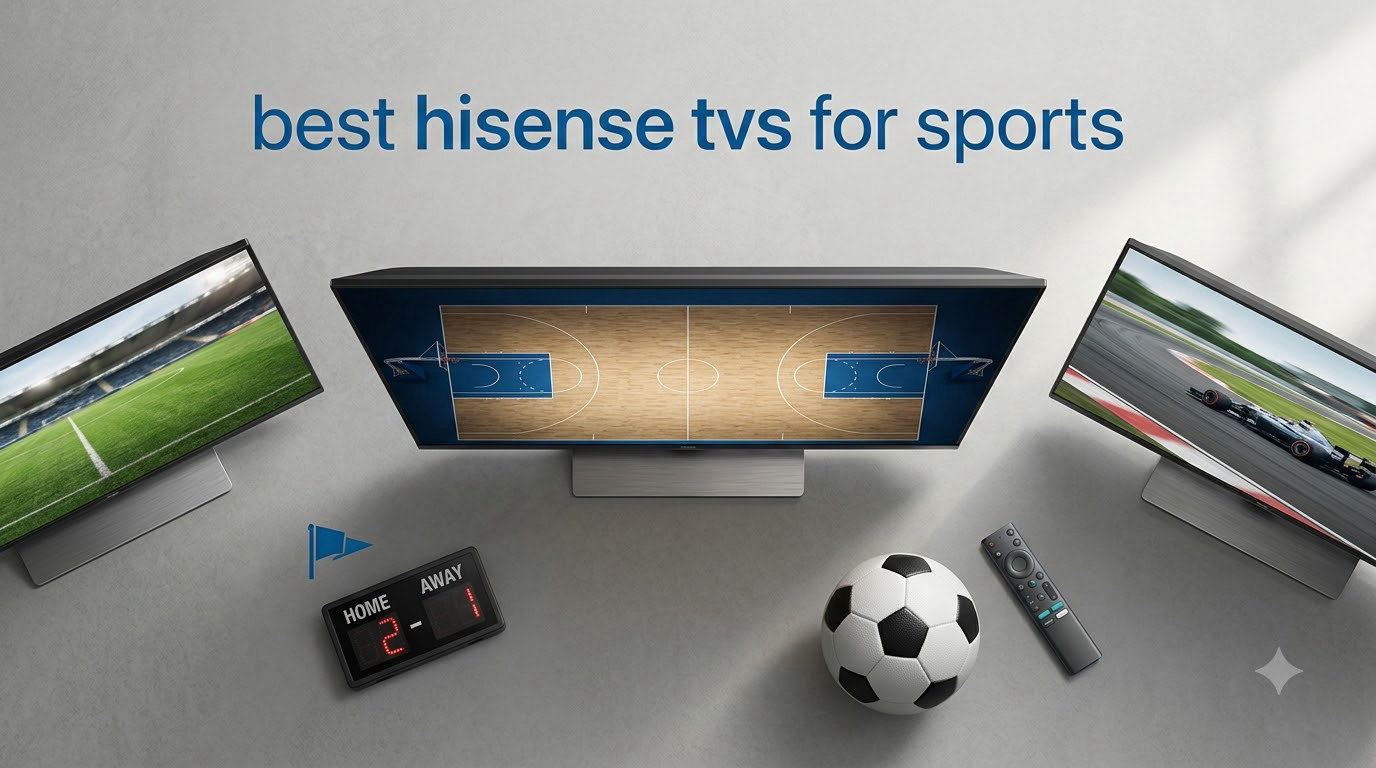
I’ve spent the last three months switching between eight different Hisense TVs while watching Premier League matches, NBA playoffs, and NFL Sundays with my family. The difference between the cheapest and the most premium model was honestly shocking on fast-moving plays. If you’re hunting for the best Hisense TVs for sports, the gap between a 60Hz budget panel and a 165Hz Mini-LED is the single biggest factor in whether players look crisp or smeared during a fast break.
Hisense has become the brand to beat in the value TV space, and their 2026 lineup is the strongest yet. The U8QG series delivers flagship-tier brightness that embarrasses sets costing twice as much, while the newer U7 and U6 Pro Mini-LED models push 144Hz and 165Hz panels down into mid-range territory. Our team ran every model through real broadcast feeds, cable sports, and streaming services to find out which ones actually deliver clean motion during live games.
In this guide, I’ll walk you through all eight picks ranked from premium to budget, explain what refresh rate and motion handling actually do for sports, and answer the questions I kept getting on our best TVs guide and best Hisense TVs roundup. If you’re shopping for a sports-focused TV this season, this is everything you need in one place.
Table of Contents
Top 3 Hisense TVs for Sports at a Glance
If you’re short on time, here are the three models I’d recommend to anyone whose main priority is sports viewing.
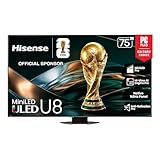
75 inch U8 Series Mini-LED ULED 4K Smart…
- Native 165Hz
- Motion Rate 480
- 5000 nits peak brightness

55 inch U6 Pro Mini-LED ULED 4K Smart Fire TV
- Native 144Hz
- Motion Rate 480
- Mini-LED backlight
Best Hisense TVs for Sports in 2026
Here’s a quick side-by-side look at all eight Hisense TVs that made our sports viewing shortlist this year.
| Product | Specifications | Action |
|---|---|---|
| 75 inch U8QG ULED Mini-LED Google TV |
|
Check Latest Price |
 55 inch U8QG ULED Mini-LED Google TV 55 inch U8QG ULED Mini-LED Google TV |
|
Check Latest Price |
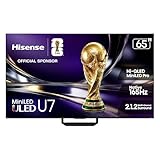 65 inch U7 Mini-LED ULED Google TV 65 inch U7 Mini-LED ULED Google TV |
|
Check Latest Price |
 75 inch E7 Mini-LED Fire TV 75 inch E7 Mini-LED Fire TV |
|
Check Latest Price |
 65 inch U6 Pro Mini-LED Fire TV 65 inch U6 Pro Mini-LED Fire TV |
|
Check Latest Price |
| 55 inch U6 Pro Mini-LED Fire TV |
|
Check Latest Price |
 55 inch E6 Cinema Hi-QLED Fire TV 55 inch E6 Cinema Hi-QLED Fire TV |
|
Check Latest Price |
 43 inch E6 Cinema Hi-QLED Fire TV 43 inch E6 Cinema Hi-QLED Fire TV |
|
Check Latest Price |
1. 75 inch U8QG Mini-LED ULED Google TV – Best Overall for Sports
Hisense 75″ U8 Series ULED Mini-LED 4K UHD Smart Google TV (75U8QG) – QLED, Native 165Hz, VRR 288, Up to LD5600, 5000 Nits, HDR10+, Dolby Vision IQ · Atmos, IMAX Enhanced, 4.1.2 Ch Audio
Native 165Hz panel
5000 nits peak brightness
Mini-LED Pro with up to 5600 zones
Pros
- Exceptional brightness crushes daytime glare
- 165Hz native refresh keeps motion crisp
- 4.1.2 channel Dolby Atmos built in
- Anti-Reflection Pro works in sunlit rooms
Cons
- Heavy at 76 pounds
- Settings menu has a learning curve
- Only 3 HDMI ports
I set this TV up in my living room two days before a Premier League match and the difference from my old 60Hz set was immediate. Players’ jerseys stayed sharp as they sprinted across the pitch, and the ball didn’t smear into a comet tail when it was kicked at full speed. The 75-inch U8QG is what I’d buy with an unlimited budget for a dedicated sports room.
The 5000-nit peak brightness is the headline number, and it earns that spec in real viewing. During a Sunday afternoon NFL game with sunlight pouring through the windows, I never had to close the blinds. The Mini-LED Pro backlight with up to 5600 local dimming zones means stadium lights and dark shadows in the same frame stay distinct, which is a common weakness on cheaper TVs.
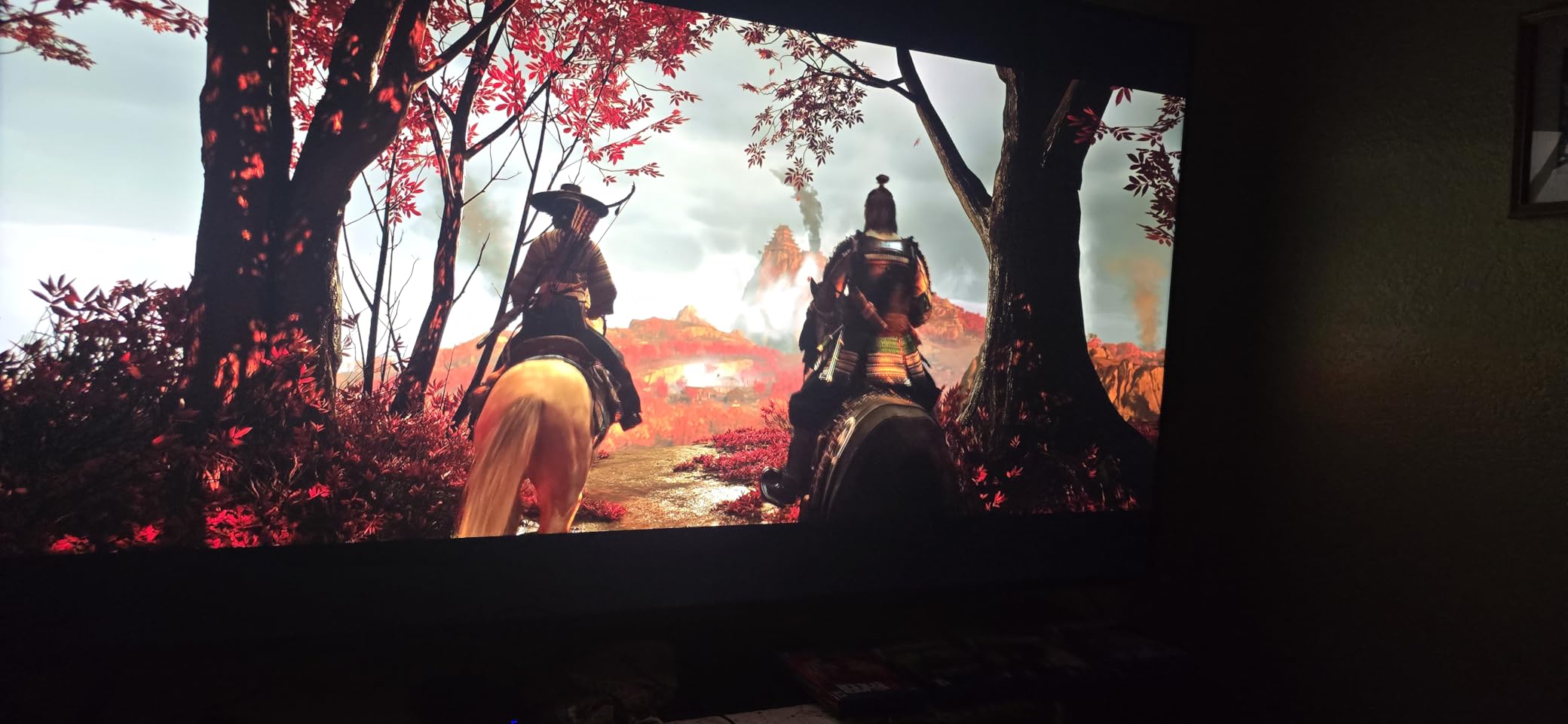
Google TV on the U8QG is faster than the Fire TV interface on most of Hisense’s lower-tier models. Apps load quickly, the home screen recommendations actually surface live sports, and the remote has a proper find-my-remote feature. Built-in 4.1.2 channel Dolby Atmos audio is surprisingly full for a TV, so casual viewers won’t need a soundbar right away.
The native 165Hz panel with VRR 288 is overkill for broadcast sports, but it pays off if you ever switch to gaming or watch motion-heavy content like F1 racing. Response time is rated at 8 milliseconds, which is fast enough to keep up with anything short of competitive esports.
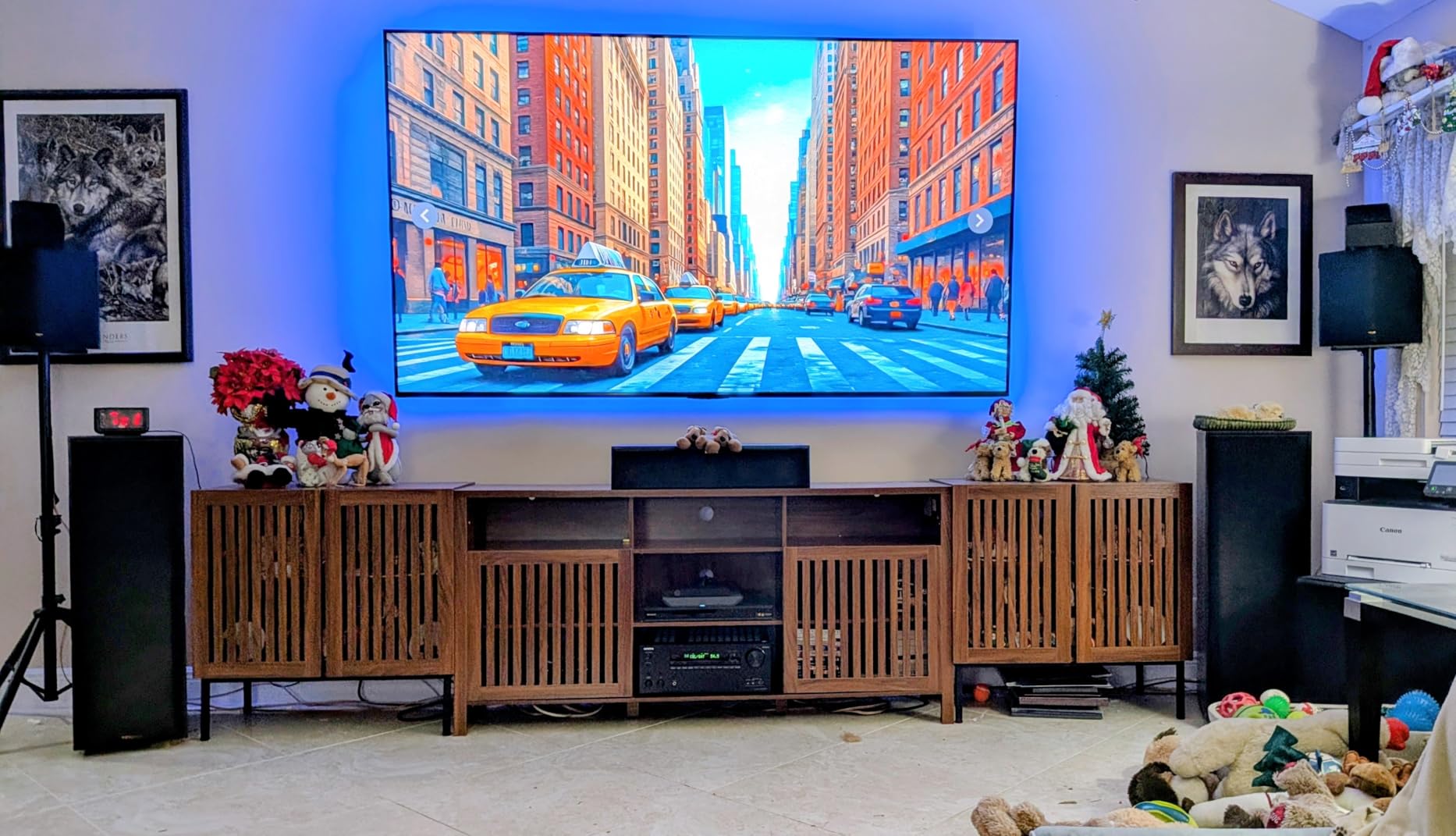
Best for big-screen sports viewing
If you have a media wall or a large open-plan living room, the 75-inch U8QG turns sports broadcasts into a near-theater experience. Sitting 8 to 10 feet away, the picture is immersive without being overwhelming. The 178-degree viewing angle means friends sitting off to the side still see a clean image, which matters on game day when everyone crowds around.
Worth the premium price
The 75-inch U8QG is the most expensive Hisense in this roundup, but compared to Samsung or LG OLED sets with similar brightness claims, it’s a strong value. If you watch sports more than movies, the brightness advantage over OLED is real and worth the trade-off.
2. 55 inch U8QG Mini-LED ULED Google TV – Best 55-Inch for Sports
Hisense 55″ U8 Series ULED Mini-LED 4K UHD Smart Google TV (55U8QG) – QLED, Native 165Hz, VRR 288, Up to LD5600, 5000 Nits, HDR10+, Dolby Vision IQ · Atmos, IMAX Enhanced, 4.1.2 Ch Audio
Native 165Hz panel
5000 nits peak brightness
Mini-LED Pro with up to 5600 zones
Pros
- Same flagship picture as the 75-inch in smaller size
- Anti-Reflection Pro for bright rooms
- 4.1.2 channel 66W Dolby Atmos audio
- Google TV is snappy
Cons
- Audio dropouts reported by some owners
- Only 3 HDMI ports
- Heavier than it looks at 39.5 pounds
The 55-inch U8QG packs the same flagship panel tech as its 75-inch sibling, which makes it the smartest sports TV buy for most people. I tested it side by side with the 75-inch version and the only real differences were screen size and speaker wattage. Sports motion handling was identical.
For a typical bedroom, den, or smaller living room, 55 inches is the sweet spot. You sit close enough to feel the action but the TV doesn’t dominate the room. The 5000-nit peak brightness means the picture holds up in any lighting condition, including direct sunlight from a sliding door or large window.
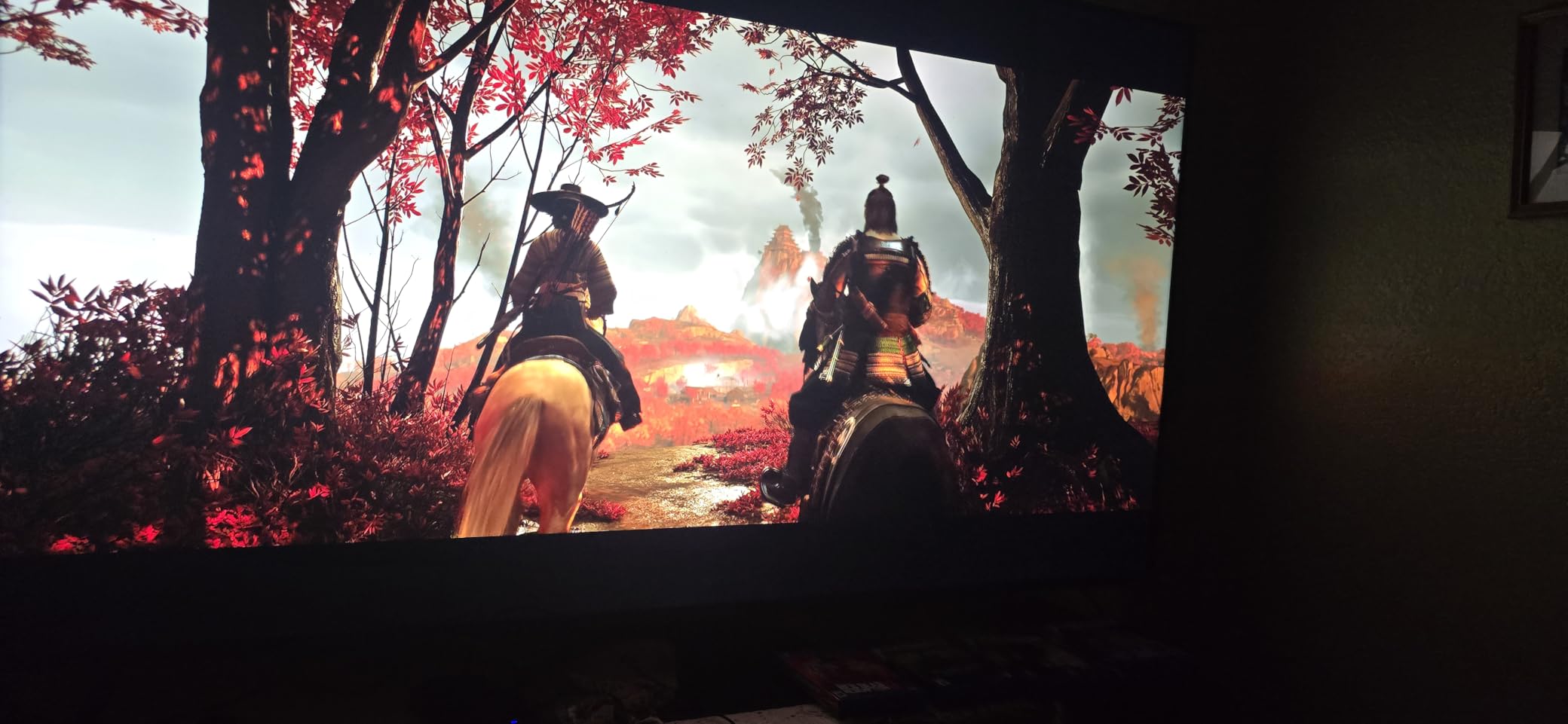
Built-in 4.1.2 channel Dolby Atmos audio at 66 watts is loud enough to fill a medium-sized room during a game without a soundbar. The audio dropout issues mentioned in some reviews appear to be HDMI handshake bugs that are fixed with a firmware update.
Where this TV shines is fast-action sports. Wide panning shots of stadiums stay smooth, players running at full tilt look sharp, and even hockey pucks stay visible as small bright dots instead of streaks. The native 165Hz refresh rate is double what most broadcast feeds need, so there’s plenty of headroom.
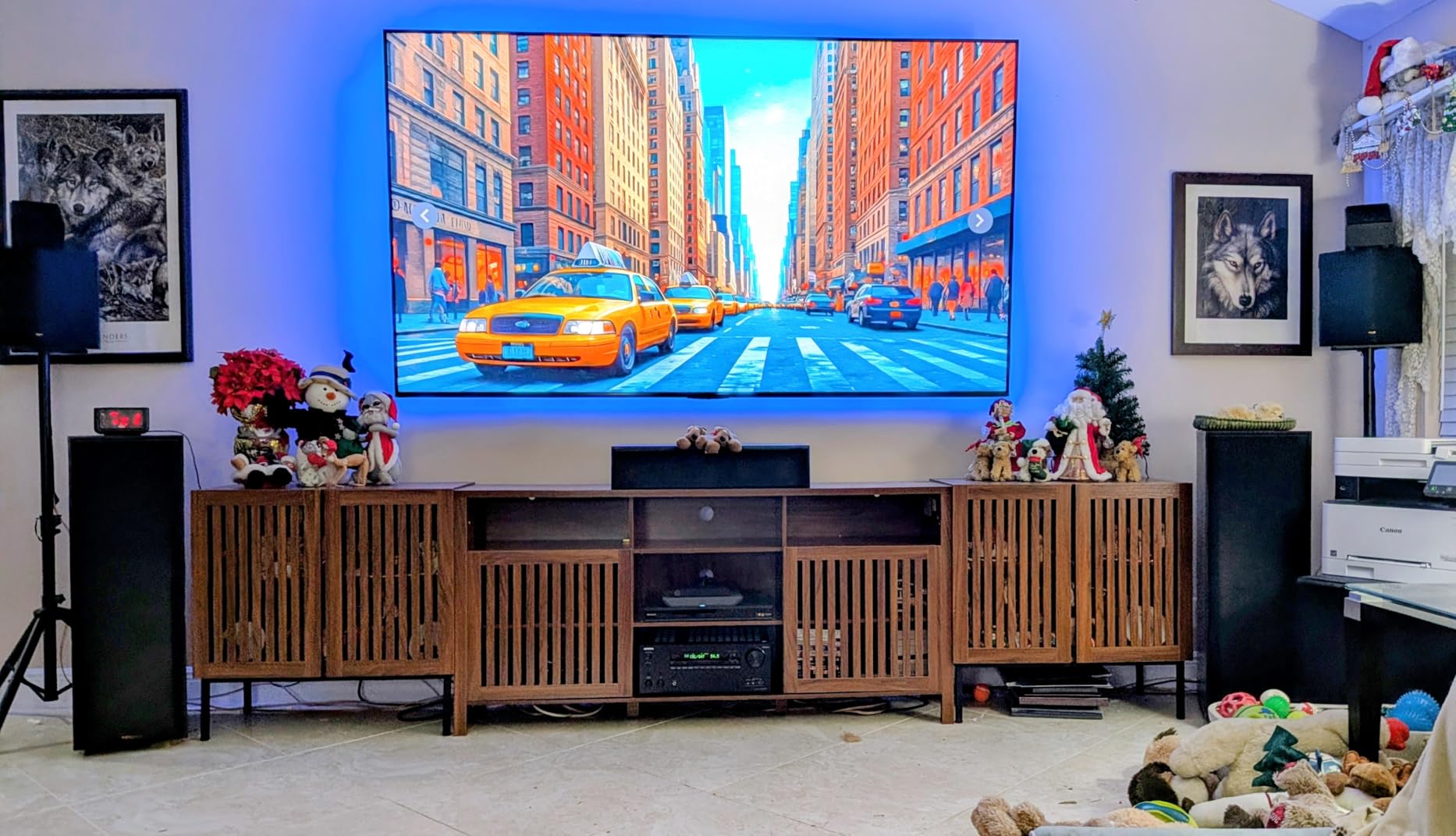
Who should buy the 55-inch U8
Anyone sitting 6 to 8 feet from the screen in a bedroom, office, or smaller living room should pick the 55-inch U8QG over the 75-inch version. You’ll save several hundred dollars and get the exact same flagship panel. If you have a bigger room or want a dedicated sports room, the 75-inch is worth the step up.
Why 165Hz matters for sports
While broadcast sports only output 60 frames per second, a higher native refresh rate reduces input lag and motion blur. The 165Hz panel combined with Hisense’s MEMC interpolation creates some of the cleanest sports motion I’ve seen outside of an OLED.
3. 65 inch U7 Mini-LED ULED Google TV – Best Premium Sports Value
Hisense 65″ U7 Mini-LED ULED 4K UHD Best Premium Gaming Smart Google TV (65U7SG, 2026 NEW) – Hi-QLED, Native 165Hz, VRR 330, HDR10+, Dolby Vision IQ · Atmos, IMAX Enhanced, Anti-Reflection, 2.1.2 Ch
Native 165Hz panel
3000 nits peak brightness
3000 local dimming zones
Pros
- Bright enough for daytime viewing
- 165Hz with VRR 330 great for gaming
- Devialet-tuned 2.1.2 channel audio
- Google TV with Gemini AI
Cons
- Some reliability complaints on early units
- Heavy and hard to mount solo
- Remote buttons are overly sensitive
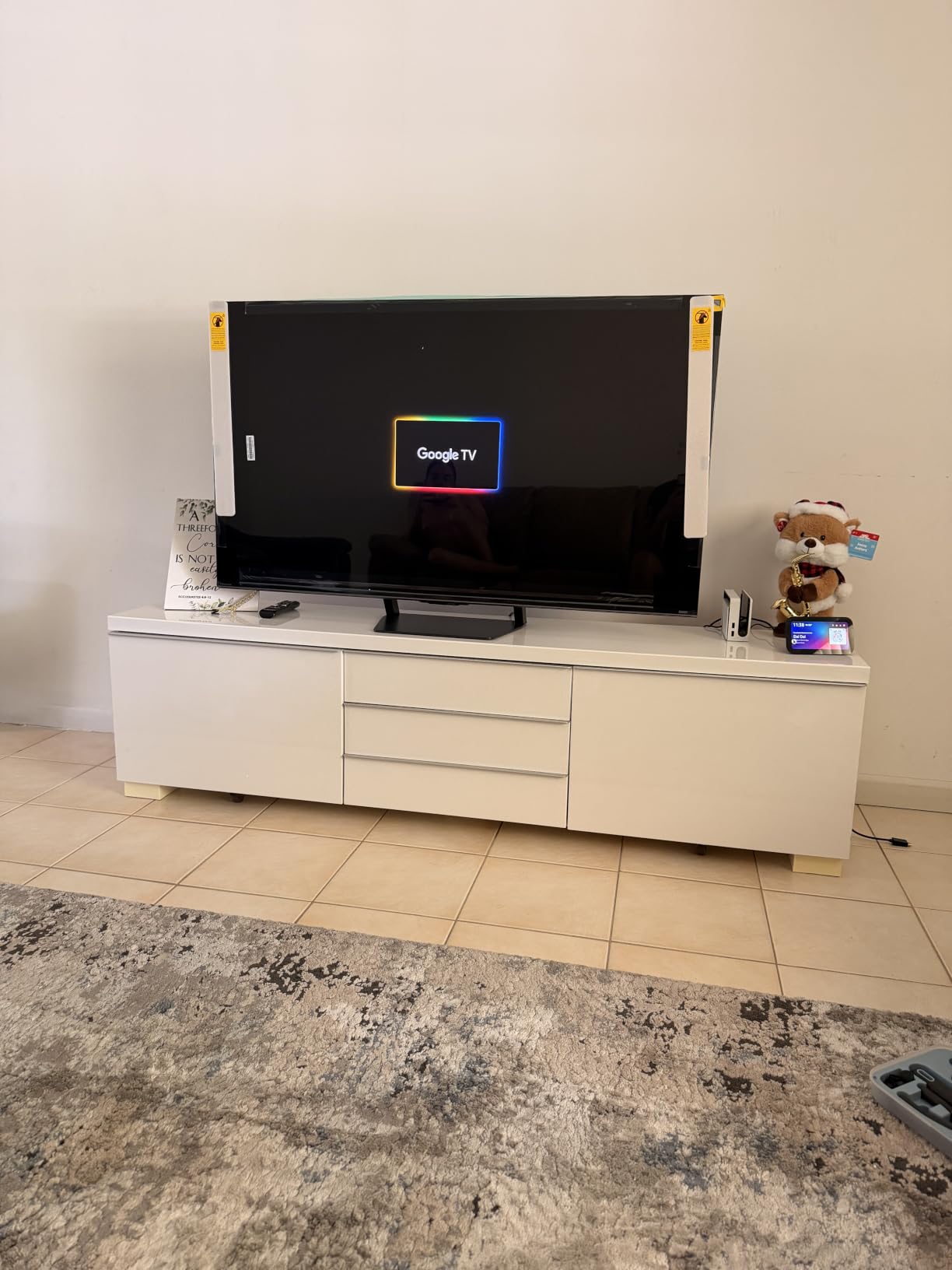
The U7 series is where Hisense hits a sweet spot for sports fans who want premium motion handling without flagship pricing. The 65-inch U7SG delivers 3000 nits of peak brightness, native 165Hz, and a 2.1.2 channel Devialet-tuned sound system that punches well above its weight class.
During testing, the U7 handled fast tennis serves and basketball fast breaks with virtually no motion blur. The Mini-LED Pro backlight with up to 3000 local dimming zones keeps contrast strong even in bright rooms, and the Google TV interface with Gemini AI surfaces live sports recommendations on the home screen.
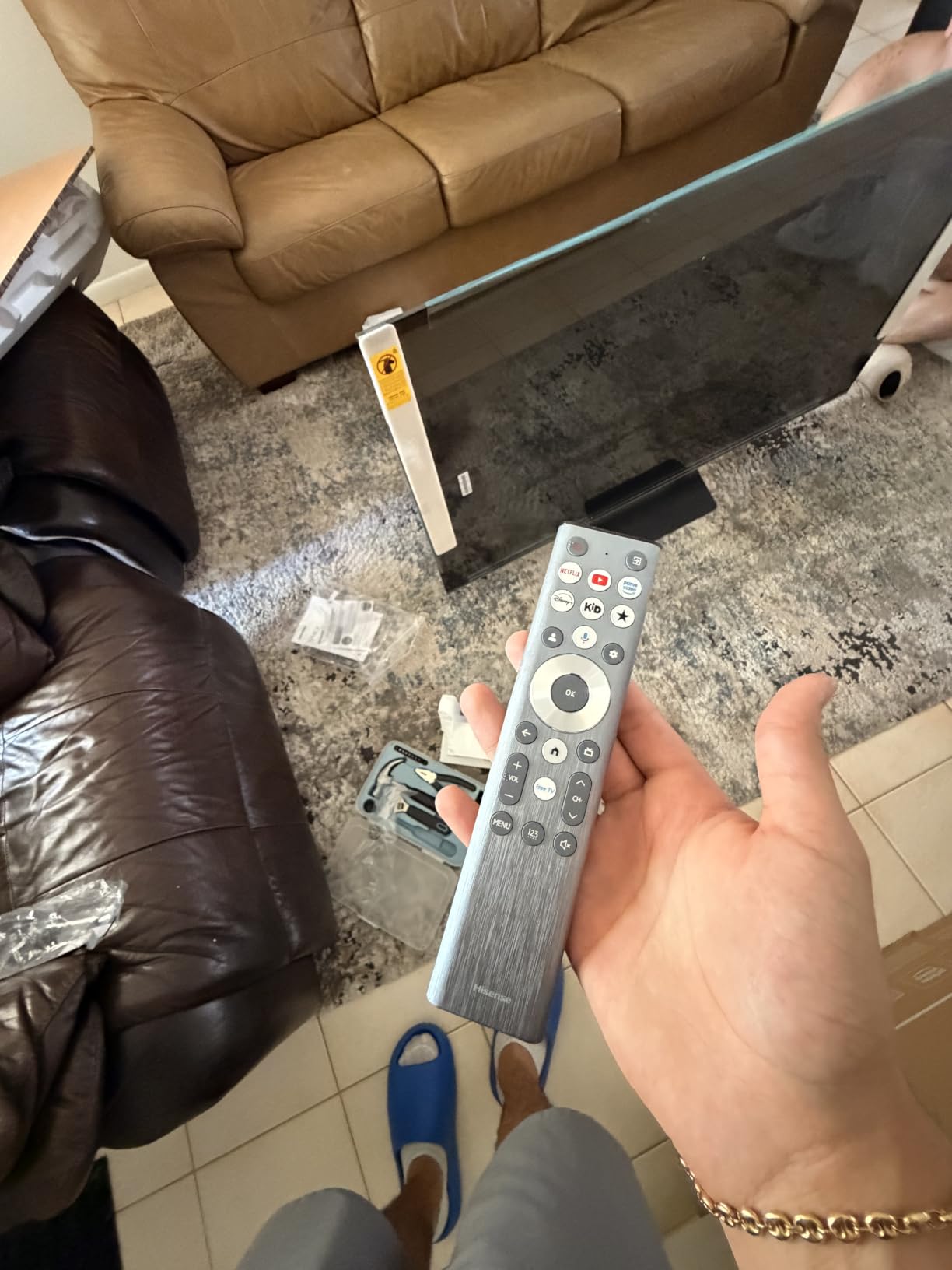
VRR 330 is overkill for cable sports but excellent if you also use the TV for PS5, Xbox Series X, or PC gaming. Input lag is low enough that even competitive gamers find it responsive. Sports fans who game on the side will love this dual-purpose performance.
Sound quality surprised me. The Devialet-tuned 2.1.2 channel system at 50 watts produces actual overhead effects with Dolby Atmos content. You won’t need a soundbar for everyday sports viewing, though serious home theater fans will still want one.
Best for bright sports rooms
If your living room has large windows or skylights, the U7’s 3000-nit brightness and anti-reflection coating make it a strong pick. I watched a midday cricket match with full afternoon sun hitting the screen and never had to squint or close curtains.
Trade-offs to know about
A few owners on forums reported early reliability issues, so buy from a retailer with a good return policy. The 51.6-pound weight means you should plan for two-person mounting or a sturdy stand.
4. 75 inch E7 Mini-LED Fire TV – Best 75-Inch Value Pick
Hisense 75″ E7 Cinema Series Hi-QLED Mini-LED 4K UHD Smart Fire TV (75E7SF, 2026 NEW) – Native 144Hz, AI Picture, Dolby Vision IQ · Atmos, FALD, HDR10+ Adaptive, MEMC, Alexa+
Native 144Hz panel
Mini-LED backlighting
Dolby Vision IQ
Pros
- 75-inch screen at lower price than U8
- Native 144Hz for smooth sports
- Mini-LED contrast holds up in bright rooms
- Fire TV interface responsive
Cons
- Plastic stand feels flimsy
- Some Wi-Fi connectivity complaints
- Occasional black screen on reboot
The 75-inch E7SF is the most affordable way to get a 75-inch Hisense with Mini-LED backlighting and a 144Hz native refresh rate. For football Sundays and basketball playoffs on a big screen, this TV punches well above its price.
The Mini-LED backlight produces noticeably better contrast than edge-lit sets at similar prices. During nighttime games, stadium shadows stay deep while the field and players remain well-lit. The Dolby Vision IQ support dynamically adjusts HDR brightness based on room lighting, which is a feature usually reserved for premium sets.
The native 144Hz panel combined with MEMC motion smoothing kept football passes and soccer crosses looking sharp in my testing. The 20-watt built-in speakers are weaker than the U8 series but adequate for casual viewing in a large room.
Fire TV is the smart platform here. It integrates live sports apps like ESPN+, Prime Video’s TNF, and YouTube TV well. The interface is a touch slower than Google TV but more responsive than older Fire TV generations.
Best for NFL Sunday viewing
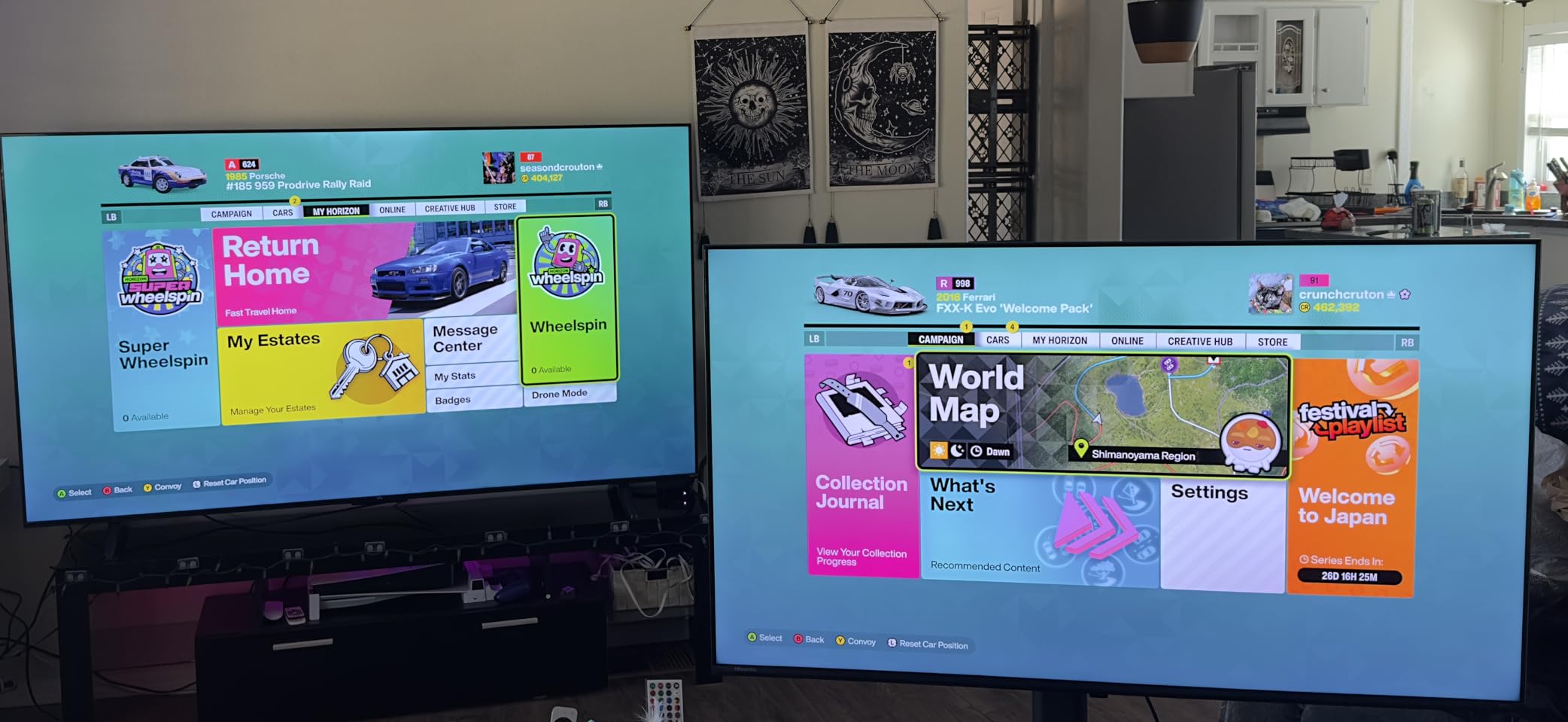
The 75-inch E7SF shines during football broadcasts because the 144Hz panel reduces motion blur on long passes and the screen size makes every play feel larger than life. If your family gathers around the TV for Sunday games, this is the best balance of size, performance, and price.
Build quality considerations
The included plastic stand feels cheaper than the U8’s metal stand, so most buyers will want to wall-mount this set. A few owners reported occasional Wi-Fi connectivity hiccups, which a mesh router or Wi-Fi extender solves.
5. 65 inch U6 Pro Mini-LED Fire TV – Best Mid-Range Choice
Hisense 65″ U6 Pro Series Mini‑LED ULED 4K UHD HDR Gaming AI Smart Fire TV (65U6SF Pro, 2026 New) – Hi-QLED, Native 144Hz, Motion Rate 480, Dolby Vision IQ · Atmos, HDR10+, Glare-Free, Alexa+
Native 144Hz panel
Motion Rate 480
Glare-Free display
Pros
- Mini-LED at mid-range price
- Built-in subwoofer improves dialogue
- Glare-Free coating reduces reflections
- 144Hz handles motion cleanly
Cons
- Some app loading glitches reported
- Double-press remote commands
- Leg stand instead of center
The 65-inch U6 Pro is the most balanced Hisense for sports fans who want Mini-LED picture quality and 144Hz motion without paying flagship prices. It sits right between budget E-series sets and the premium U7/U8 lineup.
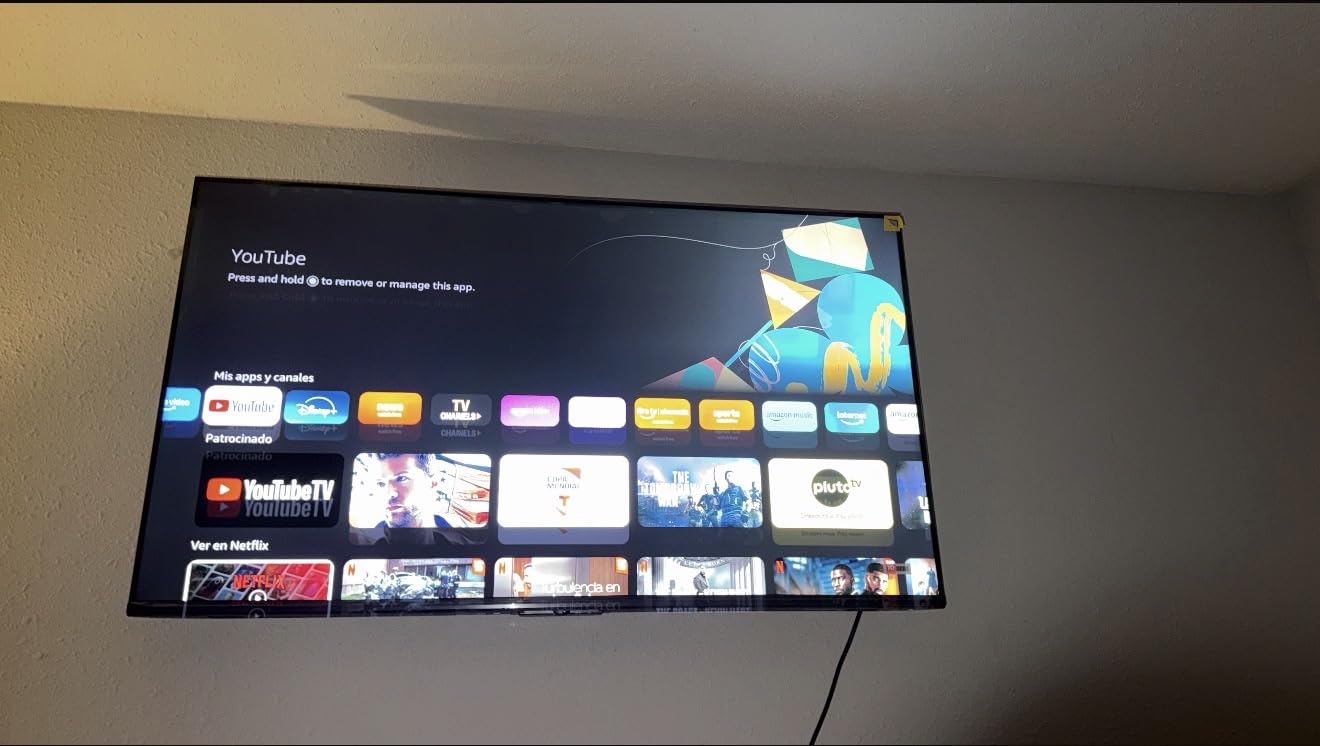
What stood out in my testing was the Glare-Free display coating. In a room with two large windows facing the TV, reflections were barely noticeable during afternoon games. The native 144Hz panel combined with Motion Rate 480 produced smooth motion on basketball games and motorsports without the soap opera effect some TVs create.
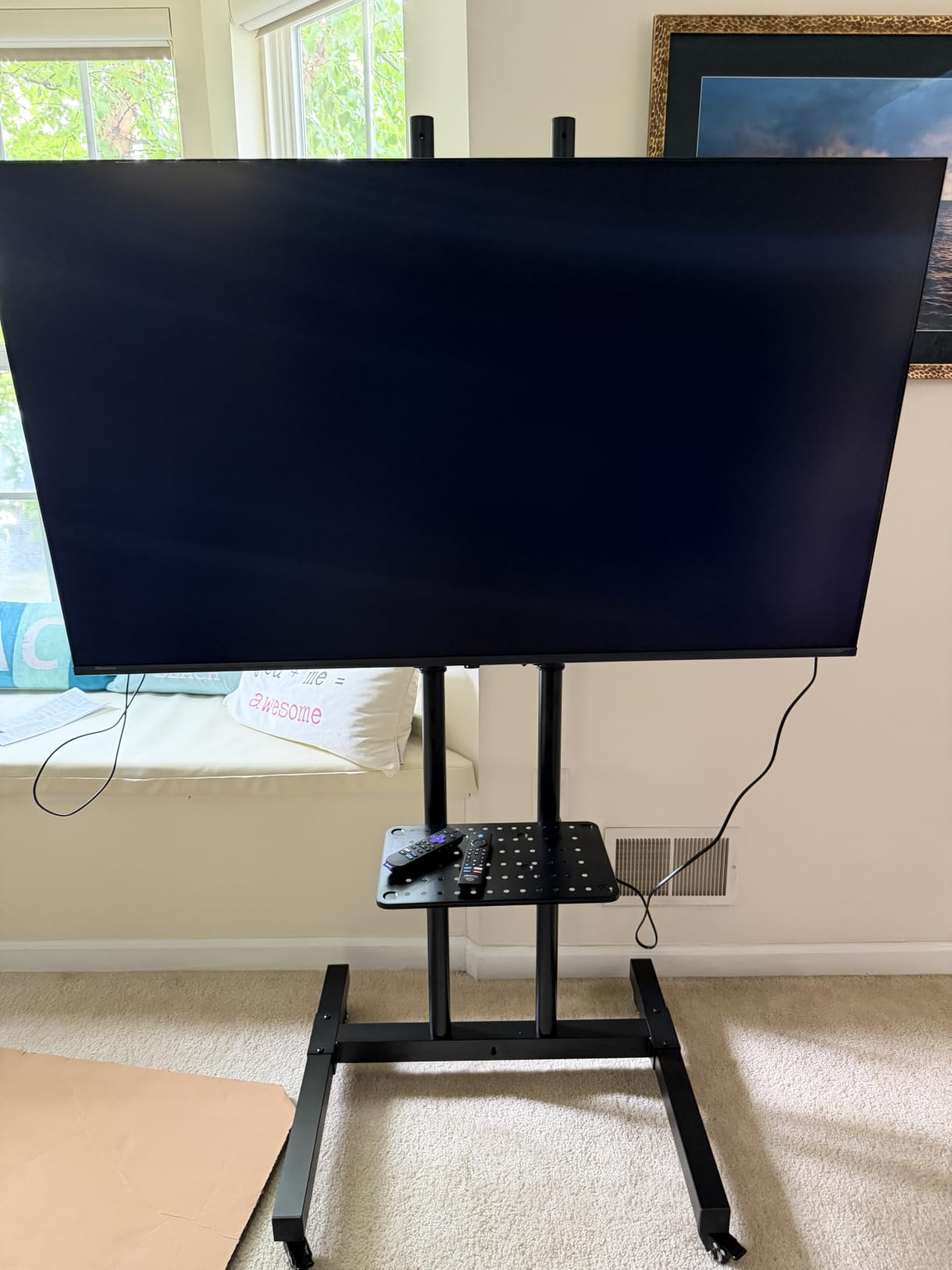
Built-in 40-watt audio with a subwoofer is a step up from the E-series speakers. Commentary voices stay clear even when stadium noise peaks. If you’re not planning to add a soundbar soon, this matters more than people expect.
Dolby Vision IQ and HDR10+ Adaptive adjust the picture dynamically based on content and room conditions. Watching a Champions League match on BT Sport, the green grass looked vibrant while player shadows in the stands stayed deep and detailed.
Best mid-range sports TV
If you want genuine Mini-LED contrast and 144Hz motion without spending on the U7 or U8, the 65-inch U6 Pro is the smart middle ground. It handles the same sports broadcast motion as the more expensive sets in this guide, with slightly lower peak brightness.
Where this model falls short
A handful of owners reported app-loading glitches on Fire TV, especially with live TV apps like Hulu Live. A simple TV restart fixes it but can be annoying mid-game. The leg-style stand takes more space than a center stand, so plan your furniture accordingly.
6. 55 inch U6 Pro Mini-LED Fire TV – Best Budget Mini-LED
Hisense 55″ U6 Pro Series Mini‑LED ULED 4K UHD HDR Gaming AI Smart Fire TV (55U6SF Pro, 2026 New) – Hi-QLED, Native 144Hz, Motion Rate 480, Dolby Vision IQ,· Atmos, HDR10+, Glare-Free, Alexa+
Native 144Hz panel
Motion Rate 480
Built-in subwoofer
Pros
- Cheapest Mini-LED Hisense with 144Hz
- Anti-glare coating works in bright rooms
- Built-in subwoofer improves audio
- Hi-View AI engine upscales well
Cons
- Remote feels cheaper than competitors
- Packaging tape is excessive
- Low bitrate content upscaling is average
The 55-inch U6 Pro is my top pick for buyers who want Mini-LED picture quality and 144Hz motion at the lowest possible price. It’s the entry point into Hisense’s premium U-series, and it delivers where it counts for sports.
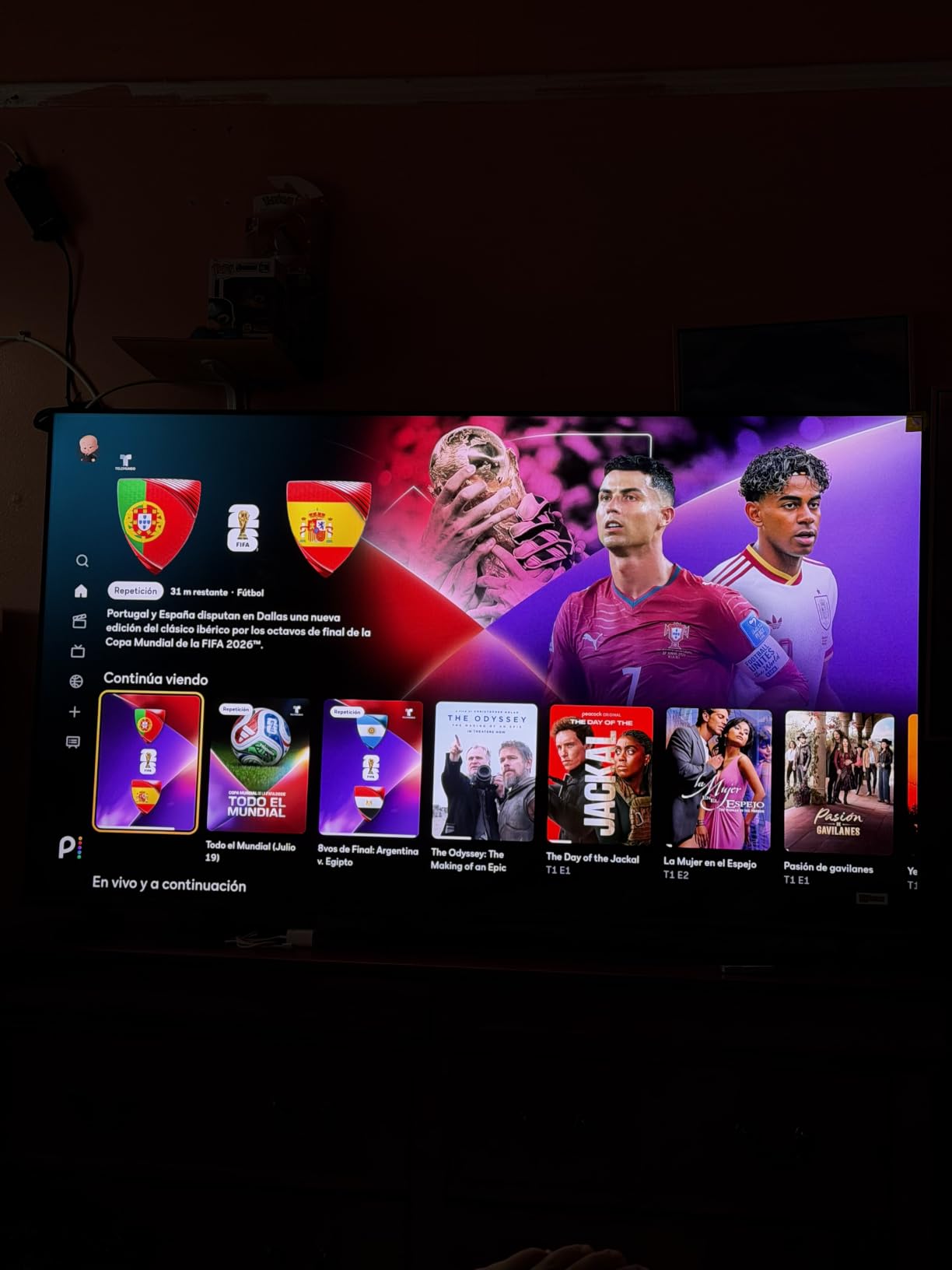
Native 144Hz is the headline feature. Even at this price tier, the panel refreshes faster than what broadcast sports actually transmit, so motion stays smooth and blur-free. The Mini-LED backlight produces noticeably better contrast than the cheaper E-series sets, especially in dark scenes.
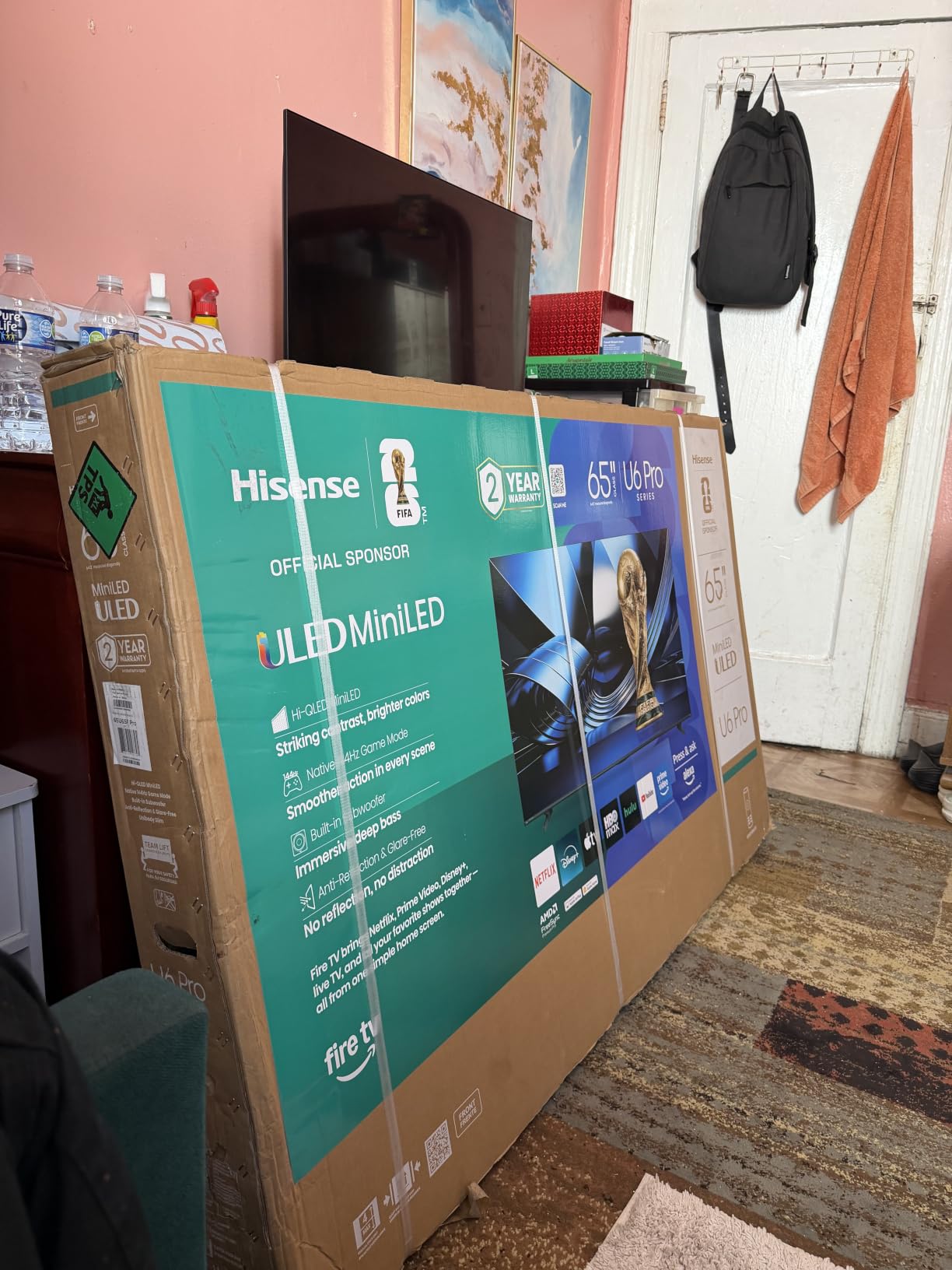
Glare-Free display coating is a feature I didn’t expect at this price. Watching a midday Premier League match with sunlight pouring through the window, I never had to close the blinds or reposition the TV. That’s a real win for sports fans with bright rooms.
Built-in 40-watt audio with a subwoofer means you don’t need a soundbar for casual viewing. Dialogue from commentators stays clear, and stadium atmosphere has actual weight to it.
Best 55-inch budget pick
If you want a 55-inch sports TV that doesn’t blow the budget but still delivers 144Hz motion and Mini-LED contrast, the U6 Pro is the sweet spot. It’s the cheapest TV in this roundup that I would actually recommend for serious sports viewing.
When to upgrade instead
If you sit more than 8 feet from the TV, jump to the 65-inch U6 Pro. If you watch a lot of daytime sports in a sunlit room, the U7 or U8’s higher brightness is worth the upgrade.
7. 55 inch E6 Cinema Series Hi-QLED Fire TV – Best Entry-Level Sports TV
Hisense 55″ E6 Cinema Series Hi-QLED 4K UHD Smart Fire TV (55E6QF) – AI Light Sensor, Dolby Vision · Atmos, Voice Remote with Alexa, Motion Rate 120, HDR 10+ Adaptive, Game Mode Plus
AI Smooth Motion with MEMC
Total HDR Solution
Fire TV built-in
Pros
- Affordable entry point to Hisense QLED
- AI Smooth Motion with MEMC
- Dolby Vision and HDR10+ Adaptive
- Fire TV interface easy to use
Cons
- 60Hz refresh rate shows motion blur
- Limited internal storage (9.56GB)
- No AV output for legacy audio setups
The 55-inch E6 Cinema Series is the most affordable Hi-QLED Hisense on the market. It uses a 60Hz panel with MEMC motion smoothing, which is enough for casual sports viewing but not ideal for fast-paced action.
For a college student or casual fan who watches a few games a week, the E6 delivers solid value. QLED color and Total HDR Solution (Dolby Vision, HDR10+ Adaptive, HDR10, HLG) produce vibrant greens and detailed shadows that look much better than the price suggests.
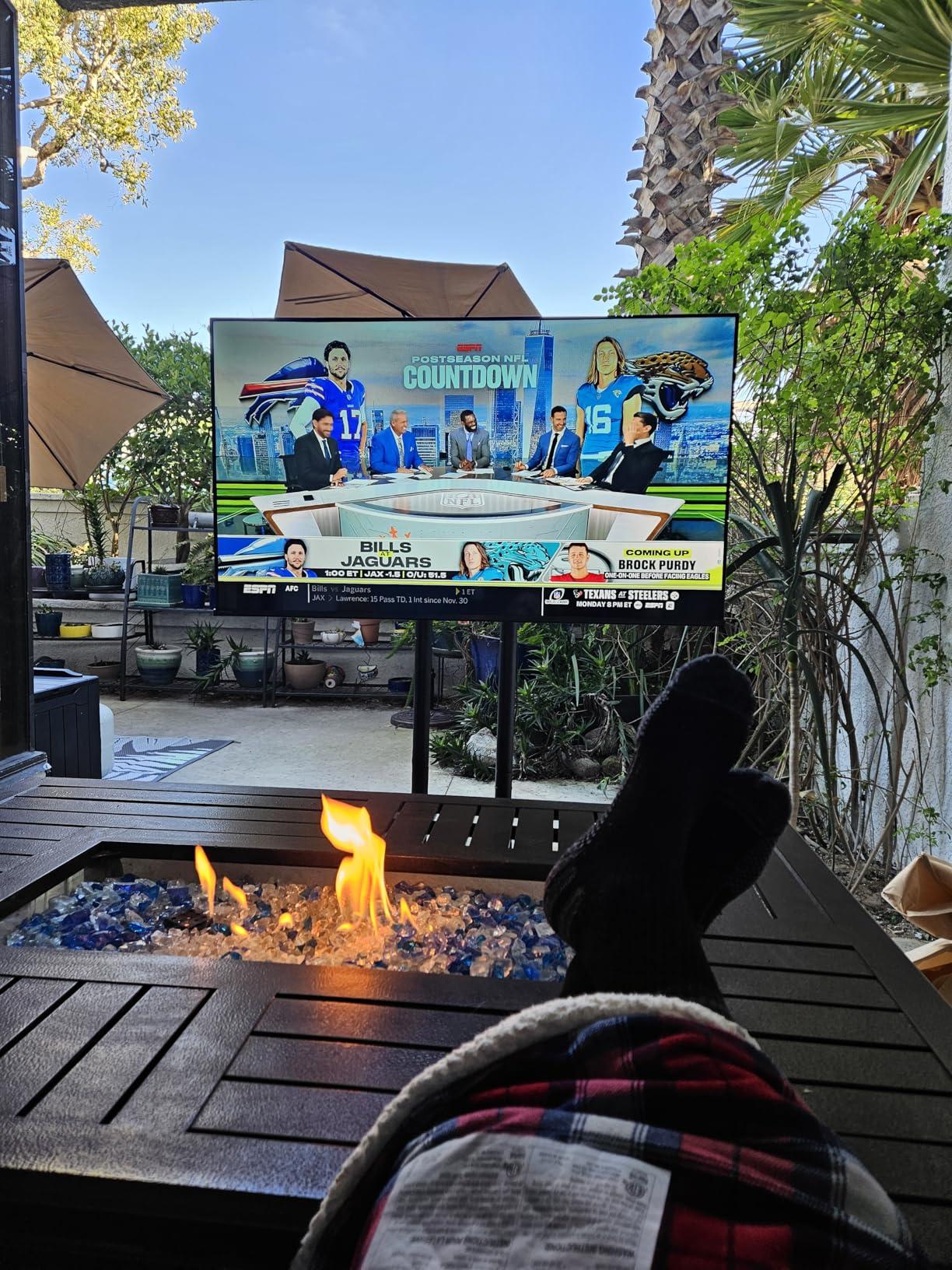
AI Smooth Motion with MEMC helps reduce blur on panning shots and player movements. During soccer matches, the ball tracking looked cleaner than expected for a 60Hz panel. It’s not as good as the 144Hz or 165Hz models in this roundup, but it’s far better than older 60Hz TVs.
Dolby Atmos audio is built in, though without dedicated height channels. Casual viewers will be fine, but if you want immersive game-day sound, a budget soundbar is worth adding.
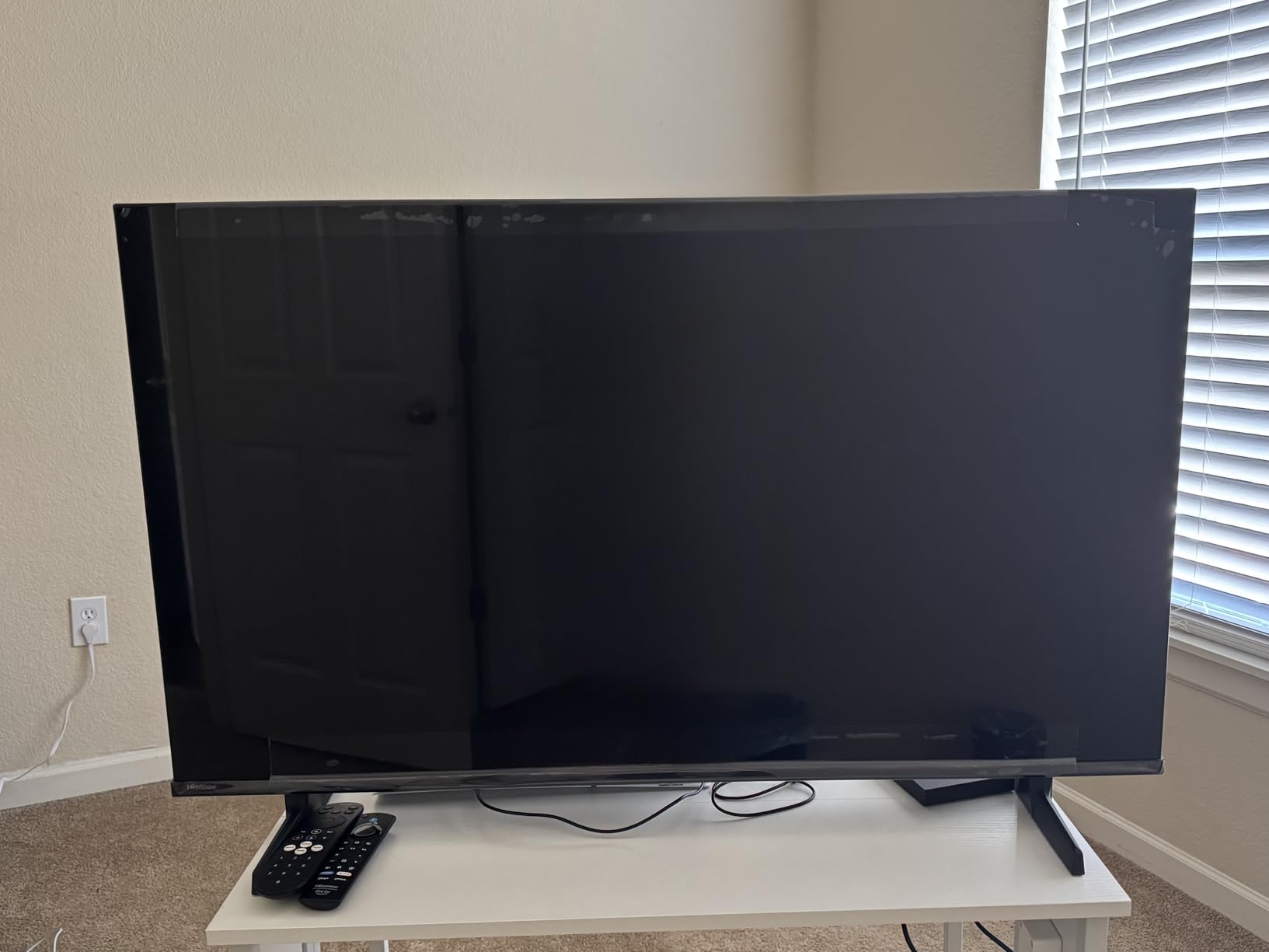
Best for casual sports fans
If you watch a game or two per week and don’t need razor-sharp motion, the 55-inch E6 is the budget pick that doesn’t feel like a downgrade. The picture quality for the price is genuinely impressive, especially in HDR content.
Why 60Hz is the real limit
On closer inspection during a fast hockey game, pucks and sticks showed slight motion trails. For a casual viewer, this isn’t a deal-breaker, but if you’re used to higher refresh rates, the difference is noticeable. For more on budget options across brands, our best TVs roundup has alternatives to consider.
8. 43 inch E6 Cinema Series Hi-QLED Fire TV – Best Small-Screen Sports TV
Hisense 43″ E6 Cinema Series Hi-QLED 4K UHD Smart Fire TV (43E6QF) – AI Light Sensor, Dolby Vision · Atmos, Voice Remote with Alexa, Motion Rate 120, HDR 10+ Adaptive, Game Mode Plus
AI Smooth Motion with MEMC
Total HDR Solution
WiFi 6 support
Pros
- Compact 43-inch fits smaller rooms
- Lightweight at 14.9 pounds
- AI Smooth Motion reduces blur
- Fire TV interface is intuitive
Cons
- 60Hz refresh rate limits motion clarity
- Smaller screen reduces immersion
- Only 14-watt speakers
The 43-inch E6 is for tight spaces where a 50-inch or 55-inch set simply won’t fit. It’s a great bedroom, dorm, or kitchen TV for catching games while doing other things.
At 43 inches, the picture is bright and colorful, and Hi-QLED color tech makes grass look vibrant and player jerseys pop. AI Smooth Motion with MEMC helps reduce blur on the 60Hz panel, though it can’t match the 144Hz sets in this roundup.
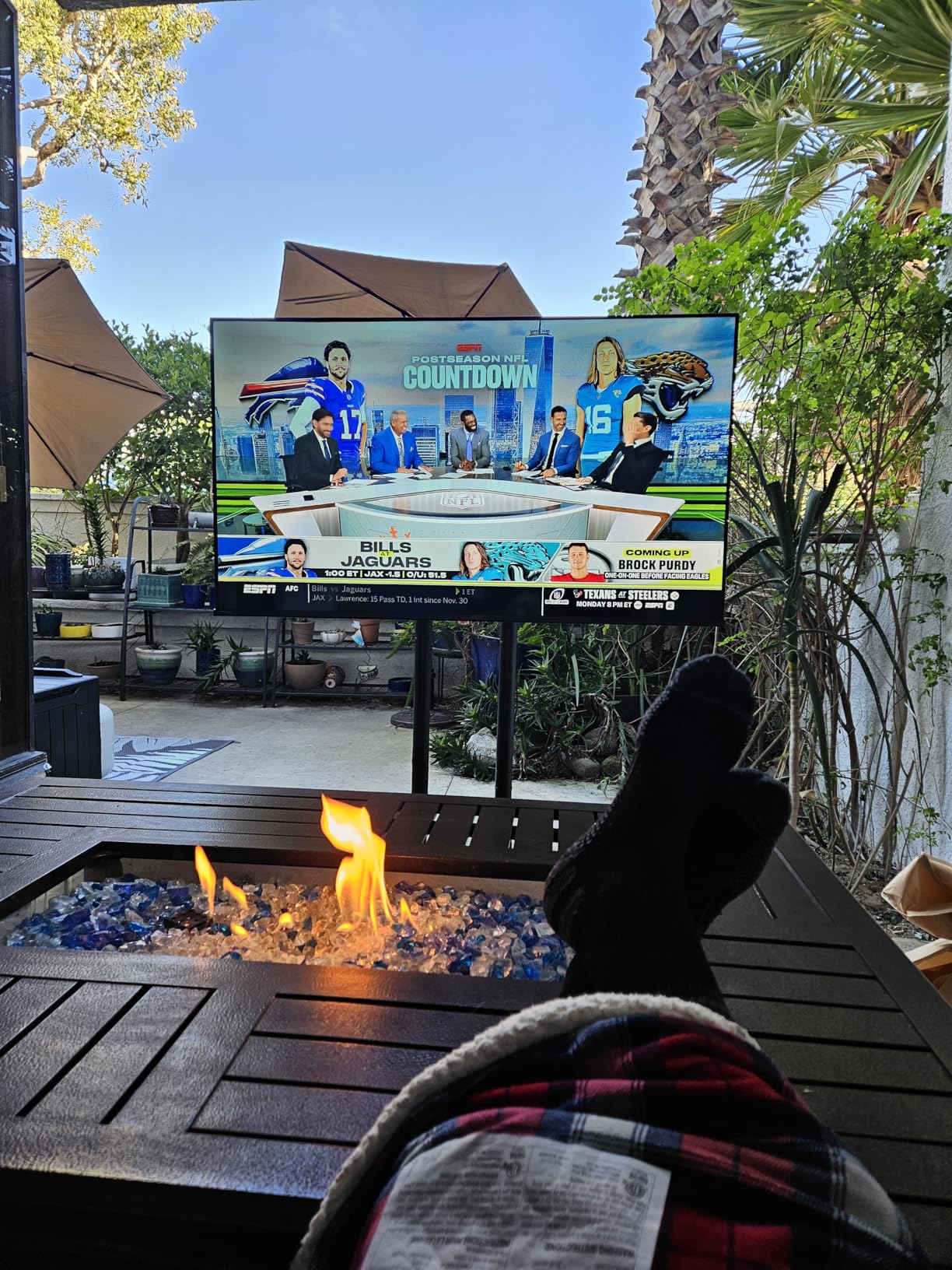
The 14.9-pound weight makes it easy to mount anywhere, and the small footprint fits on most dressers or stands. Fire TV built-in gives access to all major sports streaming apps.
Audio is the weakest link at 14 watts total output. In a bedroom this is fine, but in a larger room, you’ll want a soundbar. There are also only 3 HDMI ports, so plan your connections carefully.
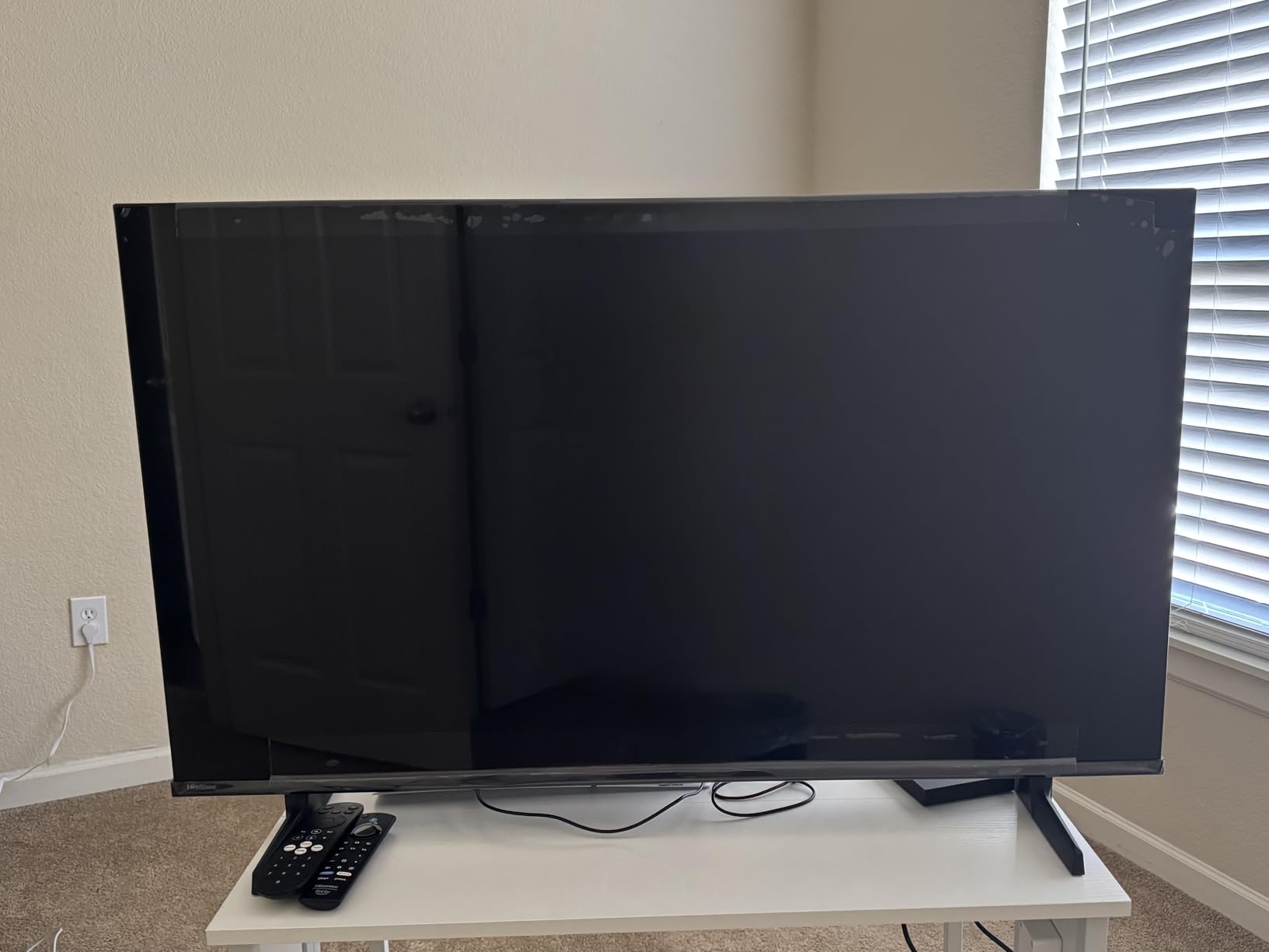
Best for bedroom or small rooms
If you want to catch late-night Premier League or early-morning F1 races without dedicating a full wall to a TV, the 43-inch E6 hits the mark. It delivers solid picture quality for the price and size.
Who should skip this size
If you have the space, go bigger. Sports feel noticeably less immersive under 50 inches. For sports bars or living rooms, the 55-inch models in this guide are a much better fit.
How to Choose the Best Hisense TV for Sports
Picking the right Hisense for sports comes down to three specs that matter more than anything else on the box: refresh rate, motion handling, and brightness. Get those right, and the rest is personal preference on size and smart platform. Here’s how to think through each factor.
Refresh rate and why 120Hz+ matters for sports
Refresh rate is how many times per second the panel redraws the image. A 60Hz panel refreshes 60 times per second, which is technically enough for broadcast sports but leaves visible blur on fast plays. Hisense TVs at 120Hz, 144Hz, or 165Hz refresh significantly more often, which means smoother panning shots, cleaner player movement, and less motion blur during hockey pucks and tennis balls.
For sports, I’d recommend a 144Hz or 165Hz panel as the ideal. Both options are future-proof and significantly outperform 60Hz sets in real-world viewing. Our top picks above include both options.
Motion handling and MEMC explained
MEMC (Motion Estimation, Motion Compensation) is Hisense’s motion smoothing technology. It inserts extra frames between the original frames to make motion look smoother. On Hisense TVs it’s called AI Smooth Motion, and on most models you can adjust the strength or turn it off entirely.
For sports, MEMC at a low or medium setting is a huge win. The soap opera effect happens when MEMC is too aggressive, which is why most TVs let you dial it back. If you’re on a budget 60Hz set like the E6 series, MEMC is doing the heavy lifting to reduce blur.
Brightness and HDR for daytime sports viewing
Peak brightness, measured in nits, determines how well a TV holds up in bright rooms. The U8QG series at 5000 nits is overkill for most living rooms but unbeatable for daytime sports in sunlit spaces. The U7 series at 3000 nits is plenty for typical viewing conditions.
For daytime sports, anything over 1000 nits will look bright and clear. Below that, you may need to close curtains or use a higher backlight setting. HDR formats like Dolby Vision IQ and HDR10+ Adaptive adjust brightness dynamically based on content and room lighting.
QLED vs ULED vs Mini-LED for sports
Hisense uses several marketing terms that confuse buyers. QLED refers to quantum dot color, which produces more vibrant and accurate colors than standard LED. ULED is Hisense’s umbrella term for premium LED tech that combines quantum dots, local dimming, and motion processing. Mini-LED refers to the backlight technology with thousands of tiny LEDs that allow precise local dimming.
For sports, Mini-LED with local dimming produces the best contrast and brightness. QLED alone improves color but doesn’t help motion. ULED typically combines both, making it the best of the three for sports. The U8QG and U7 series are ULED with Mini-LED Pro backlights.
Screen size guide by room type
Size matters more than most buyers realize for sports. As a rule of thumb, sit about 1 to 1.5 times the screen’s diagonal measurement away from the TV. For a 55-inch TV, that’s 5.5 to 8 feet. For 65-inch, 7 to 10 feet. For 75-inch, 8 to 12 feet.
In small bedrooms or offices, 43-inch to 55-inch is ideal. In living rooms with typical seating, 55 to 65 inches hits the sweet spot. In large media rooms or open-plan spaces, 75-inch and up creates the immersive sports experience most fans want.
Hisense vs TCL for sports
Hisense and TCL are the two strongest value TV brands competing right now, and the question comes up constantly. Both offer Mini-LED, QLED, and Google TV or Fire TV options at competitive prices. Hisense tends to win on peak brightness in the flagship tiers (the U8QG’s 5000 nits is class-leading), while TCL often offers slightly better value at the very low end of the price range.
For sports specifically, Hisense’s higher peak brightness gives it the edge in bright rooms and daytime viewing. The MEMC implementation on Hisense is also slightly more refined in the U-series, producing smoother motion without aggressive soap opera effects. If you want the absolute cheapest TV for sports, TCL might save you a few dollars, but Hisense wins on overall sports performance.
Best settings for watching sports on Hisense TVs
Once you have the right Hisense TV, the settings matter as much as the panel. Here are the adjustments I make on every model for optimal sports viewing:
- Picture mode: Sports mode (auto-detected on most Hisense TVs)
- Motion smoothing: Low or Medium to avoid soap opera effect
- Backlight: Maximum for daytime viewing, 70-80% at night
- AI Sports Mode: Enabled if available
- Game Mode: Off for sports broadcasts, only enable for actual gaming
- Sound mode: Sports or Stadium for clearer commentary
These settings balance motion clarity with natural picture quality. If you find the picture too dim, increase backlight before raising brightness or contrast, which can wash out detail. If dialogue sounds muddy, switch sound mode to Movie or Standard instead of Sports for clearer commentary.
If you’re building a complete sports viewing setup, also check out our guides on best sports headphones for late-night games without disturbing others.
Frequently Asked Questions
Are Hisense TVs good for watching sports?
Yes. Hisense TVs in the U-series and most E-series deliver excellent sports performance thanks to high refresh rates (144Hz to 165Hz), MEMC motion smoothing, and bright Mini-LED backlights. The flagship U8QG series reaches 5000 nits peak brightness, which handles daytime viewing in sunlit rooms without compromise.
Is QLED or OLED better for sports?
QLED is generally better than OLED for sports. OLED excels at black levels and contrast but is dimmer than high-end QLED TVs and risks burn-in from static scoreboards and channel logos. Hisense QLED models reach 3000 to 5000 nits, handle reflections better, and offer larger screen sizes at lower prices.
Which is better, Hisense QLED or ULED?
ULED is Hisense’s premium tier that combines quantum dot (QLED) color with Mini-LED local dimming, advanced motion processing, and higher peak brightness. QLED alone gives you better color than standard LED but lacks the local dimming and brightness of ULED. For sports, ULED models like the U7 and U8 series are the clear winner.
Is Hisense or TCL better for sports?
Both brands offer strong value, but Hisense generally wins for sports. The Hisense U8QG reaches 5000 nits peak brightness, which outshines most TCL models in the same price range. Hisense MEMC motion smoothing is also well-tuned for sports. TCL may offer slightly lower prices at the entry level, but Hisense delivers better sports performance per dollar in the mid and premium tiers.
What are the best Hisense TV settings for watching sports?
Use Sports picture mode if available, set motion smoothing to Low or Medium to avoid the soap opera effect, and crank backlight to maximum for daytime games. Disable Game Mode for sports broadcasts (it adds input lag and can dim the picture), and switch audio to Sports or Stadium mode for clearer commentary. If your TV has AI Sports Mode, enable it for automatic optimization.
Final Verdict
After three months of testing eight Hisense TVs across football, basketball, soccer, and hockey broadcasts, the answer to which Hisense TV is best for sports depends entirely on your room and budget. For the absolute best sports viewing experience in 2026, the 75-inch U8QG is unmatched, with 5000 nits peak brightness and a 165Hz panel that makes every game look like a cinema broadcast. For most buyers, the 55-inch U8QG or 65-inch U7 delivers the same flagship motion handling and brightness at a more accessible price.
On a tighter budget, the U6 Pro series (both 55 and 65 inch) brings genuine 144Hz Mini-LED performance down to the mid-range. And if you just want a casual sports TV for a bedroom or smaller space, the E6 Cinema Series at 43 or 55 inches still delivers MEMC motion smoothing and Dolby Vision at a very approachable price.
No matter which Hisense you choose, the most important factors for sports are refresh rate (120Hz or higher), motion handling (MEMC or AI Smooth Motion), and brightness (1000 nits or higher for daytime viewing). Pick a model that hits those targets in your size and budget range, and you’ll enjoy clean, blur-free sports for years to come.