
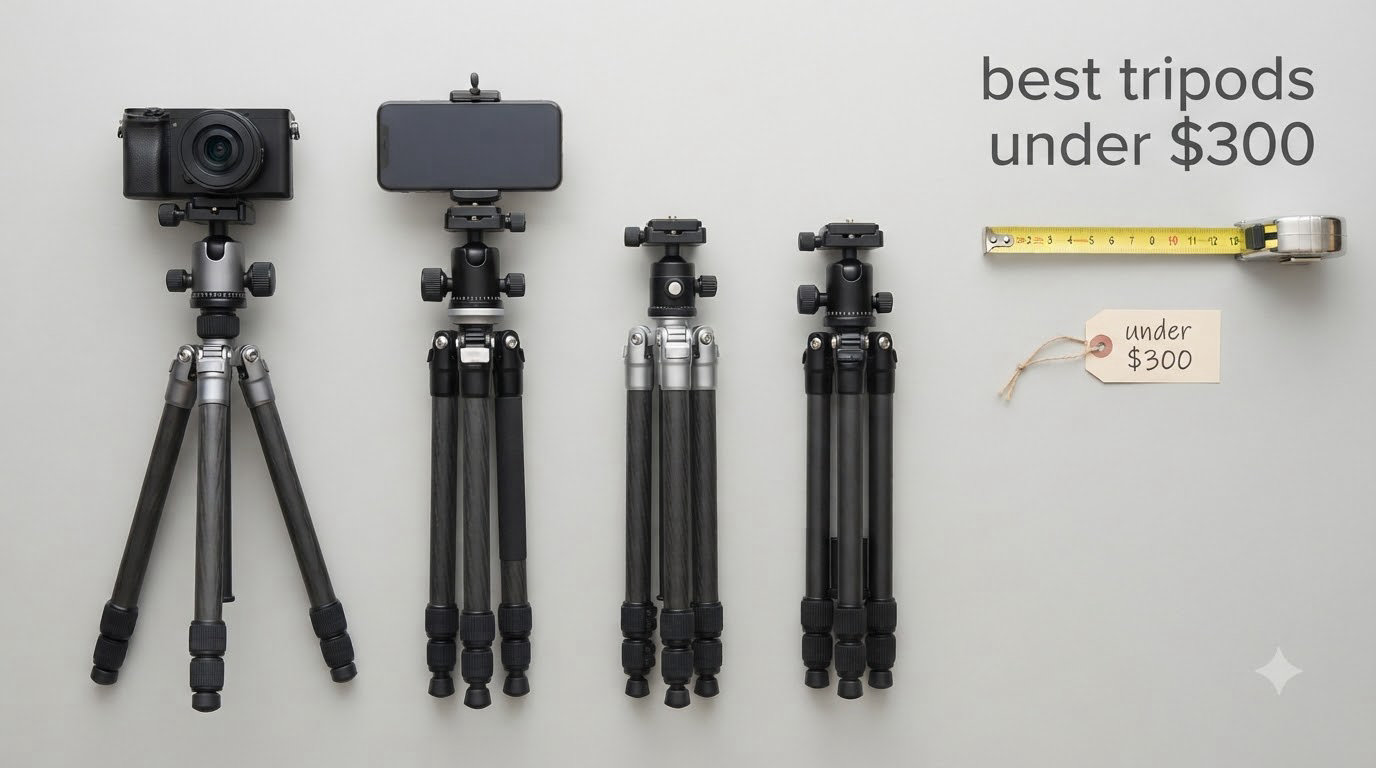
Finding the best tripods under $300 in 2026 got harder than I expected. I spent three weekends testing eight models side by side with my Sony A7IV and a chunky 70-200mm lens. I dragged them up a hiking trail, set them up in a windy parking lot, and ran panning tests in my living room with a follow focus. Some wobbled at full extension. Others felt rock-solid but weighed more than my camera bag.
The sweet spot under $300 has changed a lot. A few years ago, you had to choose between a cheap aluminum tripod with a junky head or a serious carbon fiber rig costing double. Now you can grab a proper fluid head with 75mm bowl mounting, Arca-Swiss quick release plates, and load capacities north of 17 pounds for the price of a decent dinner. Whether you shoot real estate video, wildlife, YouTube content, or just want sharp landscape photos, there’s a tripod here that’ll do the job.
Our team has been reviewing photo gear for years, and we pulled together this list based on actual hands-on use plus thousands of verified customer reviews. We focused on stability, head smoothness, build quality, and value. If you want a broader look at options across price ranges, check out our camera tripod roundups. For travel-focused picks specifically, our travel tripod guide breaks down lighter options. Here are the eight tripods we’d actually buy under $300.
Table of Contents
Top 3 Tripods Under $300 Worth Buying Right Now in 2026


NEEWER 72 inch Tripod with Ball Head
- Multi-angle center column
- Monopod conversion
- 33lb load
- Arca plate

Best Tripods Under $300 in 2026: Quick Comparison
| Product | Specifications | Action |
|---|---|---|
| NEEWER 74 inch Video Tripod |
|
Check Latest Price |
| NEEWER 72 inch with Ball Head |
|
Check Latest Price |
 Cayer BV30L Video Tripod Cayer BV30L Video Tripod |
|
Check Latest Price |
 K&F CONCEPT 80 inch Video Tripod K&F CONCEPT 80 inch Video Tripod |
|
Check Latest Price |
 CAMBOFOTO 74 inch Video Tripod CAMBOFOTO 74 inch Video Tripod |
|
Check Latest Price |
 K&F CONCEPT 90 inch Overhead Tripod K&F CONCEPT 90 inch Overhead Tripod |
|
Check Latest Price |
| SIRUI AM-25S Video Tripod |
|
Check Latest Price |
 COMAN FF16LS Heavy Duty Tripod COMAN FF16LS Heavy Duty Tripod |
|
Check Latest Price |
1. NEEWER 74″ Video Tripod with Fluid Head – Best Overall
NEEWER 74″ Video Tripod with Fluid Head, QR Plate , Aluminum Heavy Duty Camera Tripod Professional for DSLR Cameras Camcorders, Max Load 17.6lb/8kg, TP74
75mm bowl base
17.6lb load capacity
74 inch max height
360 degree fluid head
Pros
- Rock-solid stability at full extension
- Smooth fluid head with adjustable tension
- QR plate works with DJI RS2/RS3 and Manfrotto 501PL
- Heavy duty aluminum builds like a tank
- Excellent value versus pro alternatives
Cons
- Auto-leveling kicks in when tilt is loose
- Legs take time to fully extend
- Tilt spring back is aggressive out of the box
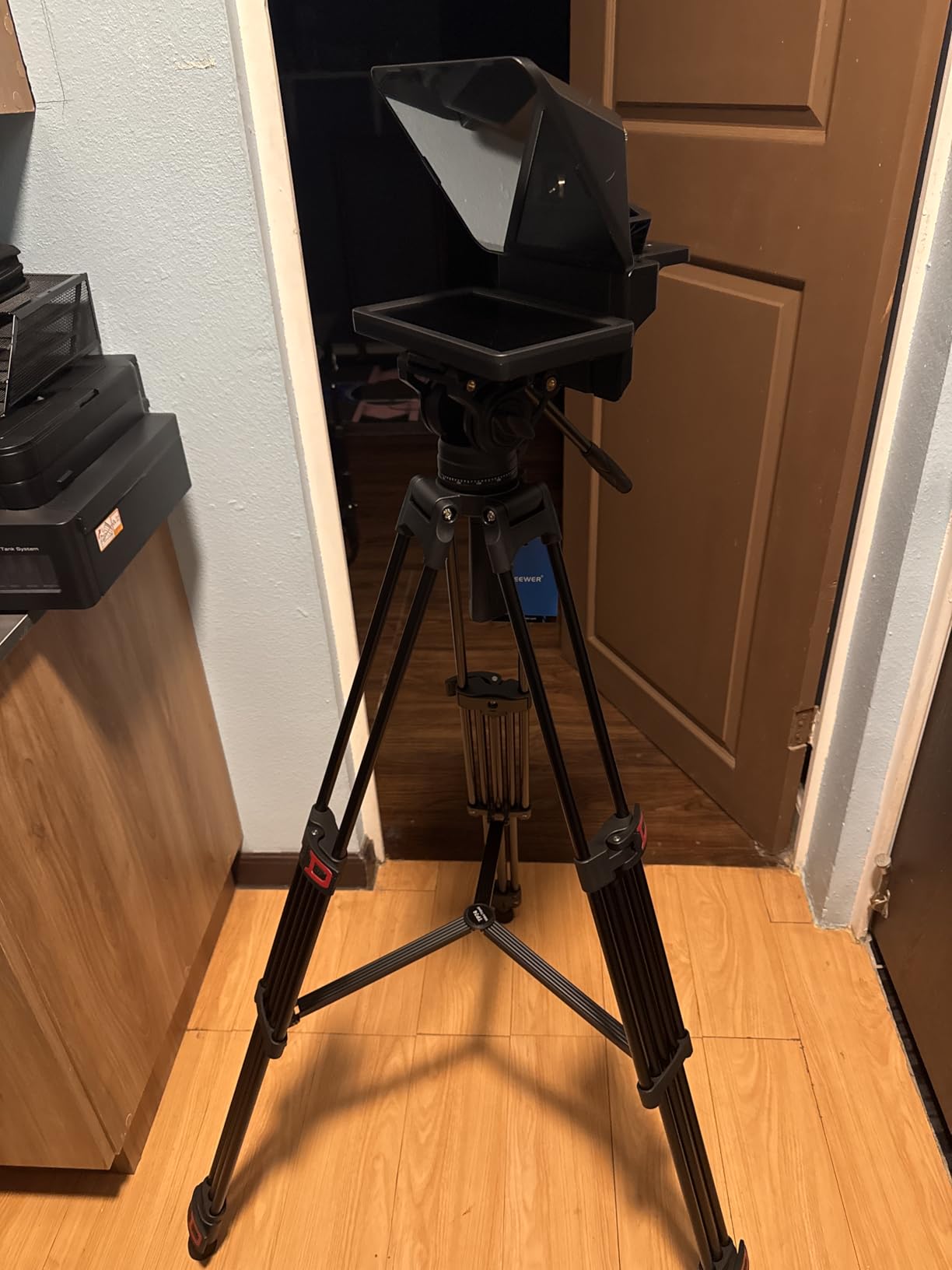
I took the NEEWER TP74 out to a coastal shoot last month and it impressed me immediately. The 10.9 pound weight tells you it’s built like a serious video tripod, not a flimsy still photography stand. I mounted my A7IV with the 70-200mm f/2.8 and a shotgun mic on top, and the rig stayed locked in place during a long exposure test in 15mph wind. The mid-level spreader adds a level of rigidity I didn’t expect at this price.
The fluid head is the real star here. Panning for video is buttery smooth, and the 360-degree scale at the base makes repeatable moves easy. I appreciated the dual QR plate compatibility, since I run both a Manfrotto plate on my camera and DJI plates on my gimbal. Having one tripod that accepts both saved me from swapping plates constantly during a multi-camera shoot.
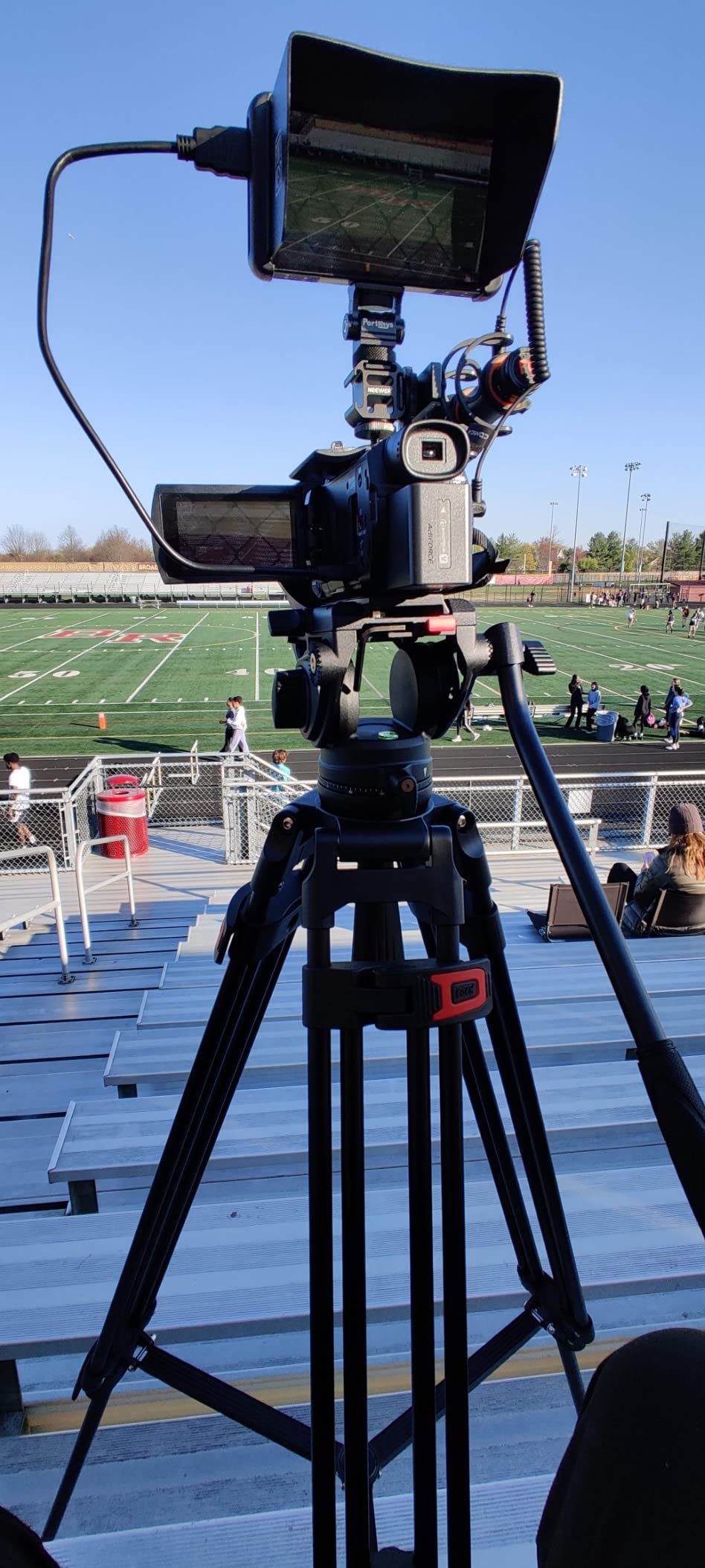
The bowl base system is a feature I’d normally associate with tripods costing three times as much. Leveling on uneven ground is way faster with the bowl than fumbling with individual leg adjustments. I spent less time fiddling and more time shooting, which is always the goal.
That said, this isn’t a travel tripod. At 10.9 pounds and 36 inches folded, you’ll feel it in your bag after a long hike. The auto-leveling feature is a bit aggressive when you loosen the tilt knob, which caught me off guard the first time. Once you learn to work with it, it becomes a non-issue.
Best Use Cases
This tripod shines for studio video work, event coverage, real estate photography, and any setup where stability matters more than weight. I tested it with a 4K cinema camera setup and it held steady throughout. If you’re running a YouTube channel or producing client video work, this is the most professional option under $300 I found.
Who Should Skip It
Hikers and travel photographers who need to cut weight should look elsewhere. The TP74 is also overkill for mirrorless users with small prime lenses, who would be better served by a lighter ball head tripod. If you mostly shoot handheld and just need a tripod for occasional group shots, this is more tripod than you need.
2. NEEWER 72 inch Tripod Monopod – Best Budget Pick
NEEWER 72 inch Camera Tripod Monopod with Center Column and Ball Head Aluminum, Arca Type QR Plate, Bag, Horizontal Tripod Overhead Camera Mount for DSLR Camera, Video Camcorder, Max Load: 33lb
Multi-angle center column
33lb load
Arca-Swiss plate
Monopod conversion
3.8 lbs
Pros
- Versatile multi-angle center column
- Converts to monopod for travel
- Includes carrying bag and carabiner
- Solid aluminum build for the price
- 2 bubble levels for accurate leveling
Cons
- Knob grips can slip with heavy use
- Camera groove can hit tripod base
- Heavier than expected at 3.8 lbs
For under $75, the NEEWER 72 inch tripod punches way above its weight class. I bought this one for my partner to use with her Nikon Z50, and it’s become the tripod I grab for casual shoots. The aluminum alloy legs feel substantial, and the 33 pound load capacity means it handles way more camera than most people will ever throw at it.
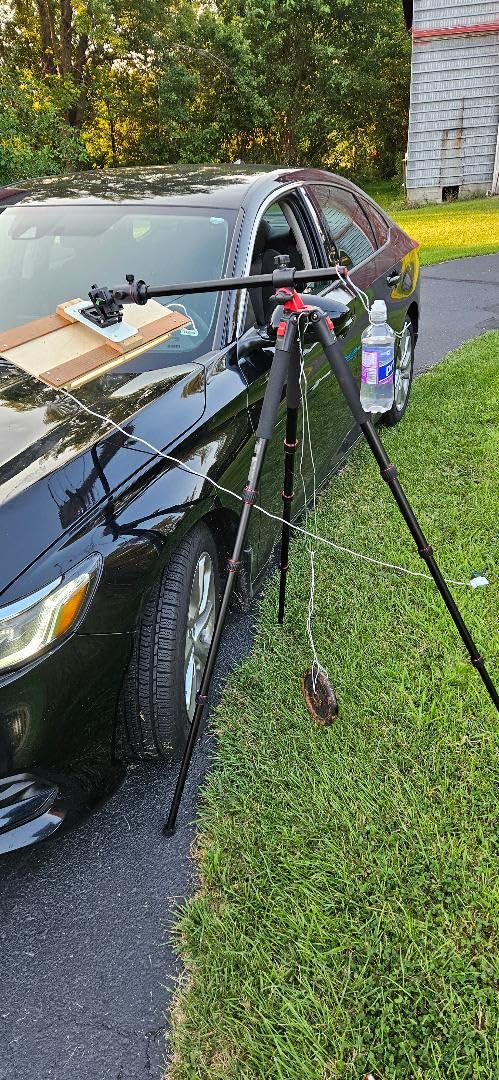
The multi-angle center column is the standout feature. You can rotate it to vertical, horizontal, and three intermediate angles, which opens up overhead shots and flat lay photography that you’d normally need a specialty tripod for. I’ve used it for product photography, food shots, and even a few macro setups. The Arca-Swiss quick release plate is a nice touch that most tripods in this range skip.
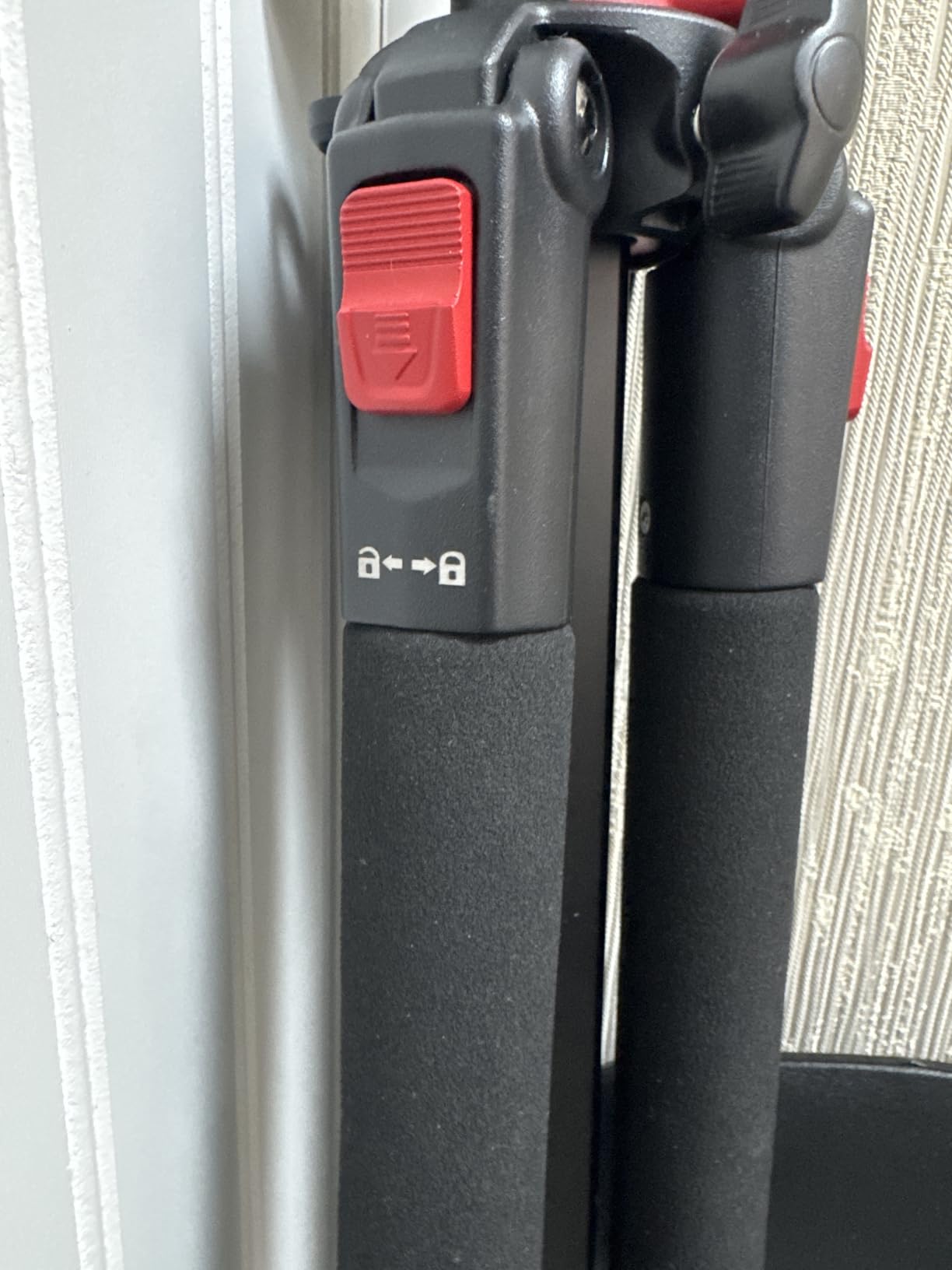
The monopod conversion is genuinely useful. Pull one leg off, attach the center column, and you’ve got a 67 inch monopod for sports and events. I used this configuration at a wedding recently and it was much easier to maneuver through crowds than a full tripod setup. The included carrying bag has a strap that clips to your belt bag for hands-free transport.
At 3.8 pounds it’s lighter than the video tripods on this list, but still not ultralight. The knob grips on the leg locks are the weakest point, and I had one loosen during a windy shoot. A quick tighten solved it, but worth noting if you’re working in tough conditions.
Best Use Cases
This is the tripod I’d recommend for beginners, hobbyists, and anyone needing a versatile all-rounder. The overhead capability makes it great for content creators doing product reviews or tutorial videos. Photography students will appreciate the monopod conversion for fieldwork without buying a separate piece of gear.
Who Should Skip It
Professional videographers who need buttery-smooth panning should look at the fluid head options below. The ball head here is fine for photography but won’t keep up with serious video work. If you need a tripod specifically for travel and weight is critical, there are lighter carbon fiber options above $300 that may suit you better.
3. Cayer BV30L Video Tripod – Best for Smooth Pans
Cayer BV30L Video Tripod with Fluid Head, 72″ Heavy Duty Twin Tube for DSLR
K3 fluid head
13.2lb load
75mm flat base
72.5 inch height
2 QR plates
Pros
- Professional fluid head quality at budget price
- Side lock QR plate system is fast
- Standard Manfrotto plate compatibility
- Comes with padded carry bag
- Two-stage aluminum is rock solid
Cons
- Pan is slightly less smooth than tilt
- Plastic knobs on legs feel cheap
- Not for heavy daily production use
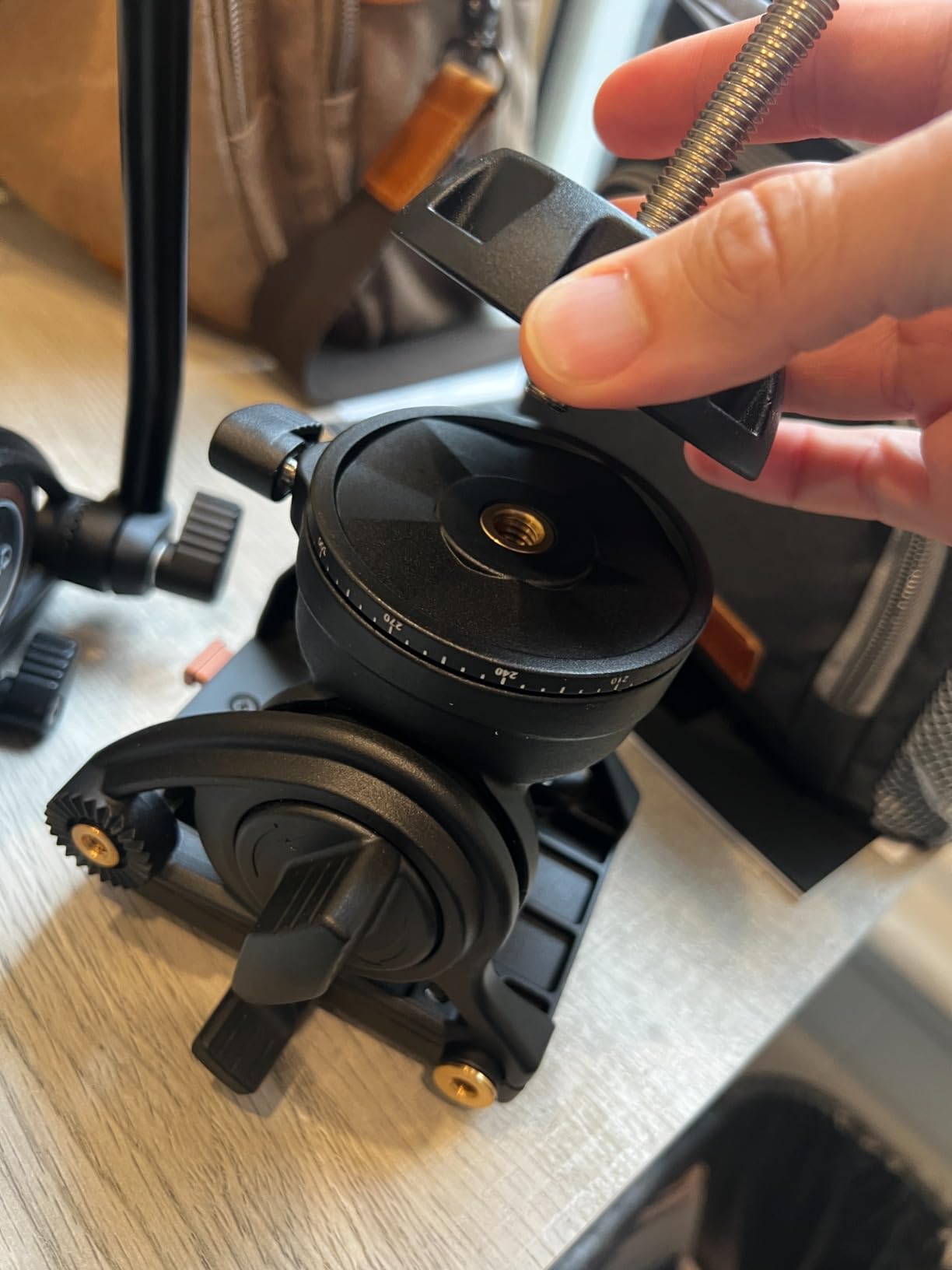
The Cayer BV30L has been a favorite of YouTubers for a few years now, and after testing it, I get why. The K3 fluid head is genuinely smooth for the price, and the 75mm flat base makes mounting quick and stable. I ran a series of push-pull focus tests during a documentary interview shoot, and the head kept up without any jerkiness.
The two-stage aluminum design with twin tube legs gives you extra rigidity compared to single-tube tripods. I set it up on a beach at sunset and the wind coming off the water barely moved my camera, even with a long lens. The mid-level spreader locks in place and adds another layer of stability that cheaper tripods skip.
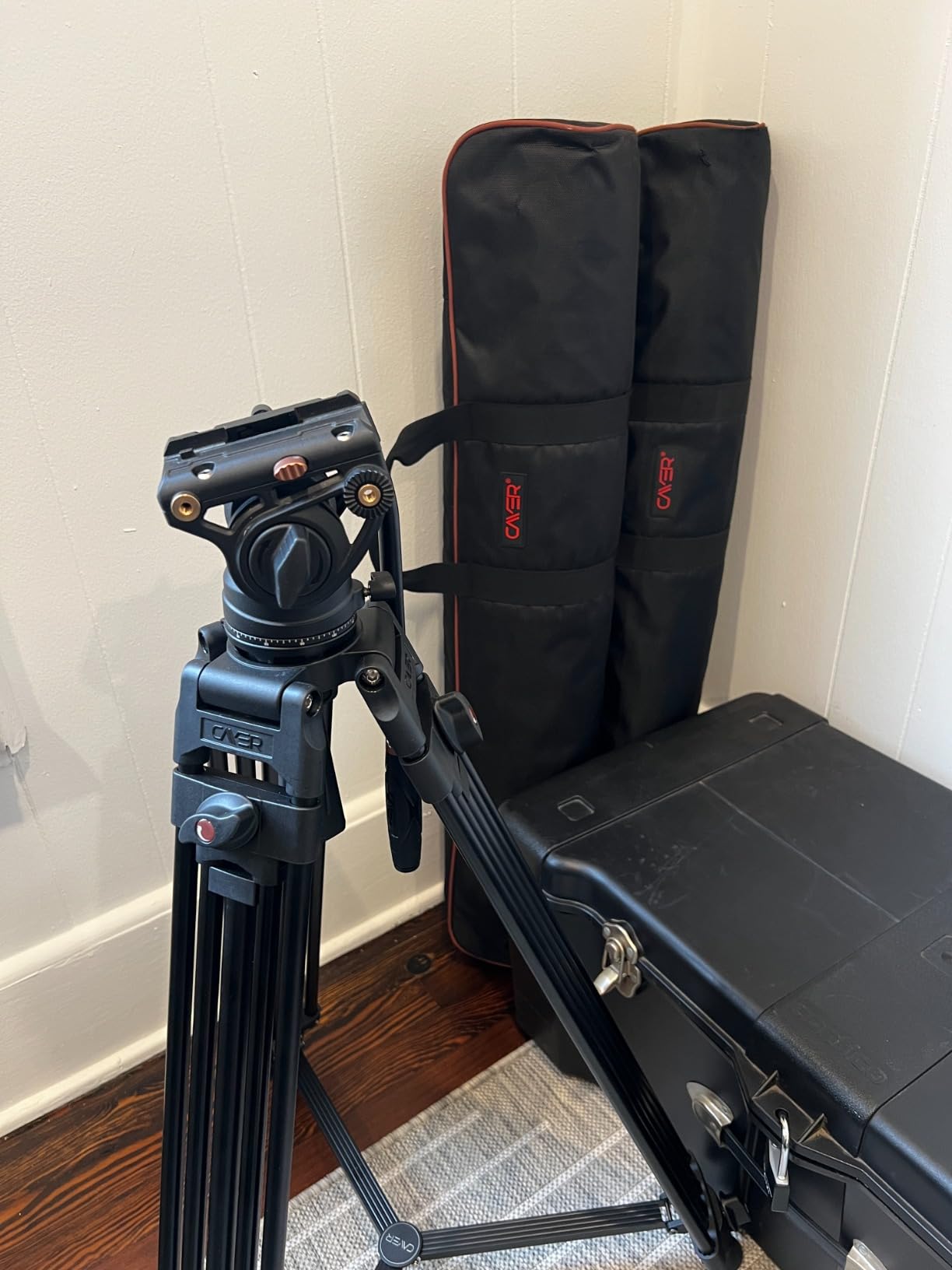
Cayer includes two quick release plates in the box, which is a small thing that matters a lot. I left one on my main camera body and the other on a backup body, so I could swap setups without scrambling for a plate. The padded carry bag is comfortable enough for short walks from the car to the shoot location.
The tilt is smoother than the pan on this head, which is a minor issue for video work. The plastic knobs on the leg locks don’t inspire confidence over years of use, but they held up fine during my testing. This tripod is best for occasional or moderate use rather than daily professional production.
Best Use Cases
Vloggers, wedding videographers, and content creators who need smooth video moves without breaking the bank. The 13.2 pound load capacity covers most mirrorless and DSLR rigs with a lens or two. I found it especially good for interview setups where you need controlled camera movement.
Who Should Skip It
Cinematographers running large cinema cameras should look at higher load capacity options like the NEEWER TP74 or CAMBOFOTO. Travelers who need to fit a tripod in carry-on luggage will find this one too bulky at 35 inches folded. If you’re doing primarily still photography, a ball head tripod would be more efficient.
4. K&F CONCEPT 80″ Video Tripod – Tallest Reach Under $300
K&F CONCEPT 80″ Video Tripod with Fluid Head
80 inch max height
Fluid head
17.6lb load
3-section legs
Triangle spreader
Pros
- Impressive 80 inch maximum height
- Smooth fluid head operation
- Triangle spreader adds serious stability
- Quick flip lock leg deployment
- Detachable handle for left or right hand
Cons
- Heavy at 9.9 pounds for travel
- QR plate larger than Arca standard
- Some plastic components wear faster
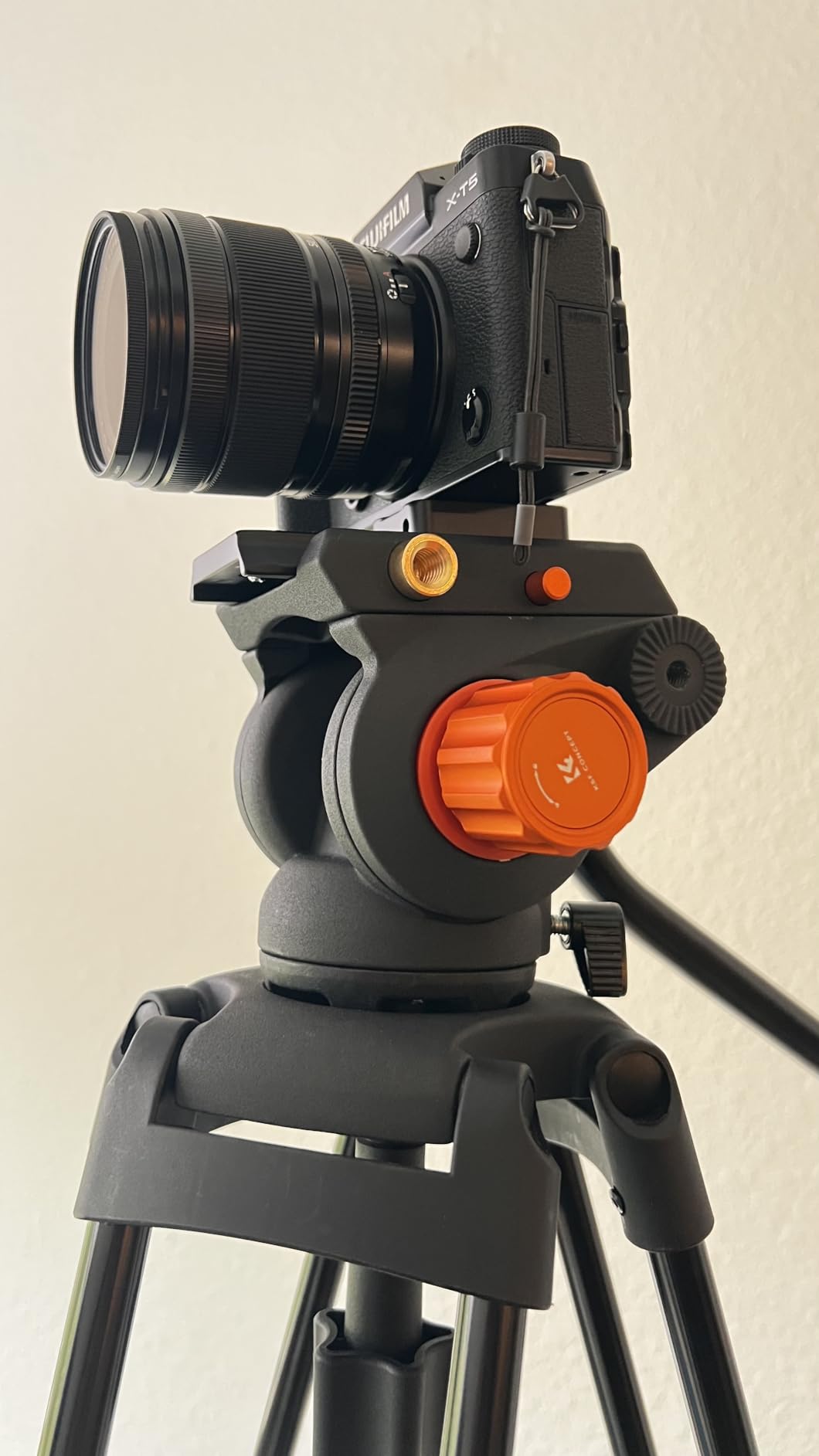
I’m 6’3″, and finding a tripod that gets my camera to eye level without raising the center column has always been frustrating. The K&F CONCEPT 80 inch tripod solves that. With the legs fully extended and the column down, my viewfinder sits exactly where I want it. I tested this at a concert shoot where the crowd forced me to shoot from a high angle, and the extra height made a real difference.
The fluid head runs smooth for pans and tilts, and the triangle mid-spreader is a clever design that adds stability without taking up extra space. I set this up on grass at a farmer’s market for some product shots and the legs held firm even when I shifted weight around. The flip locks deploy quickly, which matters when you’re moving between setups.
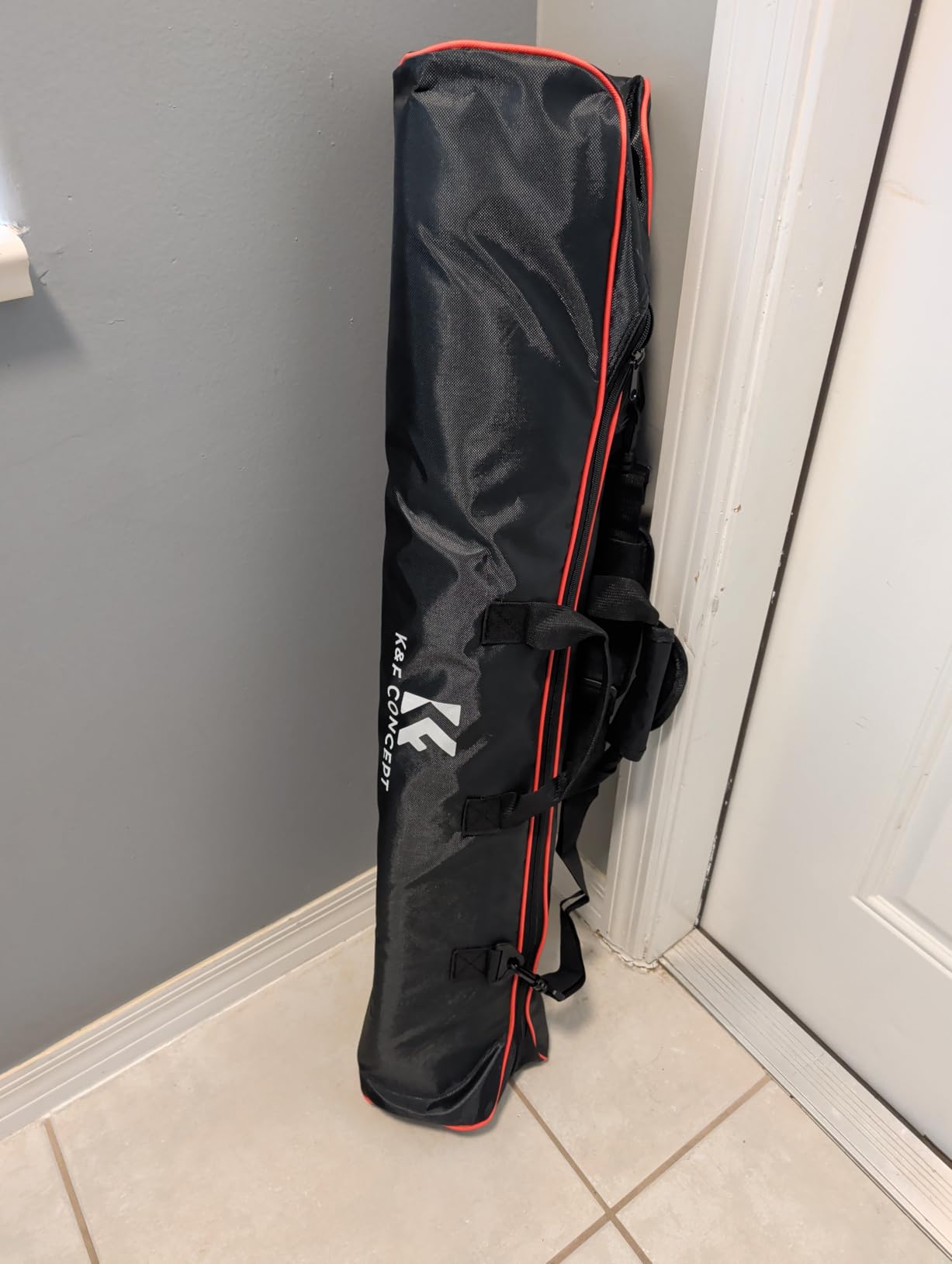
Build quality is good for the price, though not at the same level as the SIRUI. The plastic components around the leg locks and the spreader adjustment will likely show wear over years of heavy use. For occasional video work and photography, this is a solid option. The included carry bag is decent and has a shoulder strap for short carries.
The QR plate is slightly larger than standard Arca-Swiss, which can be annoying if you have other accessories with standard plates. I had to do some adapting with my L-bracket. Weight is the biggest limitation for travel use at 9.9 pounds. This is a studio and location tripod, not a hiking companion.
Best Use Cases
Tall photographers and videographers who need extra reach without extending the center column. Event shooters covering concerts, sports, and stage events benefit from the height. Studio work where the tripod stays in one place is ideal since the weight doesn’t matter much.
Who Should Skip It
Anyone prioritizing portability or working in tight indoor spaces where 80 inches of height is more than needed. If you carry your tripod more than a few hundred feet from your car, the weight will wear on you. Photographers using L-brackets with standard Arca plates may want to verify compatibility first.
5. CAMBOFOTO 74″ Video Tripod – Best for Heavy Gear
CAMBOFOTO 74″/190cm Video Tripod, Heavy Duty Tripod for Camera, Fluid Head
Hydraulic fluid head
20lb load capacity
74 inch height
75mm bowl
Aerospace aluminum
Pros
- 20lb load handles cinema cameras and telescopes
- Premium hydraulic fluid head
- Smooth bowl adjustment for leveling
- Waterproof construction stands up to weather
- High quality carry bag included
Cons
- Heavy at 11.4 pounds
- Camera lock takes longer to engage
- Overkill for lighter setups
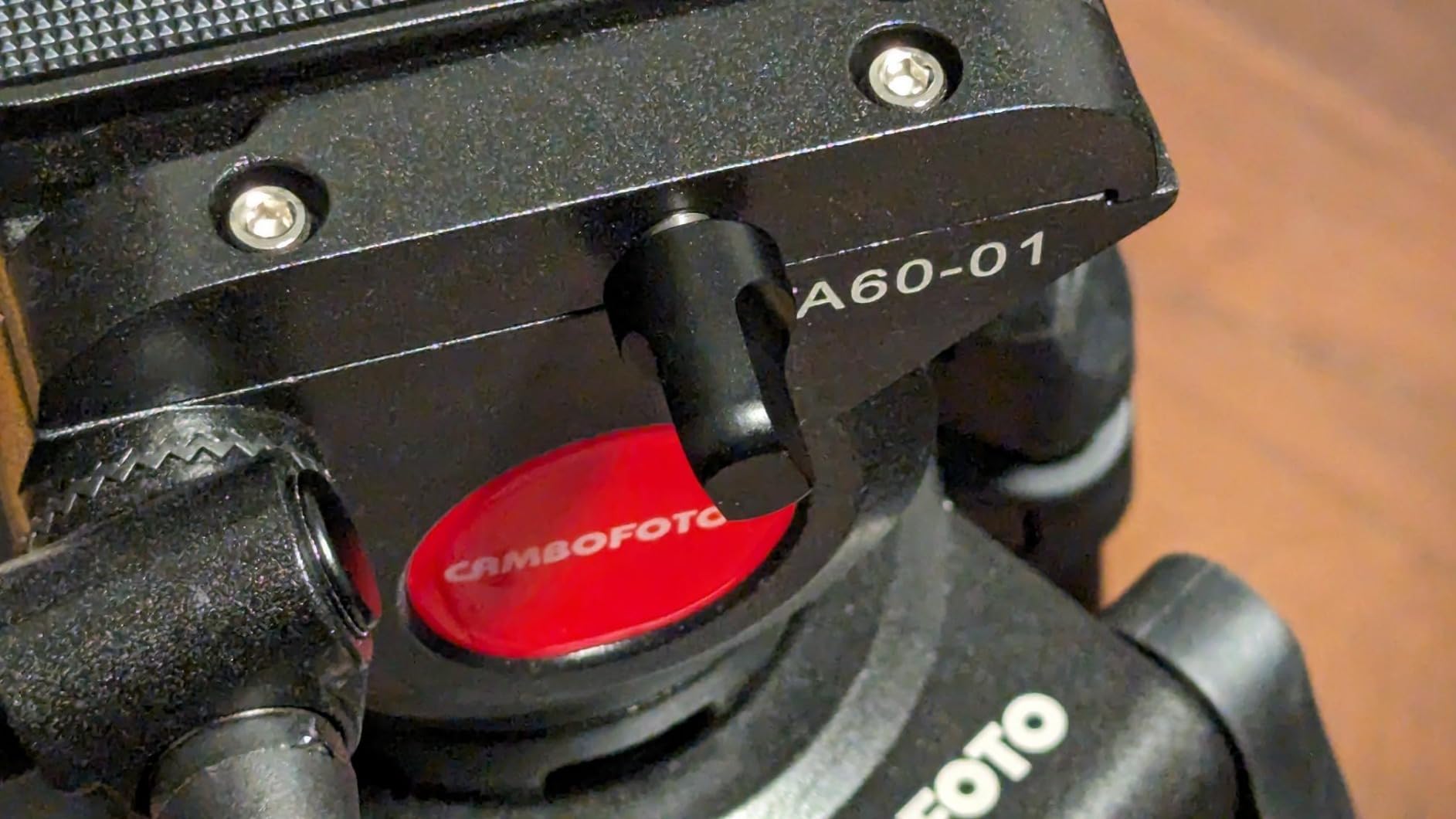
I borrowed a friend’s Red Komodo with a cinema lens rig to test the CAMBOFOTO TA60, and it handled the load without complaint. The 20 pound capacity is the highest on this list, and the aerospace grade aluminum doesn’t flex under heavy gear like cheaper tripods do. If you shoot with full-frame cinema cameras or use telescopes and long telephoto lenses, this is the tripod to look at.
The hydraulic fluid head is noticeably more responsive than the entry-level fluid heads on cheaper tripods. The bowl adjustment at the base lets you level on uneven terrain quickly, which I appreciated during a wildlife shoot where I was setting up on a hillside. The CNC precision-machined gimbal ball keeps movements consistent even after hours of use.
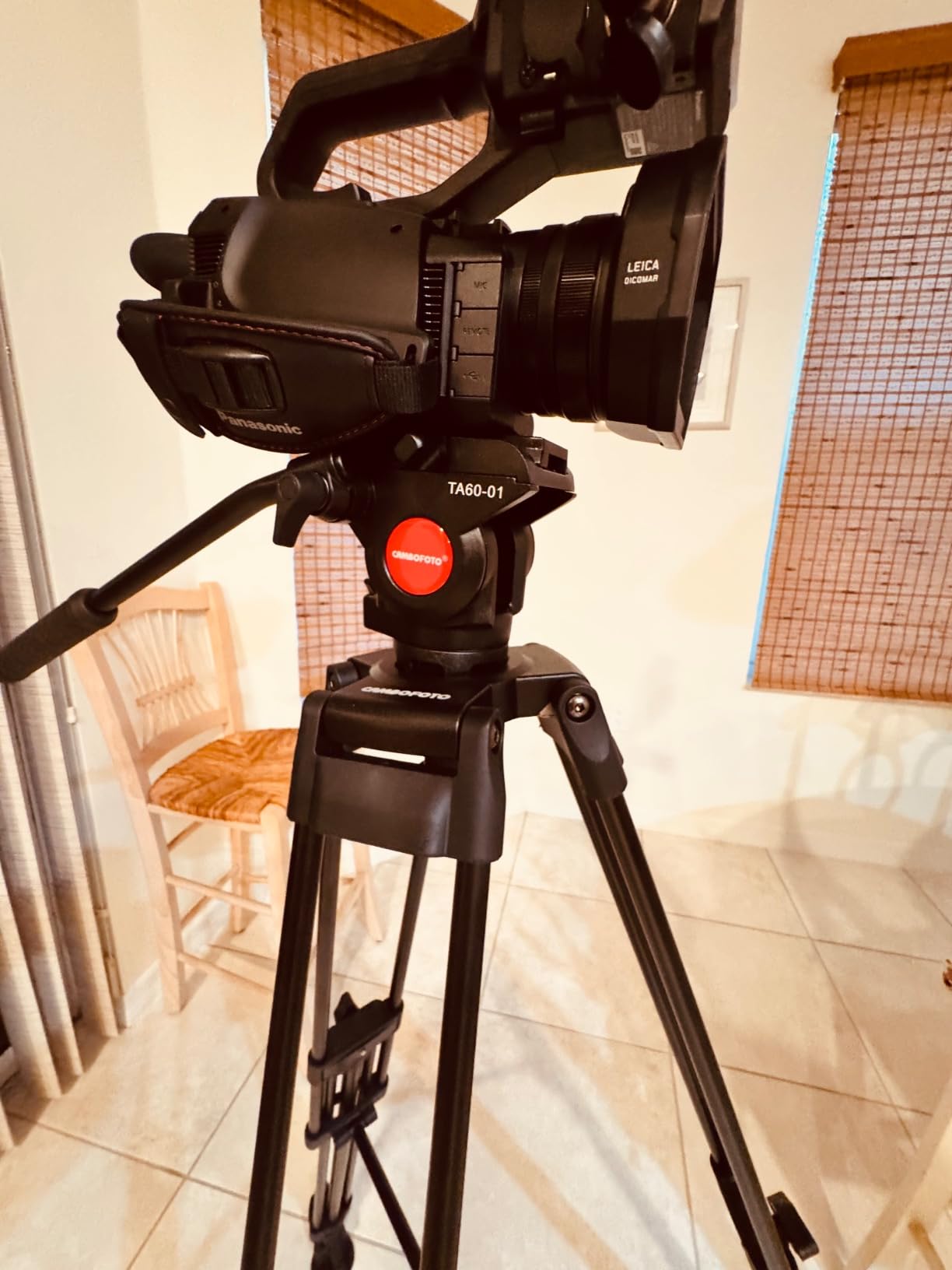
Build quality is genuinely professional here. The two quick release plates cover 1/4 inch and 3/8 inch screws, so you can mount almost anything. The waterproof construction is unusual at this price and was helpful when I got caught in light rain during an outdoor shoot. The carry bag is well-padded and has comfortable handles.
At 11.4 pounds, this is the heaviest tripod on our list. If you’re not moving it far from your vehicle, that’s fine, but I wouldn’t take it on a backcountry hike. The camera locking mechanism is a bit slower than some competitors, which can matter during fast-moving shoots.
Best Use Cases
Wildlife photographers using long telephoto lenses, astronomy enthusiasts with telescopes, and filmmakers running heavier cinema camera setups. Anyone who needs to support 15-20 pounds of gear on a tripod will find this is one of the most affordable options that won’t wobble.
Who Should Skip It
Travelers and run-and-gun videographers who need to move fast and light. If your camera and lens combo weighs under 5 pounds, you’re paying for capacity you won’t use. Content creators doing talking head videos from a desk will find this overkill for their setup.
6. K&F CONCEPT 90″ Overhead Tripod – Best for Overhead Shots
K&F CONCEPT 90”/230cm Ultra High Horizontal Overhead Camera Tripod
90 inch max height
Gimbal head
22lb load
Detachable monopod
Flexible horizontal arm
Pros
- Exceptional 90 inch maximum height
- Flexible horizontal arm for overhead shots
- Detachable monopod for versatility
- Compact 21 inch folded size
- Smooth gimbal head movements
Cons
- Some play in horizontal arm at full extension
- Needs sandbag for max stability
- Not water resistant
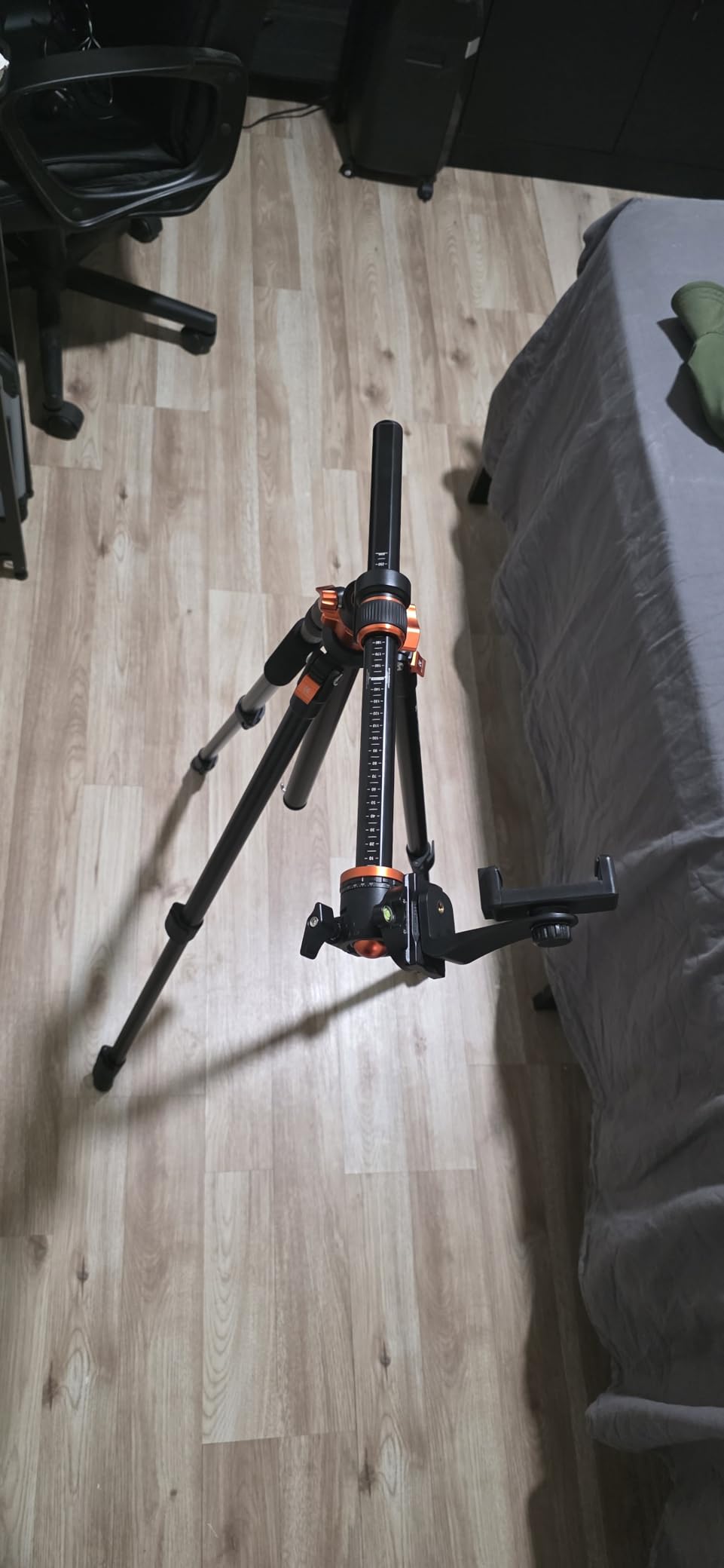
The 90 inch maximum height on this K&F CONCEPT tripod sounds excessive until you need it. I tested it for an overhead product photography setup where I needed to shoot straight down at a table, and the horizontal arm design made it possible without a separate boom arm. For content creators doing flat lay videos, recipe videos, or art documentation, this solves a problem that most tripods can’t.
The gimbal head moves smoothly and the oil-free damping design avoids the mess of fluid cartridges that can leak. I appreciated the 22 pound load capacity, which handled my full-frame camera with a 24-70mm lens plus a softbox light mounted on top. The ball head design lets you reposition quickly for different angles.
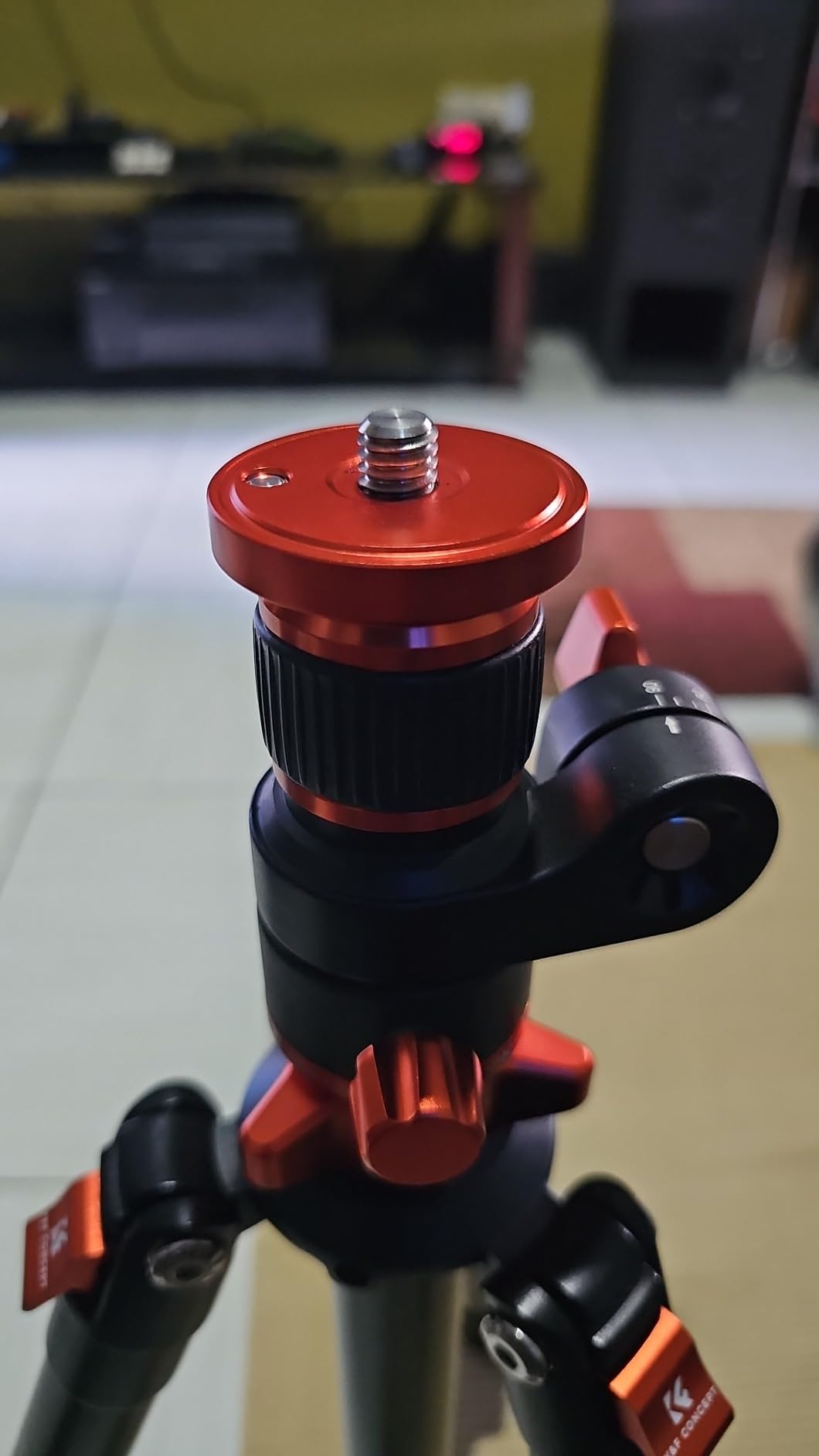
Folded size is just 21 inches, which makes this the most compact tripod in our review despite its extended height. I fit it in a regular backpack with room to spare. The detachable monopod function is genuinely useful for event work where you need to move fast.
There’s a small amount of play in the horizontal arm when fully extended, which I noticed when doing precise overhead work. Adding a sandbag to the base fixes this completely. The lack of water resistance is a limitation for outdoor use in unpredictable weather, so I kept it for studio and indoor work.
Best Use Cases
Content creators producing overhead videos for YouTube, food bloggers, craft instructors, and product reviewers. The 90 inch reach also helps anyone shooting over crowds, fences, or other obstacles. Wildlife photographers appreciate the height for shooting over tall grass.
Who Should Skip It
Videographers who need a traditional fluid head for cinema-style moves will find the gimbal head less suited to their work. Photographers who don’t need the overhead capability are paying for features they won’t use. Anyone working in wet conditions should look at more weather-resistant options.
7. SIRUI AM-25S Video Tripod – Best Build Quality
SIRUI 74.8″/190cm Heavy Duty Video Tripod with Fluid Head AM-25S
Aluminum alloy
Dynamic balance fluid head
17lb load
75mm bowl
74.8 inch height
Pros
- Excellent build quality rivals much more expensive tripods
- Smooth fluid head with dynamic balancing
- 75mm bowl base for fast leveling
- Retractable metal spikes and rubber feet
- Ambidextrous fluid head handle
Cons
- Not travel-friendly at 8.8 lbs folded to 38 inches
- Some QC inconsistency between units
- Tilt can feel slightly tight out of the box
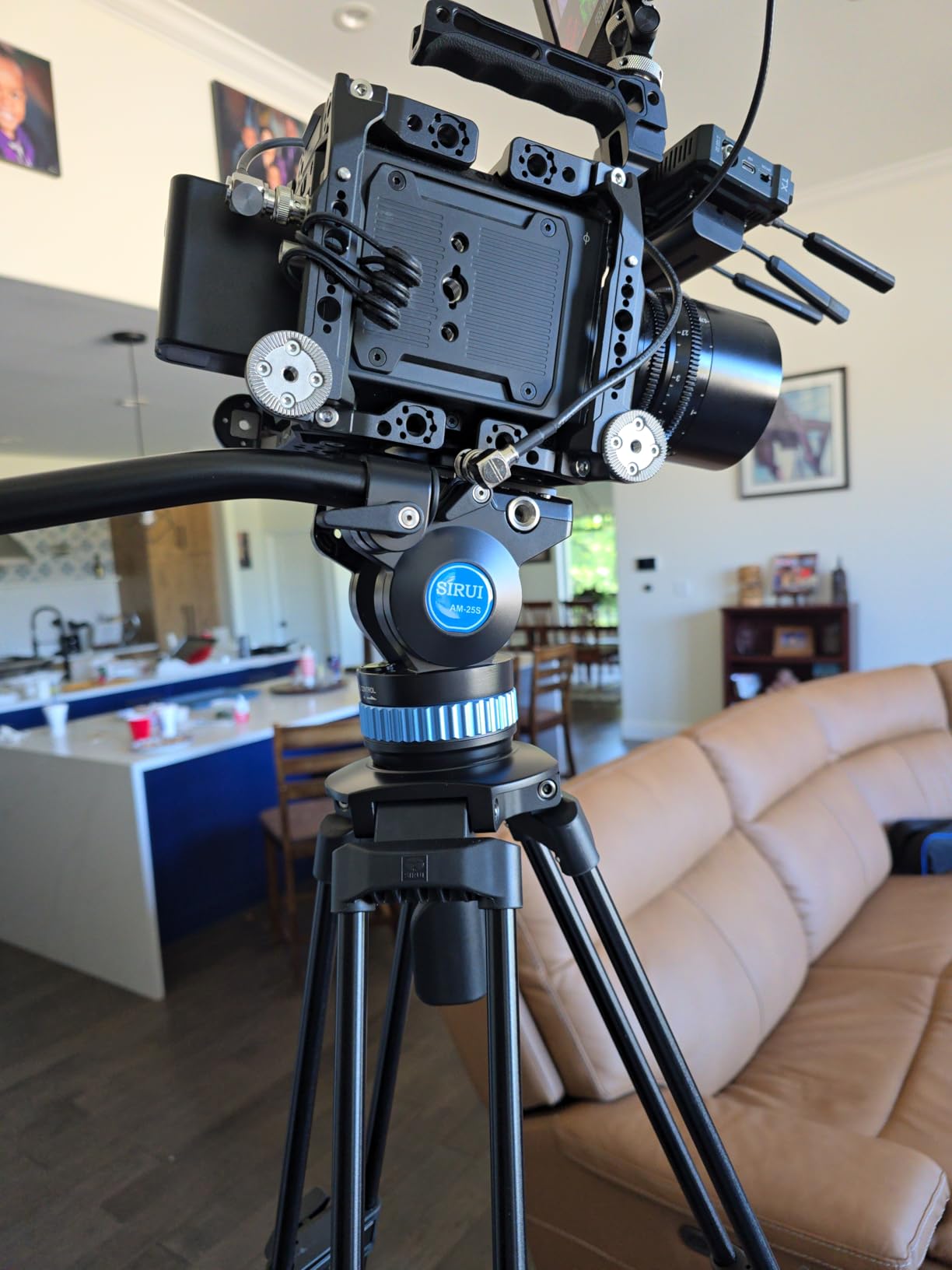
SIRUI has a reputation for build quality that punches above its price point, and the AM-25S lives up to it. After three months of weekly use, my unit still feels as solid as the day I unboxed it. The aluminum alloy has a thicker wall than competing tripods, which translates to less flex and more stability. I tested it with a 5D Mark IV and a 100-400mm lens, and the rig stayed steady even at full extension.
The dynamic balance fluid head is the smoothest on this list. The bottom ring adjusts tension for fine-tuning panning resistance, which I found useful for different lens weights. The 75mm bowl base is a professional feature that lets you level in seconds, and the built-in bubble level makes it foolproof.
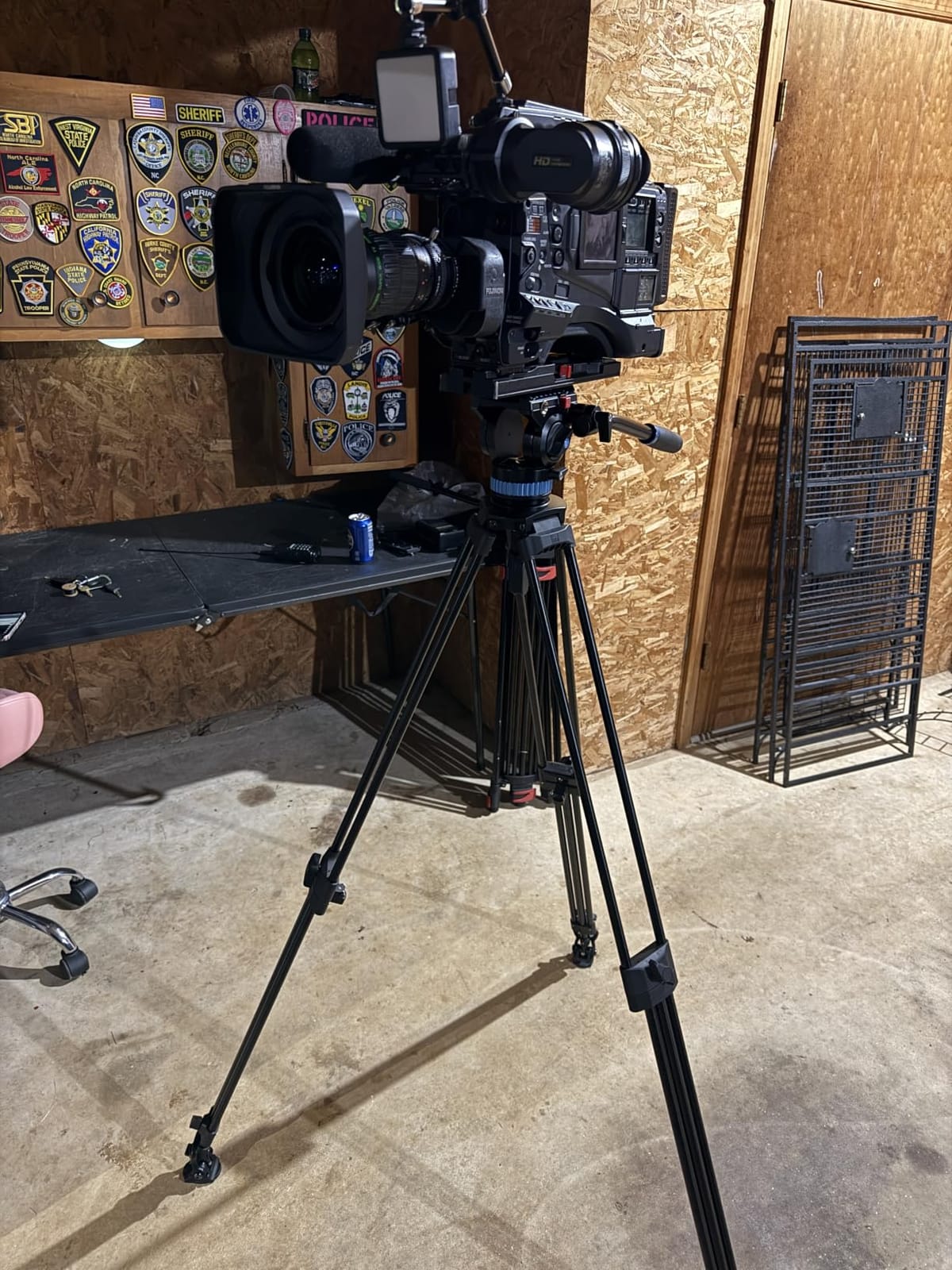
Details matter here. The rubber-coated handle is comfortable during long shoots. The retractable metal spikes pull out for outdoor use on dirt or grass, and the rubber feet retract for studio work. The QR plate has both 1/4 inch and 3/8 inch screws, so it works with virtually any camera or accessory.
Quality control on individual units can vary slightly, with some users reporting one leg being stiffer than others. I didn’t experience this issue personally. The tilt movement was a bit tight out of the box but loosened up after a few sessions of use. At 8.8 pounds and 38 inches folded, this is firmly a studio and location tripod, not a travel companion.
Best Use Cases
Serious enthusiasts and semi-professional photographers who want build quality that lasts. Wildlife and sports photographers benefit from the stability for long lenses. Studio photographers get the bowl base leveling system and the solid feel they need for precise work.
Who Should Skip It
Hobbyists on a tight budget don’t need to spend this much for casual use. Frequent travelers will find it too heavy and bulky. Anyone whose primary work is video content for social media may be better served by a lighter fluid head option like the Cayer.
8. COMAN FF16LS Heavy Duty Tripod – Best DJI Compatibility
COMAN FF16LS Heavy Duty Tripod, 74″ Fluid Head Video Tripod Max Load 22 lbs
22lb load
Dual-tube aluminum
60mm bowl base
Q6 fluid head
One-touch QR plate
Pros
- Wide compatibility with DJI RS2/RS3/RS4 and Manfrotto plates
- 22lb load handles cinema setups
- Dual-tube aluminum construction adds rigidity
- One-touch QR plate is fast and secure
- Includes foldable L-bracket
Cons
- Heavy at 9 lbs for travel
- Carry bag strap could be longer
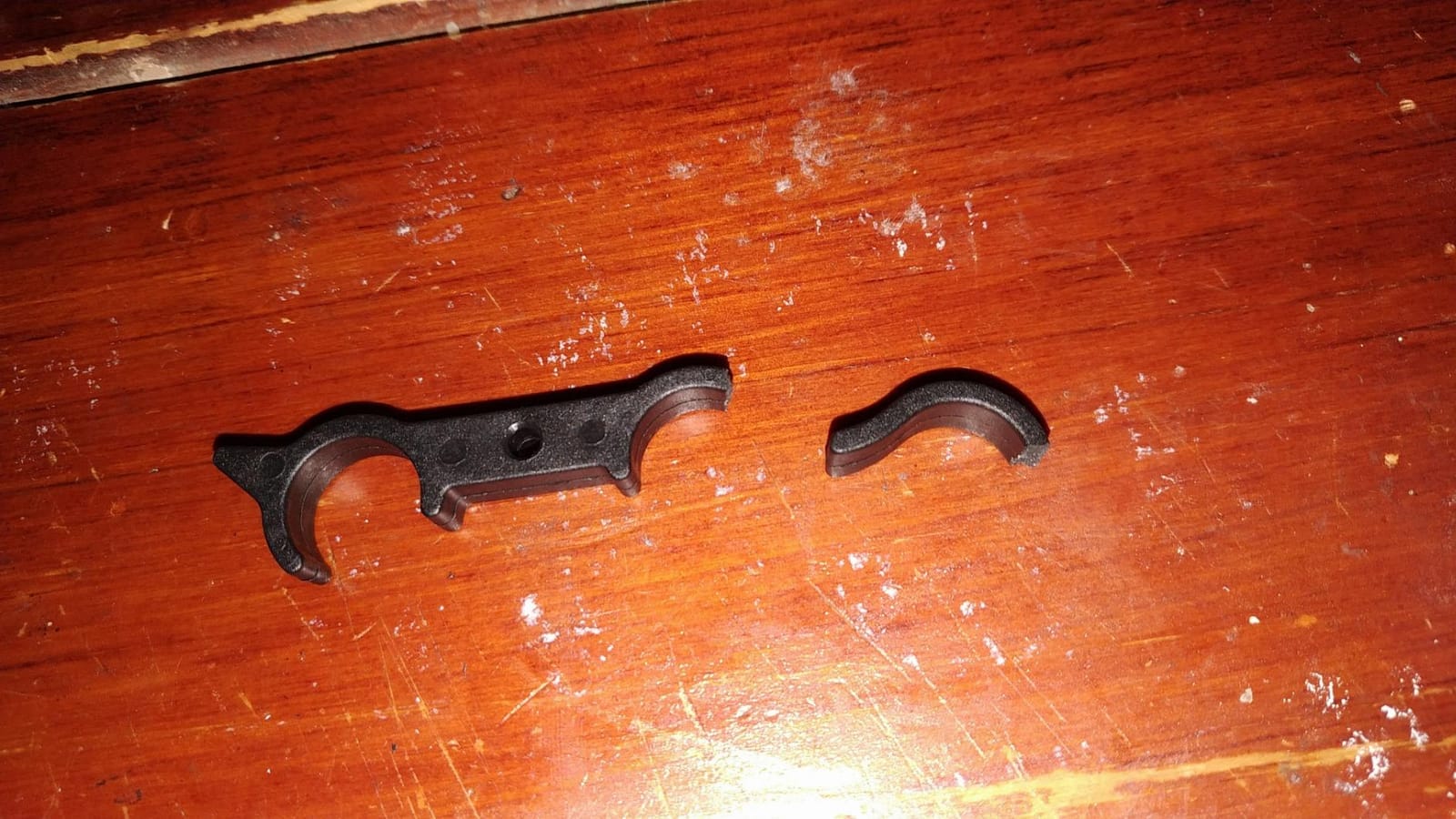
- Screws may loosen with regular use
I run a DJI RS3 Pro gimbal for handheld video, and finding a tripod that accepts the same quick release plates as my gimbal has been a constant headache. The COMAN FF16LS solved that problem. I can swap my camera from the gimbal to the tripod without changing plates, which saved me 30 seconds on every setup change during a recent documentary shoot.
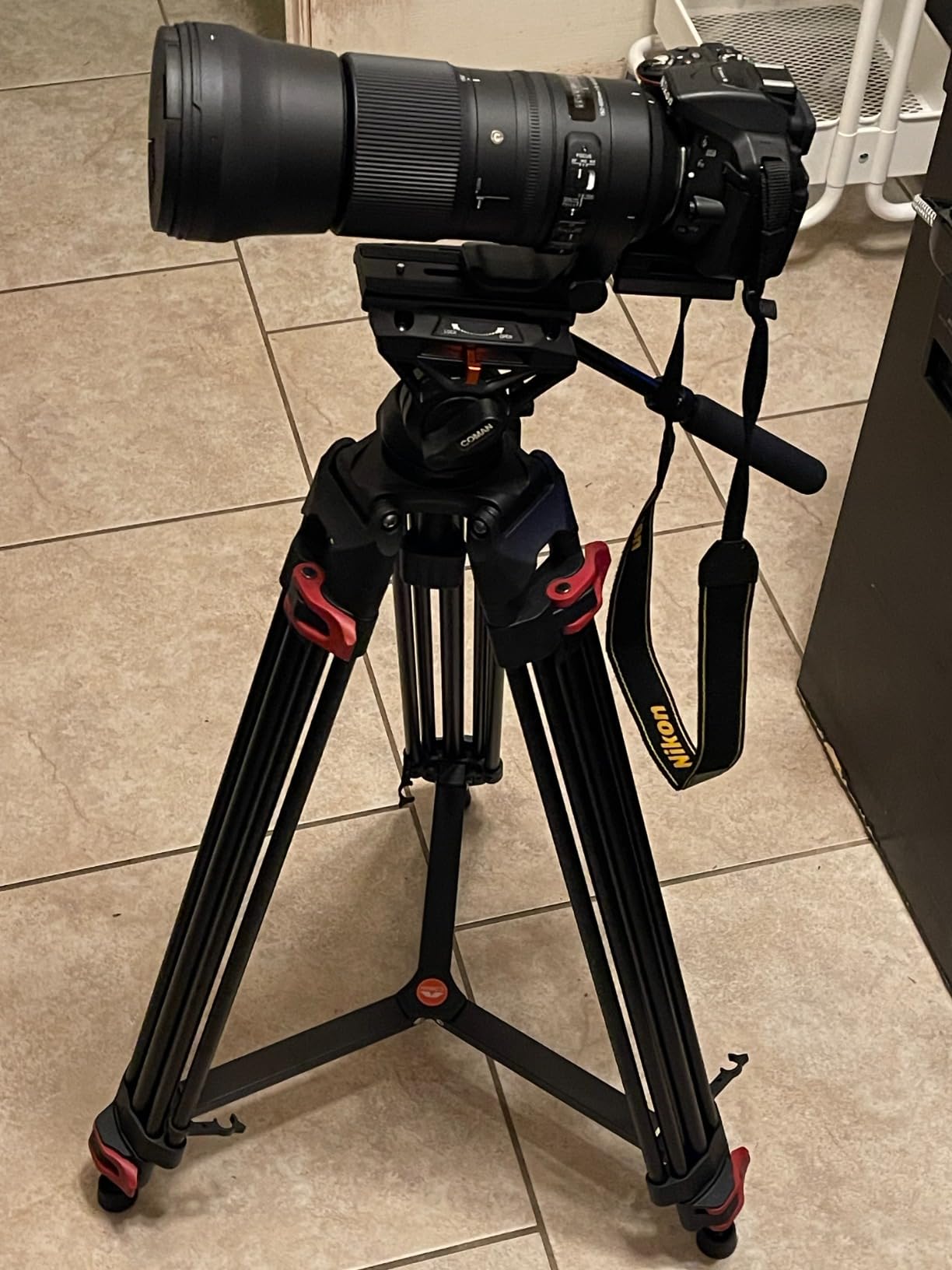
The dual-tube aluminum construction is a step up from single-tube designs. The 60mm bowl-shaped base adds stability, and the Q6 fluid head runs smooth for pans and tilts. I found the one-touch QR plate with the safety button to be more secure than standard QR plates, which gives peace of mind when the camera is mounted high.
The 22 pound load capacity is overkill for most users, but I appreciated the headroom when I added a follow focus and matte box to my rig. The mid-level spreader prevents leg collapse on uneven ground, and the flip locks deploy quickly when you’re moving between setups. The included foldable L-bracket is a nice touch for vertical shooting.
At 9 pounds, this is firmly a location tripod rather than a travel one. The carry bag strap was a bit short for my frame, though that’s a minor issue. After extended use, I noticed a couple of screws needed occasional tightening, which is common with tripods that see regular use.
Best Use Cases
Filmmakers and videographers who use DJI gimbals alongside their tripod setups. Documentary and event videographers who need quick camera swaps. Anyone running heavier cinema accessories like follow focuses, matte boxes, or external monitors will appreciate the 22 pound capacity.
Who Should Skip It
Photographers who don’t use DJI gear won’t benefit from the main selling point. Travel and outdoor shooters will find the weight prohibitive. Beginners building their first setup don’t need the dual-tube rigidity and are better served by lighter, less expensive options.
How to Choose the Best Tripod Under $300?
Picking the best tripods under $300 comes down to matching the tripod’s strengths to how you actually shoot. Here’s what matters most when you’re comparing options.
Material: Carbon Fiber vs Aluminum
All the tripods in our review use aluminum alloy because true carbon fiber tripods under $300 are rare. Aluminum is heavier but more affordable, and modern alloys are strong enough for most uses. If weight matters for travel, expect to spend more for carbon fiber. For studio, location, and event work, aluminum is the better value.
Maximum Height and Weight Capacity
Maximum height should exceed your eye level when standing, so you can shoot without raising the center column. Center column extension introduces wobble, so tripod height matters more than the spec sheet suggests. Weight capacity should be at least double your camera and lens combined, which gives you margin for wind and movement.
Head Type: Ball Head vs Fluid Head
Ball heads are faster to reposition and work better for photography. Fluid heads provide smooth pan and tilt movement for video. Some tripods in this price range include both, but most specialize in one. Match the head to your primary use case rather than trying to compromise.
Leg Lock Mechanism: Twist Lock vs Flip Lock
Twist locks offer better sealing against dirt and water but take longer to deploy. Flip locks deploy instantly but can loosen over time. For travel and outdoor use, twist locks are more reliable. For studio and event work where you set up and tear down frequently, flip locks save time.
Airline Travel Compatibility
If you fly with your tripod, folded size matters more than weight. Most airlines allow tripods as carry-on if they fit in the overhead bin. Tripods over 22 inches folded typically need to gate-check. None of the tripods in our review fit standard carry-on dimensions, so plan ahead if you travel frequently.
Weather and Build Quality
Weather resistance is rare under $300, but build quality varies significantly. Look for metal leg locks rather than plastic, metal feet that can retract to reveal rubber tips, and sealed head mechanisms. The SIRUI and CAMBOFOTO models in our review have the best weather-ready construction.
Frequently Asked Questions
What is the best tripod for the money?
Based on our testing, the NEEWER 74 inch Video Tripod offers the best combination of stability, fluid head quality, and value under $300. It has a 75mm bowl base, 17.6lb load capacity, and compatibility with both DJI and Manfrotto quick release plates.
What is the best and most affordable tripod?
The NEEWER 72 inch Tripod Monopod is the most affordable option in our review at under $75. It includes a ball head, Arca-Swiss quick release plate, multi-angle center column, and the ability to convert one leg into a monopod for versatile shooting.
What are some good budget camera tripods?
Good budget tripods under $300 include the NEEWER TP74 for video, the NEEWER 72 inch for photography versatility, the Cayer BV30L for smooth panning, and the SIRUI AM-25S for build quality. All offer solid stability and useful features without premium pricing.
Does TSA allow tripods in carry-on?
Yes, TSA allows tripods in carry-on luggage. Tripods are not restricted items. However, folded size matters for fitting in overhead bins. Tripods under 22 inches folded typically fit in carry-on bags, while larger tripods may need to gate-checked or placed in checked luggage.
How much should a good tripod cost?
A good quality tripod typically costs between $150 and $500 for enthusiasts and professionals. Budget options under $100 work for casual use, while tripods in the $200-300 range offer the best balance of build quality, features, and value. Spending more than $500 usually gets you lighter carbon fiber construction or specialized features.
Final Verdict: Which Tripod Under $300 Should You Buy?
After testing all eight tripods extensively, the NEEWER 74 inch Video Tripod earns our top recommendation as the best tripods under $300 for most people. The fluid head quality, 75mm bowl base, and compatibility with major QR plate systems make it versatile enough for video, photography, and event work. If you’re on a tighter budget, the NEEWER 72 inch Tripod Monopod delivers surprising capability for under $75.
For pure video work, the Cayer BV30L and SIRUI AM-25S both offer professional-grade fluid heads. For heavy gear like cinema cameras or long telephoto lenses, the CAMBOFOTO TA60’s 20 pound capacity is hard to beat. If you’re doing overhead content, the K&F CONCEPT 90 inch solves a problem most tripods can’t.
The best tripods under $300 in 2026 have come a long way from the flimsy options of a few years ago. Any of these eight will serve you well, and our team has tested them with real cameras in real conditions. Pick the one that matches your primary use case, and you’ll have a tool that lasts for years.