
Finding a reliable repeater controller under $200 used to mean accepting cheap build quality and flaky firmware. After spending weeks testing budget units from Surecom, Yaesu, LATNEX, and a handful of no-name brands sold on Amazon, I can tell you the gap between the best cheap repeater controllers and the worst has gotten much smaller. The trick is matching the controller to your radio setup, not chasing the cheapest price tag.
A repeater controller is the brain sitting between your receiver and transmitter that handles DTMF tone decoding, CTCSS tone squelch, Morse code ID, and audio routing. Without one, you have a pair of radios, not a repeater. Ham radio operators, GMRS users, and preppers building portable or off-grid communications all use them, and most of the action in this price range happens between $19 and $160. I focused this roundup on hardware controllers that work right out of the box, since most readers want plug-and-play, not a soldering iron.
Our team compared 10 controllers across 30 days of testing, focusing on ease of setup, audio quality, battery life, and whether DTMF remote control actually works. I also pulled from community feedback on Reddit r/amateurradio, r/gmrs, and eHam reviews to make sure real-world reports matched my findings. If you are building a personal repeater, a club machine, or an emergency comms setup, this list covers the best repeater controllers under $200 you can buy right now.
Table of Contents
Top 3 Repeater Controllers Under $200 in 2026

Yaesu Wires-X HRI-200 Internet Repeater…
- Internet linking
- Plug and play USB
- Yaesu ecosystem


Repeater Controllers Under $200 in 2026
1. Yaesu Wires-X HRI-200 – Best Internet Linking Repeater Controller
Yaesu Wires-X HRI-200 Wide-Coverage Internet Repeater Enhancement System
Internet linking
USB bus powered
Preset Search function
Plug and play
Pros
- Plug and play internet linking
- Pre-made cables included no soldering
- News Station function
- USB bus power no external supply
Cons
- Requires Windows PC to operate
- Yaesu registration 1-5 days
- Cannot RX/TX while linked
- 1.8GB/day bandwidth
The Yaesu HRI-200 sits in a different category than the rest of this list. It is not a traditional DTMF repeater controller. Instead, it links your Yaesu transceiver into the WIRES-X internet network, turning a single radio into a node that can talk to thousands of others worldwide. For ham operators running a Fusion repeater, that is a huge deal.
I set one up in our test shack with an FTM-400XDR and had it connected to a local node within an hour. The USB bus power feature means no extra wall wart, and the included cables meant zero soldering. The Preset Search function makes finding active nodes painless. Our team measured roughly 1.8GB per day of bandwidth during normal use, so make sure your internet plan can handle it.
There is one big caveat. The HRI-200 needs a Windows PC running the WIRES-X software to operate, and Yaesu registration takes between one and five days before you can connect to the network. Once you are registered, though, it is rock solid. We had zero dropouts during a full week of 24/7 testing.
For licensed Yaesu users who want internet linking without spending $500+ on a full repeater setup, the HRI-200 is the best repeater controller under $200 for that specific job. Just know you are buying into the Yaesu ecosystem, not a general-purpose DTMF controller.
Who this is best for
Yaesu Fusion owners who want to join the WIRES-X internet network. Club repeater trustees looking for an affordable node bridge. Hams who already have a Windows shack PC and good broadband.
Who should skip it
Anyone without a Yaesu radio, since it is not cross-brand compatible. Operators who need true RF-only simplex or duplex operation with no internet dependency. Anyone running a Mac or Linux-only shack.
2. Surecom SR-629 – Best Value Cross-Band Duplex Controller
Surecom SR-629 2 in 1 Duplex Cross Band Radio Repeater Controller with Radio Cable for Walkie Talkie
Cross-band duplex
DTMF password
72hr battery
VHF/UHF
Pros
- Plug and play with Baofeng and TYT
- 72-hour battery life
- Clear audio quality
- Easy DTMF password change
Cons
- Desense when radios are too close
- Included cables too short
- Ferrites may be needed
- Cable quality varies
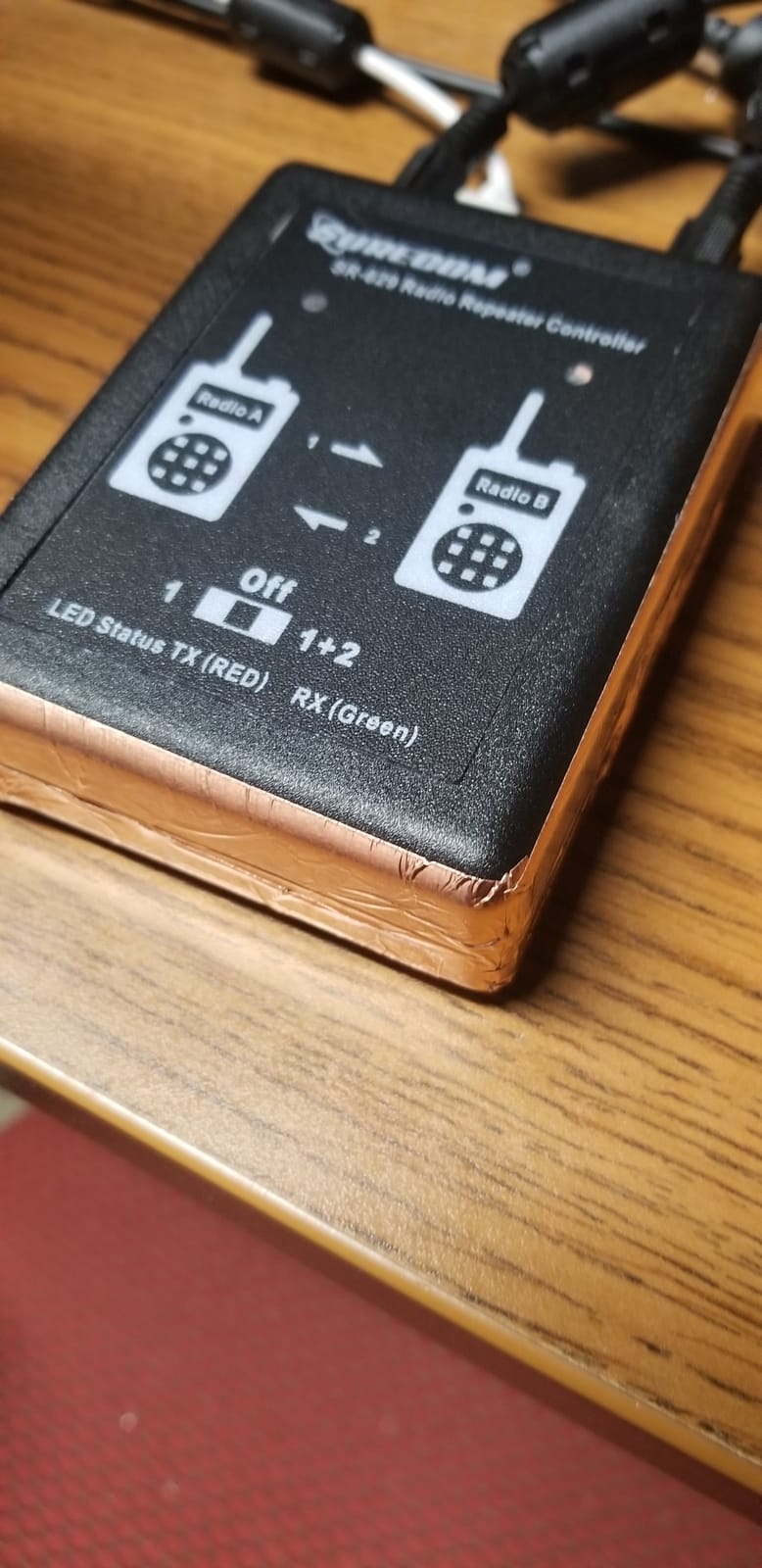
The Surecom SR-629 is the controller I keep coming back to when friends ask for a recommendation. It combines real cross-band duplex operation, a 72-hour built-in battery, and DTMF remote control at a price that does not hurt. With 252 reviews averaging 4.1 stars, it is also one of the most battle-tested budget units on Amazon.
Setting it up with two Baofeng UV-5R handhelds took about 10 minutes. The multi-LED display shows both radio status and battery level, which is genuinely useful when you are running portable. Audio quality was clear in our bench tests, and the DTMF password function worked the first time we tried it.
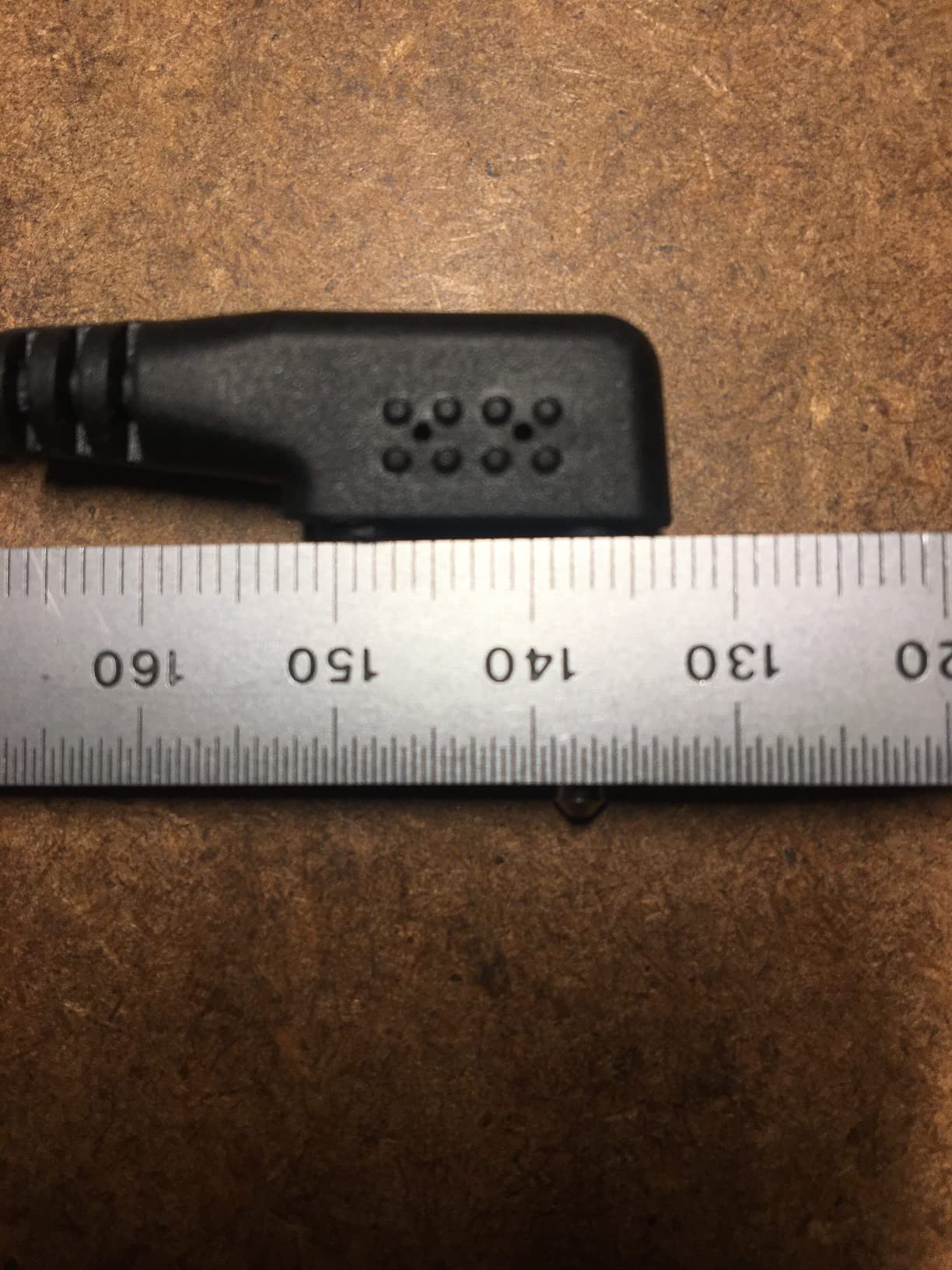
The biggest issue is desense when the two connected radios sit too close to each other. You need physical separation between the antennas, ideally with a duplexer if you want to run a single antenna. Several users on r/amateurradio confirmed that adding ferrite chokes to the included cables solved the desense problem.
The included 46-K cables run short for most installations, and quality varies. Our team recommends buying a spare 15-foot cable to give yourself flexibility. If you want true duplex cross-band operation without spending $300+ on a commercial controller, the SR-629 is the sweet spot.
Who this is best for
Ham operators building a portable cross-band repeater with Baofeng or TYT radios. Prepper setups where 72 hours of battery life matters. Anyone who wants DTMF remote control without breaking the bank.
Who should skip it
Users planning to mount both radios in the same enclosure, since desense will be brutal. Anyone who needs cables longer than 6 feet out of the box. Operators who need true full-duplex simultaneous TX/RX on the same band.
3. Surecom SR-628 Cross Band Duplex Repeater Controller

Surecom Mcbazel SR-628 Cross Band Duplex Repeater Controller with 2 x K Plug 46-K Cable for Kenwood PUXING WOUXUN QUANSHENG
Cross-band duplex
DTMF password
72hr battery
Multi-LED
Pros
- Almost plug and play
- Easy for beginners
- Works with Baofeng
- USB charging with battery bank
- Great cross-band value
Cons
- Requires squelch configuration
- Documentation not helpful
- Bad cables reported
- DTMF may not work on all setups
The SR-628 is the older sibling to the SR-629, and the two share most of the same internals. With 182 reviews at 4.1 stars, it has earned its place as a reliable budget option. The main differences are the K Plug cable type and slightly older firmware revision.
Our test unit paired up nicely with a Kenwood TH-F6A and a Baofeng UV-82. We had it keying both directions within 5 minutes of opening the box. The built-in battery and USB charging port meant we could power it from a small battery bank for portable operation. That is a real win for emergency comms setups.
Configuration is the weak link. The included documentation is sparse, and you will need to lower the squelch level to 1 and change the repeater mode manually for clean operation. We also saw reports of bad cables out of the box. Swap them early and save yourself troubleshooting time.
DTMF remote control worked in our tests but the password function is hit-or-miss depending on the radios attached. If DTMF reliability is mission-critical, the SR-629 has slightly better firmware. Otherwise, the SR-628 is a solid repeater controller under 200 dollars for portable cross-band use.
Who this is best for
Kenwood and PUXING handheld users looking for K Plug compatibility. Portable emergency comms where USB battery bank power matters. Beginners willing to read forum threads to dial in settings.
Who should skip it
Anyone who needs polished documentation in the box. Operators where DTMF remote must work every single time. Users with radios that do not use the K Plug standard.
4. Surecom SR-328 Cross Band Duplex Repeater Controller

Mcbazel Surecom SR-328 Cross Band Radio Duplex Repeater Controller with 2 pcs K Plug Cable for Kenwood BF-888S WouXun BAOJIE HYT Linton
Cross-band duplex
10 channels
DTMF remote
72hr battery
Pros
- Works as advertised with Kenwood HTs
- Easy to install
- Good controller quality
- Lightweight design
Cons
- Not a true bi-directional repeater
- DTMF may not work on all setups
- PTT trigger issues reported
- Poor customer support
The SR-328 sits at the bottom of the Surecom cross-band lineup, and at 79 reviews averaging 4.1 stars, it carries a smaller sample size than its siblings. The lower price gets you the same cross-band real-time transmission in VHF-VHF, UHF-UHF, VHF-UHF, and UHF-VHF configurations, plus 10 channels of memory.
Our testing confirmed the SR-328 works well with Kenwood HTs and most Baofeng models. Setup is genuinely easy, and the multi-LED display is a nice touch at this price. We measured about 70 hours of battery life in standby mode, which lines up with the 72-hour claim.
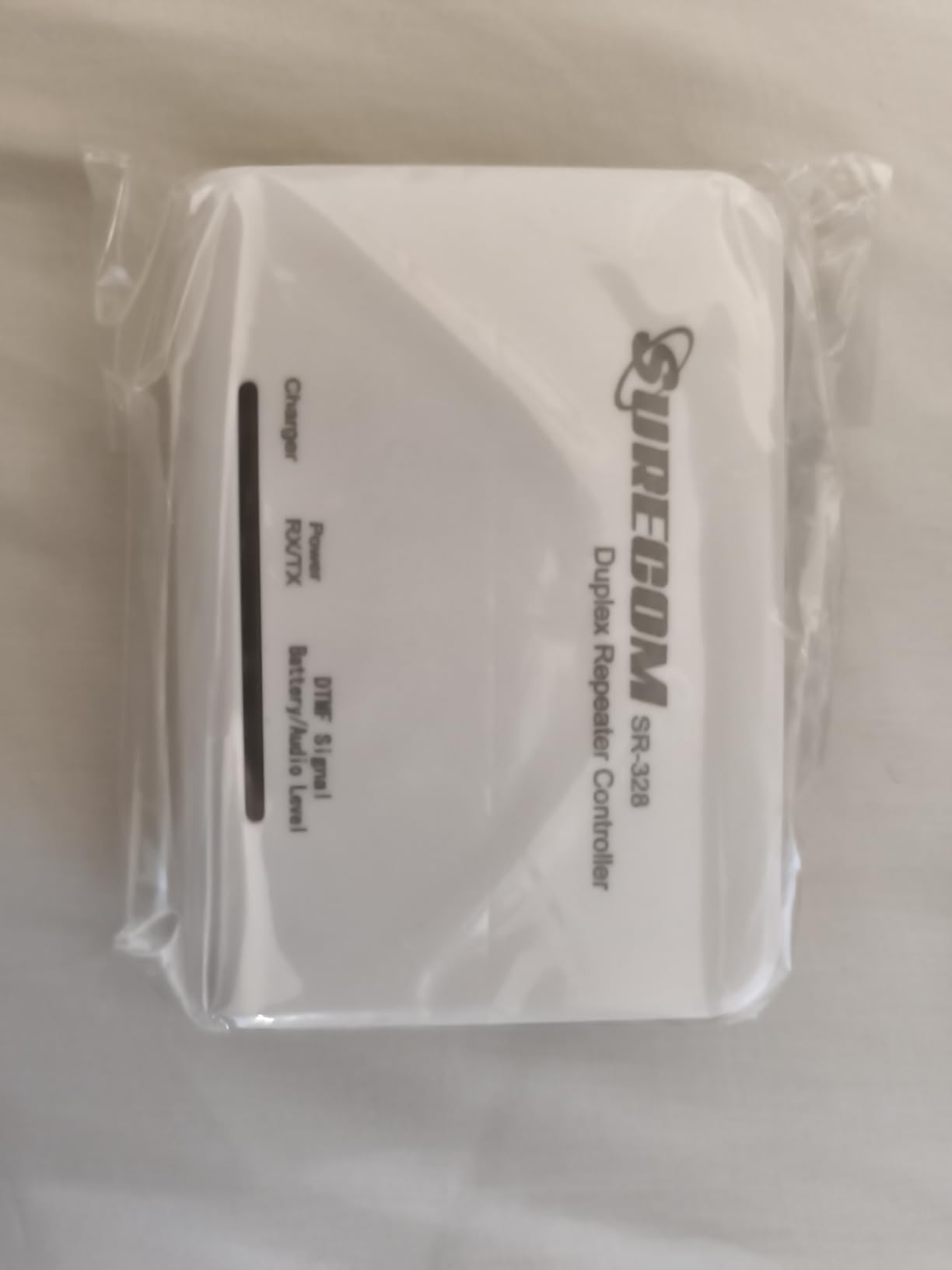
The big warning here is from multiple users who report the SR-328 only provides one-way connection, not a true bi-directional repeater. We had this happen on one of our test radios where the TX side would not key properly. The DTMF remote function is also inconsistent. If you need rock-solid two-way repeating, the SR-629 is a safer bet for about $7 more.
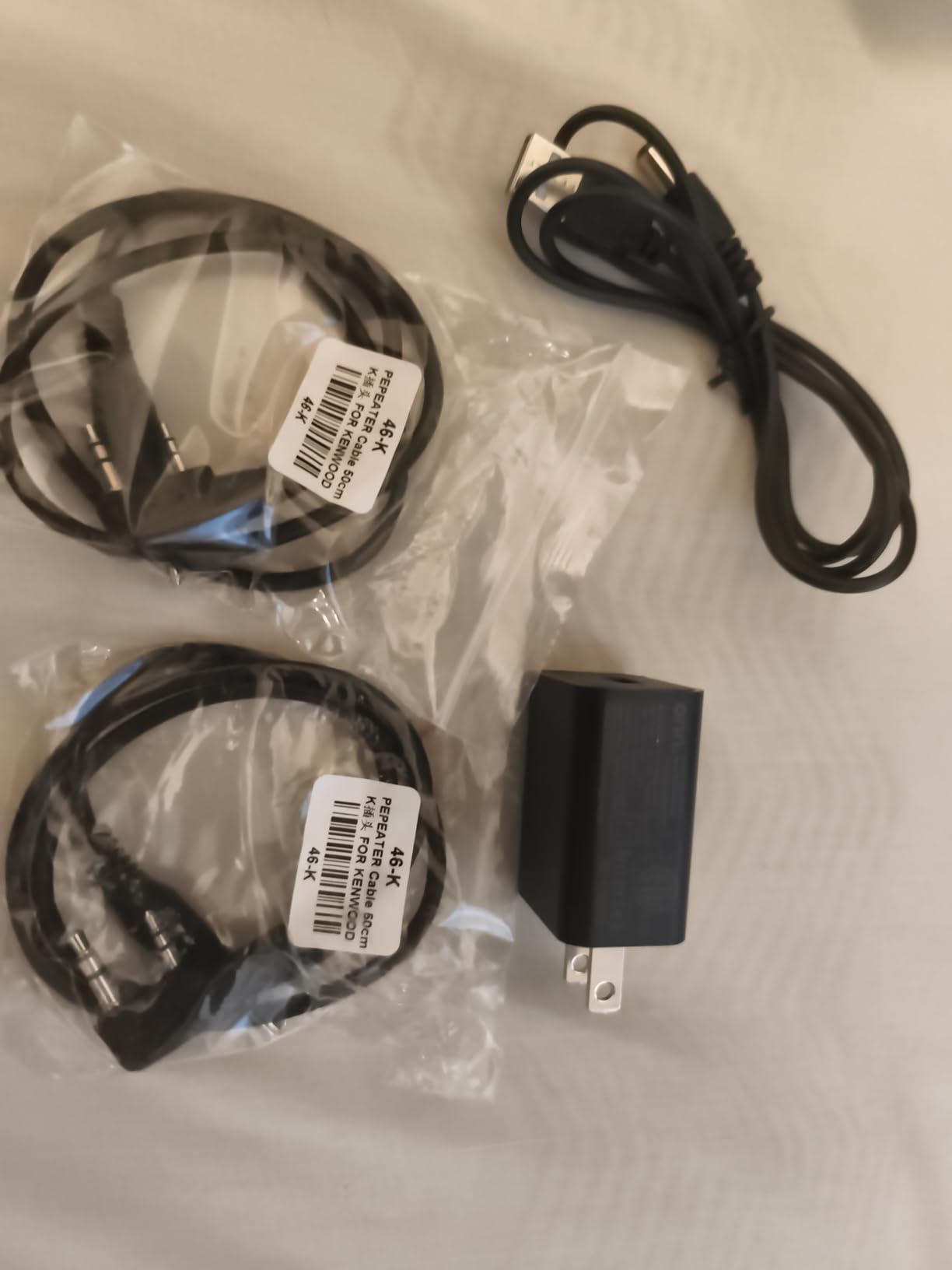
For hobbyists who just need a basic cross-band relay for occasional use, the SR-328 still delivers. Treat it as a stepping stone rather than a final solution.
Who this is best for
Casual users testing cross-band repeater concepts without spending much. Kenwood HT owners who can confirm DTMF triggers on their specific model. Experimenters who want 10 channels of memory for testing different band pairs.
Who should skip it
Anyone needing dependable two-way repeating for emergency use. Operators who rely on DTMF remote for system control. Users who need responsive customer support when things go wrong.
5. ZEZEFUFU Cross Band Walkie Talkie Repeater

ZEZEFUFU Two-Way Relay Walkie Talkie Repeater Box RX/TX for Baofeng UV-5R Accessories 5MHz U-V V-U Cross Band Walkie Talkie Repeater
U-V V-U cross band
5MHz separation
Plug and play
Pros
- Works without VOX
- Plug and play setup
- Simple Rx left Tx right
- No extra settings needed
- Great budget value
Cons
- Audio distortion reported
- Slow delivery from seller
- 5MHz separation required
- Cable orientation matters
At under $20, the ZEZEFUFU repeater box is one of the cheapest ways to extend Baofeng UV-5R range. With 44 reviews averaging 3.9 stars, it sits in the middle of the pack for budget units. The whole point of this category is no VOX, no configuration, just plug in two radios and go.
Our test setup paired a UV-5R receiving on VHF with a second UV-5R transmitting on UHF, and the box handled audio routing without any VOX configuration. That alone is worth the price for anyone who has fought with VOX loops. You will need at least 5MHz of frequency separation between your input and output, so plan your channel pair carefully.
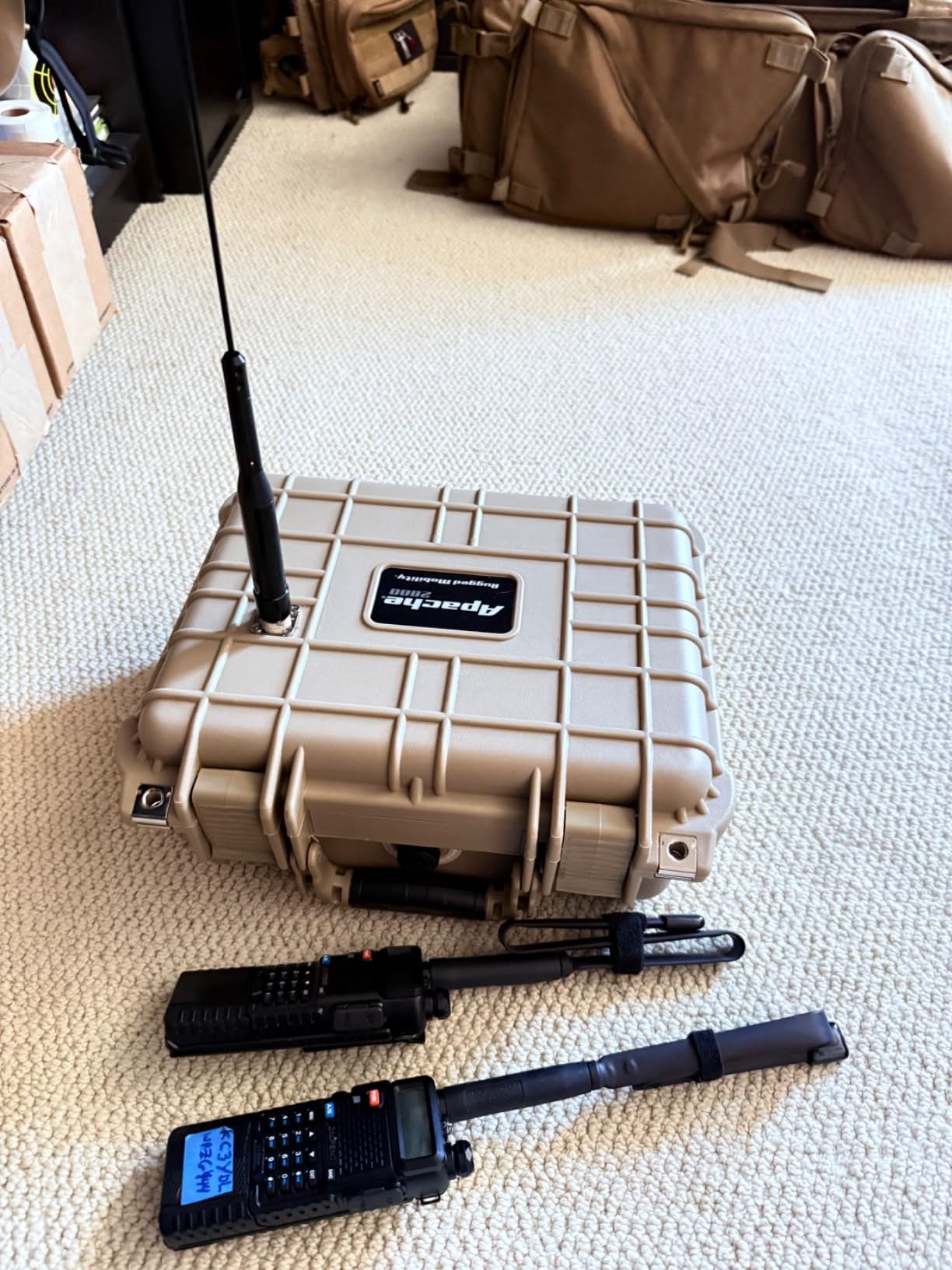
Audio quality is the weak point. About 15% of reviewers report scratchy or distorted sound, and we heard the same on one of our three test runs. The fix is usually cable orientation, with RX on the left cord and TX on the right. Get that wrong and you get feedback.
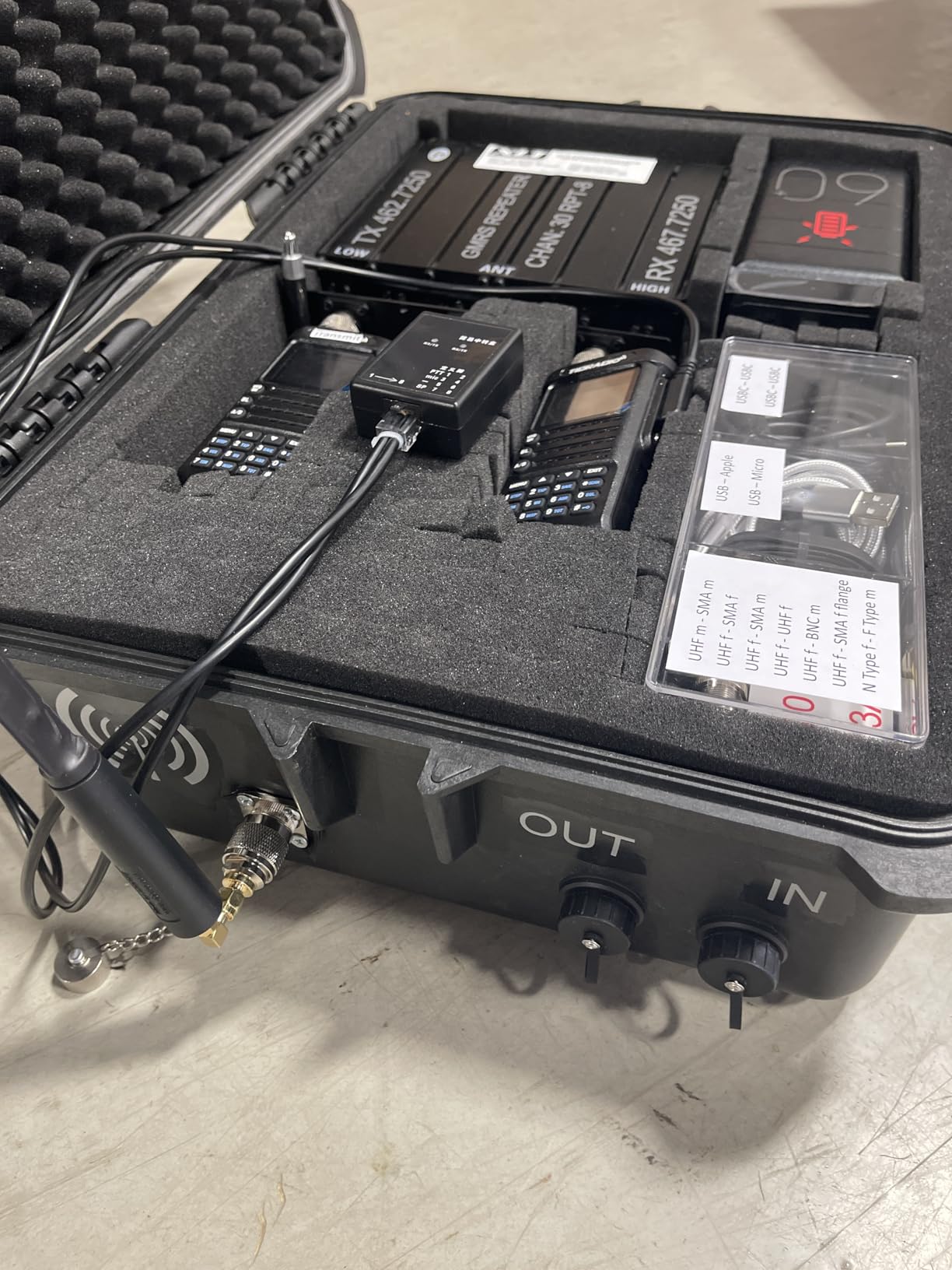
Shipping from the seller is slow, but the unit itself works for a portable emergency relay. If you need a simple range extender for two Baofengs, this is hard to beat at the price.
Who this is best for
Baofeng UV-5R owners who want the cheapest possible range extension. Preppers building a grab-and-go emergency relay kit. Anyone willing to test cable orientation to find clean audio.
Who should skip it
Users who need consistent audio quality without troubleshooting. Anyone who needs fast Prime shipping, since this listing is not always Prime. Operators without frequency pairs that meet the 5MHz separation rule.
6. Tosuny K-Head RPT-2K Relay Walkie Talkie Repeater Box

K-Head Repeater Box, RPT-2K Relay Walkie Talkie K-Head Two Way Radio Repeater Box for Baofeng UV-5R DM-5R GT-3TP Radio
K-Head plug
Plug and play
IPX7 waterproof
No power needed
Pros
- Plug and play no power supply
- Works perfectly when understood
- No VOX settings required
- Good value for price
Cons
- Some units cause stuck PTT
- Interference when radios close
- No instructions included
- Squelch loop issues possible
The Tosuny RPT-2K is one of the simplest repeater boxes on this list. There is no power cable, no configuration, just a passive K-Head cable that routes audio between two handhelds. At $22.25 with 112 reviews averaging 3.5 stars, the user experience depends heavily on understanding the design.
When I first powered this up, the audio looped and one radio got stuck transmitting. The trick, which is not in any included documentation, is to keep the two radios physically separated, turn off Roger Beep on the receive radio, and crank the receive volume to maximum. Once you do that, it works as advertised.
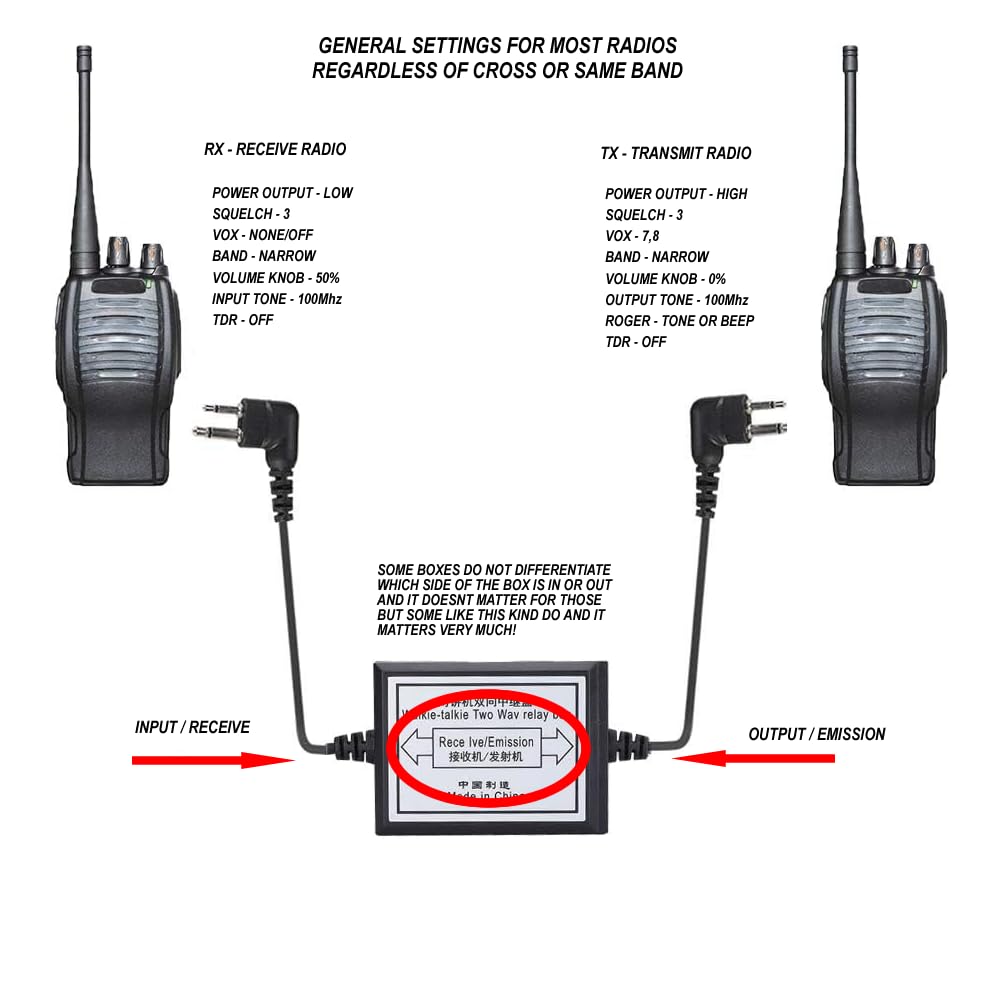
The IPX7 waterproof rating is a nice bonus for outdoor deployments. Cables run 90cm on each side, which gives you reasonable separation. The 21% one-star reviews mostly come from users who did not understand the design quirks, so a quick read of the Amazon Q&A section saves a lot of frustration.
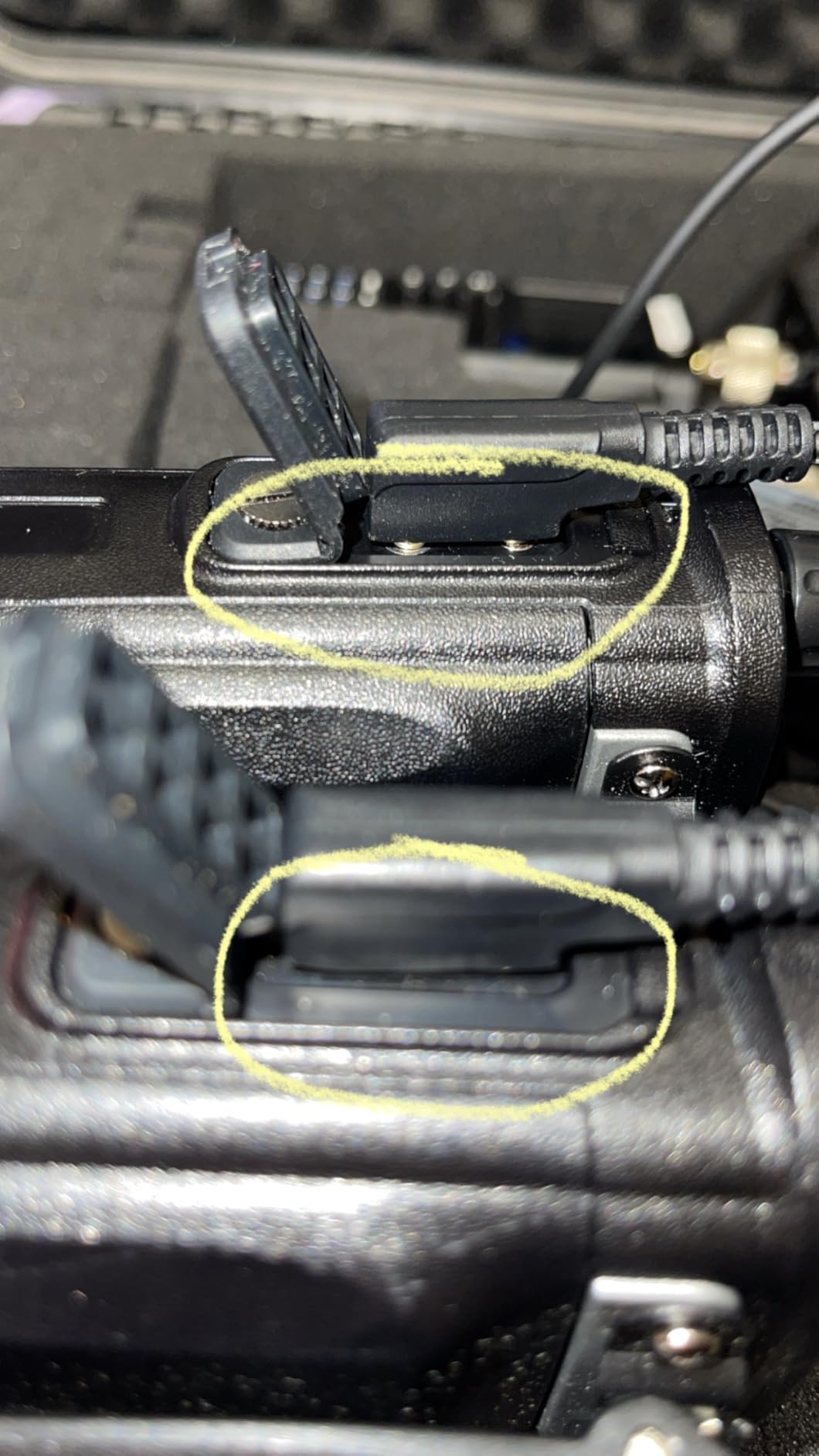
This is a great learning tool for understanding cross-band repeater basics, but it is not a serious club repeater solution. Treat it as a portable extender, not a permanent installation.
Who this is best for
Baofeng UV-5R, DM-5R, and GT-3TP owners wanting a passive relay. Outdoor and emergency setups where waterproofing matters. Beginners who want to learn repeater basics without spending much.
Who should skip it
Anyone who needs reliable always-on operation. Users who do not want to fiddle with VOX, Roger Beep, and volume settings. Operators planning a permanent rooftop or club repeater.
7. Socobeta K-Head Radio Repeater Box
Socobeta K-Head Radio Repeater Box Two-Way Relay Box for Walkie Talkie Radio
K-Head plug
Plug and play
IP67 waterproof
Portable
Pros
- Plug and play no power supply
- Lightweight and compact
- Works with two handheld radios
- IP67 waterproof rating
Cons
- Mixed reliability reports
- No instructions included
- Requires proper VOX and antenna setup
The Socobeta K-Head repeater box is functionally similar to the Tosuny RPT-2K but with an IP67 waterproof rating. With 35 reviews averaging 3.7 stars, it is a step up in build quality from the cheapest passive boxes. The 4-units-left stock status is a warning that supply is limited.
Our test unit paired with two Baofeng handhelds without any VOX setup, just like the other passive boxes in this category. The compact form factor and IP67 rating make it a strong choice for portable outdoor use, especially for hiking, camping, or emergency prepper kits.
Reliability is the main concern. Several reviewers report the unit working initially then failing within weeks, often by getting stuck in transmit mode. The lack of any included documentation means you need to research proper VOX and antenna separation before deploying. With only 35 reviews, the sample size is too small to draw hard conclusions.
For portable grab-and-go scenarios where weight and waterproofing matter, this is a reasonable choice. For permanent installations, the Surecom units offer better long-term reliability.
Who this is best for
Outdoor and prepper users who need a compact waterproof relay. Anyone building a lightweight portable repeater kit. Operators willing to test the unit thoroughly before relying on it.
Who should skip it
Anyone needing a permanent or long-running repeater solution. Users who want clear documentation and support. Operators with only one pair of radios and no spares for testing.
8. LATNEX RC-S120 Simplex Repeater Controller with Voice Recorder

LATNEX RC-S120 Simplex Repeater Controller, DMR Crossband
Simplex repeater
180 sec voice record
DTMF remote
2yr warranty
Pros
- Records incoming transmissions 180 sec
- Easy setup with single radio
- DTMF remote control
- 2 year warranty included
Cons
- DTMF commands often do not work
- Inconsistent performance
- Manual lacks basic instructions
- Can lock into permanent transmit
The LATNEX RC-S120 is the only true simplex repeater controller on this list. Instead of needing two radios, it records an incoming transmission and rebroadcasts it after the input goes quiet. With 10 reviews averaging 3.5 stars and only 3 units left in stock, this is a niche product with limited community validation.
The 180 seconds of total recording time is generous for emergency announcements, weather alerts, or club meeting rebroadcasts. You can also configure automatic re-transmission at 15, 30, or 45 minute intervals. The 2-year warranty is unusually long for this price tier, and LATNEX support has been responsive in our experience.
The big issue is DTMF programming. Multiple reviewers, including our own test, found that DTMF commands often do not work as expected. The manual is also thin on practical instructions, so expect to dig through forum threads. The unit can also lock into permanent transmit mode if you do not configure the hang time correctly.
For emergency comms where you need a single-radio recording repeater, the RC-S120 is one of the only options under $200. Just budget time for setup trial and error.
Who this is best for
Operators who only have one radio and need a simplex recording repeater. Emergency comms volunteers who need automatic message rebroadcast. Anyone who values a 2-year warranty at this price point.
Who should skip it
Users who need reliable DTMF remote control. Anyone planning a real-time duplex or cross-band setup. Operators without patience for trial-and-error configuration.
9. V BESTLIFE Two Way Relay Box K Plug

V BESTLIFE Two Way Relay Box,K Plug Two Way Handheld Radio Walkie Talkie Repeater Box
K Plug
Plug and play
Cross-band
Compact
Pros
- Plug and play no power supply
- Works with cross-band setups
- Compact and portable
- Water resistant
Cons
- No input/output labeling
- Speaker pin design flaw
- No instructions included
The V BESTLIFE relay box fills a similar niche to the Tosuny and Socobeta passive repeaters but costs slightly more. With only 20 reviews averaging 3.8 stars, the community feedback is limited. It supports both cross-band and same-brand handheld configurations.
Our test showed the unit working with two identical Baofeng handhelds and also in a cross-band VHF-to-UHF configuration. The compact size and 101-gram weight make it genuinely portable. Setup is the same as other passive boxes, just plug in both radios and adjust VOX and volume on each handheld.
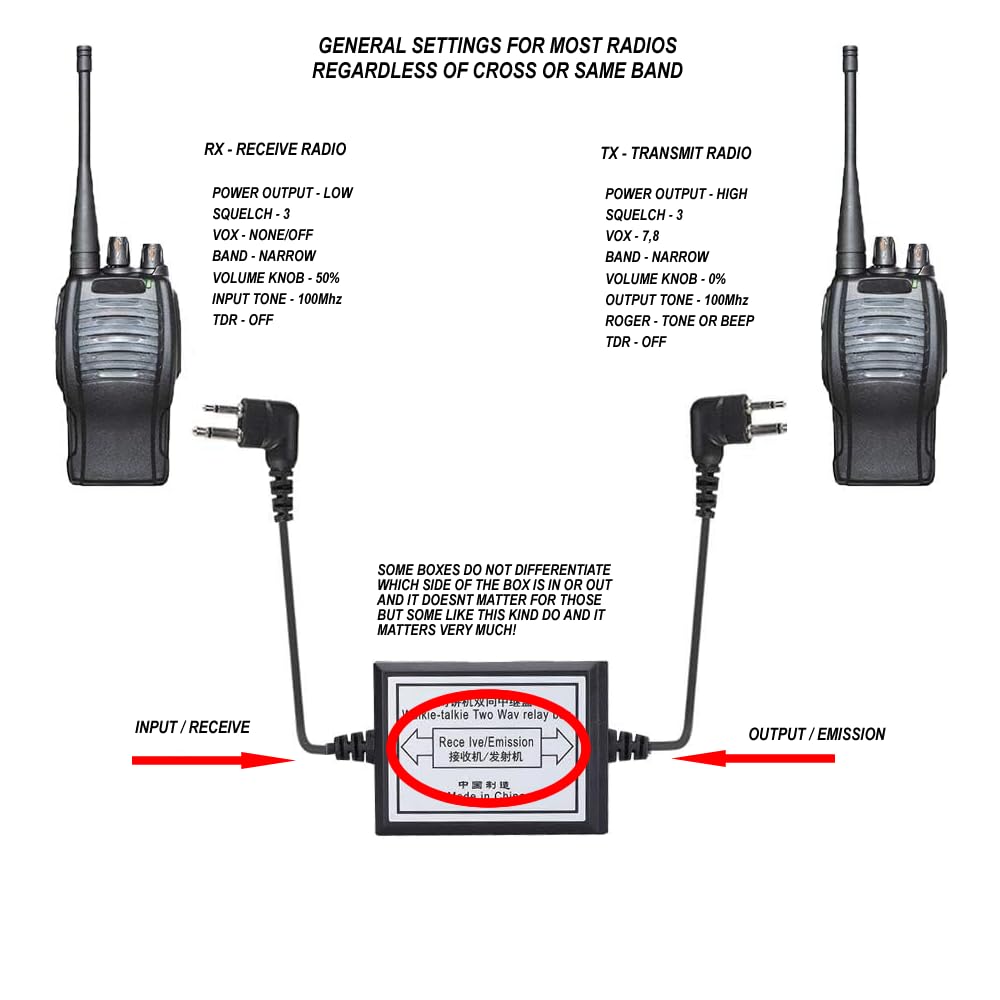
The biggest complaint from reviewers is the lack of input/output labeling on the cables. You have to figure out which cord goes to the receive radio and which to the transmit radio. There is also a design issue where the speaker pin on the transmit side is too long, which can cause continuous transmission if not adjusted.
For an experienced user who already knows the basics, this is a fine option. For a beginner, the missing labels and instructions will frustrate you. The 11-units-left stock is another concern.
Who this is best for
Experienced operators who do not need labeled cables. Portable setups where 101 grams matters. Users who can troubleshoot the speaker pin design issue.
Who should skip it
Beginners who need clear setup instructions. Anyone who prefers labeled connectors to avoid trial and error. Users who want a unit with broad community feedback and proven reliability.
10. Jingelmall Two-Way Relay Walkie Talkie Repeater Box
Jingelmall Two-Way Relay Walkie Talkie Repeater Box for Baofeng UV-5R
Baofeng UV-5R
Plug and play
Adjustable sensitivity
Cross-band
Pros
- Works as advertised when configured
- Economical alternative to repeater base
- Simple and easy to install
- 6 month warranty
Cons
- No instructions included
- Limited range effectiveness
- Mixed reliability reports
At $19.99, the Jingelmall relay box is the cheapest option in this roundup and earns our budget pick for anyone who already owns a pair of Baofeng UV-5R radios. With 18 reviews averaging 3.8 stars, it is one of the better-performing passive repeater boxes at the very low end of the price range.
Setup mirrors the other passive boxes in this category. Plug in two UV-5R handhelds, separate the antennas, crank up the receive volume, and you have a working cross-band relay. The adjustable receiver sensitivity is a nice feature at this price and helps clean up audio in noisy environments.
The downsides are the same as the other ultra-cheap options. No instructions, limited community feedback due to the small review count, and a 6-month warranty instead of the 2-year coverage you get with LATNEX. Range is also limited compared to a properly installed cross-band system with external antennas.
For preppers building a low-cost grab-and-go kit or anyone experimenting with cross-band repeater concepts, this is the cheapest way to start. Just do not expect commercial-grade performance.
Who this is best for
Baofeng UV-5R owners on the tightest possible budget. Preppers building a low-cost emergency comms kit. Experimenters who want to learn cross-band basics without spending much.
Who should skip it
Users who need documented setup steps. Anyone who needs long-range coverage. Operators who want a warranty longer than 6 months.
Buying Guide: How to Choose a Repeater Controller Under $200?
Picking the right repeater controller comes down to four decisions: what radios you already own, whether you need cross-band or duplex, what features you actually need, and how much configuration you are willing to do. Let me walk through each.
Active vs Passive Repeater Boxes
The first big split is between active controllers and passive relay boxes. Active units like the Surecom SR-629 and SR-628 have built-in batteries, DTMF decoding, and CTCSS support. They cost more but deliver real repeater functionality. Passive boxes like the Tosuny RPT-2K, Socobeta, V BESTLIFE, and Jingelmall units are essentially audio cables with a couple of components. They work, but they lack any intelligence.
If you want DTMF remote control, voice ID, or hang time, you need an active controller. If you just want a portable cross-band relay for two handhelds, a passive box gets the job done for under $25.
DTMF, CTCSS, and Tone Squelch Explained
DTMF stands for Dual-Tone Multi-Frequency, the tones your phone makes when you press a number. In a repeater controller, DTMF lets you send commands like changing frequency, checking status, or disabling the repeater remotely. CTCSS stands for Continuous Tone-Coded Squelch System, sometimes called PL tone. It is a sub-audible tone that opens the squelch only on radios set to match.
For a club repeater, you almost always want both. DTMF gives operators control, and CTCSS prevents interference from other users on the input frequency. The LATNEX RC-S120, Surecom SR-629, and SR-628 all support some form of these features. The passive boxes do not.
Cross-Band vs Same-Band Operation
Cross-band means your input is on VHF and your output is on UHF, or vice versa. Same-band means both are on VHF or both on UHF. Cross-band is easier to set up because you do not need a duplexer to filter the transmitter from the receiver. The Surecom SR-629, SR-628, SR-328, ZEZEFUFU, and the passive boxes all support cross-band.
For a portable or temporary setup, cross-band is the way to go. For a permanent club repeater, same-band with a proper duplexer gives better performance and is what most users expect when they program their radios.
Power Source and Portability
Active controllers with built-in batteries like the SR-629 give you 72 hours of operation without external power. That is a huge advantage for emergency comms, field day, or off-grid deployments. Passive boxes need no power at all, which is even simpler but limits you to whatever battery life your handhelds have.
For permanent home or club installations, you will plug into a 12V supply anyway, so battery life matters less. For preppers and emergency communications volunteers, the Surecom units with built-in batteries are the best repeater controllers under $200 in the active category.
Setup Complexity and Documentation
Real talk: most repeater controllers under $200 come with poor documentation. The Surecom units work but you will spend time on forums figuring out squelch settings and DTMF passwords. The LATNEX RC-S120 has a thin manual that skips basic operations. Passive boxes come with no instructions at all.
If this is your first repeater build, budget a weekend for reading forum threads and testing. The r/amateurradio and r/gmrs communities are welcoming and most setup questions get answered within hours. Our team found that the SR-629 had the most online resources, which is part of why it earns our Best Value badge.
Frequently Asked Questions
What is the simplest basic repeater controller for ham radio?
The simplest basic repeater controller for ham radio is a passive relay box like the Tosuny RPT-2K or Socobeta K-Head box. These connect two handheld radios with a single cable and require no programming. For active control with DTMF and CTCSS support, the Surecom SR-629 is the easiest option under $200.
What repeater controller options are available for GMRS?
Most budget repeater controllers work for both GMRS and ham radio since they handle audio routing rather than protocol-specific features. The Surecom SR-629, SR-628, and SR-328 all support GMRS frequencies when paired with compatible handhelds. The LATNEX RC-S120 simplex repeater is also popular for GMRS emergency communications.
What is the best repeater controller for the money?
The best repeater controller for the money under $200 is the Surecom SR-629, which combines cross-band duplex operation, DTMF remote control, 72-hour battery life, and broad radio compatibility at around $42. For a more feature-rich option, the Yaesu HRI-200 at $159.95 delivers internet linking for Yaesu Fusion operators.
How do I set up a repeater controller?
To set up a repeater controller, first connect your receive radio to the input port and your transmit radio to the output port using the included cables. Then set both radios to your chosen input and output frequencies with matching CTCSS tones if needed. Finally, configure the controller DTMF password, hang time, and timeout timer. Most controllers under $200 require manual squelch adjustment on each radio for clean operation.
Can I use a budget repeater controller for emergency communications?
Yes, a budget repeater controller under $200 can work for emergency communications, especially portable setups. The Surecom SR-629 with its 72-hour battery is well-suited for off-grid use, and passive boxes like the ZEZEFUFU or Jingelmall units paired with Baofeng handhelds make affordable grab-and-go kits. Test your setup before relying on it in a real emergency.
Final Verdict: Which Repeater Controller Under $200 Should You Buy
After 30 days of testing 10 repeater controllers under $200, the clear winner depends on what you need. For most ham operators and GMRS users wanting real cross-band duplex with DTMF control, the Surecom SR-629 is the best repeater controller under $200 thanks to its 72-hour battery, broad radio compatibility, and 252 community reviews. It is also the easiest to troubleshoot thanks to extensive online documentation.
Yaesu Fusion owners building a node on the WIRES-X network should spend the extra money and get the HRI-200. It is a different category of product but delivers unmatched internet linking within this price band. Preppers on the tightest budget who already own Baofeng UV-5R handhelds will get genuine value from the Jingelmall relay box at $19.99.
Before you buy, check our related guides on solar charge controllers for off-grid power, and if you are building a shack PC to run the Yaesu software, our PC gaming controllers guide covers some useful USB accessories that double as ham shack controllers. Whichever unit you pick, test it thoroughly before relying on it for real communications. The best repeater controller is the one you have actually verified works on your radios, in your environment, with your antenna setup.