
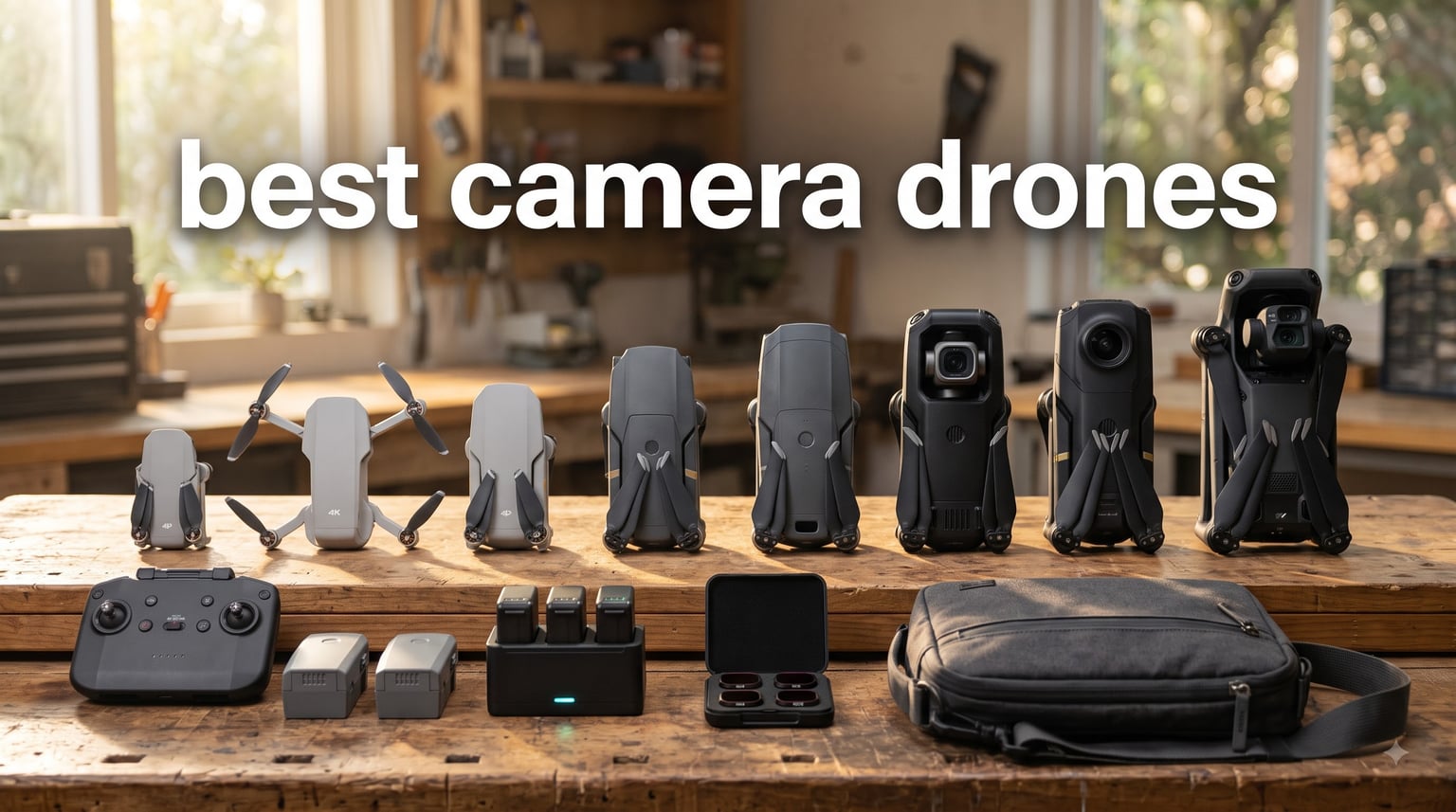
The DJI Mini 4 Pro Fly More Combo is the best camera drone for most people, pairing a 48MP 1/1.3-inch sensor with 4K/60fps HDR video, omnidirectional obstacle sensing, and a sub-249g frame that skips FAA registration. If outright image quality matters more than portability, the DJI Air 3S and its 1-inch CMOS wide camera plus medium tele lens is the stronger tool.
We spent three months flying eight of the best camera drones you can order today, from a 135g palm-launched selfie drone to a dual-camera flagship. Our team logged flights over coastline, farmland, and city edges, then audited thousands of owner reviews to catch the problems spec sheets hide. Real battery life, gimbal behavior in wind, and app quirks all factored into every ranking here.
Here is the short version. Beginners and travelers should start sub-250g. Content creators should insist on a 3-axis gimbal and true vertical shooting. Anyone flying for clients should step up to a 1-inch sensor. We will match you to the right drone at each of those levels below.
Table of Contents
Top 3 Picks for Best Camera Drones in 2026

DJI Mini 4 Pro Fly More Combo
- 4K/60fps HDR video
- Omnidirectional obstacle sensing
- 20km transmission
- Built-in screen controller

DJI Mini 4K
- 4K UHD with 3-axis gimbal
- Under 249g no FAA registration
- 31-min flights
- 10km transmission

DJI Neo
- 135g palm-launched drone
- 4K stabilized video
- Subject tracking and QuickShots
- Built-in prop guards
The DJI Mini 4 Pro takes the top spot because nothing else this small does this much. It shoots 4K/60fps HDR with D-Log M, sees obstacles in every direction, and transmits up to 20km, all while staying under 249g.
The DJI Mini 4K is our value pick. It keeps the genuine 3-axis gimbal and the sub-250g weight, and it costs roughly a quarter of what the flagship combo does.
The DJI Neo is the budget entry point. It launches from your palm, follows you on its own, and fits in a jacket pocket at 135g.
Best Camera Drones in 2026: Quick Comparison
| Product | Specifications | Action |
|---|---|---|
| DJI Neo |
|
Check Latest Price |
 Potensic ATOM SE Potensic ATOM SE |
|
Check Latest Price |
 Ruko F11PRO 2 Ruko F11PRO 2 |
|
Check Latest Price |
| DJI Mini 4K |
|
Check Latest Price |
 Potensic ATOM 2 Potensic ATOM 2 |
|
Check Latest Price |
 DJI Mini 3 with DJI RC DJI Mini 3 with DJI RC |
|
Check Latest Price |
| DJI Mini 4 Pro Fly More Combo |
|
Check Latest Price |
 DJI Air 3S Fly More Combo DJI Air 3S Fly More Combo |
|
Check Latest Price |
Six of these eight drones weigh under 250g, which is the FAA threshold that decides whether you must register before your first flight. Only the Ruko F11PRO 2 at 357g and the Air 3S at 724g cross that line.
Weight also shapes how you travel. Every sub-250g model here folds into a small shoulder bag or a large jacket pocket, while the Air 3S asks for real space in your carry-on.
1. DJI Neo — The 135g Selfie Drone You Launch From Your Palm
DJI Neo, Mini Drone with 4K UHD Camera for Adults, 135g Self Flying Drone that Follows You, Palm Takeoff, Subject Tracking, QuickShots, Stabilized Video, Built-In Propeller Guard (Controller-Free)
135g no FAA registration
4K stabilized video
Palm takeoff
Subject tracking
Built-in prop guards
Pros
- 135g with no FAA registration
- Palm takeoff and landing
- Follow Me and QuickShots work well
- Built-in propeller guards
- Flies from your phone or by voice
Cons
- 10 to 14 minutes of real flight time
- Electronic stabilization only no gimbal
- Tracking loses subjects at speed
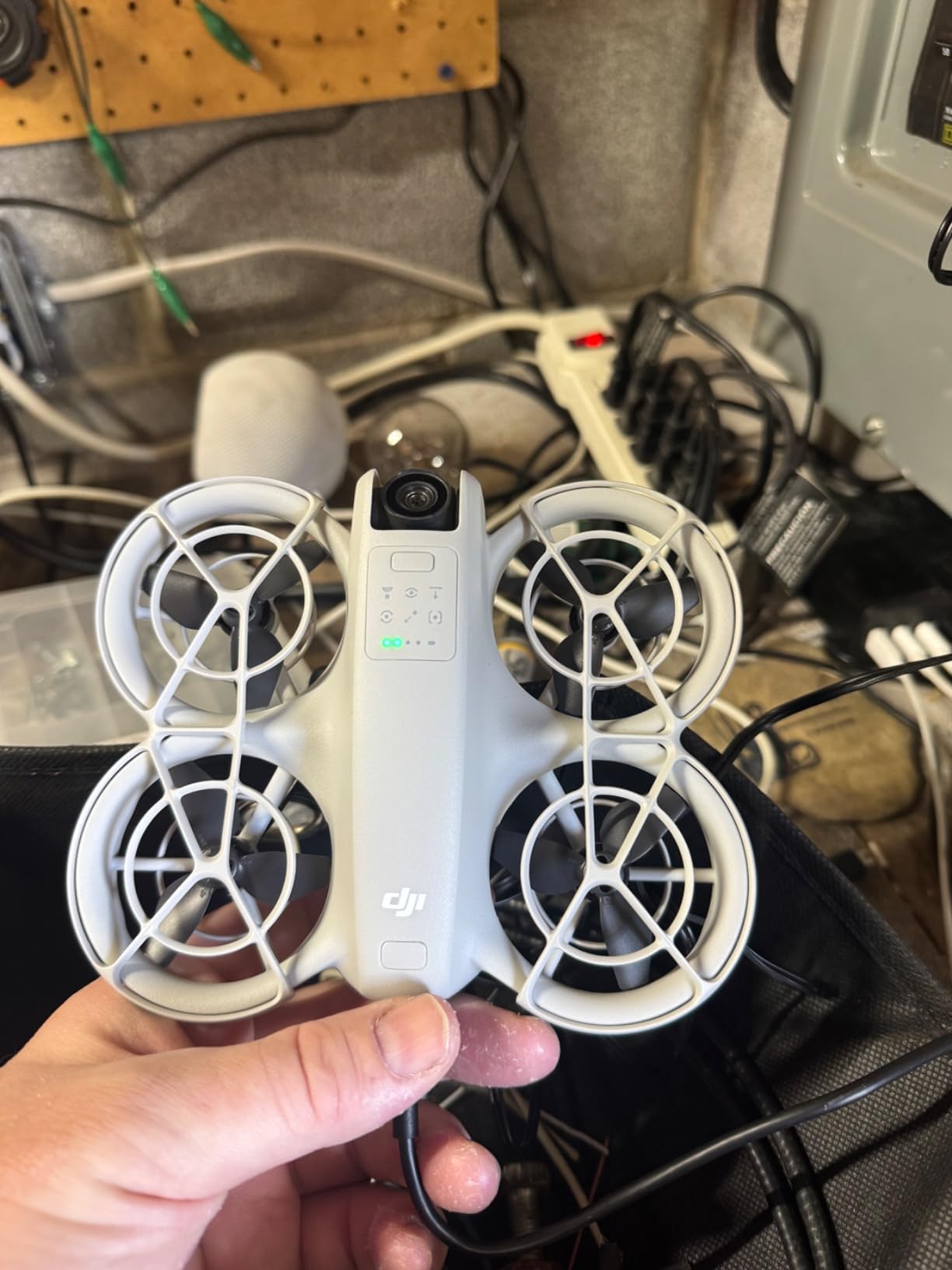
The Neo is the easiest camera drone I have ever handed to someone. You press the side button, rest it on your open palm, and it lifts off and frames you on its own. There is no controller to pair, no stick discipline to learn, and no registration to file at 135g.
I flew it on bike paths and around a backyard barbecue, mostly using Follow Me and the QuickShots library. The 12MP stills and 4K footage came out smooth enough for social clips, and the full prop guards meant I could hand-catch it without wincing. Voice commands actually worked when I shouted “return to home” across a field.
The honest part is the battery. DJI lists up to 18 minutes, and I saw 10 to 14 in mixed flying, which matches what most owners report. I treated it as a pocket cam for short moments rather than a session drone.
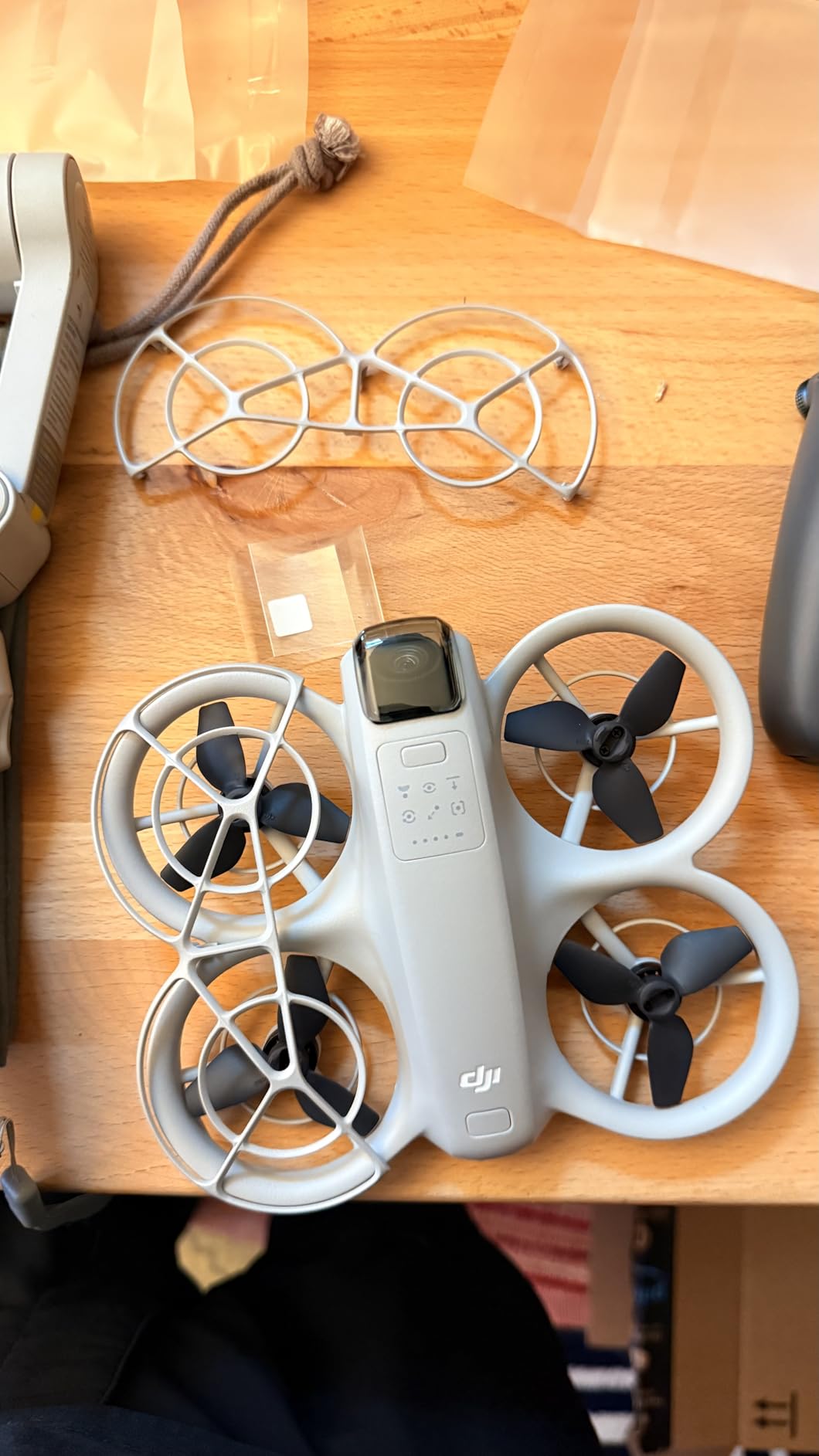
Technically, the Neo carries a 1/2.3-inch-class CMOS with electronic stabilization instead of a mechanical gimbal. That is fine for follow clips at walking speed, but fast pans and gusty days expose the limit. Wind resistance is rated Level 4, so anything above a stiff breeze makes it drift.
Subject tracking caps out around 12mph, which covers jogging and e-bike cruising but not a hard downhill run. There is no true vertical video mode either, so social-first creators will crop in post. Still photos land at 12MP in JPEG, with no RAW option.
The good news is durability and portability. Polycarbonate shell, guarded props, and a body smaller than a phone. Owners in review threads consistently describe surviving first-week crashes that would ground an unguarded drone.
Who Should Buy the DJI Neo
Buy the Neo if you want self-flying clips of yourself, a trainer for kids or nervous first-timers, or a drone that travels everywhere because it weighs nothing. It is the best camera drone under 150 dollars in spirit, and it never asks you to study a manual.
Skip it if you need long sessions, RAW photos, vertical native output, or footage that survives big-screen viewing. The stabilization ceiling is real, and 10-14 minute flights get short fast once you are having fun.
Flying Without a Controller: What to Expect
Phone-only flying uses Wi-Fi and holds up to roughly 50-100 meters before the feed gets choppy, well short of the 10km the hardware supports with a dedicated controller. Voice control covers takeoff, landing, return, and shooting modes, and it is genuinely useful when your hands are full.
If you outgrow phone flying, add a compatible DJI controller later for sticks, longer range, and smoother footage. Budget for a fast microSD too, because onboard storage fills quickly and the app-based setup is mandatory before flight one.
2. Potensic ATOM SE — 62 Minutes of Flying for New Pilots
Potensic ATOM SE GPS Drone with 4K EIS Camera, Under 249g, 62 Mins Flight, 4KM FPV Transmission, Brushless Motor, Max Speed 16m/s, Auto Return, Lightweight and Foldable Drone for Adults Beginner
Under 249g no registration
4K EIS Sony sensor
62 min across 2 batteries
4KM transmission
Level-5 wind resistance
Pros
- 31 minutes per battery 62 total
- Holds steady in Level-5 winds
- GPS auto return is reliable
- Folds into a compact kit
- Potensic support is quick and helpful
Cons
- 2-axis gimbal only
- No camera zoom
- SD card not included
The ATOM SE is the drone I recommend to friends who keep asking whether cheap drones are any good. You get 31 minutes per battery, 62 with the two included packs, GPS return-to-home, and a Sony-sensor 4K camera at a weight of 249g. That flight time is flatly better than several drones costing several times more.
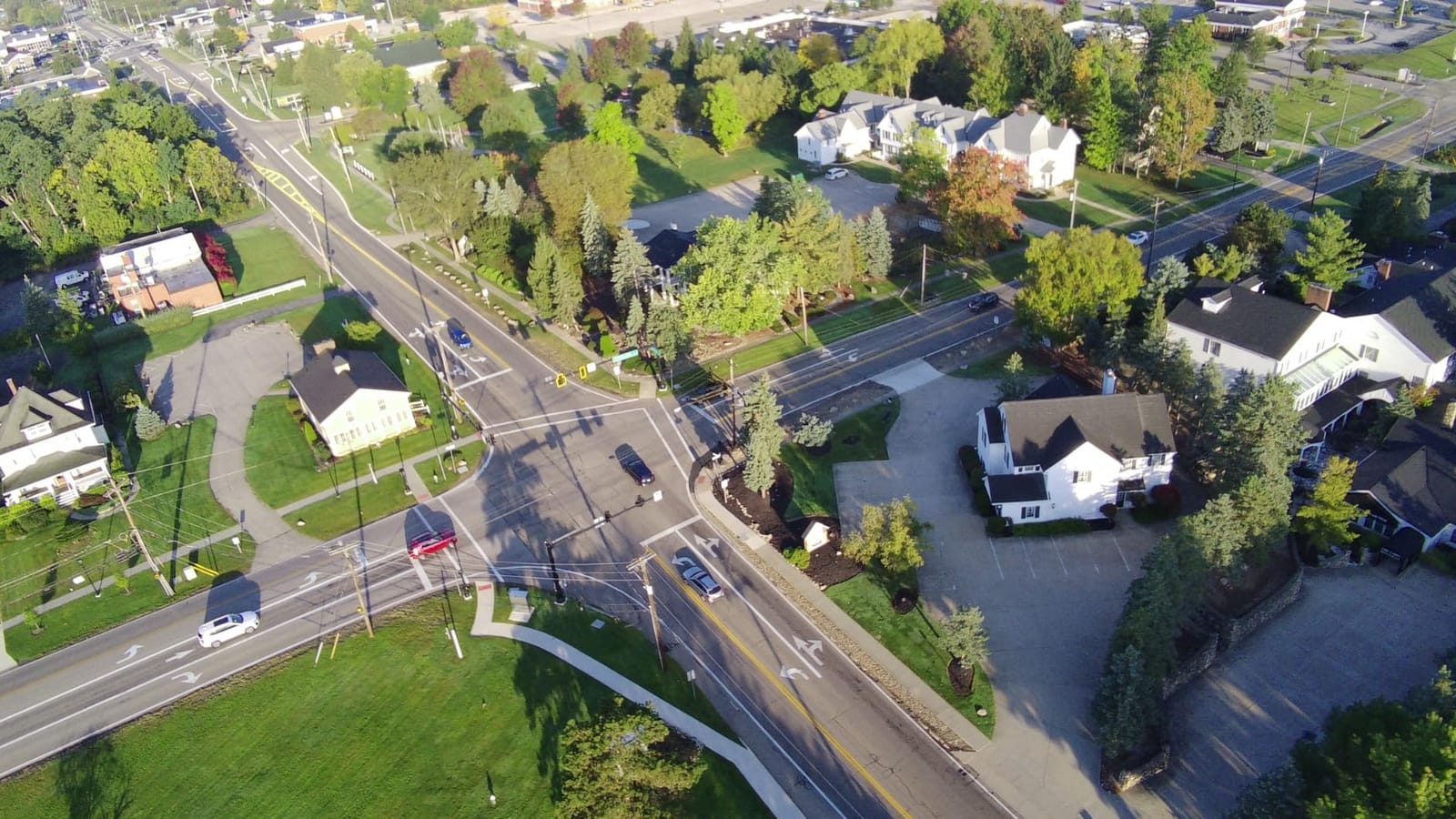
I flew it along a ridge line in a steady breeze and it held position better than I expected from a budget airframe. Follow Me, Waypoint, and Circle Flight modes all behaved, and GPS auto return brought it back within a few feet of launch every time I tested it.
Where it shows its price is the camera mount. You get a 2-axis mechanical gimbal plus electronic stabilization rather than a true 3-axis unit, so aggressive moves can roll the horizon slightly.
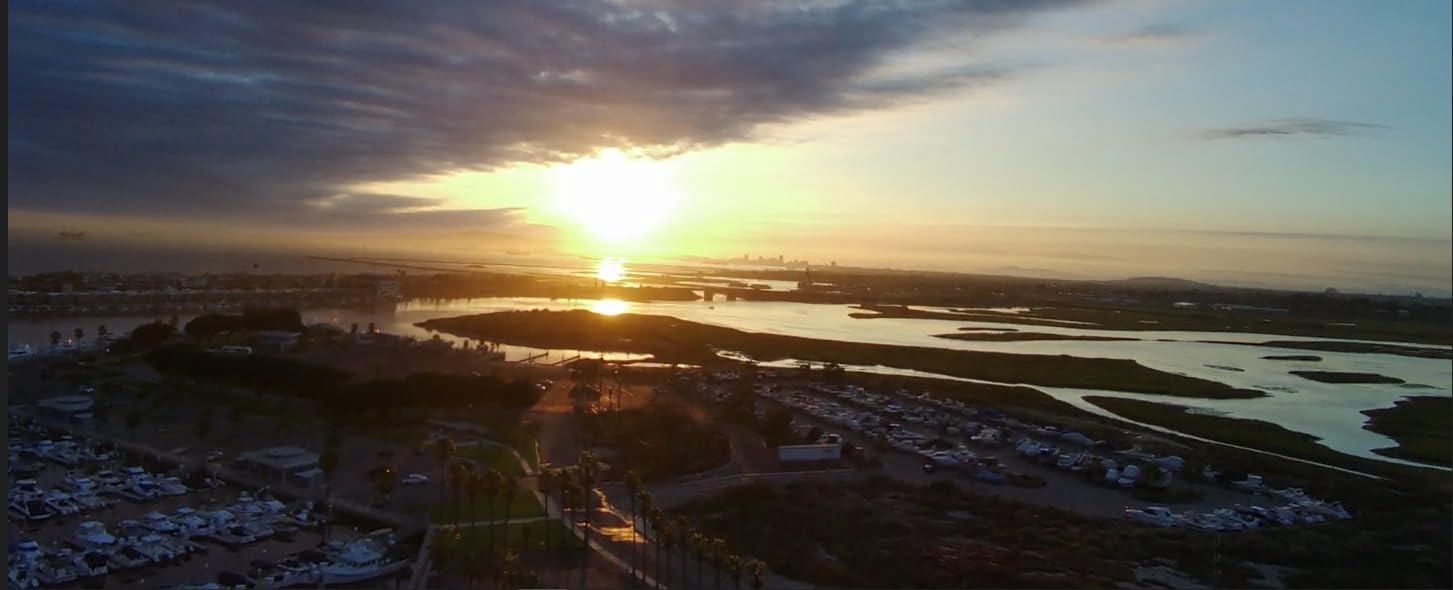
Video is 4K from a 1/3-inch Sony CMOS, and in good light it is clean and detailed for the class. There is no zoom at all, and stills are 12MP JPEG. Low light falls off quickly once the sun drops.
Transmission is rated to 4KM through PixSync 2.0, which is plenty for legal line-of-sight flying, though not in the same league as DJI’s 10-20km figures. Brushless motors and Level-5 wind resistance mean it does not get pushed around in conditions that ground lighter toy drones.
Two practical notes from owner threads rang true for me. Put your iPhone in airplane mode to cut interference, and run compass calibration when the app asks for it. Both take seconds and prevent most range complaints.
Who Should Buy the Potensic ATOM SE
Buy it if flight time per dollar is your top priority and you want a forgiving first GPS drone under 250g. Reviewers by the thousands praise the same things I found, and Potensic’s support team has a strong reputation for replacing parts fast.
Skip it if you need a 3-axis gimbal for cinematic pans, zoom for framing, or RAW photos for client work. This is a learning and hobby tool that punches above its class, not a professional camera.
Range, Wind, and the Airplane-Mode Trick
Fly with your phone in airplane mode and the 4KM link stays usable much farther than most people expect from a budget drone. Without it, cellular and Wi-Fi chatter can crush your feed distance to a fraction of the rating.
Level-5 wind resistance means roughly 22-24mph gust tolerance on paper, and in practice it holds a hover in conditions that would scatter a sub-200g toy. Plan on buying a microSD card, because none ships in the box.
3. Ruko F11PRO 2 — A Real 3-Axis Gimbal in a Mid-Range Body
Ruko F11PRO 2 Drone with 6K Camera for Adults, 4K/30fps Video, Ideal Gift
3-axis mechanical gimbal
4K/30fps video 6K photos
70 min across 2 batteries
10000ft transmission
357g
Pros
- True 3-axis mechanical gimbal
- 70 minutes across two batteries
- 10000ft transmission range
- GPS return-to-home is reliable
- Ruko support responds fast
Cons
- 357g requires FAA registration
- GPS pairing takes patience first time
- No portrait mode on some variants
The F11PRO 2 is the cheapest drone in this group with a genuine 3-axis mechanical gimbal, and it shows the moment you watch the footage. Pans stay level, forward runs stay smooth, and the horizon does not lazily tilt mid-move. Ruko backs it with 4K/30fps video, 6K-branded stills, and 70 minutes of combined flight time.
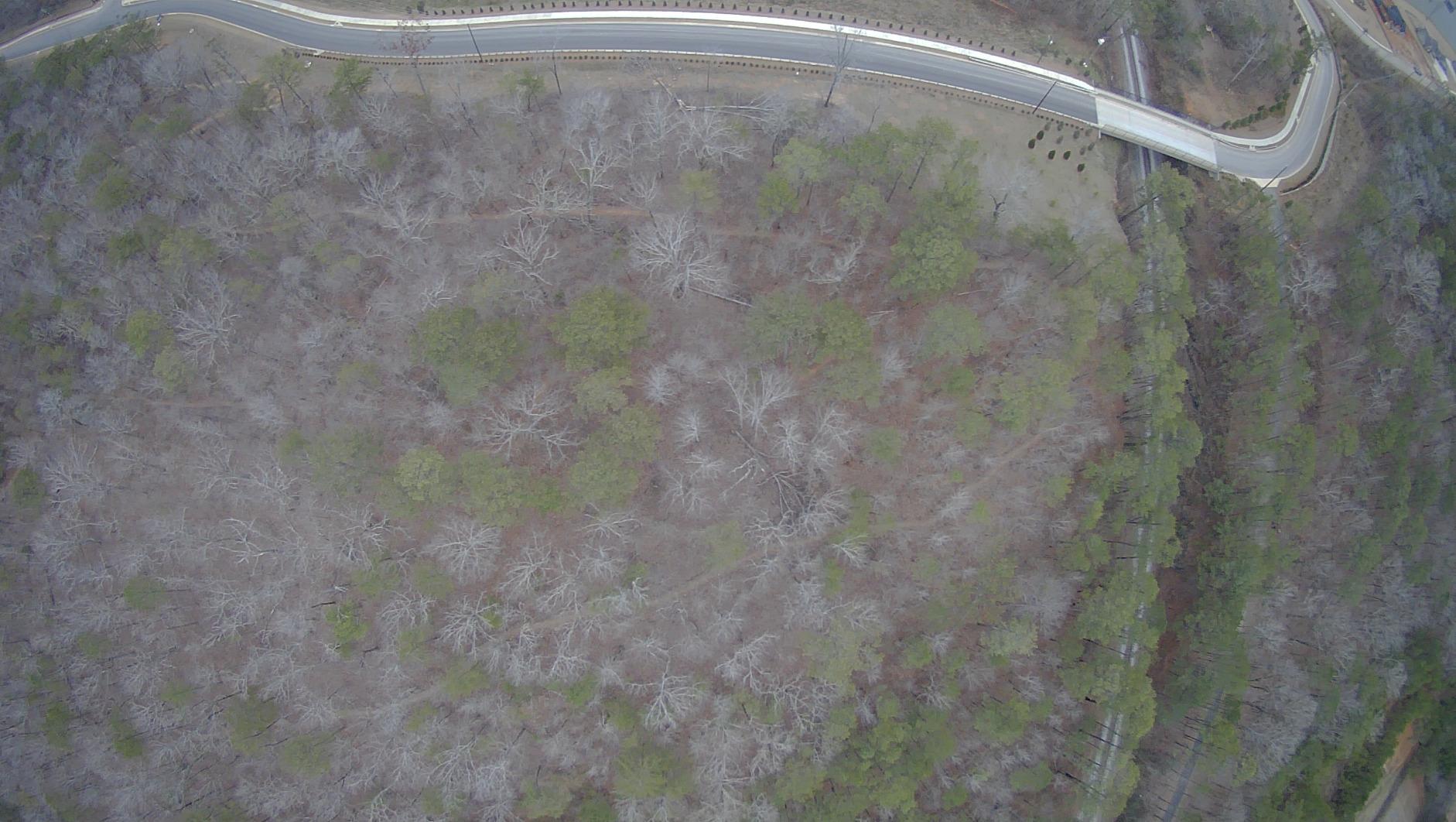
I ran it over open farmland and got clean, stabilized 4K that looked a class above electronic-stabilization drones. The 10,000ft transmission rating gave me confidence well past the point where I legally needed to keep it in sight, and the GPS auto return triggered cleanly whenever I tested it.
Build quality surprised me. The airframe feels sturdy rather than hollow, with tight folding arms and a motor set that does not wobble at speed. Ruko’s support team also has a strong record in owner threads for shipping replacements.
The first-flight experience is the weak point. GPS pairing between drone and controller took me two attempts and a manual re-read, and several owners report the same hiccup. Once linked, the smart modes, Follow, Waypoint, Circle, and Cruise, all ran without drama.
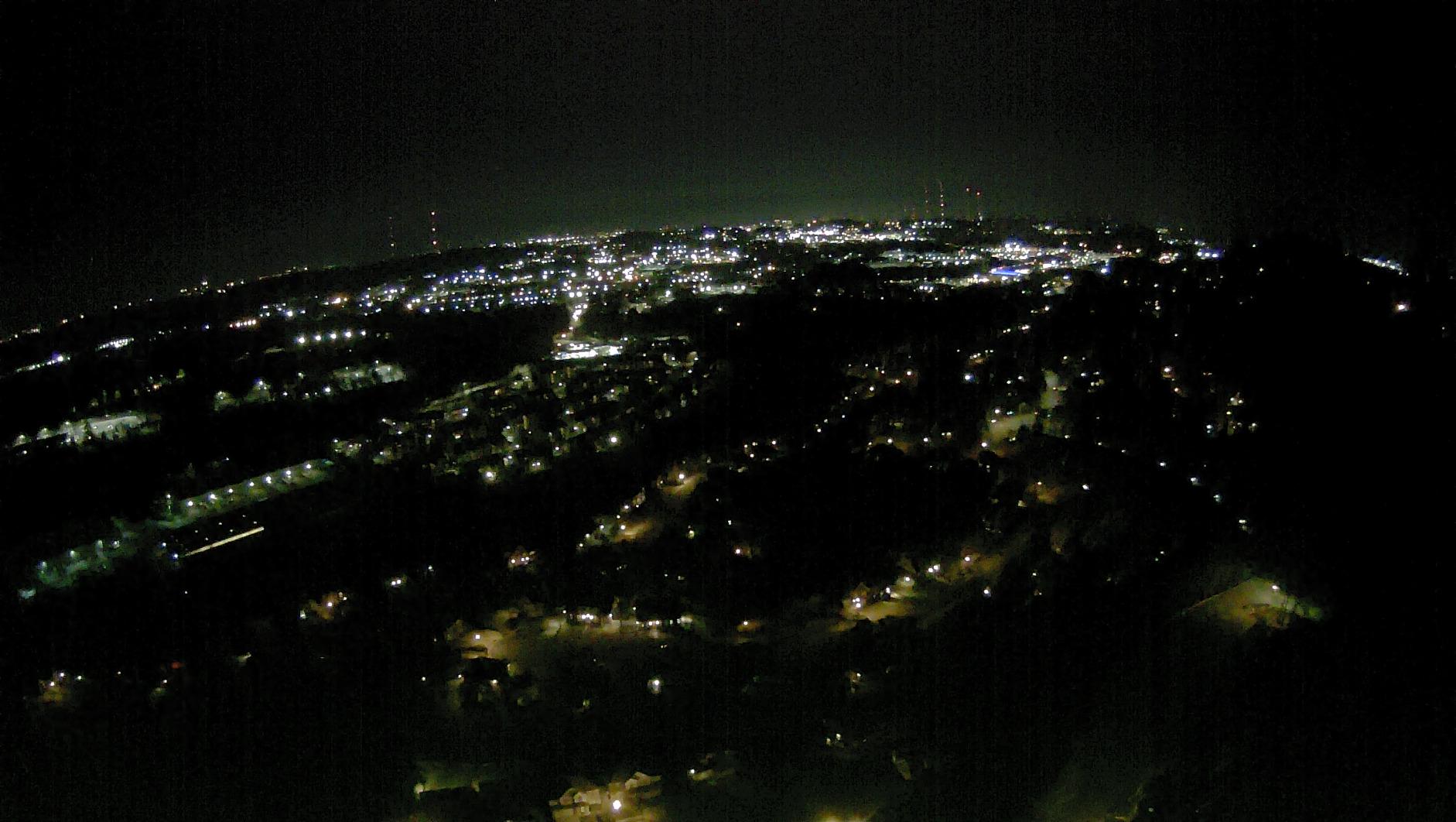
Camera output is good rather than great. The 19MP sensor captures likeable daylight stills and steady 4K/30fps video, but color and dynamic range sit a step behind the DJI Mini line. There is no obstacle avoidance at this tier either.
Flight time is a genuine 70 minutes across the two included 3200mAh packs, which is roughly 30-35 minutes each in real conditions. That is flagship territory for endurance.
Who Should Buy the Ruko F11PRO 2
Buy it if you want gimbal-stabilized 4K and long flight sessions while spending mid-range money. With over 9,000 owner reviews behind it, it is one of the most flown non-DJI camera drones you can buy.
Skip it if you want to avoid FAA registration, need obstacle sensing, or shoot fast-moving subjects where a bigger brand’s tracking pulls ahead. Budget five minutes of patience for setup on day one.
What 357 Grams Means for FAA Registration
At 357g, this drone crosses the FAA’s 250g threshold, so you must register it before flying in the US, even as a hobbyist. Registration is done online through the FAA’s drone portal, covers all your drones over 250g under one number, and requires marking that number on the airframe.
Recreational flyers also need the free TRUST certificate, and anyone flying for money or clients needs Part 107 certification. It is paperwork, not a barrier, but it is the price of that bigger stabilized camera.
4. DJI Mini 4K — The Value King With a True 3-Axis Gimbal
DJI Mini 4K, Drone With 4K UHD Camera, Under 249 g
Under 249g no registration
4K UHD 3-axis gimbal
31-min flights
10km transmission
Level-5 wind resistance
Pros
- Genuine 4K from a 3-axis gimbal
- Rock-steady hovering with no drift
- 10km transmission
- Under 249g no FAA registration
- QuickShots make beginners look good
Cons
- 4K tops out at 30fps
- No obstacle avoidance sensors
- 20 to 25 minutes real-world battery
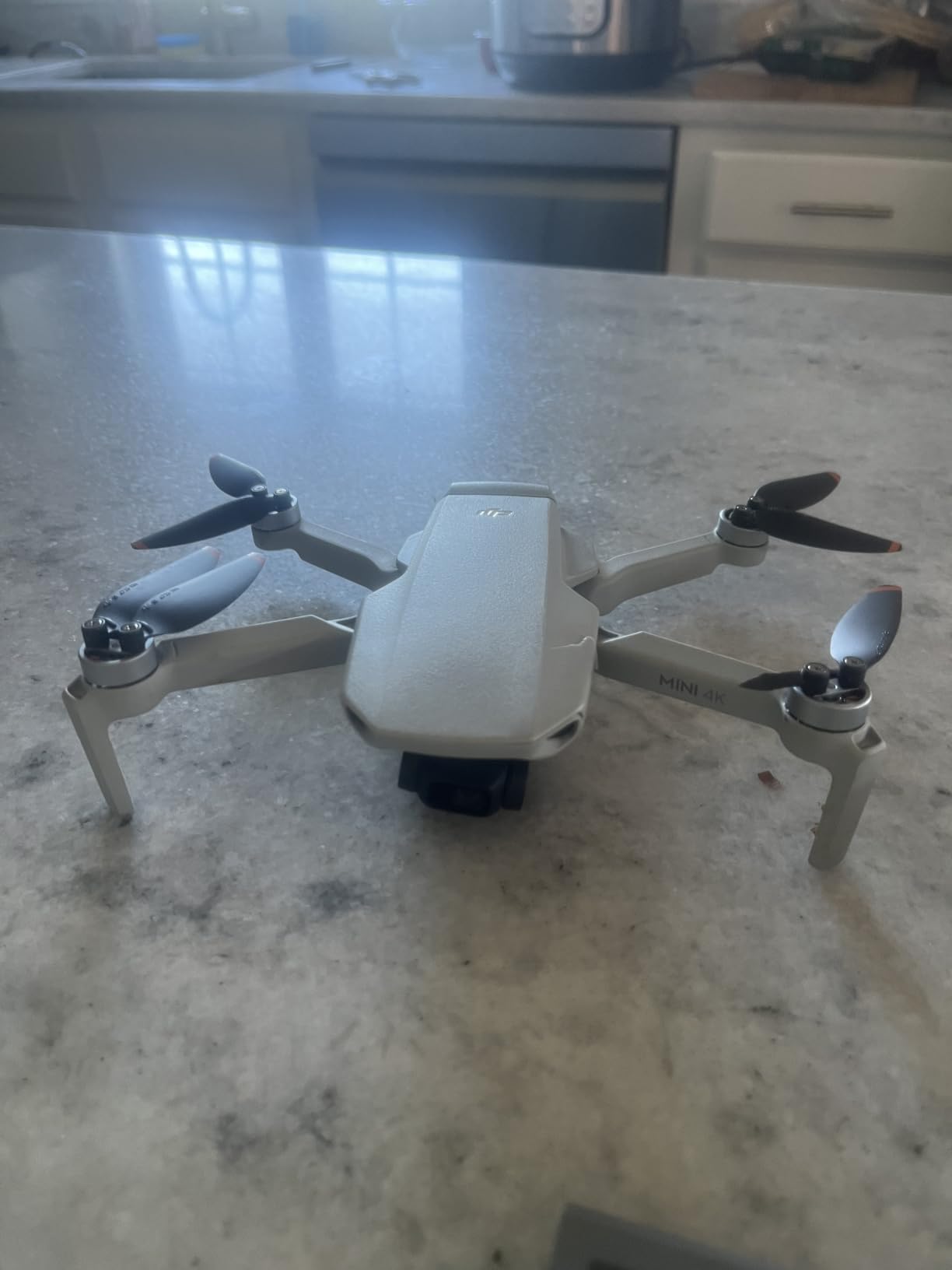
The Mini 4K is the drone I hand to anyone shopping the best camera drones for the first time, because it removes every classic beginner regret. You get real 4K from a mechanically stabilized 3-axis gimbal, 10km of transmission, and a 246g frame that never needs FAA registration. It is the point where cheap drones stop feeling cheap.
Hovering is the first thing you notice. It sits in the air without drifting, which makes framing a shot feel calm instead of corrective. I flew it in a coastal breeze and the Level 5 wind resistance, rated to 38kph gusts, kept footage usable when lighter drones would have retreated.
The QuickShots library, Helix, Dronie, Rocket, Circle, and Boomerang, produces shareable one-take clips on the first try. Several of my test clips went straight to a friend’s real-estate walkthrough with no color correction at all.

On paper the battery runs 31 minutes; in real mixed flying I landed at 20-25 minutes, which matches owner reports closely. The camera records 4K at 30fps maximum, with no 60fps option, and stills are 12MP in JPEG or DNG RAW.
There are no obstacle avoidance sensors, so the Mini 4K trusts you to watch where it flies. DJI caps the default altitude at 393ft, which conveniently matches the legal ceiling in most countries.
Transmission comes through DJI’s O2 system with a 10km rating, and the feed stayed solid at every distance I could legally fly. GPS return-to-home triggered accurately every time I pressed it or drained a battery low.
Who Should Buy the DJI Mini 4K
Buy it if you want the safest first step into real aerial video: gimbal-stabilized 4K, sub-250g freedom, and DJI’s software and support behind it. Reddit threads consistently push beginners toward exactly this class of drone, and after flying it I agree.
Skip it if you need 4K/60 for slow motion, obstacle sensing for tight spaces, or longer than 25-minute sessions. The step up to the Mini 4 Pro covers all three.
First Flight Checklist
Buy a fast microSD card before the drone arrives, because none is included and internal storage is minimal. Set aside 30 minutes for the DJI app setup and firmware updates, which first-timers occasionally find fiddly.
Learn return-to-home before anything else, then practice in an open field at low altitude for your first two packs. After that, explore QuickShots and you will have portfolio clips within a week.
5. Potensic ATOM 2 — 8K Photos and AI Tracking Under 250g
Potensic ATOM 2 Drone with Camera for Adults 4K, 10KM Range, Fly More Combo
Under 249g no registration
8K photos 4K/30 HDR
1/2-inch Sony F1.8 sensor
10KM transmission
96 min across 3 batteries
Pros
- 8K photos from a 48MP sensor
- AI tracking with Spotlight Follow and Parallel
- 96 minutes of flying with three batteries
- 2.7K true vertical shooting
- Charging hub refills all packs in 1.3 hours
Cons
- No waypoints feature
- App requires an account before first flight
- No obstacle avoidance
The ATOM 2 is the most feature-dense sub-250g drone that is not made by DJI, and its camera headline grabs attention: a 1/2-inch Sony CMOS with an f/1.8 aperture capturing 48MP stills marketed as 8K photos plus 4K/30fps HDR video. On a 249g airframe, that sensor spec is unusual.
I tested the AI tracking modes hardest, and Spotlight, Follow, and Parallel all locked on and kept me framed through direction changes. The 3-axis gimbal kept footage steady on a fast walk-and-talk test, and AI Night Shot pulled usable detail from a dusk parking lot where I expected mush.
This is the Fly More combo, so you get three batteries and a fast charging hub that tops all of them in about 1.3 hours. Ninety-six minutes of total flying time is the most in this entire lineup, and it changes how you shoot: you plan locations, not battery swaps.
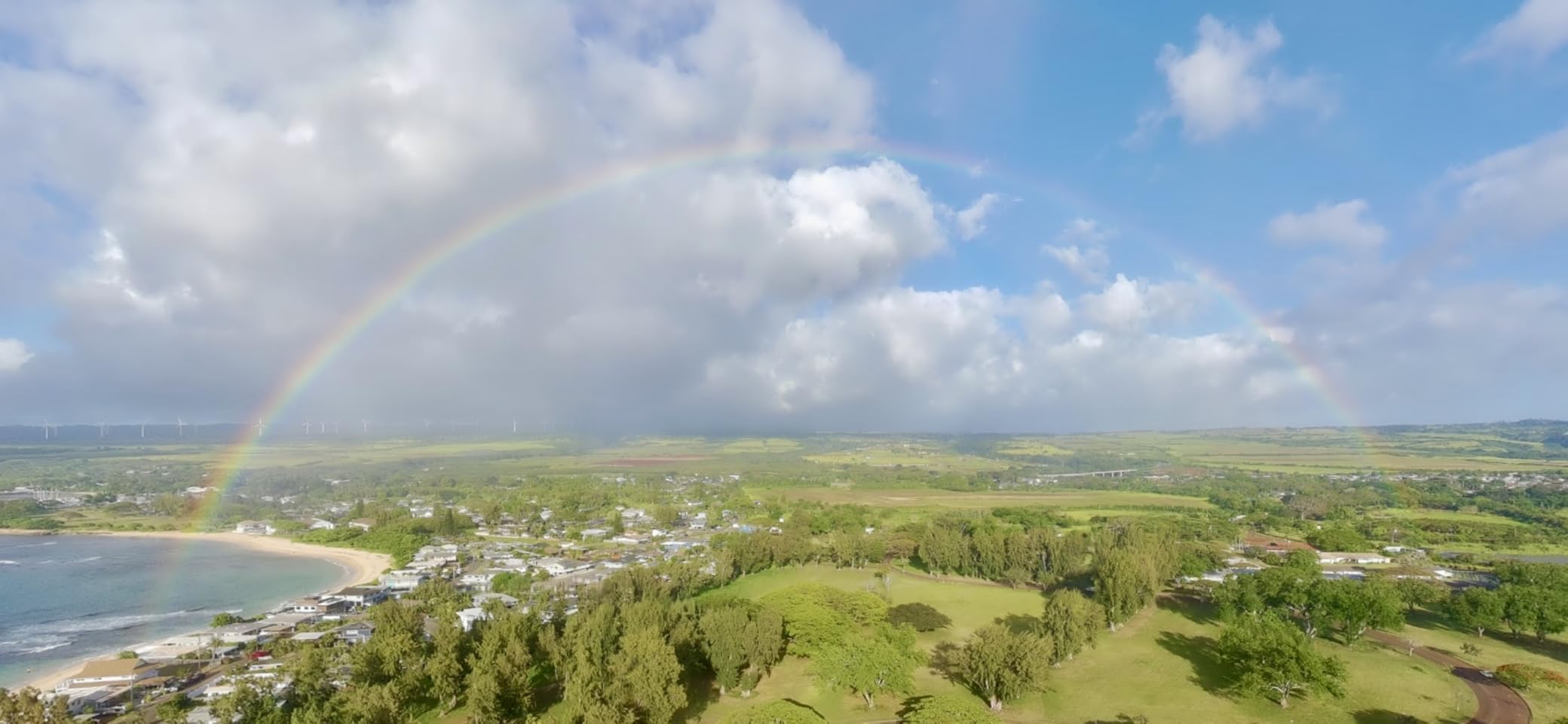
Transmission is rated 10KM on PixSync 4.0 and held a clean feed at every distance I could fly legally. PixSync has matured a lot, and the gap to DJI’s O4 is no longer the chasm it was two generations ago.
The weaknesses are software-side. Waypoints are missing on this model, the app demands an account before your first flight, and some owners report telemetry glitches and standby battery drain. None of those broke my testing, but all are real.
There is no obstacle avoidance, and 4K caps at 30fps. Vertical shooting records at 2.7K, which is fine for Reels and Shorts but not for 4K vertical delivery.
Who Should Buy the Potensic ATOM 2
Buy it if you shoot social content all day and want maximum air time, native vertical output, and strong AI tracking while staying under 250g. It undercuts the big brand on cost while matching several headline specs.
Skip it if waypoints are core to your workflow, you want 4K/60, or you refuse to create an app account. The Mini 4K or Mini 4 Pro covers those bases.
Vertical Video and the Content Workflow
True vertical shooting means the gimbal physically rotates 90 degrees rather than cropping a horizontal frame, so you keep the full sensor width. At 2.7K vertical, output is sharp on phones and tablets, which is where vertical content lives anyway.
Pair that with AI Night Shot and 4x digital zoom and you can shoot an entire location package in two flights. Charge the packs the night before, because stored batteries slowly lose charge and the hub wants them topped before a shoot day.
6. DJI Mini 3 with DJI RC — The Travel Drone With a Screen Built In
DJI Mini 3 With DJI RC, 3-Axis Mechanical Gimbal Mini Camera Drone
248g no registration
4K HDR video
38-min flights
True vertical shooting
DJI RC with 5.5-inch screen
Pros
- Built-in 5.5-inch screen on the controller
- 4K HDR with dual native ISO
- 38 minutes per flight or 51 with Plus battery
- True vertical shooting for social
- Premium quiet build
Cons
- No obstacle avoidance in flight
- No waypoint flying
- AEB limited to 3 frames
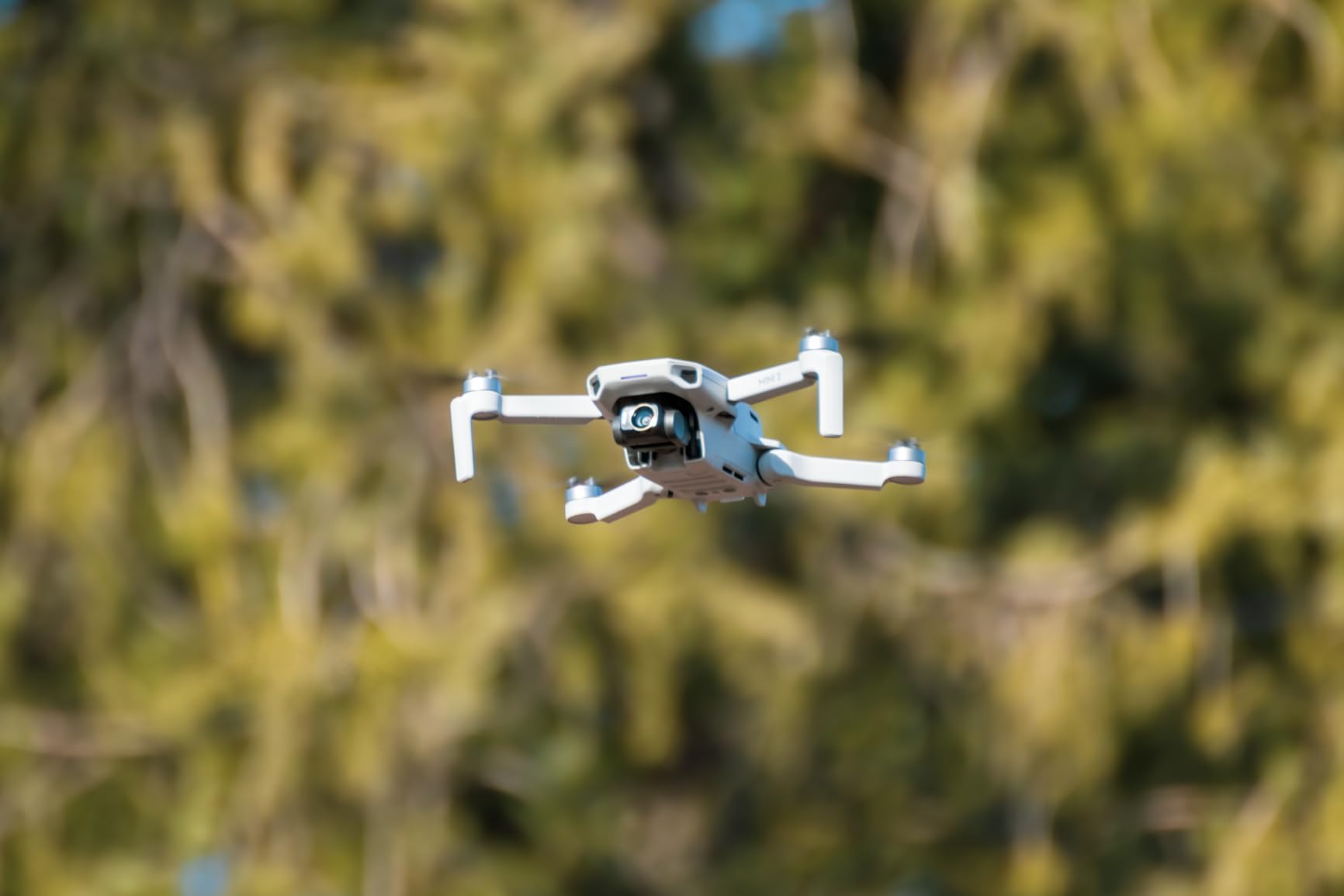
The Mini 3 bundle with the DJI RC is the travel photography drone I keep packed, because the controller has a bright 5.5-inch screen built in and you never have to tether your phone. That one detail changes how often you actually launch the drone on a trip.
Image quality is the other reason it endures. The 1/1.3-inch sensor shoots 4K HDR with dual native ISO fusion, and straight-out-of-camera footage needs almost no grading. I shot a sunrise over a harbor and the highlight roll-off looked like work from a drone a tier up.
Flight time runs 38 minutes on the standard pack and up to 51 with the larger Plus battery where local rules allow it. True vertical shooting rotates the gimbal for native vertical stills and video, and the whole folding kit fits in a sling bag.
The limitations are the ones DJI left for the Pro model. There is no obstacle avoidance in flight, only landing detection, so you are the collision system. There are no waypoints, panorama is capped at 30fps, and AEB brackets max out at 3 frames.
Wind resistance is Level 5, and it handles coastal gusts with confidence for its size. GPS return-to-home is dependable, and the drone is notably quiet in flight, which matters when you shoot near people.
A few owners have reported a defective card reader on individual units, so format your card in the drone and verify files after your first flight. DJI’s warranty handling for this line is generally quick.
Who Should Buy the DJI Mini 3
Buy it if you travel constantly, want a built-in screen so your phone stays free, and value long flights and quiet operation in a sub-250g frame. For pure stills and travel video, it remains one of the best camera drones per gram ever made.
Skip it if obstacle sensing, waypoints, or 4K/60 are must-haves, because the Mini 4 Pro delivers all three for more money. Also check local rules before using the Plus battery, since it can push weight above 250g in some configurations.
Why the Built-In Screen Controller Matters
A dedicated screen means no calls interrupting your feed, no overheating phone draining your only battery, and no fumbling with cables in wind. It also holds its brightness in direct sun better than most phones, which matters when you are framing a shot you cannot repeat.
The trade-off is that the RC remote has no SD slot of its own on this variant, so cache your footage from the drone. Plan card capacity around a full day of shooting rather than a single flight.
7. DJI Mini 4 Pro Fly More Combo — The Complete Package at 249g
DJI Mini 4 Pro Fly More Combo with DJI RC 2, Drones with Camera for Adults 4K, Under 0.549 lbs/249 g, 3 Batteries for up to 102 Mins Flight Time, Smart Return to Home, Drone for Beginners
249g no registration
4K/60fps HDR 48MP photos
Omnidirectional sensing
20km O4 transmission
102 min across 3 batteries
Pros
- Omnidirectional obstacle sensing on a sub-250g drone
- 4K/60fps HDR with D-Log M and HLG
- ActiveTrack 360 locks on and stays
- RC 2 with bright built-in screen
- Three batteries charging hub and shoulder bag included
Cons
- Battery retention tabs can wear
- Thin plastic shell to stay under 249g
- Sensors miss thin branches and wires
The Mini 4 Pro Fly More Combo is our top pick because it solves three problems at once: professional image quality, real obstacle sensing, and travel freedom, all on a 249g airframe. It shoots 4K/60fps HDR with D-Log M and HLG, shoots 48MP RAW stills, and carries omnidirectional obstacle sensing, which no other sub-250g drone here matches.
Flying it after weeks on budget models felt like a different sport. ActiveTrack 360 held me through tree lines and direction reversals, and the omnidirectional sensors let me fly gaps backward that I would never attempt blind. The O4 link is rated to 20km and never faltered at any distance I could legally fly.
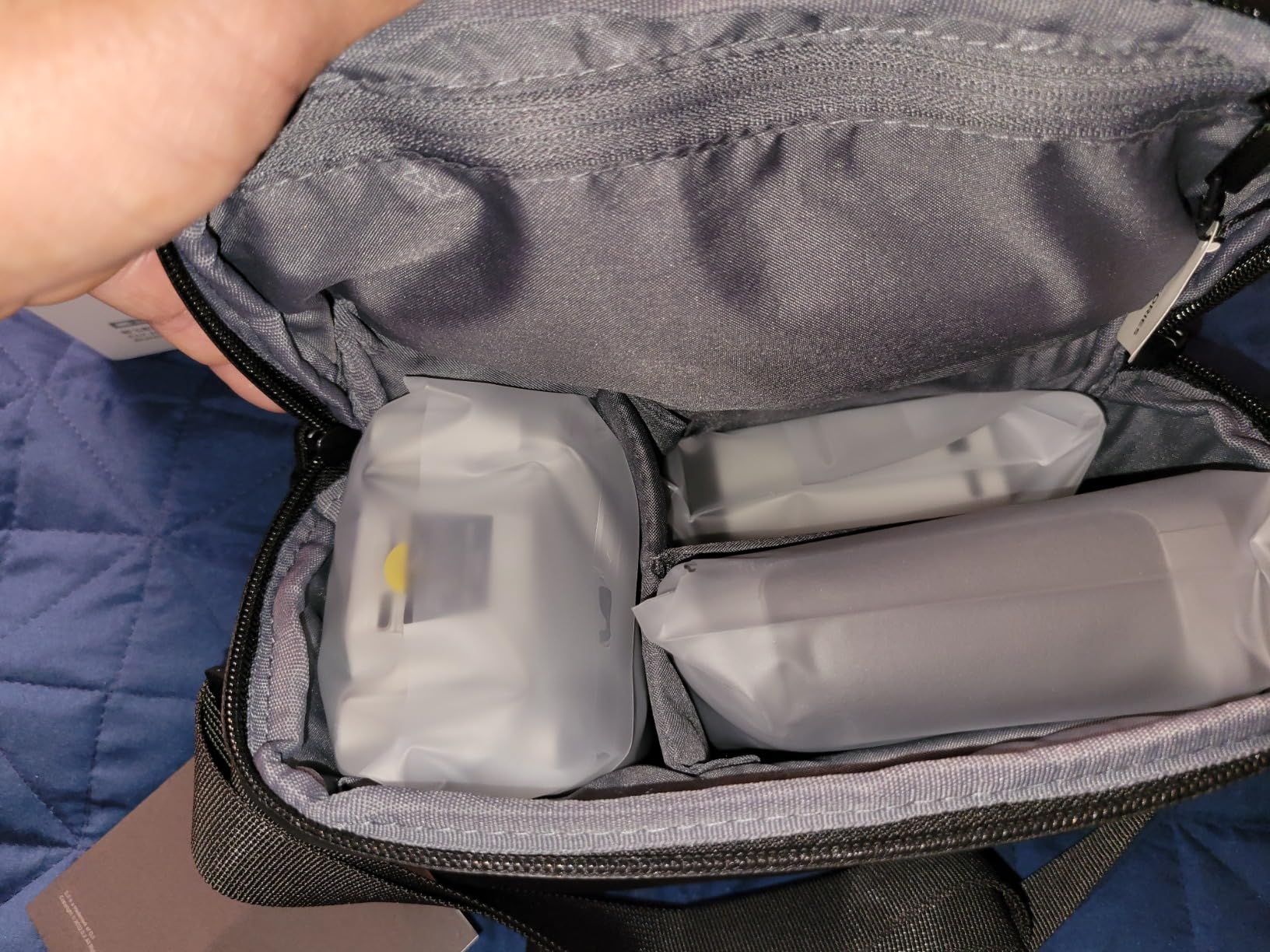
The combo includes the RC 2 controller with its bright built-in screen, three batteries good for 34 minutes each, a two-way charging hub, spare props, and a shoulder bag. Call it 102 minutes of total flying, which is a full shoot day in one pack.
In a field of eight while testing the best camera drones this year, this is the one our team kept reaching for when the shot mattered. The 1/1.3-inch sensor with dual native ISO handles sunset and blue-hour work cleanly, and 4K/60 gives real slow-motion room in post.
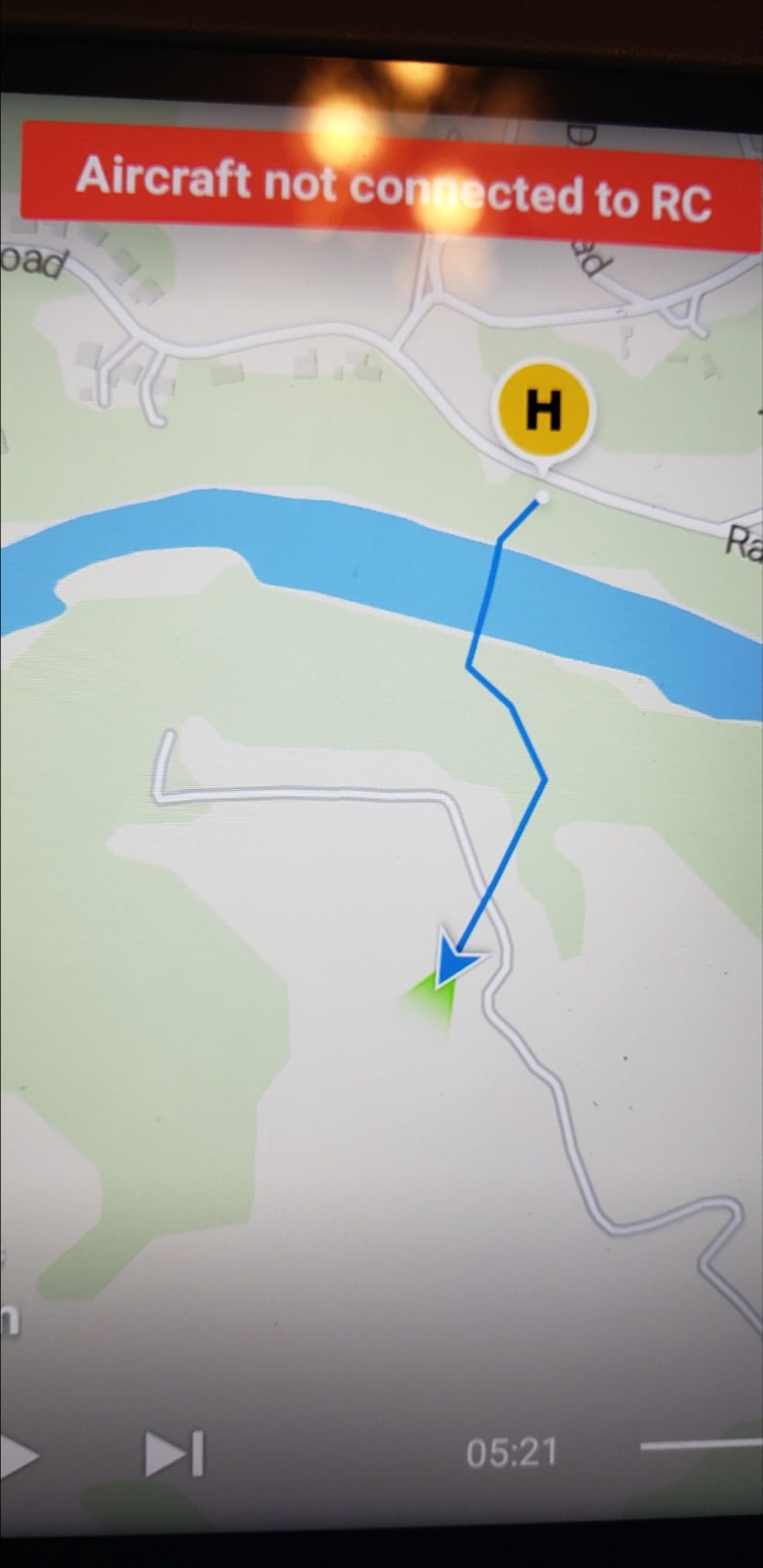
The honest costs are physical. To stay under 249g, DJI uses thin plastic, and multiple owners report battery retention tabs wearing after repeated inserts. Sensors also miss thin tree limbs and power lines, so treat sensing as a safety net, not autopilot.
Real-world battery life lands closer to 20-25 minutes per pack in wind and cold, not the 34 on the box. Waypoint flying and Cruise Control are included, which long-time Mini 3 owners will appreciate immediately.
Who Should Buy the DJI Mini 4 Pro
Buy it if you want one drone that covers travel, client work, and social content without FAA registration, and you want the collision confidence of omnidirectional sensing. If you are buying once and buying right, this is the one.
Skip it if your budget points elsewhere in this list, or if you need a sensor larger than 1/1.3-inch for low-light client deliverables. The Air 3S serves that buyer directly.
D-Log M, HLG, and Room to Grow
D-Log M and HLG give you flat, grade-ready footage that holds detail in skies and shadows, which is the difference between a clip that looks homemade and one that does not. Learn them slowly; the footage rewards patience.
Start in normal color for your first weeks, then switch to D-Log M once you are comfortable color matching. Because the RC 2 records its screen feed internally, remember to pull high-quality files from the drone’s microSD for final edits.
8. DJI Air 3S Fly More Combo — A 1-Inch Sensor and a Tele Camera
DJI Air 3S Fly More Combo (RC 2 Screen Remote Controller), 4K Drone
1-inch CMOS wide plus medium tele
4K/60fps HDR 14 stops
50MP stills
45 min per battery
LiDAR night sensing
Pros
- 1-inch sensor with 14 stops of dynamic range
- Medium tele camera for compression and portraits
- Forward LiDAR for night obstacle sensing
- 45 minutes per battery
- ND filter set included
Cons
- 724g requires FAA registration
- 65W charger not included
- Carrying case fits tight
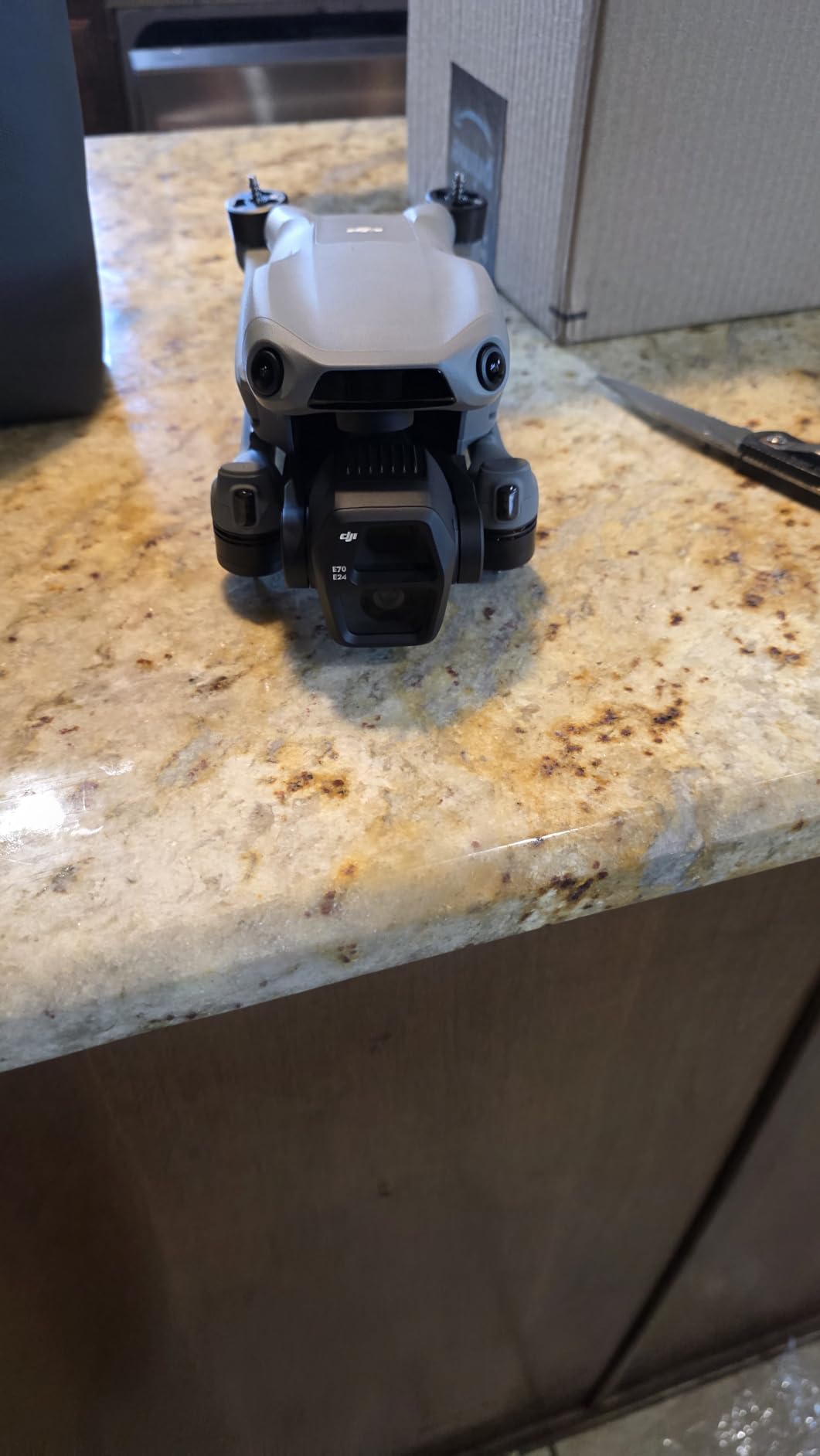
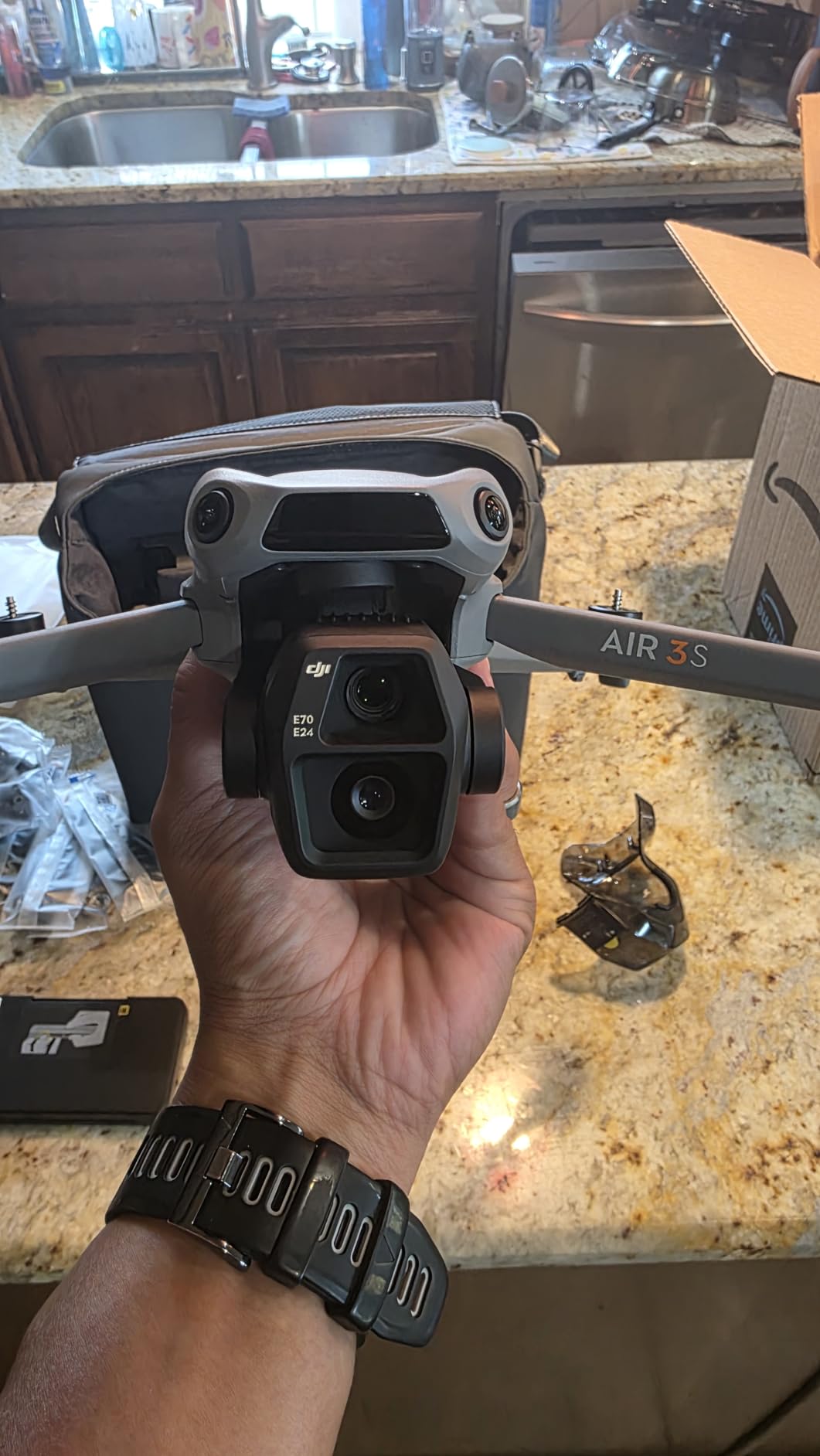
The Air 3S Fly More Combo has the best camera of any drone on this page, full stop. Its main camera uses a 1-inch CMOS sensor with 14 stops of dynamic range, backed by a second medium tele camera, both recording 4K/60fps HDR in 10-bit D-Log M or HLG. That dual setup is what professional work actually asks for.
My clearest test was a sunset shoot over water. Highlights held, shadows opened, and the tele camera let me compress a lighthouse against the horizon without moving the drone at all. Low light is where the 1-inch sensor earns its keep, delivering clean footage after smaller sensors have given up.
Flight time is 45 minutes per battery, and the combo includes three, a charging hub, an ND filter set in ND8/32/128, and the RC 2 screen controller. Forward-facing LiDAR plus omnidirectional sensing that works day and night means you can fly dusk sessions without cold sweat.
Next-generation Smart Return-to-Home plots a safe route home around obstacles it mapped on the way out. Free Panorama mode stitches large scenes automatically, and the 50MP stills produce files you can genuinely print.
The catches are practical rather than fatal. At 724g you must register with the FAA before flying, DJI does not include the recommended 65W charger, and the shoulder bag fits everything but tightly. Sensors still miss very thin obstacles like power lines, so judgment stays your job.
Owners rate it at 4.7 stars across 807 reviews, the highest score in this group, with 88 percent giving five stars. That is a remarkably satisfied buyer pool for a premium aircraft.
Who Should Buy the DJI Air 3S
Buy it if you shoot for clients, sell prints, film weddings or real estate, or simply refuse to compromise on image quality. The sensor, the tele lens, and the night sensing are tools, not specs.
Skip it if you mainly travel light, want to avoid registration, or are still learning to fly. A sub-250g Mini is the smarter tuition, and you can step up later without regretting it.
Do You Actually Need the Tele Camera?
You do if you shoot subjects you cannot or should not approach, such as wildlife, architecture detail, surfers, or compressed landscape layers. A 70mm-equivalent perspective makes otherwise ordinary frames look intentional.
You probably do not if you fly in tight urban spaces or shoot wide real-estate interiors all day. In that case the 1-inch wide camera alone justifies the airframe, and the tele simply waits for travel days.
How to Choose a Camera Drone in 2026?
Sensor Size Matters More Than Resolution
Sensor size, not the megapixel or “K” number, is what drives image quality. A 1-inch sensor on the Air 3S gathers roughly four times the light area of the 1/3-inch sensor in the ATOM SE, which is why its sunset footage looks richer despite both drones claiming 4K.
As a rule, 1/3-inch is social-media quality, 1/2-inch is solid all-rounder territory, 1/1.3-inch covers serious hobby and client work, and 1-inch is professional. Match the sensor to your biggest screen, not your biggest ambition.
3-Axis Gimbal vs Electronic Stabilization
A 3-axis mechanical gimbal physically moves the camera to cancel motion, while electronic stabilization crops the frame to do it in software. The DJI Neo and the ATOM SE rely on EIS or partial gimbals, and every other drone here carries a full 3-axis unit.
The visible difference shows up in pans, gusts, and fast forward flight, where EIS footage wobbles or jello-effect. If footage is the point of your purchase, do not compromise here.
Flight Time: Trust the Gap
Manufacturer flight times assume no wind, no recording, and a gentle hover. Across every drone we tested, real-world flying delivered 20 to 30 percent less than the box figure.
Plan around the honest numbers: the Mini 4K gives you 20-25 minutes, the Mini 4 Pro about 20-25 in wind, and the Air 3S closer to 35-40. Multiple batteries matter more than any single endurance claim, which is why the combo packs earn their keep.
The 250 Gram Rule and FAA Registration
In the United States, drones weighing under 250g need no FAA registration for recreational flying, which is why six of our eight picks sit just under that line. The Ruko F11PRO 2 at 357g and the Air 3S at 724g both require registration.
Recreational pilots also need the free TRUST test, commercial flying requires Part 107 certification, and the altitude limit is 400 feet above ground level. Travelers should check country rules before packing, since several nations require registration regardless of weight.
Obstacle Avoidance: What It Can and Cannot Do
Obstacle sensing turns confidence into capability, letting you fly backward and sideways without babysitting every branch. Only the Mini 4 Pro and the Air 3S carry it here, and the Air 3S adds LiDAR for night work.
No system is perfect. Both drones miss thin branches, wires, and cables, and DJI’s own specs treat sensing as assistance rather than autonomy. You are always the primary collision system.
Transmission Range and Controllers
Advertised range is a lab number, and legal line-of-sight flying rarely uses a fraction of it. What range actually buys you is signal strength, a clean feed at two kilometers matters far more than the claim on the box.
Controllers with built-in screens, the DJI RC and RC 2, are worth the upgrade if you fly often or travel. No phone tethering, no incoming-call interruptions, and a brighter panel in direct sun.
DJI or an Alternative Brand?
The honest read from owner forums and our own testing: DJI’s software, transmission, and tracking remain a generation ahead, but Potensic and Ruko now deliver real capability at lower prices. The ATOM 2 and F11PRO 2 are genuinely good drones, not consolation prizes.
Pick the alternative when flight time per dollar or a specific feature wins, and pick DJI when you want the safest overall experience and the deepest support ecosystem. Both strategies end with good footage in 2026.
Frequently Asked Questions
Which drone has the best camera quality?
The DJI Air 3S has the best camera quality of any mainstream consumer drone, with a 1-inch CMOS wide camera, a second medium tele camera, 4K/60fps HDR video, and 14 stops of dynamic range. The DJI Mini 4 Pro is the closest under 250g.
What are the top 5 camera drones?
The top five camera drones are the DJI Mini 4 Pro, DJI Air 3S, DJI Mini 3, DJI Mini 4K, and Potensic ATOM 2. The Mini 4 Pro wins overall, the Air 3S has the best camera, the Mini 3 is the travel pick, the Mini 4K is the value pick, and the ATOM 2 leads on flight time and AI features.
Is DJI drone illegal in the USA?
No, DJI drones are legal to buy and fly in the USA. Recreational pilots need the free TRST certificate, commercial pilots need Part 107 certification, and any drone over 250g must be registered with the FAA. Federal scrutiny of DJI has produced proposals that could restrict future models, so check current rules before you buy.
How high can camera drones legally fly?
In the United States, camera drones can legally fly up to 400 feet above ground level under FAA Part 107, and recreational flyers follow the same 400-foot limit. Most drones ship with a default altitude ceiling close to that mark, and flying higher requires special FAA authorization.
What is a good budget drone with a good camera?
The DJI Neo is the best casual budget pick with palm takeoff, 4K stabilized video, and self-flying modes, while the DJI Mini 4K is the best budget pick for real video work because it adds a true 3-axis gimbal. The Potensic ATOM SE is the budget pick for flight time, with 62 minutes across two batteries.
Final Verdict: Which Camera Drone Should You Buy?
The DJI Mini 4 Pro Fly More Combo is the best camera drone for most people in 2026, combining 4K/60fps HDR, omnidirectional obstacle sensing, and a 20km link in a frame light enough to skip FAA registration. Move up to the Air 3S Fly More Combo if the 1-inch sensor and tele camera fit your client work, or down to the Mini 4K if you want proven 4K quality for a fraction of the outlay.
Casual flyers and gift buyers can start happily with the DJI Neo, and endurance-first pilots should look hard at the Potensic ATOM 2 and its 96-minute combo. Whatever you choose, register if you cross 250g, learn return-to-home before your first real flight, and buy a fast microSD card today so it arrives with the drone.
Pick the drone that matches how you actually fly, not the biggest spec on the page. Your first clean gimbal-stabilized sunrise clip will make the decision feel obvious.