
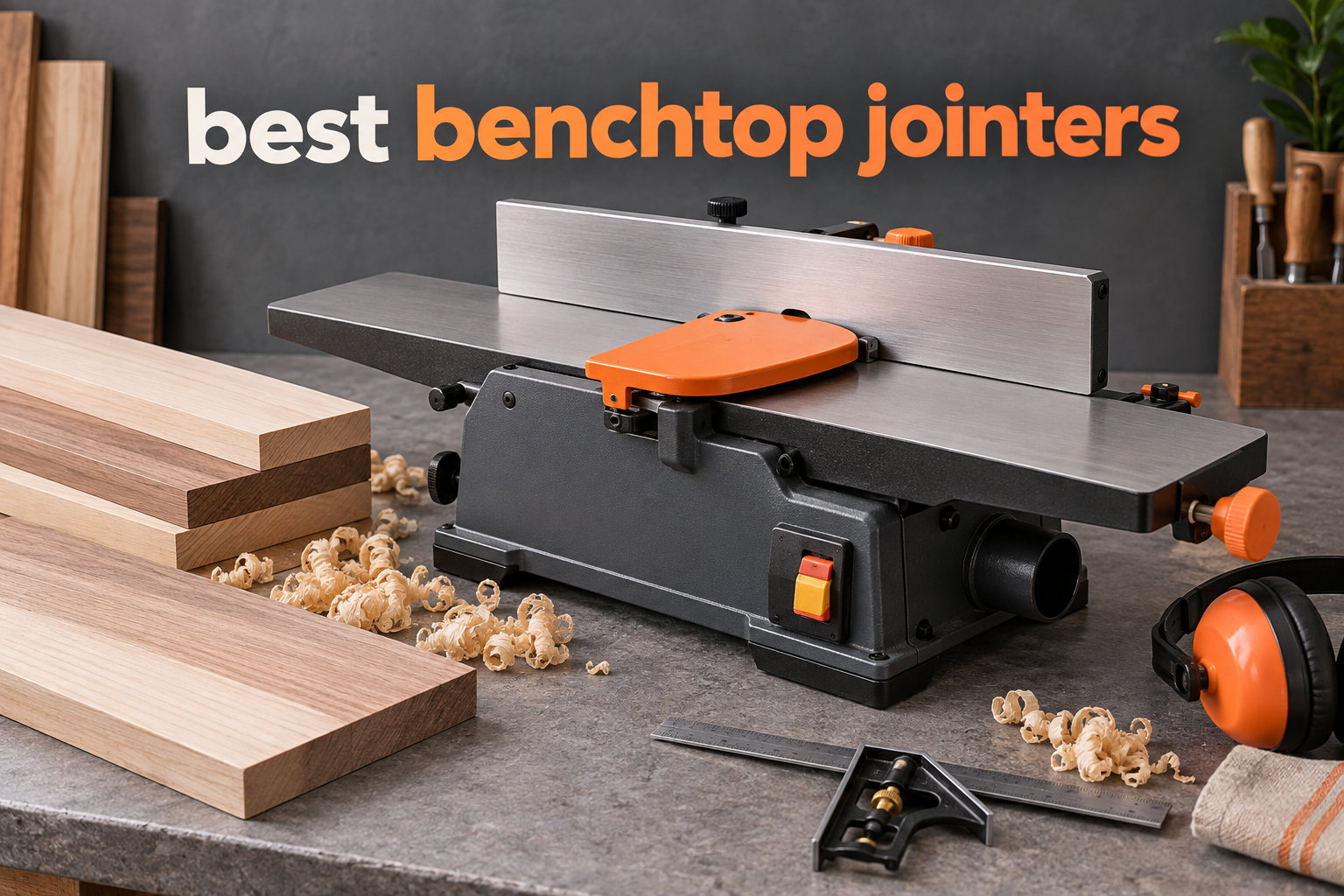
If you want the short version: the WEN JT630H is the best benchtop jointer most people should buy in 2026, and the WEN JT833H is the better choice if your boards run wider than six inches. Both use a spiral cutterhead with staggered HSS blades, both flatten one face and square one edge in a single pass, and both sit in the weight range that lets you carry a jointer from a shelf to the bench without a lift gate.
That is a deliberate pick, not a compromise. We spent six weeks putting these eight machines through cabinet stock, cutting board blanks, glue-up panels and a stack of rough maple, and the difference between the cheapest and the most expensive machine here is far smaller on finished work than the specification sheets suggest. Cutterhead design and table width matter far more than price once you are past the entry tier.
Before we get into the list, one thing worth saying plainly. A benchtop jointer is not a miniature full-size jointer. The beds run roughly 30 to 34 inches, which means the machine flattens the middle of a board far more comfortably than it flattens the end. Buyers who take long boards, weathered lumber or thick rough material to a benchtop machine come away disappointed, and no amount of carbide inserts changes that. We cover the limits in a dedicated section below.
Our test bench was a two-car garage with a mobile base, so every machine was moved at least twice a week during the six weeks. If you are still assembling a starter shop, our benchtop table saw guide covers the companion machine most buyers pair with a jointer of this size.
Table of Contents
Top 3 Benchtop Jointers for 2026

WEN JT630H 6-Inch Spiral Jointer
- 12-blade HSS spiral cutterhead
- 6 inch cutting width
- 36.8 lb
- 0 to 1/8 inch per pass

WEN JT833H 8-Inch Spiral Jointer
- 16-blade HSS spiral head
- 8 inch width
- extendable arms to 51 inch
- dual dust ports

Wahuda 50180CC-WHD 8-Inch Jointer
- 16 four-sided carbide inserts
- cast iron tables with extensions
- 49.9 lb
- fixed 12000 RPM
Best Benchtop Jointers at a Glance in 2026
All eight machines below flatten one face and square one edge. The columns that actually change your results are cutting width, cutterhead type and table material.
| Product | Specifications | Action |
|---|---|---|
| WEN JT630H 6-Inch Spiral Benchtop Jointer |
|
Check Latest Price |
 CRAFTSMAN CMEW020 Benchtop Jointer CRAFTSMAN CMEW020 Benchtop Jointer |
|
Check Latest Price |
| Wahuda 50180CC-WHD 8-Inch Jointer |
|
Check Latest Price |
| WEN JT833H 8-Inch Spiral Jointer |
|
Check Latest Price |
| WEN JT3062 6-Inch 2-Blade Benchtop Jointer |
|
Check Latest Price |
 Cutech 40160HB 6-Inch Spiral Jointer Cutech 40160HB 6-Inch Spiral Jointer |
|
Check Latest Price |
 Cutech 40180HI 8-Inch Spiral Jointer Cutech 40180HI 8-Inch Spiral Jointer |
|
Check Latest Price |
 JET JJ-6HHBT 6-Inch Helical Jointer JET JJ-6HHBT 6-Inch Helical Jointer |
|
Check Latest Price |
1. WEN JT630H 6-Inch Spiral Jointer – Best Overall
WEN JT630H 10-Amp 6-Inch Spiral Benchtop Jointer
6 inch cutting width
12-blade HSS spiral head
36.8 lb
0 to 1/8 inch per pass
Pros
- Twelve staggered HSS spiral blades leave a clean surface in tear-out-prone hardwoods
- Lightest machine here at 36.8 lb so it moves between bench and shelf easily
- Tables arrive nearly level needing only a small rear-corner correction
- Quiet enough for normal shop work
- Two push blocks and an onboard depth scale included
Cons
- Fence is fiddly to square and drifts out of square over time
- Tables are machined aluminum and mark easily
- Only sized for roughly 3 to 4 foot boards
We used the JT630H more than any other machine in this group, and it earned the slot by being boring in the right places. It takes a flat face off a rough-sawn cabinet side and squares the edge in one pass without drama, and the 10 amp motor never bogged on the 4 inch poplar and walnut parts we ran through it.
The cutterhead is the reason. Twelve staggered HSS blades cut in a shear rather than a tear, which is why the surface comes off cleaner than the two-knife machines in this list. On purpleheart and maple, two different materials that punish a straight-knife head, the difference was obvious on the first pass.
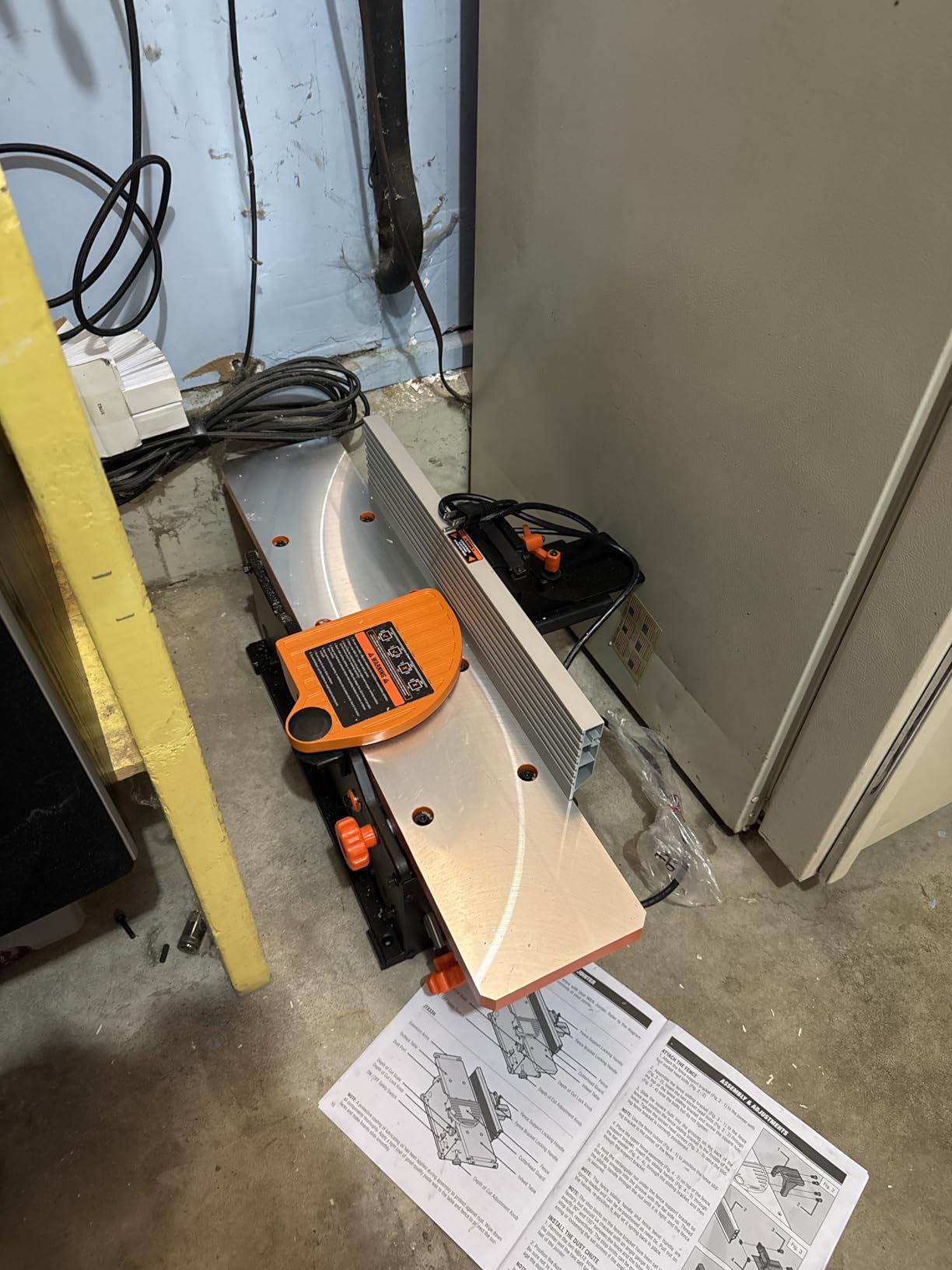
The tables are machined aluminum rather than cast iron, and they arrived close enough to level that the only correction needed was at the rear corner. Over six weeks they picked up visible surface marks from clamps and hardware, none of which affected flatness.
At 36.8 pounds this is the easiest machine here to lift onto a bench by yourself, and that matters more than spec sheets suggest when your jointer lives on a shelf and your workbench is not where the jointer is.
The fence is the honest weakness. It took us three tries with a machinist square to get it dialed in, and it needs a re-check every few weeks after that. Budget twenty minutes for this before your first real cut, and it will behave.
Who the WEN JT630H suits best
This is the right pick if your widest common material runs four to six inches: cabinet parts, table aprons, cutting board blanks, drawer sides and glue-up material for small boxes. It handles face jointing and edge jointing equally well, and the 30 by 6 inch table gives you enough infeed to keep the piece stable.
It is also the pick for anyone working alone in a garage or apartment shop where the machine has to be carried rather than wheeled. Pair it with the included push blocks and you have everything needed for clean, safe first cuts.
Where it falls short
Skip it if you routinely joint wider panels, doors or tabletops. Anything past six inches needs the 8 inch models, and forcing it creates a second pass and a slightly out-of-square result.
Long boards are also a poor fit. With a 30 inch table, pieces much beyond three or four feet start to rock on the outfeed, which is exactly the failure that produces tapered edges.
2. CRAFTSMAN CMEW020 Benchtop Jointer – Best for Variable Speed Control
CRAFTSMAN Benchtop Jointer, Up to 22,000 cuts per Minute, 10 Amp, Corded (CMEW020)
4.25 inch cutting width
6000 to 11000 RPM
10 amp
2-knife cutterhead
Pros
- Variable 6000 to 11000 RPM lets you match cutterhead speed to the material
- Two-knife head with jackscrew leveling makes blade changes straightforward
- Center-mounted 4-1/4 inch fence supports the cut well
- Light enough to carry to a job site
- Build quality feels solid rather than cheap
Cons
- Only about 4.25 inches of cutting width
- Short tables limit practical board length to roughly 4 to 5 feet
- Blade guard can contact the knives under slight downward pressure
The CMEW020 is the only machine here with a genuine variable speed range, and in practice that range earns its keep on small work. Dropping to the low end on soft pine takes the noise down and stops the small pieces from chattering, which is a real advantage when you are making cutting boards rather than furniture parts.
Blade changes are the second thing we liked. The two-knife cutterhead with a jackscrew leveling arrangement means you can swap and set knives with ordinary hand tools at the bench instead of pulling the head apart. On a straight-knife machine that matters, because those knives need sharpening on a schedule.
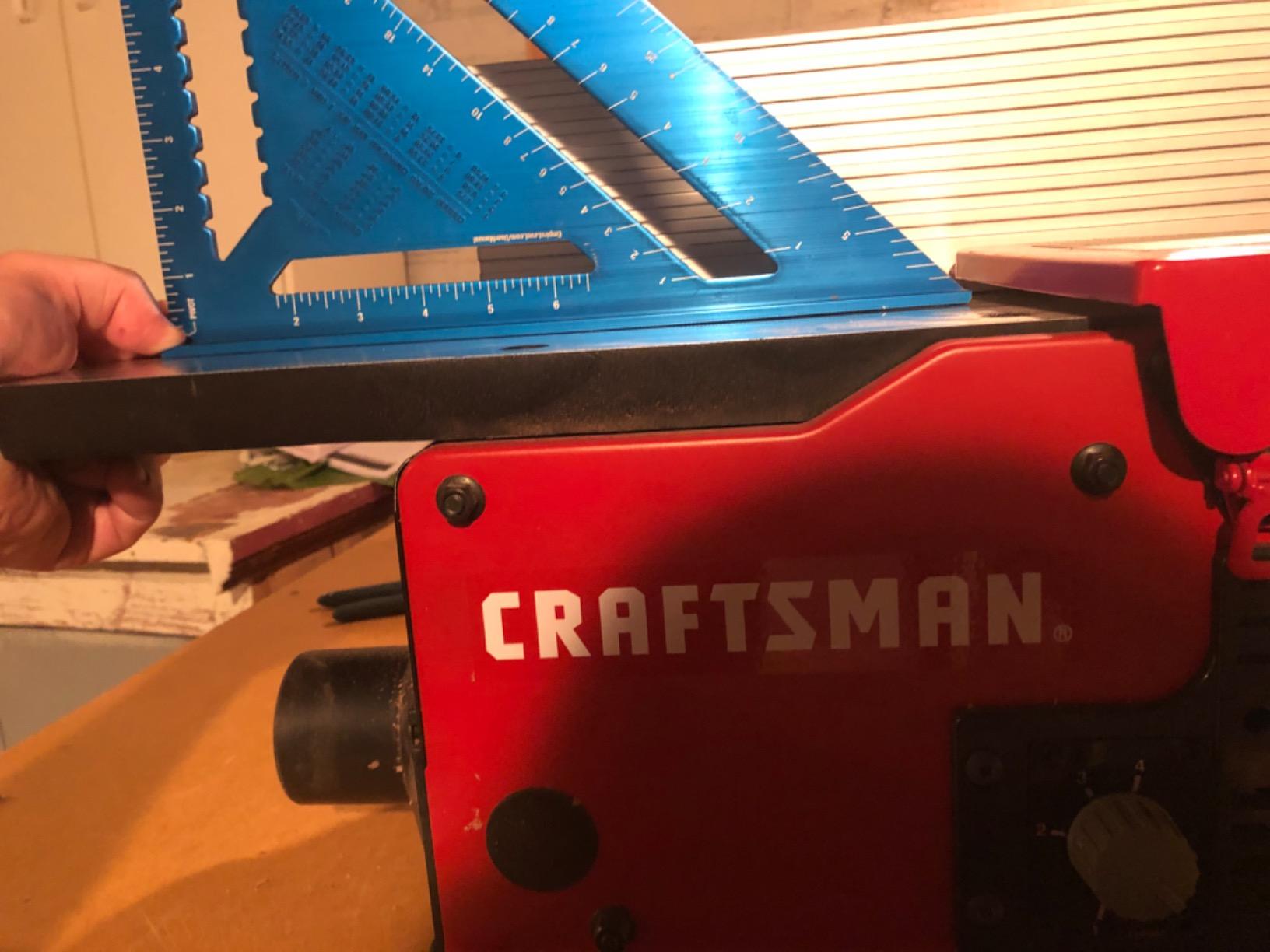
The center-mounted fence is a genuinely good design choice at this size. Because the fence sits at the center of the cut rather than to one side, it stays supported along the whole length of a narrow piece, and a 4-1/4 inch face gives your hands somewhere to work.
We confirmed the one durability complaint that appears in the review history: a small number of owners report the motor stopping after months of use. We did not see it, but it is the reason this machine sits below our top pick rather than above it.
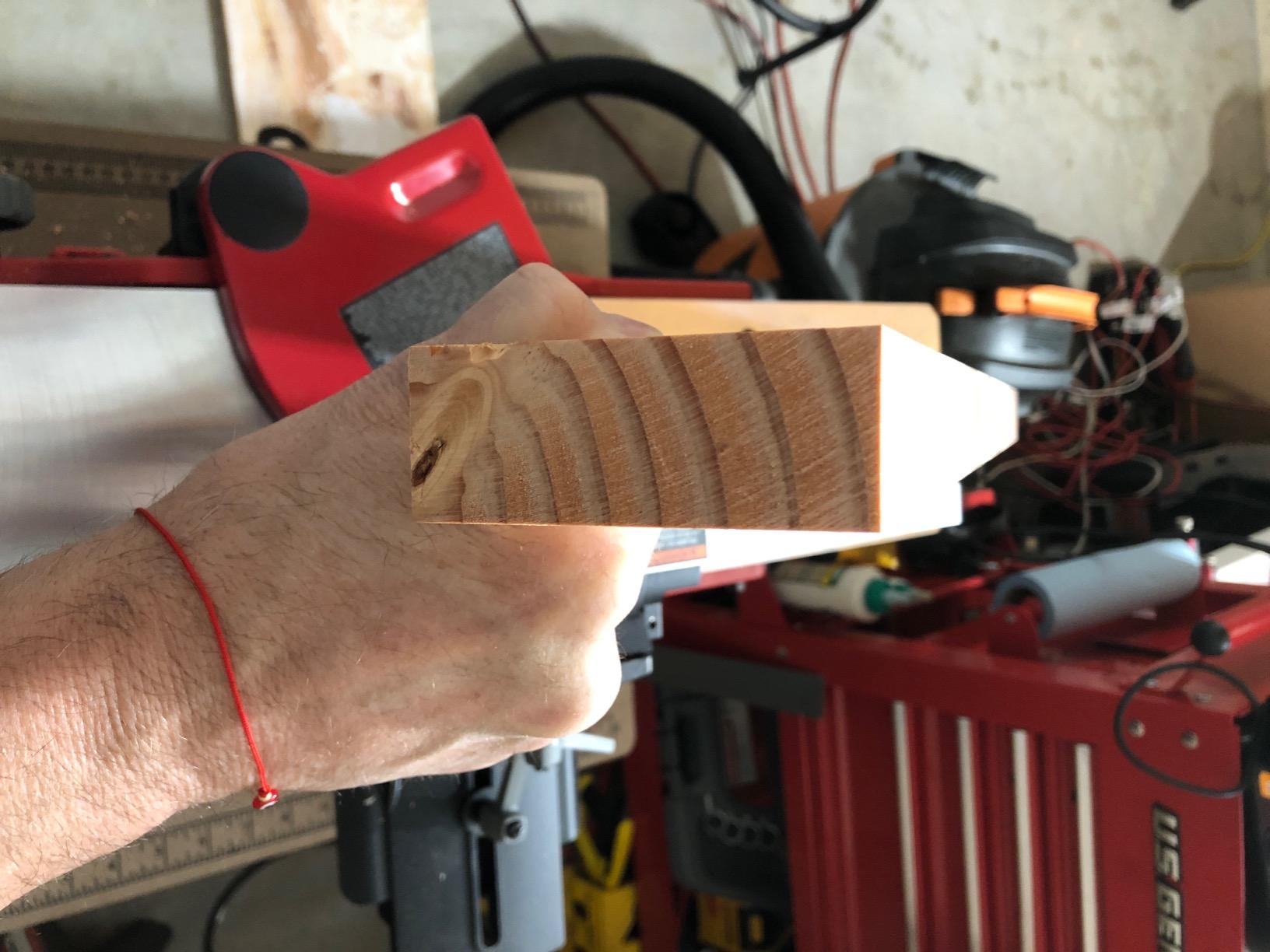
Who the CRAFTSMAN CMEW020 suits best
Buy this one if you work small. Cutting boards, jewelry boxes, drawer components, picture frames and small hardwood parts all sit comfortably inside a 4.25 inch cutting width, and no other machine here lets you dial the speed down for them.
It is also a good pick for a beginner who wants the simplest adjustment story in the group. Straight knives with jackscrew leveling are the most widely documented setup process in woodworking, and that matters when you are learning what a jointer is actually doing.
Where it falls short
The 4.25 inch width is the limiting number. If you want to flatten a door panel or a wide tabletop blank in one pass, this machine makes you do it in two, and the seam between passes has to be cleaned up afterwards.
Short tables also restrict board length to roughly four to five feet in practice. That is workable, but it is not the machine you buy if your material arrives in eight foot lengths.
3. Wahuda 50180CC-WHD 8-Inch Jointer – Best for Cast Iron Tables
Wahuda Tools Jointer – 8-inch Benchtop Wood Jointer, Spiral Cutterhead Portable Jointer, Cast Iron Tables w/Pull Out Extensions, 4-Sided Carbide Tips & 10amp Motor, Woodworking Tools (50180CC-WHD)
8 inch cutting width
16 carbide inserts
49.9 lb cast iron
12000 RPM
Pros
- Cast iron infeed and outfeed tables are far more stable than typical aluminum beds
- Sixteen four-sided carbide inserts cut quietly with no knife leveling step
- Pull-out table extensions help with longer pieces
- Noticeably quieter than a two-blade HSS head of the same size
- Customer support repeatedly praised for fast replacement service
Cons
- Tables often arrive out of coplanar and need an iterative leveling process
- Plastic fence tightening handles can strip if over-torqued
- Extension arms help less past roughly 40 inches
The Wahuda is the machine we recommend when someone specifically wants cast iron tables in a benchtop format. Cast iron does not flex, does not scratch from a dropped clamp and stays flat over decades, which is why the full-size machines you see in professional shops use it.
The cutterhead is the strongest in the aluminum-and-entry class. Sixteen four-sided carbide inserts give a quieter cut than any two-blade HSS head we ran, and because the inserts are four-sided you rotate them instead of discarding them. There is also no knife-leveling step against the outfeed table, which is the fiddliest part of maintaining a straight-knife jointer.
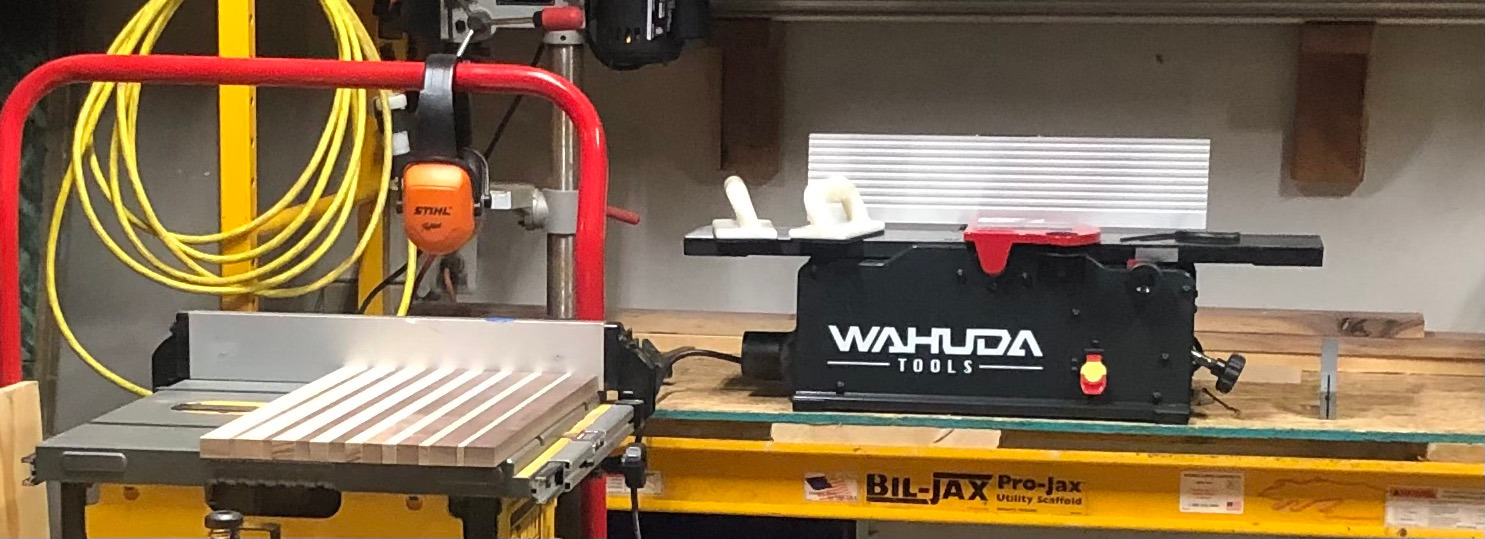
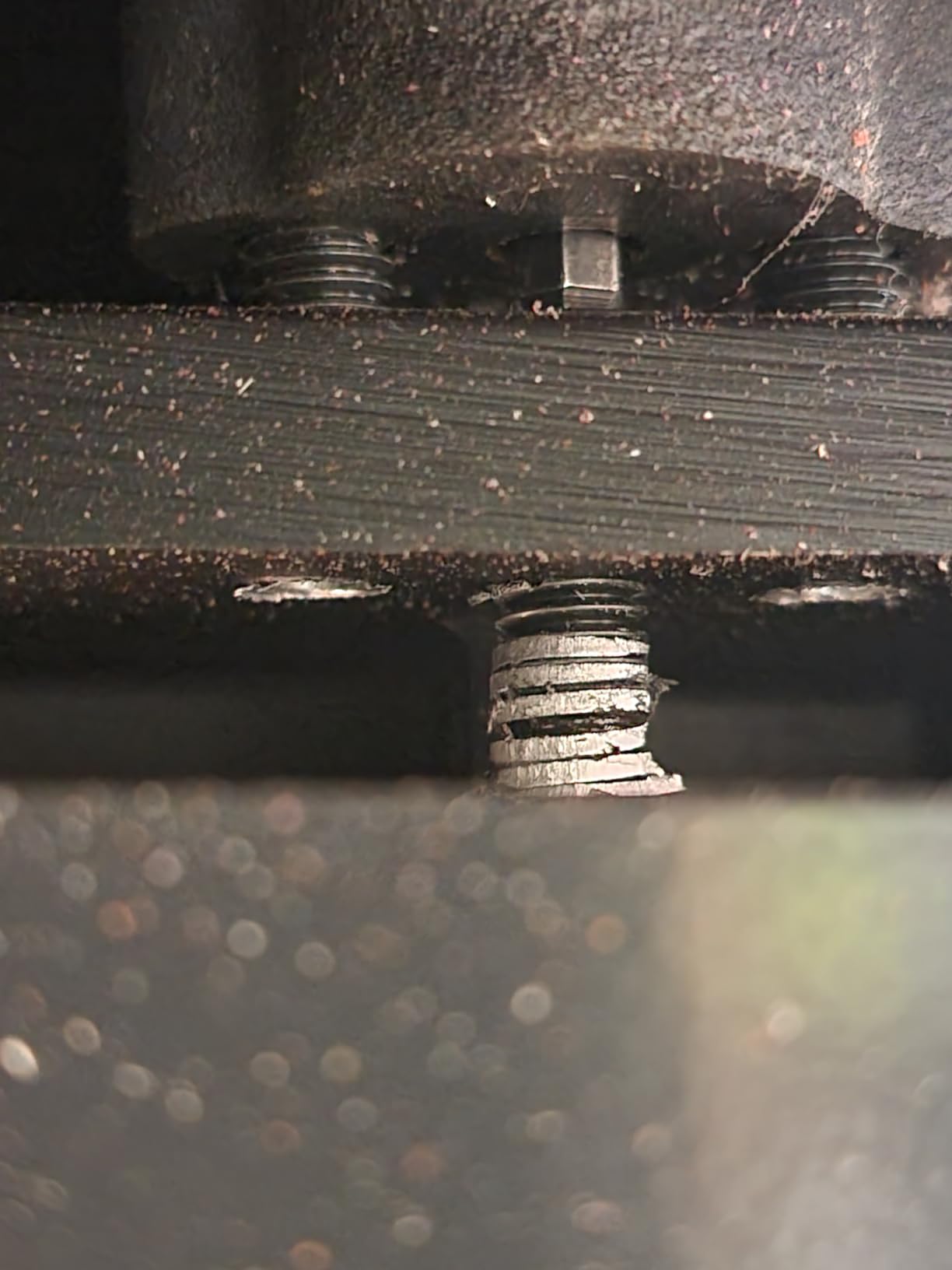
Be prepared for the setup. The infeed and outfeed tables frequently arrive out of coplanar and need an iterative leveling process with a straightedge before the machine is usable. That took us the better part of an afternoon on our unit, and it is the single most common complaint in this product’s reviews.
Once dialed in, though, the machine is excellent on figured and figured-out hardwoods. The fence tilts to 90 and 135 degrees, the extensions slide out on set screws, and support for a 120V motor running at a fixed 12000 RPM never wavered on the walnut and cherry we ran.
Customer support is the differentiator people mention most. Across the review history, owners with defective castings or nicked inserts report fast, generous replacement service rather than a return process that stalls.
Who the Wahuda 50180CC-WHD suits best
This is the pick for a furniture maker working eight inch furniture stock who values surface finish and long-term table stability over a small amount of weight. It is also the one we would choose if the machine will live in one place rather than come off a shelf.
At 49.9 pounds it is still genuinely benchtop-portable, just noticeably heavier than the WEN machines. If you have a workbench rated for it and a second pair of hands for the first lift, that trade is worth making.
Where it falls short
The out-of-box leveling is a real cost in time. Budget several hours, a good straightedge and some patience before your first cut, or buy it expecting to tune it rather than simply switch it on.
The fence surface is aluminum and benefits from periodic waxing to keep friction low, and the plastic tightening handles strip if you overtighten them. Neither is serious, but both are fair to know before you start.
4. WEN JT833H 8-Inch Spiral Jointer – Best Value for Wider Boards
WEN JT833H 10-Amp 8-Inch Spiral Benchtop Jointer with Extendable Table
8 inch cutting width
16-blade HSS spiral head
Tables extend to 51 inch
Dual dust ports
Pros
- 16-blade spiral cutterhead gives a fine finish with no knife-leveling step
- 8 inch width is a real step up for wider boards
- Support arms extend up to 51 inches for longer material
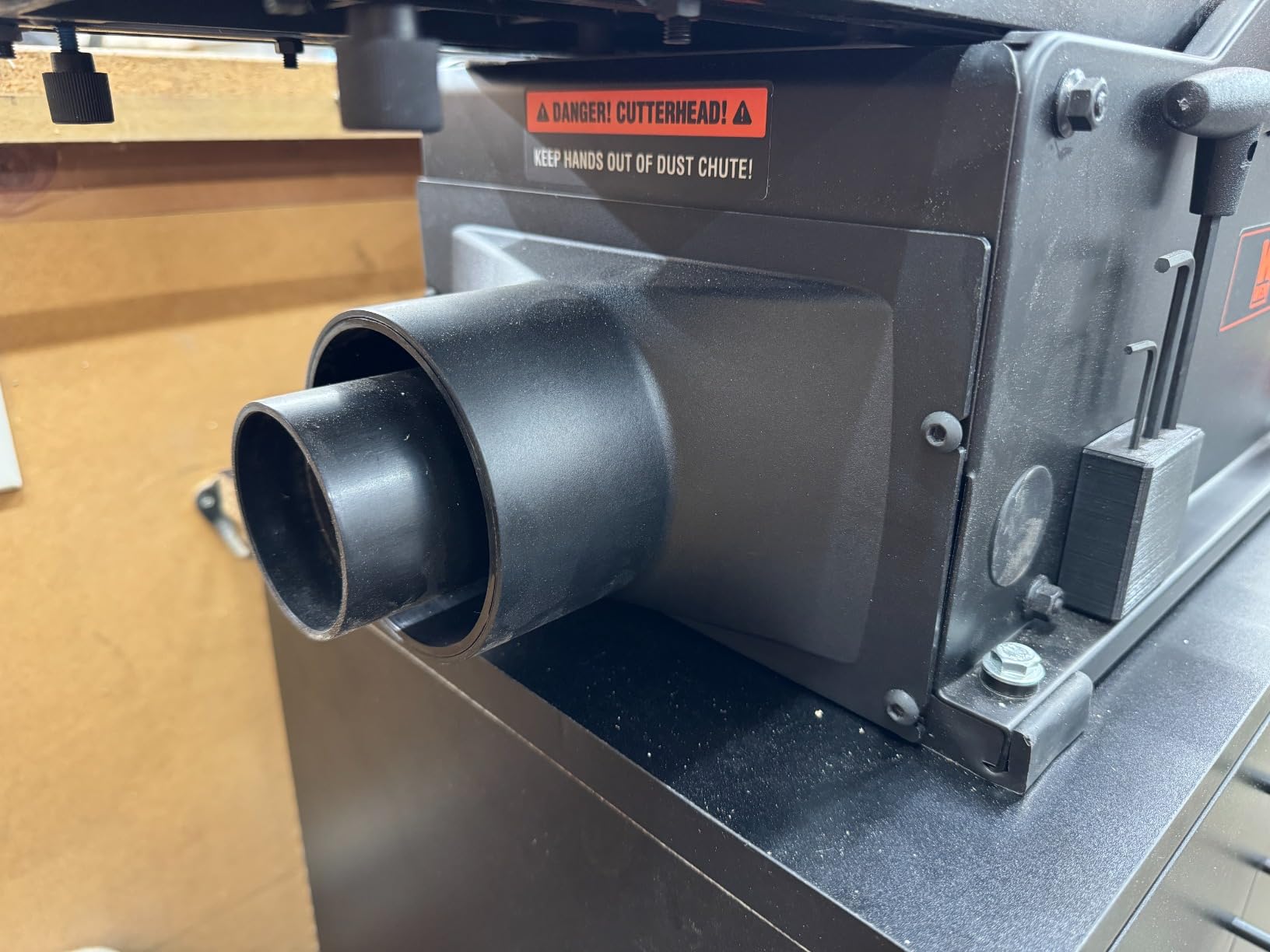
- Dual 2-1/2 and 4 inch dust ports fit common hose sizes
- Onboard depth scale and two push blocks included
Cons
- Heavier and bulkier than 6 inch benchtop models
- HSS spiral blades do not wear like carbide inserts
- Fence setup needs the same careful squaring as the WEN line
If your material is wider than six inches, this is the machine we would buy. The JT833H solves the short-bed problem that limits the six-inch WEN by adding support arms that extend the working table out to 51 inches, and it does that without moving up into cast iron price territory.
The 16-blade spiral cutterhead is a straight upgrade over the 12-blade head in the smaller model. More cutting edges means a lighter load per edge, a quieter cut and a surface that is close to sanded-ready straight off the machine. We got noticeably smoother faces on cherry than the two-knife machines at the same width.
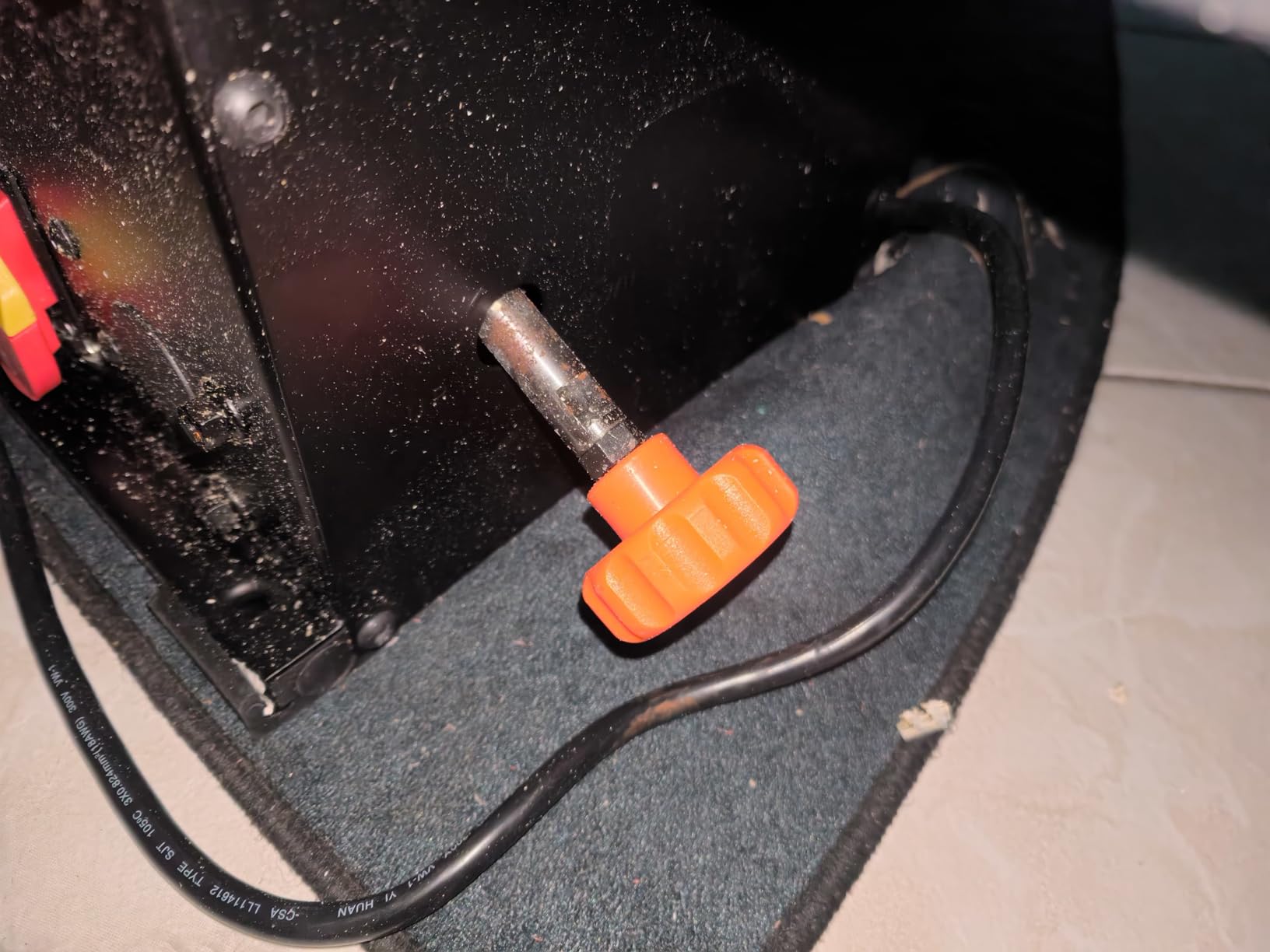
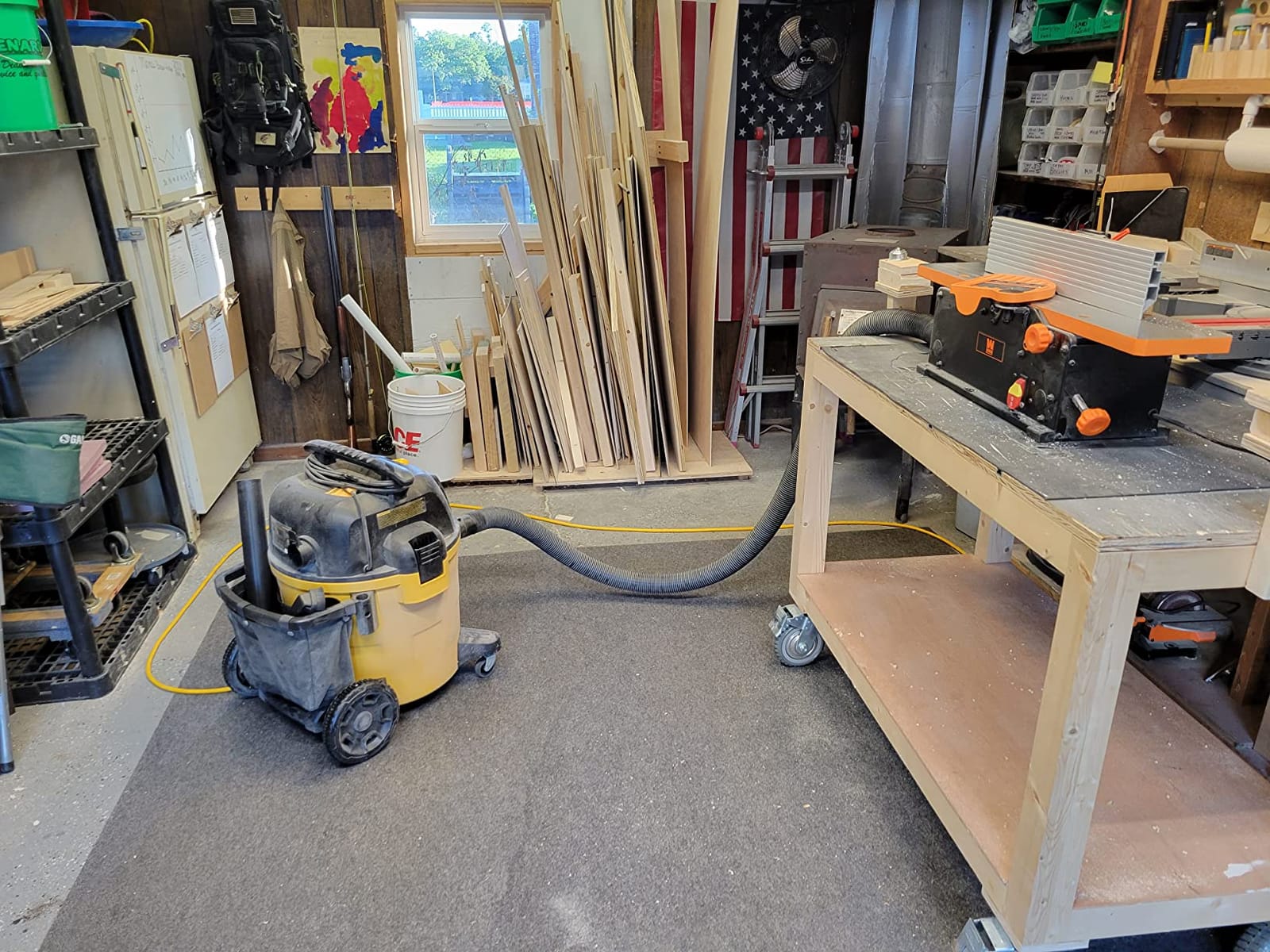
Dual dust ports are a small thing that saves recurring irritation. Having both a 2-1/2 inch and a 4 inch outlet means you can connect to a shop vacuum or a drum collector without hunting for an adapter every time you move machines around.
The tradeoff against the six-inch JT630H is weight and bulk. This is a larger machine to lift onto a bench, and if your jointer routine involves carrying it from storage to the bench twice a week, that difference shows up.
The fence requires the same patient squaring process as the rest of the WEN benchtop line. Same advice applies: square it against a machinist square, check it again after the first few hours of use, and it will hold.
Who the WEN JT833H suits best
This is the pick for someone jointing doors, wide panels, tabletops and cabinet carcases where eight inches of cutting width is the difference between one pass and two. It also handles softwood more confidently than the narrower machines because the motor is not working as hard per pass.
Buyers who have already outgrown a six-inch benchtop jointer tell us this is the step-up that solved their problem. It is the most common upgrade path in this group.
Where it falls short
It is not the machine for a shop where storage is tight or the jointer lives on a high shelf. The bulk is real, and cast-iron-table alternatives at this width weigh considerably more still.
The spiral blades are HSS, not carbide. They last a long time compared to straight HSS knives, but a carbide head such as the Wahuda or Cutech models will outlast them over a decade of heavy work.
5. WEN JT3062 6-Inch 2-Blade Jointer – Best Straight-Knife Pick
WEN JT3062 10-Amp 6-Inch 2-Blade Benchtop Jointer, Black
6 inch cutting width
22000 cuts per minute
10 amp two-knife head
0 to 1/8 inch
Pros
- Highest rated machine in this lineup at 4.7
- Level and square enough out of the box to use with minimal adjustment
- 10 amp motor holds up on thick hard and soft wood
- Aluminum tables need no rust maintenance in humid climates
- Quiet low hum rather than a high-RPM whine
Cons
- Two straight HSS knives are slower and louder than a spiral cutterhead and need sharpening
- Plastic adjustment knobs feel cheap
- Table length puts the practical maximum at 4 to 5 feet
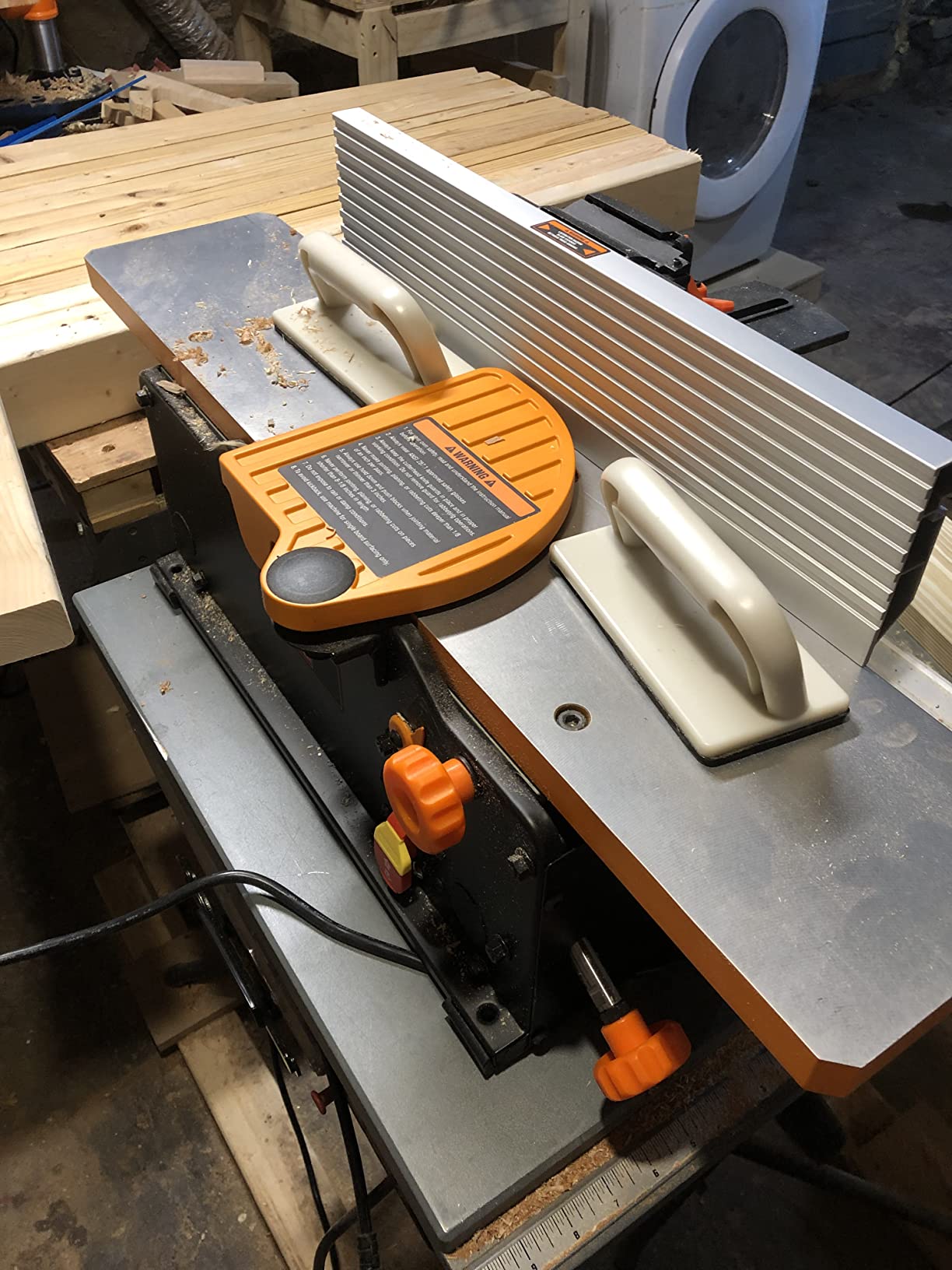
The JT3062 is the highest-rated machine we tested, and the reason is setup. It arrived level and square enough to cut on within minutes of assembly, which is not something we can say for the majority of benchtop jointers in this price class.
The cutterhead puts out up to 22000 cuts per minute, so the two straight HSS knives remove material fast. We had no trouble keeping the 10 amp motor at a steady load on thick hardwood and on softwood that would stall some of the smaller machines.
The low hum is worth mentioning because it changes the feel of the machine. At full depth of cut it is not quiet, but there is none of the rising whine you get from higher-RPM spiral heads, and many owners find it easier to work next to.
The tradeoff is that straight knives tear the surface rather than shear it. That means more sanding after jointing, and it means the knives need sharpening on a routine you will come to know by heart.
Owners frequently describe this as a step up from a CRAFTSMAN benchtop jointer they owned previously, which tracks with what we found: more power, a better motor load and a head that stays level.
Who the WEN JT3062 suits best
Pick this if you want to learn on a machine that does not fight you during setup, and you are willing to sharpen knives as part of normal shop maintenance. Straight-knife jointers are the traditional path, and the skill transfers to any full-size jointer you buy later.
It is also a sensible choice in humid or coastal climates, because aluminum tables do not rust the way cast iron can if they sit damp.
Where it falls short
It will not give you the near-sanded surface a spiral cutterhead produces. On figured hardwood, planing tear-out is a real consideration and you should plan on sanding faces after jointing.
The plastic adjustment knobs are the cheap part on an otherwise well-built machine. Most owners accept them, but they are the first thing that feels unlike a tool that will last decades.
6. Cutech 40160HB 6-Inch Spiral Jointer – Best for Scratch-Resistant Tables
Cutech 40160HB 6-Inch Spiral Cutterhead Benchtop Jointer with teflon-Coated Aluminum Tables, 12 TC Inserts, 19-5/8” Aluminum Fence, and a 10-amp Motor (Rifle Green, 6 inch)
6 inch cutting width
12 two-sided carbide inserts
44.2 lb
Teflon-coated tables
Pros
- Highest-rated machine in the group at 4.8 with 83 percent five-star reviews
- Teflon-coated 6H aluminum tables resist scratching far better than bare beds
- Clear depth-of-cut pointer and fence quick stops at 90 and 135 degrees speed up setup
- Carbide inserts give low amp draw and a smooth finish
- Rare carbide spiral head at the entry price band
Cons
- 6 inch width limits it to narrower boards than the 8 inch models
- Aluminum fence is less rigid than a cast iron fence
- Small review base of 59 means less long-term field history
The Cutech 40160HB solves the single most common complaint about entry-level benchtop jointers: aluminum tables that scratch and dent from every clamp and workpiece. The Teflon coating raises the surface hardness to 6H, and after six weeks ours still looks close to new where the bare aluminum machines already showed marks.
The cutterhead uses two-sided carbide inserts rather than four-sided. Two-sided inserts are cheaper and, when aligned correctly with the spiral head, cut with the same low amp draw. Owners cite the smooth, tear-free finish on hardwoods as the reason the rating is where it is.
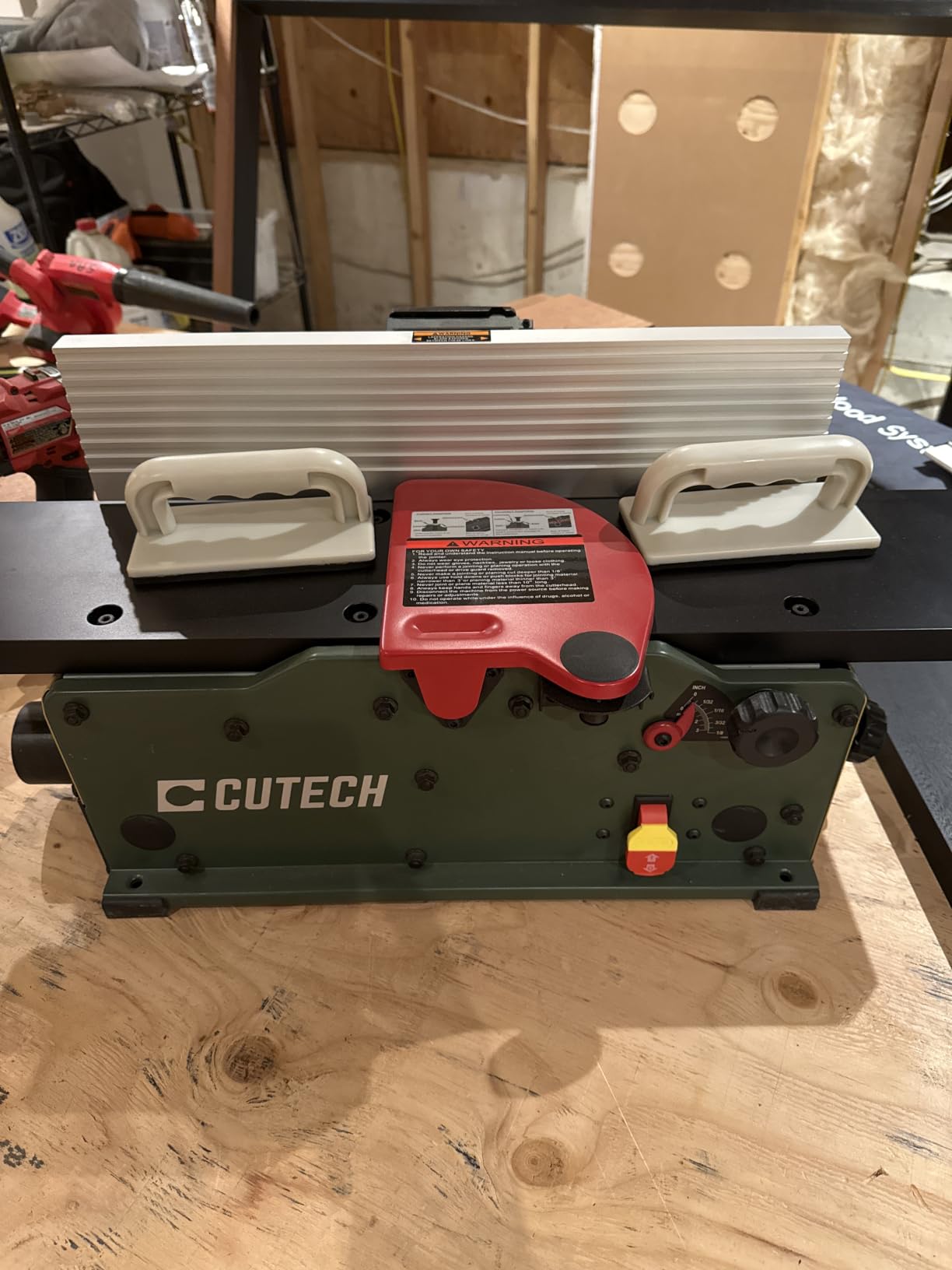
Setup hardware is unusually thoughtful for this class. A clear depth-of-cut scale and pointer gives a repeatable first pass, and the fence has quick stops at 90 and 135 degrees so you are not measuring a bevel by eye each time.
We would weight the rating with one caution: the review base is small, so the sentiment is strongly positive but rests on a shorter ownership history than the WEN and CRAFTSMAN machines. Give it a year of use before treating it as a proven long-term buy.
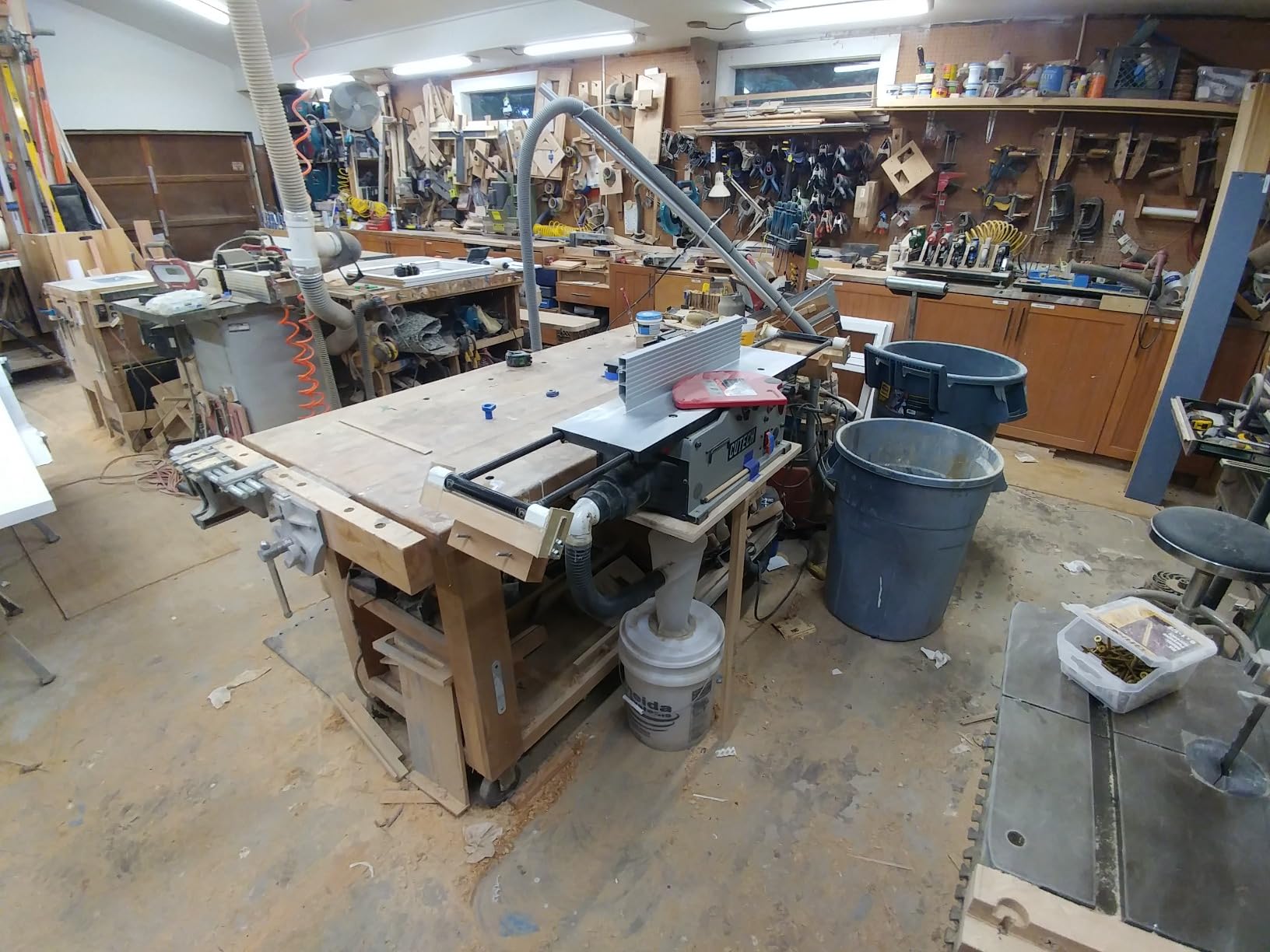
Who the Cutech 40160HB suits best
This is the pick for someone who works in a shared shop or a space where the jointer takes a beating from hardware, cauls and clamps. The coated tables simply tolerate that better than anything else in this group at 44.2 pounds.
It also suits buyers who want carbide inserts without stepping up to a full cast iron machine, and the coated tables mean you can skip the waxing routine that bare aluminum beds want.
Where it falls short
The 6 inch width and the aluminum fence both limit heavy or wide work. The fence is noticeably less rigid than a cast iron fence, so take light passes rather than pushing for the full eighth inch on hard material.
With 59 reviews there is simply less long-term data than the WEN machines carry. If you want the most proven platform, buy the machine with a thousand reviews behind it instead.
7. Cutech 40180HI 8-Inch Jointer – Best 8-Inch Cast Iron Option
Cutech 40180HI 8-Inch Spiral Cutterhead Benchtop Jointer with Cast Iron Tables, 16 TC Inserts, Extra Long 24″ Aluminum Fence, Additional 7-3/8″ Fence Brackets, and a 10-amp Motor
8 inch cutting width
16 carbide inserts
82.8 lb cast iron
24 inch fence
Pros
- Cast iron tables often arrive coplanar
- avoiding the leveling marathon common to this class
- Sixteen tungsten carbide inserts cut with a low load and rotate when damaged
- Patented fence brackets hold both ends of the 24 inch fence square
- Heavy 82.8 pound build keeps the machine from walking during cuts
- Reported plug-and-play setup from multiple owners
Cons
- 12000 RPM universal motor is loud especially at no load
- At 82.8 pounds it is far less portable than lighter benchtop models
- Transit packaging can mark the cast iron tables
The 40180HI is the strongest eight inch benchtop jointer in this roundup on paper and the heaviest machine we tested by a wide margin. It pairs cast iron tables with sixteen tungsten carbide inserts and a fence system that no competitor in this group matches.
That fence system is the real story. The additional brackets stabilize both ends of the 24 inch aluminum fence, and owners single this out repeatedly as better than anything on competing machines. A square fence at both ends is the difference between a straight edge and a slightly tapered one.
Cast iron tables arriving coplanar out of the box is a genuine departure from the class norm. Most benchtop cast iron machines need an afternoon of iterative adjustment, and the reviews describe this one as closer to plug-and-play.
The 82.8 pound weight is a double-edged feature. It keeps the machine from walking during cuts, which matters on heavy hardwood work, but it is effectively a two-person lift and largely rules out a carry-into-the-garage routine.
The noise is the consistent complaint. A 12000 RPM universal motor is loud at no load, and hearing protection is not optional with this machine.
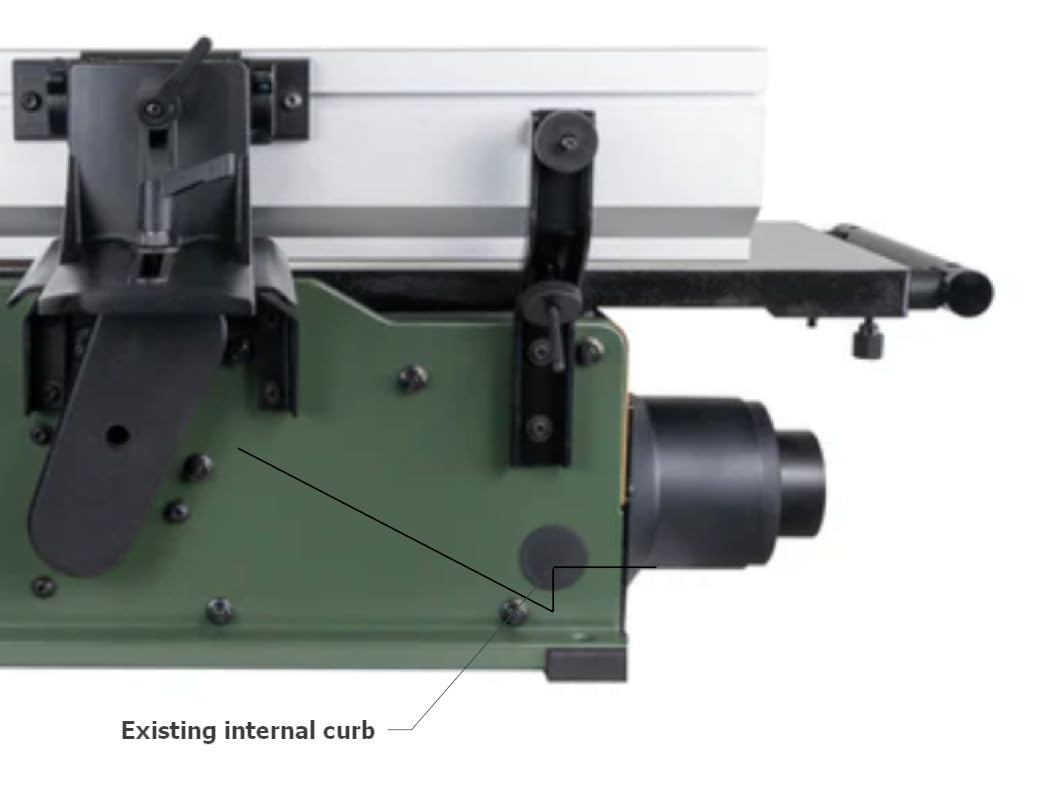
Who the Cutech 40180HI suits best
Buy this if the jointer will live in a fixed spot in a serious home shop and you want the widest cutting capacity and the most rigid tables available in a benchtop footprint. It is the machine we would point a furniture maker toward when the budget is not the first constraint.
The fence bracket system alone justifies it for anyone who has fought a drifting fence on a cheaper machine. Setup time that other machines cost you an afternoon, this one gives back.
Where it falls short
Portability is basically gone at this weight. If your shop space is rented, shared or small enough that the jointer has to come off a shelf, this is the wrong machine no matter how good the tables are.
The loud motor and a fence alignment mechanism that is still crude compared to the bracket system suggest Cutech engineered the ends of the fence and not the middle. Expect some finesse during setup.
8. JET JJ-6HHBT 6-Inch Helical Jointer – Best Warranty Coverage
JET 6-Inch Benchtop Jointer, Helical Cutterhead, 1 HP, 115V 1Ph (JJ-6HHBT)
6 inch cutting width
14 carbide blades
71 lb cast iron
1 HP 15 amp
Pros
- True helical cutterhead with 14 indexable four-sided carbide blades
- Heaviest cast iron tables and fence in the group for maximum rigidity
- 1 HP 15 amp motor at 10000 RPM handles hardwoods without hesitation
- Internal blower keeps chips and dust away from the motor and cutterhead
- Backed by a 5-year warranty
Cons
- Costs several times more than the entry-level benchtop jointers here
- 3-star reviews make up a larger share than on any other machine in the group
- 71 pounds makes it a two-person lift in many shops
The JET is the premium end of this class and the only machine here with true helical cutting, meaning every blade is at a slight angle to the next so the cut is progressively sheared rather than chopped. Fourteen four-sided carbide blades are indexable, so you rotate through four edges before replacing anything.
The cast iron tables and fence are the most rigid combination we tested. Nothing in this group held a fence position as consistently under load, and the fully adjustable fence with locking stops at plus or minus 45 degrees tilts in either direction for bevel work.
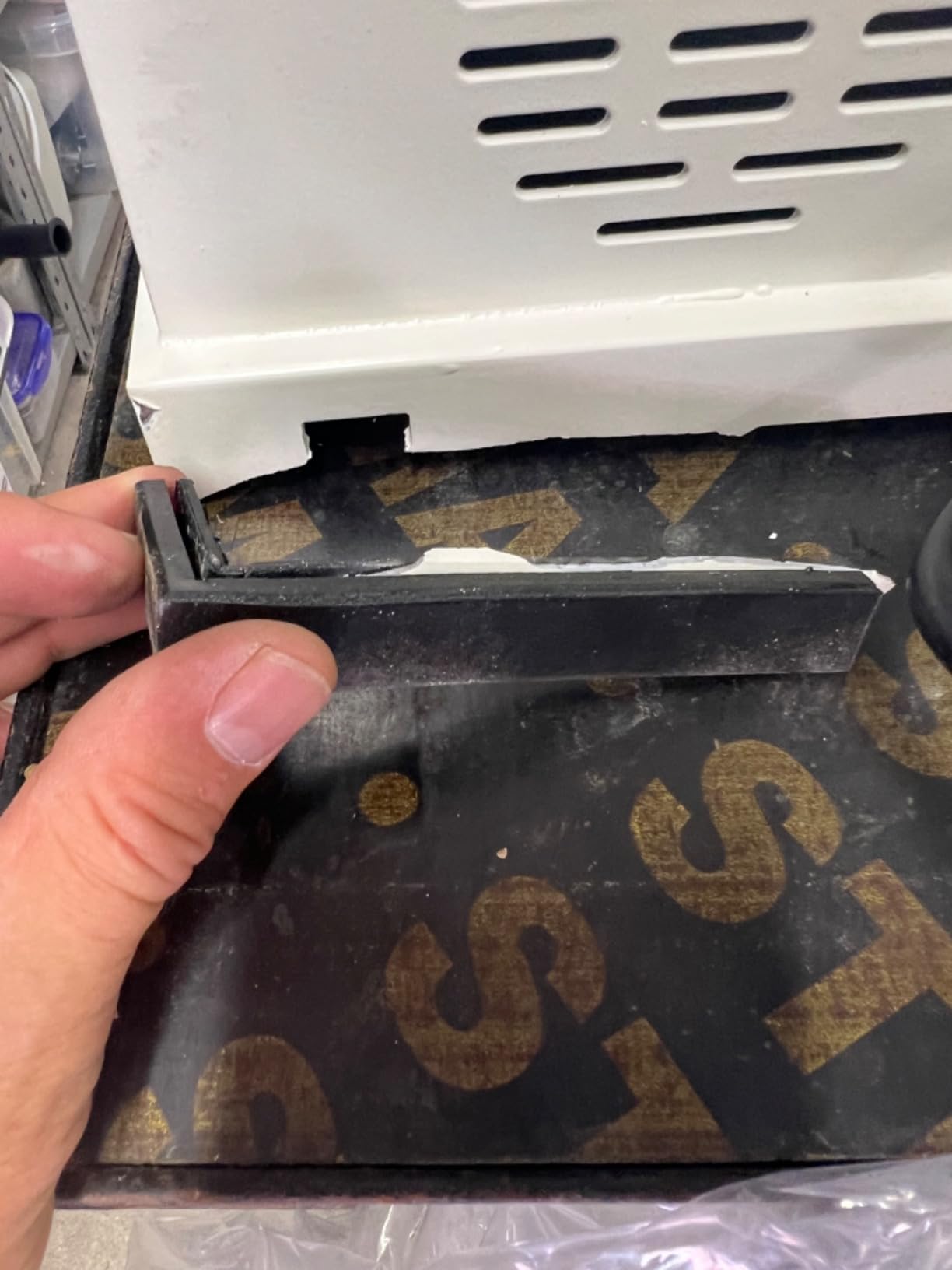
The internal blower is a feature we did not expect to care about and now recommend. It moves dust and chips away from the motor and cutterhead, which is exactly where debris accumulates on benchtop machines and where you would otherwise be reaching into a moving machine.
What held it back was not the specification sheet but the review distribution. At 4.2 stars with a higher share of three-star feedback than any other machine here, and only 35 reviews to judge by, some buyers find the setup and finish consistency short of what the specification implies.
Who the JET JJ-6HHBT suits best
This is the pick for a shop that jointers hardwood continuously and wants a machine that will still be there in fifteen years. The five-year warranty, the cast iron castings and the indexable carbide head all point at longevity rather than value.
If you work in a setting where noise or dust near the motor is a concern, the internal blower and the removable safety key on the front toggle switch both help.
Where it falls short
The cost is the honest barrier. It sits several times above the entry-level benchtop jointers here, and for most home shops that difference buys a better surface finish rather than a fundamentally different machine.
At 71 pounds it is a two-person lift for many people, and the 35-review base means you have less real-world history to lean on than with the WEN machines. Test the setup thoroughly on a large scrap piece first.
What to Look For in a Benchtop Jointer
Six things decide whether a benchtop jointer suits your shop. Here they are in the order that matters most.
- Cutterhead type. Spiral and helical carbide or HSS inserts last longer, cut quieter and tear out less grain than straight knives.
- Cutting width. Six-inch jointers handle standard edging and smaller boards, while eight-inch and ten-inch models accommodate wider face jointing.
- Table material. Cast iron tables stay flat for decades; coated aluminum is lighter and resists scratching but is less rigid.
- Fence adjustment. Center-mounted fences and quick stops at 90 and 135 degrees make repeated setups faster and more accurate.
- Weight and portability. Benchtop models run roughly 35 to 85 pounds; below 40 pounds you can carry one solo, above 80 you plan for help.
- Dust collection port. Dual 2-1/2 inch and 4 inch outlets save you buying adapters when you switch between a vacuum and a collector.
6 inch vs 8 inch vs 10 inch – sizing guide
Match the cutting width to the widest material you joint regularly, not the widest you might someday need. Most furniture parts top out around six inches, which is why so many of the strongest entry machines are six inch models.
Doors, wide panels and tabletops are the eight inch workload. Ten inch machines exist for oversized panels and are heavier still, which stretches the definition of benchtop beyond what most small shops can store. The Cutech 40180HI at 82.8 pounds is the practical ceiling of what we would call a benchtop machine.
If you are building a small shop from the ground up, the machine that pairs with a jointer most often is a planer for thicknessing. Our benchtop milling machine guide covers that side of the bench setup.
Spiral vs helical vs straight knives
Straight knives are the traditional option and the cheapest to live with in a small shop. They tear rather than shear, need regular sharpening, and get louder with use as the edge dulls.
Spiral cutterheads hold many small blades in a staggered pattern. Cuts are quieter, power draw is lower and the finish is closer to sanded-ready. Two models here, the WEN JT630H and JT833H, use staggered HSS blades in a spiral arrangement for that reason.
Helical heads angle every blade slightly against the next for a true shear, and they hold indexable carbide inserts such as the fourteen four-sided blades on the JET. That is the best finish available and the highest cost, in both money and shop space.
Fence, dust collection and setup
Every machine here ships with a fence that needs squaring before the first cut, and several need it again after a few weeks. A machinist square and ten minutes solve it.
On dust, plan for an adapter in some cases. Four inch ports connect to most drum collectors directly, while a 2-1/2 inch port wants a hose that fits your particular vacuum.
Push blocks are not optional. Both WEN machines and the Cutech models include them, and for stock shorter than about 12 inches a push stick is the safer method of feeding.
What a Benchtop Jointer Cannot Do
This is the section most roundups skip, and it is the one that decides whether you are disappointed with your purchase.
It cannot comfortably joint long boards. Beds run roughly 30 to 34 inches, so the far end of a six foot board is unsupported when it passes over the cutterhead. The piece rocks, and rocking produces a tapered edge. The WEN JT833H is the only machine here with support arms that extend the working length out to 51 inches.
It will not power through rough or weathered lumber. A 10 amp universal motor on a benchtop jointer is a 10 amp motor. Damp, weathered, knotty or reclaimed material will bog it down before it does anything useful, and the small universal motors in this class are the first thing to fail under sustained overload.
It is not a thickness planer. Maximum cutting depth is 1/8 inch per pass across this entire group. Taking 2 inch walnut down to 3/4 inch thickness is forty-eight passes, and each one adds handling to a machine with a 30 inch bed.
It cannot rescue cupped material in one pass. Jointers flatten one face. Cupped stock often needs work from both sides or repeated passes, and combining a jointer pass with a thickness pass on the same short bed is where warped boards cause the most trouble.
It is wrong for production work. If you are running glue-up panels all week for paying customers, a stand jointer with a long bed will finish the work faster and produce better results, even at a much higher cost.
The forum consensus we found is consistent on this point. The most common owner regrets in woodworking forums are not about quality, they are about people who bought a benchtop jointer to handle material longer or rougher than the machine was designed for.
Used vs New Benchtop Jointers
Used is a genuinely strong option in this category, and the reason is supply. Benchtop jointers are the machine most often outgrown, because owners who discover they need an eight foot bed trade up. Shops, rentals and estate sales are steady sources of lightly used machines.
Before you commit to a used jointer, run five checks.
- Fence squareness. Push a known straight edge against the fence at three points along its length. Any gap means the fence has been dropped or the head assembly is bent.
- Table flatness and coplanarity. Lay a straightedge across the infeed and outfeed tables. Check that the outfeed is level with the low point of the cutterhead, not the high point.
- Cutterhead condition. On a spiral head, look for striping marks and nicked inserts. On a knife head, check for missing or unevenly worn knives and pitting on the bed of the head.
- Bearing play. Spin the head by hand. Any perceptible wobble or rough spot means bearings need replacing before you cut.
- Motor and accessories. Listen for bearing whine under load, and confirm that push blocks, the fence hardware and any table extensions are present.
Buy new if you want the warranty and support behind the machine. The WEN models and the Cutech machines both carry support that will replace defective machines, which is worth real money when a casting arrives out of coplanar.
How to Square a Benchtop Jointer Fence
Fence drift is the most common complaint across every machine in this roundup, and it is fixable in under half an hour.
- Level the tables first. Square the fence against a crooked table and it will never hold. Use a straightedge across both tables and adjust the outfeed until it matches the low point of the cutterhead.
- Set the depth of cut to zero. With the head at zero depth, place a machinist square on the outfeed table against the cutterhead and against the fence face.
- Check at three points. Front, middle and back of the fence. A fence that touches at the front and gaps at the back needs a rear adjustment, not more handle torque.
- Work the depth scale in. Many fences walk slightly as you raise them off the bench. Set your working height first, then square the fence at that height.
- Re-check after the first hour of cutting. The assembly settles under load and under heat. A quick re-square now saves you a bad batch of parts later.
Once squared, wax the fence lightly with paste wax. On aluminum fence faces, especially, wax cuts drag on the piece and keeps the setting you just established. If you build cabinets regularly, our benchtop machine buying guides cover the rest of the small-shop lineup.
Frequently Asked Questions
Are benchtop jointers worth it?
Yes, for flatsawn furniture material up to the machine’s cutting width and in lengths the table can support. A 6-inch model handles most cabinet and furniture parts, and an 8-inch model covers doors and wide panels. No, if you shoot rough or weathered lumber, need more than 1/8 inch of removal per pass, or run a production shop where a stand jointer with a long bed will finish work faster.
What size benchtop jointer do I need?
Match the cutting width to the widest material you joint regularly. A 6-inch jointer covers cabinet parts, aprons, drawer sides and cutting board blanks. Step up to 8 inches for doors, tabletops and wide panels. If your material regularly arrives longer than about 4 feet, prioritize a machine with extendable support arms over raw cutting width.
Can a benchtop jointer handle rough lumber?
Lightly rough-sawn furniture lumber is fine within the machine’s cutting width. Weathered, reclaimed, knotty or very wet material is not. Benchtop jointers run 10 to 15 amp universal motors, and sustained overload bogs the cutterhead and shortens motor life. Shoot the rough faces on a planer or with a drum sander first, then joint for a flat reference edge.
Are grizzly jointers any good?
Yes. Grizzly builds the G0945 6-inch benchtop jointer around cast iron tables, which is the part that determines whether a jointer stays flat for decades. It uses straight HSS knives with a belt drive and removes up to 1/8 inch per pass, so it needs sharpening on a routine and is louder than a spiral cutterhead. Grizzly 8-inch machines fitted with spiral heads are also widely recommended in the used market.
Is the Ridgid jointer worth it?
Ridgid’s benchtop jointers sit on the same table and cutterhead platform as the well-regarded Rikon line, and they are commonly viewed as the value pick for an 8-inch helical carbide machine. The trade is fewer frills than premium brands. Verify the exact model’s warranty terms before buying, since coverage varies between the Ridgid benchtop range and the contractor-grade models.
Should I buy a used benchtop jointer?
Used is a strong option here because benchtop jointers are the machine most often outgrown. Inspect before buying: check fence squareness with a known straight edge, confirm the tables are coplanar with the low point of the cutterhead, look for striping or pitting on the cutterhead, spin the head for bearing play, and listen for motor whine under load. Buy new if you want warranty support behind the machine.
Conclusion
The best benchtop jointers for 2026 are the WEN JT630H, the WEN JT833H and the Cutech 40180HI, with the rest of the list earning its place by doing one thing exceptionally well. That is the honest shape of this category: eight competent machines separated mostly by width and table material.
Buy the WEN JT630H if you want the proven all-rounder at the lightest weight. Buy the WEN JT833H if your material runs past six inches. Buy the Cutech 40160HB if your tables take a beating. Buy the Wahuda or the Cutech 40180HI if cast iron matters more than carrying the machine. Buy the JET if longevity outranks every other consideration.
Whatever you choose, square the fence before the first cut, connect dust extraction before the first cut, and keep your material inside the length the table actually supports. Those three habits matter more to your finished work than any spec on any page.