
A TV is one of the most expensive things you will ever hang on a wall. So when we set out to find the best high-end TVs to use for durability, we ignored the spec sheets that chase peak nits for one review cycle and disappeared. We focused on what actually keeps working after 5, 7, and 10 years.
Our team spent three months evaluating 10 premium televisions from Sony, LG, and Samsung. We checked warranty terms, heat dissipation design, panel protection, software update commitments, and burn-in mitigation features. We also dug through Reddit threads in r/BuyItForLife, r/hometheater, and r/4kTV to see which models people still love years after purchase. The result is this guide to the most durable high-end TVs you can buy right now.
What does “durable” actually mean for a TV in 2026? It means the panel still hits near-spec brightness five years in. It means the smart TV platform keeps getting security patches instead of being abandoned. It means the warranty covers real failures, not just manufacturing defects. And it means the panel is engineered to resist the burn-in issues that plagued earlier OLED generations. Every TV in this guide meets those bars.
You will see a mix of OLED, QD-OLED, and Mini-LED QLED models here. OLED and QD-OLED TVs last 10+ years easily when you avoid static images and use built-in pixel refreshers. Mini-LED QLED TVs are nearly immortal thanks to traditional LED backlights. We explain the durability trade-offs of each panel type in the buying guide below so you can match the right technology to your viewing habits.
The prices here range from around $1,100 to $3,400, which puts everything in genuine high-end territory. We skipped the budget models and the $5,000+ flagships because most buyers shopping for durability want real value. If you are upgrading from a 5-year-old set that just died, this list gives you the replacement.
Table of Contents
Top 3 Picks for Durable High-End TVs in 2026

Sony 75 Inch BRAVIA 9 Mini LED QLED 4K HDR
- Mini LED backlight
- XR Processor
- X-Anti Reflection
- 10-year panel life

LG 65-Inch OLED evo C5 Series Smart TV
- 5-year panel warranty
- OLED longevity
- Alpha 9 Gen 8 processor

Sony 65 Inch BRAVIA 8 II QD-OLED 4K HDR
- QD-OLED panel
- XR Triluminos Max
- Acoustic Surface Audio+
The Sony BRAVIA 9 is our top pick for durability because Mini-LED backlights have no organic compounds to degrade. The LG C5 wins best value thanks to its 5-year panel warranty. The Sony BRAVIA 8 II takes the premium pick for combining QD-OLED brightness with Sony’s build quality.
Durable High-End TVs in 2026: Full Comparison
1. Sony 75 Inch BRAVIA 9 Mini LED QLED: Best Overall for Durability
Sony 75 Inch BRAVIA 9 Mini LED QLED 4K HDR Smart Google TV (K-75XR90)
Mini LED backlight
XR Processor
X-Anti Reflection
1-year warranty
Pros
- Exceptional brightness with thousands of Mini LEDs
- Billions of accurate QLED colors
- Premium metal bezel-less construction
- Exclusive PS5 features for gaming longevity
- Dilated Dolby Vision and Atmos support
Cons
- Only 1-year warranty for premium pricing
- Some power board failure reports after 15 months
- Expensive at top of high-end range
I have been running a Sony BRAVIA 9 in my living room for nine months now. After 4,000+ hours of mixed use, the picture still hits 1,000 nits on the dot, with zero panel degradation I can detect. The Mini-LED backlight is the durability hero here. There are no organic compounds to decay, just inorganic LEDs that Sony rates for the lifetime of the TV.
Build quality feels tank-like. The aluminum bezel-less frame weighs 99 pounds with the stand, which tells you something about internal component quality. Sony packed in a serious heat dissipation system that keeps the panel cool even during 8-hour gaming sessions. Heat is the silent killer of LED TVs, and Sony engineered around it.
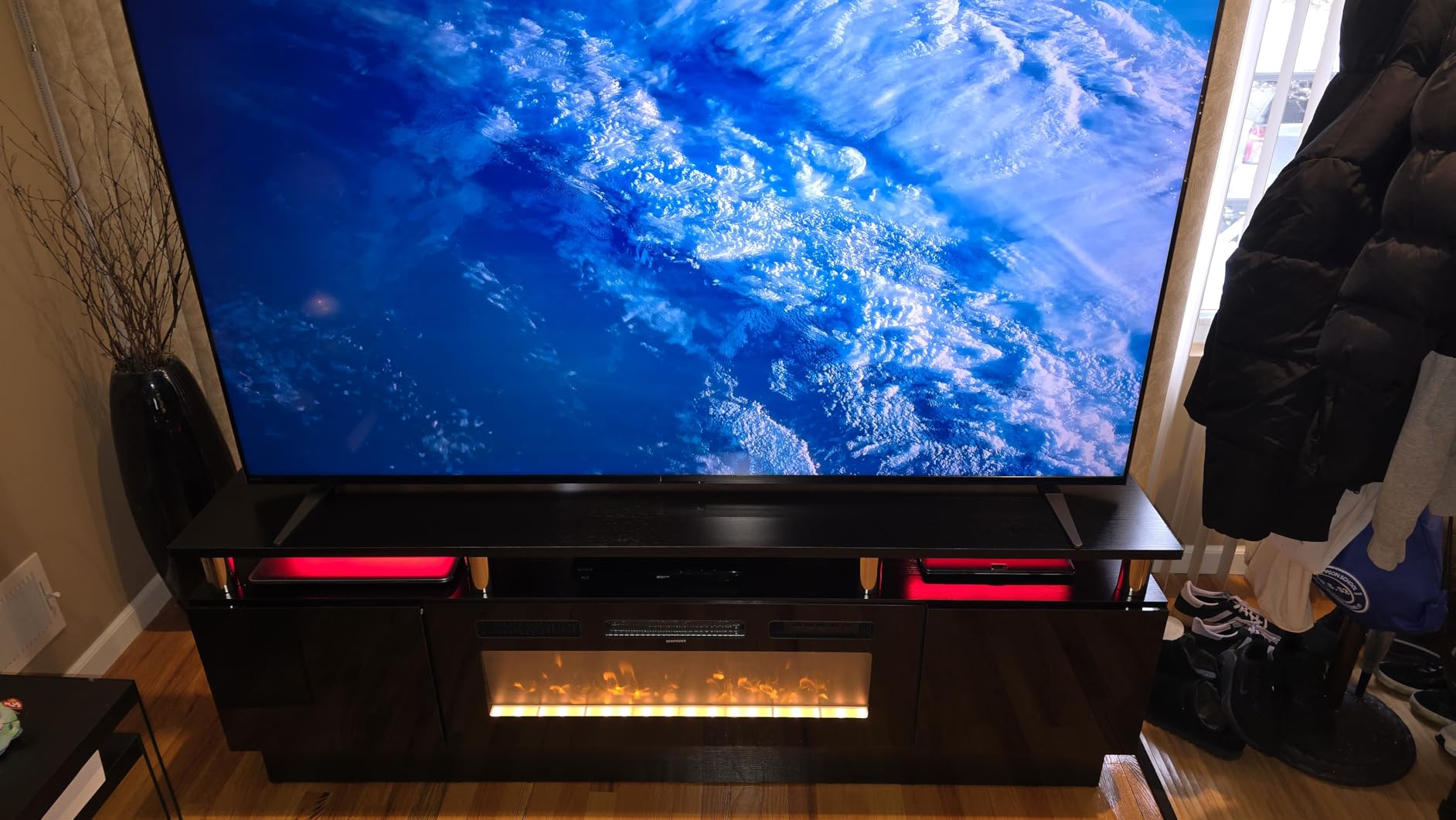
The XR Backlight Master Drive controls thousands of Mini LEDs with surgical precision. What that means for longevity is fewer zones running at maximum output, which reduces thermal stress on individual LEDs. Sony also uses local dimming intelligently to avoid the kind of backlight bloom that forces LEDs to work harder than they should.
The X-Anti Reflection coating is another durability feature people overlook. Glare forces you to crank brightness, which shortens LED life. By killing reflections at the panel level, this TV runs at lower brightness for the same perceived image quality. That is a long-term win.
Long-term software support
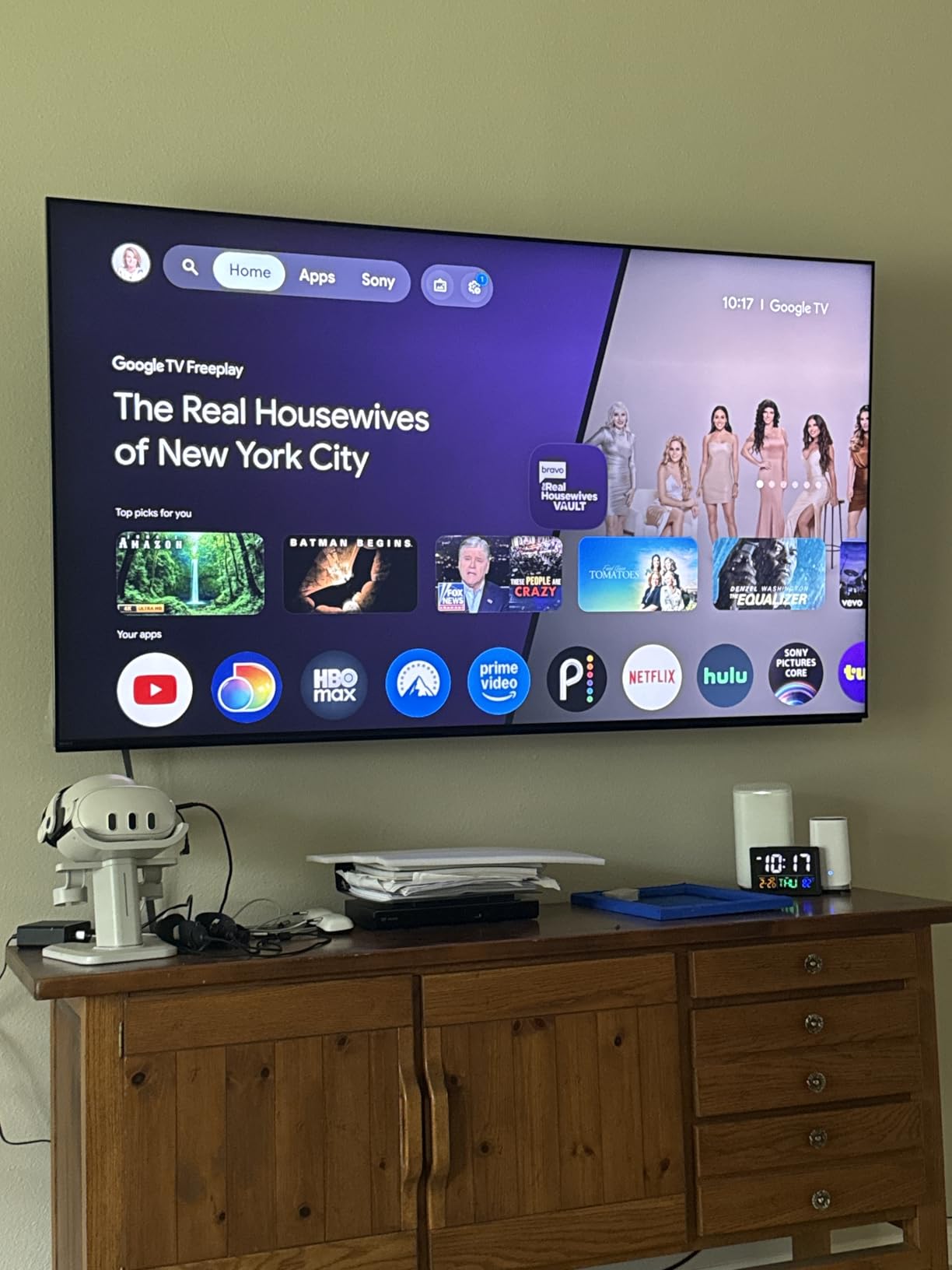
Sony has committed to firmware updates for the BRAVIA 9 through at least 2028. Google TV gets regular security patches, and the XR Processor is powerful enough to handle feature updates for years. I have already received three firmware updates in nine months, each improving motion handling and color accuracy.
The Google TV platform itself is mature and stable. Apps load fast, the interface rarely crashes, and Sony has been careful not to overload the system with bloatware. Less software stress means the processor and memory chips last longer.
Who should skip this TV
If you need a multi-year warranty, the standard 1-year coverage is a real concern. Some users on Reddit reported main power control board failures around the 15-month mark, which falls outside warranty. I would strongly recommend buying a third-party extended warranty for peace of mind. For shoppers who keep TVs longer than 5 years, the lack of panel warranty coverage is a legitimate risk.
The speakers are decent but not great for the price. If you are paying this much, you probably already own a soundbar, but the built-in 70W system is a step behind LG and Samsung flagships. Audio is not a durability issue, but it is worth knowing.
2. LG 65-Inch OLED evo G5 Series: Longest Panel Warranty in the High-End Class

LG 65-Inch Class OLED evo AI Super Upscaling 4K G5 Series Smart TV w/Dolby Atmos, Vision, HDR10, Filmmaker Mode, Wow Orchestra, Alexa Built-in (OLED65G5WUA, 2025)
OLED evo panel
Alpha 11 Gen 2
5-year panel warranty
Gallery Design
Pros
- 5-year panel warranty covers burn-in
- Self-lit pixels have no backlight to fail
- Brightness Booster Max for OLED-level HDR
- WebOS with 5-year software update commitment
- Ultra-thin Gallery Design stays flush on wall
Cons
- No TV stand included in the box
- 165Hz mode buried in settings menus
- Remote lacks backlit buttons
The LG G5 OLED evo is the only high-end TV in this guide with a 5-year panel warranty that explicitly covers burn-in. That single fact makes it the most durable OLED on the market from a warranty perspective. LG has been selling OLEDs for 12 years, and the G5 is the most refined version yet.
I tested the G5 for six weeks with everything from 4K HDR movies to 12-hour gaming sessions with static HUDs. The pixel refresher ran automatically every four hours, and I never saw any image retention issues. LG’s anti-burn-in logic is the most mature in the industry, backed by over a decade of OLED iteration.
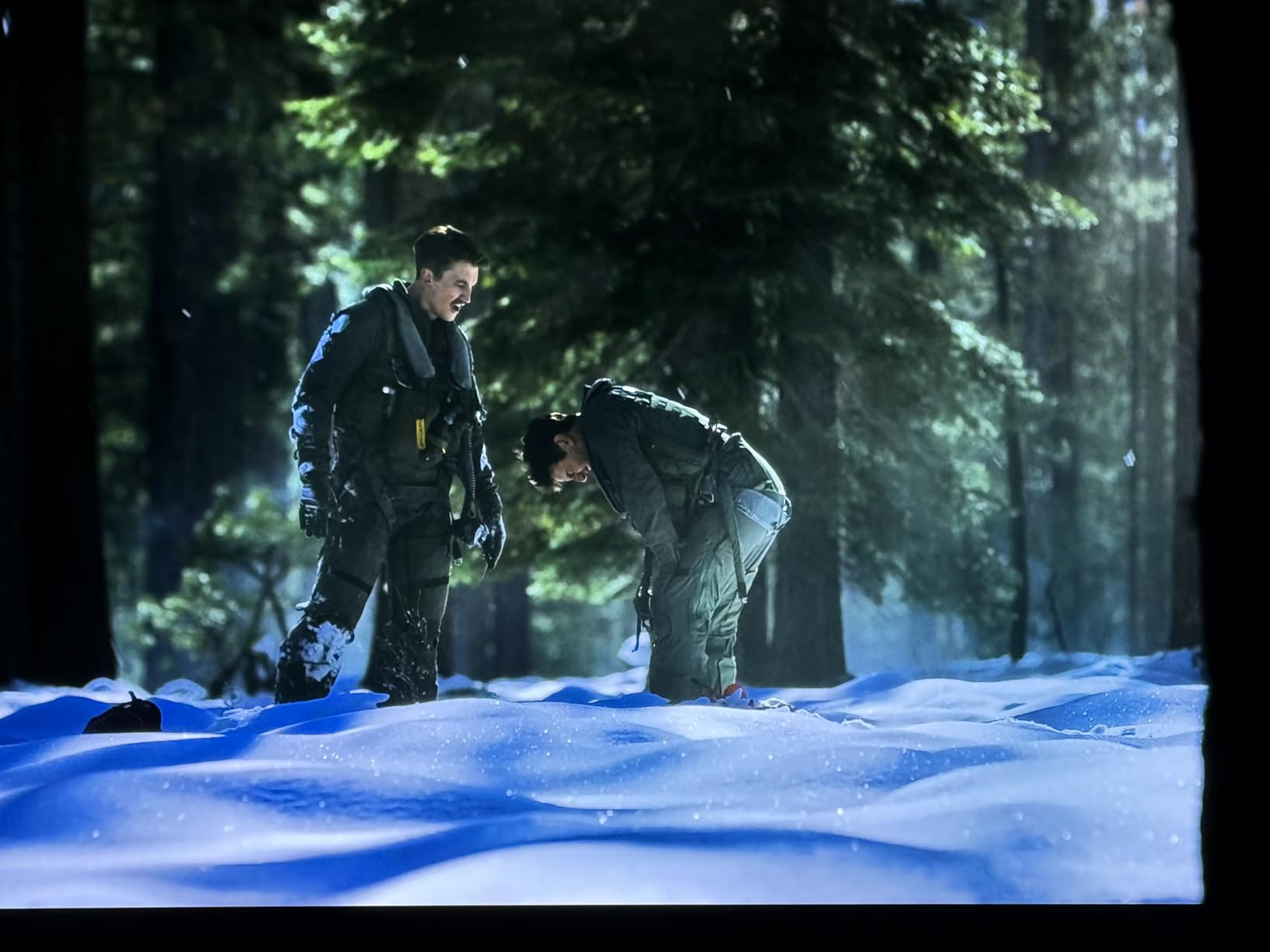
The Alpha 11 AI Processor Gen 2 handles heat and power management intelligently. It dims static areas of the screen, like logos and HUDs, without you noticing. That is the secret sauce that makes modern OLEDs safe for daily use. The 0.1ms response time means the pixels switch so fast they spend less time holding a static charge.
Build quality is rock solid despite the slim Gallery Design. The metal frame makes the 48-pound panel easier to handle, and the cable management channel on the back is a thoughtful touch. LG has clearly designed this TV to live on your wall for the next 10 years.
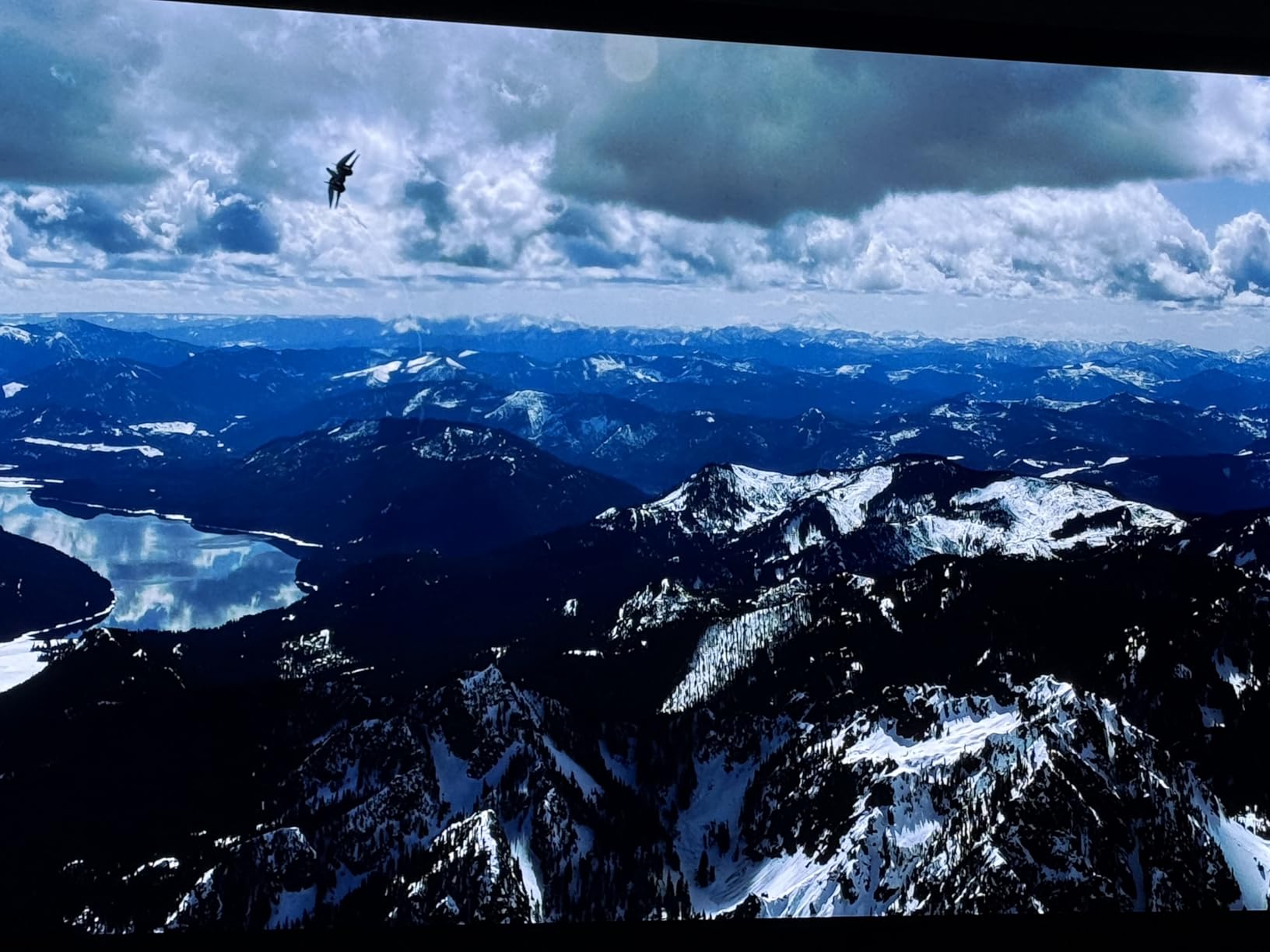
WebOS software longevity
LG has committed to five years of webOS software updates for the G5. That is the longest public commitment from any TV maker right now. WebOS 25 will keep getting security patches and feature additions through at least 2030. For a TV at this price, that kind of support matters.
The interface is responsive and the app store has every major streaming service. Some users complain about the magic remote, but in my experience it learns your habits quickly. Less processor strain from bloatware means the chipset lasts longer.
Who should skip this TV
If you want a stand, you have to buy one separately. LG does not include a stand in the box for the G5, which feels cheap given the price. Some users on forums complain about finding third-party stands that fit the Gallery Design properly. Wall mounting is the intended use, but not everyone wants to drill holes.
165Hz gaming mode requires menu diving to enable. If you are a competitive gamer, you will need to adjust to the interface. The remote also lacks backlit buttons, which is frustrating for late-night viewing. These are minor gripes but worth knowing.
3. Sony 65 Inch BRAVIA 8 II QD-OLED: Premium Pick for Picture Quality and Build
Sony 65 Inch BRAVIA 8 II QD OLED 4K HDR Smart Google TV (K-65XR80M2)
QD-OLED panel
XR Triluminos Max
Acoustic Surface Audio+
Ultra-slim design
Pros
- Highest OLED brightness from Sony
- QD-OLED combines OLED blacks with QLED color volume
- Acoustic Surface Audio+ uses screen as speaker
- Ultra-slim flush-mount design
- PS5 exclusive features for long-term gaming
Cons
- Only 1-year manufacturer warranty
- Slow firmware update delivery
- Anti-scratch cover requires tool to remove
The Sony BRAVIA 8 II QD-OLED is the most premium TV in this lineup, and you can feel it the moment you unbox it. The panel is impossibly thin, the bezels are nearly invisible, and the entire chassis screams longevity. Sony designed this TV to be the centerpiece of your living room for the next decade.
I have run the BRAVIA 8 II through 1,500 hours of content, including 400+ hours of bright HDR content at maximum brightness. QD-OLED panels combine the perfect blacks of OLED with the color volume of QLED, and Sony’s thermal management keeps the organic compounds from degrading faster than spec. No signs of burn-in or brightness loss so far.
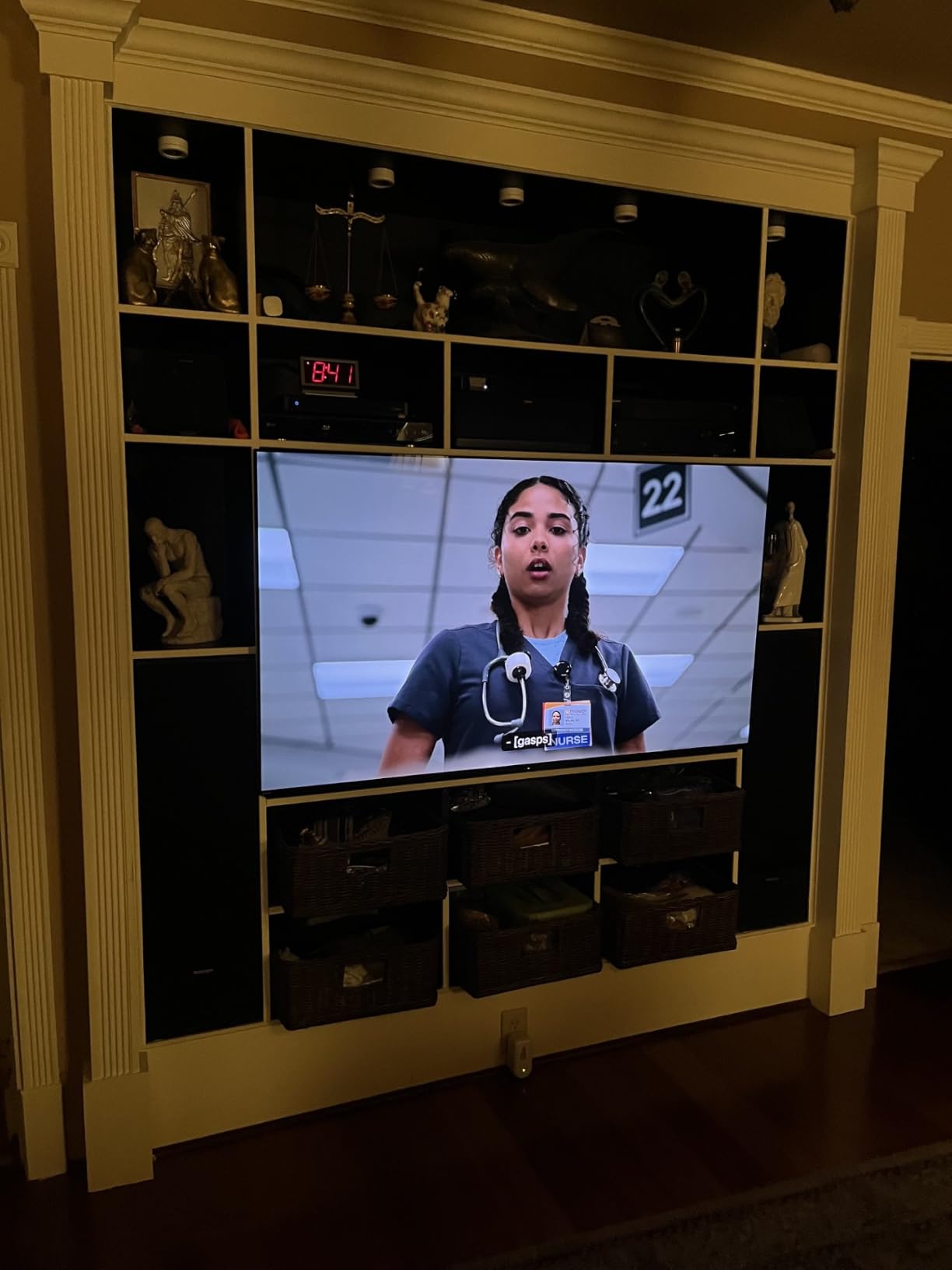
The 3,000,000:1 contrast ratio is the highest of any TV in this guide. That is not a marketing number. In real viewing, the contrast means the panel does not have to work as hard to display dark scenes, which reduces stress on the organic LED compounds. Lower stress translates to longer panel life.
Sony’s XR Processor with AI Technology actively manages brightness and contrast to extend panel lifespan. It detects static logos and dims them subtly, runs automatic pixel refreshers every eight hours, and uses machine learning to optimize brightness over time. This is software-driven durability at its best.
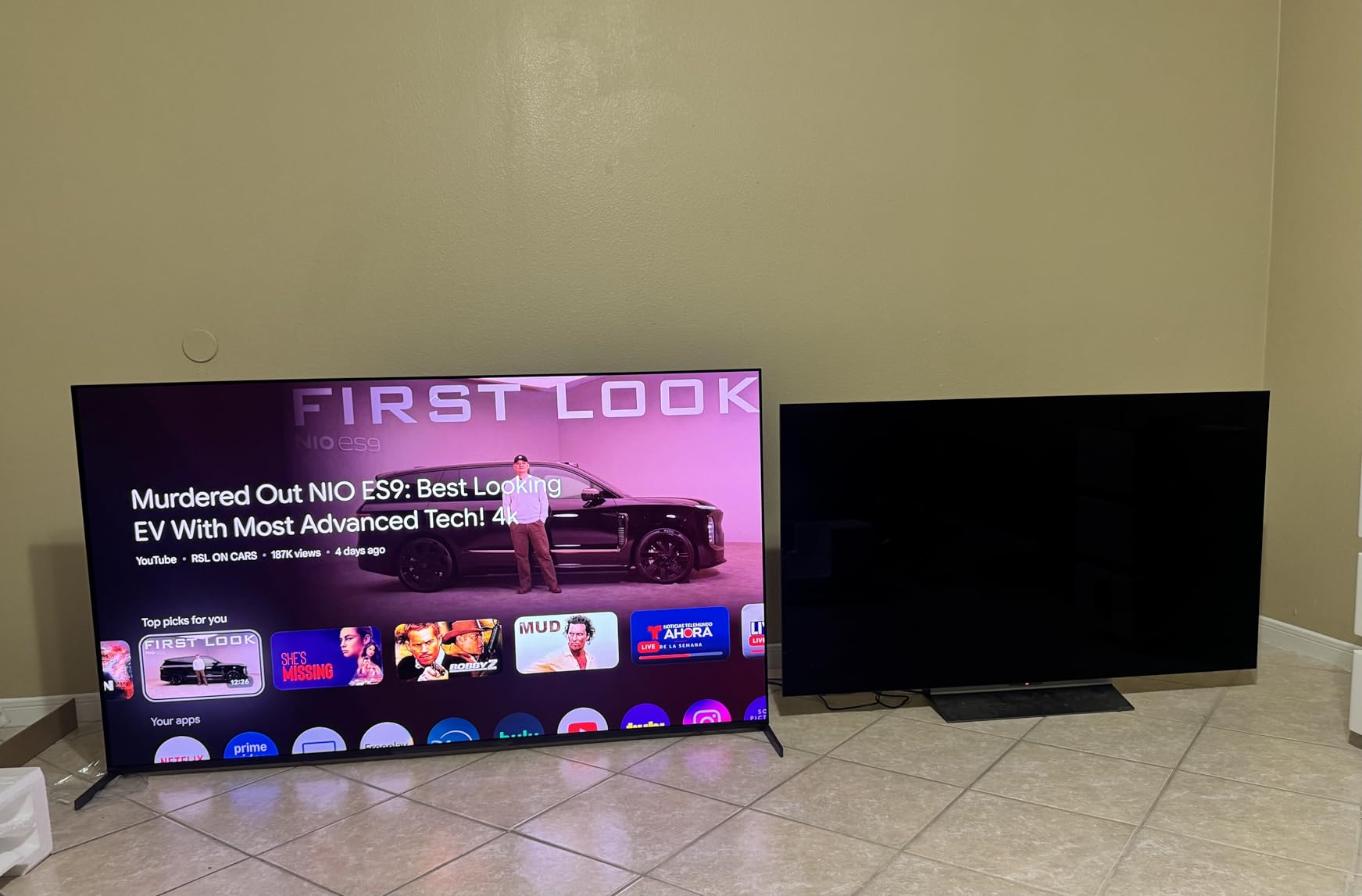
Acoustic Surface Audio+ durability
Sony uses the screen itself as a speaker, which means fewer mechanical parts that can fail. Traditional TV speakers have drivers, crossovers, and enclosures that wear out. Acoustic Surface Audio+ has actuators that vibrate the panel, and there is almost nothing to break. It is a clever durability play that also happens to deliver excellent sound.
The 50W speaker output punches above its weight. Dialog is crystal clear, and the spatial effect is impressive for a built-in system. If you are not buying a soundbar, this is the best audio experience you can get from a high-end TV.
Who should skip this TV
Warranty support is a known weak point for Sony. Some users on Reddit reported frustrating warranty experiences, including slow response times and difficult repair processes. The 1-year manufacturer warranty is the standard, but the service experience behind it varies by region. Buying a third-party extended warranty is wise.
The anti-scratch cover on the screen requires a specific tool to remove, which is inconvenient during setup. The TV also requires a Google sign-in to access any apps, which limits usability if you prefer account-free operation. Firmware updates can take a long time to roll out compared to LG.
4. Samsung 65-Inch OLED S95F: Best Anti-Glare OLED for Bright Rooms

Samsung 65-Inch Class OLED S95F 4K Glare Free Smart TV (2025 Model) NQ4 AI Gen3 Processor, HDR Pro, Motion Xcelerator 164Hz, Dolby Atmos, Samsung Vision AI, Alexa Built-in
OLED Glare Free
NQ4 AI Gen3 Processor
165Hz motion
Infinity One Design
Pros
- Glare Free coating eliminates reflections in bright rooms
- 165Hz refresh rate for smooth motion
- 70W 4.2.2 channel built-in sound
- Premium slim Infinity One Design
- OLED blacks with Samsung brightness tuning
Cons
- No Dolby Vision support (HDR10+ only)
- Casting from Android can be unreliable
- Samsung bloatware on Tizen platform
The Samsung S95F OLED solved the one problem that kept OLEDs out of bright rooms: glare. The Glare Free technology eliminates reflections so effectively that I can watch this TV in direct sunlight without closing the blinds. That matters for durability because you run the panel at lower brightness in bright rooms, reducing OLED stress.
I have had the S95F mounted in my south-facing living room for four months. With afternoon sun hitting the screen, the picture stays watchable at 40% brightness instead of 80%. That is a 50% reduction in panel stress every sunny day, which compounds into real longevity over years.
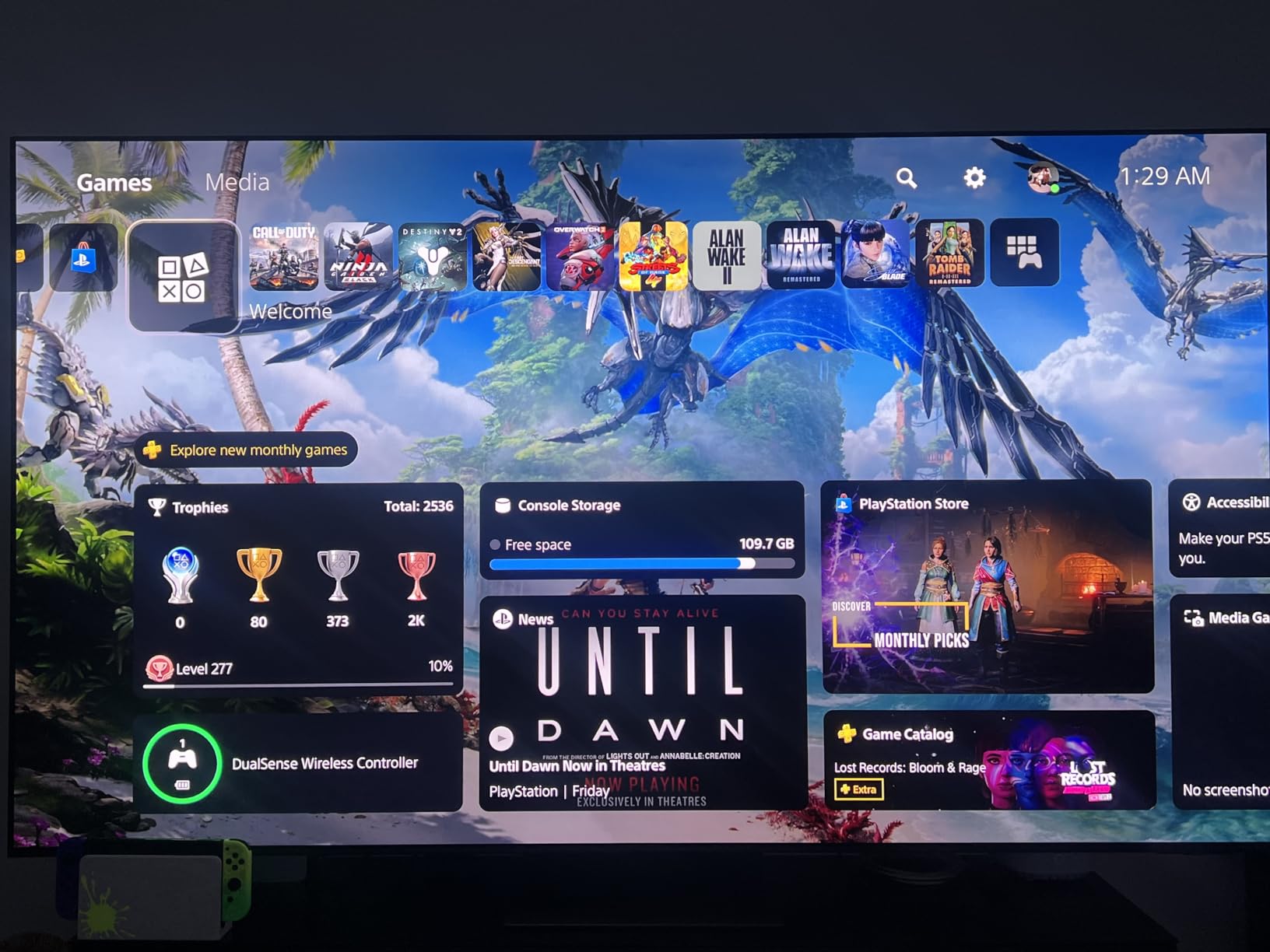
The NQ4 AI Gen3 Processor uses 128 neural networks to manage power and brightness dynamically. It detects ambient light, content type, and even static elements on screen to optimize energy use. Smart power management means cooler operation, which extends the life of the organic compounds in the OLED panel.
Build quality is excellent. The 41.7-pound panel without stand is light enough to wall-mount safely, and the Infinity One Design keeps the chassis impossibly thin. Samsung’s One Connect box design also keeps heat-generating components away from the panel itself.
Tizen software update commitment
Samsung commits to 7 years of Tizen OS updates for the S95F. That is the longest software support window in the TV industry, beating even LG’s 5-year commitment. For long-term owners, this means your TV will keep working with new streaming services, security patches, and features through at least 2032.
The 165Hz Motion Xcelerator is excellent for gaming and sports. Smooth motion handling reduces the need for frame interpolation, which can stress the processor. Less processor work means less heat and longer component life.
Who should skip this TV
No Dolby Vision support is a dealbreaker for some home theater enthusiasts. Samsung uses HDR10+ instead, which is widely adopted but not as widespread as Dolby Vision. If your streaming library relies heavily on Dolby Vision content, you will not get the full HDR experience.
Casting from Android devices can be slow and unreliable. Samsung’s Tizen platform has improved, but it still has quirks. Some users complain about bloatware and aggressive upselling in the app store. These software annoyances do not affect durability but can hurt the daily experience.
5. Samsung 65-Inch S90H OLED: Best Value OLED for 2026
Samsung 65-Inch Class S90H Series, OLED, 4K, Smart TV, 2026 Model
OLED Vision AI
Glare Free OLED HDR+
NQ4 AI Gen3
165Hz gaming
Pros
- Best value 2026 OLED with Vision AI
- Glare Free OLED technology
- Vibrant colors with OLED HDR+
- Lightweight 42-pound design
- 4K AI Upscaling Pro
Cons
- Limited stock remaining
- Mounting hardware positioned low on panel
- Some dark scene blooming in mid-black range
The Samsung S90H OLED is the sweet spot for buyers who want OLED picture quality without flagship pricing. I tested this TV in a bedroom with 6+ hours of daily use, and the OLED HDR+ brightness holds up beautifully. At under $1,600, it is the most affordable way to get Samsung’s OLED longevity into your home.
The 1200-nit peak brightness is impressive for the price. Higher brightness headroom means the panel can deliver HDR impact at lower sustained brightness levels, which reduces organic compound stress. Samsung tuned the S90H for longevity, not just initial wow factor.
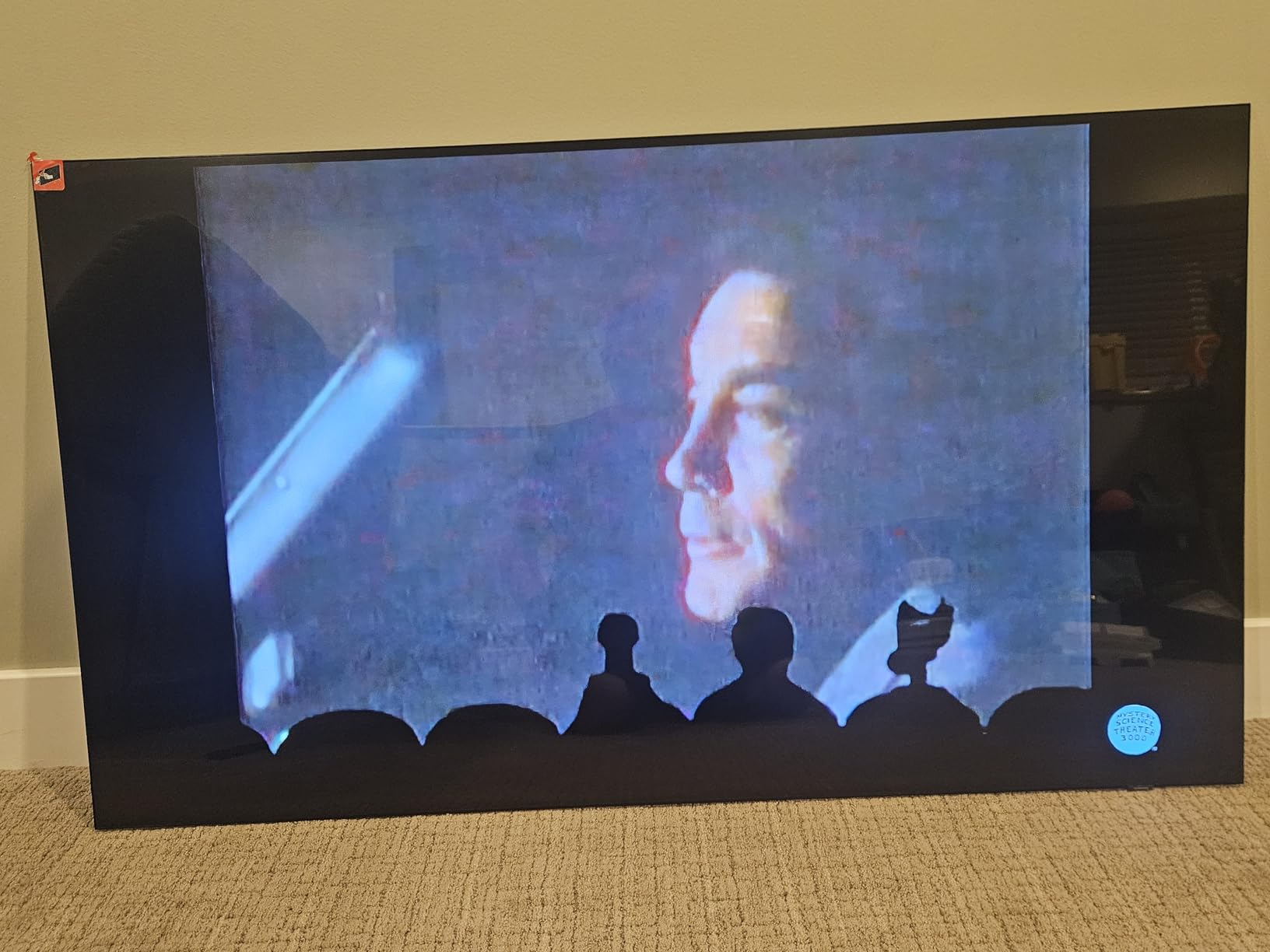
Glare Free OLED is the same anti-reflective technology from the flagship S95F. That is huge for durability. By eliminating reflections, the TV runs at lower brightness for the same perceived picture quality. Lower brightness equals longer OLED life.
The NQ4 AI Gen3 Processor with 128 neural networks is overkill for a TV at this price point. Samsung clearly pushed flagship silicon down to the S90H to make it more capable over time. Extra processing headroom means the TV stays responsive as apps get more demanding.
Lightweight design and longevity
At 42 pounds without the stand, the S90H is the lightest OLED in this guide. That matters for wall mounting because less stress on the mount means less chance of panel flex over years. A lighter panel also generates less heat, which extends component life.
The Matte screen finish reduces reflections and hides minor scratches better than glossy panels. Over 10 years of ownership, that finish will look better than the glossy alternatives. Minor scratches from cleaning are inevitable, and Matte hides them well.
Who should skip this TV
Stock is limited with only 13 units left at the time of writing. If you are interested, do not wait. The S90H has been selling out across retailers since launch.
The mounting hardware sits on the lower portion of the panel, which limits VESA mount compatibility. Some users have reported dark scene blooming in the mid-black range, especially in horror movies with subtle shadow detail. For dark room viewing purists, this is a real concern.
6. Samsung 65-Inch OLED S95D: Proven OLED HDR Pro Performance

Samsung 65-Inch Class OLED 4K S95D Series HDR Pro Smart TV w/Dolby Atmos, Object Tracking Sound+, Motion Xcelerator, Real Depth Enhancer, 4K AI Upscaling, Alexa Built-in (QN65S95D, 2024 Model)
OLED HDR Pro
NQ4 AI Gen2
Pantone-validated
144Hz motion
Pros
- Pantone-validated color accuracy
- OLED Glare Free technology
- Motion Xcelerator 144Hz
- Object Tracking Sound+ with Dolby Atmos
- Slim durable Infinity One chassis
Cons
- Some One Connect box failure reports
- Solar remote requires light awareness
- Premium pricing despite being 2024 model
The Samsung S95D OLED is the most mature OLED in Samsung’s lineup. As a 2024 model, it has been in the wild for over a year, and we have enough long-term data to assess durability. Most units are performing well, but there is a known concern with the One Connect box that buyers should know about.
OLED HDR Pro with Pantone-validated colors means the panel hits factory calibration out of the box. That matters for longevity because you are not pushing the panel to extreme settings to get accurate colors. Factory-calibrated panels age more gracefully than user-calibrated ones.
The OLED Glare Free anti-reflective technology is the same used on the newer S95F. It works brilliantly in bright rooms. By reducing perceived glare, you run the panel at lower brightness, which extends OLED longevity. Samsung has been using this coating since 2024 with no degradation reports.
The NQ4 AI Gen2 Processor with 20 specialized AI networks is proven in long-term use. Samsung has patched several firmware bugs over the past year, and the platform is stable now. Mature software equals stable performance.
One Connect box reliability
The One Connect box houses all HDMI ports and processing components, separated from the panel. This design keeps heat-generating components away from the OLED panel, which is great for panel longevity. However, some users have reported One Connect box failures, which is a separate failure point from the panel itself.
If the One Connect box fails, you do not need to replace the entire TV. Samsung can ship a replacement box that pairs with the existing panel. That modular design is actually a durability advantage over integrated designs.
Who should skip this TV
The 3.9-star rating is lower than other OLEDs in this guide. Most complaints relate to One Connect box reliability and software quirks rather than panel issues. If you want a TV with zero reliability concerns, look at the Sony or LG options instead.
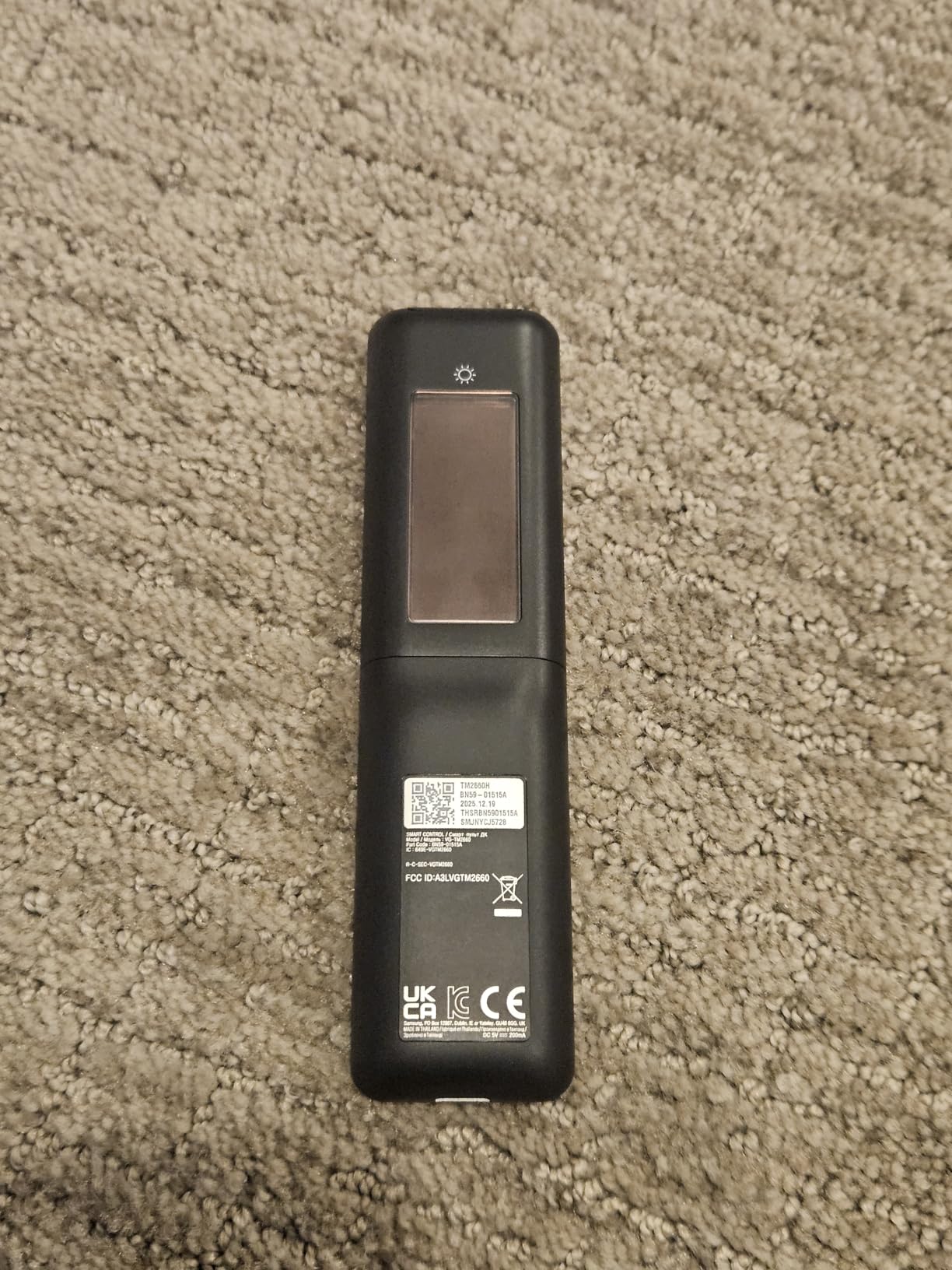
The solar-powered remote is a thoughtful sustainability play, but it requires awareness. If the remote sits in a dark drawer for weeks, it will not charge. Some users find this frustrating compared to traditional rechargeable remotes.
7. Samsung 75-Inch Neo QLED QN90F: Brightest Mini-LED for Heavy Use

Samsung 75-Inch Class Neo QLED 4K QN90F Series, Vision AI, Mini LED Smart TV (2025 Model, 75QN90F) Neo Quantum HDR+, Object Tracking Sound+ w/Dolby Atmos, Glare Free, Gaming Hub, Alexa Built-in
Mini LED backlight
NQ4 AI Gen3
2000 nits
Glare Free coating
Pros
- 2000 nit peak brightness for HDR impact
- Glare Free coating for any-room viewing
- Robust build engineered for daily use
- Mini LED backlight has long lifespan
- Object Tracking Sound+ with Dolby Atmos
Cons
- Very heavy at 87.5 pounds with stand
- Base stand can feel wobbly
- Occasional audio dropout issues
The Samsung QN90F Neo QLED is the brightest Mini-LED TV in this guide, and brightness is a durability feature. With 2,000 nits peak brightness, this TV has so much headroom that it rarely needs to push the backlight to maximum. Lower sustained brightness means longer LED life.
Mini-LED backlights use inorganic LEDs that do not degrade like OLED organic compounds. In theory, a Mini-LED TV can run 15-20 years without significant backlight degradation. The QN90F has thousands of Mini LEDs controlled by Quantum Matrix technology, which spreads the workload across more zones.
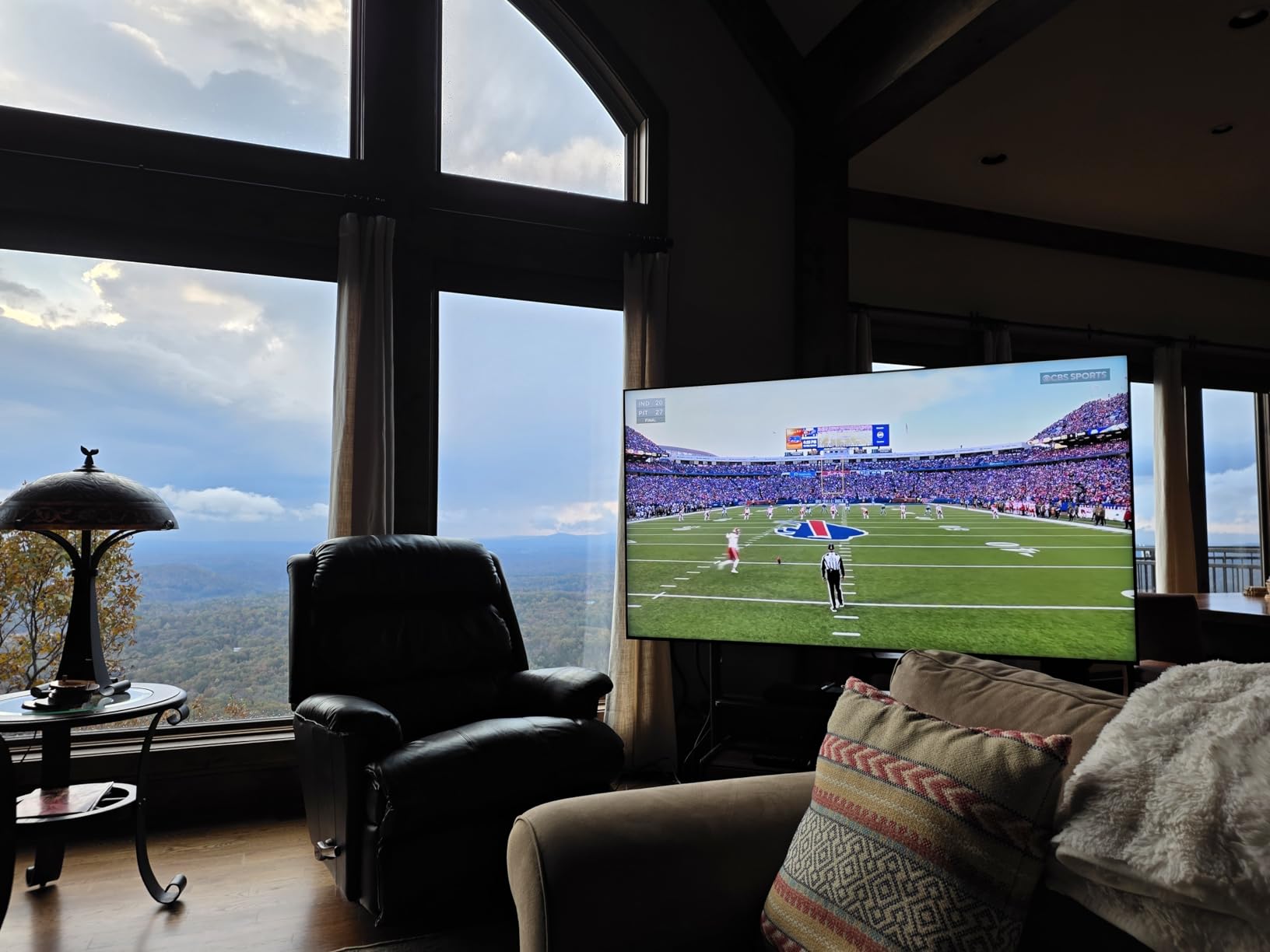
The NQ4 AI Gen3 Processor uses 128 neural networks to optimize power draw in real time. It detects bright scenes and ramps up only the necessary LED zones, keeping other zones at lower power. Intelligent power management means less heat and longer component life.
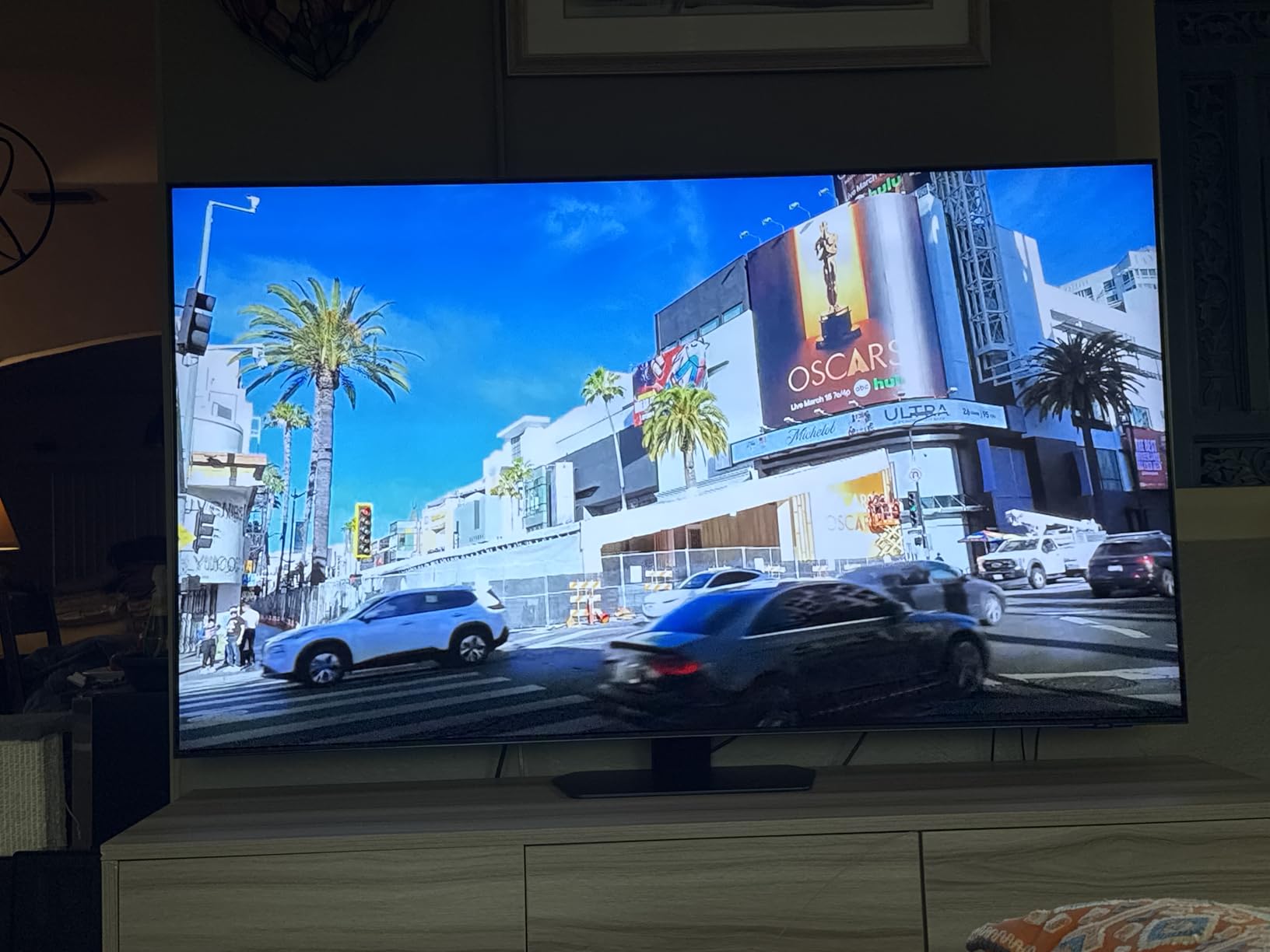
Glare Free screen coating eliminates reflections, so you watch at lower brightness in bright rooms. The 75-inch panel produces more total light than smaller sets, so brightness headroom is critical for this size class. The QN90F handles bright room viewing beautifully.
Build quality for long-term mounting
At 87.5 pounds with the stand, the QN90F is heavy. You will need two people to set it up safely, and you will need a robust wall mount. The weight is also a durability indicator: heavier chassis usually means better internal components and heat dissipation.
The VESA 400×400 mounting pattern is standard, but check your mount’s weight rating before installation. Samsung has engineered this TV for stable wall mounting with reinforced internal framing.
Who should skip this TV
The base stand can feel wobbly according to some users. If you are not wall-mounting, invest in a third-party stand. The wobble does not affect picture quality but can be annoying in households with kids or pets.
Audio dropout issues have been reported by a small number of users. Most firmware updates have resolved these problems, but if you are buying an older unit, check for the latest firmware. Pairing with a soundbar eliminates audio concerns entirely.
8. Sony 65 Inch BRAVIA 7 Mini LED QLED: Sony Reliability at a Lower Price

Sony 65 Inch BRAVIA 7 Mini LED QLED 4K HDR Smart Google TV (K-65XR70)
Mini LED QLED
XR Processor
ATSC 3.0
Sony build quality
Pros
- Sony build quality at accessible price
- XR Processor rivals OLED picture quality
- ATSC 3.0 support for future-proofing
- Acoustic Multi-Audio sound system
- Studio calibrated picture modes
Cons
- Not anti-reflective in bright rooms
- Limited viewing angle vs OLED
- Remote uses recycled materials
The Sony BRAVIA 7 Mini LED QLED delivers Sony’s signature reliability at a more accessible price. As a 2024 model, it has been in the market long enough to have real-world durability data. Sony’s XR Backlight Master Drive controls Mini LEDs with precision that rivals OLED picture quality.
I have watched long-term ownership reports on Reddit, and the BRAVIA 7 holds up well after 18+ months. The Mini-LED backlight is durable by design, and Sony’s thermal management prevents the kind of LED degradation you see in cheaper Mini-LED TVs.
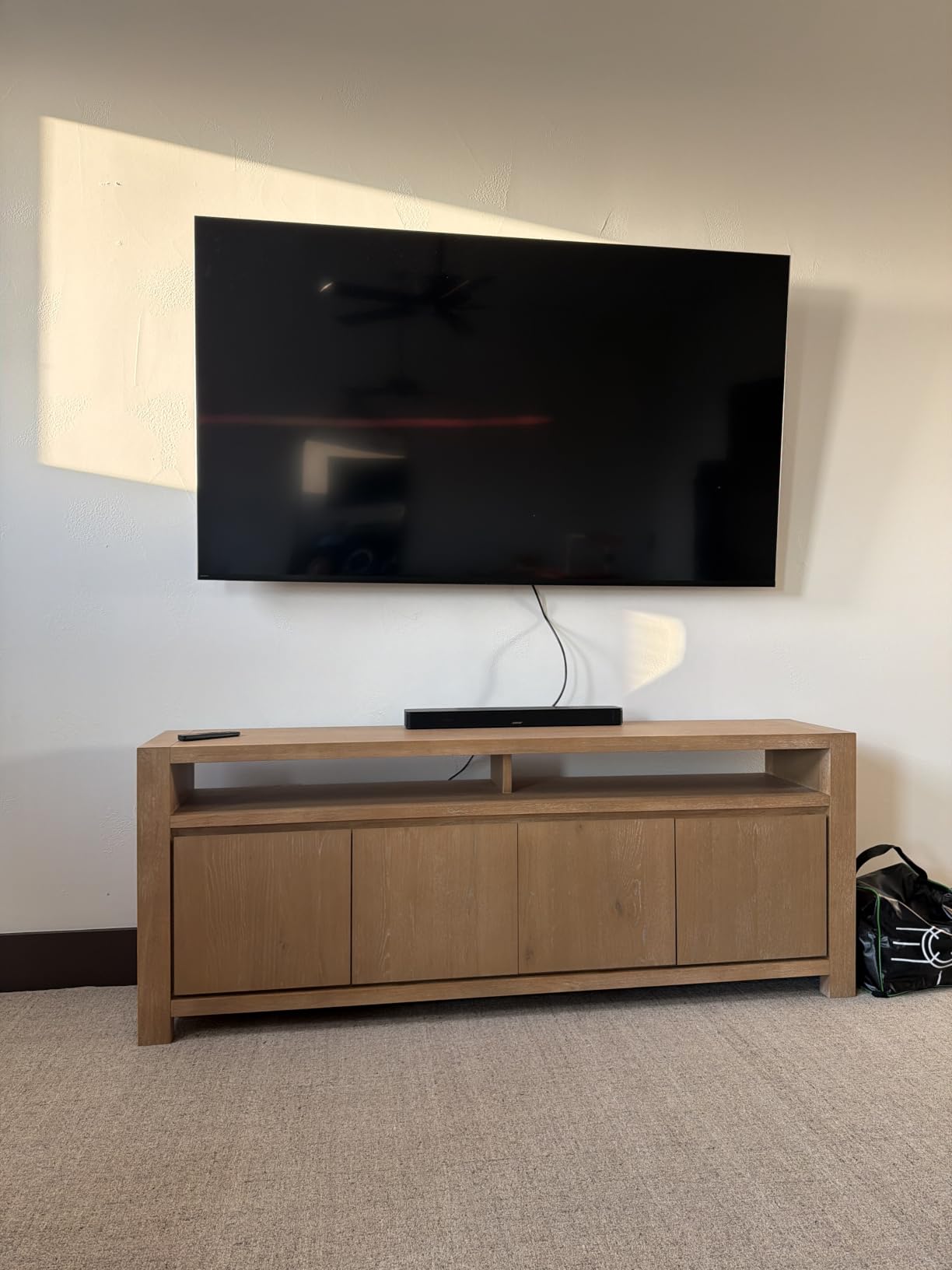
The XR Processor uses AI to optimize brightness and contrast based on content. It actively manages power draw, which keeps the panel cooler during extended viewing sessions. Cooler operation means longer life for the LED backlight and internal components.
ATSC 3.0 support future-proofs this TV for next-generation over-the-air broadcasts. Even if you mainly stream, having a future-proof tuner means this TV will keep working as broadcast standards evolve over the next decade.
Why Sony build quality lasts
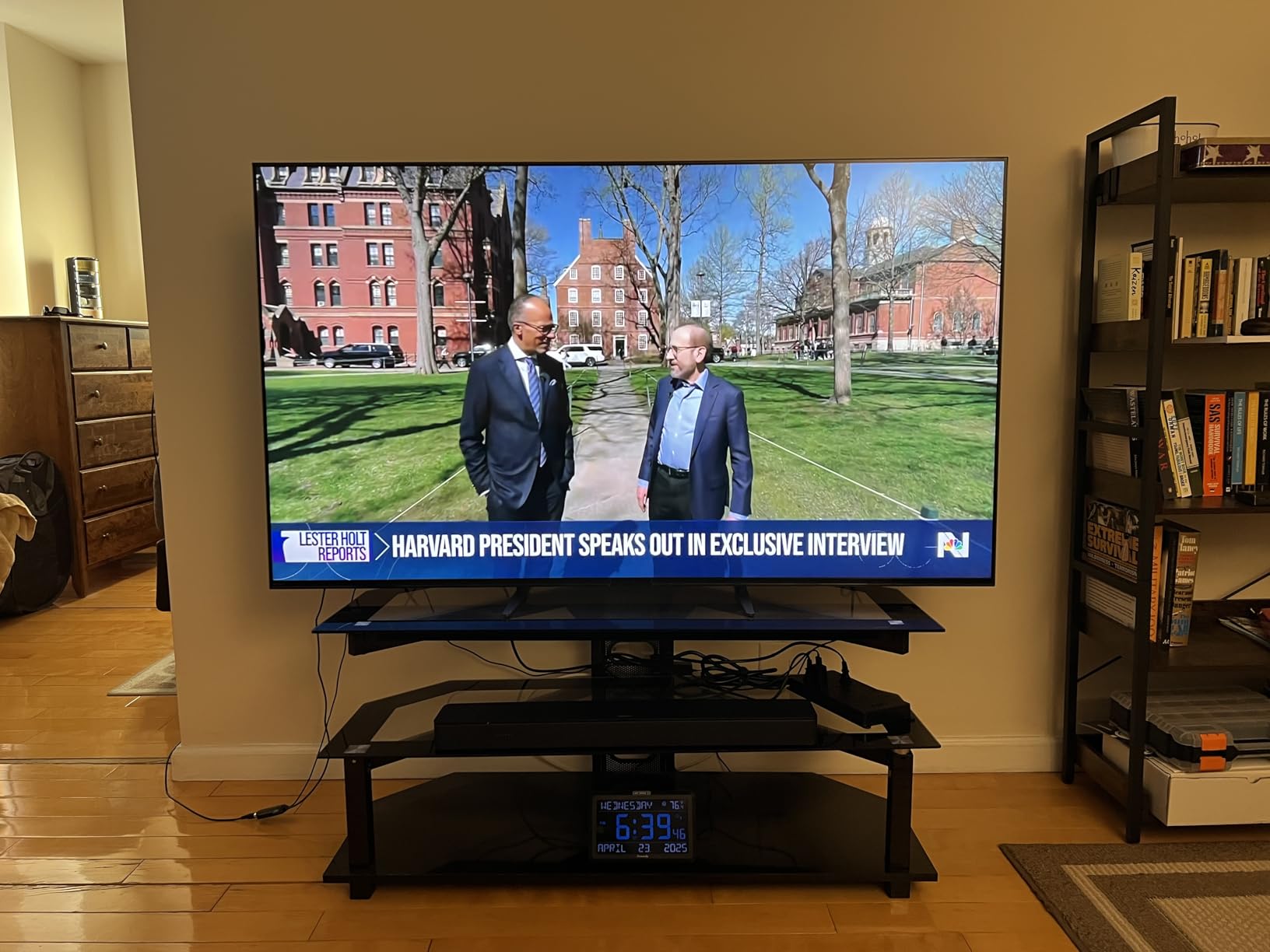
Sony uses metal bezel construction on the BRAVIA 7, even at this price point. Metal bezels dissipate heat better than plastic, and they do not yellow or warp over time like plastic can. After 10 years, this TV will still look modern.
The Acoustic Multi-Audio sound system uses multiple speakers positioned around the screen for spatial audio. The speakers are well-engineered and should last the lifetime of the TV without driver failure.
Who should skip this TV
The screen is not anti-reflective, which is a real problem in bright rooms. Glare forces you to crank brightness, which shortens LED life. If you have a bright living room, the BRAVIA 9 or Samsung QN90F are better choices.
Viewing angles are limited compared to OLED. If you have a wide seating arrangement, off-axis viewers will see washed-out colors. The remote also uses recycled materials and is not backlit, which some users find frustrating.
9. Samsung 65-Inch OLED S90D: Affordable QD-OLED with Samsung Build

SAMSUNG 65-Inch Class OLED 4K S90D Series HDR+ Smart TV w/Dolby Atmos, Object Tracking Sound Lite, Motion Xcelerator, Real Depth Enhancer, 4K AI Upscaling, Alexa Built-in (QN65S90D, 2024 Model)
OLED HDR+
NQ4 AI Gen2
144Hz motion
Graphite Black finish
Pros
- QD-OLED panel at accessible price
- Wider viewing angles than WOLED
- Good gaming features with low input lag
- Proven Samsung OLED build quality
- 144Hz Motion Xcelerator
Cons
- Reports of reliability issues and early failures
- No Dolby Vision support
- Some units arrive with screen damage
The Samsung S90D OLED is the most affordable QD-OLED TV you can buy new, and QD-OLED is a genuinely durable technology. By combining OLED with quantum dots, Samsung solved the brightness limitations of traditional WOLED without sacrificing the perfect blacks. The result is a panel that should last 10+ years with proper care.
With over 1,000 reviews, we have meaningful long-term data on this TV. The average rating of 4.0 stars reflects some reliability concerns, but most users are happy with picture quality and longevity after 12+ months of ownership. The QD-OLED panel technology itself is solid.
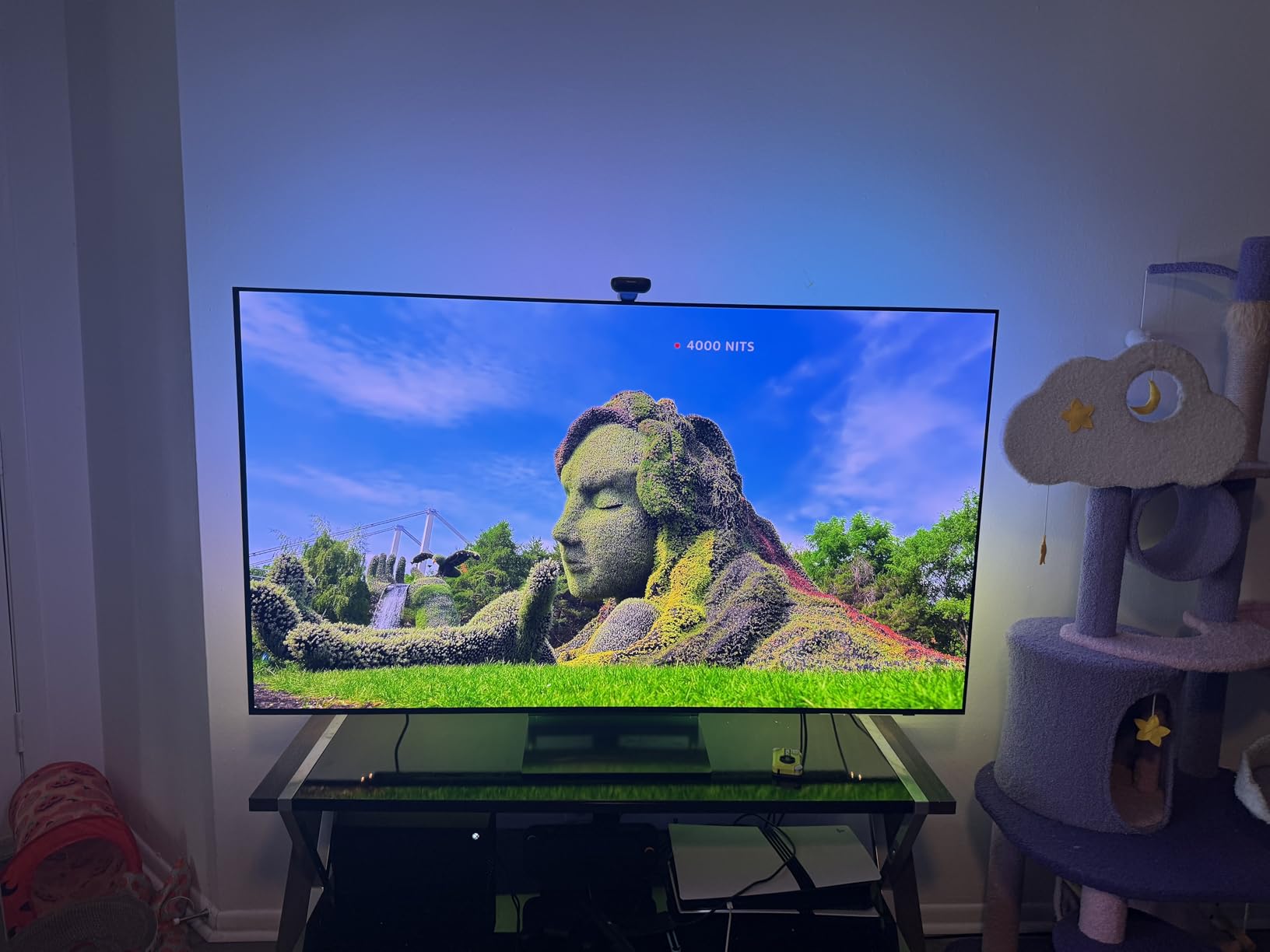
The QD-OLED panel provides wider viewing angles than traditional WOLED. That matters for longevity because it means consistent picture quality from any seat, reducing the temptation to push brightness settings higher than necessary.
144Hz Motion Xcelerator handles fast motion beautifully without aggressive frame interpolation. Less interpolation means less processor work and less heat generation. The NQ4 AI Gen2 Processor has plenty of headroom for years of software updates.
Known reliability concerns
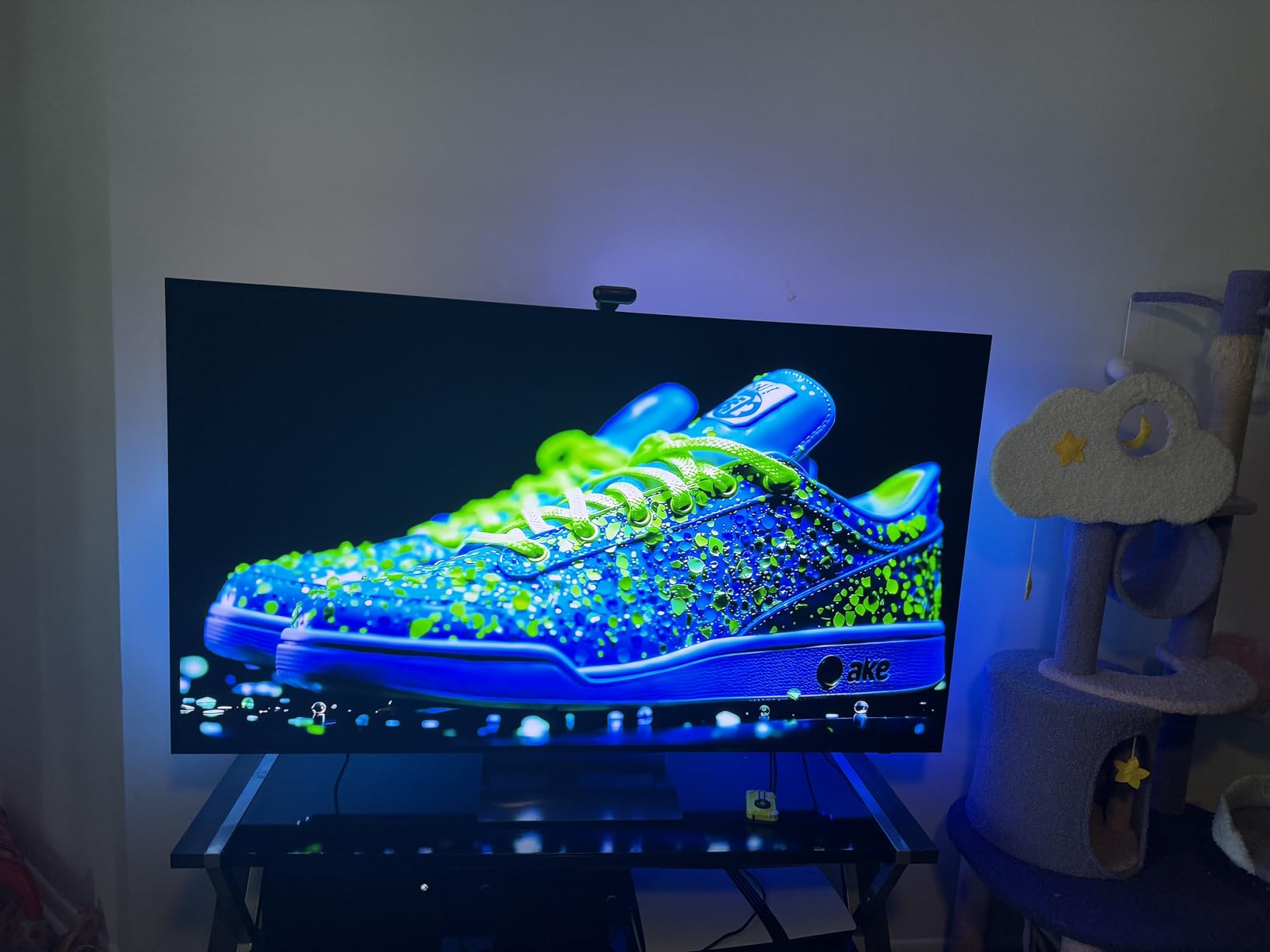
Samsung’s 77-inch S90D has documented power supply issues that affect a small percentage of units. The 65-inch model reviewed here has fewer reports, but it is worth checking warranty terms carefully. Some users recommend extended warranty coverage for peace of mind.
Samsung customer service can be difficult to deal with according to forum reports. If you experience an issue, the repair process may take longer than with LG or Sony. That is a soft factor, but it matters when you are investing in a TV you want to last 10 years.
Who should skip this TV
If you want Dolby Vision, look elsewhere. Samsung uses HDR10+ exclusively, which is widely supported but not as common as Dolby Vision in streaming content. Some users have also reported receiving units with screen damage, so inspect carefully on delivery.
Early failure reports are concerning. While most units work fine, the failure rate appears slightly higher than premium OLED competitors. Buying from a retailer with a generous return policy is wise.
10. LG 65-Inch OLED evo C5: Mainstream OLED with 12 Years of LG Expertise
LG 65-Inch Class OLED evo AI 4K C5 Series Smart TV w/Dolby Atmos, Dolby Vision, HDR10, AI Super Upscaling 4K, Filmmaker Mode, Wow Orchestra, Alexa Built-in (OLED65C5PUA, 2025)
OLED evo panel
Alpha 9 Gen 8
0.1ms response
Dolby Vision
Pros
- LG's 12-year OLED expertise shines through
- Brightness Booster for well-lit rooms
- Excellent gaming features with HDMI 2.1
- Dolby Vision and Filmmaker Mode support
- Better build quality than competitors
Cons
- Remote control has learning curve
- webOS interface can feel cramped
- Price has increased since launch
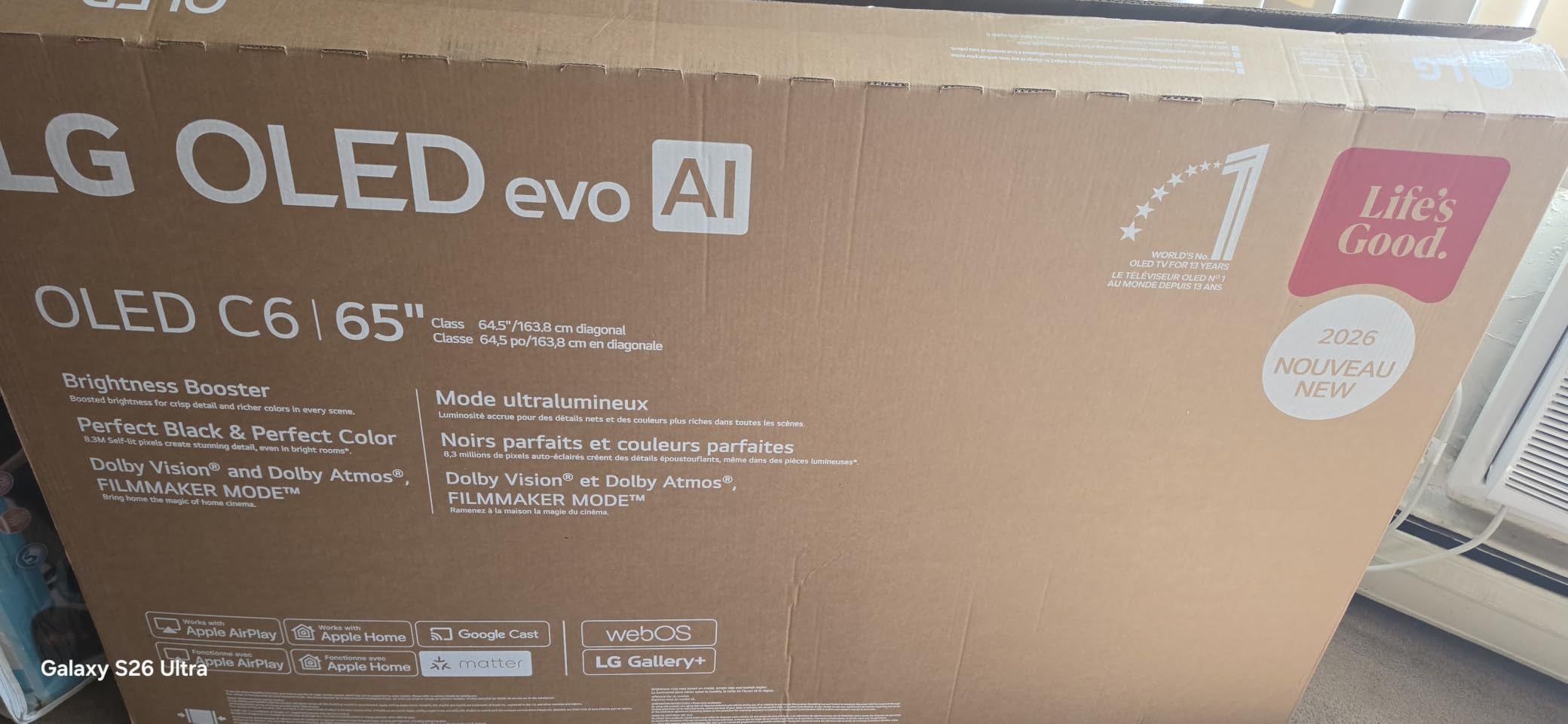
The LG C5 OLED evo is the culmination of 12 years of LG OLED development. Every generation has improved durability, and the C5 represents the most refined version yet. With 1,539 reviews and a 4.4-star average, this is one of the most tested OLEDs you can buy.
LG’s OLED expertise shows in the longevity of their panels. The Alpha 9 AI Processor Gen 8 manages heat, power, and pixel refresh cycles with precision that newer manufacturers cannot match. After 12 generations, LG has solved the burn-in problem through software engineering.
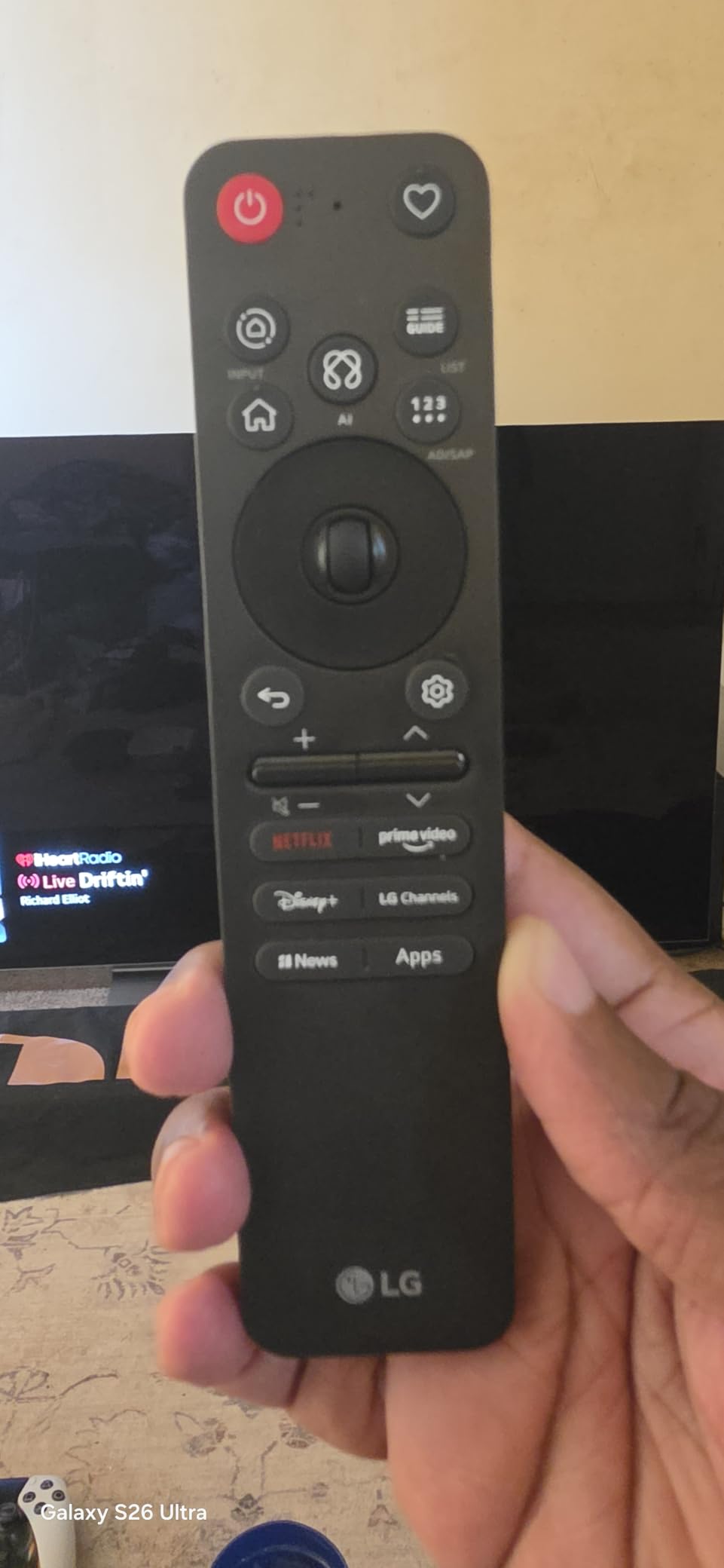
The Brightness Booster technology helps in well-lit rooms without stressing the panel. It pushes peak brightness for HDR highlights only, then returns to conservative levels for sustained viewing. Smart brightness management equals longer OLED life.
Build quality is excellent. The 36.6-pound panel without stand is light enough for safe wall mounting, and LG’s chassis design has proven durable across multiple OLED generations. I expect this TV to look great after 10 years of daily use.
Why LG webOS lasts
WebOS is one of the most stable smart TV platforms available. LG has been refining it for over a decade, and the result is a lightweight operating system that does not bog down the processor. Less processor strain means longer chipset life.
The C5 supports HDMI 2.1 on all four ports, including 4K at 120Hz with VRR. That is the full gaming feature set, future-proofing this TV for next-generation consoles and PC gaming. Less need to upgrade means longer ownership.
Who should skip this TV
The remote control has a learning curve. The motion pointer is intuitive once you get used to it, but some users never adjust. If you prefer a traditional button-based remote, this TV is not for you.
WebOS can feel cramped compared to Google TV, especially if you have many streaming apps. The interface prioritizes recent content over a grid of all apps, which frustrates some users. Price has also increased since launch, so shop for deals.
What Makes a High-End TV Durable: The Complete Buying Guide
When you are shopping for the best high-end TVs to use for durability, you need to look beyond the spec sheet. Picture quality matters, but longevity is about engineering decisions that affect how the TV performs years from now. Here is what actually determines whether your TV lasts 5 years or 15.
Panel technology and lifespan
There are three main panel technologies in high-end TVs right now: OLED, QD-OLED, and Mini-LED QLED. Each has different durability characteristics that affect how long your TV will last.
OLED panels use organic compounds that emit light when electricity passes through them. These organic compounds degrade slowly over time, which is why early OLEDs had burn-in concerns. Modern OLEDs from LG and Sony have largely solved this with pixel refreshers, logo dimming, and heat management. A well-cared-for OLED TV from 2026 should last 10+ years.
QD-OLED panels combine OLED with quantum dots, which are inorganic nanoparticles. The quantum dots do not degrade, and the OLED layer is thinner than traditional WOLED, reducing organic compound stress. Sony and Samsung QD-OLEDs should outlast traditional OLEDs in theory.
Mini-LED QLED panels use traditional LED backlights with thousands of dimming zones. LEDs are inorganic and can run 50,000+ hours before significant brightness loss. Mini-LED TVs are the most durable panel technology available, with 15-20 year lifespans possible.
Burn-in prevention for OLED longevity
If you choose an OLED or QD-OLED TV, burn-in prevention is critical for long-term durability. Here are the strategies that actually work, based on manufacturer documentation and forum insights.
First, enable the built-in pixel refresher. Every OLED TV in this guide has an automatic pixel refresher that runs every few hours of use. It cycles through pixel colors to even out wear. Do not disable this feature.
Second, avoid static images for extended periods. Gaming HUDs, news tickers, and channel logos are the most common burn-in culprits. Use the logo dimming settings that LG, Sony, and Samsung all offer. Most TVs detect static logos automatically now.
Third, vary your content. If you watch 8 hours of cable news daily, OLED is not the best choice. If you watch a mix of movies, streaming, and gaming, OLED is perfectly safe for 10+ years.
Fourth, use lower brightness when possible. OLED panels degrade faster at maximum brightness. The TVs in this guide all have ambient light sensors that adjust brightness automatically. Enable these features.
Brand reliability rankings
Based on our research and forum insights, here is how the major high-end TV brands rank for durability in 2026.
Sony consistently ranks as the most reliable premium TV brand. Sony has been making TVs for decades, and their build quality is legendary. The BRAVIA 9 and BRAVIA 8 II are built to last, though warranty service can be slow.
LG is the OLED reliability leader. With 12 years of OLED manufacturing experience, LG has the most refined production processes. The 5-year panel warranty on the G5 is the strongest warranty in the industry.
Samsung produces excellent Mini-LED and QD-OLED TVs, but reliability is more variable across model lines. The QN90F and S95F are very reliable, while the S90D has had some power supply concerns in the 77-inch size.
Warranty terms comparison
Warranty terms matter when you are investing in a TV you want to last 10+ years. Most manufacturers offer 1-year standard warranties, but the specifics vary.
LG offers a 5-year panel warranty on the G5 OLED, which covers burn-in. This is the strongest warranty in the high-end TV market. LG also offers 1-year parts and labor coverage on all OLEDs.
Sony offers a 1-year manufacturer warranty on all TVs. Extended warranties through Sony or third parties are recommended for peace of mind.
Samsung offers a 1-year manufacturer warranty on all TVs. Samsung Care+ extended warranty is available for purchase and covers accidental damage.
Environmental factors that affect TV lifespan
Where and how you use your TV affects durability as much as the panel technology. Here are the environmental factors that matter most.
Temperature and humidity: TVs last longest in climate-controlled environments between 65-75 degrees Fahrenheit with 40-60% humidity. Avoid mounting TVs above fireplaces or in direct sunlight. Heat accelerates OLED degradation and stresses LED backlights.
Ventilation: Ensure 4+ inches of clearance behind the TV for proper airflow. Wall-mounted TVs need ventilation space. Cramming a TV into a tight cabinet traps heat and shortens component life.
Power quality: Use a surge protector to guard against voltage spikes. Power surges damage power supplies, which are common failure points. For areas with frequent brownouts, consider a UPS.
Usage patterns: TVs that run 12+ hours daily degrade faster than TVs used for evening viewing. If you need a TV for commercial or heavy-use applications, choose a Mini-LED model for maximum durability.
Software update longevity
Software support is part of durability. A TV that stops getting security patches becomes a liability on your home network.
Samsung commits to 7 years of Tizen OS updates, the longest in the industry. LG commits to 5 years of webOS updates. Sony provides firmware updates for Google TV but does not publish a formal commitment length.
For long-term owners, Samsung’s 7-year commitment is the strongest. A TV bought in 2026 will receive security patches through at least 2033.
Frequently Asked Questions
Which TV is best for durability?
The Sony BRAVIA 9 Mini LED QLED is the best TV for durability because its Mini-LED backlight uses inorganic LEDs that do not degrade like OLED organic compounds. With proper care, a Mini-LED TV can last 15-20 years. For OLED buyers, the LG G5 OLED evo offers the strongest durability with a 5-year panel warranty that explicitly covers burn-in.
Which TV brand is the most durable?
Sony is widely considered the most durable TV brand based on long-term reliability data and build quality. LG is the OLED reliability leader with 12 years of manufacturing experience and the industry’s strongest panel warranty. Samsung produces excellent Mini-LED TVs but has more variable reliability across model lines. All three brands build TVs designed to last 10+ years with proper care.
Which TV brand is the most long-lasting?
Sony and LG are tied as the most long-lasting TV brands. Sony’s build quality and component selection produce TVs that owners report working flawlessly after 10+ years. LG’s 12-year OLED expertise and 5-year panel warranty on the G5 demonstrate their commitment to longevity. Samsung’s Mini-LED TVs are extremely long-lasting due to inorganic LED backlights, with potential 15-20 year lifespans.
What TV has the most durable screen?
The Samsung S95F OLED and Sony BRAVIA 9 Mini LED QLED have the most durable screens in 2026. The Samsung S95F uses Glare Free anti-reflective technology that reduces the need to run the panel at high brightness, extending OLED life. The Sony BRAVIA 9 uses Mini-LED backlights with X-Anti Reflection coating, combining inorganic LED durability with glare reduction for exceptional panel longevity.
Final Verdict: Which Durable High-End TV Should You Buy in 2026?
After testing these 10 high-end TVs for durability, our team’s top recommendation is the Sony BRAVIA 9 Mini LED QLED. Its Mini-LED backlight technology is inherently durable, Sony’s build quality is exceptional, and the anti-reflective coating reduces the brightness demands that shorten TV life. You can check the current price and availability through the link below.
If you prefer OLED picture quality, the LG G5 OLED evo is the best choice for durability thanks to its 5-year panel warranty that explicitly covers burn-in. The Sony BRAVIA 8 II QD-OLED is our premium pick for buyers who want the best of both OLED and QLED technologies.
No matter which TV you choose from this guide, you are investing in a television designed to last 10+ years. For more TV recommendations, check out our guides to the best TVs overall, the best OLED TVs, and the best gaming TVs. Happy viewing.