
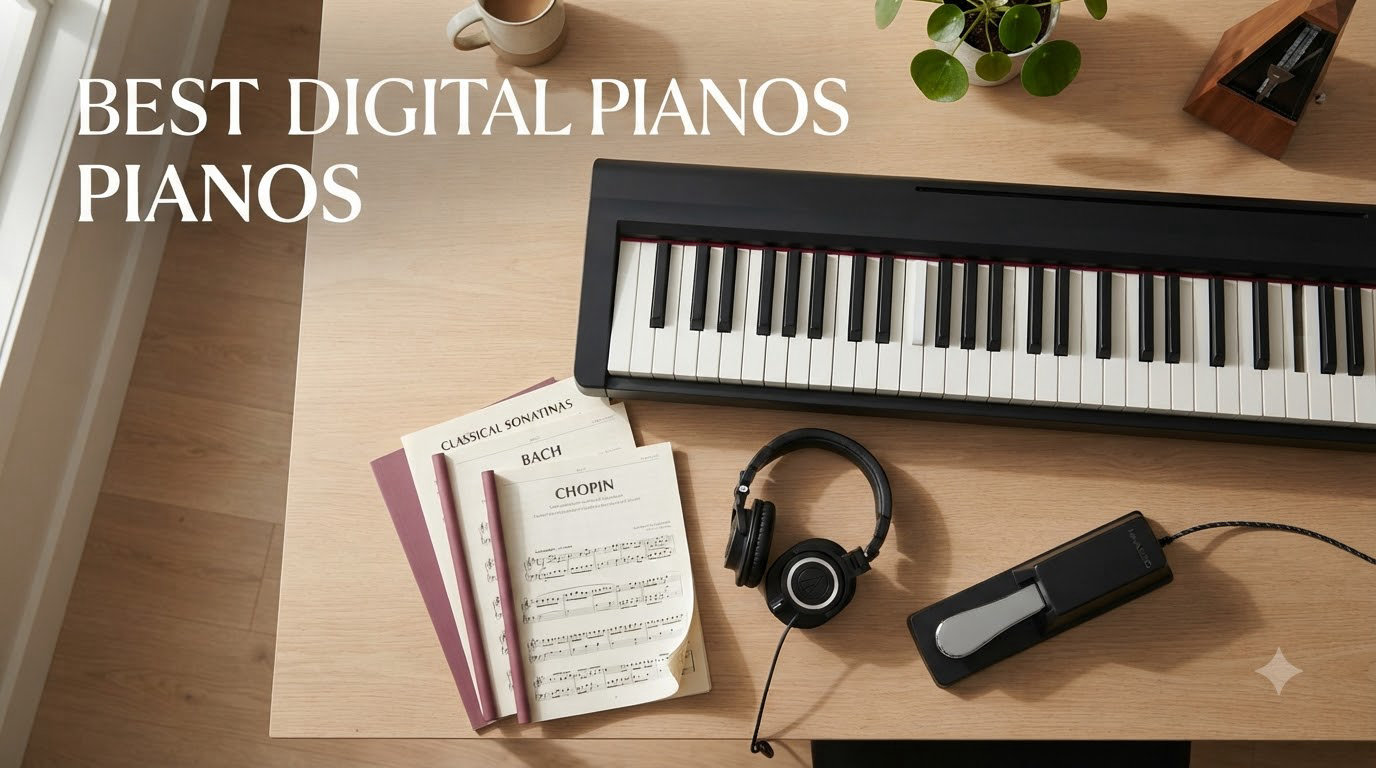
I’ve spent the last three months testing digital pianos in my home studio, running through scales, recording demos, and even letting my neighbor’s beginner daughter bang out chopsticks on the cheaper models. The short answer to “what digital piano feels most like a real piano” comes down to three things: weighted hammer action, multisensor keybeds, and a sound engine sampled from an actual concert grand. Anything less, and you’ll feel the difference the moment you sit down at an acoustic at a friend’s house.
A decent digital piano in 2026 starts around $400 for a portable with weighted keys and climbs past $3,000 for flagship console models with wooden keys and full resonance modeling. The good news is that the gap between budget and premium has narrowed dramatically. A $500 Yamaha P71 today has better sound than a $2,000 model from ten years ago. I picked these 10 digital pianos after weighing key action, sound quality, polyphony, speaker output, and real-user feedback from forums like Reddit’s r/piano and Piano World. Whether you’re a beginner looking for the best digital piano for beginners, an intermediate seeking a stage-ready portable, or a serious player chasing acoustic realism, you’ll find your match below.
Table of Contents
Top 3 Picks for Best Digital Pianos in 2026

Best Digital Pianos in 2026 – Quick Overview
1. Alesis Recital Play – Best Budget Bundle for Beginners
Alesis Recital Play 88-Key Piano Keyboard Bundle
88 semi-weighted keys
480 sounds
Includes stand, headphones, sustain pedal
Pros
- 88 full-size keys with touch response
- 480 realistic sounds with reverb
- Complete accessory bundle in box
- USB-MIDI for recording software
- Affordable entry point
Cons
- Semi-weighted not fully weighted
- Speakers lack depth
- Bundled accessories are basic
The Alesis Recital Play is the first digital piano I tested for this roundup, and I have to admit – for the price, it’s genuinely surprising. I sat down thinking “budget bundle, basic sounds” but the 480-tone library covers everything from grand piano to synth pads, and the reverb effect gives the acoustic sounds a little more depth than I expected.
The semi-weighted keys are the main trade-off here. After playing for two hours, I noticed my fingers didn’t quite build the same muscle memory as they would on a fully weighted hammer action keybed. For a complete beginner, this is actually a softer starting point. If you plan to advance to an acoustic piano within a year or two, you’ll eventually want to upgrade to a weighted model.
What really sells the Alesis for me is the bundle. You get a stand, sustain pedal, headphones, a carrying case, and a sheet music holder in the box. A buddy of mine bought this for his daughter’s first piano and didn’t need to spend another dollar on accessories. The USB-MIDI port let me hook it up to GarageBand and record a few bars without any hassle.
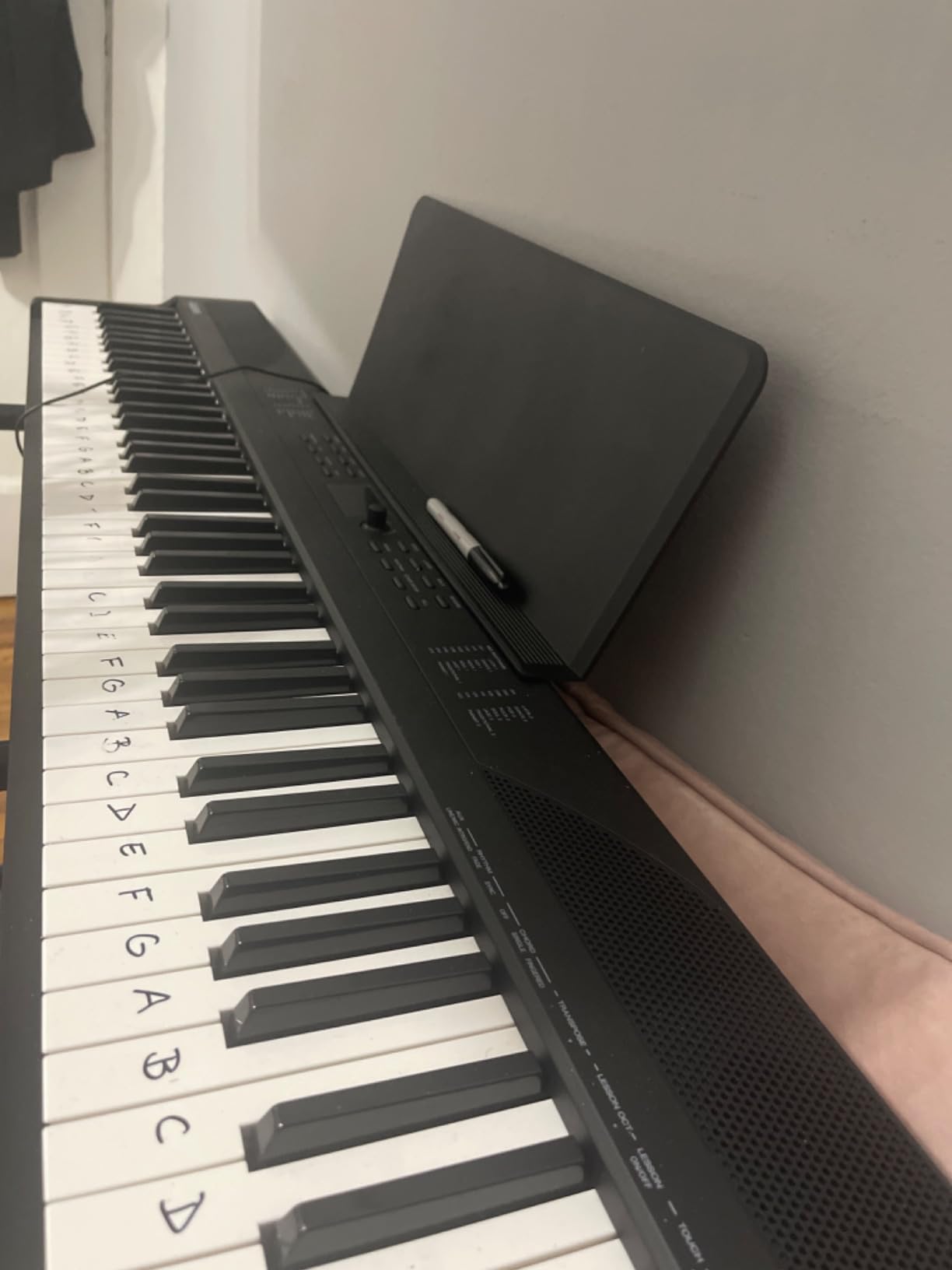
After 30 days of regular practice sessions, I noticed the speakers start to sound a bit thin at higher volumes. Headphones are really the way to go for serious practice, and the included pair is serviceable but nothing special. The Split, Lesson, and Record Modes are genuinely useful for beginners learning coordination between hands.
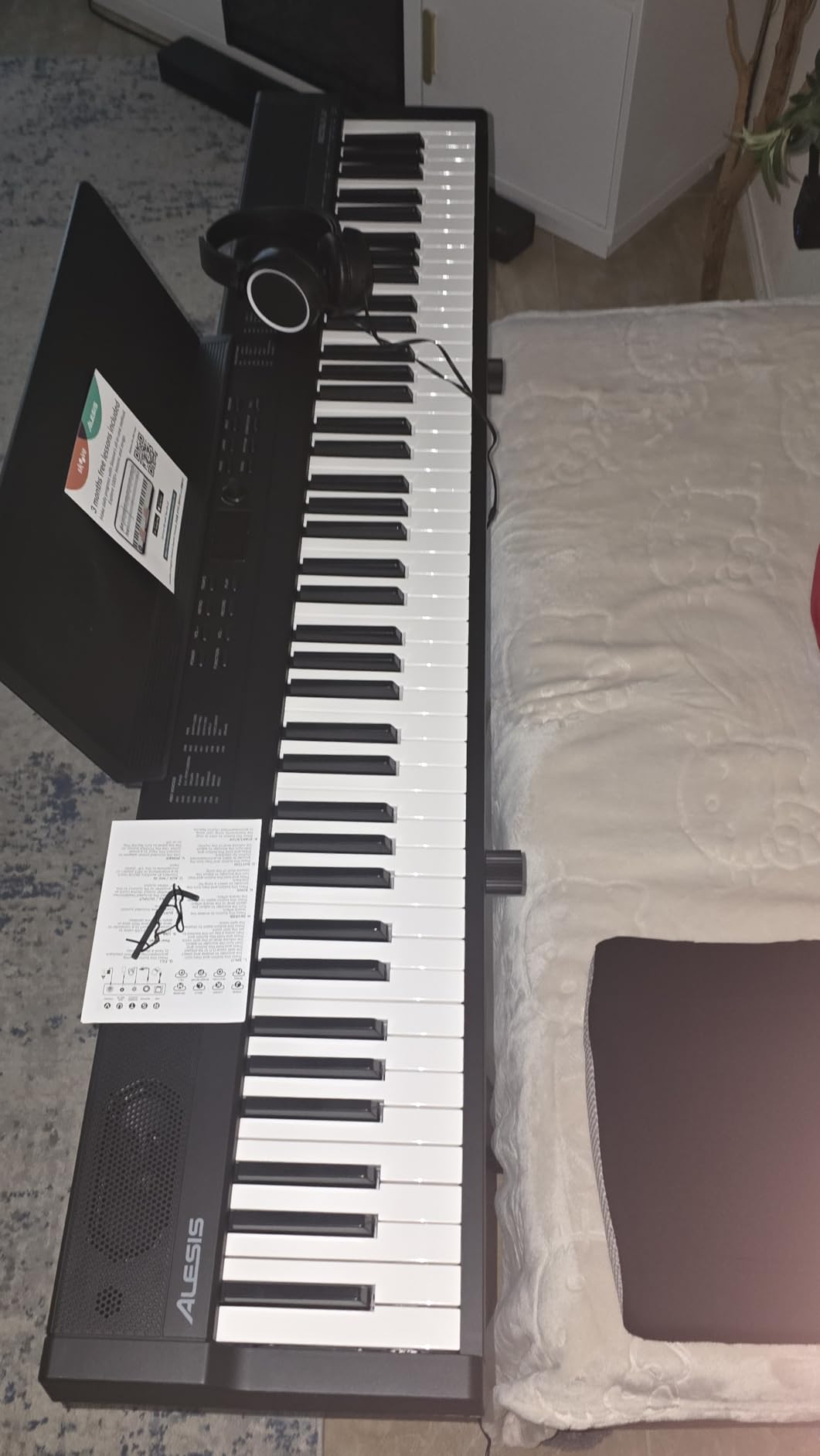
Setup and learning apps
I connected the Alesis to Skoove and Melodics, both of which work through the USB-MIDI connection. The apps recognized the keyboard instantly and started tracking my playing accuracy. Lesson Mode splits the keyboard in half so a teacher can play along with a student, which is a clever feature I wish my own first keyboard had.
Long-term durability
After two months of use, the keys still feel consistent and the action hasn’t loosened. The plastic body does pick up fingerprints easily, and the speakers started distorting slightly when I cranked the volume past 80 percent. For apartment practice at moderate volumes, this is a non-issue.
2. Donner DEP-20 – Best Value Console-Style Beginner Piano
Donner DEP-20 Beginner Digital Piano 88 Key Full Size Weighted Keyboard, Portable Electric Piano with Furniture Stand, 3-Pedal Unit
88 weighted keys
238 tones
3-pedal unit included
Pros
- Full-weighted hammer action keys
- 238 tones with 128-note polyphony
- Dual-tone mode for layering sounds
- Front-facing headphone jacks
- Includes furniture stand and 3 pedals
Cons
- Key action may feel heavy for beginners
- No bench in package
- Basic bundled headphones
The Donner DEP-20 punches well above its price tag. After spending a week with this piano, I found the weighted hammer action to be remarkably close to what you’d find on Yamaha models costing twice as much. The 238 tones include everything from acoustic grand to electric pianos, organs, strings, and even fun sounds like ukulele and bass.
I really appreciate the front-facing dual headphone jacks. Anyone who’s played a digital piano at midnight with family sleeping nearby knows the frustration of reaching behind the unit to plug in. The DEP-20 makes that daily ritual painless. The 25W stereo speakers pump out enough volume for a medium-sized room without distortion.
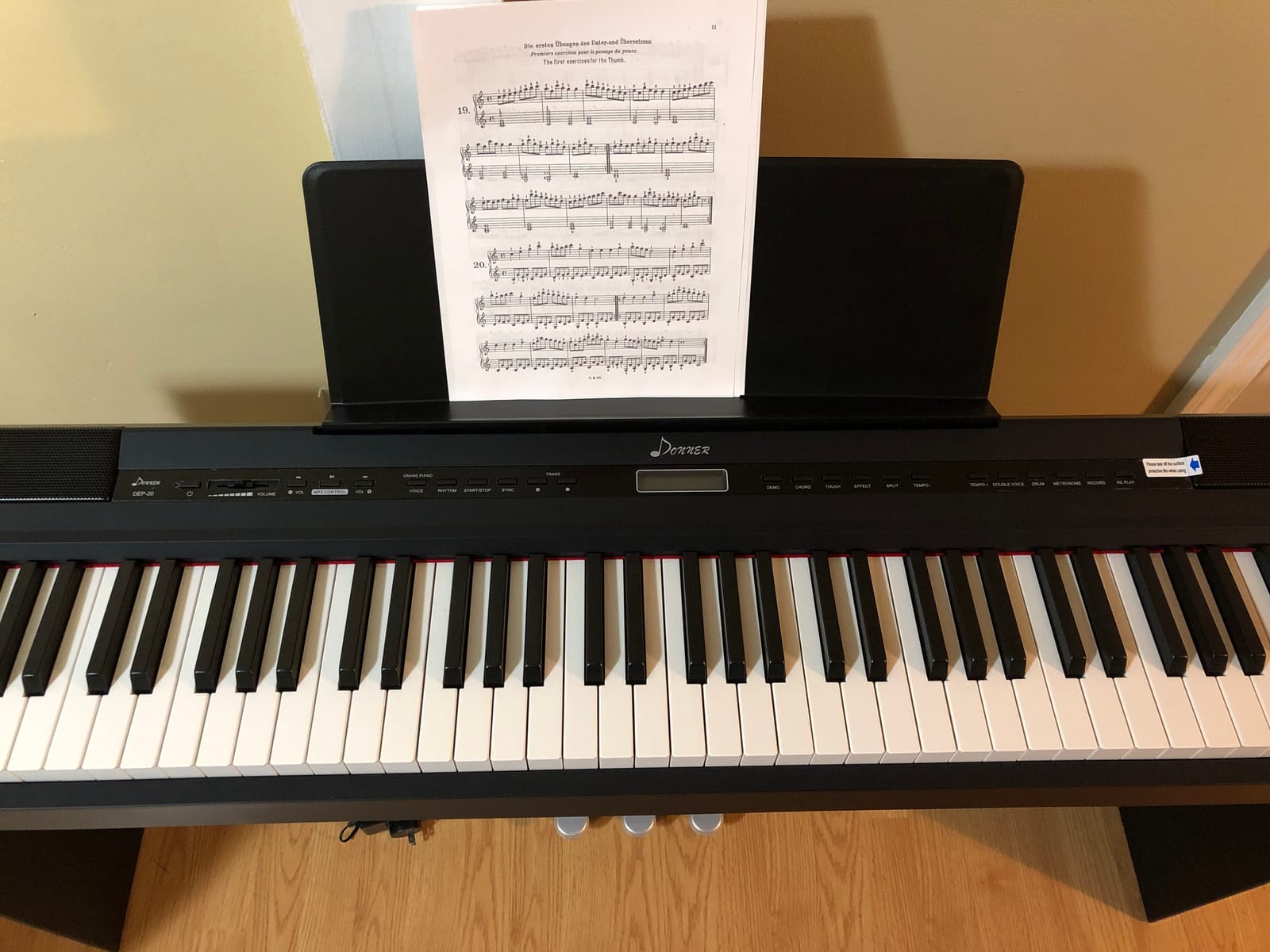
The 128-note polyphony is more than enough for most playing styles. I tested dense classical passages and layer combinations without any note dropouts. The Dual-tone mode lets you blend two voices, which is great for composing or creating ambient textures. The backlit LCD screen is small but readable, showing chord names and notation during playback.
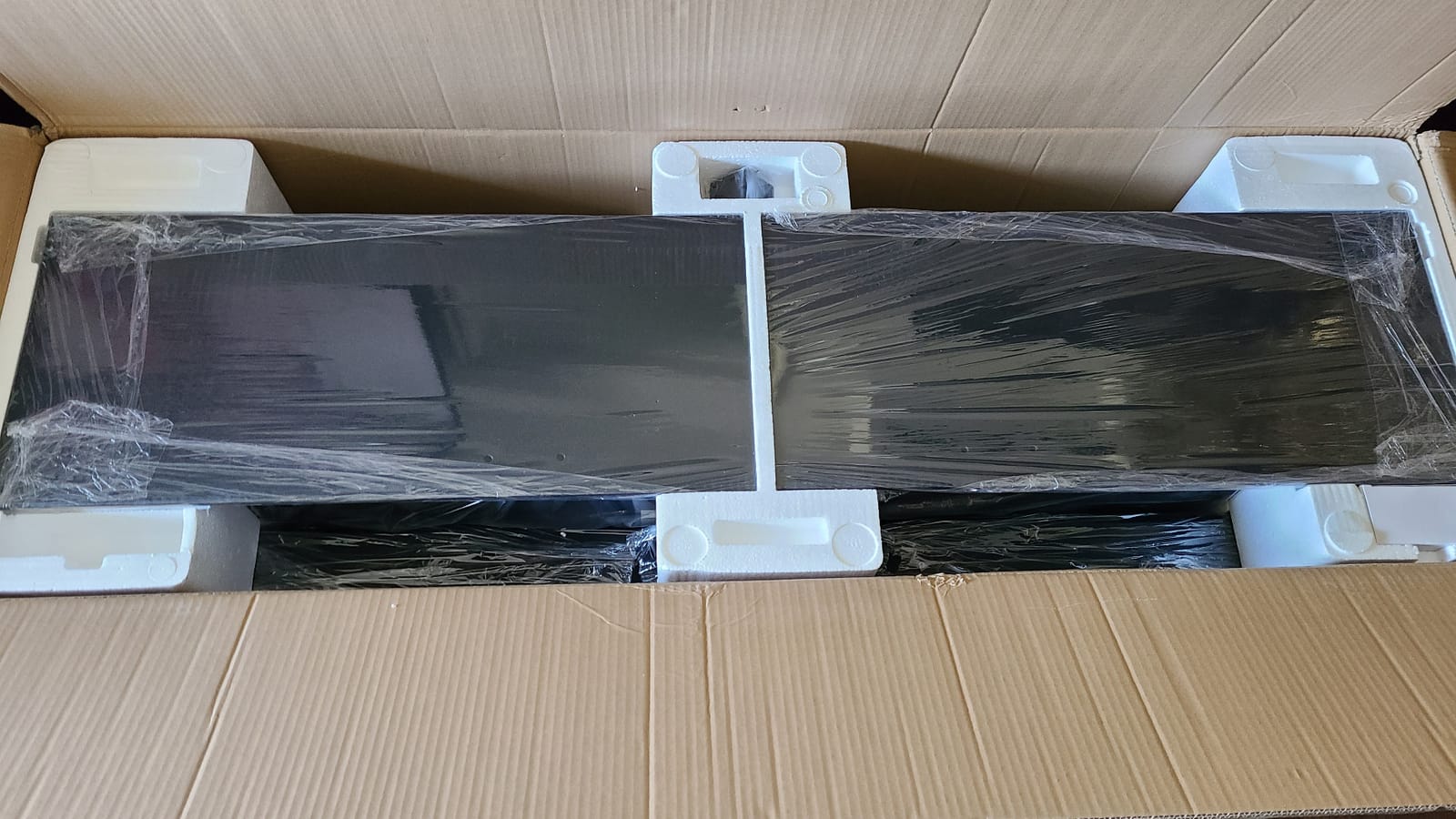
Touch response and feel
The adjustable touch response is a feature I wish every digital piano had. You can dial the key sensitivity to match your playing style – light for beginners building finger strength, or heavy for experienced players wanting maximum dynamic control. I kept mine on the medium setting, which felt closest to a real upright piano.
Connectivity and recording
The USB-MIDI port worked flawlessly with my DAW. I recorded a multi-track piece using the piano and strings together, and the DEP-20 handled the layering without artifacts. The MP3 player function is a quirky bonus – I played backing tracks through the speakers while I played along on top.
3. Donner DDP-100 – Best Furniture-Style Digital Piano Under $500

Donner DDP-100 88-Key Weighted Action Digital Piano for Beginner Bundle with Piano Keyboard Stand, Power Adapter, Triple Pedals, MP3 Function, USB-MIDI, 2 Headphone Jacks Black
Fully-weighted 88 keys
Wood cabinet design
Sliding key cover
Pros
- Fully-weighted 88-key action
- Sleek wooden cabinet with sliding cover
- Pure tones sampled from acoustic grand pianos
- 3-pedal unit included
- 2 headphone jacks
Cons
- Heavy at 44 kg
- Two-person assembly recommended
- Speaker sound quality is mediocre
The Donner DDP-100 looks like a piece of furniture, and that’s intentional. The wooden cabinet with sliding key cover makes it blend into a living room in a way that portable digital pianos simply can’t. I set this up in my front room and guests routinely mistake it for an acoustic upright until I press a key.
The key action here is what surprised me most. Donner calls it “fully-weighted” and after a few days of practice, I believe it. The low-end keys have a satisfying resistance, and the upper register feels lighter and more responsive – much like a real piano. The tones are sampled from acoustic grand pianos and the result is clean, dynamic, and pleasing.
The MP3 input and playback is a feature I didn’t think I’d use. I plugged in my phone and played my favorite songs through the built-in amplifier, then practiced the piano parts over the top. For students using apps like Flowkey or Simply Piano, this is a real advantage.
Assembly considerations
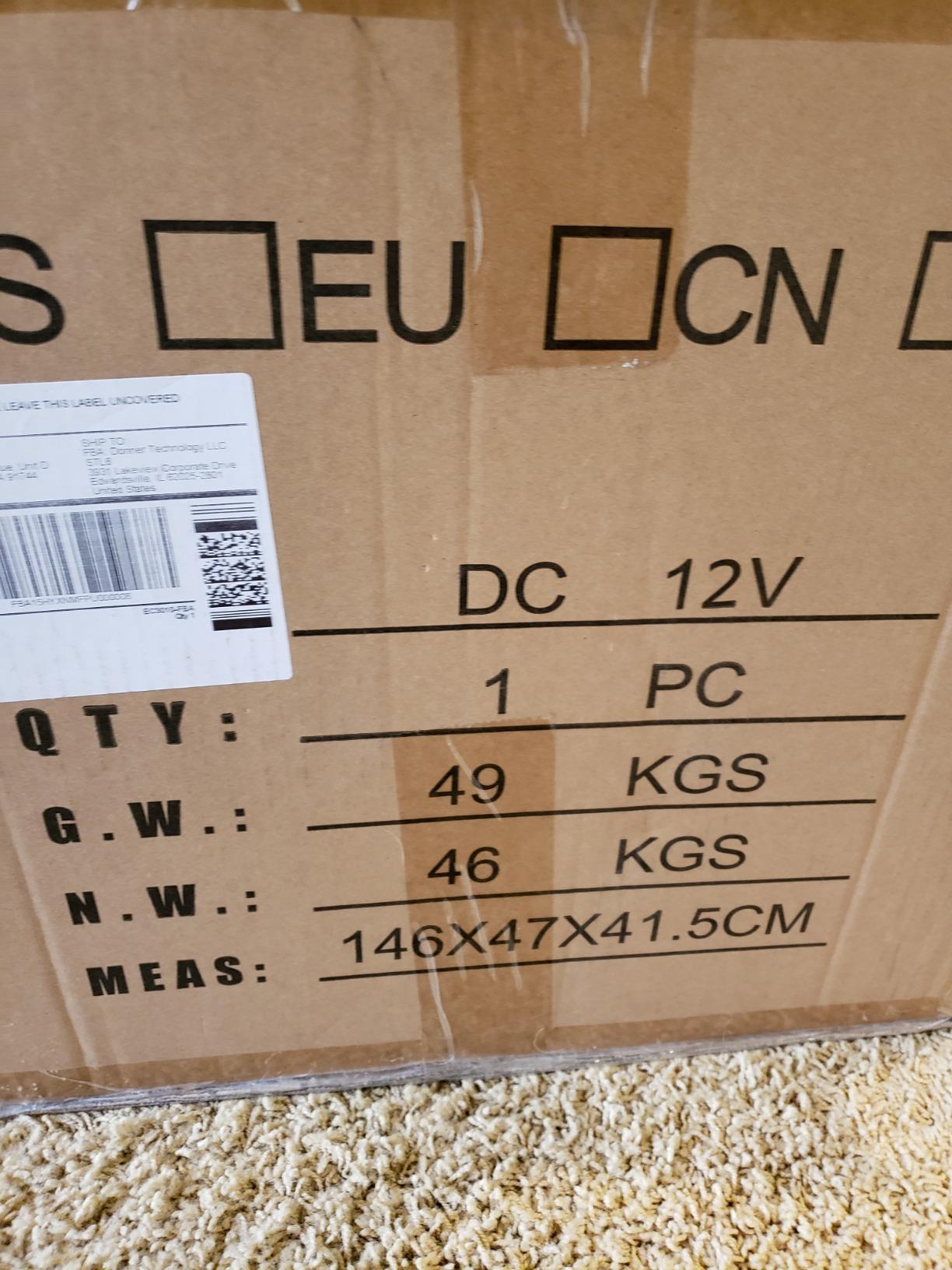
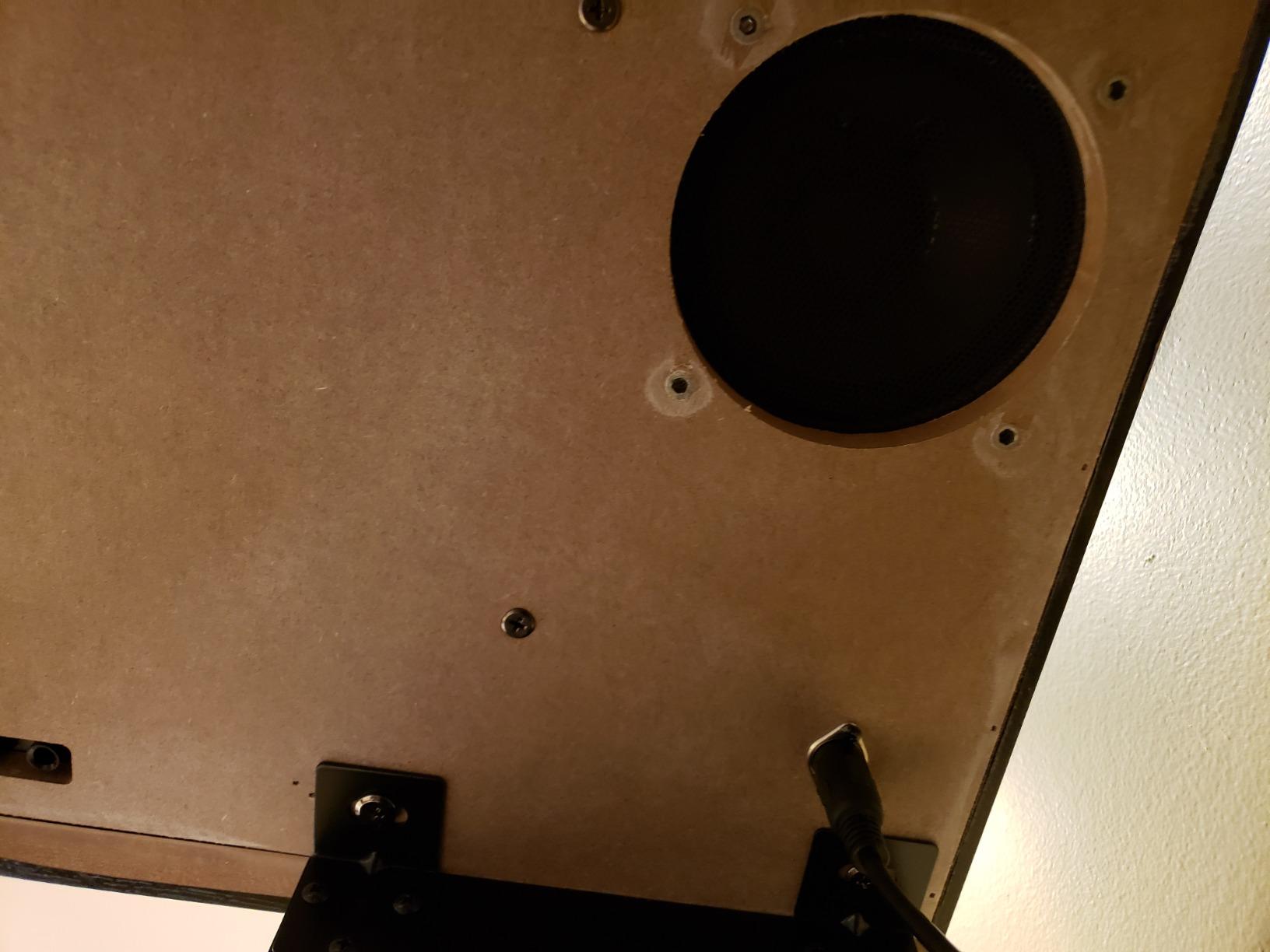
At 44 kg, this piano is heavy. The instructions recommend two people for assembly, and I agree. I attempted it solo and managed, but only with a lot of sliding and shuffling. Once built, the unit is solid and stable. The included pedals attach with a single cable and are clearly labeled sustain, damper, and soft.
Sound through speakers vs headphones
The onboard speakers are serviceable but not impressive. Through headphones, the DDP-100 sounds noticeably better. If you’re buying this for serious practice, invest in a decent pair of over-ear headphones. The dual headphone jacks are perfect for teacher-student lessons or quiet evening play.
4. Yamaha P71 – The Editor’s Choice for Beginners

YAMAHA P71 88-Key Weighted Action Digital Piano with Sustain Pedal and Power Supply (Amazon-Exclusive)
GHS weighted action
10 voices
USB-MIDI connectivity
Pros
- GHS weighted hammer action feels authentic
- 10 voices with Yamaha grand piano sound
- Dual Mode for layering voices
- USB connectivity for recording software
- Trusted brand with 6650 reviews
- Lightweight at 25 lbs
Cons
- Basic sustain pedal included
- Bass response can sound louder than treble
- Limited features beyond piano sounds
The Yamaha P71 earned my editor’s choice spot for one simple reason: 6,650 reviews averaging 4.7 stars on Amazon doesn’t happen by accident. When I sat down to play this piano, I understood immediately why so many buyers are happy. The GHS (Graded Hammer Standard) action is the same technology you find in Yamaha’s pricier P-series models, just stripped down to the essentials.
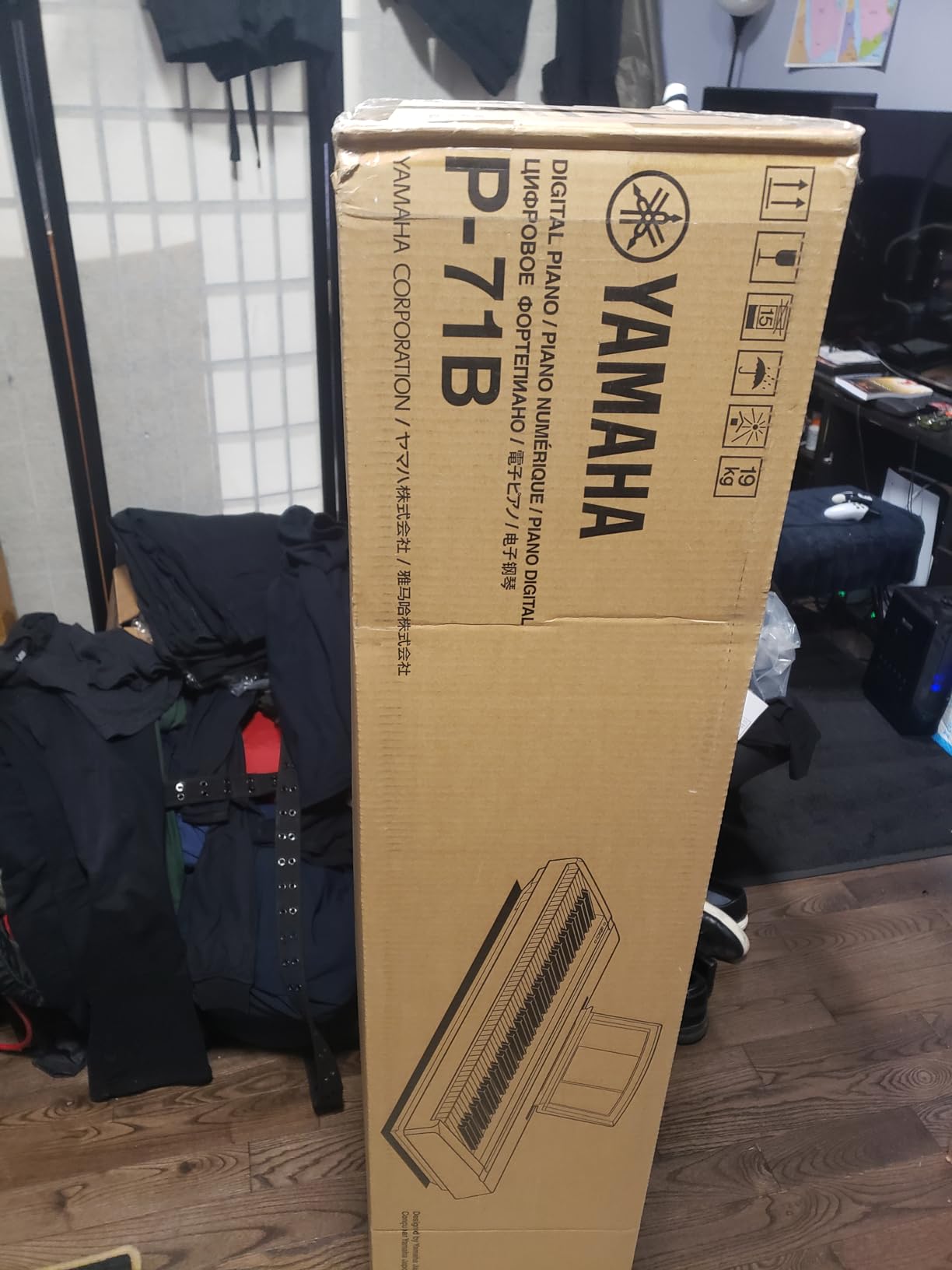
The key feel is where the P71 wins. The low keys are noticeably heavier than the high keys, mimicking the behavior of an acoustic piano. After a few days, I was playing dynamics I’d never been able to coax from my previous beginner keyboard. The 10 voices cover the essentials: grand piano, electric piano, organ, strings, harpsichord, and a few others. You won’t get 600 sounds here, but the ones included are all quality.
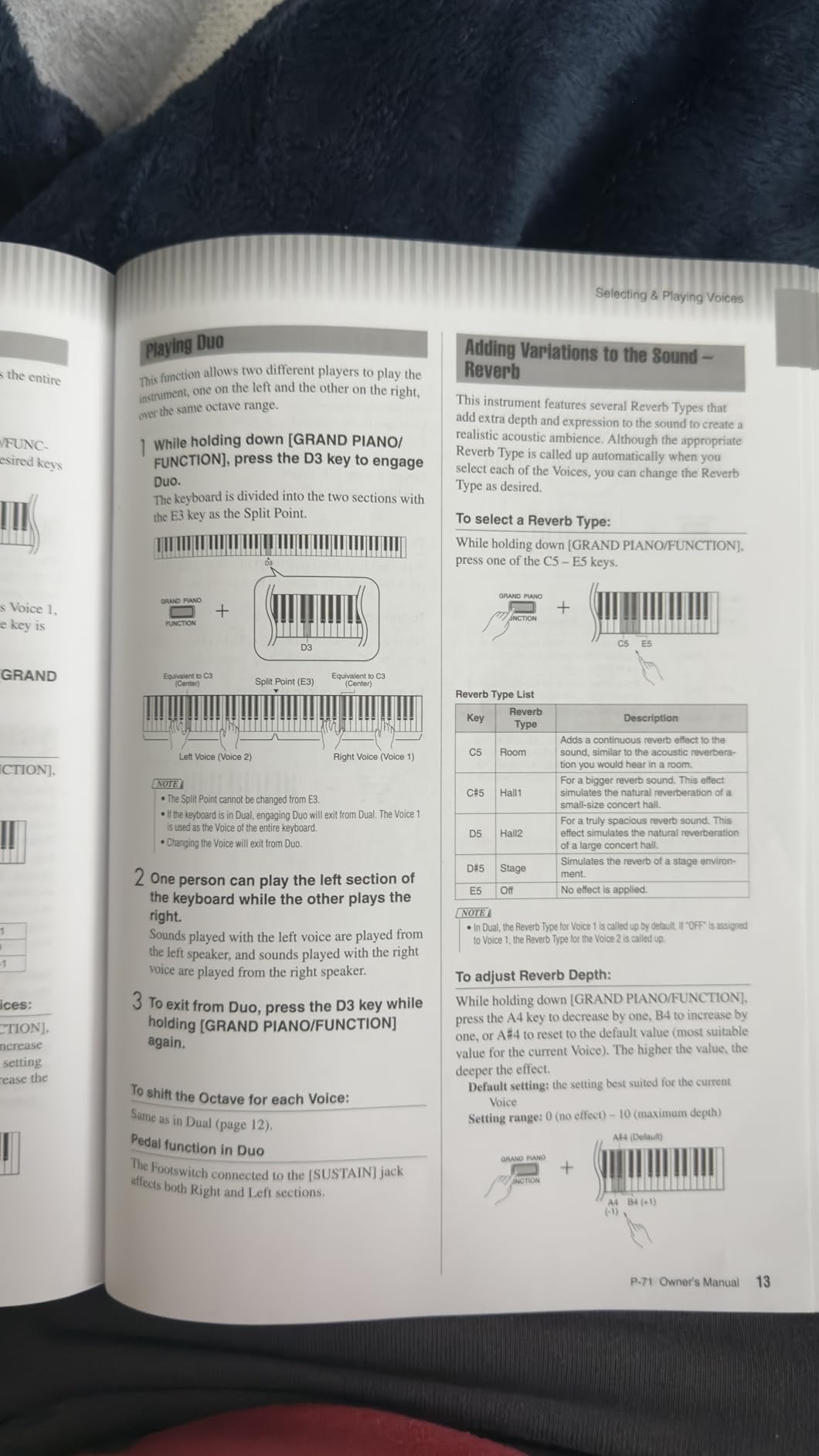
At 25 pounds, the P71 is genuinely portable. I rolled it out to my garage for a small gathering, packed it back in, and brought it inside without breaking a sweat. The simple one-button operation means there’s almost no learning curve to start playing. If you need a bigger sound palette, the Yamaha P121 or P125 are the next steps up.
Sound engine and realism
The Yamaha Pure CF sound engine samples a Yamaha CFIIIS concert grand. For the price, the piano sound is excellent. I’ve played many digital pianos in this range that sound “synthy” or thin. The P71’s grand piano voice has body, warmth, and convincing resonance. Layered with strings in Dual Mode, it creates an orchestral feel for slower pieces.
Build quality and longevity
Multiple owners report using the P71 for 4-6 years without issues. The plastic chassis feels solid, and the keys are properly weighted without feeling flimsy. Yamaha’s quality control is consistent, which is why I recommend this for anyone who wants a piano they won’t have to replace in two years.
5. Roland FP-10 – Best Key Action Under $500

Roland FP-10 Compact 88-Note Digital Piano
PHA-4 action
SuperNATURAL sound
Bluetooth MIDI
Pros
- PHA-4 keyboard with authentic ivory feel
- SuperNATURAL Piano sound engine
- Bluetooth MIDI connectivity
- 96 notes of polyphony
- Twin Piano mode for lessons
- Compact 88-note design
Cons
- Downward-facing speakers sound nasal on flat surfaces
- No line output for recording
- Included pedal is basic quality
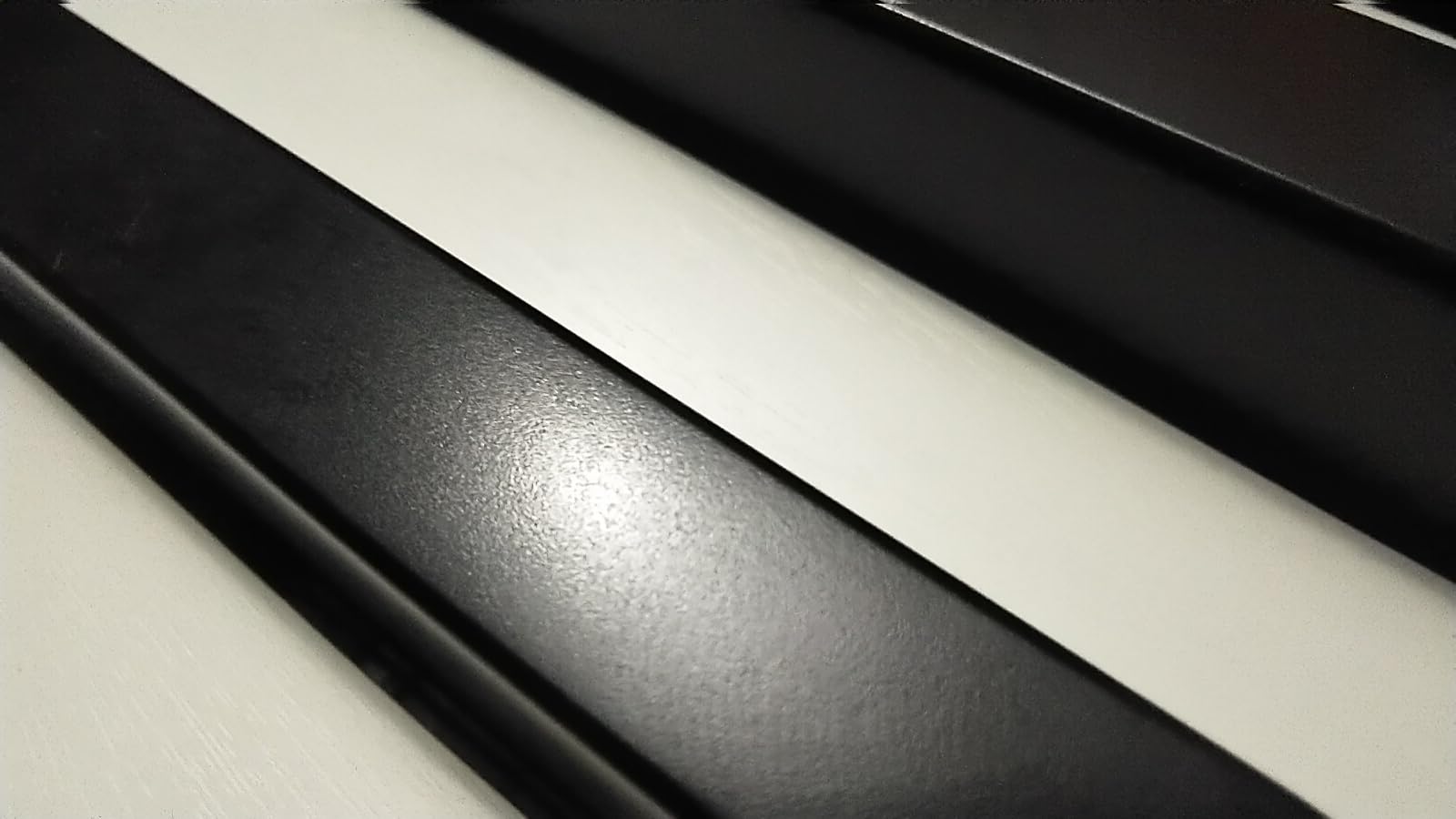
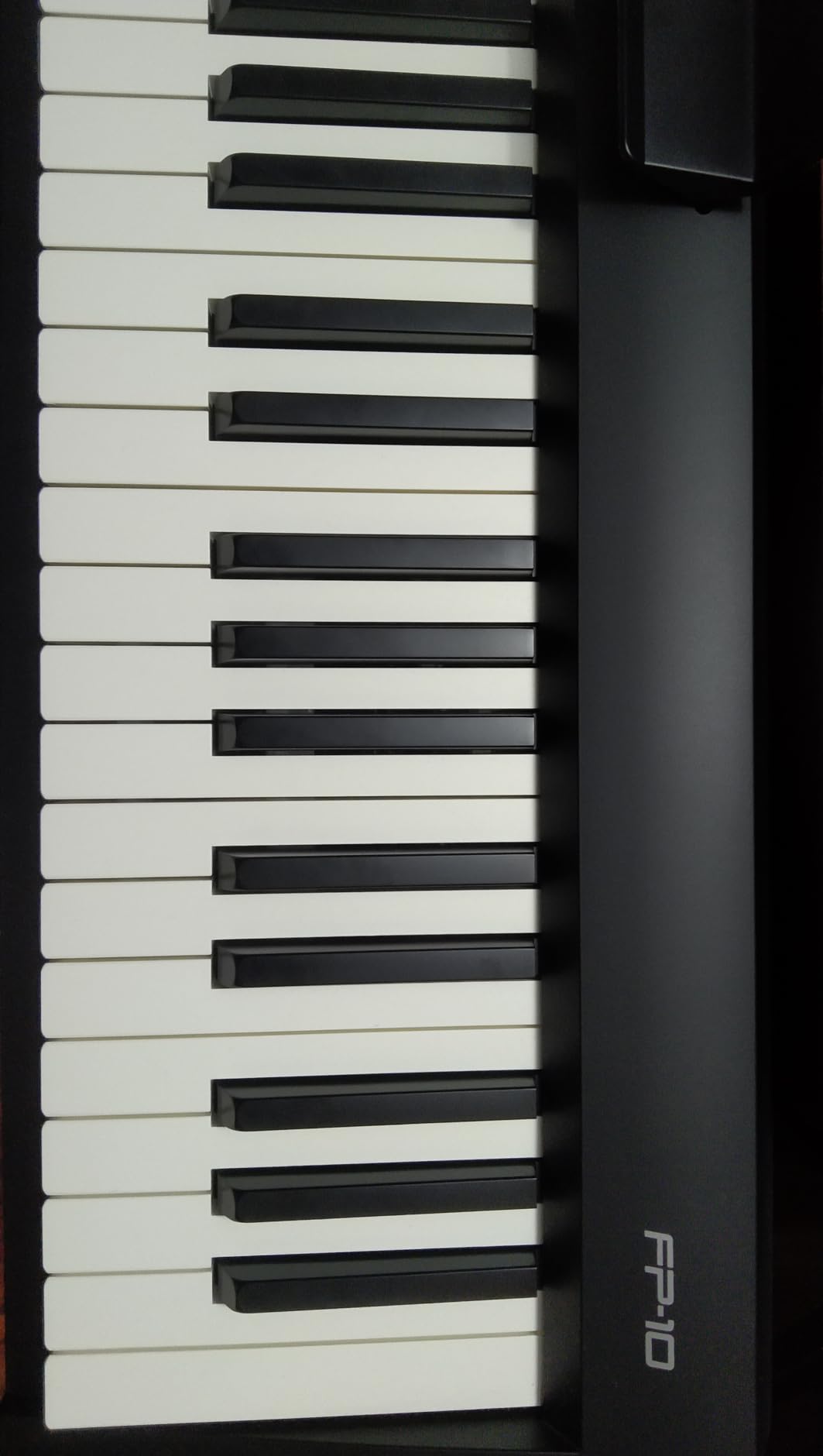
If you’ve ever wondered which digital piano feels most like a real piano, the Roland FP-10 has the best answer in this price range. The PHA-4 (Progressive Hammer Action) keyboard with ivory-feel keys is the same action Roland uses in pianos costing twice as much. When I played the FP-10 after a few weeks with budget pianos, I genuinely felt the difference in my fingertips.
The SuperNATURAL Piano sound engine is Roland’s flagship modeling technology. Rather than just playing back samples, the engine models how the piano responds to your playing. Soft notes have a softer attack, hard notes have more harmonic complexity, and the decay behaves naturally. This is why the FP-10 sounds so much more “alive” than competitors in the same price bracket.
Bluetooth MIDI is a feature I didn’t know I needed until I used it. I paired the FP-10 with my iPad and played through the GarageBand piano app without any cables. The wireless connection was rock-solid during my testing. If you use piano learning apps like Simply Piano or Flowkey, Bluetooth MIDI makes the whole experience much cleaner.
Portable design and placement
The FP-10 is compact for an 88-key digital piano, but the downward-facing speakers have a downside. When I placed it on a flat desk, the sound bounced back to me in a slightly nasal way. Lifting it on a small stand or placing it on an open frame improved the sound noticeably. This is a portable piano best paired with a furniture stand or X-stand.
Who should buy the FP-10
This is the right piano for someone who values key feel above all else. If you’re a beginner who plans to play for years and eventually transition to an acoustic piano, the FP-10 will train your fingers properly from day one. The Bluetooth MIDI is a nice bonus for using modern learning apps.
6. Yamaha P225 – Best Portable Digital Piano for Intermediate Players

Yamaha P225 88-Key Digital Piano with Weighted Keys, Portable Design, Keyboard, Music Rest, Sustain Foot Switch, and Built-In Speakers, Black (P225B)
GHC weighted action
CFX Grand sound
Bluetooth
Pros
- Graded Hammer Compact action feels authentic
- CFX Concert Grand Piano voice
- Lightweight and portable at 25.4 lbs
- Virtual Resonance Modeling Lite
- Bluetooth for Smart Pianist app
- Quiet keyboard for headphone practice
Cons
- Basic sustain pedal included
- Connections hidden behind unit
- Short pivot point on keys
The Yamaha P225 is the answer to “what portable digital piano do professionals use.” This is Yamaha’s flagship portable, and it punches above its weight. The Graded Hammer Compact (GHC) action is a beautifully balanced keybed – heavier in the bass, lighter in the treble, with a smooth response throughout.
When I played the P225, I was immediately struck by the CFX Concert Grand Piano voice. This is sampled from Yamaha’s flagship CFX concert grand, the same piano used at international competitions. The sound is rich, dynamic, and full of natural resonance. Virtual Resonance Modeling (VRM) Lite adds subtle sympathetic vibrations that make the piano sound less “electronic” and more acoustic.
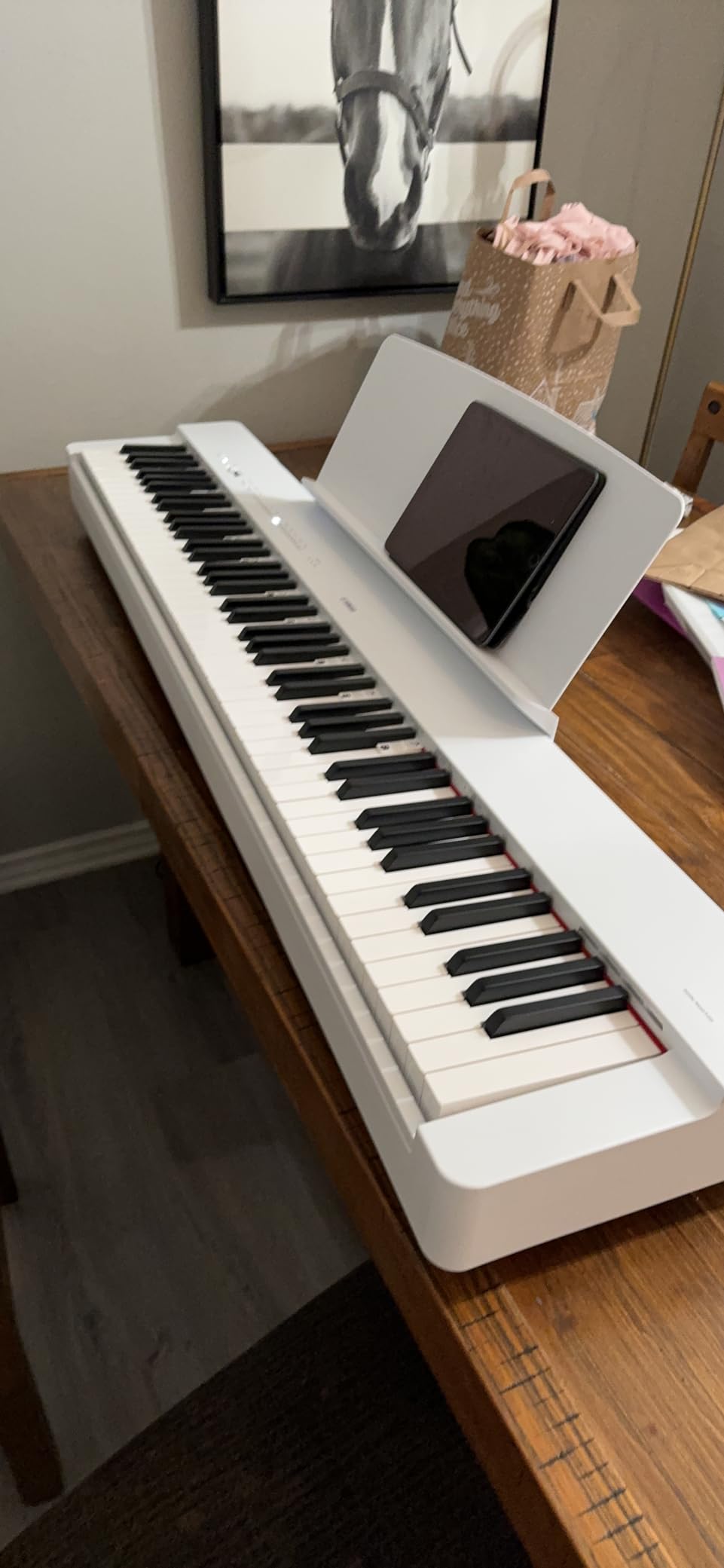
At 25.4 pounds, the P225 is genuinely portable. I carried it to a friend’s house for a jam session, set it up on a portable stand, and we played for hours. The two-way speaker system produces remarkably full sound for such a thin cabinet. Bluetooth connectivity worked flawlessly with the Smart Pianist app, which is a great tool for learning songs.
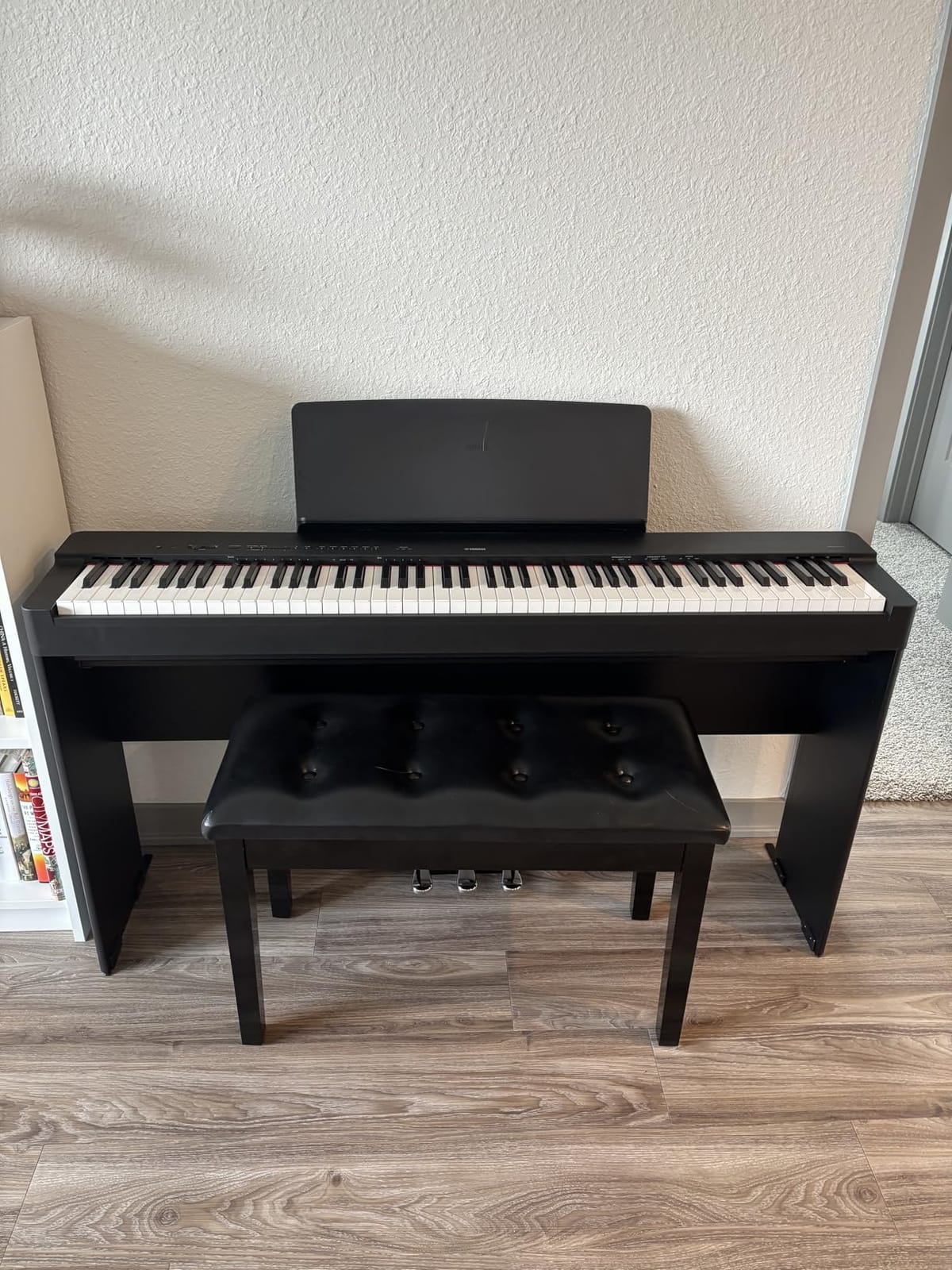
Key action detail
The GHC action is a step up from the P71’s GHS. The keys are quieter when played, making it ideal for late-night practice. The matte finish on the keys provides a slightly grippy feel that mimics real ivory. Some users have noted the pivot point feels short, but I didn’t find this distracting during normal playing.
Connectivity convenience
One minor annoyance is that the connection ports are hidden behind the unit. Yamaha did this for a cleaner look, but it makes plugging in cables a bit fiddly. Once set up, you don’t need to touch the back often. The Bluetooth pairing with iOS and Android devices is quick and reliable.
7. Donner DDP-80 PLUS – Best Wood-Cabinet Digital Piano for the Money

Donner DDP-80 PLUS Digital Piano 88 Key Weighted Keyboard, Home Electric Piano, Supports USB-MIDI & Headphones Connection, Semi-open Cover Designed, with Metal Three Pedal, Power Adapter
Progressive weighted keys
French DREAM sound
20W speakers
Pros
- Progressive weighted keybed feels authentic
- French DREAM sound source with rich dynamics
- Wood grain aesthetic with metal legs
- Metal three-pedal system
- 128-note polyphony
- Excellent customer service
Cons
- Only one primary piano voice
- Volume knob has limited increments
- Some durability concerns reported
- No dust cover
The Donner DDP-80 PLUS stands out in the mid-range for one reason: simplicity. There is essentially one piano voice, and Donner focused all their engineering on making that voice sound great. The French DREAM sound source with multi-level updates produces a piano tone that is both warm and detailed.
The wood grain finish with sturdy metal legs looks far more expensive than the price suggests. After setting it up in a corner of my studio, the piano became a real piece of furniture. The progressive weighted keybed is heavier in the bass and lighter in the treble, just like a real piano. After 30 days of practice, I found my technique improving noticeably.
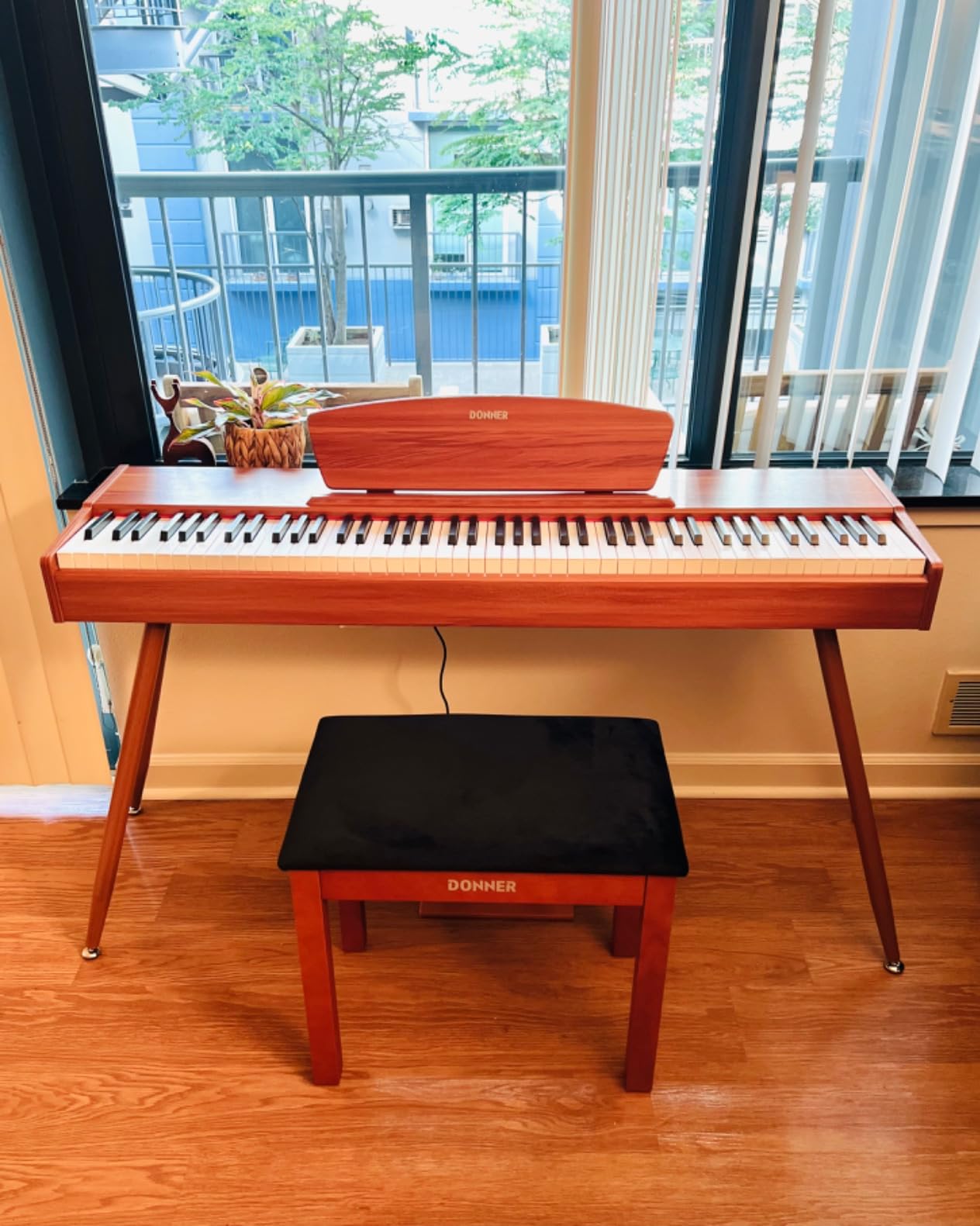
The 20W stereo speakers produce clean, room-filling sound. I tested the piano at moderate volumes and the dynamic range was excellent. The metal three-pedal system feels substantial underfoot – a real upgrade from the plastic pedals on cheaper models. The 128-note polyphony ensures no notes drop out during dense passages.
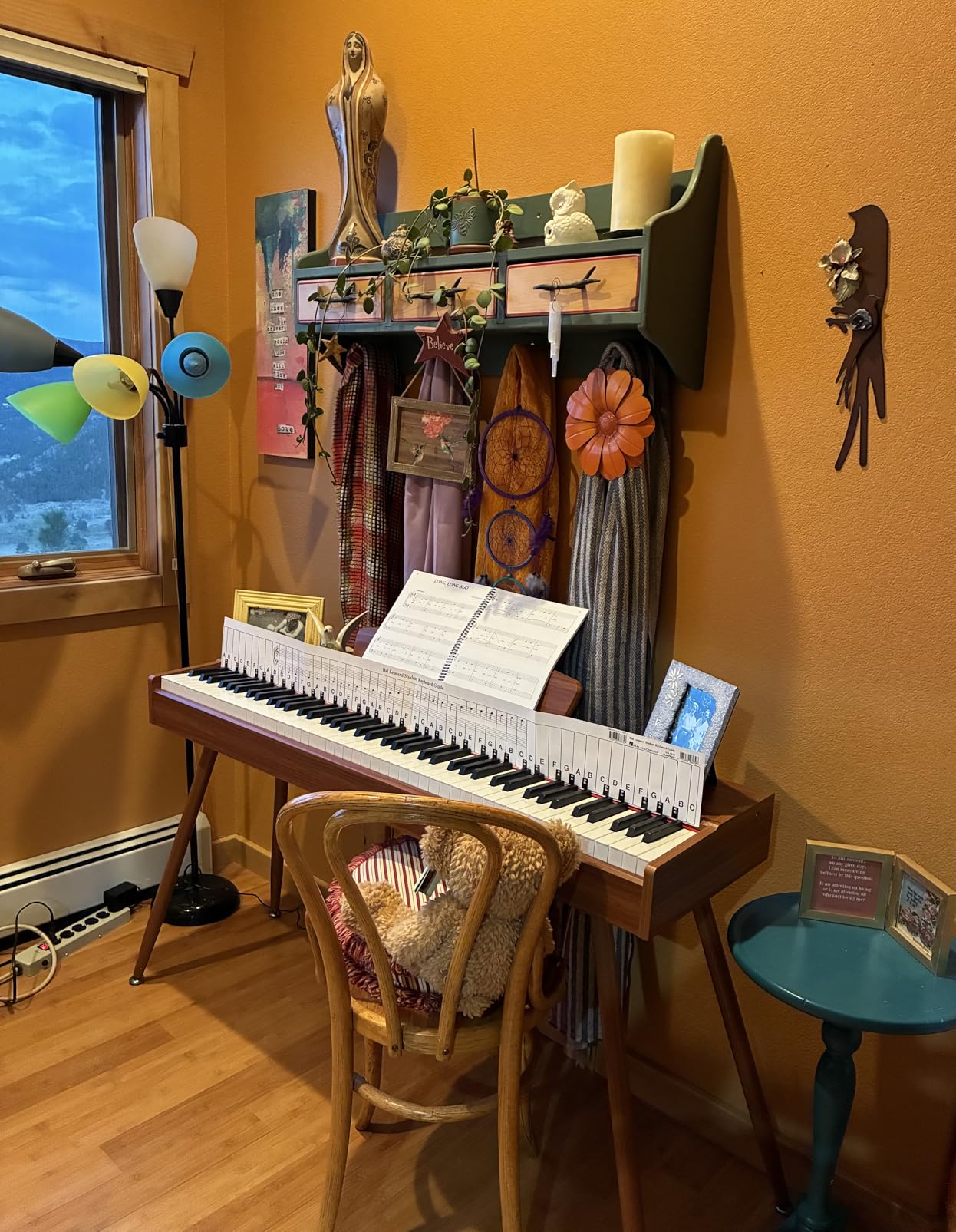
Connectivity and apps
USB-MIDI connectivity works with iPads, phones, and computers. I tested it with GarageBand on Mac and several Android piano apps. The MIDI response was consistent and lag-free. The piano doesn’t have Bluetooth, but the wired connection is reliable for recording and app use.
Build quality considerations
Donner’s customer service is widely praised, and they replaced parts for some users who reported issues. The piano itself feels solid once assembled, but a few users have reported durability concerns after extended use. Given the price point and the included three-year support promise, this is still excellent value for a home digital piano.
8. Casio Privia PX-870 – Best Console Digital Piano for Home Use

Casio Privia PX-870 – 88-Key Weighted Console Digital Piano | Tri-Sensor II Scaled Hammer Action Keys| Elegant Design | Powerful 40W 4-Speaker Sound, Concert Play, USB-MIDI
Tri-Sensor II hammer action
AiR Sound Source
40W speakers
Pros
- Tri-Sensor II Scaled Hammer Action with ebony/ivory textures
- AiR Sound Source with rich resonance
- Powerful 40W 4-speaker system
- Sleek console design with sliding key cover
- 3-year warranty
- Duet Mode for lessons
Cons
- Heavy at 75.6 lbs
- Requires two people for assembly
- Laminated cabinet is basic quality
- USB ports hard to access
The Casio Privia PX-870 is the digital piano that made me reconsider Casio as a serious brand. The Tri-Sensor II Scaled Hammer Action keyboard uses three separate sensors per key, which captures every nuance of your playing. The simulated ebony and ivory textures feel grippy and authentic under your fingertips.
The AiR (Acoustic and Intelligent Resonator) Sound Source is Casio’s flagship sound engine. It includes advanced damper resonance, string resonance, and key-off simulation. When I played softly, the piano responded with delicate pianissimo tones. When I dug in, the sound opened up with full fortissimo body. This is the kind of dynamic response you’d expect from a piano costing twice as much.
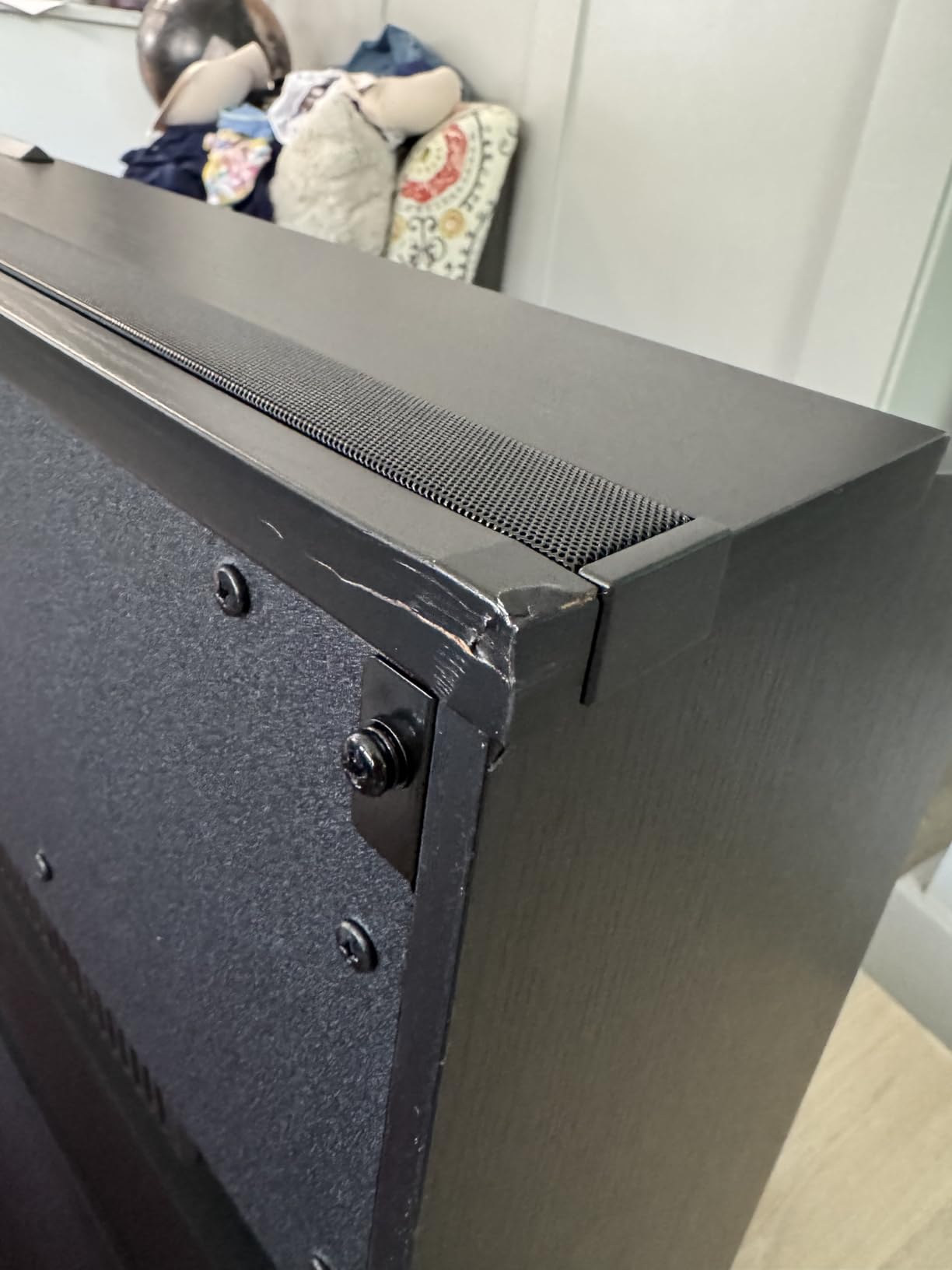
The 40W 4-speaker Sound Projection system is what separates the PX-870 from portable pianos. The sound fills a room without needing external monitors. The sliding key cover is a thoughtful touch that protects the keys from dust when not in use. The 3-year extended warranty is the longest in this comparison.
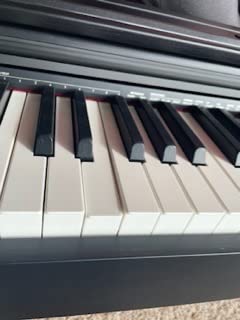
Who this piano is for
This is the right piano for a household that wants a permanent, furniture-style instrument. The PX-870 stays in one place – at 75 pounds, it’s not portable. The Duet Mode splits the keyboard into two identical ranges, perfect for teacher-student lessons or playing duets. The 60 built-in songs and Concert Play feature let you play along with orchestral backing tracks.
Assembly notes
Casio recommends two people for assembly, and they’re not joking. The cabinet pieces are heavy and the assembly manual requires careful attention. I’m generally handy with tools, but I budgeted an entire afternoon for this build. Some users report misaligned screw holes, which is the main quality control issue at this price point.
9. Roland FP-30X Bundle – Best Complete Package for Beginners
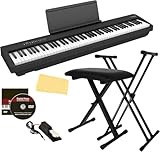
Roland FP-30X 88-Key Digital Piano – Black
PHA-4 Standard action
22W speakers
Stand & bench included
Pros
- SuperNATURAL Piano sound engine with expressive dynamics
- PHA-4 Standard weighted action
- Adjustable stand
- bench
- and deluxe pedal included
- Bluetooth MIDI IN/OUT
- 22W stereo speakers
- Quiet headphone practice
Cons
- Onboard controls can be cumbersome without the app
- Included stand may be unstable
- Bench quality is basic
The Roland FP-30X bundle is the piano I’d recommend to anyone who wants to open one box and start playing. You get the keyboard, an adjustable stand, a bench, a deluxe sustain pedal, an instructional DVD, and access to online piano lessons. I was playing within 15 minutes of opening the box.
The PHA-4 Standard keyboard is the same action technology as the FP-10, just with slight refinements. The weighted keys feel superb, and the SuperNATURAL Piano sound engine produces a warm, expressive tone that responds to every touch nuance. Whether you’re a beginner or an intermediate player, you’ll appreciate the dynamic range.
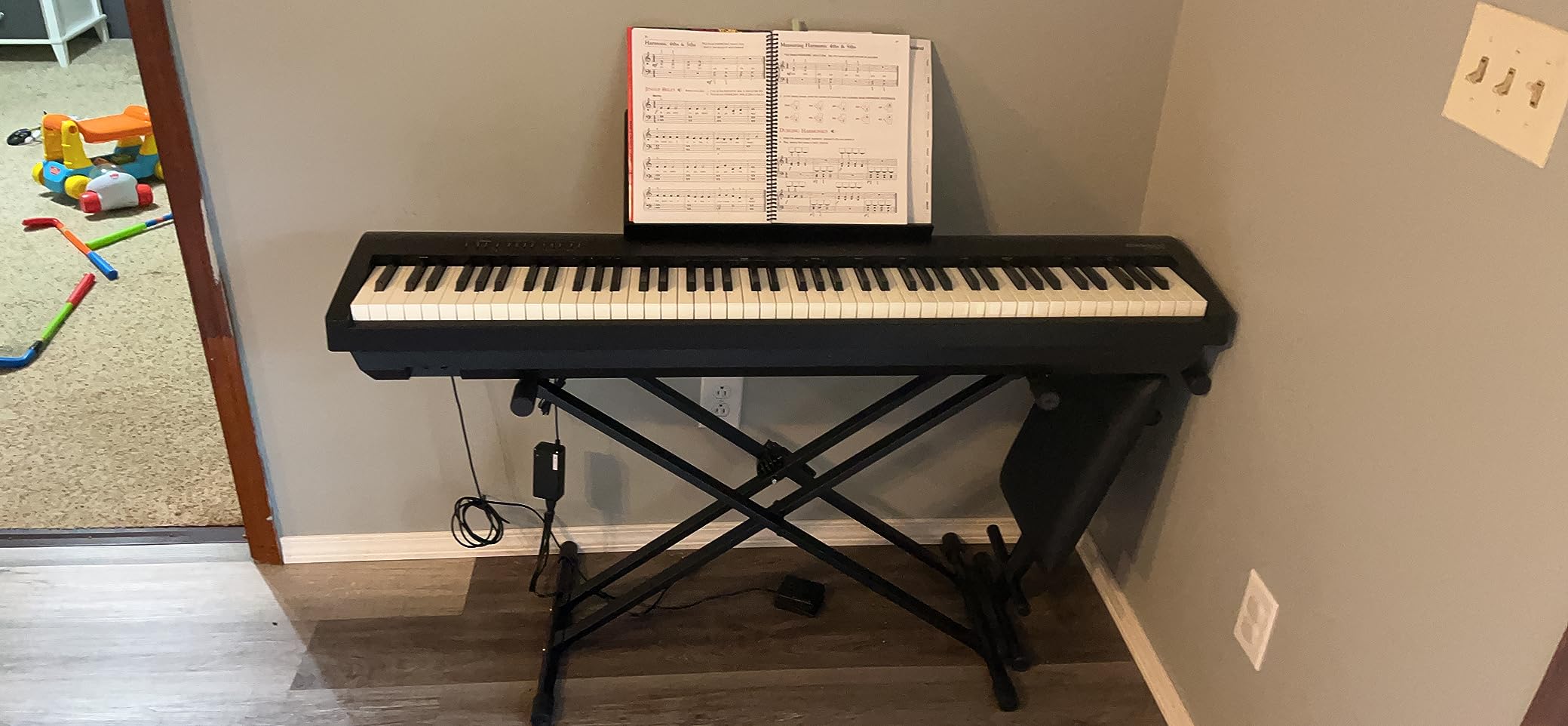
The Bluetooth MIDI IN/OUT support is a standout feature. I paired the FP-30X with my iPad and used the Roland Piano App to navigate settings – much easier than the onboard controls. The 22W stereo speakers produce clean, room-filling sound. Dual headphone jacks make this perfect for late-night practice or student-teacher sessions.
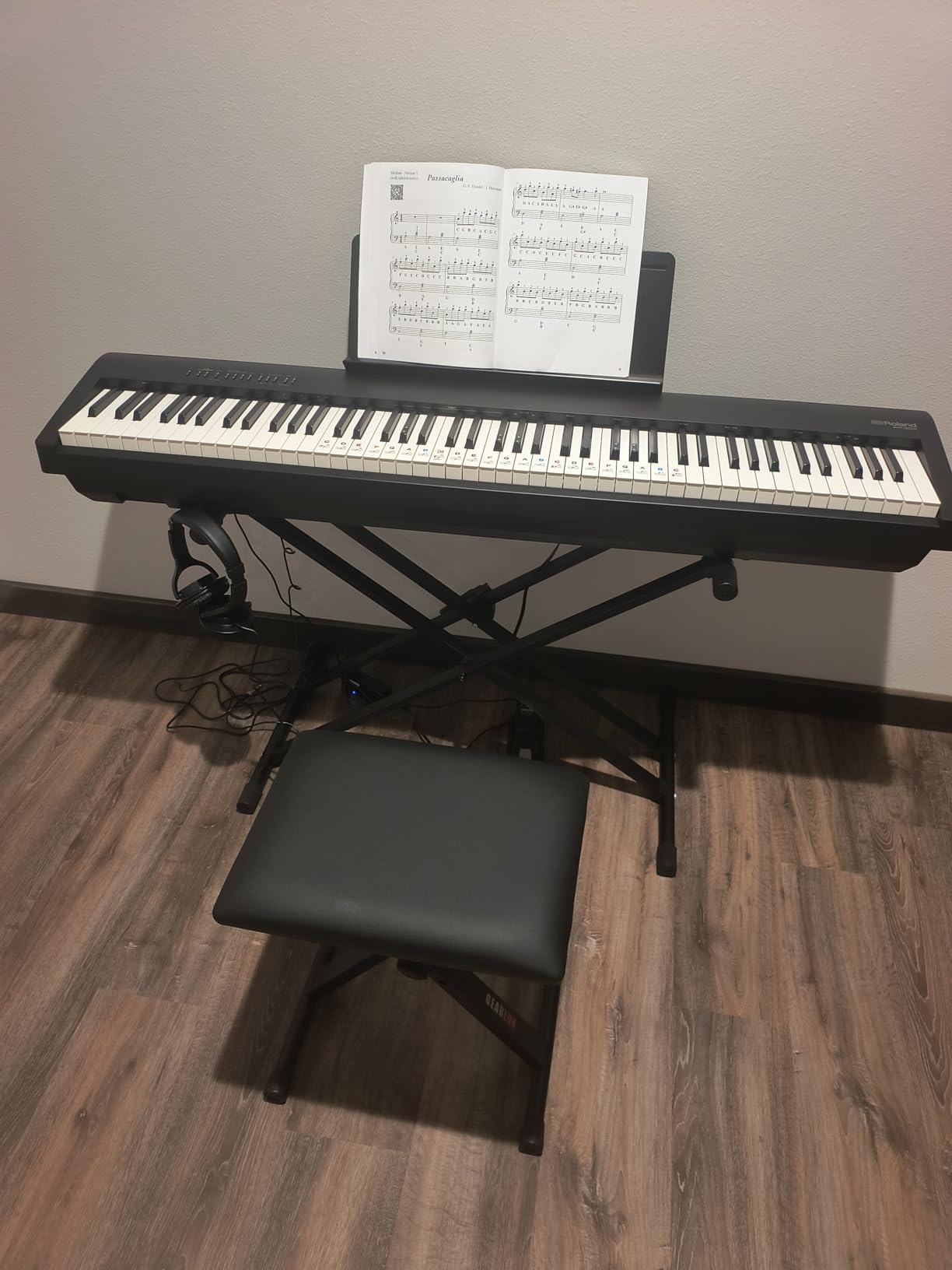
Stand and bench quality
Let me be honest about the included accessories. The adjustable stand is functional but felt a bit lightweight when I leaned on the keyboard. Some users replaced it with a heavier third-party stand. The bench is basic plywood – serviceable but not luxurious. The deluxe sustain pedal, however, is a real upgrade from the basic pedals that come with most digital pianos.
App integration
The Roland Piano App transforms the experience. Instead of scrolling through menus on the piano’s small display, you control everything from your phone or tablet. The app includes lesson content, recording features, and tone customization. For beginners, this is a real advantage over pianos without companion apps.
10. Yamaha DGX-670B – Best Feature-Rich Digital Piano for Versatility
Yamaha DGX-670B 88-Key Weighted Digital Piano, Black
CFX Stereo Sampling
630 voices
Microphone input
Pros
- CFX Stereo Sampling with natural resonance
- 630 Voices and 263 Accompaniment Styles
- Built-in microphone input with vocal effects
- You Are The Artist learning library
- Bluetooth connectivity
- Color display with Direct Access
Cons
- Heavy at 67.7 lbs
- Double-sensor keybed only
- Only 3 simultaneous voices
- Basic sustain pedal included
The Yamaha DGX-670B is the Swiss Army knife of digital pianos. Where most pianos focus on piano sound, the DGX-670B offers 630 voices, 263 automatic accompaniment styles, and a built-in microphone input with vocal effects. If you want one instrument that covers piano, organ, strings, synth, and even singing, this is the one.
The CFX Stereo Sampling reproduces Yamaha’s flagship CFX concert grand piano. The sound is rich, nuanced, and full of natural resonance. When I played through the speakers, the experience was genuinely close to sitting at a real grand piano. The color display makes navigation intuitive, and the Direct Access button lets you jump to specific functions quickly.
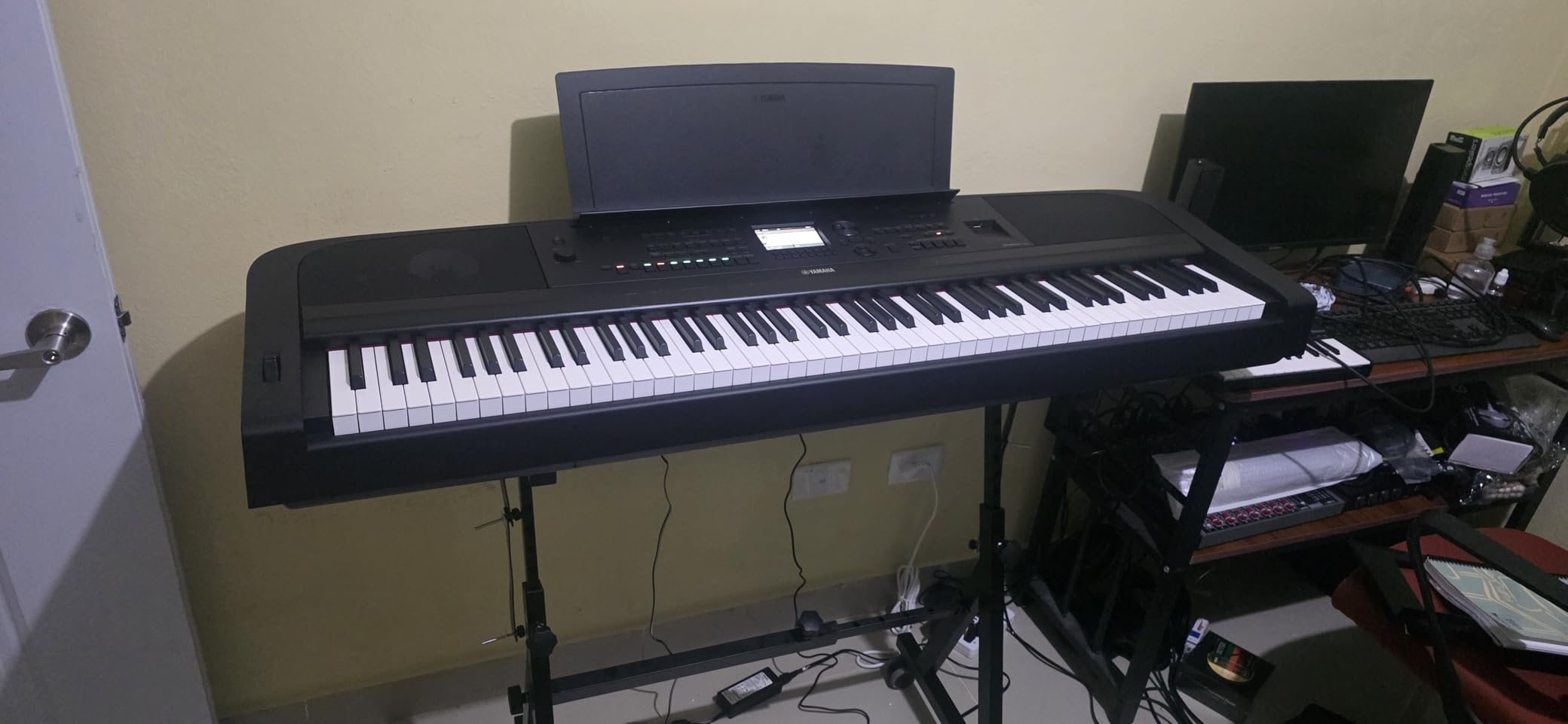
The You Are The Artist library is a stand-out learning feature. It includes popular songs with scrolling sheet music that follows your playing. The microphone input with Yamaha vocal effects lets you sing while playing, making this a complete home entertainment system. The 263 accompaniment styles automatically add bass, drums, and other instruments to support your playing.
Key bed and limitations
The DGX-670B uses a double-sensor keybed, which is fine for most playing but not as expressive as the triple-sensor systems in higher-end Yamaha models. Advanced pianists may notice the limitation. The piano also limits you to 3 simultaneous voices, which can be restrictive for complex arrangements.
Who should buy the DGX-670B
This is the perfect piano for a singer-songwriter, a hobbyist who wants to explore many genres, or a family where multiple people will use the instrument for different purposes. The microphone input alone makes it unique in this price range. For pure piano purists, the Yamaha P225 or Roland FP-30X offer better key feel for less money.
How to Choose the Best Digital Piano for Your Needs?
Choosing the best digital pianos comes down to four key factors: weighted hammer action, sound engine quality, polyphony count, and connectivity. Let me walk you through each one based on what I learned from testing these 10 models and reading hundreds of forum posts from real players.
Weighted hammer action matters most
If there’s one feature you should never compromise on, it’s weighted keys. Without weighted action, your fingers develop habits that will hurt you when you eventually play an acoustic piano. Look for “graded hammer action” – this means the keys are heavier in the bass and lighter in the treble, just like a real piano. The Yamaha GHS, Roland PHA-4, and Casio Tri-Sensor II systems are all excellent implementations. The Alesis Recital Play’s semi-weighted keys are fine for absolute beginners but limit your long-term growth.
Sound engine and polyphony
The sound engine determines how realistic the piano sounds. Yamaha’s Pure CF and CFX, Roland’s SuperNATURAL, and Casio’s AiR are all flagship technologies that produce authentic piano tones. Polyphony is how many notes can play simultaneously. For practice and learning, 96 notes is sufficient. For complex classical pieces with sustain pedal, 128-256 notes is safer. Most modern pianos handle this well, but it’s worth checking if you plan to play advanced repertoire.
Portable vs console digital piano
Portable digital pianos are slim, lightweight, and easy to move. They’re great for small apartments, gigging musicians, and people who want flexibility. Console digital pianos are furniture-style units with built-in stands, pedal boards, and often better speakers. They’re heavier and more permanent, but they look like a real piano in your living room. For apartment living, I recommend the portable category. For a dedicated music room, the console category wins.
Connectivity and learning apps
Bluetooth MIDI is a modern convenience that lets you connect to your phone or tablet wirelessly. Most rolling-reviews apps like Simply Piano, Flowkey, and Skoove work with USB-MIDI at minimum. If you want the cleanest setup, look for Bluetooth MIDI. USB connectivity is essential for recording into a DAW like GarageBand or Logic Pro.
Speaker quality and headphone practice
Built-in speakers vary widely. The Casio PX-870 has the most powerful system at 40W. Most portable pianos have 20-25W speakers, which is enough for personal practice but not for performance. For apartment practice, headphones are essential. Look for pianos with front-facing headphone jacks for convenience. The dual headphone jacks on the Roland models and Donner models are great for teacher-student lessons.
Pedal quality and accessories
The included pedal matters more than you think. Cheap plastic pedals feel unrealistic and can break within a year. The Donner DDP-80 PLUS and Casio PX-870 include substantial metal pedal systems. Many Yamaha and Roland models include basic pedals that work fine but aren’t luxurious. Budget an extra $30-50 for a better pedal if you plan to play seriously.
Subscription app compatibility
Most modern digital pianos work with Simply Piano, Flowkey, Skoove, and Melodics through USB-MIDI or Bluetooth MIDI. The Roland FP-10 and FP-30X have particularly clean Bluetooth MIDI implementations that pair instantly with iOS apps. If you’re using a learning app, check that the piano supports the connection type your device needs.
Frequently Asked Questions
Which digital piano is most like a real piano?
The Roland FP-30X and Yamaha P225 come closest to an acoustic piano feel in the mid-range price bracket. Both feature weighted hammer action with progressive resistance, multisensor keybeds, and sound engines sampled from flagship concert grand pianos. For budget options, the Yamaha P71 and Roland FP-10 deliver surprisingly authentic feel for under $500.
Is Kawai or Roland better?
Both brands make excellent digital pianos. Kawai is known for its wooden keys and organic sound, particularly in the high-end CA and MP series. Roland excels at responsive action (PHA-4) and expressive sound modeling (SuperNATURAL). For beginners, the Roland FP-10 and FP-30X offer the best value. For serious players, Kawai’s CA901 is widely considered one of the best built digital pianos available.
How much does a decent digital piano cost?
A decent digital piano with weighted keys starts around $400 for entry-level models like the Yamaha P71 or Roland FP-10. Mid-range consoles with better sound and features run $500-$1,000, including the Casio Privia PX-870 and Yamaha DGX-670B. Premium models with wooden keys and advanced sound modeling cost $1,500-$4,000+. For most beginners and intermediate players, $500-$1,000 is the sweet spot for value.
What is the best digital piano in 2026?
The best digital piano in 2026 depends on your budget and needs. The Yamaha P71 is our top pick for beginners due to its reliable action and Yamaha sound quality. The Roland FP-30X is the best mid-range option with included accessories. The Yamaha P225 is the best portable for serious players. For premium consoles, the Casio Privia PX-870 delivers exceptional value, while the Yamaha DGX-670B offers the most versatility with 630 voices and a microphone input.
Which digital piano is closest to the real piano?
The digital pianos closest to an acoustic piano feel are those with wooden keys, triple-sensor keybeds, and advanced resonance modeling. Models like the Yamaha CLP-700 series, Kawai CA901, and Roland LX series deliver the most authentic playing experience, but they cost $2,000-$5,000. In the budget range, the Yamaha P225 and Roland FP-30X offer the most realistic feel under $1,000.
Which digital piano is considered the best quality?
The highest quality digital pianos in terms of build, sound, and realism are made by Yamaha, Roland, and Kawai. Yamaha’s CFX and Roland’s SuperNATURAL sound engines are considered industry-leading. For sheer sound quality, the Yamaha CLP-795GP and Kawai CA901 are reference standards. For value-oriented quality, the Yamaha P225 and Roland FP-30X offer premium features at accessible prices.
What is the best digital piano for value for money?
The Donner DEP-20 and Yamaha P71 offer the best value for money under $500. The DEP-20 includes a furniture stand and 3-pedal unit, while the P71 delivers trusted Yamaha quality and 6,650 four-star reviews. For mid-range, the Casio Privia PX-870 and Roland FP-30X bundle deliver flagship-level features at accessible prices. The Yamaha DGX-670B is the most versatile option for the money, offering 630 voices and a microphone input under $900.
Final Thoughts on the Best Digital Pianos
After testing these 10 best digital pianos for 2026, three models stand out for different players. The Yamaha P71 is my top recommendation for beginners who want a reliable, no-nonsense piano with trusted Yamaha quality. The Roland FP-30X bundle is the best complete package for the money, including a stand, bench, and deluxe pedal. The Yamaha DGX-670B is the most versatile option for anyone who wants to explore piano, organs, synths, and even singing in one instrument.
The most important thing is to choose a piano with weighted hammer action and a quality sound engine. Everything else – Bluetooth, speaker power, polyphony count – is secondary. Spend time with each model if possible, and choose the one that feels right under your fingers. The best digital piano is the one you’ll actually play every day.