
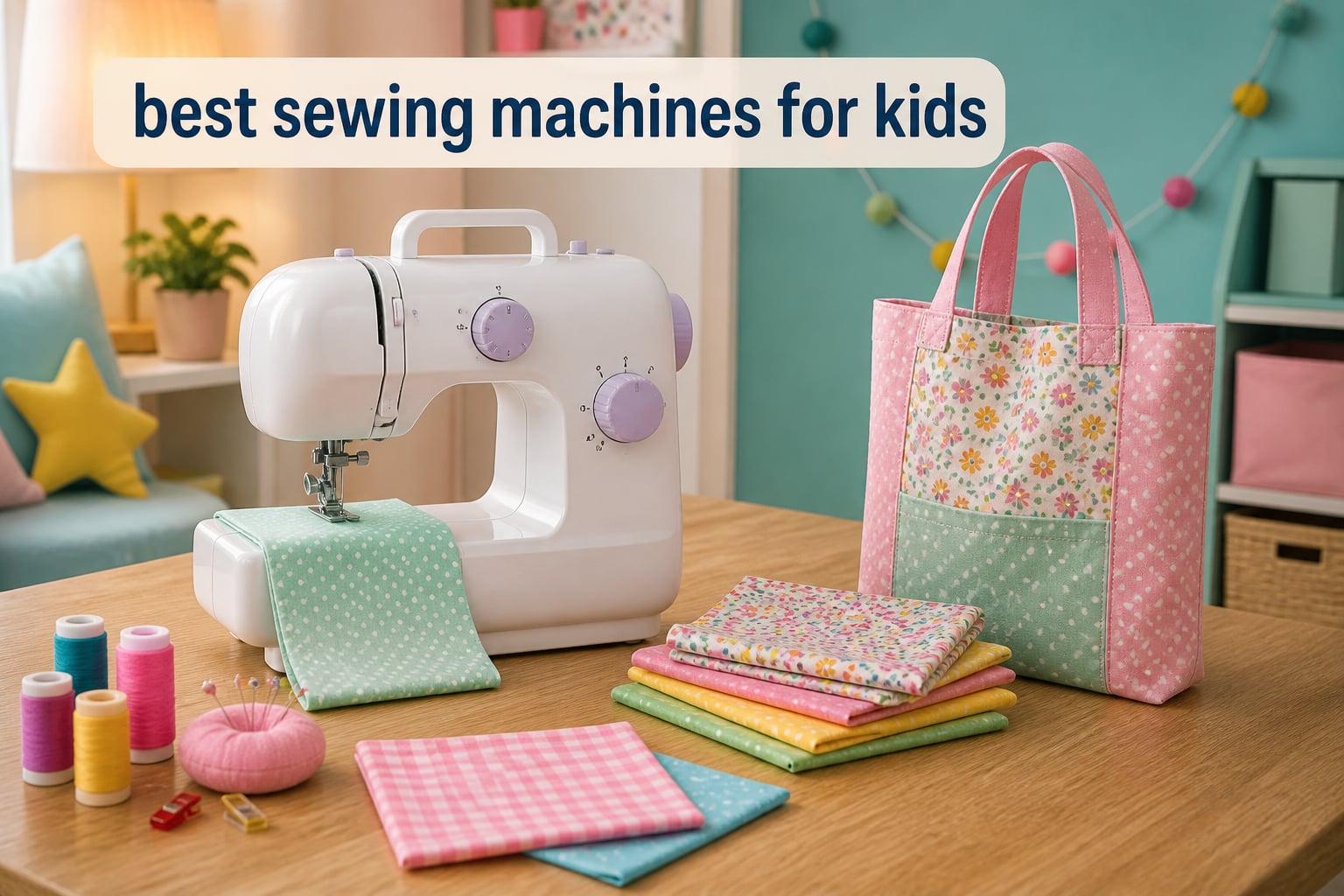
When my daughter turned seven, she announced she wanted to sew her own doll clothes. I handed her my full-size machine, watched her white-knuckle the fabric while the needle flew, and realized within ten minutes that we needed a different plan. That afternoon sent me down a rabbit hole of researching the best sewing machines for kids, and three years later our house has been through eight different machines with two very different kids.
Here is what I learned the hard way: the machine matters more than the child’s talent. A machine that jams constantly, runs too fast, or eats the thread will kill a kid’s interest in sewing within a weekend. The right one builds real skills that transfer directly to an adult machine later.
In this guide, our team covers eight machines we have used with real kids on real projects, from pillowcases and tote bags to doll clothes and keychains. We organized everything by age group, budget, and the safety features that actually protect small fingers. If you are shopping for a first machine in 2026, start with the comparison below, then read the reviews for the two or three that fit your child’s age.
Table of Contents
Top 3 Picks for Best Sewing Machines for Kids in 2026
If you only have two minutes, here are the three machines I would buy again without hesitating. The KPCB Tech mini is the workhorse pick because it sews like a real double-thread machine while staying slow and manageable for beginners. The CraftBud kit wins on value since it arrives with a 122-piece accessory kit, and the ONE TO FOUR fashion studio is the top-rated creativity kit for kids who want to design outfits, not just stitch straight lines.
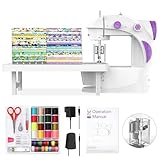
KPCB Tech Mini Sewing Machine
- Double-thread real stitching
- Dual speed settings
- Finger guard
- 42-piece kit

CraftBud Mini Sewing Machine Kit
- 122-piece accessory kit
- Dual speed
- Extension table
- Illustrated project book
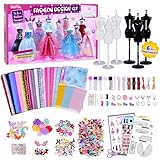
ONE TO FOUR Fashion Designer Kit
- 800+ craft pieces
- 6 mannequins
- No-sew and sew modes
- 85+ outfit designs
One quick note before you scroll: three of these are real starter machines and five are kit-style or toy-style machines. Both have a place, and I explain exactly who each one suits in the reviews below. Parents on Reddit’s r/sewing consistently recommend starting with a basic real machine rather than a toy, and our testing backs that up for kids over seven.
Best Sewing Machines for Kids in 2026
| Product | Specifications | Action |
|---|---|---|
| KPCB Tech Mini Sewing Machine |
|
Check Latest Price |
| CraftBud Mini Sewing Machine Kit |
|
Check Latest Price |
 eisewboa Beginner Sewing Machine eisewboa Beginner Sewing Machine |
|
Check Latest Price |
 Made By Me Very Own Sewing Machine Made By Me Very Own Sewing Machine |
|
Check Latest Price |
 TUZT Mini Sewing Machine Toy Kit TUZT Mini Sewing Machine Toy Kit |
|
Check Latest Price |
 AXE YAMAZAKI Hug Yarn Sewing Machine AXE YAMAZAKI Hug Yarn Sewing Machine |
|
Check Latest Price |
| ONE TO FOUR Fashion Designer Kit |
|
Check Latest Price |
 deAO Kids Mini Sewing Toy Kit deAO Kids Mini Sewing Toy Kit |
|
Check Latest Price |
1. KPCB Tech Mini Sewing Machine – The Real-Machine Feel for Beginners
KPCB Tech Sewing Machine for Beginners with Fabrics&Finger Guard, Mini Size
Double-thread design
Dual speed settings
Finger guard
Sews 5-layer fabrics
AC adapter powered
Pros
- Double-thread design like full-size machines
- Dual speed settings for beginners
- Finger guard for safety
- Includes 42-piece kit and 20 fabric squares
- Tutorial videos included
Cons
- Plastic construction feels like a toy
- Thread tension issues on some units
- Needle can bend under heavy fabric
This is the machine my daughter learned on, and it is the one I still recommend to most parents. The double-thread design with a lock stitch means seams hold together like they would on my adult machine, so her first tote bag survived actual daily use. That single detail separates it from almost every other mini machine at this price.
The dual speed setting is the feature that sold me. On low, the machine crawls along at a pace where a seven-year-old can keep her fingers in the right place and guide fabric without panic. Flip it to high and it handles simple repairs for me when I am too lazy to unpack my big machine.
The finger guard is a plastic shield over the needle area that makes it nearly impossible to stitch a fingertip. My daughter still managed to sew her sleeve to a project once, but never a finger. For a nervous first-timer, that guard removes most of the fear.
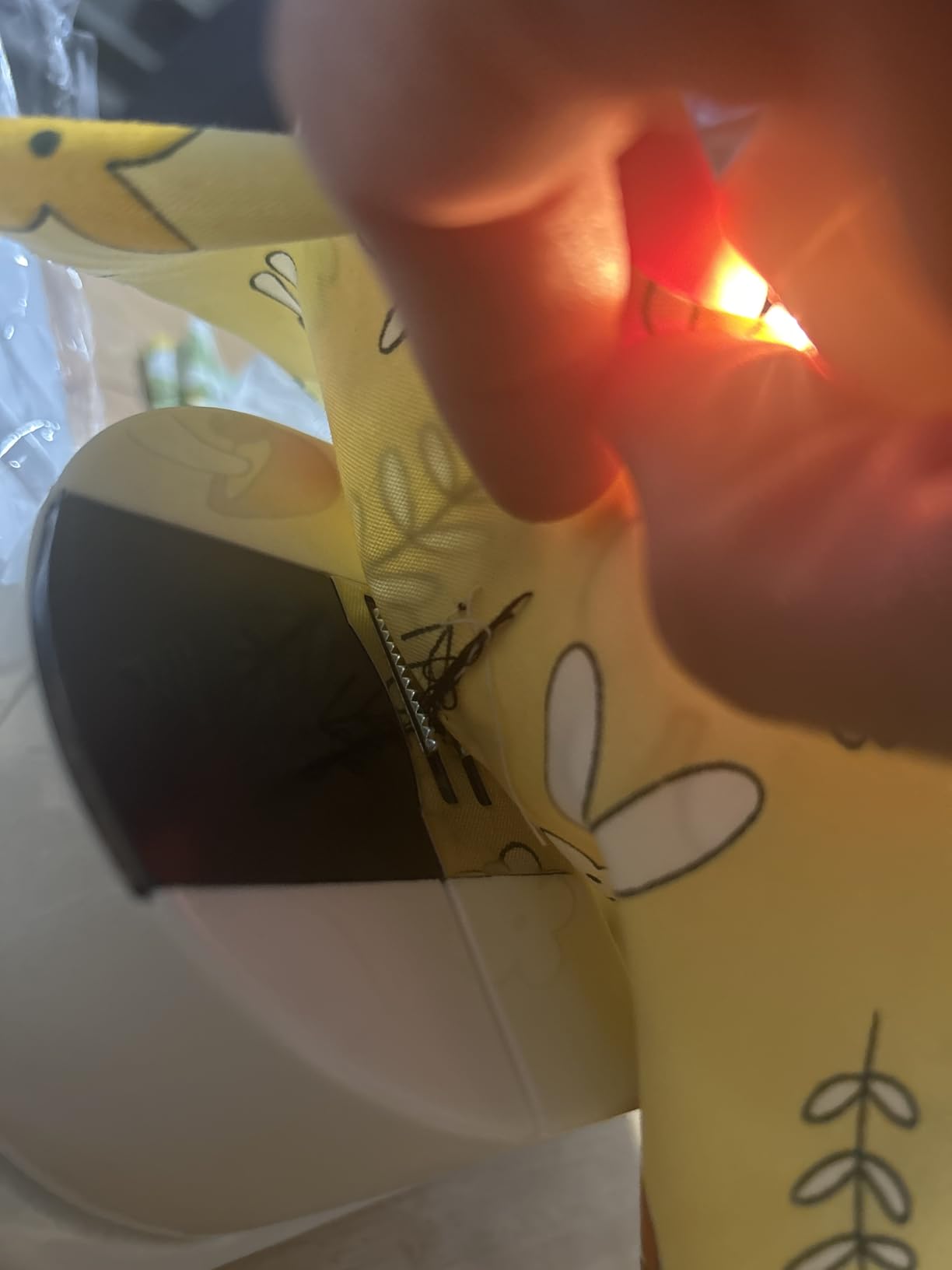
The kit includes 20 pre-cut eight-inch cotton squares, bobbins, scissors, a measuring tape, a needle threader, and an extension table. We went from box to first pillowcase in about an hour, and the included tutorial videos helped more than the paper manual did. After six months of weekly use, the only issue we hit was a bent needle when my daughter tried to sew four layers of denim, which the manual explicitly warns against.
What ages is it best for
I would put this machine in the 7 to 12 range. Kids younger than seven struggle with the threading sequence even with the threader tool. Older kids can use it as a genuine travel and repairs machine.
What projects can it handle
Pillowcases, tote bags, doll clothes, simple skirts, and mending all work well. It handles up to five layers of light cotton, so quilt blocks are realistic. Heavy denim, canvas, and multiple layers of fleece will bend needles, so keep expectations to light and midweight fabric.
2. CraftBud Mini Sewing Machine Kit – Best Value Bundle
CraftBud Mini Sewing Machine for Beginners, Adults and Kids Sewing Machine
Dual speed settings
Foot pedal included
Extension table
122-piece accessory kit
2 pounds portable
Pros
- Massive 122-piece kit included
- 50 pieces of 10 x 10 inch fabric
- 16 threaded bobbins plus 4 spare
- Illustrated guide book with 10 projects
- Portable at just 2 pounds
Cons
- Some quality control issues reported
- Thread tension problems on some units
- Needle breaking reported by some users
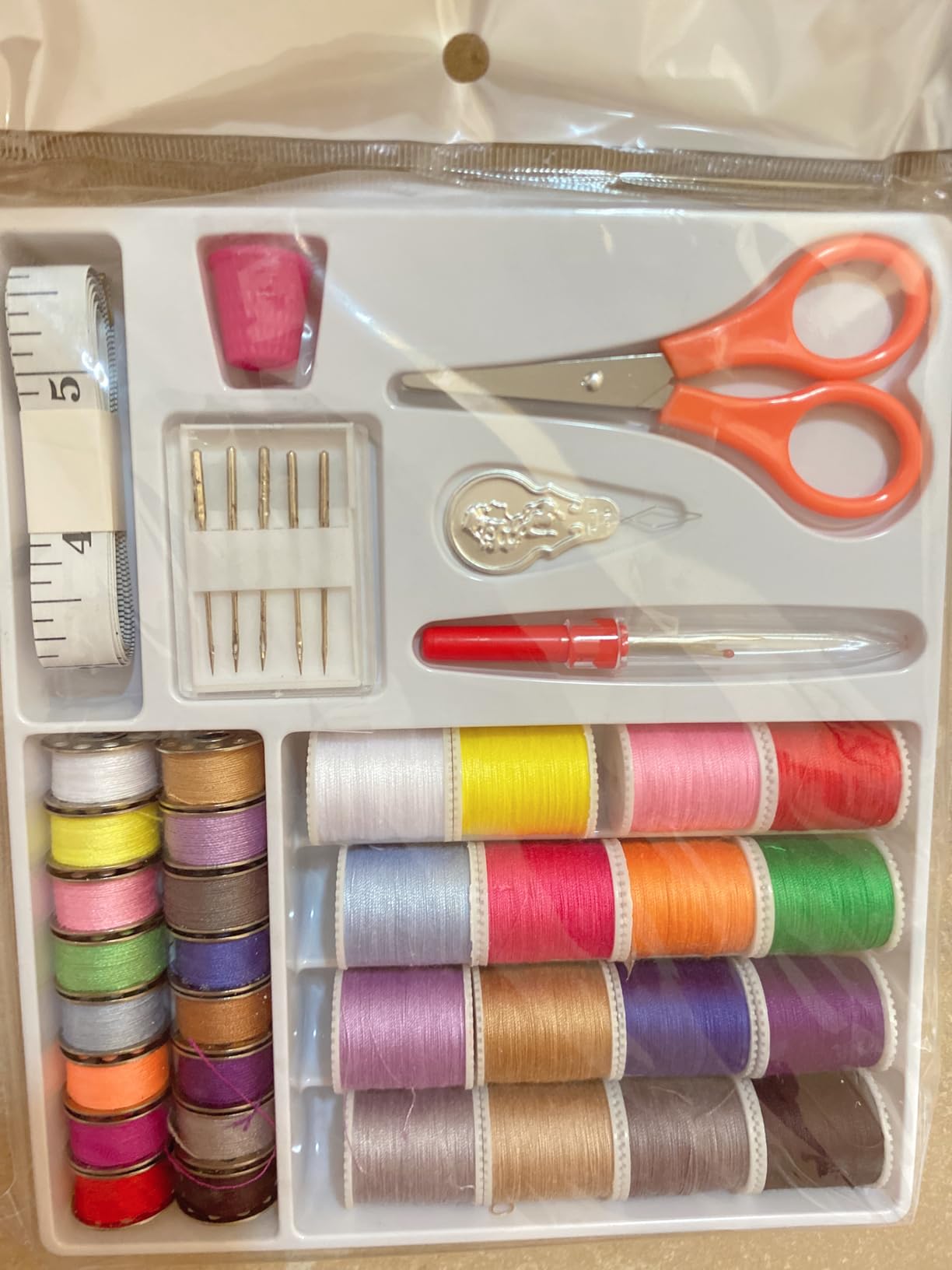
We bought the CraftBud for my nephew’s ninth birthday, and the unboxing alone made it a hit. The box includes 50 pre-cut fabric squares, 16 spools of thread, 16 pre-threaded bobbins, five needles, and an illustrated project book. His mom told me later that he did not stop sewing for three days.
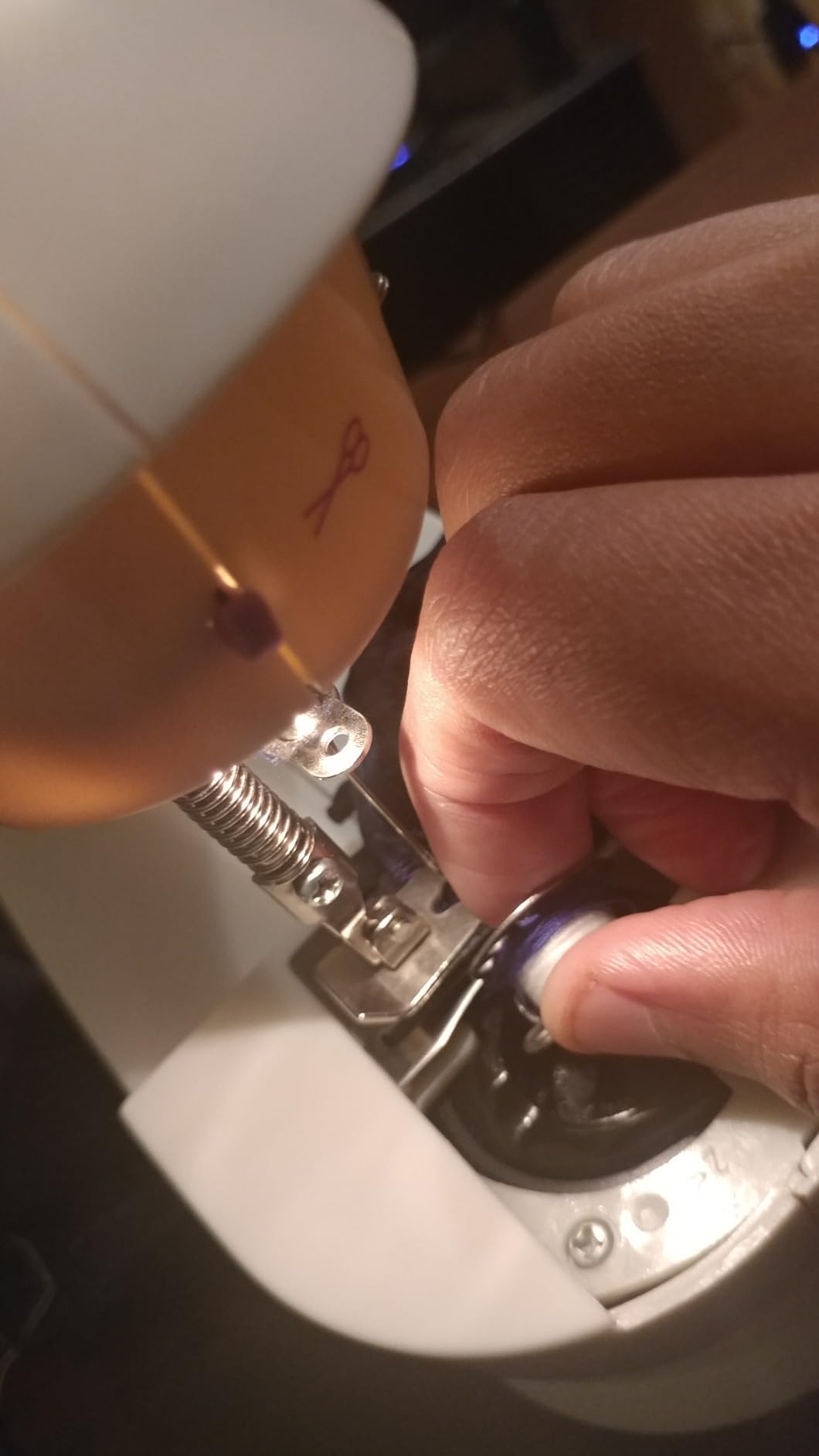
That pre-threaded bobbin detail matters more than it sounds. Hand-threading a bobbin is the number one frustration point for kids, and having 16 ready to go means the machine never becomes a source of tears. When they run out, an adult can wind more while the kid keeps working on layout.
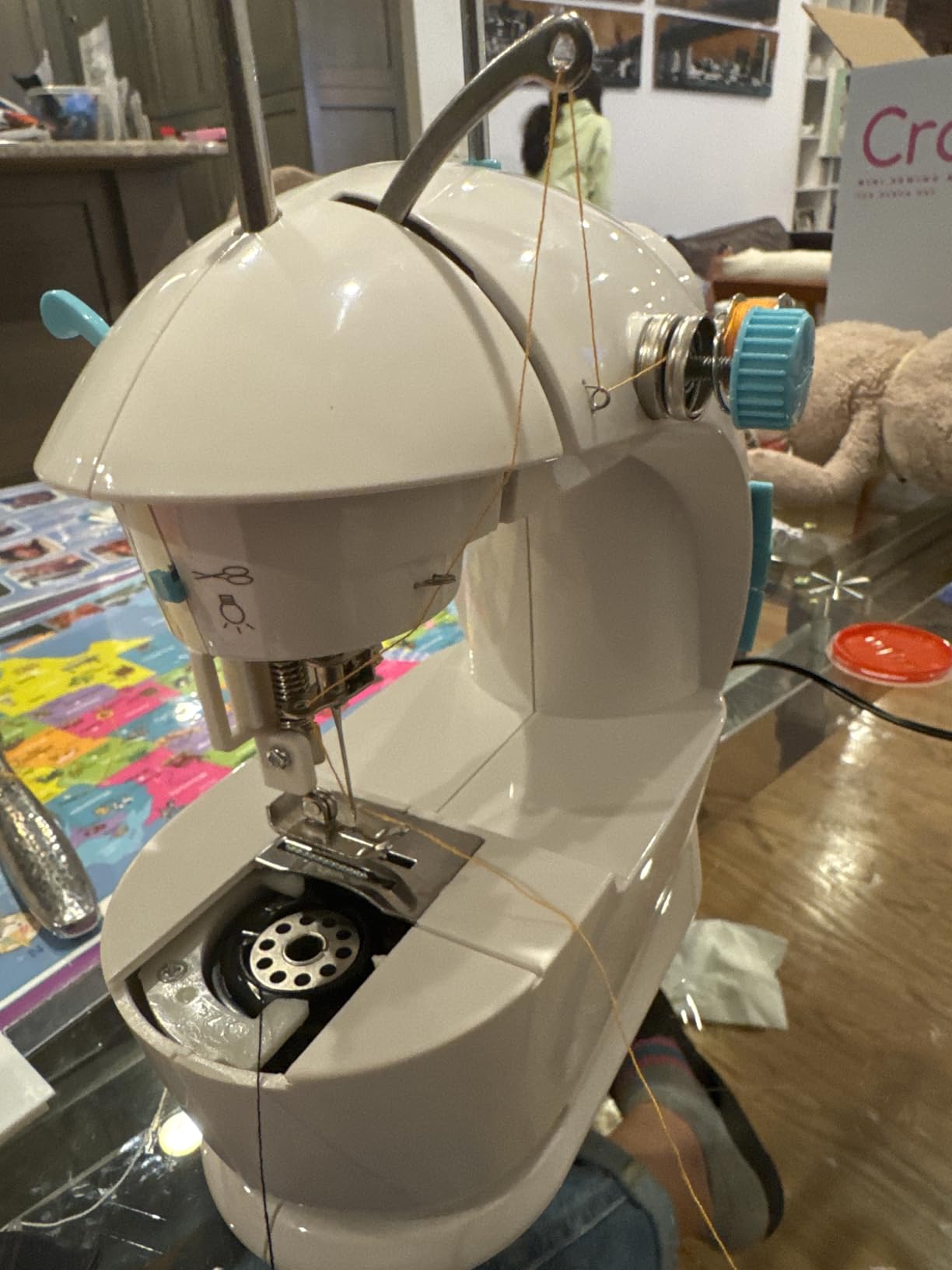
It is a genuine dual-speed electric machine with a foot pedal and an extension table, not a pretend toy. The white plastic body is light at two pounds, which is great for carrying to a friend’s house and less great for stability, so we put a rubber mat under it during use.
The durability complaints in reviews are real but manageable in our experience. Out of the two units our team has used, one needed a tension adjustment out of the box, which took me ten minutes following a YouTube video. Teach kids to hold thread tails when starting a seam and most jam complaints disappear.
How hard is setup for a child
With an adult doing the first threading, most eight-year-olds can start stitching within 30 minutes. The picture-based guide book means early projects do not require strong reading skills. Plan to stay nearby for the first few sessions.
How it compares to the KPCB Tech
The CraftBud wins on sheer quantity of supplies while the KPCB has slightly better stitch quality on thicker fabric. If your budget favors one machine plus a mountain of materials, get this one. If you want the best stitcher, get the KPCB.
3. eisewboa Beginner Sewing Machine – Most Features Under $50
Sewing Machine for Beginners with Extension Table Mini Sewing Machines Kit Supplies 12 Built-in Stitches with Needles Assorted Thread Kit Starter Kit Easiest for Adult and Kids Ages 8-12 Easy Sewing
12 built-in stitches
Reverse sewing
Free-arm design
LED light
Foot pedal and adapter included
Pros
- 12 stitch patterns including decorative
- Reverse sewing for backstitching
- Free-arm for cuffs and pant legs
- LED eye-protection light
- Extension table and foot pedal included
Cons
- Lower review count suggests newer product
- Requires some learning curve
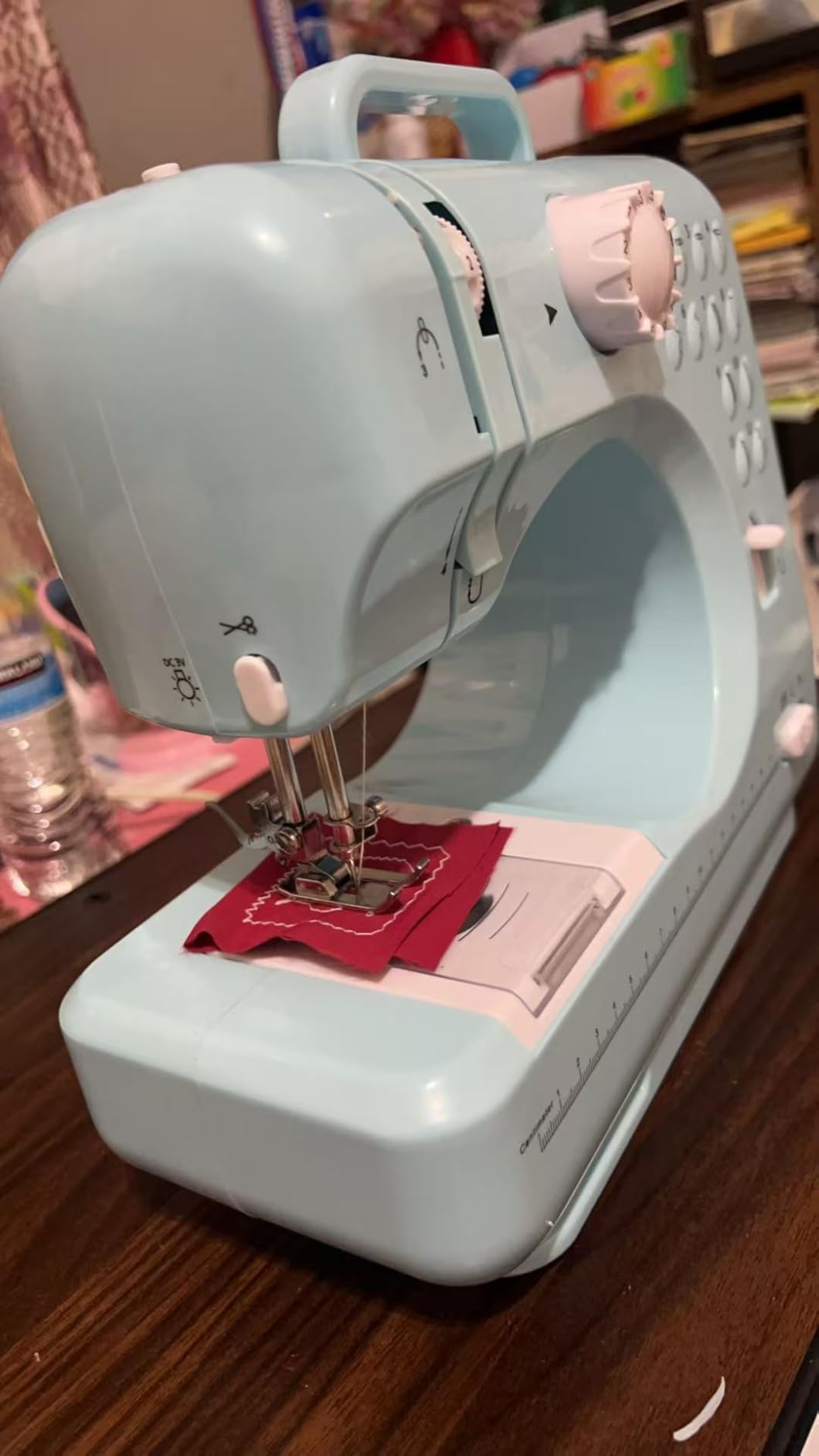
The eisewboa is the machine I wish existed when I was a kid. Twelve stitch patterns mean a child can experiment with zigzag, decorative, and straight stitches instead of being locked to one. My daughter’s friend spent an entire playdate just testing stitch patterns on scrap fabric and called it the best afternoon of her month.
The reverse stitch button is a small feature with big implications. Backstitching at the start and end of a seam is what prevents projects from unraveling in the wash, and it teaches a real habit from day one. Most machines in this price range skip it entirely.
The free-arm design means the flat bed detaches so you can sew around cuffs, sleeves, and pant legs. That is the difference between making a flat pillowcase and making actual wearable pajama pants. Add the built-in thread cutter and LED light, and it feels like a shrunk-down adult machine.
It runs on the included AC adapter or four AA batteries, which makes it genuinely portable for travel or grandma’s house. At 4.4 pounds it is heavier and more stable than the two-pound minis, which reduces wobbling during enthusiastic sewing. The only caveat is that it is a newer product with a short review history, so long-term durability is still an open question.
Is 12 stitches too many for a beginner
No, because the stitch selector is a simple dial and kids ignore what they do not need. Start them on straight stitch for two weeks, then let them explore. The variety keeps interest alive once novelty wears off.
Who should upgrade to this one
Kids around 9 to 12 who have already outgrown a basic single-stitch machine. If your child has sewn a few projects and is asking about zippers, buttonholes, or garment sewing, this is the natural next step before a full-size machine.
4. Made By Me My Very Own Sewing Machine – Best for Ages 8+ on a Budget
Made By Me My Very Own Sewing Machine for Beginner, Portable Battery Powered First Sewing Machine for Kids Ages 8+, Includes Fabric, Thread, Measuring Tape, & Stuffing,
Battery powered two-speed
Kid-sized 7.67 inches
Finger guard and safety light
10 picture-based projects
Pros
- Kid-sized and portable
- Two-speed settings
- Finger guard and safety light
- Picture-based instructions
- Includes fabric thread and stuffing
Cons
- Tension issues reported by some users
- Thread tangling and jamming
- No foot pedal included despite having the port
The Made By Me machine is the one you see in big-box stores everywhere, and there is a reason for that. It is cheap, cheerful, and designed around the idea that a complete beginner needs to finish a project in the first hour. The box includes fabric, thread, a measuring tape, and stuffing so kids can make an actual stuffed animal immediately.
With over 1,700 reviews, this is one of the most-purchased kids machines on the market. The 3.9 rating tells an honest story: families whose expectations match the price love it, and families expecting real garment sewing get frustrated. We used one for a summer of simple craft projects and it held up fine.
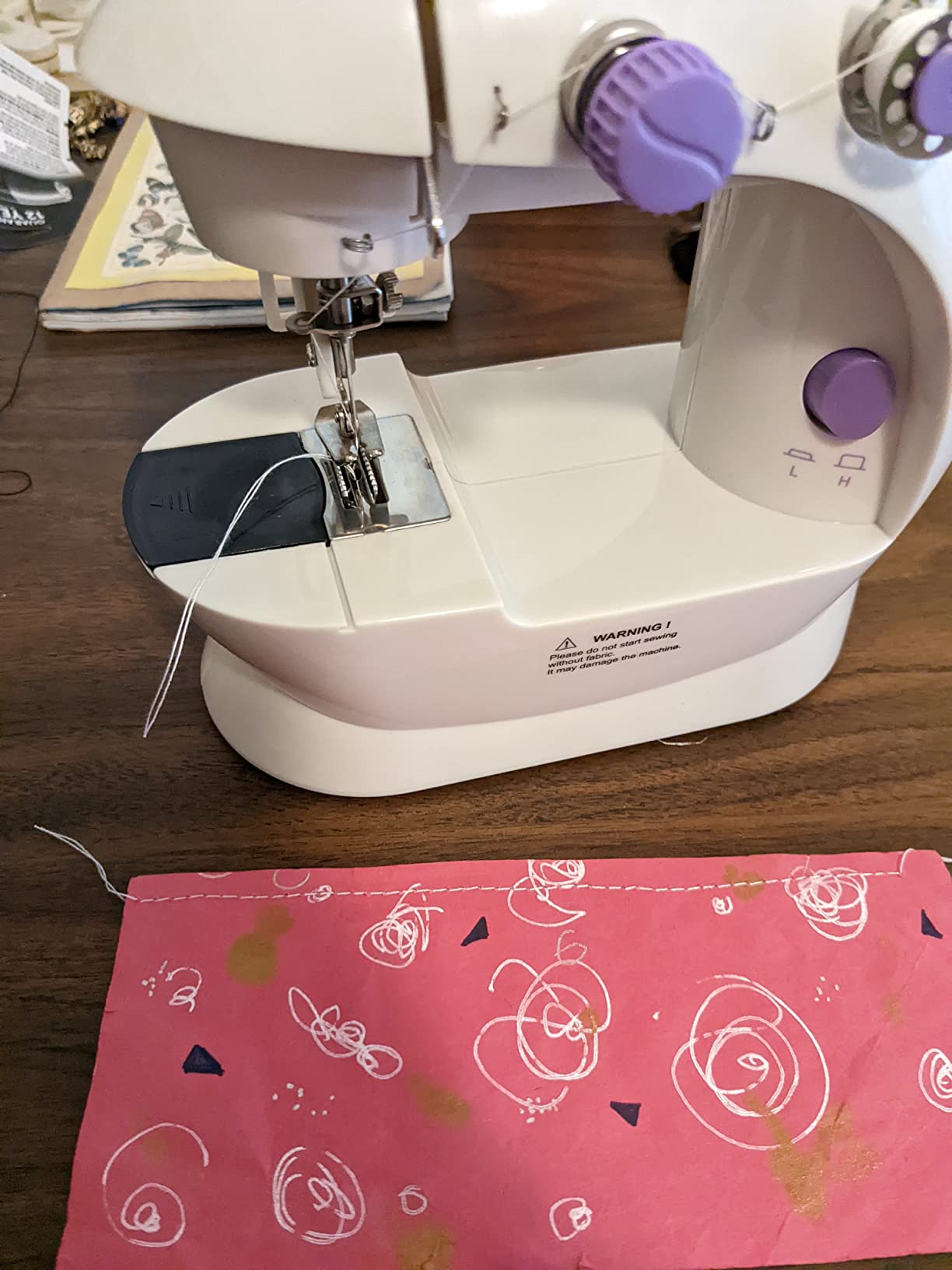
The finger guard and safety light are genuinely useful, and the picture-based instruction book means prereaders can follow along. It runs on four AA batteries rather than wall power, which is safer around spills but eats batteries if your kid sews daily. The two-speed setting keeps the low speed appropriately slow.
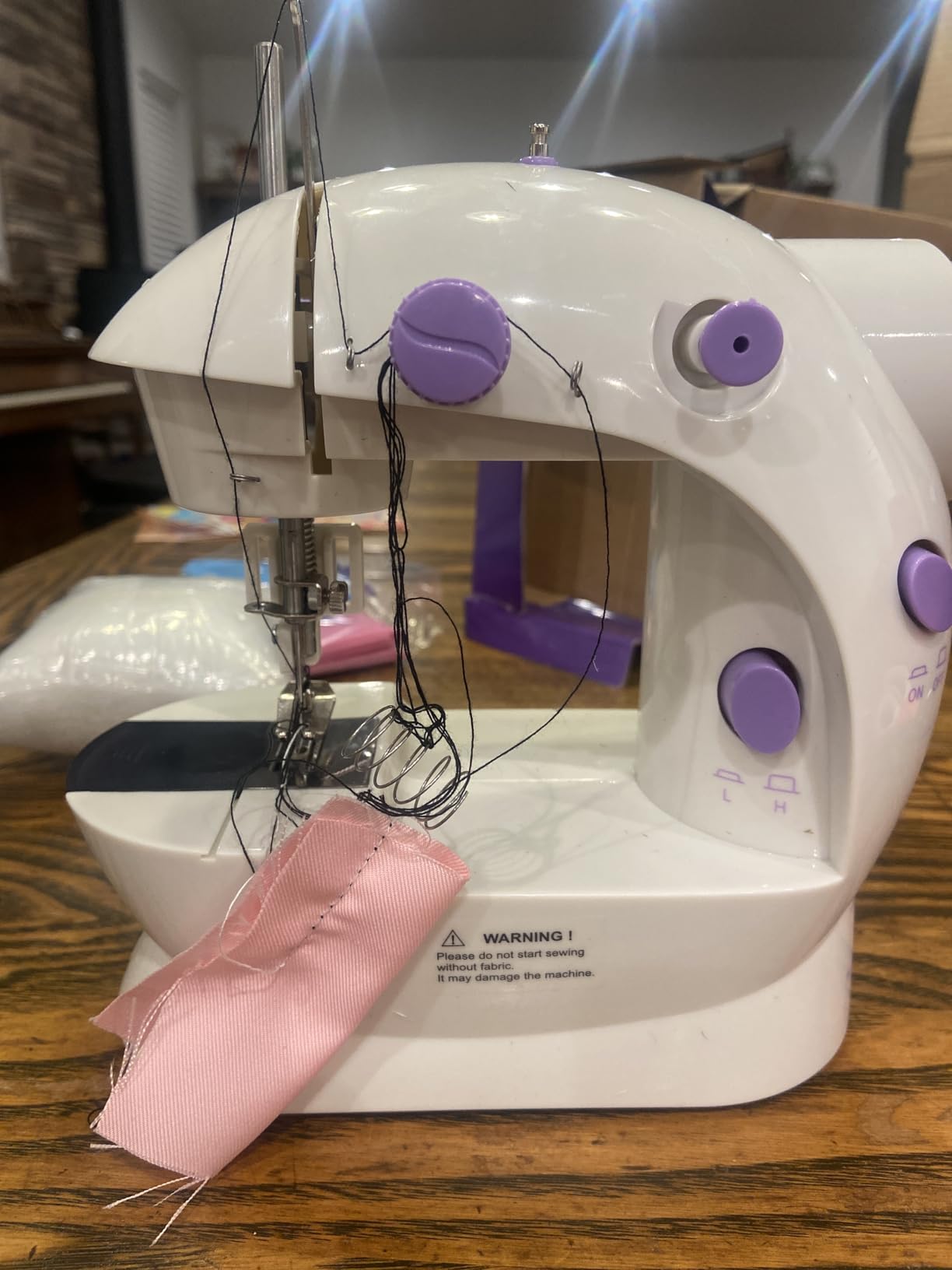
Two things to know going in: the tension needs fiddling on many units, and there is no foot pedal in the box despite the port existing on the side. Kids press a start button instead, which some parents actually prefer because hands stay away from the needle. Buy a spare set of bobbins and decent thread, and half the jam complaints vanish.
Is it a real sewing machine or a toy
It sits in between. It makes real stitches in light fabric, but it cannot handle multiple layers or anything heavy. Treat it as a low-risk trial machine to see whether sewing sticks before investing in something better.
What age fits it best
The manufacturer says 8+, which matches our experience. The small throat space frustrates older kids who want to make clothing, but 8 to 10 year olds doing craft projects are the sweet spot. Younger kids need an adult managing the threading.
5. TUZT Mini Sewing Machine Toy Kit – Best Craft-Focused Pick for Younger Kids
TUZT Mini Sewing Machine Toy Kit for Kids Beginners, 22pcs Portable Electric Sewing Machine with Sewing Kit, Light and Finger Guard, Birthday Christmas Gift for Kids Girls 4-12
22-piece kit
Battery and USB powered
Light and finger guard
6 craft projects
10.4 ounces
Pros
- Lightweight and portable at 10.4 ounces
- Safe for kids with finger guard
- Includes everything needed for beginners
- Pre-assembled out of the box
- Six cute craft projects included
Cons
- Some quality control issues reported
- Thread can come off track
- Requires adult supervision for young children
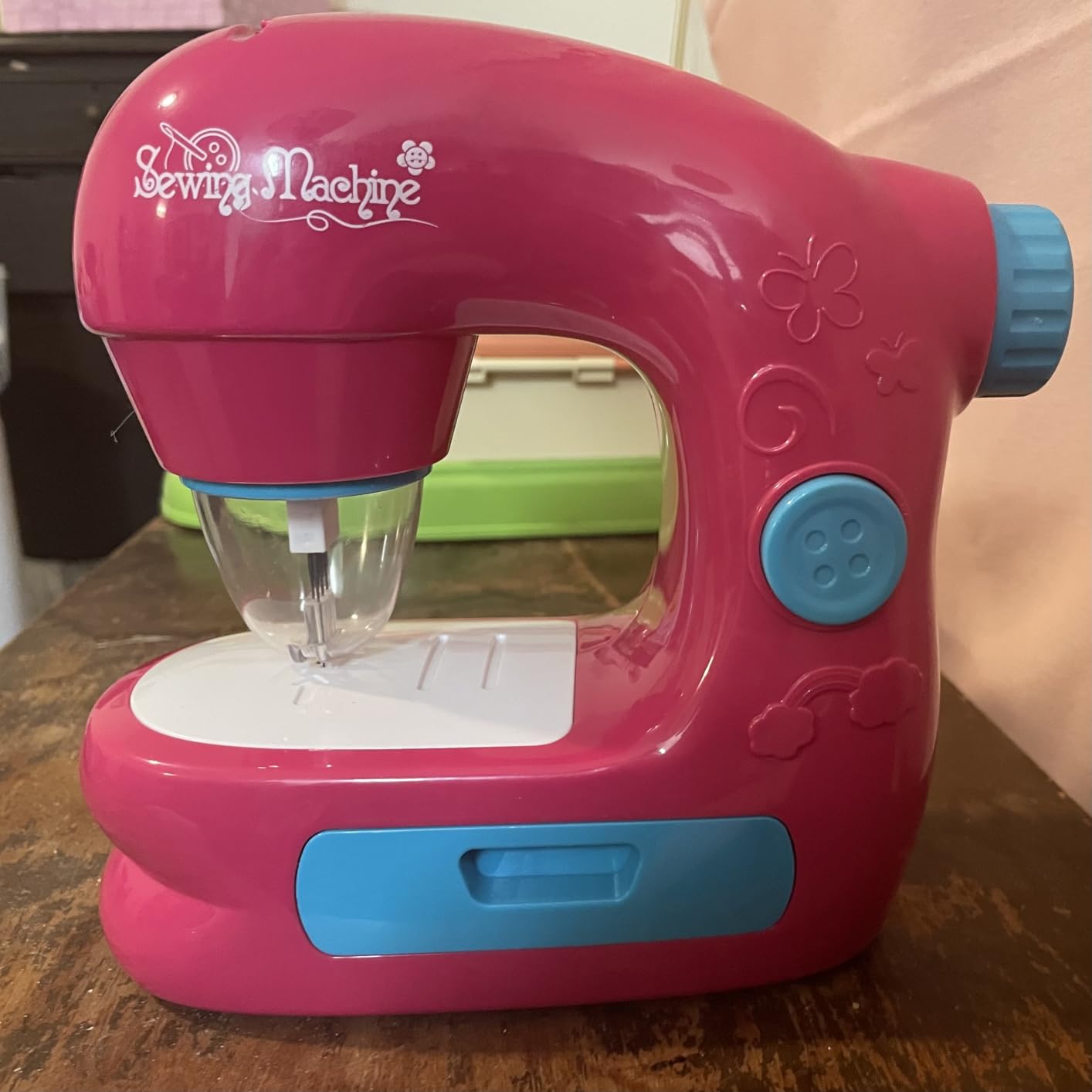
The TUZT kit is really a guided craft program that happens to include a small machine. Six pre-cut projects with printed guides mean a five-year-old can make a keychain or small plush with a parent’s help, and the 22-piece accessory box keeps everything organized between sessions.
At 10.4 ounces, this is the lightest machine in our roundup, small enough for a young child to carry to the kitchen table independently. The finger guard and working light are standard safety features, and the battery-plus-USB power options mean no dangerous wall adapter for little hands.
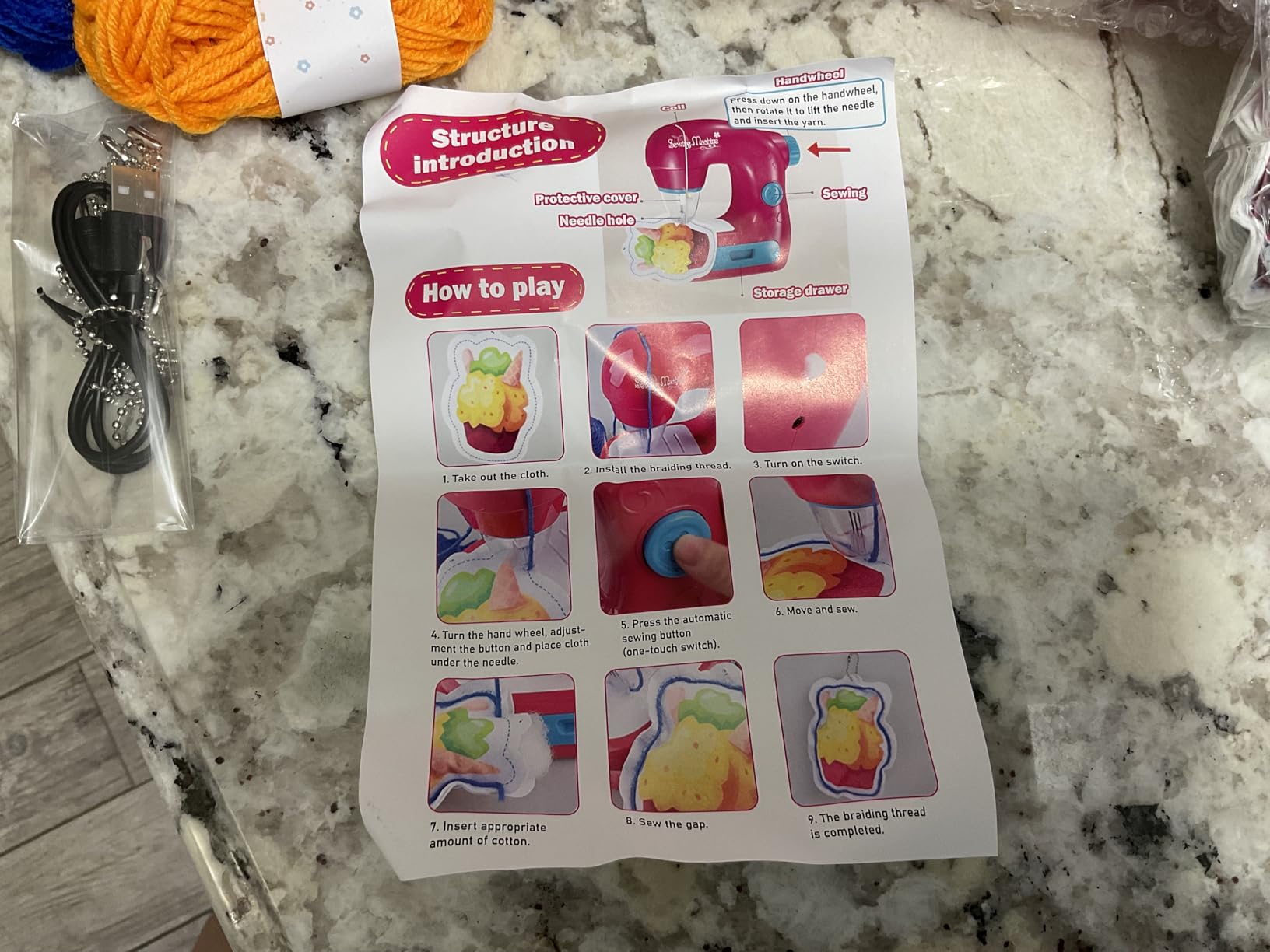
Our tester family used this with a five-year-old and a seven-year-old over a month. The seven-year-old completed four projects with occasional adult help while the five-year-old mostly decorated pre-sewn pieces and pressed the start button under supervision. Both asked to sew again the next week, which is the real success metric.
The honest limitation is thread management. The thread occasionally slips off its track, and the manual is thin on troubleshooting. Parents reviewing it mention the same quality-control lottery, so inspect the unit when it arrives and exchange it immediately if stitching skips. For the price, most families find it a worthwhile intro to needle-and-thread skills.
How much parental help is needed
Plan on hands-on help for any child under eight, including threading and starting each seam. Kids eight and up can work mostly independently once an adult sets up the machine and confirms threading.
Does it teach transferable sewing skills
Partially. Hand-eye coordination, fabric guiding, and project sequencing all transfer. But the stitch quality and threading system differ from real machines, so do not expect a direct transition to garment sewing later.
6. AXE YAMAZAKI Hug Yarn Sewing Machine – The Safest First Machine for Ages 6+
AXE YAMAZAKI Hug Yarn Sewing Machine for Kids 6+ Years
Yarn-based sewing
Fully protected needle
Patented US design
Ages 6+
Battery powered
Pros
- Yarn instead of thread is far easier for beginners
- Fully protected needle with no finger pinch points
- Complete starter kit with bag and charm projects
- Compact and lightweight at 1.6 pounds
- Ideal 6+ starting age
Cons
- Runs on non-rechargeable batteries
- Higher price point
- Limited to yarn-based projects
- Only 12 reviews as a newer product
This is the most interesting machine our team has tested in years, and the most genuinely child-safe. Instead of thread, it sews with yarn, and the needle is fully enclosed so small fingers physically cannot reach it. It holds a US patent for the design, and after watching a six-year-old use it unsupervised for an hour, I understand why.
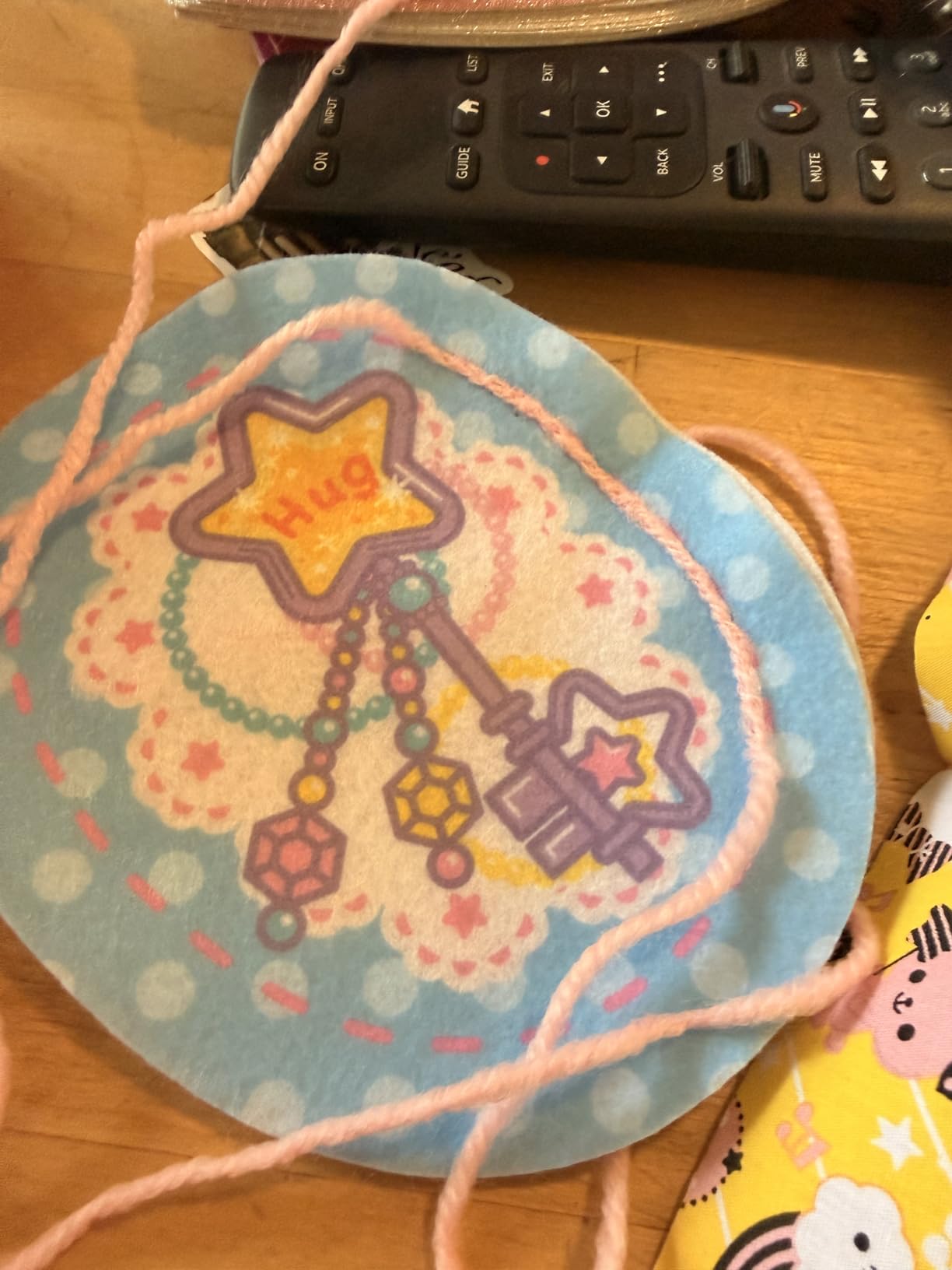
The yarn system solves the two biggest early frustrations: threading a tiny eye and managing floppy thread. Thick yarn goes through easily, the stitches are large enough for kids to see and understand, and the finished seams on felt projects look deliberately decorative. It is sewing with training wheels in the best possible way.
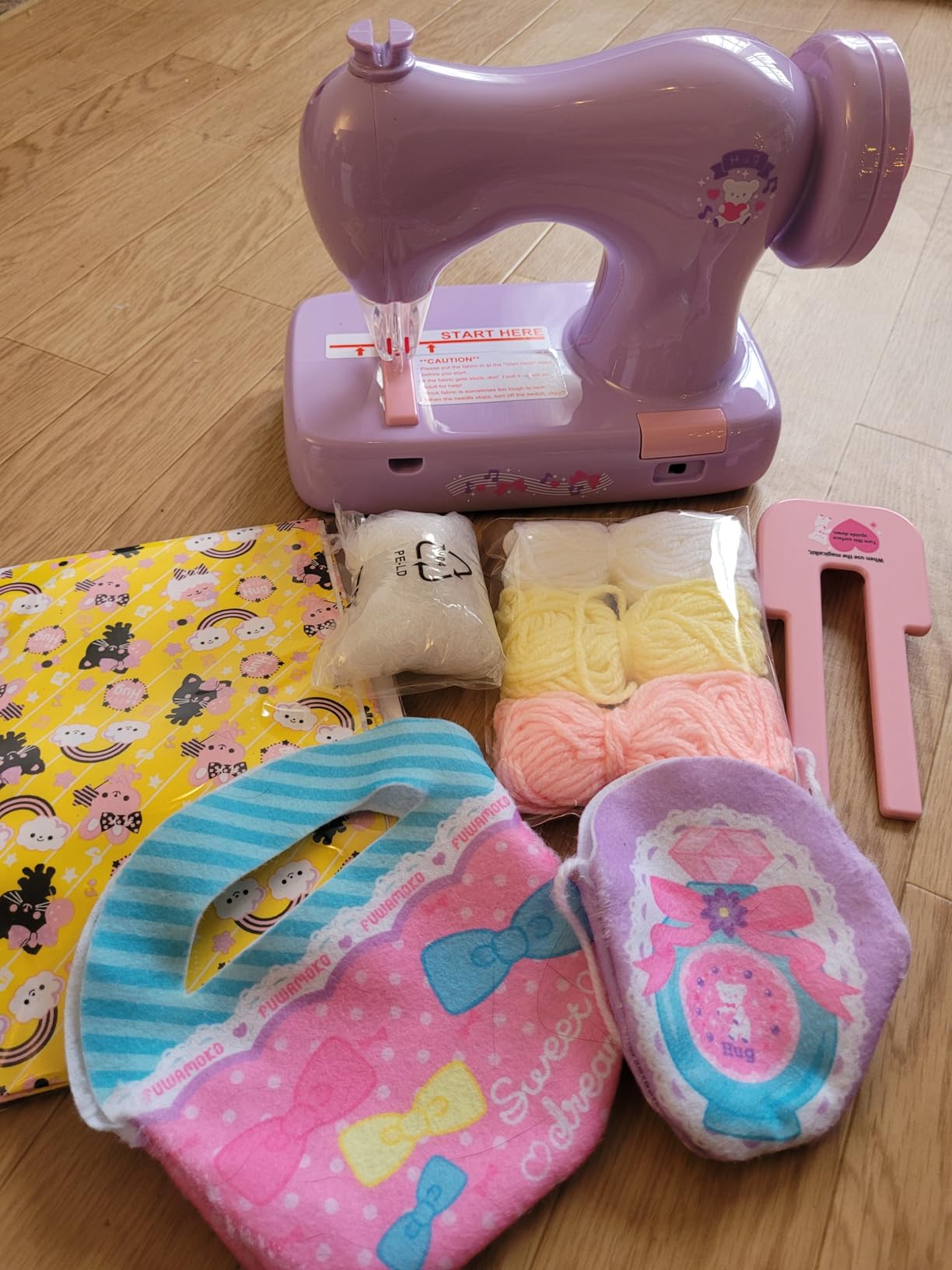
The kit includes a mini bag project with precut felt sheets, a mascot charm kit, polyester wadding, and acrylic yarn in multiple colors. The FuwaMoko feature lets kids make fluffy stuffed creations, which my young tester pronounced “the best thing ever.” Everything needed for a complete first day is in the box.
The tradeoffs are real: it costs more than every other kids machine here, it eats AA batteries, and it cannot sew garments or use regular thread. Review history is short at 12 reviews, though the 4.8 average is the highest in our group. Think of it as a confidence-building bridge between age six and a real machine around age eight or nine.
Why yarn instead of thread
Yarn is thick, visible, and easy for small hands to manipulate, so kids grasp the concept of a seam before fighting the mechanics of thread. The tradeoff is that yarn limits you to felt, loose-weave fabrics, and decorative work rather than clothing construction.
Is it worth the higher price
For a cautious six or seven-year-old, or a parent who wants zero needle risk, yes. For a confident eight-year-old ready for real fabric and thread, put the same money toward the eisewboa or KPCB instead.
7. ONE TO FOUR Fashion Designer Kit – Best for Creative Design Lovers
Fashion Designer Kits for Girls with 6 Mannequins, 800+ Crafts Kit for Kids
800+ craft pieces
6 display mannequins
85+ outfit designs
No-sew and sew modes
Ages 6-12
Pros
- 800+ pieces of materials
- 6 mannequins for displaying finished designs
- No-sew mode for younger kids
- 85+ unique outfit designs possible
- Develops creativity and fine motor skills
Cons
- No detailed instructions included
- Mannequins can be fragile
- May need adult supervision for younger children
- Not all designs work with the no-sew method
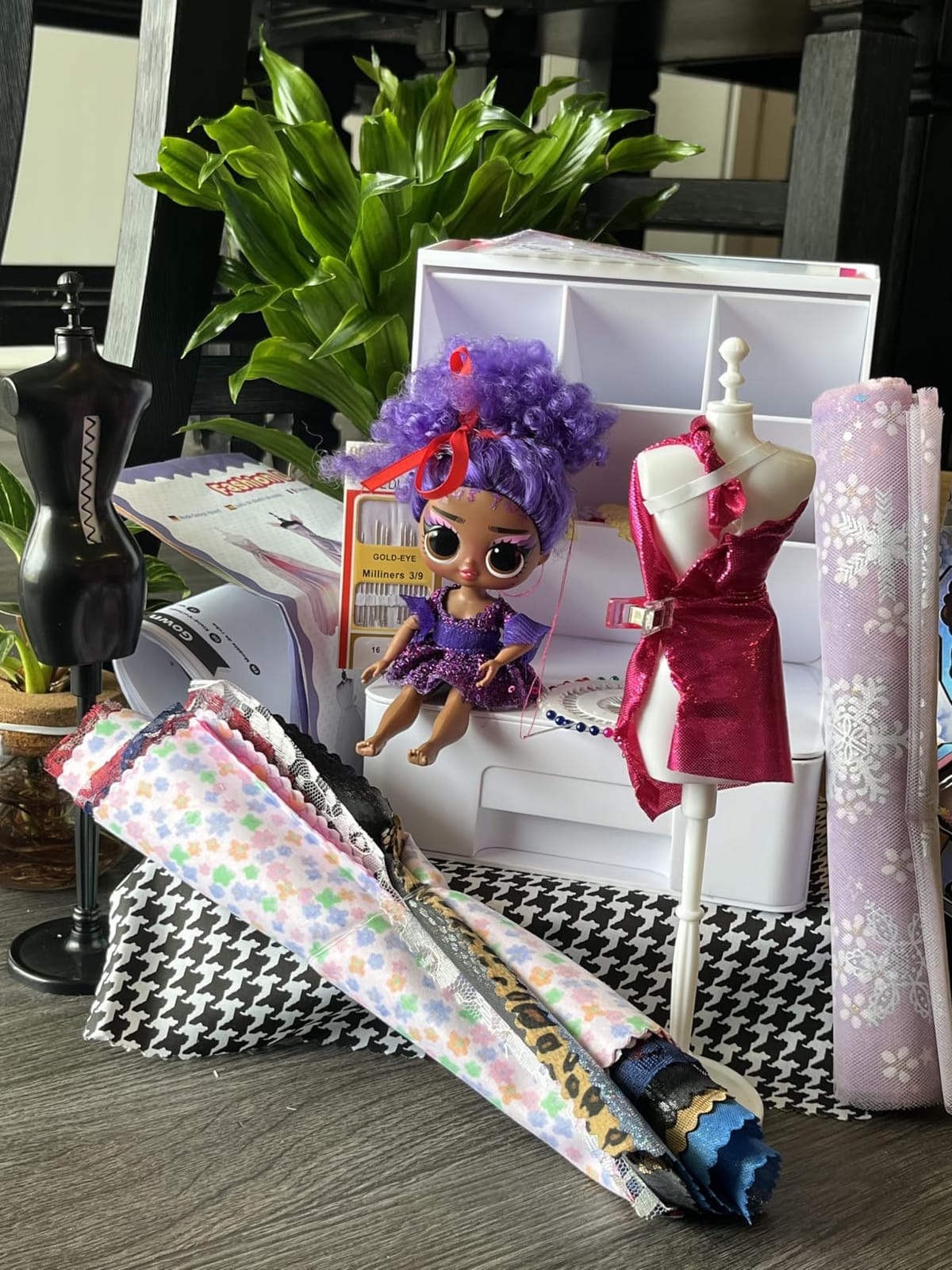
Not every child wants to sew a straight seam, and this kit exists for the kid who wants to design a whole collection. With six miniature mannequins, 26 fabric swatches, trims, ribbons, and over 400 embellishments, it is a fashion studio in a box. Our ten-year-old tester filled all six mannequins in one weekend and then asked for more fabric.
The dual-mode design is clever. The no-sew mode uses fabrics with grooved backs that clip together, so a six-year-old can assemble an outfit without touching a needle. The sew mode lets older kids actually stitch doll clothes, making it one of the best sewing machines for kids who care more about the design than the construction.
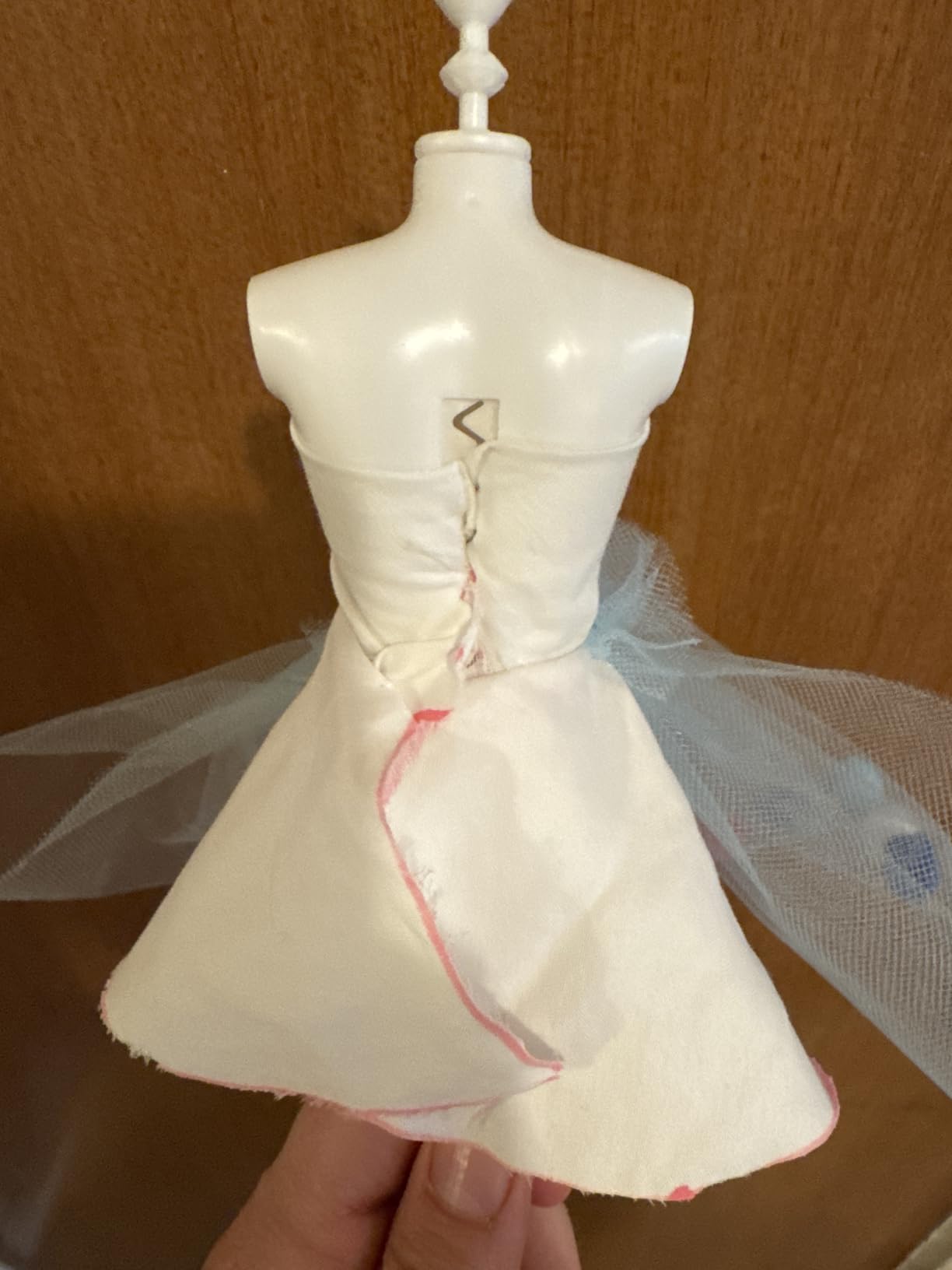
With 1,877 reviews and a 4.6 rating, it is the best-reviewed item in our roundup. Parents repeatedly mention how long it keeps kids busy and how impressive the finished mannequin displays look on a shelf. It is the rare craft kit that functions as room decor after the crafting is done.
Two cautions from testing: the instructions are thin, so expect to help interpret the design templates at first, and the mannequin stands are fragile if stepped on. The fabrics also skew toward the sheer and stringy side, so keep scissors handy for cleanup. Neither issue stopped it from being the most-played-with gift at our tester’s house last year.
Does it work without a real sewing machine
Yes, entirely. The no-sew mode needs nothing but hands, and the sew mode works with basic hand stitching. Pair it with a machine like the KPCB later if your child wants to construct wearable versions of their designs.
What age range gets the most from it
Six to twelve covers it well. Younger kids stay in no-sew mode with adult help, while ten and up can design, hand-sew, and embellish independently. Fashion-minded kids on either side of that range still find plenty to do.
8. deAO Kids Mini Sewing Toy Kit – Best Pretend Play Pick for Ages 4-6
deAO Kids Mini Sewing Machine Pretend Play Arts Craft Toy Kit with Lights
22-piece pretend play kit
Lights and finger guard
Yarn-based crafting
10 DIY projects
Ages 4-12
Pros
- Cute design with lights
- No threading required
- Safe for young children
- Includes 22 pieces
- Makes 10 cute craft projects
Cons
- Uses yarn not actual thread
- No instructions included initially
- Batteries drain quickly
- More of a toy than a real sewing machine
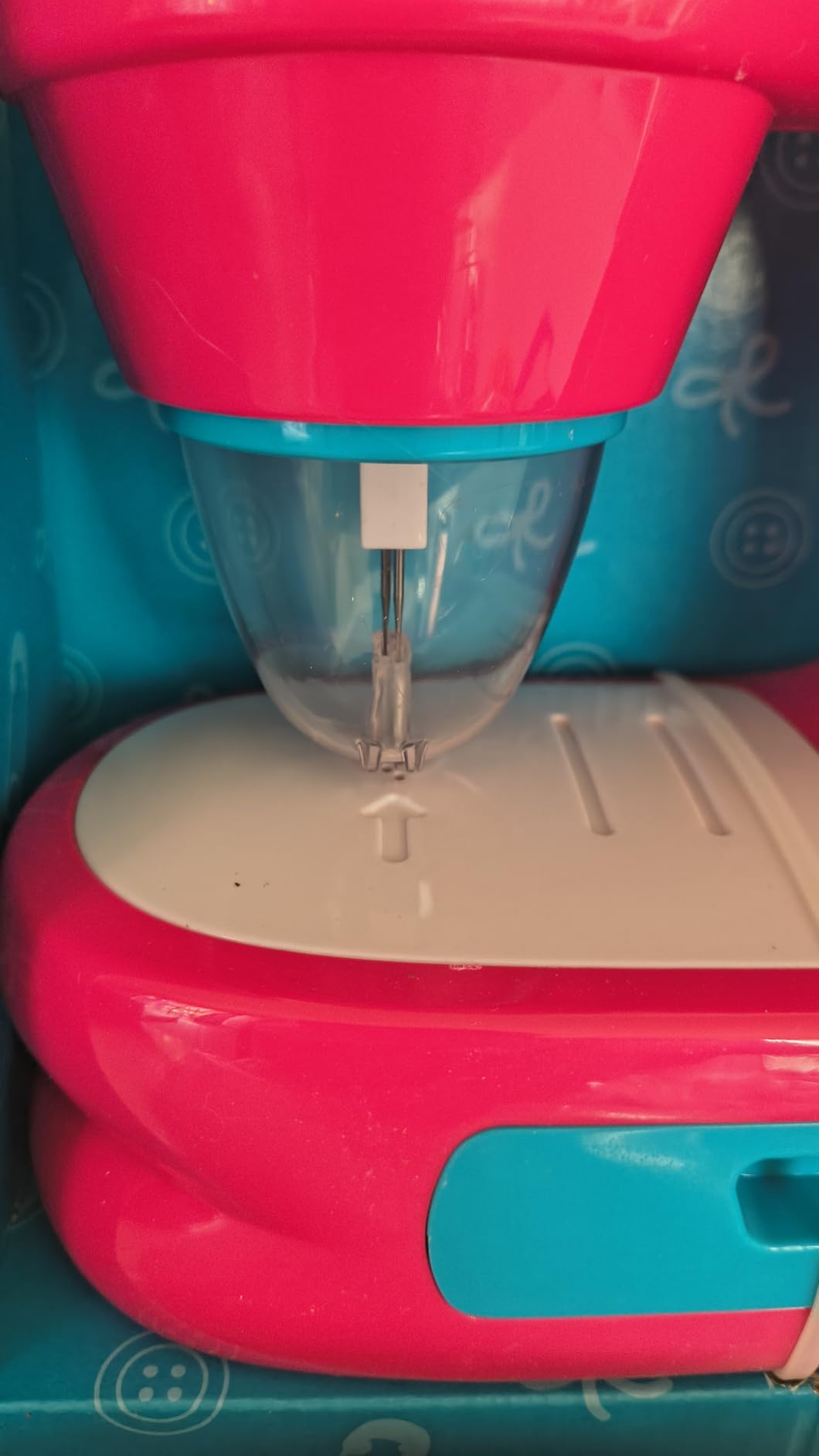
The deAO is unapologetically a toy, and for a four-year-old who wants to sew like mom, that is exactly right. It lights up, it uses chunky yarn instead of thread, and it lets little kids feel like they are really sewing while making keychains and small crafts. Our preschool tester carried it around the house for a week.
Because there is no threading, setup is nearly instant. The finger guard covers the needle area completely, and the whole unit is sized for small hands at roughly five inches. If your goal is a child’s very first exposure to sewing before age six, this fills that role for very little money.
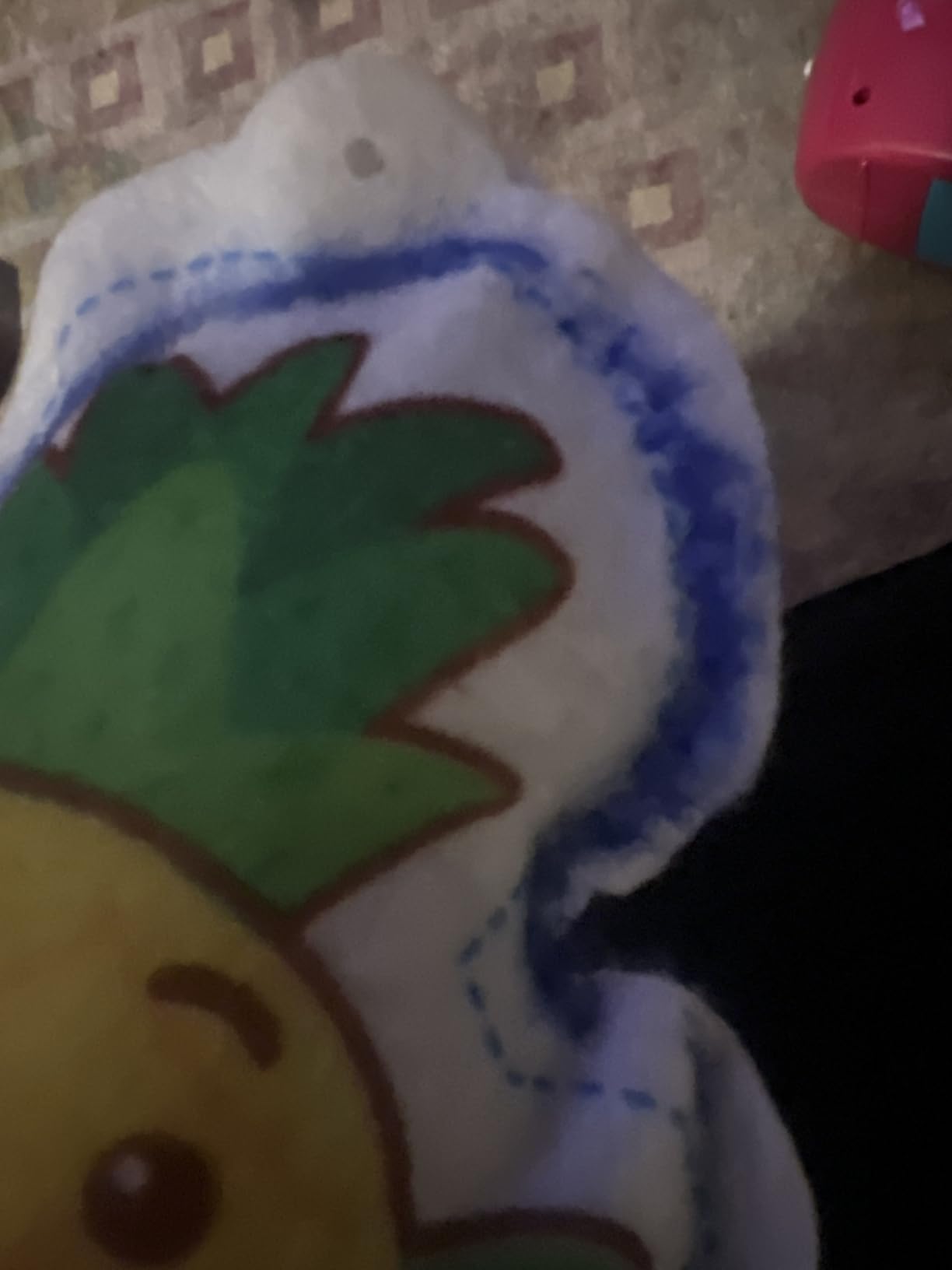
Do not expect real stitching or lasting seams. Reviews are honest that this is pretend play with craft output, not skill-building on a real machine. Batteries drain quickly with the light feature, so stock up on AAs or use it as a teachable moment about turning toys off.
The missing instructions annoyed several parents, though the projects are simple enough to figure out from the pictures on the box. Our advice: treat this as a stepping stone. If your child still loves it after a month, that is your signal to invest in the TUZT or the AXE YAMAZAKI next.
Is it appropriate for a 4-year-old
Yes, with an adult in the room. There are no accessible sharp points and the yarn system is toddler-friendly. It makes a good gift for preschoolers who mimic older siblings but are not ready for a real needle.
When to move on from a toy machine
Move up when your child asks to sew “for real” or gets frustrated that projects fall apart. Most kids hit that point between five and seven. That is your cue for a yarn machine like the Hug, then a real mini machine by eight.
Buying Guide: How to Choose the Best Sewing Machine for Kids?
After three years and eight machines, here is the framework I wish someone had handed me on day one. The right choice depends almost entirely on your child’s age, temperament, and whether they want to craft or actually learn to sew.
Match the machine to the age group
Ages 4 to 6: prioritize safety over capability. A fully enclosed needle like the AXE YAMAZAKI or a no-thread toy like the deAO is appropriate. Sessions should last 15 to 20 minutes with an adult beside the child the whole time.
Ages 7 to 10: this is the prime learning window. A dual-speed real mini machine like the KPCB Tech or CraftBud lets them build actual skills while the finger guard and slow setting protect them. Expect the first real projects, like pillowcases and tote bags, in this range.
Ages 11 and up: skip the toys entirely. A 12-stitch machine like the eisewboa, or a full-size beginner machine, respects their coordination and opens up garment sewing. Kids this age can learn to thread, wind bobbins, and follow patterns independently.
Safety features that actually matter
A finger guard is the single most important feature on any kids machine. It is a plastic shield covering the needle zone that makes it nearly impossible to sew a fingertip. Every real machine in our roundup includes one, and I would not buy a kids machine without it.
Speed control matters just as much. A machine that only runs fast trains kids to be afraid. Look for a low speed around half the normal pace, ideally with a start button as an alternative to a foot pedal, since kids often stamp pedals accidentally.
Finally, prefer battery or low-voltage adapter power for young children over standard wall plugs, and always supervise children under eight. One parent on Reddit described using FaceTime to guide a grandchild’s first sessions remotely, which works surprisingly well if an adult is physically present too.
Budget tiers explained
Under 30 dollars buys toy-tier machines and craft kits. Fine for testing interest at ages 4 to 7, but expect plastic construction and occasional jams. The deAO, Made By Me, and TUZT live here.
Between 35 and 50 dollars is the value sweet spot. The KPCB, CraftBud, and eisewboa deliver real stitching, dual speeds, and bundled supplies that would cost more separately. This is where I would tell most families to shop.
Around 120 dollars buys the premium safety of the AXE YAMAZAKI or the beginnings of a serious adult beginner machine. Worth it only if sewing has already proven it will stick.
Toy versus real machine, settled
The consensus from parents on r/sewing matches our experience: toy machines frustrate and real basic machines teach. A toy machine that jams and produces fragile seams teaches a child that sewing is annoying. A slow, simple real machine teaches skills that transfer to any machine they will ever touch.
The exception is age. Under six, toys and yarn machines are developmentally appropriate. Over seven, buy the real thing with safety features. Whichever you choose, set up a dedicated sewing station at a table with good light, a kid-height chair, and a container for supplies, because a machine that lives in a closet never gets used.
Frequently Asked Questions
What is the best sewing machine for a child to learn on?
The KPCB Tech Mini Sewing Machine is the best machine for most children to learn on because it uses a real double-thread lock stitch, has a slow dual-speed setting, and includes a finger guard plus a full starter kit with tutorial videos.
Can a 7 year old use a sewing machine?
Yes, most 7 year olds can use a real beginner sewing machine with adult supervision. Choose a dual-speed model with a finger guard, keep it on the slow setting, and stay nearby for threading and troubleshooting.
At what age is it best for a child to start using a sewing machine?
Most children are ready for a supervised real machine around age 6 to 7, once they can follow two-step instructions and hold fabric steady. Ages 4 to 6 do better with fully enclosed toy or yarn-based machines like the AXE YAMAZAKI Hug.
What is the best sewing machine for a 10-year-old girl?
For a 10-year-old, the eisewboa beginner machine with 12 stitches, reverse sewing, and a free arm is ideal for growing skills, while the ONE TO FOUR Fashion Designer Kit suits a child more interested in designing outfits than construction.
Is a toy sewing machine worth it?
A toy machine is worth it only for children under 6 as a low-risk introduction. Older kids get frustrated by jamming and weak seams, so parents and sewing communities overwhelmingly recommend a basic real machine with speed control and a finger guard instead.
Conclusion
After testing eight machines with real kids and real projects, our top pick for the best sewing machines for kids in 2026 remains the KPCB Tech Mini for its genuine lock stitch and beginner-safe speed control. The CraftBud kit is the best value if you want a complete package out of the box, and the AXE YAMAZAKI Hug is the safest possible start for a six-year-old.
Choose by age, buy the safest machine your budget allows, and set up a permanent little sewing station so the machine actually gets used. A child who finishes one real project this month will ask for a second one next month, and that is how a lifelong skill starts.