
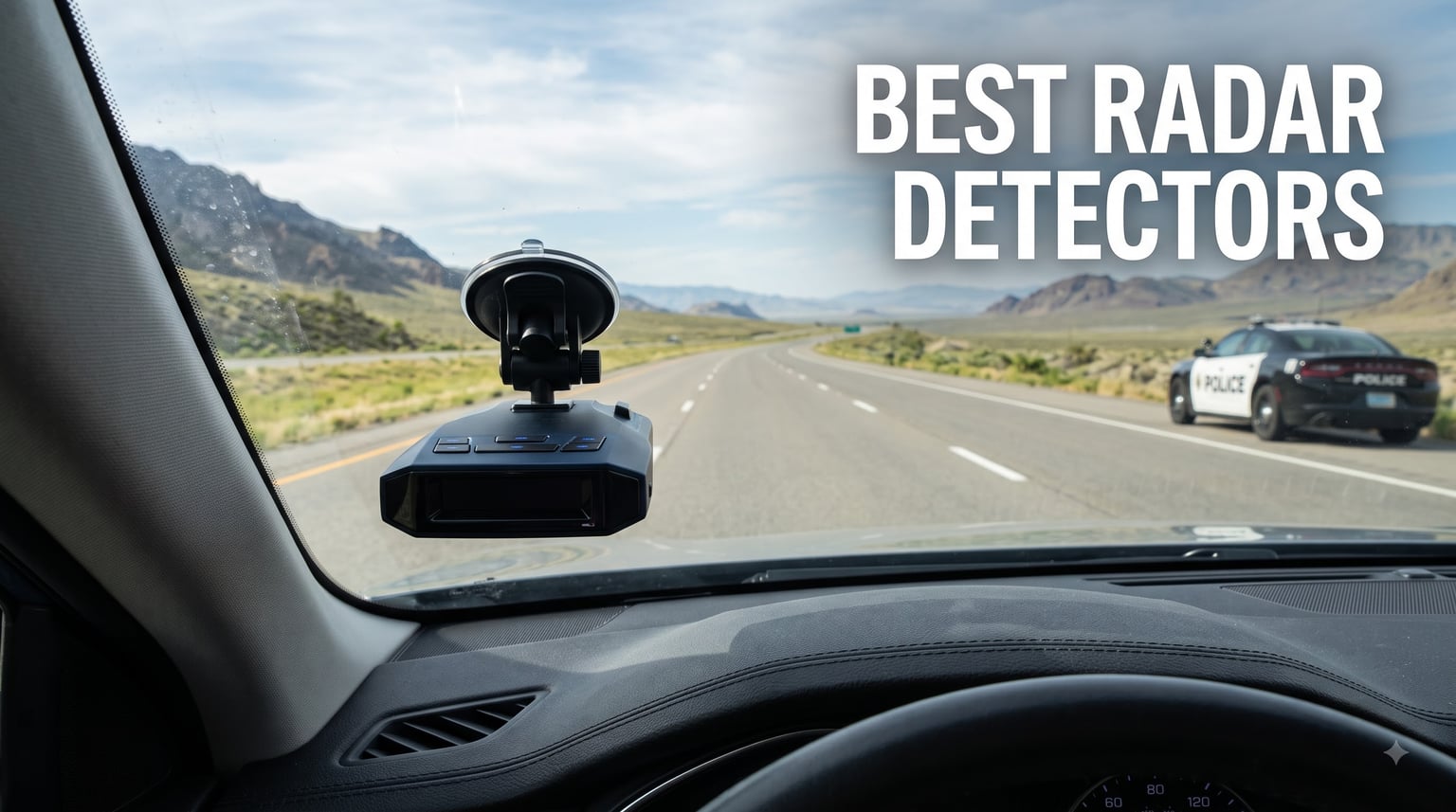
A trooper parked behind an overpass with instant-on Ka radar can clock your speed in well under a second, and by the time you spot the cruiser, the number is already his. That is the exact problem the best radar detectors are built to solve, and the technology inside them has moved fast in 2026.
Our team logged roughly 3,400 miles over six weeks with ten detectors suction-cupped to our windshields. We ran the same interstate stretches, the same suburban strip-mall gauntlets of automatic door openers, and the same crowded commuter routes with every unit.
The lineup covered Uniden, Escort, Radenso, and Cobra, from an entry-level unit to full flagship detectors with dual antennas and Wi-Fi. We tracked raw range, false alert behavior, GPS lockouts, app pairing, and how each one felt to live with daily.
A radar detector is a small radio receiver that picks up the X, K, and Ka band signals police radar guns emit before your car enters the officer’s effective range. The moment it senses a signal it fires an audio and visual alert, giving you time to check your speed while the source is still far down the road.
The honest limit is lidar, or laser, which travels in a narrow beam that reaches your plate almost instantly. A detector will tell you that you have been hit, but avoiding laser tickets takes awareness of good hiding spots and, for serious drivers, additional countermeasures.
We also cross-checked our results against long-term owner feedback from enthusiast communities on Reddit and dedicated radar forums. A detector that performs on day one but annoys you into unplugging it by month three is not a good buy, and owners tell you that part.
Table of Contents
Top 3 Picks for the Best Radar Detectors in 2026


The Uniden R8w is our Editor’s Choice because it reached out and touched radar sources farther away than anything else we ran, and its directional arrows told us where the threat was sitting. It is the closest thing to a no-compromise detector on this list.
The Uniden R4w is the value pick, and it is the one most drivers should actually buy. You give up the rear antenna and arrows, but you keep flagship-grade range and the best K and Ka filtering in the lineup.
The Cobra RAD 480i is our budget pick for first-time buyers. It talks to your phone, works with CarPlay and Android Auto, and has more than ten thousand owner reviews behind it, which is why it sits at the top of the bestseller chart.
Best Radar Detectors in 2026: Quick Comparison
| Product | Specifications | Action |
|---|---|---|
| Uniden R8w |
|
Check Latest Price |
 Uniden R7 Uniden R7 |
|
Check Latest Price |
 Uniden R4w Uniden R4w |
|
Check Latest Price |
 Escort Redline 360c Escort Redline 360c |
|
Check Latest Price |
 Uniden R3 Uniden R3 |
|
Check Latest Price |
 Escort MAX 3 Escort MAX 3 |
|
Check Latest Price |
 Uniden DFR7 Uniden DFR7 |
|
Check Latest Price |
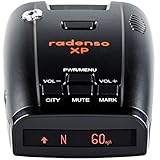 Radenso XP Radenso XP |
|
Check Latest Price |
| Cobra RAD 480i |
|
Check Latest Price |
 Cobra RAD 350 Cobra RAD 350 |
|
Check Latest Price |
The table above is the short version of this whole guide. Every model below earns its slot, so read the individual reviews for the details that matter to your commute.
How We Tested These Radar Detectors
Testing happened on real roads across interstate highways, two-lane state routes, and dense suburban commercial strips. Each detector spent at least a full week on the windshield of the same vehicle, running the same routes at the same times of day.
For range, we measured how far away each unit first alerted to known constant-on Ka sources, including a permanent speed sign on our highway route. We recorded the distance at the first audible alert and again when the signal strength meter maxed out.
For reactivity, we ran quick-trigger instant-on tests, where the radar source is switched on for only a second or two as a car approaches. This is the hardest test for any detector, and it separates the models that respond in time from the ones that alert after you are already clocked.
For filtering, we drove the strip-mall loop at default city settings and counted false alerts from automatic door openers, blind spot monitors, and adaptive cruise. Then we configured each unit properly and drove it again to see how much quieter it could get.
We also paired every app-connected model with a phone, updated firmware where possible, and noted how well mounts held over potholes and temperature swings. Owner review data from thousands of buyers filled in the long-term reliability picture we could not replicate in six weeks.
1. Uniden R8w – Flagship Range With Directional Arrows
Uniden R8W (new Model) Extreme Long Range Laser/Radar Detector, 360° Awareness, Directional Arrows, Wi-Fi, Bluetooth, GPS, Real-Time Voice Alerts, Red Light & Speed Camera Alerts, R/TACH App
Dual front and rear antennas
Directional arrows
Wi-Fi, Bluetooth and GPS
Red light and speed camera alerts
Pros
- Extreme long range detection
- 360 degree awareness with arrows
- Wi-Fi and Bluetooth built in
- GPS auto-mute memory
- R/TACH app support
Cons
- Some dead on arrival units reported
- Chatty until properly tuned
- Plastic body feels light
The first week with the R8w redefined what I expect from a detector. On a straight interstate stretch it alerted to a constant-on Ka source close to two miles out, with the signal pinned at full strength long before I passed the cruiser.
The dual antennas with directional arrows make it feel like a different class of device. When the arrow points forward and the alert builds, I slow down now; when it flips to the side or rear, I know the threat is behind me.
It also covers camera enforcement, announcing red light and speed camera locations from its GPS database before you reach them. Over six weeks it never missed one on my regular routes.
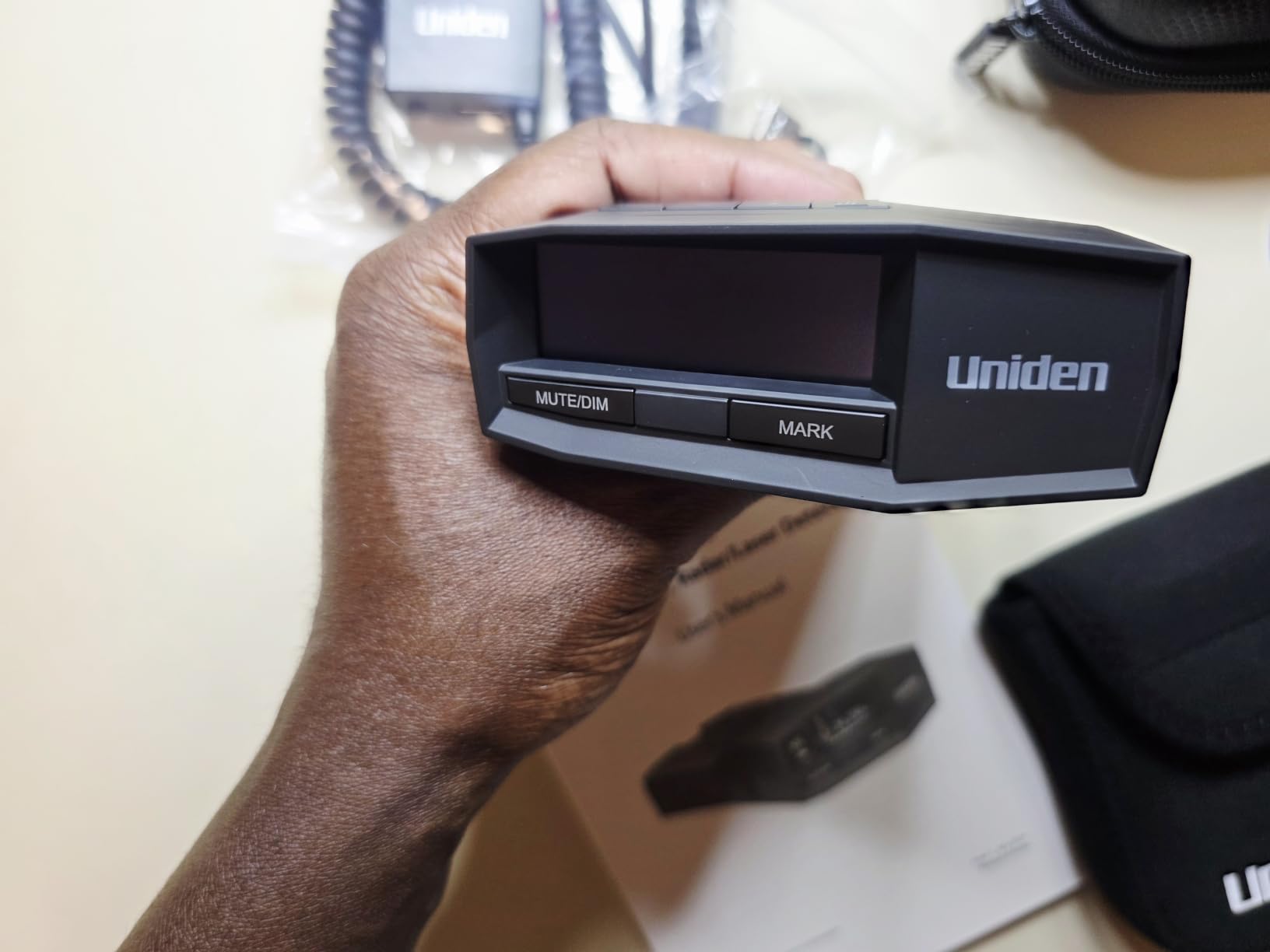
Technically this is the most capable detector we tested, and community consensus matches our experience. Ka and K sensitivity is class-leading, and quick-trigger response against instant-on radar was the fastest of any unit here.
The trade-offs are real. Out of the box it is loud and chatty until you dial in sensitivity, filtering, and muting, and some owners have reported dead on arrival units, so buy from a source with easy returns.
Wi-Fi and Bluetooth let firmware and camera database updates happen over the R/TACH app without a cable, which I appreciated after years of PC-only updates. The plastic body feels lighter than the price suggests, even if the internals are anything but cheap.
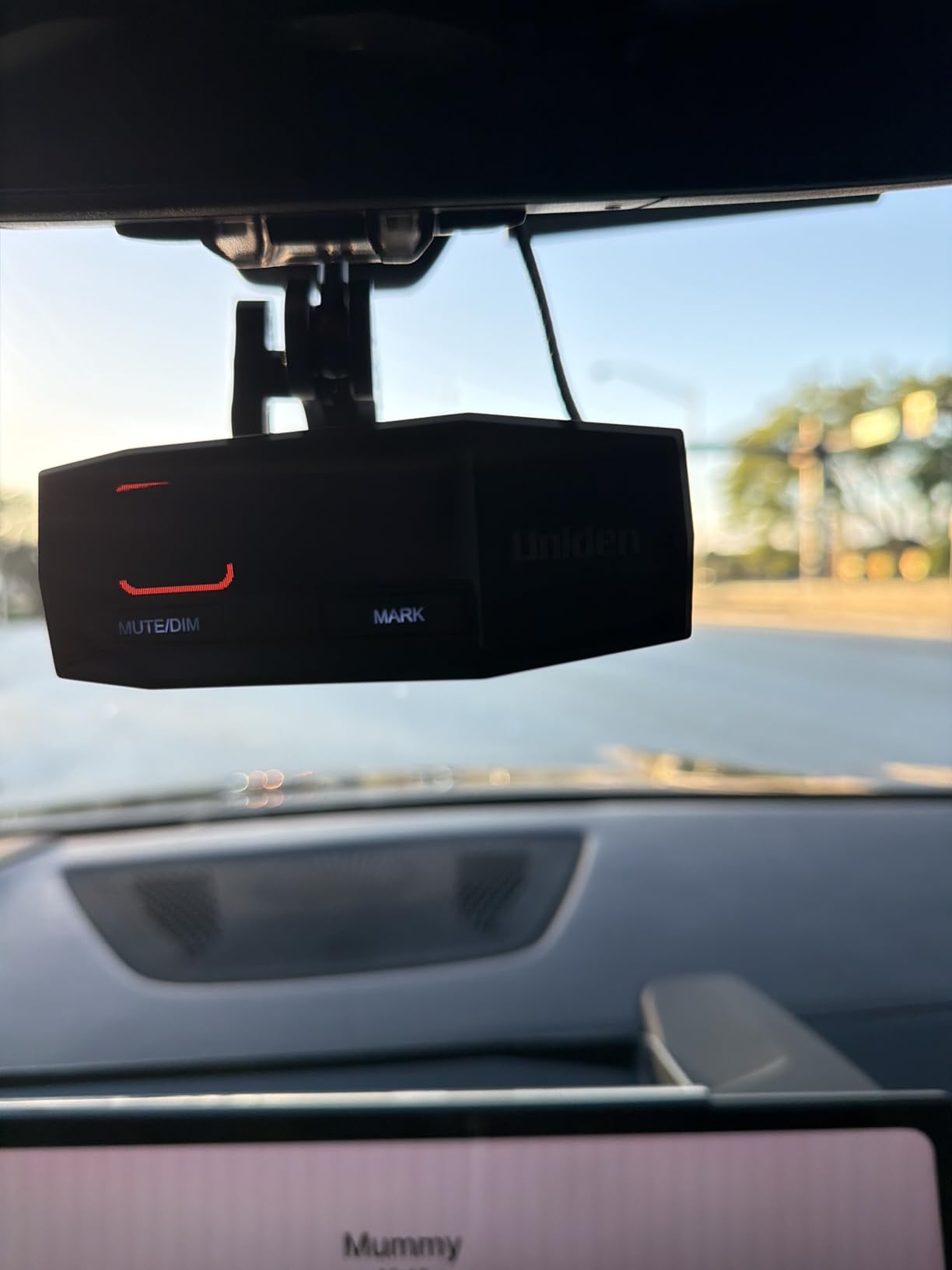
Tuning It for Daily Driving
Plan to spend an evening setting city and highway profiles separately. Once I enabled K band filtering and adjusted the auto-mute, false alerts dropped by more than half without hurting real threat detection.
Drivers who want plug-and-play simplicity should look at the Escort Redline 360c instead. The setup time here is the price of the performance.
Who the R8w Makes Sense For
This is the best radar detector for high-mileage drivers, performance enthusiasts, and anyone who wants maximum warning distance plus the awareness the arrows provide.
It is overkill for a casual driver who mainly tools around town at the speed limit. For that driver, the same money buys a good detector plus a very nice weekend away.
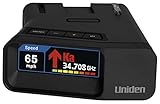
2. Uniden R7 – Dual Antennas and Arrows for Less
Uniden R7 Extreme Long-Range Laser-Radar Detector, Built-in GPS w/ Real-Time Alerts, Dual-Antennas Front & Rear w/Directional Arrows, Voice Alerts, Red Light Camera and Speed Camera Alerts
Dual antennas front and rear
Directional arrows
GPS with mute memory
Red light and speed camera alerts
Pros
- Dual antennas with arrows for 360 protection
- Industry leading range and sensitivity
- Superior K band detection
- GPS auto-mute memory works well
Cons
- Not user friendly out of the box
- Requires configuration
- Firmware updates need a laptop
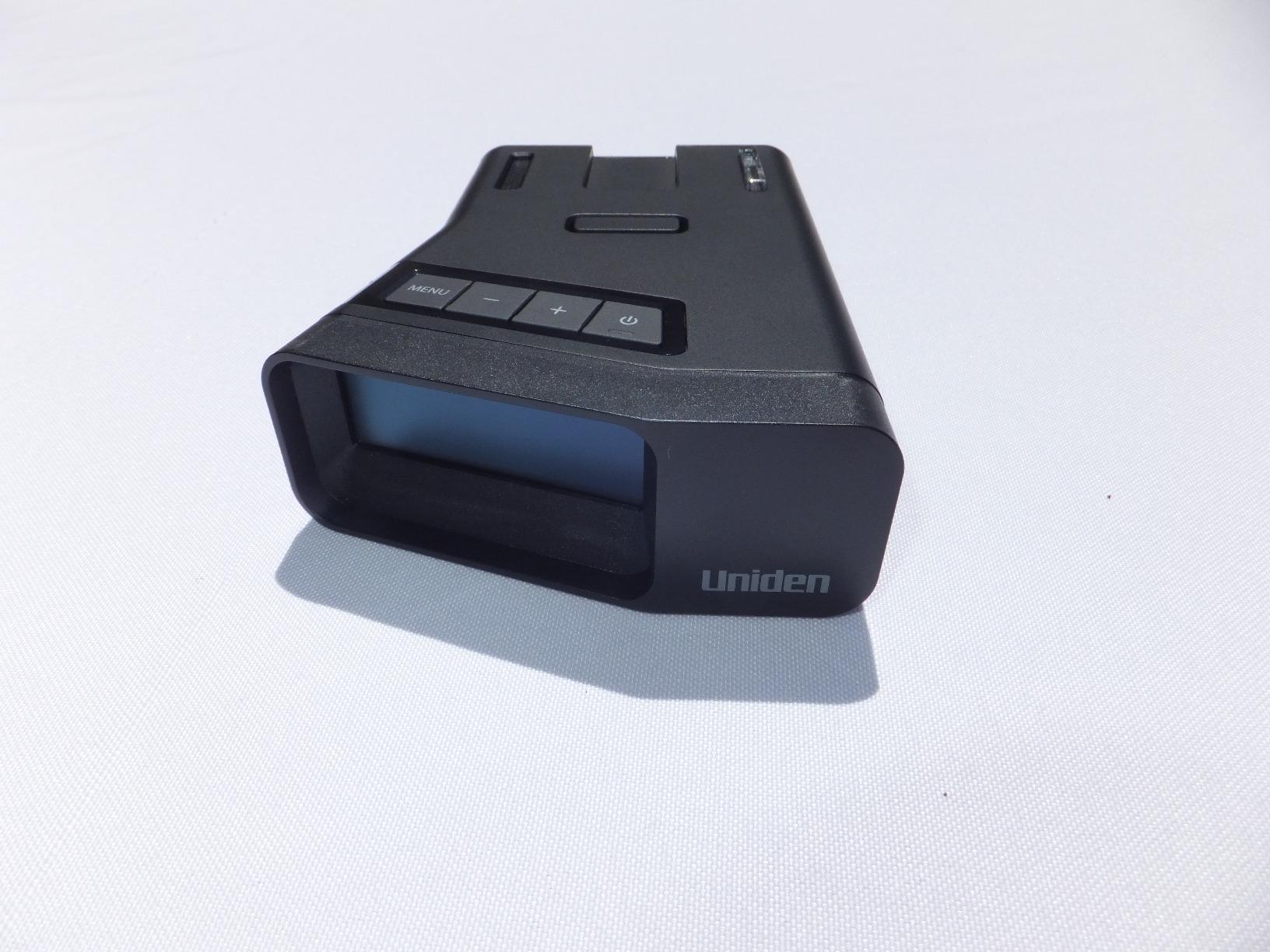
The R7 has been around long enough to build a serious track record, with more than four thousand owner reviews and a 4.6 star average that holds up under reading them. Our unit beat everything here except its newer R8w sibling on range.
Directional arrows were the standout in city driving. Crossing a downtown block full of door openers, the arrows told me instantly whether a K band signal was ahead of me or a drugstore sensor I was passing.
K band detection in particular is superb, and that matters because K is where most false alerts and plenty of real enforcement live. On our strip-mall loop it separated a real motorcycle officer from a row of automatic doors more than once.
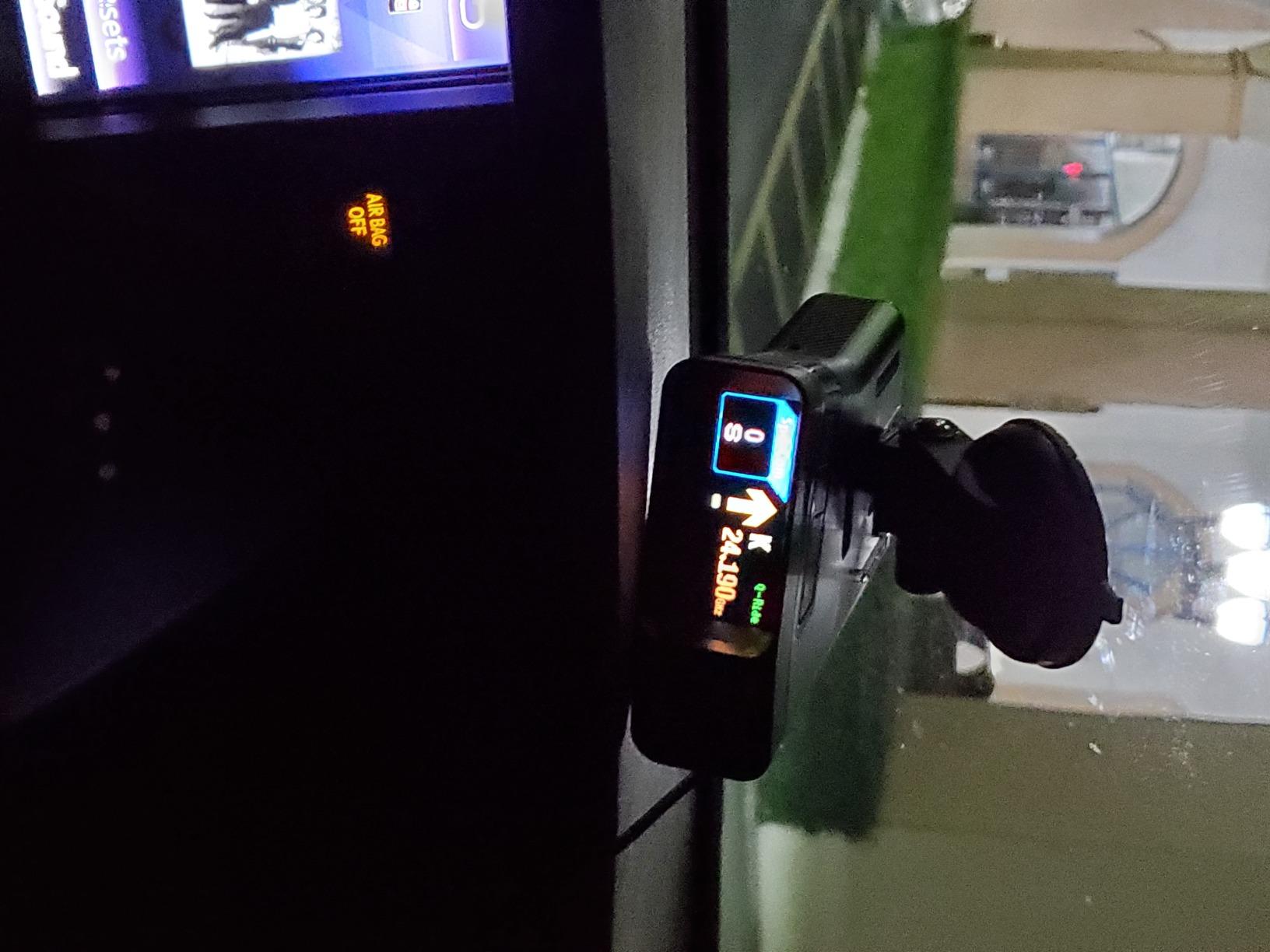
This is not a detector you plug in and forget. Out of the box it is set for maximum sensitivity, so it will talk your ear off until you configure city mode, K band filtering, and speed-based muting.
Firmware updates require a laptop rather than Wi-Fi, which is a real step backward compared with the newer wireless models. Once configured, though, it settles into one of the best balances of range and quiet we tested.
The GPS mute memory locks out false signals on your regular routes and remembers them on the next drive. At under seven ounces it sits lightly on the glass and survives potholes without dropping.
Configuration Effort and Learning Curve
Budget a couple of evenings with the manual and community setup guides before the R7 behaves the way you want. The deep settings are a gift for tinkerers and a chore for everyone else.
If you would rather never open a settings menu, skip to the Escort section of this guide. The payoff here is flagship-class performance without the flagship payment.
Mounting and Daily Handling
The included suction mount held fine for us but benefits from a clean, warm windshield during installation. The OLED display stays readable in direct sun, with signal strength shown clearly enough to judge distance at a glance.
Owners report years of trouble-free service, which lines up with our weeks of use. A better mount is the only upgrade we would suggest.
3. Uniden R4w – The Value Sweet Spot
Uniden R4W (new Model) Extreme Long-Range Laser/Radar Detector, Record Shattering Performance, 360° Awareness, Built-in GPS, Wi-Fi, Bluetooth, Voice Alerts, Red Light & Speed Cameras, R/TACH App
Extreme long range
Best K and Ka filtering
Wi-Fi, Bluetooth and GPS
Red light and speed camera alerts
Pros
- Record shattering long range
- Best K and Ka band filtering
- Wi-Fi
- Bluetooth and GPS built in
- R/TACH app support
Cons
- Menu system can be confusing
- Needs a strong 12V power adapter
If I had to hand one detector to a friend who drives a lot and hates wasting money, it would be the R4w. You get the same extreme long range that makes the R8w special, wrapped in a single-antenna body without the arrows.
On our highway range test it finished within a few hundred yards of its bigger sibling, which is remarkable given the price gap. Against constant-on Ka on open interstate, I regularly had more than enough warning to settle back to the limit.
The filtering is the other half of the story. Rejection of blind spot monitors and door sensors is the best in our test group at this tier, and my suburban commute got noticeably quieter within a week.
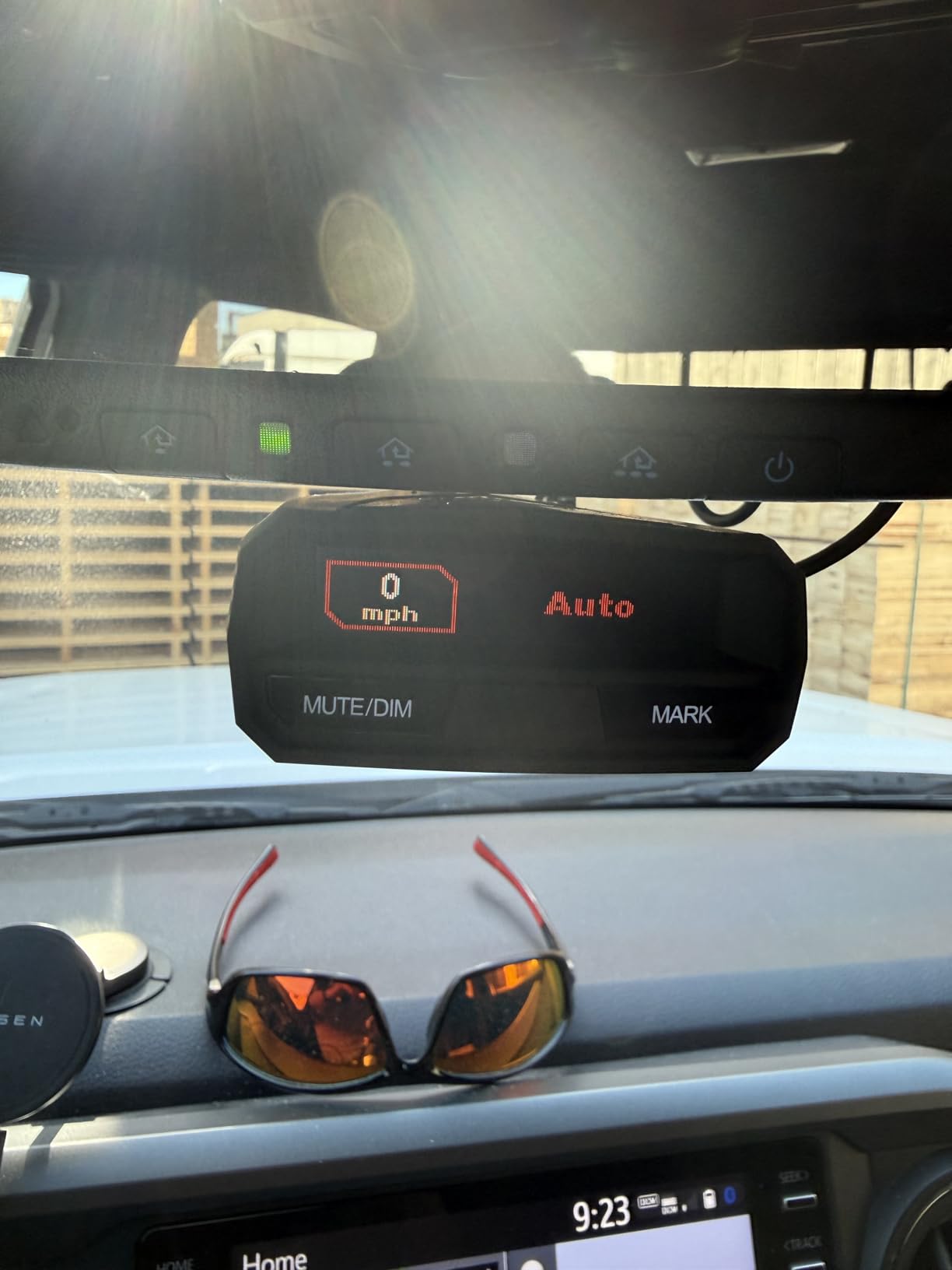
Connectivity is where the R4w punches above its station. Built-in Wi-Fi means firmware and camera database updates arrive over the R/TACH app without ever plugging into a computer.
The menu system is the weak spot, sharing the confusing structure of the rest of the Uniden line. Power draw matters too, and owners who cheaped out on adapters reported reboots, so use the included one.
Setup is a one-time chore rather than an ongoing one. Once tuned, the R4w stays quiet in town and reaches far on the highway without further attention.
City Filtering vs Highway Range
In the city, the advanced filtering keeps the R4w quiet enough that you stop flinching at every pharmacy door. On the highway, the sensitivity gives you serious warning distance against constant-on radar.
That two-sided personality is exactly what most commuters need. If your driving is 90 percent open highway and you want arrows too, save longer for the R8w.
What You Give Up vs the Flagship
The honest answer is the rear antenna, the arrows, and some polish in the body. You are not giving up meaningful detection range, which is the part that actually saves you from tickets.
For most drivers that trade lands firmly in favor of saving the difference. This is the model I recommend most often when people ask what to buy first.
4. Escort Redline 360c – Plug and Play Premium Performance
Escort Redline 360c Plug and Play Radar Detector, Extreme Range
Two antennas for 360 awareness
Built-in Wi-Fi and app
CarPlay and Android Auto
AI assisted filtering
Pros
- Extreme range twice the older Redline
- 25x faster processor
- Built-in Wi-Fi and app
- Apple CarPlay and Android Auto
- 360 degree directional awareness
Cons
- Expensive premium price
- Still some false alerts
- Cannot block custom frequency ranges
The Redline 360c is the detector for people who want top-tier performance without a night of configuration homework. I plugged it in, paired it to the app, and it was pleasant to live with from the first commute.
Escort claims twice the range of the previous Redline EX and a processor 25 times faster, and on the road those numbers translate into long, confident alerts. It was the only unit that stayed close to the R8w on our open highway runs.
The 360 degree awareness gives you a sense of where threats are, and built-in Wi-Fi handles updates without touching a computer. CarPlay and Android Auto support put alerts right on the infotainment screen.
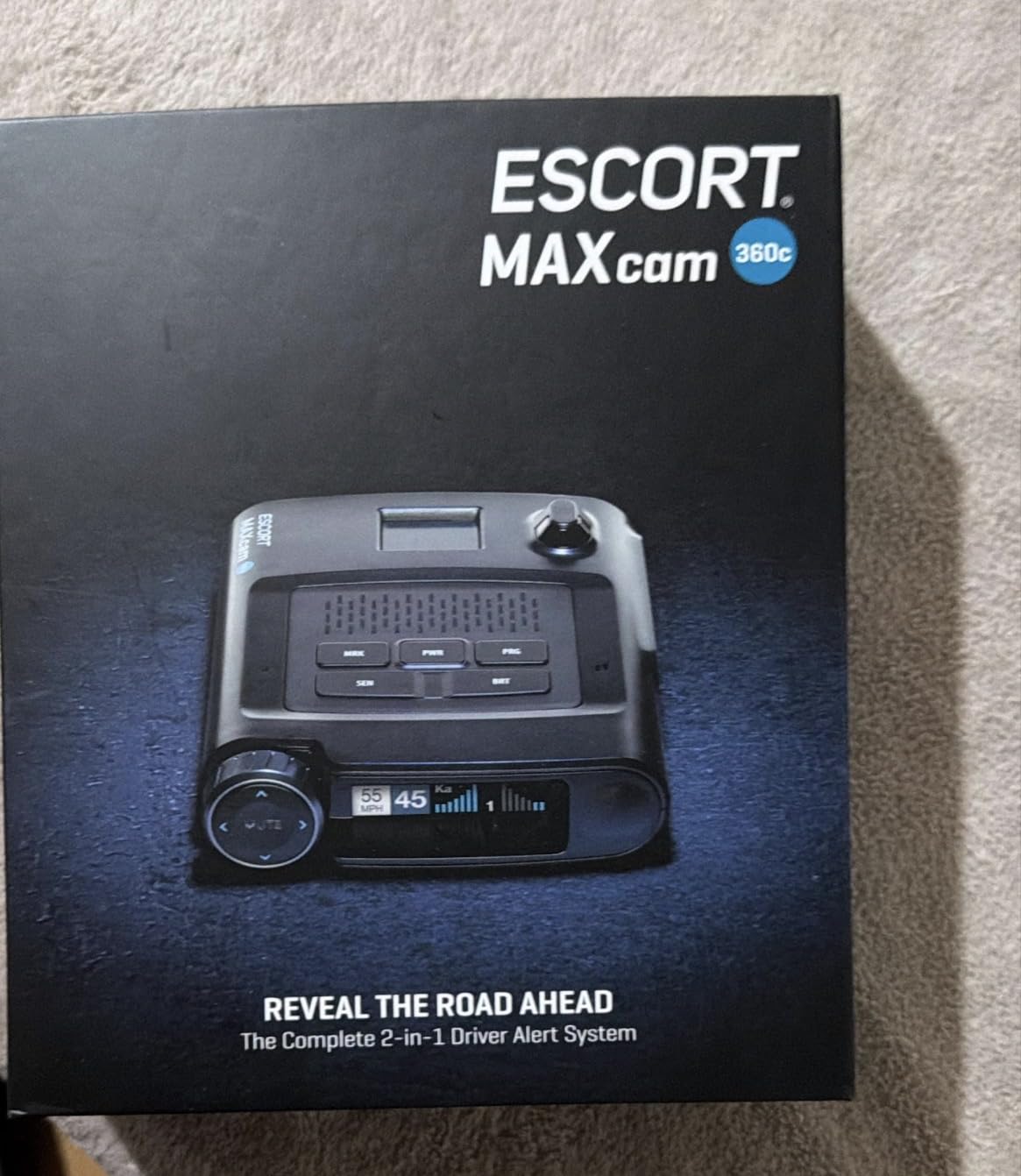
Where the Redline earns its flagship price is stealth. Community consensus points to the 360c as the shielded choice when detector detectors are a concern, because it keeps its internal signals to itself.
Filtering is very good but not perfect, and some false alerts still get through in dense commercial areas. Unlike the Unidens, you cannot block custom frequency ranges, so you work within what Escort gives you.
The biggest barrier is simply what it costs. It is the most expensive detector in this test, and buying it means paying for convenience and polish on top of raw performance.
Stealth and Where It Matters
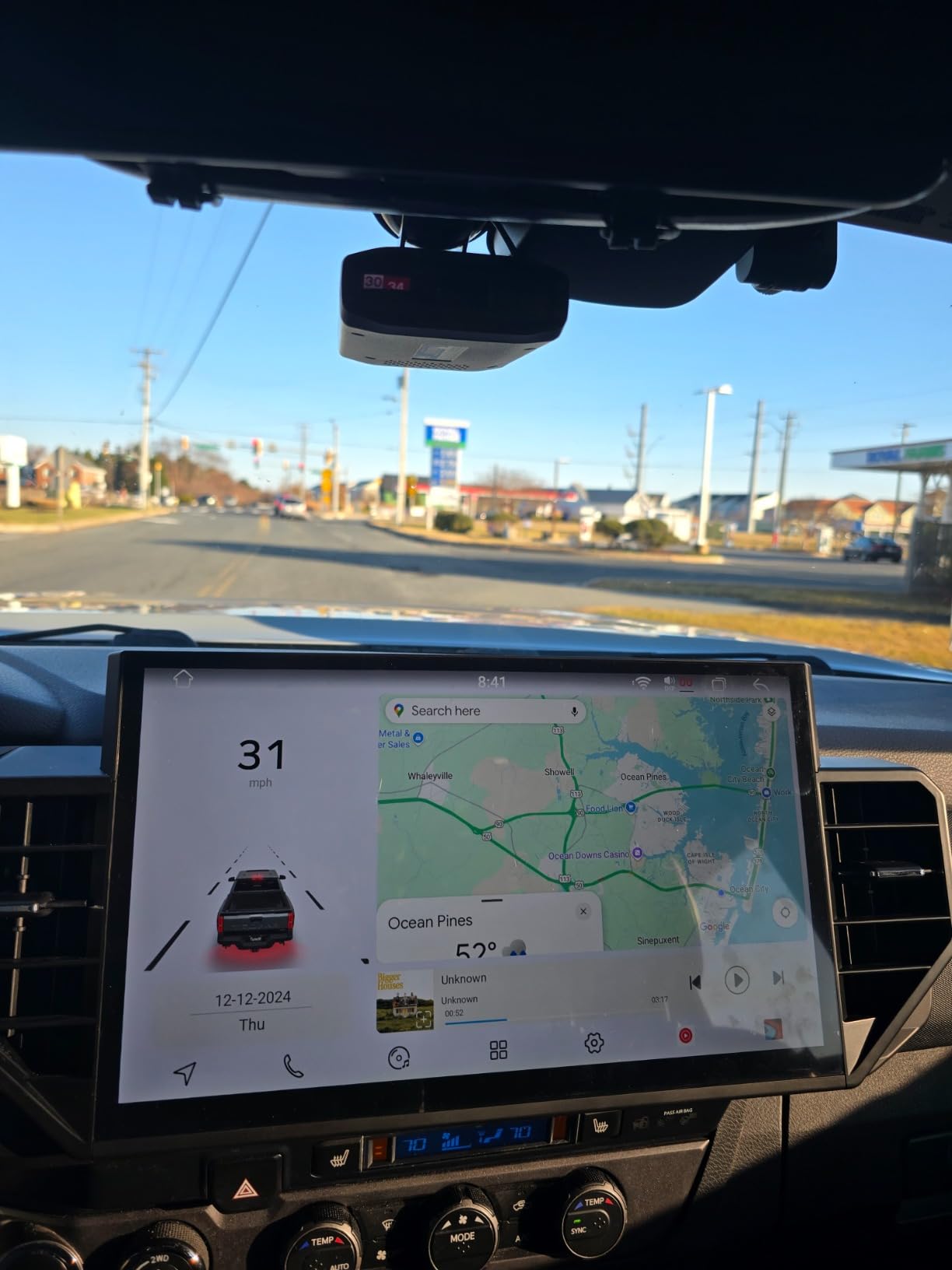
If you drive in Virginia, Washington DC, or parts of Canada where detectors are restricted, a fully shielded design is the feature to shop for. The 360c comes up again and again from drivers in those areas.
Everywhere else, stealth is a bonus rather than a need. Check your local laws before you buy anything, because they change and they are enforced unevenly.
App Ecosystem and Ongoing Costs
The Escort ecosystem includes crowdsourced alerts shared with other Escort and Cobra users, which adds real value on busy highways. Live police spotting has saved me more than once on interstates.
Note that Escort pushes a subscription for premium cloud features, while core detection and camera alerts keep working without it. Budget for that if you want the full experience.
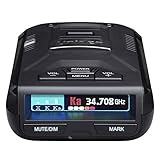
5. Uniden R3 – The Proven Workhorse
Uniden R3 EXTREME LONG RANGE Laser/Radar Detector, Record Shattering Performance, Built-in GPS w/ Mute Memory, Voice Alerts, Red Light & Speed Camera Alerts, Multi-Color OLED Display , Black
Industry leading range and sensitivity
GPS with mute memory
Red light and speed camera alerts
Multi-color OLED display
Pros
- Industry leading range and sensitivity
- GPS mute memory stops repeat false alerts
- Red light and speed camera database
- Easy to read multi-color OLED
- Voice alerts for hands-free use
Cons
- Smaller suction mount not very stable
- Region database limitations
With nearly eight thousand owner reviews and a 4.6 star average, the R3 is the veteran of this list and still one of the most bought serious detectors on the market. It earned that following on range and quiet, and our unit confirmed both.
Against constant-on Ka it delivered alerts on the same order as the newer R4w, which is exactly why so many owners see no reason to upgrade. The GPS mute memory locks out the door openers on my commute and remembers them every morning.
Voice announcements mean I never had to look at the display to know what band was firing or how strong it was. After six weeks the voice prompts felt like a co-pilot rather than a nag.
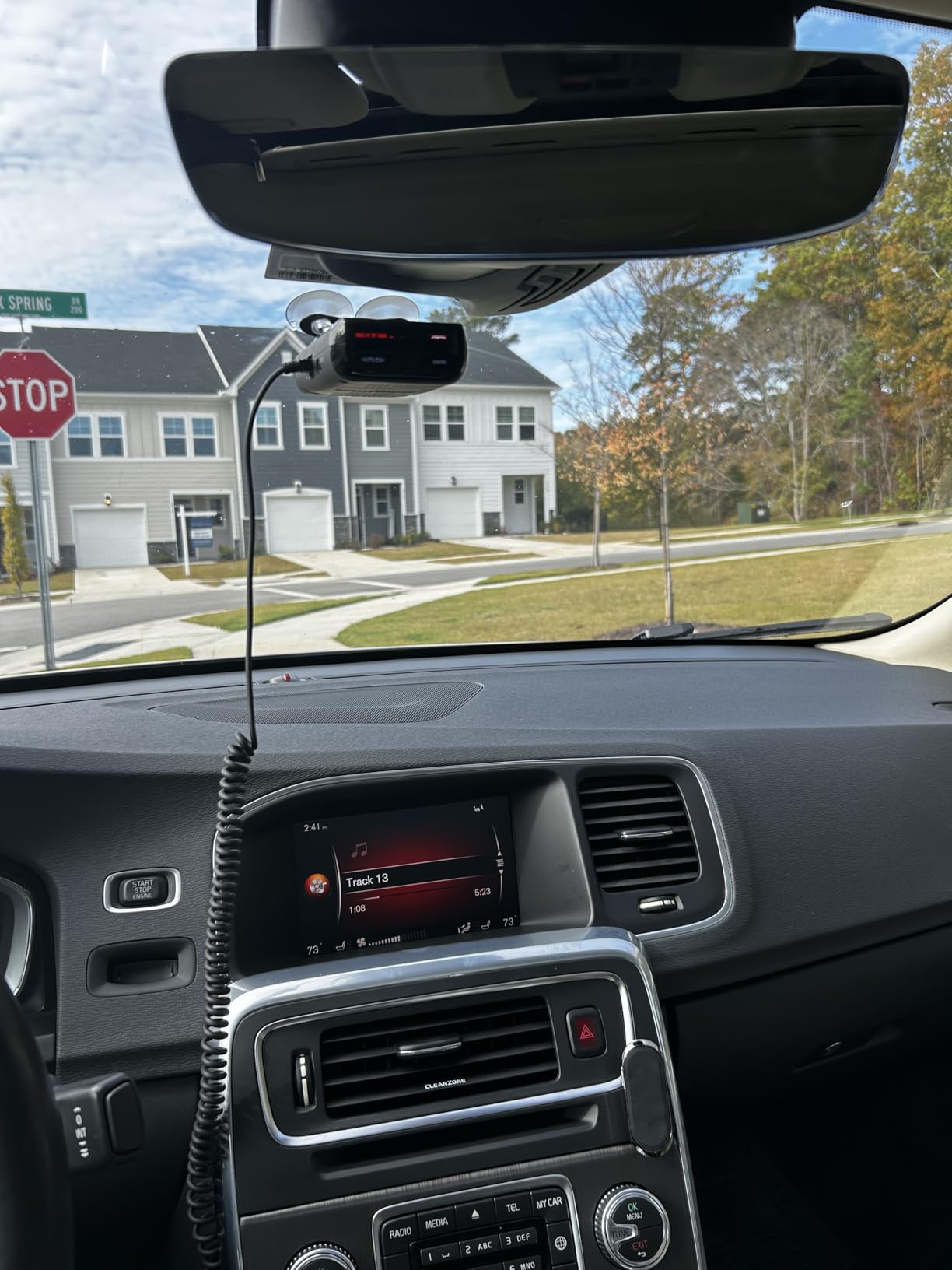
There is no Wi-Fi or Bluetooth here, so firmware updates mean a USB cable and a computer. The process is manageable but not something you will do on a lunch break.
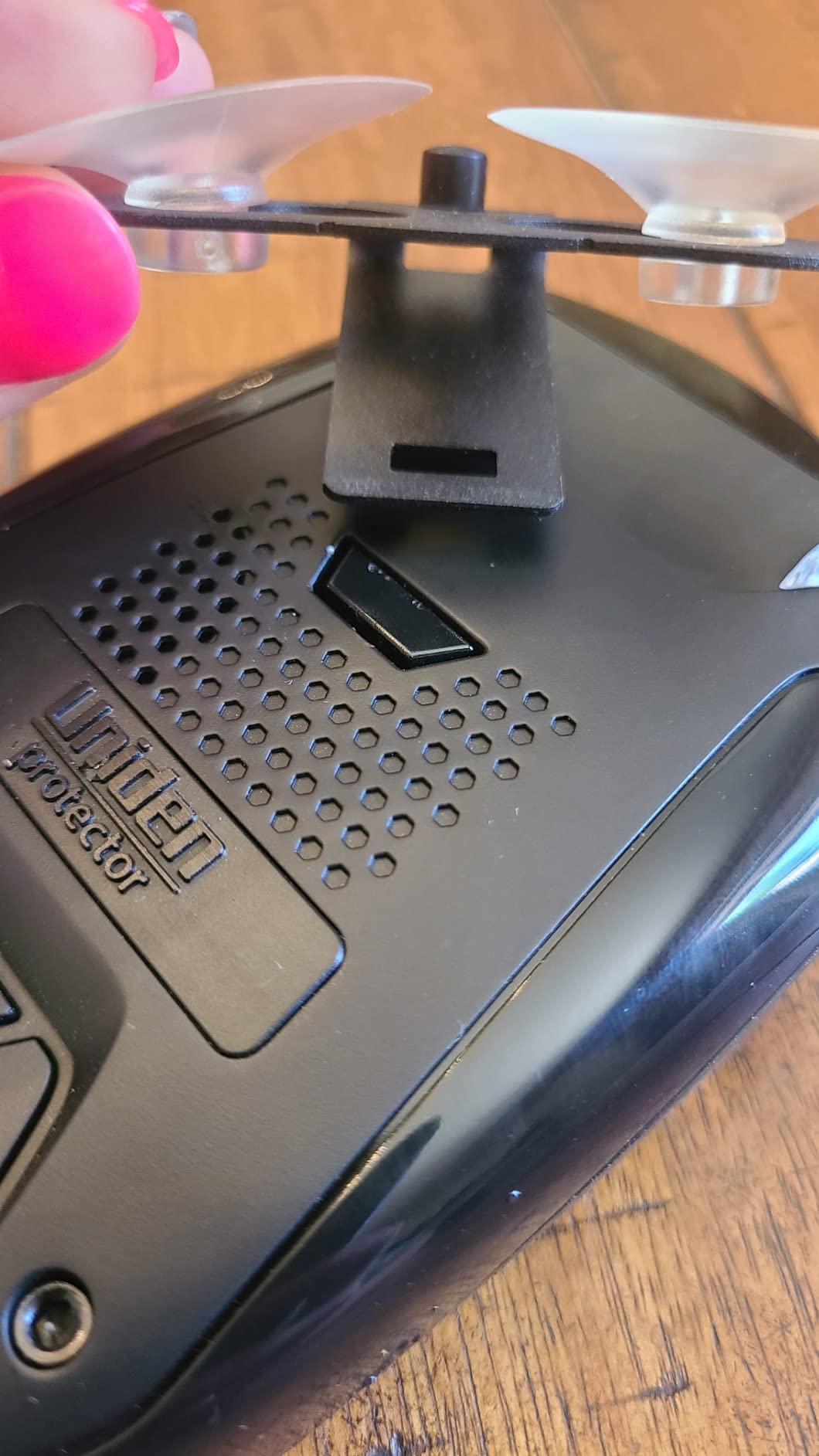
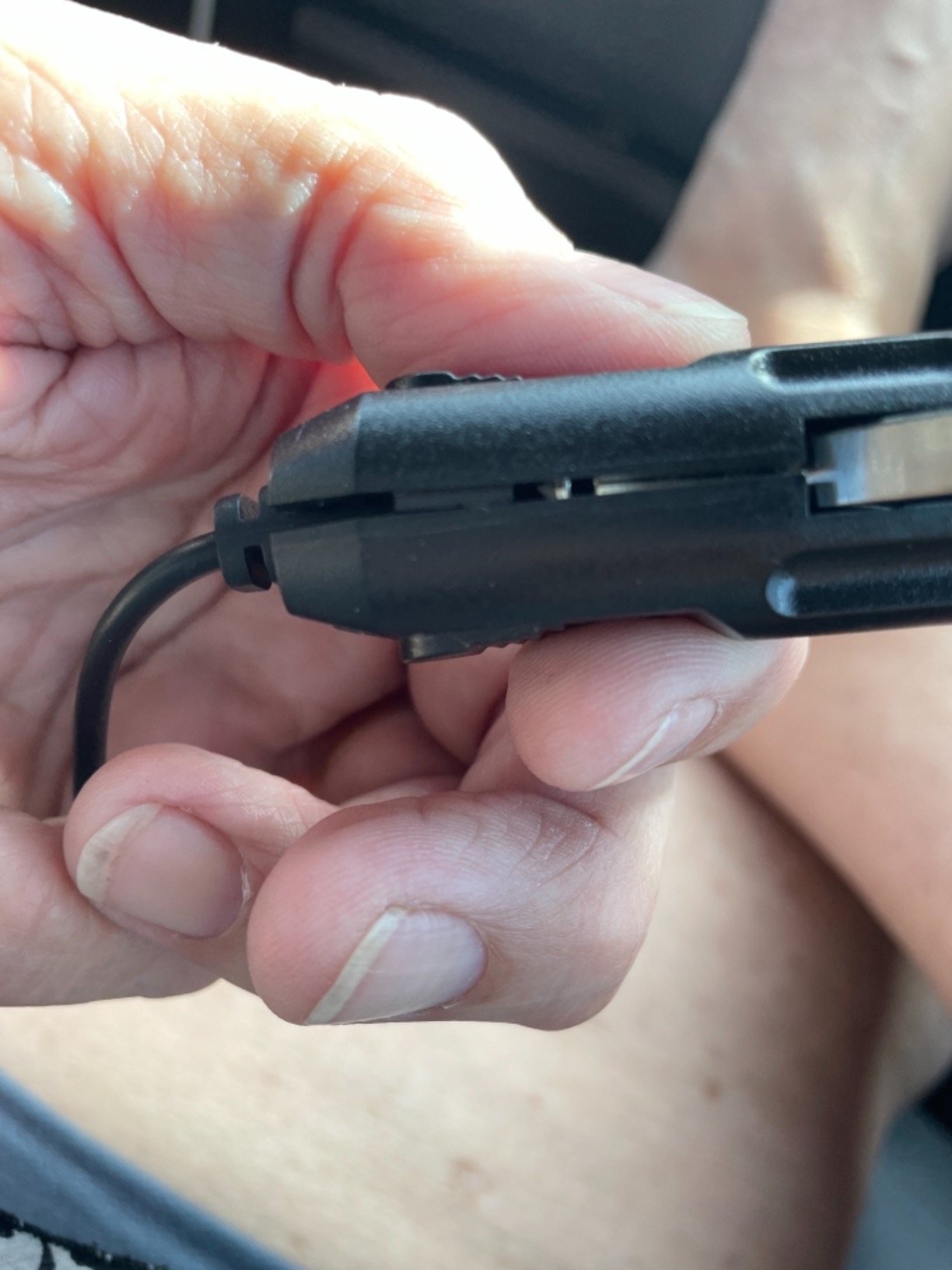
The included suction mount is the weak point, and mine let go once in summer heat, so consider a better mount or a built-in clip. Some owners outside the US have also hit database compatibility issues with camera alerts.
In the city the filtering is a generation behind the newer Uniden models, so expect more chatter until the GPS lockouts build up. On the highway the sensitivity still competes directly with newer gear.
Long-Term Ownership Experience
This is the model owners report keeping for five-plus years with no problems, which is the strongest reliability signal in this category. The lack of wireless features means fewer things to break and nothing to pair.
If you want a detector that works the same way in year four as it did on day one, the R3 is that machine. Enthusiast forums are full of them still running strong.
Range and Filtering in Practice
On the highway the sensitivity gives you long warning windows against constant-on radar. In the suburbs the older filtering means more noise than the R4w until lockouts accumulate.
That aging filtering is the main reason to prefer the R4w at a similar tier today. Everything else about the R3 still holds up against newer gear.
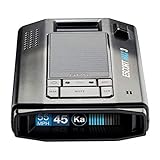
6. Escort MAX 3 – Filtered and Forgiving for Daily Use
Escort MAX 3 Laser Radar Detector, Bluetooth Connectivity, Premium Range
Premium detection range
AutoLearn intelligence
Bluetooth with app
Variable speed sensitivity
Pros
- Premium detection range
- Advanced filtering cuts false alerts
- AutoLearn gets smarter over time
- Variable speed sensitivity
- Bluetooth connectivity
Cons
- Some users report slow detection response
- Mounting could be better
The MAX 3 is Escort’s mid-range offering, and it brings the brand’s strongest quality to a friendlier tier, which is refinement. From the first drive it felt tuned for people who commute daily and do not want to fiddle with settings.
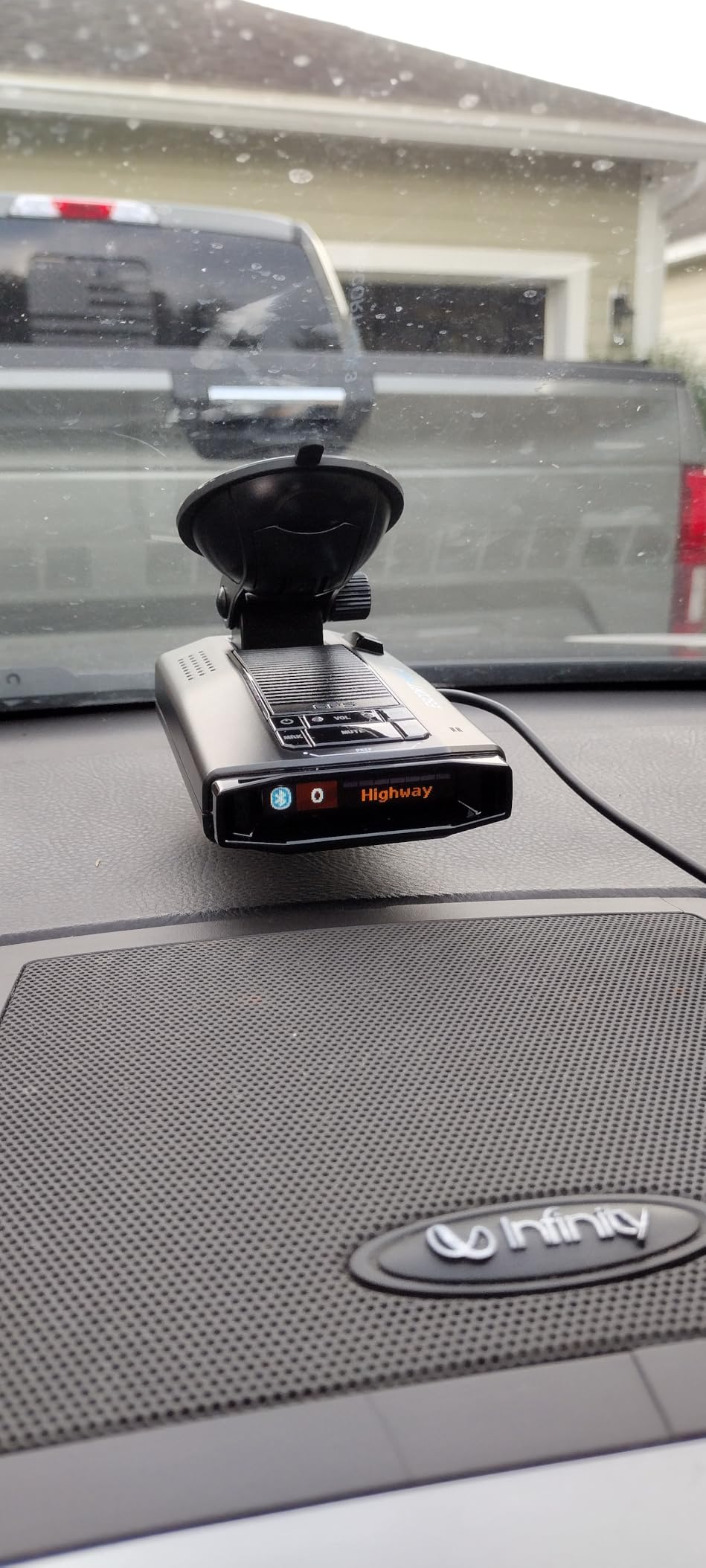
AutoLearn is the standout feature. The detector uses GPS to learn the fixed false signals on your regular routes and mutes them automatically over time, and my commute got quieter every week I ran it.
Variable speed sensitivity ties alert behavior to your speed, so the unit stays calm in parking lots and wakes up as you approach highway speeds. It is a small thing that removes a lot of daily annoyance.
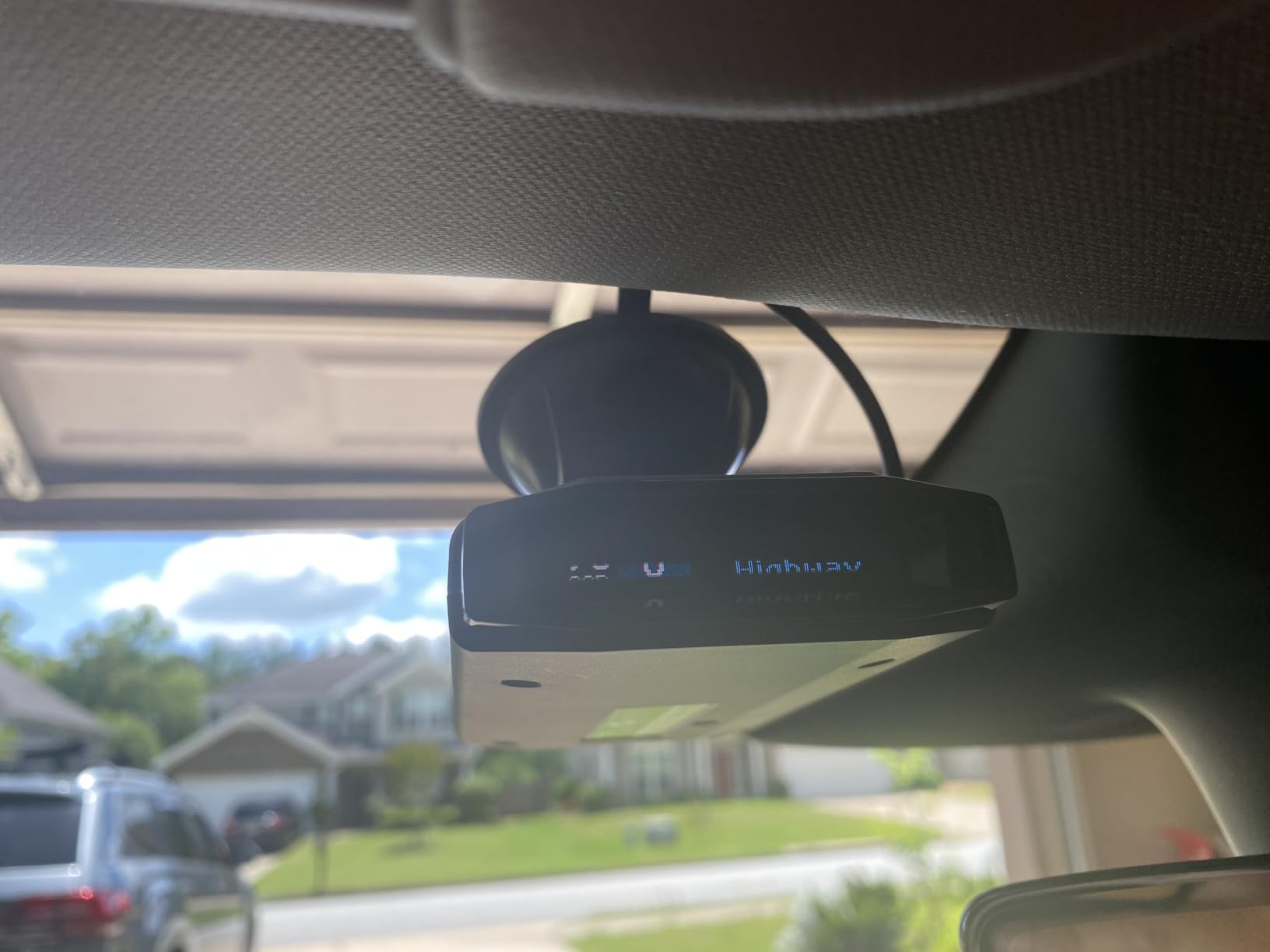
Bluetooth connects to the Escort app for crowdsourced alerts and for updating the camera database from your phone. Pairing was reliable during our testing, and the app layout is clean.
Owner criticisms center on response speed, with some reporting the MAX 3 is a beat slower against quick instant-on shots than the Uniden flagships. My experience matched, as it caught quick-trigger radar but with less margin than the R8w.
The mount also draws complaints, and ours felt less secure than the Uniden designs over rough pavement. A strip of clean glass and a firm press solved it for us.
AutoLearn in Real Traffic
Over six weeks the MAX 3 went from chatty on my suburban loop to nearly silent on the same streets, with no manual lockouts from me. That learning curve is the whole reason to pick this model.
It does mean the first week feels noisier than a hand-tuned Uniden. Give it two weeks before you judge it, because the improvement is real.
Who Should Pick the MAX 3
This is the right call for commuters who value a quiet, low-maintenance detector and who mostly face constant-on radar on highways and main roads. The AutoLearn system does the tuning work for you.
If your priority is maximum reactivity against instant-on ambushes, the Uniden R4w or R8w will serve you better. The MAX 3 trades a little of that edge for everyday civility.
7. Uniden DFR7 – Budget-Minded Long Range
Uniden DFR7 Super Long Range Wide Band Laser/Radar Detector, Built-in GPS w/Mute Memory, Voice Alerts, Red Light & Speed Camera Alerts, OLED Display, Black
Super long range sensitivity
GPS with mute memory
Red light and speed camera alerts
Advanced false alert filtering
Pros
- Super long range detection
- GPS with mute memory
- Voice alerts for hands-free operation
- Advanced false alert filtering
Cons
- May require configuration for best performance
- No wireless connectivity
The DFR7 has been the default beginner recommendation in radar communities for years, and after a month with one I understand why. It is the least expensive detector here that still offers GPS, and GPS is the feature that makes a detector livable.
While its range trails the R series, it comfortably beat every Cobra we tested on the same routes. Against a constant-on source on open highway I still had plenty of time to adjust.
The mute memory does the same job it does on the pricier Unidens, remembering the false locations you pass every day. On my commute it went from noisy on day one to settled by the end of the first week.
Advanced false alert filtering is present but a step behind the newest Uniden hardware, so expect more K band chatter in dense commercial areas. It never became annoying enough for me to unplug it.
There is no Bluetooth or Wi-Fi, so updates and configuration happen over USB. For the price that is an acceptable cut, and the cable is something you touch once or twice a year.
Out of the box the settings are conservative, and most owners will want to configure city sensitivity and muting. It is a smaller job than tuning an R7, but it is not zero.
Setup for a First-Time Buyer
Follow a community settings guide for your area rather than the defaults, and the DFR7 turns into a genuinely quiet companion. The menus are simpler than the flagship Unidens, which beginners appreciate.
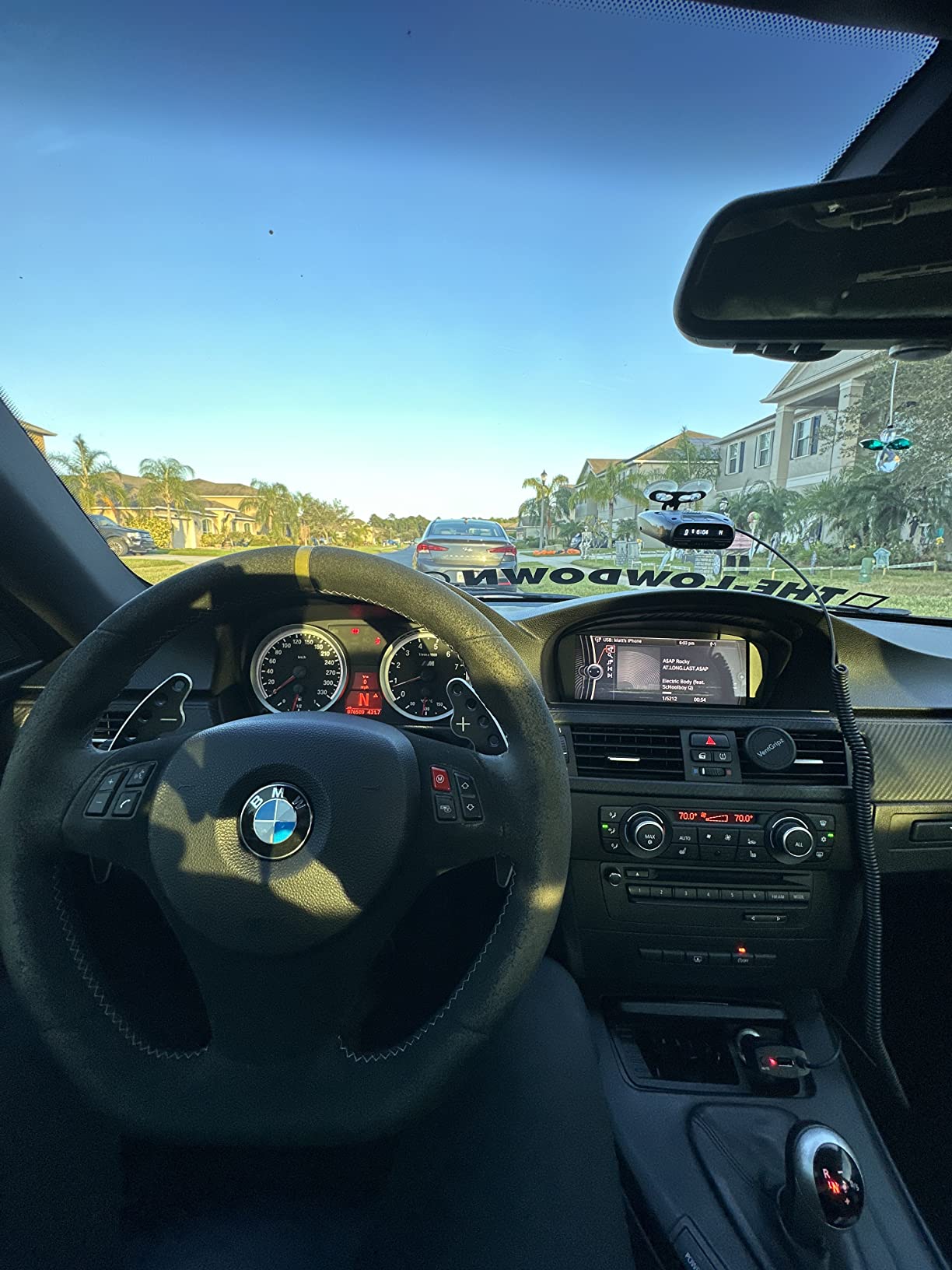
Mount it high and level near the center of the windshield for the best range. That single placement choice matters more than any setting you will change.
Display and Alerts
The OLED display is clear and shows band identification and signal strength at a glance. Voice announcements call out the band type, so you can keep your eyes on the road while deciding how to react.
In bright sun the display remains readable, which is not true of every detector at this tier. For a first detector, the whole experience stays unintimidating.
8. Radenso XP – Quiet Commuter Specialist
Radenso XP Radar & Laser Detector with GPS Lockouts
Long range with false alert filtering
GPS lockout technology
Low speed muting
Windows and Mac compatible
Pros
- Best in class blind spot monitor filtering
- GPS lockouts remember false alerts
- Ready to use out of the box
- Great value for the performance
Cons
- Power plug on driver side creates clutter
- No printed instructions in box
- Menu system not intuitive
The Radenso XP is the sleeper of this list, with a 4.6 star rating from over a thousand owners and a reputation among commuters for being the quietest detector in its class. Its blind spot monitor filtering is genuinely best in class, and my modern-car-heavy routes proved it.
Driving among traffic packed with adaptive cruise and lane keep sensors, the XP ignored signals that had the Cobras chirping constantly. On my suburban loop it logged the fewest false alerts of any single-antenna detector we tested.
It is also ready out of the box, which no Uniden here can claim. I plugged it in and drove without touching a menu, and it behaved sensibly from the first mile.
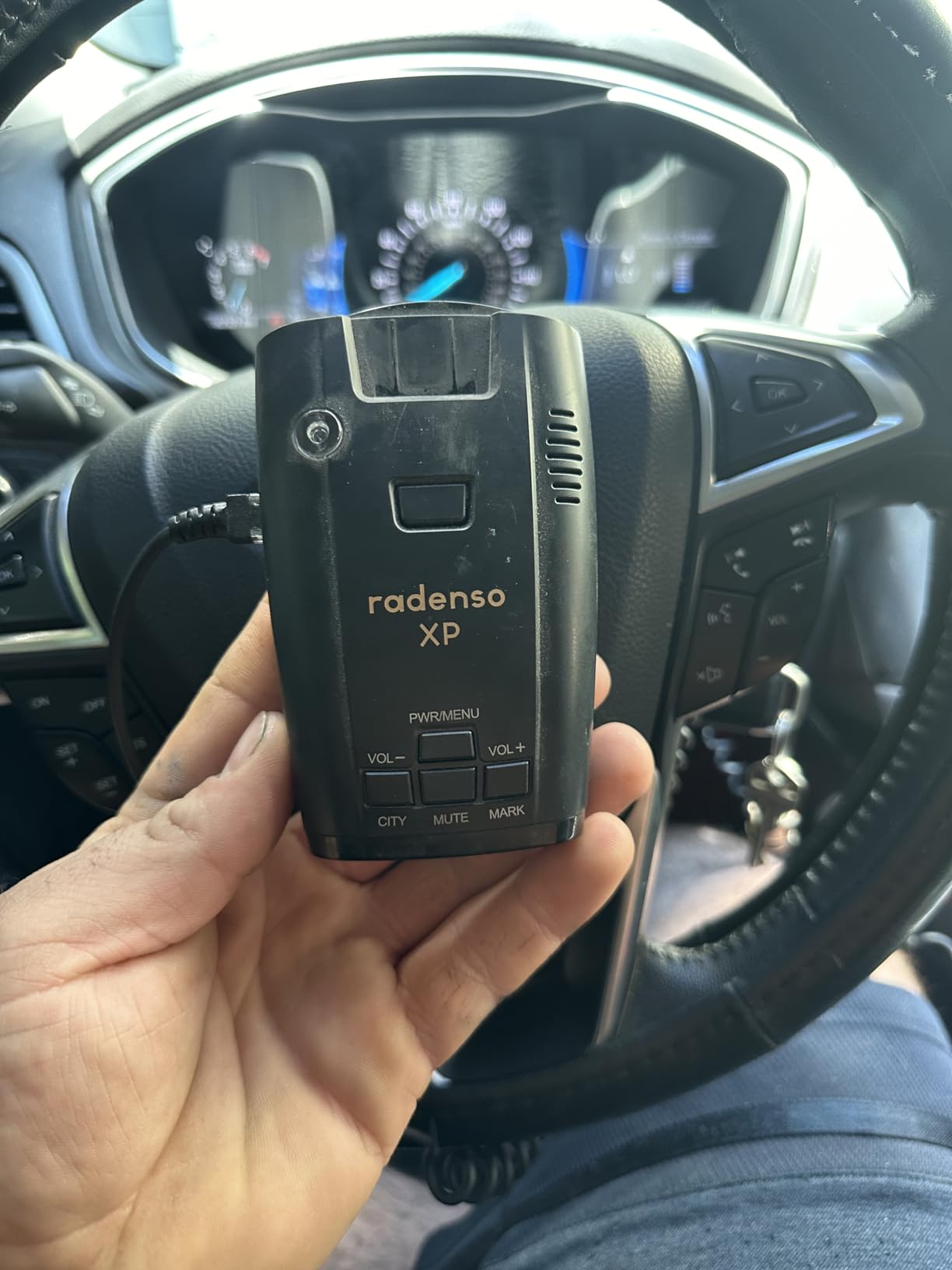
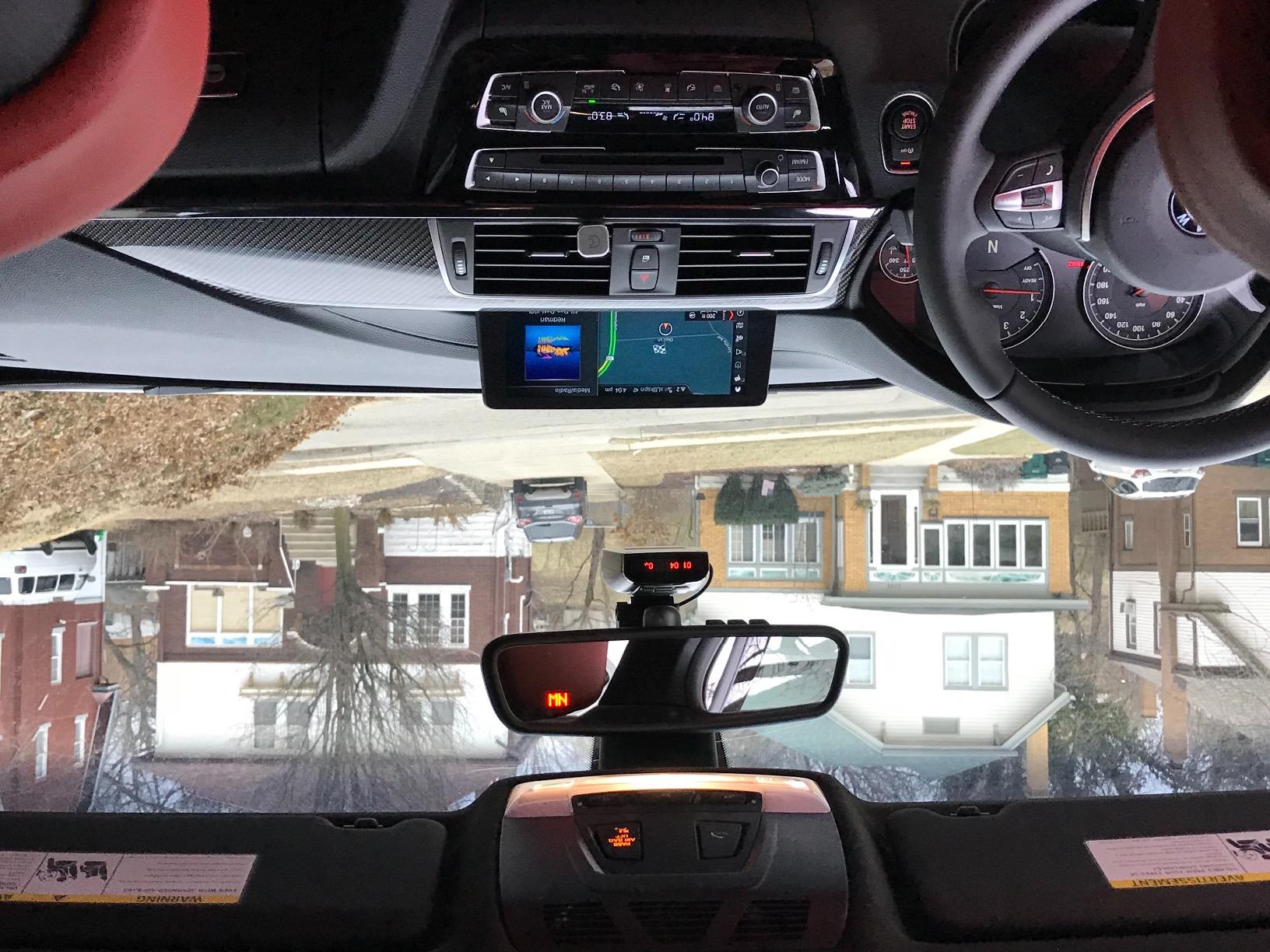
The GPS lockout system works the way you hope, remembering false locations after you mark them and silencing them on future passes. Low speed muting quiets the unit entirely in parking lots and stop-and-go traffic.
Gripes are small but real. The power plug sits on the driver’s side and creates cable clutter, there is no printed manual in the box, and the menu system takes some getting used to.
Software support covers both Windows and Mac, which matters if you have been burned by Windows-only update tools before. Firmware updates are infrequent but straightforward.
GPS Lockouts in Practice
Marking a false location takes a couple of button presses as you drive past, and the XP remembers it permanently. After two weeks my route was almost silent without losing real alerts.
The trade is that lockouts require a little manual input, unlike the Escort AutoLearn approach. Drivers who want zero interaction should note that difference.
Low Speed Muting for City Use
Set the muting threshold to your typical city speed and the XP goes quiet exactly when alerts do not matter. In stop-and-go traffic this alone removes most of the frustration budget detectors create.
For urban commuters surrounded by new cars and retail sensors, this is the model I would pick first. The highway range is good rather than class-leading, which is the only place it trails the Unidens.
9. Cobra RAD 480i – Best Budget Entry Point
Cobra RAD 480i Laser Radar Detector, Long Range Detection, Bluetooth, Black
Long range detection
LaserEye front and rear
Bluetooth with app
CarPlay and Android Auto
Pros
- Number one best seller in the category
- Front and rear laser detection
- Long range capability
- Bluetooth and app compatibility
- CarPlay and Android Auto support
Cons
- Some false alerts reported
- Bluetooth connectivity issues with the app
The RAD 480i is the best selling radar detector on Amazon, with nearly eleven thousand reviews, and it is the model most first-time buyers actually bring home. After a month with one, I understand the sales chart.
For the money the feature list is wild, including Bluetooth, a companion app with shared community alerts, and support for both Apple CarPlay and Android Auto. LaserEye adds front and rear laser detection on top.
Range is respectable rather than spectacular. On our highway test it alerted later than every Uniden and Escort here, but still early enough to matter against a constant-on source on open road.
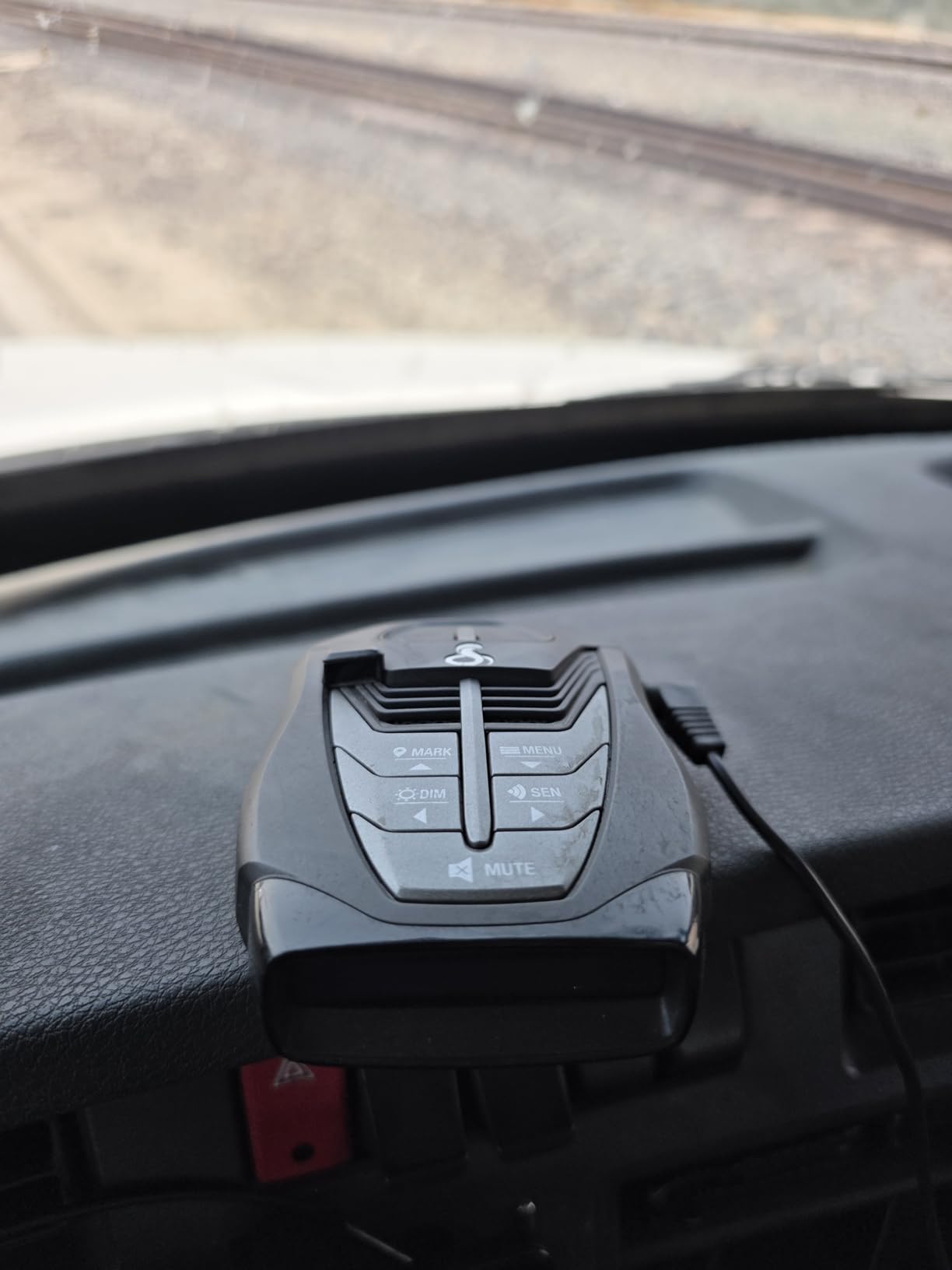
Filtering is the honest limitation, and Cobra’s IVT filtering does only so much. In heavy suburban commercial areas the 480i talked more than anything else we tested, and I muted it by hand at strip malls.
Owners also report Bluetooth connection issues with the app, and my unit needed re-pairing twice in a month. When the link works, the shared alerts from other drivers are a genuine perk on busy highways.
For a driver who wants a first detector without a research project, those compromises are acceptable. You get real detection plus modern connectivity at an entry price.
Shared Community Alerts
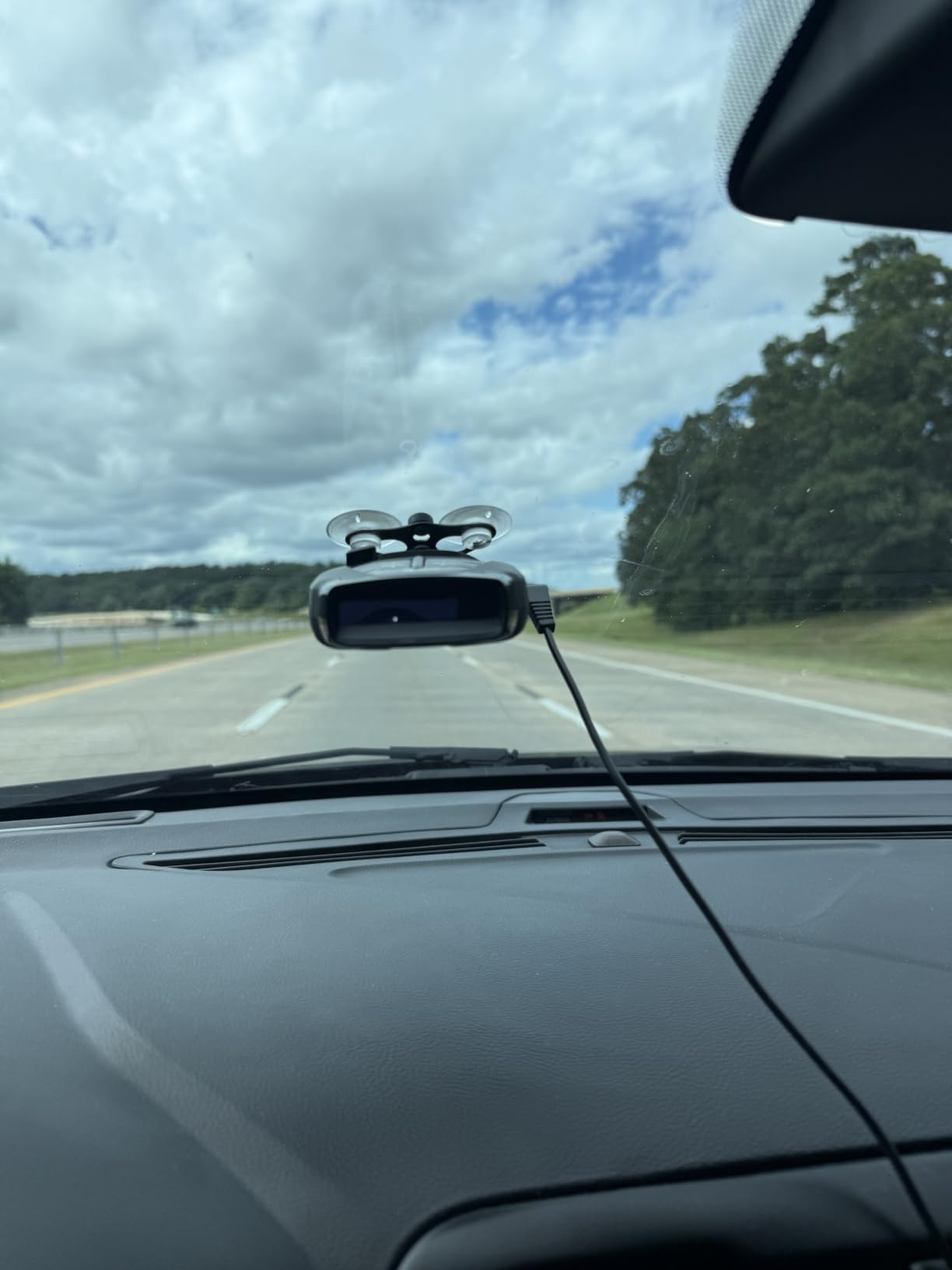
The app pulls live reports from other drivers, including police spotting and hazard notices, which layers crowdsourced intelligence on top of the hardware detection. On interstate trips this felt like a free bonus.
Treat it as a supplement rather than a substitute for hardware range, since reports depend on other users being ahead of you. On quiet rural highways the detector itself is all you have.
Realistic Range Expectations
Against constant-on radar on open highway, expect enough warning to check your speed, especially with long sight lines. Against instant-on ambushes the shorter range means less margin than the Unidens give you.
That gap is the price of the budget tier. If your driving involves heavy enforcement on fast roads, stretching to the DFR7 or the R4w buys real performance.
10. Cobra RAD 350 – Simple and Affordable Protection
Cobra RAD 350 Laser Radar Detector, Long Range, False Alert Filter, Black
Long range detection
IVT false alert filter
Front and rear detection
Audible signal strength
Pros
- IVT filter reduces false alerts
- Detects signals from front and rear
- Audible signal strength levels
- Instant-on ready for fast detection
Cons
- LED display instead of OLED
- Fewer advanced features than higher models
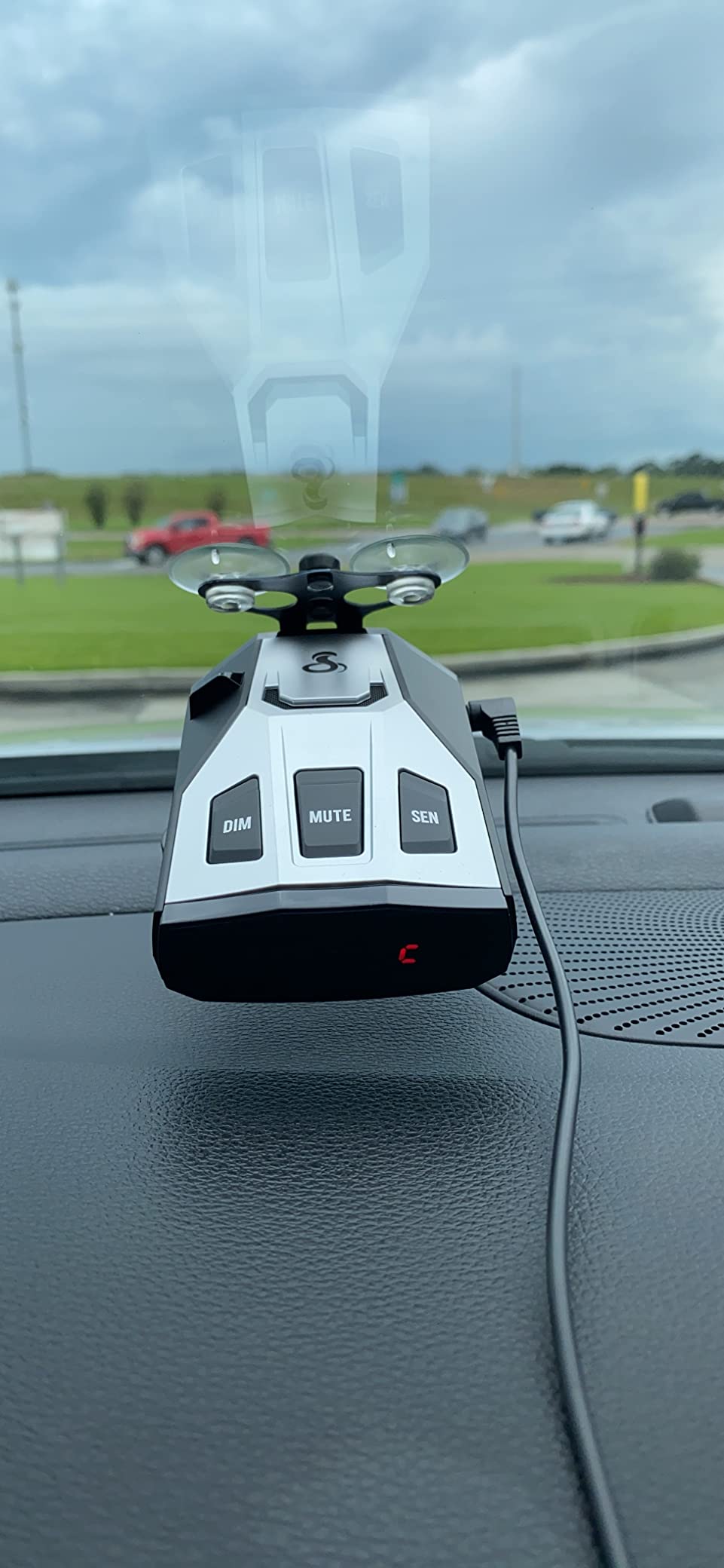
The RAD 350 is the cheapest detector in this test and the simplest, with no app, no GPS, and no wireless anything. What it has is a 4.3 star rating from well over a thousand owners and a very low barrier to entry.
I ran it as my only detector for a week to see what the floor of this category looks like. It detects radar honestly, with front and rear coverage and audible tones that let you judge a signal without looking away from the road.
The IVT filter does trim some blind spot and door sensor noise, though less effectively than the pricier units here. In the suburbs it was clearly chattier than the Radenso XP on identical routes.
The display is a seven segment LED unit rather than the OLED screens everywhere else in this test. It is readable, but it shows less information and looks dated next to the competition.
Instant-on readiness means the electronics react quickly when a radar gun fires nearby, and my quick-trigger tests bore that out. What it lacks is the extreme sensitivity that gives margin against distant sources.
There are no red light camera alerts, no GPS lockouts, and no learning of any kind. What you buy on day one is exactly what you have on day five hundred.
Display and Everyday Use
The LED segment display is bright and simple, band identification is clear, and the audible tones rise with signal strength. Nothing about operating the RAD 350 requires reading a manual.
Drivers who want at-a-glance detail like numeric frequency displays will miss the OLED screens. Everyone else will just drive.
Who the RAD 350 Makes Sense For
This is a reasonable pick for an occasional driver, a teenage driver’s first car, or anyone who wants basic radar awareness for the smallest possible outlay. It is also a common gift for exactly those reasons.
If you commute daily or drive fast roads regularly, the step up to the DFR7 or the RAD 480i pays for itself the first time a patrol car sits over a hill with instant-on. Buy the 350 for light duty, not for a lead foot.
What to Look for in a Radar Detector?
Choosing between these ten models comes down to a handful of factors that actually change your experience on the road. Here is how we weigh them after six weeks of testing.
Range and Sensitivity
Range is the single biggest performance number, because every extra quarter mile of warning is time to react before an officer gets a clean reading. Detectors with low noise amplifiers and strong DSP processing, like the Uniden R series and the Escort Redline 360c, consistently lead independent tests.
More sensitivity always means more noise, so raw range only counts when the filtering keeps pace. The best detectors balance both, which is why the R8w and the 360c sit at the top.
False Alert Filtering
Modern roads are flooded with K band signals from blind spot monitors, adaptive cruise, and automatic door openers. A detector that cries wolf constantly gets unplugged, and an unplugged detector protects you from nothing.
Look for IVT or BSM filtering, GPS-based lockouts, and the ability to adjust sensitivity by band. Radenso and Uniden do this best at mid prices, and Escort’s AutoLearn is the easiest to live with.
GPS Features and Lockouts
GPS enables three things that matter daily: automatic muting of known false locations, red light and speed camera alerts, and speed-based sensitivity that keeps the unit quiet around town. Every detector we recommend above the basic tier includes it.
Lockout systems differ in whether you mark false signals manually or the unit learns them on its own. Manual systems give more control, automatic systems demand nothing from you.
Directional Arrows
Arrows tell you whether a threat is ahead, beside, or behind you, which changes how you react. A building alert behind you is a non-event, while one ahead with rising strength deserves your brakes.
Only dual-antenna designs offer true arrows, which means the Uniden R7 and R8w and the Escort Redline 360c in this group. Everyone else shows signal strength alone.
App Connectivity and Updates
Built-in Bluetooth or Wi-Fi links your detector to crowdsourced alert networks and lets updates arrive without a cable. Escort’s Drive Smarter and Cobra’s shared alerts connect you to other drivers reporting live enforcement.
Consider whether the ecosystem requires a subscription for full features, since recurring costs add up over the years you will own the unit. Uniden’s R/TACH app keeps its core functions free.
Stealth and Legal Considerations
Radar detectors are legal for passenger vehicles in most US states, with Virginia and Washington DC as the notable exceptions. They are also prohibited in commercial vehicles over 10,000 pounds and on military bases.
In restricted areas, police use radar detector detectors such as the VG-2 and Spectre Elite to sense the faint leakage from your unit’s oscillator. Fully shielded designs like the Escort Redline 360c exist for exactly this reason.
Check the current laws where you drive before buying, and remember that a detector never makes speeding legal. The point is awareness, not immunity.
Understanding Radar Bands: X, K, Ka, and Laser
Police speed enforcement uses a small set of frequencies, and knowing them tells you what your detector is reporting. Here is the quick version.
X band, around 10.525 GHz, is the oldest police radar and is largely gone from enforcement in most states. Most X alerts today come from automatic door openers, and many drivers disable the band entirely.
K band, around 24.125 GHz, is still used by some departments and is heavily occupied by blind spot monitors and adaptive cruise in modern cars. This is where filtering quality decides whether your detector is useful or infuriating.
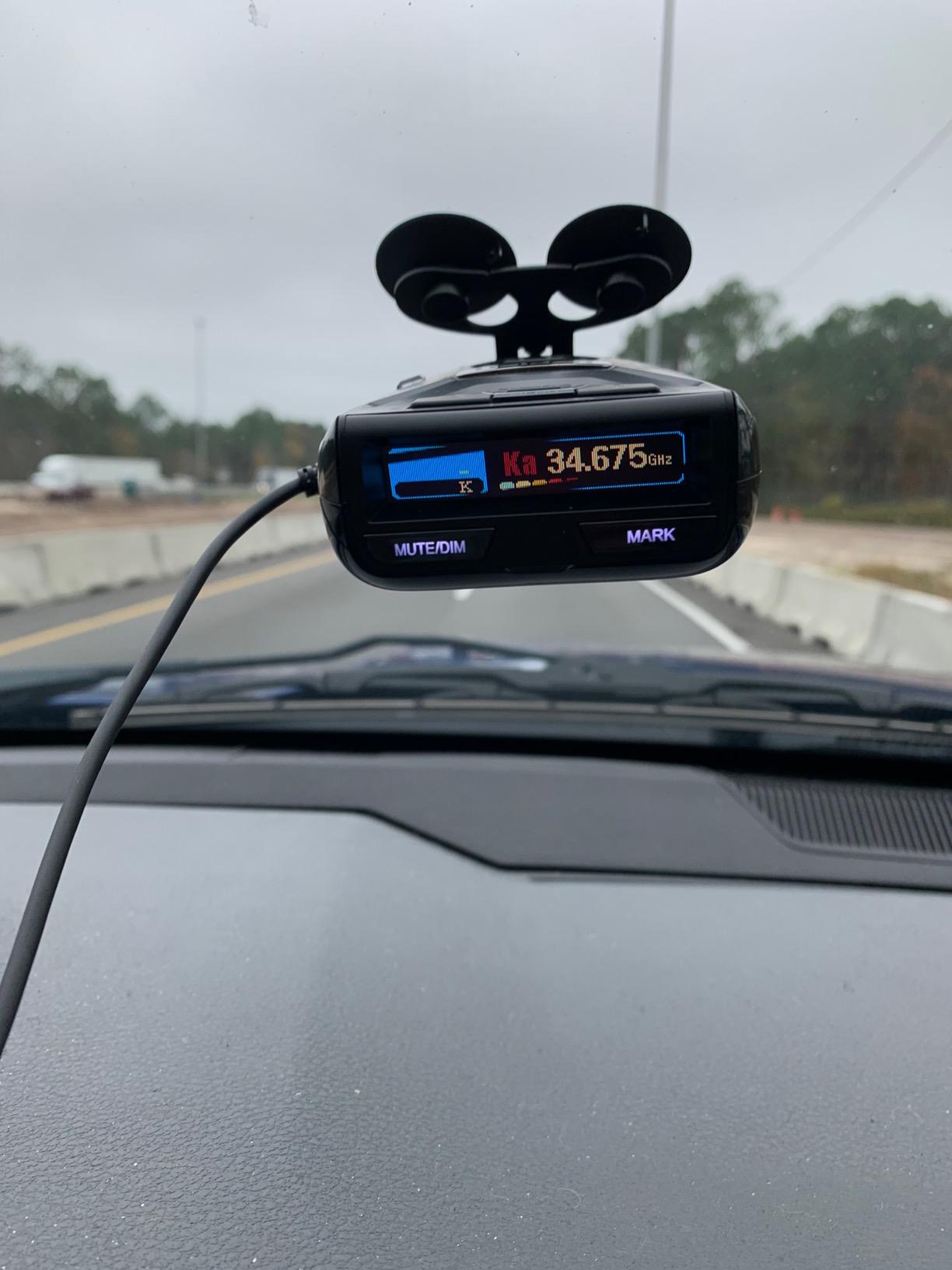
Ka band, which includes the common 34.7 GHz gun, is the dominant police radar in the United States. Wideband Ka detection is where top detectors earn their money, since the good ones find it from extreme distance.
Laser, or lidar, works on 904nm infrared light in a beam narrow enough to hit one car, and it registers your speed in a fraction of a second. Your detector will announce a laser hit, but by then the reading is typically already taken.
Instant-on radar is a tactic rather than a frequency, where the officer keeps the gun off until a target is close and fires it for a second or two. Fast reactivity and long range are your only defenses, which is why quick-trigger performance separates the flagships from the budget tier.
Frequently Asked Questions
What is currently the best radar detector?
The Uniden R8w is the strongest overall performer in our testing thanks to extreme range and directional arrows. The Escort Redline 360c is the best plug-and-play choice, and the Uniden R4w delivers most of the flagship experience for much less money.
Is there a radar detector that actually works?
Yes. Modern DSP-based detectors from Uniden, Escort, Radenso, and Cobra reliably pick up constant-on police radar from a mile or more away on open roads. They are less effective against instant-on radar and lidar, where the officer only transmits when you are already in range.
Can cops tell if you have a radar detector?
In most of the United States, no. Detectors are legal for passenger cars, and an officer cannot see your unit from outside the vehicle. In Virginia, Washington DC, and parts of Canada where detectors are banned, police use radar detector detectors like the VG-2 and Spectre Elite to sense the leakage from your unit.
What radar detectors are undetectable by police?
Community testing points to the Escort Redline 360c as the most stealth-capable detector widely available, thanks to its fully shielded design. The Valentine One V1 Gen2 is another frequent recommendation for restricted areas, though you should always check local laws before using any detector.
Why are radar detectors not popular anymore?
Waze and crowdsourced police reporting gave drivers a free alternative, modern cars filled the K band with blind spot monitors and adaptive cruise, and enforcement shifted toward lidar and automated cameras. Dedicated drivers still buy detectors because hardware alerts beat phone reports for instant-on radar.
Final Verdict
After 3,400 miles and six weeks of swapping detectors, our answer to the best radar detectors question in 2026 is clear. The Uniden R8w wins on raw performance and awareness, the Escort Redline 360c is the polished plug-and-play choice, and the Uniden R4w is the smart money for most drivers.
Commuters who value silence over everything should look at the Radenso XP, and first-time buyers on a budget are well served by the Cobra RAD 480i. Any of the ten models above beats driving alert-less on enforced roads.
Pick the tier that matches your miles and your roads, mount it high and level, and spend an evening tuning it. Your future self, the one driving past a well-hidden cruiser at speed, will be glad you did.