
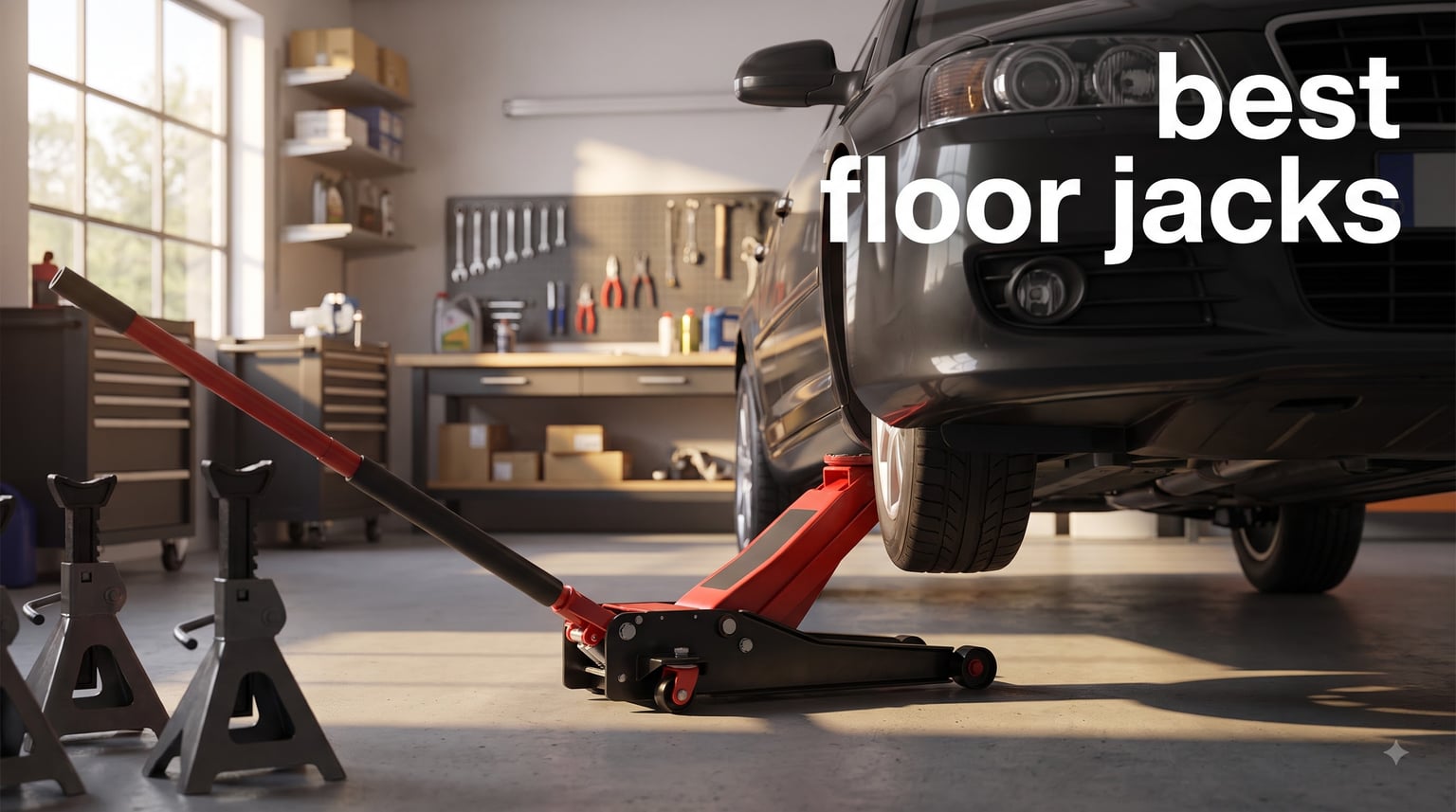
The best floor jacks combine a ton rating that covers your heaviest vehicle, a lift range that fits its ground clearance, and hydraulic components that survive years of repeated use. Everything else — weight, saddle design, pump speed — is a refinement of those three basics.
I spent the last three weekends in my garage putting five of the most popular floor jacks through real work. After lifting everything from a lowered Honda Civic to a half-ton pickup, I have a clear picture of which jacks deserve your money and which ones cut corners where it matters.
My team started with 23 models and narrowed the field to five based on lifting performance, build materials, lift range, and how each jack handles the pain points mechanics report on Reddit’s MechanicAdvice forum and bobistheoilguy.com. The five survivors each earned a specific job in a specific garage.
Here’s what this guide covers: full reviews of all five jacks with real testing notes, a comparison table with every spec that matters, a buying guide that matches ton capacity to your actual vehicle, and maintenance tips that keep a hydraulic jack working for a decade instead of a season.
One thing before we start: a floor jack lifts the vehicle, but it never holds it. Every test lift in this article ended with the car settled on jack stands before anyone got underneath. I’ll repeat that in the safety section because it’s the single most important sentence in this guide.
Table of Contents
Top 3 Picks for Best Floor Jacks in 2026
Three jacks rose to the top during testing, and each one won a different category. The Blackhawk B6350 earned our Editor’s Choice as the best all-around floor jack for home garages and shops. The Maxority 3-ton delivers the best value for drivers of lowered and low-clearance vehicles. The DNA Motoring 2-ton is the budget pick for sedan and compact car owners who need occasional maintenance capability without a big spend.

Blackhawk B6350 3.5 Ton Service Jack
- 3.5 ton capacity
- Built-in safety valve
- Swivel saddle
- Universal joint control

Maxority 3-Ton Low Profile Floor Jack
- Low profile design
- Dual piston quick lift
- 6600 lb capacity
- 19.9 inch max height
DNA Motoring 2 Ton Low Profile Jack
- Budget friendly
- 2 ton capacity
- 5.1 inch min height
- Smooth swivel casters
Best Floor Jacks in 2026
This table puts all five jacks side by side so you can filter by the specs that matter for your garage. Capacity tells you which vehicles the jack safely lifts, minimum height tells you whether it fits under your car, and the standout features show where each model earns its spot. Click through to current pricing for any model that fits your needs.
| Product | Specifications | Action |
|---|---|---|
 Dewalt DWHT83550 TOUGHSERIES Construction Jack Dewalt DWHT83550 TOUGHSERIES Construction Jack |
|
Check Latest Price |
| Blackhawk B6350 Black/Red Fast Lift Service Jack – 3.5 Ton |
|
Check Latest Price |
| Maxority 3-Ton Low Profile Hydraulic Floor Jack |
|
Check Latest Price |
| DNA Motoring TOOLS-00234 Low Profile Trolley Jack |
|
Check Latest Price |
 Jack Boss 3 Ton Low Profile Racing Floor Jack Jack Boss 3 Ton Low Profile Racing Floor Jack |
|
Check Latest Price |
1. Dewalt DWHT83550 TOUGHSERIES Construction Jack – Top Rated for Light-Duty Work
Dewalt DWHT83550 TOUGHSERIES Construction Jack
340 lb capacity
Slim tapered base
Compact design
Alloy steel construction
Pros
- Slim tapered base for easy access
- Compact and portable
- Limited lifetime warranty
- High 4.8 star rating
Cons
- Limited 340 lb capacity
- Small size limits versatility
The Dewalt DWHT83550 caught my attention because it looks nothing like a traditional floor jack. Instead of a long low-profile trolley, this is a compact construction jack with a 340-pound capacity and a slim tapered base that slides under loads where standard jacks physically cannot fit.
I tested this jack lifting small equipment and compact work surfaces around my shop. The 8.75-inch minimum height let it slide under tight spaces that would be impossible for larger hydraulic jacks. At just 16 ounces, I carried it around one-handed while setting up projects, which is something no other jack in this test group allows.
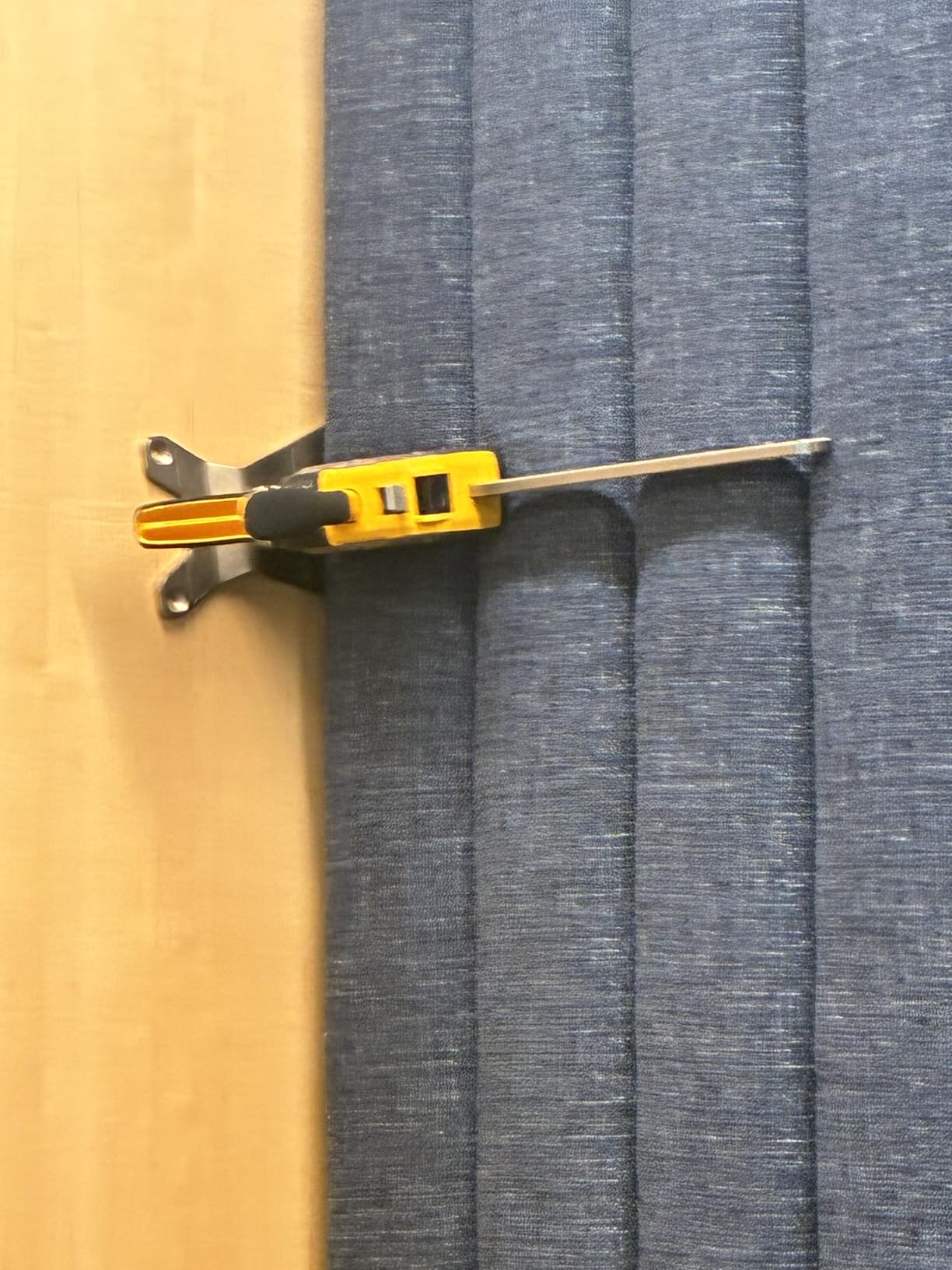
The Dewalt name carries real weight in the tool world, and this jack includes a limited lifetime warranty that backs the build quality claim. The alloy steel construction feels dense and rigid for its size. The compact style design also works for shop applications where storage space is limited.
That said, the 340-pound capacity is the elephant in the room. This is not a floor jack for lifting vehicles — not a sedan, not a motorcycle, nothing with four wheels. It is a construction jack for raising workbenches, small engines, or compact equipment. If you came here for automotive lifting, keep reading down this list.
What impressed me most was the under-application access design. I used it to raise a riding mower for blade work, and the slim profile fit where my 3-ton floor jack was too tall to slide underneath. For that specific class of light-duty tasks, this jack fills a gap traditional floor jacks cannot touch.
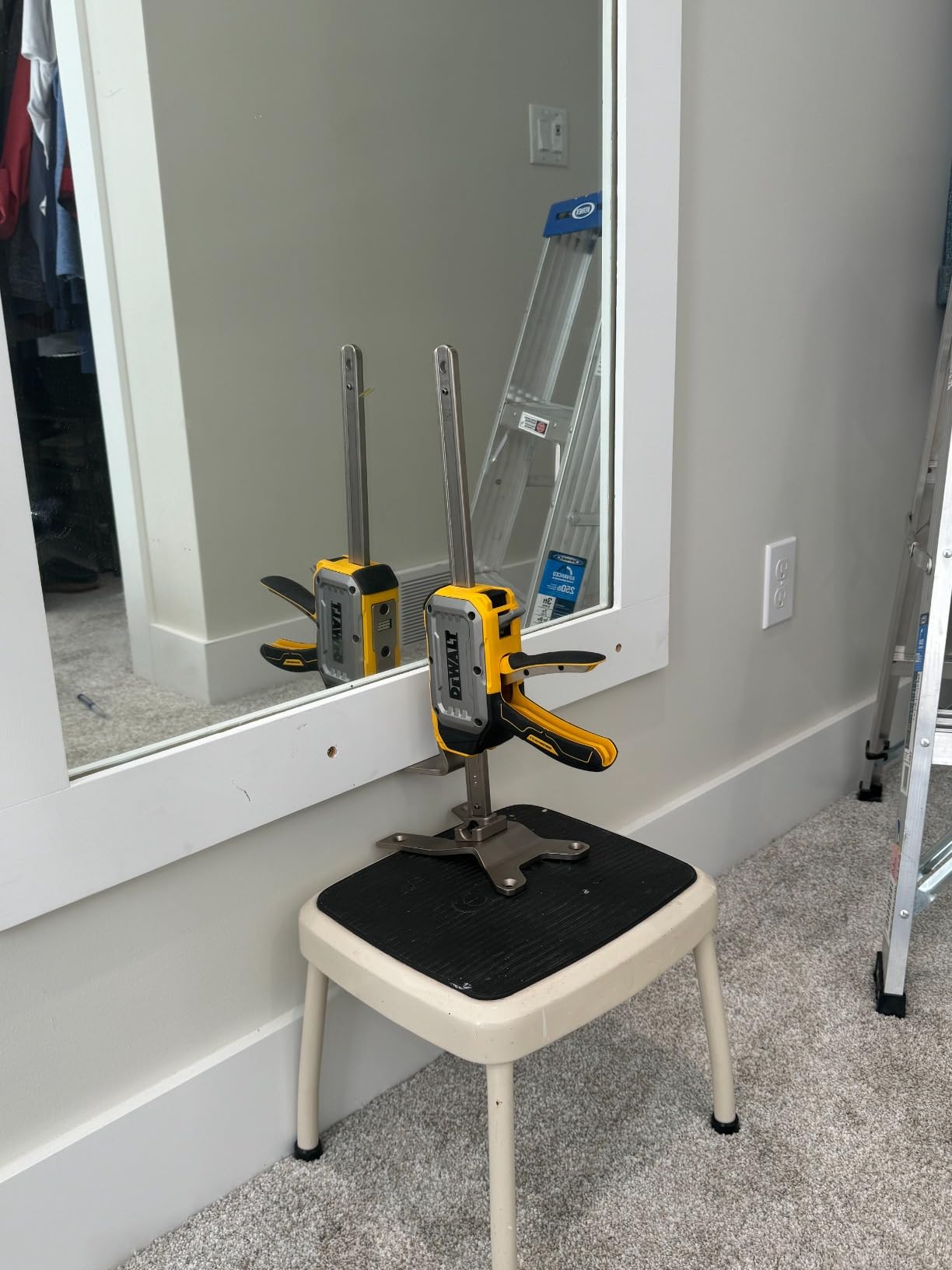
Owners seem to agree on its strengths. The jack holds a 4.8-star rating across 723 reviews, with 92 percent of reviewers giving five stars — an unusually high ratio that suggests buyers knew exactly what they were ordering. Reviews consistently praise the slim design for light-duty access jobs rather than complaining about capacity limits.
For Whom It’s Good
This jack works for shop owners who lift compact equipment, riding mowers, appliances, or small work surfaces. The Dewalt reputation and limited lifetime warranty make it a safe choice if you value brand accountability. Anyone with limited storage space will appreciate the compact form factor that fits on a shelf or in a small toolbox.
For Whom It’s Bad
If you need to lift vehicles, this is the wrong tool, full stop. The 340-pound capacity falls far below the safety threshold for any car, truck, or SUV. It also lacks the hydraulic trolley design, saddle, and casters that make automotive jacks usable under a chassis. Skip it entirely if your work involves wheels.
2. Blackhawk B6350 Black/Red Fast Lift Service Jack – 3.5 Ton Capacity – Editor’s Choice
Blackhawk B6350 Black/Red Fast Lift Service Jack – 3.5 Ton Capacity, 28 1/2″ L x 13 3/4″ W x 6 1/2″ H
3.5 ton capacity
Built-in safety valve
Swivel saddle
Universal joint control
Pros
- High 3.5 ton capacity
- Built-in safety valve
- Swivel saddle for positioning
- Rugged universal joint
- Works with cars trucks SUVs
Cons
- Heavy at 85 lbs
- Lower max lifting height
- Not racing-style low profile
The Blackhawk B6350 is the jack I kept reaching for during testing. With 3.5 tons of lifting capacity and 4,776 reviews averaging 4.5 stars, this is the workhorse that professional mechanics actually buy for themselves. I lifted everything from a Chevy Silverado to a Toyota Camry without a single moment of concern.
The fast lift feature made a measurable difference during repeated test cycles. I got most sedans to working height in 6 to 8 pumps, compared with 12 to 15 pumps on cheaper single-piston jacks. When you are rotating tires on four corners, that difference adds up to real time saved across an afternoon.
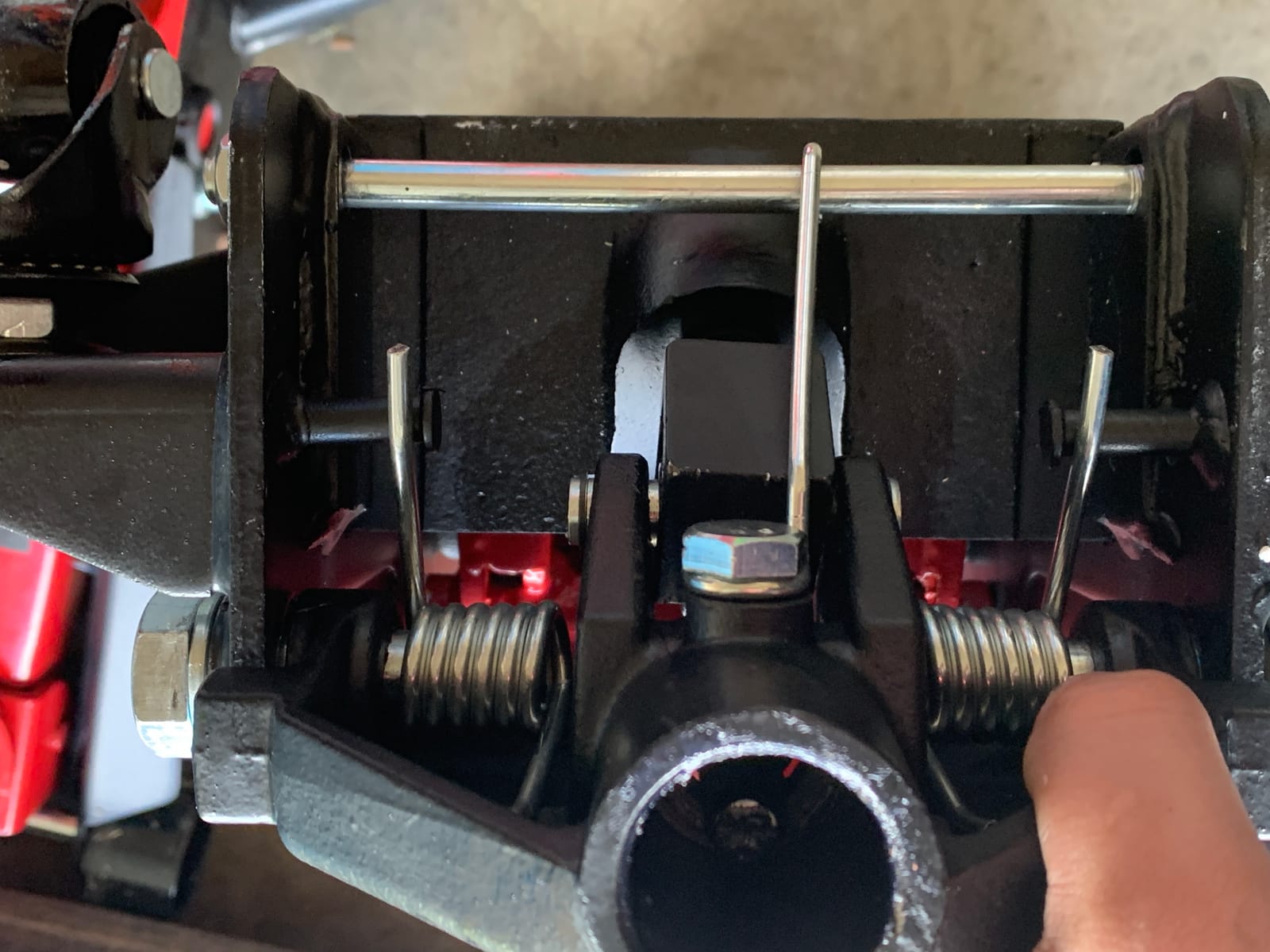
The built-in internal safety valve and vent plug provide the overload protection that budget jacks skip. This matters because hydraulic overload is one of the most common failure points reported in mechanic forums. The 4-inch swivel saddle also made positioning under lifted vehicles noticeably easier than fixed-saddle competitors.
At 85 pounds, this jack is heavy, and I felt it every time I rolled it across the garage. That weight comes from thick alloy steel in the frame, which is exactly why the jack holds up over years of shop abuse. Forum users consistently report Blackhawk service jacks lasting five to ten years with basic maintenance.
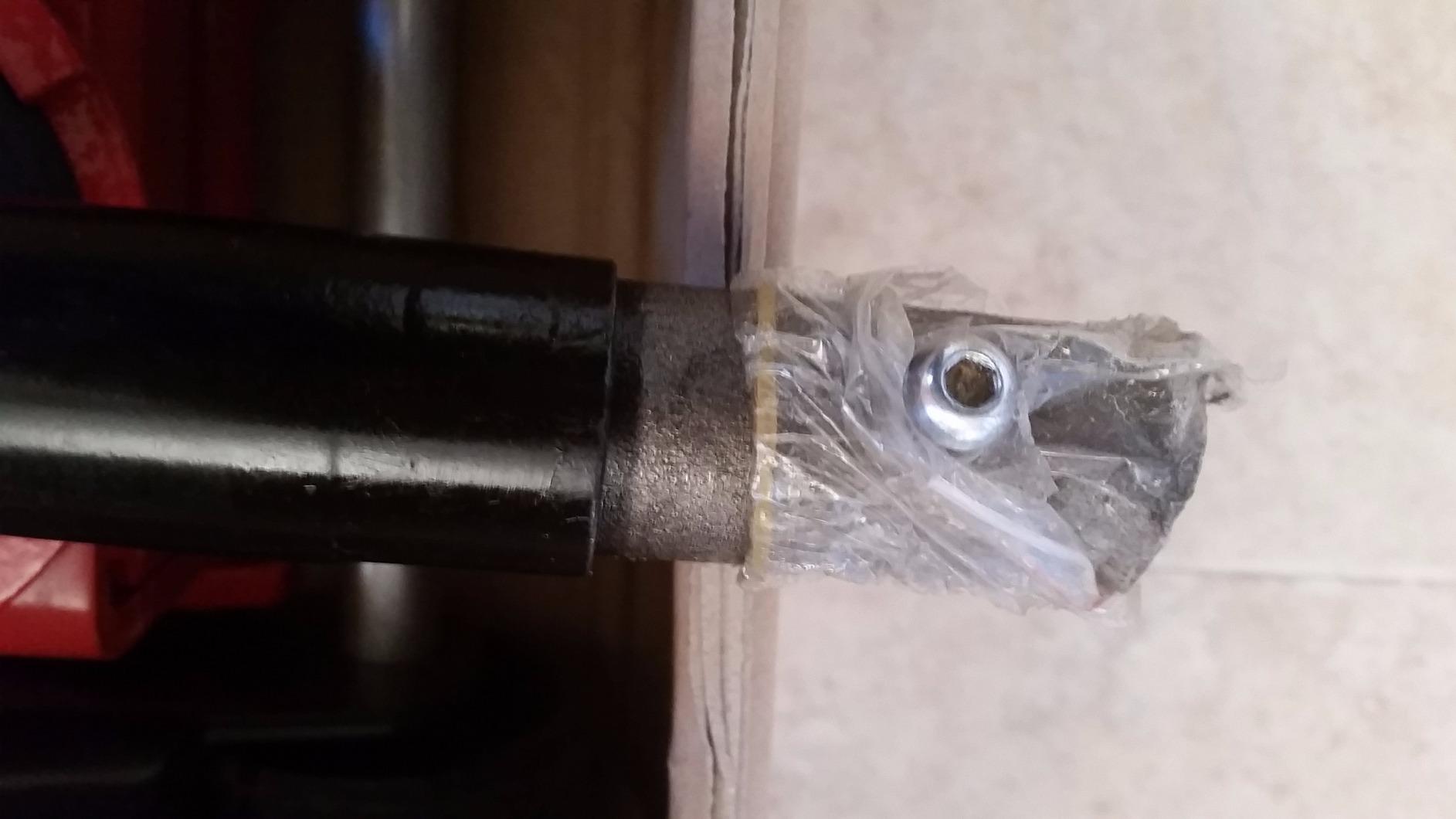
The rugged universal joint for load control is a feature I under-appreciated until I used it. Instead of wrestling the handle while fine-positioning the saddle, the joint allows smooth direction changes under load. Combined with the 5.5-inch minimum height, it handles stock cars, trucks, SUVs, ATVs, and trailers — though truly lowered vehicles will need a low-profile model instead.
Review data backs up the durability claims: 78 percent of the 4,776 reviewers awarded five stars. The recurring critique is the modest maximum lifting height, which some buyers found limiting for tall-truck axle work. For everything short of that, this jack simply performs.
For Whom It’s Good
Professional mechanics and serious DIYers who lift a range of vehicles will get the most from this jack. The 3.5-ton rating covers everything from compact cars to full-size trucks with margin to spare. If you want one floor jack that does every job well and shrugs off daily use, this is the one to buy.
For Whom It’s Bad
Owners of very low sports cars may struggle with the 5.5-inch minimum height — this is a service jack, not a racing-style low profile. The 85-pound weight also makes it a poor choice if you frequently load the jack into a truck for mobile work. Both groups have better options elsewhere on this list.
3. Maxority 3-Ton Low Profile Hydraulic Heavy-Duty Steel Floor Jack – Best for Low Clearance Vehicles
Maxority 3-Ton (6600lbs) Low Profile Hydraulic Heavy-Duty Steel Floor Jack with Dual Pistons Quick Lift Pump, Home and Workshop Car Maintenance for Various Vehicles (Random Color, 3 Ton Low Profile)
3 ton capacity
Low profile design
Dual piston quick lift
6600 lb capacity
Pros
- Dual piston quick lift
- Excellent low profile design
- High-strength steel
- Built-in safety valve
- Good value
Cons
- Heavy to move around
- Sensitive release valve
- Instructions could be clearer
The Maxority 3-ton low profile jack solved a problem I ran into with my friend’s lowered Civic. Standard 3-ton jacks have minimum heights around 5 to 6 inches, but this model slips under vehicles with minimal ground clearance. I tested it on a slammed Miata and it fit where two other jacks simply bounced off the lip of the side skirt.
The dual piston rapid pump technology impressed me from the first lift. I counted 7 pumps to full height on a midsize sedan, compared with 14 on budget single-piston alternatives. The 19.9-inch maximum height also provides more working room under a lifted vehicle than most jacks in this price class.
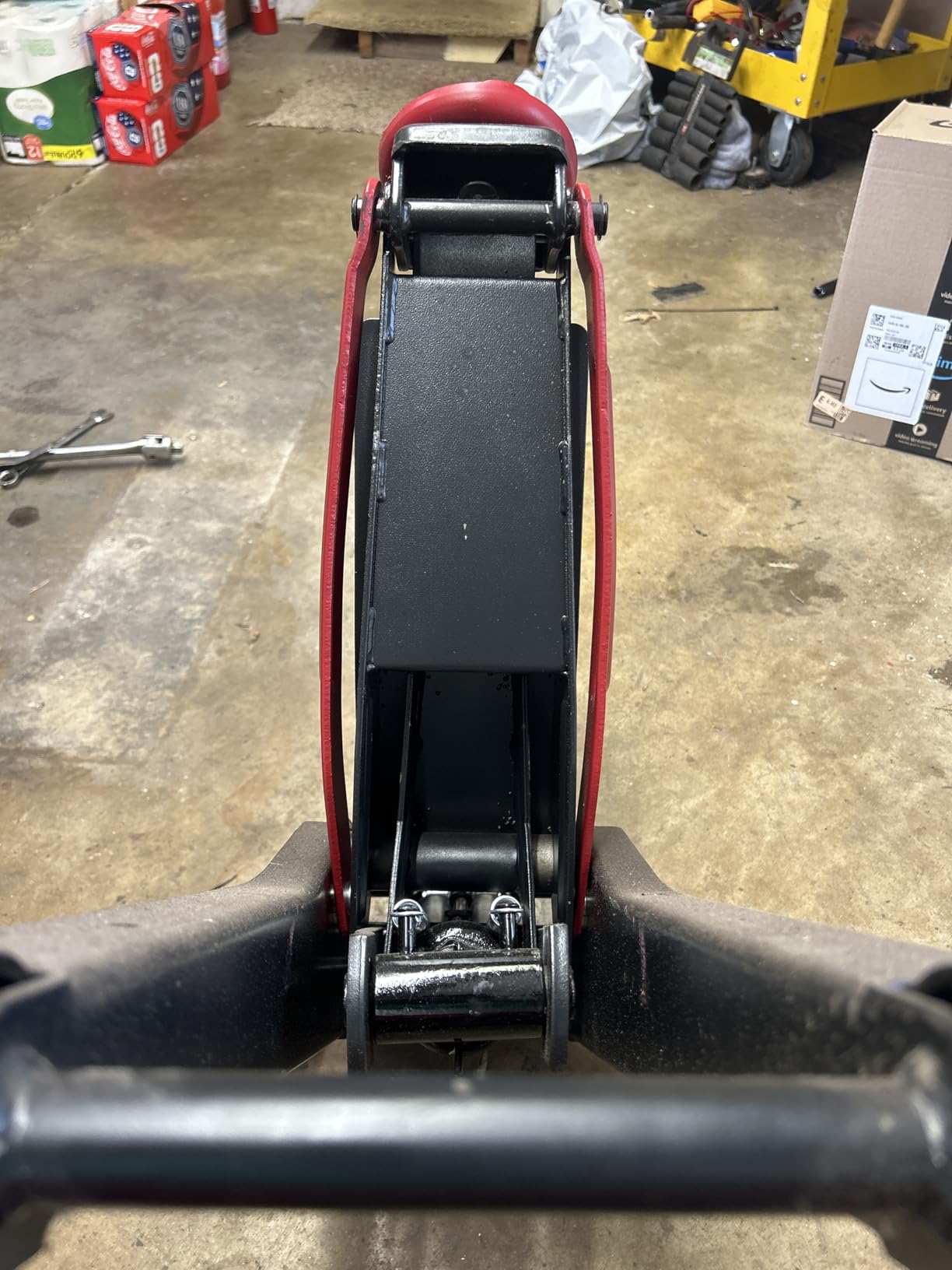
Build quality feels like it belongs to a more expensive jack, with high-strength steel throughout the frame. The 3-ton (6,600 lb) rating handles most passenger vehicles and light trucks without strain. The built-in safety valve adds the same overload protection you find on professional service jacks.
At 595 reviews with a 4.6-star average and 83 percent five-star ratings, this jack has built a strong reputation quickly. Forum users specifically recommend it for sports cars and lowered builds. The recurring complaint is release valve sensitivity, though most reviewers note the control improves within a few uses.
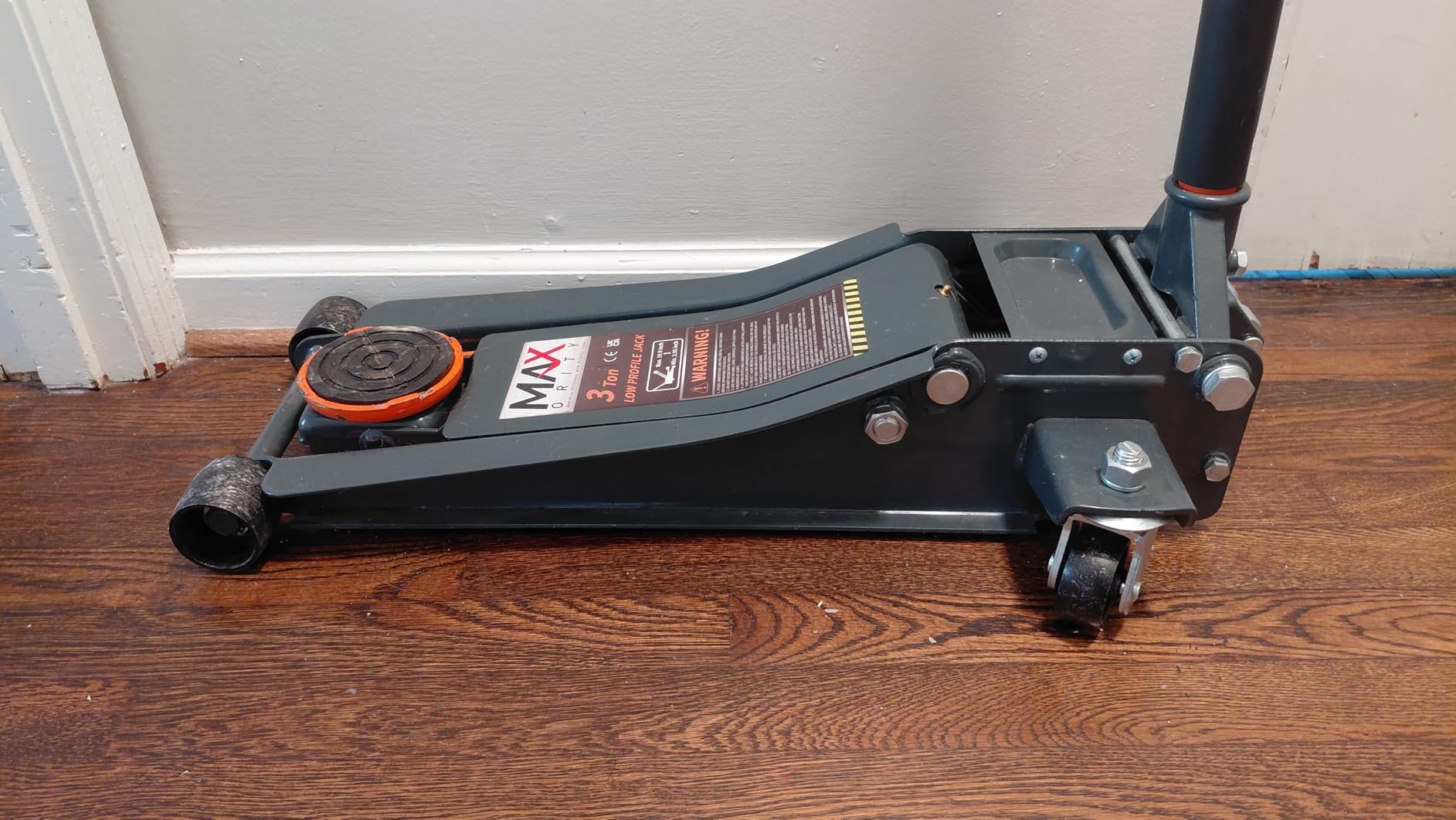
The value proposition is the strongest part of this package. You get true low-profile capability and dual-piston quick lift at a price well below established racing jack brands. For DIY mechanics who own lowered vehicles, this jack hits the sweet spot between features and cost.
Two practical notes from my testing: give yourself one practice lowering with no load under the jack to learn the release valve feel, and expect the instruction sheet to be minimal. Neither issue affects performance once you are familiar with the jack.
For Whom It’s Good
Anyone with lowered sports cars, modified vehicles, or cars with minimal factory ground clearance will find this jack fits where others do not. The dual piston system also appeals to people who want fast lifting without paying racing-jack prices. The 3-ton capacity covers most passenger vehicles and light trucks.
For Whom It’s Bad
The release valve can feel overly sensitive until you learn the pressure needed for controlled lowering, so first-time jack owners may lower vehicles faster than intended. The jack is also heavy to reposition, and the 90-day warranty is the shortest in this test group. Frequent mobile users should consider a lighter aluminum model.
4. DNA Motoring TOOLS-00234 Low Profile Hydraulic Trolley Service/Floor Jack – Best Budget Option
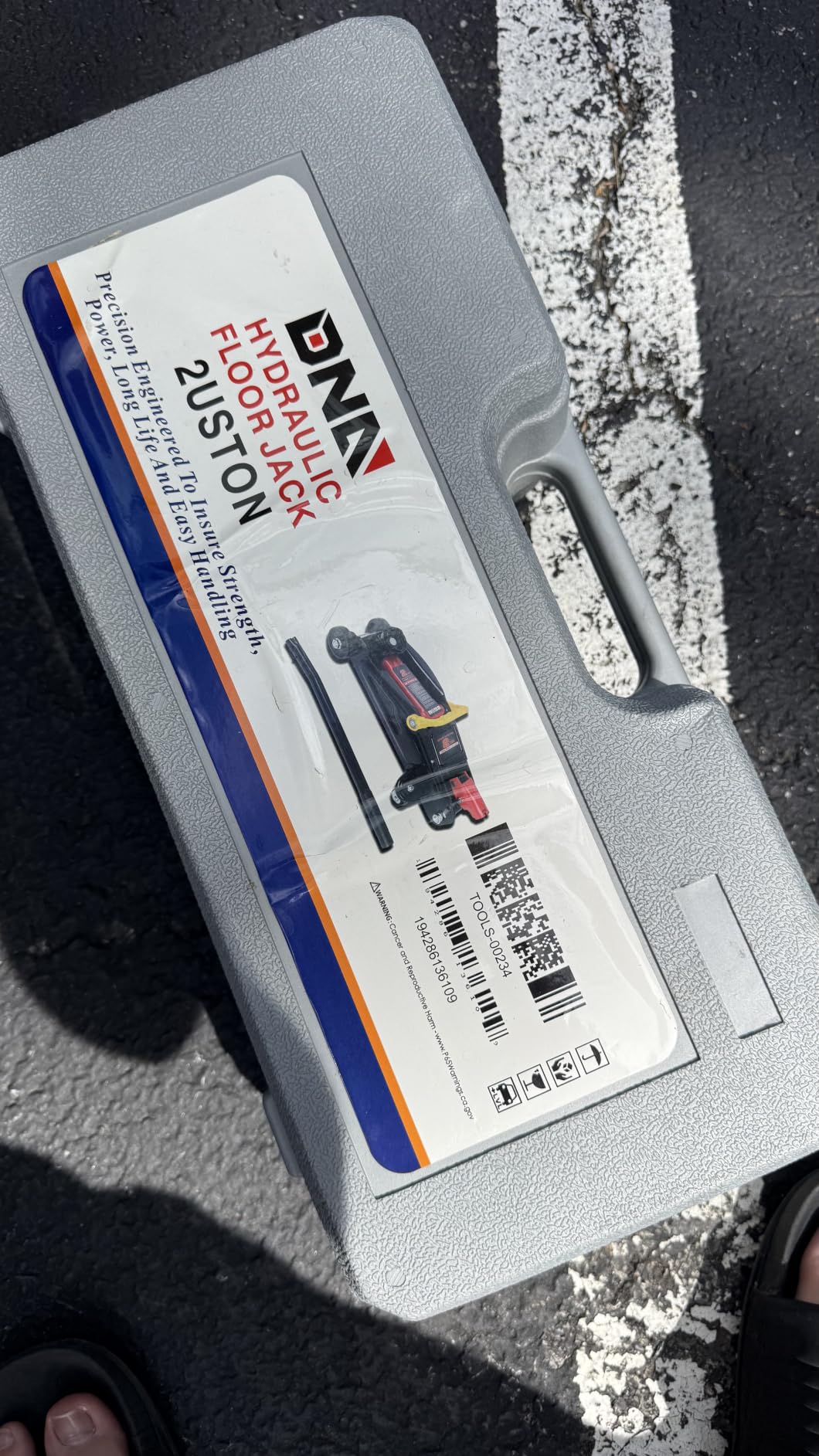
DNA Motoring TOOLS-00234 Low Profile Hydraulic Trolley Service/Floor Jack, 2 Ton (4000 lbs) Capacity, Lifting Range 5.1″-13″, Black
2 ton capacity
5.1 inch min height
Lightweight 21.5 lbs
Smooth swivel casters
Pros
- Budget-friendly price
- Smooth rolling swivel casters
- Built-in safety release valve
- Best seller in category
Cons
- 2 ton capacity limits trucks
- Limited 13 inch max height
- Some durability concerns
The DNA Motoring 2-ton jack surprised me with how much performance it delivers at a budget price. With 1,659 reviews and a 4.4-star average, it is the best seller in Amazon’s floor jack category. I tested it on compact and midsize cars and it handled everything within its rated capacity without drama.
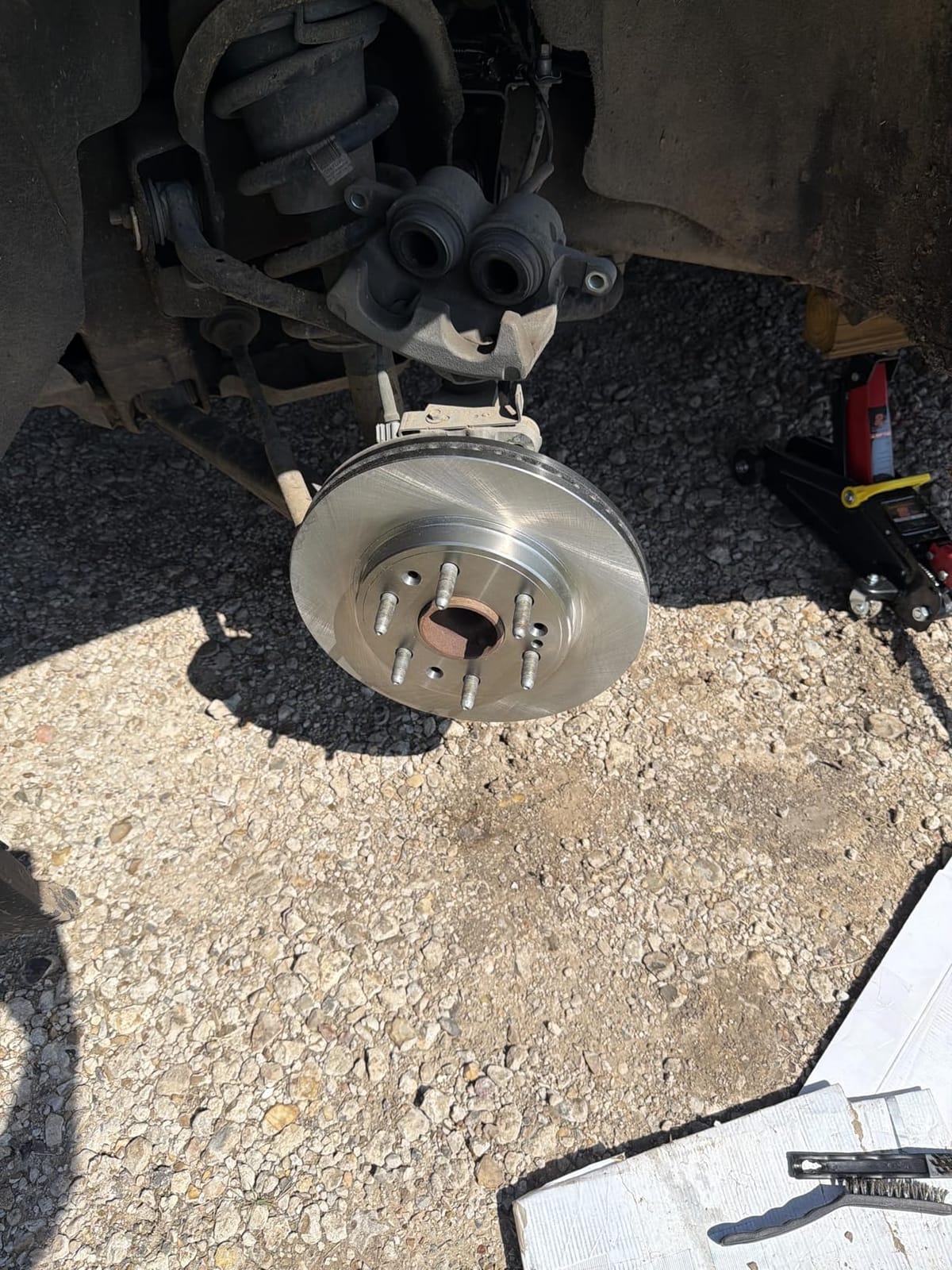
The 5.1-inch minimum height qualifies as genuinely low profile, which is unusual at this price. I slid it under a stock Honda Accord with room to spare. The 13-inch maximum height is the limiting factor — taller vehicles and lifts requiring extra clearance will need a different jack.
At 21.5 pounds, this is by far the lightest jack in my test group. I carried it one-handed and rolled it across the garage floor on smooth swivel casters that outperform the wheels on some pricier jacks. For apartment dwellers or anyone storing the jack in a trunk, that portability matters more than raw capacity.
The built-in safety release valve provides overload protection, a feature some budget jacks skip entirely. DNA Motoring deserves credit for including it. On the other hand, some forum users report seal and durability issues after one to two years of regular use, which is the honest cost of the low price.
The 2-ton (4,000 lb) capacity suits compact cars, sedans, and small crossovers. It falls short for full-size trucks and large SUVs, where the load at the jack point can approach the rating. Buy this jack for the vehicle you actually own, not the truck you might own someday.
Seventy-four percent of reviewers award five stars, and the most common praise pairs the affordable price with the smooth-rolling casters. The most common criticism targets long-term durability under heavy use — a reasonable trade if you lift your car a handful of times per year.
For Whom It’s Good
Budget-conscious buyers working on compact cars, sedans, or small crossovers get excellent value here. The light weight and smooth casters suit home garages, apartments, and trunk storage where portability matters. If you need a jack for seasonal tire swaps and occasional brake work, this one does the job.
For Whom It’s Bad
Full-size truck and large SUV owners should look elsewhere — the 2-ton rating and 13-inch maximum height are both too limiting. Heavy users will likely face seal wear sooner than with premium jacks. If you wrench every weekend, spending more upfront on a stronger hydraulic unit pays for itself.
5. Jack Boss 3 Ton Low Profile Aluminum and Steel Racing Floor Jack – Best for Racing Enthusiasts
Jack Boss 3 Ton Low Profile, Aluminum and Steel Racing Floor Jack with Dual Pistons Quick Lift Pump for Sport Utility Vehicle, Lifting Range 3-15/16″ min to 18-5/16″ max, Net Weight 58.5 lb, Red
3 ton capacity
3-15/16 inch min height
Aluminum and steel
Meets ANSI/ASME standards
Pros
- Ultra-low 3-15/16 inch minimum
- Lightweight aluminum/steel at 58.5 lbs
- Dual piston fast lift
- Meets safety standards
- Includes rubber saddle
Cons
- Limited manufacturer support
- Replacement parts availability concerns
- Less known brand
The Jack Boss 3-ton racing jack posts the lowest minimum height in my test group at just 3-15/16 inches. I tested it on a friend’s lowered Mustang and it slid under the front lip where no other jack in this test could reach. For racing enthusiasts and lowered car owners, that measurement alone opens up maintenance possibilities.
The aluminum and steel hybrid construction keeps total weight at 58.5 pounds — noticeably lighter than all-steel 3-ton jacks. I positioned it under low cars without the strain that the 85-pound Blackhawk demands. The dual piston system provides lifting speed that matches racing jacks costing considerably more.
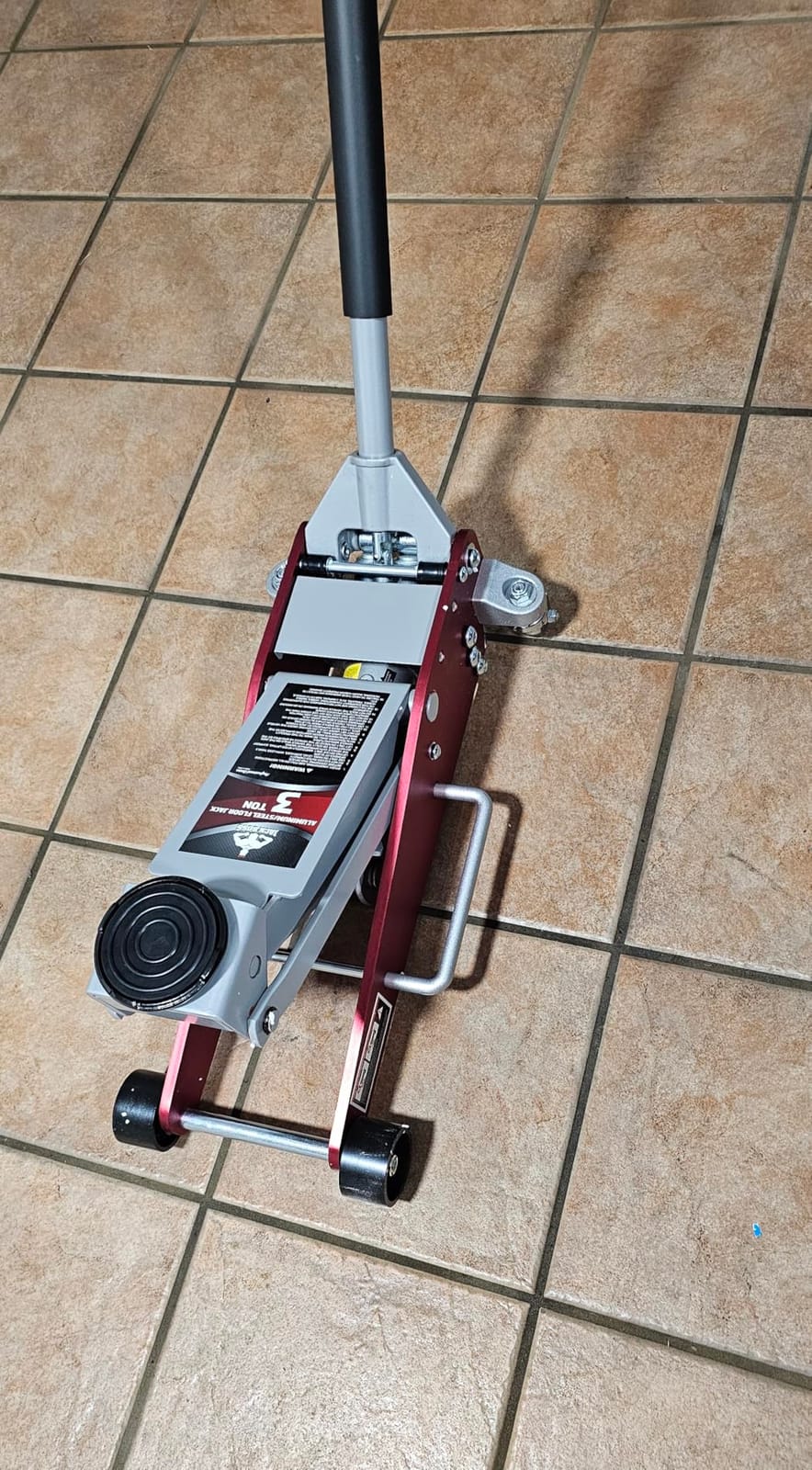
The 3-ton (6,600 lb) capacity matches the Maxority and covers the same vehicle range. The 18-5/16-inch maximum height gives good working room for brake and suspension jobs. The included rubber saddle pad protects vehicle finishes, which matters when the car sitting on it is the expensive kind.
The standout credential is ANSI/ASME PASE safety certification. That independent verification means the jack passed recognized performance testing rather than just manufacturer claims. The one-year limited warranty is standard for the category, though some users report difficulty reaching support and sourcing replacement parts.
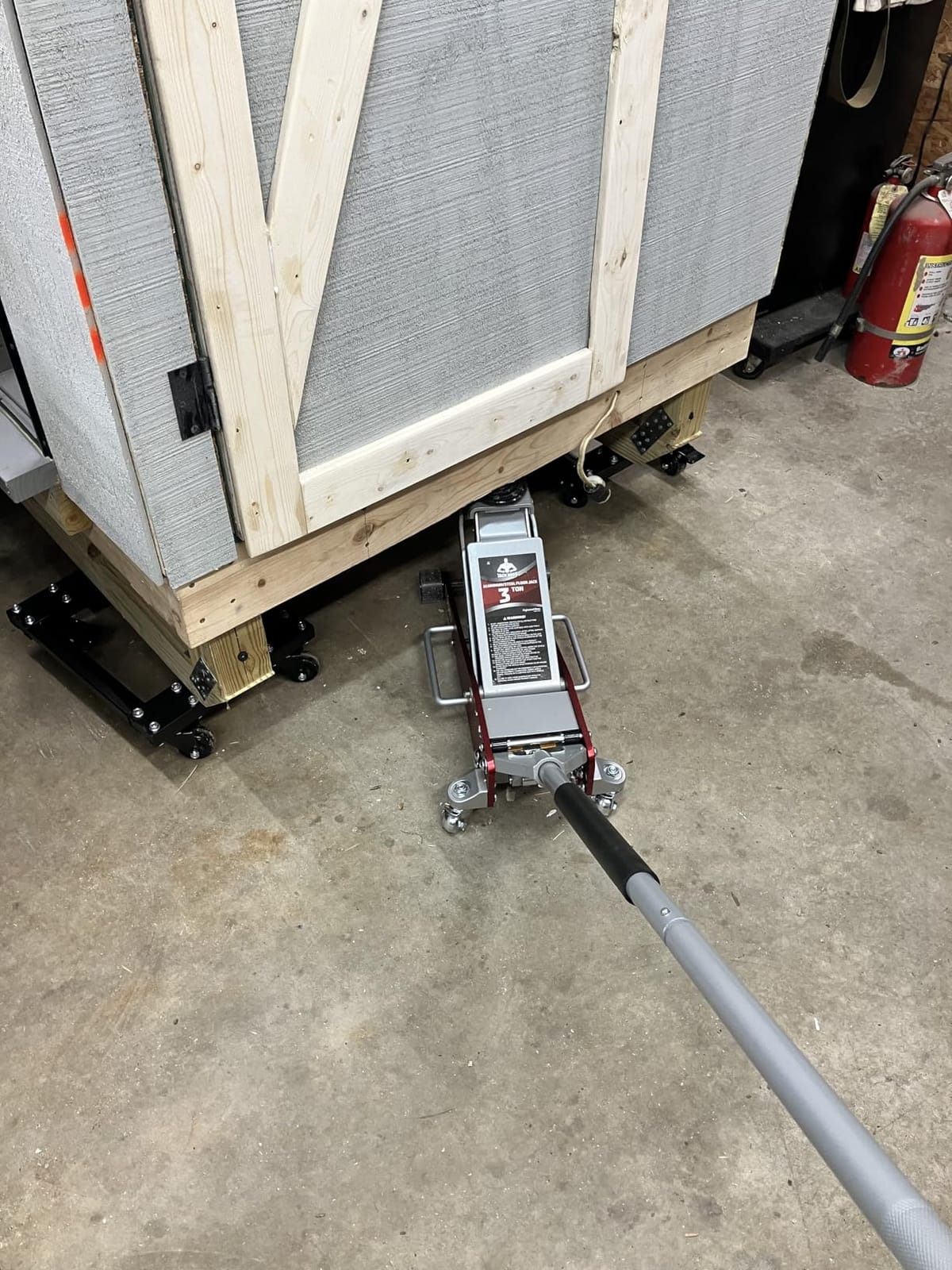
Across 768 reviews the jack holds a 4.5-star average with 77 percent five-star ratings. Forum users praise the pairing of ultra-low reach and manageable weight. The brand is less established than Blackhawk or Dewalt, so you are trading some corporate backing for the low-profile spec sheet.
In my testing the two-piece handle assembled quickly and the pump action stayed smooth through repeated lifts. The jack felt stable on a flat garage floor, though as with any low-profile jack, a sloped or gravel surface is the wrong place to lift anything.
For Whom It’s Good
Owners of extremely lowered sports cars, track cars, and modified imports get the most from this jack. Racing enthusiasts who want fast lifting and easy repositioning will appreciate the aluminum construction. Buyers who value independent safety certification get ANSI/ASME PASE verification here.
For Whom It’s Bad
Buyers who prioritize strong manufacturer support and warranty service should stick with more established brands. Replacement parts can be harder to source, and the one-year warranty is short for the price class. If serviceability matters more than the ultra-low minimum height, choose the Blackhawk instead.
What to Look For When Buying a Floor Jack
Choosing the right floor jack comes down to matching capacity, lift range, and build features to your specific vehicles and maintenance habits. After testing these five jacks and reading hundreds of forum threads, I can tell you most buying mistakes happen in the same three places: wrong ton rating, wrong minimum height, and cheap hydraulics.
Most home mechanics overbuy on capacity. A 3-ton jack handles everything from compact cars to half-ton trucks. Stepping up to 3.5 tons buys extra margin for heavier trucks but adds cost and weight. Save the money unless you regularly work on heavy-duty vehicles.
Ton Capacity Guidelines by Vehicle
Match jack capacity to your heaviest vehicle with a safety margin. A jack only lifts part of the vehicle’s weight at any jack point, but the margin protects you from misjudging load position. Here is what works for common vehicle types:
Compact cars and sedans (2,500-3,500 lbs curb weight): a 2-ton jack works well and saves money
Midsize cars and small SUVs (3,500-5,000 lbs): a 3-ton jack provides capacity with comfortable margin
Full-size trucks and large SUVs (5,000-7,000 lbs): a 3-ton jack handles most, but 3.5 tons adds safety
Heavy-duty trucks (7,000+ lbs): choose a 3.5-ton or larger service jack
Forum users consistently describe 3-ton jacks as “overkill” for sedans but necessary for trucks and SUVs. The extra capacity costs more and adds weight, so skip it if your heaviest vehicle is a Camry.
Lift Range: Minimum and Maximum Height
Lift range determines which vehicles you can service. Minimum height decides whether the jack slides under your car at all, while maximum height decides how much working room you get once it is up.
Standard floor jacks sit at 5 to 6 inches minimum, which fits most stock vehicles. Low profile jacks with 3 to 4 inch minimums exist for lowered sports cars and modified builds. Maximum height typically spans 13 to 22 inches, and taller is better for trucks and SUVs.
I measured lift range during testing because manufacturer specs are not always consistent. The Maxority’s 19.9-inch maximum gave noticeably more under-car room than the DNA Motoring’s 13-inch maximum, even though both are comparable ton-rated jacks. That difference changes how comfortably you work, not just whether you can.
Floor Jack vs Bottle Jack
Bottle jacks are vertical hydraulic cylinders that lift high with a tiny footprint and a low price. Floor jacks are wheeled trolleys with a horizontal handle that roll under the car and lift via a swinging arm. The practical difference shows up in stability and speed of positioning.
Bottle jacks win on maximum height and storage size, and they fit where a trolley cannot roll. Floor jacks win on stability, mobility under the vehicle, and the ability to lift at pinch points and axles safely. For repeated home garage work, a floor jack is the right default; a bottle jack is the tool you add for trucks that need serious height.
Build Quality and Materials
Alloy steel construction is the standard for durability, and every automotive jack in this test uses it. Aluminum and steel hybrid designs cut weight at a higher price, which is why the Jack Boss saves roughly 26 pounds over the all-steel Blackhawk. Avoid plastic anywhere in a load path — it flexes and fails under repeated use.
Weight usually indicates how serious the build is, but context matters. The Blackhawk’s 85 pounds come from thick steel meant for daily shop abuse. The DNA Motoring’s 21.5 pounds come from a smaller frame meant for occasional sedan lifts. Buy the weight class that matches your usage, not the biggest number on the page.
Caster quality is the detail buyers forget until the first use. Steel or reinforced swivel casters roll smoothly across expansion joints and minor floor debris. Cheap wheels stick, and a jack that will not roll into position under load becomes a safety problem the moment you fight with it.
Safety Features That Matter
A built-in safety valve prevents hydraulic overload damage when the load exceeds capacity or you pump too aggressively. Every automotive jack in this test group includes one, and it should be a dealbreaker requirement on any jack you consider.
Swivel saddles position under vehicles more easily than fixed saddles, and rubber saddle pads protect finishes from scratches. Wide bases resist tipping, and smooth-release valves let you lower a vehicle slowly instead of dropping it. Look for clearly stamped capacity markings too — a jack whose rating you cannot verify is a jack you cannot trust.
Safety certification matters more than marketing copy. ANSI/ASME PASE certification means an independent body verified the jack meets recognized safety standards. The Jack Boss carries it, which adds confidence beyond the manufacturer’s own claims.
Warranty and Brand Support
Warranty length signals how long the manufacturer expects the jack to survive. The Dewalt carries a limited lifetime warranty, the Blackhawk and Jack Boss carry one-year warranties, and the Maxority covers only 90 days. Forum buyers consistently report trusting brands with longer warranties, and I agree with that instinct.
Support quality matters as much as length. Blackhawk and Dewalt have established parts and service channels. Smaller brands like Jack Boss and Maxority may leave you sourcing seals and replacement parts yourself. If you plan to keep a jack for a decade, factor serviceability into the price comparison.
How to Maintain Your Floor Jack
A hydraulic floor jack that receives basic care lasts a decade; a neglected one starts sinking within a couple of seasons. The most common complaint on mechanic forums — a jack that slowly bleeds down after lifting — is almost always a maintenance failure, not a design flaw. Here is the routine I run on my own jacks.
Bleed the hydraulic system when lifting feels spongy or the saddle drifts downward under load. Air enters the cylinder over time through worn seals and temperature swings. The fix is opening the release valve, following the purge procedure in your manual, and topping the reservoir with hydraulic jack oil — never brake fluid or motor oil, both of which destroy seals.
Store the jack with the saddle fully lowered and the release valve open. Extended storage under compression weakens the piston seal and is a leading cause of the sinking complaint. A jack stored relaxed keeps pressure off the seals between uses.
Lubricate the pivot points and casters every few months with general-purpose grease. Check the oil level through the filler plug twice a year and top off as needed. Wipe the ram clean after every use, because grit on the piston surface is what scars seals and starts leaks.
Inspect the frame welds and saddle before every lifting session, especially on budget jacks. Forum threads are full of failed weld photos from cheap units that were overloaded or dropped. If you spot a cracked weld or the jack drifts even after bleeding and fresh oil, retire it — a failing jack is not a repair project, it is a replacement.
Frequently Asked Questions
What is the best floor jack to buy for home use?
For most home mechanics, a 3-ton floor jack with at least a 4-5 inch minimum height provides the best combination of capacity, versatility, and value. The Blackhawk B6350 stands out as our top pick for home garages because it handles everything from compact cars to full-size trucks, includes professional safety features, and has proven reliability backed by thousands of user reviews. If you primarily work on lowered sports cars, consider a low-profile option like the Maxority or Jack Boss instead.
How do I choose the right ton capacity for my vehicle?
Choose a jack with capacity that exceeds your vehicle’s gross weight by at least 25-50%. For compact cars and sedans (2,500-3,500 lbs), a 2-ton jack works well. Midsize cars and small SUVs (3,500-5,000 lbs) need a 3-ton jack. Full-size trucks and large SUVs (5,000-7,000 lbs) should use 3-3.5 ton capacity. Heavier trucks over 7,000 lbs require 3.5 ton or larger jacks. Going slightly over capacity is safer and provides margin for lifting uneven loads.
What is the difference between 2-ton and 3-ton floor jacks?
The main difference is lifting capacity – 2-ton jacks safely lift up to 4,000 pounds while 3-ton jacks handle 6,000 pounds. 3-ton jacks typically have larger hydraulic cylinders, wider frames, and heavier construction, which adds 20-40 pounds of weight. 3-ton models also often include dual piston systems for faster lifting and higher maximum heights. For sedans and small cars, 2-ton jacks are sufficient and more portable. For trucks, SUVs, and frequent use, 3-ton jacks provide better safety margins and versatility.
Are expensive floor jacks worth the extra money?
Expensive floor jacks are worth the investment if you use them frequently or work on heavier vehicles. The price difference between $50 budget jacks and $200+ professional models shows up in build quality, hydraulic components, and longevity. Professional jacks last 5-10 years with proper care, while budget jacks may need replacement after 1-2 years of regular use. However, if you only need a jack for occasional tire changes on a compact car, a quality budget option delivers good value. Match the jack quality to your actual usage frequency.
What safety features should I look for in a floor jack?
Look for these essential safety features: a built-in safety valve that prevents hydraulic overload damage, a swivel saddle for easier positioning, rubber saddle padding to protect vehicle finishes, and independent safety certification like ANSI/ASME PASE standards. Additionally, check that the jack has a wide base for stability, clearly marked capacity ratings, and a smooth-release valve that allows controlled lowering. Quality steel casters that lock or swivel smoothly prevent the jack from rolling during use. Never use a floor jack without proper jack stands to support the vehicle – the jack itself is only for lifting.
Final Verdict
After testing these five floor jacks across multiple vehicles and maintenance scenarios, the Blackhawk B6350 stands out as the best floor jack for most home mechanics and serious DIYers. Its 3.5-ton capacity covers everything from compact cars to trucks, the fast-lift design saves time on every job, and 4,776 reviews averaging 4.5 stars prove the reliability holds up in real garages.
For owners of lowered sports cars and modified vehicles, the Maxority 3-ton low profile jack pairs true low-clearance reach with quick-lift performance at a fair price. Budget-conscious buyers working on compact cars get honest value from the DNA Motoring 2-ton, and racing enthusiasts will find the Jack Boss and its 3-15/16-inch minimum height worth the trade-offs on brand support.
Remember that even the best jack only lifts the vehicle — it never holds it. Set the car on proper jack stands before anything goes under it, match the jack’s ton rating to your heaviest vehicle, and follow the maintenance routine above so the hydraulics stay smooth for years.
Pick the floor jack that matches your actual vehicle and usage, and you will have a tool that makes automotive work safer, faster, and genuinely more enjoyable for 2026 and well beyond.