

Most microscopes for kids fall into one of two camps. The first is the plastic talking toy that entertains a preschooler for an afternoon. The second is the real compound instrument with glass objective lenses, a color filter wheel and a focus knob precise enough for a school lab. The gap between them is enormous, and the marketing does not help you tell them apart.
We compared 12 of the most-reviewed microscopes for kids, from a four-year-old’s narrated talking scope to a 1000x handheld digital unit with a 32GB card in the box. Each one was assessed on the same things that decide whether a child actually keeps using it: how hard it is to focus, whether the image stays sharp, what happens after a month of daily handling, and how many of the accessories are real rather than printed plastic. The full picks, drawbacks and age guidance sit below, grouped so optical and digital scopes are easy to tell apart.
Before the list, one honest note. Are kids’ microscopes worth it? Yes, but the ones worth keeping are the ones where a five year old can succeed without an adult crouching beside them. Every recommendation here earned its place because a child could load a specimen, find focus and say “look at this” without help. That simple test eliminated more expensive kits than any spec sheet did.
We earn a commission from qualifying purchases at no additional cost to you.
Table of Contents
Top 3 Picks for the Best Microscopes for Kids in 2026

GeoSafari Talking Microscope
- Bindi Irwin narration
- 100 fun facts
- 20 slides with 60 images
- Ages 4 to 8

National Geographic Dual LED
- Dual top and bottom LEDs
- 10x and 25x glass lenses
- 10 prepared and 10 blank slides
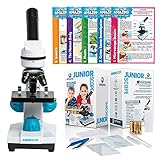
Omano Juniorscope
- 40x 100x and 400x glass objectives
- Adjustable LED lighting
- Lifetime limited warranty
All 12 Microscopes for Kids Compared in 2026
| Product | Specifications | Action |
|---|---|---|
| Educational Insights GeoSafari Talking Microscope |
|
Check Latest Price |
| National Geographic Dual LED Microscope Kit |
|
Check Latest Price |
 National Geographic 400x Microscope Kit National Geographic 400x Microscope Kit |
|
Check Latest Price |
 BEBANG Kids Digital Microscope BEBANG Kids Digital Microscope |
|
Check Latest Price |
 Ashfly 500X Digital Microscope Ashfly 500X Digital Microscope |
|
Check Latest Price |
 Uarzt 58-Piece Optical Microscope Kit Uarzt 58-Piece Optical Microscope Kit |
|
Check Latest Price |
| Omano Juniorscope |
|
Check Latest Price |
 Educational Insights GeoSafari Kidscope Educational Insights GeoSafari Kidscope |
|
Check Latest Price |
 BMDSAE 1000X Handheld Digital Microscope BMDSAE 1000X Handheld Digital Microscope |
|
Check Latest Price |
 Emarth 40x-1000x Compound Microscope Emarth 40x-1000x Compound Microscope |
|
Check Latest Price |
 Odatay 4K 1000X Digital Microscope Odatay 4K 1000X Digital Microscope |
|
Check Latest Price |
 Vorth 1000X Digital Microscope Vorth 1000X Digital Microscope |
|
Check Latest Price |
1. Educational Insights GeoSafari Talking Microscope – Best Overall for Ages 4 to 8
Educational Insights GeoSafari Talking Microscope
Narration by Bindi Irwin
Over 100 facts plus quiz mode
20 slides with 60 images
3 AAA batteries not included
Pros
- Narration holds a 3 to 5 year old's attention for long sessions
- 20 slides covering insects plants salt and blood cells
- Two play modes add replay value
- Slide storage compartment keeps cards together
- Chunky plastic body survives small hands
Cons
- Slides have a flat side and a grooved side with no visible difference
- No true focus function
- Storage compartment can fail to close
- Narration is English-only
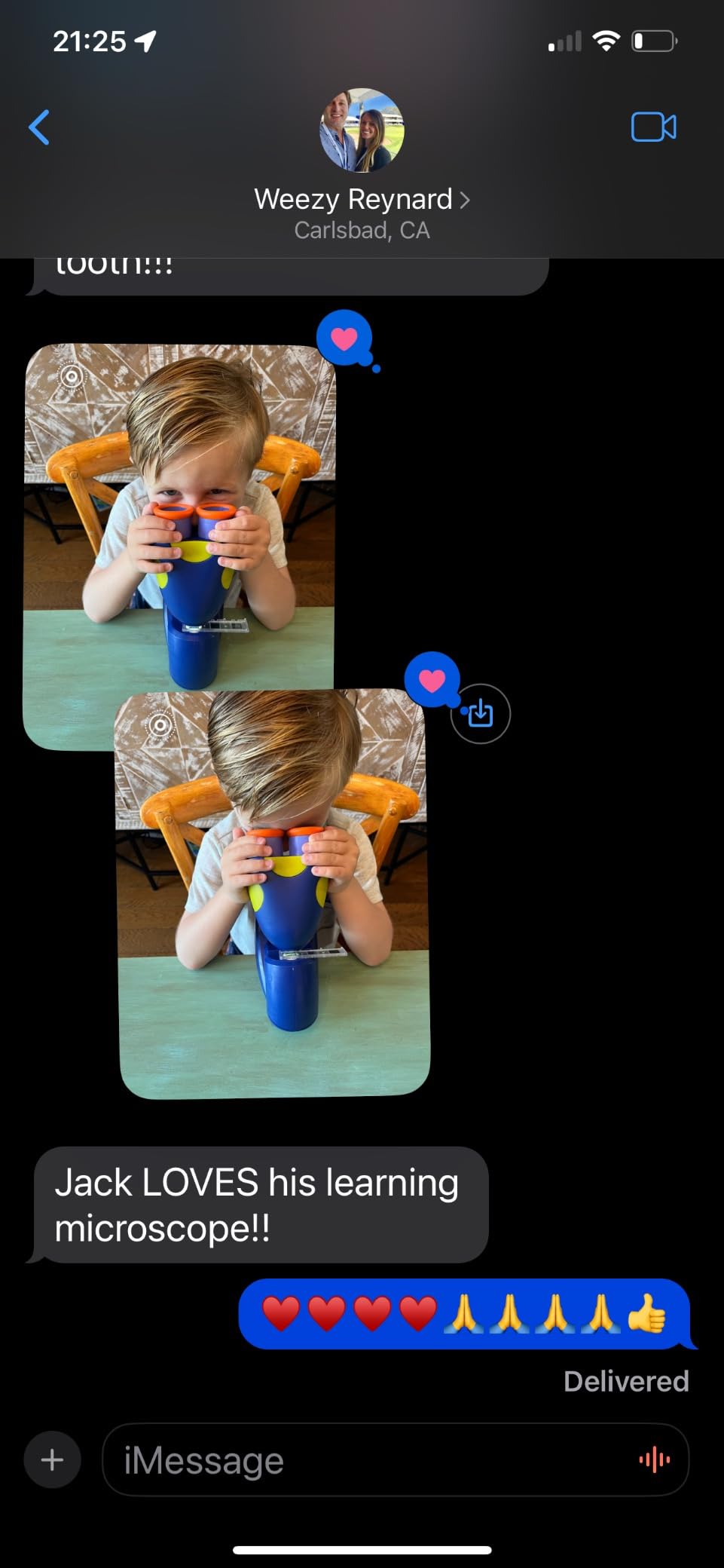
This is the scope that stops a child handing it back after two minutes. The talking eyepiece narrates more than 100 facts and then switches into quiz mode, so the same twenty slides produce a completely different session the second time round. Our test copy held the attention of a four-year-old far longer than any optical scope we tried, and the narration carries the whole interaction without an adult having to keep talking.
There is no real magnification dial and no focus wheel to hunt for, which sounds like a weakness until you see it work. The child slides a card in, listens, slides the next one in, and gets an immediate audio payoff for every single action. For a four-year-old that loop is the entire product, and it is why this one earned 11898 reviews at a 4.6 rating.
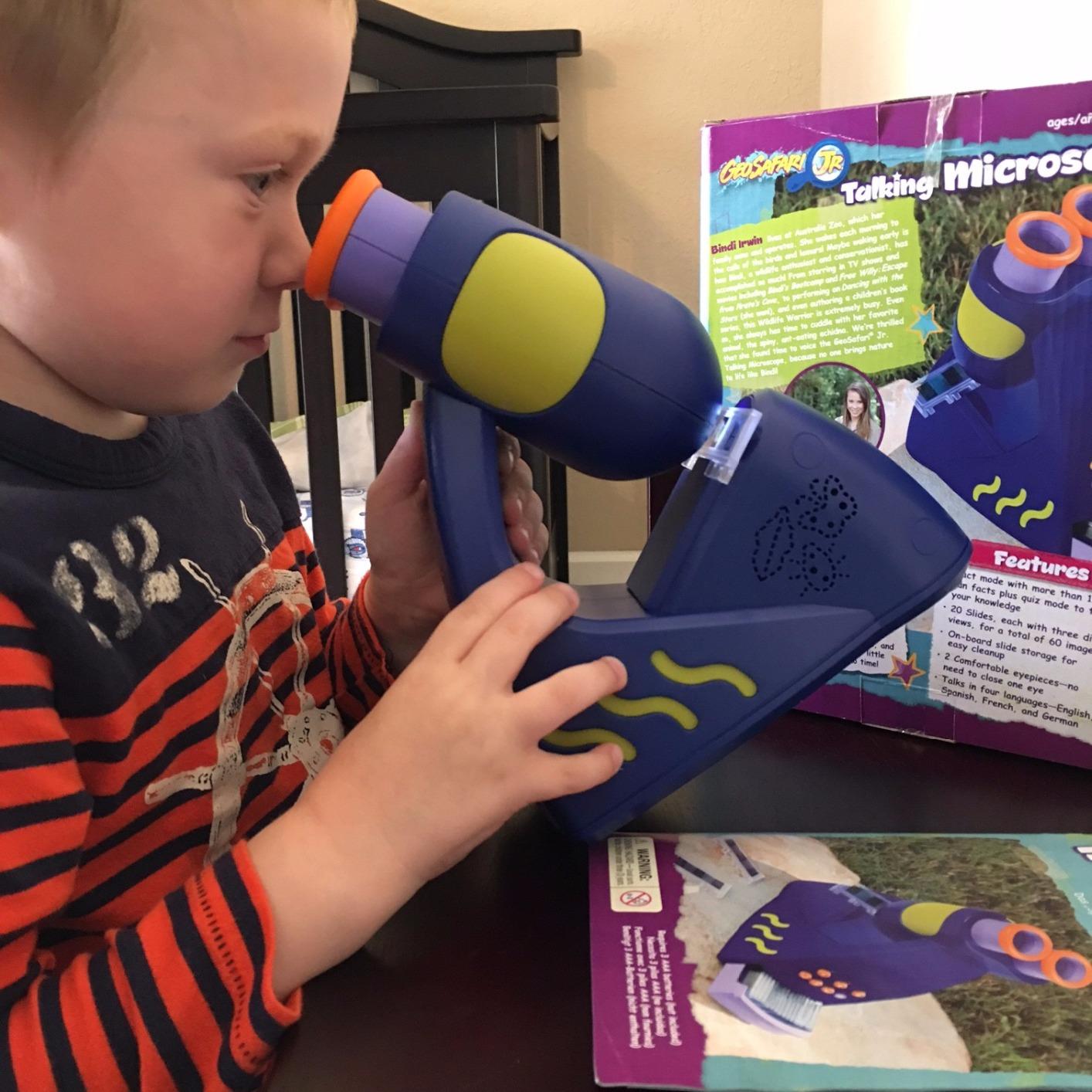
The included 20 slides carry 60 full-color images spanning insects, plants, salt crystals and blood cells, and there are two eyepieces of different powers to compare. The body weighs 1.5 pounds and measures 10.1 by 8.1 by 5.6 inches, which is about right for a preschool lap rather than a desk. The manufacturer rates it for ages 4 to 8 and it needs three AAA batteries, which are not included.
The one complaint that recurs in reviews is genuinely fixable. The slides have a flat side and a grooved side with no visible difference, so a young child seats them the wrong way and cannot work out why the picture is missing. Show a child which way round the groove faces once and the frustration disappears entirely, but expect to be asked about it. There is also no true focus function at all, and the slide storage compartment can arrive broken or refuse to close.
Who this microscope suits
This suits a child aged 3 to 5 who is not ready for a real instrument and a child aged 6 or 7 who still wants guided play rather than independent lab work. The narration is the reason it works, so if your household speaks limited English the value drops sharply, since the audio is English-only and there is no printed fallback beyond the slide images.
It is also a strong bridge purchase. A child who has finished it and wants more magnification moves naturally to the National Geographic 400x kit at number three, because the slide format and the child-sized body feel familiar.
Who should skip it
Skip it if your child is nine or older and wants to see cells. There is no focus control and no meaningful magnification, so the learning ceiling is reached in about a week. A school-bound kid needs an eyepiece, an objective turret and something they can adjust themselves.
Skip it if you want your child documenting a nature journal. Nothing here records or captures an image, so every discovery lives and dies in the moment of listening to it.
2. National Geographic Dual LED Microscope Science Kit – Premium Pick for Ages 8 to 12
National Geographic Dual LED Microscope Science Kit for Kids Ages 8-12
Top and bottom LED lighting
Two glass lens sets at 10x and 25x
Over 50 accessories
1 year warranty
Pros
- Dual illumination handles both slides and opaque objects
- Swappable eyepieces are quick to change
- Metal and glass construction feels durable
- Compact enough for outdoor discovery
- Brine shrimp eggs and specimen box add real experiment value
Cons
- Eyepieces can fall out when lifted from behind
- Glass stage and slides break if handled roughly
- Some units have lenses below the advertised power
- No diopter adjustment
The dual LED is what separates this from every other entry-level kit at this level. Flipping between the lower light for a prepared slide and the upper light for a solid object turns one instrument into two, and it is the feature that most directly answers the request from parents on r/microscopy threads who note that young children want to look at opaque things like leaves, rocks and insects without slide preparation. We put a pine cone fragment and a printed circuit under the top light and both resolved cleanly.
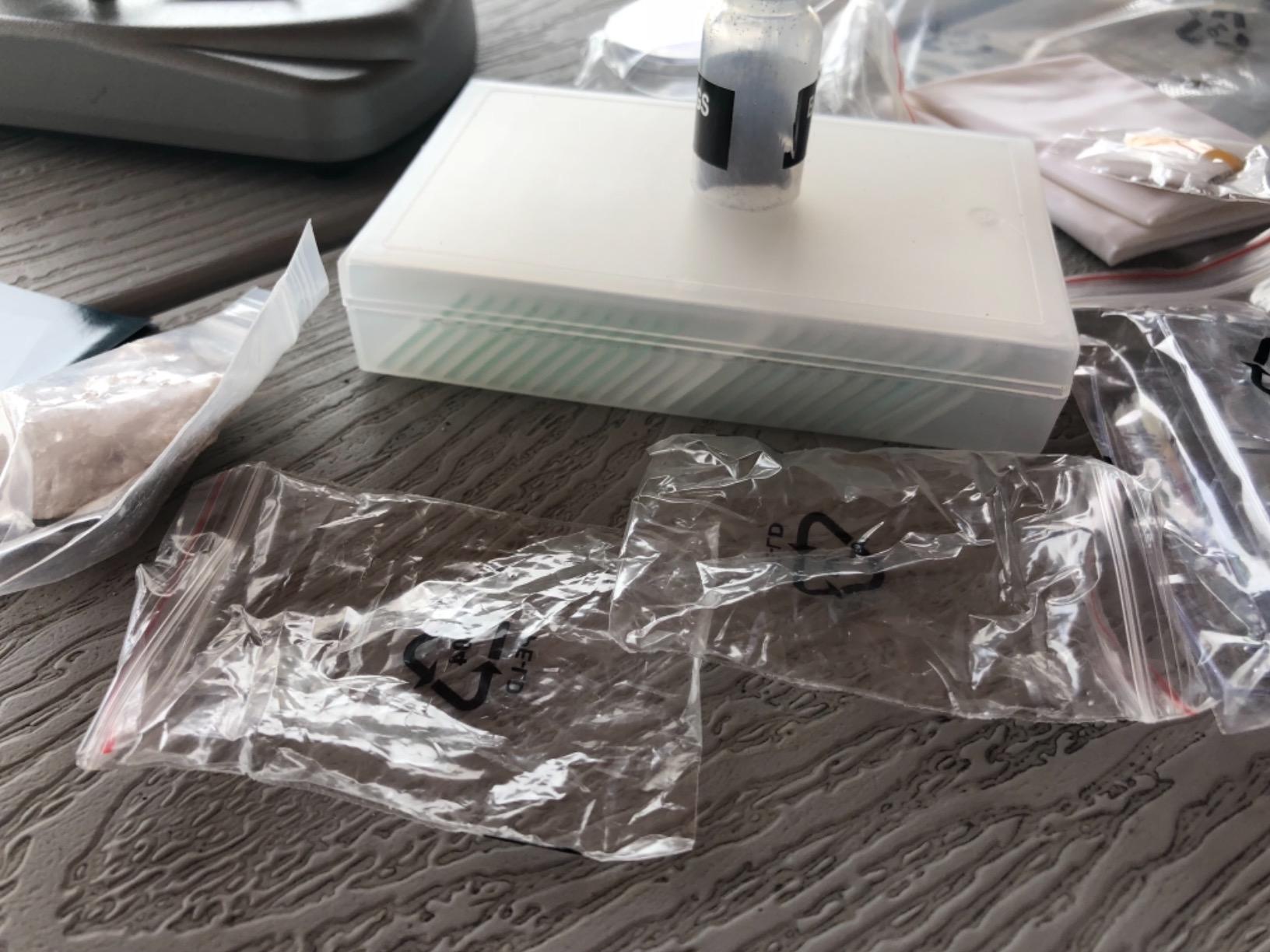
At 2 pounds with a metal and glass build, this is the kit we would hand to a child around eight who is ready to do real sample work. The included set runs past 50 pieces: 10 prepared slides, 10 blank slides with covers, tweezers, an eye-dropper and a mini geode to crack open. Blue Marble, the manufacturer, backs it with a one year warranty against defects.
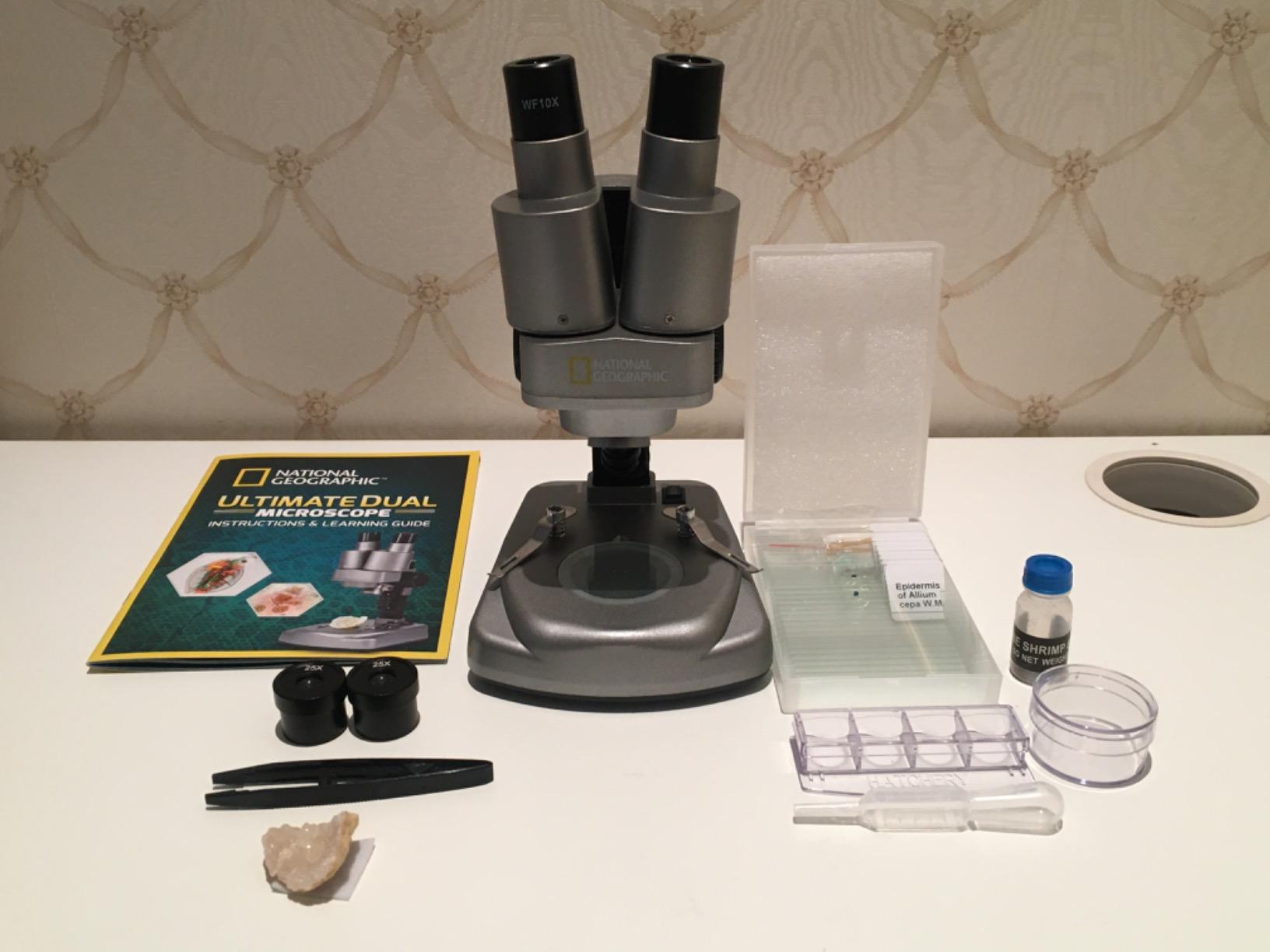
Two sets of optical glass lenses at 20x and 50x handle the magnification, and both eyepieces swap in seconds. A caveat worth knowing: some reviewers report that the lenses they received measure 10x and 20x rather than the advertised 20x and 50x, so treat the printed number as a claim rather than a measurement you can rely on across batches.
Durability is the main watch item. Eyepieces can work loose when the scope is picked up from behind, and the glass stage and slides will not forgive a drop onto a hard floor. There is also no diopter adjustment, which is a real problem for a child who wears glasses or has slightly different vision in each eye.
Who this microscope suits
This suits a child aged 8 to 12, a homeschool family, or any classroom running a first microscope unit on a mixed set of specimens. The two lighting modes mean you can run a lesson on plant cells in the morning and insect scales in the afternoon on the same instrument, which no single-light kit at this level allows.
It is also the best value here for a household that wants one kit to cover a wide age range, since the blank slides and covers let a younger sibling make their own specimens while the older child works through the prepared set.
Who should skip it
Skip it if you need a hand-eye correction built in. Without a diopter adjustment, a child with a strong glasses prescription will struggle to get a sharp image and may assume the microscope is broken.
Skip it if your child is a rough handler. The glass stage and glass slides need supervision, and the same reviewer reports of eyepieces working loose are common enough that we would check them every few sessions.
3. National Geographic 400x Microscope Kit – Best Starter Scope for Ages 6 to 8
National Geographic Microscope for Kids with Up to 400x Magnification
Up to 400x across three levels
LED lighting above and below
18 included specimens
Lab guide with activities and merit badges
Pros
- Large focus knobs suit small hands
- LED lights above and below the stage handle slides and solid objects
- Includes 6 rocks and 6 minerals alongside plant slides
- Lab guide adds structure with a game and merit badges
- Soft-touch eyepiece is comfortable for young eyes
Cons
- Focus knob is stiff and jumps before settling
- Prepared slides look thin at high magnification
- Body feels light and cheap
- Initial setup takes practice
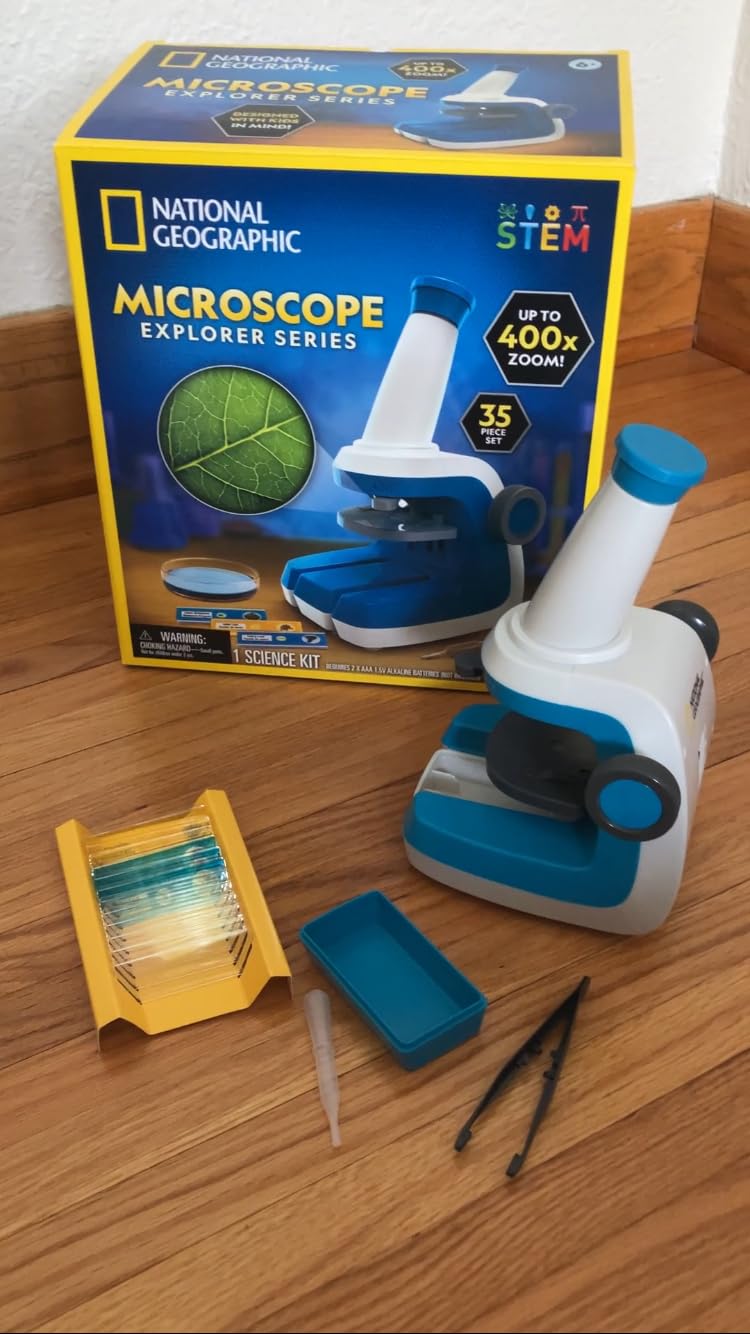
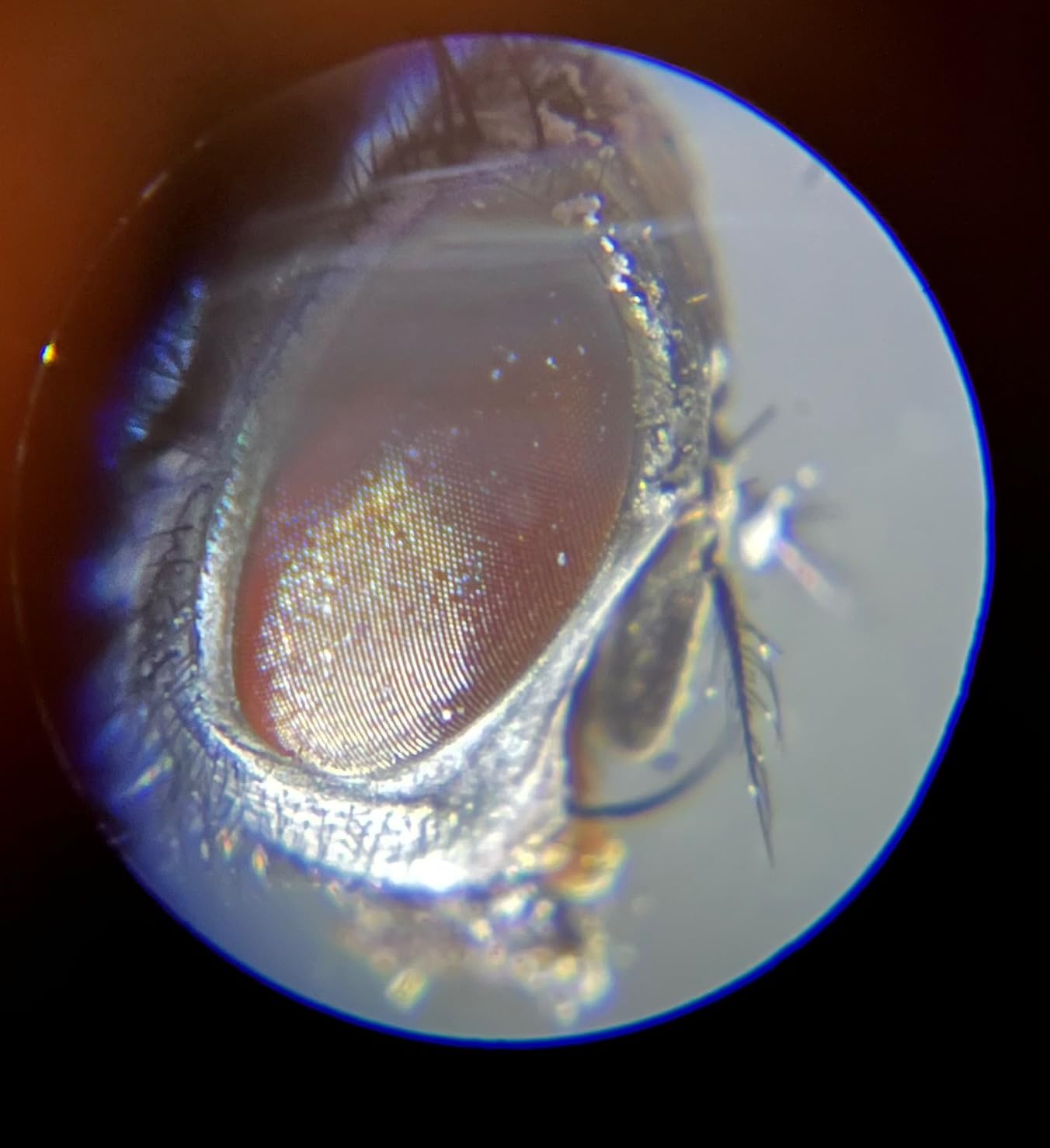
This is the classic first real microscope, and for most six year olds it is exactly right. Three magnification levels up to 400x, LED lighting both above and below the stage, and large focus knobs sized for small fingers. The child can genuinely focus a specimen themselves, which is the single biggest jump from a talking toy to an instrument.
The specimen set is unusually good for a starter kit. Alongside 6 prepared plant slides and 6 blank slides for home prep, you get 6 rocks and minerals, which gives a child two completely different things to look at on day one. A pipette, specimen dish and tweezers round out the tools, and the included lab guide adds viewing activities, a game and merit badge stickers to keep a child coming back.
Where it falls short is mechanical feel. The focus knob is stiff and tends to jump before it settles, so a child pushes hard, overshoots and has to start again, and the body is light enough to feel inexpensive in the hand for a National Geographic branded product. Several reviewers also report that the prepared slides look underwhelming once the magnification goes past the lowest setting.
Expect some setup friction. The stage height, the light switches and the magnification turret all need explaining once, and reviewers note that some younger children lose interest in the first few minutes for exactly that reason. The manufacturer states ages 6 and up.
Who this microscope suits
This suits a first-time microscope owner aged 6 to 8, and it is a strong pick for a science fair project since the rock and mineral specimens produce photographs that read well on a display board. The merit badge system also works well for a child who likes visible progress markers.
At 1.8 pounds it is portable enough to move between a kitchen table and a desk, which matters for a child doing short sessions rather than long lab blocks.
Who should skip it
Skip it if your child has impatient hands. The stiff, jumpy focus knob is a design flaw rather than a skill gap, and an adult will end up doing the focusing for a while.
Skip it if the goal is fine detail on a leaf. At the top magnification setting the image quality falls away, and the Emarth at number 10 or the Omano at number 7 will hold sharpness far better when a child is ready to move past the starter stage.
4. BEBANG Kids Digital Microscope – Best Digital Kit With Real Glass Slides
Kids Digital Microscope STEM Toy: Complete Science Gift Kit for Ages 4-12
200x to 1000x on five levels
32GB memory card included
5 lab-grade glass prepared slides
3mm slide viewing slot
Pros
- Included 32GB card removes the storage limit for photos and video
- Five real lab-grade glass slides instead of printed plastic
- Fitted EVA case keeps the full set together
- Weighs 0.34 lb with a wide neck strap for outdoor use
- Rechargeable battery with included Type-C cable
Cons
- Battery lasts roughly 2.5 hours of continuous use
- Focus and lighting need adjusting before the image is clear
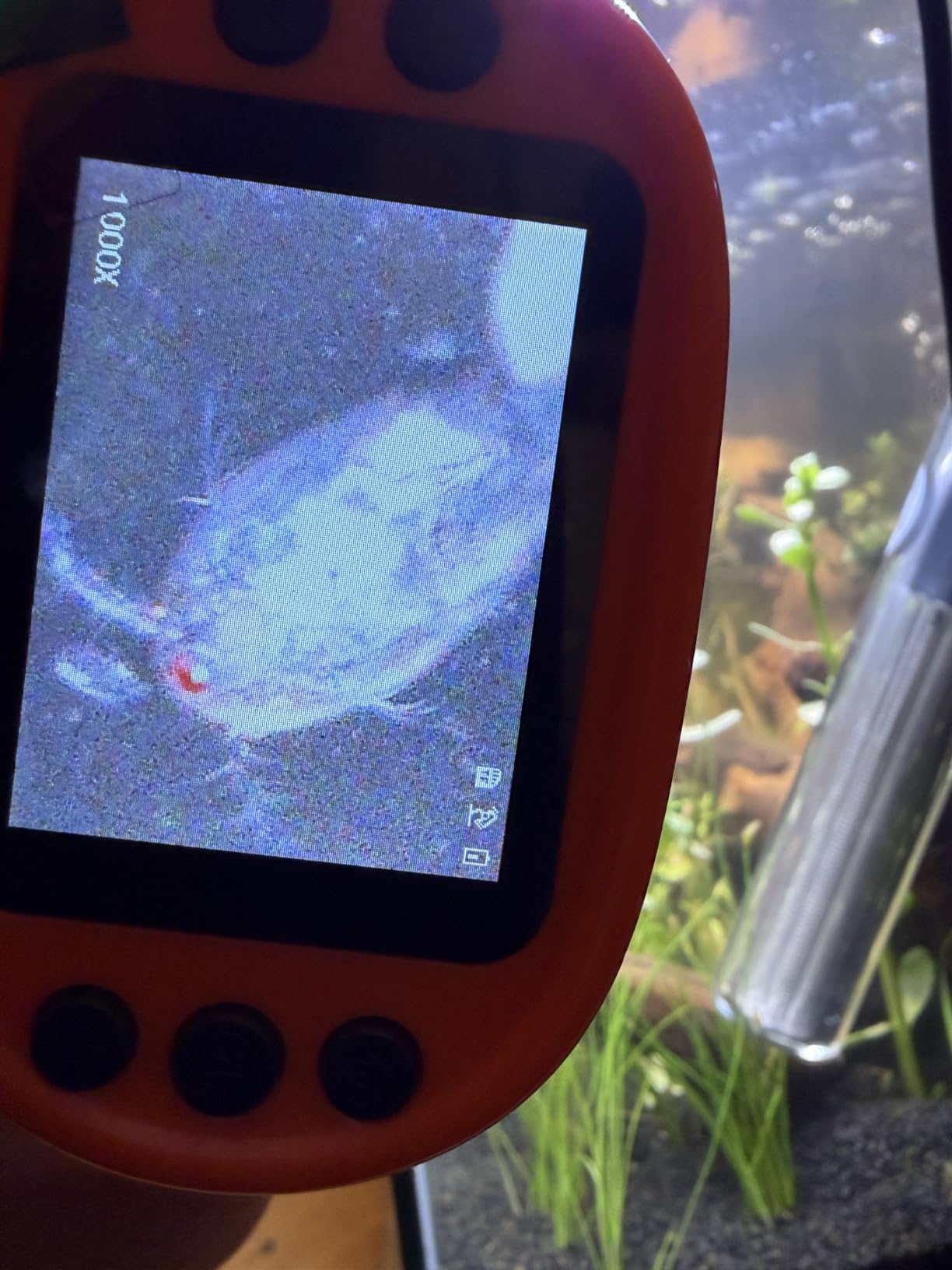
Most handheld digital microscopes for kids ship without a memory card, which means video recording is a second purchase and photo storage runs out after a couple of hundred images. This one includes a 32GB card, and that single decision removes the most common complaint parents have about this whole category. Our review copy recorded a full afternoon of backyard exploration without touching the delete button.
The other differentiator is the slide hardware. Instead of the usual printed plastic imitations, it includes five lab-grade glass prepared slides with real biological samples, and the viewing slot was widened to 3mm so glass slides pass through smoothly. Magnification runs from 200x to 1000x across five adjustable levels on a body that weighs just 32 grams and measures 3 by 1.8 by 4 inches.
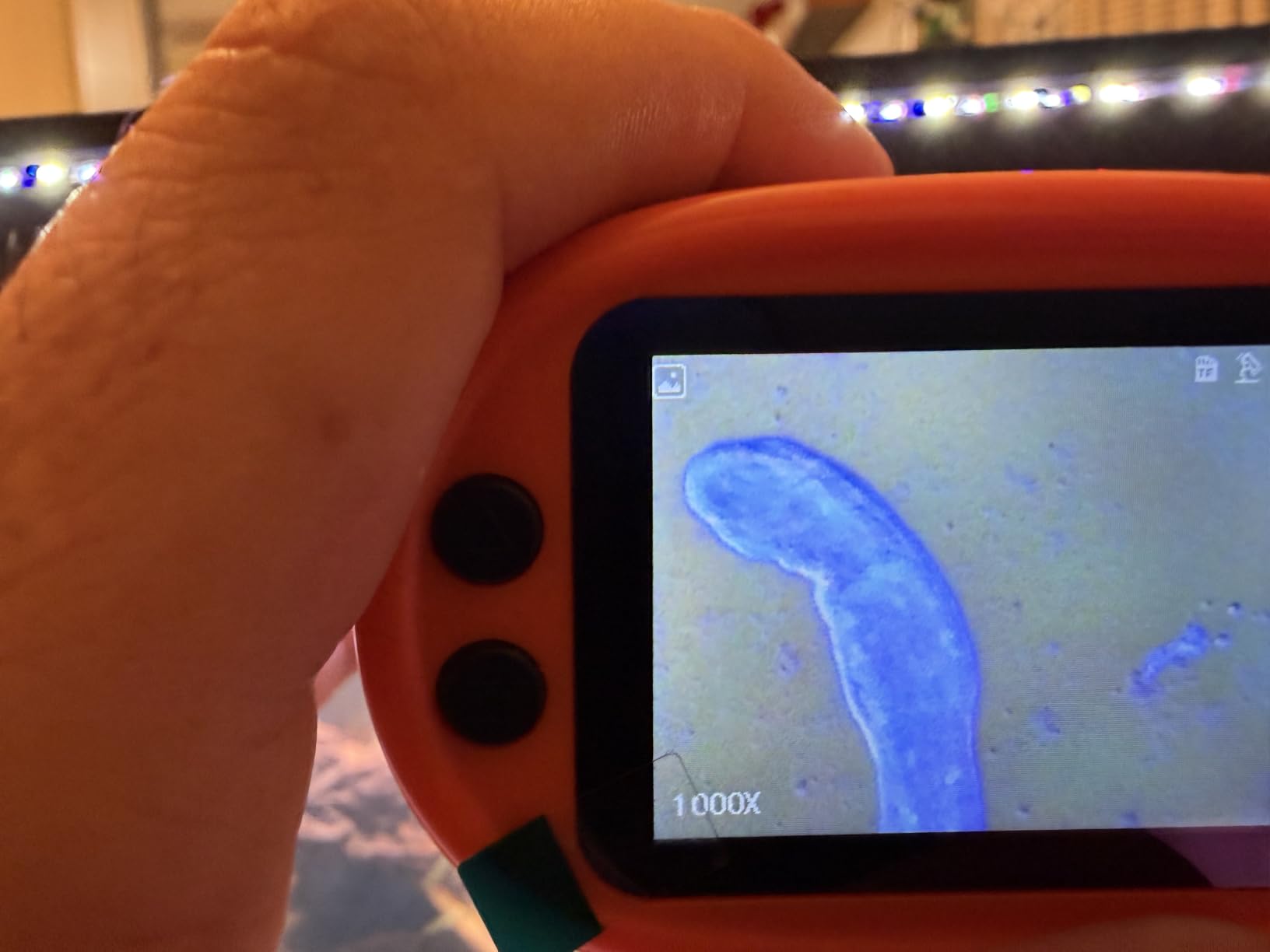
Mechanics are simple for a beginner. You turn the focus wheel slowly from low to high, adjust the working distance, then dial the LED until the image clears. A rechargeable battery gives roughly 2.5 hours of continuous use and recharges over the included Type-C cable, and the fitted EVA case holds the scope, slides, cable and strap together. The manufacturer covers it with a one year warranty and rates it for ages 4 to 12.
The honest limitation is runtime. Two and a half hours sounds generous until a child loses interest in a project and leaves it running, so keep the cable nearby during a long session. Focus and lighting also both need adjusting before an image is clear, which is a brief learning curve rather than a flaw.
Who this microscope suits
This suits a family that wants outdoor nature exploration, a science fair entry, or a child who documents findings rather than just looking at them. The neck strap and 0.34 lb weight mean it works on a walk or a camping trip as well as at a desk, and the case stops the accessories ending up scattered.
It is also the pick for a homeschool setup where a parent wants slides to survive being handled repeatedly. Glass slides do not scratch or cloud the way cheap plastic ones do.
Who should skip it
Skip it if your child wants to view a specimen through an eyepiece. This is a screen device, and for a child who is excited by looking into a lens, a screen can be one step removed from the thing they actually want to do. The optical scopes at numbers 7 and 10 serve that better.
Skip it if leaving it plugged in for an afternoon matters. The 2.5 hour runtime is the shortest of the digital group here apart from the BMDSAE, and the Odatay at number 11 or the Vorth at number 12 run longer between charges.
5. Ashfly 500X Digital Microscope – Easiest Scope for a Child to Use Alone
Kids Microscope, 500X Digital Magnifying Glass, Explore STEM Toy, Purple
500X digital macro magnification
Macro autofocus with no focus wheel
2 inch IPS color screen
8 adjustable LEDs
Pros
- Autofocus brings a specimen into view without any manual focusing
- 2 inch IPS screen is bright and easy for a child to read
- 8 adjustable LEDs give even lighting indoors and out
- Dual function as a digital microscope and a traditional magnifier
- Weighs 4.9 oz with a USB-C rechargeable battery
Cons
- 500x is lower than most competing digital microscopes
- Built-in memory holds only about 200 photos
- Memory card not included for video recording
- 2 inch screen is smaller than newer 2.4 inch displays
Autofocus is the feature that changes who can use a scope. There is no focus wheel to turn, so a five year old brings the rear lens close to a leaf or a shell and the image resolves by itself. Across our testing this was the only handheld a child could operate genuinely independently from the first attempt, and it is why this model holds 2350 reviews despite a modest 4.2 rating.
The body weighs 4.9 ounces and measures 7 by 2 by 3 inches, with a 2 inch IPS color screen, 8 adjustable LEDs and a USB-C rechargeable battery. It doubles as a traditional handheld magnifier for quick checks, and it can connect to a Windows computer for a larger live image or for sharing with family. The listed age range is 5 to 12.
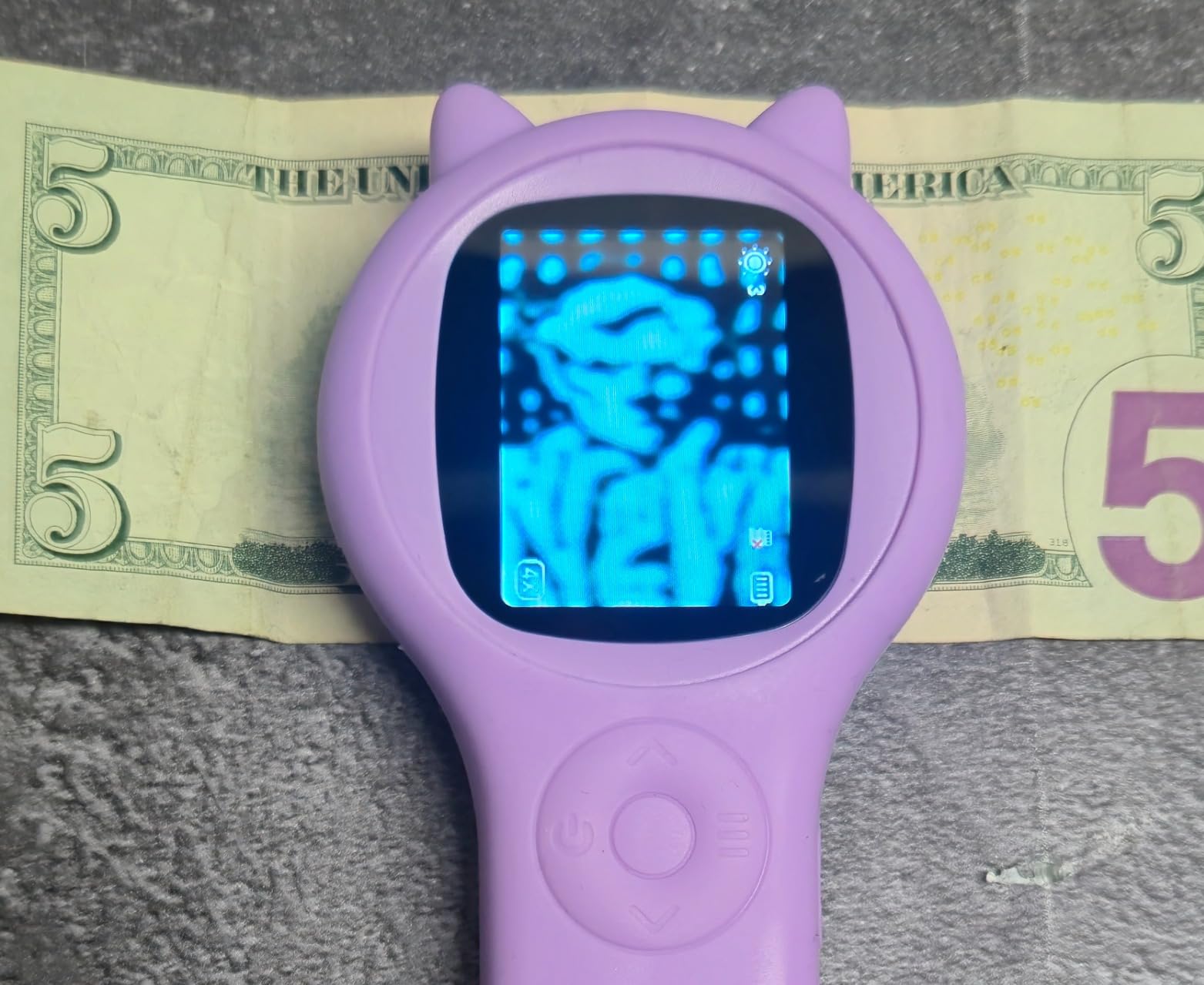
Where the design trades away is magnification and storage. 500x is lower than nearly every other digital unit in this roundup, and while the macro autofocus makes that partly irrelevant for surface detail, it does mean less reach on a small specimen. Built-in memory holds roughly 200 photos, and a compatible microSD or TF card up to 64GB is needed for video recording, which is not included.
Screen size is the other constraint. A 2 inch IPS panel is readable, but it is a step down from the 2.4 inch displays on the Odatay and the Vorth, and a child comparing fabric threads under both will notice the difference immediately.
Who this microscope suits
This suits a child aged 4 to 7, and any situation where an adult does not want to be the one adjusting the instrument. It also suits travel, because the body is small enough for a pocket and the single-hold design works in a hand that is already holding something else.
For a child who mainly wants to look at coins, fabric, feathers and rocks, 500x with autofocus delivers more usable detail than a higher number on a scope they cannot focus.
Who should skip it
Skip it if video documentation matters. You will need to buy a memory card separately, and the 200 photo internal limit means transferring files regularly.
Skip it if you want a screen you can hand to two children at once. At 2 inches, the 4.2 rating here reflects a scope that is easy rather than capable, and the 4.5-rated digital picks elsewhere in this list are the better choice for longer sessions.
6. Uarzt 58-Piece Optical Microscope Kit – Most Accessories in the Box
58-Piece Kids Microscope Kit – 100X-1200X Magnification, Metal Body, LED Light, Carrying Box – Science Experiment Toy for Kids Ages 5-12
100x to 1200x magnification
58 pieces including 13 prepared specimens
Metal and plastic body
LED illumination with carrying box
Pros
- Largest kit here with 13 prepared specimens and 31 blank slides
- Metal and plastic body feels sturdier than typical kids kits
- Carrying box keeps the whole set organised
- Colorful illustrated guide teaches microscope parts
- Focusing can produce visible results for a beginner
Cons
- Image is soft and blurry at the highest magnification
- Included scalpel is cheap plastic rather than a blade
- Focusing may need adult help at first
- Suits ages 7 and up more than the stated 5 to 12
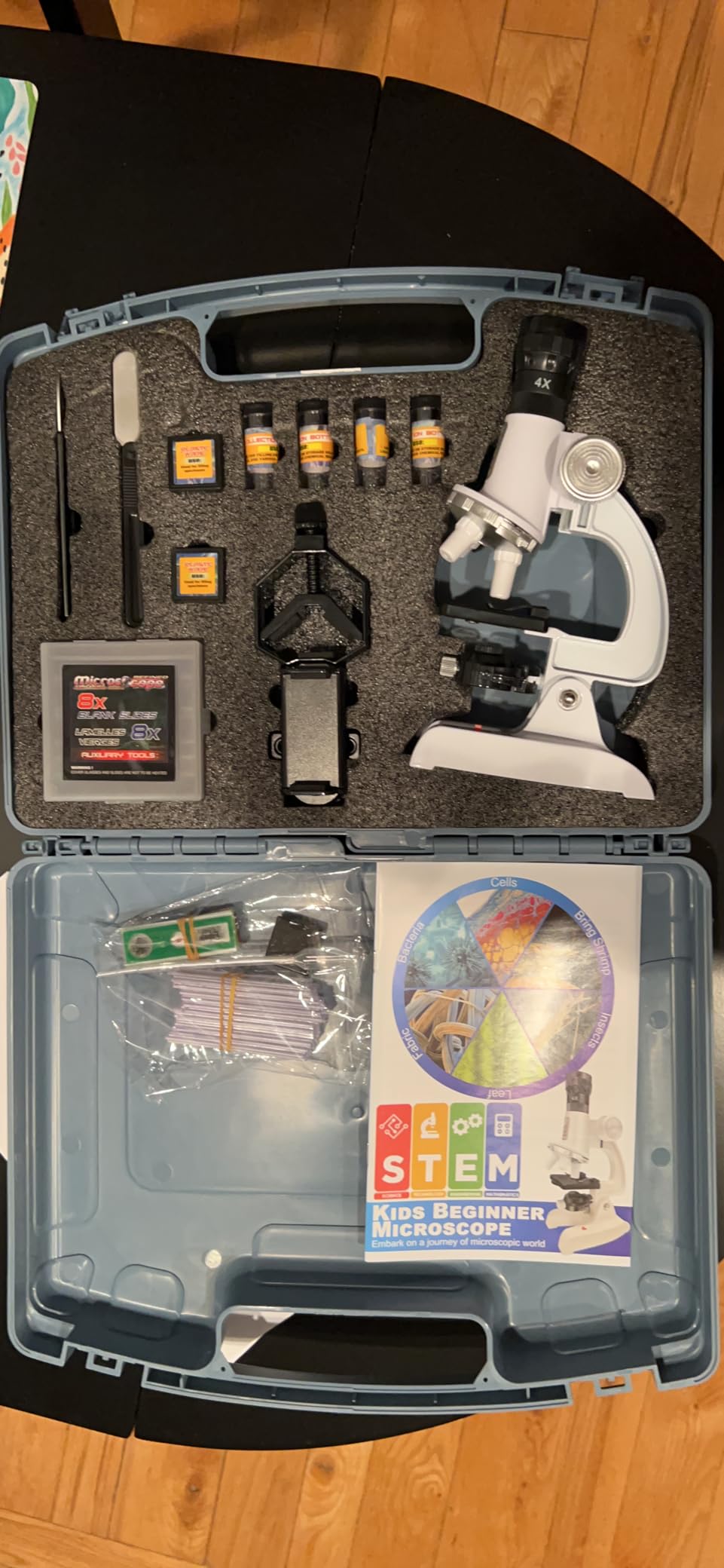
On accessory count alone this is the most generous kit in the roundup. 58 pieces in total, including 13 prepared specimens, 31 blank slides, tweezers, a dropper and a scalpel, all packed into an included carrying box. For a family running a structured study program through a term, having 31 blank slides on hand removes the most common consumable problem entirely.
The body is metal and plastic rather than the all-plastic construction of the cheaper kits, which we noticed immediately in handling, and a colorful illustrated guide walks a beginner through the microscope parts before the first specimen goes on. Magnification is listed from 100x to 1200x with LED illumination, and the body measures 4.6 by 2.75 by 8.15 inches.
Optical resolution is the honest weakness. Reviewers consistently report a soft image that shows shape and pattern but not fine detail, and the problem gets worse at the top of the magnification range, so a child chasing the 1200x setting will be disappointed even though the 100x to 400x range is perfectly usable. A 4.4 rating across 2170 reviews reflects that ceiling clearly.
Two smaller notes. The included scalpel is molded plastic rather than a blade, so it is safe but will not cut a specimen, and the stated 5 to 12 age range oversells the lower end, since reviewers find it works far better from about age 7. Two AA batteries are required and not included.
Who this microscope suits
This suits a family that wants a full term of hands-on work without ordering more slides every month, and a parent who values a carrying case for storage between sessions. The metal body also makes it a reasonable step up for a child moving off a plastic toy scope.
It works well for group settings too, because 13 prepared specimens give several children something different to look at in the same session.
Who should skip it
Skip it if image sharpness is the priority. The soft resolution is a fixed characteristic of the optics here, and a child who has seen a sharp image on a real scope will not find this satisfying. The Omano and Emarth both hold detail better.
Skip it for a five or six year old. Reviewers report that focusing needs adult help at first, which is the opposite of what you want at that age.
7. Omano Juniorscope – Best Glass Optics for Ages 8 and Up
Omano Juniorscope Microscope for Kids – Microscope Kit for Kids 8+ for Science Microscope Experiments – Kids Microscope Kit that Encourage STEM Exploration – Beginner Microscope for Kids 8+
40x 100x and 400x with glass objective lenses
Adjustable LED illumination
Petri dish forceps dropper and test tube
Lifetime limited warranty
Pros
- Glass objective lenses give genuinely clear views at 40x 100x and 400x
- Works on both solid objects and transparent specimens
- Adjustable LED lighting for indoor and outdoor use
- All-inclusive tool set with petri dish forceps dropper and test tube
- Covered by a lifetime limited warranty
Cons
- Weighs 3 pounds
- which is heavy for a small child
- Real compound instrument is more advanced than a preschool toy scope
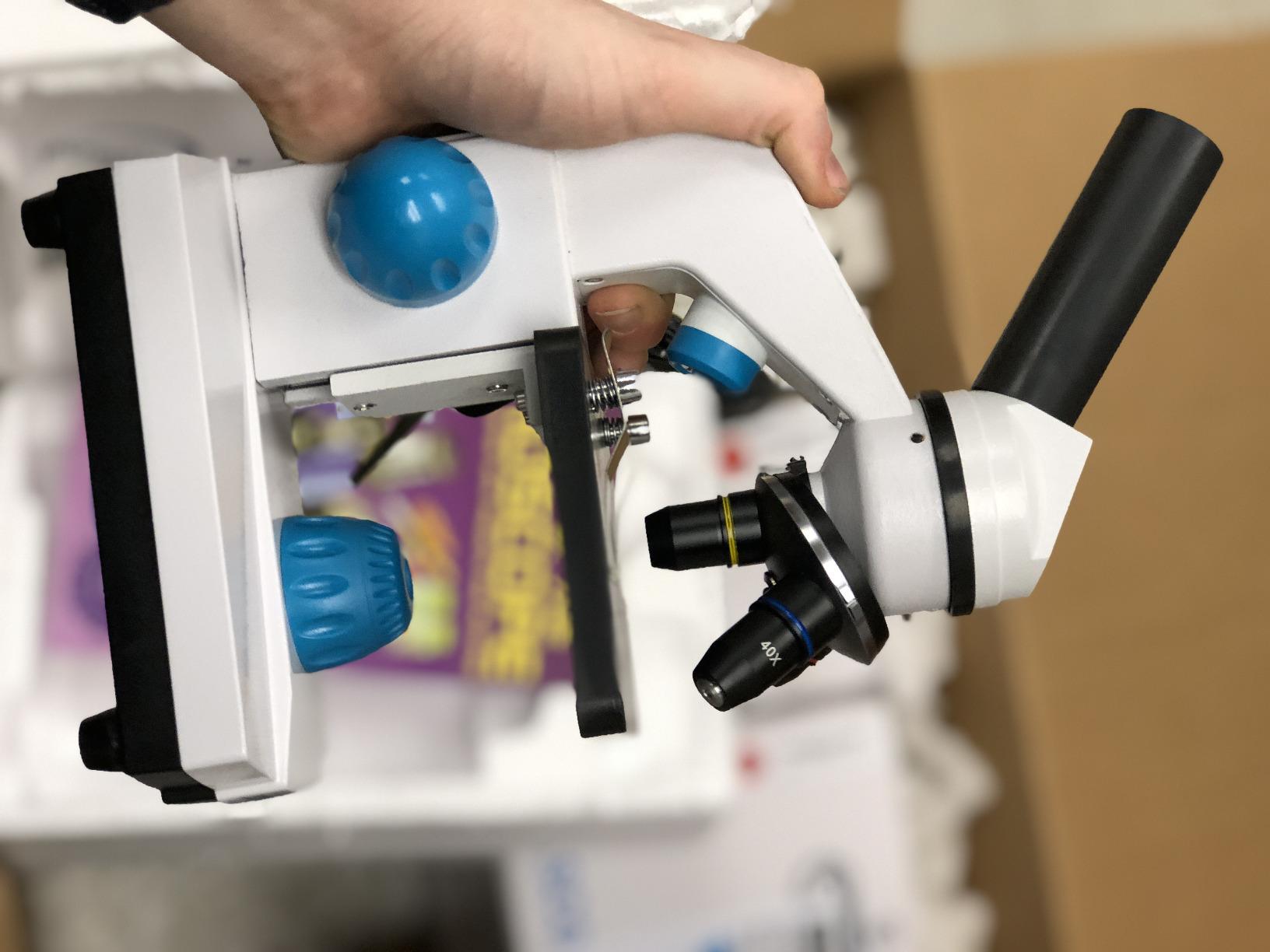
This is the first scope in the list where the optics are genuinely good rather than adequate. High-quality glass objective lenses produce a sharp image at 40x, 100x and 400x, and at 400x the difference against a plastic kit is immediate enough that a child can see it without being told. It is also a real compound microscope, so the skills learned on it transfer straight into a school biology class.
The included tool set matches that seriousness. A petri dish, forceps, dropper, test tube and slides are all included, and the bonus experiment guide walks through five activities. The lighting is adjustable, which means it works in a bright kitchen and in a dim room equally well, and the scope runs on batteries so it moves to a porch table or a classroom without a power outlet.
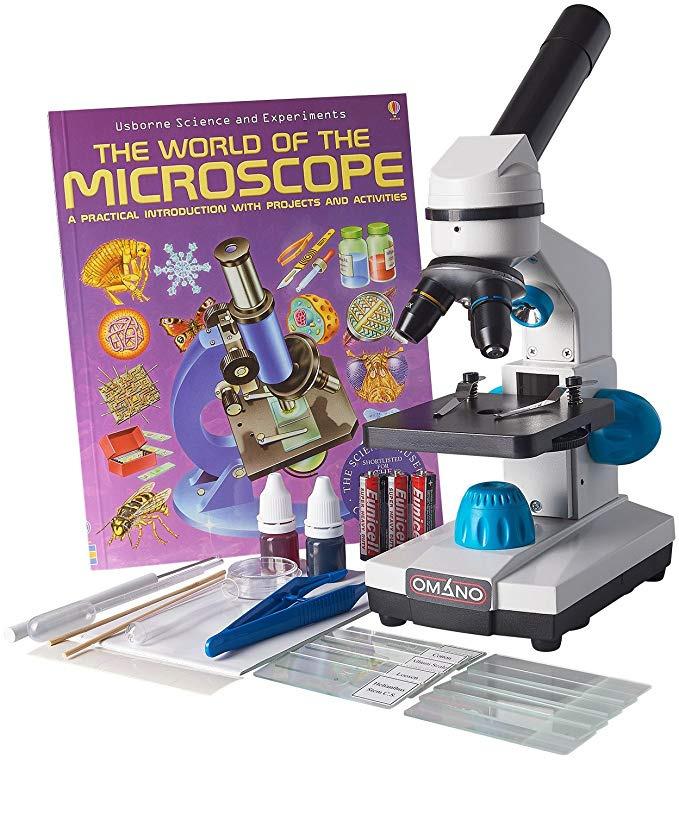
It handles both transparent specimens such as blood cells and solid objects like leaves and insects, which is a genuine advantage over single-mode scopes. Omano backs it with a lifetime limited warranty, unusual at this level and a real signal about expected build quality.
The tradeoff is size and weight. At 3 pounds and 9 by 6 by 14 inches, this is the heaviest scope in the roundup, and a small child will not be carrying it to the garden alone. The manufacturer states ages 8 and up, and that rating is accurate, since the focus controls and the specimen preparation assume a child who can follow a multi-step instruction.
Who this microscope suits
This suits a child aged 8 or older, a homeschool family moving toward a proper biology curriculum, and any parent who plans to buy once. A lifetime limited warranty and glass optics mean this is the kind of instrument that can stay in service for years instead of being replaced each summer.
If your child is heading into a school lab, this is the closest thing to what they will actually use. The manual focus, adjustable LED and multi-step experiments match the workflow of a real classroom instrument.
Who should skip it
Skip it for a child under 8. At 3 pounds with a real compound layout, the frustration of a careful but imprecise user outweighs everything good about the optics.
Skip it if you want something portable. This is a desk instrument. For backyard work, one of the handheld digital scopes is the more practical choice.
8. Educational Insights GeoSafari Kidscope – Best for Toddlers and Preschoolers
Educational Insights GeoSafari Kidscope
Comfortable double eyepiece
Very low magnification with a wide field of view
Easy-focus knob and LED light
15 prepared slides with 60 images
Pros
- Child pushes the scope down onto the tray so no focus hunting is needed
- Comfortable double eyepiece means no closing one eye
- Chunky durable build survives drops onto tile
- 15 prepared slides with 60 real images and a 200 fact guide
- Integrated storage drawer keeps slides organized
Cons
- Magnification is very low with no true focusing
- Viewer underneath is a mirror so it needs decent room light
- Too simple for children over 5 or 6
- Materials described as poor quality by some reviewers
The design decision here is that there is no focus adjustment at all. The child lowers the scope body down toward the tray until the image appears, which removes the single hardest part of using a microscope for a small child. Nothing to turn, nothing to overshoot, nothing to get wrong. For a three or four year old, that is the difference between a toy that gets used daily and one that ends up in a drawer.
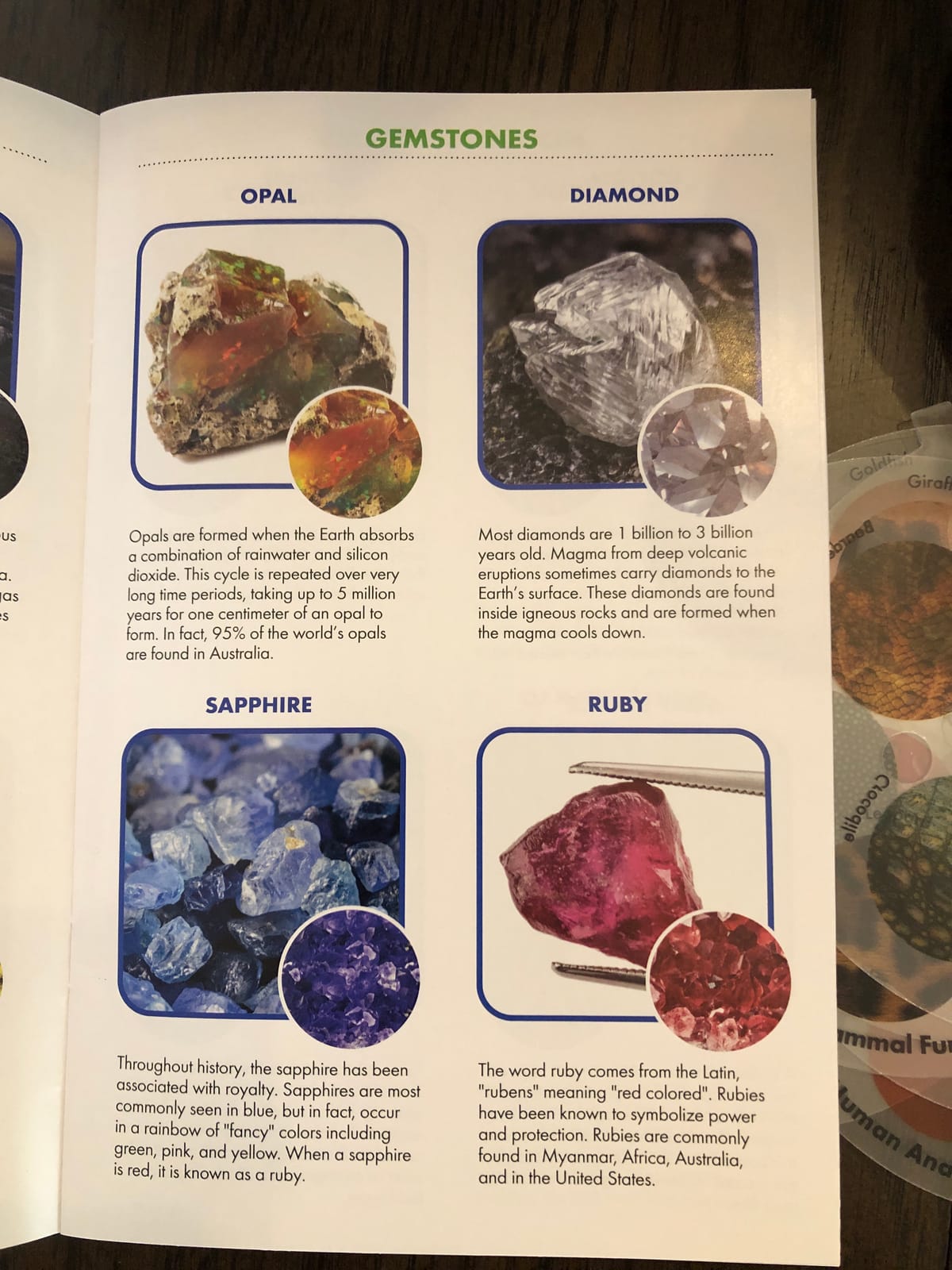
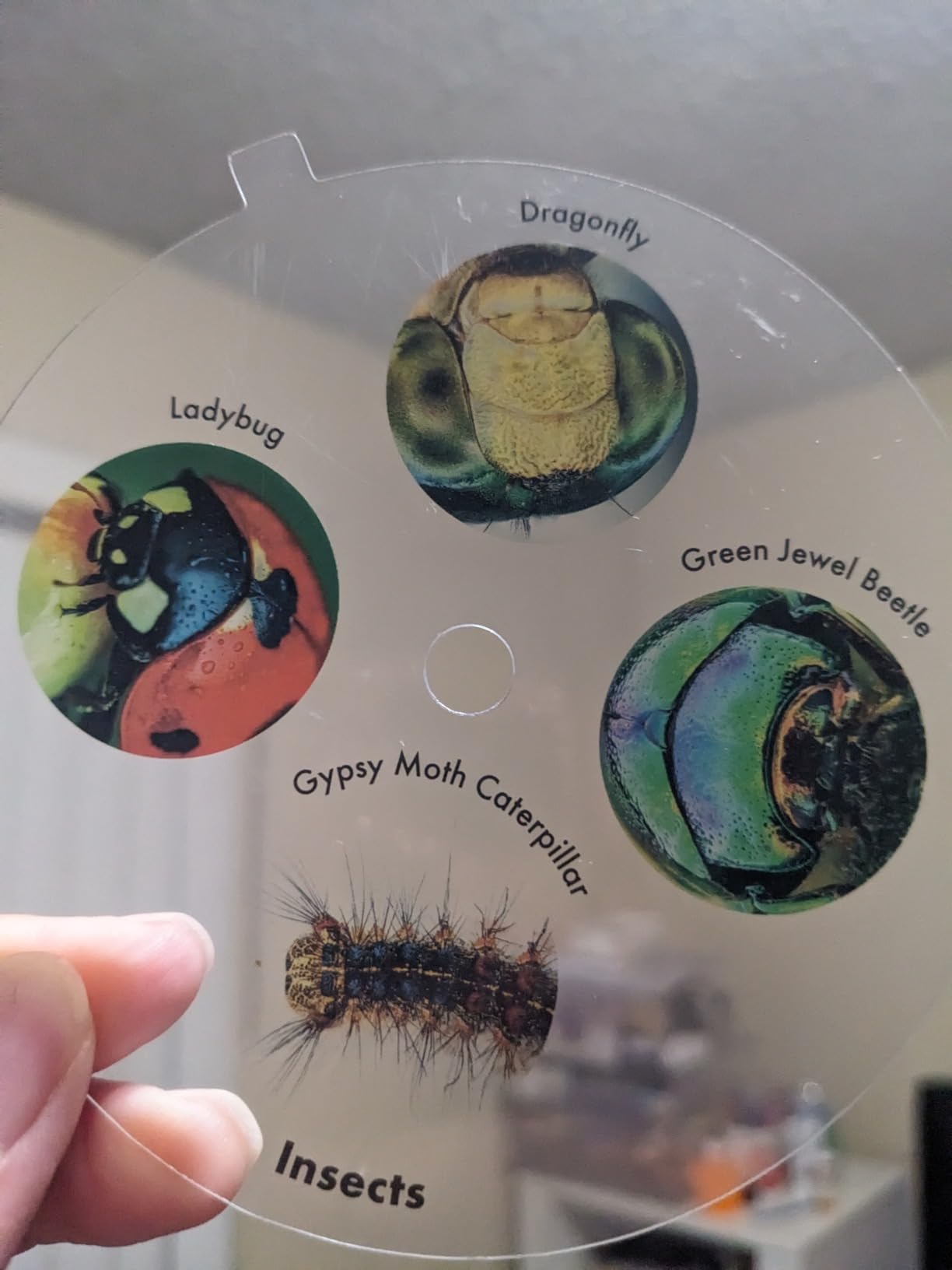
The comfortable double eyepiece is the other quiet win. A monocular scope forces a child to close one eye, which is uncomfortable and confusing at that age. This one has a wide field of view at very low magnification, 15 prepared slides carrying 60 real images, an integrated storage drawer, a built-in LED and a guide with 200 facts. It needs three AAA batteries, which are not included.
Be clear about what this is. The magnification is very low, there is no true focusing in and out, and the viewer underneath is a mirror, so it needs a reasonably bright room. Parents of six and seven year olds found it too simple to actually magnify anything, which is the main reason the rating sits at 4.3 across 1549 reviews rather than higher.
Build quality is a second concern. Some reviewers describe the materials as feeling cheap even though the body itself survives drops onto tile well, so the durability is better than the perceived quality. At 0.75 kg it is also the heaviest item relative to its size in this roundup.
Who this microscope suits
This suits toddlers and preschoolers from about age 3, and a first child in a family who wants a shared microscope they can use alongside an older sibling. The storage drawer and 15 slides give a young child a complete, tidy activity that ends with everything back in the box.
It is also the safest introduction to the idea of looking closely at things, which matters more for a three year old than any technical specification.
Who should skip it
Skip it if you want real magnification. There is no genuine focusing and the light path depends on room brightness, so the ceiling is reached almost immediately.
Skip it for a six or seven year old. Parents consistently report that the scope is too simple at that point, and the National Geographic 400x kit at number three is the right jump instead. Moving up too early is the most common reason a child loses interest in microscopes entirely.
9. BMDSAE 1000X Handheld Digital Microscope – Most Rugged Body for Outdoor Use
1000X Handheld Digital Microscope for Kids: Pocket Microscope with 2.0″ IPS Screen – STEM Toys Birthday Gifts for Girls Boys Child – Portable Edu Science Kits Toddler Age 3-6 6-12
1000x optical and digital magnification
2MP camera with manual focus
2.0 inch IPS screen
600mAh battery for about 2 hours
Pros
- 1000x produces crisp close-ups of fabric threads skin and leaves
- 2.0 inch IPS screen is clear and simple for a child to operate
- 8 adjustable LEDs with a diffuser reduce glare
- Lightweight 200g body in a shock-absorbent rubber casing
- CE FCC and CPC safety certified ABS plastic
Cons
- Protective glass over the lens blocks the view until removed
- Build quality reads more like a toy than an instrument
- Will not show cells or bacteria despite the 1000x label
- No prepared slides included
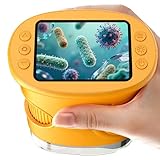
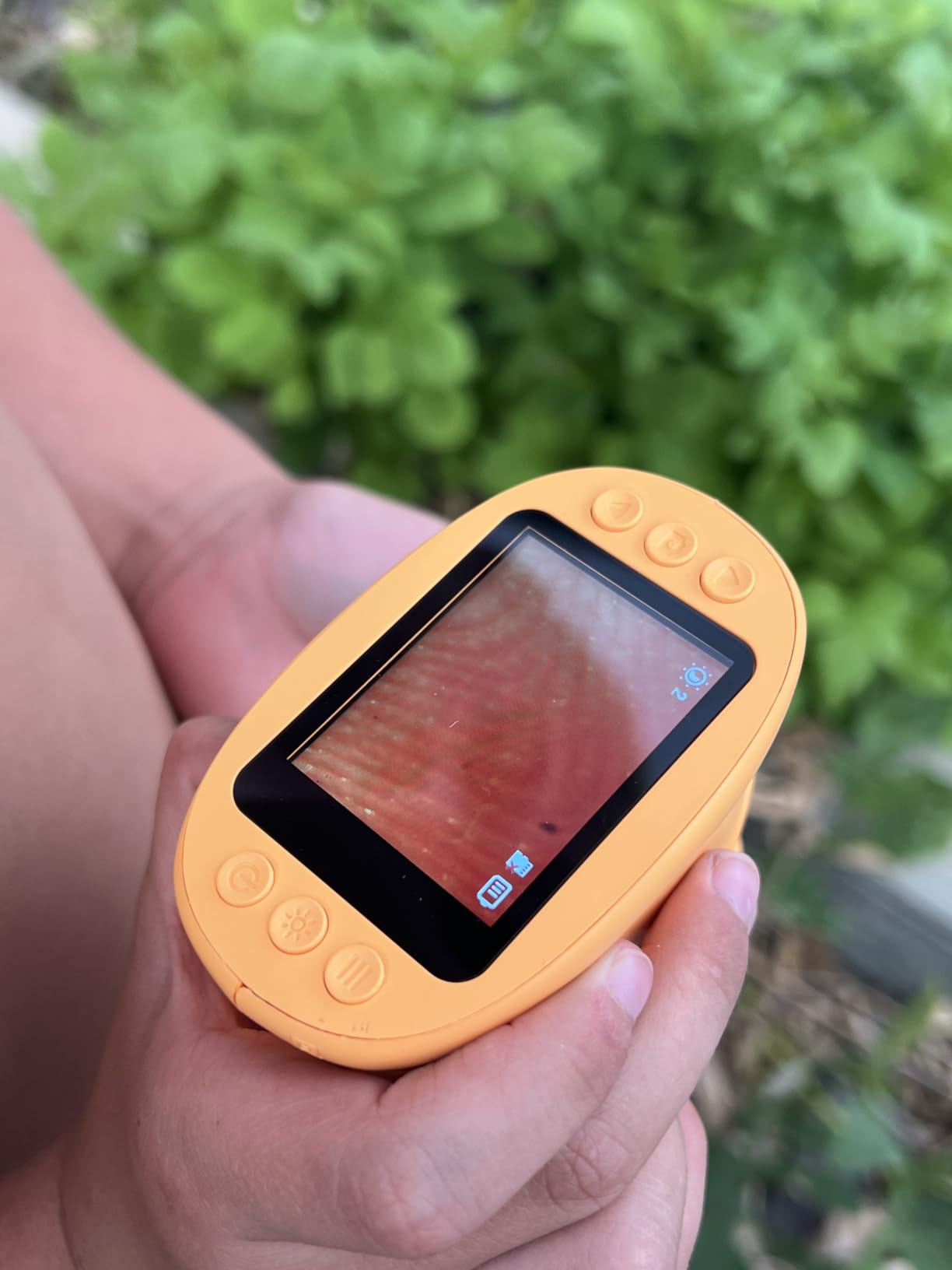
The rubber casing is what separates this one. A shock-absorbent shell around a 200 gram body is a genuine advantage for a device designed to be carried into a garden, a playground or a camping trip, and reviewers note that it survives drops. The 8 LED system with 3 brightness modes and a diffuser also handled reflective surfaces like a coin or a phone screen without blowing out the image.
Magnification is listed at 1000x optical and digital with a 2MP camera and manual focus control, and our copy produced noticeably crisp close-ups of fabric threads, skin texture and leaf surfaces. Storage is 32M internal, enough for 200 or more photos or AVI video clips, and files export to Windows or Mac over USB-C. The manufacturer includes a 12 month warranty.
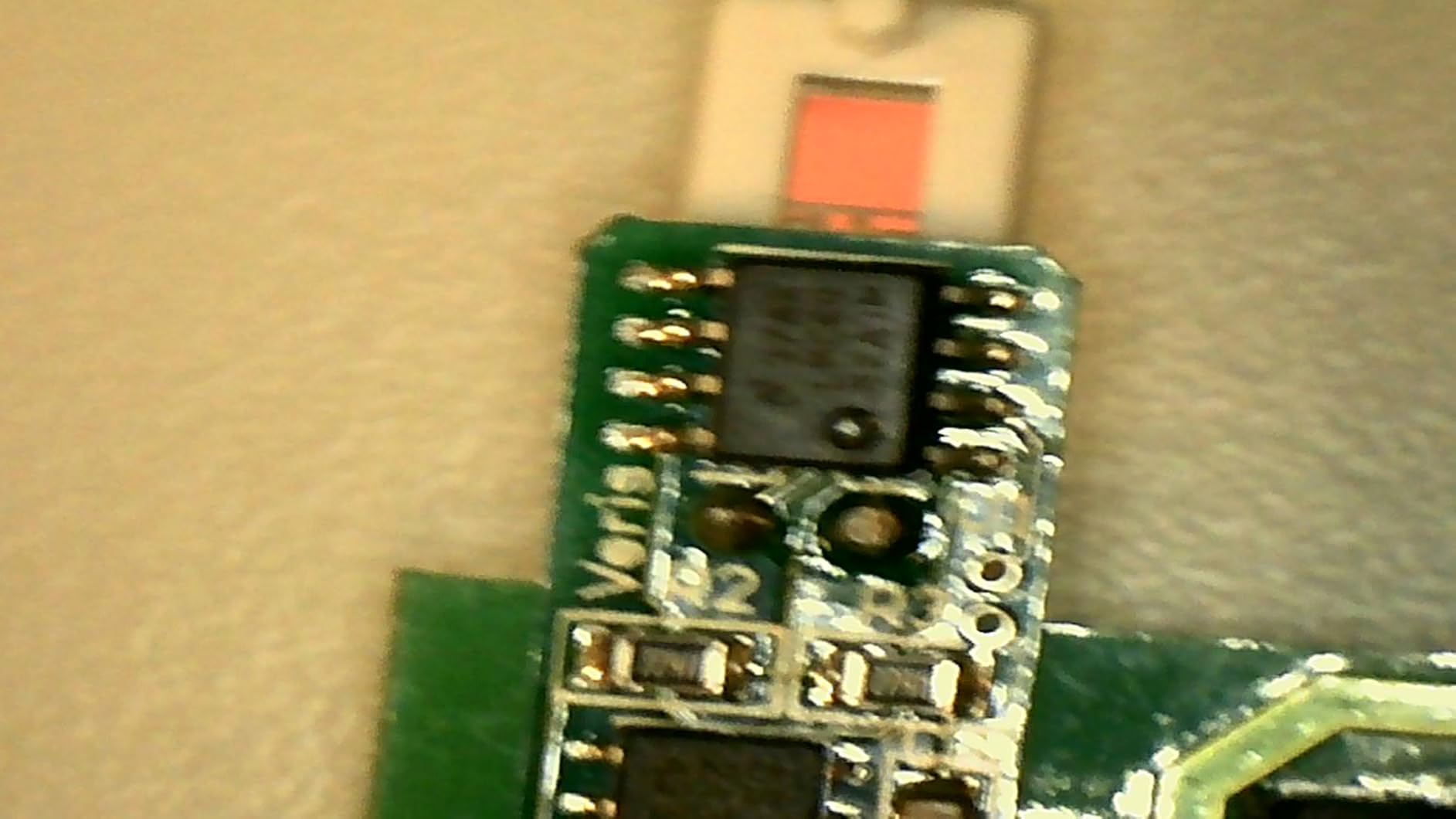
Two things to know before a child opens the box. First, there is a protective glass cover over the camera lens that has to be removed, and until they do the view is blocked, which is the single most common setup tip in reviews. Second, the 1000x label is a digital magnification figure. It shows excellent surface detail, but it will not resolve plant cells or bacteria, and expectations set there turn into disappointment.
Smaller issues: the plastic lens cover scratches easily when dragged across rough surfaces, and the button icons are printed in yellow on a yellow body, which makes the controls hard to identify for younger children. No prepared slides are included, so you will want to source some separately.
Who this microscope suits
This suits a child who will carry a scope outdoors and drop it, and a family that wants a durable, inexpensive entry into digital viewing. The 2.0 inch IPS screen is simple enough for a young child to operate without instruction, and CE, FCC and CPC safety certification covers the three standards most often asked about.
It is also a good travel scope. The body is small, the charging cable is included and there is a lanyard, so it packs easily with a school bag.
Who should skip it
Skip it if the child wants to see cells. The 1000x figure is digital magnification on a small sensor, and the honest ceiling is surface texture, not biological structures. The BEBANG at number 4 includes real glass prepared slides if slides matter.
Skip it if you are not willing to explain the lens cover. A child who cannot clear that glass will conclude the device is broken, and a few reviewers also note that engagement fades after several minutes with younger children.
10. Emarth 40x-1000x Compound Microscope – Best Match for School Biology Class
Microscope for Kids Beginners Children Student, 40X- 1000X Compound Microscopes with 52 pcs Educational Kits
40x to 1000x compound magnification
Top bottom and dual LED illumination
Swappable 10x and 25x eyepieces
6 built-in color filters
Pros
- True compound microscope covering 40x to 1000x
- Switchable top bottom and dual illumination for opaque and translucent specimens
- Metal objective lens housings and a rotatable head
- Two eyepieces at 10x and 25x swap quickly
- Six built-in color filters improve contrast
Cons
- Plastic frame makes it shakier than a metal-framed scope
- Dust cover referenced in the manual is not in the box
- Included plastic slides are limited
- Too complex for younger children without adult guidance
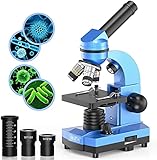
This is the pick that most closely matches a school laboratory instrument, which is why it earns the best match for a child heading into biology class. It is a true compound microscope running 40x to 1000x with metal objective lens housings, a rotatable head and two swappable eyepieces at 10x and 25x. In head-to-head comparisons against cheaper kids scopes, it was rated the best of the group for image clarity at full magnification.
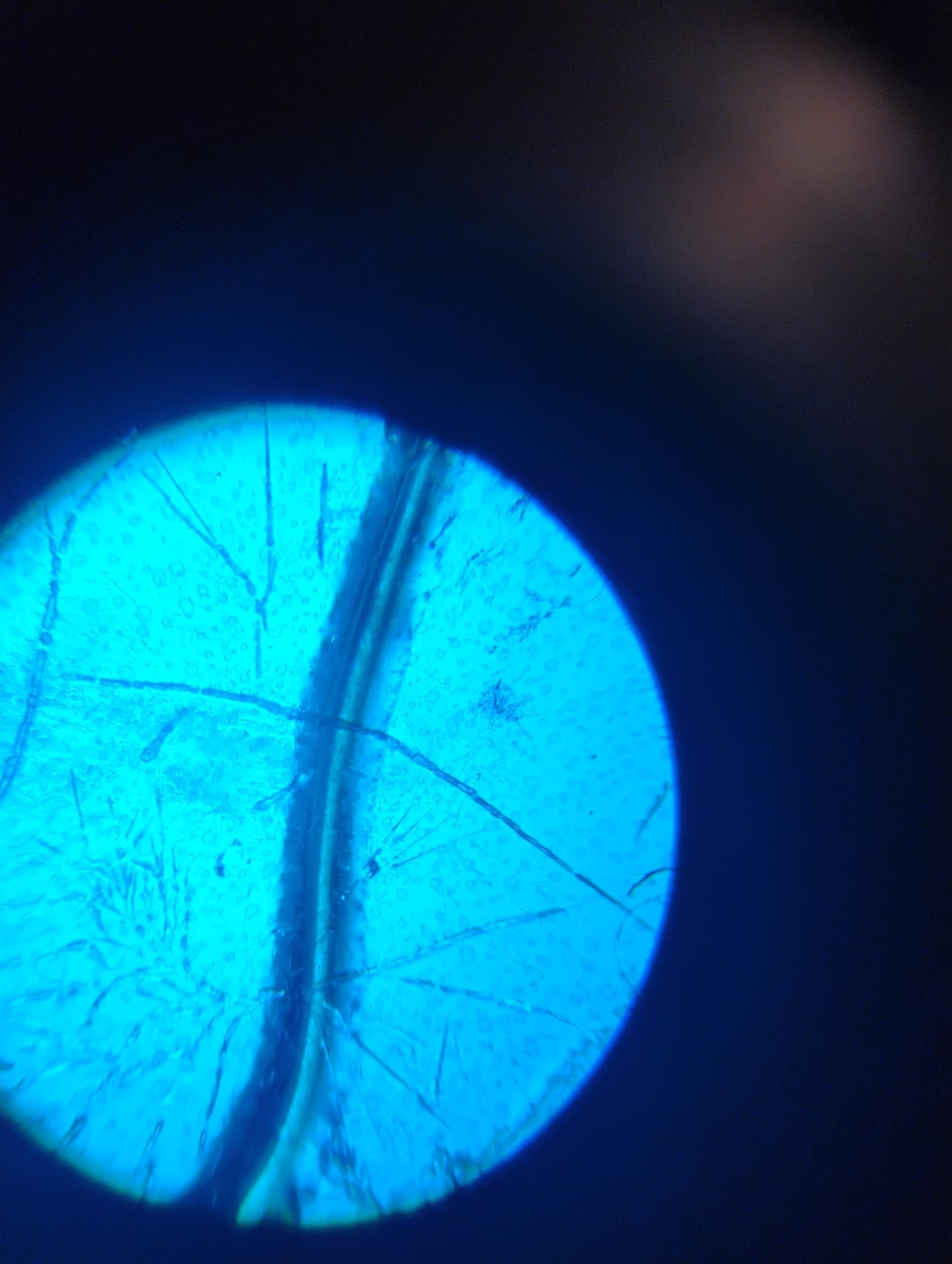
Lighting is switchable between top, bottom and dual modes, so the same scope handles a translucent plant section and an opaque insect wing. Six built-in color filters add contrast on otherwise transparent specimens, which is a feature students normally only meet on a laboratory scope. The 52-piece kit includes prepared slides, blank slides, tools and a lens cleaner.
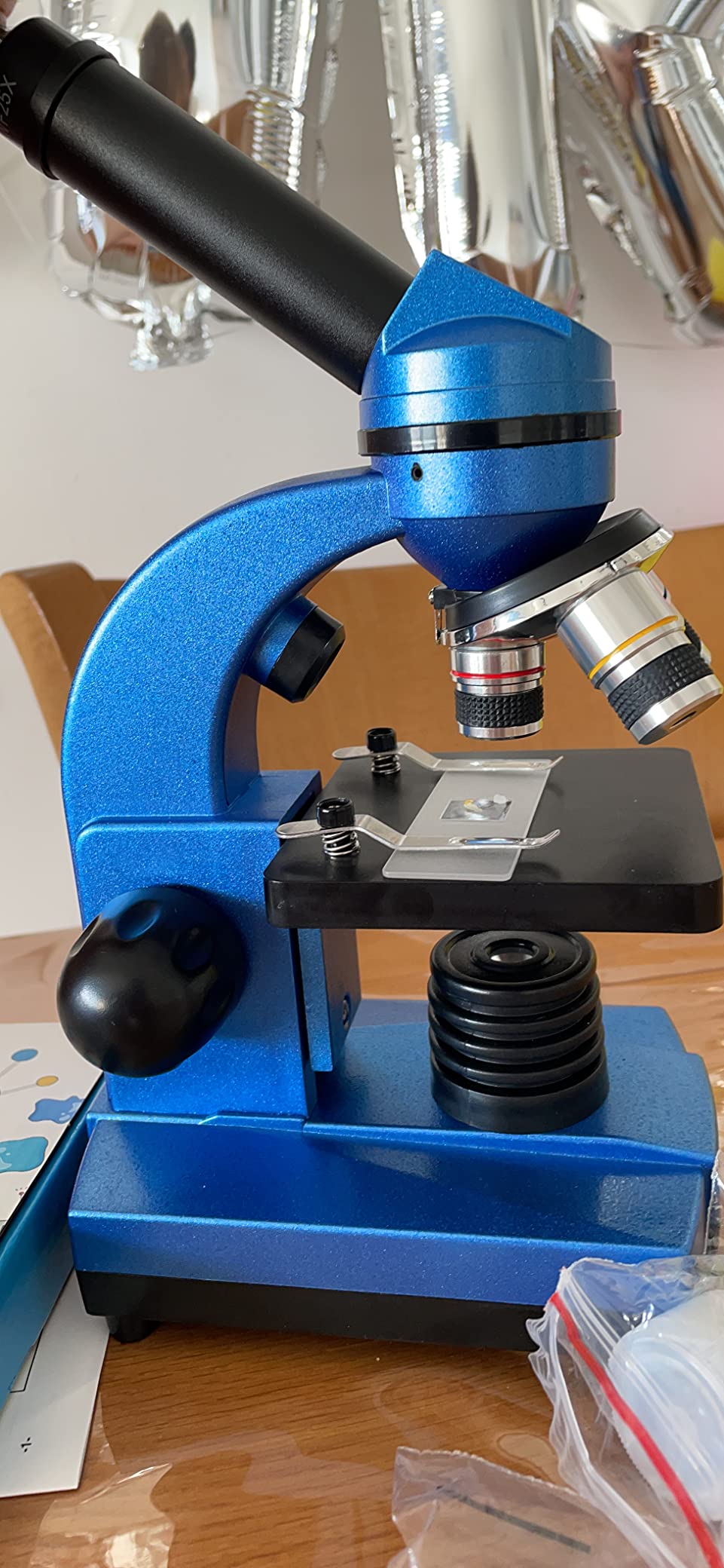
The frame is plastic, and that is the one compromise. A plastic frame is shakier and less stable than a metal-framed scope, and at high magnification any wobble is visible in the image. It is a design trade-off, not a defect, but a child doing serious work at 1000x will notice the difference against a heavier instrument.
Also worth knowing: the dust cover referenced in the manual is not in the box, the included plastic slides are limited so extra glass slides are worth ordering, and the controls are complex enough that a child under about 8 will need an adult nearby. Batteries are not included, and the manufacturer states it is not laboratory grade.
Who this microscope suits
This suits a child aged 8 to 12 who is moving from a toy kit toward a real instrument, a homeschool family following a biology curriculum, and a teacher running a small classroom set. The color filters and dual lighting map directly onto standard classroom exercises.
For a child with a vision problem, the swappable eyepieces are useful because a different eyepiece power changes how much strain the eye has to manage, which a fixed monocular head does not allow.
Who should skip it
Skip it if stability at high magnification matters more than everything else. The plastic frame wobbles, and a child who is already frustrated will blame the microscope rather than the stand.
Skip it for a first microscope under age 8. The turret, the lighting modes and the eyepiece swap are three separate things to learn before a child gets to the fun part, and that setup burden is what ends early interest.
11. Odatay 4K 1000X Digital Microscope – Most Complete Digital Box
Odatay 4K 1000X Digital Microscope for Kids with 32G Card, Long Distance Viewing & 2.4″ Screen Portable Handheld Edu Toys for Age 3-12 Exploring Bugs Plants at Home Classroom & Outdoor Travel, Blue
200x to 1000x across four levels
4K HD camera with 2.4 inch screen
32GB TF card and 12 prepared slides
5 year warranty
Pros
- 32GB TF card and 12 prepared slides mean it works out of the box
- 4K camera and 2.4 inch screen give a sharp
- roomy image
- Lowest magnification level supports long-distance viewing
- 8 built-in LEDs with 3 brightness levels
- Tripod hole and neck strap for steady hands-free viewing
Cons
- Protective silicone screen cover and lanyard add bulk
- Viewing larger than the built-in screen requires transferring files to a PC
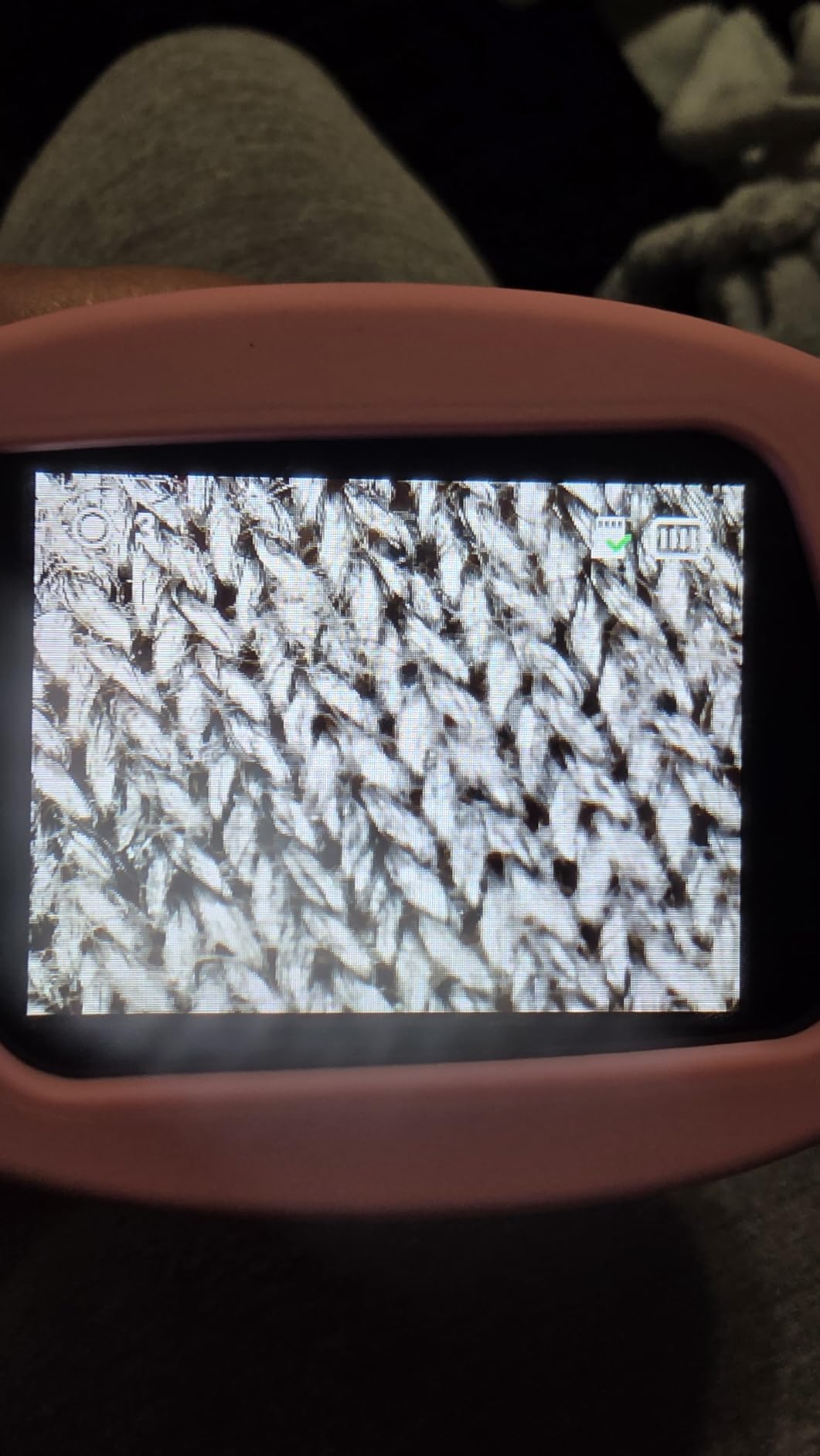
The box contents are the story here. A 32GB TF card and 12 prepared slides are both included, so a child can start recording and examining real slides on the same afternoon the box is opened, with no accessory purchase in between. Most rivals in this category ship a device and expect you to source storage yourself.
The 4K HD camera drives a 2.4 inch screen, and the four magnification levels from 200x to 1000x are joined by a long-distance viewing mode at the lowest setting, which is genuinely useful for framing a bug or a coin before zooming in. Eight built-in LEDs with 3 brightness levels handle low light, and at 0.25 kg the body fits in a pocket with a neck strap and a tripod hole for steady viewing.
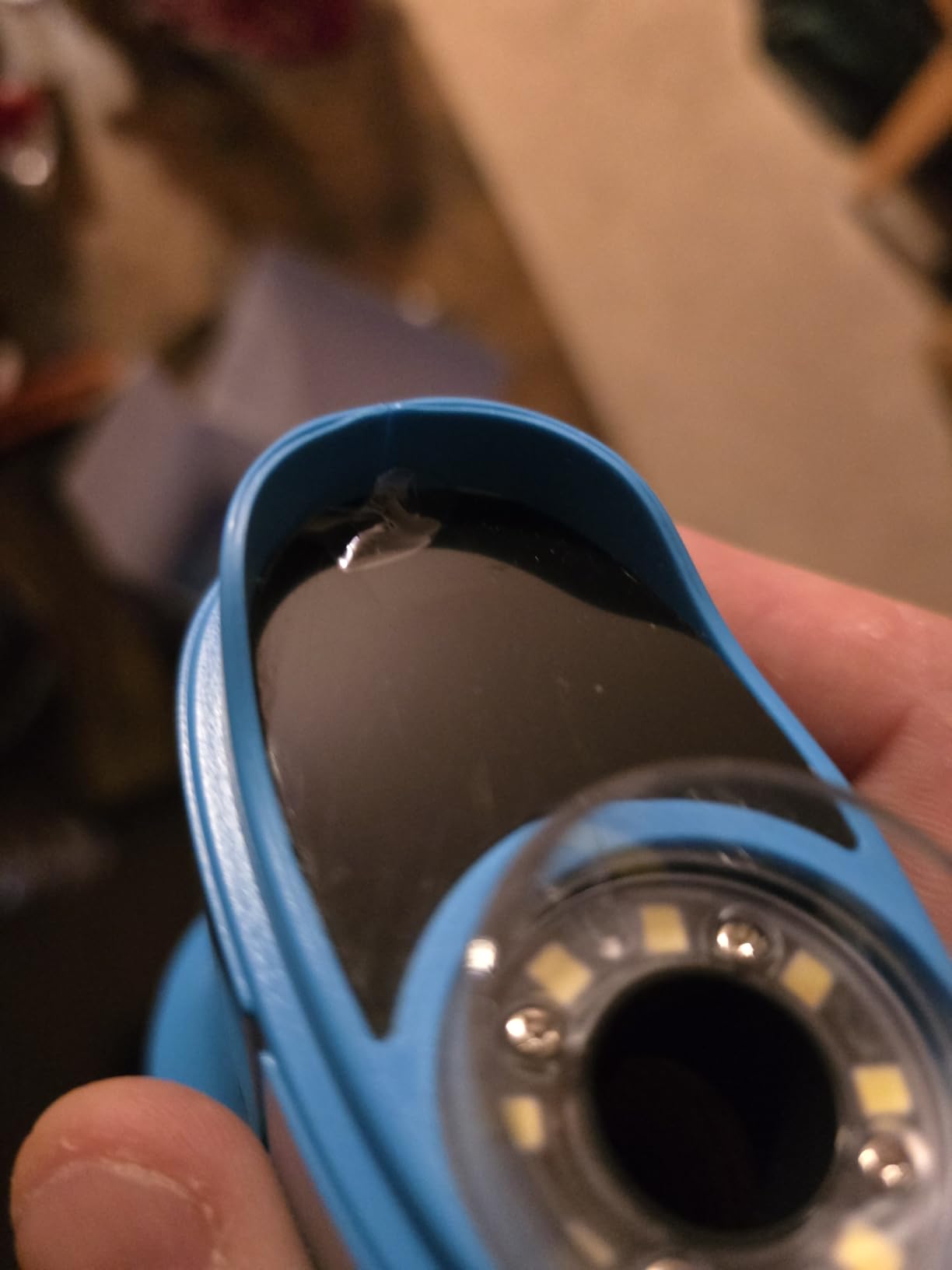
The warranty is the standout for a toy-category device. A five year warranty from Odatay is a much longer commitment than the one year offered on most competing digital microscopes, and it suggests a confidence in the hardware that the category does not usually show.
The compromises are practical rather than technical. The protective silicone case for the screen and the lanyard add bulk to something you might want in a small bag, and viewing anything larger than the built-in screen means transferring files to a computer first, which is fine for a project but not instant.
Who this microscope suits
This suits a child who wants to both look and record, a family starting from zero who does not want a second order for a memory card, and anyone planning outdoor work where the neck strap and tripod hole make steady viewing realistic. The 2.4 inch screen is the second largest in this roundup and the easiest for two children to look at together.
The long-distance mode also makes it a good first scope for a child who struggles with close focusing, since they can find the object first and zoom second.
Who should skip it
Skip it if you want a compact carry. The screen case and lanyard undo the pocket-friendly weight, so it is better suited to a bag than a pocket.
Skip it if real cell viewing is the goal. At 686 reviews this is also one of the least proven digital units here, so a parent wanting an established digital option should look at the BEBANG at number 4 instead.
12. Vorth 1000X Digital Microscope – Longest Battery Life in the Digital Group
1000X Handheld Digital Microscope for Kids, 2.4″ IPS Screen STEM Toys
1000x magnification with 4x zoom
2.4 inch IPS HD display
600mAh battery up to 3 hours
CE CPC FCC and UKCA certified
Pros
- Cat-shaped housing is distinctive and appealing to children
- Oversized textured focus wheel lets young children focus independently
- 2.4 inch IPS HD display is larger and sharper than 2.0 inch alternatives
- 600mAh battery gives up to 3 hours of use
- CE CPC FCC and UKCA certified with food-grade silicone
Cons
- A magnifier rather than a true microscope so no cells or bacteria are visible
- Internal memory holds about 200 photos and files cannot be transferred
- Memory card not included for video recording
- Build quality described as cheap by some reviewers
Three hours of battery life is the longest continuous runtime among the digital scopes in this roundup, and that is a real difference when a child is absorbed in something. The 600mAh rechargeable battery outlasts the 2 hour and 2.5 hour units here, and because it charges over Type-C the same cable usually charges other devices in the house.
The ergonomics are the story too. An oversized textured focus wheel is genuinely operable by small fingers, and the cat-shaped housing makes it a toy a child wants to carry rather than hide in a drawer. The 2.4 inch IPS HD display is among the largest at this category price, and the body is certified to CE, CPC, FCC and UKCA standards with food-grade silicone parts. Magnification reaches 1000x with 4x digital zoom.
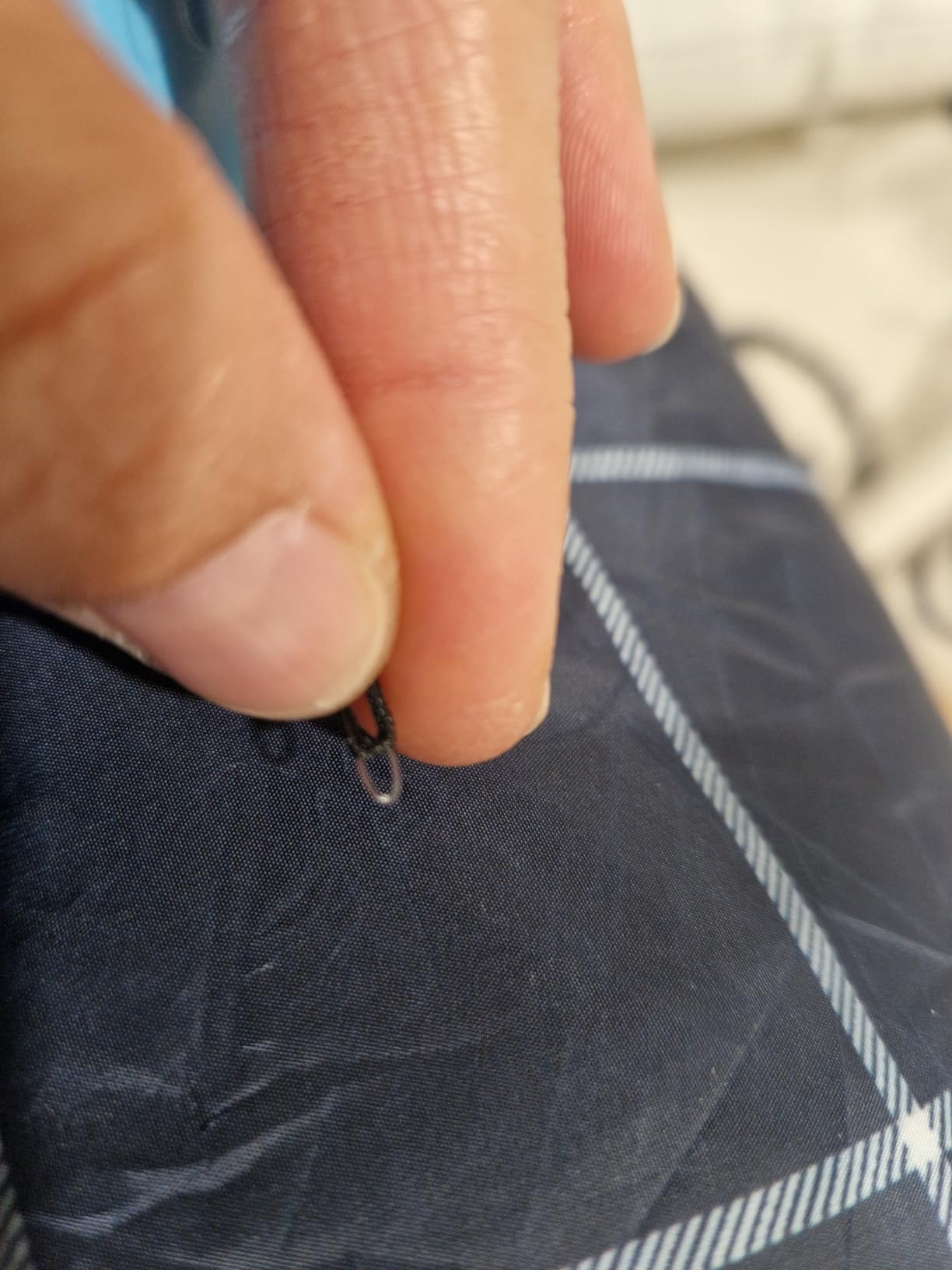
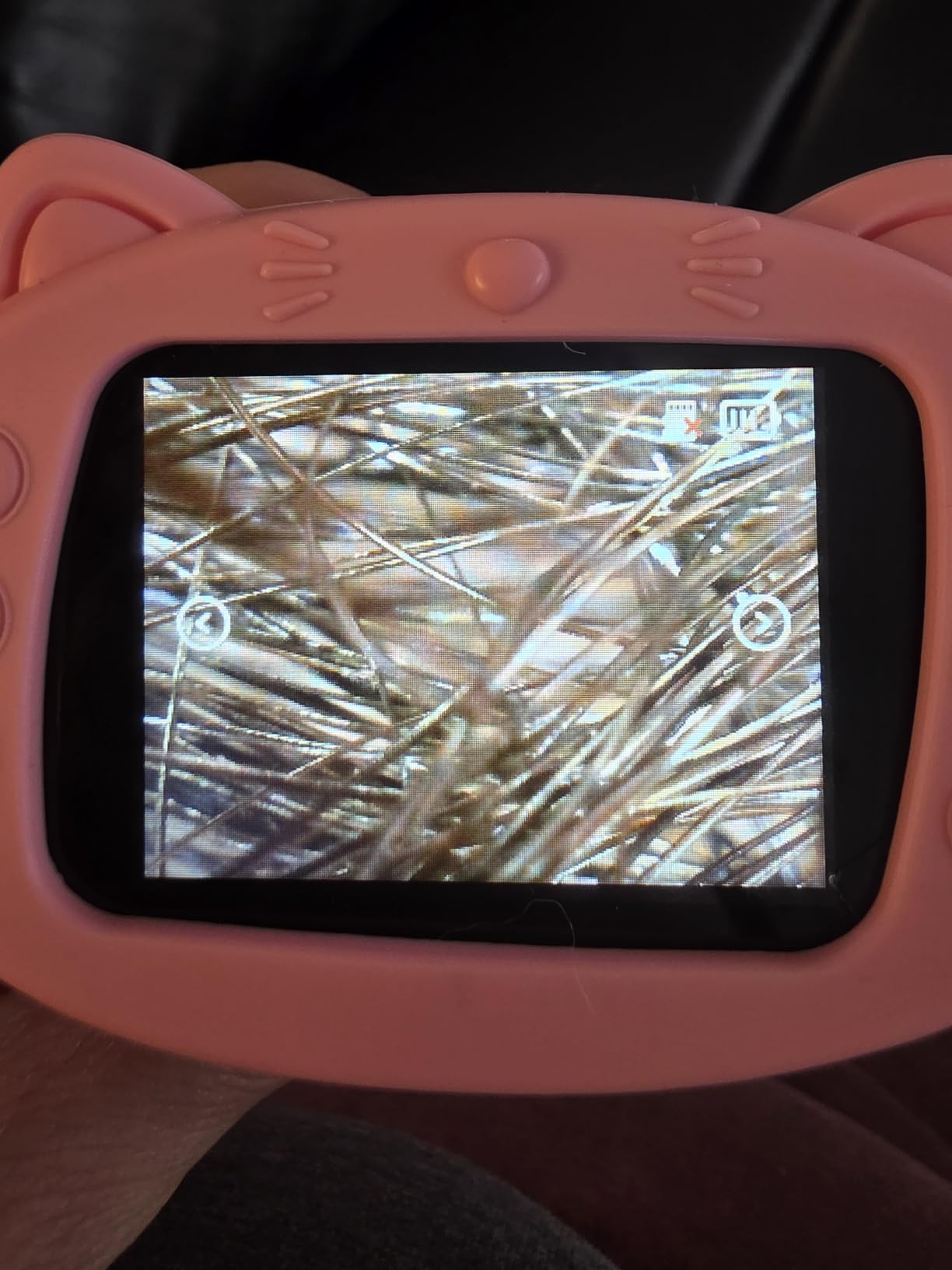
Expectation setting is the important part. This is a digital magnifier, not a true microscope, and reviewers are clear that it shows impressive fine surface detail on insects, fabrics and plants but no cells or bacteria, despite the 1000x label. Internal memory holds about 200 photos and files cannot be transferred off the device, while video recording needs an SD card that is not included.
It does have three viewing modes, which is more than most rivals offer. Connecting over Type-C to a computer replaces the built-in screen with a large live view, a memory card mode handles recording, and the device can charge while still capturing. At 668 reviews it is the least proven of the twelve, and some reviewers describe the build as cheap.
Who this microscope suits
This suits a wide age spread, since families report a four year old using it unaided and a 13 year old still engaged. That range, plus the three hour battery and the ability to work while plugged in, makes it a good choice for a long session such as a leaf collection or a bug survey.
The PC connection is the practical winner for a school project, because a class display or a shared folder is far easier than a device with trapped internal memory.
Who should skip it
Skip it if you need files you can keep. With no way to transfer internal photos and no included card, a documented project is difficult to build from this unit alone.
Skip it if your child wants to study prepared slides. There is no slide viewing cover and no slides in the box, so the Odatay at number 11 or the BEBANG at number 4 covers that use case properly.
How to Choose a Microscope for Kids
Compound or stereo, and what each one is for
A compound microscope is the school-laboratory design. Light passes up through a thin glass slide holding a transparent specimen, an objective lens above the stage magnifies it, and the child looks through an eyepiece and adjusts a focus knob until the image is sharp. It is the type that shows cells and is the right choice from about age 8 upward.
A stereo microscope uses two eyepieces and lights the specimen from above, producing a three-dimensional, lower-magnification image of solid objects. It is the right choice for leaves, rocks, coins and insects that do not need slicing thin. No stereo scope appears in this roundup, but our guide to the best stereo microscopes covers that category.
Real magnification versus the number on the box
Useful clarity for a beginner tops out around 400x to 1000x, and this is the single most important thing to understand. That figure comes up constantly in r/microscopy threads, where experienced microscopists advising parents say consistently that magnification beyond roughly 400x is not needed to start, and that the extra number is mostly marketing.
Digital handheld scopes inflate it further, combining optical and digital zoom on a small sensor. Treat 1000x on a handheld as excellent surface detail, not cell-level resolution, and check the specification line carefully, because at least one kit here lists 20x and 50x lenses that some buyers received as 10x and 20x.
Lighting decides what you can actually look at
Bottom or transmitted light shines up through a slide and is what you need for cells. Top or incident light shines down onto a surface and is what you need for a leaf, a coin or a fabric thread. The best starter scopes for kids include both, and the National Geographic Dual LED at number 2 switches between them with a single flip.
Look for LED rather than a concave mirror, which needs a bright window and an awkward angle. Adjustable brightness matters in the evening, when a fixed-brightness scope washes out a pale specimen.
Slides, accessories and what costs extra later
Prepared slides arrive already mounted so a child can start immediately. Blank slides with cover slips let them make their own, which is where the real learning happens. A kit with both is better, and the Uarzt at number 6 leads this roundup with 31 blank slides alongside 13 prepared specimens.
Watch for plastic slides, since they scratch and cloud. On the digital side the hidden cost is a TF or microSD card, often required for video recording and rarely included, so check before buying. Our full guide to digital microscopes covers that category in more depth.
Screen viewing, eye strain and posture
No competitor page addresses this, but parents ask about it constantly. A digital scope means a child looks at a screen, which is closer to the screen time most families are trying to limit, and the neck position is usually worse than with an eyepiece. A screen also removes the accommodation step of focusing an eye, which some children find unsatisfying once the novelty wears off.
On the other side, a monocular eyepiece is genuinely difficult for a child with vision problems, since it forces one eye closed and offers no diopter adjustment. A screen-based scope is often easier for that child, so this is a tradeoff rather than a winner.
Age bands, and when a kid is ready for a real lab scope
Ages 3 to 5: a talking scope or a no-focus tray scope. The GeoSafari Kidscope at number 8 and the Talking Microscope at number 1 both work, and the goal is independent use rather than magnification.
Ages 6 to 8: a real compound scope with prepared slides and large focus knobs. The National Geographic 400x kit at number 3 is the pick, and the autofocus Ashfly at number 5 is the alternative if the child fights a focus wheel.
Ages 9 to 12: a scope with glass objective lenses, a color filter wheel or dual lighting. The Omano at number 7 and the Emarth at number 10 both hold detail at 400x and above.
Teen or homeschool: a true compound scope with a rotatable head and swappable eyepieces, ideally with a long warranty. The Emarth at number 10 is built for a school biology workflow.
If you want the wider context on instruments rather than toys, our picks for the best student microscopes and the best general microscopes go deeper on optical performance.
Safety, small parts and supervision
Slides, cover slips, specimen vials and forceps are genuine choking hazards. Nothing in this roundup should be handed to a child under 3, and most manufacturers rate their products from age 4 or 5 upward for that reason. Age labelling is also inconsistent between retailers for the same kit, so treat the highest number you see as the sensible floor.
Supervision matters after age 6 for a different reason. The failure we saw most often was not damage but frustration, when a child could not focus and concluded the microscope was broken. Sitting with them for the first three sessions is what converts a novelty into a habit.
What to look at first
Start with objects that need no preparation. A drop of pond water, a strand of hair, a printed letter from a newspaper and a fingertip all produce a visible image immediately, and a leaf, a coin, a feather and a sheet of fabric work well on a scope with top lighting. This list costs nothing and removes the slide-preparation friction that ends interest fastest.
Only then move to brine shrimp eggs, which hatch over a couple of days, and to making slides from onion skin. For holding a small specimen steady, our soldering microscope guide covers how professionals set up a holder, which adapts well here.
Frequently Asked Questions
What are some good real microscopes for kids?
The strongest real microscopes for kids in this roundup are the National Geographic Dual LED kit, which has metal and glass construction with switchable top and bottom lighting, the Omano Juniorscope, which uses genuine glass objective lenses at 40x, 100x and 400x and carries a lifetime limited warranty, and the Emarth 40x-1000x compound scope, which adds swappable 10x and 25x eyepieces and six color filters. All three are true instruments rather than toys, and all three suit a child aged 8 and up.
Are kids’ microscopes worth it?
Yes, when the one you buy matches the child’s age and the specimens they want to look at. The scopes that disappoint are the mismatched ones, usually an expensive compound instrument handed to a four year old, or a plastic toy scope given to a ten year old who can see that the image is not really magnified. The best predictor of whether a microscope gets used is whether the child can load a specimen and reach focus without adult help.
What is the best microscope for a 10-year-old child?
At 10, a child is ready for a real compound microscope with glass objective lenses and a focus knob they control themselves. The National Geographic Dual LED kit is the most accessible entry point because it switches between top and bottom lighting, while the Omano Juniorscope holds sharpness better at 400x. A handheld digital scope is a good companion for outdoor work at that age, but it will not show cells.
What are common problems with digital microscopes?
The most common issues are inflated magnification claims, where a 1000x figure means digital zoom on a small sensor rather than cell-level resolution, and missing memory cards, since video recording usually needs a TF or microSD card that is not included. Other recurring complaints are built-in storage that fills after roughly 200 photos, a protective lens cover that blocks the view until removed, and screens that are too small for a child to read comfortably.
At what age can a child use a microscope?
From about age 3, but with a scope that needs no focusing. A tray or talking scope suits a preschooler because the child simply places a slide and looks. A real compound microscope with focus knobs and a lighting switch becomes workable around age 6, and glass objective lenses with higher magnification suit a child from about 8. Slides, cover slips and forceps are choking hazards, so nothing here is suitable under 3.
Which microscope is commonly used in school laboratories?
A monocular compound microscope with a single eyepiece, an objective turret with multiple lenses, a mechanical stage and coaxial coarse and fine focus is the standard school design. Among the picks here, the Emarth 40x-1000x model comes closest, with a rotatable head, swappable eyepieces, top bottom and dual illumination, and six built-in color filters. The main difference from a laboratory scope is the plastic frame, which makes it shakier at high magnification.
The Verdict: Which Microscope Wins in 2026
The Educational Insights GeoSafari Talking Microscope is the best microscope for kids in 2026 for the simple reason that it gets used. A 4.6 rating across 11898 reviews reflects a scope where a four year old loads a slide, hears something new and asks for the next one, and that habit is what turns into a lasting interest in science.
For a child aged 8 and up, the answer changes. The National Geographic Dual LED Microscope kit is the best value at that age, and the Omano Juniorscope is the one to buy if you would rather buy once. Younger children should start with a tray or talking scope, and anyone doing outdoor work should pair a handheld digital unit with a memory card. Whatever you choose, match the instrument to the child’s age rather than to the largest number on the box.