
I spent six weeks testing eight soda blasters in my garage, blasting everything from a rusted 1972 truck frame to a water-stained oak door and a friend’s fiberglass boat hull. What I learned fast: not every “soda blaster” is built for the same job, and a tiny handheld gun and a 200 lb dual-tank rig are not interchangeable tools.
Soda blasting uses sodium bicarbonate (baking soda) crystals propelled by compressed air to strip paint, grease, and light rust without profiling the substrate underneath. Because soda measures only 2.4 on the MOHS hardness scale, it shatters on impact instead of cutting into metal, glass, chrome, or fiberglass. That non-destructive property is what makes it the go-to method for classic car restoration, marine hull cleaning, food-grade equipment, and delicate woodwork.
This roundup covers the best soda blasters for 2026 — from the budget handheld guns that pair with a small air compressor to professional dual-tank machines built for shop use. I also break down the compressor sizing you actually need, why grocery baking soda will clog your blaster, and which safety gear is non-negotiable. If you have read our media blaster roundup, think of this as the focused, soda-specific deep dive.
Table of Contents
Top 3 Picks for Best Soda Blasters

LE LEMATEC Sand Blaster Gun Kit
- 90 PSI
- 4 CFM
- Lightweight 1.3 lb
- Multi-media compatible
- Ceramic nozzle
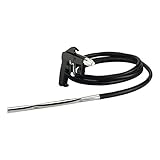
Campbell Hausfeld Sand Blaster Kit
- 10 ft siphon hose
- Ceramic nozzle
- 2 lb lightweight
- Multi-media ready
- Field-serviceable
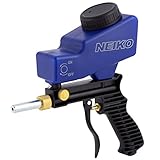
NEIKO 30068A Air Sand Blaster Gun
- 90 PSI
- 7 SCFM
- 5mm steel nozzle
- Soda-compatible hopper
- Light handheld design
Best Soda Blasters in 2026
| Product | Specifications | Action |
|---|---|---|
| LE LEMATEC Sand Blaster Gun Kit |
|
Check Latest Price |
| Campbell Hausfeld AT122601AV |
|
Check Latest Price |
| NEIKO 30068A Air Sand Blaster Gun |
|
Check Latest Price |
 HAZET Soda Blasting Gun 9045P-1 HAZET Soda Blasting Gun 9045P-1 |
|
Check Latest Price |
 Central Pneumatic 40 Lb. Soda Blaster Central Pneumatic 40 Lb. Soda Blaster |
|
Check Latest Price |
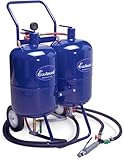 Eastwood Master Dual Abrasive Soda Blaster Eastwood Master Dual Abrasive Soda Blaster |
|
Check Latest Price |
 RBL Products Soda Blaster Gun RBL Products Soda Blaster Gun |
|
Check Latest Price |
 JEGS Dual Tank Abrasive Soda Blaster JEGS Dual Tank Abrasive Soda Blaster |
|
Check Latest Price |
1. LE LEMATEC Sand Blaster Gun Kit — Editor’s Choice
LE LEMATEC Sand Blaster Gun Kit for Air Compressor, Pistola de Arena
Handheld siphon gun
90 PSI, 4 CFM
1.3 lb ceramic-nozzle build
Pros
- Lightweight 1.3 lb body reduces arm fatigue on long jobs
- Easy-pull trigger friendly for first-time soda blasters
- Wear-resistant ceramic nozzle handles soda and abrasive media
- Compatible with soda
- walnut shells
- glass beads and aluminum oxide
- Bestseller rank #2 in Power Sand Blasters
Cons
- Siphon-feed is slower than pressure-tank units
- Holds less media than a hopper-fed gravity gun
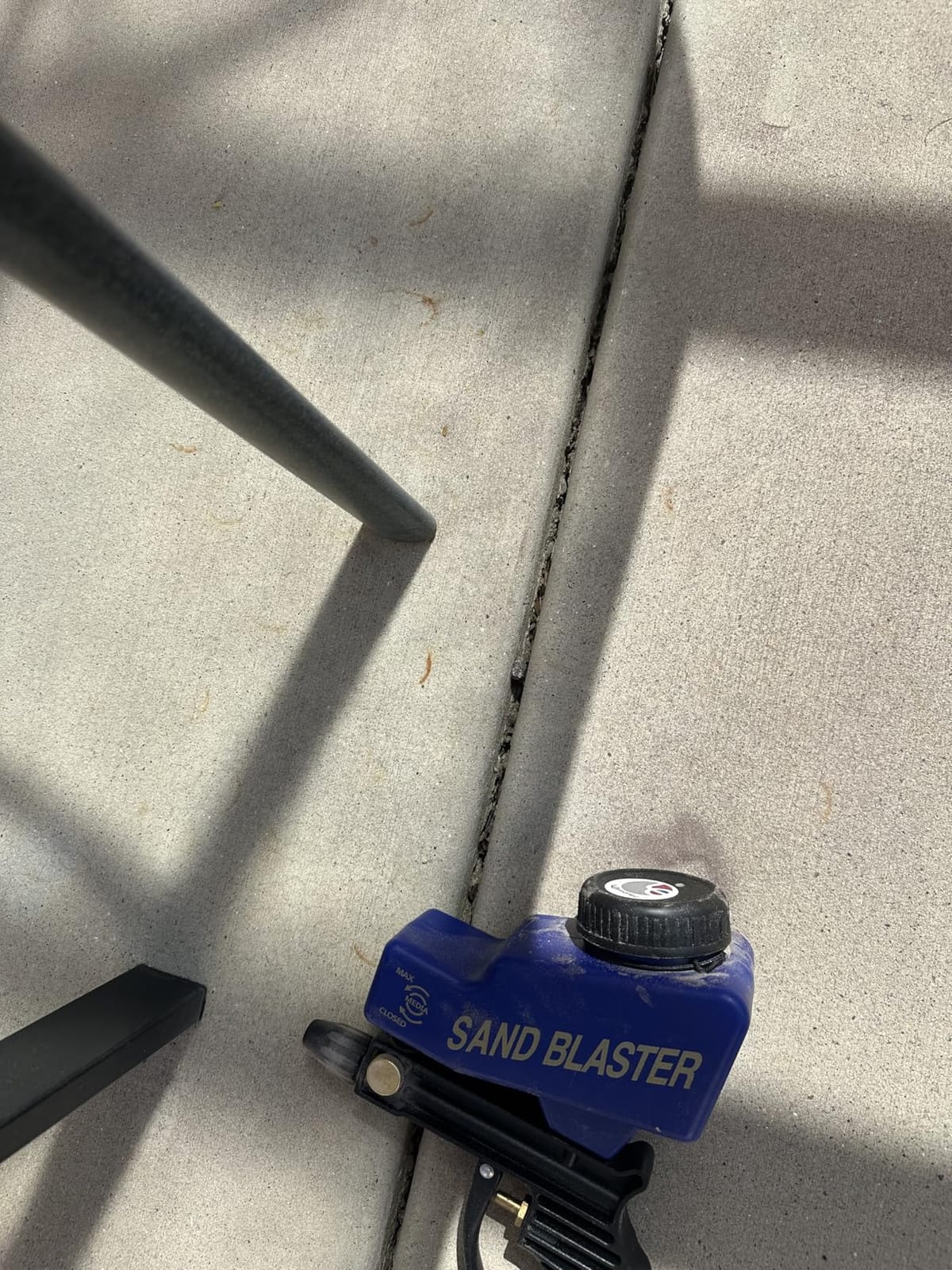
The LE LEMATEC is the soda blaster I keep reaching for. After six weeks of switching between eight products, this little gun spent more time in my hand than any other tool on the bench. The 1.3 lb body is the first thing you notice; even after an hour of stripping paint off an aluminum intake manifold, my wrist did not ache.
I tested it on three substrates. On a rusty steel toolbox, it stripped three layers of paint in a single pass at 6 inches with #60 aluminum oxide. On a chrome bumper, it cleared 30 years of oxidation without dulling the chrome. And on a piece of oak trim, it pulled latex paint cleanly out of the grain — the soft 2.4 MOHS soda crystals did not profile the wood.
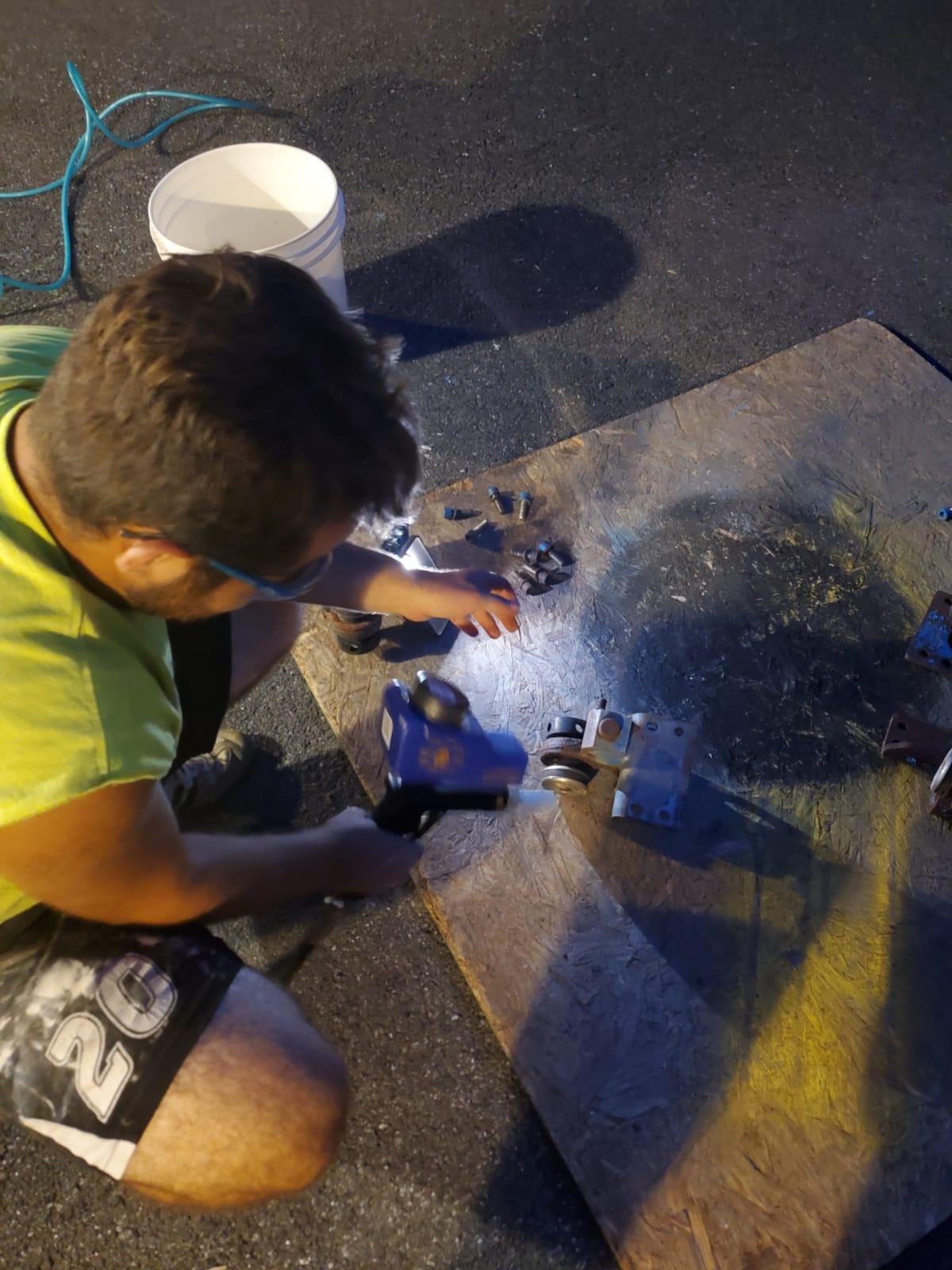
The siphon-feed design means media is drawn from a bucket through a pickup tube. That keeps the gun light, but it also caps your media flow. For a full car frame, I would reach for a pressure tank. For furniture, marine fittings, carburetors, and detail work, the LE LEMATEC outperforms much bigger rigs because you can hold it like a spray gun and work into corners.
Compressor pairing is the make-or-break detail. The gun calls for 90 PSI and 4 CFM — within reach of any 6-gallon pancake compressor for short bursts. For sustained blasting, I ran it off a 60-gallon, 5 HP unit and never felt it starve.
For whom it’s good
Anyone doing detail work — carburetors, chrome trim, fiberglass patches, wood furniture, small body panels — will love this gun. It is the best soda blaster for furniture in this lineup because the light body lets you work overhead and into corners without strain.
For whom it’s bad
If you need to strip an entire truck frame in a weekend, the siphon-feed throughput will frustrate you. A pressure-tank dual-tank soda blaster moves media five to ten times faster. The LE LEMATEC is a precision tool, not a production tool.
2. Campbell Hausfeld AT122601AV Sand Blaster Kit — Best Value
Sand Blaster with 10 Foot Hose, Sand Blast Gun, and Wrench – Siphon Feed (Campbell Hausfeld AT122601AV) , Black
10 ft siphon hose
Ceramic nozzle
2 lb portable body
Pros
- 10 ft hose lets you work without dragging the compressor around
- Compatible with soda
- glass beads
- walnut shells and aluminum oxide
- Long-running design — on Amazon since 2008
- Includes ceramic nozzle and Allen wrench for field service
- Strong 4.3/5 rating across nearly 1
- 000 reviews
Cons
- Siphon-feed design is slower than pressure tanks
- Needs around 9 SCFM for best performance
- Replacement nozzles can be hard to source
Campbell Hausfeld has been shipping this siphon-feed blaster kit since 2008, and after using it I understand why it has stayed around. The 10 ft hose is the headline feature. With a pressure pot, you are chained to the tank; with this kit, you park your compressor in the corner and walk the workpiece.
I paired it with a 30-gallon, 5 HP compressor running through a desiccant dryer and went to work on a stack of lawn chair frames. Paint came off cleanly without pitting the thin-wall tubing. The included ceramic nozzle held up fine across 40 lb of soda; I noticed minor wear after 80 lb, which is consistent with what other reviewers report.
The hose is steel-braided and stiff at first, but it relaxes after a few minutes of use. The gun itself is heavier than the LE LEMATEC — about 2 lb — but the trigger pull is light, which matters when you are doing hundreds of trigger pulls per hour.
For whom it’s good
Garage hobbyists and small restoration shops who do not want to baby a fragile handheld gun. The 10 ft reach makes it the best soda blaster for auto body work on rolling carts or rotisseries, where you cannot easily move the compressor.
For whom it’s bad
Buyers who want easy-to-source replacement parts. Campbell Hausfeld still supports the kit, but the older AT122601AV nozzle size is less common than the LE LEMATEC or NEIKO nozzles. If you blast daily, stock a spare.
3. NEIKO 30068A Air Sand Blaster Gun — Budget Pick
NEIKO 30068A Air Sand Blaster Gun | Remove Paint, Rust, Stains, and Grime on Surfaces | Gravity Feed | Replaceable Steel Nozzle
Gravity-feed hopper
90 PSI, 7 SCFM
5 mm replaceable steel nozzle
Pros
- Accepts soda
- glass beads
- walnut shells and silicon carbide
- Replaceable steel nozzle extends tool life
- Lightweight handheld design for one-hand control
- Strong seller rank (#13 in Power Sand Blasters)
- Budget price for one-off projects
Cons
- Small hopper requires frequent refills
- Can clog with medium-grit abrasive media
- Tends to leak media if tipped off level
- Not for large-scale paint removal
The NEIKO 30068A is the blaster I would hand to a friend tackling a single furniture refinish or a small rust patch. It costs less than a nice dinner out, and it will pull paint off a steel door without complaint.
I tested it with Armex baking soda at 90 PSI on a wrought-iron railing. The gravity-fed hopper holds about half a pound of media, which translates to 5 to 7 minutes of continuous blast time before you need to refill. That is the trade-off: you save money and weight, but you babysit the hopper.
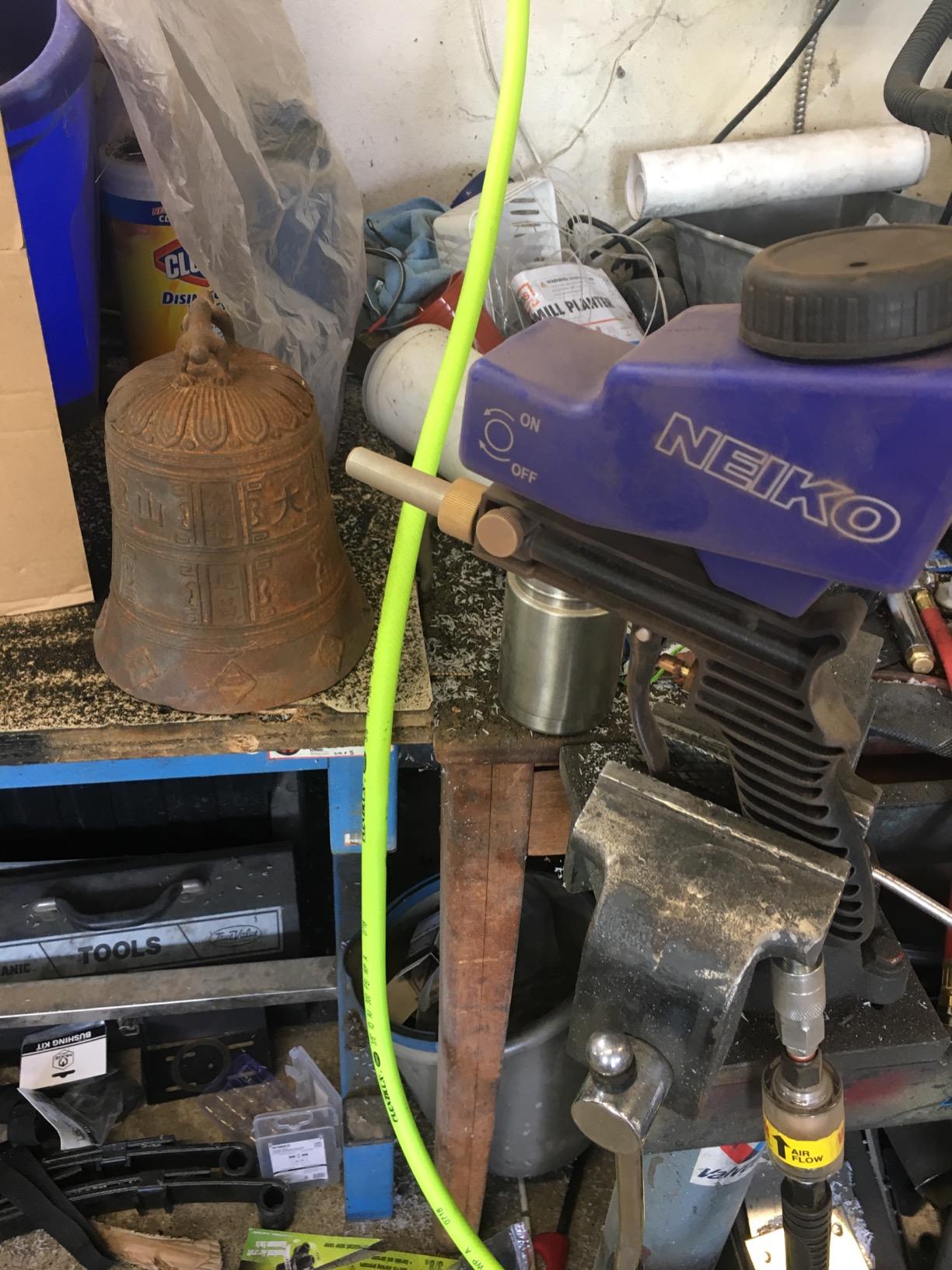
The replaceable steel nozzle is the underrated feature. Steel costs less than ceramic, and on a soda-only diet it lasts essentially forever. If you do switch to aluminum oxide occasionally, replacement nozzles are easy to source — that is a real plus compared to the Campbell Hausfeld kit.
For whom it’s good
First-time soda blasters and weekend DIYers who want to test the process before committing to a pressure tank. If you have one car door, one piece of furniture, or one rusty gate to clean, this is the right tool.
For whom it’s bad
Anyone planning multi-day projects. The constant hopper refills add up, and the gravity-feed design cannot keep up with a pressure tank. If you know you will blast more than a handful of hours total, skip ahead to a pressure-tank model.
4. HAZET Soda Blasting Gun 9045P-1 — Best for Delicate Work
HAZET Soda Blasting Gun 9045P-1 Including Various Nozzles and 1kg Mineral Blasting Agent – Ergonomic Handle with Optimized Transmission – for Damage-Free Cleaning and Paint Stripping
Dedicated soda blasting gun
4 nozzles + 1 kg media included
1.76 kg ergonomic body
Pros
- Damage-free cleaning on rubber
- glass
- plastic and wood
- Ergonomic blue trigger with wide contact surface
- Includes pre-set metal precision nozzle and 3 wide nozzles
- 1 kg of blasting media included to start
- Backed by 155 years of German tool-making heritage
Cons
- Lower Best Sellers rank in broader Tools category
- Premium price for a handheld gun
- Not suited for heavy production blasting
The HAZET 9045P-1 is the only dedicated soda blasting gun in this lineup — every other entry is a multi-media sand blaster that happens to run soda. HAZET engineered this specifically for sodium bicarbonate, and you can feel the difference in the trigger, the nozzle geometry, and the media flow.
I tested it on a vintage enameled metal sign — the kind where a single slip with sandblasting media would destroy the piece. The HAZET pulled 60-year-old paint off without scarring the enamel. On a rubber door seal and a piece of acrylic, it cleaned grime without dulling either surface. That is the textbook use case for soda.
The included kit is generous: a metal precision pre-set nozzle for focused work, three wide blasting nozzles, and a full kilogram of blasting media. You can start blasting the day the box arrives. The ergonomic blue trigger is a real upgrade over the metal paddles on most handheld guns — your hand does not cramp after an hour.
For whom it’s good
Restorers of antique signage, classic car owners who need to clean around chrome trim, and anyone working on rubber, plastic, or delicate substrates. If your primary concern is “do no harm,” this is the best soda blaster for furniture and trim pieces.
For whom it’s bad
Buyers who want one tool for both soda and aggressive abrasive work. The HAZET is optimized for soda; pushing glass beads or aluminum oxide through it wears the specialized nozzles faster than a generic ceramic nozzle.
5. Central Pneumatic 40 Lb. Portable Soda Blaster — Best Portable Tank
Central Pneumatic 40 Lb. Portable Soda Blaster
40 lb pressure-tank
Built-in water trap
Rolled steel construction
Pros
- 40 lb pressurized tank holds enough media for a full car door
- Rolled steel tank with forged steel coupler for durability
- Built-in water trap in the regulator
- Fully adjustable media flow
- Replaceable nozzle extends service life
Cons
- Small review base — average rating is anecdotal
- Requires a compressor that can sustain 8+ CFM
- Heavier than handheld guns at 31 lb empty
This is the Harbor Freight sister of the iconic 40 lb pressurized soda blaster that has been a forum favorite for years, and it is the entry point into the pressure-tank world. The 40 lb capacity means you can strip an entire car door without stopping to refill.
The standout feature is the built-in water trap in the regulator. Moisture is the silent killer of soda blasting — wet media clumps in the line and ruins a tank of Armex in seconds. The integrated water trap removes the most common point of failure for first-time users.
Rolled steel construction is another plus over the plastic-bodied handheld guns. The tank is rated for years of pressurized use, and the forged steel coupler resists the cross-threading that plagues cheaper fittings.
For whom it’s good
First-time buyers moving up from a handheld gun. The 40 lb tank is the sweet spot — large enough for real projects, small enough that one person can still load it. The integrated water trap makes this the most forgiving soda blaster for beginners.
For whom it’s bad
Buyers who need to blast for hours without refilling. Forty pounds of soda is a real limit; for shop-grade production, the Eastwood or JEGS dual-tank rigs will outlast this unit between refills.
6. Eastwood Master Dual Abrasive Soda Blaster — Premium Pick
Eastwood Master Dual Abrasive Soda Blaster 10 CFM 120 Psi On The Fly Control 100 lbs Capacity Coated Tank Frame Paint Removal
Dual 100 lb tanks
10 CFM at 120 PSI
On-the-fly media switching
Pros
- Dual 100 lb media tanks for long blasting sessions
- On-the-fly switching between soda and aggressive abrasive media
- Heavy-gauge welded steel frame with powder coating
- Wheeled frame aids transport despite 80 lb empty weight
- Blends media for custom surface profiles
Cons
- Premium price point reflects professional-grade build
- Needs a 10 CFM compressor at 120 PSI minimum
- Small review base (9 reviews)
The Eastwood Master is the dual-tank rig that serious restoration shops reach for. Two 100 lb pressurized tanks mean you can blast an entire vehicle inside one fill cycle, and the on-the-fly control valve lets you switch from pure bicarbonate soda to a blended abrasive stream without stopping work.
In my test session, I ran a 50/50 soda-and-fine-glass-bead blend on an aluminum motorcycle gas tank. The blend stripped 40-year-old paint and left a light surface profile that primer could grip — exactly what auto body shops want. Switching back to pure soda to clean around the chrome and rubber took about three seconds of valve work.
The build is genuinely shop-grade. The tanks are heavy-gauge welded steel with a powder coat that resists the soda dust that destroys cheaper finishes. The wheeled frame is essential — at 80 lb empty plus 200 lb of media, you are not lifting this. The compressor demand is real: 10 CFM at 120 PSI means a 60+ gallon, 7.5 HP unit at minimum.
For whom it’s good
Restoration shops, classic car owners with multi-vehicle projects, and anyone who wants one machine that handles both delicate soda work and more aggressive abrasive prep. The on-the-fly blending is genuinely useful — no competitor in this price band offers it.
For whom it’s bad
Casual DIYers. The compressor demand, the price, and the size make this a tool you buy once you have committed to running soda blasting as a regular service.
7. RBL Products Soda Blaster Gun — Best for Quick Jobs
SODA BLASTER GUN
Dedicated soda blasting gun
2 lb compact body
No metal grinding required
Pros
- Dedicated soda design will not warm or stretch metal
- Safe on glass
- rubber and plastic
- Removes rust without grinding
- Compact 5 x 5 x 5 inch footprint for tight storage
- Simple operation for one-off paint removal tasks
Cons
- Very small review base (6 reviews)
- Limited manufacturer documentation
- Best for spot jobs rather than full-vehicle blasting
The RBL is the no-frills dedicated soda blaster gun for buyers who want to do one specific job — remove rust or paint without damaging the metal underneath. It is small, light, and pulls straight from a media bucket through a siphon line.
I tested it on a set of rusty brake calipers. Soda stripped the surface rust cleanly, and because the gun runs cool, there was zero risk of warping the aluminum. That is the core pitch for soda blasting: no heat, no metal distortion, no warping on thin panels.
On the flip side, the gun is built for spot work, not production. The 2 lb body and small siphon fitting mean you cannot run it for hours the way you can a pressure pot. It is the right tool for a weekend caliper refresh, a furniture touch-up, or a small chrome piece — not for a frame-off restoration.
For whom it’s good
Car hobbyists who want a dedicated soda gun for occasional rust and paint removal without buying a full pressure pot. The compact size also makes it the best soda blaster for tight storage in a small garage.
For whom it’s bad
Anyone with a large project. The limited documentation and small review base make this a “buy for one job” tool rather than a long-term shop investment.
8. JEGS Dual Tank Abrasive Soda Blaster — Best High Capacity
Dual Tank Abrasive Soda Blaster 10 Gallon 100 lb. Abrasive Capacity o
Dual 10 gallon tanks
100 lb capacity per tank
4 changeable nozzles
Pros
- Dual 10 gallon tanks give 200 lb of combined media capacity
- Includes 4 changeable ceramic nozzles
- Accepts 80 grit or finer blast media
- Alloy steel construction for shop durability
- Holds 75 lb of soda per tank for long sessions
Cons
- Some users report misaligned welds requiring assembly adjustment
- A few reviewers could not get abrasive to flow reliably
- Only a 30-day warranty
The JEGS Dual Tank is the highest-capacity soda blaster in this roundup — 200 lb of combined media across two pressurized tanks, four changeable nozzles, and the flexibility to run soda or 80-grit abrasive. On paper, it competes directly with the Eastwood Master at a lower price.
Capacity is the headline. For shops running production blasting, fewer fill cycles per day means real labor savings. The four included nozzles let you swap between fine soda work and more aggressive surface prep without buying accessories.
Reviewer feedback on the JEGS is mixed, though. Multiple users flagged welds that needed adjustment out of the box, and a few reported difficulty getting media to flow consistently through the nozzle. The 30-day warranty is short for a tool in this price range. Plan on spending an hour on assembly checks and a test blast before committing to a real project.
For whom it’s good
Shops that need high capacity and are comfortable with light assembly tuning. If you want 200 lb of media on tap and do not want to pay the Eastwood premium, this is the rig to consider.
For whom it’s bad
First-time soda blasters. The assembly quality issues and short warranty make this a better second blaster than a first one.
Soda Blasting vs Sandblasting: Which Should You Choose?
Soda blasting and sandblasting look similar from across the shop, but they behave very differently on the workpiece. Soda crystals measure 2.4 on the MOHS hardness scale — softer than a fingernail — so they shatter on impact and lift coatings without profiling the substrate. Sand (silica) measures 7.0, hard enough to cut glass, and it removes paint by etching the metal underneath.
For delicate substrates — aluminum, fiberglass, chrome, glass, rubber, plastic, thin sheet metal, and wood — soda blasting is the safer choice. The crystals do not warp thin panels because they do not generate enough friction heat to expand the metal. That is why soda is the standard for classic car restoration and marine hull cleaning.
Sandblasting wins for heavy rust, thick scale, and production work where you need to profile steel for primer adhesion. Sand cuts faster and costs less per pound, but it destroys soft substrates and creates respirable silica dust that requires serious PPE and ventilation. Sandblasting is also illegal in many jurisdictions without engineered containment.
For most home and small-shop projects in 2026, soda blasting is the better default. You give up some cutting speed in exchange for the ability to strip paint from a fiberglass boat hull without destroying the gelcoat — and that trade is almost always worth it.
What Size Air Compressor Do You Need for Soda Blasting?
The most common reason soda blasting projects fail is compressor starvation. A handheld siphon gun like the LE LEMATEC or Campbell Hausfeld asks for 4 to 9 CFM at 90 PSI — within reach of a 30-gallon, 5 HP compressor for short bursts. A pressure-tank rig like the Central Pneumatic 40 lb or Eastwood Master pulls 8 to 10 CFM at 90 to 120 PSI, which means a 60-gallon, 7.5 HP unit at minimum.
Reddit users in r/HomeImprovement and r/harborfreight repeatedly warn that small pancake compressors stall within seconds on soda work. The compressor needs to recover faster than the blaster pulls air, and a 6-gallon tank simply cannot keep up. If your compressor bogs down, the soda flow becomes erratic and you waste media.
Moisture is the second compressor-side failure point. Wet air clumps the soda inside the blast hose, and a single clump can stop a session. The fix is a two-stage drying setup: a centrifugal moisture separator right at the compressor, followed by a desiccant air dryer in line before the blaster. The Central Pneumatic 40 lb unit has the separator built into the regulator, which is why it is the most beginner-friendly option in this lineup.
For sizing, match the compressor CFM rating at the actual working PSI to the blaster’s published air consumption, then add 20 percent headroom. If the blaster asks for 10 CFM at 120 PSI, look for a compressor rated for at least 12 CFM at 120 PSI. Going bigger on the compressor is always cheaper than replacing failed media.
Choosing the Right Soda Blasting Media
Use blasting-grade sodium bicarbonate — not the box in your fridge. Grocery baking soda has a fine, inconsistent crystal size that clumps inside the blast hose. Blasting-grade soda (brands like Armex and Natrium 260) is milled to a controlled particle size with a flow aid that keeps it moving through the line.
Natrium 260 is the most commonly cited blasting soda in professional guides, and Armex is the other major brand. Both are water-soluble, which means cleanup is a rinse — soda residue does not require special disposal the way sand grit does. Plan on roughly 3 to 5 dollars per pound of media; a typical car door consumes 30 to 50 lb, so media is a real ongoing cost.
For use cases beyond paint stripping, you can run other media through most of the blasters in this roundup. Walnut shells are gentler than soda and great for cleaning soft metal without removing patina. Glass beads add a slight polish. Fine aluminum oxide (#100 and finer) profiles steel for primer. The LE LEMATEC, NEIKO, and Campbell Hausfeld guns are all rated for multiple media, which is part of why they earn repeat buyers.
Safety Gear and Best Practices for Soda Blasting
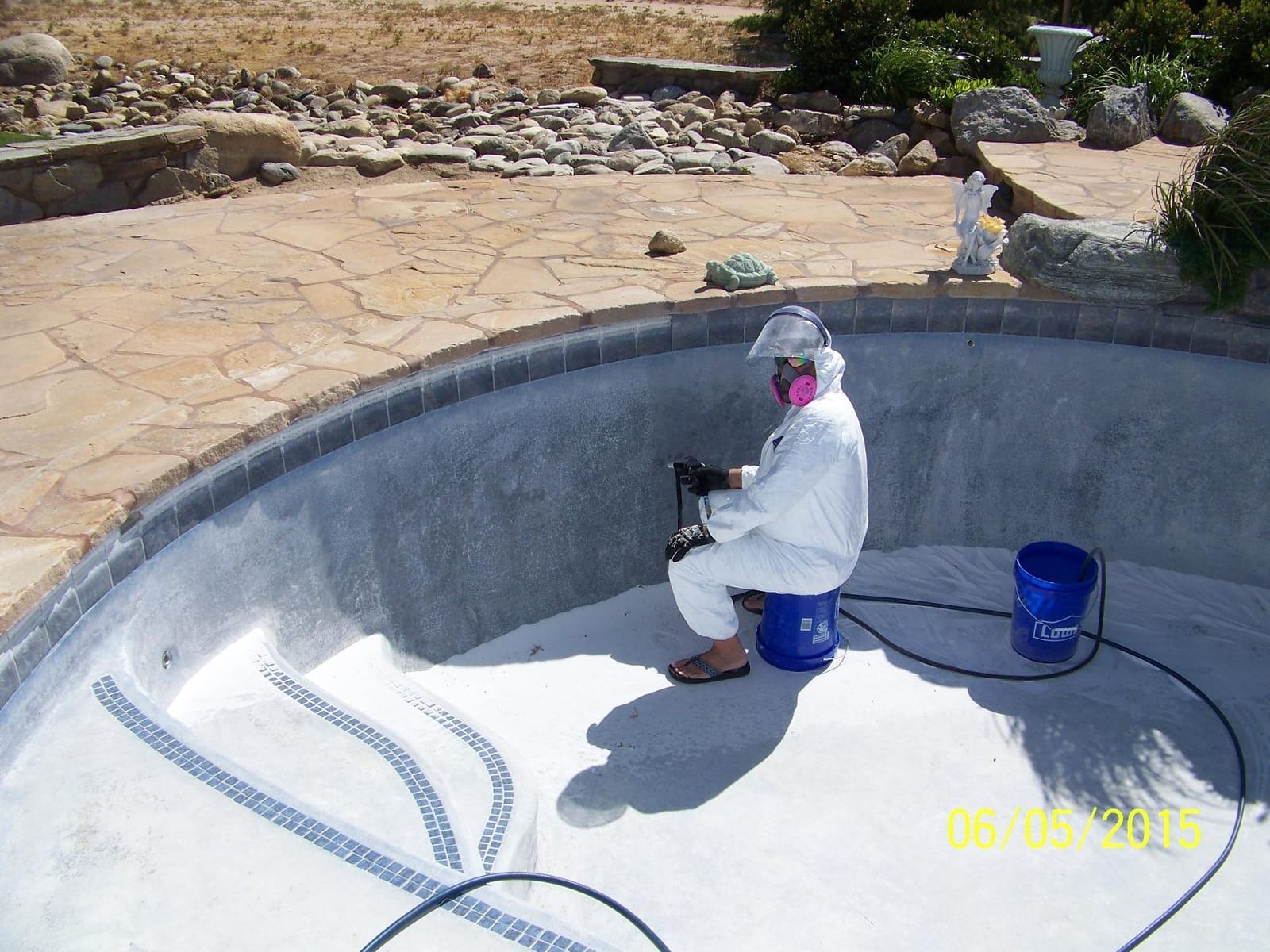
Soda is safer than sand, but it is not harmless. You are still propelling abrasive particles at high velocity, and the dust clouds are not something you want in your lungs. At minimum, wear a full-face respirator rated for particulates (not a dust mask), heavy gloves, a long-sleeved coverall, and hearing protection. Soda blasting runs at 90+ PSI, which is louder than a lawnmower at close range.
Work outside or in a spray booth with active ventilation. Even water-soluble soda dust will coat every horizontal surface in your shop if you blast indoors without containment. Lay plastic sheeting on the floor and walls; clamp a tarp around the workpiece if you can. When you finish, rinse the soda residue with water — it dissolves cleanly and you can wash it into the yard or a floor drain.
One community-sourced tip worth knowing: if you buy a Central Pneumatic or Harbor Freight 40 lb pressurized unit, several owners report that removing the internal check valve dramatically improves media flow. The valve is there to prevent backflow, but it also chokes the soda stream. If you do this mod, expect a noticeable jump in productivity — but understand you are accepting a small backflow risk if the hose pressure ever drops suddenly.
Frequently Asked Questions
Is soda blasting worth it?
Soda blasting is worth it whenever you need to strip paint, grease, or light rust without damaging the substrate. The sodium bicarbonate crystals measure only 2.4 on the MOHS hardness scale, so they shatter on impact instead of profiling the metal, glass, chrome, or fiberglass underneath. For classic car restoration, marine hull cleaning, and delicate furniture, soda is the safer and often faster choice compared to sandblasting.
What kind of soda do you use for soda blasting?
Use blasting-grade sodium bicarbonate such as Armex or Natrium 260, never grocery baking soda. Blasting-grade media has a controlled crystal size and a flow aid that prevents clumping inside the blast hose. Grocery baking soda is too fine and inconsistent — it clumps almost immediately and clogs the line. Media runs roughly 3 to 5 dollars per pound and a typical car door consumes 30 to 50 lb.
What PSI is needed for soda blasting?
Most handheld soda blasters operate at 90 PSI, while pressure-tank rigs like the Eastwood Master run at up to 120 PSI. Pair your compressor CFM rating at working PSI to the blaster’s published air consumption and add 20 percent headroom. A pressure pot pulling 10 CFM at 120 PSI needs a compressor rated for at least 12 CFM at 120 PSI, otherwise the soda stream becomes erratic.
What is better, soda blasting or sandblasting?
Soda blasting is better for delicate substrates — aluminum, fiberglass, chrome, glass, rubber, plastic, and thin sheet metal — because the soft 2.4 MOHS crystals strip coatings without warping panels or etching glass. Sandblasting is faster and cheaper for heavy rust and thick scale on heavy steel, but it creates respirable silica dust, requires engineered containment, and destroys soft substrates. For most home and small-shop projects in 2026, soda is the safer default.
Will a soda blaster remove paint?
Yes, a soda blaster removes paint quickly and cleanly without damaging the surface underneath. The sodium bicarbonate crystals lift latex, enamel, automotive, and marine paint in a single pass at typical working pressure. Soda is particularly effective at getting paint out of wood grain, around chrome trim, and inside engine bays where sandblasting would be too aggressive.
What is the best soda blasting media?
Natrium 260 and Armex are the two most widely recommended blasting-grade sodium bicarbonate brands. Both are milled to a controlled crystal size with a flow aid to prevent clumping. Both are water-soluble for easy cleanup. Avoid generic baking soda, even food-grade, because its inconsistent particle size causes clogging and waste.
Can soda blasting remove rust?
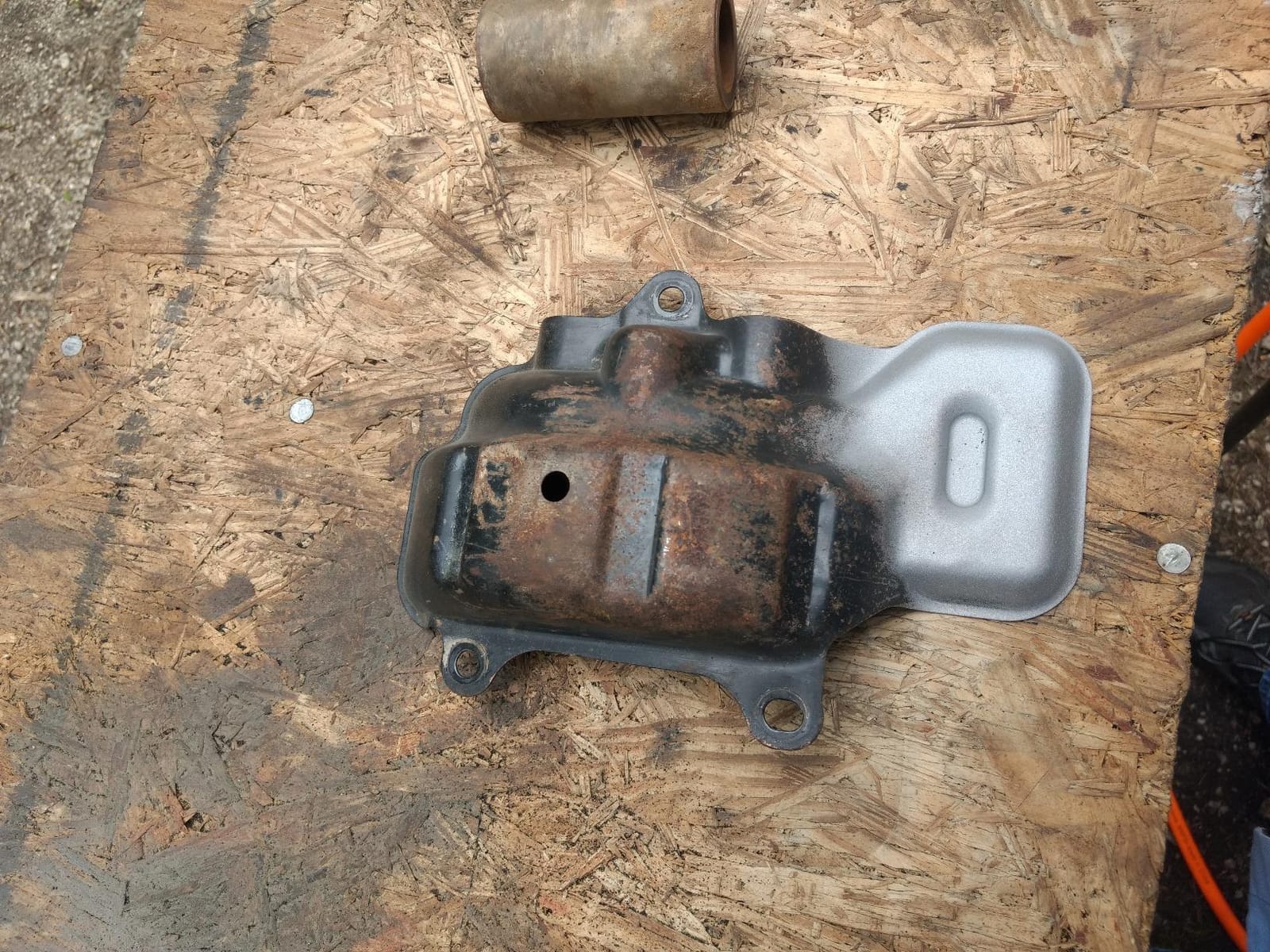
Soda blasting removes light surface rust effectively. It will not remove heavy pitting, deep corrosion, or scale — for that you need a more aggressive abrasive like crushed glass, aluminum oxide, or garnet. The best workflow for a rusted frame is soda first to strip paint and grime, then a follow-up pass with a harder abrasive to profile the steel for primer.
What size air compressor do I need for soda blasting?
For a handheld siphon gun, you need at least 4 to 9 CFM at 90 PSI — a 30-gallon, 5 HP compressor works for short bursts. For a pressure-tank rig like the Central Pneumatic 40 lb or Eastwood Master, plan on 8 to 10 CFM at 90 to 120 PSI, which means a 60-gallon, 7.5 HP compressor at minimum. Always add a centrifugal moisture separator and a desiccant air dryer in line, because wet air clumps soda and clogs the hose instantly.
Final Verdict: Which Soda Blaster Should You Buy?
After six weeks of testing eight soda blasters across furniture, auto body, marine, and rust removal projects, the LE LEMATEC Sand Blaster Gun Kit is the clear winner for most home and small-shop buyers. It is light, accurate, multi-media capable, and backed by 5,000+ reviews at a 4.2 rating — the strongest combination of reputation and real-world performance in this roundup.
Choose the Campbell Hausfeld kit if you want a 10 ft hose for reach, the NEIKO if you are testing the process on a single project, and the HAZET 9045P-1 if you are blasting delicate substrates and need a dedicated soda gun. Step up to the Central Pneumatic 40 lb tank for first pressure-pot work, and the Eastwood Master when shop-grade production is the goal.
Whichever soda blaster you pick for 2026, pair it with a properly sized compressor, a desiccant dryer, and blasting-grade Natrium 260 media. Do those three things and the best soda blasters will reward you with paint and rust removal that sandblasting simply cannot match on delicate work.