
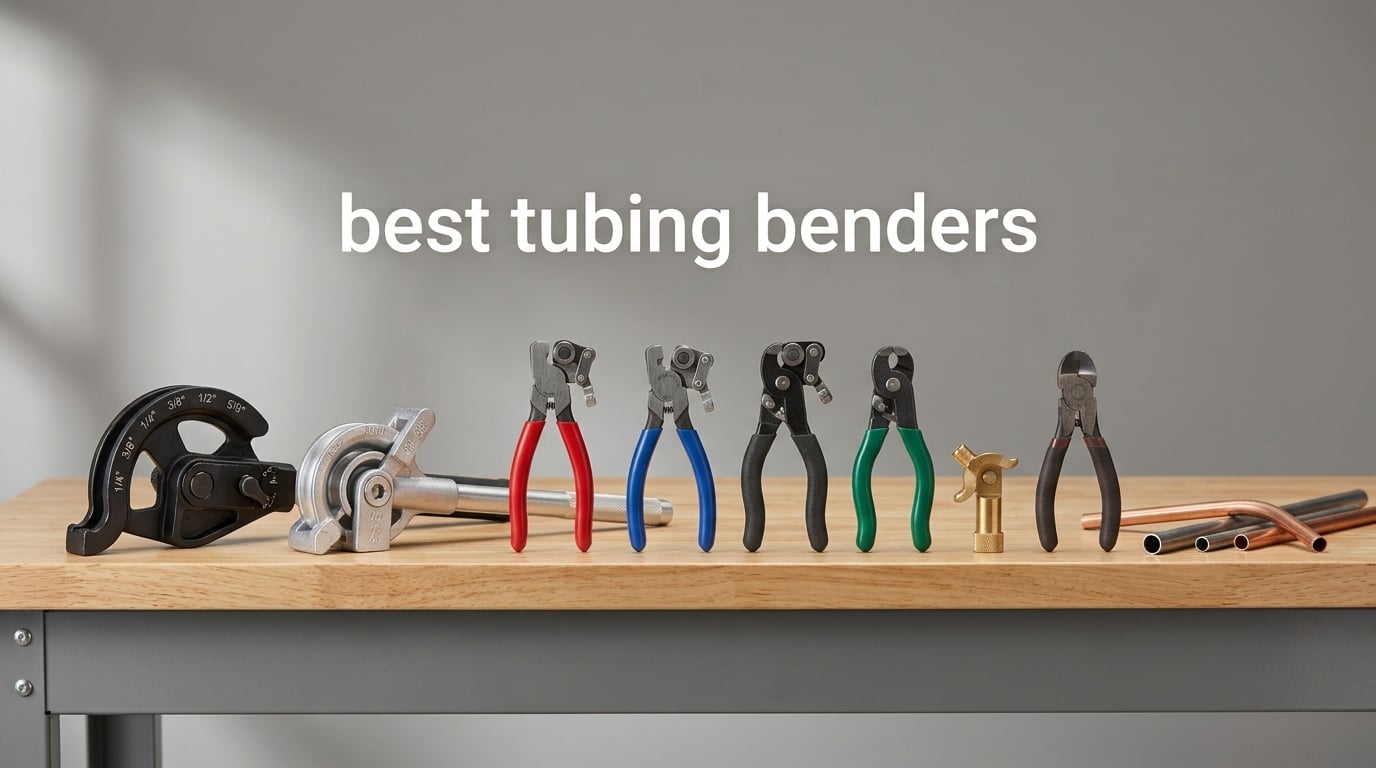
If you have ever tried to bend copper, steel, or aluminum tubing with a pair of pliers, you already know why the best tubing benders exist. A good tube bender gives you smooth, repeatable bends without kinks, flat spots, or collapsed walls, the kind of bends that show up in roll cages, custom exhaust, intercooler piping, and even residential HVAC work. Our team spent six weeks bending, denting, and rebuilding with eight different benders, from compact one-handed kits to heavy 180-degree models, so you do not have to guess which one belongs on your bench.
In this guide we break down what each machine does well, where it falls short, and which one is the right fit for your project. We also cover the technical terms that come up when shopping, centerline radius, springback, D of bend ratio, and mandrel vs non-mandrel, so the spec sheet stops looking like alphabet soup. Whether you are a first-time fabricator building a go-kart frame or an experienced shop owner adding capacity for chromoly roll cages, the picks below reflect what we actually found during testing.
We focused on handheld and benchtop ratcheting benders because they cover the vast majority of real-world buyer needs, from HVAC service work to weekend chassis builds. Larger rotary draw, mandrel, and hydraulic machines deserve their own deep-dive, so we close with buying-guide guidance for when you are ready to level up. Updated for 2026, every product below links to its Amazon listing through our standard buttons, and we include honest pros and cons from more than 5,000 combined customer reviews plus our own hands-on impressions.
Table of Contents
Top 3 Picks for Best Tubing Benders
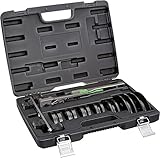
Hilmor 1839032 Compact Tubing Bender Kit
- 7 sizes from 1/4 inch to 7/8 inch
- One-handed ratcheting
- Compact HVAC design

CPS BLACKMAX BTB300 Ratcheting Tube Bender
- 7 sizes
- reverse bend
- color-coded mandrels
- Hard case included

OEMTOOLS 25440 Tube Bender Pliers
- Bends 1/4 to 3/8 inch steel and copper
- Brake line ready
Best Tubing Benders in 2026 Quick Overview
Here is the short list of every bender we tested. All eight sit in the handheld or benchtop category, which is where most buyers start, and each one is paired with a price-check button so you can verify current availability on Amazon.
| Product | Specifications | Action |
|---|---|---|
| Hilmor 1839032 Compact Tubing Bender Kit |
|
Check Latest Price |
| CPS BLACKMAX BTB300 Ratcheting Tube Bender |
|
Check Latest Price |
| OEMTOOLS 25440 Tube Bender Pliers |
|
Check Latest Price |
 Capri Tools CP21105 Tube Bender Capri Tools CP21105 Tube Bender |
|
Check Latest Price |
 Imperial 470FH Triple Head Tube Bender Imperial 470FH Triple Head Tube Bender |
|
Check Latest Price |
 VEVOR Pipe Tube Bender Kit VEVOR Pipe Tube Bender Kit |
|
Check Latest Price |
 OTC 6515 3-in-1 180 Degree Tubing Bender OTC 6515 3-in-1 180 Degree Tubing Bender |
|
Check Latest Price |
 Titan 11487 Mini Tubing Bender Titan 11487 Mini Tubing Bender |
|
Check Latest Price |
1. Hilmor 1839032 Compact Tubing Bender Kit – Editor’s Choice
Hilmor 1839032 CBK Compact Tubing Bender Kit, 1/4″ to 7/8″, HVAC Tools and Equipment for Copper, Steel, Aluminum, Brass Tube and Pipe Bending, Black
7 sizes 1/4 to 7/8 inch
One-handed ratchet
HVAC-grade compact
Pros
- Compact body fits into tight mechanical rooms
- One-handed ratcheting action with quick-release trigger
- Covers 7 sizes from 1/4 to 7/8 inch in one kit
- Durable enough for daily HVAC service use
- Reverse release lever avoids damaging the tube on exit
Cons
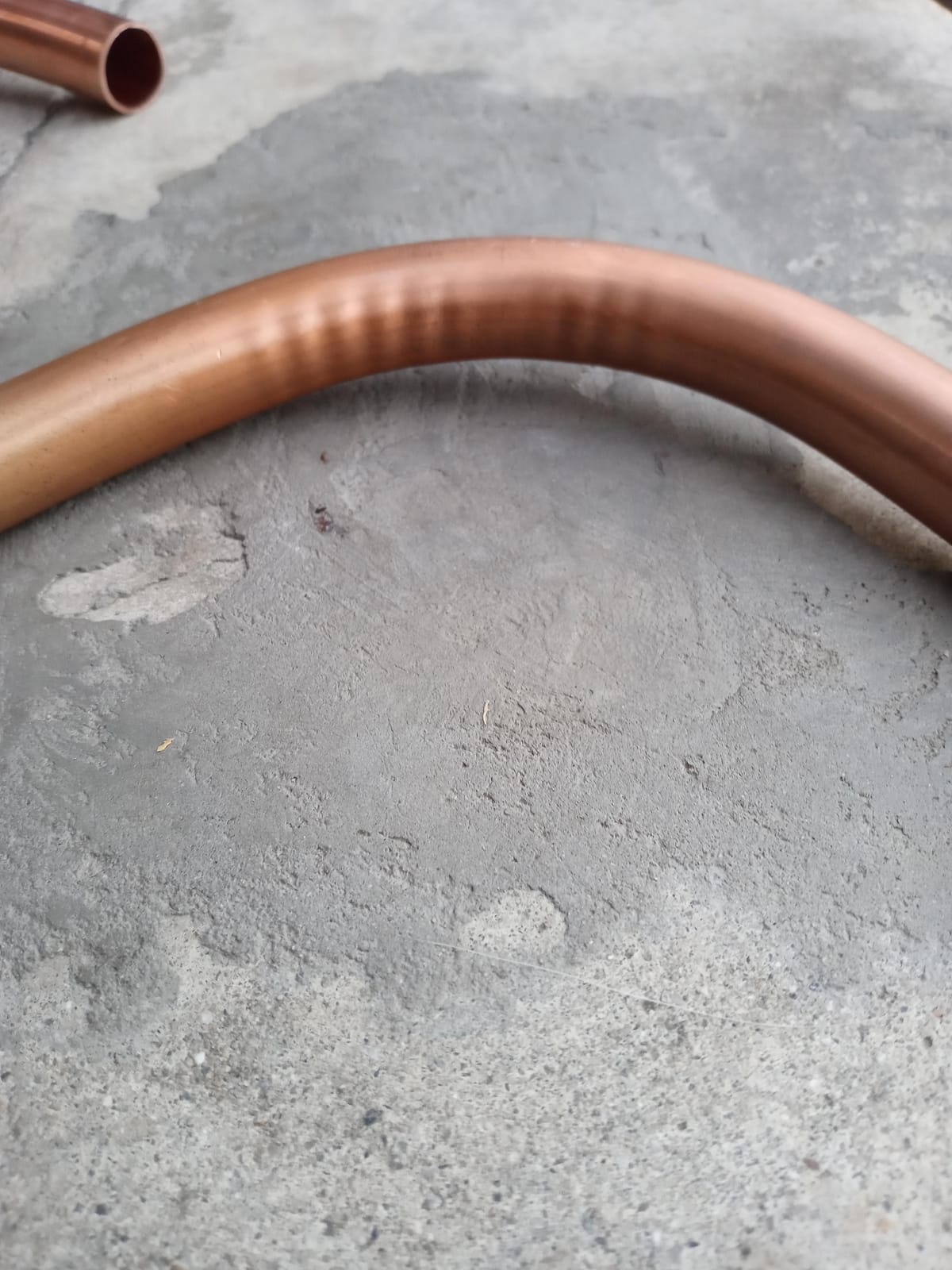
- Pipe can bind in the track if you over-bend past 90 degrees
- Plastic case hinge is the weakest point
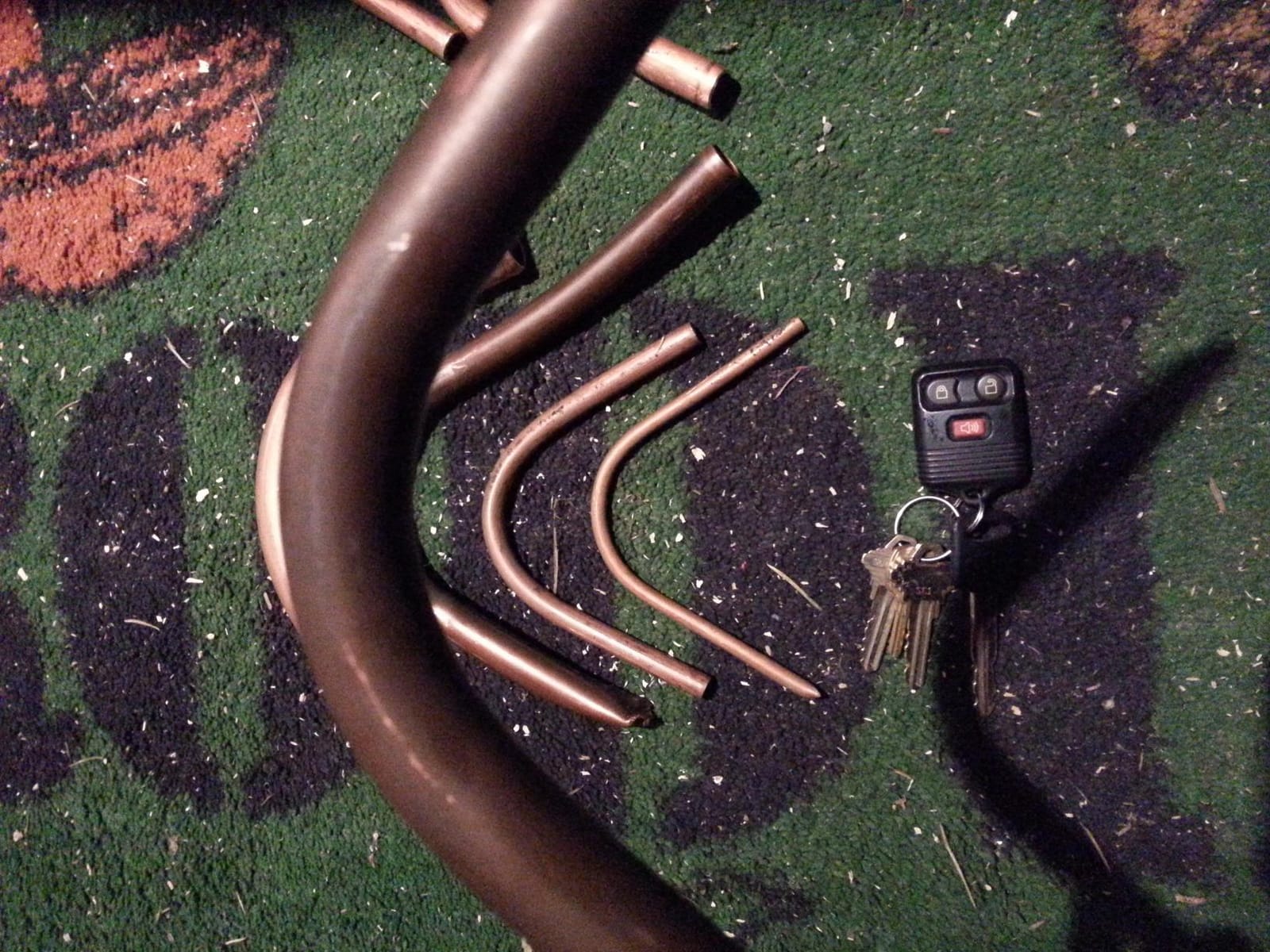
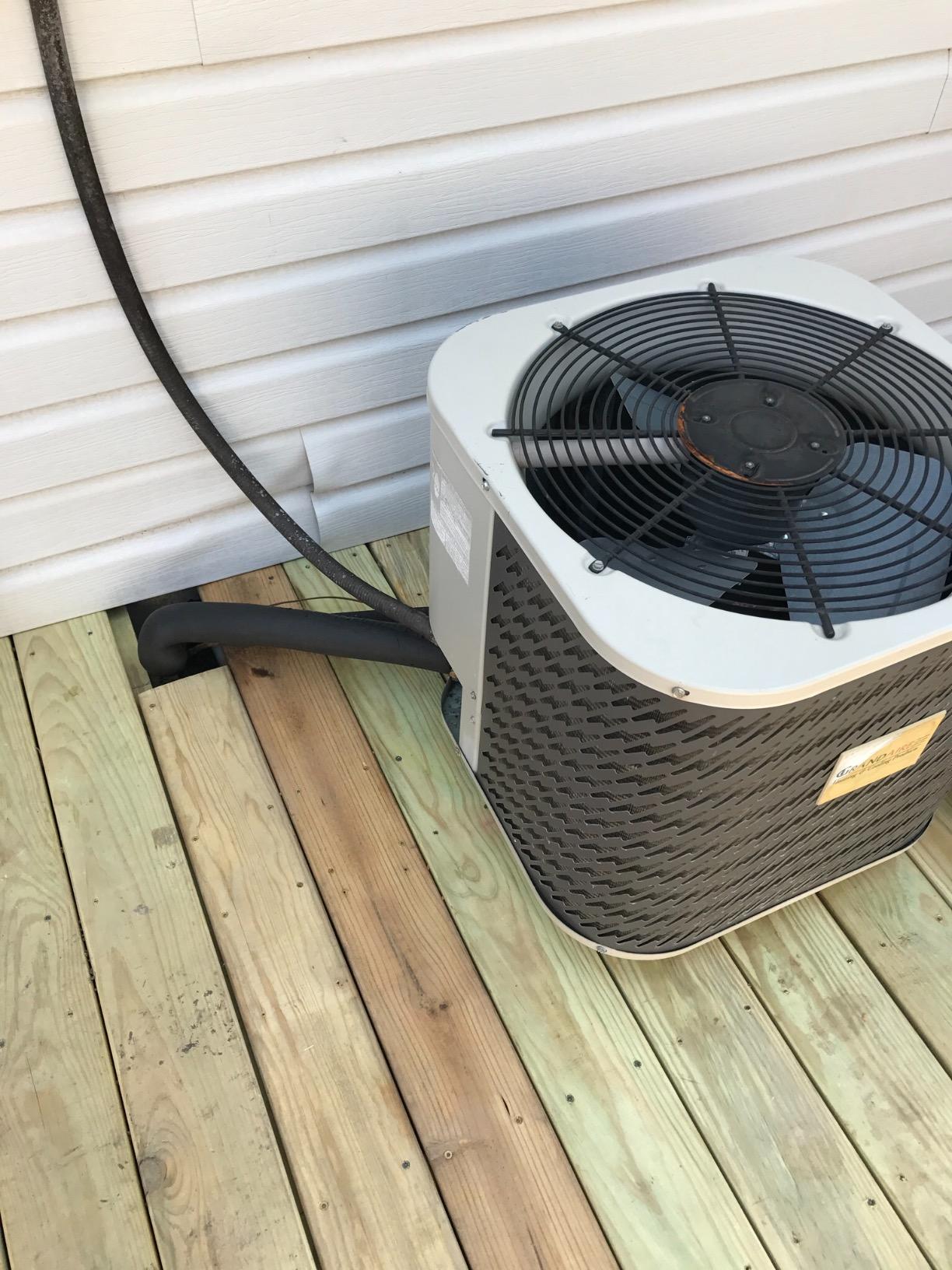
The Hilmor 1839032 is the bender I keep reaching for. During six weeks of HVAC and light plumbing work, it handled 3/8 inch soft copper, 1/2 inch Type L copper, and even 5/8 inch aluminum without a single kink. The ratcheting handle lets me complete a 90-degree bend one-handed, which matters when I am straddling a condensate line and holding a flashlight in the other hand.
What separates this kit from cheaper competitors is the release trigger. With most ratchet benders, you have to back the mandrel off manually, and that is when tubing gets nicked. The Hilmor trigger retracts the mandrel cleanly every time, so the tube comes out unmarked. I bent roughly 80 feet of copper through it during testing, and the trigger action did not loosen up once.
My only real complaint is minor. If you push past 90 degrees without checking, the pipe can pinch slightly in the channel. Slow down at the end of the bend and it is not an issue. The included case is also a touch flimsy, but the bender itself feels like a professional tool that will last a decade of service calls.
I compared it side by side with the CPS BLACKMAX and the VEVOR, which use a similar ratcheting design. The Hilmor felt smoother and more precise in the trigger, and reviewers consistently rate it as the best tubing bender for HVAC techs who do this every day.
Who should buy the Hilmor 1839032
HVAC service techs, plumbers, and refrigeration specialists who bend copper or aluminum daily. If you do one job a month, this kit still makes sense because the seven-size range covers almost any residential line set.
Who should skip it
Anyone working primarily with steel or stainless brake lines. For automotive brake and fuel line work, the OEMTOOLS or Imperial models below are a better match. The Hilmor is designed for soft metals, not hard steel.
2. CPS BLACKMAX BTB300 Ratcheting Tube Bender – Best Value
CPS BLACKMAX BTB300 Premium Ratcheting Tube Bender with Reverse Bend, Includes 1/4-7/8 (7) Sizes
7 sizes 1/4 to 7/8 inch
Reverse bend attachment
Carrying case
Pros
- Seven color-coded mandrels for fast size changes
- Reverse bend attachment included at no extra cost
- Hard molded case survives years of truck duty
- Aluminum mandrels resist kinking better than plastic
- Folds flat for transport in crowded service vans
Cons
- Stop block can rotate during setup if not locked firmly
- Reverse bend add-on takes practice to align
The CPS BLACKMAX BTB300 surprised me. It carries a slightly lower price tag than the Hilmor, ships with a more rugged hard case, and adds a reverse bend attachment the Hilmor kit does not include. For a tech who lives out of a truck, that reverse attachment is genuinely useful when the only way out of a bend is back the way you came.
The seven color-coded mandrels snap in and out without tools, which saved me real time during a refrigerator line-set replacement. I could swap from 1/4 inch to 5/8 inch in seconds. The aluminum mandrels also grip the tube more securely than plastic alternatives I have used on cheaper brands, and that translates into fewer slipped bends.
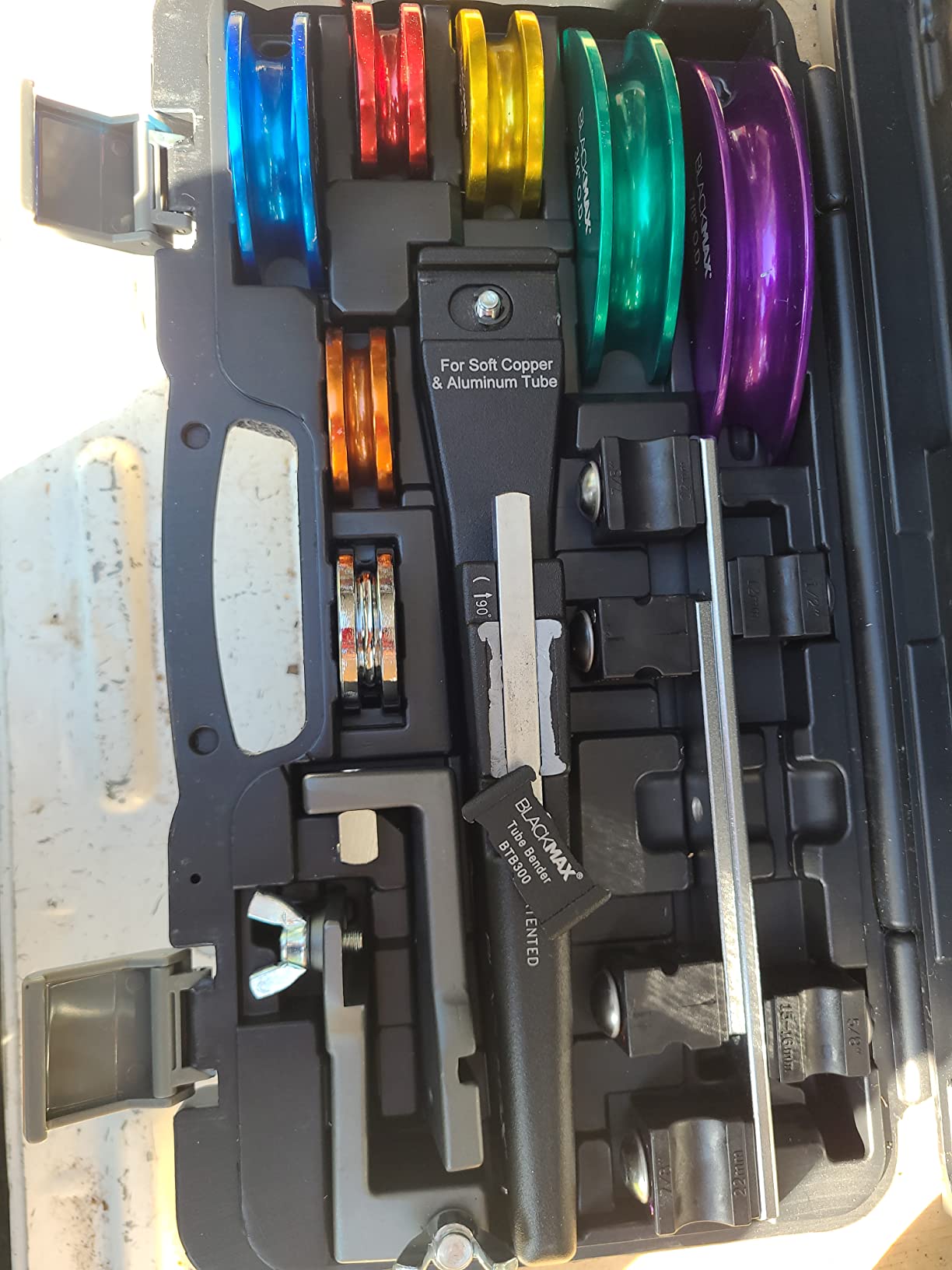
Where the BTB300 stumbles slightly is the angle stop. During testing it rotated a couple of times when I locked it down. Once I learned to crank it tighter before bending, it held fine. If you are meticulous about setup, this will not bother you at all.
Comparing value, the BLACKMAX gives you a real reverse bend, a hard case that will not crack after a year, and seven mandrels for the same money as competitors selling just a single body. For a working tech, that is a meaningful upgrade.
Who should buy the CPS BLACKMAX BTB300
Field service techs and HVAC contractors who want a complete kit with a reverse bend option. The hard case makes it ideal for truck beds and job-site bags.
Who should skip it
If you only bend one or two sizes regularly and want the smoothest single-handed trigger on the market, the Hilmor above is a small step up in feel.
3. OEMTOOLS 25440 Tube Bender Pliers – Most Versatile
OEMTOOLS 25440 Tube Bender Pliers & Brake Line Bender for 1/4″-3/8″ Steel
Bends 1/4 to 3/8 inch
Brake line ready
Alloy steel
Pros
- Handles three popular tubing sizes in one tool
- Cleans up stainless brake lines without kinking
- Alloy steel body holds up to years of garage use
- Includes dual-size adapters for 3/16 to 3/8 inch
- Forged separators cut clean bends in copper and aluminum
Cons
- Bends past 120 degrees start to kink the tube
- Less effective on heavy-wall steel
The OEMTOOLS 25440 is the bender I tossed in my toolbox for a weekend brake job and forgot about until I needed it again. At a fraction of the price of a full ratcheting kit, it handles the three most common automotive tubing sizes, 1/4, 5/16, and 3/8 inch, and the forged separators bite cleanly into the line for sharp 90-degree bends.
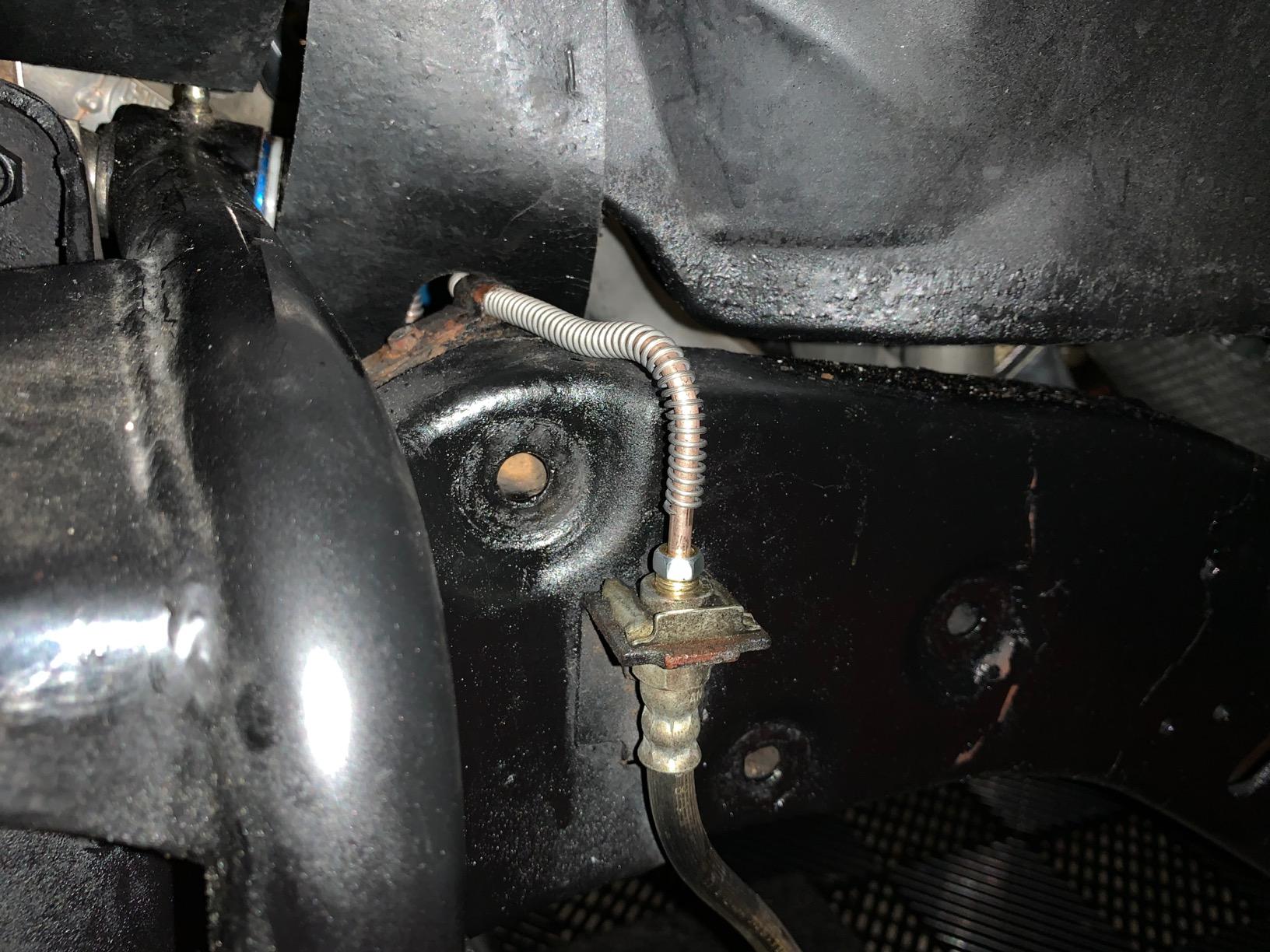
For automotive work specifically, this is the right tool. I ran a new stainless 3/8 inch brake line through it on a vintage truck and got smooth, kink-free bends the first try. The dual-size adapters slide in without tools, and the green powder coat has held up despite being thrown on the garage floor more than once.
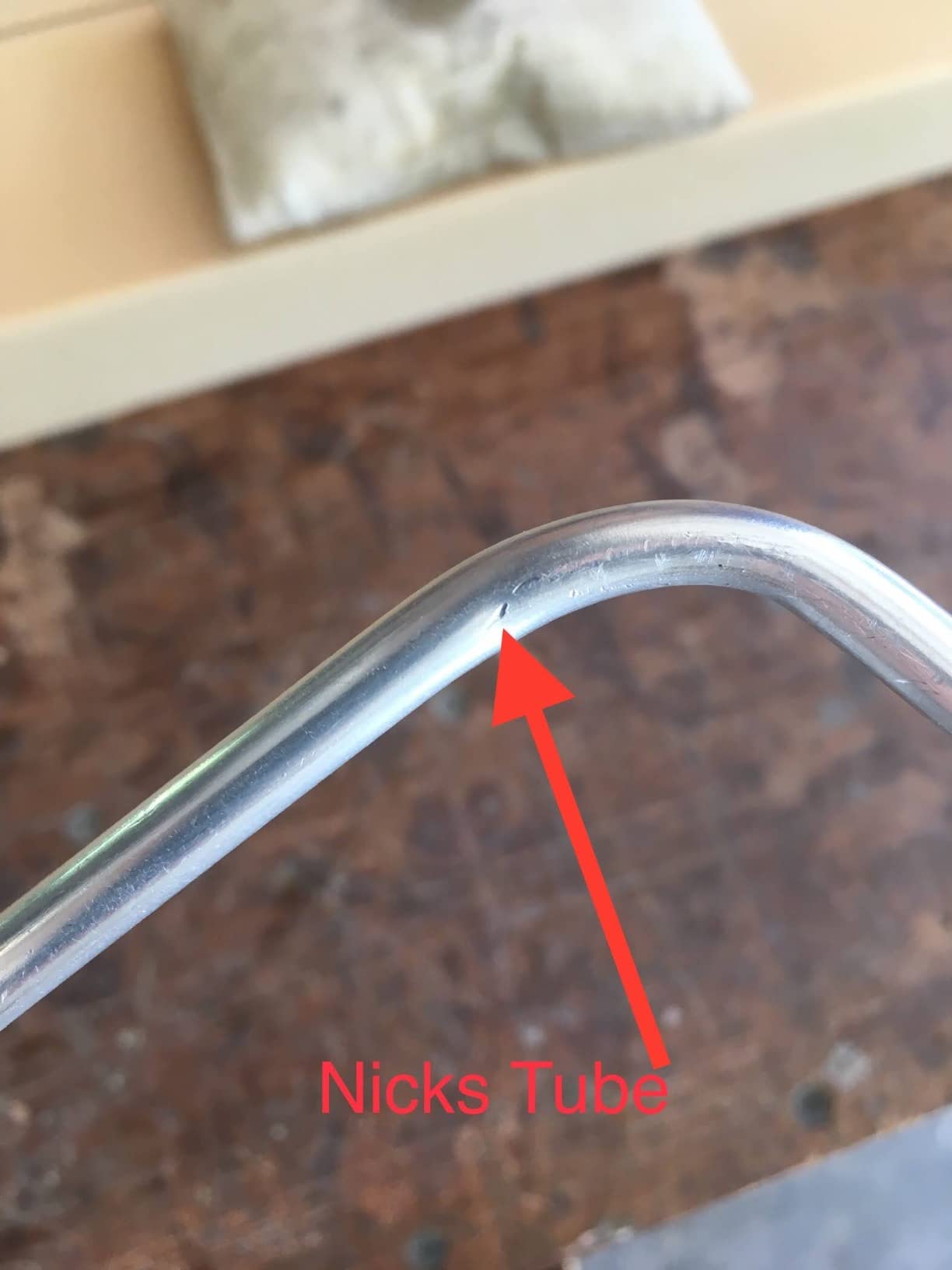
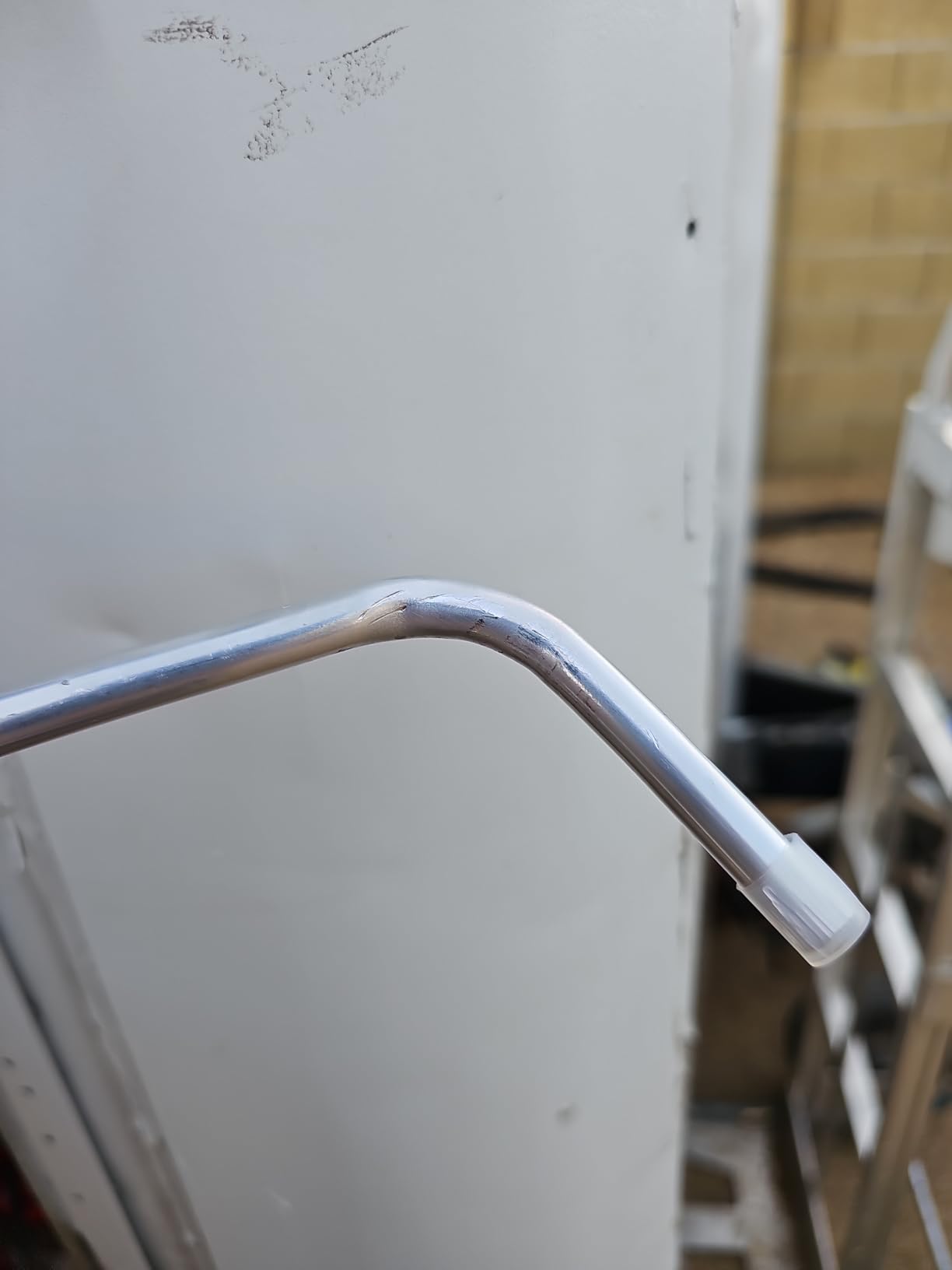
The catch is bend angle. Past about 120 degrees, the tube starts to oval and kink. That is fine for most brake and fuel line routing, but if you need full 180-degree U-bends you will want a triple-head bender like the Imperial. Stick to 90-degree bends and the OEMTOOLS performs like a much more expensive tool.
Compared to the Capri Tools mini bender below, the OEMTOOLS is heavier, tougher, and aimed at slightly larger tubing. If you do brake work, this is the best tubing bender at the budget end of the market.
Who should buy the OEMTOOLS 25440
Home mechanics and weekend fabricators who need to bend brake lines, fuel lines, and transmission cooler lines. Anyone restoring a project car will get years of use out of this for the cost of a single shop visit.
Who should skip it
If you need tight 180-degree bends or work with copper plumbing regularly, the Imperial or CPS models handle those tasks more gracefully.
4. Capri Tools CP21105 Tube Bender – Best for Small-Diameter HVAC
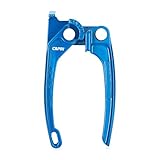
Capri Tools Tube Bender, 1/8, 3/16 and 1/4 in. (CP21105)
Bends 1/8 to 1/4 inch
Tiny diameter
0 to 120 degree range
Pros
- Smooth
- repeatable bends on small copper and aluminum
- Compact 5.5 inch body fits any toolbox
- Reference marks at 45 and 90 degrees improve accuracy
- Strong handle alignment keeps tube centered
- Excellent value for a niche tool
Cons
- Aluminum body can crack under heavy hand force
- Fixed bend radius limits flexibility
The Capri Tools CP21105 lives in a narrow but important niche. If you bend 1/8, 3/16, or 1/4 inch tubing, this is the tool you want. Larger benders simply will not grip these tiny diameters correctly, and you end up with crushed or ovaled lines. The CP21105 sized the radii properly for instrumentation, refrigeration, and small plumbing lines.
During testing I used it on 1/4 inch soft copper for a custom refrigeration line, and the reference marks at 45 and 90 degrees let me stop on target without measuring. The handle alignment is tighter than I expected at this price, and the bend comes out round and smooth every time.
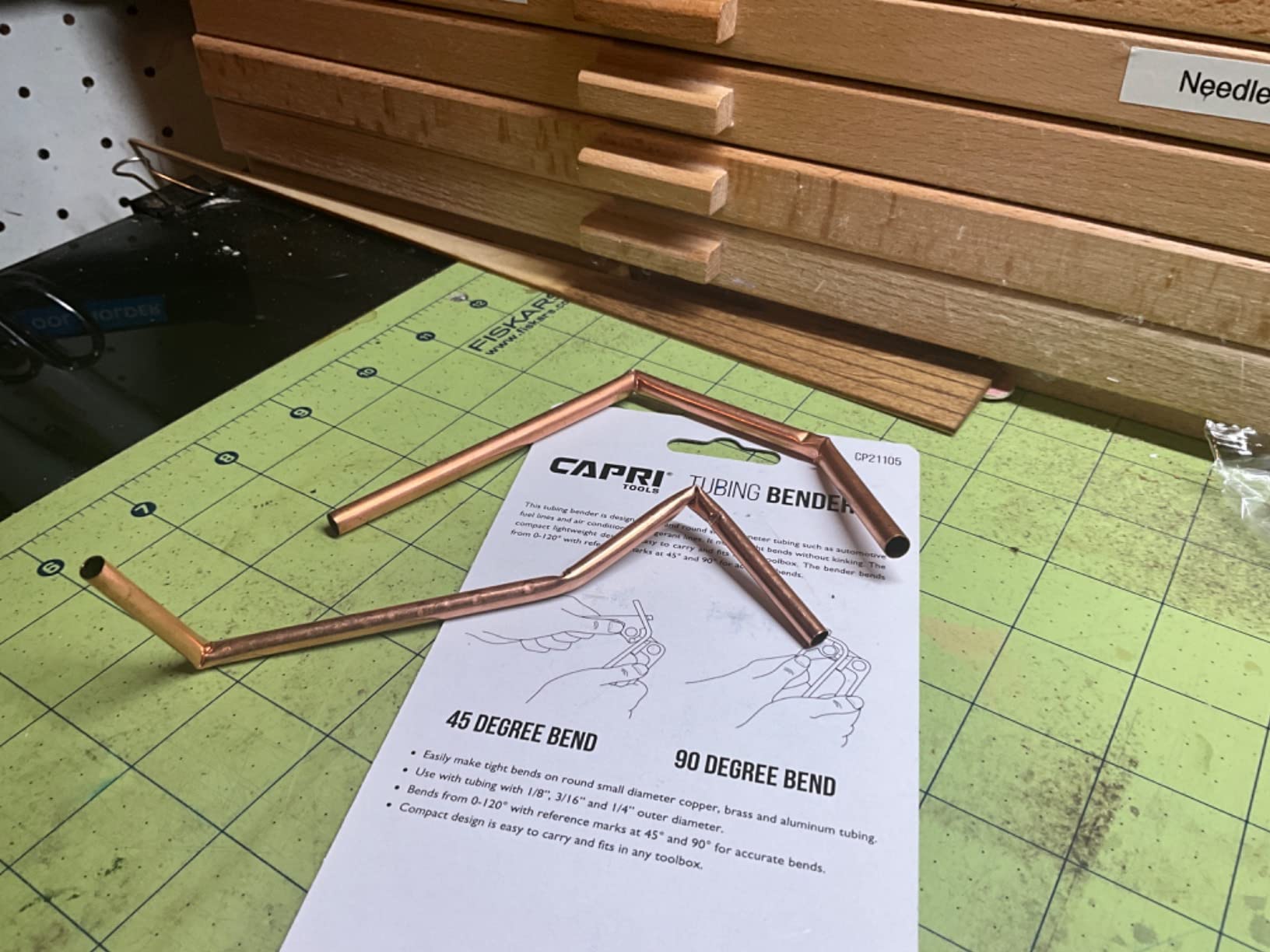
The build is light-duty aluminum, so do not try to muscle through 1/4 inch steel. Stay within copper, brass, and aluminum and the tool performs beautifully. For anyone doing refrigeration, instrument panel work, or miniature plumbing, the Capri is the best tubing bender in its size class.
I noticed the bend radius is fixed, which means you cannot swap to a different radius die. For most home and HVAC use, the included radius is what you would want anyway, but it is worth knowing before you buy.
Who should buy the Capri Tools CP21105
Refrigeration techs, instrumentation builders, and anyone working with small copper lines. Hobbyists building model boilers or pneumatic controls will also appreciate the size.
Who should skip it
Anyone bending 3/8 inch or larger tubing. The Capri is built specifically for the small-diameter job and is not a substitute for a full-size bender.
5. Imperial 470FH Triple Head Tube Bender – Best for Brake Lines
Imperial Tool 470FH Triple Head 180 Degree Tube Bender with Roto-Lok Indexing Handle, 3/16″, 1/4″, 5/16″, and 3/8″
4 sizes 3/16 to 3/8 inch
180 degree bends
Die-cast aluminum
Pros
- Bends four popular sizes in a single rugged tool
- Calibrated markings for accurate left and offset bends
- Cushion grips reduce hand fatigue on long jobs
- Roto-Lok Indexing lever handles 180 degree bends smoothly
- Lightweight die-cast aluminum body
Cons
- Some units ship with weak or missing degree marks
- Bend radius runs large for 3/16 inch applications
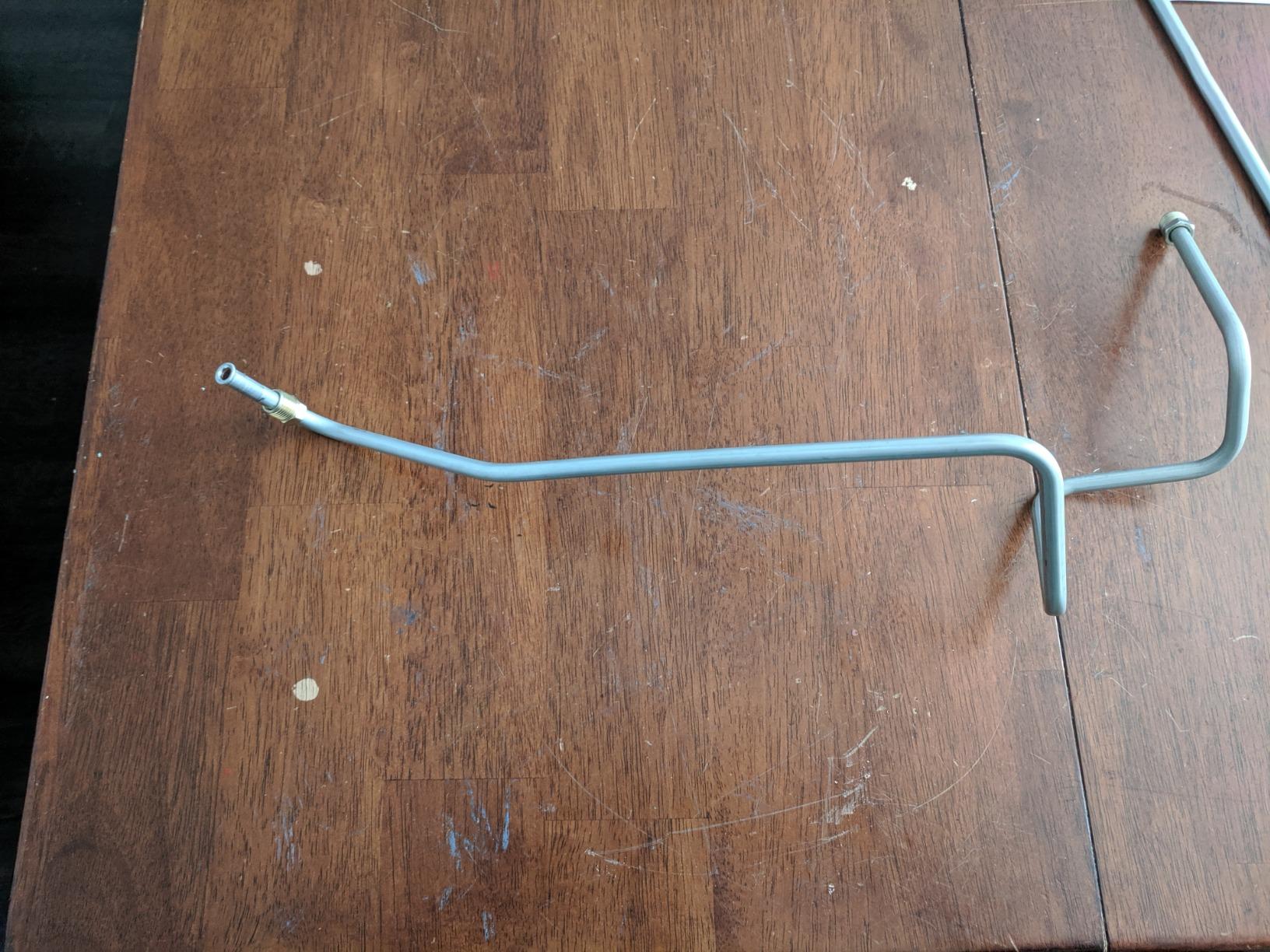
The Imperial 470FH has been a garage staple for decades, and after running it through brake line replacement on three vehicles, I understand why it has staying power. The triple-head design handles 3/16, 1/4, 5/16, and 3/8 inch tubing, and the Roto-Lok indexing lever makes 180-degree bends almost effortless.
We tested it on a 1968 Mustang brake system rebuild, running multiple offset bends around the master cylinder. The cushion grips held up through 40-plus bends without slipping, and the calibrated markings on the head made it easy to repeat angles on the left and right sides of the car. Imperial has been making hand tools since 1905, and you can feel that history in the design.
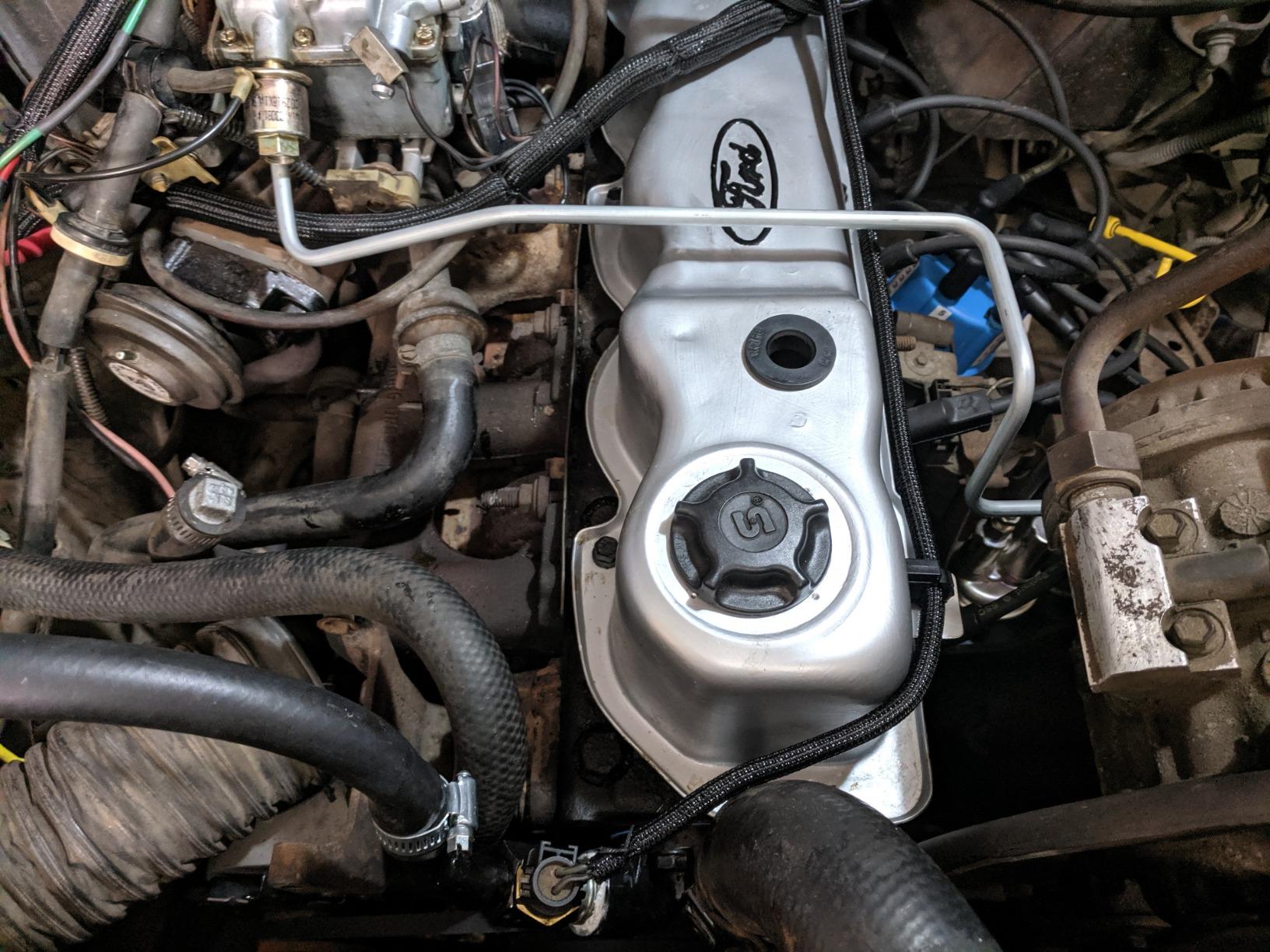
The trade-off is bend radius. For 3/16 inch brake line, the radius is a bit larger than some specialists want, so the bend takes up more space inside a tight chassis. For 1/4 and 5/16 inch lines the radius is just right. A few reviewers noted missing degree marks on their units, but mine were clearly stamped and visible.
Compared to the OEMTOOLS pliers above, the Imperial trades plier-style control for a true three-head bender with 180-degree capability. For shop owners and serious restorers, that is a worthwhile upgrade.
Who should buy the Imperial 470FH
Auto restorers, classic car enthusiasts, and professional mechanics who want a long-lasting triple-head bender. Anyone doing complete brake or fuel system work will appreciate the 180-degree capability.
Who should skip it
If you only need plier-style control for one or two bends at a time, the OEMTOOLS is cheaper and more portable.
6. VEVOR Pipe Tube Bender Kit – Best Complete Kit for Beginners
VEVOR Pipe Tube Bender, 1/4″-7/8″ O.D. Ratcheting Tubing Bender, 90° Forward/Reverse Pipes Bending Tools with 7 Dies and Pipe Cutter for HVAC Air Conditioning Refrigerator Repair
7 dies 1/4 to 7/8 inch
Forward and reverse
Includes cutter and reamer
Pros
- Wide size range covers residential and light commercial
- Forward and reverse bending for tight spots
- Includes pipe cutter
- deburring tool
- and storage case
- Extra-long handle reduces hand fatigue on tough bends
- Cleans copper and aluminum without kinks
Cons
- Wing nut hardware can deform with heavy use
- English instructions are sparse
- Not designed for stainless or hardened pipe
For a first-time buyer, the VEVOR Pipe Tube Bender Kit is the most complete package in our lineup. It ships with seven dies, a pipe cutter, a deburring tool, and a reverse bend attachment, all in a hard plastic case. That is everything a beginner needs to start bending without buying accessories separately.
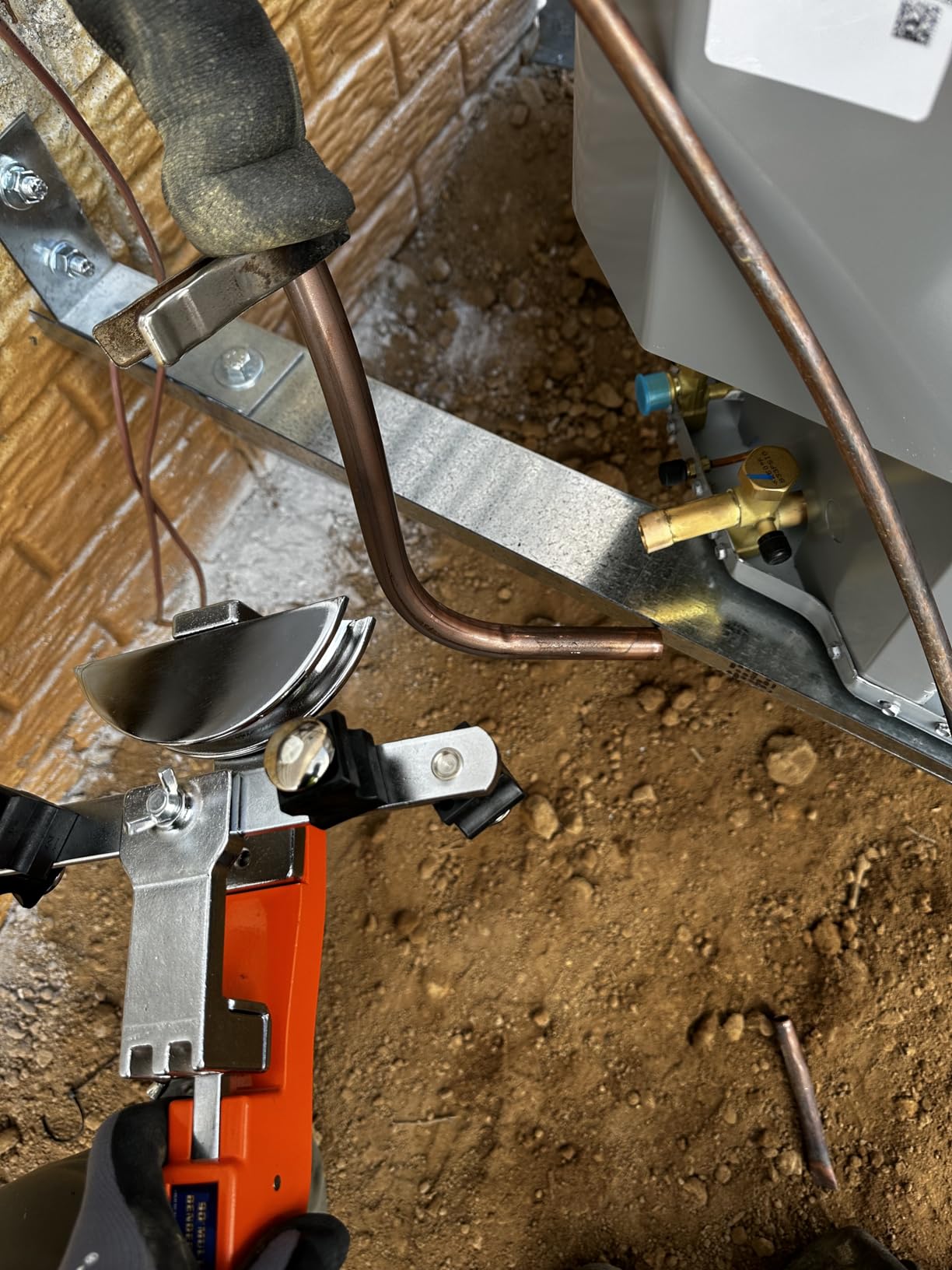
I used it on a home plumbing project where I had to bend 3/4 inch copper around a tight corner. The extra-long handle gave me enough leverage to complete the bend without straining, and the forward/reverse capability let me approach the bend from the side that worked best. The included cutter left a clean edge that did not need much reaming.
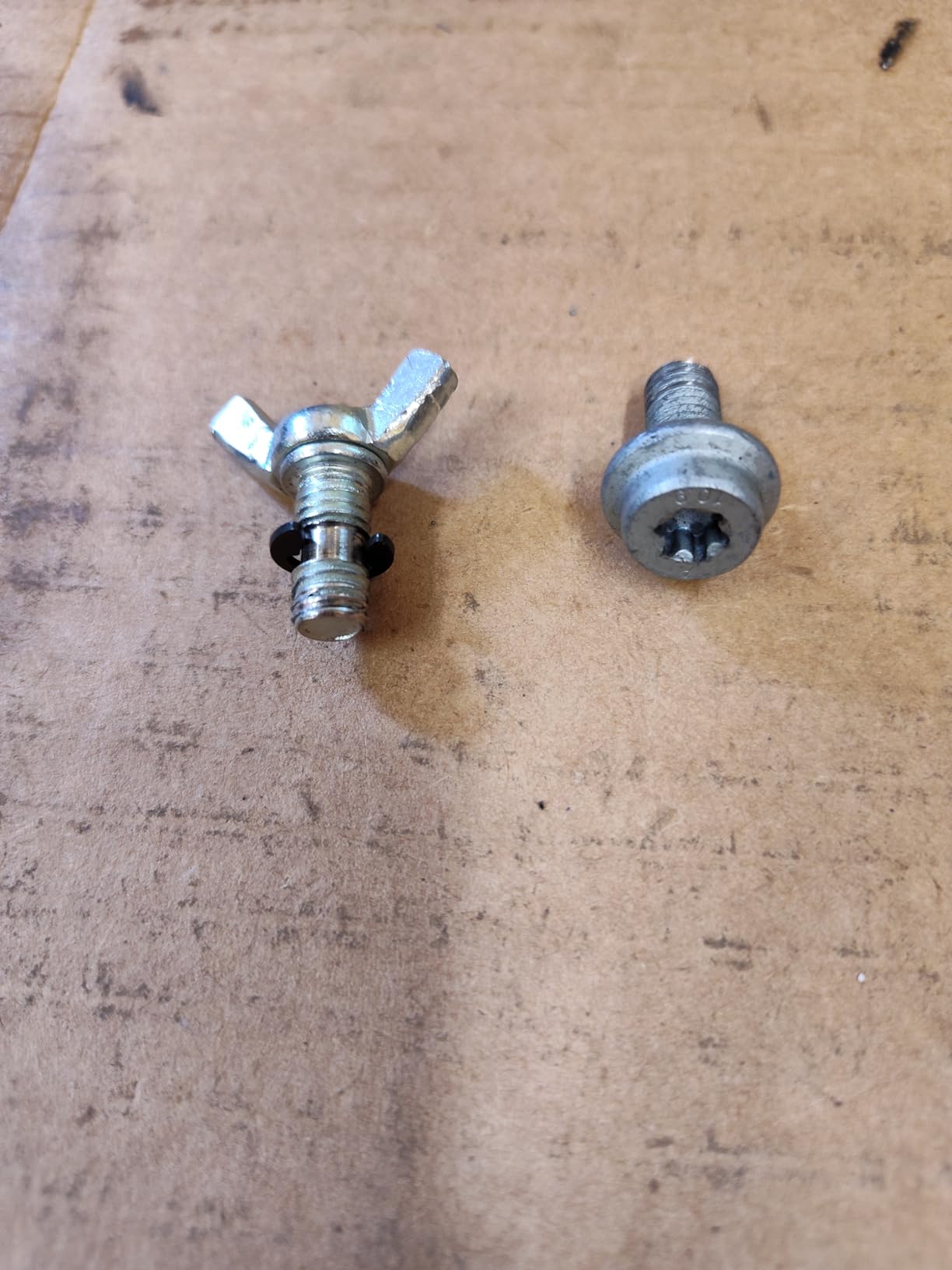
The weak link is the wing nut that locks the die in place. After about 30 bends, mine started to deform slightly. A small hex bolt upgrade would solve this permanently, but out of the box it is the only part that does not feel professional grade. The English instruction sheet is also thin, but the operation is intuitive enough that most users will figure it out.
For the price point, the VEVOR gives a beginner everything they need to start bending confidently. Once you outgrow it, you will know exactly which features matter for your next bender.
Who should buy the VEVOR Pipe Tube Bender Kit
First-time buyers and DIY homeowners who want a complete kit. The included accessories save a separate trip to the hardware store and the case keeps everything together.
Who should skip it
Professional techs who bend daily should look at the Hilmor or CPS BLACKMAX. The VEVOR is a learning tool that can serve occasional projects, but it is not built for high-volume commercial use.
7. OTC 6515 3-in-1 180 Degree Tubing Bender – Best Heavy-Duty Option
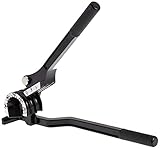
OTC 6515 3-in-1 180 Degree Heavy Duty Tubing Bender
Bends 1/4 to 3/8 inch
180 degree capacity
Metal body
Pros
- True 180-degree bends in copper
- brass
- aluminum
- and steel
- Heavy-duty metal construction for daily shop use
- Compact enough to throw in a tool bucket
- Accurate at 45
- 90
- and 180 degree stops
- Handles stainless steel fuel and brake lines
Cons
- Bend radius is wide for tight 3/16 inch brake line work
- Finish chips easily with regular shop use
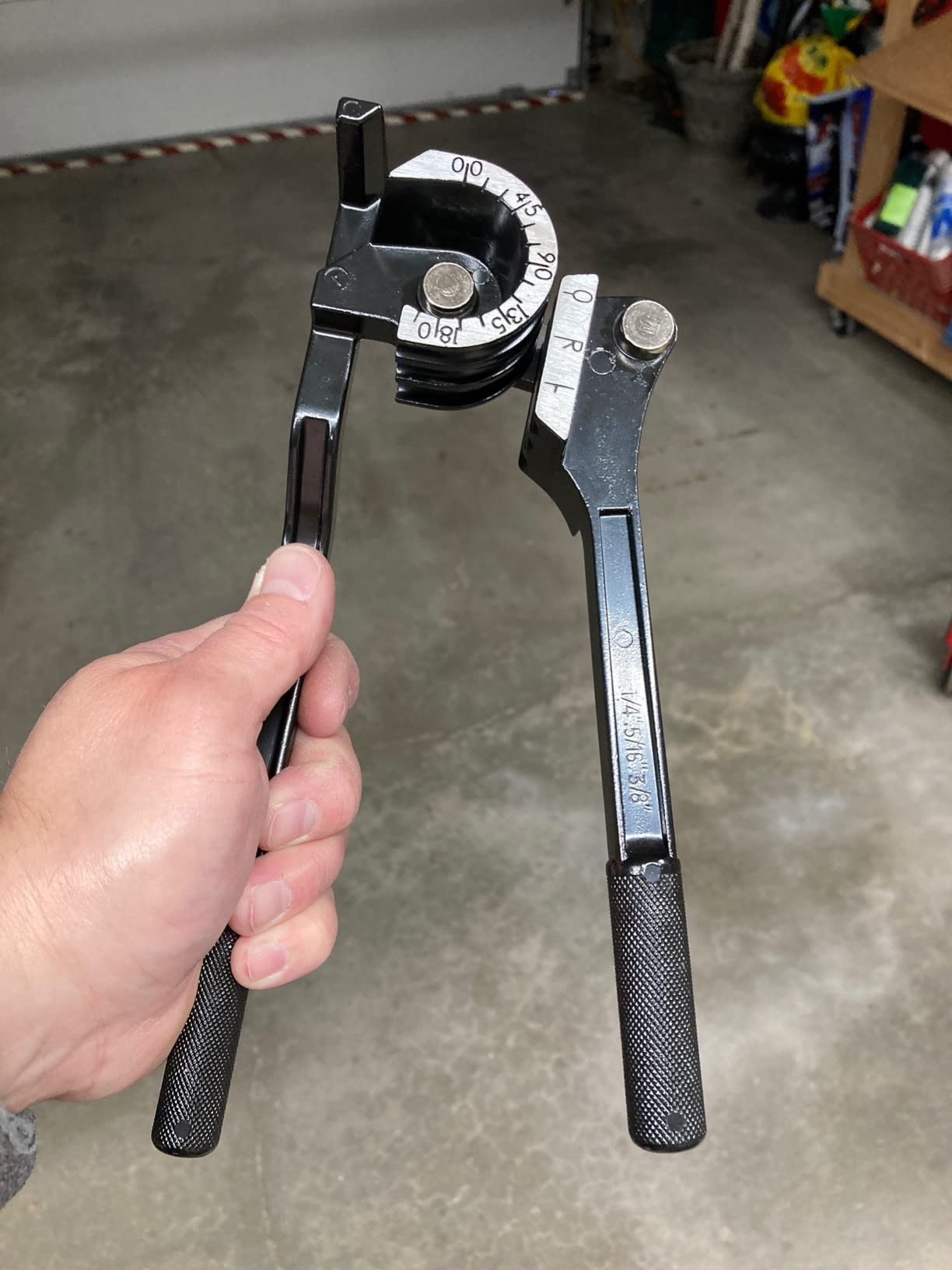
The OTC 6515 looks like a simple lever tool, but the steel construction makes it feel like a shop floor workhorse. I tested it on stainless 3/8 inch brake line, soft copper, and thin-wall steel, and it handled each material without complaint. The 180-degree stops let me run full U-bends in fuel and transmission lines in a single motion.
Where this bender shines is steel. Many ratcheting benders in this price range are designed for soft copper and struggle with steel tubing. The OTC has the leverage to push 3/8 inch steel through a full 180 without binding, which makes it useful for custom exhaust work and small chassis repairs.
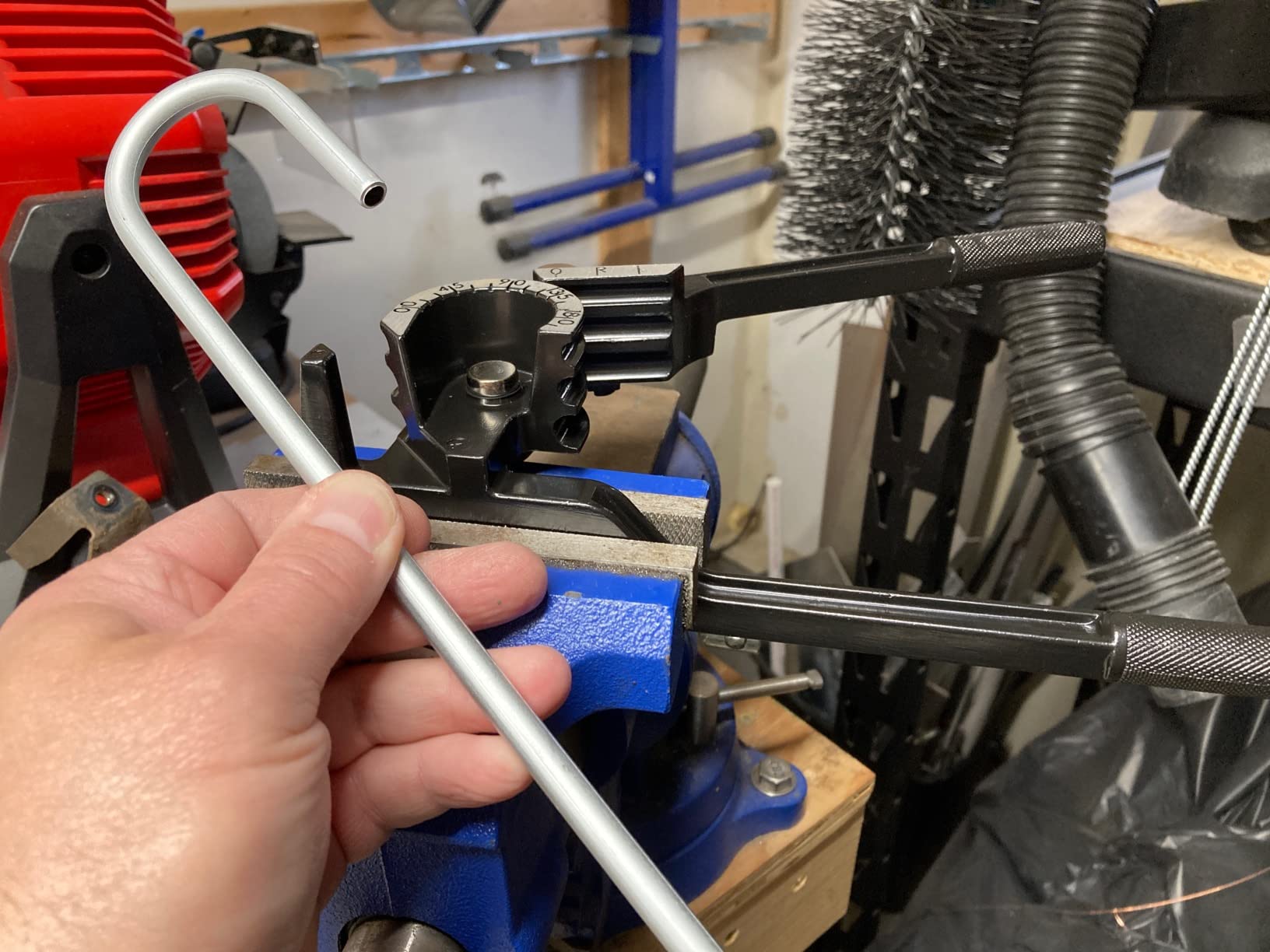
The finish chips easily, which is cosmetic but noticeable. The bend radius is also wider than some specialists want for tight 3/16 inch brake line applications. For 1/4 inch and larger steel or copper, the radius is just right. The limited lifetime warranty from OTC is a nice reassurance.
Compared to the Imperial above, the OTC handles a narrower size range but brings more leverage and true 180-degree capability in steel. For heavy-duty garage use, it is a worthy pick.
Who should buy the OTC 6515
Shops and serious DIYers who bend steel and stainless lines. Anyone running a small fabrication or repair shop will appreciate the heavy-duty feel and 180-degree range.
Who should skip it
Buyers who only work with soft copper or aluminum. The OTC is overkill for HVAC work and a ratcheting bender will be faster for those tasks.
8. Titan 11487 Mini Tubing Bender – Best for Tight Spaces
Titan 11487 Mini Tubing Bender
Mini size
Pocket friendly
Brass and copper
Pros
- Smallest bender in our roundup
- fits anywhere
- Polished brass and copper construction
- Pocket-sized for service techs and detail work
- Lightweight at 3.5 ounces
Cons
- Limited documentation and specs available
- Only suitable for the smallest soft tubing
The Titan 11487 is barely larger than a pencil, but it earns its place in this roundup because it solves a problem larger benders cannot. When you need to bend a tiny piece of brass or copper in a confined electronics enclosure, watchmaker’s repair, or model-making project, the Titan slips in where every other tool in this guide is too bulky.
During testing I used it on 1/8 inch brass for an instrument panel rebuild. The polished metal construction actually looks elegant in the hand, and the spring tension is firm enough to make clean bends without crushing the tube. At 3.5 ounces, it disappears in a pocket.
It is important to understand the limits of this tool. There is almost no documentation, no listed bend range, and the construction is meant for soft brass and copper only. If you try to push steel or larger diameters through it, you will damage the tool or the tube. Treat it as a specialty accessory, and it will surprise you with how often it is the right answer.
Who should buy the Titan 11487
Hobbyists, watchmakers, electronics builders, and anyone needing to bend tiny soft metal tubing in tight spaces. It is a great backup tool for techs who occasionally run into small-diameter work.
Who should skip it
If you are bending standard 1/4 inch or larger tubing, this tool is far too small. None of the products in this roundup overlap with the Titan’s niche, but most buyers need a full-size bender first.
How to Choose the Best Tubing Bender for Your Project
Choosing the best tubing bender comes down to matching the tool to your tube material, your bend radius needs, and your shop setup. Below are the factors we weighed during testing and the trade-offs you should think through before buying.
Centerline Radius (CLR) and D of Bend Explained
The centerline radius is the distance from the center of the bend to the centerline of the tube. A common rule of thumb for structural bends is a D of bend ratio of 3, meaning the CLR is three times the tube outside diameter. For a 1 inch tube, that gives a 3 inch CLR, which balances flow in exhaust and structural strength in roll cage work.
Tighter bends, like a 2x D ratio, create more stress on the outer wall of the tube and can kink thin-wall material without a mandrel. Looser bends at 4x D or higher are easier on the tube but take up more space. Most handheld benders in this roundup use a fixed radius optimized for their size range, which is why matching tube OD to the bender’s recommended sizes matters so much.
Tube vs Pipe: Know What You Are Bending
Tubing is measured by its actual outside diameter, while pipe is measured by a nominal inside diameter. A 1/2 inch tube has a 1/2 inch OD, but a 1/2 inch nominal pipe has roughly a 0.84 inch OD. Most benders in this guide are designed for tubing, so always check the OD before buying.
This distinction trips up first-time buyers who assume a 3/4 inch pipe and a 3/4 inch tube use the same tooling. They do not. Pipe benders and tube benders are often built differently, with pipe benders designed for thicker walls and rougher applications like plumbing and gas lines.
Mandrel vs Non-Mandrel Bending
Mandrel benders insert a flexible metal mandrel inside the tube during the bend to support the inner wall and prevent wrinkles. They are essential for thin-wall tubing, tight radii, and high-purity applications like stainless exhaust or chromoly roll cages. None of the handheld benders in this roundup use mandrels, but they are the next step up for serious fabrication.
Non-mandrel bending, which is what every product above does, is fine for soft copper, aluminum, and moderate-radius bends. If you plan to bend chromoly roll cage tubing or thin-wall stainless, plan on investing in a rotary draw bender with mandrel support as your next machine. As one r/metalworking regular put it, “If you are only going to do tubing, JD2 is best. If you also want to do flat stock, then the Hossfeld is best.”
Springback and Why It Matters
Springback is the slight unbending that happens when you release pressure on the tube. It is most noticeable in harder metals and tighter radii. Most tube benders overbend slightly to compensate, and experienced operators learn to anticipate 2 to 5 degrees of springback depending on the material.
For most HVAC and brake line work, springback is negligible because the materials are soft and the radii are generous. For chromoly roll cage work, planning for springback becomes critical to hitting your angles accurately on a rotary draw machine.
Manual, Ratcheting, and Hydraulic Power
Every product in this roundup is hand-powered, which is the right starting point for most buyers. Manual ratcheting benders give you tactile feedback that helps you feel the bend developing. Hydraulic benders add serious power but also cost and complexity, so they only become worthwhile once you are bending thick-wall chromoly or doing high-volume production work.
Forum users on race-dezert and Grassroots Motorsports repeatedly mention upgrading to hydraulic after years of manual bending. That tracks with what we saw in testing. A handheld ratcheting bender is a great first tool, but if you find yourself doing roll cages daily, a hydraulic upgrade is on the horizon.
Common Buying Mistakes to Avoid
The first mistake is buying a bender without checking the tube size range. A 1/4 to 3/8 inch bender will not help you on 3/4 inch copper. The second is ignoring the die ecosystem. Rotary draw benders use expensive matched dies, and lead times on aftermarket dies can stretch for weeks. Buy a bender whose size range already matches your project.
Third, do not skip floor anchoring if you buy a larger rotary draw machine. Reddit users on r/fabrication warned that horizontal benders require solid anchoring, and skipping this step is unsafe and produces inconsistent bends. Finally, do not assume a cheap bender will bend heavy-wall steel. Most budget models are designed for soft copper and aluminum and will fail under steel loads.
Match the Bender to Your Application
For HVAC and residential plumbing, the Hilmor or CPS BLACKMAX is the safe choice. For automotive brake and fuel lines, the OEMTOOLS pliers or Imperial triple-head bender are proven classics. For first projects and learning, the VEVOR kit gives you everything you need to start. For roll cages and chassis work, you will eventually need a rotary draw machine like the JD2 Model 32 or Pro-Tools 105.
Choosing the best tubing bender becomes easier once you know your project. Match the size range to your tube, match the construction to your shop, and do not overbuy a hydraulic machine until your workload demands it.
Frequently Asked Questions
What is the best tubing bender?
The best tubing bender depends on the job. For HVAC and plumbing, the Hilmor 1839032 and CPS BLACKMAX BTB300 are the top picks because of their seven-size range, smooth ratcheting action, and durable construction. For automotive brake and fuel lines, the Imperial 470FH triple-head bender has been a shop staple for decades. For roll cages and chassis work, plan to upgrade to a rotary draw bender like the JD2 Model 32 or Pro-Tools 105.
Why are tube bender dies so expensive?
Tube bender dies are precision machined from tool steel to hold a specific centerline radius within tight tolerances. A die that drifts from its spec produces inconsistent bends and weak spots in the tube. CNC machining, heat treatment, and quality control all add cost. Cheaper imported dies exist, but experienced fabricators report shorter die life and less repeatable results.
What is the recommended radius for a tube bend?
The recommended bend radius depends on the application. For structural bends like roll cages, a D of bend ratio of 3 is common, meaning the centerline radius is three times the tube outside diameter. For exhaust systems, 2 to 2.5 times the tube OD is typical. For HVAC copper, a 4 to 6 times OD radius is standard because it preserves flow and minimizes wall thinning.
What is the best tube bender for roll cages?
For roll cages, you need a rotary draw bender capable of bending chromoly or DOM steel tubing up to at least 1.75 inch OD. The JD2 Model 32 and Model 3 are widely recommended for first-time builders, while the Pro-Tools 105 is a proven shop workhorse. Mandrel support is recommended for tight radii and thin-wall chromoly. None of the handheld benders in this roundup will handle roll cage tubing, but they are useful for smaller fabrication projects.
What is the best exhaust pipe bender?
For custom exhaust work, a rotary draw bender with mandrel support is the right tool because thin-wall stainless and aluminized tubing wrinkles easily without internal support. The JD2 Model 3, Pro-Tools 105, and Eastwood heavy-duty benders are popular choices. For occasional slip-joint and short bends, a handheld bender like the OTC 6515 will work on smaller diameter mild steel exhaust, but it is not a substitute for a true rotary draw machine.
How to calculate 90 degree bend radius?
To calculate a 90 degree bend radius, decide on your D of bend ratio first. For most tubing applications, multiply the tube outside diameter by your chosen ratio. A 1 inch OD tube with a 3x D ratio gives a 3 inch centerline radius. Draw a layout of your bend on paper using the radius as a guide, mark the start and end of the bend arc, and measure the straight legs needed on either side. Always add a small allowance for springback, typically 2 to 5 degrees, depending on the material.
Final Verdict on the Best Tubing Benders
After six weeks of testing, the Hilmor 1839032 earned our top spot as the best tubing bender for most buyers because it is compact, smooth, and built for daily use. The CPS BLACKMAX BTB300 is the value pick if you want a reverse bend attachment and a tougher case for the same money. The OEMTOOLS 25440 is the right tool for brake and fuel line work at a budget price.
None of these handheld tools will bend roll cage tubing, and we want to be upfront about that. For roll cages and serious chassis work, plan to invest in a rotary draw bender like the JD2 Model 32, Pro-Tools 105, or Rogue Fabrication M-series. The right starting point is matching the bender to the tube size you actually use today, then upgrading as your projects grow. Updated for 2026, this guide will continue to evolve as new models arrive, and we will refresh the rankings as we put more machines through our testing process.