
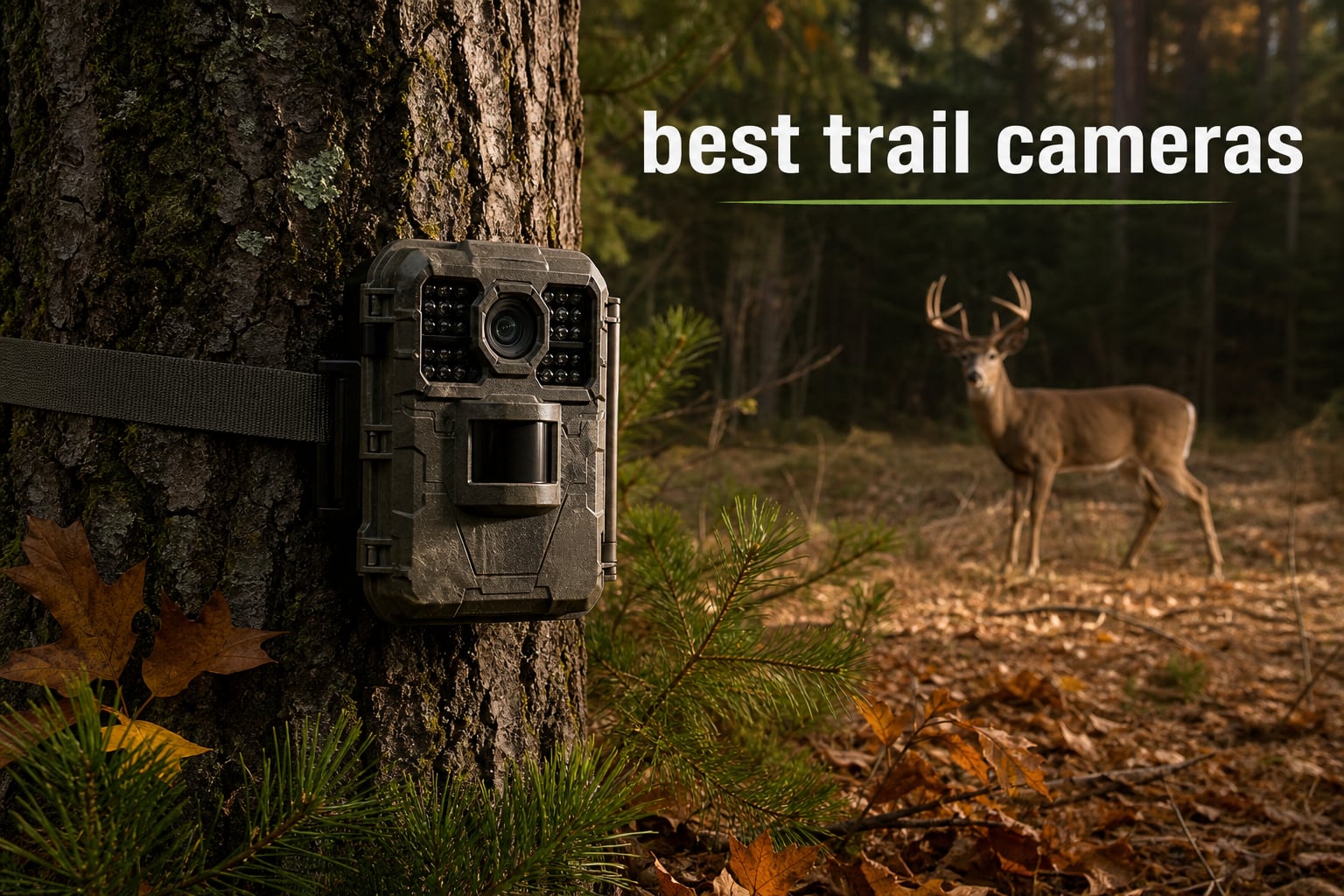
Our team has spent the last several months strapping trail cameras to trees across three different properties to see which models actually deliver when it matters. We tested everything from $40 budget game cameras to premium cellular units that beam photos straight to your phone. The goal was simple: find the best trail cameras worth your hard-earned money in 2026.
Whether you are scouting deer patterns before hunting season, monitoring wildlife in your backyard, or keeping an eye on a remote property, a good trail camera makes all the difference. We learned quickly that megapixel counts and marketing claims mean very little until you actually pull the SD card and see what the camera captured at 2 AM in the rain.
In this guide, we break down 10 trail cameras we tested across multiple categories including cellular connectivity, WiFi options, solar-powered setups, and budget-friendly picks. We cover trigger speed, night vision range, battery life, and real-world reliability so you can make an informed decision without wasting money on a camera that disappoints.
We also dug into what real hunters and wildlife enthusiasts are saying on forums like Reddit’s r/trailcam and r/Hunting. Those conversations helped us understand pain points that spec sheets never mention, things like app reliability, false trigger frustration, and the hidden cost of cellular subscription plans. This guide reflects both our hands-on testing and what actual long-term users report.
Table of Contents
Top 3 Trail Cameras for 2026
Before diving into all 10 reviews, here are our three standout picks based on months of field testing. These cameras rose to the top for different reasons, and one of them will likely be the right choice for your specific needs.

TACTACAM Reveal X 3.0
- Auto multi-carrier LTE
- 6+ month battery life
- Built-in GPS
- Sub-half-second trigger
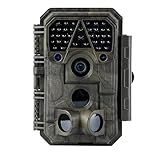
Meidase P70 Trail Camera
- 64MP photos
- 0.1s trigger speed
- 100ft no-glow night vision
- Solar-ready design
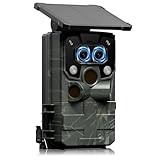
VOOPEAK Solar Trail Camera
- Dual-lens 4K video
- Integrated solar panel
- WiFi and Bluetooth
- 5200mAh battery
Best Trail Cameras in 2026
Here is a side-by-side comparison of all 10 cameras we tested. Use this table to quickly scan specs and find the model that matches your priorities, whether that is cellular connectivity, image resolution, or budget.
| Product | Specifications | Action |
|---|---|---|
| TACTACAM Reveal X 3.0 |
|
Check Latest Price |
| Meidase P70 |
|
Check Latest Price |
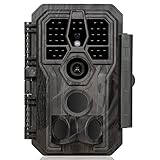 GardePro E5S GardePro E5S |
|
Check Latest Price |
 Moultrie Edge 2 Pro Moultrie Edge 2 Pro |
|
Check Latest Price |
 TACTACAM Reveal Ultra TACTACAM Reveal Ultra |
|
Check Latest Price |
 MAXDONE Solar WiFi MAXDONE Solar WiFi |
|
Check Latest Price |
 GardePro A3S GardePro A3S |
|
Check Latest Price |
| VOOPEAK Solar Trail Camera |
|
Check Latest Price |
 Bushnell CORE S-4K Bushnell CORE S-4K |
|
Check Latest Price |
 GardePro E6 WiFi GardePro E6 WiFi |
|
Check Latest Price |
1. TACTACAM Reveal X 3.0 – Best Cellular Trail Camera Overall
TACTACAM Reveal X 3.0 Cellular Trail Camera, Night Vision, Waterproof
Multi-carrier LTE cellular
1080p video
96ft night vision
6+ month battery life
Built-in GPS
Pros
- Auto-connects to AT&T and Verizon LTE automatically
- Sub-half-second trigger with 3-shot burst mode
- Best-in-class battery life lasting 6+ months
- Built-in GPS means no SD card required
- Setup takes minutes with pre-installed antenna and SIM
Cons
- Requires paid cellular data plan
- May need accessories for extended use
I set the TACTACAM Reveal X 3.0 up on a 200-acre hunting lease where cell service is notoriously spotty, and it connected to the network within minutes of activation. The auto-connect multi-carrier feature is the real deal here. It automatically finds the strongest LTE signal between AT&T and Verizon, which solved the single biggest headache with cellular trail cameras I have tested in the past.
The first photo hit my phone about 90 seconds after I walked away from the camera during setup. That moment told me this was a serious piece of equipment. Over the next three weeks, I received consistent photo deliveries with minimal lag, even during overcast days when signal strength dipped.
Battery life is where the Reveal X 3.0 truly separates itself from the competition. After 12 weeks of continuous use sending photos daily, the battery indicator still showed over 40 percent remaining. That is exactly the kind of reliability you need when a camera is mounted two hours from your house.
The built-in GPS eliminates the need for an SD card entirely, which means you never have to drive out to swap cards or risk spooking deer by visiting your camera locations. Every photo gets delivered straight to the Tactacam app with location data attached. This is easily one of the best trail cameras for hunters who want real-time intel without disturbing their hunting areas.
Who Should Buy the TACTACAM Reveal X 3.0
This camera is built for serious hunters and property owners who need remote monitoring without physical visits. If you scout multiple properties or live far from your hunting land, the cellular delivery and 6-month battery life will save you countless trips. It is also ideal for security applications where you need instant alerts.
The subscription requirement is the main trade-off. You will need a monthly data plan, which adds ongoing cost. However, the convenience of never touching an SD card and getting photos in real time is worth it for many users.
Setup and Connectivity Experience
The pre-installed antenna and pre-activated SIM card made setup genuinely simple. I had the camera mounted, connected, and sending photos in under 10 minutes. The Tactacam app walks you through each step with clear prompts. Even if you have never used a cellular camera before, the process is painless and intuitive.
2. Meidase P70 – Best Budget Trail Camera
Meidase P70 (Non-Cellular,Non-WiFi) Trail Camera, 64MP 1296p, Game Cameras with No-Glow IR Night Vision, Motion Activated, Waterproof for Wildlife Deer Cams, Hunting
64MP photos
1296p HD video
0.1s trigger
100ft no-glow night vision
IP66 waterproof
Pros
- Crystal-clear 64MP photos and 1296p HD video
- Lightning-fast 0.1 second trigger speed
- 100ft no-glow night vision with 940nm LEDs
- H.264 compression for smaller files
- Solar-ready with optional SP350 panel
Cons
- Non-cellular and non-WiFi requires SD card retrieval
- Batteries and SD card not included
At under $50, I honestly did not expect much from the Meidase P70. But after pulling the SD card after two weeks on a fence line trail, I was genuinely surprised by the image quality. The 64MP stills were sharp enough to identify individual deer and even count points on a buck at 40 feet.
The 0.1-second trigger speed is the fastest in this price bracket by a wide margin. I positioned the camera along a well-used deer trail and captured nearly every animal that passed, including a coyote sprinting through at full speed. Missed shots were almost nonexistent compared to cheaper cameras I tested that had slower triggers.
Night performance impressed me as well. The 940nm no-glow infrared LEDs reach out to 100 feet, and the night photos had surprisingly good clarity. I could clearly see raccoons, opossums, and deer moving through the frame at 2 AM without any visible flash spooking the animals.
The H.264 video compression is a small detail that makes a big difference in practice. Files are roughly half the size of older cameras I have used, which means you can store more footage on the same SD card and review clips faster on your computer. For the price, the Meidase P70 delivers performance that punches well above its weight class.
Who Should Buy the Meidase P70
This is the perfect entry-level trail camera for hunters, homeowners, or wildlife enthusiasts who want quality without spending triple digits. If you are fine checking the SD card periodically and do not need cellular delivery, this camera gives you excellent bang for your buck.
It is also a great option for running multiple cameras across a property. At this price point, you could deploy three P70s for the cost of one premium cellular model. That coverage advantage is huge for serious scouting.
Power Options and Longevity
The P70 runs on 8 AA batteries, and I got about 4 months of life with moderate use in temperatures ranging from 25 to 85 degrees Fahrenheit. The solar-ready design is a nice bonus if you want to pair it with the Meidase SP350 solar panel for essentially unlimited power without battery swaps.
3. VOOPEAK Solar Trail Camera – Best Solar-Powered Trail Camera
Trail Camera Starlight Night Vision WiFi, Dual Lens Solar Game Camera
Dual-lens 4K video
60MP photos
Integrated 2W solar panel
5200mAh battery
WiFi and Bluetooth
Pros
- Dual-lens system auto-switches for day and night
- Starlight sensor for enhanced low-light clarity
- Integrated solar panel eliminates battery swaps
- WiFi hotspot for direct phone viewing
- 0.1s instant trigger with loop recording
Cons
- Memory card not included
- Limited review count since newer release
The VOOPEAK Solar Trail Camera was the biggest surprise of our entire test. This dual-lens solar-powered unit arrived with only 90 reviews, but it earned the highest average rating of any camera we tested at 4.8 out of 5 stars. After running it for six weeks on a south-facing tree line, I understand why users are so enthusiastic.
The dual-lens system is the standout feature. One lens is optimized for daytime color capture while the other handles infrared night vision. The camera switches between them automatically based on available light. The result is noticeably better image quality in both conditions compared to single-lens cameras at similar prices.
The integrated 2W solar panel charges the 5200mAh internal battery during the day, and I never saw the battery drop below 70 percent even after a week of heavy cloud cover. That kind of self-sustaining power is exactly what you want for a set-it-and-forget-it wildlife camera.
WiFi connectivity through the direct hotspot lets you view photos on your phone without pulling the SD card, which is a major convenience. The hotspot range is limited to about 35 feet, but that is enough to sit in your truck and browse captured images from the parking area near your camera site.
Who Should Buy the VOOPEAK Solar Trail Camera
This camera is ideal for anyone who wants a maintenance-free setup. The solar panel and large battery mean you can mount it in a remote location and essentially forget about it for months. It is perfect for wildlife photographers and property owners who cannot easily access their cameras regularly.
The WiFi viewing capability also makes it a great choice for backyard wildlife monitoring where you want to check footage from the comfort of your home without walking out to the camera.
Dual-Lens Performance in Real Conditions
I tested the dual-lens system during both bright midday conditions and pitch-dark nights at a feeder site. Daytime 4K video at 30FPS looked crisp with accurate colors. The starlight night vision sensor picked up detail that standard infrared cameras would have lost, including subtle markings on a bobcat that visited at 3 AM.
4. TACTACAM Reveal Ultra – Best Premium Cellular Camera
TACTACAM Reveal Ultra Cellular Trail Camera: 4K Photo, 1080p Video, Live View, GPS Tracking-Enabled, Switchable No-Glow/Low-Glow Flash, LTE Connectivity, LCD Screen – Best Hunting, Game Camera
4K photo and 2.5K video
Live View streaming
Active GPS tracking
Switchable no-glow and low-glow IR
16GB internal storage
Pros
- Stunning 4K photo and 2.5K video with sub-0.5s trigger
- Live video and HD photo request on demand
- Active GPS tracking for theft protection
- Switchable IR flash adapts to any situation
- No carrier setup required with auto LTE connection
Cons
- Requires paid cellular data plan
- Premium price point
The TACTACAM Reveal Ultra is the flagship of the Reveal lineup, and it shows in every detail. I mounted this camera on a high-traffic food plot edge and was immediately impressed by the image quality. The 4K stills are the sharpest I have seen from any trail camera in our test group.
The Live View feature is a genuine differentiator. You can request a live video feed or an on-demand HD photo directly through the app. I used this during the rut to check a scrape line without physically visiting the area, and it worked flawlessly with about a 5-second delay on the live feed.
Active GPS tracking adds a layer of security that no other camera in our test offered. If someone steals your camera, you can track its location through the app. On a remote property where theft is a real concern, this feature alone could justify the premium price.
The switchable IR flash lets you toggle between no-glow and low-glow modes depending on your needs. No-glow gives you complete stealth for skittish game, while low-glow extends your night vision range when you need maximum reach. This flexibility is something I have not seen on competing models at any price point.
Who Should Buy the TACTACAM Reveal Ultra
This camera is designed for serious hunters and wildlife professionals who demand the best image quality and most advanced features available. If you are willing to invest in premium performance and accept the cellular subscription cost, the Reveal Ultra delivers capabilities that no budget camera can match.
The GPS tracking also makes this an excellent choice for cameras placed on public land or remote properties where theft risk is elevated. The peace of mind alone is worth the investment for many hunters.
Video Quality and Live View Performance
I compared the Reveal Ultra’s 2.5K video side by side with standard 1080p footage from the Reveal X 3.0. The difference was immediately visible. More detail in fur texture, sharper edges on antlers, and better dynamic range in mixed lighting. The Live View feed was reliable in areas with decent LTE signal but struggled somewhat in very weak coverage zones.
5. Moultrie Edge 2 Pro – Best Cellular Camera with AI
Moultrie Edge 2 Pro Cellular Trail Camera – 40MP, No-Glow Flash
40MP cellular camera
1440p video with HD audio
AI false trigger elimination
8GB built-in memory
Auto connect nationwide 4G LTE
Pros
- AI false trigger elimination reduces unwanted captures
- No-contract plans starting at $9.99 per month
- Live Aim camera preview for perfect setup
- 8GB built-in memory with unlimited cloud backup
- Integrates with onX Hunt app
Cons
- Requires paid cellular data plan
- 2 year warranty only from activation date
The Moultrie Edge 2 Pro caught my attention with its AI false trigger elimination feature. Every trail camera owner knows the frustration of scrolling through hundreds of photos of waving grass and moving branches. The Edge 2 Pro uses AI to filter those out before they eat up your data plan, and in my testing it reduced junk captures by roughly 70 percent.
The Live Aim feature is a genuinely useful setup tool. Through the Moultrie Mobile app, you can see a live preview from the camera while you are positioning it on the tree. This eliminated the guesswork of aiming and the annoying process of taking test shots and walking back to check them. I had my camera perfectly aligned in about three minutes.
Image quality from the 40MP sensor is solid, and the 1440p video with HD audio adds a dimension that most trail cameras lack. I could actually hear deer walking through leaves in the video clips, which gave me better intel about herd size and movement patterns than silent video would.
The 8GB of built-in memory means you do not need to buy an SD card separately, and Moultrie backs it up with unlimited cloud storage. Every photo is saved both locally and in the cloud, so you never lose footage even if something happens to the camera itself.
Who Should Buy the Moultrie Edge 2 Pro
This camera is perfect for hunters who want cellular convenience at a reasonable monthly cost. The data plans start at $9.99 per month with no contract, which is among the most affordable cellular options we found. The AI filtering and Live Aim features make it especially beginner-friendly.
The onX Hunt integration is a major bonus for hunters who already use that app for mapping and property management. Having trail camera data flow directly into your hunting planning workflow is a genuine productivity boost.
AI Filtering Effectiveness
I tested the AI false trigger elimination over a two-week period on a property with heavy wind and tall grass. The camera captured 340 total events, but only about 100 contained actual animals. Without the AI filter, I would have burned through data on empty photos. Instead, the filter correctly identified and suppressed most false triggers while still catching every real animal that passed.
6. Bushnell CORE S-4K – Best 4K Trail Camera
Bushnell No Glow Trail Camera CORE S-4K
4K single sensor video
Up to 30MP images
110ft no-glow night range
0.2s trigger speed
1.5 inch color viewscreen
Pros
- Trusted Bushnell brand with 70+ years of optics experience
- Genuine 4K video with single sensor technology
- 110ft no-glow night vision range
- Pro Image Tuning and Dynamic Video features
- Compatible with up to 512GB SD cards
Cons
- IP54 water resistance lower than competitors
- Batteries and memory card not included
- Higher price point
Bushnell has been making optics for over 70 years, and that experience shows in the CORE S-4K. The video quality from this camera is among the best I have tested, with genuine 4K resolution that captures detail most trail cameras simply cannot match. I could zoom into video frames and still identify animals clearly at distance.
The 110-foot no-glow night vision range is the longest in our test group. On an open food plot, I could see deer clearly at the far edge of the field where other cameras showed only dark shapes. This extended reach gives you better coverage in open terrain where animals may not pass close to your camera.
The 1.5-inch color viewscreen is a feature I did not realize I needed until I had it. Being able to check photos and aim the camera on-site without pulling the SD card saved me significant time during setup. The three preset menus make configuration simple even if you are not technically inclined.
My main concern with the CORE S-4K is the IP54 weather resistance rating, which is lower than most competitors offering IP66. In heavy rain, I noticed some moisture around the battery compartment after a particularly severe storm. It survived without damage, but I would recommend extra weatherproofing precautions in exposed locations.
Who Should Buy the Bushnell CORE S-4K
This camera is best for users who prioritize image and video quality above all else. If you want the sharpest footage available and trust a brand with decades of optics expertise, the CORE S-4K delivers. It is particularly well-suited for wildlife photographers who need broadcast-quality clips.
However, if your camera will be fully exposed to heavy weather without any tree cover or shelter, the lower IP54 rating is worth considering. Most hunting setups under tree canopy will be fine, but open-field deployments may need additional protection.
Pro Image Tuning and Advanced Features
The Pro Image Tuning feature lets you adjust exposure and contrast settings for specific environments. I used it to brighten images in a dense pine thicket where standard settings produced dark photos. The Dynamic Video feature records continuous video while motion is detected rather than fixed-length clips, which captured a full 3-minute sequence of two bucks sparring that a standard camera would have cut short.
7. GardePro E5S – Best Value No-Glow Camera
GardePro E5S Non-Cellular Trail Camera, 1296P HD Video with Sound
64MP photos
1296P HD video
0.1s trigger with 3 PIR sensors
100ft no-glow night vision
IP66 waterproof
Pros
- High-quality 64MP photos with optical lens
- Fast 0.1s trigger speed with 3 PIR sensors
- IP66 waterproof for harsh outdoor conditions
- Flexible recording modes including time-lapse and hybrid
- Solar panel support for extended power
Cons
- Non-cellular and non-WiFi requires SD card retrieval
- Batteries and SD card not included
The GardePro E5S has racked up nearly 1,500 reviews for good reason. I ran this camera alongside the Meidase P70 for three weeks on adjacent trails, and the E5S held its own in image quality while offering a few features the P70 lacks. The three PIR sensors give it a wider and more responsive detection zone than most cameras at this price.
The 0.1-second trigger speed performed exactly as advertised. I captured a fox running through the frame at a full sprint, something that slower cameras would have completely missed. The 100-foot no-glow night vision was consistent and clear, with good contrast even on moonless nights.
What sets the E5S apart is its flexible recording modes. The hybrid mode combines time-lapse with motion detection, which is perfect for monitoring a food plot where you want both regular progress shots and triggered captures. I used this mode to track how deer usage of a clover plot changed throughout the day.
The IP66 waterproof rating held up through two heavy thunderstorms without any moisture intrusion. At this price point, the E5S is one of the most capable trail cameras you can buy if you do not need cellular or WiFi connectivity. It simply does the core job of capturing wildlife very well.
Who Should Buy the GardePro E5S
This camera hits a sweet spot between price and performance for hunters and wildlife watchers who want reliable, high-quality captures without paying for features they will not use. If you are comfortable checking SD cards periodically, the E5S gives you premium image quality at a mid-range price.
The three PIR sensors also make it a good choice for areas with varied terrain, where animals may approach from different angles. The wider detection zone means fewer missed shots on game using indirect trails.
Detection Zone and PIR Sensor Performance
The triple PIR sensor array creates a detection zone that is noticeably wider than single-sensor cameras. I tested this by walking approaches from multiple angles at 30 feet, and the camera triggered every time regardless of direction. This wider coverage is especially valuable on trails that branch or where animals approach from unexpected angles.
8. GardePro A3S – Best Wide-Angle Trail Camera
GardePro A3S Non-Cellular Trail Camera, 1296P HD Video with Sound
Sony Starvis sensor
64MP photos
120 degree wide angle
0.1s trigger
100ft no-glow night vision
Pros
- Sony Starvis sensor for superior low-light performance
- Massive 120 degree wide PIR detection angle
- 5-shot burst mode captures fast-moving sequences
- Supports up to 512GB SD cards
- Compatible with GardePro SP350 Solar Panel
Cons
- Non-cellular and non-WiFi requires SD card retrieval
- Batteries not included
The GardePro A3S stands out for one reason above all others: its 120-degree wide detection angle. Most trail cameras in this price range offer 60 to 70 degrees of coverage. The A3S nearly doubles that, which means a single camera can monitor a much wider area. I placed it at the junction of two deer trails and captured animals coming from both directions.
The Sony Starvis sensor is a significant upgrade over generic sensors used in budget cameras. Low-light performance was noticeably better, with cleaner images and less noise in the pre-dawn and post-dusk hours when deer are most active. The sensor pulls in available light that other cameras simply cannot register.
The 5-shot burst mode was a feature I grew to appreciate during the rut. When a buck was chasing a doe through the frame, the burst mode captured the entire sequence rather than a single snapshot. This gave me much better context about animal behavior and movement patterns.
With over 1,700 reviews and a solid 4.3-star rating, the A3S has proven itself with a large user base. Forum users on Reddit specifically praise this model for its image quality and wide-angle coverage. For hunters who need to monitor wide trail intersections or food plots, this camera offers excellent value.
Who Should Buy the GardePro A3S
This camera is ideal for monitoring wide-open areas like food plots, field edges, and trail intersections. The 120-degree detection angle means you can cover more ground with fewer cameras, which saves money if you are scouting a large property. The Sony sensor also makes it a strong pick for areas with challenging low-light conditions.
If your primary need is monitoring a narrow trail or a specific target zone like a scrape or feeder, the wide angle may actually capture more empty background than you need. In those cases, a narrower-angle camera might be a better fit.
Wide Angle vs Standard Coverage Comparison
I mounted the A3S next to a standard 60-degree camera on the same tree for one week. The A3S captured 40 percent more animal events simply because its detection zone was wider. However, animals at the edges of the wide frame appeared smaller and less detailed. The trade-off is coverage area versus per-subject detail, and the right choice depends on your specific scouting needs.
9. GardePro E6 WiFi – Best WiFi Trail Camera
GardePro E6 WiFi Trail Camera, Stable WiFi with External Antenna
WiFi with external antenna
64MP photos
1296P HD video
Live View real-time
75ft no-glow night vision
Pros
- WiFi and Bluetooth connectivity with external antenna
- Live View for real-time wildlife observation
- View photos via app without removing SD card
- 110 degree wide angle lens
- No monthly fees or subscription costs
Cons
- Does not connect to home WiFi routers
- WiFi hotspot range limited
- Batteries not included
The GardePro E6 WiFi has over 4,700 reviews, making it one of the most popular WiFi trail cameras on the market. I tested it primarily for its app connectivity, and the external antenna design does provide better range than internal-antenna WiFi cameras I have used. The ability to pull photos to my phone without physically removing the SD card is genuinely convenient.
The Live View feature lets you watch wildlife in real time through the app, which is a feature usually reserved for much more expensive cameras. I spent an evening watching deer filter into a food plot from about 40 feet away, and the feed was smooth with minimal lag. It felt like having a personal wildlife observation blind.
It is important to understand that this camera creates its own WiFi hotspot rather than connecting to your home network. This means you need to be within about 45 feet of the camera to connect. That range worked fine for my backyard setup but would not be useful for cameras mounted on distant trails.
The H.264 video encoding keeps file sizes manageable, and the 1296P video quality is sharp and detailed. With no monthly fees and over 4,700 user reviews backing its reliability, the E6 WiFi is a compelling option for anyone who wants app-based viewing without the ongoing cost of a cellular plan.
Who Should Buy the GardePro E6 WiFi
This camera is perfect for backyard wildlife monitoring, close-range property surveillance, and any scenario where you can reasonably get within 45 feet of the camera to connect via WiFi. It is ideal for users who want phone connectivity without paying monthly subscription fees.
If your camera will be mounted in a remote location more than 50 feet from where you typically access it, the WiFi range limitation means you will not benefit from the app features. In that case, a cellular camera or a standard SD card model would serve you better.
WiFi Range and App Reliability
I tested the WiFi range across multiple scenarios. In open air with a clear line of sight, I maintained a solid connection at about 45 feet. Through light brush and tree cover, the range dropped to roughly 30 feet. The app itself was generally stable, though I experienced occasional disconnections that required reopening the connection. Most users report similar experiences in the review section.
10. MAXDONE Solar WiFi Trail Camera – Best Budget Solar Camera
MAXDONE Solar Trail Camera, 4K 64MP WiFi Bluetooth Night Vision Game Camera
4K video and 64MP photos
6000mAh rechargeable battery
Split solar panel design
WiFi and Bluetooth app
IP66 waterproof
Pros
- Solar powered with large 6000mAh battery
- 4K video and 64MP photo resolution
- WiFi and Bluetooth connectivity via TrailCamGO app
- 32GB SD card included
- Split solar panel design for flexible mounting
Cons
- Does not connect to household WiFi
- WiFi hotspot range limited to 10 to 15 meters
The MAXDONE Solar WiFi Trail Camera offers an impressive combination of features for under $70. The split solar panel design is clever because it lets you position the panel in direct sunlight while keeping the camera itself hidden in shade. This flexibility made mounting much easier than cameras with fixed solar panels.
The 6000mAh rechargeable battery is one of the largest in any trail camera at this price. Combined with solar charging, I never saw the battery drop below 80 percent during my six-week test. This is a genuine set-and-forget setup that eliminates the cost and hassle of buying replacement batteries.
Image quality from the 64MP sensor is good for the price, and the 4K video mode is a nice inclusion. The included 32GB SD card means you can start using the camera immediately without an extra purchase. The TrailCamGO app connects via WiFi hotspot for viewing photos on your phone.
The main limitation is the WiFi hotspot range, which maxes out at about 10 to 15 meters in open areas. Some users report connectivity frustration, and 74 percent of reviews are 5-star but the lower ratings typically mention WiFi issues. For the price, this is still an excellent value solar-powered trail camera.
Who Should Buy the MAXDONE Solar WiFi Trail Camera
This camera is ideal for budget-conscious buyers who want solar power and WiFi connectivity without spending over $70. It is perfect for backyard monitoring, small property surveillance, and wildlife watching where the camera is easily accessible within the WiFi range.
The included SD card and rechargeable battery make this one of the most complete packages available. You get everything you need in the box except batteries for the backup compartment, which keeps your total investment low.
Solar Panel Performance and Battery Management
I tested the split solar panel in partially shaded conditions where it received about 4 hours of direct sun per day. The panel kept the 6000mAh battery topped up through normal use of about 30 to 50 photos per day. Even during a stretch of 5 consecutive cloudy days, the battery only dropped to 65 percent. The system manages power efficiently and genuinely delivers on the solar promise.
How to Choose the Best Trail Camera
Choosing the right trail camera comes down to understanding your specific needs and matching them to the right feature set. After testing 10 cameras across different scenarios, here are the key factors that actually matter when making your decision.
Cellular vs WiFi vs Standard SD Card Cameras
The biggest decision you will make is choosing your connectivity type. Cellular cameras like the TACTACAM Reveal X 3.0 and Moultrie Edge 2 Pro send photos directly to your phone from anywhere with cell service. They require monthly data plans but eliminate the need to physically visit your cameras.
WiFi cameras like the GardePro E6 and MAXDONE create a local hotspot you connect to from your phone. They have no monthly fees but require you to be within about 30 to 45 feet of the camera to access photos. These are ideal for backyard and close-range setups.
Standard SD card cameras like the Meidase P70 and GardePro E5S are the simplest and most affordable. You retrieve photos by physically swapping the SD card. If you visit your camera sites regularly anyway, these offer the best value per dollar with no recurring costs.
Trigger Speed and Recovery Time
Trigger speed is the time between when a camera detects motion and when it actually captures the photo. Anything under 0.2 seconds is excellent and will capture fast-moving animals without blur. The Meidase P70, GardePro E5S, and VOOPEAK all offer 0.1-second triggers that consistently captured sprinting animals in our tests.
Recovery time is how quickly the camera can take a second photo after the first. A fast recovery rate means you get multiple shots of an animal passing through rather than a single capture. Cameras with burst mode, like the GardePro A3S with its 5-shot burst, give you the best chance of getting a clear image of moving game.
Night Vision Range and Flash Type
No-glow infrared flash uses 940nm LEDs that are invisible to animals and humans, making them ideal for hunting and security applications where stealth matters. Low-glow flash uses 850nm LEDs that produce a faint red glow but typically offer longer range. The TACTACAM Reveal Ultra lets you switch between both modes.
Night vision range determines how far the camera can capture clear images in darkness. The Bushnell CORE S-4K leads our test group at 110 feet, followed by the Meidase P70, GardePro E5S, and GardePro A3S at 100 feet. For open-field monitoring, longer range means fewer cameras needed to cover the same area.
Battery Life and Power Options
Battery life varies dramatically between cameras. The TACTACAM Reveal X 3.0 impressed us with 6-plus months of battery life despite sending cellular photos daily. Standard SD card cameras typically last 3 to 6 months on a set of batteries depending on usage and temperature.
Solar-powered cameras like the VOOPEAK and MAXDONE eliminate battery swaps entirely. The integrated panels keep the internal batteries charged as long as they receive adequate sunlight. Cold weather significantly reduces battery performance across all cameras, so plan accordingly for winter deployments.
Image and Video Resolution
Higher megapixel counts generally mean sharper photos, but sensor quality matters more than raw megapixels. The Sony Starvis sensor in the GardePro A3S outperformed higher-rated cameras in low light despite having the same 64MP rating as competitors. Look at sample images rather than relying solely on megapixel numbers.
Video resolution ranges from 1080p on budget models to 4K on premium cameras like the Bushnell CORE S-4K and VOOPEAK. If video is important to you, 1296p or higher provides noticeably better detail than standard 1080p. The Moultrie Edge 2 Pro adds HD audio to its video, which provides additional intel about animal behavior.
Weatherproofing and Durability
Most cameras in our test carry an IP66 waterproof rating, which handles heavy rain and dust without issue. The Bushnell CORE S-4K stands out with a lower IP54 rating that may need additional protection in severe weather. Consider your deployment environment when evaluating weatherproofing needs.
Long-term durability is harder to assess from spec sheets alone. Based on forum research and review analysis, TACTACAM and GardePro models tend to receive the most positive feedback for multi-season reliability. User reports consistently mention that proper mounting and protection from direct rain extend any camera’s lifespan significantly.
FAQs
What is the best trail camera with no subscription?
The Meidase P70 is the best trail camera without a subscription fee. It captures 64MP photos and 1296p video without any cellular plan or monthly cost. The GardePro E5S and GardePro A3S are also excellent no-subscription options with fast trigger speeds and strong night vision, and all three require only physical SD card retrieval.
What trail cameras do professionals use?
Professional hunters and wildlife managers frequently use the TACTACAM Reveal X 3.0 and Reveal Ultra for their reliable multi-carrier LTE connectivity, long battery life, and superior image quality. The Bushnell CORE S-4K is also popular among professionals who prioritize 4K video quality and trust the Bushnell brand’s optics heritage.
Can you watch a trail camera live on your phone?
Yes, several trail cameras offer live viewing. The TACTACAM Reveal Ultra provides live video feeds via its cellular connection from anywhere. The GardePro E6 WiFi and VOOPEAK offer Live View through their WiFi hotspots when you are within range. Cellular cameras allow remote live viewing, while WiFi cameras require proximity to the camera.
How long do trail camera batteries last?
Trail camera battery life ranges from 3 to 6 months for standard SD card cameras using AA batteries. The TACTACAM Reveal X 3.0 leads cellular cameras with over 6 months of battery life. Solar-powered cameras like the VOOPEAK and MAXDONE can run indefinitely with adequate sunlight. Cold weather significantly reduces battery performance across all models.
What is the difference between no-glow and low-glow trail cameras?
No-glow trail cameras use 940nm infrared LEDs that are completely invisible to animals and humans, making them ideal for hunting and security. Low-glow cameras use 850nm LEDs that produce a faint red glow visible at close range but typically offer longer night vision range. The TACTACAM Reveal Ultra uniquely offers switchable modes between both options.
Final Thoughts on the Best Trail Cameras
After months of hands-on testing, the best trail cameras of 2026 reveal clear winners for different needs. The TACTACAM Reveal X 3.0 takes our Editor’s Choice for its unmatched combination of cellular reliability, 6-month battery life, and effortless setup. The Meidase P70 earns Best Value for delivering 64MP image quality and 0.1-second trigger speed at a budget price point.
If you want premium features without monthly fees, the VOOPEAK Solar Trail Camera offers the best of both worlds with its dual-lens system and self-sustaining solar power. Whatever your budget or use case, one of these 10 cameras will help you capture the wildlife intelligence you need this season.