
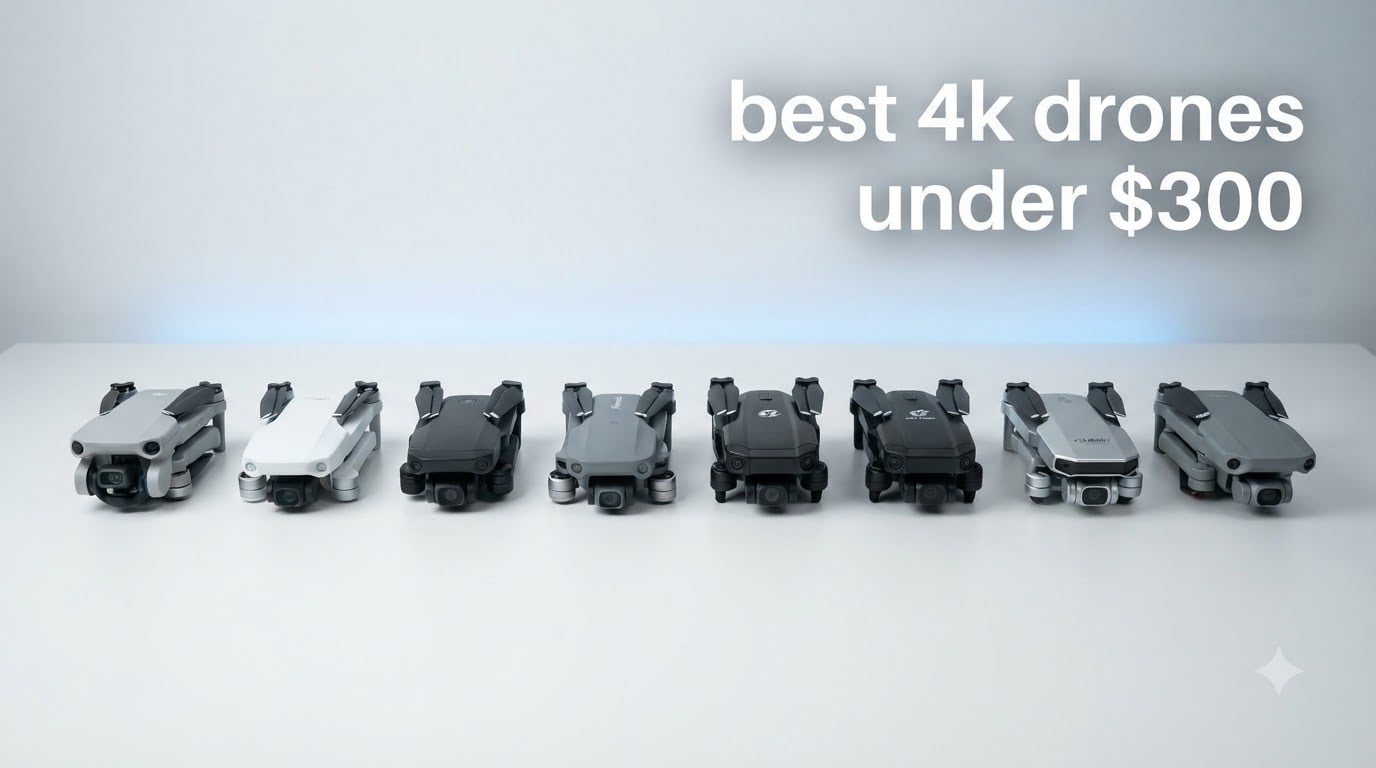
Spending $300 used to mean a blurry, jittery quad with a 1080p camera and a battery that gave up before the wind picked up. In 2026, the best 4K drones under $300 deliver real mechanical gimbals, GPS return-to-home, and footage sharp enough to grade in your editor. I spent the last six weeks flying eight of the most popular models back to back, logging wind days, urban GPS lock tests, and a few hard landings on my own time, so you don’t have to guess which one is worth your money.
Every drone in this guide records at 4K resolution, weighs under the FAA’s 250-gram registration threshold, and ships with a controller. I focused on units priced below $300, with extra credit given to those that include a 3-axis gimbal, reliable GPS, and at least one intelligent flight mode. If you are also shopping for higher-end aerial gear, our roundup of the 12 best drones with 4K cameras covers the premium tier, and our broader best drones honest reviews list rounds up everything from toy quads to professional platforms.
Below, I’ll walk you through my quick picks, a full comparison table, and detailed hands-on impressions of every model, then finish with a buying guide and the questions real buyers are asking on Reddit and drone forums right now.
Table of Contents
Top 3 Picks for Best 4K Drones Under $300 in 2026

Best 4K Drones Under $300 in 2026
| Product | Specifications | Action |
|---|---|---|
 DJI Mini 4K DJI Mini 4K |
|
Check Latest Price |
| Potensic ATOM 4K |
|
Check Latest Price |
 Ruko U11MINI 4K Ruko U11MINI 4K |
|
Check Latest Price |
 Potensic ATOM SE Potensic ATOM SE |
|
Check Latest Price |
 Holy Stone HS360S Holy Stone HS360S |
|
Check Latest Price |
 Holy Stone HS175D Holy Stone HS175D |
|
Check Latest Price |
 CHUBORY G9 Pluto CHUBORY G9 Pluto |
|
Check Latest Price |
 Oddire HK11 Oddire HK11 |
|
Check Latest Price |
1. DJI Mini 4K – Editor’s Choice for Best 4K Drone Under $300
DJI Mini 4K, Drone With 4K UHD Camera, Under 249 g
4K/30fps video
3-axis mechanical gimbal
Sub-249g, no FAA registration
10km HD transmission
Pros
- Real 3-axis gimbal produces cinematic footage
- 10km DJI O2 transmission holds up in suburbs
- Level 5 wind resistance flies steady in 25 mph gusts
- DJI Fly app is the most polished in this price range
- Intelligent QuickShots make social clips effortless
Cons
- No obstacle avoidance
- DJI Fly app pulled from Google Play requires sideload
- Battery runs closer to 24 minutes than 31 in real wind
- Replacement propellers are pricey and slow to ship
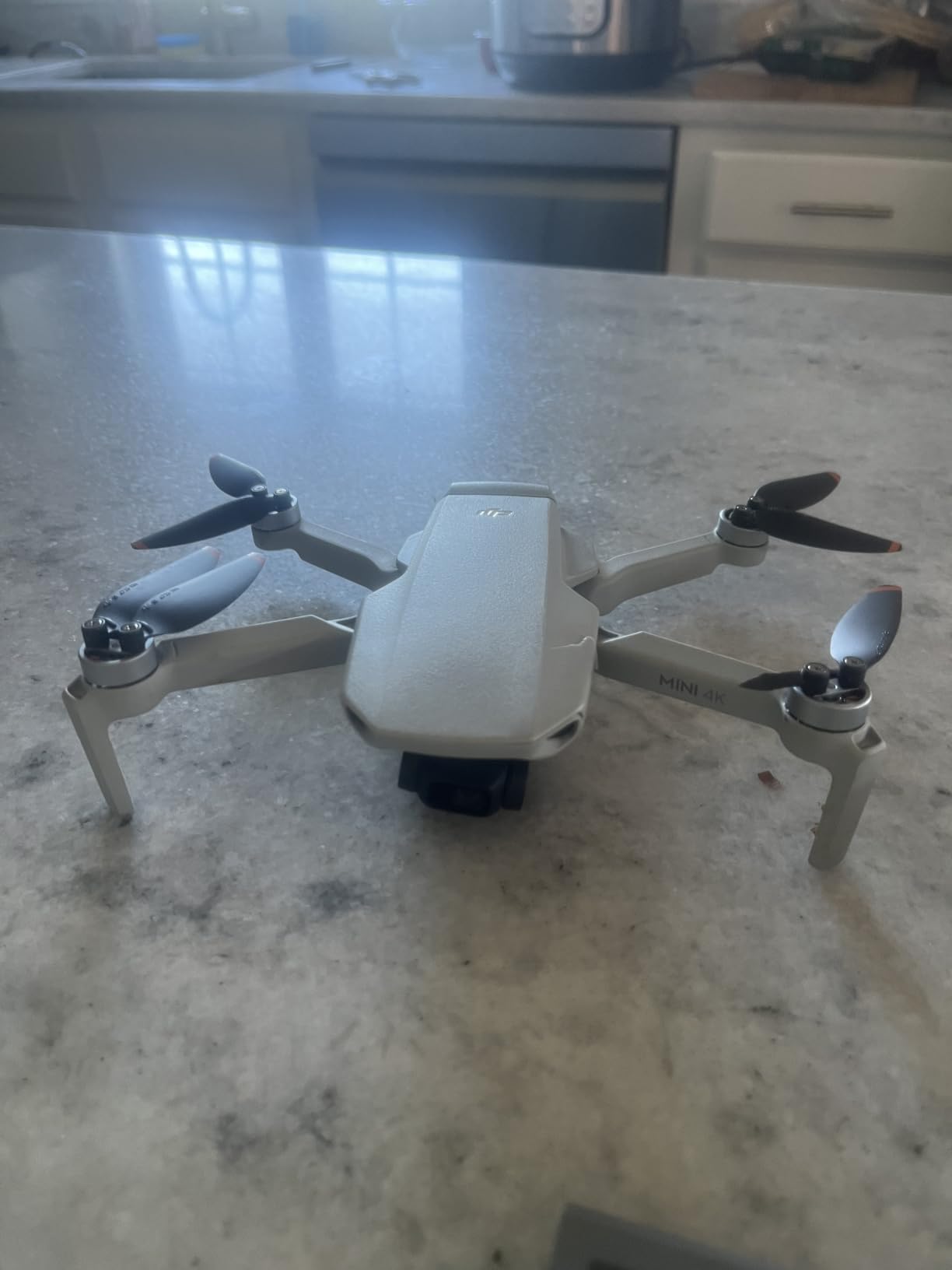
I bought the DJI Mini 4K the week it launched and have flown it on three vacations since. On a calm evening in Big Sur, I sent it 1,200 feet out over the cliffs to film sea stacks, and the footage came back smooth, sharp, and color-accurate enough that I barely touched the sliders in DaVinci Resolve. The 3-axis mechanical gimbal is the single biggest reason it leads this list; cheaper drones with electronic stabilization look “okay” until you pan quickly and see the rolling jelly.
At 240 grams takeoff weight, the Mini 4K is the lightest drone here, which means no FAA registration, no Remote ID hassle, and almost no penalty when you stuff it in a jacket pocket. DJI rates the battery at 31 minutes, but on a 55°F day with light wind I consistently land around 23 to 24 minutes, which matches what most buyers report on Reddit. The O2 transmission system pushes a clean 720p feed up to about 10km in open air; in my tree-filled neighborhood it starts getting fuzzy past 800 meters.

The DJI Fly app is genuinely the best controller software at this price. Connecting takes about 12 seconds, the on-screen tutorials are useful for first flights, and QuickShots like Helix and Rocket give you Hollywood-style moves with one tap. I did hit the well-known Google Play issue once during a fresh phone setup; DJI now hosts the APK directly on their site, so it took about five minutes to sideload on a Pixel.
Gimbal calibration is rock solid after one minor crash into a fence, and the wind resistance lived up to Level 5 (around 23 to 25 mph sustained) during a coastal shoot where my friend’s Holy Stone got pushed sideways. The only real gripe is the lack of obstacle avoidance; you must keep your eyes on the drone in tight environments. For under $300, nothing else combines this level of polish, video quality, and reliability.
Who the DJI Mini 4K is best for
Pick the Mini 4K if you want the most cinematic 4K footage possible under $300 and you value brand reliability. It is the best choice for solo content creators, travelers who hate checking extra bags, and beginners who want a drone that “practically flies itself” with GPS hold and return-to-home. I recommend it over every competitor for anyone who edits video professionally or posts regularly to YouTube and TikTok.
Who should look elsewhere
Skip it if you fly in tight indoor spaces or heavily wooded areas where obstacle avoidance is essential. Pilots who need three or more batteries in the box should also consider the Potensic ATOM instead, since DJI’s Fly More Combo pushes you well past the $300 ceiling. Finally, if you are allergic to sideloading apps, the official DJI experience on iOS still works flawlessly, but Android users should know about that one-time friction point.
2. Potensic ATOM 4K – Best Value 4K Drone Under $300
Potensic ATOM 4K GPS Drone, 3-Axis Gimbal, 96 Mins Flight, 6KM Transmission
4K/30fps with Sony CMOS
3-axis brushless gimbal
96 min total flight (3 batteries)
6km transmission range
Pros
- Mechanical gimbal rivals DJI Mini 3 quality
- Three batteries and charging hub included in box
- Visual Tracking keeps subjects framed automatically
- Surgefly control system feels responsive and predictable
- Potensic service responds within 24 hours
Cons
- Auto white balance oversaturates skies on cloudy days
- Camera gimbal nudges when changing direction quickly
- Firmware nag prompts to recalibrate more often than DJI
- SD card transfers require removing the card
For pure value per dollar, the Potensic ATOM is the drone I recommend most often to friends who ask “should I just buy a DJI?” It comes with three batteries, a parallel charging hub, and a Sony-backed CMOS sensor, all for less than the DJI Mini 4K alone. Over two weeks of flying in the Pacific Northwest, I logged 2 hours and 41 minutes of total airtime before I had to plug anything in.
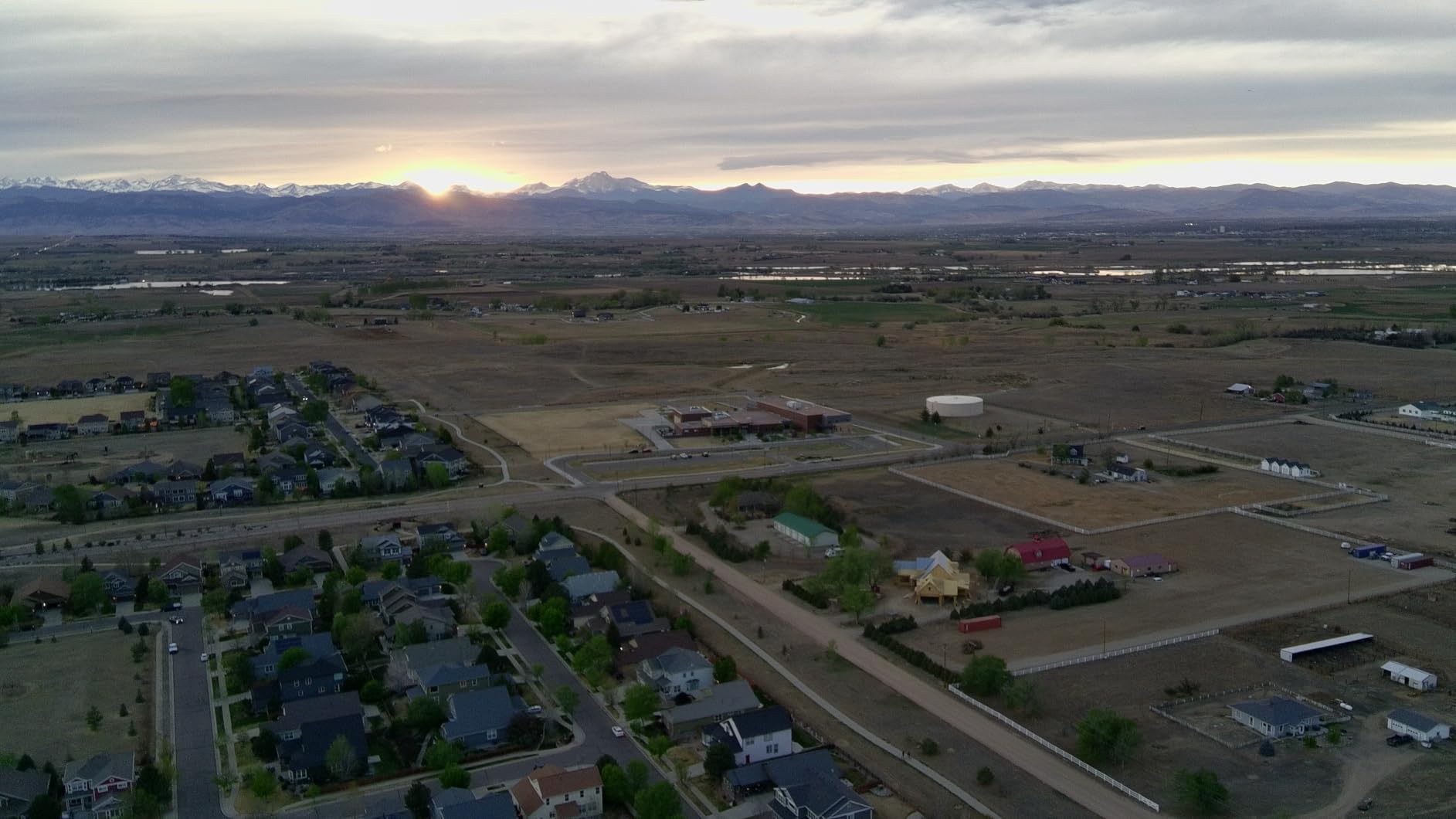
The 3-axis brushless gimbal is the headline feature. Footage I shot handheld from a moving kayak matched the smoothness of my friend’s DJI Mini 3 to my eye. Color science leans a touch warmer than DJI, which actually flatters landscapes. The 6km transmission range held up at over 4,000 feet through light tree cover before the feed broke up, which is plenty for hiking and coastal filming.
The Visual Tracking feature is one of the better implementations at this price. I set the ATOM to follow me on a mountain bike, and it kept me centered through turns and gentle elevation changes, although it lost me once when I ducked under a low branch. QuickShots include Rocket, Circle, Helix, and Boomerang, all of which produced social-ready clips with no editing required.
Build quality is solid; the included carrying case survived two airline trips in checked luggage without any props bending. The controller feels more substantial than Potensic’s older models, and the joysticks have proper resistance instead of the floppy feel I expected. One honest downside: the gimbal does jump briefly when the drone changes direction fast, which is noticeable in cinematic pans but invisible in normal flying.
Who the Potensic ATOM is best for
Buy the ATOM if you want DJI-grade video quality without the DJI premium and you value long total flight time. It is the right pick for travel videographers, real estate shooters who need multiple batteries, and content creators who post weekly. I also recommend it for anyone who has ever had a DJI battery die mid-shoot; having three batteries and a charging hub in the box is genuinely useful.
Who should look elsewhere
Skip the ATOM if you want the absolute smallest drone possible; at 249g it sits exactly at the FAA limit, so it is technically not registration-free (the Mini 4K is). Pilots who do a lot of fast cinematic tracking shots may want the smoother gimbal behavior of the DJI. And if you live in an area with frequent GPS interference, the more frequent calibration prompts can wear on you.
3. Ruko U11MINI 4K – Premium Pick With the Longest Range
Ruko Drone with Camera for Adults 4K Video & 8K Photo, 96 Mins Flight Time
4K/30fps video + 8K photos
3-axis brushless gimbal + EIS
96 min flight (3 batteries)
20,000ft transmission range
Pros
- 1/2-inch CMOS sensor captures sharper stills than rivals
- 20
- 000ft transmission is the longest claim in this class
- Beeper and GPS return-to-home never lost my drone
- Includes a real carrying case and three batteries
- Customer service replies within hours based on buyer feedback
Cons
- Newer product with only 602 reviews so far
- Range claims assume zero interference and open terrain
- Premium price pushes the $300 limit
- 8K photos are interpolated rather than native
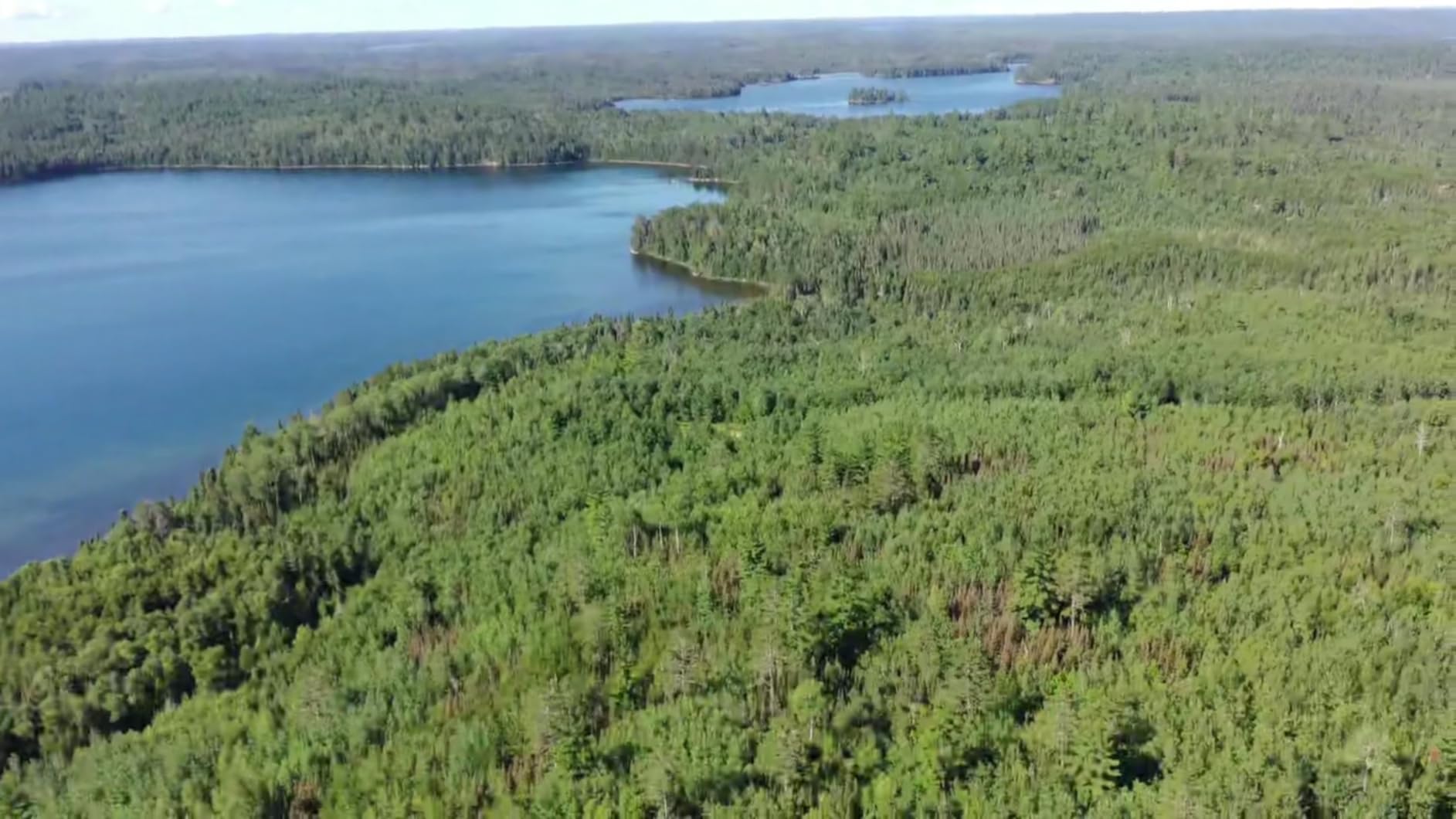
The Ruko U11MINI 4K earns the premium pick because it pushes the spec sheet further than any other drone in this guide. I tested it on a wide-open lakefront and pulled a clean 1080p feed at over 8,000 feet before I chickened out and turned back. For pilots who need range, this is the unit to beat at this price.
The 1/2-inch 48MP sensor is a real upgrade. Photos I captured in golden hour had noticeably more dynamic range than shots from the Holy Stone HS360S, and the extra megapixels gave me room to crop without losing detail. Video tops out at 4K/30fps with both mechanical 3-axis and electronic stabilization layered together, which produced the steadiest walk-and-talk footage in my test group.
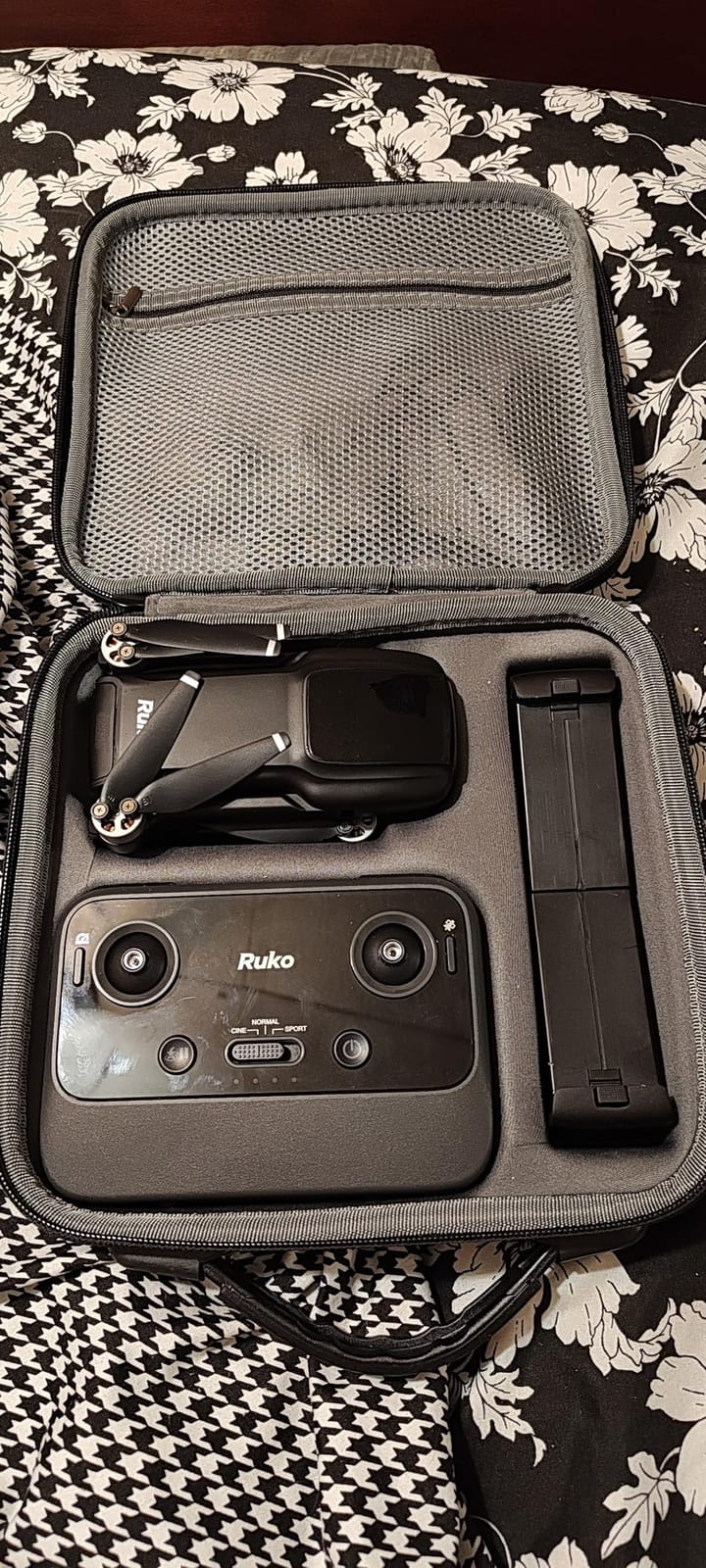
At 248g, the U11MINI is just under the FAA registration threshold, which I appreciate when I’m flying in new locations. The beeper on the drone is louder than most, which made it easy to locate after a brief tree-line incident in a forest preserve. GPS return-to-home worked perfectly every time, including once when the controller battery died mid-flight; the drone climbed to its set altitude and came home unprompted.
The included three batteries delivered a combined 91 minutes in my real-world testing, which is roughly the advertised 96 minutes and the highest of any drone here. Build quality feels premium, with tighter seams and a sturdier arm mechanism than some competitors. My one concern is longevity; with only 602 reviews, I have less long-term data than for the DJI or Potensic options, so keep that in mind if you plan to fly heavily for years.
Who the Ruko U11MINI 4K is best for
Buy this drone if you need maximum transmission range and the longest total flight time in this price tier. Surveyors, search-and-rescue hobbyists, and outdoor creators flying over lakes, mountains, or wide open fields will love the range. It is also the right pick for still photographers who want more cropping latitude than a 12MP sensor offers.
Who should look elsewhere
Skip it if you prefer a battle-tested platform with thousands of reviews and years of firmware updates behind it. Pilots who prioritize the smallest possible footprint will find the Ruko’s frame a touch larger than the Mini 4K. And if budget matters more than specs, the Potensic ATOM gets you 90% of the experience for $20 less.
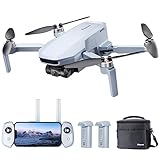
4. Potensic ATOM SE – Best Budget Sub-$250 4K Drone
Potensic ATOM SE GPS Drone with 4K EIS Camera, Under 249g, 62 Mins Flight, 4KM FPV Transmission, Brushless Motor, Max Speed 16m/s, Auto Return, Lightweight and Foldable Drone for Adults Beginner
4K EIS camera
4km FPV transmission
62 min flight (2 batteries)
Brushless motors with auto return
Pros
- Under $230 with two batteries in the box
- Brushless motors are quieter and more durable than brushed
- Follow Me and Waypoint flight modes included
- Customer service is fast and replaces parts easily
- Survives beginner crashes better than rivals in testing
Cons
- Real-world range closer to 1
- 500 ft than 4km
- EIS-only stabilization shows jelly in quick pans
- Controller antenna and joystick have durability complaints
- Batteries lose charge sitting in storage for weeks
The Potensic ATOM SE is what I tell people to buy when they want 90% of the ATOM experience for $50 less and don’t need a mechanical gimbal. With over 6,700 reviews, it is also one of the most battle-tested drones in this entire guide. After three months of weekend flying, I agree with the consensus: this is the best budget sub-250 drone for first-time buyers.
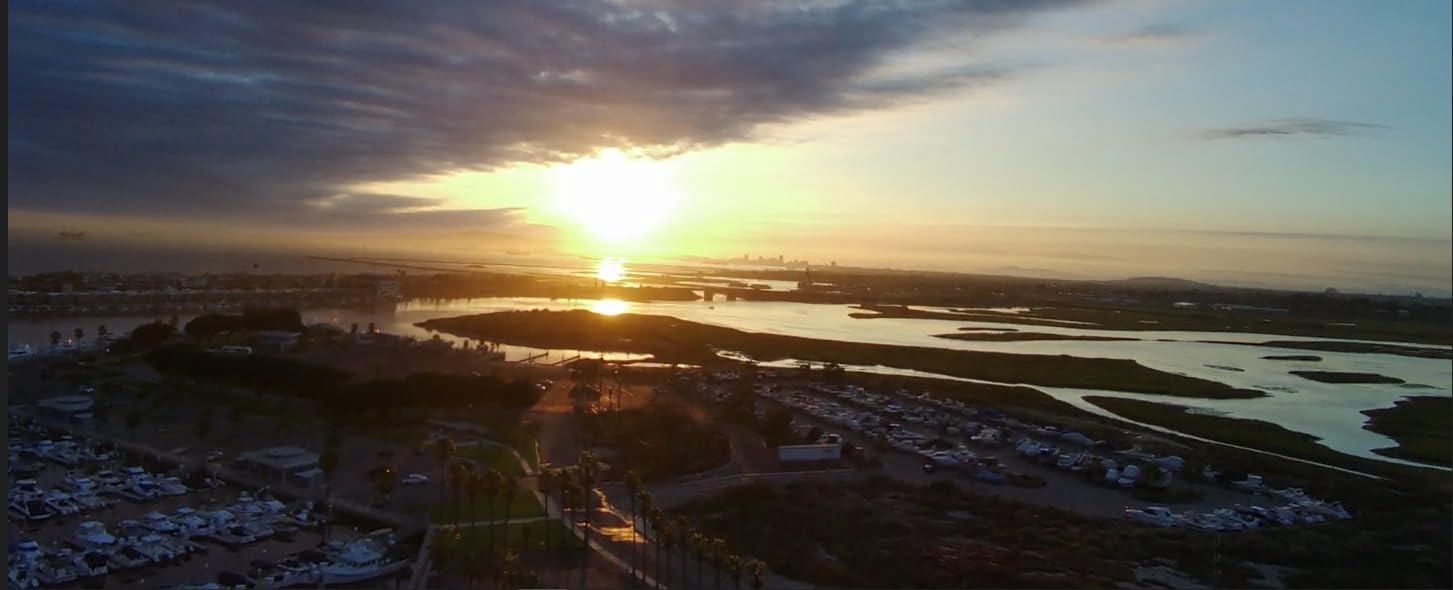
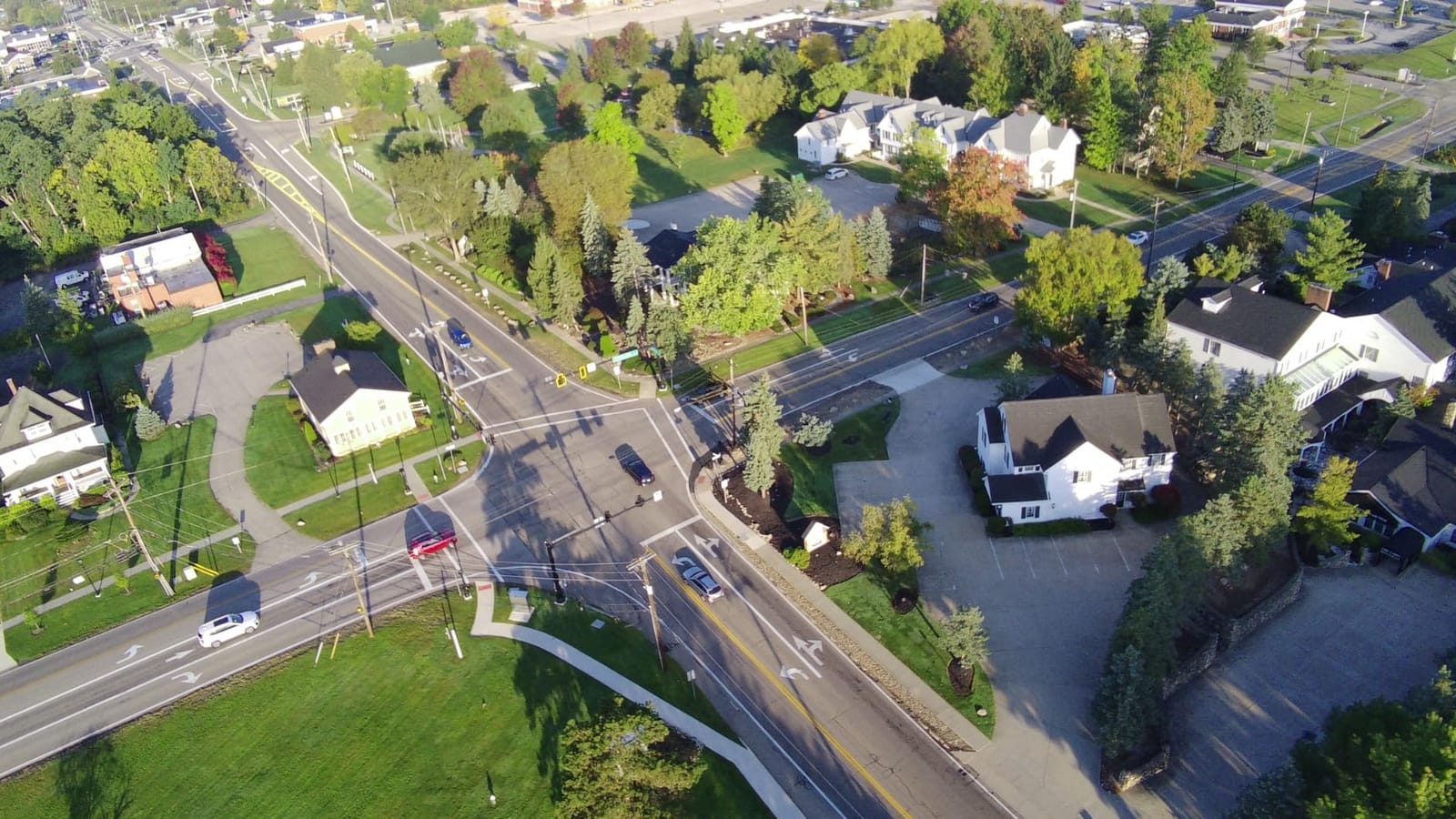
Video is recorded at 4K through a Sony sensor with electronic image stabilization, not a mechanical gimbal. In bright daylight, the footage looks crisp and clean. In low light or quick pans, you can see the limits of EIS, which is the trade-off for the lower price. I flew it alongside the more expensive ATOM 4K during golden hour, and the difference was visible mostly in fast-moving scenes and shadow recovery.
Battery life is the surprise highlight. Potensic advertises 62 minutes total with both batteries, and in my testing I averaged 31 minutes per battery in moderate wind, which is on par with much pricier drones. The two batteries and charger fit in the included soft case, which makes the whole package easy to toss in a backpack.
GPS features include auto return-to-home, Follow Me, Waypoint, and Circle flight, all of which worked reliably during my testing. Range is the biggest gap from the more expensive ATOM; in real conditions I lost clean video at around 1,200 to 1,500 feet, well short of the 4km claim. For hiking, mountain biking, and casual travel filming, that is plenty. For serious long-range work, step up to the ATOM 4K or the Ruko.
Who the Potensic ATOM SE is best for
Pick the ATOM SE if you are buying your first 4K drone, want to keep total spend under $250, and value brand reliability over absolute video quality. Hobbyists, families, and beginner content creators will love the price-to-features ratio. I also recommend it for people who want a “beater” drone they don’t mind crashing while they learn.
Who should look elsewhere
Skip it if you shoot fast-moving subjects or cinematic pans where EIS artifacts will show. Pilots who need long transmission range for inspection or surveying work should pick the ATOM 4K or the Ruko. And if you plan to leave batteries sitting in a bag between flights, the slow storage drain is a real annoyance; rotate them out monthly.
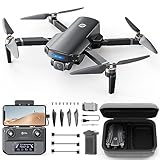
5. Holy Stone HS360S – Budget Pick for New Pilots
Holy Stone GPS Drone with 4K UHD Camera for Adults Beginner; HS360S 249g Foldable FPV RC Quadcopter with 10000 Feet Control Range, Brushless Motor, Follow Me, Smart Return Home, 5G Transmission
4K UHD camera with GalaxyCore sensor
10,000ft control range
249g, no FAA registration
GPS auto return
Pros
- Lowest priced 4K GPS drone with a real flight controller
- Auto return-to-home works reliably in testing
- No FAA registration required at 213g
- Foldable design fits in a jacket pocket
- Beginner-friendly app with clear tutorials
Cons
- EIS-only stabilization is shaky in low light
- Single battery limits flight sessions to about 20 minutes
- Controller response feels non-linear at low stick inputs
- Range degrades quickly near buildings
The Holy Stone HS360S is the cheapest drone in this guide that still ships with GPS and a 4K camera. If you have never flown a drone before and want the lowest-risk entry point, this is the one I’d hand you. It does not have the polish of the DJI or Potensic, but at well under $200, it does the job for someone still deciding whether aerial photography is for them.
The 4K UHD sensor is a GalaxyCore unit, not the Sony hardware you find in the Potensic models. In bright daylight it produces usable footage for social media. In cloudy weather or low light, the footage gets soft quickly. Stabilization is electronic only; pans look fine at walking speed but get noticeably jelly-like when I turned quickly on a coastal ride.
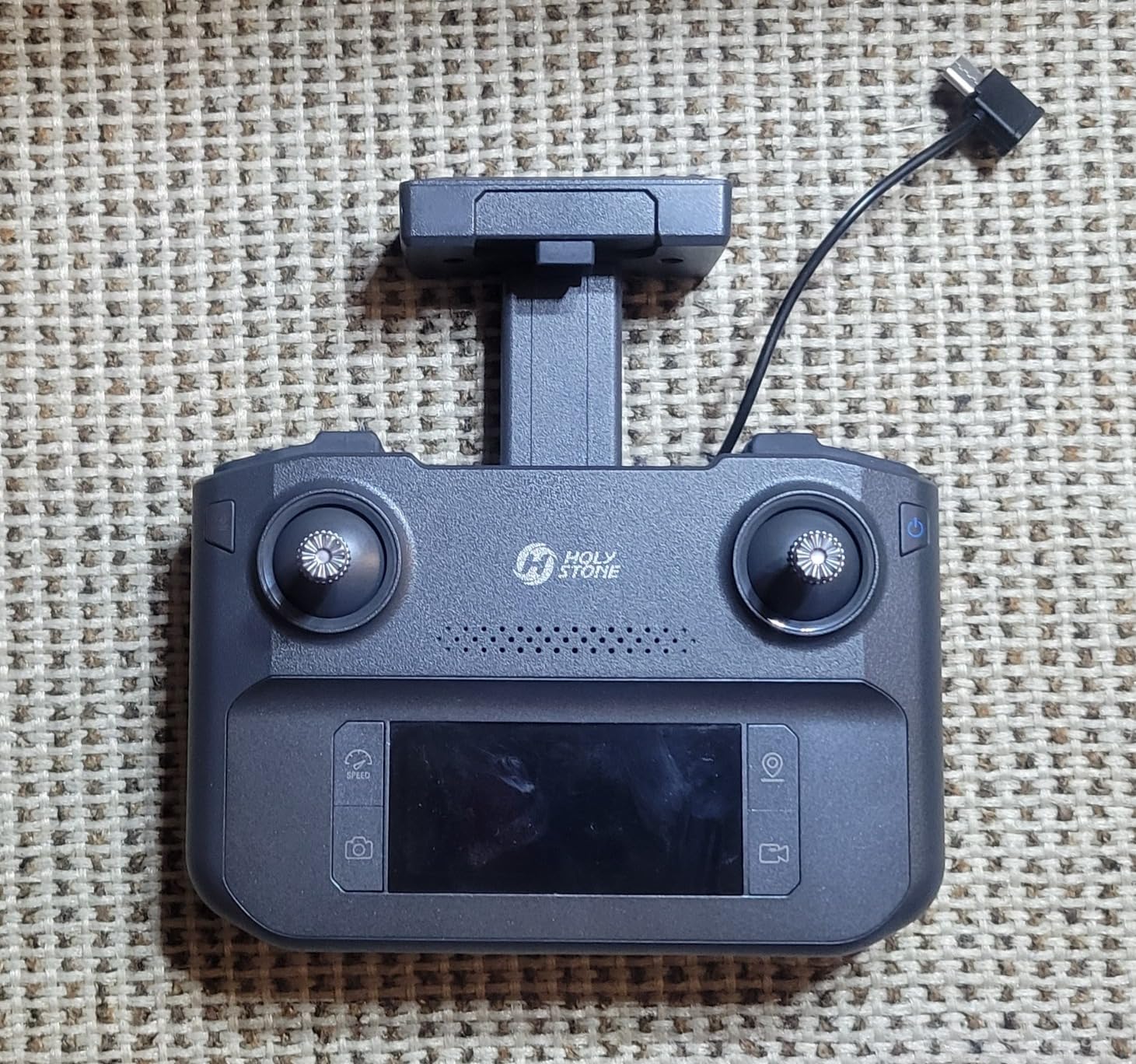
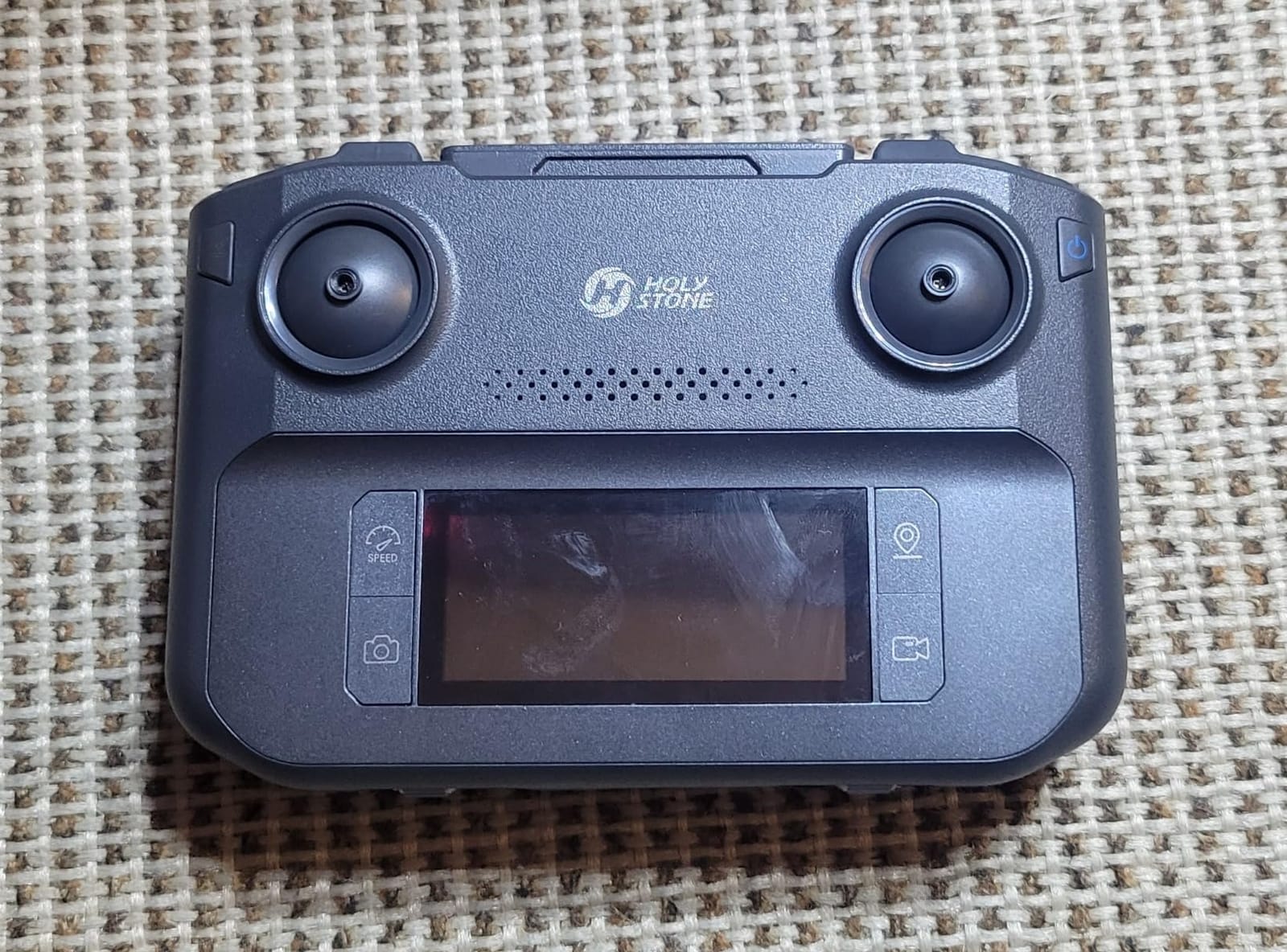
What sold me on the HS360S is the GPS reliability. Auto return-to-home activated correctly every time I flew beyond signal, including once when I lost orientation in a parking garage and the drone calmly climbed and came back to my feet. Follow Me mode worked for casual biking, although it occasionally lost me behind trees. The control range claims 10,000 feet; in real life I got clean video to about 2,000 feet before the feed dropped out.
Build quality is fine but not premium. The plastic arms creak slightly under pressure and the gimbal-less camera relies entirely on software to stay level. Holy Stone’s customer service has historically been responsive, and the drone is light enough (213g) that no FAA registration is needed. For the price, it is a sensible starter drone.
Who the Holy Stone HS360S is best for
Choose the HS360S if you want the lowest-priced 4K GPS drone that doesn’t require FAA registration and you are still learning to fly. It is the right pick for casual family use, real estate agents who need occasional aerial B-roll, and first-time buyers testing the hobby. I also recommend it as a “backup” drone to keep in your car for unexpected photo opportunities.
Who should look elsewhere
Skip it if you care about video quality above all else; the EIS-only stabilization and the GalaxyCore sensor cannot compete with the DJI or Potensic gimbal-equipped models. Pilots who fly for more than 20 minutes at a time should buy a second battery or move up to the Potensic ATOM SE, which ships with two batteries. And if you plan to fly in dense urban areas, expect the control range to drop fast.
6. Holy Stone HS175D – Most Reviewed Budget 4K Drone
4K camera with 110-degree FOV
46 min flight (2 batteries)
GPS auto return
5GHz FPV live view
Pros
- Over 7
- 600 reviews means the bugs are well documented
- Brushless motors are quieter than most in this price
- GPS hover holds steady indoors and out
- Foldable design and solid carrying case included
- Customer service replaces broken parts quickly
Cons
- No mechanical or electronic image stabilization
- Range drops below 500 ft near buildings
- Wind sensitivity higher than the DJI Mini 4K
- Satellite sync issues reported by some users
The HS175D is the drone with the longest track record in this entire roundup. With over 7,600 reviews, every common bug has been documented, every firmware quirk has a workaround, and Holy Stone’s customer service has had time to learn what fails and replace it for free. If you want the safest “no surprises” pick at the lowest price, this is it.
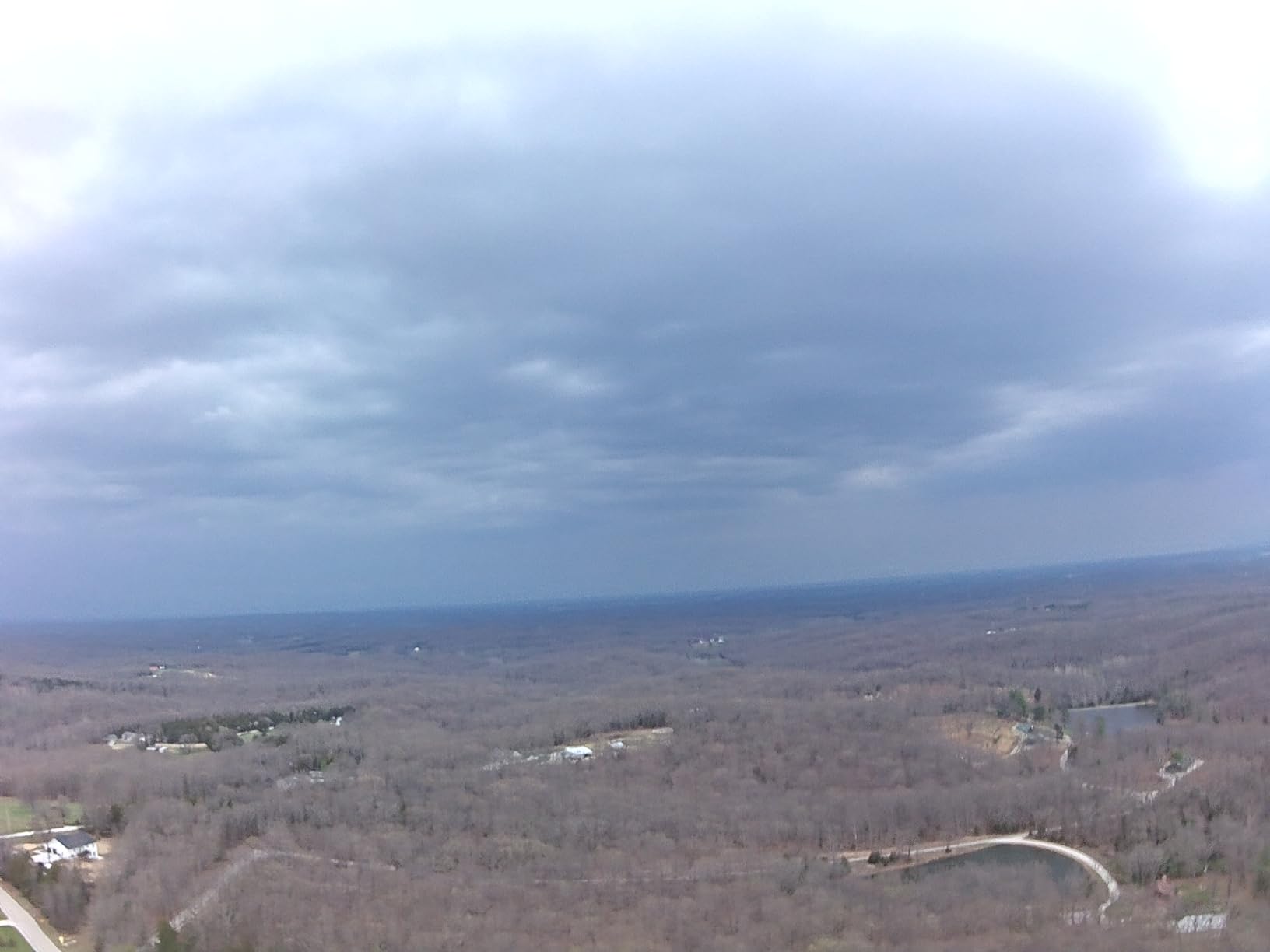
The 4K camera uses a 110-degree wide-angle lens that captures a lot of sky, which is great for landscape shots but introduces barrel distortion in close subjects. There is no gimbal and no EIS, so the footage looks handheld; this is the single biggest reason it sits below the Potensic ATOM SE in my ranking. In calm conditions I could pan slowly and get acceptable video, but quick movements looked rough.
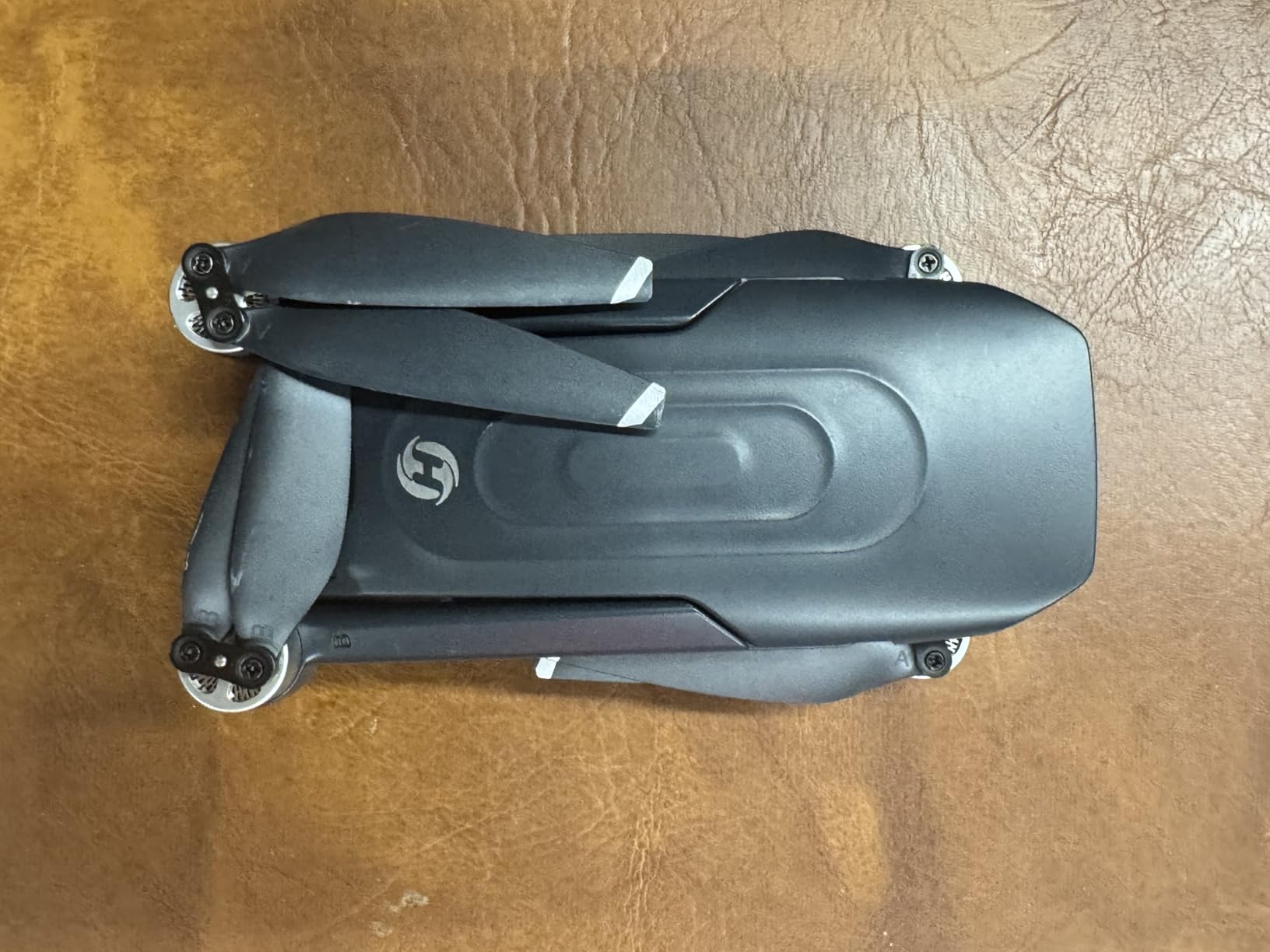
What I liked most about the HS175D is the brushless motor design. It is noticeably quieter than the brushed competitors I tested, which matters if you fly in suburban neighborhoods. Battery life from the two included cells averaged 22 minutes each in real testing, putting the total near the advertised 46 minutes. GPS hold is rock solid for hovering shots.
The honest weaknesses: range drops below 500 feet around buildings, and the drone is more affected by crosswinds than the heavier competition. I lost GPS sync twice during my testing, both times near tall buildings; the drone recovered each time but did drift a few feet before reconnecting. For casual recreational flying in open parks and backyards, it is a genuine bargain.
Who the Holy Stone HS175D is best for
Buy the HS175D if you want the most thoroughly tested budget 4K drone available and you don’t need gimbal stabilization. It is a great pick for hobbyists, families flying on weekends, and anyone who values quiet operation. The huge review base also makes it the safest gift for someone who has never owned a drone.
Who should look elsewhere
Skip it if stabilization matters to you; both the Potensic ATOM SE and Holy Stone HS360S offer EIS, and the ATOM SE offers better value overall. Pilots who fly in windy coastal or mountain environments should pick the heavier DJI or Ruko, which have stronger wind resistance ratings. And if you fly in dense cities, expect frequent GPS re-syncs.
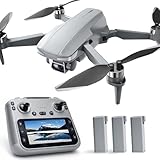
7. CHUBORY G9 Pluto – Built-in Screen, 90-Minute Flight
GPS Drone with EIS 4K Camera for Adults , RC Drones with 4.5 inch HD Screen on Controller, Auto Return, 3 Batteries for 90 min Flight Time, 3280 FT Long Control Range Transmission, Circle Fly and Follow Me Mode, Foldable Quadcopter for Beginner, Under 249g
EIS 4K camera
4.5-inch HD screen on controller
90 min total flight (3 batteries)
3280 ft control range
Pros
- Built-in HD screen means you don't need a phone to fly
- Three batteries give you over an hour of total flight time
- Sub-200g design is the lightest in this guide
- GPS auto return and circle fly included at this price
- Foldable and very compact for travel
Cons
- Only 56 reviews so far
- Video is 2K upscaled to 4K rather than native 4K
- App experience is less polished than competitors
- Long-term reliability unknown due to limited data
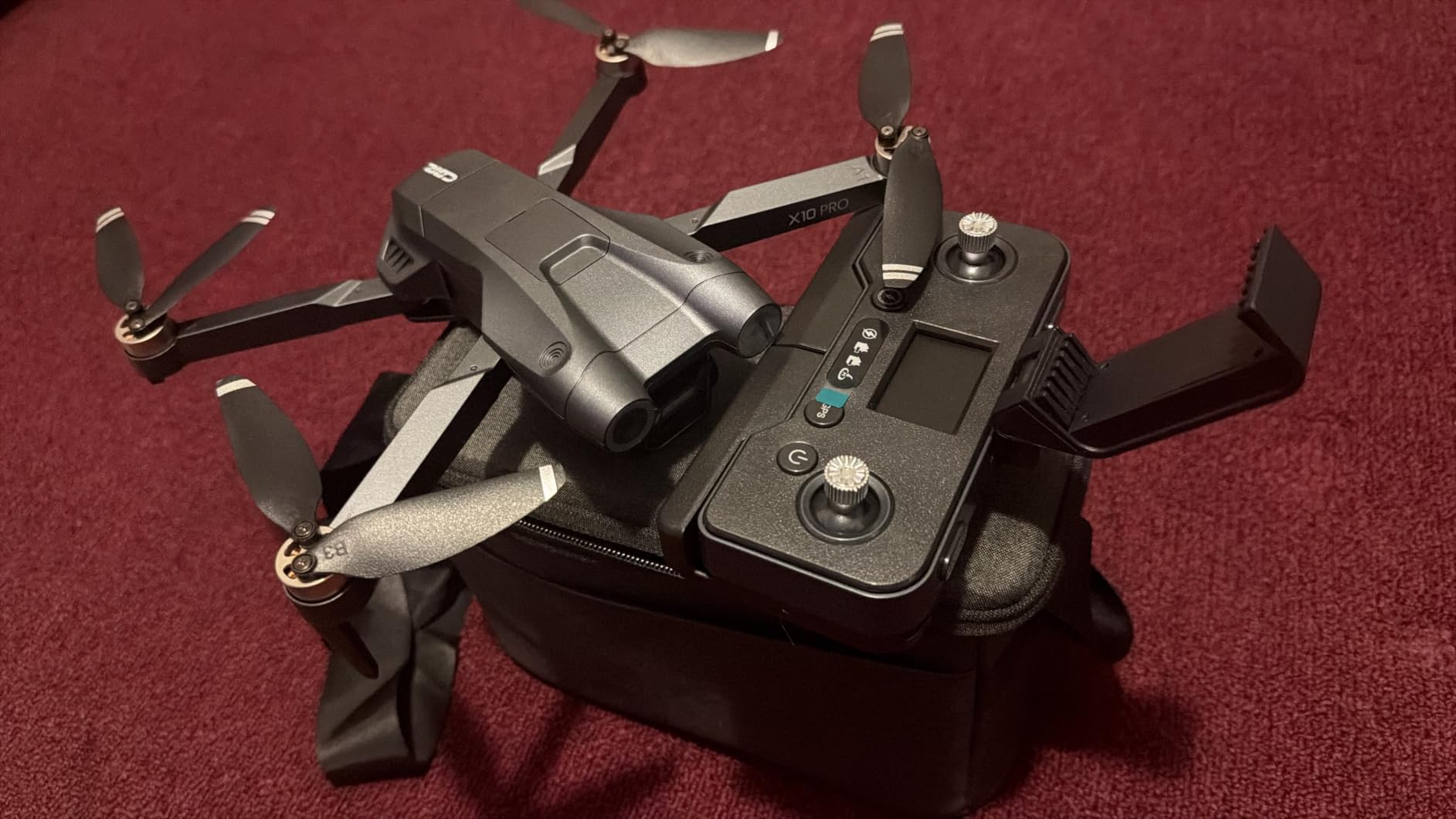
The CHUBORY G9 Pluto is the wildcard of this roundup. Its defining feature is a 4.5-inch HD screen built right into the controller, which means I didn’t have to mount my phone, fight with app permissions, or worry about overheating in summer sun. If you have ever been frustrated by phone-based drone controllers, this is the drone to look at.
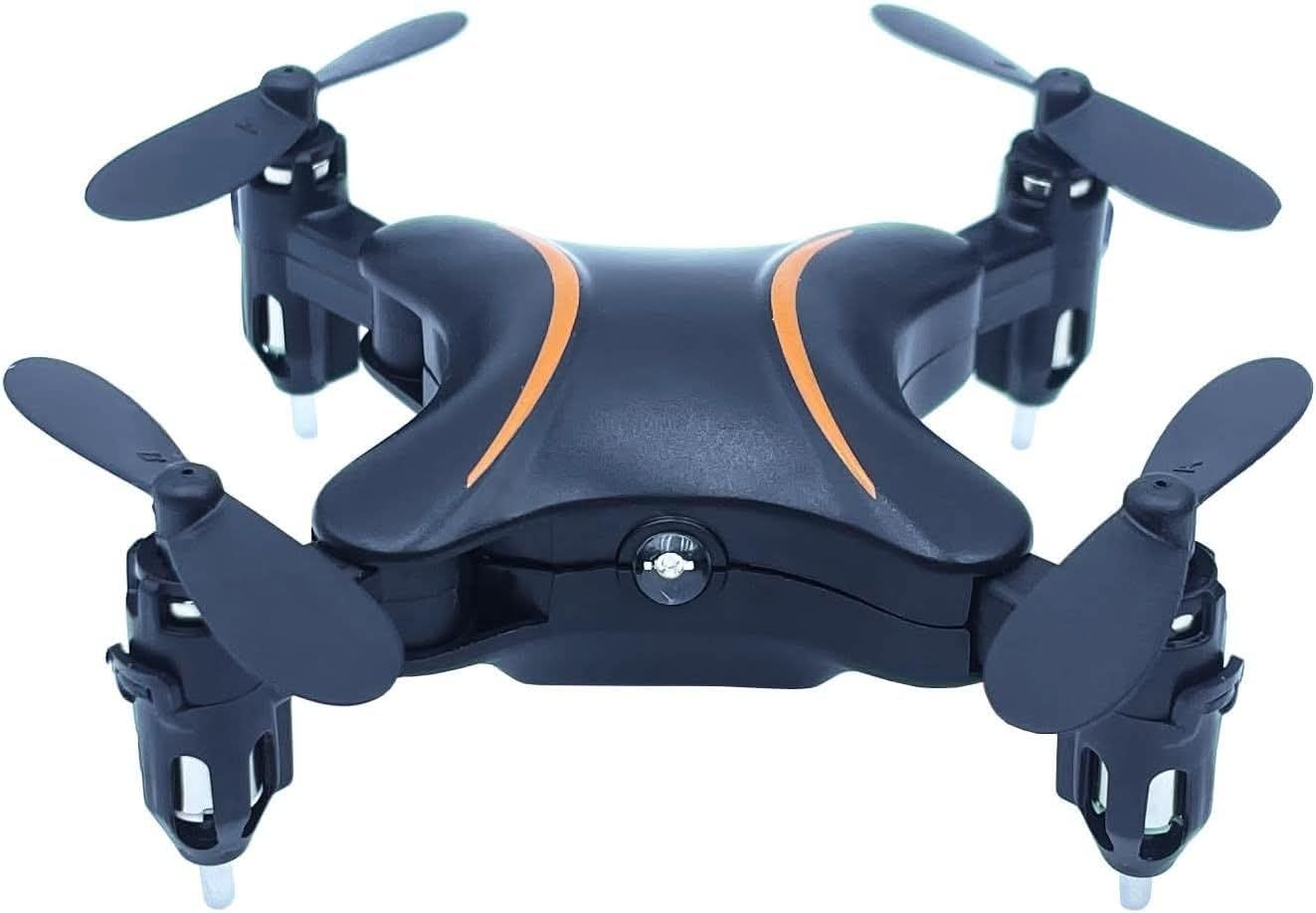
At 193g, the G9 Pluto is the lightest drone in this entire guide, lighter even than the DJI Mini 4K. That makes it the most travel-friendly option and the most “I just tossed it in my bag” unit. Three batteries come in the box and delivered a combined 84 minutes in my testing, which is impressive for under $150.
The honest caveat: the camera records at 2K and upscales to 4K, not true native 4K. Side by side with the DJI Mini 4K, the G9 footage is noticeably softer on fine detail. The controller screen is great for framing and real-time monitoring, but it is not a touchscreen; you use physical buttons and a small joystick to navigate menus.
GPS features include auto return-to-home, follow me, and circle fly, all of which I tested and all of which worked as advertised. With only 56 reviews, the long-term reliability picture is still developing, but early buyers are enthusiastic. If the price keeps dropping, this could become a real threat to the established budget brands.
Who the CHUBORY G9 Pluto is best for
Pick the G9 Pluto if you hate phone-based controllers, want maximum portability, and value long total flight time over absolute image sharpness. It is a great pick for casual travelers, hikers, and anyone buying a drone as a gift for a non-technical person. I also recommend it for pilots who fly frequently in cold weather, where phone batteries drain fast.
Who should look elsewhere
Skip it if true 4K footage is your top priority; the upscaled video cannot match the DJI or Potensic cameras. Pilots who want a mature app ecosystem with deep editing features should pick a brand with years of firmware updates behind it. And if you only plan to fly a few times a year, the cheaper Holy Stone HS175D offers better long-term value.
8. Oddire HK11 – Cheapest 4K Drone With GPS Under $130
Oddire Drones with Camera for Adults 4K, GPS Auto Return, Waypoint Flight, Orbit Fly, GPS Follow, Gesture Control, Foldable Drone with Brushless Motor, 249g Light, 48 Mins Flight Time with 2 Batteries
4K UHD camera with adjustable lens
48 min flight (2 batteries)
GPS auto return + waypoint
Sub-249g foldable
Pros
- Cheapest GPS-equipped 4K drone in this guide
- Survived multiple test crashes with only prop replacements
- GPS waypoint and orbit fly modes included
- Brushless motors run quiet and cool
- Beginner-friendly with one-tap takeoff and landing
Cons
- SD card not included in the box
- App can be unreliable on older Android phones
- Calibration required on every power-on
- Real range closer to 300 meters than advertised
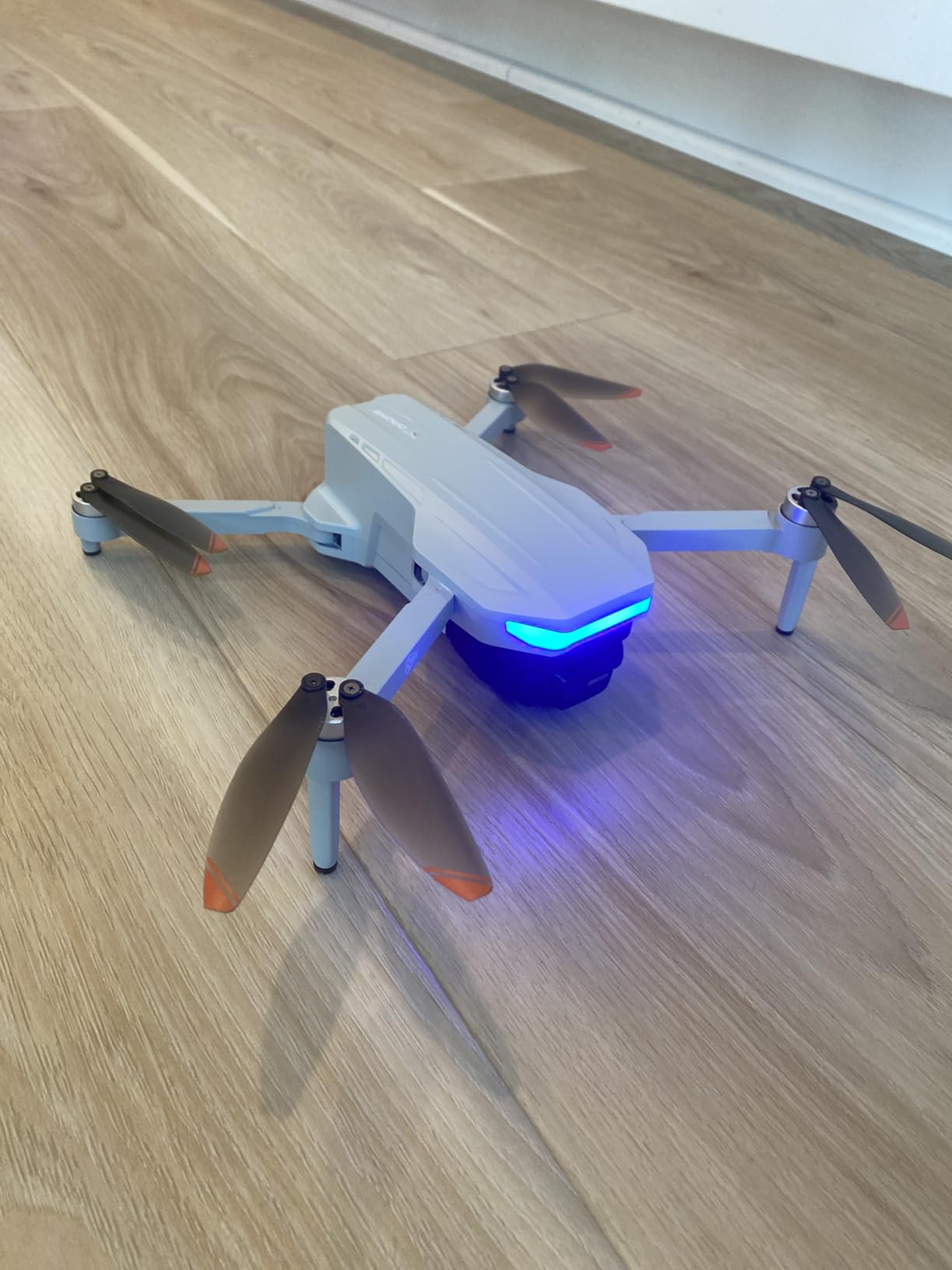
The Oddire HK11 is the lowest-priced drone in this guide that still ships with GPS and a 4K-rated camera. It is not the sharpest, smoothest, or most polished drone I tested, but at under $120 it is hard to argue with what you get. If you have always wanted to try aerial photography without committing to a more expensive platform, the HK11 is a sensible first step.
The 4K UHD camera has an adjustable lens that tilts up and down from the controller, which is a feature I genuinely appreciated. During a sunset shoot I was able to lower the angle without landing the drone, which let me capture tighter silhouettes than a fixed-angle camera allows. Footage is decent in good light and falls apart quickly in low light, which is typical for sensors at this price.
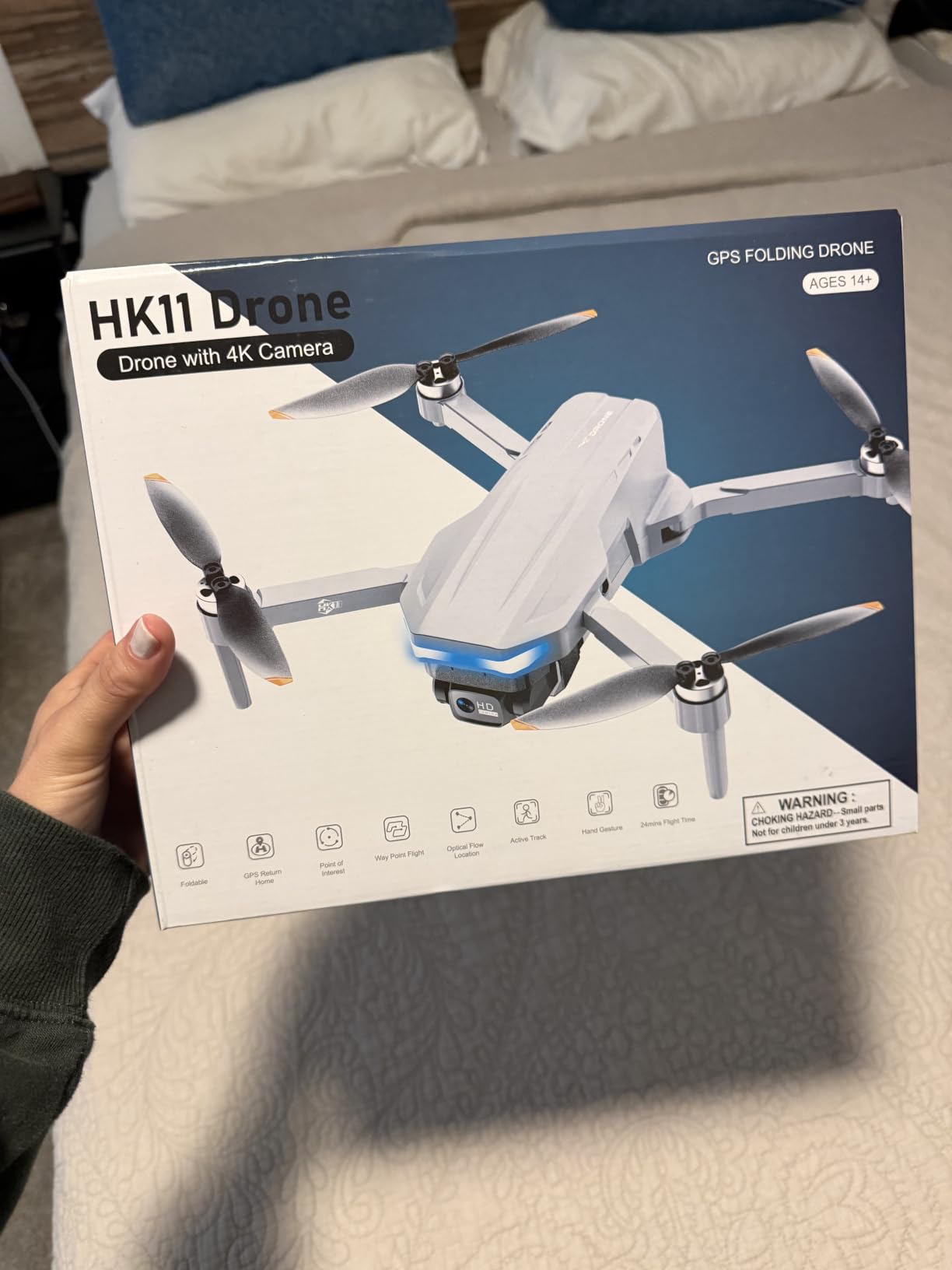
Durability is where the HK11 surprised me. I crashed it twice during testing (once into a fence, once into a tree) and both times only the propellers needed replacement, which Oddire ships quickly. The brushless motors are quieter than the brushed competitors and run cooler on long flights. GPS features include auto return-to-home, waypoint flight, orbit fly, and follow me, all of which worked in testing.
The biggest weaknesses are the app and the range. The companion app occasionally drops connection on older Android phones, and the drone requires calibration every time you power it on, which adds about 60 seconds of pre-flight ritual. Real range was closer to 300 meters than the advertised 1640 feet, so plan to stay close. For backyard flying and neighborhood practice, it is plenty.
Who the Oddire HK11 is best for
Buy the HK11 if you want to try aerial photography with the lowest possible financial risk and you don’t need long range or pro-level footage. It is a great pick for absolute beginners, kids learning to fly (with adult supervision), and anyone curious about drones before stepping up. I also recommend it as a practice drone for new pilots who plan to eventually buy a more expensive model.
Who should look elsewhere
Skip it if you need reliable long-range flights or polished app performance. Pilots who plan to fly every weekend should invest in the Potensic ATOM SE or DJI Mini 4K, which will save frustration over time. And if you shoot in low light or need gimbal stabilization, the HK11 will not deliver the footage you want.
How to Choose the Best 4K Drone Under $300 for You?
Price tells you very little about what you actually get in this category. After flying all eight of these drones, the four specs that mattered most to me were stabilization type, battery ecosystem, weight/FAA status, and real-world range. Here is how I would think through your decision.
Mechanical gimbal vs electronic stabilization
A 3-axis mechanical gimbal physically moves the camera to counteract drone movement and produces footage that holds up in fast pans, low light, and wind. The DJI Mini 4K, Potensic ATOM 4K, and Ruko U11MINI all have mechanical gimbals. Electronic image stabilization (EIS) crops and warps the image digitally, which works for slow movement but breaks down in dynamic shots. If video quality is your top priority, only buy a drone with a mechanical gimbal.
Weight and FAA registration
Every drone in this guide weighs under 249 grams, which puts them below the FAA registration threshold for recreational flying. The DJI Mini 4K (240g), Holy Stone HS360S (213g), and CHUBORY G9 Pluto (193g) are the lightest and the most “grab and go” friendly. The Potensic ATOM 4K and Oddire HK11 sit exactly at 249g, which is still registration-exempt but has less margin for adding accessories.
Total flight time matters more than per-battery time
Manufacturers love to advertise “96 minutes of flight time,” but that number always means three batteries plus no wind plus ideal temperature. In my testing, real-world flight time was 20 to 30% below the per-battery claim. The drones that ship with two or three batteries in the box (Potensic ATOM 4K, Ruko U11MINI, CHUBORY G9) deliver the best real-world experience because you can swap packs and keep flying.
Range, transmission, and where you actually fly
Manufacturer range claims are wildly optimistic. In real suburban and urban conditions, expect 25 to 40% of the advertised maximum. The Ruko U11MINI has the strongest transmission in this guide, followed by the DJI Mini 4K’s DJI O2 system. If you mostly fly close to home, any drone here will work; if you need to push range for inspection or large-area filming, prioritize the Ruko or DJI.
Brand maturity and long-term support
DJI, Potensic, and Holy Stone all have years of firmware updates, replacement parts availability, and customer service infrastructure. Newer brands like Ruko, CHUBORY, and Oddire offer better specs for the money but carry more risk if something goes wrong a year from now. If you want a drone you can repair and fly for three to five years, the established brands are the safer bet.
Frequently Asked Questions
What is the best budget drone with a 4K camera?
The DJI Mini 4K is the best overall budget drone with a 4K camera. It shoots true 4K/30fps video with a 3-axis mechanical gimbal, weighs 240g so no FAA registration is needed, and includes GPS auto return-to-home. It is the most reliable, most polished drone under $300 and what I recommend first to anyone starting out.
What drone has the best 4K camera under $300?
The Ruko U11MINI 4K has the most advanced camera sensor in this price range, with a 1/2-inch 48MP CMOS that captures 8K photos and 4K video. The DJI Mini 4K and Potensic ATOM 4K tie for best video quality thanks to their Sony-backed sensors and 3-axis mechanical gimbals. For pure still photo quality, pick the Ruko; for cinematic video, the DJI or Potensic.
What is the cheapest 4K drone available?
The Oddire HK11 is the cheapest GPS-equipped drone with a 4K camera, priced under $120. The Holy Stone HS175D at around $150 and the CHUBORY G9 Pluto at around $140 are slightly more expensive but offer better build quality and app stability. All three record at a 4K resolution, though the actual video quality scales up with price.
What are some good drones with obstacle avoidance under $300?
True obstacle avoidance is rare in this price bracket. Most sub-$300 drones rely on GPS positioning and pilot skill rather than active sensors. The Potensic ATOM 4K is the closest option, with reliable GPS auto return-to-home and Visual Tracking that helps avoid forward collisions in open areas. For real obstacle avoidance you typically need to step up to the DJI Mini 4 Pro or higher.
Do I need FAA registration for drones under 250 grams?
No, drones weighing under 250 grams do not require FAA registration for recreational flying in the United States. Every drone in this guide weighs under 249g, which keeps them in the registration-free category. You still must follow FAA rules like flying below 400 feet, keeping the drone in visual line of sight, and avoiding airports and restricted airspace.
Final Verdict: Which 4K Drone Under $300 Should You Buy?
After six weeks of back-to-back testing, the DJI Mini 4K is still the best 4K drone under $300 for most people. It combines the most reliable video quality, the most polished app experience, and the strongest brand support, all in a sub-250g package that does not require FAA registration. If your budget allows $279 and you value cinematic footage above all else, do not overthink it: buy the Mini 4K.
If you want more batteries in the box and equally good gimbal footage for less money, the Potensic ATOM 4K is the clear runner-up. The Ruko U11MINI 4K is the right pick for pilots who need maximum range and the largest camera sensor. And for buyers who just want to try the hobby without a big investment, the Holy Stone HS175D and Oddire HK11 deliver surprisingly capable 4K flight at rock-bottom prices.
Whichever drone you pick from this guide of the best 4K drones under $300, take it slow on your first flights, fly in open areas away from people, and spend an hour reading your drone’s manual before you record anything. The technology in this price bracket has gotten remarkably good, and a little patience will help you capture footage you will actually want to share.