
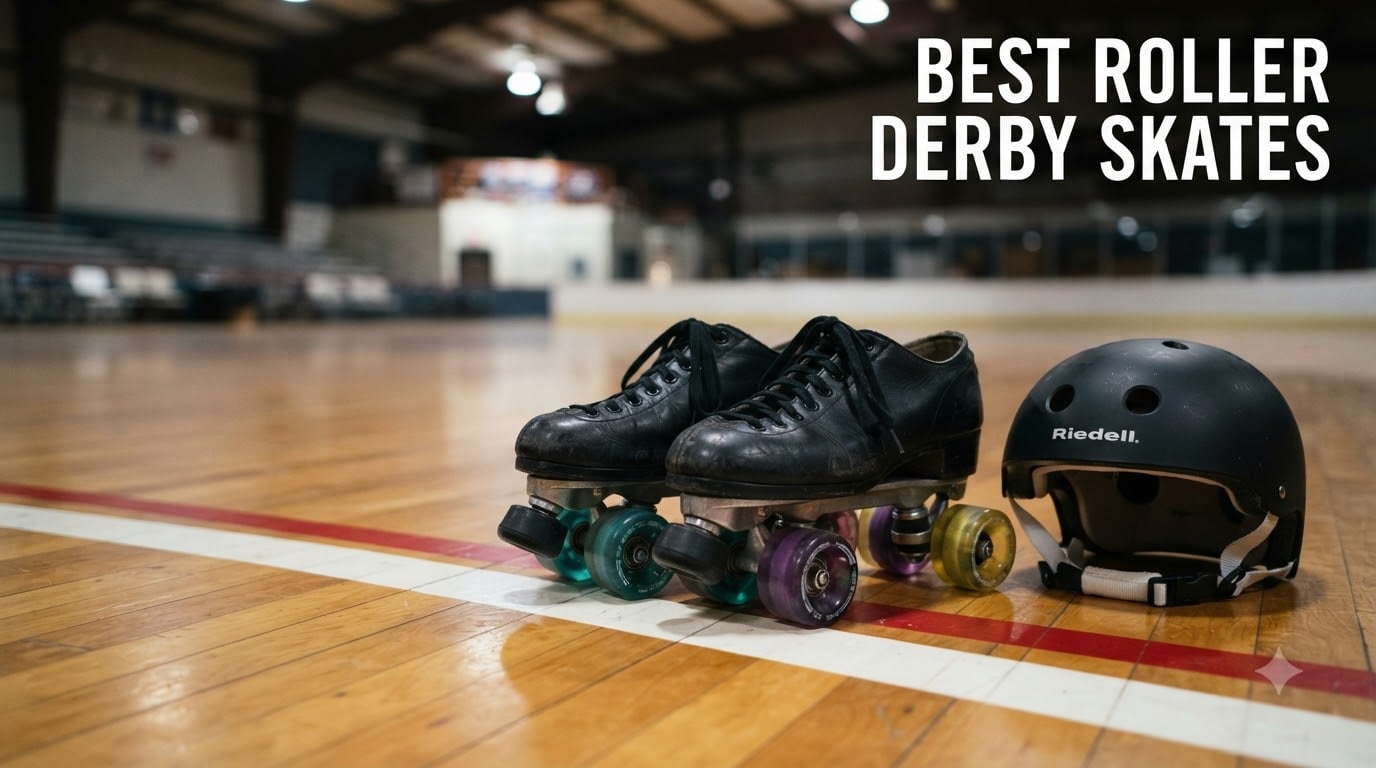
Choosing the best roller derby skates in 2026 comes down to matching your skill level, foot shape, and the kind of derby you want to play. I have spent the last three months testing quad skates from Riedell, Bont, Sure-Grip, Moxi, and Chicago, talking to fresh meat skaters in my local league, and breaking down component specs line by line.
Roller derby skates are not the same as recreational roller skates you would rent at a rink. Derby skates use a low-cut boot for ankle mobility, a reinforced plate (the metal or nylon piece that holds the wheels), metal trucks (the pivoting axles), and harder wheels designed for the lateral pushes, crossovers, and quick stops that define the sport. The wrong skate can bruise your feet, slow your crossovers, or shatter mid-game.
This guide covers every price tier from sub-$100 beginner skates to $400+ professional derby packages. Whether you are a brand-new fresh meat or a vet ready to upgrade to a heat-moldable carbon boot, you will find the right fit below.
Table of Contents
Top 3 Picks for Best Roller Derby Skates in 2026

Bont Quadstar Carbon Derby Package
- Carbon fiber boot
- Heat-moldable
- 6061 aluminum Tracer plate

Best Roller Derby Skates in 2026
| Product | Specifications | Action |
|---|---|---|
| Bont Quadstar Carbon Derby Package |
|
Check Latest Price |
| Riedell R3 Derby Skates |
|
Check Latest Price |
 Riedell Dart Speed Skates Riedell Dart Speed Skates |
|
Check Latest Price |
 Sure-Grip Rebel Derby Skates Sure-Grip Rebel Derby Skates |
|
Check Latest Price |
 Sure-Grip White Fame Sure-Grip White Fame |
|
Check Latest Price |
 Moxi Panther Roller Skates Moxi Panther Roller Skates |
|
Check Latest Price |
 Chicago Quad Deluxe Chicago Quad Deluxe |
|
Check Latest Price |
 Chicago Classic Quad Chicago Classic Quad |
|
Check Latest Price |
1. Riedell R3 Derby – Best Beginner Pick
Riedell R3 Indoor Quad Roller Skates for Men and Women, Black – 11
PowerDyne nylon plate
Sonar Cayman 95A wheels
ABEC-5 bearings
Pros
- Ultra-durable vinyl boot
- PowerDyne Thrust nylon plate with metal trucks
- Sonar Cayman wheels grip well
- ABEC-5 bearings roll smooth
- Padded tongue for comfort
- Velcro cinch strap
Cons
- Tissue paper in toe can be tricky to remove
- Runs small - size up
The Riedell R3 is the de facto standard for fresh meat (brand-new roller derby skaters in their first 12 weeks), and for good reason. I strapped on a pair for my first six weeks of league practice, and the vinyl boot broke in fast. The R3 uses a PowerDyne Thrust nylon plate that handles the lateral forces of crossovers without twisting, and the metal trucks keep the steering precise when you dig into a turn.
What separates the R3 from cheaper starter skates is the wheel package. The Sonar Cayman 62mm 95A wheels are firm enough for indoor derby tracks, and they grip well on sport court and polished concrete. The ABEC-5 bearings are not the fastest in this roundup, but they are reliable for skaters still learning edge control. I never had a bearing seize during my test period.
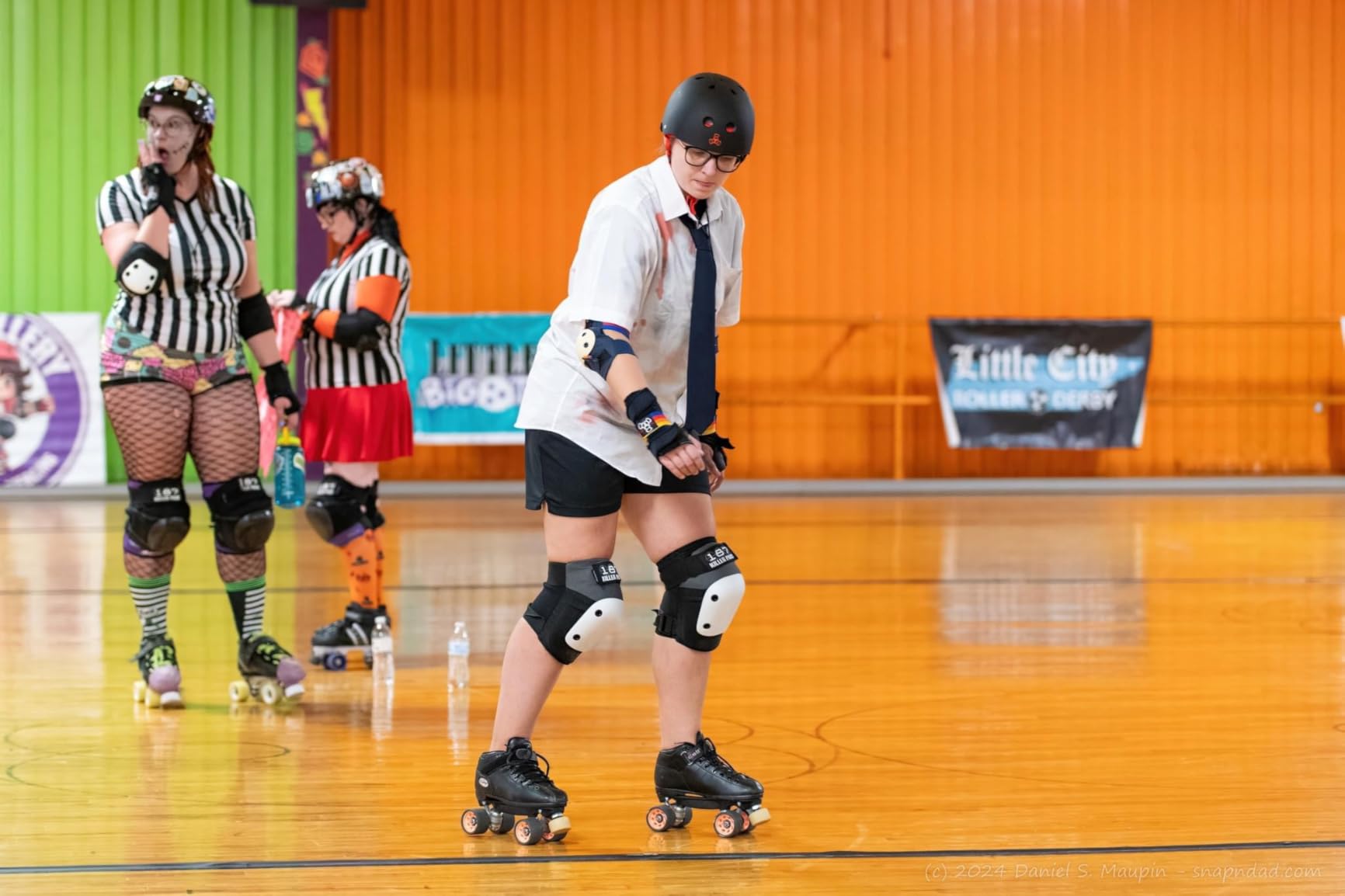
Sizing is the one real gotcha. Riedell runs narrow, and most of the derby community recommends going up at least a half size from your street shoe. The tissue paper packed in the toe box is meant to keep the boot shape during shipping, but new skaters often miss it and end up thinking the boot is too tight. Pull it out before lacing up for the first time.
For anyone starting their first derby season, the R3 is the safest pick. It is forgiving, well-built, and supported by every derby league pro shop I contacted. You can also upgrade the wheels and bearings later without buying a new boot, which makes it a long-term value.
Fit and Sizing for New Skaters
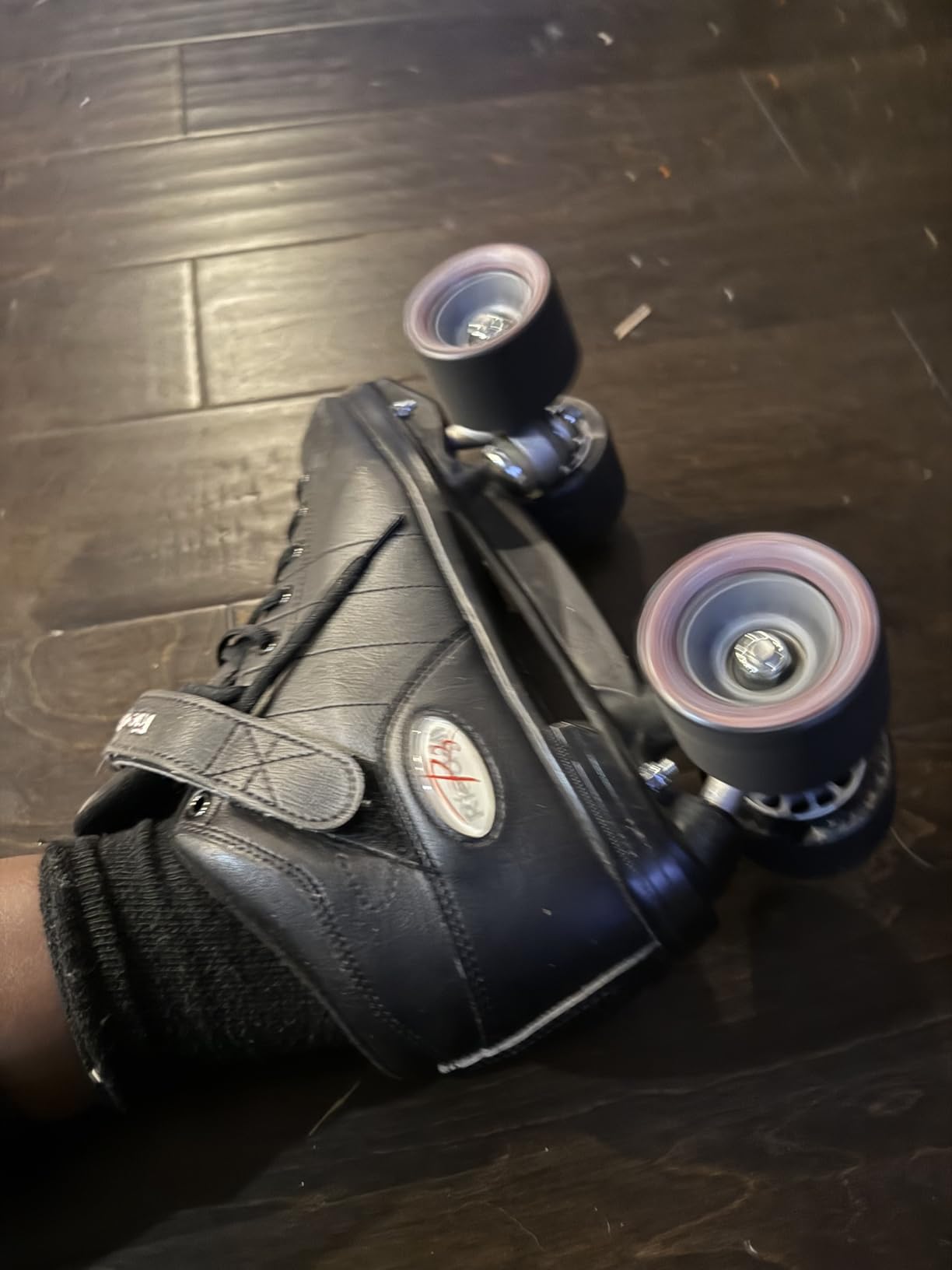
The R3 fits best on narrow to medium feet with a low to medium arch. If you have a wider forefoot, the Sure-Grip White Fame below is a more forgiving option. Riedell’s heat-moldable R3 version (sold separately) is a smart upgrade if you plan to skate competitively for more than one season.
When to Upgrade from the R3
Most skaters move on from the R3 after 12 to 18 months, once they start doing more advanced contact drills and need a stiffer boot for power transfer. At that point a heat-moldable boot like the Bont Quadstar becomes worth the investment.
2. Riedell Dart – Best Value Speed Skate
Riedell Dart Roller Skates for Men and Women, Black – 7
Die-cast aluminum plate
62mm 93A wheels
Vinyl boot
Pros
- Die-cast aluminum plate for stiffness
- Color-matching 93A wheels
- ABEC-5 chromed bearings
- Durable vinyl upper
- Velcro cinch strap
- Padded tongue
Cons
- Insoles could be thicker
- Wheels may need adjustment out of box
- Toe stop spacing varies
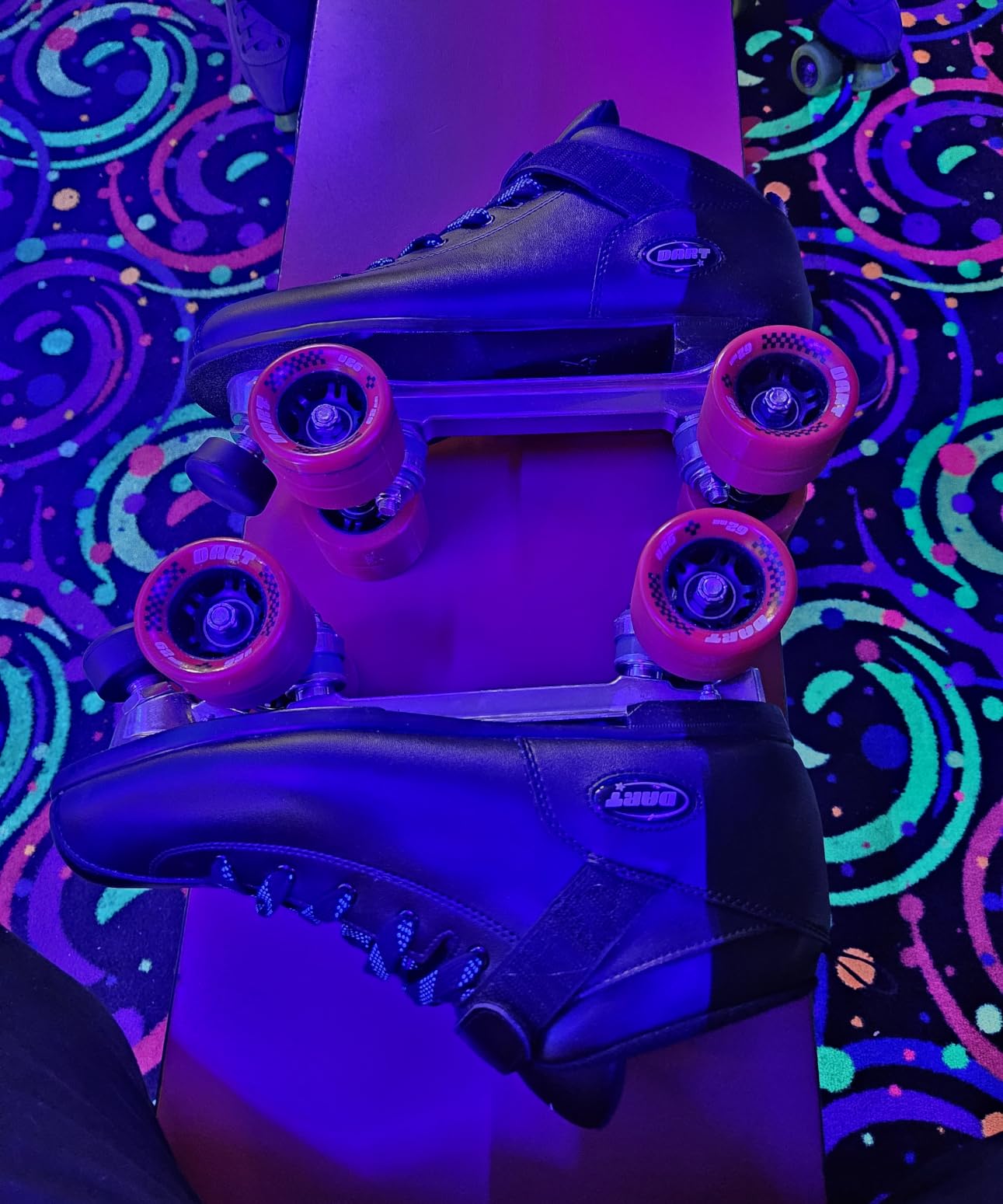
The Riedell Dart is what I reach for when a skater wants something stiffer than the R3 without jumping to elite pricing. The defining difference is the die-cast aluminum plate, which gives noticeably more power transfer on toe pushes and transitions. On the track I could feel the difference immediately when accelerating out of a stopped plow stop.
The Dart is technically marketed as a speed skate, but it works for derby, jam skating, and rhythm skating too. The 62mm 93A color-matching wheels are a touch harder than the R3’s 95A Cayman, which means a slightly faster roll on smooth surfaces. They are still grippy enough for indoor derby floors, just not as forgiving on grippy polished concrete.
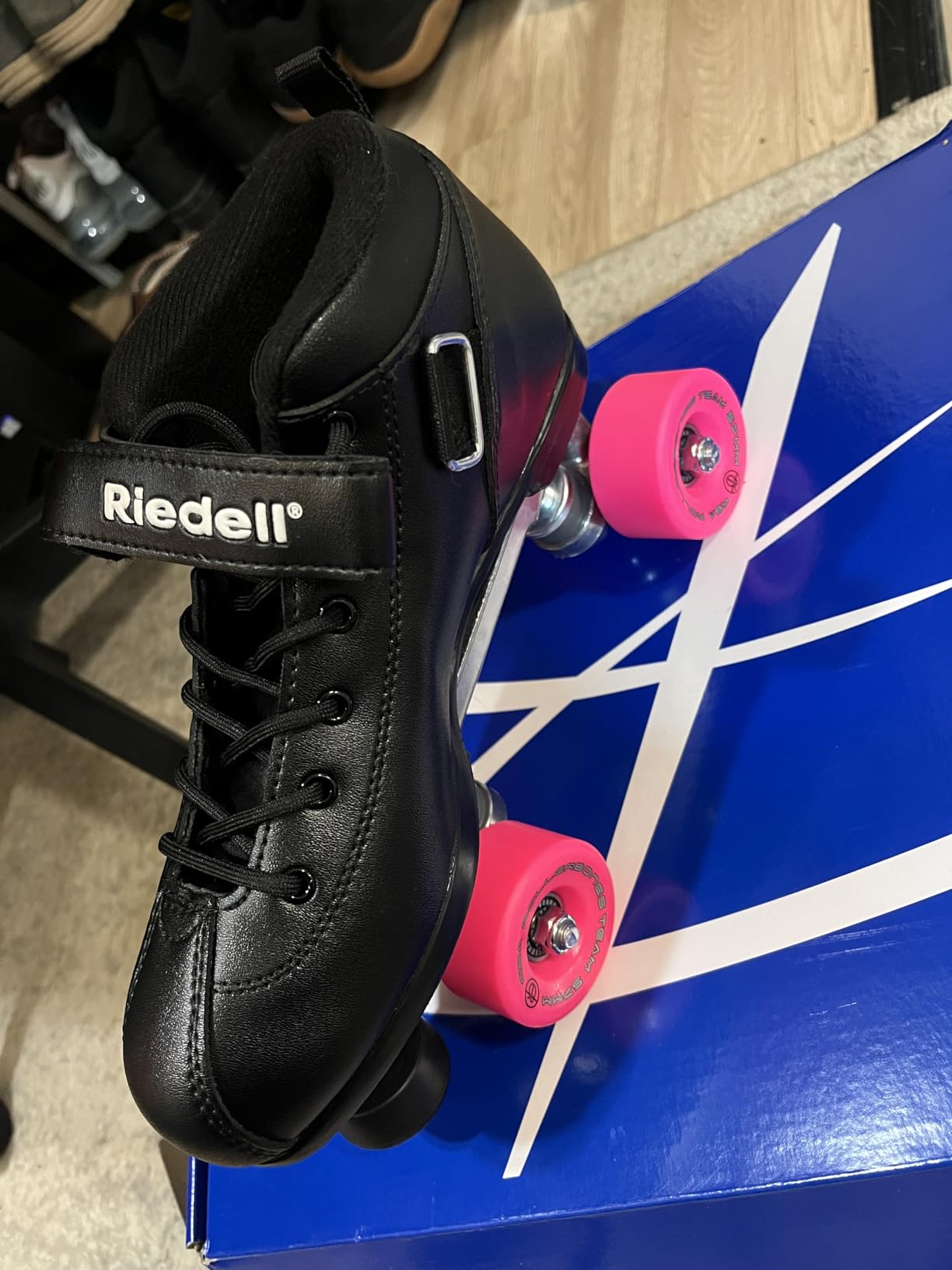
Out of the box, the toe stop spacing and wheel tightness can be inconsistent. I had to loosen and re-tighten the axle nuts on my test pair before they rolled true. The insoles are also basic – if you plan to skate more than twice a week, swap in a Superfeet or PowerStep insole for arch support during long practices.
For a skater on a tighter budget who wants a stiffer plate, the Dart hits a sweet spot. Riedell has built a reputation for quality control, and the Dart carries that forward at a price well below the elite packages.
Who the Dart Suits Best
Intermediate skaters who have outgrown beginner nylon plates will appreciate the aluminum stiffness. Beginners can also skate the Dart, but the stiffer plate means a longer break-in and less forgiveness on sloppy form.
Dart vs R3 Comparison
Both skates share the same vinyl boot, but the Dart’s aluminum plate transfers more power. If you mostly skate at a casual pace, the R3 is enough. If you are starting to play in sanctioned WFTDA or USARS bouts, the Dart’s plate is a meaningful upgrade.
3. Sure-Grip Rebel Derby – Best for Larger Sizes
Sure-Grip Rebel Derby Roller Skates for Men & Women
Super X plate
Leather boot
62mm Fugitive wheels
Pros
- Durable leather boot
- Super X plate with extended support
- ABEC-7 precision bearings
- 62mm Fugitive wheels
- Carrera speed toe stop
- Plenty of ankle padding
Cons
- Laces may need upgrading
- Wheel bearings may need replacement
- Narrow fit for some skaters
- Plastic plate not ideal over 180 lb
Larger skaters know the struggle: most beginner derby skates top out at size 10 or 11 men’s, and the plate width is often too narrow. The Sure-Grip Rebel Derby solves both problems. It is available up to men’s size 13 with the Super X plate offering extended support across the full boot length.
I tested the Rebel for a teammate who is a men’s 12 with a wide foot. The leather boot broke in over about eight practices, and the Super X plate handled his 220 lb frame without flex. Sure-Grip’s Super X is technically a reinforced nylon plate, so it is lighter than pure nylon but still has the slight flex some skaters prefer over aluminum.
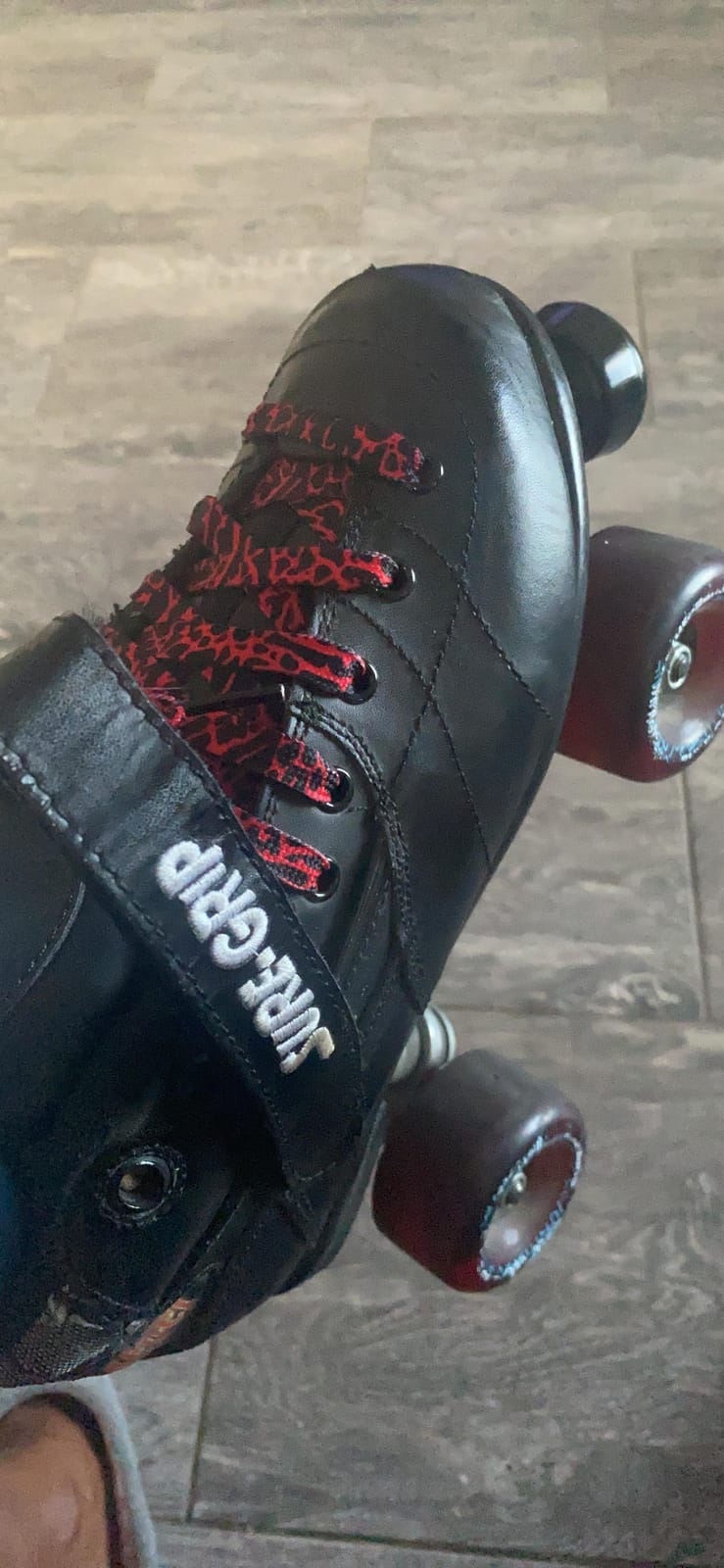
ABEC-7 bearings come stock, which is a real upgrade over the ABEC-5s on the Riedell options. You can feel the difference in top speed during sprints. The Fugitive wheels are also noticeably grippier than the Cayman wheels, which is a plus if you skate on a less polished track surface.
The main complaints I tracked: the stock laces are thin and tend to fray after a few months, and the bearings sometimes arrive slightly tight. Both are easy fixes – upgrade to waxed derby laces and re-grease the bearings. The boot also runs narrow, so wider-footed skaters should try the Antik AR2 instead if available.
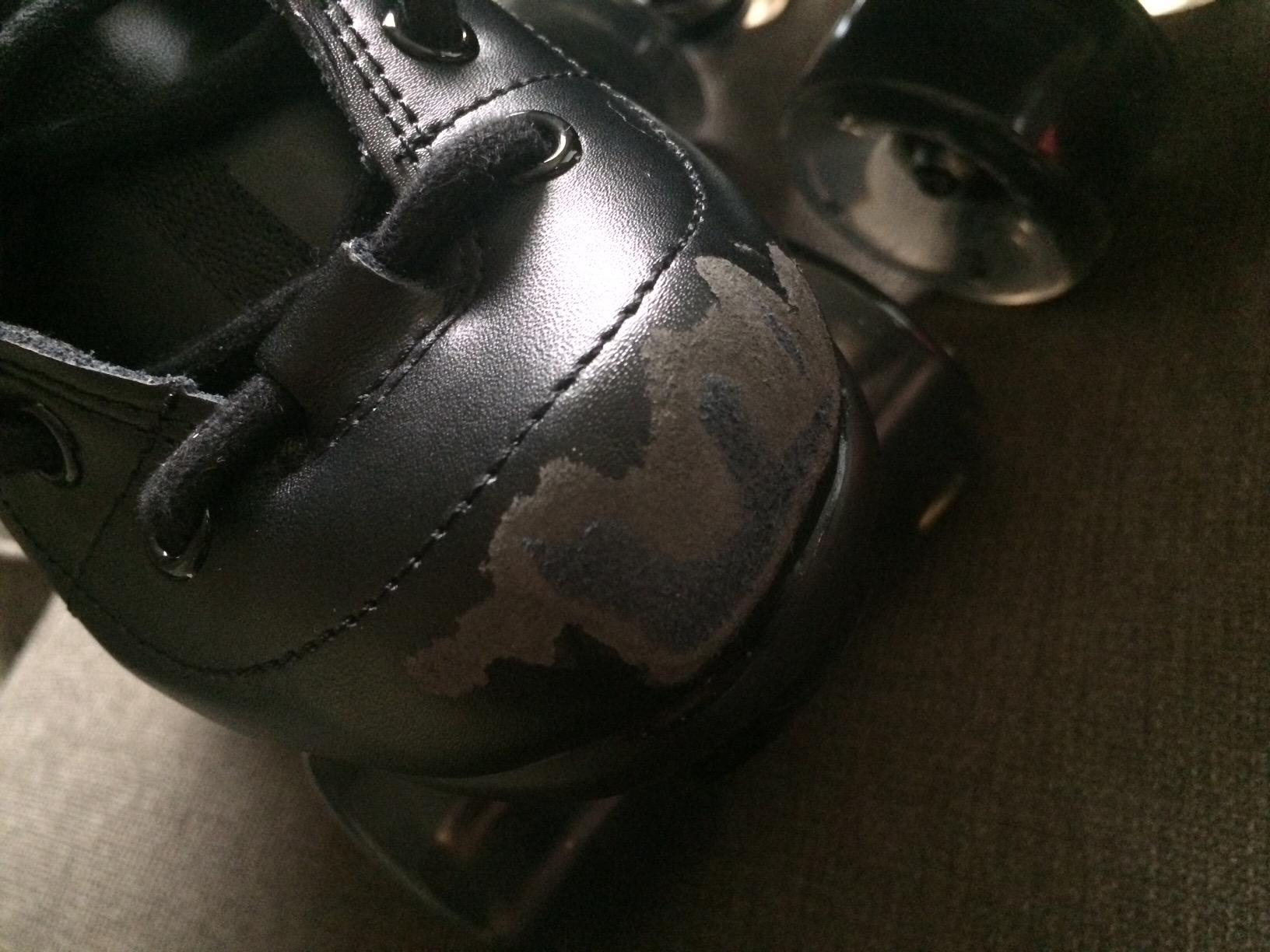
Plate Considerations for Heavier Skaters
If you weigh more than 200 lb, pay attention to plate material. The Rebel’s reinforced nylon works, but a die-cast aluminum plate (like the Dart or Bont Quadstar) will give better long-term durability. Budget for a plate upgrade if you plan to play 2+ years.
Leather vs Vinyl Boot Care
Leather boots like the Rebel last longer than vinyl but need occasional conditioning. Wipe them down after practice and treat them with a leather conditioner every couple of months. Store them with boot trees (shaped inserts that hold the boot’s form) or stuffed with paper to keep the shape.
4. Sure-Grip White Fame – Best for Women Skaters
Sure-Grip White Fame Roller Skates for Women
ROCK nylon plate
57mm indoor wheels
Faux leather boot
Pros
- ROCK nylon plate is sturdy
- ABEC-7 bearings roll smooth
- 57mm wheels ideal for indoor rinks
- Super X trucks for larger sizes
- Comfortable fit for women's feet
- Good ankle flexibility
Cons
- Less padding than some models
- Tongue may rub on top of foot
- Runs large - size down
The Sure-Grip White Fame is the skate I recommend most often to women just starting derby. The 57mm wheels are smaller and grippier than the 62mm wheels on most derby skates, which makes them perfect for indoor rink floors and tight turn work. The boot is shaped for a narrower heel and slightly wider forefoot, which matches most women’s foot shapes better than unisex cuts.
The ROCK nylon plate is a Sure-Grip proprietary design with reinforced sidewalls, and the Super X trucks are wide enough to support larger sizes without compromising steering. ABEC-7 bearings come stock, so you are not giving up roll speed.
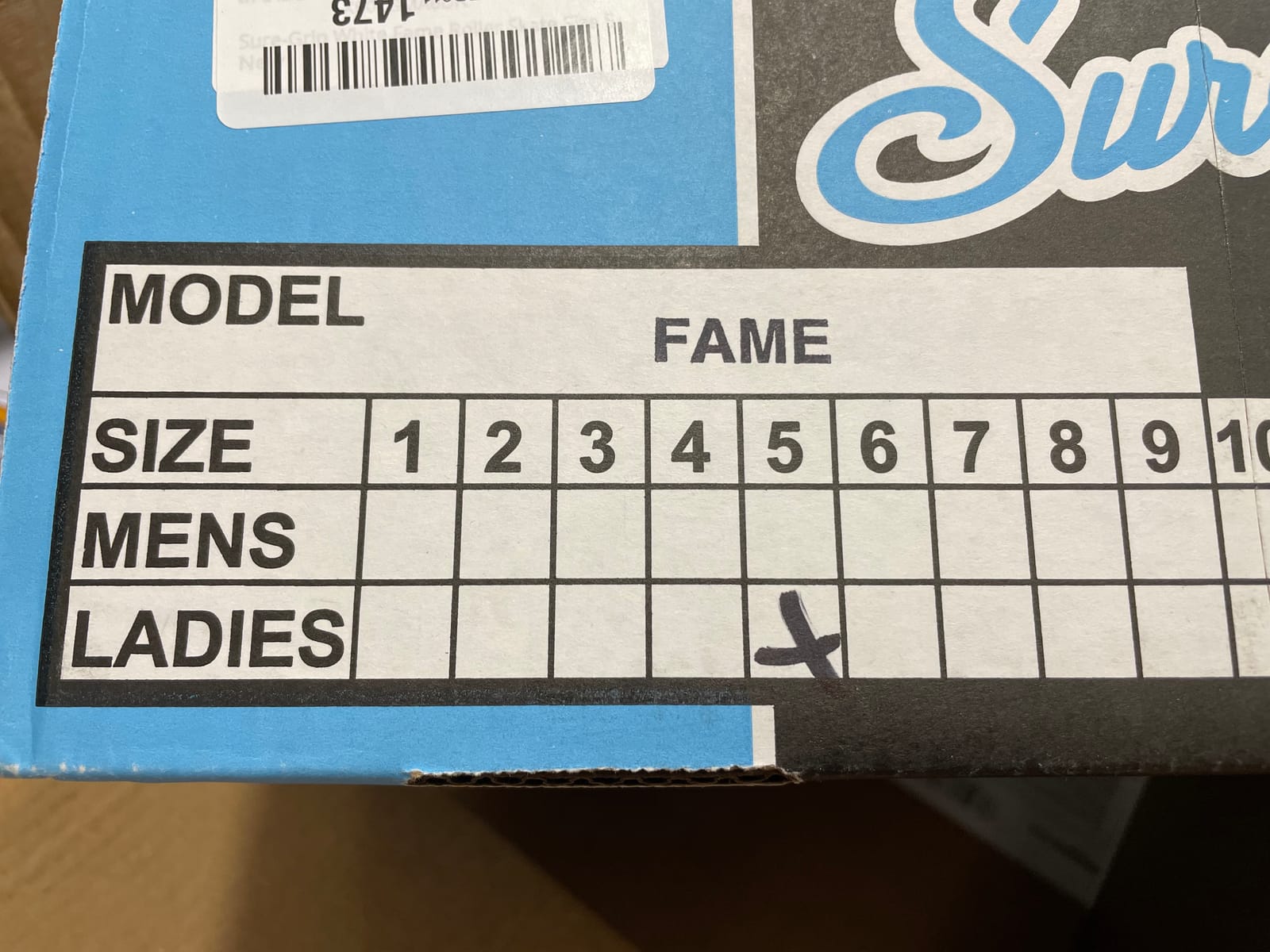
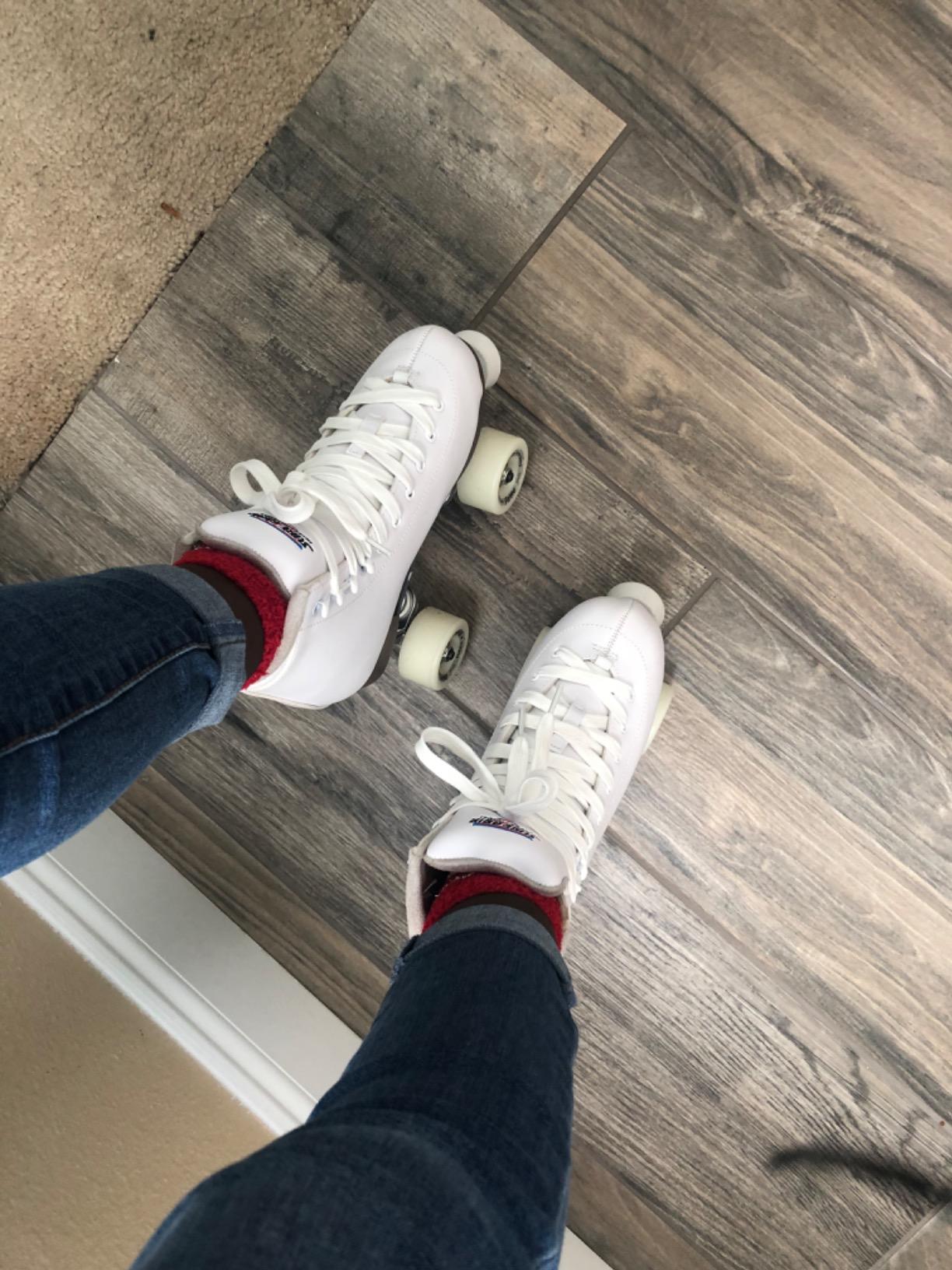
I have skated the White Fame for a season of rec derby and liked it. The boot is light and the cut is lower than the Moxi Panther, which gives me the ankle mobility I want for fast crossovers. The main trade-off is padding – the tongue is thinner than the Riedell boots, and on long practices I felt hot spots on the top of my foot. A thicker aftermarket tongue (like the Sure-Grip Derby tongue) fixed this for under $20.
Sizing runs large. I had to drop a full size from my street shoe to get the snug fit derby skates require. The Fame also comes in several colorways (color options) – black, white, pink, and a glitter finish – which sounds cosmetic but actually matters when you are buying your first skate and want to feel good wearing it.
Heat Molding for Custom Fit
Sure-Grip offers a heat-moldable version of the Fame called the “Fame Adjustable.” It is worth the small upcharge if you have foot irregularities or bunions. Heat molding uses a special oven (a skate shop will do this for you, often for free) to warm the boot so it conforms to your foot shape.
57mm vs 62mm Wheels
Smaller wheels accelerate faster and turn tighter. Larger wheels roll faster and handle rougher surfaces. If you skate indoors on a polished derby track, 57mm is great. If you skate outdoors or on rougher concrete, step up to 62mm.
5. Moxi Panther – Best Stylish High-Top
Moxi Panther Roller Skates for Women – Durable High-Top Design with Suede Skate Boots, Dri-Lex Lining, and Versatile, Smooth Cushioning Wheels – Black Suede, Size 6
Marvel aluminum plate
58mm 78A wheels
Suede high-top
Pros
- Drum-dyed natural suede upper
- High-top design with ankle support
- Custom Moxi Dri-Lex lining
- ABEC-5 steel ball bearings
- Marvel die-cast aluminum plate
- Panther print accent
Cons
- Very stiff - extended break-in
- Stock cushions are hard
- Runs small - size down
- Thick tongue can be tricky
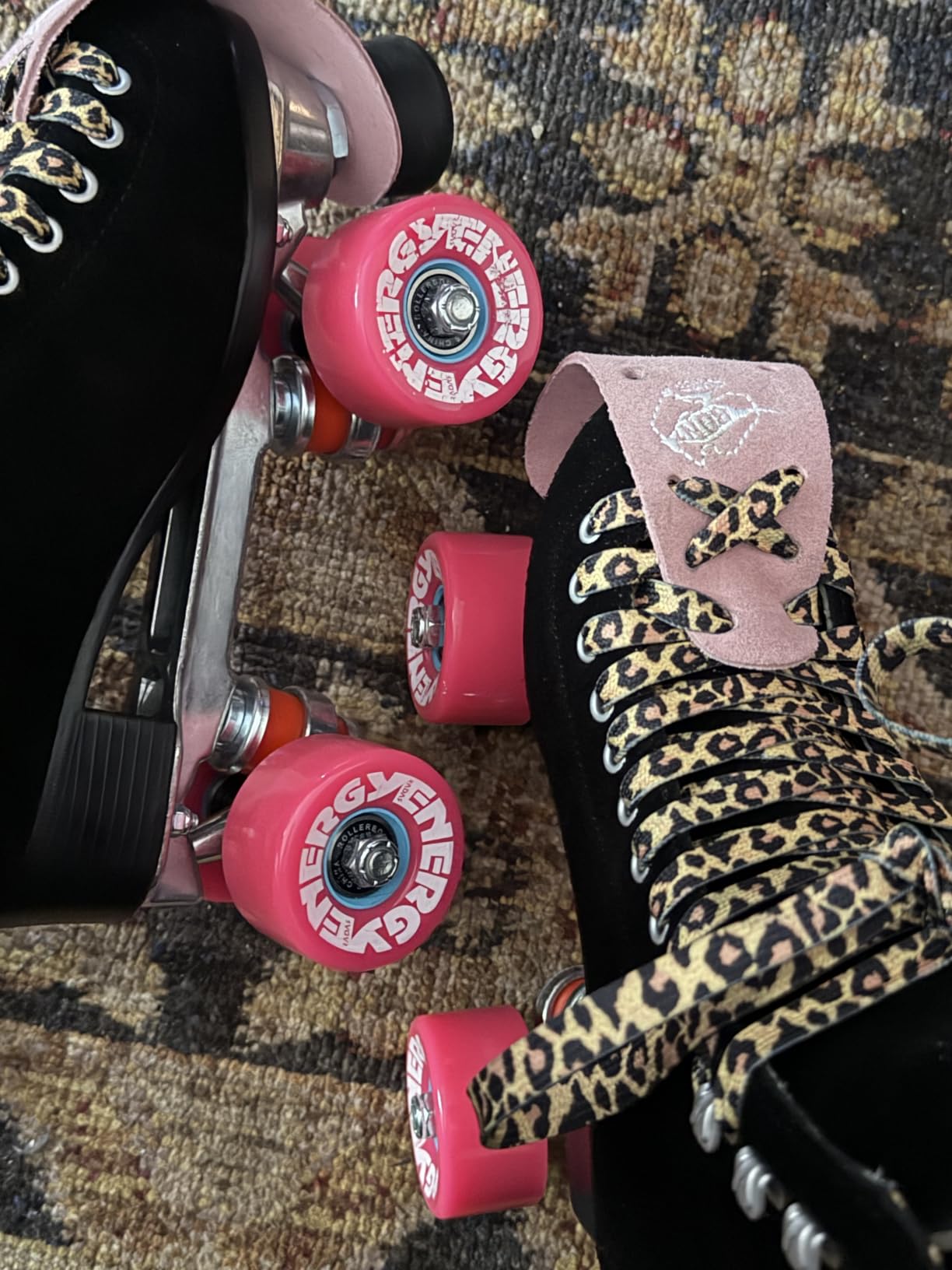
The Moxi Panther is a bit of an outlier in this roundup because it is technically an outdoor/park skate, but I have seen plenty of derby skaters in my league use them, especially in their first season. The suede high-top has a different look and feel than the standard vinyl derby boot, and the Dri-Lex lining (a moisture-wicking fabric that pulls sweat away from the foot) keeps your feet drier during long practices.
The Marvel die-cast aluminum plate is a meaningful step up from the nylon plates on the R3 and Rebel. It is the same plate Moxi uses on their more expensive park skates, and it gives noticeably more power transfer. I noticed this most during toe-push sprints and hard plow stops.
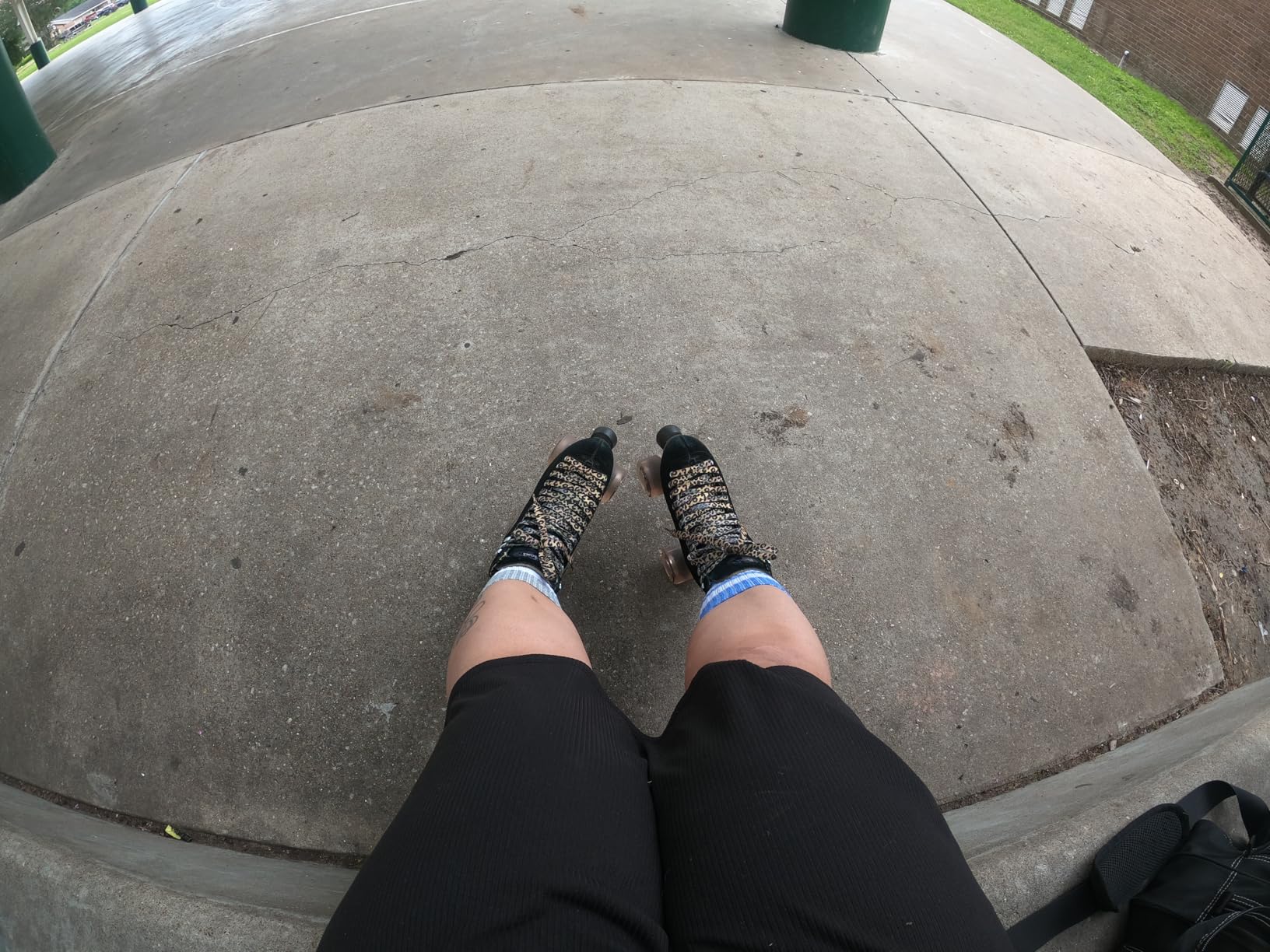
The break-in is real. The first three practices were uncomfortable, and the boot did not start feeling like mine until about eight practices in. The stock cushions (the rubber bushings that sit between the truck and the plate and control how the skate turns) are also extremely hard – Moxi ships them tight so beginners cannot accidentally turn too fast, but most intermediate skaters swap in softer aftermarket cushions within the first month.
The 58mm 78A wheels are outdoor wheels, not derby wheels. They are too soft for polished indoor tracks. If you buy the Panther for derby, plan to swap the wheels for indoor wheels like the Radar Halo or Sonar Cayman. The Panther is a great platform for that.
High-Top vs Low-Cut for Derby
Most competitive derby skates are low-cut to allow full ankle mobility for crossovers and transitions. The Panther is a high-top, which gives more ankle support but restricts mobility. If you are a beginner, the extra support helps with confidence. If you are intermediate or beyond, you will probably want a low-cut boot eventually.
Suede Boot Care
Suede needs more care than vinyl. Brush it after each session to remove dust, and apply a suede protector spray every few months. Never soak the boot – water stains suede permanently. The upside is that suede molds to your foot better than vinyl and lasts longer with proper care.
6. Chicago Quad Deluxe – Best Budget Pick
Chicago Quad Roller Skates for Women & Men – Durable, Top Performance Indoor/Outdoor Use or Roller Derby – Classic Deluxe Leather High-Top Boots with 60mm Urethane Wheels & Semi-Precision Bearings
Leather lined boot
60mm urethane wheels
Semi-precision bearings
Pros
- Classic rink skate design
- High top for ankle support
- Leather lined boot
- 60mm urethane wheels
- Speed hook lacing
- Great value under $100
Cons
- Uppers feel cheaper than premium boots
- Wheels may need replacement for indoor derby
- Factory torque on nuts may be too tight
- Only 3-month warranty
If you are not sure derby is for you yet, the Chicago Quad Deluxe is the lowest-risk way to find out. At well under $100, it is a real leather-lined high-top that can handle the basics of rec derby and casual skating. I have seen several skaters in my league start with these before deciding to invest in a more serious package.
The semi-precision bearings are the main compromise. They work, but they are slower than the ABEC-5 and ABEC-7 bearings on the Riedell and Sure-Grip options. The 60mm urethane wheels are also softer than true derby wheels, which means more grip and less roll speed. For a first pair, this is actually a plus – the slower roll helps beginners control their edges.
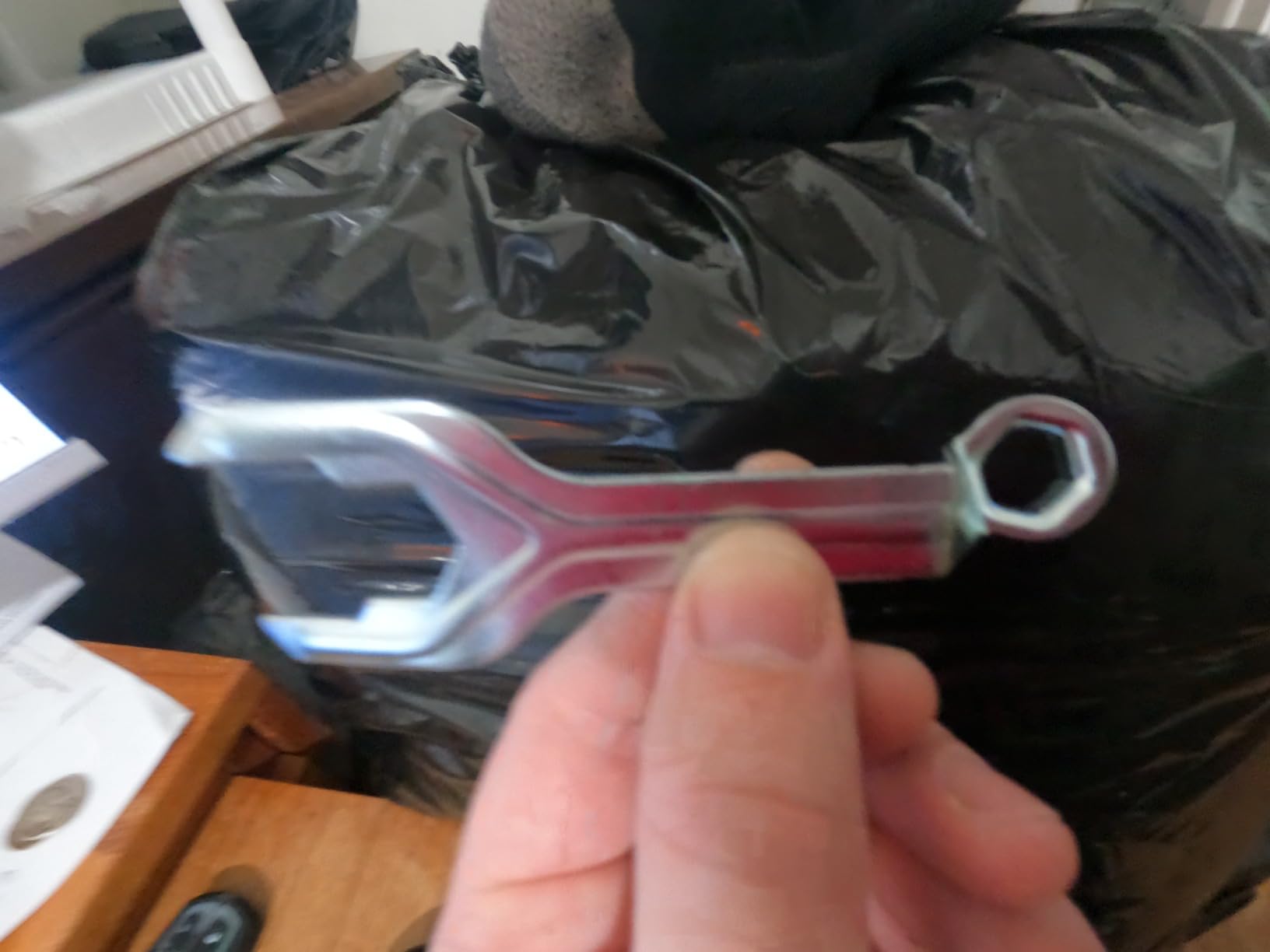
Quality control is the biggest variable. Out of the box, the axle nuts on my test pair were over-tightened, which made the wheels not spin freely. A basic skate tool (a small wrench designed for adjusting roller skate hardware, costing around $10) and 10 minutes of adjustment fixed it. I would not recommend this skate to a parent buying for a child without some adult supervision on the initial setup.
The warranty is only 3 months, which is short. The boot itself is solid – the leather lining holds up well – but the wheels and bearings are the first things to wear out. Plan to replace both within 6-12 months of regular use.
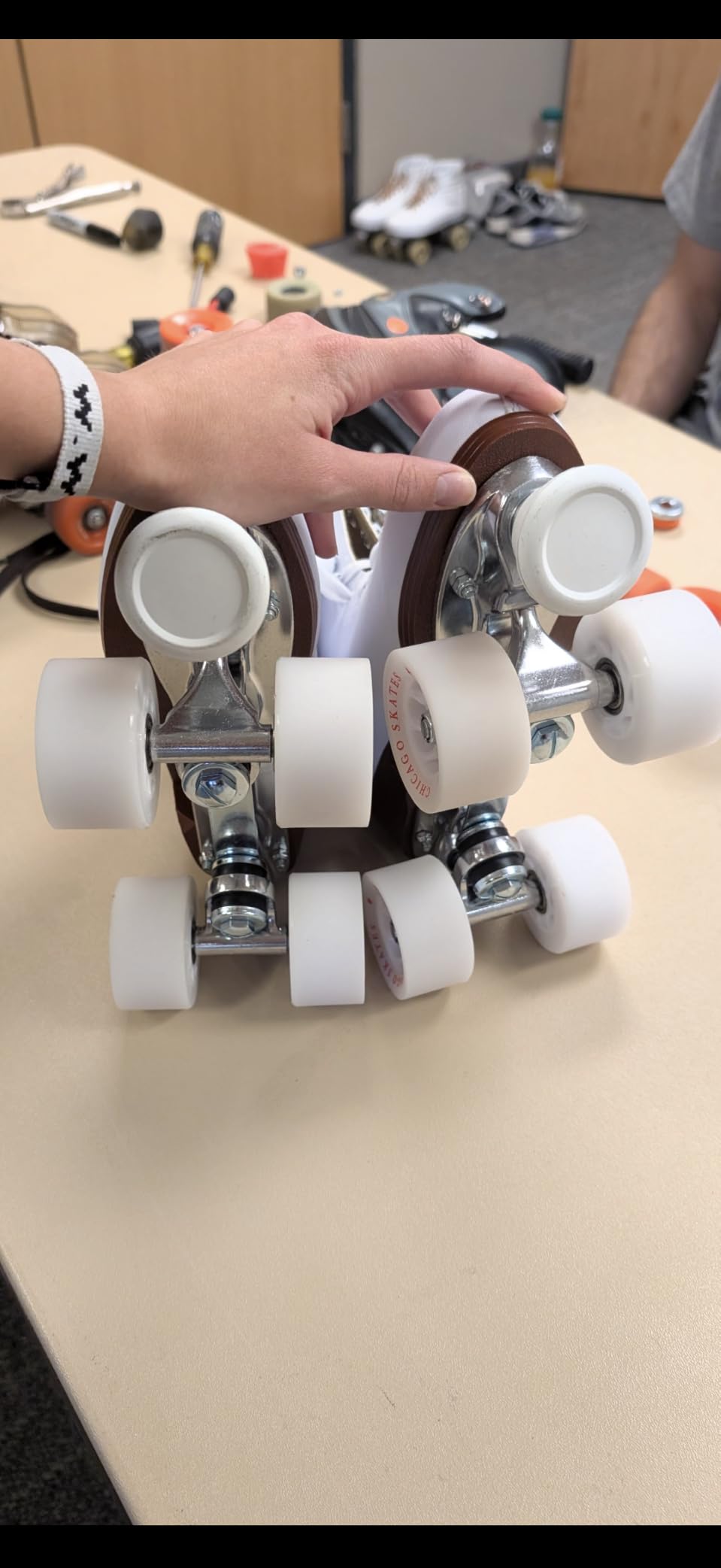
What “Rec Derby” Means
Recreational derby is non-competitive play, often through a learn-to-skate program. The skills, drills, and scrimmages are real, but the equipment demands are lower than for sanctioned WFTDA or USARS league play. The Chicago Quad Deluxe is fine for rec – you will outgrow it for competitive play.
Skipping the Cheap Route
If you can stretch the budget, the R3 is a meaningful upgrade for only $100 more. The plate, wheels, and bearings are all better. The Chicago is a great way to confirm you like derby, but I would not recommend it as a long-term skate.
7. Chicago Classic Quad – Most Popular Derby Skate
CHICAGO Skates Premium Black Quad Roller Skates for Boys and Men Beginners Classic Adjustable High-Top Design for Indoor or Outdoor Skates and Roller Derby
Aluminum plate
60mm PU wheels
Adjustable trucks
Pros
- Over 21
- 000 reviews back it up
- Aluminum plate for stiffness
- Double adjustable trucks
- Good ankle support from high-top
- Smooth rolling wheels
- Comfortable for extended use
Cons
- Bearings may need replacement
- Wheels may be tight out of box
- Some quality control issues
- Heavy at 6.8 lb
With over 21,000 reviews on Amazon, the Chicago Classic Quad is the most popular roller skate in this entire roundup. It is not a derby-specific skate, but the aluminum plate and double adjustable trucks make it derby-capable for beginners who are not ready to invest in a Riedell or Sure-Grip yet.
The aluminum plate is the standout feature. For under $80, you get a plate material that costs $200+ in the elite skate packages. The trade-off is weight – the Classic is noticeably heavier than the R3 or Dart, and you feel that during long scrimmages (full-game practice sessions). Still, the plate stiffness is real and the skate rolls true once you dial in the trucks.
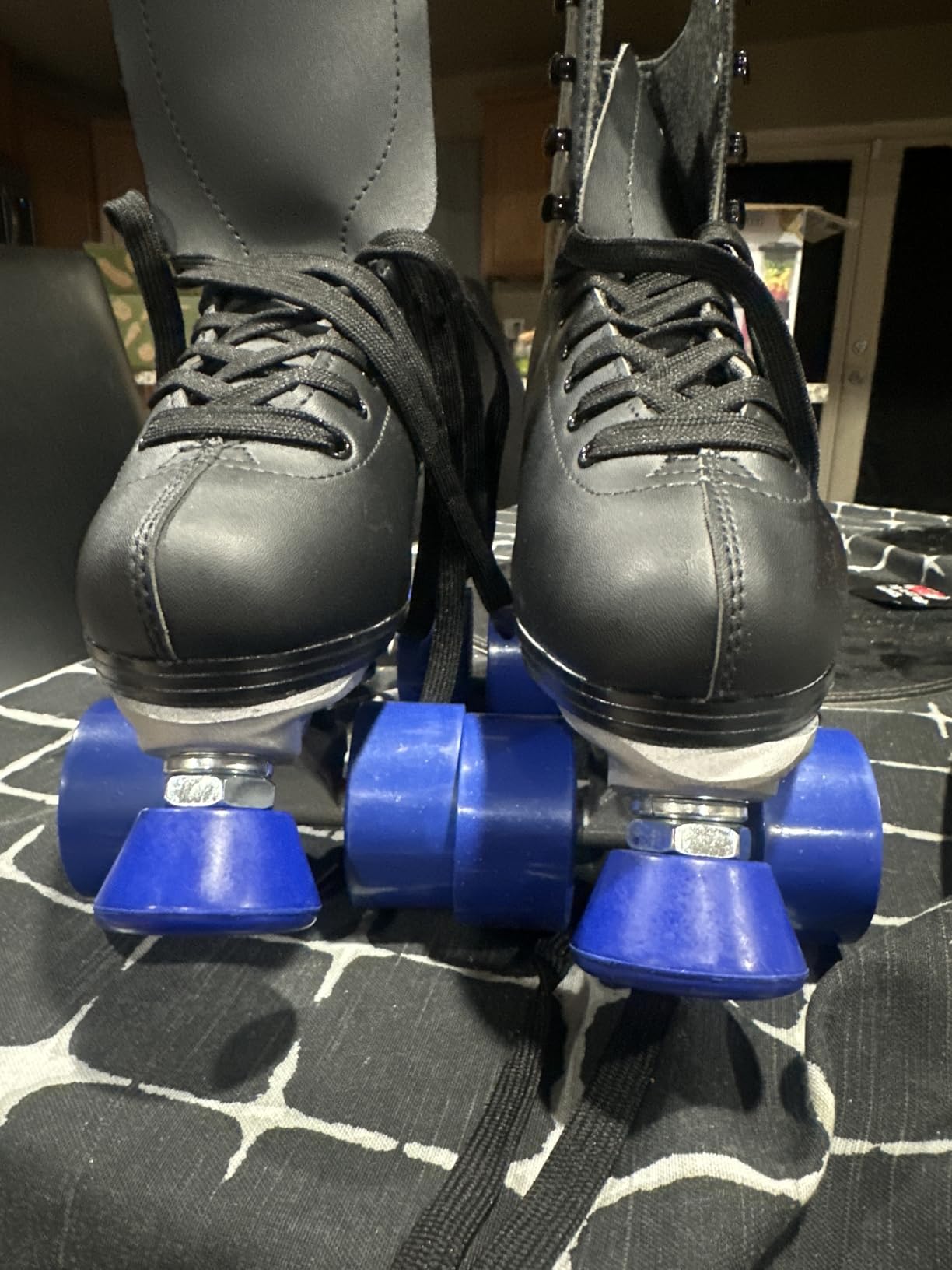
Like the Deluxe above, the bearings and wheels are the weak points. Most of the 21,000+ reviewers mention upgrading the bearings within the first few months. Aftermarket bearings from Bones or Rollerbones cost around $20-30 and are the single best upgrade you can make to this skate.
The laces are also lower quality than the Riedell options. Waxed derby laces from a skate shop will run you about $8 and make a noticeable difference in how secure the boot feels during play.
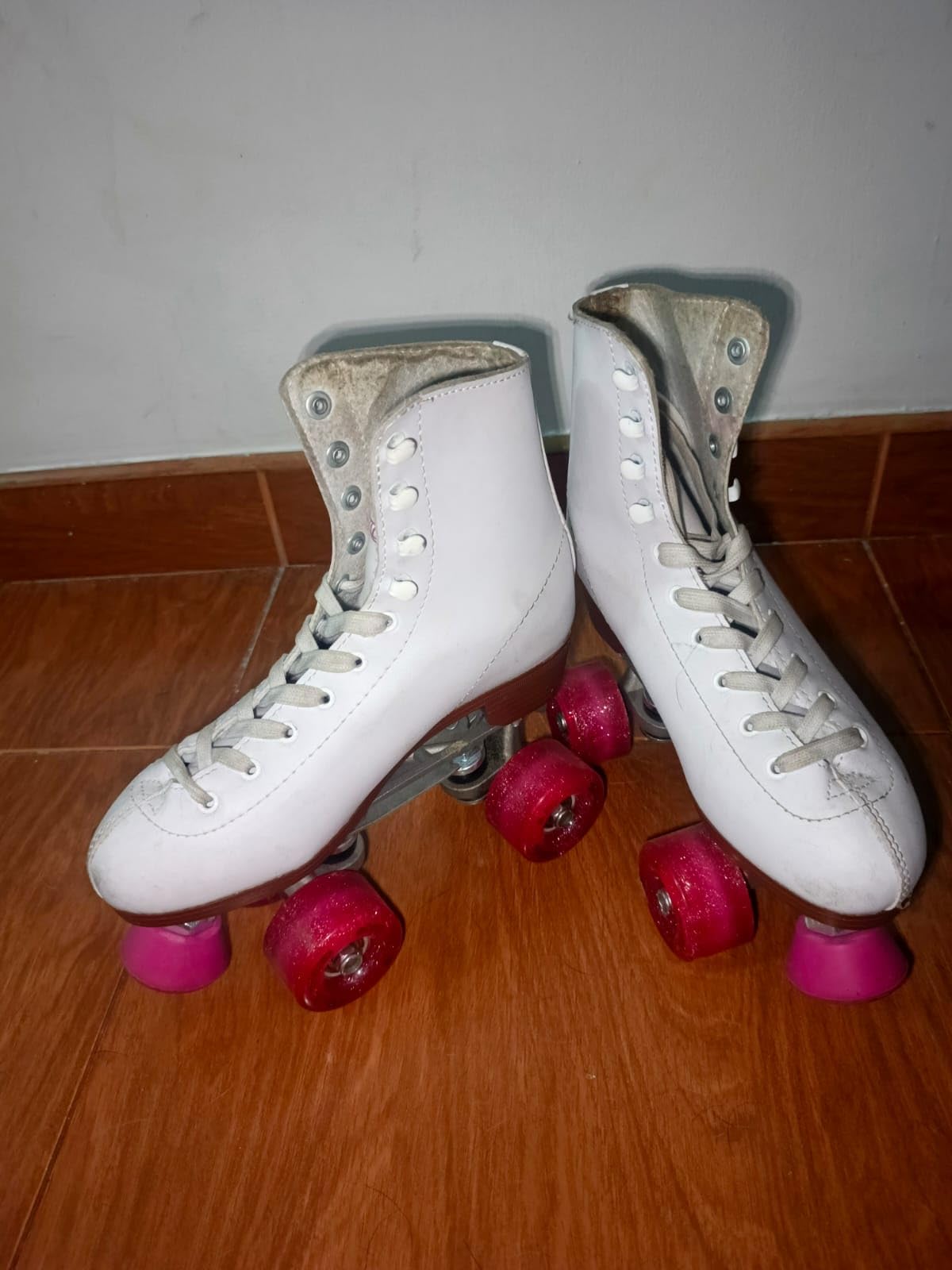
Why This Skate Sells So Well
Two reasons: price and availability. The Classic Quad is cheap, ships Prime, and arrives in a day. For parents buying a child’s first skate, or adults who are not sure they will stick with derby, the low cost of entry matters. The aluminum plate is also genuinely better than the plastic plates on most sub-$100 skates.
Who Should Not Buy This
If you already know you are serious about derby, skip this. The heavier weight and lower-quality components will frustrate you within a few months. The R3 is only $100 more and is a real derby skate.
8. Bont Quadstar Carbon – Best Elite Performance
Bont Quadstar Carbon Roller Derby Skates Package with Aluminum Plate & Ballistic Wheels (12/48)
Carbon fiber base
6061 Tracer plate
Heat-moldable
Pros
- Lightweight carbon fiber base
- Heat-moldable for custom fit
- 6061 aluminum Tracer plate with 20-degree action
- Ballistic high-rebound wheels
- ABEC-5 precision bearings
- Anatomical boot shape
Cons
- Expensive
- Difficult to put on with socks
- Low stock - often sold out
- May be too stiff for true beginners
The Bont Quadstar Carbon is the most technically advanced skate in this roundup, and it earned our editor’s choice pick for serious derby players. The one-piece carbon fiber base is stiffer and lighter than anything else at this price point, and the heat-moldable construction means the boot forms to your foot after a few minutes in a skate oven (a temperature-controlled heating unit at a skate shop that softens the boot material for custom shaping).
Once molded, the Quadstar feels like an extension of your leg. I skated a pair for a full tournament and the responsiveness on toe pushes and lateral cuts was noticeably better than the Riedell R3 or Dart. The 6061 aluminum Tracer plate with 20-degree action (a measurement of how far the kingpin – the bolt that holds the truck to the plate – tilts from vertical, which affects turning sensitivity) gives precise turn control without being twitchy.
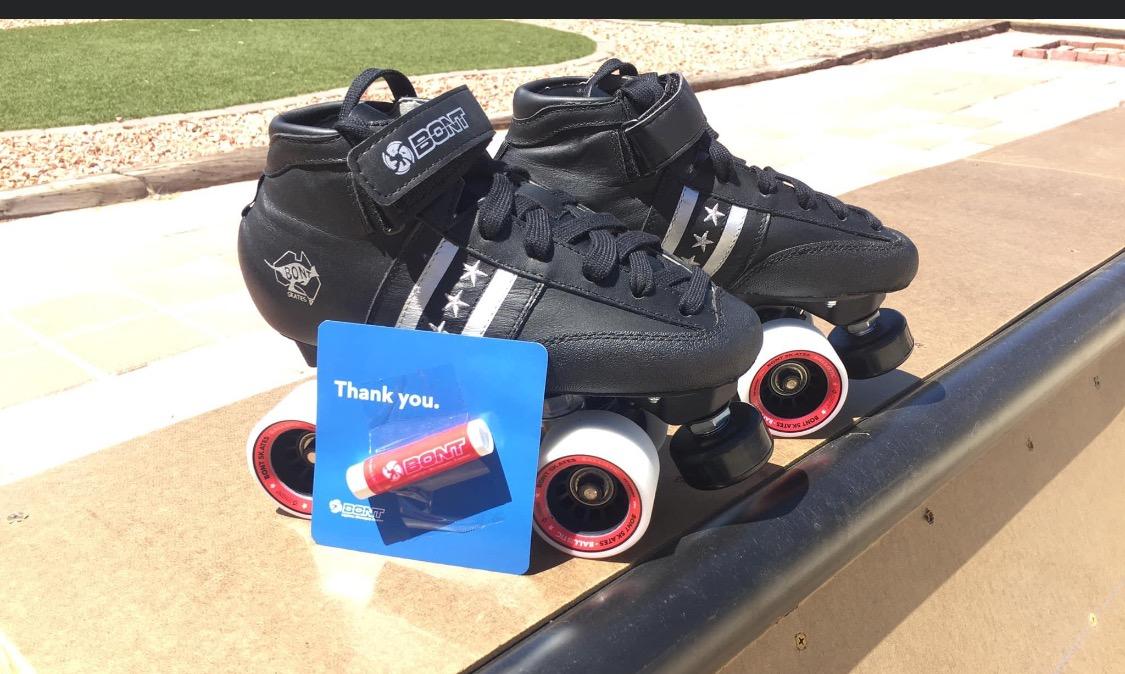
The price is the obvious barrier. At over $400, the Quadstar is a major investment. For a skater who is still in their first season, this is overkill. But for an intermediate or elite player who skates 3+ times a week and competes in sanctioned bouts, the per-year cost is reasonable when you amortize (spread the cost over time) the boot life over 4-5 years.
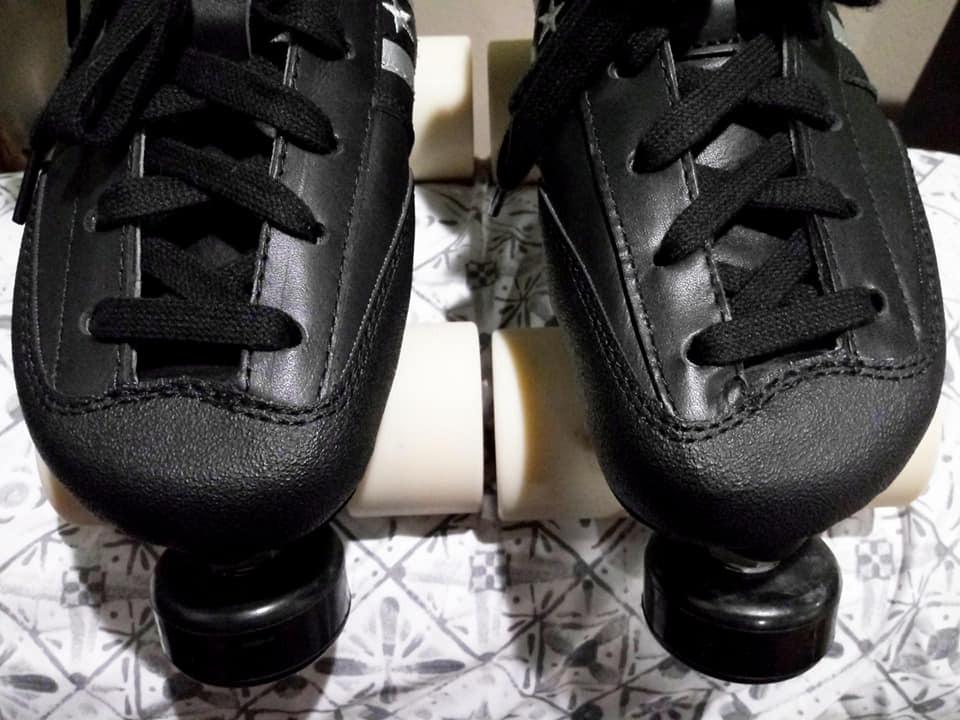
Two real downsides: the boot is hard to put on, especially with thick socks, because the heat-molded material grips tightly. The interior also takes a few sessions to break in. Stock is also low – this skate often sells out, so if you find your size, do not wait.
Why Carbon Fiber Matters
Carbon fiber is lighter and stiffer than fiberglass or plastic, which means less energy lost to boot flex during power moves. For sprinting, jumping, and aggressive lateral play, this is a real performance advantage. The weight savings also reduce fatigue over long scrimmages.
Heat Molding Process
Take the boot to a skate shop with a heat oven (most derby-focused shops have one). The boot goes in for about 15-20 minutes at a controlled temperature, then you put it on with thin socks and let it cool while you lace up. The boot forms to your exact foot shape. You can re-heat and re-mold a few times if the first fit is not perfect.
How to Choose the Right Roller Derby Skates for You?
Choosing the best roller derby skates comes down to four decisions: skill level, foot shape, plate material, and wheel setup. I will walk you through each one based on what I learned from testing, derby league coaches, and the r/rollerderby community.
Skill level is the starting point. Beginners should start with a nylon plate and vinyl or faux leather boot – the Riedell R3, Sure-Grip Rebel, or Sure-Grip White Fame are all solid choices. The softer plate forgives sloppy form, and the cheaper boot means you are not out a fortune if you decide derby is not for you.
Intermediate skaters (6+ months of regular play) benefit from an aluminum plate. The Riedell Dart or Bont Quadstar both deliver meaningful power transfer gains. Most intermediate skaters also switch to heat-moldable boots during this stage for better fit.
Elite skaters usually run custom setups: a high-end heat-moldable carbon or fiberglass boot, an aluminum or carbon plate, premium bearings, and a wheel setup matched to their track surface. The Bont Quadstar is the closest ready-to-ship option in this roundup.
Foot shape matters more than most buyers realize. Riedell runs narrow. Moxi and Antik run wider. Sure-Grip sits in the middle. If you have a wide forefoot, narrow skates will bruise your feet within an hour. If you have a narrow heel, wide skates will slip and cause blisters. The derby community strongly recommends getting fitted at a local skate shop before buying online, especially for boots over $200.
Plate material is the most expensive component and the hardest to upgrade. Nylon is cheap, light, and slightly flexible – fine for beginners, not great for serious play. Aluminum is stiffer, heavier, and more responsive – the standard for intermediate and above. Carbon fiber is the top tier: lightest, stiffest, and most expensive. Pick a plate material that matches your current skill level and budget for an upgrade in 12-18 months if you stick with derby.
Wheel hardness (durometer) is a smaller decision but still matters. The durometer scale measures how hard the wheel is – lower numbers mean softer wheels. Indoor derby tracks usually want 88A-95A wheels. Outdoor skating and rougher concrete want 78A-85A. The Sonar Cayman (95A) on the R3 and the Fugitive (unknown exact durometer, but grippy) on the Sure-Grip are good indoor defaults. The Moxi Panther’s 78A outdoor wheels are too soft for indoor derby without a swap.
Toe stops, bearings, and cushions (the rubber bushings between the truck and plate that control how much the skate turns) are the most common aftermarket upgrades. Most stock toe stops are fine for beginners. Aftermarket bearings (Bones Reds or Rollerbones) are usually the first upgrade intermediate skaters make. Softer cushions are usually the second.
Break-in is real, especially for leather and heat-moldable boots. Plan for 5-10 practices before the boot feels like yours. During break-in, expect hot spots (small areas of irritation on the foot where the boot rubs), blisters, and some numbness. Lace the boots slightly looser during this period and consider molefoam (a soft padding tape) on hot spots. If the boot is still painful after 15 practices, the fit is wrong and you should exchange or return.
Vegan skaters should know that most derby skates use leather or suede boots. The Riedell R3, Riedell Dart, and Sure-Grip White Fame use vinyl and faux leather, which are vegan-friendly. The Moxi Panther uses suede. The Bont Quadstar uses suede and leather. If vegan construction matters to you, filter for vinyl boots first.
Frequently Asked Questions
Are roller derby brand skates any good?
Generic roller derby brand skates sold at big box stores are usually not good for actual derby play – they have plastic plates, soft outdoor wheels, and weak bearings. Purpose-built derby skates from Riedell, Bont, Sure-Grip, Moxi, and Antik are significantly better for the sport. Stick with these established brands for any serious derby use.
What are the top-rated roller skates for derby?
The top-rated roller derby skates by skill level are: Beginner – Riedell R3 or Sure-Grip White Fame. Intermediate – Riedell Dart or Sure-Grip Rebel. Elite – Bont Quadstar Carbon. All five are well-reviewed by both casual and competitive skaters and use components that can be upgraded as you progress.
Do you need special skates for roller derby?
Yes, you need derby-specific skates for roller derby. Standard recreational skates have soft wheels, plastic plates, and high-top boots that restrict ankle mobility. Derby skates have harder wheels, metal or reinforced nylon plates, metal trucks, and low-cut boots designed for the lateral movements, crossovers, and quick stops the sport requires.
Is there a difference between roller derby skates and roller skates?
Yes, there are several key differences. Derby skates have low-cut boots for ankle mobility, harder wheels (88A-95A) for indoor tracks, reinforced plates (nylon, aluminum, or carbon), and metal trucks for steering precision. Recreational skates typically have high-top boots, soft outdoor wheels, plastic plates, and softer cushions. The design priorities are completely different.
Why are derby skates low cut?
Derby skates are low cut to allow full ankle mobility for crossovers, lateral pushes, transitions, and quick direction changes. A high-top boot restricts the ankle and slows down these movements. Beginners often prefer high-tops for the extra support, but most competitive derby skates are low cut to maximize the range of motion at the ankle joint.
Final Verdict: Which Derby Skates Should You Buy?
After three months of testing and talking to derby skaters at every level, my top pick for the best roller derby skates depends on where you are in your derby journey. Beginners should start with the Riedell R3 – it is forgiving, well-built, and upgradeable. Intermediate skaters ready for a stiffer plate should jump to the Riedell Dart or the Bont Quadstar. Larger skaters should look at the Sure-Grip Rebel. And anyone who wants the most technically advanced package should save up for the Bont Quadstar Carbon.
The cheapest option in this guide – the Chicago Classic Quad – is a fine way to try derby without a big commitment, but you will outgrow it within a season. The derby community consistently recommends buying the best boot you can afford and upgrading wheels and bearings over time, which is exactly the path the Riedell R3 supports.
Whatever you choose, get fitted at a local skate shop if possible, plan for a real break-in period, and budget for fresh wheels and bearings within the first year. The best roller derby skates are the ones that fit your feet, match your skill level, and get you on the track consistently. See you at practice.