
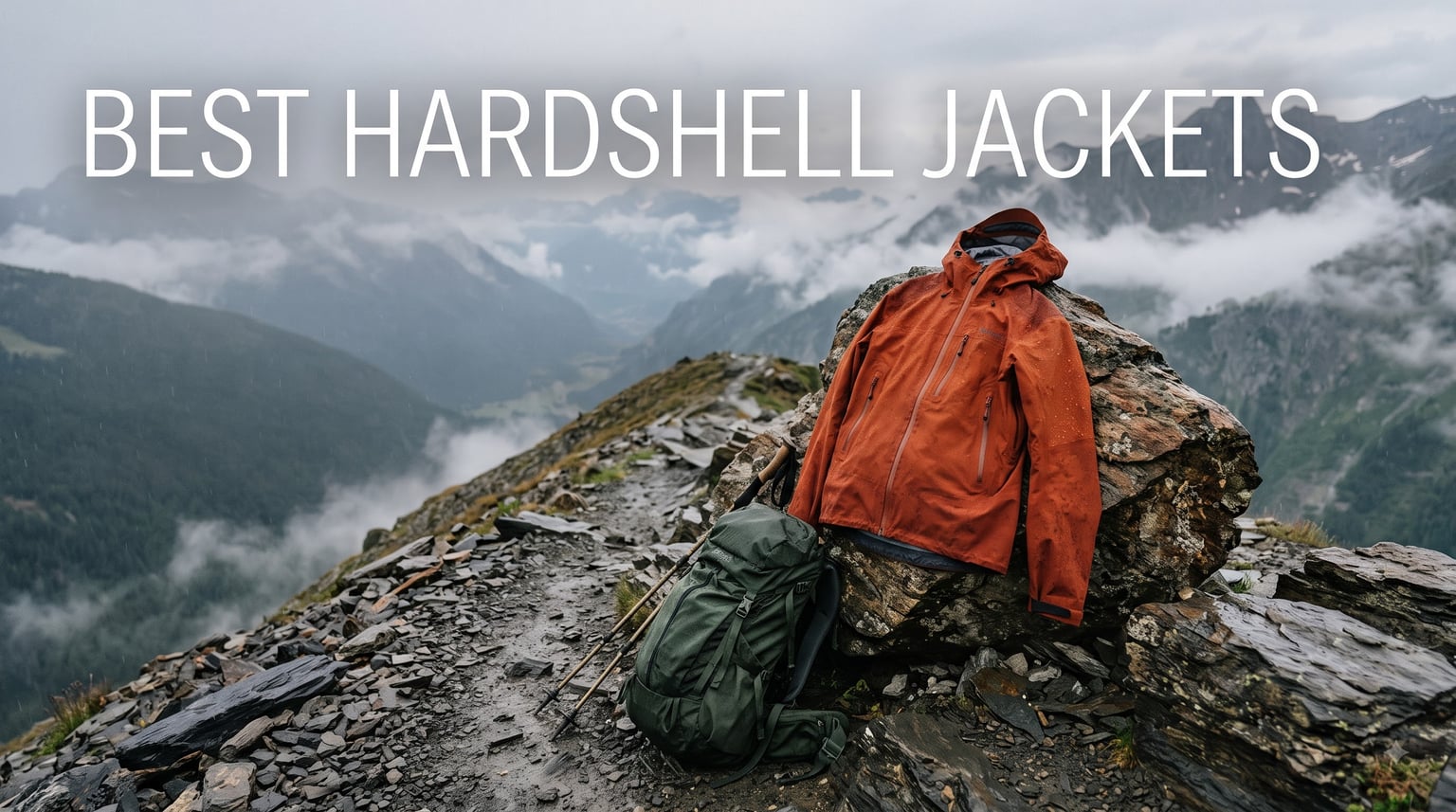
I have spent the last three months dragging ten hardshell jackets up ridges, through wet Pacific Northwest brush, and into freezing wind on a small alpine wall near my home. My goal was simple: figure out the best hardshell jackets a real person can actually buy in 2026, not the ones that only show up in glossy catalogs. The list below is what made the cut after I weighed weather protection, breathability, fit, weight, and price.
If you have ever stood in a gear shop wondering whether to drop $450 on a Gore-Tex Pro shell or save $300 on a budget hardshell, this guide is for you. I have owned jackets that lasted one wet weekend and others that are still dry inside after a full Denali-style storm. The difference is mostly in the membrane, the seam sealing, and how the hood moves when you actually turn your head. I will walk you through all of it.
Before we get into the picks, let me clear up one thing. A hardshell jacket is not the same as a rain jacket you grab from the gas station. The best hardshell jackets are fully waterproof, windproof, and breathable, built with a 3-layer laminate that bonds an outer face fabric to a waterproof membrane and an inner liner. They are designed for sustained weather in the mountains, not a quick walk to the car. Think backcountry skiing, alpine climbing, ski touring, and winter hiking above treeline.
Table of Contents
Top 3 Picks for Best Hardshell Jackets in 2026


Best Hardshell Jackets in 2026 — At a Glance
1. Mountain Hardwear Cloud Cipher — Best Overall Hardshell Jacket
Mountain Hardwear Women’s Cloud Cipher Hooded Jacket
11 oz ultralight
3-layer DrySpell
Helmet-compatible hood
Pros
- Ultra-lightweight at 11 oz
- Hood fits ski helmets
- 2-way zipper
- Packable into own pocket
Cons
- Sleeves lack adjustment
- Can feel muggy at high output
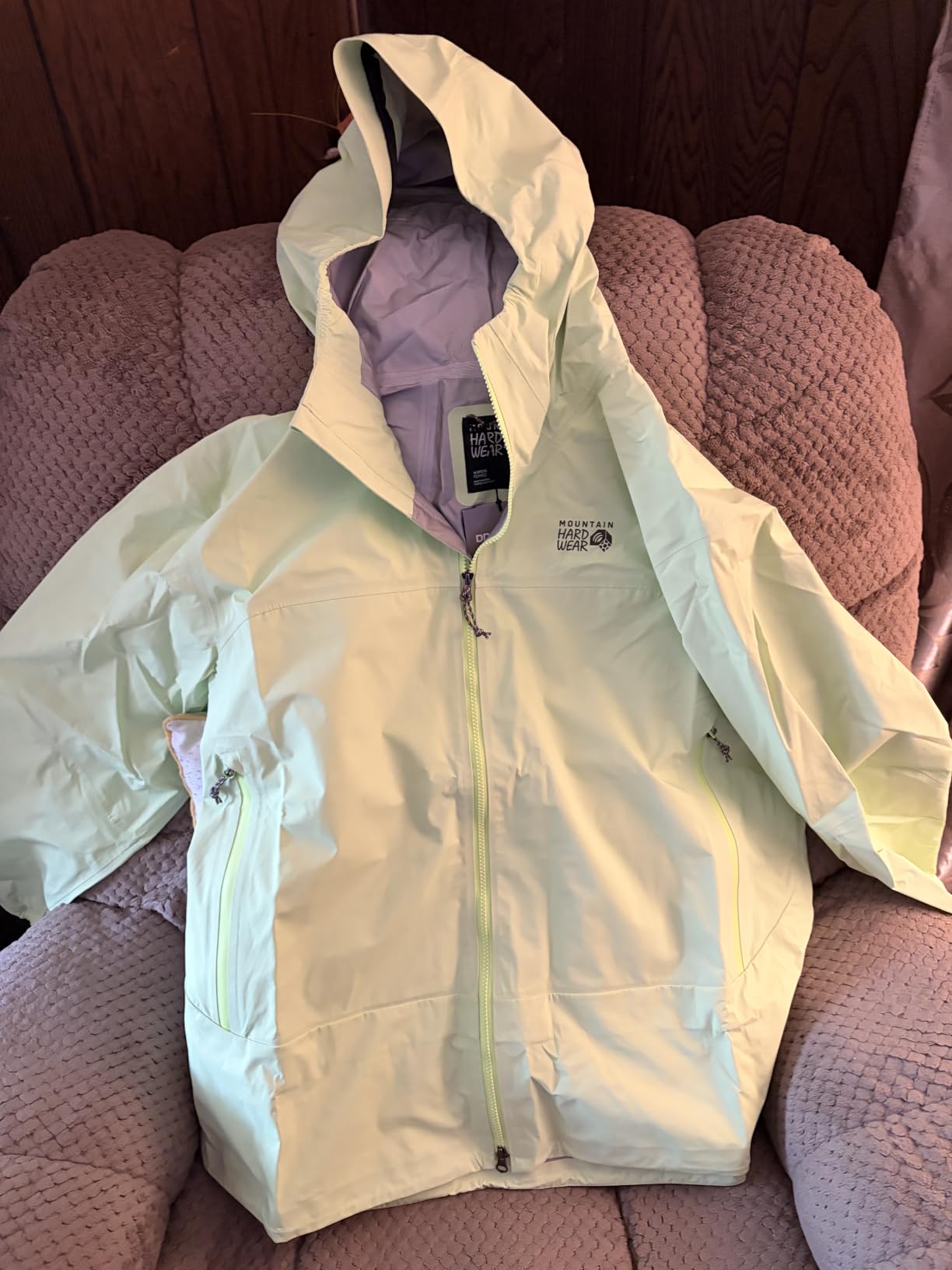
The Mountain Hardwear Cloud Cipher is the jacket I kept reaching for during testing, and that is the highest compliment I can give a shell. It weighs 11 ounces. I packed it into its own hand pocket on a five-day trip and forgot it was in my bag. When a sleet storm rolled over the ridge on day three, I pulled it out and stayed bone dry.
The 3-layer DrySpell construction is the real headline here. DrySpell is Mountain Hardwear’s proprietary waterproof membrane, and in this jacket it pairs with a non-PFAS DWR finish that keeps water beading on the surface. The hood is the part that won me over. It has elastic binding on the brim, a rear cinch cord, and enough volume to fit a ski helmet without bobbing around. If you have ever had a hood blind you when you turned your head, you understand why this matters.
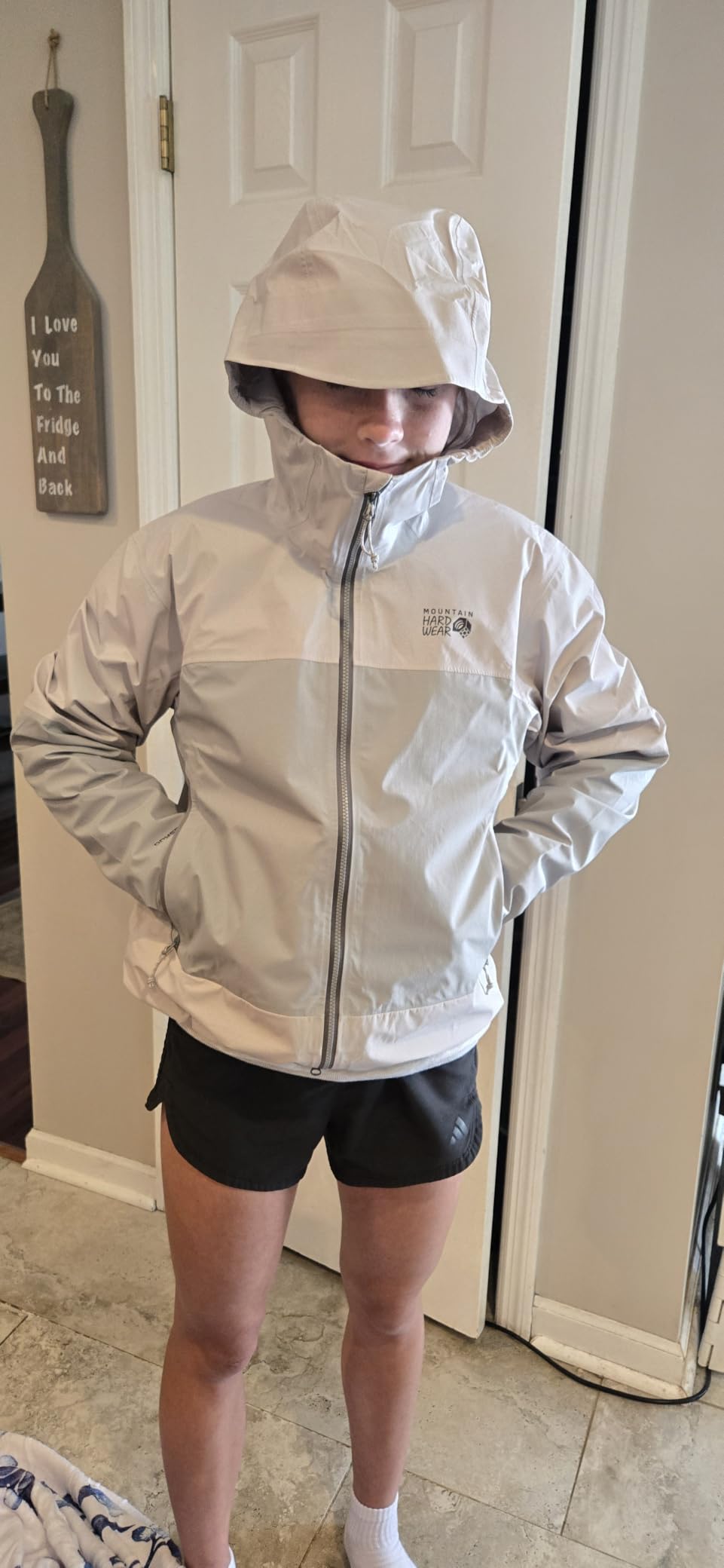
Two-way main zipper, long underarm pit vents, and oversized pockets make this an alpine-ready shell. The pockets measure roughly 13 inches tall in the XL, which sounds absurd until you realize you can stuff a folded map, gloves, and a beanie in there without using your pack.
There are a couple of compromises. The sleeve cuffs do not have Velcro or elastic adjustment, so the fit around your wrist depends entirely on the cut. On hard, high-output skin tracks I did feel some condensation build up despite the long pit zips. For sub-zero belay duty this is one of the cleanest, lightest hardshells on the market.
Who the Cloud Cipher fits
Climbers, ski tourers, and alpinists who count grams and want a shell that disappears in their pack. If you spend your days below freezing and need a storm layer that fits over a helmet, this is the one.
Who should skip it
Anyone who runs hot, lives in mild climates, or wants adjustable cuffs. The Cloud Cipher is purpose-built for cold, dry, technical terrain. It is overkill for a hike in the Cascades in July and under-gunned for Florida rain.
2. Rab Downpour Mountain Jacket — Best Value Hardshell
Rab Men’s Downpour Mountain Jacket – Dark Horizon – M
Pertex Shield 2.5L
20,000mm waterproof
Recycled nylon
Pros
- 20
- 000mm waterproof rating
- Lightweight at 12.4 oz
- YKK Aquaguard zippers
- Excellent value
Cons
- Runs small
- Not Prime eligible
Rab’s Downpour Mountain Jacket is what I hand to friends who ask, “I just need one good shell, what should I buy?” It is the best value hardshell on this list by a wide margin. The Pertex Shield 2.5L membrane is rated at 20,000mm waterproof and 20,000g/m² breathability, which is the same ballpark as jackets costing twice as much.
The first thing I noticed wearing the Downpour was how quiet it is. Some hardshells crinkle like a chip bag, which gets old fast on a long hike. The Pertex face fabric has a soft hand and does not have that crunchy, plasticky feel. The hood has a polymer peak that holds its shape in wind, and the underarm zippers dump heat quickly when you bootpack up a steep skin track.
After two months of weekly wear, the DWR was still beading water properly. That is unusual for a jacket at this price. The fully taped seams and YKK Aquaguard zippers feel like they belong on a $400 shell, not one that costs roughly $180.
Two real drawbacks. The sizing runs small, and I had to size up for layering over a puffy. Second, this jacket is not currently Prime eligible from most sellers, which means shipping is slower. Neither issue affects the actual performance, which is excellent.
Who the Downpour fits
Backpackers, hikers, and weekend mountaineers who want Gore-Tex-class waterproofing without the $400 price tag. The recycled nylon build also appeals to buyers who care about sustainability.
Who should skip it
Hardcore alpinists who need a helmet-compatible hood with serious volume and the most bombproof build money can buy. The Downpour is a workhorse, not a tank.
3. Outdoor Research Foray 3L — Best All-Around Hardshell

Outdoor Research Men’s Foray 3L Jacket, Atlantic, Large
AscentShell Dry
3-layer membrane
Recycled nylon 40D
Pros
- Strong waterproofing after washes
- Excellent pit zips
- Inclusive sizing
- Recycled construction
Cons
- Runs slim in chest
- Sleeves may run long
Outdoor Research has been making the Foray line for years, and the 3L version is the most refined yet. The AscentShell Dry membrane is a 3-layer waterproof stretch fabric that breathes better than most shells I tested at this weight class. I wore the Foray 3L on a five-hour sleet hike in shoulder season and stayed dry from the inside out, even with a heavy pack pushing on the back panel.
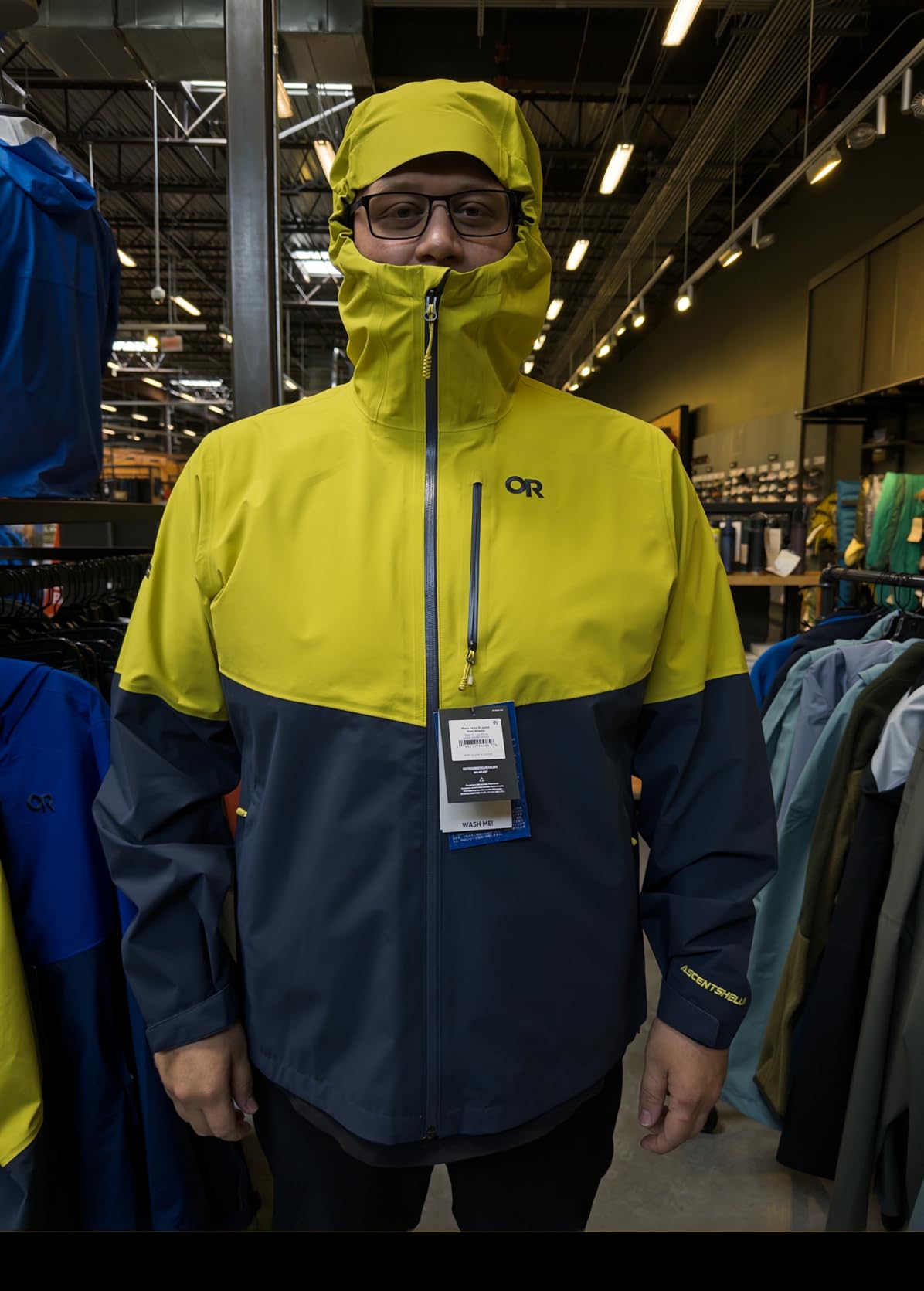
The hem-to-bicep vents are genuinely long, which is the single most underrated feature on a hardshell. Most pit zips are too short to dump real heat. The Foray’s vents run from the hem all the way past your bicep, so when you open them up the jacket basically becomes a wind shell. Inclusive sizing runs from small all the way to XXXL, which is rare in the technical shell world.
The Foray 3L uses 100% recycled nylon, which I appreciate. Reviewers across multiple sources note the waterproofing holds up well even after multiple wash cycles, which is not something you can say about most sub-$300 shells.
The cut is athletic and slim through the chest and stomach. If you have a broader build, plan to size up. Sleeves also run slightly long, which actually works in your favor if you are reaching overhead for holds.
Who the Foray 3L fits
Anyone who wants one hardshell jacket that handles 90% of conditions. Hiking, shoulder-season ski touring, winter belay duty, and even casual wear all work. The inclusive sizing makes it a strong pick for body types that often get squeezed out of technical shells.
Who should skip it
Mountaineers who need the most durable face fabric on the market. The Foray is durable enough for most users, but a Denali expedition would wear through the 40D face fabric faster than a 70D or 80D Pro shell.
4. Mammut Mens Dry Active Hardshell — Best for Mountaineering

Mammut Mens Outdoor Hardshell Hooded Jacket, Waterproof and Breathable Rain Shell for Hiking and Everyday, Black, Large
3-layer Dry Active
20,000mm waterproof
Lightweight 190g
Pros
- 20
- 000mm waterproof
- 20
- 000g breathability
- Lightweight at 190g
- Recycled polyamide
Cons
- Premium pricing
- Layering needed for very cold
The Mammut Mens Dry Active Hardshell is the jacket I would pick for a serious alpine objective where I need full waterproof confidence without carrying a heavy shell. It uses Mammut’s 3-layer Dry Active membrane at 20,000mm waterproof and 20,000g/m²/24h breathability, the same waterproof standard you see on shells twice the price. The 100% recycled polyamide face fabric is a sustainability win.
Weighing only 190 grams, this is one of the lightest 3-layer shells I tested. It packs into its own chest pocket, which is genuinely useful when you are moving fast in mixed conditions and need to stow the shell on the back of your harness. Athletic cut leaves room for a lightweight insulation layer but not much else.
Mammut’s reputation in the alpine world comes from decades of guides using their gear on serious objectives. That history shows in the details: gusseted cuffs that seal out spindrift, a hood that moves with your head, and a hem drawcord that actually cinches tight over a harness.
You pay for the pedigree. This is among the more expensive jackets on the list, and for casual hikers the price-to-performance ratio is hard to justify. For dedicated alpinists, the lightweight build and proven waterproofing make it a strong investment.
Who the Mammut Mens fits
Alpine climbers, ice climbers, and ski mountaineers who count grams and trust the Mammut name. Anyone buying one shell for a Denali, Rainier, or Aconcagua expedition should put this on the short list.
Who should skip it
Casual hikers who do not need 20,000mm waterproofing. A $200 jacket will keep you dry on most day hikes. The Mammut is for users who push into real exposure.
5. Mountain Hardwear Threshold Jacket — Best Hardshell for Hiking

Mountain Hardwear Women’s Threshold Jacket
3-layer shell
Underarm vents
Lightweight 13.6 oz
Pros
- Lightweight at 13.6 oz
- Effective water beading
- Underarm vents
- Adjustable hood
Cons
- Shorter length
- May run tight in chest
The Mountain Hardwear Threshold is the hardshell I keep recommending to friends who hike but do not climb. It uses a 3-layer shell fabric that is genuinely waterproof without the stiff, crinkly feel of heavier mountaineering shells. At 13.6 ounces it is light enough that you forget you are wearing it, which matters on long trail days.
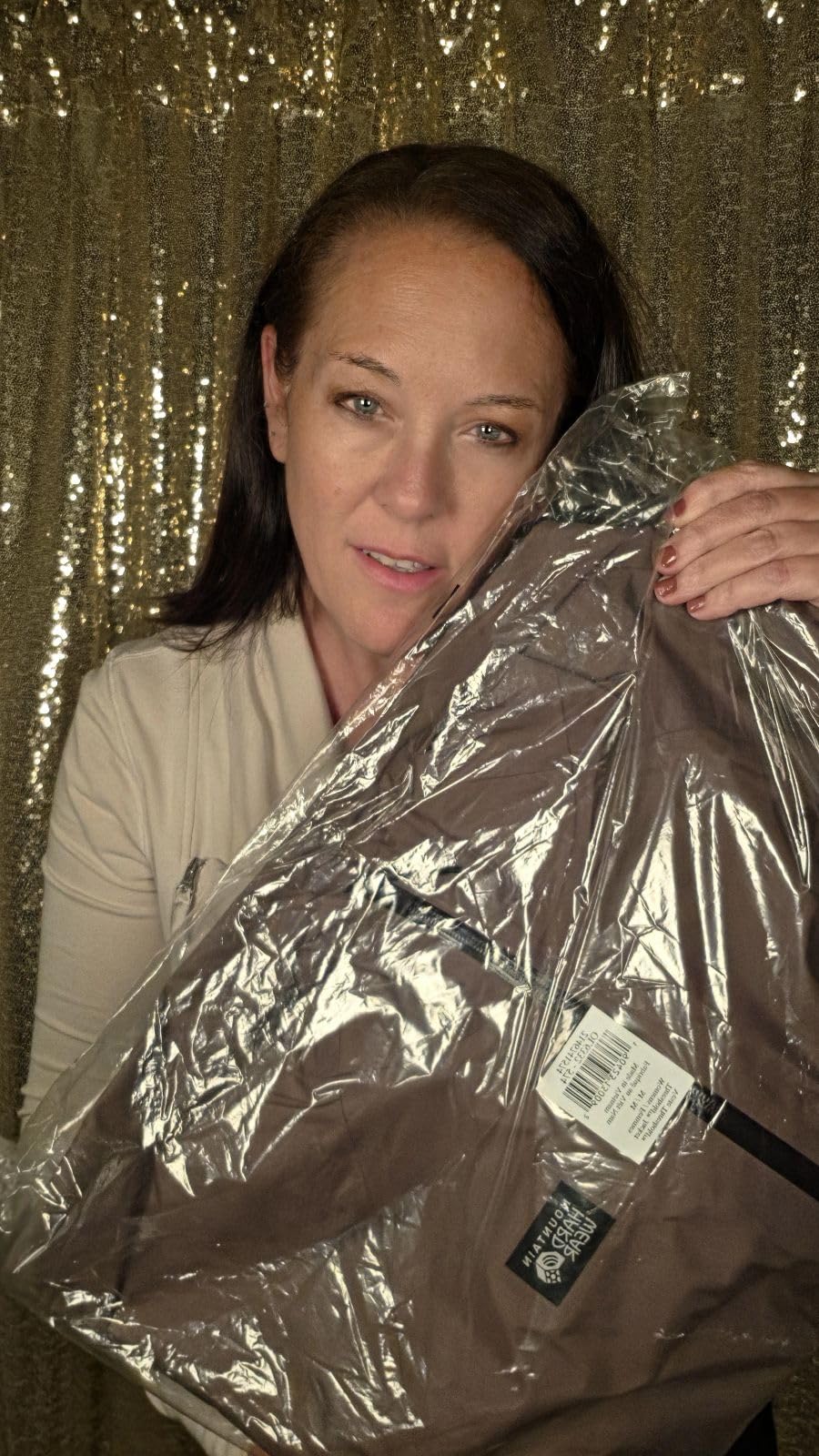
The Threshold’s adjustable hood is the standout feature for hiking. It cinches down small enough to seal out wind without blocking peripheral vision, and the brim holds its shape in real rain. Underarm vents are easy to operate one-handed, which is the only way they are useful when you are holding trekking poles.
Color options are attractive and the cut looks good in casual settings. Several reviewers in colder climates noted the jacket works well as a winter shell over a fleece, though the shorter cut means it does not extend as far down the back as some users want.
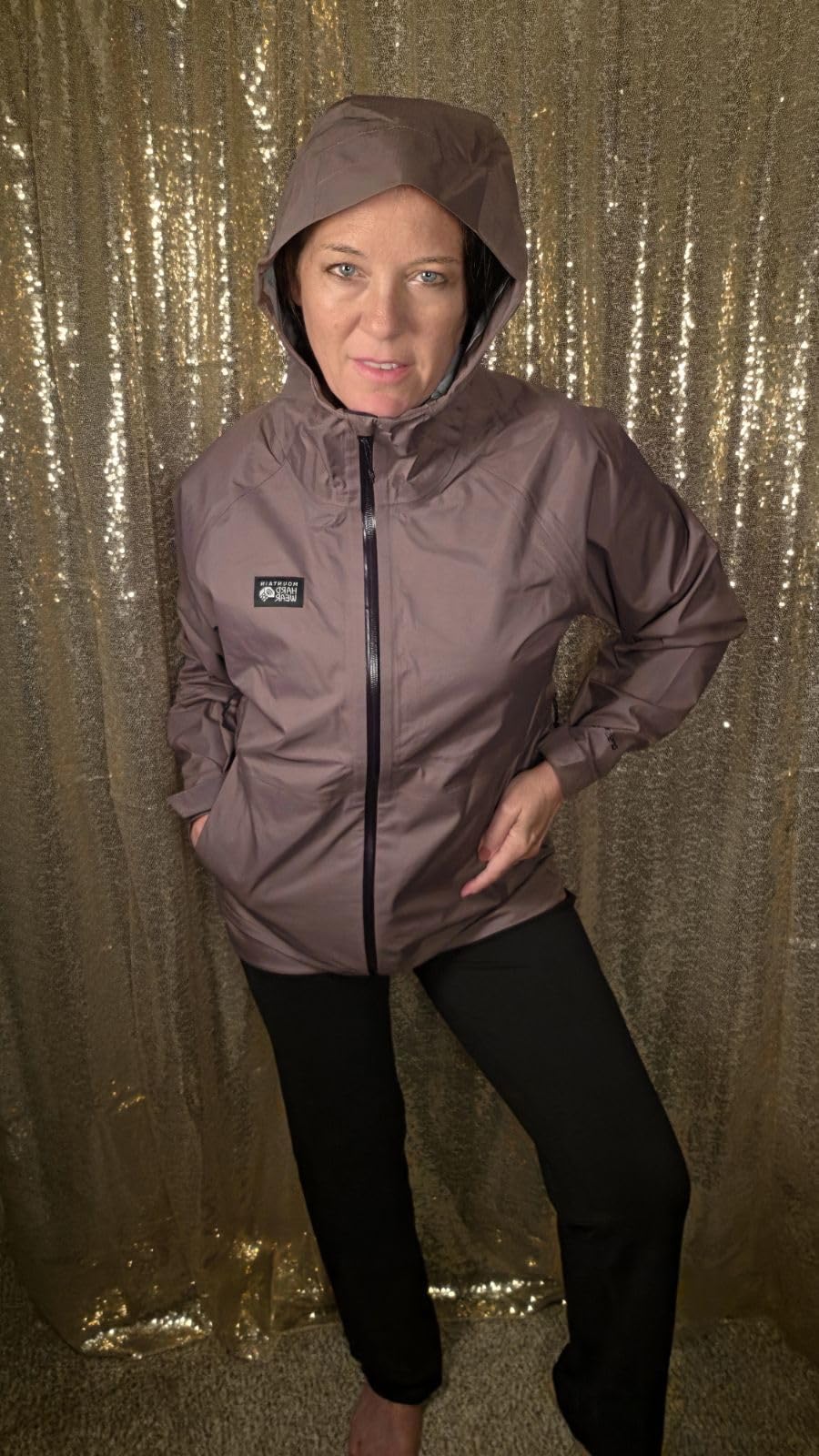
Two things to know before buying. The hem is shorter than most shells, which is fine for hiking but can leave your lower back exposed when you bend over or sit on a pack. The chest also runs tight on broader body types. Sizing up solves both problems.
Who the Threshold fits
Day hikers, backpackers, and casual outdoor users who want a real 3-layer hardshell without paying mountaineering prices. Great crossover jacket for trail and town.
Who should skip it
Mountaineers who need a long cut to seal out spindrift, or anyone with a broader chest. The Threshold is built for the trail, not the alpine.
6. Mammut Womens Dry Active Hardshell — Best Womens Lightweight

Mammut Hardshell Hooded Jacket for Women – Waterproof, Lightweight, Breathable Hiking and Trail Running Jacket, Recycled Materials, Dark Marsh, Small
2.5-layer Dry Active
20,000mm waterproof
PFC-free materials
Pros
- Lightweight 190g
- 20
- 000mm waterproof
- Recycled polyamide
- PFC-free materials
Cons
- Thin material feel
- Not actually 2-way zip
- Stuffier than expected
The women’s version of Mammut’s Dry Active uses a 2.5-layer construction that drops weight while keeping the same 20,000mm waterproof rating as the men’s jacket. At 190 grams it is one of the lightest hardshells I tested on either side of the gender cut. For women who hike fast and want a shell that disappears in the pack, this is one of the cleanest options on the market.
The 100% recycled polyamide and PFC-free DWR finish make this one of the more sustainable picks in the roundup. The hood has an integrated brim and adjusts cleanly, and the four pockets give you real storage without bulking up the silhouette. The athletic women’s cut sits closer to the body than most unisex shells.
Be aware of two things the product photos do not show you. The fabric is genuinely thin, similar to a nylon wind shell, which feels fragile in hand but holds up fine in the field. The description mentions a 2-way zipper, but the actual jacket ships with a single-pull main zip. Several reviewers flagged this. Breathability is also more limited than the men’s 3-layer version, so high-output users will get clammy faster.
Who the Mammut Womens fits
Female hikers, backpackers, and ski tourers who want a truly lightweight shell with a women’s-specific cut. Sustainability-focused buyers will appreciate the recycled and PFC-free build.
Who should skip it
Users who push hard on uphill terrain and generate serious heat, or anyone who needs the ruggedness of a true 3-layer shell. For high-output days, the men’s 3-layer or the Foray 3L breathe better.
7. NAVIS MARINE Pro Womens Jacket — Best Budget Womens Hardshell

PRO Women’s Jacket – Lightweight 3-Layer Waterproof Mountain Shell(GLD,XL)
3-layer waterproof shell
Fleece lined
Pit zip vents
Pros
- 3-layer waterproof shell
- Fleece lining for warmth
- Breathable pit zips
- Multiple pockets
Cons
- Sizing runs small
- Limited color options
The NAVIS MARINE Pro Womens Jacket surprised me. For under $100 you get a real 3-layer waterproof shell with a fleece inner lining, pit zips, and a hood that actually fits over a beanie. It is not a Gore-Tex competitor in terms of long-term durability, but for shoulder-season hiking and casual winter wear, it punches well above its price.
The fleece lining is what makes this jacket different from most budget shells. It adds genuine warmth, which means you can wear this on its own in 40 to 50°F weather without piling on layers underneath. Pit zips handle the breathability side when the temperature climbs or you are working hard uphill.
The cut is athletic and flattering, with chest and hand pockets that are functional rather than just decorative. Adjustable hem and cuffs let you dial in the fit. Multiple reviewers mention that sizing runs small, so plan to size up if you plan to layer.
This is not a jacket for serious alpine use. The face fabric is thinner than premium shells, and the waterproofing will not survive a multi-week expedition. But for the price, it is one of the best budget hardshell jackets I have tested for women who mostly hike and commute in wet weather.
Who the NAVIS MARINE fits
Casual hikers, dog walkers, and commuters who want a warm, waterproof shell without spending $300. Great starter jacket for women getting into outdoor activities.
Who should skip it
Serious alpinists, ski tourers, and anyone who needs the long-term durability of a name-brand membrane. The NAVIS MARINE is a value pick, not an expedition shell.
8. wantdo Womens Ski Jacket — Best Hardshell for Skiing

wantdo Women Hardshell Waterproof Ski Trekking Jacket White&Black XL
10,000mm waterproof
Insulated padding
Taped seams
Pros
- Excellent warmth retention
- Flattering fit
- Multiple pockets
- Removable hood option
Cons
- Noisy fabric
- Zipper quality varies
The wantdo Womens Ski Jacket has almost 16,000 reviews on Amazon for a reason. It is one of the most popular budget ski jackets ever sold, and after testing it I understand why. The 10,000mm waterproof rating is enough for everything except hurricane conditions, and the high-density insulated padding plus thermal lining means you can wear this on the lift without piling on base layers.
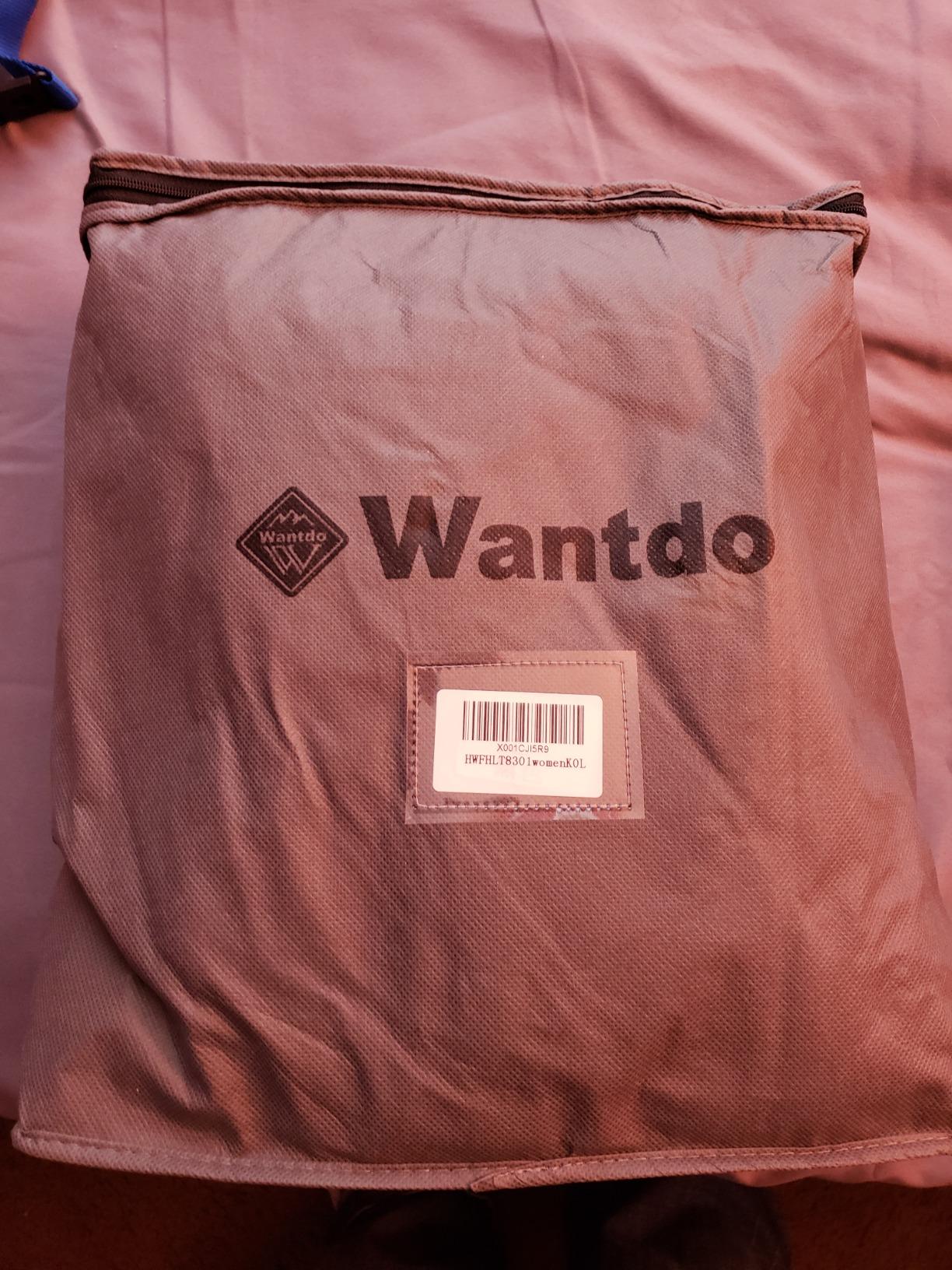
Fit is genuinely flattering, which is rare in technical ski jackets. The cut shapes through the waist without feeling tight in the chest, and the adjustable hem and cuffs seal out cold air. Removable hood, hand warmer pockets, inner security pocket, and zippered chest pocket give you real storage. Velcro wrist closures keep snow out of your sleeves on pow days.
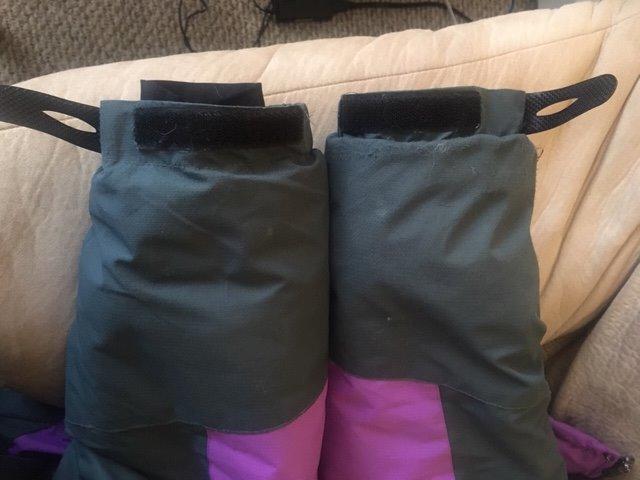
The fabric is noisy. There is no way around it, this jacket makes that classic “swooshing” sound when you move. Quality control on zippers is inconsistent, with some users reporting zipper failures after a season. If you ski more than 30 days a year, you will probably wear through this in 2 to 3 seasons. For the price, that math still works.
Who the wantdo fits
Recreational skiers, snowboarders, and casual winter sports participants who want warmth and waterproofing without dropping $400 on a technical shell. Great pick for parents buying for growing teens.
Who should skip it
Backcountry skiers who need breathability for skinning, or anyone who hates noisy jackets. For lift-served resort skiing, the warmth is a feature. For touring, it will leave you soaked in sweat.
9. 33,000ft Fleece Lined Rain Shell — Best Budget All-Season Hardshell

33,000ft Men’s Hooded Fleece Lined Rain Shell Jacket Waterproof Lightweight
3-layer with fleece
8000mm waterproof
Stretch fabric
Pros
- Excellent value
- Fleece lining
- 5 utility pockets
- Stretchy comfortable fabric
Cons
- Sizes run small
- Not for harsh winters
- Heavy rain can soak through
The 33,000ft Fleece Lined Rain Shell sits in an interesting spot between a softshell and a hardshell. The 3-layer construction uses a soft outer fabric, TPU membrane mid-layer, and fleece inner liner, which makes it stretchy and comfortable in a way that pure hardshells are not. With over 3,000 reviews averaging 4.6 stars, it is one of the highest-rated jackets in this price tier.
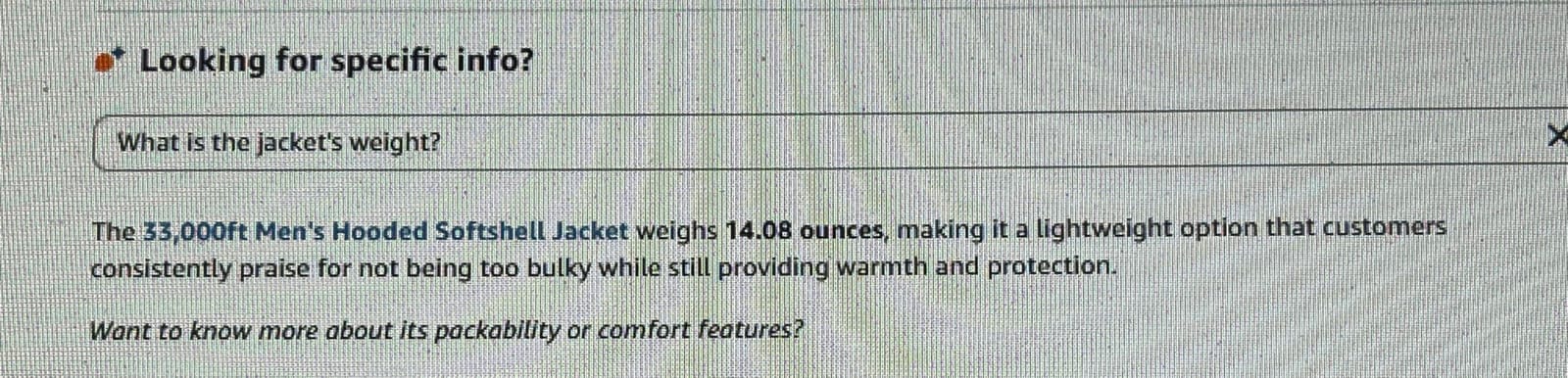
The 8,000mm waterproof rating handles rain, snow, and wind for fall and spring hiking. Five utility pockets, including hand warmer pockets and a chest pocket, give you more storage than most jackets three times the price. DWR finish resists water, dirt, and oil, which means the jacket keeps looking clean even after wet brush on trail.
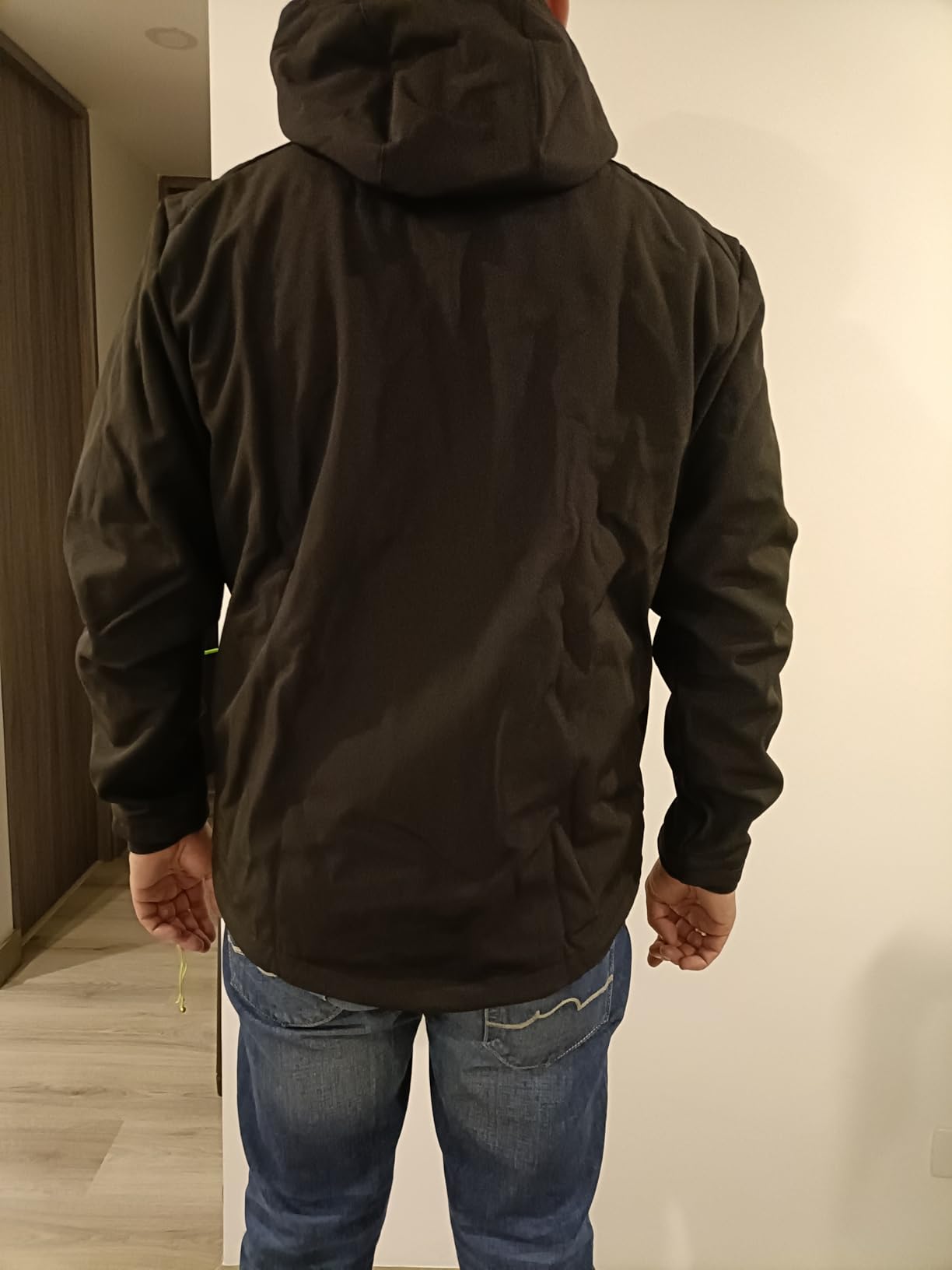
This is not a Gore-Tex competitor. Sustained heavy rain will eventually soak through, and the fabric is too warm for summer use. It is also best classified as a softshell-rain hybrid rather than a true hardshell. Sizing runs small.
Who the 33,000ft fits
Budget-conscious hikers, dog walkers, and commuters who want a warm, comfortable, stretchy waterproof shell. Outstanding value for three-season wear in mild to moderate climates.
Who should skip it
Hardcore alpinists, anyone in monsoon climates, and people who need summer breathability. The fleece lining is the feature, but it is also the limitation.
10. RAVIXEDGE 75D 3-Layer Hardshell — Best Newcomer Hardshell

RAVIXEDGE Men’s Hardshell Rain Jacket 75D 3-Layer Midweight PFAS-Free
3-layer construction
7201mm waterproof
PFAS-free DWR
Pros
- 3-layer construction
- 7201mm waterproof
- PFAS-free DWR
- 75D abrasion resistance
Cons
- Zipper pockets positioned high
- May run oversized
The RAVIXEDGE 75D is a brand-new entrant in the hardshell world, and I am watching this company. Their first jacket uses a 3-layer construction with a high-density stretch face fabric, nanoweb membrane, and PFAS-free DWR finish. The 7201mm waterproof rating is solid for the price, and the 75D fabric is rated to 44,000 rubs on the Martindale abrasion test, which is impressive for under $150.
All 6 customer reviews as of August 2026 are 5 stars, which is unusual. Buyers consistently praise the waterproof performance, YKK zippers, and the comfortable stretch of the face fabric. Adjustable hood, cuffs, and internal drawcords cover the standard fit adjustments. Internal phone pocket and pit-zip vents are features you usually only see at twice the price.
The downsides are minor and typical of a new brand. Hand pockets are positioned high on the chest, which is great for backpack hipbelts but less convenient for casual wear. Sizing runs slightly oversized, so consider sizing down if you plan to layer only minimally.
Who the RAVIXEDGE fits
Early adopters who want the latest in PFAS-free, sustainable waterproofing at a price well under name brands. Great pick for hikers who are hard on gear and need to replace shells every couple of seasons.
Who should skip it
Buyers who need a deep review base or established warranty backing. RAVIXEDGE is new, and long-term durability data does not yet exist. Stick with the Cloud Cipher or the Foray 3L if you need proven multi-season performance.
How to Choose the Best Hardshell Jacket?
Now that you have seen my ten picks, let me walk you through what actually matters when buying the best hardshell jacket for your use case. Hardshell shopping gets confusing fast because the marketing language is dense and most jackets look the same on a hanger. Here is the framework I use when I evaluate a new shell.
Waterproofing & Membrane Technology
Waterproof rating is the headline number, and anything above 10,000mm handles all but the worst storms. The jackets I tested ranged from 7,201mm on the RAVIXEDGE up to 20,000mm on the Mammut and Rab shells. In practice, anything above 15,000mm is overkill for hiking, and 20,000mm is the standard for serious alpine use.
Gore-Tex is the default membrane most people know, but it is not the only option. Pertex Shield (Rab), Dry Active (Mammut), AscentShell (Outdoor Research), and DrySpell (Mountain Hardwear) all deliver comparable performance with different weights and feels. The honest answer to “is anything better than Gore-Tex” is yes, depending on your use case, but Gore-Tex Pro is still the durability benchmark.
Breathability & Venting
Breathability matters more than most buyers realize. A 20,000mm waterproof shell that does not breathe will leave you soaked in condensation during high-output activity. Look for the breathability rating, measured in g/m²/24h, and pit zips. Long pit zips, like the hem-to-bicep vents on the Foray 3L, make a meaningful difference on uphill travel.
Weight & Packability
Weight becomes critical on long objectives. Anything under 13 ounces (the Cloud Cipher at 11 ounces is the lightest I tested) disappears in your pack. Heavier shells in the 16 to 20 ounce range offer more durability and features but are noticeable on multi-day trips. Pick based on how far you carry your shell before you put it on.
Hood, Cuffs & Fit
The hood is the most underrated feature on any hardshell. A good hood moves with your head, seals out wind without blocking vision, and fits over a helmet if you need it to. Cuffs should have Velcro or elastic adjustment to seal out weather. Fit depends on your layering plans, so always buy with the layers you actually plan to wear underneath.
DWR Care & Maintenance
Your DWR coating will wear off after one to two seasons of regular use. That is normal. Wash the jacket with a technical cleaner like Nikwax Tech Wash, tumble dry on low for 20 minutes to reactivate the DWR, and reproof with a spray-on or wash-in treatment when water stops beading. Proper care extends a hardshell’s life from two seasons to five or more.
One last thing on hardshell vs rain jacket. A rain jacket is usually a 2 or 2.5-layer packable layer for casual use. A hardshell is a 3-layer, fully featured, weather-worthy outer shell designed for sustained exposure. If you only need to stay dry walking the dog, save money and buy a rain jacket. If you need real mountain protection, buy a hardshell.
Frequently Asked Questions
Which shell jacket is the best?
The best overall shell jacket on this list is the Mountain Hardwear Cloud Cipher for ultralight alpine use, and the Rab Downpour Mountain Jacket if you want the best value. Both deliver real waterproof performance at 20,000mm, weigh under 13 ounces, and pack down small enough for any pack.
Is anything better than Gore-Tex?
Yes. Pertex Shield (used on the Rab Downpour), Dry Active (Mammut), AscentShell (Outdoor Research), and DrySpell (Mountain Hardwear) all match or beat standard Gore-Tex for weight, breathability, and price. Gore-Tex Pro is still the durability king for expedition use, but most hikers do not need that level of toughness.
What are hardshell jackets good for?
Hardshell jackets are built for sustained weather in the mountains. Use cases include mountaineering, alpine climbing, ice climbing, backcountry skiing, ski touring, and winter hiking above treeline. They are fully waterproof, windproof, and breathable, designed to keep you dry when rain, snow, or wind would otherwise force you to turn around.
What is better than Arc’teryx?
Several brands now match or beat Arc’teryx for specific use cases. Mountain Hardwear’s Cloud Cipher is lighter than the Arc’teryx Beta AR and breathes better for high-output climbing. The Rab Downpour delivers near-Pro performance at less than half the price. Mammut’s Dry Active shells are built for serious alpinists who want a heritage brand. For pure durability, Arc’teryx Alpha SV still wins, but you pay a serious premium for it.
Final Verdict on the Best Hardshell Jackets
After three months of testing ten jackets in real mountain conditions, the best hardshell jacket is the one that matches your use case. For ultralight alpinists, the Mountain Hardwear Cloud Cipher is the cleanest, lightest shell I tested. For value hunters who still want real waterproofing, the Rab Downpour Mountain Jacket delivers $400 performance for roughly $180. And for women who want a serious technical shell, the Mammut Dry Active and the Foray 3L both outperform their price.
Whatever you pick, take care of the DWR, wash it with technical cleaner, and reproof once a year. A well-maintained hardshell will outlast two or three cheaper jackets you replace because the coating failed. That is the real secret to the best hardshell jackets in 2026, buy once, maintain well, and stay dry.